Unlock your full potential by mastering the most common Ability to manage a caseload interview questions. This blog offers a deep dive into the critical topics, ensuring you’re not only prepared to answer but to excel. With these insights, you’ll approach your interview with clarity and confidence.
Questions Asked in Ability to manage a caseload Interview
Q 1. Describe your experience managing a high-volume caseload.
Managing a high-volume caseload requires a structured approach and a keen eye for efficiency. In my previous role at [Previous Company Name], I routinely handled over [Number] cases concurrently. This involved a daily juggling act of prioritizing urgent matters, ensuring timely completion of tasks, and maintaining consistent communication with clients. My success stemmed from a combination of robust organizational systems, proactive planning, and a commitment to continuous improvement.
For instance, I implemented a color-coded system for tracking case statuses, allowing me to instantly assess the urgency and progress of each case at a glance. This visual representation, coupled with regular review meetings, helped me stay ahead of deadlines and prevent any case from falling through the cracks.
Q 2. How do you prioritize tasks within a demanding caseload?
Prioritization in a demanding caseload is akin to navigating a busy intersection – you need a clear strategy to avoid gridlock. My approach is based on a combination of urgency and importance. I use the Eisenhower Matrix (urgent/important), assigning tasks to quadrants to determine their priority. Urgent and important tasks get immediate attention, while important but not urgent tasks are scheduled for later.
For example, a client facing imminent legal action would take precedence over a routine administrative task. I also utilize time blocking and project management tools to allocate specific time slots for high-priority tasks, ensuring they are completed within the necessary timeframe.
Q 3. What strategies do you use to organize and track client/case information?
Organizing and tracking client/case information is paramount for maintaining accuracy and efficiency. I rely on a multi-faceted approach involving both digital and physical tools. My preferred digital tool is a comprehensive CRM (Customer Relationship Management) system like [Name of CRM Software]. This system allows me to store all relevant client information – contact details, case history, documents, deadlines – in a centralized, easily searchable database.
Additionally, I maintain a meticulous filing system for physical documents, employing a color-coded system similar to my case status tracking for easy retrieval. This dual approach ensures quick access to critical information regardless of format, which is crucial when dealing with multiple clients and cases simultaneously.
Q 4. How do you handle conflicting deadlines within your caseload?
Conflicting deadlines are an inevitable part of managing a substantial caseload. I address this by proactively communicating with all stakeholders – clients, colleagues, and superiors – to clearly outline the constraints and explore potential solutions. This involves open discussion to re-prioritize tasks, potentially adjusting deadlines or reassigning certain tasks where feasible.
For instance, if two crucial deadlines fall on the same day, I will engage in a collaborative discussion with clients to assess the potential impact of a slight shift in one deadline. Transparency is key; managing expectations effectively reduces stress and fosters a collaborative solution.
Q 5. What software or tools do you utilize for caseload management?
My technology toolkit for caseload management includes several key software and tools. As mentioned, a robust CRM system is fundamental. Beyond that, I leverage project management software like [Name of Project Management Software] for task assignment, deadline tracking, and progress monitoring. This software provides a visual overview of my workload, allowing me to identify potential bottlenecks and adjust my schedule accordingly.
Furthermore, I utilize cloud-based storage solutions like [Name of Cloud Storage] to ensure secure and accessible storage of sensitive client data and documents.
Q 6. Describe a time you had to delegate tasks within your caseload.
Delegation is a crucial skill for efficient caseload management. In a past project involving a large-scale audit, the sheer volume of data entry threatened to overwhelm the timeline. I recognized the need to delegate the data entry portion to a junior team member. Before delegating, I provided thorough training, clear instructions, and established regular check-in points to ensure quality and accuracy.
This successful delegation not only saved me valuable time but also provided a valuable learning opportunity for the junior team member, contributing to their professional development. I always ensure that delegation is accompanied by clear communication and adequate support.
Q 7. How do you identify and address potential bottlenecks in your caseload workflow?
Identifying and addressing bottlenecks requires a proactive and analytical approach. I regularly review my workflow, looking for recurring delays or inefficiencies. This often involves analyzing my time tracking data from project management software to pinpoint areas consuming excessive time. Once a bottleneck is identified, I analyze its root cause.
For example, if I consistently experience delays in obtaining client signatures on documents, I might implement a streamlined electronic signature process. Addressing bottlenecks systematically leads to significant improvements in efficiency and overall case management effectiveness.
Q 8. Explain your process for escalating urgent cases or issues.
My process for escalating urgent cases involves a clear and structured approach. First, I assess the urgency, identifying the potential impact and time sensitivity. This involves considering factors like deadlines, regulatory requirements, and client impact. Then, I gather all relevant information—documentation, communication history, and any other pertinent data—to provide context for the escalation.
Next, I utilize the pre-defined escalation path within our organization. This might involve notifying my immediate supervisor, a senior team member, or a specialized department, depending on the issue’s nature. During this notification, I clearly articulate the problem, its severity, my attempts at resolution, and my recommended next steps. I also ensure clear communication channels are established for regular updates and collaborative problem-solving.
For example, if a critical system failure impacted client access, I would immediately inform my supervisor, providing details on the outage and its potential impact on service level agreements. We would then collaborate on a solution, potentially engaging IT support, to restore service and minimize disruption. Open and timely communication throughout the escalation process is crucial to achieving a swift and effective resolution.
Q 9. How do you maintain accuracy and efficiency when managing a large caseload?
Maintaining accuracy and efficiency with a large caseload requires a multi-pronged approach. Firstly, I rely heavily on robust organization systems. This includes utilizing a case management system (more on that later) to track progress, deadlines, and relevant information. This system helps eliminate the risk of missed deadlines or duplicated efforts.
Secondly, I leverage process automation wherever possible. This includes utilizing templates for routine tasks, automated reminders for follow-ups, and employing software to streamline data entry. This frees up valuable time to focus on more complex and demanding tasks. Thirdly, I prioritize tasks based on urgency and importance. This ensures that the most critical cases receive immediate attention, while less urgent cases are handled efficiently but without compromising quality.
Finally, regular review and self-assessment are crucial. I regularly audit my processes to identify areas for improvement and to ensure that I’m working in the most efficient manner possible. This also includes actively seeking feedback from colleagues and supervisors to identify blind spots and improve overall performance. Imagine it as regularly decluttering your workspace—a clean and organized system allows for faster and more accurate work.
Q 10. How do you measure your success in managing a caseload?
Measuring my success in caseload management involves a combination of quantitative and qualitative metrics. Quantitatively, I track key performance indicators (KPIs) like case closure rates, average handling time, and client satisfaction scores. A higher closure rate, shorter handling time, and improved client satisfaction indicate strong performance.
Qualitatively, I assess the quality of my work through regular self-reflection and feedback from colleagues and supervisors. This includes reviewing case notes to ensure thoroughness, accuracy, and adherence to procedures. Positive feedback from clients, successful resolution of complex cases, and a reduction in errors also contribute to an overall assessment of successful caseload management. For example, successfully navigating a complex legal dispute, leading to a positive outcome for the client, would be a significant qualitative measure of success.
Q 11. Describe your approach to handling unexpected changes or emergencies within your caseload.
Handling unexpected changes or emergencies requires adaptability, resourcefulness, and a proactive approach. My first step is to assess the situation’s impact on my current caseload and overall priorities. Then, I prioritize tasks, focusing on the most urgent and critical cases first. This may involve re-allocating resources, seeking additional assistance from colleagues, or modifying existing plans.
Open communication is paramount. I immediately inform relevant stakeholders—supervisors, colleagues, and clients—about the change, outlining potential implications and the steps being taken to mitigate the impact. Transparency and proactive communication are key to maintaining trust and managing expectations. For instance, if an unexpected regulatory change impacts a significant number of cases, I would immediately inform my supervisor and impacted clients, explaining the implications and the revised course of action.
Finally, after the immediate crisis is handled, I conduct a post-incident review to identify lessons learned and to improve future preparedness. This includes documenting the response process, identifying areas for improvement in existing protocols, and updating relevant procedures. This cyclical approach ensures continuous improvement and better responsiveness to future unexpected events.
Q 12. How do you manage your time effectively while handling a significant caseload?
Effective time management is crucial when handling a significant caseload. I employ several strategies. First, I utilize time-blocking techniques, scheduling specific time slots for particular tasks or types of cases. This helps maintain focus and prevents task-switching, which can significantly reduce efficiency. I also prioritize tasks using methods like the Eisenhower Matrix (urgent/important), ensuring that high-priority tasks receive immediate attention.
Secondly, I utilize technology to streamline my workflow. This includes using project management software to track progress, calendars for scheduling appointments, and automated reminders to avoid missed deadlines. Thirdly, I regularly review my workload and adjust my schedule as needed. This includes proactively identifying potential bottlenecks and adjusting my priorities accordingly. It’s like having a well-oiled machine—each part is working efficiently and contributing to the overall outcome.
Finally, I actively manage interruptions. This involves setting specific times for email checks and phone calls to minimize distractions and maintain focus during dedicated work periods. I also communicate my availability to colleagues and clients to minimize disruptions during high-focus periods. Regular breaks are also vital to maintain productivity and avoid burnout.
Q 13. How do you stay organized and avoid feeling overwhelmed when dealing with multiple cases?
Staying organized and avoiding overwhelm involves a combination of strategies. A robust case management system is essential, providing a centralized repository for all case-related information. I use color-coding, tagging, and filtering features to quickly locate specific cases and track progress. I also leverage visual aids such as Kanban boards or project timelines to visualize workflow and identify potential bottlenecks.
Regular decluttering of both my physical and digital workspace is key. I periodically review my files, deleting outdated or irrelevant information to maintain a clean and organized environment. I also employ the “two-minute rule,” tackling small tasks immediately to prevent them from piling up. This prevents small tasks from building up and causing stress later.
Finally, self-care is paramount. Prioritizing breaks, maintaining a healthy work-life balance, and employing stress management techniques are crucial to prevent burnout and maintain productivity in the long run. Think of it like maintaining a garden—regular tending and care ensure its continued flourishing.
Q 14. Describe your experience using a case management system.
I have extensive experience utilizing various case management systems, most recently [Name of System]. This system allows for efficient case tracking, documentation management, and communication with clients and colleagues. I’m proficient in utilizing its features, including case creation, assigning tasks, setting deadlines, and generating reports. I find its workflow automation features particularly helpful, allowing me to streamline repetitive tasks and increase efficiency.
For example, the system’s automated email notifications for upcoming deadlines ensure that I never miss crucial dates. Its reporting features enable me to track key performance indicators (KPIs) like case closure rates and average handling time, allowing for continuous improvement and performance monitoring. The system also facilitates seamless collaboration among team members, allowing for efficient information sharing and coordinated effort on complex cases. My experience includes using the system for data entry, retrieval, reporting and overall case management which has helped me reduce errors and improve overall case handling time.
Q 15. How do you ensure all cases within your workload meet deadlines?
Meeting deadlines in case management requires a proactive and organized approach. I utilize a combination of techniques to ensure timely completion of all cases. Firstly, I employ a robust prioritization system, often using a Kanban board or similar visual management tool to track progress and identify potential bottlenecks. This allows me to allocate time effectively and focus on high-priority, time-sensitive tasks first. Secondly, I break down larger cases into smaller, manageable tasks with clearly defined deadlines for each. This makes the overall task less daunting and allows for better tracking of progress. Regular review of my caseload – ideally daily – ensures I stay on track and address any emerging issues promptly. Finally, I proactively communicate with clients and stakeholders to manage expectations and address any potential delays early on. For example, if I foresee a challenge meeting a deadline, I immediately inform the client and propose a revised timeline, collaborating on a solution that works for all parties.
Imagine trying to bake multiple cakes simultaneously. You wouldn’t just throw all the ingredients in at once; you’d carefully plan each step, focusing on one cake at a time to ensure each is baked perfectly and on time. Similarly, breaking down large cases into smaller tasks ensures a more efficient and timely completion of my caseload.
Career Expert Tips:
- Ace those interviews! Prepare effectively by reviewing the Top 50 Most Common Interview Questions on ResumeGemini.
- Navigate your job search with confidence! Explore a wide range of Career Tips on ResumeGemini. Learn about common challenges and recommendations to overcome them.
- Craft the perfect resume! Master the Art of Resume Writing with ResumeGemini’s guide. Showcase your unique qualifications and achievements effectively.
- Don’t miss out on holiday savings! Build your dream resume with ResumeGemini’s ATS optimized templates.
Q 16. What is your approach to maintaining client communication while managing a large caseload?
Maintaining client communication with a large caseload demands strategic planning and efficient tools. I prioritize clear and consistent communication channels, utilizing email, phone calls, and project management software to keep clients informed. I schedule regular check-in calls or emails, tailored to the client’s preference and the urgency of the case. For example, clients with high-priority cases might receive daily updates, while others might receive weekly summaries. I also make sure to document all communication thoroughly, ensuring a clear audit trail and minimizing misunderstandings. Additionally, I leverage project management tools that allow for easy sharing of documents and updates, keeping clients in the loop throughout the process. For instance, I might use a shared online document repository to make files readily accessible to the client, fostering transparency and collaboration. Finally, I encourage open communication and actively solicit feedback from clients to identify and resolve any concerns promptly.
Q 17. How do you balance multiple competing priorities within your caseload?
Balancing multiple competing priorities requires a methodical approach. I prioritize tasks based on urgency, impact, and deadline using a system like Eisenhower Matrix (Urgent/Important). This helps me to distinguish between tasks that require immediate attention and those that can be scheduled for later. I also utilize time management techniques like time blocking and the Pomodoro Technique to focus on one task at a time and maintain concentration. Moreover, delegation is a crucial skill in this context. If possible, I delegate tasks that can be handled by others, freeing up my time to concentrate on high-priority cases. Regularly reviewing my priorities and adjusting my schedule as needed ensures I remain adaptable and responsive to changing demands. For example, a sudden crisis in one case might necessitate a shift in priorities, requiring me to reallocate resources and time.
Q 18. How do you adapt your case management strategies to different case types or complexities?
Adapting my case management strategies depends greatly on the case type and complexity. For simpler cases, a streamlined approach with standardized procedures might suffice. However, complex cases often require a more tailored, flexible strategy. I might need to involve additional resources, such as specialists or consultants, or adjust my communication frequency to align with the client’s needs. I also utilize different project management methodologies depending on the case; for instance, Agile methodologies might suit fast-paced, iterative cases, while Waterfall might be better suited for cases with clearly defined stages. Regularly reviewing my case management processes ensures they remain relevant and effective in addressing the varying demands of different case types. For example, a complex legal case would necessitate a far more detailed and documented process compared to a simple data entry task.
Q 19. Describe your experience with reporting on caseload performance metrics.
Reporting on caseload performance is crucial for demonstrating efficiency and identifying areas for improvement. My experience includes generating reports on key metrics like case resolution time, client satisfaction, and the number of cases handled per period. I use data visualization tools, such as dashboards and charts, to present this information clearly and concisely. These reports help to identify trends and patterns, allowing for data-driven decision making. For example, if the average case resolution time is consistently exceeding the target, it indicates a need for process improvement or additional resources. I also use these reports to demonstrate my contributions to the team and track individual and team progress towards goals. The reports are tailored to the specific needs of stakeholders, ensuring that relevant information is presented in a digestible format.
Q 20. How do you ensure compliance with relevant regulations when managing cases?
Compliance with relevant regulations is paramount in case management. I ensure compliance by staying updated on all applicable laws, regulations, and industry best practices. I also maintain thorough documentation of all case-related activities, ensuring that all actions are properly recorded and auditable. This includes meticulously documenting client interactions, decisions made, and the rationale behind those decisions. Regular internal audits and reviews are conducted to identify and rectify any compliance gaps. For example, in healthcare, adherence to HIPAA regulations is non-negotiable; thus, secure data handling practices and appropriate authorization protocols are strictly followed. Proactive compliance measures prevent potential legal issues and maintain the integrity of my work.
Q 21. How do you handle situations where a case requires more time than initially allocated?
When a case requires more time than initially allocated, proactive communication is essential. I immediately inform the client and other stakeholders, explaining the reasons for the delay and proposing a revised timeline. I collaborate with the client to find a mutually acceptable solution, perhaps by adjusting the scope of work or prioritizing specific tasks. Internally, I might need to request additional resources or adjust my workload to accommodate the extra time required. Transparency and open communication are key to managing expectations and maintaining trust with the client during unforeseen circumstances. For example, if an unexpected legal challenge arises, I’ll immediately inform the client, explain the impact on the timeline, and propose a plan to address the issue, keeping them updated on progress.
Q 22. How do you proactively identify potential risks or issues within your caseload?
Proactive risk identification within a caseload is crucial for efficient and effective case management. It’s not enough to simply react to problems; we need to anticipate them. I approach this using a multi-faceted strategy.
- Regular Case Reviews: I schedule regular reviews of each case, examining timelines, progress, potential roadblocks, and client needs. This allows for early detection of issues before they escalate.
- Client Communication: Open and frequent communication with clients is paramount. This helps me understand their concerns and identify potential problems early on. Active listening and asking clarifying questions are key here.
- Data Analysis: Utilizing data analytics within the case management system, I look for trends and patterns that might indicate systemic issues or potential risks. For example, if I see a pattern of delays in a particular type of case, I can investigate the cause and implement solutions.
- Risk Assessment Checklists: I use pre-defined checklists tailored to different case types to systematically identify potential risks. These checklists consider factors like resource availability, legal complexities, and client stability.
- Collaboration with Colleagues: Regular discussions with colleagues provide fresh perspectives and early warning signs of potential issues I might overlook. A ‘second pair of eyes’ can be incredibly valuable.
For example, in my previous role, I noticed a recurring delay in processing applications with incomplete documentation. By analyzing the data and implementing a more robust pre-submission check, I reduced the backlog and improved turnaround times significantly.
Q 23. What strategies do you use to improve your caseload management skills?
Improving caseload management skills is an ongoing process that requires continuous learning and adaptation. My strategies include:
- Technology and Tools: I actively seek out and utilize the latest case management software and tools to streamline workflows and enhance efficiency. This includes mastering features like automated reminders, task assignment, and reporting functionalities.
- Professional Development: I consistently participate in workshops, webinars, and conferences focused on case management best practices. Staying up-to-date with industry trends and innovations is essential.
- Mentorship and Peer Learning: Seeking guidance from experienced colleagues and participating in peer learning groups provides valuable insights and opportunities to share best practices.
- Process Optimization: I regularly review and refine my workflows to identify areas for improvement. This includes streamlining tasks, delegating responsibilities where appropriate, and eliminating redundancies.
- Time Management Techniques: I employ various time management techniques like the Pomodoro Technique or Eisenhower Matrix to prioritize tasks and manage my time effectively. This helps me stay focused and avoid feeling overwhelmed.
For instance, I recently implemented a new prioritization system using the Eisenhower Matrix, which significantly improved my ability to manage urgent and important tasks, leading to reduced stress and increased productivity.
Q 24. Describe your experience working under pressure while managing a caseload.
Working under pressure is inherent in case management, especially during peak periods or when dealing with urgent matters. My approach involves staying calm and organized, even under stress.
In a previous role, we faced a sudden influx of cases following a major natural disaster. To manage the increased workload, I:
- Prioritized Cases: I implemented a clear prioritization system based on urgency and impact, focusing on the most critical cases first.
- Delegated Tasks: I effectively delegated tasks to team members, ensuring everyone understood their roles and responsibilities.
- Communicated Effectively: I maintained open communication with clients, keeping them updated on the progress of their cases and managing their expectations.
- Utilized Technology: I leveraged case management software features like automated notifications and progress tracking to streamline workflow and improve efficiency.
- Self-Care: Recognizing the intensity, I ensured I prioritized breaks and maintained a healthy lifestyle outside of work to avoid burnout.
By maintaining composure, focusing on efficient processes and effective communication, we successfully managed the increased caseload without compromising the quality of service.
Q 25. How do you ensure you maintain a healthy work-life balance while managing a demanding caseload?
Maintaining a healthy work-life balance while managing a demanding caseload is essential for long-term well-being and sustained performance. My approach involves several key strategies:
- Clear Boundaries: I set clear boundaries between work and personal life. This includes designating specific work hours and avoiding checking emails or working outside those hours whenever possible.
- Prioritization and Delegation: I prioritize tasks, delegating where appropriate, to avoid feeling overwhelmed. This frees up time for personal activities.
- Time Blocking: I schedule specific times for personal activities, such as exercise, hobbies, or spending time with family and friends, treating these appointments as seriously as work meetings.
- Regular Breaks: I incorporate regular short breaks throughout the workday to rest and recharge. Even a few minutes can make a difference.
- Stress Management Techniques: I utilize stress management techniques such as mindfulness, meditation, or exercise to manage stress and maintain mental well-being.
For example, I make it a point to leave work promptly at the end of the day, disconnect from work emails and calls, and dedicate evenings and weekends to activities unrelated to work.
Q 26. What is your approach to continuous improvement in your case management practices?
Continuous improvement is fundamental to effective case management. My approach focuses on:
- Regular Self-Reflection: I regularly reflect on my case management practices, identifying areas for improvement and noting successful strategies.
- Feedback Solicitation: I actively seek feedback from colleagues, supervisors, and clients to gain insights into areas where I can enhance my performance.
- Data-Driven Analysis: I utilize data analysis to identify trends, patterns, and bottlenecks in my caseload, allowing for evidence-based improvements.
- Process Improvement Initiatives: I actively participate in and initiate process improvement initiatives within my team to enhance efficiency and effectiveness.
- Staying Current: I stay up-to-date with the latest trends, technologies, and best practices in case management through professional development and industry publications.
For instance, after analyzing case closure times, I identified a bottleneck in the documentation process. By streamlining the process and implementing a new template, I reduced average closure times by 15%.
Q 27. How do you handle confidential information within your caseload?
Handling confidential information is paramount in case management. I adhere to strict protocols to ensure data privacy and security.
- Access Control: I only access information necessary for my work and ensure that access is restricted to authorized personnel.
- Data Encryption: I utilize secure systems with data encryption to protect sensitive information both in transit and at rest.
- Secure Storage: I store all confidential information securely, according to company policy, using password-protected systems and secure physical storage.
- Confidentiality Agreements: I strictly adhere to confidentiality agreements and understand the legal implications of breaching such agreements.
- Reporting Procedures: I promptly report any suspected breaches of confidentiality or security incidents according to established procedures.
I always treat confidential information with the utmost respect, understanding that a breach could have serious consequences for the clients and the organization.
Q 28. Describe a situation where you had to make a difficult decision regarding case prioritization.
Case prioritization often involves difficult decisions, especially when resources are limited or competing demands exist. I recall a situation where I had two urgent cases: one involved a high-profile client facing a critical deadline, and the other involved a vulnerable client needing immediate support to prevent a potential crisis.
My approach:
- Risk Assessment: I carefully assessed the potential risks and consequences associated with delaying each case.
- Ethical Considerations: I considered the ethical implications of prioritizing one case over the other, ensuring fairness and equitable treatment.
- Resource Allocation: I strategically allocated resources to address both cases, leveraging team support where possible.
- Transparent Communication: I communicated transparently with both clients, explaining the situation and outlining the plan to address their needs.
While I prioritized the vulnerable client to prevent immediate harm, I ensured the high-profile client’s needs were addressed promptly as well, mitigating the potential for negative impact. This required efficient delegation and close monitoring, demonstrating my ability to handle multiple competing priorities effectively and ethically.
Key Topics to Learn for Ability to Manage a Caseload Interview
- Prioritization and Time Management: Understanding techniques like Eisenhower Matrix (urgent/important) and time blocking to effectively manage competing deadlines and tasks within a caseload.
- Organization and Documentation: Developing and maintaining robust systems for tracking cases, deadlines, and client communication. This includes proficiency with relevant software and filing systems.
- Client Communication and Relationship Building: Strategies for clear, concise, and empathetic communication with clients, building rapport and managing expectations throughout the case lifecycle.
- Problem-Solving and Decision-Making: Demonstrating the ability to analyze case details, identify challenges, and make informed decisions under pressure, often with limited information.
- Workflow and Process Improvement: Identifying opportunities to streamline case management processes, enhancing efficiency and minimizing errors. This might include suggesting new tools or adapting existing workflows.
- Stress Management and Resilience: Discussing strategies for coping with high-pressure situations, maintaining composure, and preventing burnout in a demanding caseload environment.
- Technological Proficiency: Highlighting familiarity with relevant software and tools used for case management, data entry, and communication (e.g., CRM systems, project management software).
- Legal and Ethical Considerations (if applicable): Understanding relevant regulations and ethical guidelines related to case handling and client confidentiality.
Next Steps
Mastering the ability to manage a caseload is crucial for career advancement in many fields. It demonstrates essential skills like organization, efficiency, and problem-solving – qualities highly valued by employers. To significantly boost your job prospects, create an ATS-friendly resume that highlights your relevant experience and skills. ResumeGemini is a trusted resource to help you build a professional and impactful resume that catches the eye of recruiters. We provide examples of resumes tailored to showcase “Ability to manage a caseload” – allowing you to craft a document that accurately reflects your capabilities and experience.
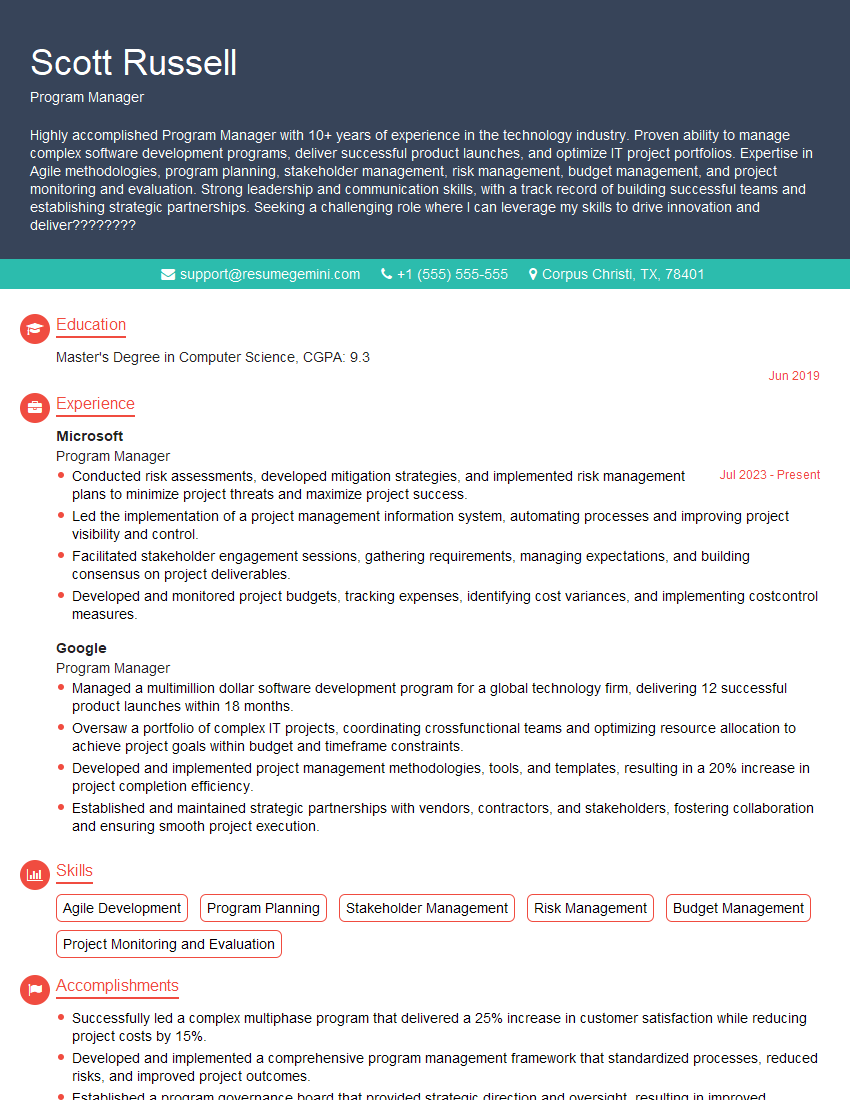
Program Manager Resume Sample
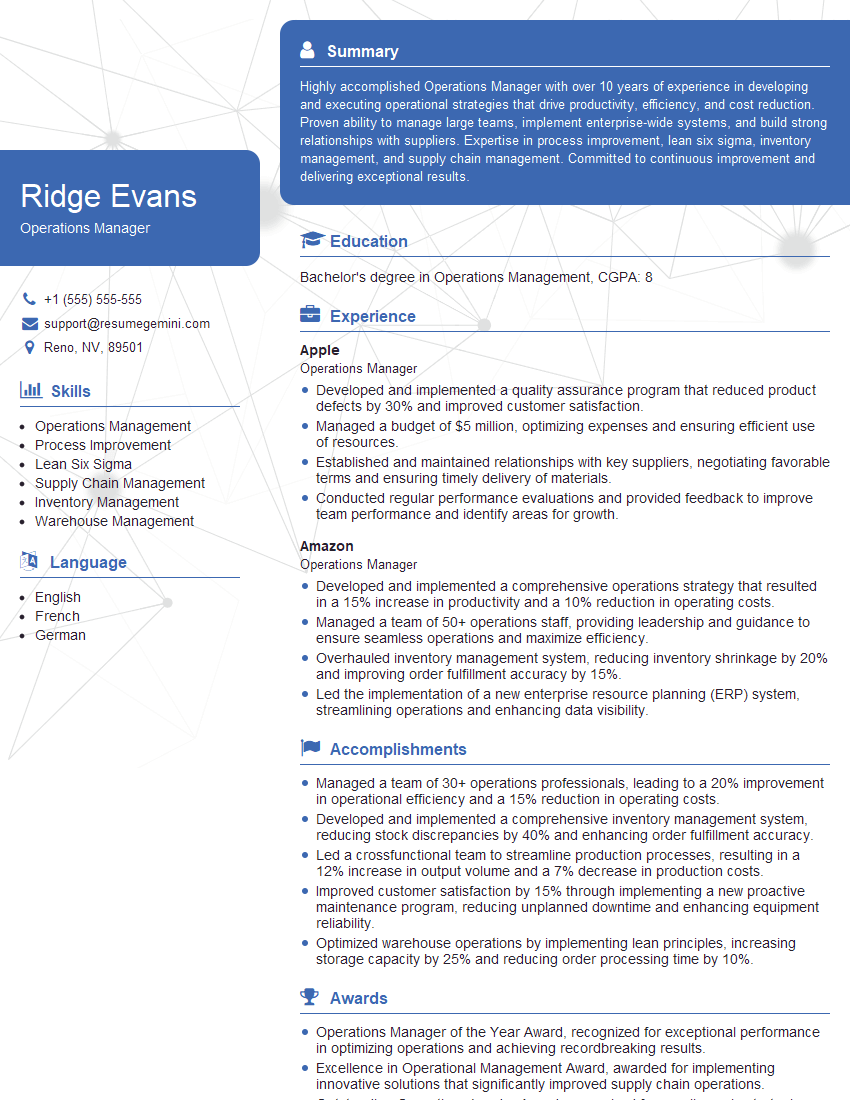
Operations Manager Resume Sample
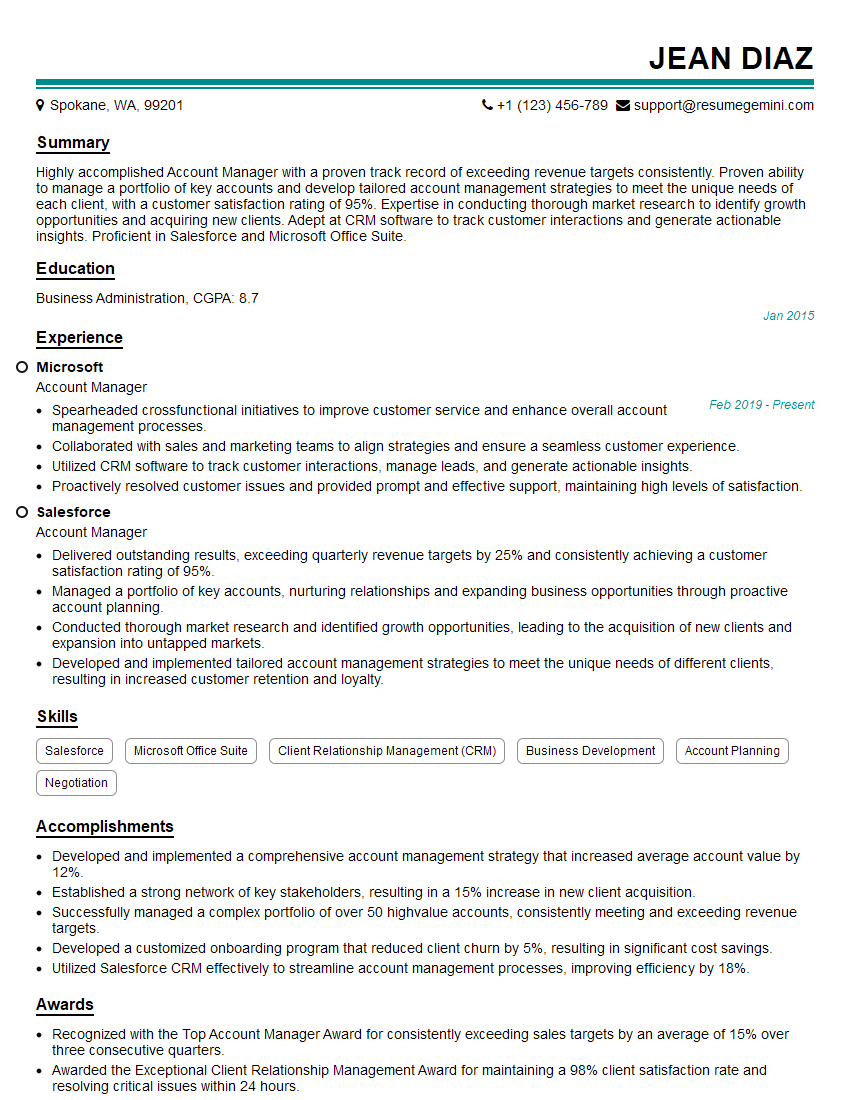
Account Manager Resume Sample
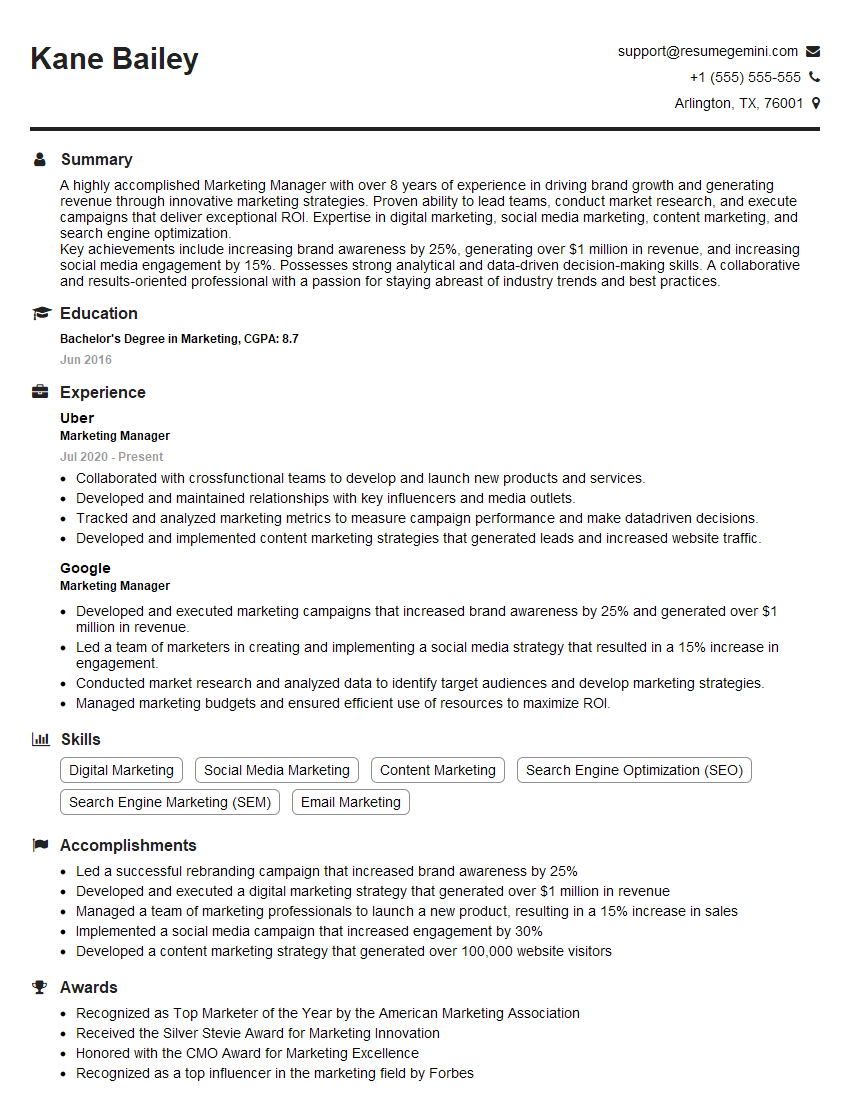
Marketing Manager Resume Sample
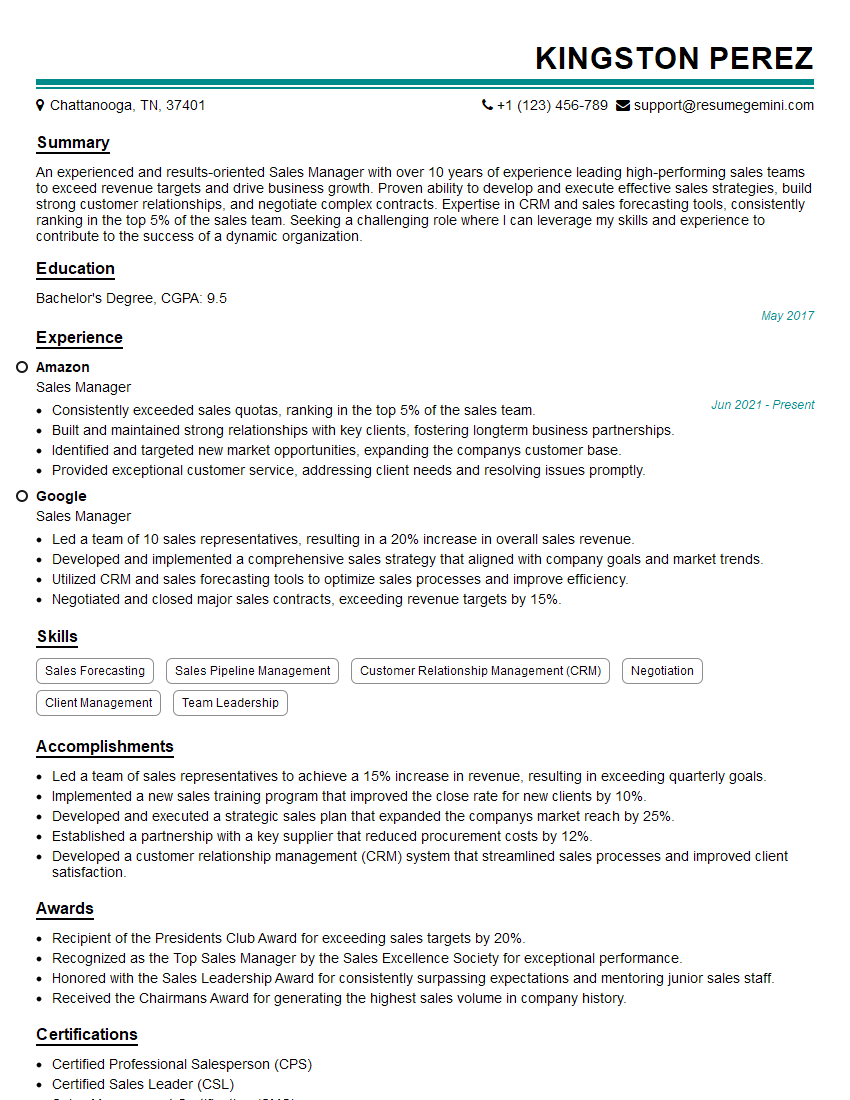
Sales Manager Resume Sample
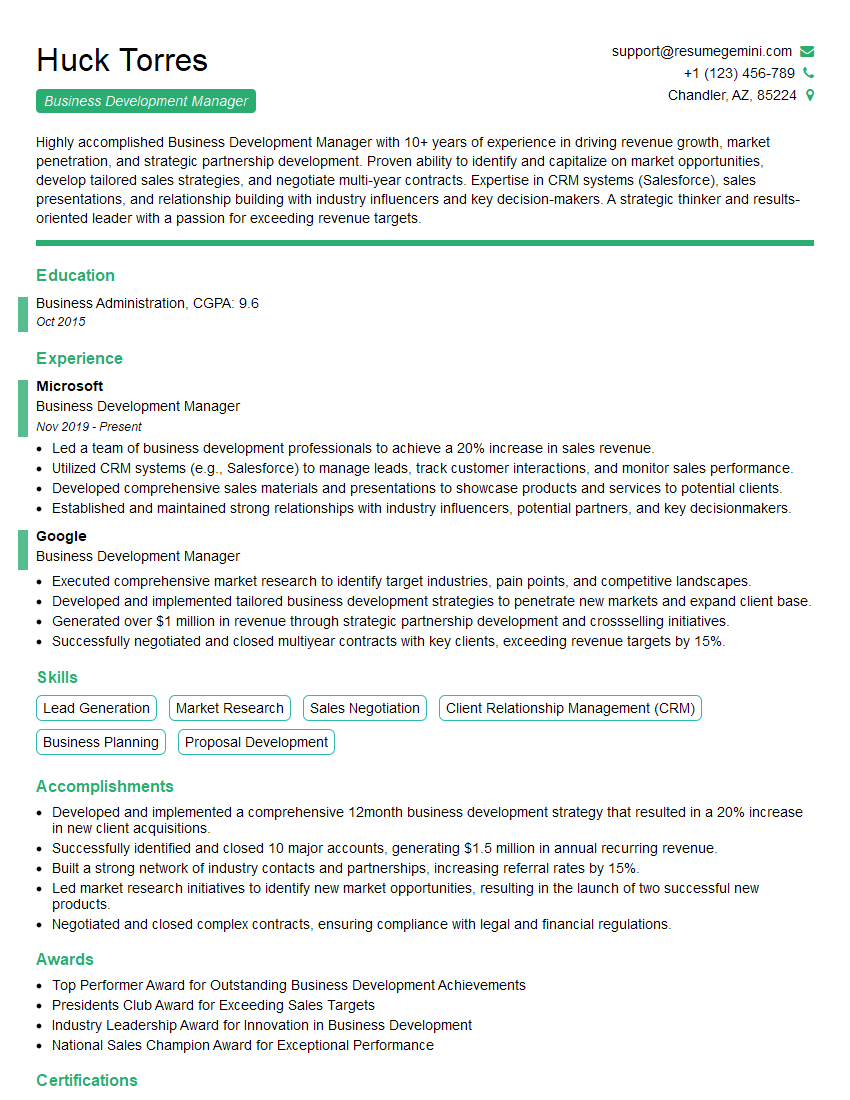
Business Development Manager Resume Sample
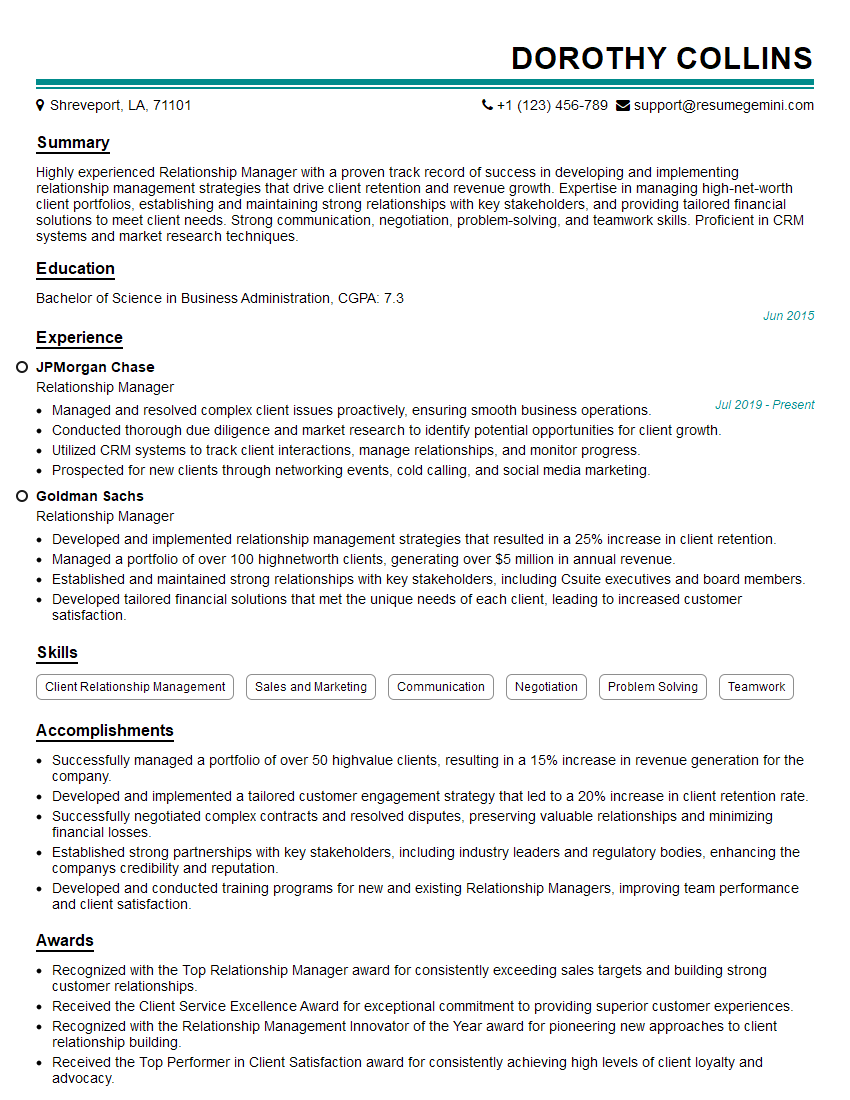
Relationship Manager Resume Sample

Practice Manager Resume Sample
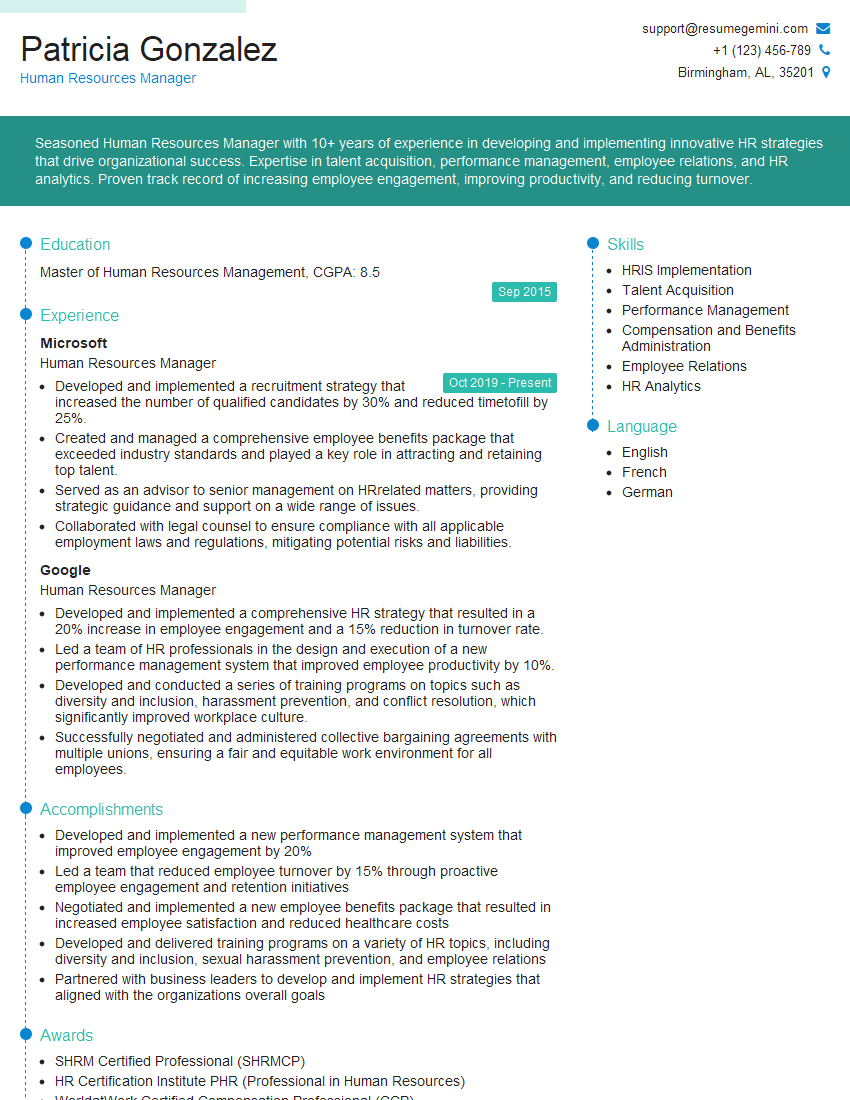
Human Resources Manager Resume Sample
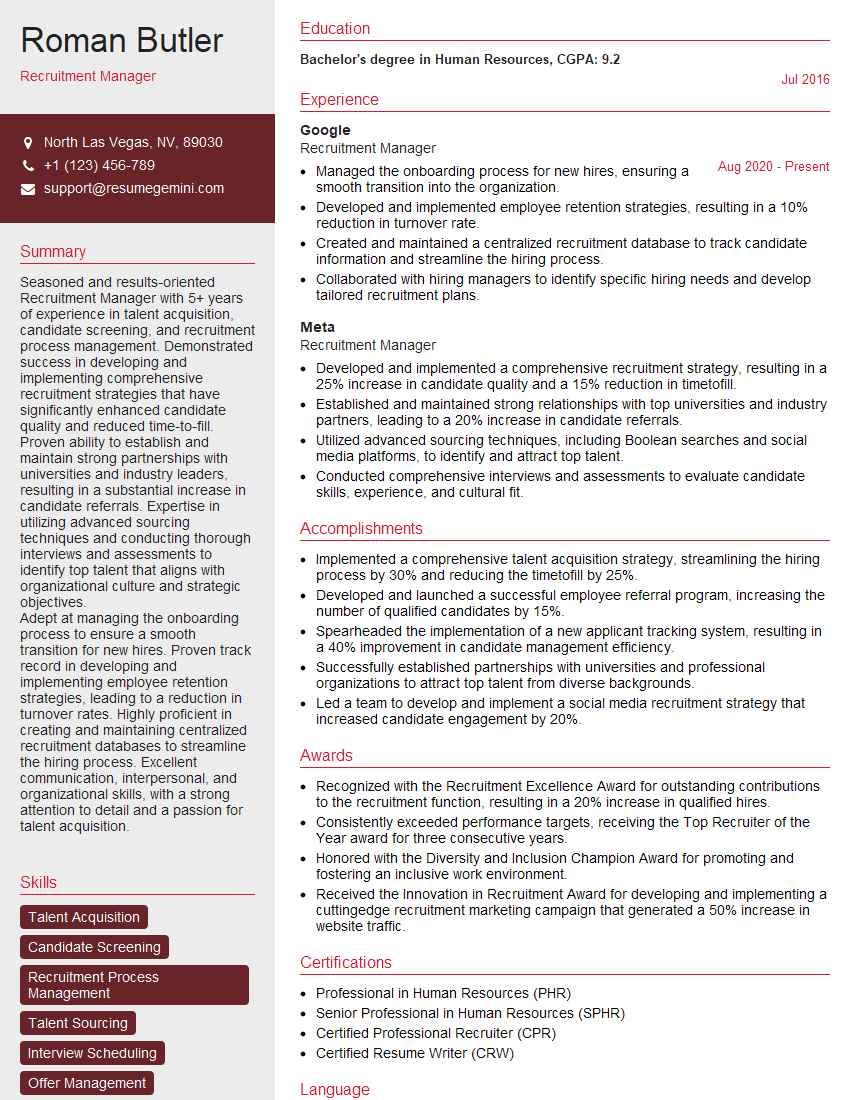
Recruitment Manager Resume Sample
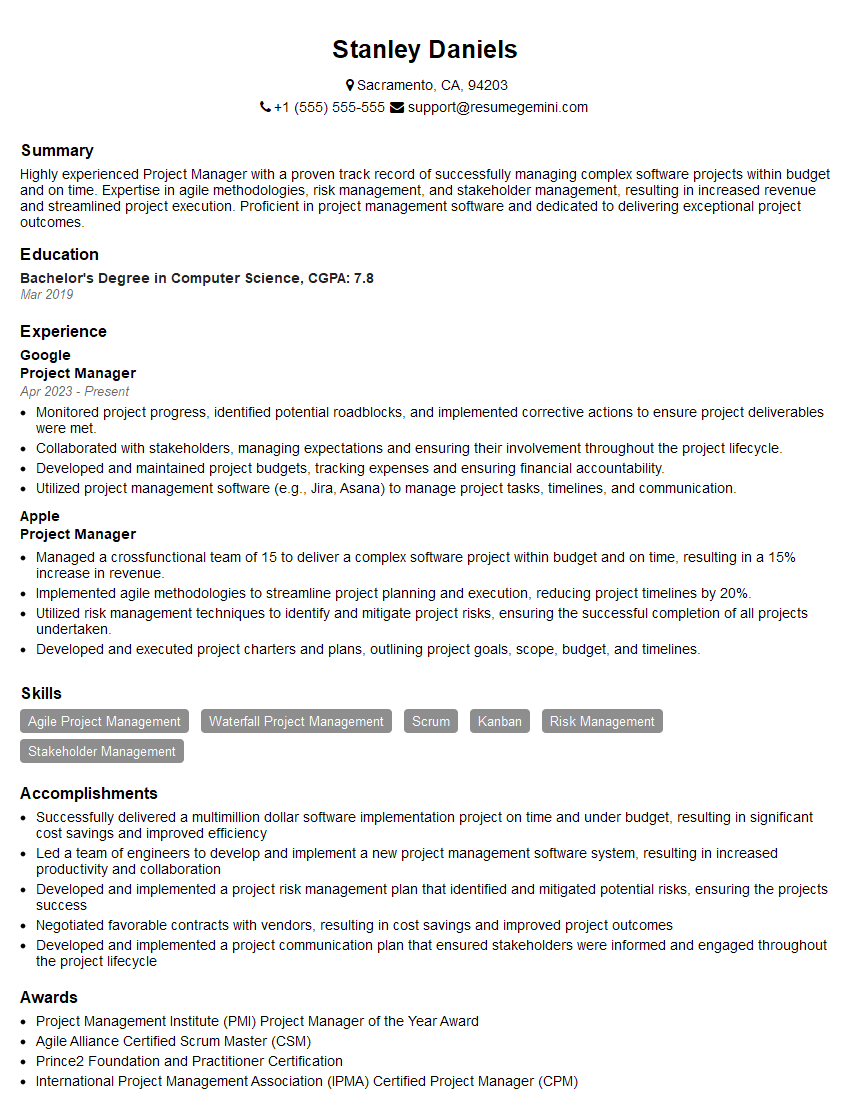
Project Manager Resume Sample
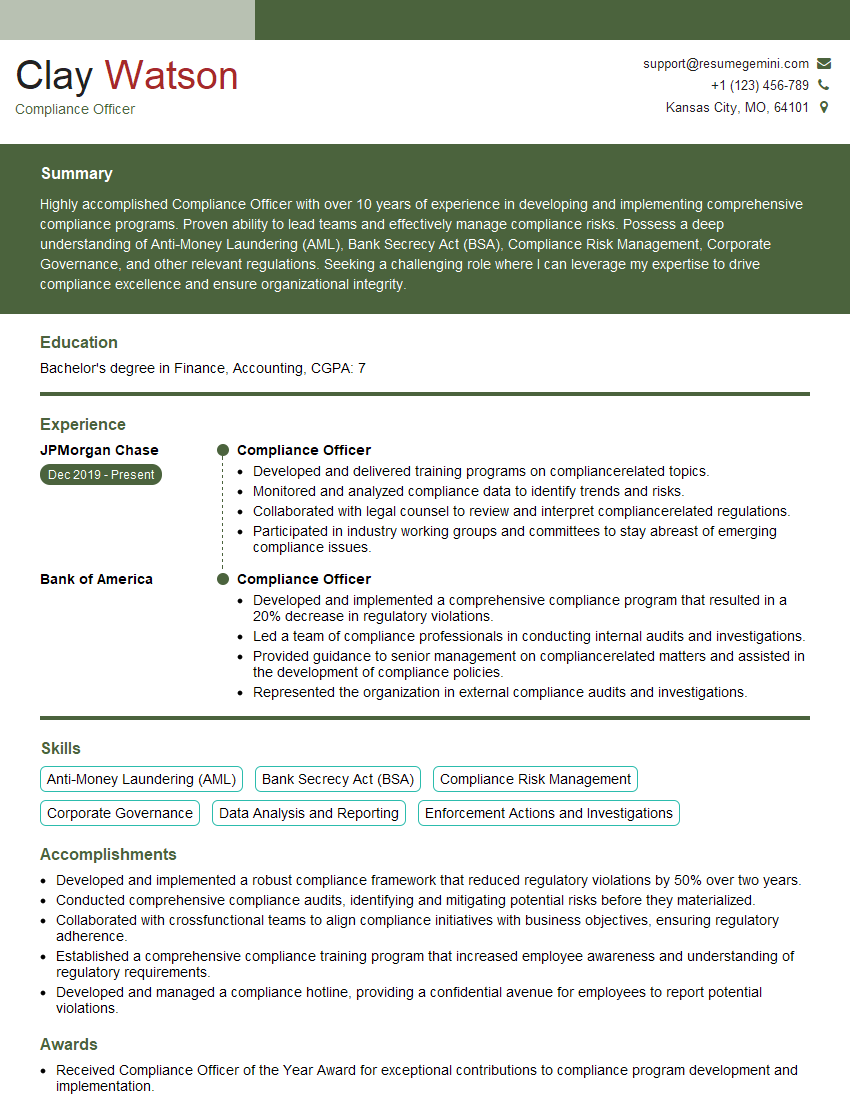
Compliance Officer Resume Sample
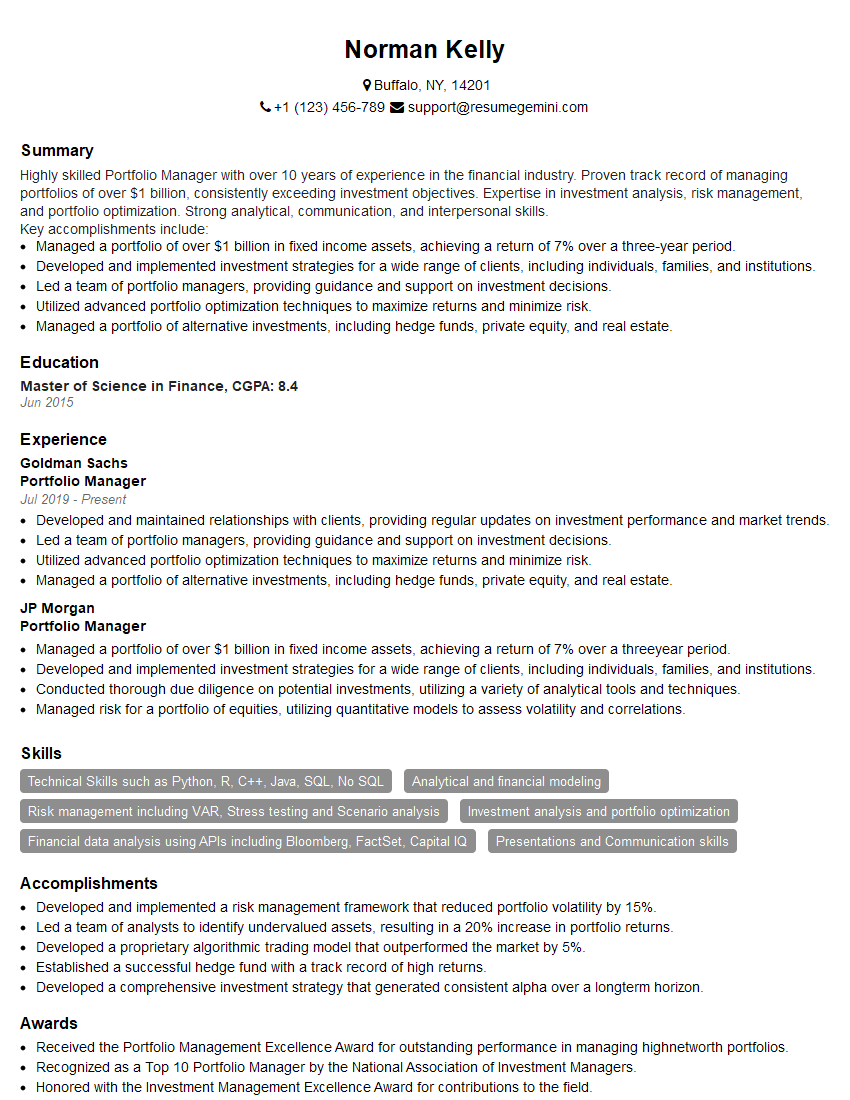
Portfolio Manager Resume Sample
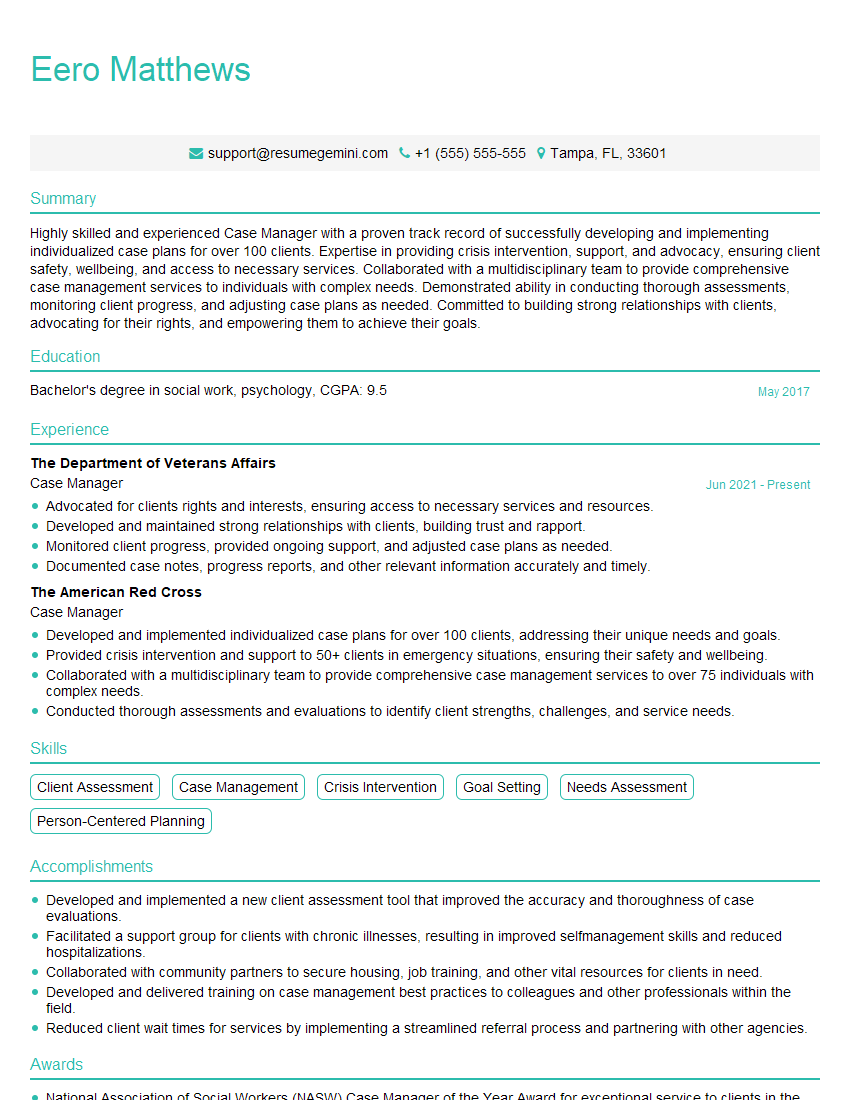
Case Manager Resume Sample
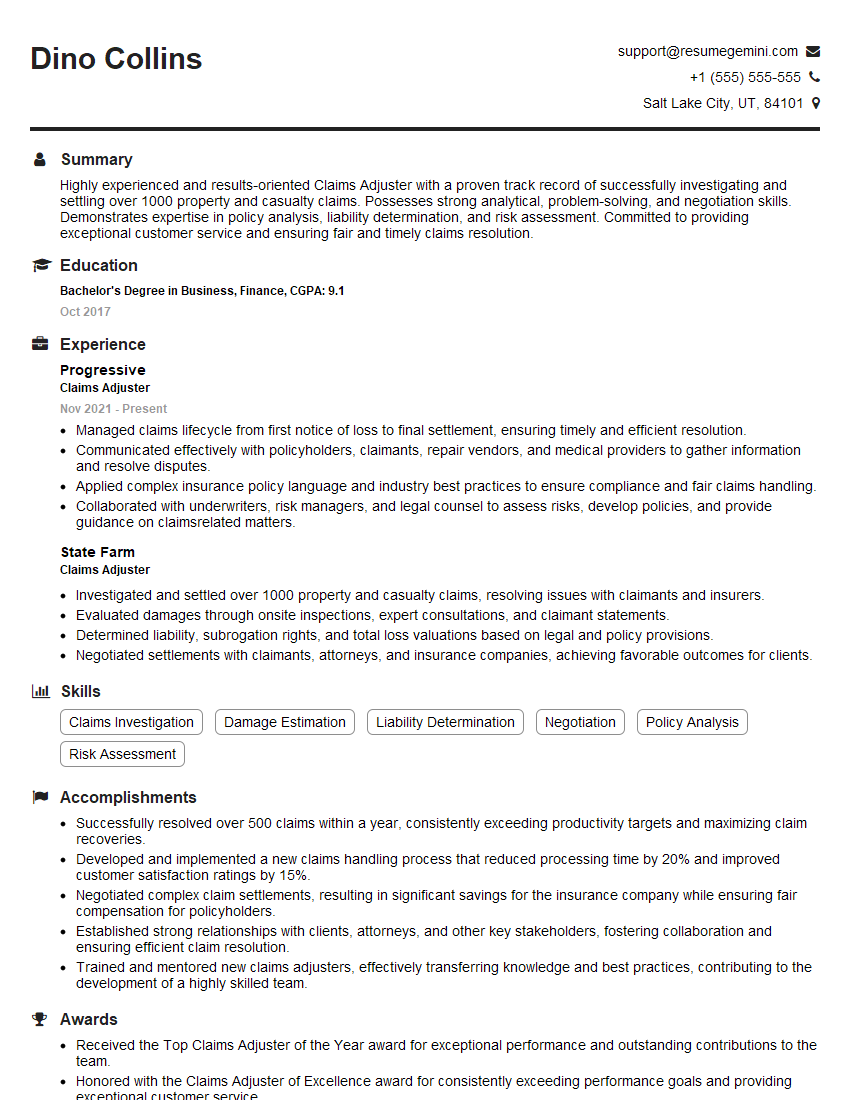
Claims Adjuster Resume Sample
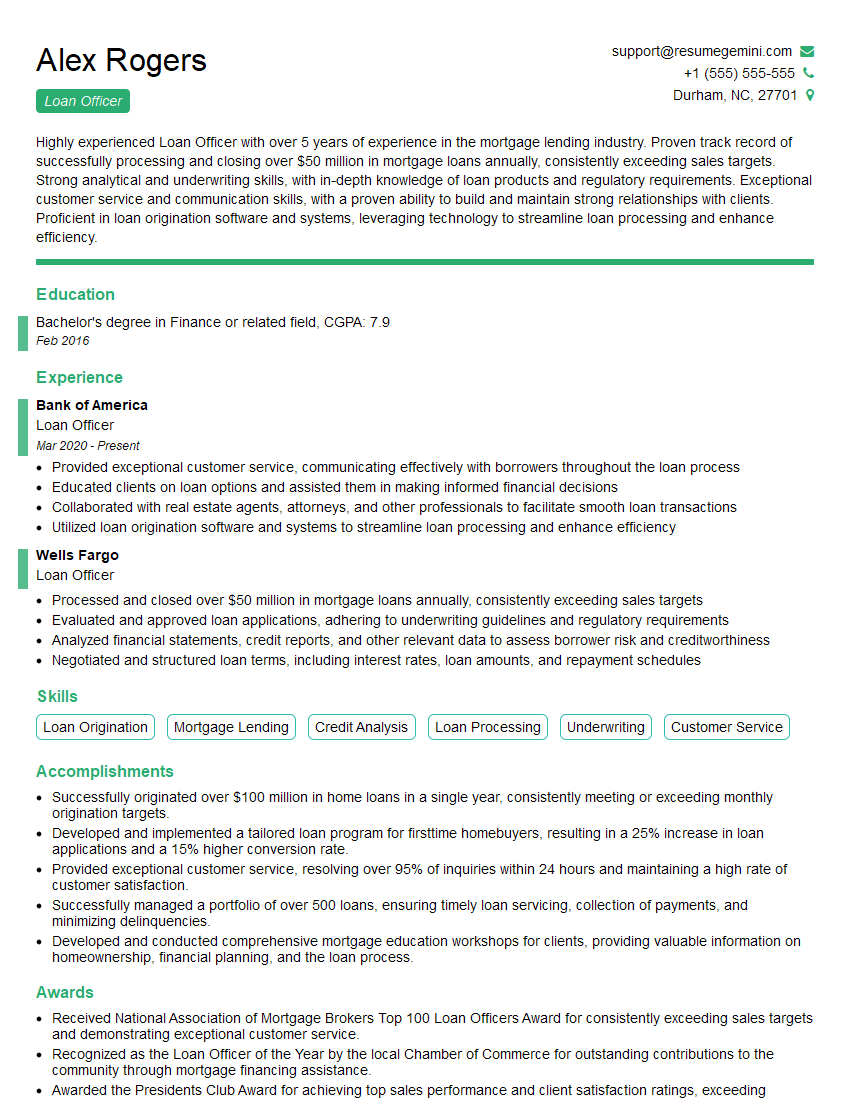
Loan Officer Resume Sample
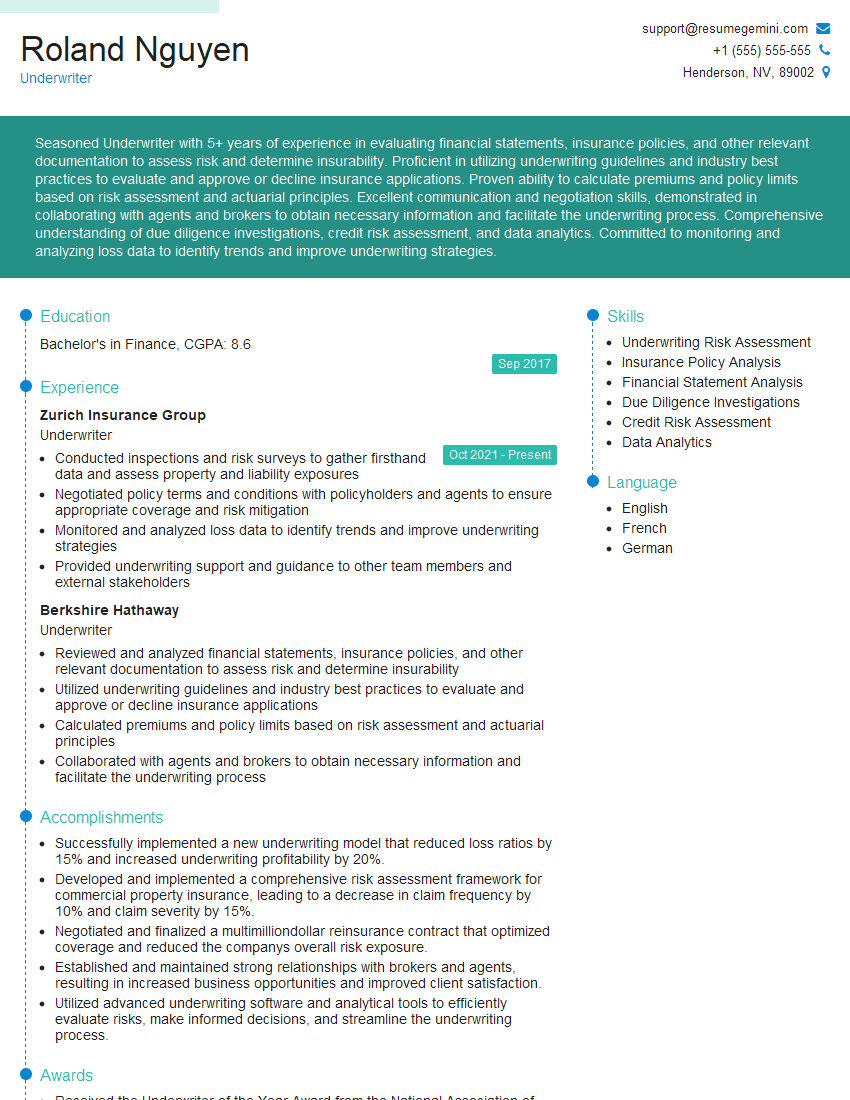
Underwriter Resume Sample
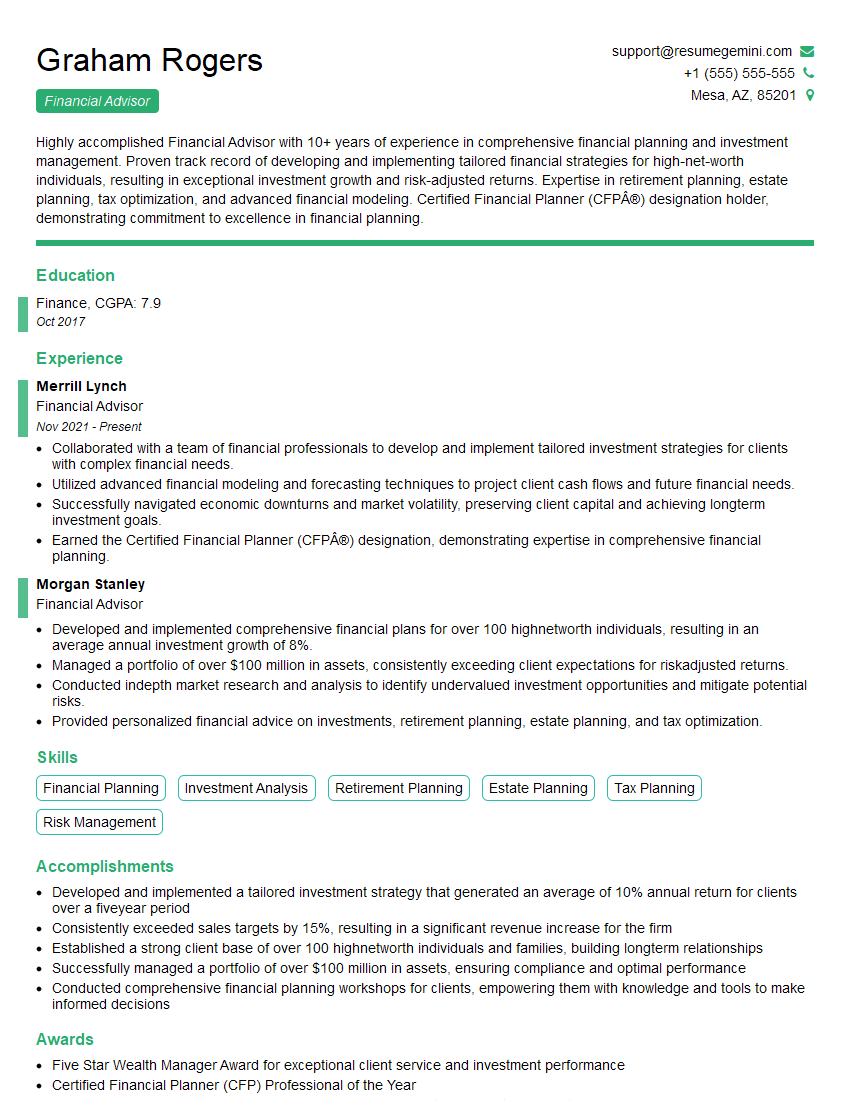
Financial Advisor Resume Sample
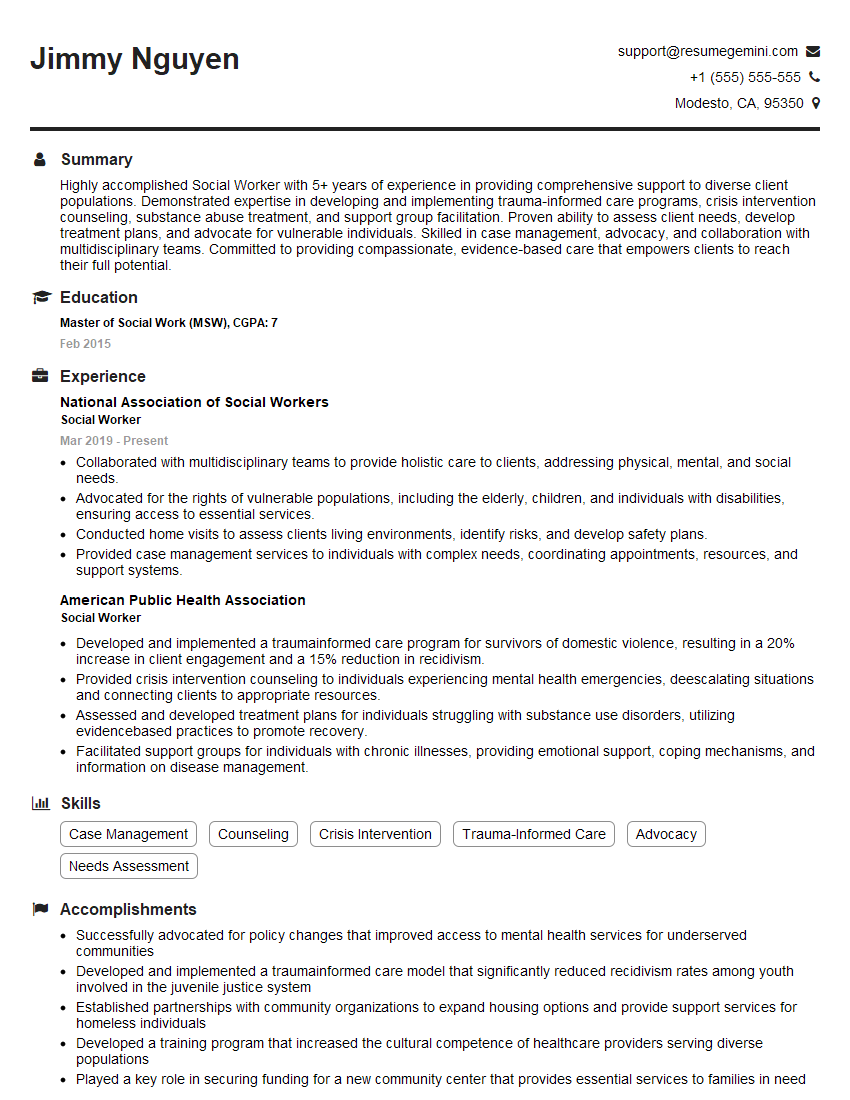
Social Worker Resume Sample
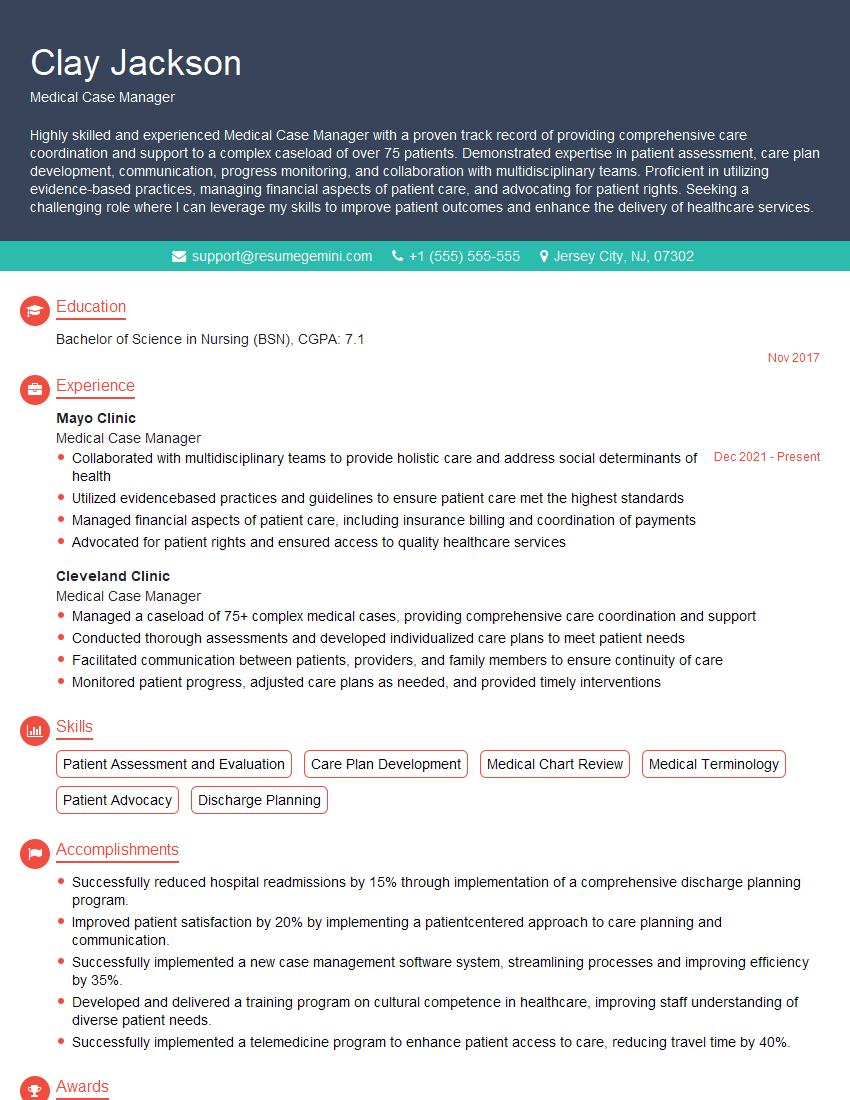
Medical Case Manager Resume Sample
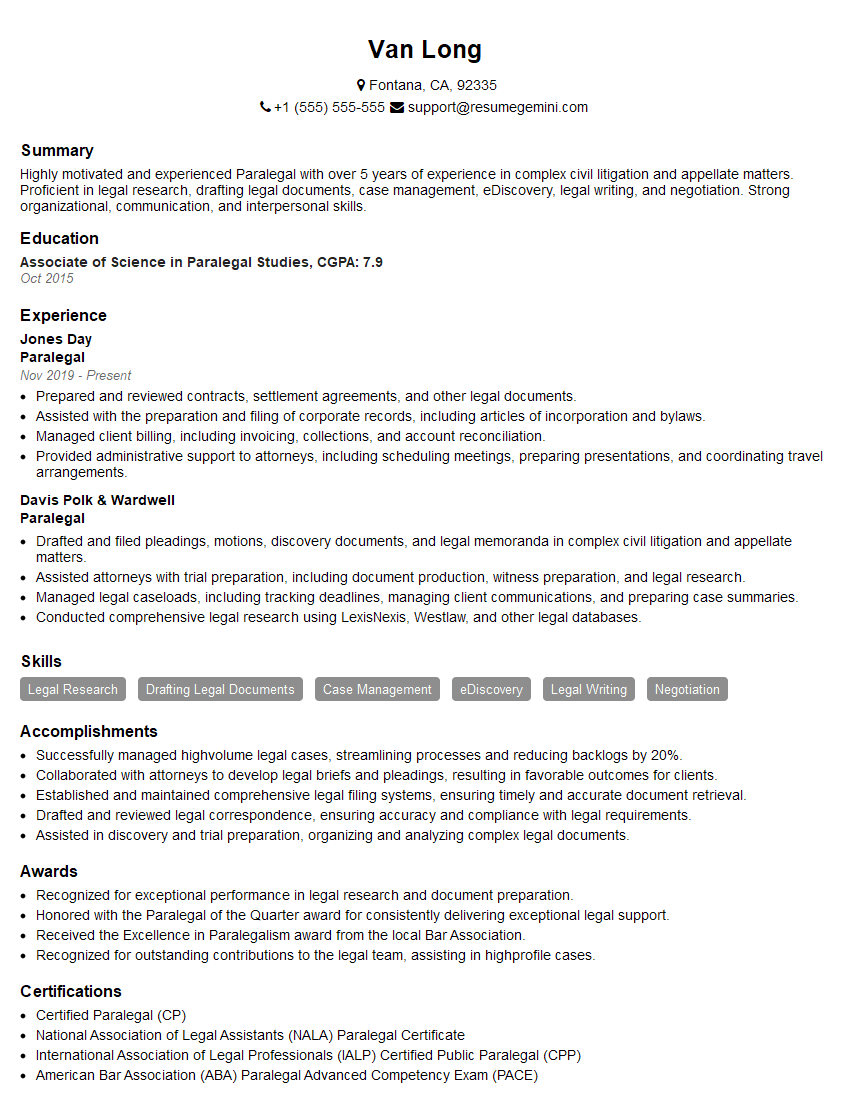
Paralegal Resume Sample
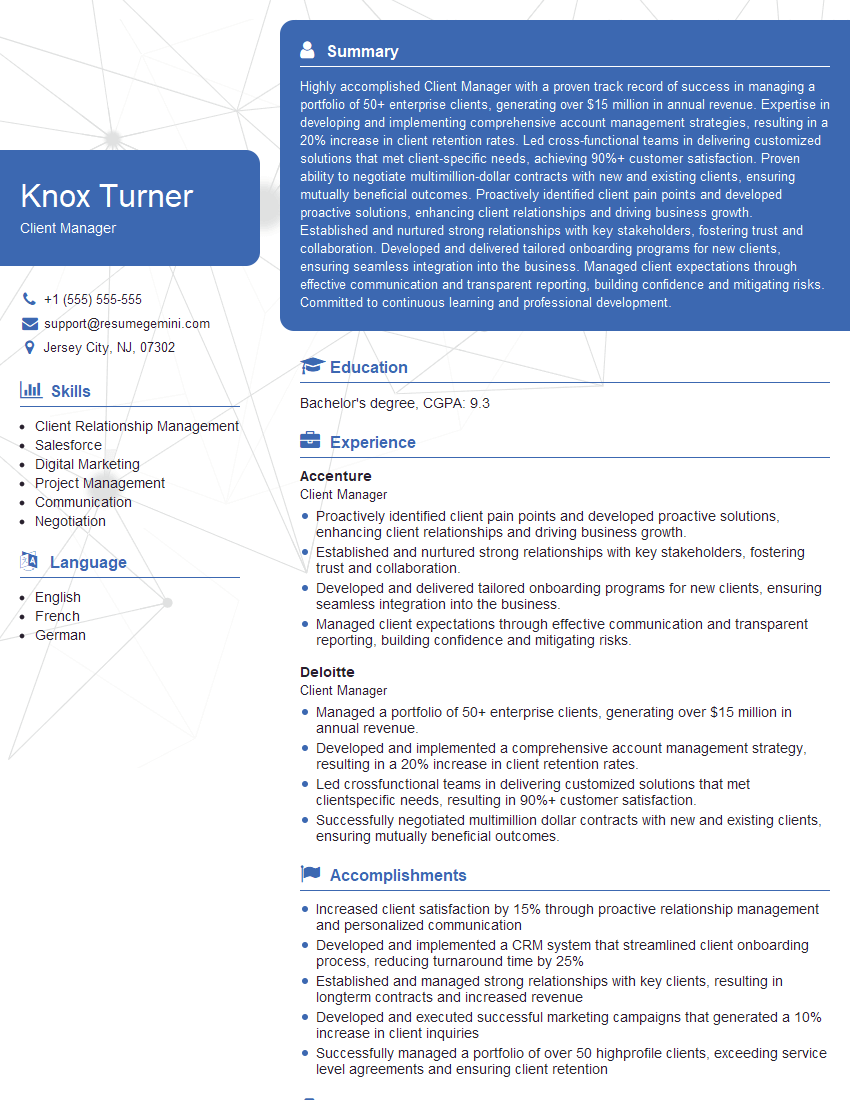
Client Manager Resume Sample
- Program Manager
- Operations Manager
- Account Manager
- Marketing Manager
- Sales Manager
- Business Development Manager
- Relationship Manager
- Practice Manager
- Human Resources Manager
- Recruitment Manager
- Project Manager
- Compliance Officer
- Portfolio Manager
- Case Manager
- Claims Adjuster
- Loan Officer
- Underwriter
- Financial Advisor
- Social Worker
- Medical Case Manager
- Paralegal
- Client Manager
Explore more articles
Users Rating of Our Blogs
Share Your Experience
We value your feedback! Please rate our content and share your thoughts (optional).
What Readers Say About Our Blog
To the interviewgemini.com Webmaster.
Very helpful and content specific questions to help prepare me for my interview!
Thank you
To the interviewgemini.com Webmaster.
This was kind of a unique content I found around the specialized skills. Very helpful questions and good detailed answers.
Very Helpful blog, thank you Interviewgemini team.