The thought of an interview can be nerve-wracking, but the right preparation can make all the difference. Explore this comprehensive guide to Ability to work in both office and field settings interview questions and gain the confidence you need to showcase your abilities and secure the role.
Questions Asked in Ability to work in both office and field settings Interview
Q 1. Describe your experience transitioning between office and field work.
Transitioning between office and field work requires a structured approach and adaptability. It’s not just about changing locations; it’s about mentally shifting gears to accommodate different work styles and environments. In my previous role, for instance, I spent Mondays to Wednesdays in the office, focusing on data analysis, report writing, and strategic planning. Thursdays and Fridays were dedicated to fieldwork, involving site visits, client meetings, and on-site assessments. This routine allowed for focused work in each setting, maximizing efficiency. I found that a key element was preparing for each environment the night before. This involved packing a field bag with necessary tools and documents and reviewing my schedule so I could hit the ground running.
The key to a smooth transition is meticulous planning. This includes anticipating potential challenges in both settings and having contingency plans in place. For example, ensuring my laptop is fully charged, having backup power options for fieldwork, and having a clear understanding of the tasks at hand are crucial for a smooth transition. I find that creating a ‘mental checklist’ to switch from office to field mode is very helpful. This can include checking emails one last time, preparing field equipment, and mentally preparing for the demands of the field.
Q 2. How do you prioritize tasks when juggling office and field responsibilities?
Prioritizing tasks in a hybrid office/field role demands a robust system. I employ a combination of methods, including Eisenhower Matrix (urgent/important), task management software, and regular review of my overarching goals. The Eisenhower Matrix helps me categorize tasks effectively and address urgent issues first while strategically planning for important but non-urgent tasks. For example, preparing a critical report for a client would be categorized as important and urgent, whereas updating a standard operating procedure would be important but non-urgent. I utilize tools such as Asana or Trello to visually organize tasks and track progress. Daily and weekly reviews ensure that tasks are prioritized against overall goals and deadlines.
Furthermore, I regularly communicate with my office and field teams, ensuring that everyone’s priorities align. This collaboration helps to prevent conflicts and allows me to adjust priorities based on immediate needs. This includes regular check-ins where the most pressing issues are discussed and prioritization is adjusted accordingly. The importance of flexibility cannot be overstated. Unexpected challenges, such as equipment failure or an emergency on site, can necessitate shifting priorities on the fly. Being adaptable and responsive to such unexpected events is a critical skill for this kind of role.
Q 3. What technology or tools do you utilize to maintain efficiency in both environments?
Technology is essential for maintaining efficiency across both office and field settings. In the office, I heavily rely on tools like Microsoft Office Suite (Word, Excel, PowerPoint), project management software (Asana, Trello), and communication platforms (Slack, Microsoft Teams). These tools facilitate streamlined workflow, effective collaboration, and efficient communication. In the field, I utilize a ruggedized tablet with GPS capabilities for data collection, map navigation, and real-time communication. This tablet allows for quick data entry and access to relevant documents regardless of the location. I also utilize cloud-based storage (Dropbox, Google Drive) to ensure all my files are readily accessible from both office and field settings, thus promoting seamless workflow.
Furthermore, I use a mobile hotspot for reliable internet connectivity during fieldwork, minimizing downtime. In some situations, where internet access is unavailable, I use offline capable applications or tools to capture and record data, uploading them once I regain connection. I constantly explore and adopt new technology that can improve my efficiency and data management. This proactive approach ensures I’m always using the most effective tools for the job.
Q 4. How do you ensure seamless communication between office and field teams?
Seamless communication between office and field teams is critical for success. I establish clear communication protocols and utilize various tools to ensure consistent and effective information flow. Regular team meetings, both in person and virtual, are essential for disseminating information, coordinating activities, and addressing any emerging issues. For urgent updates, I rely on instant messaging platforms like Slack or Microsoft Teams. For broader announcements or important information sharing, email remains a robust tool. I also use project management software to update everyone on progress and upcoming deadlines, making sure everyone stays aligned.
Creating a shared communication platform, for example, using a shared folder in the cloud, ensures everyone has access to the most up-to-date documents and information. Daily or weekly reporting on progress and issues faced in the field is essential to maintaining transparency and allowing for proactive issue resolution. Open communication and actively listening to feedback are paramount in building trust and creating a collaborative environment between office and field teams.
Q 5. Describe a time you had to adapt quickly to an unexpected field challenge.
During a site assessment, a critical piece of equipment malfunctioned unexpectedly, threatening to delay the project significantly. The equipment was essential for collecting specific data, and the alternative method would have been time-consuming and less accurate. Instead of panicking, I immediately assessed the situation, consulting with the field team and the engineering department via video conferencing. We collaboratively brainstormed solutions, ultimately deciding to utilize a backup, less efficient, but still viable method while troubleshooting the primary equipment. We allocated tasks efficiently, focusing on collecting the most critical data using the backup method. Meanwhile, I contacted a repair service to address the primary equipment problem.
Through proactive communication and teamwork, we successfully mitigated the disruption, completing the assessment with minor delays. This experience highlighted the importance of having contingency plans, readily accessible communication tools, and a resourceful team. Moreover, it reinforced the need for thorough pre-assessment preparation to minimize the impact of unexpected challenges.
Q 6. How do you manage your time effectively in a hybrid work model?
Effective time management in a hybrid work model requires careful planning and discipline. I begin each week by planning my tasks, allocating specific time slots for office work, fieldwork, and travel. I utilize time-blocking techniques to allocate focused periods for specific tasks, minimizing distractions. This ensures that I can dedicate specific blocks of time for different types of work. A digital calendar with reminders and notifications helps maintain my schedule.
Furthermore, I prioritize tasks based on urgency and importance using the methods previously described. I am also mindful of my energy levels, scheduling demanding tasks during peak productivity times. Regular breaks throughout the day help maintain focus and prevent burnout. Finally, I consistently review my schedule and adjust it as needed, demonstrating adaptability to evolving project priorities and unexpected challenges. This helps maintain balance and prevent overload.
Q 7. How do you maintain data accuracy and reporting across both office and field locations?
Maintaining data accuracy and consistent reporting across office and field locations necessitates a robust data management system. I utilize cloud-based platforms for data storage and synchronization. This ensures that data collected in the field is instantly accessible in the office, eliminating delays and potential inconsistencies. Additionally, I employ standardized data entry procedures and templates to ensure uniformity and accuracy. All data collection devices are routinely checked for calibration and accuracy, and quality control checks are built into the process.
Moreover, I use data validation techniques to identify and correct any discrepancies. Regular data backups are performed to prevent data loss. Standardized reporting formats are used to ensure consistent presentation of data. Finally, I regularly audit the data to ensure its integrity and accuracy, maintaining high standards of data quality control across the hybrid system.
Q 8. Describe your experience with troubleshooting in a field setting.
Troubleshooting in the field requires a systematic approach, combining technical expertise with adaptability. It’s less about having all the answers upfront and more about methodical problem-solving under often unpredictable conditions.
For instance, during a recent project involving the installation of remote sensing equipment, we encountered a connectivity issue. Instead of immediately assuming hardware failure, I systematically checked each component: power supply, cable connections, network configuration, and finally the sensor itself. I used a combination of built-in diagnostics, a multimeter to test voltage, and a network analyzer to pinpoint the problem to a faulty cable connector. This required careful observation, the ability to interpret diagnostic readings, and a practical understanding of the system’s architecture. Replacing the connector resolved the issue. Thorough documentation of these steps, including photos and details, is crucial for future reference and for sharing knowledge within the team.
Q 9. How do you handle conflicting priorities between office and field demands?
Balancing office and field demands necessitates effective prioritization and communication. I use a system that combines planning with flexibility. I begin by outlining key tasks and deadlines for both settings, identifying dependencies and potential conflicts. This might involve using a project management tool to track progress across multiple projects.
When conflicts arise—for example, an urgent field issue requiring immediate attention that clashes with a looming office deadline—I communicate openly with my supervisor and team. We collaboratively re-prioritize tasks, delegating where possible and adjusting timelines to ensure critical deadlines are met. Proactive communication and transparent collaboration are key to preventing overwhelming stress and maintaining productivity.
Q 10. Explain your process for documenting work completed in the field.
Field work documentation is paramount for accuracy, accountability, and future reference. My process involves several steps:
- Real-time Notes: I maintain detailed notes during the work using a tablet or ruggedized notebook, capturing observations, measurements, and any unusual findings. This includes timestamps and potentially relevant images or sketches.
- Formal Reports: After completing the fieldwork, I consolidate these notes into a comprehensive report, using clear and concise language. This report might include tables and graphs to summarize findings.
- Digital Archiving: I store all documentation—notes, reports, photos, and data—in a secure, organized digital archive, often utilizing cloud storage and a proper file naming convention. This makes information retrieval easy and ensures data preservation.
- Quality Control: Before submitting a report, I carefully review it for accuracy and completeness. Peer review can also be a valuable step.
This meticulous documentation is essential for both internal record-keeping and potential external reporting to clients or regulatory bodies.
Q 11. How do you stay organized and efficient while working in diverse locations?
Maintaining organization and efficiency across diverse locations hinges on preparation and a robust system. I use several strategies:
- Pre-Trip Checklist: Before each field trip, I prepare a comprehensive checklist ensuring I have all necessary equipment, supplies, and documents. This includes safety gear and appropriate clothing for the environment.
- Mobile Organization: I use a combination of digital tools for organization, such as a project management app to keep track of tasks and deadlines, and cloud storage to access important documents.
- Physical Organization: In the field, I maintain an organized workspace, keeping tools and materials readily accessible. This prevents wasted time searching for items.
- Regular Backups: I ensure regular data backups to prevent data loss in challenging environments.
This layered approach allows me to adapt to different work locations while maintaining productivity.
Q 12. How do you utilize technology to bridge the gap between office and field operations?
Technology is indispensable in bridging the gap between office and field operations. I rely on several tools:
- Mobile Communication: Smartphones and satellite communication devices enable consistent contact with the office, facilitating updates and immediate access to information. This could include receiving instructions, sending photographs, or reporting progress.
- Cloud-Based Data Sharing: Cloud storage and collaboration platforms allow for real-time data sharing and efficient project management. Team members can access and update information from anywhere, eliminating the need for physical transfer of data.
- Remote Sensing and Monitoring: Technologies like GPS tracking, remote cameras, and drones provide real-time data from the field, enabling remote monitoring and analysis.
- Field Data Collection Apps: Specialized apps designed for data collection in the field streamline the data entry process, improving accuracy and minimizing errors.
The strategic utilization of technology minimizes delays and enhances collaboration, improving overall efficiency.
Q 13. Describe your experience working with diverse teams in both office and field environments.
Working with diverse teams in both office and field environments has been a rewarding experience, requiring strong communication and interpersonal skills. I value the different perspectives and skills that each team member brings.
In one project, our team included engineers, technicians, and community representatives. Effective communication was achieved by clearly defining roles, establishing regular communication channels (meetings, email updates), and fostering a culture of mutual respect. Addressing communication styles, including written and verbal communication, was crucial to ensure everyone felt included and understood. By creating a supportive and inclusive environment, we were able to leverage the strengths of each member and overcome challenges effectively.
Q 14. How do you handle physical demands associated with field work?
Field work often involves physical demands, requiring preparedness and awareness. My approach includes:
- Physical Fitness: Maintaining a reasonable level of physical fitness is crucial for enduring the demands of field work. This involves regular exercise and a healthy lifestyle.
- Safety First: Prioritizing safety is paramount. I always follow safety protocols, use appropriate personal protective equipment (PPE), and am mindful of potential hazards in the work environment. This includes training on the safe handling of equipment and materials.
- Ergonomics: I am conscious of proper posture and lifting techniques to prevent injuries. I use ergonomic tools and equipment where appropriate.
- Pacing and Breaks: I avoid overexertion by pacing myself and taking regular breaks, especially in challenging conditions. Hydration is also important.
By understanding and respecting the physical demands of the job, I prioritize safety and sustain long-term productivity.
Q 15. What strategies do you employ for maintaining safety in field work environments?
Maintaining safety in field work is paramount. My strategy is a multi-layered approach, prioritizing risk assessment, preventative measures, and emergency preparedness.
- Risk Assessment: Before any field assignment, I meticulously assess potential hazards – environmental (weather, terrain), equipment-related (malfunctioning tools, electrical hazards), and human factors (fatigue, working alone). For example, if working near a body of water, I’d identify potential flood risks and plan accordingly.
- Preventative Measures: This involves using appropriate Personal Protective Equipment (PPE), like hard hats, safety glasses, and high-visibility clothing. I also ensure all equipment is properly maintained and inspected before use. I might even create a checklist to ensure nothing is overlooked.
- Emergency Preparedness: I always carry a fully charged communication device, a first-aid kit, and know the emergency contact numbers for the site and my company. Furthermore, I familiarize myself with the site’s emergency procedures before commencing work.
- Teamwork and Communication: Working in teams provides an extra layer of safety. We continuously communicate potential risks and support each other. A buddy system is especially helpful in remote locations.
Safety isn’t just a checklist; it’s a mindset. It’s about proactively identifying and mitigating risks before they become incidents.
Career Expert Tips:
- Ace those interviews! Prepare effectively by reviewing the Top 50 Most Common Interview Questions on ResumeGemini.
- Navigate your job search with confidence! Explore a wide range of Career Tips on ResumeGemini. Learn about common challenges and recommendations to overcome them.
- Craft the perfect resume! Master the Art of Resume Writing with ResumeGemini’s guide. Showcase your unique qualifications and achievements effectively.
- Don’t miss out on holiday savings! Build your dream resume with ResumeGemini’s ATS optimized templates.
Q 16. Describe your problem-solving approach when faced with technical difficulties in the field.
My problem-solving approach in the field is systematic and iterative. I follow a structured process:
- Identify the Problem: Clearly define the technical issue. Is it a software glitch, equipment malfunction, or something else? I often write it down to clarify my thinking.
- Gather Information: Collect relevant data. Check error messages, inspect the equipment, and consult manuals or online resources. This might involve taking photos or videos for reference.
- Develop Hypotheses: Based on the information gathered, I formulate potential solutions or causes. For instance, if a sensor isn’t reading correctly, I’d consider if it’s a wiring issue, a faulty sensor, or a software bug.
- Test and Refine: I systematically test each hypothesis, starting with the simplest solutions first. This might involve troubleshooting steps, restarting equipment, or testing alternative components.
- Document Findings: I meticulously document the problem, my troubleshooting steps, and the final solution. This documentation proves invaluable for future reference and helps others resolve similar issues.
- Seek Assistance (if necessary): If unable to resolve the issue independently, I don’t hesitate to seek help from colleagues or supervisors. Clear communication ensures a quick and effective resolution.
This approach allows for a logical and efficient resolution, even under pressure.
Q 17. How do you ensure compliance with safety regulations in both office and field settings?
Compliance with safety regulations is non-negotiable. In both office and field settings, I adhere to a proactive compliance strategy:
- Training and Awareness: I actively participate in all relevant safety training programs and stay updated on the latest regulations. This includes familiarizing myself with company policies, industry standards (e.g., OSHA), and site-specific rules.
- Regular Audits and Inspections: I actively participate in and contribute to safety audits and inspections, both in the office and in the field. This helps identify potential hazards and ensure compliance.
- Reporting and Documentation: Any safety concerns, incidents, or near misses are immediately reported through the proper channels and documented thoroughly. This allows for corrective actions and helps prevent future occurrences.
- Leading by Example: I consistently model safe behavior and encourage my colleagues to do the same. A culture of safety is built through leadership and collaboration.
Compliance is not simply about following rules; it’s about creating a culture of safety where everyone feels responsible and empowered to contribute.
Q 18. How do you manage travel logistics for field work assignments?
Managing travel logistics for field work requires meticulous planning and organization. My approach involves:
- Advance Planning: I book flights and accommodation well in advance, especially for remote locations. This helps secure the best options and avoids last-minute surprises.
- Route Planning: I meticulously plan my travel routes, considering factors like traffic, weather conditions, and terrain. Using map applications with real-time traffic information is vital.
- Transportation: I choose appropriate transportation depending on the location and project. This could range from personal vehicle to rented cars or public transportation. I also ensure I have backup plans in case of transportation delays.
- Packing: I pack all necessary equipment and personal belongings carefully, creating a checklist to ensure nothing is missed. Considering weather conditions is crucial when packing.
- Communication: I inform relevant stakeholders about my travel plans, including estimated arrival and departure times, and keep them updated on my progress.
Efficient travel management is critical for project success, ensuring timely arrival and minimizing disruptions.
Q 19. What are your strategies for maintaining work-life balance in a demanding hybrid role?
Maintaining work-life balance in a hybrid role requires discipline and intentional planning. My strategy focuses on:
- Clear Boundaries: I define clear boundaries between work and personal time. This might involve setting specific work hours and designating a dedicated workspace at home.
- Prioritization: I prioritize tasks effectively, focusing on the most crucial activities first. Using project management tools helps me track progress and manage workload.
- Regular Breaks: I take regular breaks throughout the day to avoid burnout. Short walks, stretching, or mindful exercises help me stay refreshed and focused.
- Scheduling Personal Time: I actively schedule time for personal activities, hobbies, and social engagements. This ensures that I have time to recharge and prevent burnout.
- Effective Communication: I communicate my availability and boundaries clearly to colleagues and supervisors, minimizing interruptions during personal time.
Work-life balance is a continuous process, requiring adaptation and commitment to ensure both professional success and personal well-being.
Q 20. How do you handle unexpected delays or disruptions in your field work schedule?
Unexpected delays or disruptions in the field are inevitable. My response involves:
- Assessment and Communication: First, I assess the nature and extent of the delay. I immediately communicate the situation to relevant stakeholders, keeping them informed and transparent.
- Contingency Planning: I have contingency plans in place to address potential disruptions. This might involve alternative transportation, backup equipment, or revised schedules.
- Problem-Solving: I actively work to resolve the cause of the delay, collaborating with colleagues and supervisors to find solutions.
- Adaptation and Flexibility: I remain flexible and adapt to changing circumstances. This often involves prioritizing tasks and re-scheduling work to minimize the impact of the delay.
- Documentation: I meticulously document the delay, its cause, and the actions taken to mitigate its impact. This serves as a learning experience for future planning.
Proactive planning and a flexible approach are key to successfully navigating unexpected disruptions in field work.
Q 21. How do you stay updated with industry trends while working in the field?
Staying updated with industry trends while in the field can be challenging, but it’s crucial for professional development. My approach combines several strategies:
- Professional Networks: I actively participate in professional networks and online communities. This provides opportunities for knowledge sharing and access to the latest industry news.
- Industry Publications: I subscribe to industry publications, both print and online, which offer insights into new technologies, best practices, and emerging trends.
- Conferences and Webinars: I attend relevant conferences and webinars, both online and in-person (when possible), to learn from experts and network with peers.
- Continuing Education: I seek opportunities for continuing education and professional development, such as online courses or workshops, to stay abreast of advancements in my field.
- Knowledge Sharing: I actively share my knowledge and learnings with colleagues, promoting continuous learning within the team.
Staying current requires a proactive approach and commitment to lifelong learning. It’s an investment in both professional growth and project success.
Q 22. How do you collaborate with remote team members effectively?
Effective collaboration with remote team members hinges on clear communication, robust tools, and a structured approach. I prioritize establishing clear expectations and roles from the outset, using project management tools like Asana or Trello to track progress and assign tasks. Regular virtual meetings, utilizing video conferencing for face-to-face interaction, are essential. These meetings aren’t just for updates; they foster a sense of team cohesion and allow for brainstorming and problem-solving. Beyond scheduled meetings, I leverage instant messaging platforms like Slack for quick questions and updates, ensuring prompt responses and minimizing communication delays. Finally, I emphasize open and honest communication; actively soliciting feedback and addressing concerns promptly is key to maintaining a positive and productive remote working environment.
For example, during a recent project involving the installation of remote monitoring equipment, we used a shared online document to track progress, upload field data, and collaborate on troubleshooting issues encountered in different locations. This centralized approach ensured everyone remained informed and could contribute effectively.
Q 23. Describe a time you successfully navigated a complex situation involving both office and field operations.
During a large-scale infrastructure project, a critical component failed unexpectedly in the field, jeopardizing the entire project timeline. The failure occurred during a heavy rainstorm, complicating field access and repairs. This necessitated a rapid response involving both office and field personnel. In the office, I coordinated with the engineering team to troubleshoot the issue remotely, analyzing data transmitted from the field via our monitoring system. Simultaneously, I liaised with the field crew, providing them with real-time support and guidance on temporary solutions to mitigate the immediate impact of the failure. We opted for a phased approach: prioritizing the stabilization of the situation in the field while concurrently developing and testing a permanent solution in the office. This coordinated effort involved multiple late-night conference calls, but the collaborative problem-solving minimized downtime and ensured we met the project deadline.
Q 24. How do you use technology to improve communication and collaboration between office and field personnel?
Technology plays a crucial role in bridging the gap between office and field operations. We utilize a variety of tools to enhance communication and collaboration. Cloud-based project management software (like Asana or Monday.com) allows for real-time task updates, document sharing, and progress tracking. Mobile data collection apps facilitate the secure and efficient capture of field data, minimizing manual data entry and reducing errors. Video conferencing software enables virtual meetings, fostering face-to-face interaction regardless of location. GPS tracking systems provide real-time location updates for field personnel, enhancing safety and facilitating logistical planning. Finally, dedicated communication platforms like Slack or Microsoft Teams enable instant messaging and file sharing, improving responsiveness and reducing communication delays.
For instance, our team uses a custom mobile app that integrates with our GIS system for collecting data and immediately uploading it to a secure cloud database. This eliminates the need for manual data transcription and minimizes the risk of data loss or inconsistencies.
Q 25. How do you adapt your communication style to different audiences in both office and field settings?
Adapting communication style is essential for effective interaction in diverse settings. In formal office environments, I maintain a professional and concise communication style, utilizing formal language and adhering to established protocols. Email is the primary medium, ensuring detailed record-keeping. In contrast, field environments often call for a more informal and direct approach. Clear and simple language, combined with visual aids or diagrams, proves effective in conveying information quickly and efficiently. I also adjust my level of technical detail based on the audience’s understanding. For example, when interacting with skilled technicians in the field, technical jargon may be appropriate, while communicating with clients requires a simpler, more accessible approach. Active listening and ensuring understanding are paramount in both contexts.
Q 26. How do you ensure data integrity when collecting information in the field?
Data integrity is paramount in field operations. I employ a multi-pronged approach to ensure accuracy and reliability. First, I use calibrated and regularly maintained equipment. Second, I implement rigorous data collection protocols, including double-checking measurements and recording data consistently using standardized formats. Third, I employ digital data capture methods whenever feasible, minimizing manual transcription errors. Fourth, all data undergoes a thorough review process upon return to the office, incorporating quality checks and comparisons with previous data sets. Finally, I meticulously document all data collection processes, ensuring transparency and traceability. This comprehensive system helps identify and correct any potential inconsistencies or errors, ultimately guaranteeing reliable data for analysis and decision-making.
Q 27. Describe your experience with using different types of field equipment.
My experience encompasses a broad range of field equipment, including GPS units for location tracking, total stations for precise surveying, various types of sensors for environmental monitoring (temperature, humidity, etc.), data loggers for automated data collection, and drones for aerial surveys and inspections. I am proficient in using and maintaining these devices, ensuring they are calibrated correctly and functioning optimally. I am also experienced in troubleshooting issues encountered in the field and in the proper handling and storage of sensitive equipment.
Q 28. How do you maintain professionalism in both formal office settings and informal field environments?
Maintaining professionalism is key, regardless of the setting. In formal office settings, adhering to dress codes, utilizing professional language, and observing established communication protocols is crucial. In informal field environments, while the dress code might be more relaxed, maintaining a respectful and courteous attitude is paramount. I make an effort to build rapport with colleagues, ensuring open communication and collaboration. While adopting a more casual interaction style, I avoid language or behavior that could be considered unprofessional or disrespectful. Professionalism isn’t about formality; it’s about consistent respect, responsibility, and a commitment to delivering high-quality work in all environments.
Key Topics to Learn for Ability to Work in Both Office and Field Settings Interview
- Adaptability and Flexibility: Discuss your ability to seamlessly transition between office-based tasks (e.g., data analysis, report writing) and field-based activities (e.g., client meetings, site inspections). Highlight examples demonstrating your capacity to adjust your work style and priorities based on the environment.
- Time Management and Prioritization: Explain how you manage your time effectively when juggling office and field responsibilities. Illustrate your ability to prioritize tasks, meet deadlines, and adapt to unexpected changes in both settings.
- Communication and Collaboration: Describe your communication skills in different contexts. How do you communicate effectively with colleagues in the office versus clients or team members in the field? Showcase your ability to build rapport and collaborate effectively across various settings.
- Technological Proficiency: Discuss your familiarity with relevant technologies used in both office and field settings. This might include software for data analysis, project management tools, mobile devices for data collection, and communication platforms.
- Problem-Solving in Diverse Environments: Share examples of how you’ve effectively solved problems in both office and field settings. Highlight your resourcefulness and ability to adapt your problem-solving approach depending on the context and available resources.
- Professionalism and Representation: Explain how you maintain a professional demeanor and represent your organization effectively in both office and field environments. This includes appropriate attire, communication style, and conduct.
Next Steps
Mastering the ability to work effectively in both office and field settings is crucial for career advancement, opening doors to diverse roles and responsibilities. It showcases your versatility, adaptability, and problem-solving skills – highly sought-after qualities in today’s dynamic work environments. To significantly enhance your job prospects, crafting an ATS-friendly resume is paramount. ResumeGemini is a trusted resource that can help you build a compelling and effective resume, ensuring your skills and experience are highlighted to recruiters. Examples of resumes tailored to highlight experience in both office and field settings are available, guiding you in creating a professional document that showcases your capabilities.
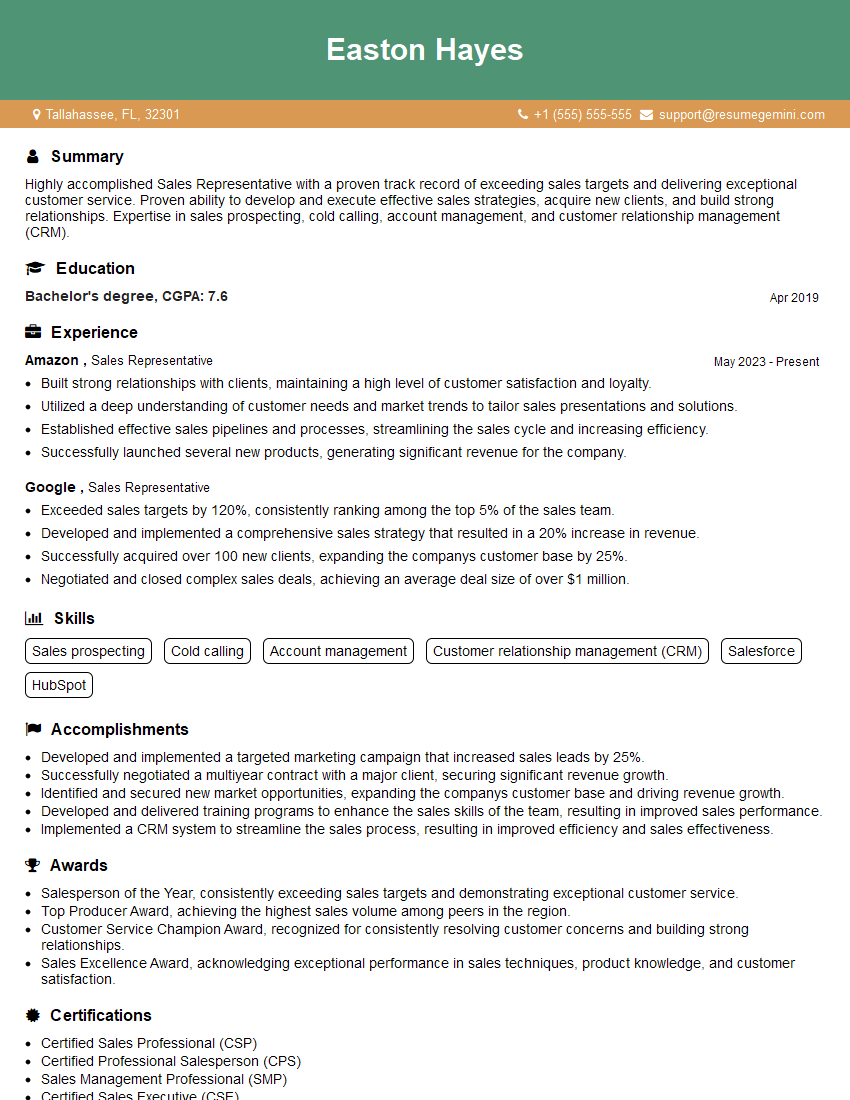
Sales Representative Resume Sample

Construction Superintendent Resume Sample
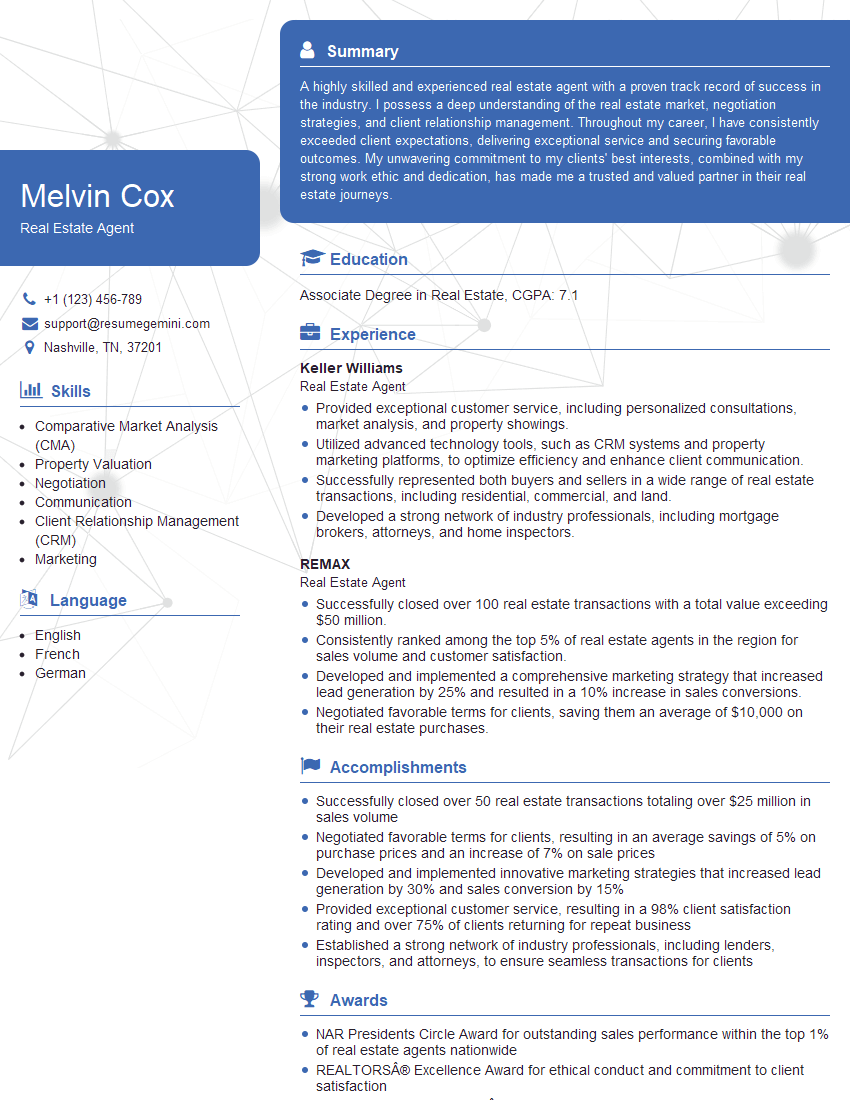
Real Estate Agent Resume Sample
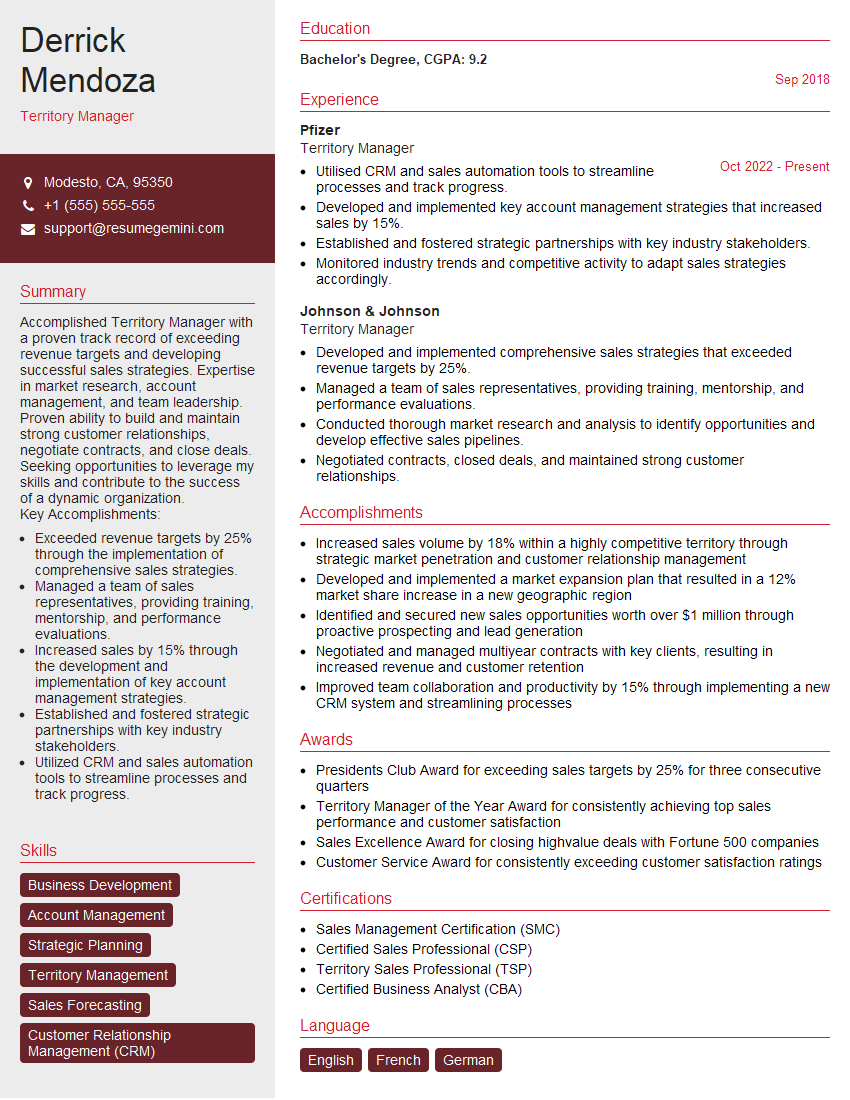
Territory Manager Resume Sample
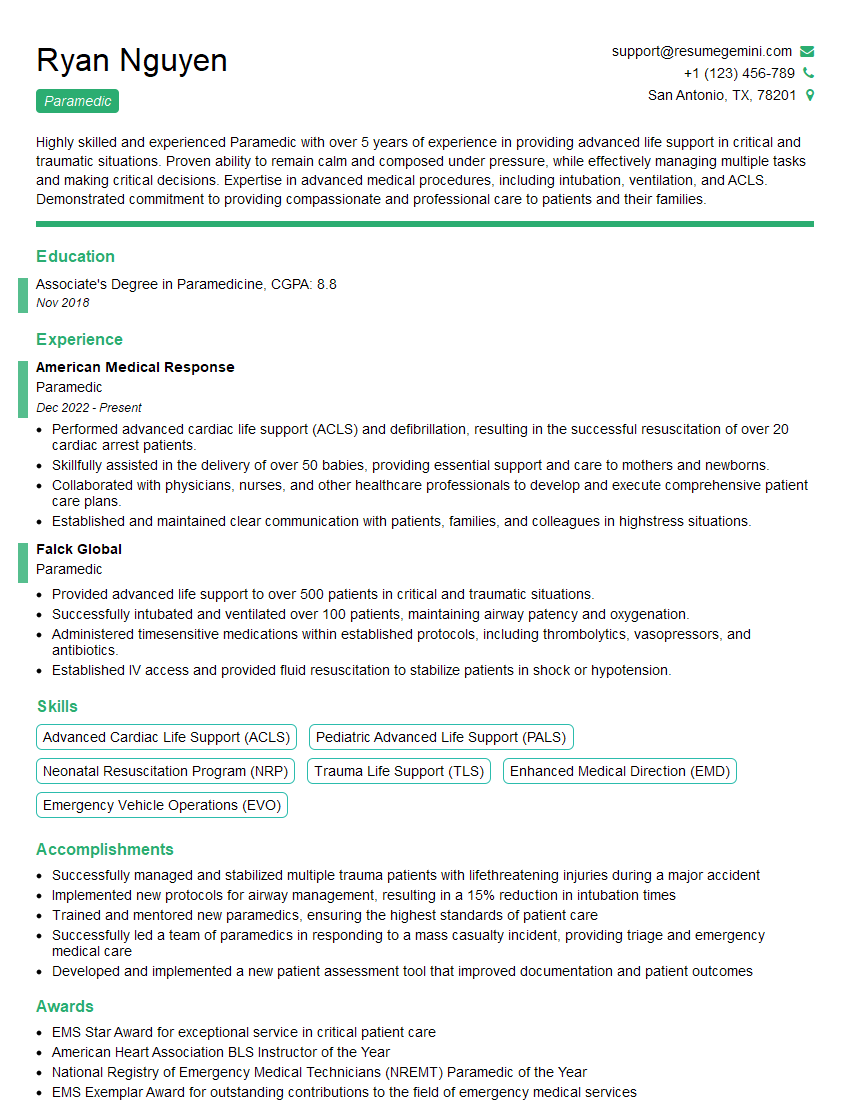
Paramedic Resume Sample
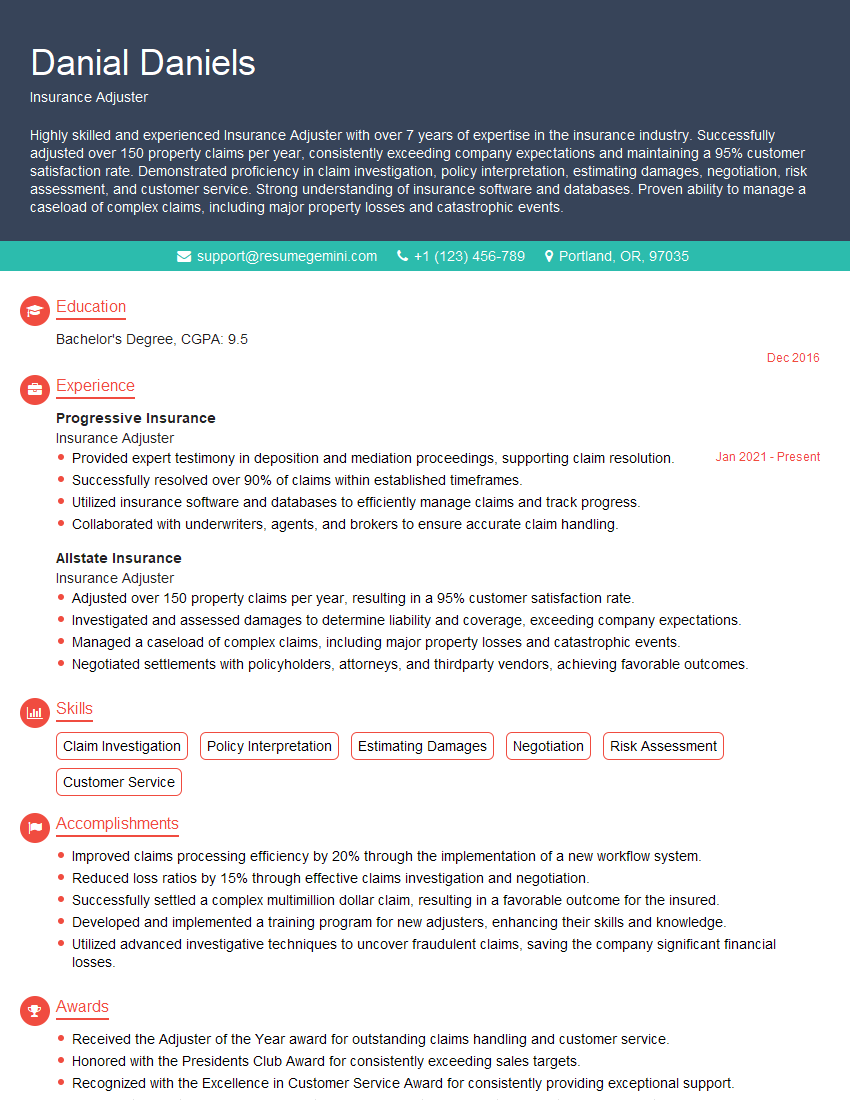
Insurance Adjuster Resume Sample
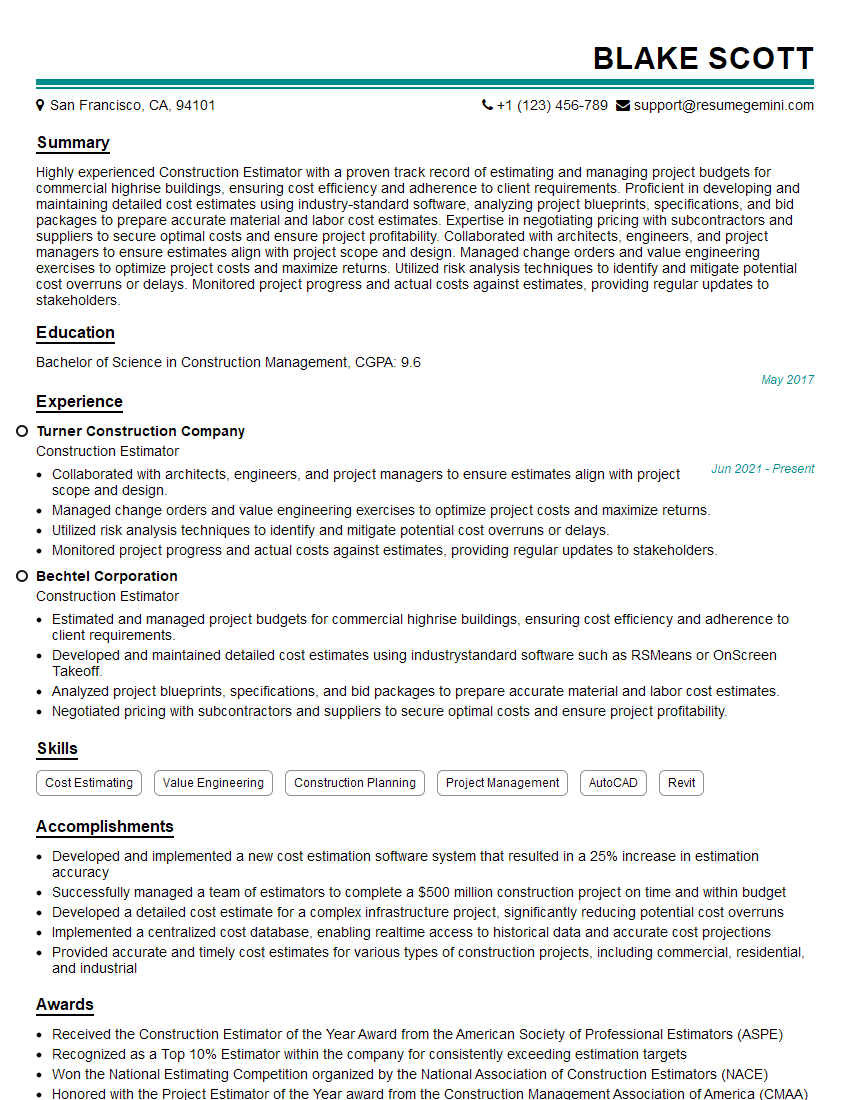
Construction Estimator Resume Sample
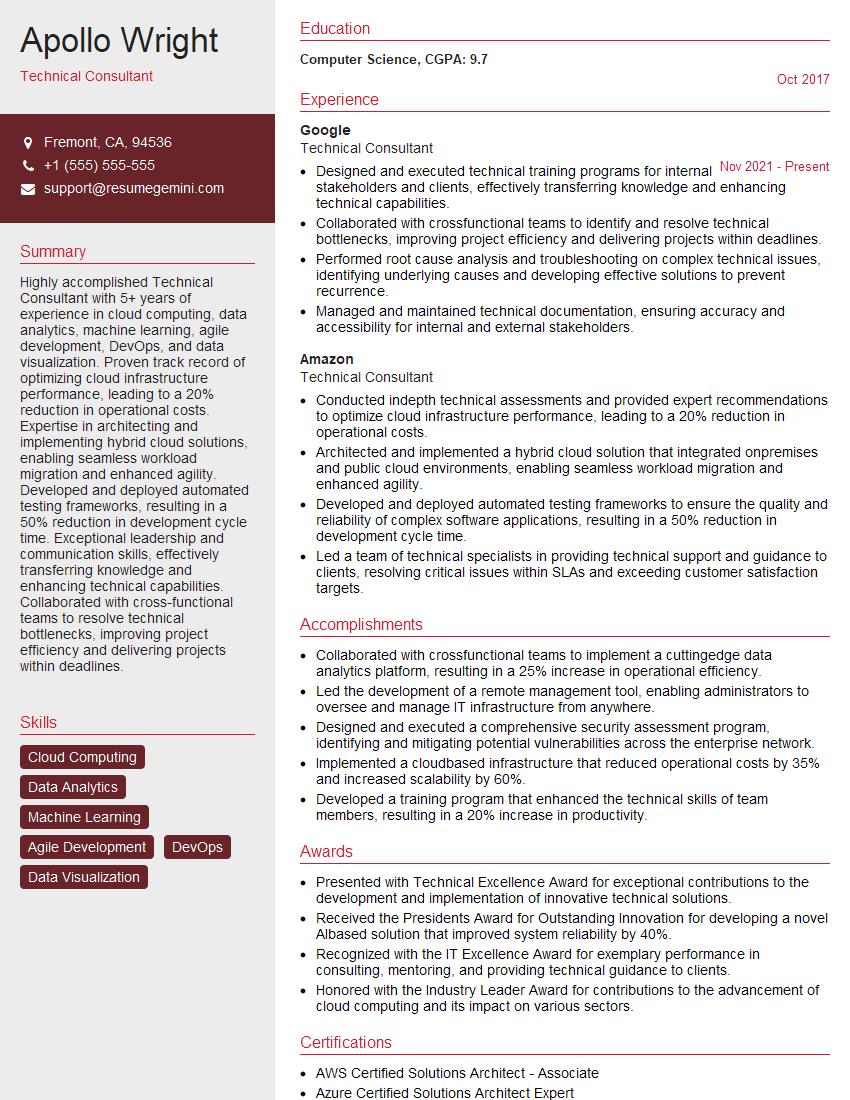
Technical Consultant Resume Sample
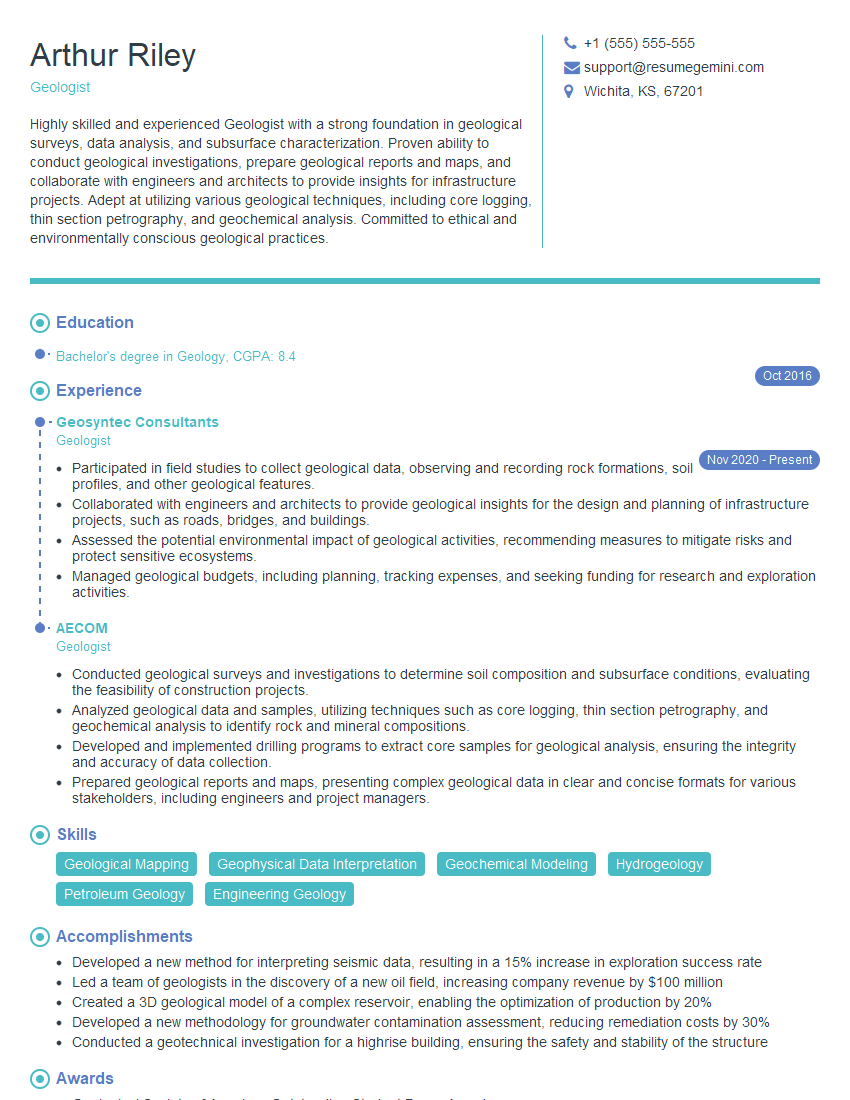
Geologist Resume Sample
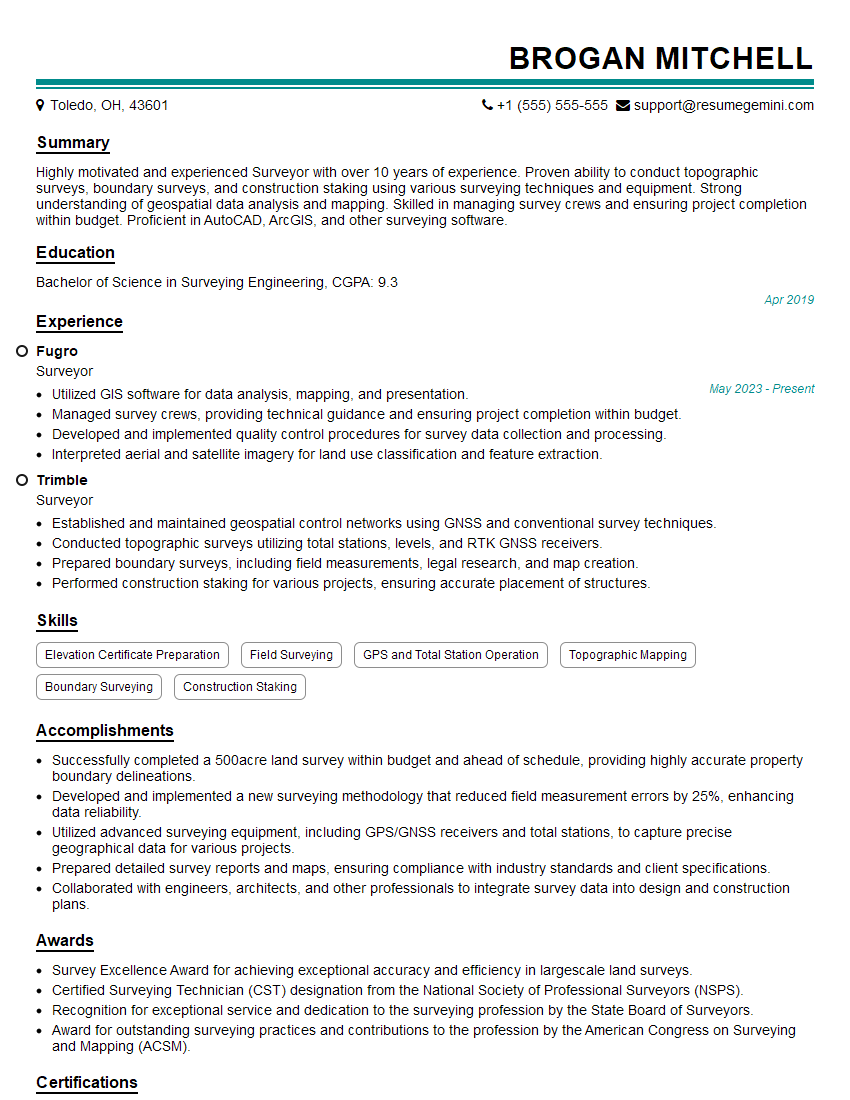
Surveyor Resume Sample
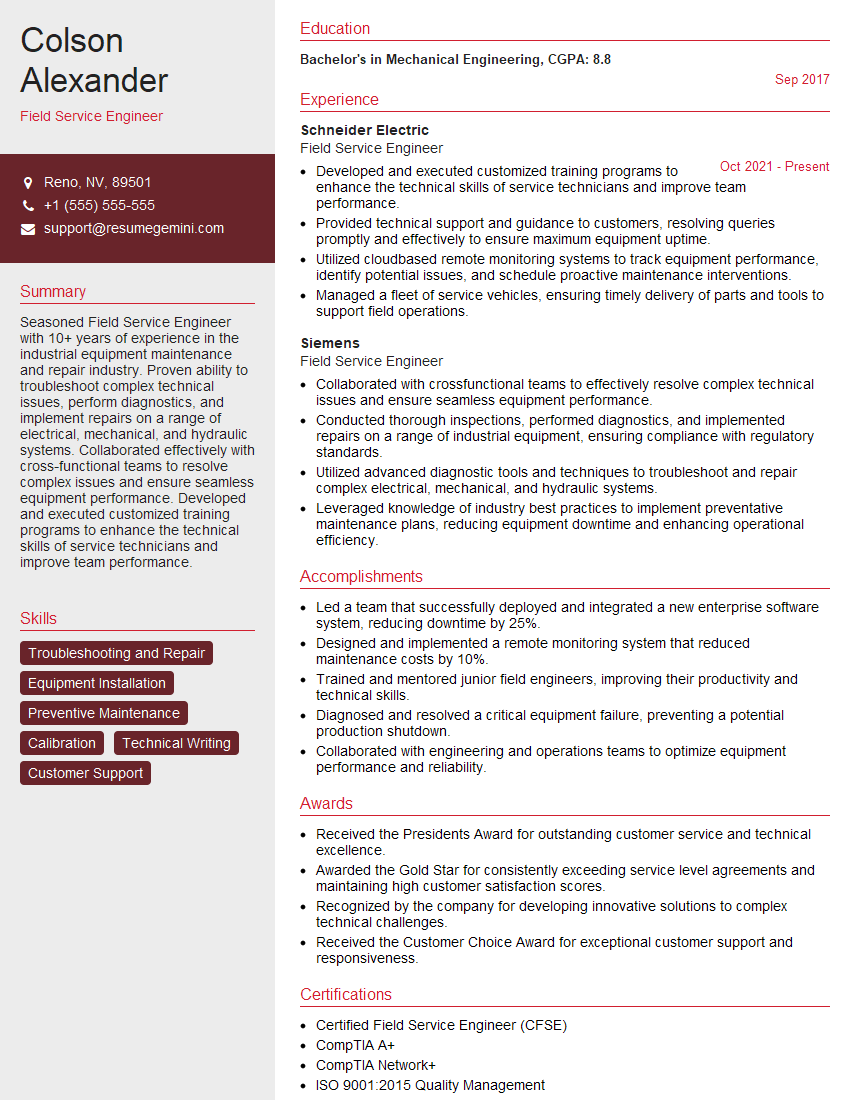
Field Service Engineer Resume Sample
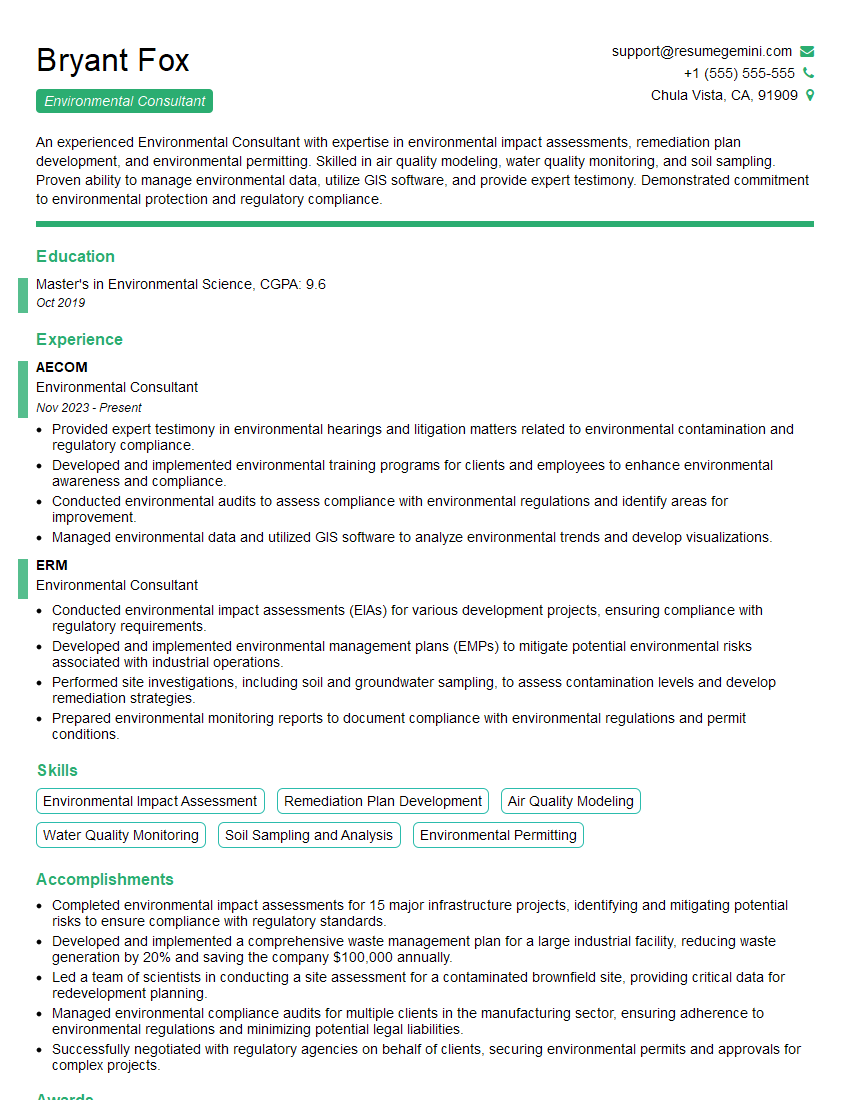
Environmental Consultant Resume Sample
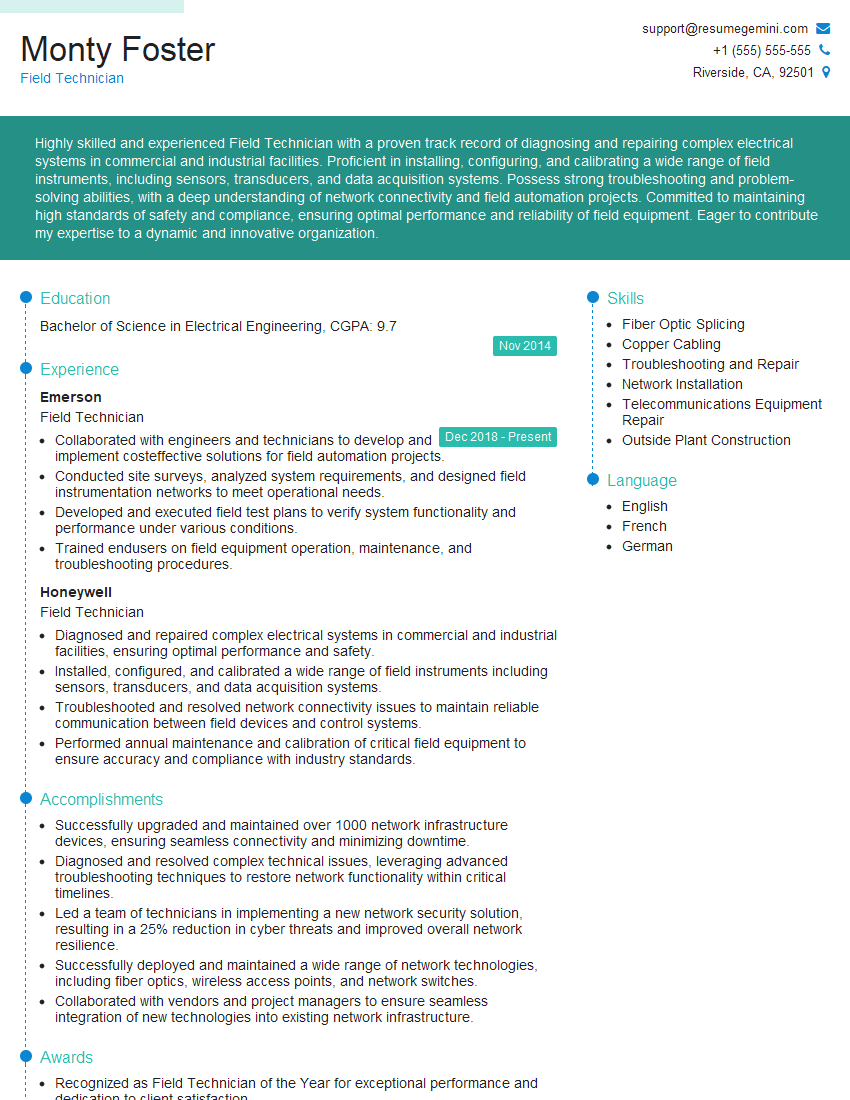
Field Technician Resume Sample
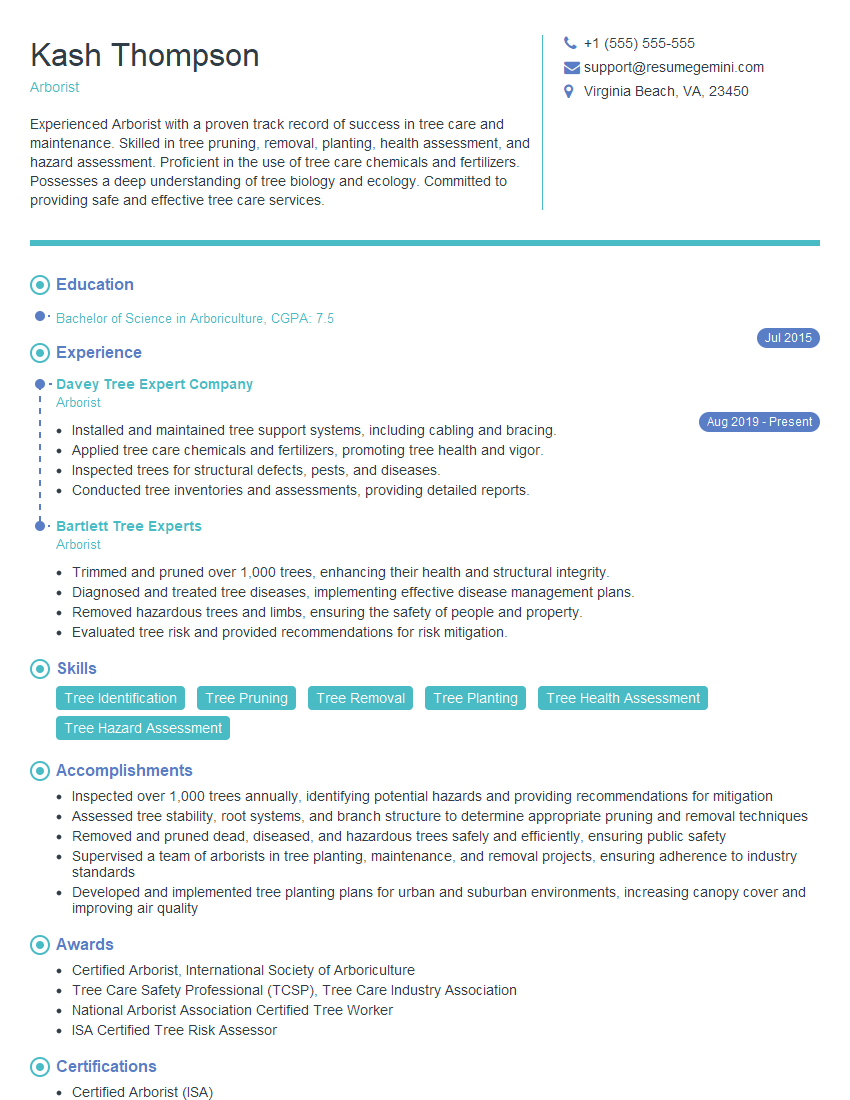
Arborist Resume Sample
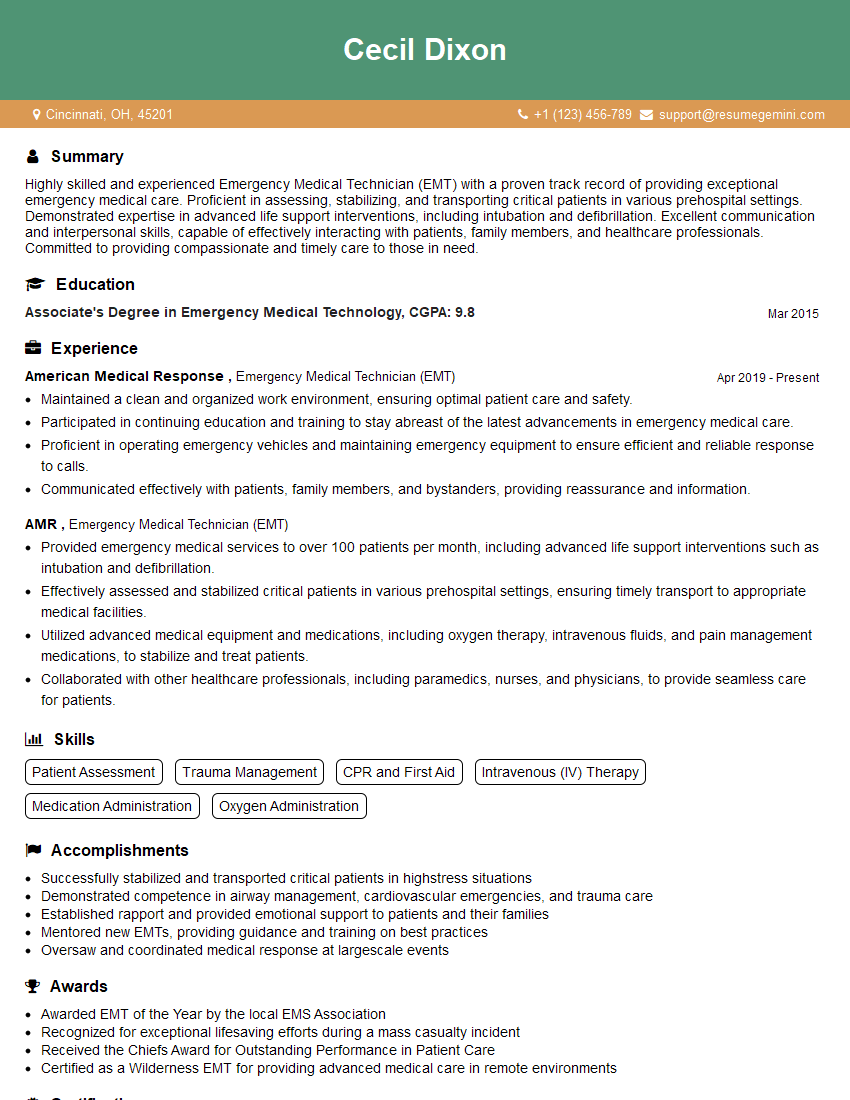
Emergency Medical Technician (EMT) Resume Sample
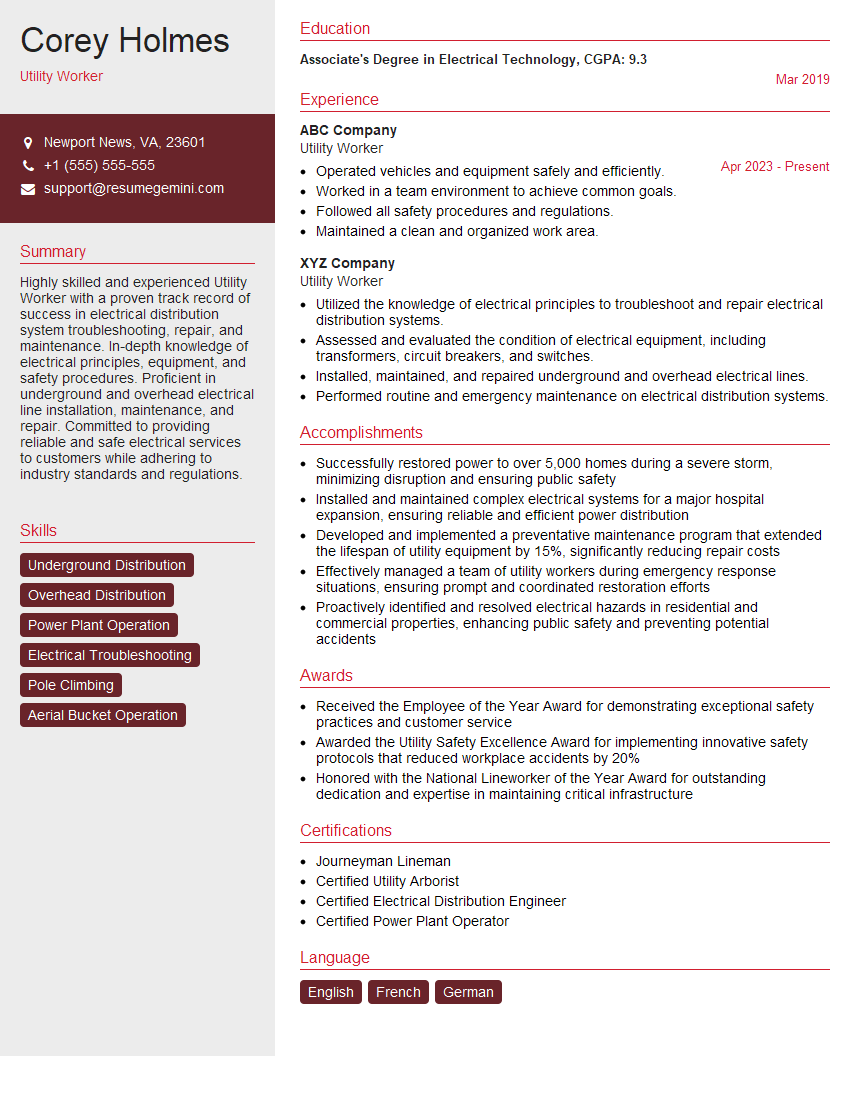
Utility Worker Resume Sample
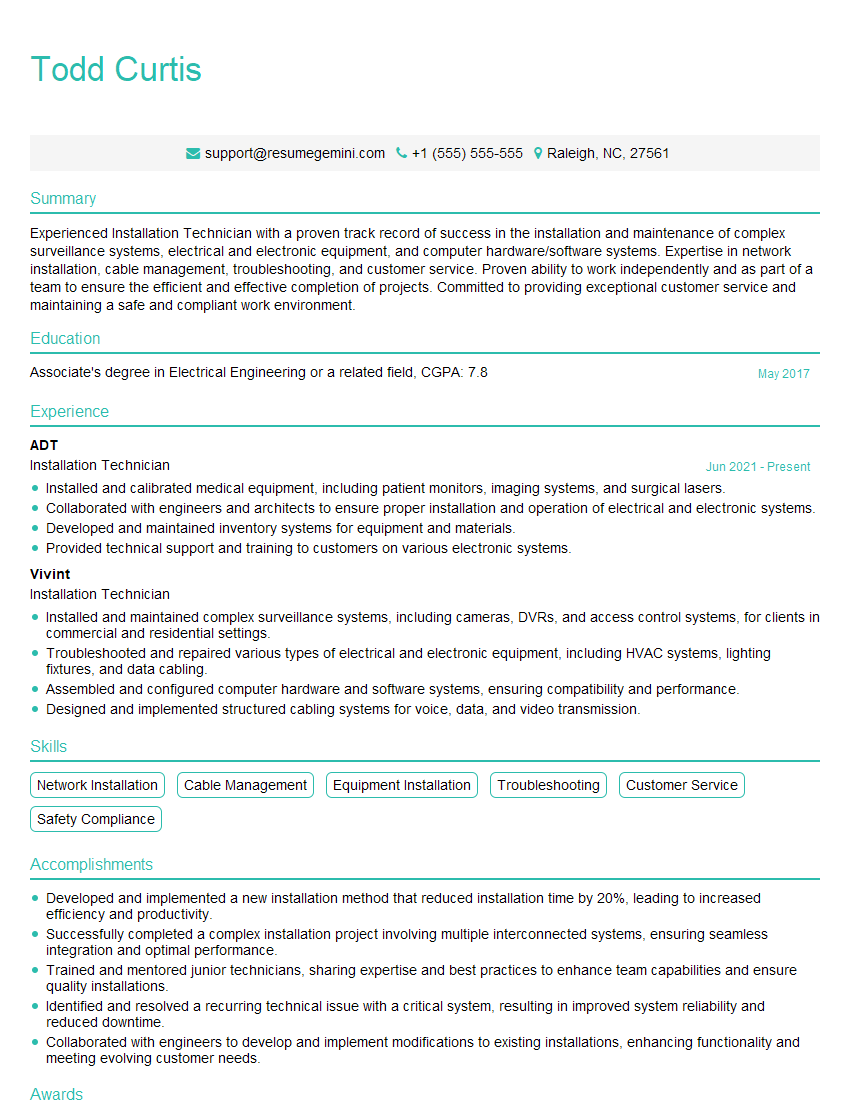
Installation Technician Resume Sample
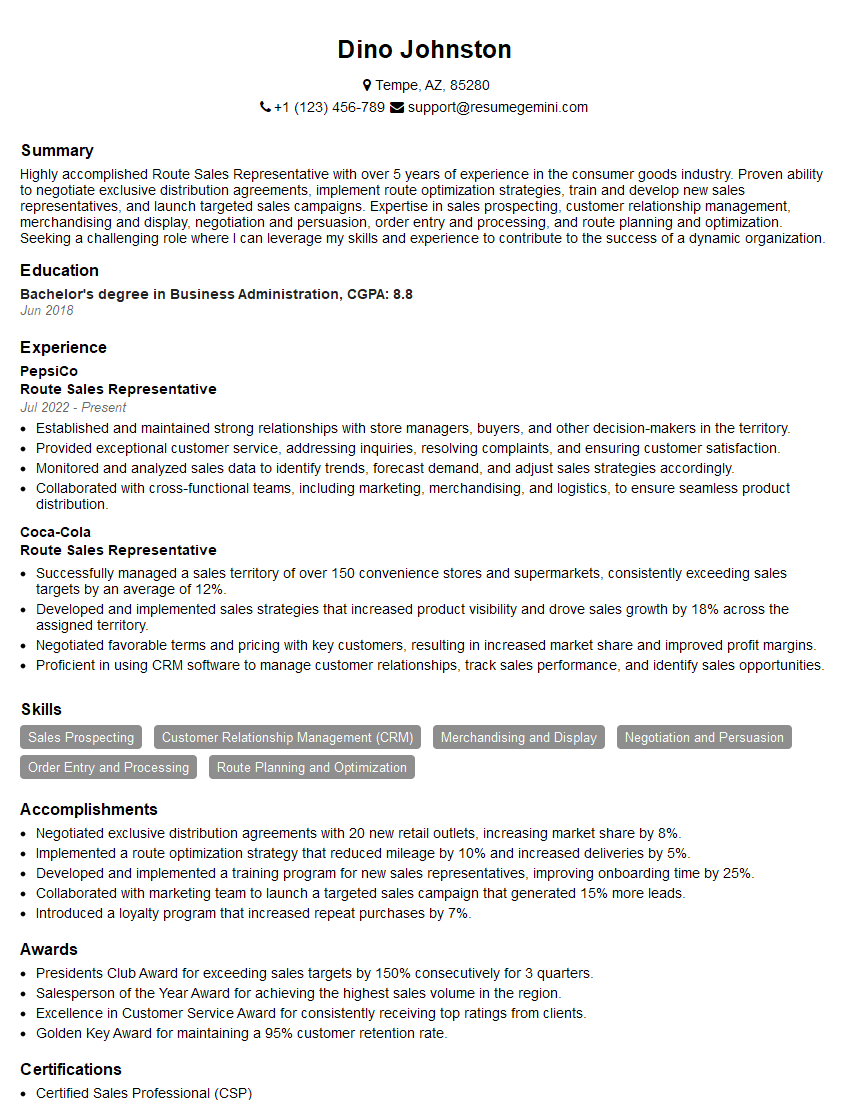
Route Sales Representative Resume Sample
- Sales Representative
- Construction Superintendent
- Real Estate Agent
- Territory Manager
- Paramedic
- Insurance Adjuster
- Construction Estimator
- Technical Consultant
- Geologist
- Surveyor
- Field Service Engineer
- Environmental Consultant
- Field Technician
- Arborist
- Emergency Medical Technician (EMT)
- Utility Worker
- Installation Technician
- Route Sales Representative
Explore more articles
Users Rating of Our Blogs
Share Your Experience
We value your feedback! Please rate our content and share your thoughts (optional).
What Readers Say About Our Blog
To the interviewgemini.com Webmaster.
Very helpful and content specific questions to help prepare me for my interview!
Thank you
To the interviewgemini.com Webmaster.
This was kind of a unique content I found around the specialized skills. Very helpful questions and good detailed answers.
Very Helpful blog, thank you Interviewgemini team.