Cracking a skill-specific interview, like one for Ability to work in high-temperature environments, requires understanding the nuances of the role. In this blog, we present the questions you’re most likely to encounter, along with insights into how to answer them effectively. Let’s ensure you’re ready to make a strong impression.
Questions Asked in Ability to work in high-temperature environments Interview
Q 1. Describe your experience working in high-temperature environments.
My experience working in high-temperature environments spans over 10 years, primarily in industrial settings like steel mills and power plants. I’ve worked with furnaces reaching temperatures exceeding 1200°C, and on outdoor projects during summer months where ambient temperatures frequently exceeded 40°C. This experience has provided me with extensive practical knowledge in managing heat stress, selecting appropriate PPE, and adapting work methodologies to minimize risks. I’ve directly overseen projects requiring workers to perform tasks in these harsh conditions, ensuring their safety and productivity.
For instance, in a recent project involving the maintenance of a large industrial oven, we implemented a strict rotation system to prevent prolonged exposure to extreme heat. Each team member would work in 15-minute intervals, followed by a 15-minute rest period in a shaded, air-conditioned area. This strategy proved successful in preventing heat-related illnesses and maintaining efficiency.
Q 2. What safety precautions are essential when working in high-heat conditions?
Safety precautions when working in high-heat conditions are paramount. They begin with a thorough risk assessment, identifying specific hazards and tailoring safety measures accordingly. This involves understanding the ambient temperature, radiant heat sources, humidity levels, and the physical demands of the job.
- Hydration: Providing readily accessible, cool water and encouraging frequent breaks for drinking.
- Acclimatization: Gradually introducing workers to the heat over several days to allow their bodies to adapt.
- Work-Rest Cycles: Implementing frequent rest periods in cool, shaded areas to allow the body to recover.
- Engineering Controls: Using ventilation, insulation, and other engineering techniques to reduce heat exposure where possible.
- Monitoring: Regularly monitoring the temperature and humidity levels, and the workers’ physical condition.
- Training: Providing comprehensive training to workers on heat stress, its symptoms, and the importance of safety precautions.
- Emergency Procedures: Establishing clear emergency procedures for responding to heat-related illnesses.
Q 3. Explain your understanding of heat stress and its symptoms.
Heat stress is the body’s response to excessive heat exposure, leading to a range of physiological effects. It’s not a single illness but rather a spectrum of conditions. The body’s natural cooling mechanisms – sweating and blood flow redirection – become overwhelmed, leading to dangerous consequences.
Symptoms can vary in severity, starting with mild discomfort and progressing to life-threatening conditions. Mild symptoms include:
- Heavy sweating
- Muscle cramps
- Fatigue
- Headache
- Nausea
More serious symptoms, indicating a medical emergency, include:
- Heat exhaustion (weakness, dizziness, rapid pulse, cool, clammy skin)
- Heat stroke (high body temperature, altered mental state, seizures, loss of consciousness)
Recognizing these symptoms promptly is crucial for implementing appropriate interventions and preventing severe outcomes.
Q 4. What personal protective equipment (PPE) do you utilize in high-temperature settings?
The choice of Personal Protective Equipment (PPE) in high-temperature settings is critical and varies depending on the specific task and environmental conditions. It’s crucial to choose PPE designed for heat resistance and worker comfort.
- Heat-resistant clothing: This includes specialized fabrics designed to reflect heat and allow for ventilation, such as aluminized suits or fire-retardant clothing.
- Protective helmets and eye protection: To shield workers from radiant heat and potential debris.
- Heat-resistant gloves: Protecting hands from direct contact with hot surfaces. These might be made from specialized materials like Nomex or Kevlar.
- Heat-resistant footwear: Providing insulation from hot ground surfaces. Steel-toe boots are often recommended for added protection in industrial environments.
- Respiratory protection: Depending on the specific environment, respirators might be required to protect against airborne particulates or harmful gases.
It’s essential that all PPE is properly fitted and regularly inspected to ensure its effectiveness.
Q 5. How do you monitor your body’s response to heat while working?
Monitoring my body’s response to heat is an ongoing process. I use a combination of methods to ensure my safety and the safety of my team. This includes:
- Regular breaks in shaded/cooled areas: To allow my body to recover from heat exposure.
- Self-monitoring for symptoms: Paying close attention to any signs of heat stress, like excessive sweating, dizziness, or muscle cramps.
- Hydration monitoring: I make sure I’m consistently drinking water throughout the day. Checking urine color is a simple way to confirm adequate hydration.
- Heart rate monitoring: A significant increase in resting heart rate can be a warning sign of heat stress. Smartwatches can help track this data.
- Temperature checks: If possible, I use a thermometer to monitor my body temperature. A high body temperature is a critical indicator needing immediate attention.
In addition to self-monitoring, our team utilizes buddy systems, so we can look out for each other and ensure prompt assistance if someone shows signs of heat stress.
Q 6. Describe a situation where you had to adapt your work methods due to high temperatures.
During a large-scale furnace repair, the ambient temperature reached dangerously high levels. Our initial plan involved extended periods of work within close proximity to the hot furnace. Recognizing the risk of heat stroke, we immediately adapted our methods.
We shortened work periods, increased the frequency of breaks in a nearby cooling station, and implemented a strict rotation system to limit individual exposure. Instead of working continuously for hours, we opted for shorter bursts of work, followed by longer rest periods. We also strategically used specialized cooling vests and fans to enhance the cooling effect during breaks. This adjustment significantly reduced the risk of heat-related illnesses while still allowing for the timely completion of the repair.
Q 7. What are the different types of heat-related illnesses?
Heat-related illnesses range in severity from mild discomfort to life-threatening emergencies. The most common are:
- Heat rash: A skin irritation caused by excessive sweating.
- Heat cramps: Muscle spasms due to electrolyte imbalances caused by sweating.
- Heat exhaustion: A more serious condition characterized by heavy sweating, weakness, dizziness, headache, and nausea.
- Heat stroke: A medical emergency characterized by a very high body temperature (above 104°F or 40°C), altered mental state, seizures, and loss of consciousness. It requires immediate medical attention.
Understanding the differences between these conditions is crucial for providing appropriate first aid and seeking necessary medical help.
Q 8. How do you identify and mitigate potential heat-related hazards?
Identifying and mitigating heat-related hazards starts with a thorough risk assessment. This involves identifying all potential sources of heat in the workspace, like furnaces, ovens, or direct sunlight. We then evaluate the intensity and duration of exposure for each worker. For example, a worker near a furnace for eight hours faces significantly higher risk than someone passing by briefly.
Mitigation strategies are then developed based on this assessment. These can include engineering controls, such as installing insulation, ventilation systems, or heat shields. Administrative controls, like scheduling work during cooler parts of the day or rotating workers through different tasks, are also crucial. Finally, personal protective equipment (PPE) like heat-resistant clothing and specialized headgear should be provided and its proper use enforced. In a steel mill, for instance, we’d implement all three: shielding hot surfaces, rotating workers on particularly hot tasks, and mandating specialized protective suits and face shields.
Q 9. What are the limitations of different types of PPE in high-temperature environments?
Different types of PPE have their limitations in high-temperature environments. For instance, aluminized suits, while excellent reflectors of radiant heat, offer limited protection against convective heat (heat transferred by moving air). They can also become quite heavy and cumbersome, limiting mobility and potentially leading to heat stress due to exertion.
Similarly, gloves made of certain heat-resistant materials might offer sufficient protection against contact heat but compromise dexterity and manual precision. The choice of PPE must always balance protection with the worker’s ability to perform their task safely and efficiently. We would assess the specific hazards—contact heat, radiant heat, convective heat—and select PPE accordingly. For example, in a foundry, we might use a combination of aluminized suits, heat-resistant gloves, and specialized footwear, recognizing that each component has limitations and the overall system provides the necessary protection.
Q 10. How do you ensure proper ventilation in high-temperature workspaces?
Ensuring proper ventilation in high-temperature workspaces is critical. This involves using a combination of strategies. Firstly, we need to identify the heat sources and ventilation patterns. Exhaust systems, drawing hot air away from the source, are very effective, especially in localized hot spots such as near furnaces. General ventilation, like large fans circulating cooler air, can also help reduce overall temperature.
The design of the ventilation system is vital. We need to consider factors like air flow rate, air velocity, and temperature differentials to ensure that the system is effectively removing hot air and replacing it with cooler air. In my experience, regular maintenance and monitoring of ventilation systems are key. Malfunctioning equipment can rapidly lead to dangerously high temperatures, so routine checks and prompt repairs are essential. Think of it like a car’s cooling system; regular maintenance is vital for optimal performance and safety.
Q 11. Describe your experience with emergency procedures related to heat-related incidents.
I’ve had extensive experience with emergency procedures related to heat-related incidents. Our protocol includes immediate removal of the affected individual from the high-temperature environment, assessment of their condition using a standardized heat stress protocol (checking temperature, pulse, etc.), and prompt initiation of first aid, which typically involves cooling measures such as applying cool compresses and providing fluids.
We also have procedures for contacting emergency medical services and for maintaining a detailed record of the incident. During my time at [Previous Company Name], we had an instance where a worker experienced heat exhaustion. Following our protocol, we swiftly moved him to a cool area, provided hydration, and contacted emergency services. He recovered fully thanks to our swift response and well-defined procedures. Regular drills and training on these procedures ensure that everyone knows their roles and can react effectively.
Q 12. What are the relevant safety regulations and standards for your specific high-temperature work?
The safety regulations and standards for high-temperature work vary depending on location and specific industry, but generally include OSHA regulations (in the US), and industry-specific guidelines. For instance, in industries like metalworking, we must adhere to standards set by organizations like the American Foundry Society.
These regulations often mandate regular monitoring of workplace temperatures, implementation of engineering and administrative controls, provision of appropriate PPE, and worker training on heat stress recognition and prevention. Compliance is ensured through regular inspections, record-keeping, and worker education. Ignoring these standards can lead to serious penalties and, more importantly, significant risk to worker safety and health. Understanding and implementing these regulations is non-negotiable in my work.
Q 13. How do you communicate effectively with your team in a hot and potentially hazardous environment?
Effective communication is paramount in a hot and potentially hazardous environment. It’s not just about what you say, but how you say it. In such settings, clear and concise communication is key, using simple language and avoiding jargon. We utilize methods to ensure everyone understands and acknowledges messages. For instance, visual cues like hand signals can be more effective than verbal communication in noisy environments.
Regular check-ins with team members are also crucial. We establish predetermined communication channels and ensure everyone knows how to reach each other during an emergency. Building trust and open communication channels is vital for a safe and productive team. Openly acknowledging the challenges of working in heat and providing opportunities for feedback helps improve safety and fosters a collaborative environment.
Q 14. Explain your experience with heat stress prevention programs.
My experience with heat stress prevention programs involves developing and implementing comprehensive programs encompassing education, training, and monitoring. This starts with educating workers on the signs and symptoms of heat stress, including heat exhaustion and heat stroke. We conduct regular training sessions on how to prevent heat stress, the use of PPE, and emergency procedures.
Monitoring involves regular checks of workplace temperatures and worker well-being. We may use heat index calculations to estimate the risk level. We often incorporate hydration strategies, providing access to cool water and encouraging frequent breaks. At [Previous Company Name], we implemented a buddy system where workers checked on each other regularly, further enhancing the effectiveness of our program. The success of these programs is regularly evaluated through incident rates and feedback from workers.
Q 15. How do you maintain equipment functionality in high-temperature environments?
Maintaining equipment functionality in high-temperature environments requires a multi-pronged approach focusing on material selection, design considerations, and preventative maintenance. Think of it like this: a race car needs specialized parts to withstand immense stress; similarly, equipment in high-heat scenarios needs components designed to resist degradation.
Material Selection: Using high-temperature alloys like Inconel or stainless steel is crucial. These materials possess superior heat resistance and creep strength, preventing deformation at high temperatures. For example, in a furnace, the internal lining would be made of these materials to withstand the extreme heat.
Design Considerations: Effective cooling systems are paramount. This could involve forced air cooling, liquid cooling, or even passive cooling techniques like fins to dissipate heat. Imagine a computer processor – it needs a heat sink and fan to prevent overheating; high-temperature equipment needs similar, but often more robust, systems.
Preventative Maintenance: Regular inspections and scheduled maintenance are non-negotiable. This includes checking for wear and tear, lubricating moving parts with high-temperature grease, and replacing components before failure. Just as you’d change the oil in your car, you need to maintain high-temperature equipment to prevent catastrophic failures.
Career Expert Tips:
- Ace those interviews! Prepare effectively by reviewing the Top 50 Most Common Interview Questions on ResumeGemini.
- Navigate your job search with confidence! Explore a wide range of Career Tips on ResumeGemini. Learn about common challenges and recommendations to overcome them.
- Craft the perfect resume! Master the Art of Resume Writing with ResumeGemini’s guide. Showcase your unique qualifications and achievements effectively.
- Don’t miss out on holiday savings! Build your dream resume with ResumeGemini’s ATS optimized templates.
Q 16. Describe your experience with high-temperature material handling.
My experience with high-temperature material handling spans several years working in a steel mill. We frequently handled molten metal, requiring specialized equipment and safety protocols. Think of it like a delicate dance with fire – one wrong move could have disastrous consequences.
Specialized Equipment: We used robotic arms and automated systems for handling red-hot steel billets to minimize human exposure to the extreme heat and risk of burns. This technology ensured speed and safety.
Safety Protocols: Strict adherence to safety procedures, including the use of heat-resistant gloves, protective clothing, and specialized tongs, was essential. Safety wasn’t just a suggestion; it was paramount. Each employee went through rigorous training before operating equipment or handling the materials.
Material Properties Understanding: A deep understanding of the material properties at high temperatures was critical to ensure safe handling. For instance, the viscosity of molten steel changes dramatically with temperature, which affects pouring and casting processes. This knowledge allowed us to adapt our procedures efficiently.
Q 17. How do you manage your hydration levels while working in high heat?
Hydration is absolutely critical when working in high-heat environments. Dehydration can lead to heat exhaustion and heat stroke – both serious, potentially fatal conditions. Think of your body like a car engine – it needs coolant to function properly; likewise, your body needs water to regulate its temperature.
Proactive Hydration: I begin hydrating well before starting work, consuming plenty of water throughout the day, even before feeling thirsty. This approach helps to stay ahead of the curve.
Electrolyte Replacement: I also incorporate electrolyte drinks to replenish salts lost through sweat. These drinks help maintain proper electrolyte balance to keep the body running smoothly.
Frequent Breaks: Taking frequent breaks in shaded or air-conditioned areas allows for cooling down and rehydration. Even short breaks can make a significant difference.
Monitoring Urine Color: I monitor my urine color; pale yellow indicates sufficient hydration, while dark yellow is a signal to increase water intake immediately.
Q 18. What are the challenges of working with high-temperature materials?
Working with high-temperature materials presents a unique set of challenges, primarily centered around safety, material degradation, and equipment limitations. It’s like working with a temperamental beast – you need respect, understanding, and caution.
Safety Hazards: Burns are a primary concern, requiring the use of protective equipment and strict adherence to safety protocols. Eye protection is also essential to guard against radiant heat.
Material Degradation: High temperatures can cause materials to weaken, deform, or even melt. Understanding the specific material properties at various temperatures is essential for preventing accidents and equipment failure.
Equipment Limitations: Standard equipment often isn’t designed to withstand high temperatures. Specialized tools and machinery, often more expensive and less readily available, are needed.
Q 19. How do you ensure the accuracy of measurements in high-temperature conditions?
Ensuring measurement accuracy in high-temperature conditions demands careful selection of instruments and methodologies. Consider it like measuring the temperature of a pizza oven – you wouldn’t use a standard kitchen thermometer.
High-Temperature Sensors: Using sensors designed specifically for high-temperature applications is crucial. These sensors are made from materials that can withstand extreme heat without compromising accuracy. Thermocouples and RTDs (Resistance Temperature Detectors) are common examples.
Calibration and Verification: Regular calibration and verification of measuring instruments is essential to maintain accuracy. This ensures that the equipment is working as intended and providing reliable data.
Environmental Compensation: The influence of ambient temperature on measurements should be considered and compensated for wherever possible. Specialized software or calibration techniques may be employed to account for this effect.
Data Acquisition Systems: Using robust data acquisition systems that can handle the high temperatures and potential electromagnetic interference (EMI) associated with high-temperature environments is necessary to maintain data integrity.
Q 20. Describe your understanding of thermal imaging and its applications in high-temperature work.
Thermal imaging, using infrared cameras, is an invaluable tool in high-temperature work. Think of it as a heat-vision device that can detect temperature variations invisible to the naked eye. This technology provides a critical safety advantage and enables improved process control.
Predictive Maintenance: Thermal imaging can detect hot spots in equipment, which are often early indicators of impending failure. This allows for proactive maintenance, preventing costly downtime.
Safety Monitoring: It allows for the detection of potential fire hazards or overheating components, preventing accidents and ensuring worker safety. It provides a remote view of dangerously hot zones.
Process Optimization: By visualizing temperature distributions, thermal imaging can help optimize processes, increasing efficiency and reducing energy consumption. It can pinpoint areas for improved insulation, for instance.
Q 21. What are the common causes of equipment failure in high-temperature settings?
Equipment failure in high-temperature settings often stems from material degradation, thermal stress, and inadequate cooling. It’s like neglecting regular maintenance on a high-performance engine – eventually, it will fail.
Material Degradation: Prolonged exposure to high temperatures can cause materials to creep (deform slowly under stress), weaken, and eventually fail. Oxidation and corrosion are also significant factors.
Thermal Shock: Rapid temperature changes can induce thermal shock, causing cracks or fractures in components. This is particularly relevant when dealing with ceramic components.
Inadequate Cooling: Insufficient cooling can lead to overheating and eventual failure of components. This is true whether the cooling system itself fails or the design is insufficient for the application.
Lubricant Failure: High temperatures can cause lubricants to break down, leading to increased friction and wear, and ultimately, mechanical failure.
Q 22. How do you troubleshoot equipment malfunctions in high-temperature environments?
Troubleshooting equipment malfunctions in high-temperature environments requires a methodical approach combining safety protocols with technical expertise. It starts with understanding the specific equipment and its normal operating parameters. For instance, a sudden drop in temperature in a furnace could indicate a faulty burner, clogged fuel line, or even a breach in insulation.
My troubleshooting process typically involves:
- Safety First: Ensuring the area is safe to enter, wearing appropriate PPE (Personal Protective Equipment) including heat-resistant suits, gloves, and face shields.
- Visual Inspection: Carefully observing the equipment for any visible signs of damage, leaks, or unusual wear and tear.
- Data Analysis: Reviewing operational data logs and sensor readings to pinpoint the time and nature of the malfunction. This might involve checking temperature charts, pressure gauges, and flow meters.
- Systematic Testing: Conducting controlled tests on individual components to isolate the faulty part. This often involves replacing components one at a time until the problem is resolved. This process is very systematic and is guided by process diagrams and operating manuals.
- Documentation: Meticulously documenting every step of the troubleshooting process, including observations, tests performed, and the solution implemented. This documentation is crucial for future reference and preventative maintenance.
For example, I once diagnosed a malfunction in a high-temperature drying oven by noticing a slight pressure drop and correlating it with a recent increase in power consumption. This led me to find a small crack in the oven’s sealing gasket, which was causing a loss of pressure and increased energy usage.
Q 23. Describe your experience with maintaining high-temperature equipment.
My experience with maintaining high-temperature equipment spans over ten years, working primarily with industrial furnaces and kilns in the ceramic and metal processing industries. I’ve been responsible for everything from daily inspections and preventative maintenance to major repairs and overhauls. This includes:
- Preventative Maintenance: Regularly inspecting and cleaning components like burners, heat exchangers, and insulation to prevent breakdowns. This also includes lubricating moving parts and checking for corrosion.
- Predictive Maintenance: Using sensor data and analytical tools to anticipate potential problems before they occur, minimizing downtime. For example, I’ve used vibration analysis to detect bearing wear in high-speed rotary kilns.
- Refractory Repair: Repairing and replacing damaged refractory materials (heat-resistant lining) in furnaces and kilns, a critical aspect of maintaining operational efficiency and safety.
- Calibration and Testing: Regularly calibrating temperature sensors and other instruments to ensure accurate readings.
I’ve successfully implemented a preventative maintenance program that reduced unplanned downtime by 25% in my previous role. This involved creating a detailed schedule of inspections and maintenance tasks, coupled with training for other technicians to maintain consistent standards.
Q 24. How do you plan your workday to account for the effects of high temperatures?
Working in high-temperature environments necessitates careful planning to mitigate heat stress. My workday planning considers:
- Hydration: Drinking plenty of water throughout the day, even before feeling thirsty. I usually carry a large insulated water bottle to keep my water cool.
- Work Scheduling: Concentrating strenuous tasks during cooler parts of the day, often starting earlier to avoid the peak heat. This is particularly important in outdoor settings.
- Rest Breaks: Taking regular breaks in shaded or air-conditioned areas to allow the body to cool down. This could include short breaks in between tasks.
- Appropriate Clothing: Wearing lightweight, light-colored, and loose-fitting clothing designed for high-temperature environments. This might include heat-resistant fabrics or specialized clothing with cooling features. Always wearing appropriate PPE such as heat-resistant gloves and safety glasses.
- Heat Monitoring: Utilizing heat index monitoring tools to assess the actual level of heat stress and make adjustments to work schedules and safety measures as needed.
For example, during a summer project involving outdoor maintenance on a large industrial furnace, we adjusted our work schedule to start at 6:00 AM and finish by noon, using the cooler morning hours to perform the most physically demanding tasks.
Q 25. What are the key performance indicators (KPIs) for your role in a high-temperature environment?
Key Performance Indicators (KPIs) for my role in a high-temperature environment focus on safety, efficiency, and equipment uptime. These include:
- Safety Incidents: The number of heat-related illnesses or accidents. A rate of zero is the target.
- Equipment Uptime: The percentage of time the equipment is operational. This is crucial for production efficiency.
- Maintenance Costs: Keeping maintenance costs within budget.
- Mean Time Between Failures (MTBF): The average time between equipment failures, a key indicator of equipment reliability.
- Energy Efficiency: Measuring and improving the energy efficiency of the equipment to reduce costs and environmental impact.
Regularly monitoring and reporting on these KPIs allows me to identify areas for improvement and demonstrate the effectiveness of implemented strategies. I regularly use data analysis to track these KPI’s to evaluate their trend, and implement corrective actions if necessary.
Q 26. Describe your experience in using and maintaining high-temperature sensors and instrumentation.
My experience with high-temperature sensors and instrumentation is extensive. I am proficient in using and maintaining various types of sensors, including thermocouples, RTDs (Resistance Temperature Detectors), pyrometers, and pressure transducers. This includes:
- Sensor Selection: Choosing the appropriate sensor for the specific application based on temperature range, accuracy requirements, and environmental conditions.
- Calibration: Regularly calibrating sensors against certified standards to ensure accuracy. This often involves specialized calibration equipment.
- Installation: Correctly installing sensors to ensure accurate and reliable readings. This includes proper grounding and shielding to minimize interference.
- Troubleshooting: Diagnosing and resolving sensor malfunctions, including issues like signal drift, noise, and sensor failure.
- Data Acquisition: Using data acquisition systems to collect and analyze sensor data.
I’ve successfully troubleshooted a faulty thermocouple in a high-temperature furnace by systematically checking the wiring, connections, and the sensor itself, ultimately replacing the faulty sensor and restoring accurate temperature readings. The use of a calibrated thermocouple allowed me to maintain high accuracy in my measurements, thus eliminating any possibility of errors.
Q 27. What are some strategies for reducing heat exposure in your work environment?
Reducing heat exposure in a high-temperature work environment requires a multi-faceted approach that combines engineering controls, administrative controls, and personal protective equipment (PPE):
- Engineering Controls: These involve modifications to the work environment to reduce heat. Examples include installing improved ventilation systems, using reflective insulation, or implementing automated systems to minimize manual handling of hot materials.
- Administrative Controls: These are changes to work practices and schedules to minimize heat exposure. This includes work rotation to limit exposure times, providing adequate rest breaks, and implementing heat stress monitoring programs.
- Personal Protective Equipment (PPE): This includes the use of heat-resistant clothing, gloves, face shields, and respirators to protect workers from direct contact with heat sources.
- Cooling Systems: Utilizing personal cooling vests or fans to improve comfort and reduce heat stress. This could include utilizing evaporative cooling methods.
For example, in a previous project, we implemented a new ventilation system in a foundry that significantly reduced the ambient temperature, alongside implementing a mandatory hydration policy and providing all workers with cooling vests.
Q 28. Explain your experience with the maintenance and repair of high-temperature furnaces or kilns.
My experience with the maintenance and repair of high-temperature furnaces and kilns is extensive. This involves a deep understanding of the various components, their operating principles, and potential failure modes. It includes:
- Routine Inspections: Regularly inspecting the furnace or kiln for signs of wear and tear, such as cracks in the refractory lining, burner malfunctions, and issues with insulation.
- Refractory Repair: Replacing and repairing damaged refractory bricks, a crucial aspect of maintaining furnace integrity and efficiency. This is often a complex process requiring specialized tools and techniques.
- Burner Maintenance: Cleaning, adjusting, and repairing burners to ensure efficient combustion and optimal temperature control. This often involves working with potentially hazardous fuels.
- Control System Maintenance: Maintaining and troubleshooting the control systems that regulate temperature, pressure, and airflow within the furnace or kiln. This might involve working with PLCs (Programmable Logic Controllers) and other automation systems.
- Safety Procedures: Following strict safety protocols during all maintenance and repair activities to prevent accidents. This includes lockout/tagout procedures to ensure equipment is safely de-energized before maintenance work commences.
I once successfully repaired a major crack in the refractory lining of a large industrial kiln by carefully removing the damaged bricks, installing new refractory material, and using specialized mortar to ensure a strong and heat-resistant seal. This required a detailed understanding of refractory materials and their application techniques. The repair was completed safely and efficiently, minimizing downtime for the production line.
Key Topics to Learn for Ability to work in high-temperature environments Interview
- Physiological Effects of Heat: Understand the impact of high temperatures on the human body, including heat exhaustion, heat stroke, and dehydration. Explore the mechanisms of thermoregulation and the body’s response to heat stress.
- Personal Protective Equipment (PPE): Become familiar with various types of PPE designed for high-temperature environments, such as heat-resistant clothing, gloves, and respiratory protection. Discuss the selection criteria for appropriate PPE based on specific job tasks and environmental conditions.
- Safety Procedures and Protocols: Learn about established safety protocols for working in high-temperature settings, including emergency procedures, heat stress monitoring, and buddy systems. Understand the importance of adhering to safety regulations and reporting any safety concerns.
- Heat Stress Management Strategies: Explore practical strategies for managing heat stress, including hydration techniques, rest breaks, acclimatization procedures, and work-rest cycles. Discuss the importance of recognizing early warning signs of heat-related illness.
- Environmental Control Measures: Understand the role of engineering controls in mitigating heat stress, such as ventilation systems, insulation, and cooling technologies. Discuss the effectiveness of different environmental control strategies in various work settings.
- Workplace Regulations and Compliance: Familiarize yourself with relevant workplace regulations and safety standards related to working in high-temperature environments. Understand the employer’s responsibilities and employee rights concerning heat safety.
Next Steps
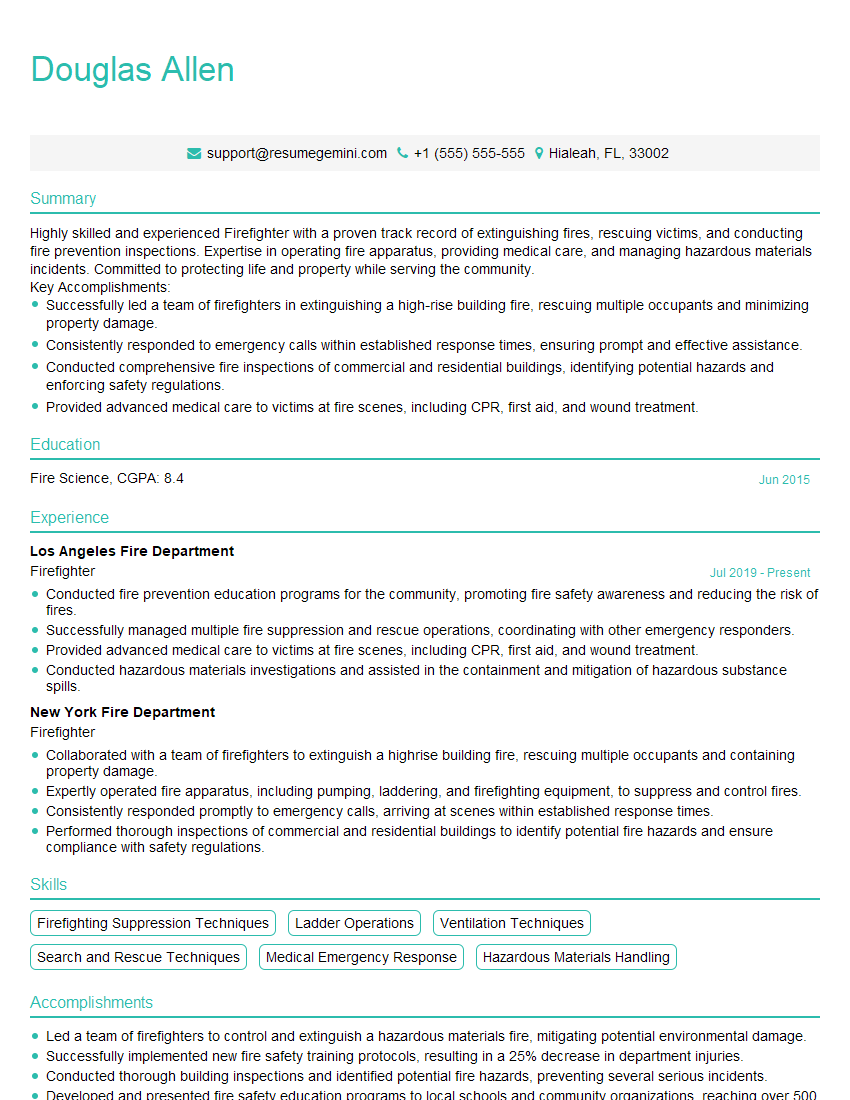
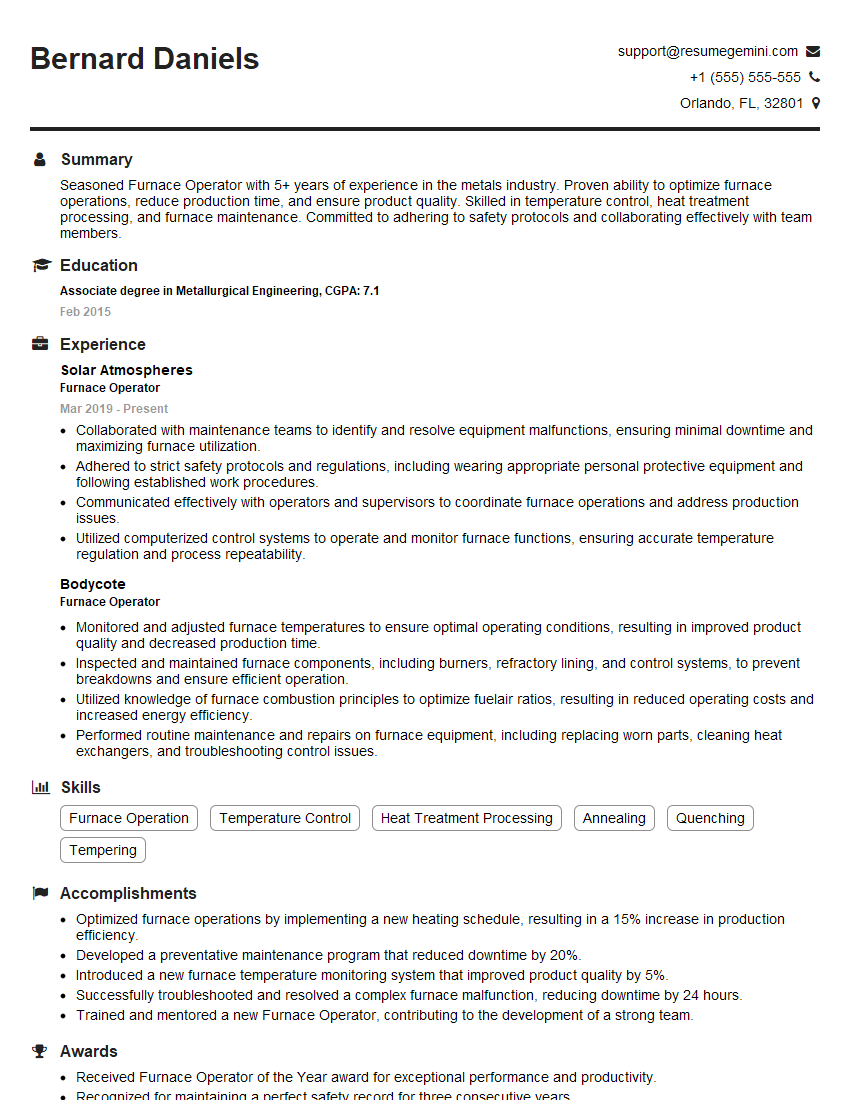
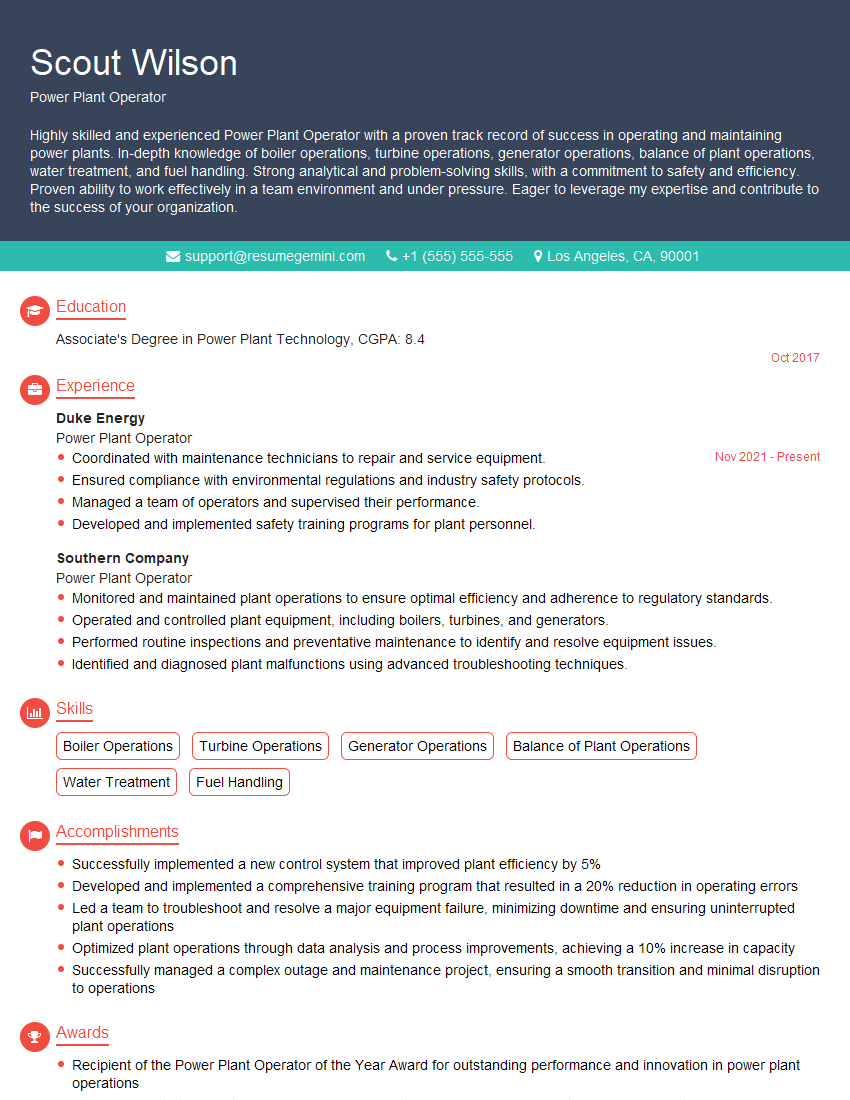
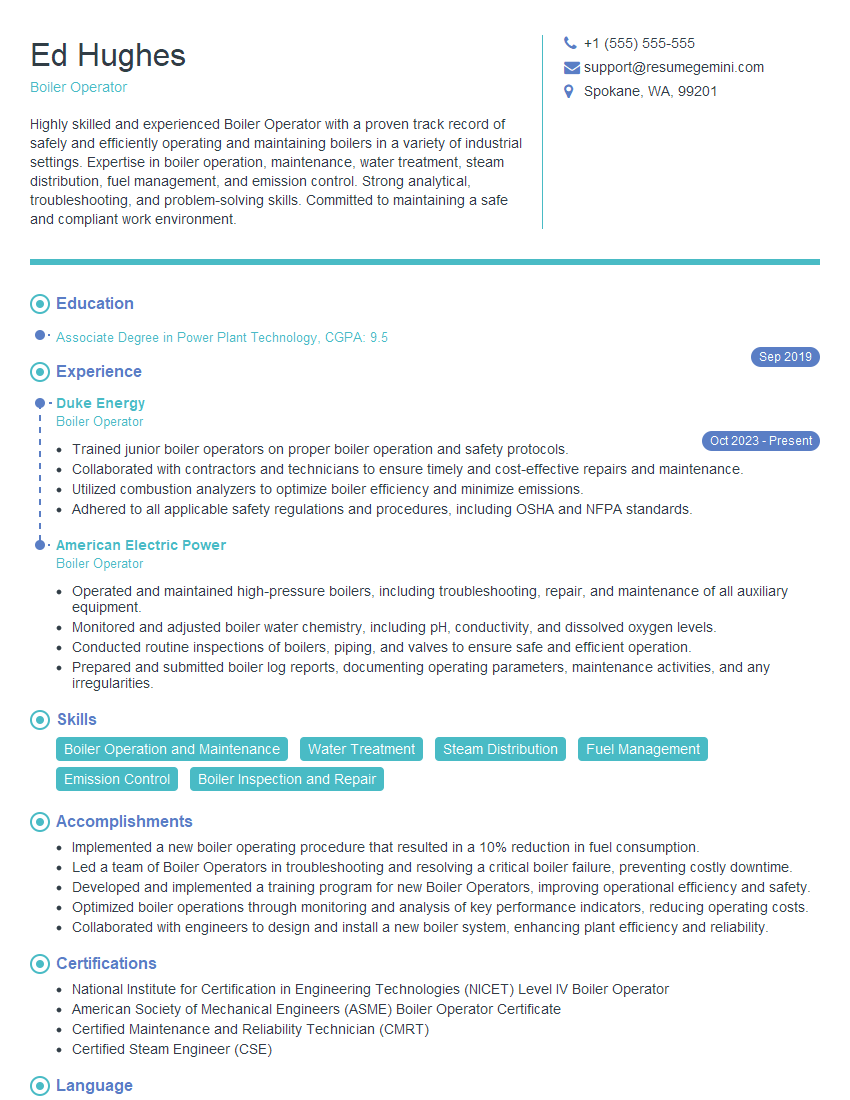
Mastering the ability to work in high-temperature environments significantly enhances your career prospects across numerous industries, opening doors to specialized roles and higher earning potential. A strong resume is crucial for showcasing these skills effectively. To make your resume stand out and easily parsed by Applicant Tracking Systems (ATS), focus on using keywords and action verbs that highlight your experience and qualifications. ResumeGemini can help you create a professional, ATS-friendly resume that accurately represents your abilities. Leverage their resources and examples of resumes tailored to working in high-temperature environments to craft a compelling application that secures your next interview.


Explore more articles
Users Rating of Our Blogs
Share Your Experience
We value your feedback! Please rate our content and share your thoughts (optional).
What Readers Say About Our Blog
To the interviewgemini.com Webmaster.
Very helpful and content specific questions to help prepare me for my interview!
Thank you
To the interviewgemini.com Webmaster.
This was kind of a unique content I found around the specialized skills. Very helpful questions and good detailed answers.
Very Helpful blog, thank you Interviewgemini team.