The right preparation can turn an interview into an opportunity to showcase your expertise. This guide to Ability to work with diverse audiences, including children and adults interview questions is your ultimate resource, providing key insights and tips to help you ace your responses and stand out as a top candidate.
Questions Asked in Ability to work with diverse audiences, including children and adults Interview
Q 1. Describe your experience adapting communication styles for different age groups.
Adapting communication styles for different age groups is crucial for effective engagement. It’s about understanding the developmental stages and cognitive abilities of each group and tailoring my approach accordingly.
Children often respond well to storytelling, visual aids, interactive activities, and simple language. I use playful tones and incorporate humor to keep them engaged. For example, when explaining fractions, I might use pizza slices or building blocks as visual representations.
Adults, on the other hand, usually appreciate direct and concise communication, logical arguments, and opportunities for discussion and questions. I focus on practical applications and relatable examples to increase comprehension. When presenting complex data, I might use charts and graphs, and encourage active participation through Q&A sessions. I also adjust the pace of communication based on the group’s understanding and attention span.
Essentially, it’s a balancing act of knowing when to use simple language, when to delve into detail, and how to maintain a tone and style that resonates with the specific audience.
Q 2. How do you identify and address potential cultural misunderstandings in a group setting?
Identifying and addressing cultural misunderstandings requires active listening, cultural sensitivity, and a willingness to learn. It begins with recognizing that diverse backgrounds bring unique perspectives and communication styles.
- Active Listening: I pay close attention to both verbal and nonverbal cues, and ask clarifying questions to ensure I understand the message being conveyed.
- Observation: I observe group dynamics carefully, noting any signs of discomfort or tension. Nonverbal communication – like body language and eye contact – can be particularly revealing.
- Open Dialogue: I create a safe space for open dialogue, encouraging individuals to share their perspectives without judgment. I use inclusive language, avoiding slang or idioms that might not be universally understood.
- Seeking Clarification: If a misunderstanding arises, I directly and respectfully ask clarifying questions to understand the other person’s perspective. I avoid assumptions and actively seek to understand their point of view.
- Education and Resources: If necessary, I leverage resources like cultural sensitivity training or online materials to better understand cultural nuances relevant to the group.
For example, if a discussion involves individuals with differing perspectives on time management or decision-making, I will facilitate a conversation that highlights the cultural contexts behind these differences, promoting mutual understanding and respect.
Q 3. Explain your approach to creating an inclusive environment for individuals with diverse learning styles.
Creating an inclusive environment for diverse learners involves recognizing that individuals learn in different ways and adapting teaching methods accordingly. This is not about lowering standards but about providing access to learning in various formats.
- Multiple Modalities: I incorporate various methods, such as visual aids, auditory learning (lectures, discussions), kinesthetic learning (hands-on activities), and written materials. This caters to visual, auditory, and kinesthetic learners.
- Differentiated Instruction: I create various learning materials and activities that address different learning styles and paces. This might involve providing tiered assignments or allowing students to choose projects aligned with their strengths.
- Flexible Learning Environment: I ensure the physical learning space is adaptable to different needs, offering quiet spaces, collaboration areas, and technological support where necessary. This is particularly important for students with sensory sensitivities.
- Personalized Feedback: I provide regular feedback tailored to each individual’s learning style and progress. This may involve written comments, verbal feedback, or portfolio reviews.
- Technology Integration: Employing educational technologies can offer adaptable learning experiences; educational games and interactive simulations can enhance understanding and engagement for various learning styles.
For example, when teaching a science concept, I’d offer a hands-on experiment for kinesthetic learners, provide diagrams and charts for visual learners, and deliver explanations through discussions and lectures for auditory learners.
Q 4. Share an example where you had to resolve a conflict between individuals from different backgrounds.
In a team project involving individuals from different cultural backgrounds, a conflict arose regarding project deadlines and work styles. One team member, from a culture prioritizing collectivism, preferred a collaborative, slower-paced approach, while another, from an individualistic culture, favored individual contributions and faster timelines.
My approach involved:
- Active Listening: I listened empathetically to each person’s perspective, acknowledging their cultural differences and the validity of their concerns.
- Mediation: I facilitated a discussion focusing on finding common ground. We explored different project management strategies that accommodated both individual and collective approaches, allowing for both individual contributions and collaborative work sessions.
- Compromise: We created a hybrid approach incorporating elements from both perspectives. This required flexibility and a willingness to compromise from all parties involved.
- Clear Communication: We established clear communication channels and expectations throughout the project, regularly checking in to ensure everyone felt heard and valued.
The result was a successful project completion despite the initial conflict, demonstrating the team’s ability to navigate cultural differences effectively.
Q 5. How do you ensure effective communication with individuals who have different communication preferences (e.g., verbal vs. non-verbal)?
Effective communication with individuals having different preferences requires adapting my approach based on their preferred style. This involves recognizing that some individuals are primarily verbal communicators, while others are more non-verbal.
- Observation and Adaptation: I observe individuals’ communication styles and adapt accordingly. For example, if someone is hesitant to speak, I might ask open-ended questions or use visual prompts to encourage participation. If someone is highly verbal, I make sure to provide sufficient opportunities for discussion and feedback.
- Multiple Communication Channels: I utilize a variety of communication channels, including written communication (emails, reports), verbal communication (meetings, presentations), and visual communication (charts, diagrams). This ensures that information is accessible and understandable regardless of individual preferences.
- Nonverbal Cues: I pay attention to nonverbal cues such as body language, facial expressions, and tone of voice to better understand the message being conveyed, particularly if there’s a language barrier.
- Confirmation and Feedback: I regularly seek confirmation that my message is understood. This might involve asking clarifying questions or summarizing key points to ensure that everyone is on the same page.
For instance, if I’m working with someone who prefers non-verbal communication, I might use visual aids, diagrams, or demonstrations to convey information, rather than relying solely on verbal explanations.
Q 6. Describe a time you had to modify your teaching/training methods to cater to diverse learning needs.
In a training session on software usage, I noticed that participants had diverse learning styles and levels of technical proficiency. Some learned quickly through hands-on practice, others preferred detailed written instructions, and some found group discussions beneficial.
To address these diverse needs, I:
- Modularized the training: I broke the training into smaller, manageable modules, allowing participants to progress at their own pace.
- Varied Teaching Methods: I incorporated hands-on exercises, demonstrations, written tutorials, and group discussions. This ensured that everyone had opportunities to engage with the material in a way that suited their learning style.
- Provided Support Materials: I provided supplementary materials like video tutorials and written guides for participants to review at their convenience.
- Individualized Support: I offered additional support to individuals struggling with specific aspects of the software, providing individualized guidance and feedback.
By adapting my teaching methods and providing individualized support, I ensured that all participants achieved a sufficient understanding of the software, regardless of their prior experience or learning style.
Q 7. How do you build rapport and trust with individuals from diverse backgrounds?
Building rapport and trust with diverse individuals requires genuine interest, empathy, and a respectful approach. It’s about acknowledging and valuing their unique experiences and perspectives.
- Show Genuine Interest: I actively listen to their stories, experiences, and perspectives, showing genuine curiosity about their lives and backgrounds.
- Respectful Communication: I use inclusive language, avoiding stereotypes and biases. I adapt my communication style to be sensitive to cultural norms and preferences.
- Empathy and Understanding: I try to understand the challenges they may face, demonstrating empathy and showing that I care about their well-being.
- Shared Experiences: Where appropriate, I share personal anecdotes or experiences that connect with theirs, promoting a sense of common ground and understanding.
- Collaboration and Teamwork: I engage them in collaborative projects and activities, fostering a sense of teamwork and shared accomplishment.
For example, by sharing a personal experience related to overcoming a challenge, I can establish a connection and build trust, demonstrating vulnerability and relatability. This creates a more comfortable and open environment where individuals feel safe to share their perspectives.
Q 8. How would you handle a situation where a child is exhibiting disruptive behavior due to cultural differences?
Addressing disruptive behavior stemming from cultural differences requires patience, understanding, and a proactive approach. It’s crucial to avoid assumptions and instead seek to understand the root cause of the behavior. This often involves observing the child’s interactions within their cultural context and considering how their cultural norms might differ from the setting’s expectations.
- Observation and Inquiry: I would first observe the child’s behavior carefully, noting patterns and triggers. Then, I’d engage in respectful conversation with the child and their family to learn about their cultural background and family practices. Understanding their perspectives is paramount.
- Collaboration and Cultural Sensitivity Training: I’d collaborate with educators, parents, and possibly cultural liaisons to develop strategies that respect the child’s cultural background while addressing the disruptive behaviors. This might involve adapting classroom rules or providing alternative methods of communication and interaction that align better with the child’s cultural norms.
- Positive Reinforcement and Redirection: Instead of punishment, I would emphasize positive reinforcement and redirection. For example, instead of scolding a child for a behavior interpreted as disrespectful (but perhaps acceptable within their culture), I would explain the expectations of the setting in clear, simple terms and offer positive reinforcement when the child adheres to these expectations.
- Example: In one instance, a child from a culture that values group consensus over individual expression was constantly interrupting group activities. After speaking with the family, we discovered this stemmed from the child’s attempt to actively contribute to the discussion as they were accustomed to doing at home. We then adapted our group activities to better accommodate their natural expression style, allowing for more collaborative and less structured participation.
Q 9. How do you adapt your strategies to manage a group of children with differing attention spans and developmental levels?
Managing a diverse group of children with varied attention spans and developmental levels demands a flexible and differentiated approach. It’s about creating a learning environment where every child feels seen, supported, and challenged appropriately.
- Differentiated Instruction: I employ differentiated instruction, adapting activities and materials to cater to individual needs. This could involve providing different levels of support for different learning styles (visual, auditory, kinesthetic), varying the complexity of tasks, or offering choices within an activity to maintain engagement.
- Short, Focused Activities: I incorporate frequent changes of activity to maintain engagement, especially for children with shorter attention spans. This could involve incorporating movement breaks, games, or hands-on activities into the learning process.
- Positive and Supportive Environment: Creating a safe and supportive learning environment where children feel comfortable taking risks and asking for help is crucial. This helps reduce anxiety and promotes engagement, benefiting children at all developmental levels.
- Individualized Learning Plans: For children with more significant developmental needs, individualized learning plans (ILPs) can be particularly helpful. These plans outline specific goals and strategies tailored to the child’s unique strengths and challenges.
- Example: In a classroom setting, I’ve used a multi-sensory approach to teaching math concepts. Children with shorter attention spans were engaged with hands-on manipulatives, while more advanced children solved complex word problems. This allows me to cater to varying learning styles and pace within the same lesson.
Q 10. Explain your experience working with families from different socioeconomic backgrounds.
My experience working with families from diverse socioeconomic backgrounds highlights the importance of empathy, resourcefulness, and cultural sensitivity. Socioeconomic status significantly influences children’s access to resources, opportunities, and support systems.
- Understanding Context: I acknowledge that socioeconomic factors such as housing insecurity, food insecurity, and lack of access to healthcare can significantly impact a child’s ability to learn and succeed in school. I understand that a child’s circumstances are not a reflection of their inherent abilities.
- Resource Coordination: I actively coordinate resources to address the specific needs of children from low-income families, connecting families with community organizations that offer food assistance, housing support, healthcare, and educational programs.
- Empathetic Communication: I ensure communication is clear, concise, and culturally sensitive. I actively listen to parents’ concerns and work collaboratively to find solutions that address both the academic and social-emotional needs of their child. I avoid making assumptions based on socioeconomic status.
- Advocacy: I advocate for equitable access to educational resources and opportunities for all students regardless of their socioeconomic status. This includes advocating for funding for after-school programs, scholarships, and other support services that can bridge the achievement gap.
- Example: I worked with a family facing housing instability. By connecting them with a local housing assistance program, I helped alleviate a significant stressor, allowing the child to focus on school and improve their academic performance.
Q 11. How do you foster a sense of belonging and respect among individuals from diverse cultural backgrounds?
Fostering a sense of belonging and respect among individuals from diverse cultural backgrounds requires intentional effort and a commitment to creating an inclusive environment. This involves promoting understanding, appreciation, and celebrating differences.
- Inclusive Curriculum: I incorporate diverse perspectives and stories into the curriculum, ensuring representation of different cultures and backgrounds. This helps children develop empathy and respect for others.
- Open Dialogue and Discussion: I create opportunities for open dialogue and discussion about cultural differences, encouraging children to share their experiences and perspectives in a safe and respectful manner.
- Cultural Celebrations: I celebrate cultural events and holidays from various backgrounds, providing opportunities for children to learn about and appreciate different traditions.
- Conflict Resolution Skills: I equip children with conflict resolution skills, emphasizing empathy, active listening, and respectful communication. This helps them navigate disagreements that may arise from cultural differences.
- Role Modeling: I model respectful behavior and communication towards all individuals, demonstrating my own commitment to inclusivity and respect for diversity.
- Example: I organized a class project where children researched and presented on the cultural traditions of their families, creating a vibrant and informative classroom display that showcased the rich diversity of our community.
Q 12. Describe a time you had to navigate language barriers while working with a diverse group.
Navigating language barriers requires creativity, patience, and a willingness to utilize various communication strategies. It’s about finding ways to bridge the communication gap and ensure mutual understanding.
- Translation Services: Whenever possible, I leverage professional translation services or bilingual staff members to ensure accurate communication.
- Visual Aids: Visual aids, such as pictures, diagrams, and videos, can be highly effective in conveying information across language barriers.
- Simple Language and Nonverbal Cues: I use simple language and avoid jargon. I pay close attention to nonverbal cues, such as body language and facial expressions, to understand the person’s message more completely.
- Technology: Translation apps and software can be invaluable tools for real-time translation and communication.
- Building Trust: Building a strong rapport with the individual through patience and respect is crucial. Demonstrating empathy and genuine interest in understanding their needs is key to successful communication.
- Example: When working with a family that spoke primarily Spanish, I utilized a translation app, visual aids, and a patient approach to discuss their child’s progress and address their concerns. Although not perfect, it created a space where we could communicate effectively.
Q 13. How do you address potential biases in your own communication and interactions?
Addressing potential biases requires consistent self-reflection and a commitment to ongoing learning. It’s about recognizing implicit biases and actively working to mitigate their influence on interactions.
- Self-Reflection and Awareness: I regularly engage in self-reflection to identify my own biases and prejudices. I acknowledge that everyone holds implicit biases, and the goal is to become aware of them and actively work to counteract them.
- Seek Feedback: I actively solicit feedback from colleagues, supervisors, and community members from diverse backgrounds to identify blind spots in my communication and interactions.
- Cultural Sensitivity Training: I participate in ongoing cultural sensitivity training and professional development to enhance my awareness and understanding of diverse perspectives and experiences.
- Inclusive Language: I use inclusive language that is sensitive to gender, race, ethnicity, sexual orientation, and other aspects of identity. I use people-first language, avoiding labels that might be stigmatizing.
- Active Listening: I actively listen to others’ perspectives, ensuring that I’m not interrupting or making assumptions. This allows me to understand their experiences and avoid misinterpretations based on my own biases.
- Example: By consistently challenging my own assumptions, I learned to better understand and appreciate the diverse perspectives of students and families from various backgrounds. This continuous process of self-reflection enhances my ability to create a more equitable and inclusive environment.
Q 14. How do you ensure equitable access to resources and opportunities for individuals from diverse backgrounds?
Ensuring equitable access to resources and opportunities involves proactive measures to address systemic inequalities and create a fair and inclusive environment for all. This requires understanding the barriers faced by individuals from diverse backgrounds and taking steps to remove them.
- Advocacy: I actively advocate for policies and practices that promote equity and inclusion. This includes supporting initiatives that provide additional resources for underrepresented groups.
- Resource Allocation: I ensure that resources are allocated equitably, taking into account the specific needs of different groups. This might involve providing additional support for students from low-income families or students with disabilities.
- Culturally Responsive Practices: I implement culturally responsive practices that respect the unique cultural backgrounds and needs of individuals from diverse backgrounds.
- Accessibility: I ensure that all resources and programs are accessible to individuals with disabilities, including providing accommodations as needed. This covers physical access as well as access to information in various formats.
- Mentorship and Sponsorship: I provide mentorship and sponsorship opportunities for individuals from underrepresented backgrounds, helping them to overcome barriers and achieve their full potential.
- Example: I helped secure funding for after-school programs and tutoring services in a low-income community, addressing the lack of access to enriching resources in that area. This effort helped bridge the educational gap and provided more opportunities to the children in that community.
Q 15. What strategies do you employ to create an inclusive and welcoming learning environment for children from various cultural backgrounds?
Creating an inclusive learning environment for children from diverse cultural backgrounds requires a multifaceted approach focusing on representation, respect, and understanding. It’s not just about tolerance; it’s about active celebration of differences.
- Representation in Materials: I ensure that learning materials, books, and classroom décor reflect the diverse range of cultures represented in the classroom. This includes featuring people of different ethnicities, religions, and abilities in positive and varied roles.
- Culturally Responsive Teaching: I adapt my teaching methods to resonate with different learning styles and cultural backgrounds. For example, I might incorporate storytelling or collaborative activities that are common in certain cultures. I also ensure that learning activities are accessible to all learners, taking into account various levels of prior knowledge and language proficiency.
- Building Relationships: I prioritize building strong, trusting relationships with each child and their family. This includes actively seeking to understand their cultural backgrounds and perspectives, and demonstrating respect for their traditions and beliefs. Open communication with families is key.
- Inclusive Language: I consciously use inclusive language that avoids stereotypes and biases. I actively teach children about the importance of respecting others and celebrating diversity.
- Celebrating Cultural Events: We incorporate celebrations of different cultural holidays and events into our curriculum, encouraging children to share their traditions and learn about others.
For example, in one classroom, we had children from several different Asian countries. We incorporated elements of each culture into our lessons, exploring food, art, and traditions. This not only broadened the children’s understanding of the world but also fostered a sense of belonging and pride among the students.
Career Expert Tips:
- Ace those interviews! Prepare effectively by reviewing the Top 50 Most Common Interview Questions on ResumeGemini.
- Navigate your job search with confidence! Explore a wide range of Career Tips on ResumeGemini. Learn about common challenges and recommendations to overcome them.
- Craft the perfect resume! Master the Art of Resume Writing with ResumeGemini’s guide. Showcase your unique qualifications and achievements effectively.
- Don’t miss out on holiday savings! Build your dream resume with ResumeGemini’s ATS optimized templates.
Q 16. Describe a challenging situation where you had to adapt your approach to meet the unique needs of a diverse group.
During a summer camp program, I encountered a significant challenge when a group of children, largely from immigrant families with varying levels of English proficiency, struggled to engage in a planned group project. Their initial hesitation stemmed from unfamiliarity with the project’s structure and communication barriers.
To adapt, I first implemented a visual learning strategy, using pictures and diagrams to explain the project’s steps. This visual aid bypassed language limitations. I also broke the project into smaller, manageable tasks, allowing children to contribute at their own pace. Importantly, I incorporated peer-to-peer support, pairing children who were more fluent in English with those who were less fluent. This created a collaborative and supportive learning environment, fostering a sense of teamwork.
The result was a successful project completion and a marked increase in the children’s confidence and participation. This experience highlighted the critical need for flexible and adaptable teaching strategies when working with diverse groups.
Q 17. How do you handle situations involving differing opinions and perspectives within a diverse team or group?
Handling differing opinions and perspectives within a diverse group requires fostering a culture of respect and open communication. It’s crucial to remember that diverse perspectives are a source of strength, not conflict.
- Active Listening: I start by actively listening to each person’s viewpoint without interruption, ensuring everyone feels heard and valued. I use reflective listening techniques to confirm my understanding.
- Empathetic Understanding: I strive to understand the underlying reasons behind each opinion, recognizing that perspectives are often shaped by individual experiences and cultural backgrounds. This requires suspending judgment and actively seeking to understand.
- Facilitating Dialogue: I facilitate a constructive dialogue where everyone can express their thoughts respectfully. I help guide the conversation toward finding common ground and exploring potential solutions collaboratively. I avoid imposing my own opinion.
- Mediation (if necessary): In cases of significant conflict, I act as a mediator, helping to find a mutually acceptable resolution. This requires fairness, impartiality, and a deep understanding of the various perspectives involved.
- Focus on shared goals: I constantly remind the group of the shared goals and objectives, highlighting how diverse perspectives can contribute to a more effective and innovative outcome.
For instance, during a team meeting, we had conflicting opinions about the best approach to a new project. By creating a safe space for everyone to voice their concerns and collaboratively exploring potential solutions, we reached a consensus that incorporated elements from each perspective, leading to a more comprehensive and successful project.
Q 18. How do you ensure you are culturally sensitive in your interactions with diverse populations?
Cultural sensitivity is paramount when interacting with diverse populations. It’s about being mindful of cultural differences and adapting your behavior accordingly to show respect and avoid causing offense.
- Self-Reflection: I regularly reflect on my own cultural biases and assumptions to become more aware of my own perspectives and how they might influence my interactions.
- Education and Research: I actively seek out information and resources to enhance my understanding of different cultures and customs. This includes reading books, articles, and attending workshops.
- Respectful Communication: I always strive to use respectful and inclusive language, being mindful of terminology and avoiding generalizations or stereotypes. I am also aware of nonverbal cues and avoid making assumptions based on them.
- Active Inquiry: When unsure about appropriate behavior or customs, I ask polite and respectful questions to demonstrate my willingness to learn. It’s better to ask than to offend.
- Adaptability: I adapt my communication style to suit the specific cultural context, being mindful of differences in communication styles such as directness, formality, and use of personal space.
For example, I learned that in some cultures, direct eye contact is considered disrespectful. By understanding this, I can adjust my interactions accordingly, showing respect while maintaining effective communication.
Q 19. How do you incorporate diverse perspectives into your decision-making processes?
Incorporating diverse perspectives into decision-making is crucial for creating equitable and effective outcomes. It ensures that all voices are heard and considered, leading to more informed and inclusive decisions.
- Diverse Teams: I actively seek to create diverse teams with individuals from various backgrounds and experiences. This ensures a broader range of perspectives are considered.
- Structured Feedback Mechanisms: I utilize structured feedback mechanisms, such as surveys, focus groups, or individual interviews, to gather input from diverse stakeholders. This helps to ensure that all voices are heard, even those who might be hesitant to speak up.
- Representation and Inclusivity: I prioritize representation and inclusivity in decision-making processes, ensuring that decisions are not made in isolation but are discussed and evaluated within a diverse context.
- Bias Awareness: I am aware of potential biases that may influence my own thinking and actively work to mitigate them. Techniques like blind evaluation can be helpful to reduce bias.
- Conflict Resolution: I am skilled in conflict resolution and can help facilitate discussions where differing opinions exist, leading to a more thoughtful and balanced decision-making process.
In one instance, a decision regarding a community program was greatly improved by incorporating feedback from community members of different age groups and socio-economic backgrounds. Their input helped create a more relevant and successful initiative.
Q 20. What resources or training have you sought out to improve your skills in working with diverse audiences?
Continuously improving my skills in working with diverse audiences requires ongoing learning and development. I actively seek out resources and training to expand my knowledge and enhance my capabilities.
- Workshops and Seminars: I regularly attend workshops and seminars focused on cultural sensitivity, inclusive leadership, and effective communication with diverse populations.
- Online Courses: I utilize online platforms offering courses on topics such as intercultural communication, implicit bias, and diversity and inclusion in the workplace.
- Mentorship Programs: I participate in mentorship programs to learn from experienced professionals in the field and receive guidance on effective strategies for working with diverse audiences.
- Professional Networks: I am actively involved in professional networks and organizations that promote diversity and inclusion, allowing me to connect with others, share best practices, and learn from different approaches.
- Independent Reading and Research: I actively read books, articles, and research papers on topics related to diversity, cultural sensitivity, and effective communication strategies.
For example, recently, I completed a course on implicit bias, which profoundly impacted my understanding of unconscious biases and their influence on interactions with diverse audiences. This helped me implement strategies to identify and counteract personal biases in my daily practice.
Q 21. Describe a situation where you had to interpret and respond to nonverbal cues from someone from a different culture.
During a parent-teacher conference with a family from a different cultural background, I noticed the father avoided direct eye contact and spoke in a quiet, reserved manner. Initially, I interpreted this as disinterest or disagreement. However, with further research and reflection, I realized this behavior aligned with cultural norms in his country, where direct eye contact, particularly with those in authority, is considered disrespectful.
To adapt, I made a conscious effort to be more patient and attentive to his nonverbal cues. I spoke more slowly and clearly, using simple language to ensure understanding. I also focused on creating a comfortable and respectful environment, ensuring he felt safe to share his thoughts and concerns. By actively listening and avoiding immediate judgments based on my initial interpretation, I was able to build rapport and have a productive conversation. This underscored the importance of recognizing that nonverbal communication can differ significantly across cultures, and that careful observation and cultural understanding are necessary for effective interaction.
Q 22. How do you measure the success of your efforts to create an inclusive environment?
Measuring the success of inclusivity isn’t about ticking boxes; it’s about fostering a genuine sense of belonging. I utilize a multi-faceted approach. Firstly, I collect quantitative data through surveys and feedback forms, anonymously where appropriate, gauging participants’ feelings of safety, respect, and comfort expressing themselves. This provides valuable numerical insights into overall satisfaction and identifies areas needing improvement.
Secondly, I employ qualitative methods. This includes observations during activities, informal conversations, and focus groups, allowing me to gather richer, nuanced perspectives. For example, observing whether children from diverse backgrounds actively participate in group discussions or if quieter individuals feel comfortable engaging speaks volumes about the inclusivity level. Listening to their honest feedback, be it positive or critical, is paramount.
Finally, I track participation rates across different demographics. A significant disparity in participation between groups could indicate a need for adjustments to make the environment more welcoming. Combining these methods provides a holistic view, moving beyond superficial measures to assess the true impact of my efforts to create a truly inclusive space.
Q 23. How do you adapt your communication style to work effectively with individuals from different generations?
Adapting communication to different generations requires recognizing generational differences in communication styles and preferences. For instance, younger generations are often more comfortable with informal communication and digital platforms like instant messaging and social media, while older generations might prefer face-to-face interactions and more formal tones. I tailor my approach accordingly.
With younger audiences, I use engaging visuals, interactive elements, and concise, informal language. I might incorporate memes or pop culture references to connect on their level. With older generations, I ensure clear and concise messaging, emphasizing respect and professionalism. I prioritize clear verbal communication, sometimes providing written materials to supplement information.
Ultimately, the key is to be mindful, adaptable, and respectful of different communication styles. I always strive to maintain clear and respectful dialogue, regardless of age. I also ensure that the information is accessible and understandable irrespective of the preferred method of communication.
Q 24. What steps do you take to ensure inclusivity in your planning and preparation for events or activities?
Ensuring inclusivity in event planning begins long before the event itself. My process involves several key steps. Firstly, I proactively seek diverse perspectives during the planning phase. I consult with individuals from various backgrounds and abilities to gather input and avoid unintentional exclusion. This might involve creating diverse planning committees, conducting surveys, and seeking feedback from community groups.
Secondly, I carefully consider accessibility in venue selection and activity design. This includes ensuring physical accessibility for people with mobility challenges, offering options for various dietary needs and religious observances, and providing materials in multiple languages or formats. For instance, for a children’s event, I would ensure there are sensory-friendly areas for those who might be easily overstimulated.
Thirdly, I actively promote inclusivity in the event’s marketing and communication materials. This ensures that promotional materials use inclusive language and imagery, and are accessible to all members of the community. By considering these elements from the start, I can design and deliver inclusive experiences that cater to a broad audience.
Q 25. Describe your experience working with individuals with disabilities in a group setting.
In group settings, working with individuals with disabilities requires a flexible and adaptable approach. My experience has taught me that understanding individual needs is paramount. Prior to the activity, I conduct thorough needs assessments, consulting with individuals or their caregivers to understand their specific requirements and limitations. This might involve understanding communication needs, physical limitations, or sensory sensitivities.
During activities, I ensure that instructions are clear, simple, and adaptable. I provide visual aids or alternative methods of instruction as needed. I also actively foster a supportive and understanding environment where everyone feels comfortable participating at their own pace and level. I encourage peer support and teamwork, promoting collaboration and mutual respect.
For instance, during a team-building activity, I ensured that all participants, including those with visual impairments, had access to adapted materials, and the instructions were delivered in a way accessible to all. Collaboration and adaptability are crucial in ensuring everyone feels valued and can actively contribute.
Q 26. How do you use technology to bridge communication gaps in a diverse environment?
Technology plays a vital role in bridging communication gaps in diverse environments. I utilize several technological tools to enhance inclusivity. Translation apps and software can facilitate communication across language barriers, enabling real-time translation during conversations or providing translated written materials. This can be particularly valuable in settings where multiple languages are spoken.
Captioning and transcription services greatly enhance accessibility for individuals who are deaf or hard of hearing, ensuring everyone can understand spoken information. Similarly, the use of visual aids, videos, and interactive online platforms can make information more accessible to individuals with various learning styles. For instance, using a platform like Zoom, with its captioning and screen sharing features, makes group discussions more inclusive.
Furthermore, online collaboration tools and communication platforms allow individuals from geographically dispersed locations to participate equally, making events and activities inclusive regardless of location. The strategic use of technology is not simply a tool but a cornerstone of creating truly inclusive environments.
Q 27. How do you promote open communication and dialogue about cultural differences?
Promoting open communication about cultural differences requires creating a safe and respectful environment where individuals feel comfortable sharing their perspectives without fear of judgment. I actively foster this by establishing clear guidelines for respectful dialogue and emphasizing the importance of active listening and empathy. I encourage curiosity and the exploration of different cultural viewpoints.
I often use icebreaker activities or structured discussions to help participants learn about each other’s backgrounds. These activities can be as simple as sharing personal experiences or engaging in thoughtful conversations about cultural practices. I also model respectful communication myself, demonstrating sensitivity and awareness of different cultural norms.
Importantly, I proactively address any instances of bias or discrimination, creating a space where difficult conversations can be held constructively. Addressing cultural differences with sensitivity, respect, and a genuine desire to learn from one another creates a much more enriching and inclusive environment for everyone.
Key Topics to Learn for Ability to Work with Diverse Audiences (Children & Adults) Interview
- Understanding Diverse Needs: Learn to identify and appreciate the varying communication styles, learning preferences, and cultural backgrounds of children and adults from diverse backgrounds. Consider developmental stages in children and generational differences in adults.
- Adapting Communication Strategies: Explore practical techniques for tailoring your communication to different age groups and cultural contexts. This includes adjusting your language, tone, and delivery to ensure clear and effective understanding.
- Building Rapport and Trust: Develop strategies for building positive relationships with individuals from diverse backgrounds. This involves active listening, empathy, and demonstrating genuine respect for individual differences.
- Addressing Cultural Sensitivity: Learn to recognize and avoid potential biases or misunderstandings arising from cultural differences. Practice inclusive language and behaviors.
- Conflict Resolution and Mediation: Develop skills in resolving conflicts and mediating disagreements effectively, particularly when working with diverse groups who may have different perspectives or communication styles.
- Inclusive Program/Curriculum Design: If applicable to the role, understand how to design programs or curricula that are engaging and accessible to all learners, considering diverse learning styles and needs.
- Utilizing Inclusive Language and Resources: Explore resources and best practices for inclusive language and the selection of culturally appropriate materials.
- Assessing and Responding to Feedback: Practice actively seeking and responding to feedback from diverse individuals to continually improve your communication and interaction styles.
Next Steps
Mastering the ability to work with diverse audiences is crucial for career advancement in many fields. Demonstrating this skill effectively on your resume and in interviews significantly enhances your job prospects. Creating an ATS-friendly resume is key to getting your application noticed by recruiters. To help you build a compelling and effective resume, we recommend using ResumeGemini. ResumeGemini provides the tools and resources to create a professional resume that highlights your experience and skills in working with diverse audiences. Examples of resumes tailored to this specific skillset are available within the ResumeGemini platform.
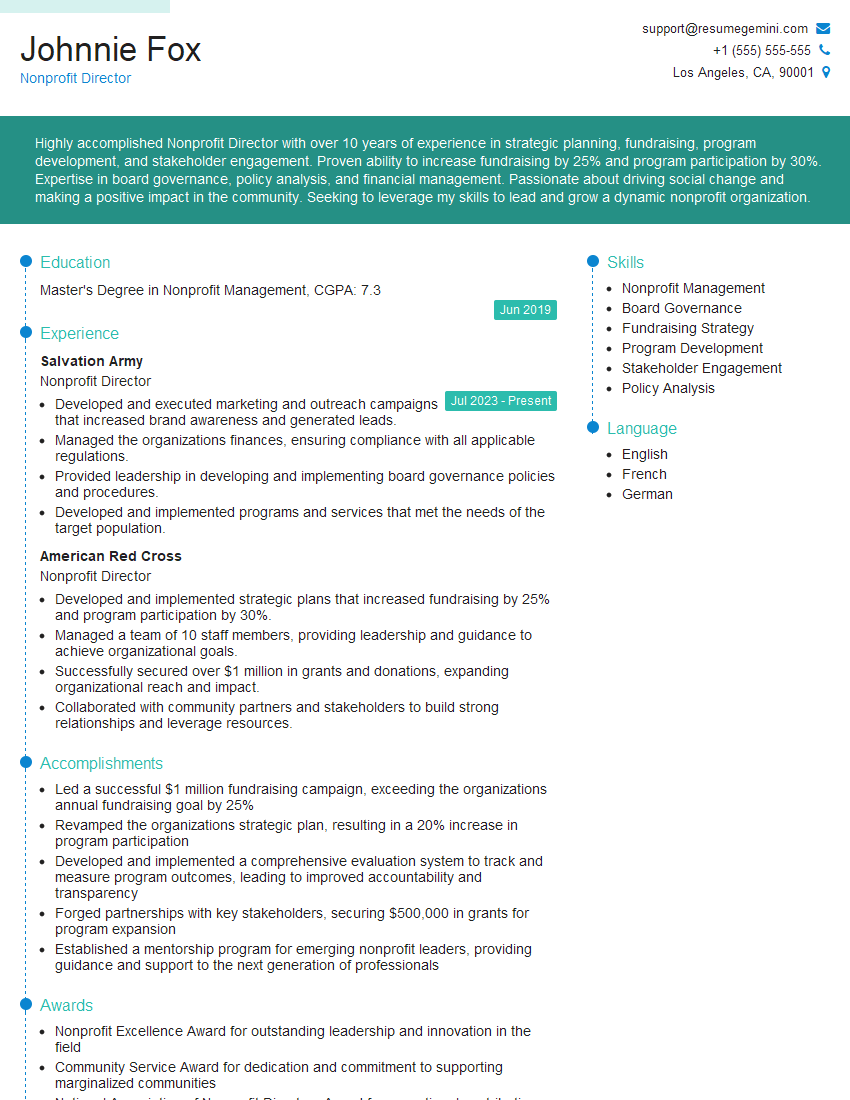
Nonprofit Director Resume Sample
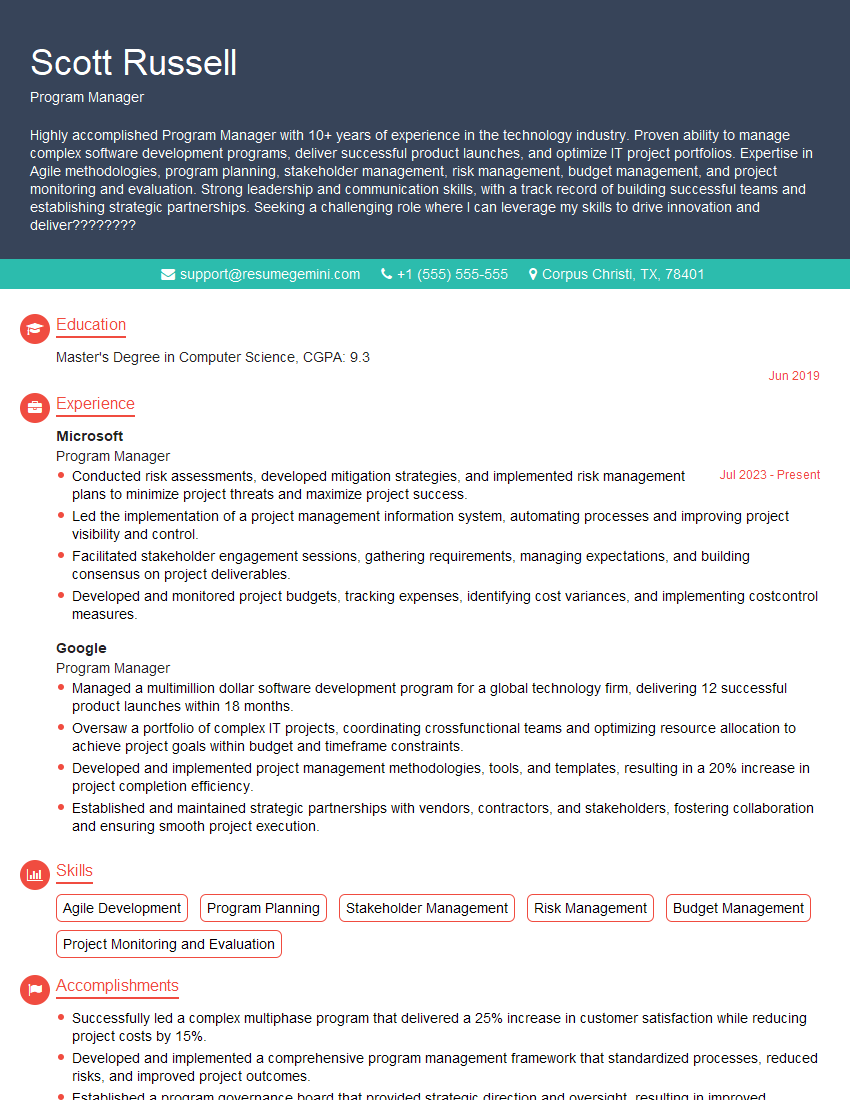
Program Manager Resume Sample
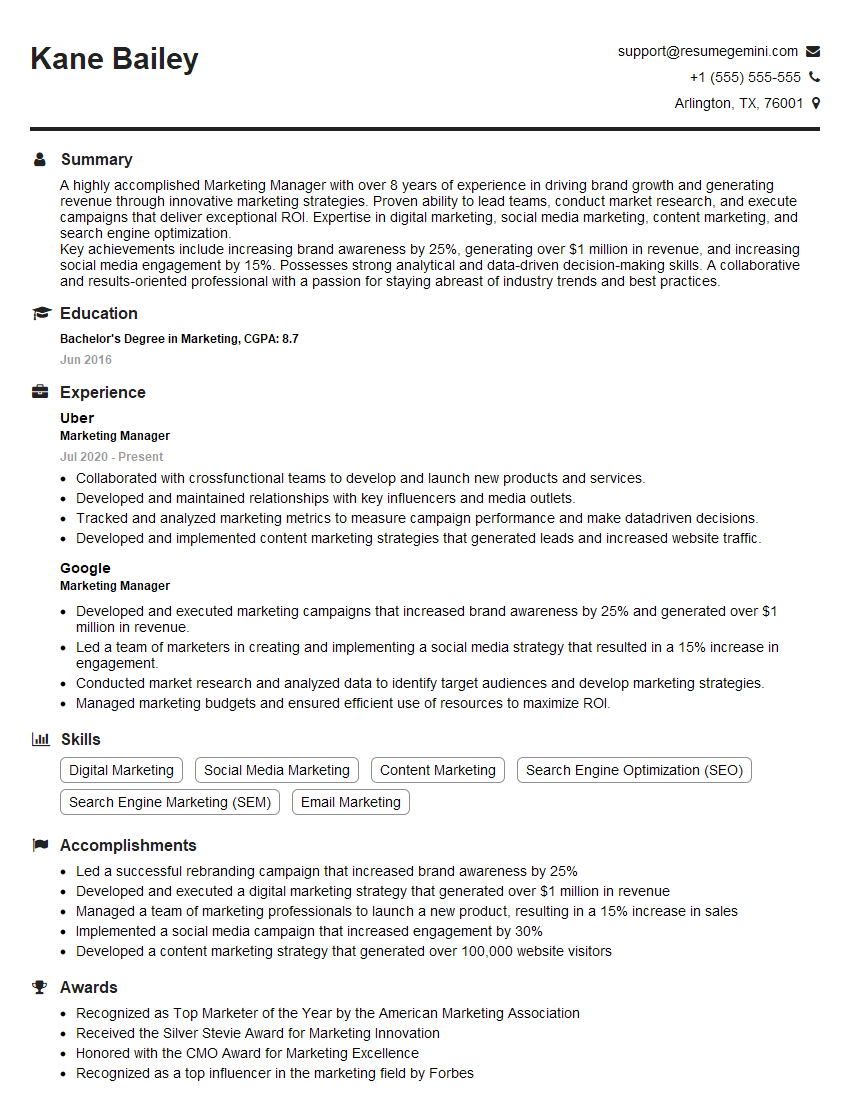
Marketing Manager Resume Sample
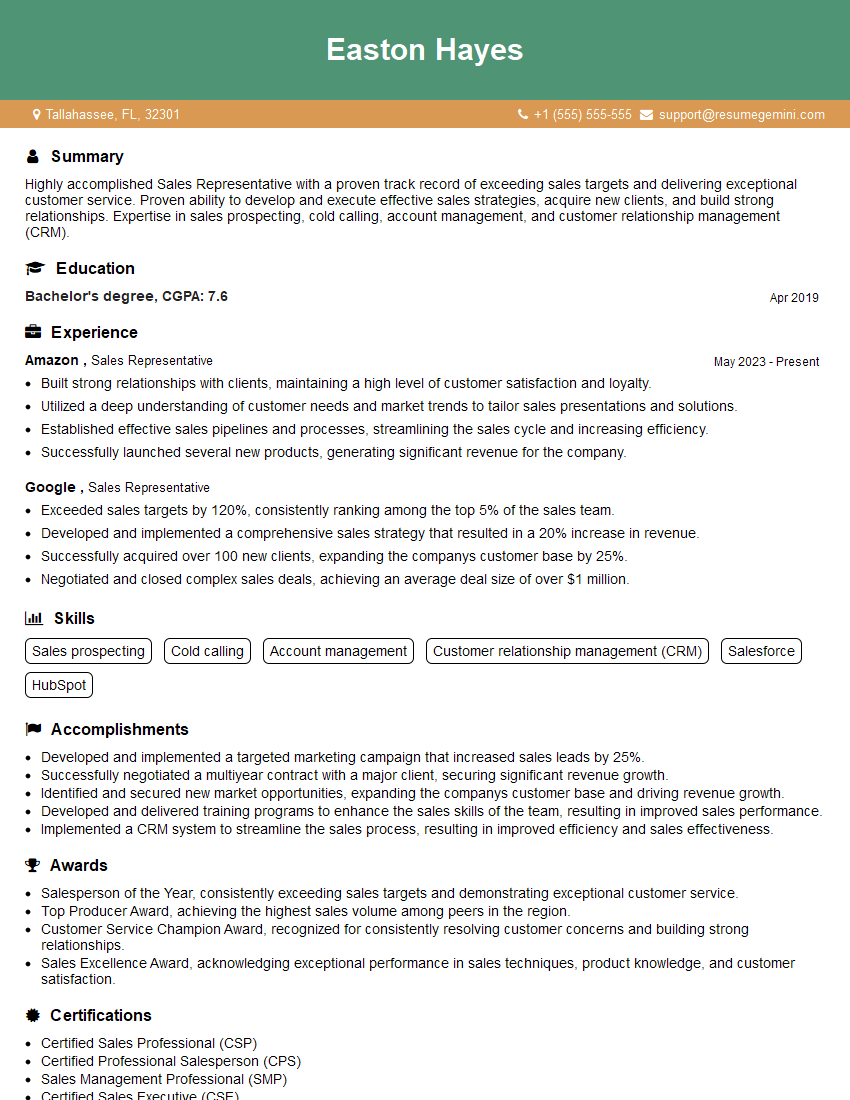
Sales Representative Resume Sample
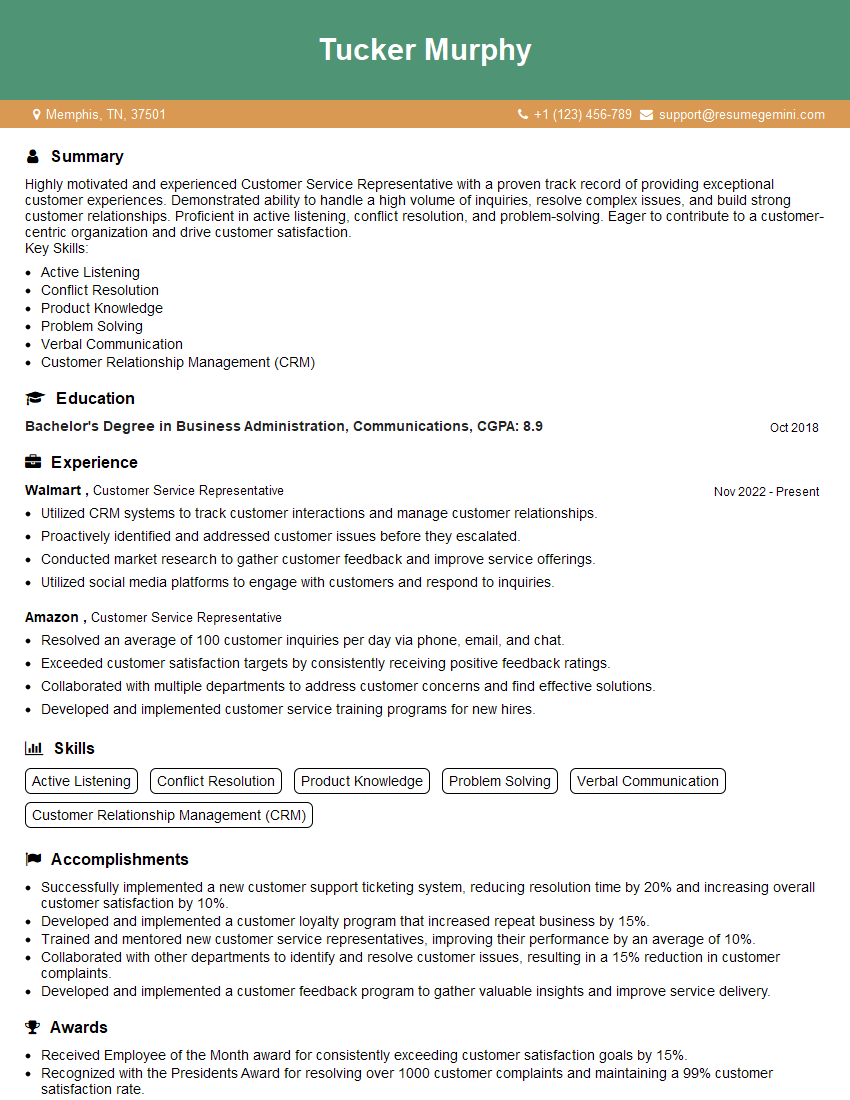
Customer Service Representative Resume Sample
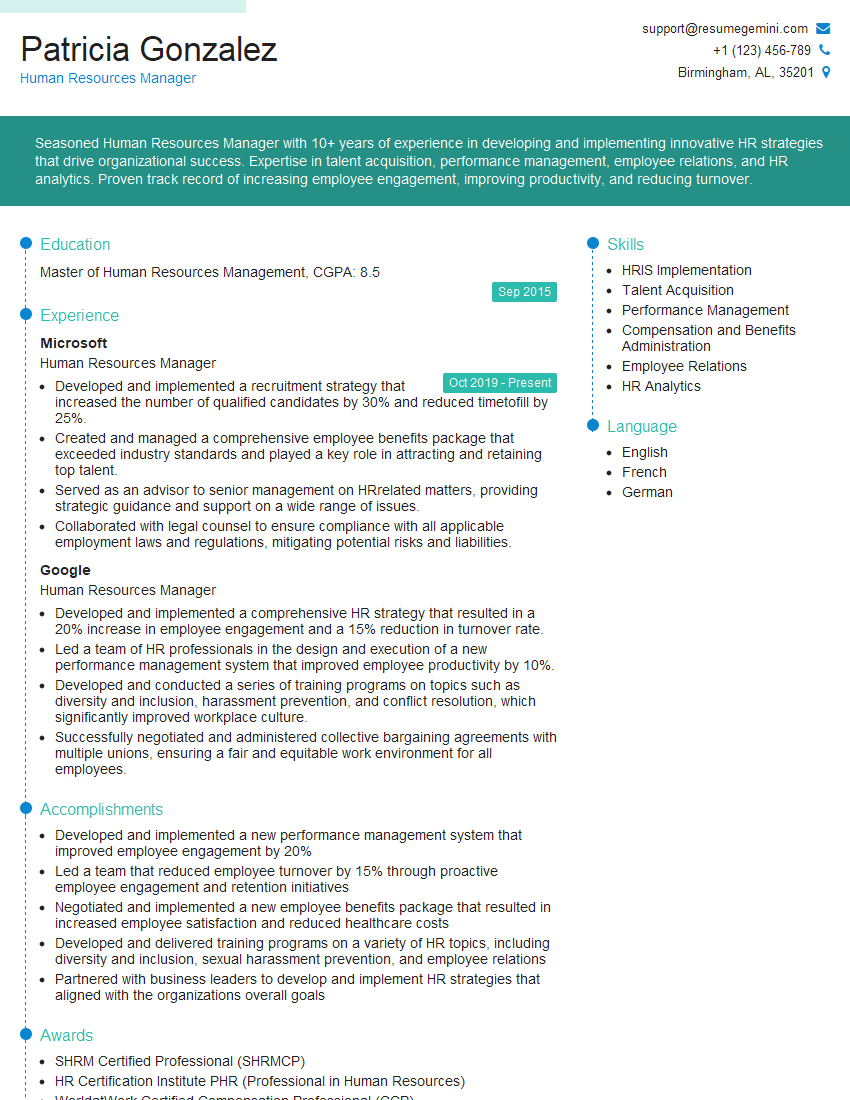
Human Resources Manager Resume Sample
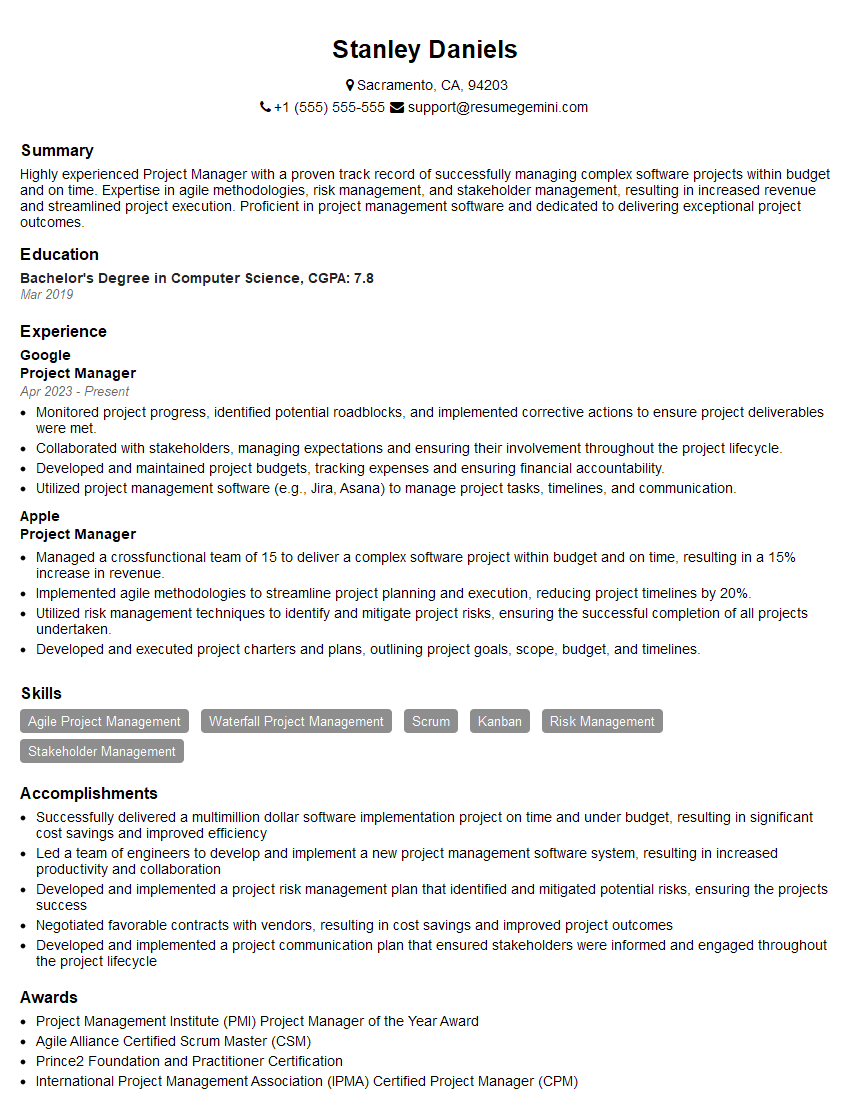
Project Manager Resume Sample
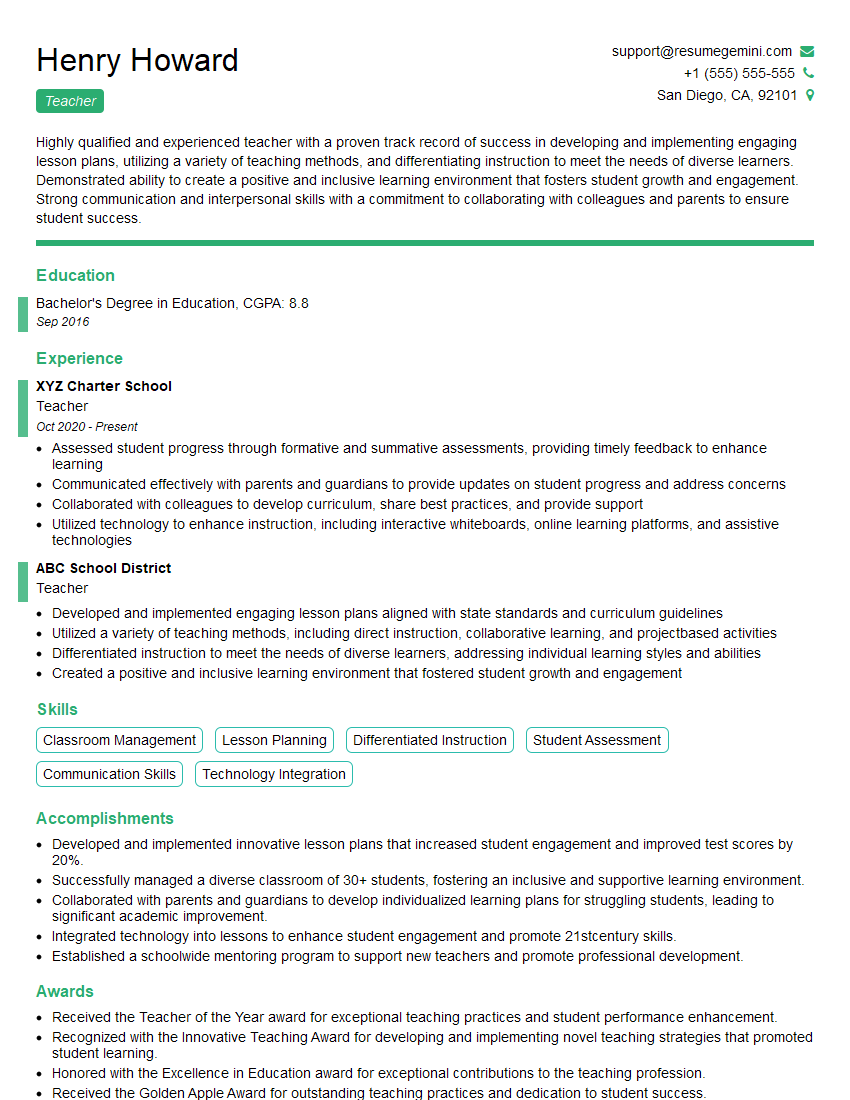
Teacher Resume Sample
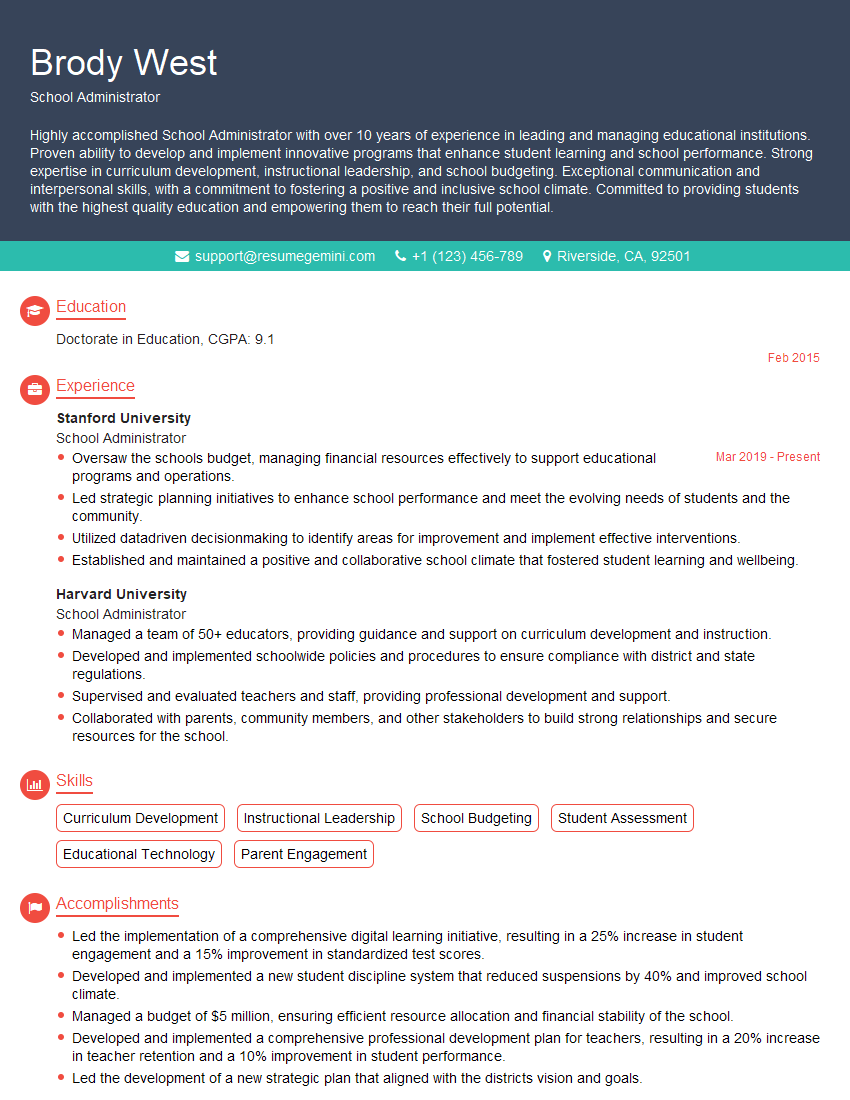
School Administrator Resume Sample
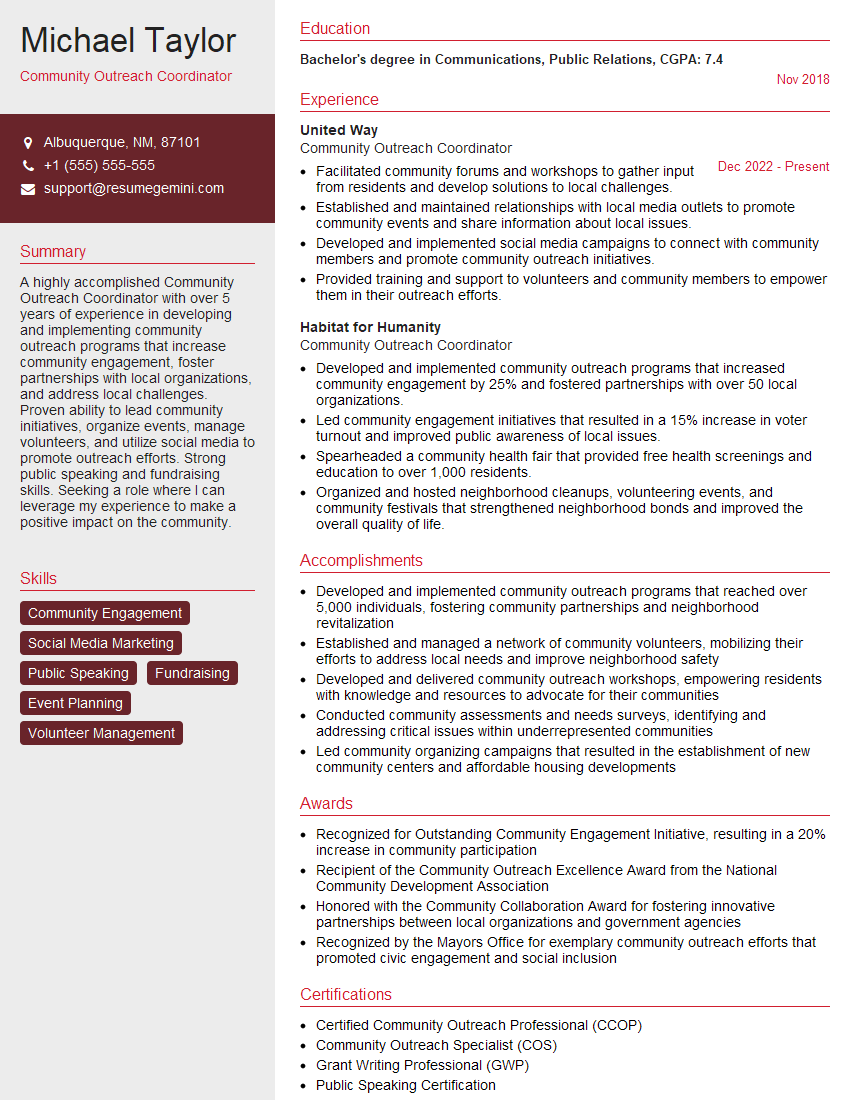
Community Outreach Coordinator Resume Sample
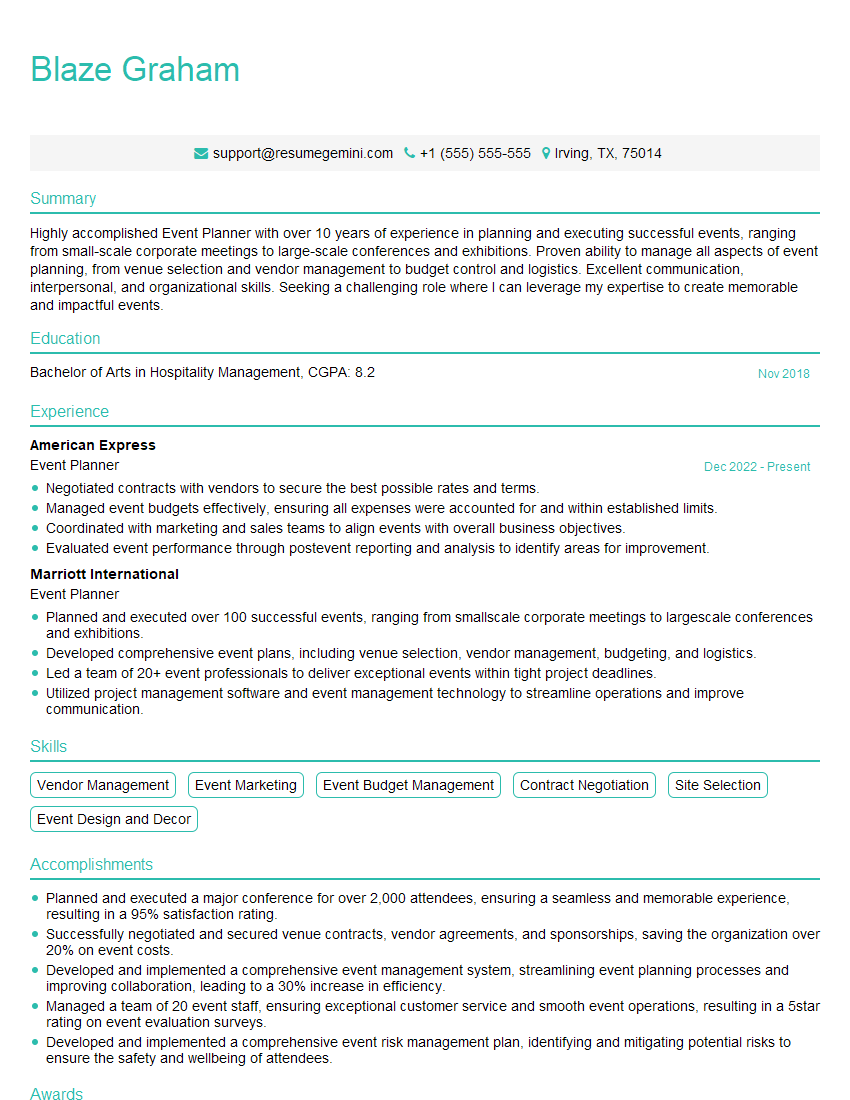
Event Planner Resume Sample

Training Specialist Resume Sample
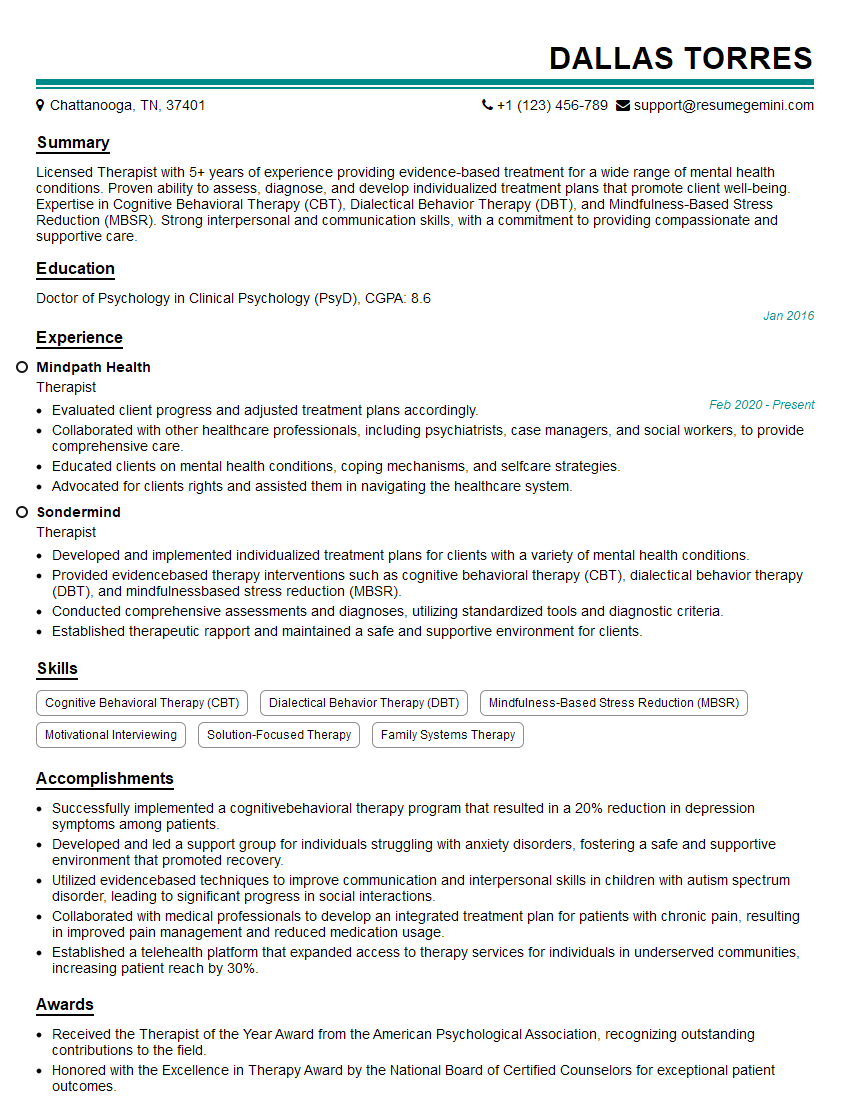
Therapist Resume Sample
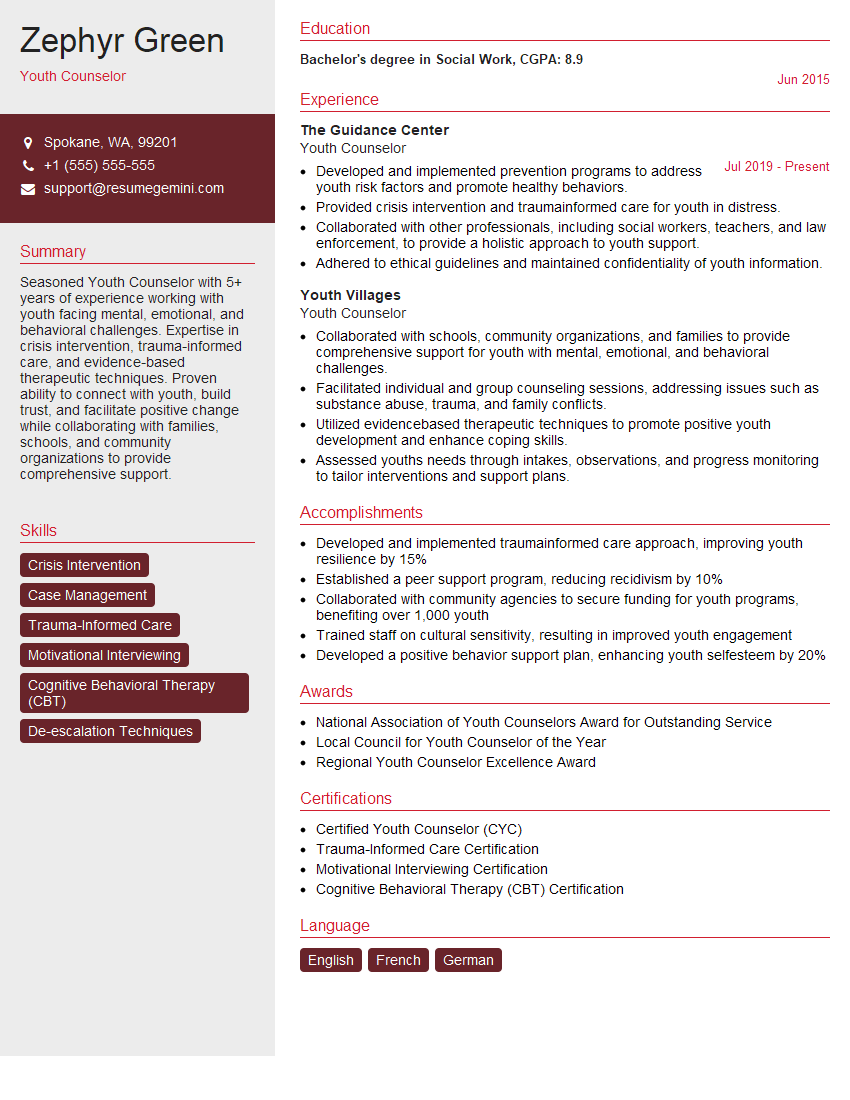
Youth Counselor Resume Sample
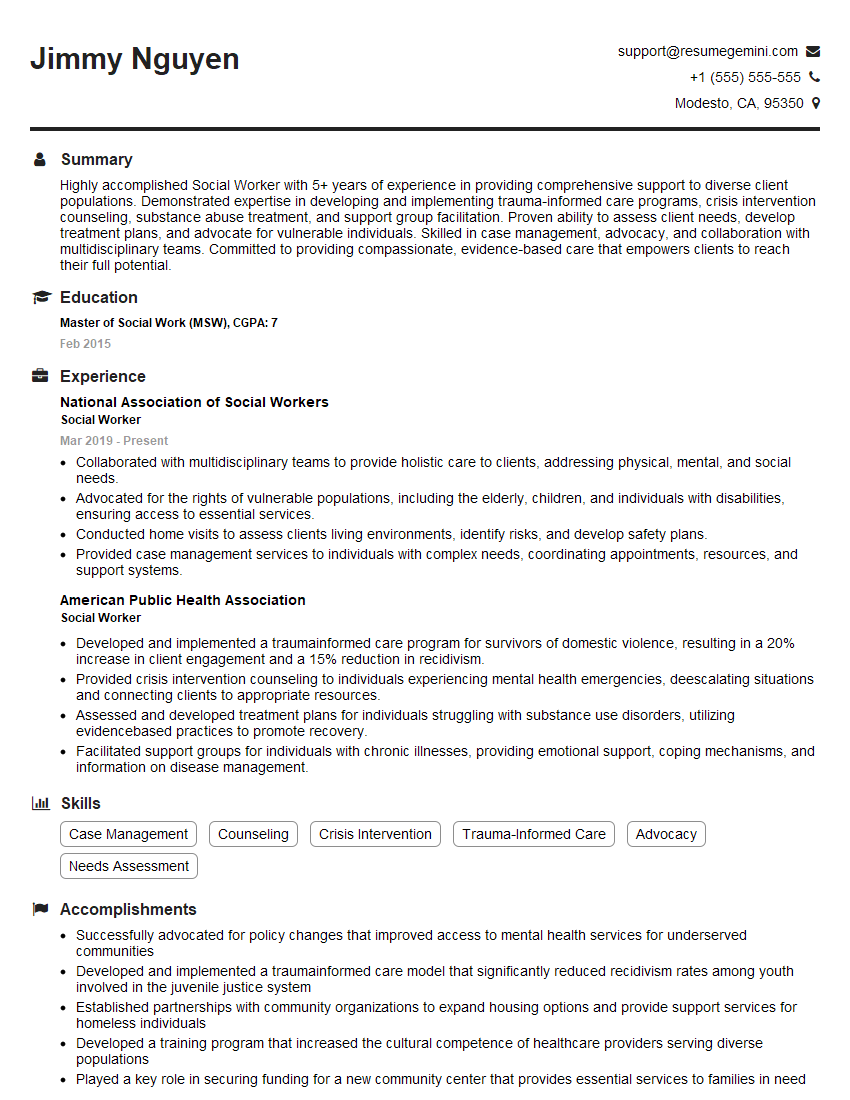
Social Worker Resume Sample
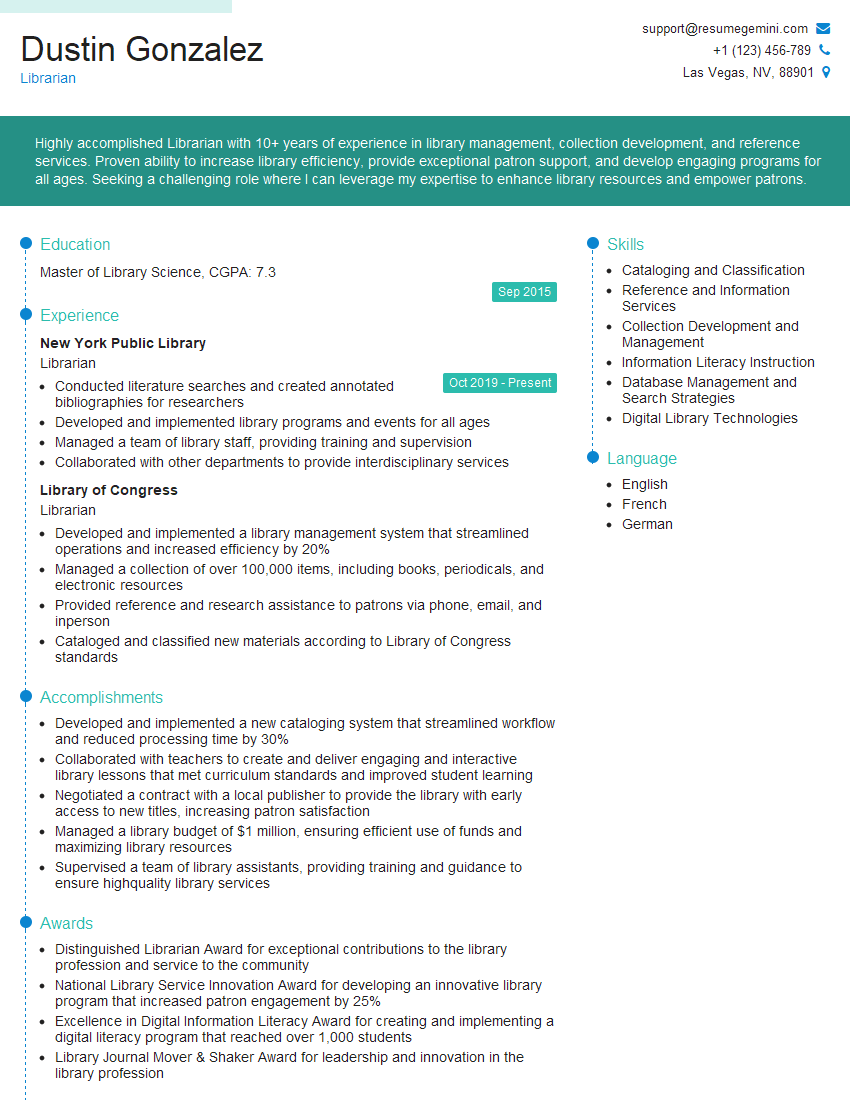
Librarian Resume Sample
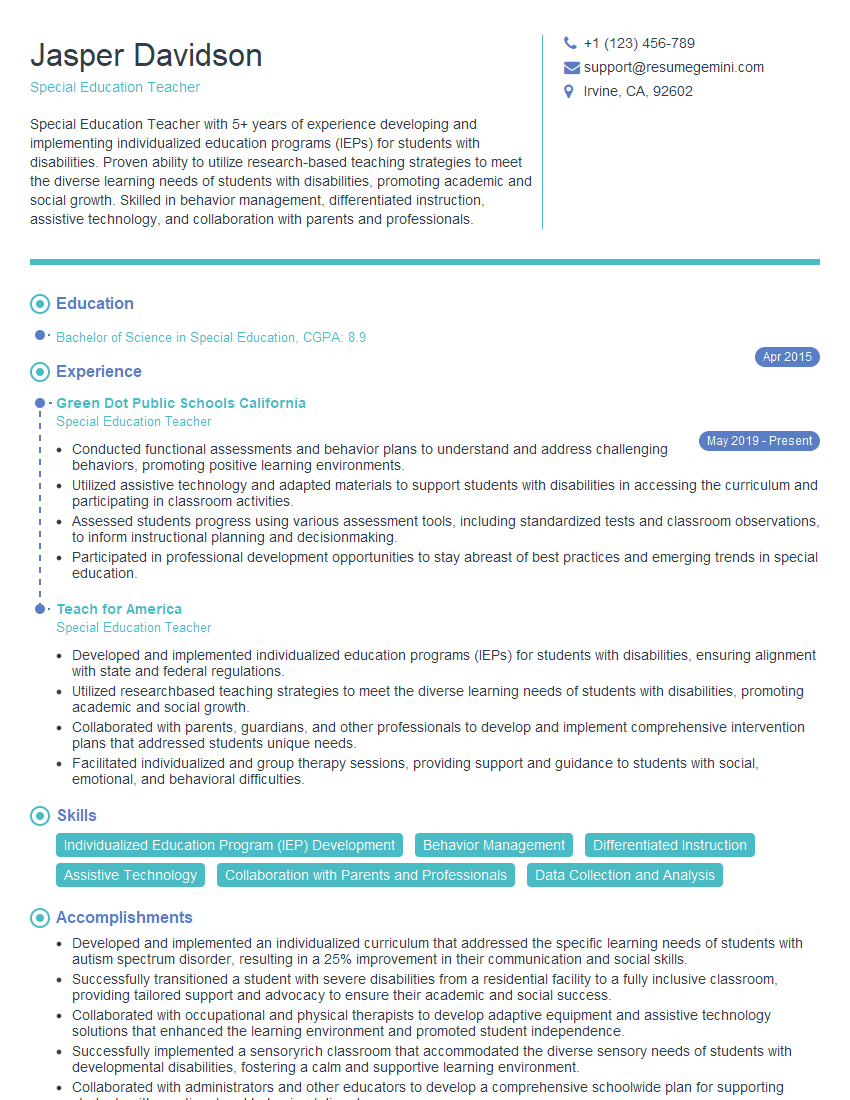
Special Education Teacher Resume Sample
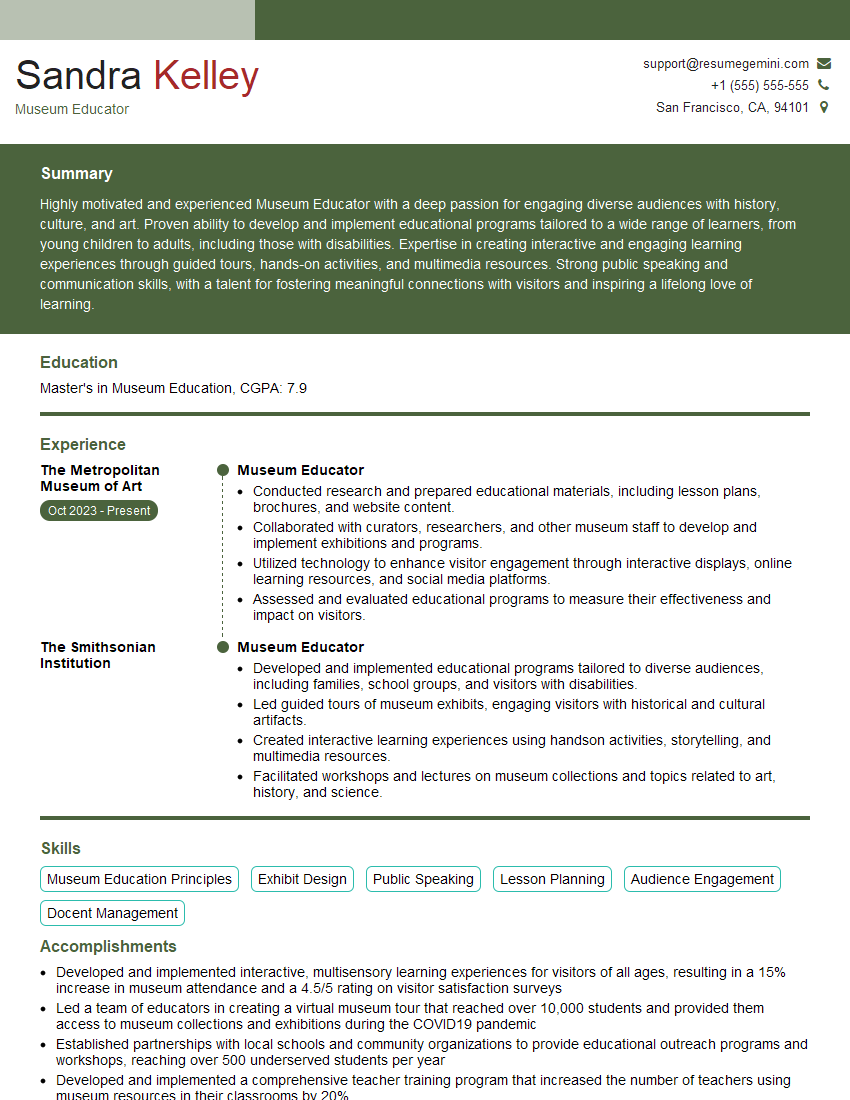
Museum Educator Resume Sample
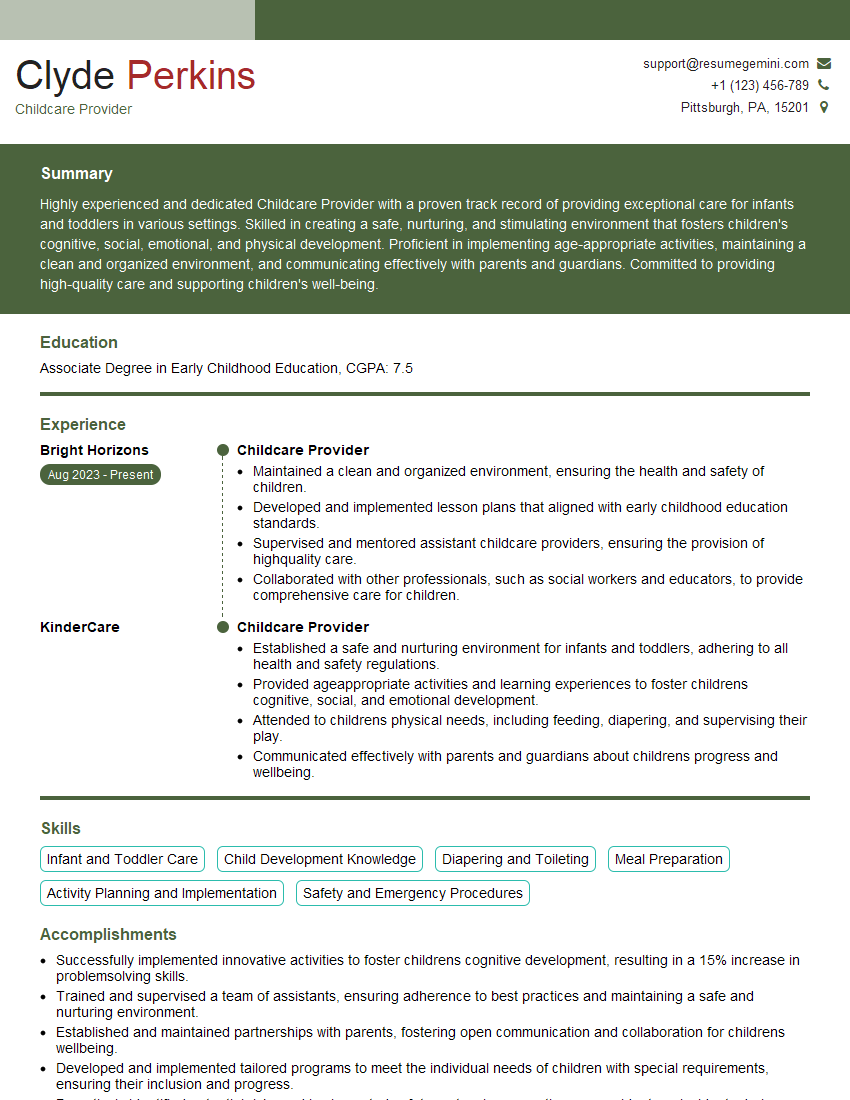
Childcare Provider Resume Sample
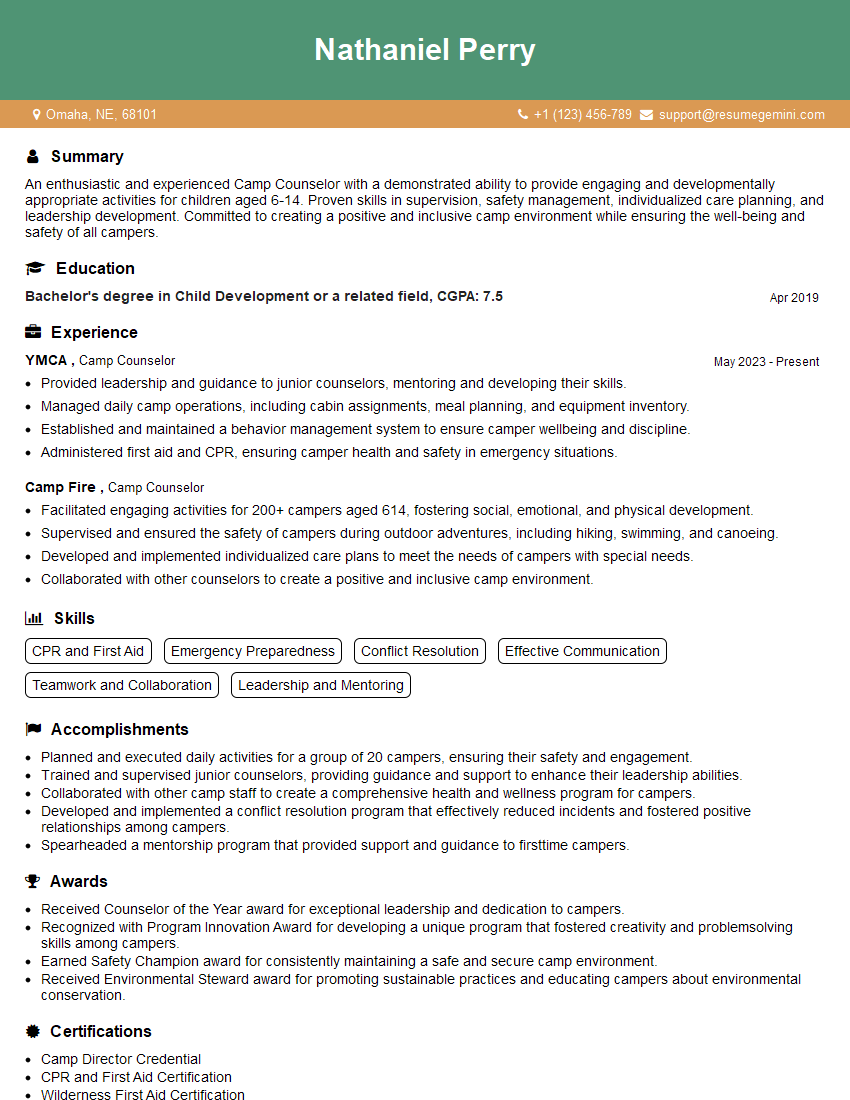
Camp Counselor Resume Sample
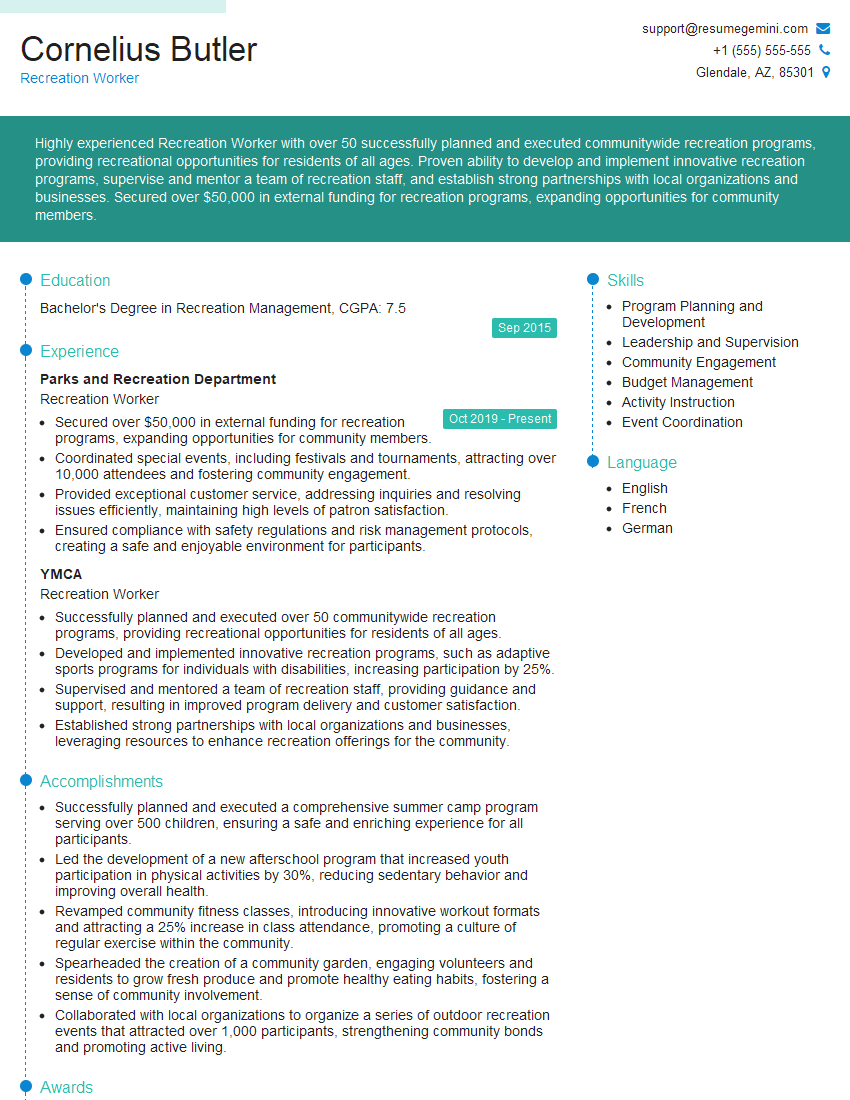
Recreation Worker Resume Sample
- Nonprofit Director
- Program Manager
- Marketing Manager
- Sales Representative
- Customer Service Representative
- Human Resources Manager
- Project Manager
- Teacher
- School Administrator
- Community Outreach Coordinator
- Event Planner
- Training Specialist
- Therapist
- Youth Counselor
- Social Worker
- Librarian
- Special Education Teacher
- Museum Educator
- Childcare Provider
- Camp Counselor
- Recreation Worker
Explore more articles
Users Rating of Our Blogs
Share Your Experience
We value your feedback! Please rate our content and share your thoughts (optional).
What Readers Say About Our Blog
To the interviewgemini.com Webmaster.
Very helpful and content specific questions to help prepare me for my interview!
Thank you
To the interviewgemini.com Webmaster.
This was kind of a unique content I found around the specialized skills. Very helpful questions and good detailed answers.
Very Helpful blog, thank you Interviewgemini team.