Preparation is the key to success in any interview. In this post, we’ll explore crucial Ability to work with students of all ages interview questions and equip you with strategies to craft impactful answers. Whether you’re a beginner or a pro, these tips will elevate your preparation.
Questions Asked in Ability to work with students of all ages Interview
Q 1. Describe your experience teaching students with diverse learning styles.
Teaching students with diverse learning styles requires a multifaceted approach. I believe in recognizing that students learn in different ways – visually, auditorily, kinesthetically, and through various combinations. My experience involves creating a flexible learning environment catering to these differences.
- Visual Learners: I use diagrams, charts, graphs, videos, and colorful presentations to engage visual learners. For example, when teaching fractions, I’d use visual representations like pizza slices or area models.
- Auditory Learners: I incorporate discussions, lectures, group work, and audio recordings. A history lesson might involve listening to primary source recordings or engaging in a class debate.
- Kinesthetic Learners: I utilize hands-on activities, experiments, role-playing, and movement breaks. For a science lesson, students might conduct experiments or build models.
- Multimodal Approach: I often combine methods to cater to all learning styles within a single lesson. For instance, a math lesson might include visual aids, verbal explanations, and a hands-on activity.
Regular assessment and observation help me identify each student’s preferred learning style, allowing for personalized adjustments to my teaching methods. This ensures that every student has the opportunity to succeed.
Q 2. How do you adapt your teaching methods to accommodate different age groups?
Adapting teaching methods to different age groups involves understanding developmental psychology and tailoring content, delivery, and assessment to suit their cognitive and emotional maturity.
- Younger Students (Elementary): I focus on hands-on activities, storytelling, games, and repetition. Lessons are shorter, with frequent breaks and positive reinforcement.
- Middle School Students: I incorporate more complex concepts and independent projects, encouraging critical thinking and collaboration. I use a mix of direct instruction and student-led activities.
- High School Students: I provide more autonomy and challenge students with higher-level thinking skills. This involves deeper research, independent study, and debates.
For example, teaching about photosynthesis: Younger students might conduct a simple experiment with plants; middle school students could research different types of photosynthesis; high school students could design an experiment testing the effects of light intensity on photosynthesis.
Regardless of age, clear communication, establishing positive relationships, and creating a safe learning space are crucial. I adjust my language and communication style to match the students’ maturity level.
Q 3. What strategies do you use to maintain a positive and engaging classroom environment?
Maintaining a positive and engaging classroom environment is vital for effective learning. My strategies include:
- Creating a welcoming atmosphere: A visually appealing classroom, comfortable seating arrangements, and positive displays of student work contribute to a welcoming space.
- Establishing clear expectations: Clear rules and routines ensure a structured environment and minimize disruptions. This involves collaborative establishment of rules whenever possible.
- Building positive relationships: Knowing students’ names, interests, and learning styles helps build rapport and trust. Taking time for individual conversations helps me understand their needs.
- Incorporating fun and engaging activities: Games, group work, and technology integration can make learning enjoyable. I regularly incorporate student interests into lesson plans when feasible.
- Celebrating successes: Acknowledging individual and group accomplishments, both big and small, boosts morale and motivates students.
For instance, I’ve used class-wide reward systems where students earn points for positive behavior and participation, culminating in class-chosen rewards at the end of the term.
Q 4. How do you handle disruptive behavior in a classroom setting?
Handling disruptive behavior requires a proactive and consistent approach. My strategies focus on prevention and intervention:
- Prevention: Establishing clear rules and expectations, creating a positive classroom climate, and providing engaging lessons help minimize disruptive behavior. Proactive strategies like establishing clear expectations and routines often mitigate disruptive behaviors before they start.
- Intervention: If disruptive behavior occurs, I use a tiered approach: A quiet word of warning, a time-out, conferencing with the student, involving parents or administration, if necessary. I always try to understand the root cause of the disruption before deciding on a course of action.
- Positive Reinforcement: I focus on rewarding positive behaviors and ignoring minor disruptions whenever possible. Positive reinforcement outweighs punishments in most cases.
For example, if a student is constantly off-task, I might try to understand why – are they bored, struggling with the material, or facing personal issues? Addressing the underlying cause is crucial.
Q 5. Explain your approach to differentiating instruction to meet individual student needs.
Differentiated instruction focuses on adapting teaching to meet individual student needs. My approach involves:
- Content Differentiation: Adjusting the complexity and depth of the material based on student abilities. This might involve offering different reading levels or assigning varied projects.
- Process Differentiation: Providing various ways for students to learn and demonstrate their understanding. Some students might work independently, others in groups, and some might benefit from one-on-one instruction.
- Product Differentiation: Offering students diverse ways to showcase their learning. Students might write essays, create presentations, build models, or develop artwork depending on their strengths and learning preferences.
- Learning Environment Differentiation: Adapting the learning environment to suit individual needs. This might involve providing quiet spaces for focused work or flexible seating options.
For instance, when teaching about the American Revolution, I might provide different levels of reading materials, allow students to choose their preferred project (essay, presentation, diorama), and provide quiet corners for students who need a calmer workspace.
Q 6. How do you assess student learning and provide constructive feedback?
Assessing student learning and providing constructive feedback are integral to effective teaching. My methods include:
- Formative Assessment: Ongoing assessment throughout the learning process, such as quizzes, exit tickets, class discussions, and observations. This allows for timely adjustments to teaching.
- Summative Assessment: End-of-unit assessments like tests, projects, and presentations to evaluate overall learning. This provides a comprehensive overview of student understanding.
- Constructive Feedback: Feedback focuses on both strengths and areas for improvement, offering specific suggestions for growth. It’s important to frame criticism constructively and positively.
- Self-Assessment: Encouraging students to reflect on their learning and identify areas where they need support. This promotes metacognition and self-directed learning.
For example, after a project, I’d provide individual feedback highlighting what the student did well, areas for improvement, and specific strategies for improvement. I’d also schedule a brief meeting to go over the feedback in more detail.
Q 7. Describe a time you had to manage a challenging student situation.
In my previous role, I had a student who consistently disrupted the class, often talking out of turn and refusing to participate. Initially, I tried warnings and quiet time-outs, but these were ineffective. I realized I needed a different approach.
I scheduled a private meeting with the student to understand the underlying issue. It turned out he felt overwhelmed by the workload and was struggling to keep up with the material. He was embarrassed to ask for help.
I created an individualized learning plan that included extra support, breaking down assignments into smaller, more manageable tasks, and providing him with alternative ways to demonstrate his understanding. I also paired him with a supportive peer for group work. The change in his behavior was remarkable. He became more engaged and cooperative, and his academic performance improved significantly. This experience reinforced the importance of understanding the root causes of challenging behaviors and tailoring interventions to address individual needs.
Q 8. How do you build rapport and trust with students of all ages?
Building rapport and trust with students of all ages is fundamental to effective teaching. It’s about creating a safe and welcoming environment where students feel comfortable taking risks, asking questions, and expressing themselves. This involves understanding their individual needs and learning styles.
- Active Listening: I prioritize genuinely listening to students, paying attention not only to their words but also their body language. This shows I value their perspectives.
- Showing Empathy and Understanding: I make a conscious effort to understand their viewpoints, even if I don’t agree with them. This includes acknowledging their feelings and validating their experiences.
- Positive Reinforcement: I focus on praising effort and progress, rather than solely focusing on grades. A simple ‘Well done on your effort today!’ can go a long way.
- Building Relationships: I take the time to get to know students individually, learning about their interests and backgrounds. This could involve casual conversations before or after class, or participating in school events.
- Consistency and Fairness: Maintaining consistent expectations and treating all students fairly builds trust. Students need to know they can rely on my consistency and impartiality.
For example, with younger students, I might incorporate games and playful activities into lessons to build a connection. With older students, I might engage in more sophisticated discussions about current events or their aspirations. The approach adapts to the developmental stage, but the core principles remain the same.
Q 9. What is your experience with implementing different teaching methodologies (e.g., project-based learning, inquiry-based learning)?
I have extensive experience implementing various teaching methodologies to cater to diverse learning styles and preferences. My approach is flexible and tailored to the specific learning objectives and student demographics.
- Project-Based Learning (PBL): I’ve used PBL successfully with students of all ages. For instance, a middle school history class might research and present a project on a historical event, culminating in a museum-style exhibit. This encourages collaboration, critical thinking, and problem-solving.
- Inquiry-Based Learning (IBL): I often employ IBL, especially in science classes. Students formulate their own questions, design investigations, and analyze data. For example, a high school science class might design an experiment to test the effects of different fertilizers on plant growth. This fosters curiosity and independent learning.
- Differentiated Instruction: Recognizing that students learn at different paces and in different ways, I consistently use differentiated instruction. This means providing varied learning materials and activities to meet the needs of all learners. For example, I might offer different reading levels for a literature class or provide options for students to demonstrate their understanding through writing, presentations, or art projects.
The key is to understand which methodologies best suit the learning goals and the students involved. I regularly assess the effectiveness of my teaching strategies and adapt accordingly.
Q 10. How do you incorporate technology into your teaching practices?
Technology is an integral part of my teaching practice, enhancing engagement and providing access to a wealth of learning resources.
- Interactive Whiteboards and Presentation Software: I use interactive whiteboards and presentation software (like PowerPoint or Google Slides) to create dynamic and engaging lessons. This allows for multimedia integration and interactive activities.
- Learning Management Systems (LMS): I utilize LMS platforms (e.g., Canvas, Moodle, Google Classroom) to organize course materials, assign work, provide feedback, and facilitate communication with students.
- Educational Apps and Websites: I leverage educational apps and websites, tailored to age and subject, to supplement lessons and provide additional practice opportunities. Khan Academy, for example, is a fantastic resource for many subjects.
- Digital Collaboration Tools: I incorporate digital collaboration tools like Google Docs or shared online platforms to foster teamwork and communication, particularly useful for project-based activities.
However, I always ensure that technology complements, not replaces, meaningful human interaction and face-to-face learning. I aim for a balanced approach that leverages the benefits of technology while maintaining a strong focus on personal connection.
Q 11. How do you collaborate with parents/guardians to support student learning?
Collaboration with parents/guardians is crucial for student success. I believe in open communication and creating a partnership where we work together to support the student’s learning journey.
- Regular Communication: I utilize various communication methods – emails, phone calls, parent-teacher conferences – to keep parents informed about their child’s progress, both academic and social-emotional.
- Parent-Teacher Conferences: I schedule regular parent-teacher conferences to discuss student progress, concerns, and collaboratively develop strategies for improvement.
- Progress Reports and Feedback: I provide regular progress reports and detailed feedback to parents on assignments, tests, and overall performance. This helps them understand their child’s strengths and areas needing attention.
- Classroom Newsletters or Updates: I might use newsletters or online platforms to share classroom updates, upcoming events, and relevant information with parents.
For example, if a student is struggling in a particular subject, I’ll proactively contact the parents to discuss strategies for support at home, suggesting supplemental activities or resources. This collaborative approach fosters a shared responsibility for the student’s success.
Q 12. Describe your experience working with students from diverse cultural backgrounds.
I have extensive experience working with students from diverse cultural backgrounds. I embrace this diversity as a strength, recognizing that each student brings unique perspectives, experiences, and strengths to the learning environment.
- Culturally Responsive Teaching: I use culturally responsive teaching practices, adapting my teaching methods and curriculum to reflect the cultural backgrounds of my students. This might involve incorporating diverse literature, historical perspectives, or current events relevant to their cultures.
- Creating an Inclusive Classroom: I foster an inclusive classroom environment where all students feel respected, valued, and safe. This includes actively addressing any instances of bias or discrimination.
- Understanding Cultural Differences: I strive to understand the different cultural norms and communication styles of my students. This includes being aware of potential differences in learning styles or approaches to education.
- Building Relationships with Families: I make a conscious effort to build strong relationships with the families of my students, respecting and valuing their cultural backgrounds and perspectives.
For instance, I might adapt classroom routines to respect religious holidays or integrate culturally relevant projects into the curriculum. The goal is to create a learning environment where all students feel a sense of belonging and can thrive academically.
Q 13. How do you identify and address students’ emotional and social needs?
Addressing students’ emotional and social needs is just as important as addressing their academic needs. A student’s emotional well-being significantly impacts their ability to learn and thrive.
- Observing Student Behavior: I regularly observe student behavior, paying attention to changes in mood, engagement, or interactions with peers. This helps me identify potential emotional or social challenges.
- Building Positive Relationships: Building strong, positive relationships with students creates a safe space for them to share their feelings and concerns.
- Active Listening and Empathy: I actively listen to students, demonstrating empathy and understanding when they share their struggles. This includes validating their feelings and providing reassurance.
- Classroom Management Techniques: I use positive classroom management techniques to create a supportive and respectful learning environment. This might include strategies to prevent conflicts and promote positive social interactions.
- Collaboration with School Counselors and Support Staff: When necessary, I collaborate with school counselors, social workers, or other support staff to provide additional support to students facing significant emotional or social challenges.
For example, if a student seems withdrawn or anxious, I might initiate a conversation to check in on them, offering support and referring them to appropriate resources if needed. Early intervention and proactive support are essential.
Q 14. What is your experience with Individualized Education Programs (IEPs) or 504 plans?
I have experience working with students with Individualized Education Programs (IEPs) and 504 plans. My approach is collaborative and focused on ensuring these students receive the support and accommodations they need to succeed.
- Understanding IEPs and 504 Plans: I have a thorough understanding of the legal requirements and best practices related to IEPs and 504 plans. I understand the importance of individualized support and accommodations.
- Collaboration with IEP/504 Teams: I actively participate in IEP and 504 meetings, collaborating with parents, specialists, and other educators to develop and implement effective plans.
- Implementing Accommodations and Modifications: I skillfully implement the accommodations and modifications outlined in the student’s IEP or 504 plan, ensuring that the student has access to the curriculum and can participate fully in classroom activities. This may include providing assistive technology, extended time on assignments, or modified assignments.
- Data-Driven Adjustments: I regularly monitor student progress and make data-driven adjustments to the IEP or 504 plan as needed, ensuring its effectiveness.
For instance, if a student has a 504 plan for ADHD, I might implement strategies such as providing a quiet workspace, breaking assignments into smaller chunks, and utilizing organizational tools. I work closely with the student and their family to ensure the accommodations are meeting their needs and creating a successful learning experience.
Q 15. How do you create a safe and inclusive learning environment for all students?
Creating a safe and inclusive learning environment is paramount. It’s about fostering a sense of belonging where every student feels respected, valued, and empowered to learn. This involves several key strategies:
- Establishing clear expectations and rules: These should be co-created with students whenever possible, emphasizing respect, kindness, and collaboration. For example, we might collectively develop a classroom charter outlining acceptable behavior and consequences for infractions.
- Differentiated instruction: Recognizing that students learn at different paces and in different ways, I tailor my teaching methods to meet individual needs. This includes providing varied learning materials, adjusting assignments, and offering different modes of assessment.
- Building positive relationships: Creating a classroom where students feel connected to each other and to me as their teacher is crucial. This involves getting to know each student individually, understanding their strengths and challenges, and showing genuine care and interest in their well-being.
- Promoting open communication: Creating a space where students feel comfortable sharing their thoughts and concerns, without fear of judgment, is essential. This might involve regular check-ins, small group discussions, or anonymous feedback mechanisms.
- Celebrating diversity: I actively incorporate diverse perspectives and voices into my teaching, showcasing various cultures, backgrounds, and abilities. This can involve using diverse examples in lessons, incorporating multicultural literature, and celebrating cultural events.
For instance, in one class, a student was struggling with a concept. By understanding their learning style, I adapted the teaching method to incorporate more visual aids, and their understanding improved significantly. This demonstrated the power of individualized attention in creating an inclusive environment.
Career Expert Tips:
- Ace those interviews! Prepare effectively by reviewing the Top 50 Most Common Interview Questions on ResumeGemini.
- Navigate your job search with confidence! Explore a wide range of Career Tips on ResumeGemini. Learn about common challenges and recommendations to overcome them.
- Craft the perfect resume! Master the Art of Resume Writing with ResumeGemini’s guide. Showcase your unique qualifications and achievements effectively.
- Don’t miss out on holiday savings! Build your dream resume with ResumeGemini’s ATS optimized templates.
Q 16. How do you manage your time effectively when working with multiple students or age groups?
Managing time effectively with multiple students and age groups requires strategic planning and organization. It’s not just about juggling tasks; it’s about maximizing the learning time for each student.
- Detailed lesson planning: I create detailed lesson plans that outline specific learning objectives, activities, and assessment methods for each age group. This ensures that I’m using time efficiently and effectively.
- Prioritization: I prioritize tasks based on urgency and importance, focusing on the most critical needs of my students first. This often involves using a planner or digital calendar to schedule tasks and appointments.
- Time blocking: Allocating specific blocks of time for different tasks or student groups is crucial. For example, I might schedule one hour for working with younger students and another for older students, ensuring everyone receives dedicated attention.
- Utilizing technology: Technology can significantly streamline tasks such as grading, communication with parents, and creating learning materials. For example, using learning management systems (LMS) helps manage assignments and grades efficiently.
- Delegation (when applicable): In team settings, I delegate tasks effectively to maximize the team’s productivity and ensure even workload distribution.
For example, I might use a color-coded system on my calendar, assigning different colors to different age groups or tasks, to help visually organize my schedule.
Q 17. Describe your experience with classroom management techniques.
Effective classroom management is a proactive approach that focuses on preventing disruptions and creating a positive learning atmosphere. My approach is multifaceted:
- Establishing clear expectations: As mentioned before, creating and collaboratively establishing classroom rules and routines is vital for a well-managed classroom. This ensures every student knows what is expected of them.
- Positive reinforcement: I focus on praising and rewarding positive behavior rather than solely focusing on punishment. Positive reinforcement helps build student self-esteem and creates a motivating learning environment.
- Non-verbal cues: I utilize non-verbal cues, such as proximity control or eye contact, to address minor disruptions without interrupting the flow of the lesson.
- Differentiated strategies: I recognize that different students respond to different management techniques. Some may respond well to positive reinforcement, while others may need more structured consequences.
- Building relationships: A strong teacher-student relationship is fundamental to effective classroom management. By building rapport and showing genuine care for students, I can often prevent many potential behavioral issues.
- Collaboration and communication: Open communication with parents and school administration ensures a consistent approach to discipline and support.
In one instance, a student consistently disrupted class. Instead of immediate punishment, I took the time to understand the root cause—they were struggling academically and felt overwhelmed. By addressing their academic challenges and providing extra support, their disruptive behavior decreased significantly.
Q 18. How do you deal with parental concerns or complaints?
Addressing parental concerns or complaints requires empathy, active listening, and a collaborative approach. My strategy involves:
- Active listening: I start by attentively listening to parents’ concerns without interruption, demonstrating empathy and understanding.
- Seeking clarification: I ask clarifying questions to fully understand the nature of their concerns and ensure I have all the necessary information.
- Presenting my perspective: I clearly and calmly explain my perspective, offering evidence and data to support my position when necessary.
- Collaboration: I work collaboratively with parents to find a mutually acceptable solution. This might involve adjusting teaching strategies, modifying assignments, or implementing behavior support plans.
- Follow-up: I follow up with parents regularly to monitor the effectiveness of the implemented solutions and address any remaining concerns.
- Documentation: Maintaining accurate and thorough documentation of all interactions and agreed-upon solutions is essential.
For example, if a parent expresses concern about their child’s grades, I’ll schedule a meeting to review their progress, discuss areas needing improvement, and collaboratively develop a plan to support their success.
Q 19. What resources do you utilize to support your teaching and student learning?
I utilize a variety of resources to support my teaching and student learning. This includes:
- Curriculum resources: I leverage high-quality curriculum materials aligned with standards and best practices.
- Technology: I integrate technology into my teaching, using interactive whiteboards, educational software, and online learning platforms to enhance student engagement and access to learning resources.
- Library and online databases: I utilize library resources and online databases to access research articles, educational journals, and other relevant information to keep my teaching current and effective.
- Professional development opportunities: I actively participate in workshops, conferences, and online courses to stay updated on current research and pedagogical approaches.
- Collaboration with colleagues: I collaborate with fellow educators to share best practices, resources, and ideas.
- Parent and community resources: I leverage community resources and parental involvement to enhance the learning environment and support students’ individual needs.
For example, I regularly use online educational platforms that offer interactive exercises and assessments, allowing for personalized learning experiences for my students.
Q 20. How do you stay current with best practices in education?
Staying current with best practices in education is a continuous process. I engage in several strategies:
- Professional development: I actively participate in workshops, conferences, and online courses focusing on innovative teaching methods, curriculum updates, and educational technology.
- Reading professional journals and publications: I regularly read educational journals and publications to keep abreast of current research and trends in pedagogy.
- Networking with colleagues: I actively engage with other educators to share experiences, discuss challenges, and learn from each other’s successes.
- Online learning communities: I participate in online professional learning networks (PLNs) to connect with educators worldwide and engage in discussions about best practices.
- Mentorship and peer observation: I seek mentorship opportunities and engage in peer observation to learn from experienced educators and improve my own teaching.
Recently, I attended a workshop on incorporating project-based learning, and I’ve since implemented this approach in my classroom, greatly enhancing student engagement and learning outcomes.
Q 21. What are your strengths and weaknesses as an educator?
As an educator, I possess several strengths and acknowledge areas for continued growth.
- Strengths: I am highly adaptable and able to connect with students of all ages and backgrounds. I’m passionate about creating engaging learning experiences and am skilled at differentiating instruction to meet individual student needs. My organizational skills allow me to manage multiple tasks and responsibilities effectively.
- Weaknesses: While I strive for perfection, I sometimes struggle with delegating tasks, preferring to handle everything myself. I am also working on improving my skills in incorporating technology more seamlessly into my teaching practices, though I am making significant progress in this area.
I actively address my weaknesses through seeking feedback from colleagues, participating in professional development, and consistently seeking opportunities for improvement. My goal is to continuously enhance my skills and become an even more effective educator.
Q 22. What is your philosophy of education?
My philosophy of education centers around fostering a love of learning and empowering students to reach their full potential. I believe every student is unique, possessing diverse learning styles, strengths, and challenges. My approach is student-centered, prioritizing individual needs and creating a supportive, inclusive environment where risk-taking and collaboration are encouraged. I aim to cultivate not just academic knowledge but also crucial life skills like critical thinking, problem-solving, and effective communication. Learning should be engaging and relevant, connecting classroom concepts to real-world applications. I strive to build strong relationships with students, acting as a mentor and guide, helping them navigate challenges and celebrate successes. This holistic approach ensures students develop not only academically but also emotionally and socially.
Q 23. How do you foster critical thinking skills in your students?
I foster critical thinking through a variety of strategies. One key method is posing open-ended questions that encourage students to analyze, synthesize, and evaluate information. For example, instead of asking ‘What is photosynthesis?’, I might ask, ‘How does photosynthesis impact the Earth’s climate?’ This prompts deeper thinking and exploration. I also incorporate activities like debates, case studies, and problem-based learning, requiring students to analyze complex scenarios and develop reasoned arguments. Regularly engaging in Socratic seminars, where students discuss and challenge each other’s ideas, is another effective technique. Providing opportunities for students to analyze different perspectives, identify biases, and evaluate evidence strengthens their ability to think critically and form well-supported conclusions. Furthermore, I encourage them to question assumptions and to explore evidence from multiple sources.
Q 24. How do you encourage creativity and innovation in your classroom?
Encouraging creativity and innovation starts with creating a safe and supportive classroom environment where students feel comfortable taking risks and exploring unconventional ideas. I integrate project-based learning, allowing students to apply their knowledge in creative ways. For instance, in a history class, students might design and create a museum exhibit based on a historical period. In science, they might design and build a working model to demonstrate a scientific principle. I also incorporate design thinking challenges where students brainstorm solutions to real-world problems. This involves using various tools like mind mapping, brainstorming, and prototyping. I also incorporate arts-integrated activities into my lessons, utilizing music, drama, visual arts, to engage students’ diverse talents and foster creative expression. Providing regular opportunities for students to share and receive constructive feedback on their creative projects helps them refine their ideas and enhance their innovation process.
Q 25. Describe your experience with assessment and evaluation methods.
My assessment and evaluation methods are multifaceted and aim to provide a comprehensive picture of student learning. I utilize a variety of formative and summative assessments, such as quizzes, tests, projects, presentations, essays, and observations. Formative assessments, like quick checks and exit tickets, provide ongoing feedback to guide instruction and help students identify areas for improvement. Summative assessments, like unit tests and final projects, evaluate student learning at the end of a unit or course. I also incorporate self- and peer-assessment strategies, empowering students to take ownership of their learning and provide feedback to one another. I believe that diverse assessment methods provide a more complete picture of a student’s understanding than traditional testing alone. I carefully analyze assessment data to understand student learning needs and adapt my instruction accordingly. The emphasis is on providing constructive feedback to help students learn and grow. I believe in transparency, ensuring students understand the criteria for assessment and how their work will be evaluated.
Q 26. How do you promote a growth mindset in your students?
Promoting a growth mindset involves shifting the focus from innate ability to the power of effort and learning. I explicitly teach students about the concept of neuroplasticity—the brain’s ability to change and grow—and emphasize that intelligence is not fixed but can be developed through hard work and perseverance. I celebrate effort and process over just outcomes. Instead of focusing solely on grades, I praise students for their persistence, their willingness to try new things, and their ability to learn from mistakes. I provide specific and actionable feedback, focusing on strategies for improvement rather than just highlighting errors. I encourage students to embrace challenges as opportunities for growth and view setbacks as learning experiences. I model a growth mindset myself, openly sharing my own struggles and learning process. Through consistent messaging and supportive interactions, I help students develop a belief in their capacity to learn and grow.
Q 27. What are your salary expectations?
My salary expectations are commensurate with my experience and qualifications, and in line with the industry standard for educators with my expertise. I am open to discussing a competitive salary range based on the specific details of the position and benefits package offered.
Key Topics to Learn for Ability to work with students of all ages Interview
- Understanding Developmental Stages: Learn about the cognitive, social, and emotional development of children and adolescents across different age groups. Consider how these stages impact learning styles and behavior.
- Adapting Teaching Methods: Explore diverse teaching strategies and methodologies suitable for various age ranges. Practice explaining complex concepts in age-appropriate ways, using engaging examples and activities.
- Managing Diverse Learners: Develop strategies for addressing individual learning needs, including students with learning disabilities, gifted students, and those from diverse backgrounds. Prepare examples demonstrating your ability to create inclusive and supportive learning environments.
- Classroom Management & Discipline: Understand effective classroom management techniques appropriate for different age groups. Discuss your approach to maintaining order, fostering positive relationships with students, and addressing challenging behaviors constructively.
- Communication & Collaboration: Highlight your skills in communicating effectively with students, parents, and colleagues. Prepare examples showing your ability to build rapport, listen actively, and collaborate to achieve shared educational goals.
- Assessment & Feedback: Discuss your experience with various assessment methods and your ability to provide constructive feedback tailored to individual student needs and different age groups. Consider how you adapt assessment strategies to match developmental stages.
- Technology Integration: Explore how technology can enhance learning for students of all ages. Showcase your proficiency in utilizing educational software, online resources, and digital tools to create engaging learning experiences.
Next Steps
Mastering the ability to work effectively with students of all ages is crucial for career advancement in education and related fields. It demonstrates versatility, adaptability, and a deep understanding of child development. To significantly enhance your job prospects, creating a strong, ATS-friendly resume is essential. ResumeGemini is a trusted resource that can help you build a professional and impactful resume, showcasing your skills and experience effectively. Examples of resumes tailored to highlight your ability to work with students of all ages are available within the ResumeGemini platform.
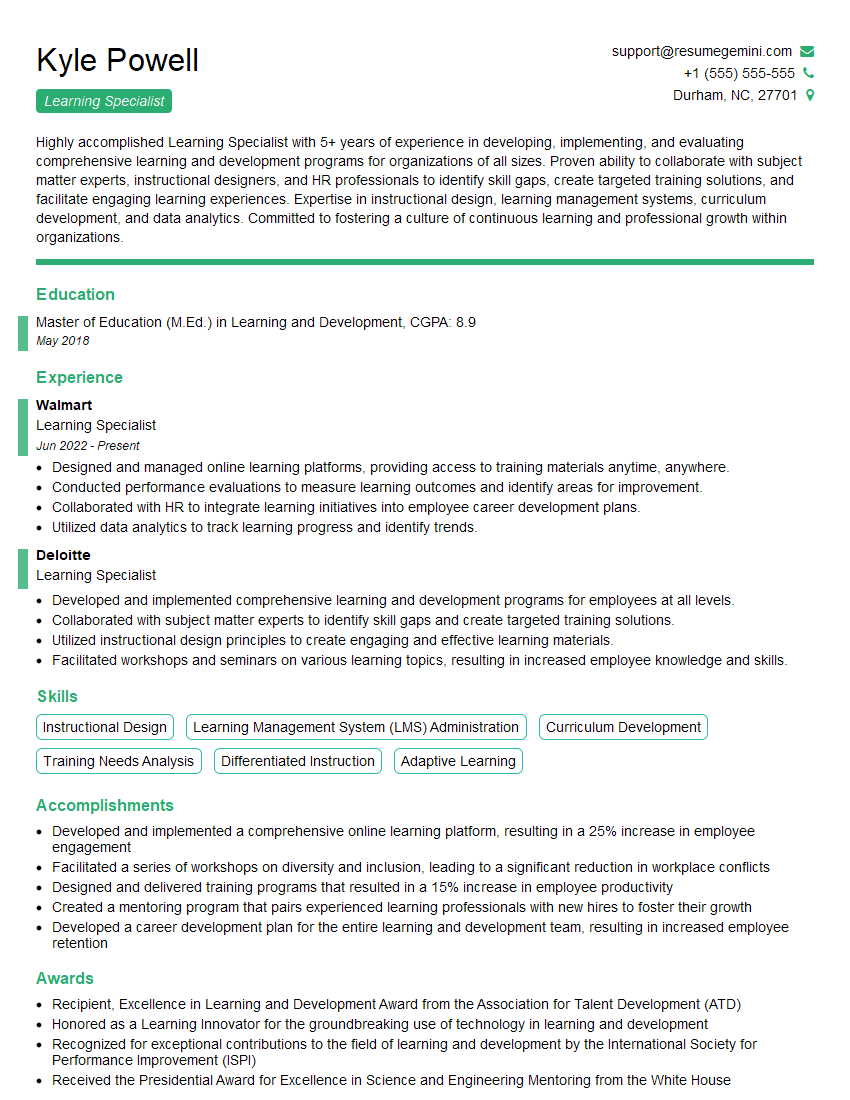
Learning Specialist Resume Sample
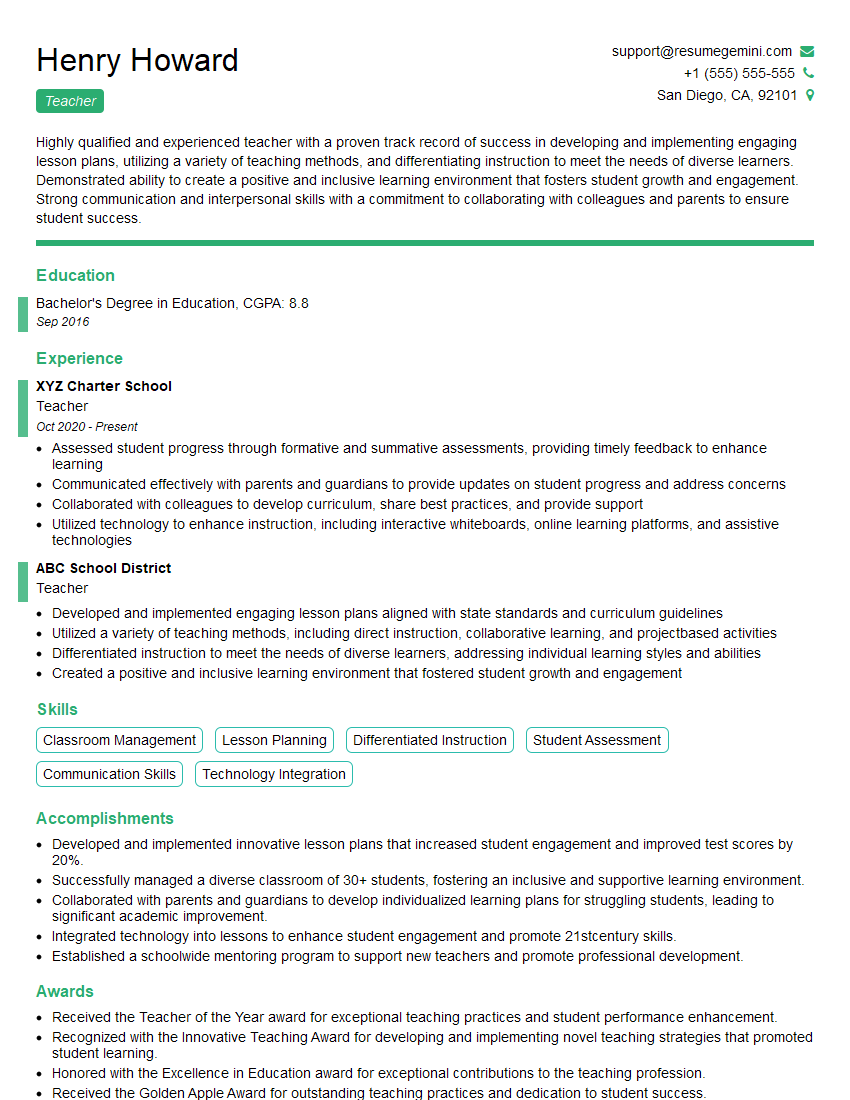
Teacher Resume Sample
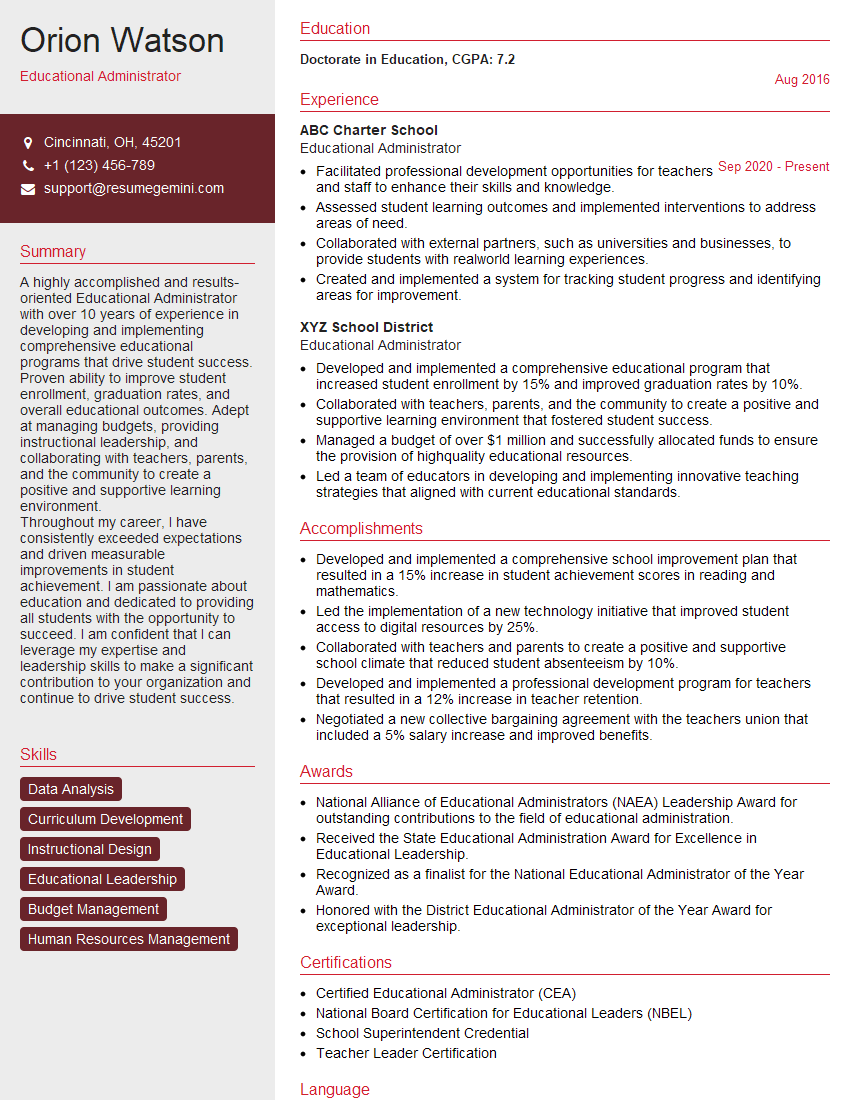
Educational Administrator Resume Sample
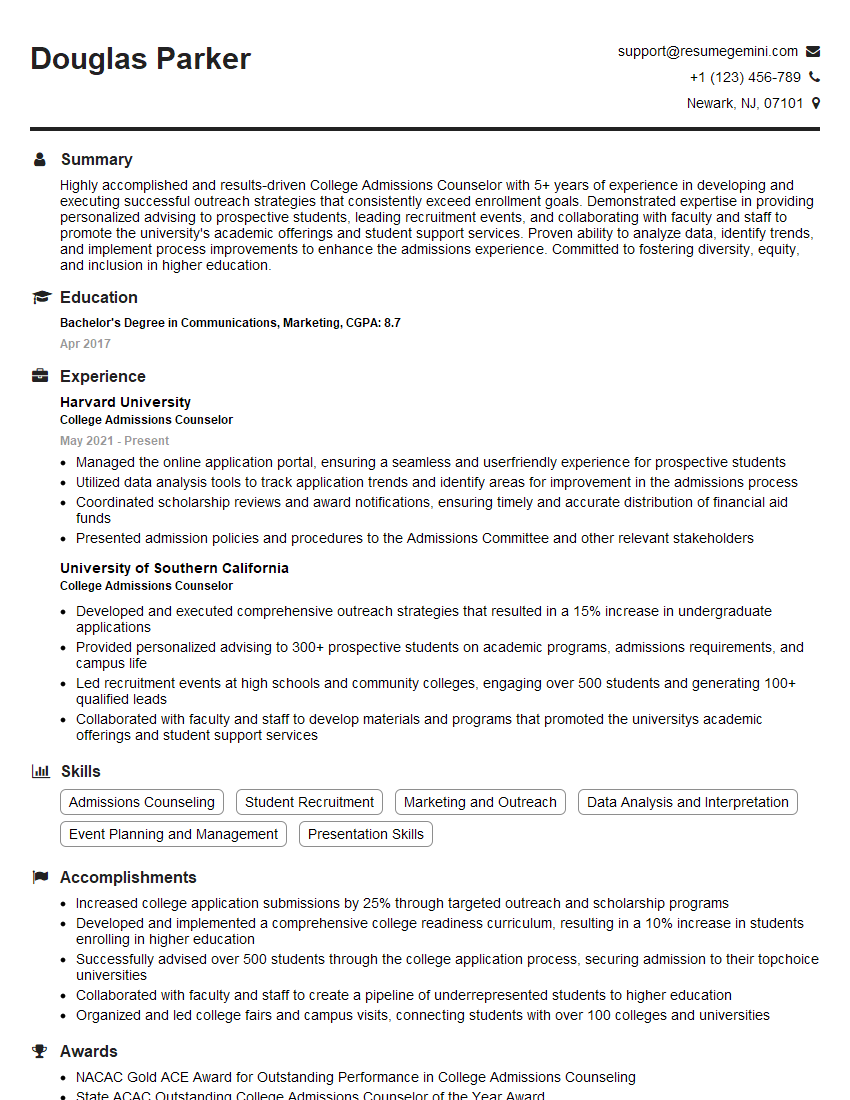
College Admissions Counselor Resume Sample

Instructor Resume Sample

Professor Resume Sample

Curriculum Developer Resume Sample
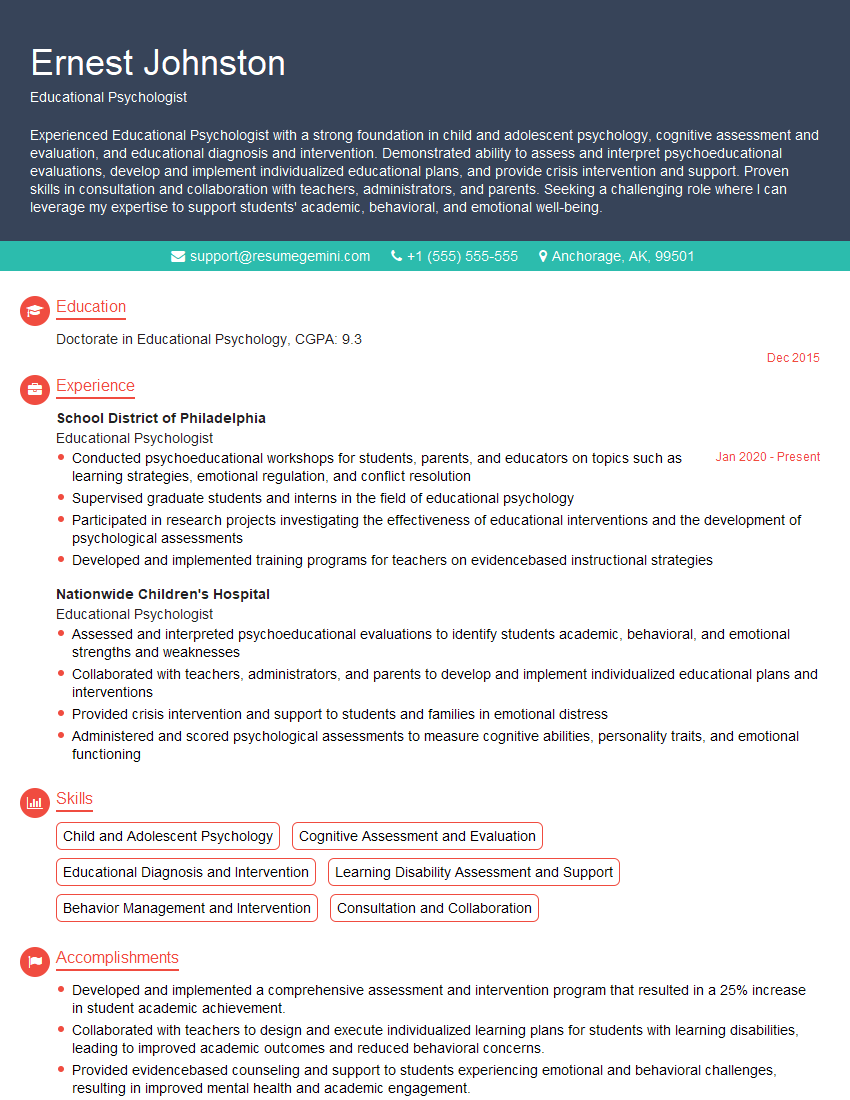
Educational Psychologist Resume Sample
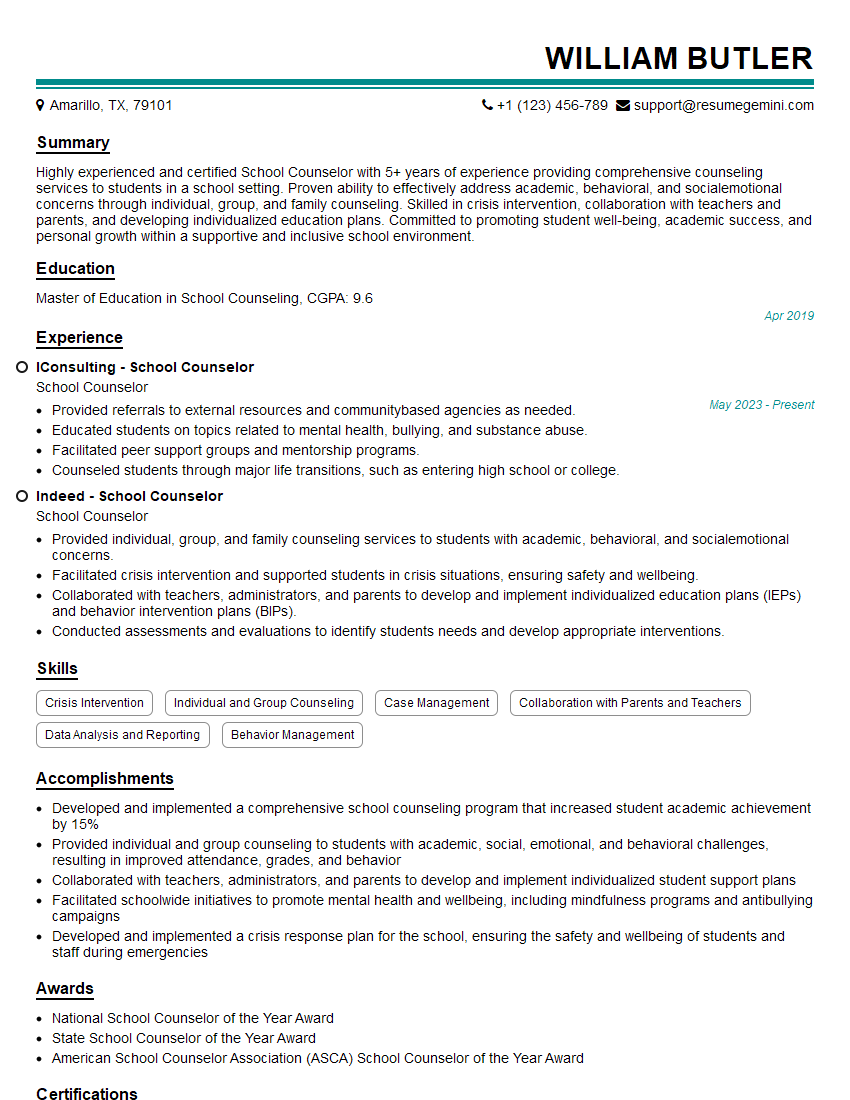
School Counselor Resume Sample
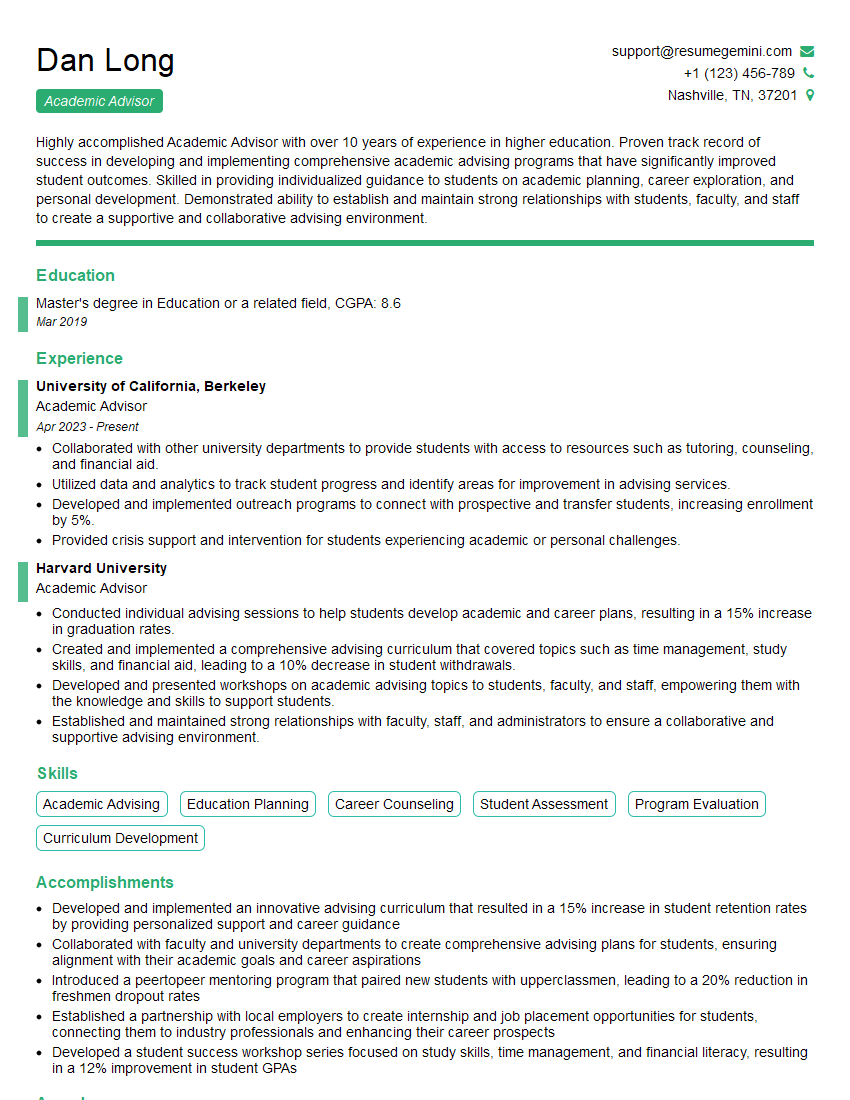
Academic Advisor Resume Sample
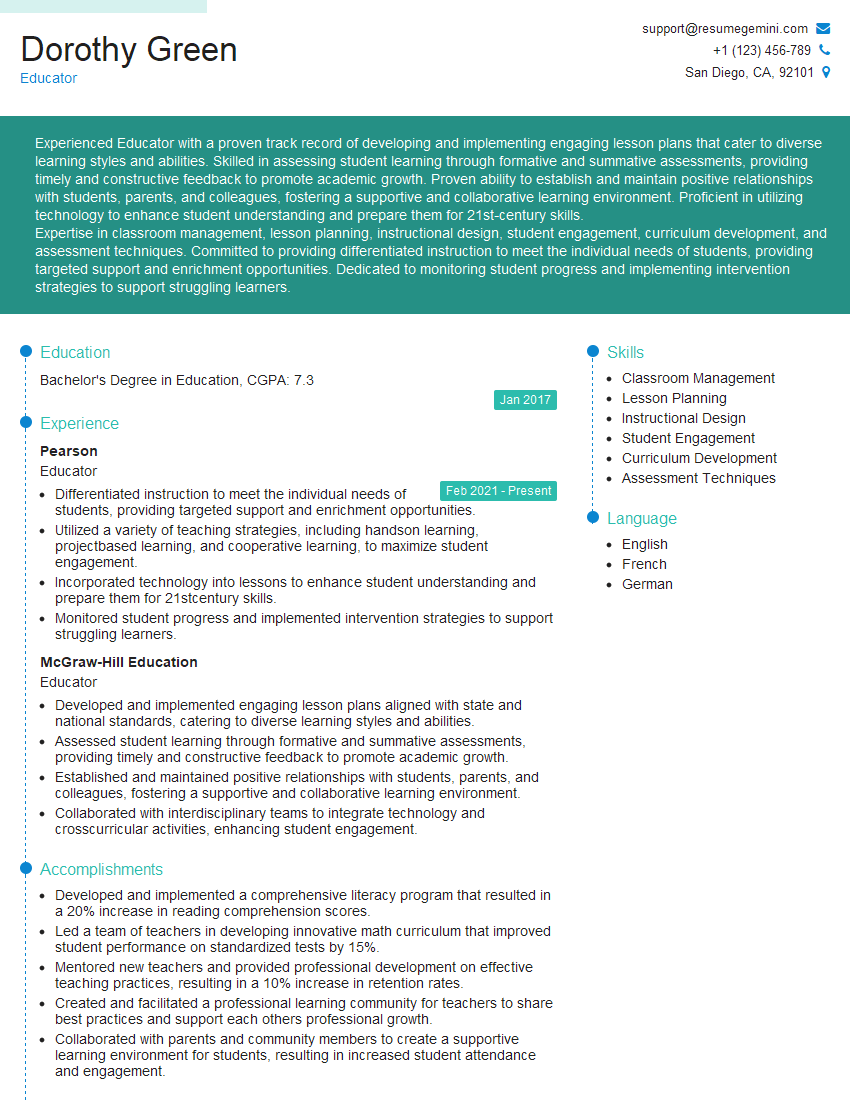
Educator Resume Sample
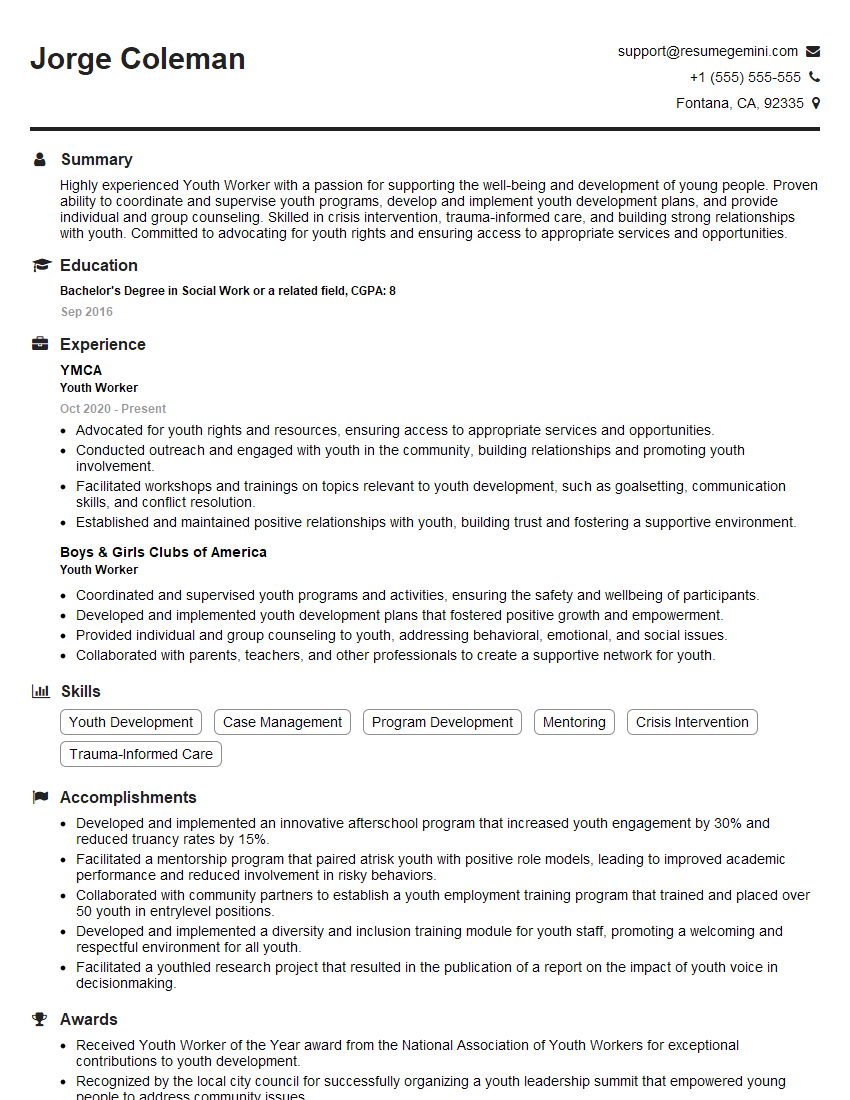
Youth Worker Resume Sample
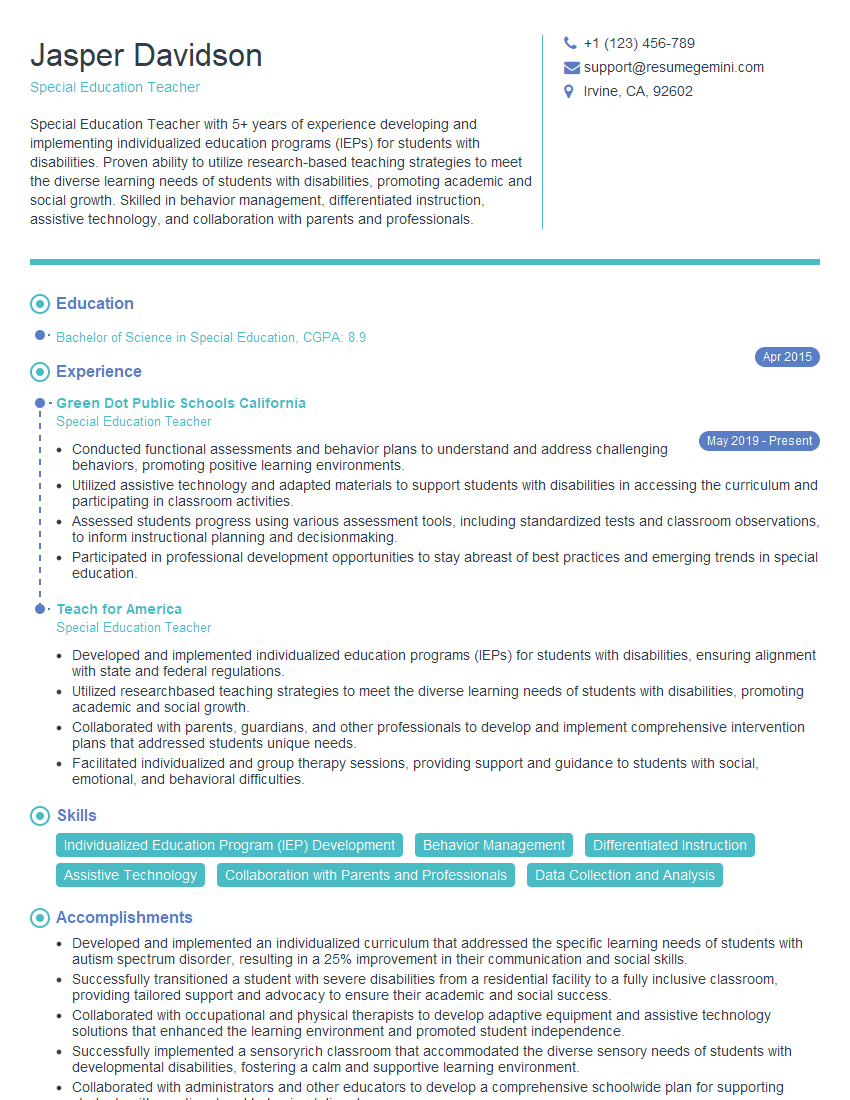
Special Education Teacher Resume Sample

Tutor Resume Sample
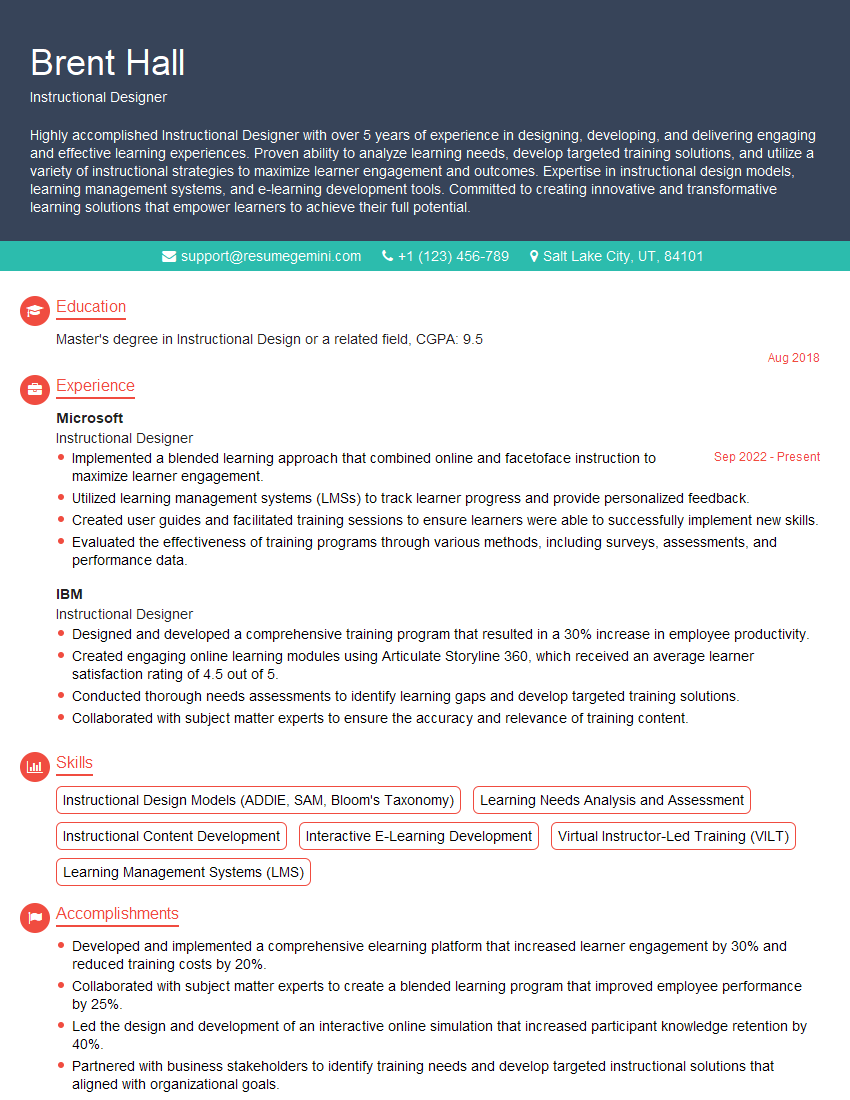
Instructional Designer Resume Sample
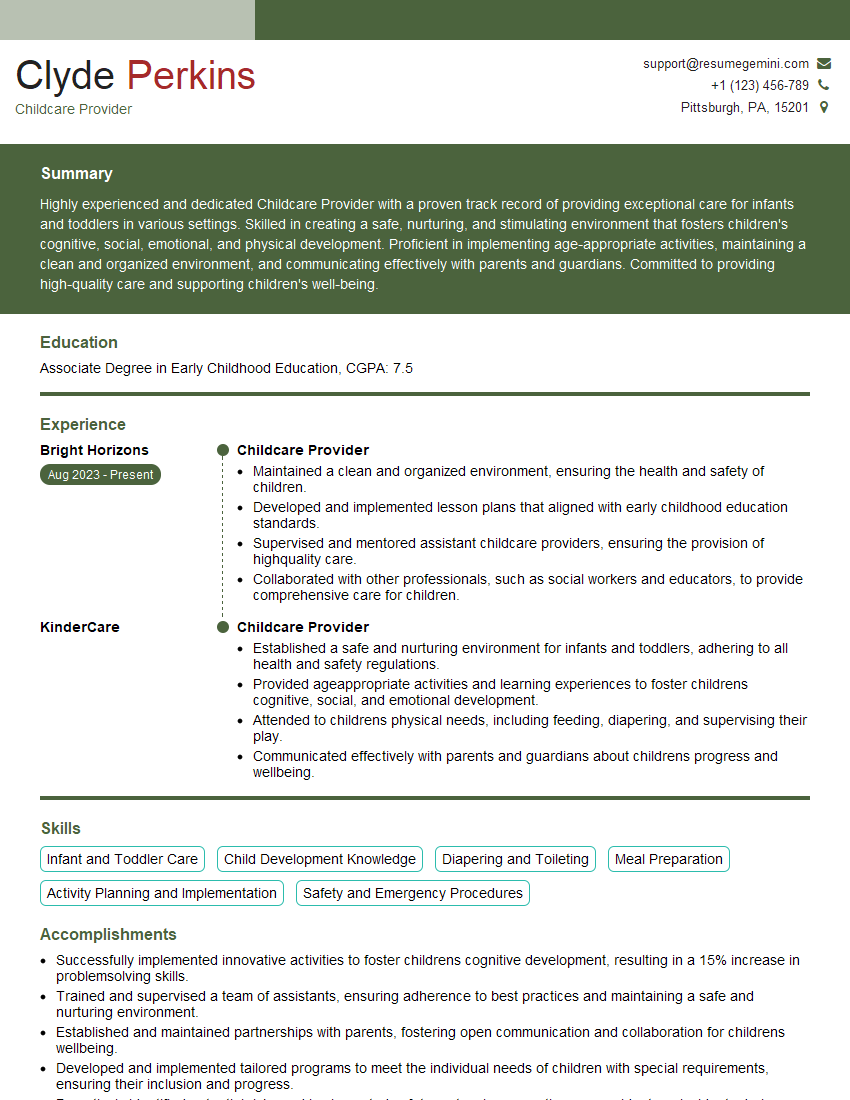
Childcare Provider Resume Sample
Explore more articles
Users Rating of Our Blogs
Share Your Experience
We value your feedback! Please rate our content and share your thoughts (optional).
What Readers Say About Our Blog
To the interviewgemini.com Webmaster.
Very helpful and content specific questions to help prepare me for my interview!
Thank you
To the interviewgemini.com Webmaster.
This was kind of a unique content I found around the specialized skills. Very helpful questions and good detailed answers.
Very Helpful blog, thank you Interviewgemini team.