Are you ready to stand out in your next interview? Understanding and preparing for Acute Rehabilitation Management interview questions is a game-changer. In this blog, we’ve compiled key questions and expert advice to help you showcase your skills with confidence and precision. Let’s get started on your journey to acing the interview.
Questions Asked in Acute Rehabilitation Management Interview
Q 1. Describe your experience with developing and implementing acute rehabilitation treatment plans.
Developing and implementing acute rehabilitation treatment plans is a systematic process that begins with a thorough assessment of the patient’s condition and goals. This involves reviewing medical records, conducting comprehensive physical and cognitive assessments, and collaborating with the interdisciplinary team.
For example, a patient post-stroke might require a plan focusing on improving motor function, speech therapy, and swallowing rehabilitation. I start by identifying the patient’s impairments, functional limitations, and disabilities. Then, I establish measurable, achievable, relevant, and time-bound (SMART) goals. The plan then outlines specific interventions, such as range-of-motion exercises, strengthening activities, and functional training, tailored to the individual’s needs and capabilities. Regular progress monitoring and plan adjustments are crucial to ensure effectiveness and patient safety. I always document the entire process meticulously, ensuring all team members have access to the most up-to-date information. For instance, I would document the patient’s response to specific exercises, any modifications made, and any unexpected challenges encountered. This detailed approach ensures continuity of care and allows for effective tracking of progress.
Q 2. How do you prioritize patient care needs in a fast-paced acute rehabilitation setting?
Prioritizing in acute rehabilitation is a constant balancing act. I use a combination of clinical urgency and the patient’s overall goals. Think of it like triage in an emergency room, but with a focus on long-term functional outcomes. Patients with immediate threats to their safety, such as respiratory compromise or unstable hemodynamics, take precedence. Then, I prioritize interventions that address the most significant functional limitations impacting the patient’s discharge goals. For example, if a patient needs to regain walking ability to return home, gait training will be a higher priority than fine motor skill exercises. I utilize tools such as the FIM (Functional Independence Measure) score to objectively assess the patient’s level of functional independence and guide prioritization decisions. Effective communication with the patient and family regarding priorities and expected timelines is paramount.
Q 3. Explain your approach to managing a multidisciplinary team in acute rehabilitation.
Managing a multidisciplinary team requires strong leadership, communication, and collaboration. I foster an environment of mutual respect, open communication, and shared decision-making. Regular team meetings are essential – a weekly case conference is ideal – to discuss patient progress, challenges, and adjustments to the treatment plan. I utilize a collaborative approach where each team member contributes their expertise, and I ensure that everyone understands the overall treatment plan. For example, if a patient has swallowing difficulties, I’ll work closely with the speech therapist to coordinate exercises and dietary modifications. Conflict resolution is addressed directly and respectfully, focusing on finding solutions that benefit the patient. Clear roles and responsibilities are outlined to prevent overlap or gaps in care. I act as a facilitator, ensuring all voices are heard, disagreements are resolved constructively, and the team remains focused on the patient’s best interests. Regular feedback sessions help to improve communication and team dynamics.
Q 4. What metrics do you use to assess the effectiveness of acute rehabilitation programs?
Assessing the effectiveness of acute rehabilitation programs relies on a combination of quantitative and qualitative data. Key metrics include changes in functional independence measures like the FIM score, patient-reported outcome measures (PROMs) such as the SF-36 (Short Form Health Survey), and length of stay. A significant improvement in the FIM score indicates functional gains. PROMs provide valuable insights into the patient’s perceived quality of life and satisfaction with care. Analyzing length of stay helps to assess the efficiency of the program and identify areas for potential improvement. Qualitative data is equally important and is gathered through regular team meetings, chart reviews, and patient/family feedback. This gives a more comprehensive understanding beyond just numbers, highlighting aspects such as patient satisfaction, caregiver burden, and the overall quality of care. By tracking these metrics over time, we can identify trends, evaluate the impact of interventions, and make data-driven adjustments to improve our programs.
Q 5. How do you handle conflict resolution within a rehabilitation team?
Conflict resolution within a rehabilitation team is handled proactively and respectfully. I encourage open communication and address concerns promptly to prevent escalation. If a disagreement arises, I facilitate a structured discussion where each member can express their perspective without interruption. The focus is on understanding the root cause of the conflict, not on assigning blame. I use a collaborative problem-solving approach, exploring various solutions and choosing the option that best serves the patient. Confidentiality is paramount; all discussions remain within the professional context of patient care. If the conflict cannot be resolved within the team, I involve appropriate leadership or conflict resolution resources. The goal is to resolve issues quickly and effectively, maintaining a positive and productive work environment that is conducive to providing high-quality patient care. Documentation of the conflict and the resolution process is critical for maintaining transparency and accountability.
Q 6. Describe your experience with patient and family education in acute rehabilitation.
Patient and family education is a cornerstone of effective acute rehabilitation. I believe in empowering patients and their families to actively participate in their care. Education begins on admission with a comprehensive explanation of the patient’s condition, prognosis, treatment goals, and the rehabilitation process. I use clear, concise language, avoiding medical jargon whenever possible. For instance, instead of saying ‘hemiparesis,’ I would explain that the patient has weakness on one side of their body. I provide regular updates on the patient’s progress and involve them in setting realistic goals. Educational materials, such as pamphlets and videos, are provided to reinforce key concepts. I encourage active participation from family members in the treatment process, providing them with the necessary tools and knowledge to support the patient at home. Post-discharge planning is essential, including instruction on home modifications, medication management, and strategies for ongoing support. I utilize a variety of teaching methods, tailoring the approach to the patient’s and family’s learning styles and needs.
Q 7. What is your approach to managing patients with complex medical needs in acute rehabilitation?
Managing patients with complex medical needs in acute rehabilitation requires a highly coordinated and collaborative approach. These patients often require specialized interventions and close monitoring from multiple disciplines. First, a detailed assessment of all medical conditions is performed, including a review of the patient’s history, current medications, and any comorbidities. A comprehensive care plan is developed collaboratively with all involved specialists, ensuring that the plan addresses all aspects of the patient’s needs. For example, a patient with both stroke and diabetes would require careful monitoring of blood glucose levels in addition to stroke rehabilitation therapies. Regular communication and close monitoring are paramount to detect and address any potential complications. I utilize technology and data to aid in tracking vital signs, medication adherence, and treatment progress, which allows for early intervention if necessary. Close collaboration with the patient’s primary care physician and other specialists is essential for ensuring a smooth transition back to the community after discharge. This multidisciplinary approach, coupled with diligent monitoring, allows for optimal patient outcomes even in complex scenarios.
Q 8. How do you ensure compliance with regulatory standards in acute rehabilitation?
Ensuring compliance in acute rehabilitation hinges on a thorough understanding and meticulous adherence to regulations set by agencies like The Joint Commission (TJC) and CMS (Centers for Medicare & Medicaid Services). This involves several key steps. First, we maintain a robust quality assurance program with regular internal audits to identify and rectify any discrepancies. We use checklists and standardized protocols to ensure consistent application of best practices across all aspects of patient care, from documentation to medication administration. Second, we actively participate in ongoing professional development to stay updated on regulatory changes and best practices. For instance, we’ve recently implemented new training modules on HIPAA compliance following updated guidelines. Third, we meticulously document everything, which is essential not only for good care but also for demonstrating compliance during external audits. Finally, we establish a strong culture of compliance where every team member understands their role in maintaining standards. This includes open communication channels to report any concerns or deviations.
For example, we recently underwent a TJC survey and successfully passed with zero deficiencies, demonstrating our commitment to meeting stringent quality standards. This success was due to our proactive approach to compliance, including regular internal audits and team training on updated guidelines.
Q 9. Describe your experience with performance improvement initiatives in acute rehabilitation.
My experience with performance improvement initiatives in acute rehabilitation centers around a data-driven approach. We consistently monitor key performance indicators (KPIs) such as length of stay, patient satisfaction scores, and functional outcomes. For instance, we track the Functional Independence Measure (FIM) scores to assess improvements in patients’ abilities. If we observe areas for improvement, we systematically analyze the data to identify root causes. We then implement evidence-based interventions and strategies.
In one instance, we noted a longer-than-desired length of stay for patients with stroke. By analyzing patient data, we discovered a bottleneck in the early stages of therapy due to limited access to specialized equipment. We addressed this by securing additional funding for new equipment and reorganizing therapy schedules. This resulted in a 15% reduction in the average length of stay for stroke patients, leading to improved efficiency and cost savings. We further implemented a new discharge planning process which helped in better coordination with community-based care providers resulting in better patient outcomes and satisfaction.
Q 10. How do you utilize technology to improve patient outcomes in acute rehabilitation?
Technology plays a crucial role in enhancing patient outcomes. We utilize electronic health records (EHRs) for seamless information sharing, reducing errors and improving the efficiency of care. Telehealth platforms allow us to extend our reach to patients in remote areas or those with mobility limitations. Wearable technology, such as activity trackers, assists in monitoring patient progress and adherence to exercise plans. Furthermore, we employ virtual reality (VR) and robotics in therapy to enhance engagement and motivation, ultimately leading to better functional gains.
For example, our use of VR technology for stroke rehabilitation has resulted in significantly improved upper limb function in our patients compared to traditional therapy alone. Patients are more engaged with the interactive games and activities, leading to increased participation and improved motor skills. This technology enhances patient engagement and promotes faster rehabilitation.
Q 11. Explain your understanding of different rehabilitation modalities and their applications.
Acute rehabilitation utilizes a diverse range of modalities tailored to individual patient needs. These include:
- Physical therapy: Focuses on improving strength, range of motion, balance, and functional mobility through exercises and manual techniques.
- Occupational therapy: Aims to restore a patient’s ability to perform daily living activities (ADLs) such as dressing, eating, and bathing.
- Speech therapy: Addresses communication and swallowing disorders, particularly crucial for patients post-stroke or with neurological conditions.
- Recreational therapy: Uses leisure activities to improve physical and cognitive function, mood, and social interaction.
- Neuropsychological rehabilitation: Addresses cognitive impairments such as memory loss and attention deficits.
The selection of modalities depends on the patient’s diagnosis, impairments, and goals. For example, a patient recovering from a stroke might receive physical therapy to regain mobility, occupational therapy to improve ADLs, and speech therapy to address any communication problems. A holistic approach, integrating various modalities, is often the most effective strategy.
Q 12. How do you assess a patient’s readiness for discharge from acute rehabilitation?
Assessing patient readiness for discharge from acute rehabilitation is a multi-faceted process that involves a comprehensive evaluation of several factors. We use a holistic approach considering the patient’s medical stability, functional abilities, and social support system.
First, we evaluate the patient’s medical condition to ensure stability and the absence of acute medical complications that would necessitate further hospitalization. Second, we assess their functional abilities using standardized measures such as the FIM. We look for improvements in ADLs and mobility. Third, we evaluate the patient’s support system at home. This includes considering the availability of caregivers and the home environment’s suitability for the patient’s needs. Fourth, a detailed discharge plan is developed ensuring proper medication management, follow-up appointments, and access to necessary community resources. Finally, we conduct a mock discharge trial, allowing the patient to practice ADLs in simulated home conditions to assess their ability to manage independently. Only if all factors are favorable, the patient is deemed ready for discharge. This approach prevents premature discharge and ensures a safe and successful transition back home.
Q 13. What are your strategies for managing challenging patient behaviors?
Managing challenging patient behaviors requires a calm, empathetic, and systematic approach. We start by understanding the underlying cause of the behavior, which may be due to pain, frustration, cognitive impairment, or medication side effects. We then create a behavior management plan that incorporates both environmental modifications and behavioral interventions.
This plan may include strategies such as distraction techniques, providing reassurance, adjusting the therapy schedule to accommodate the patient’s energy levels, and collaborating with family members to understand and respond to their loved one’s needs. In cases of aggression, we follow de-escalation protocols and work closely with the physician to rule out any medical causes. Documentation is crucial for tracking behaviors, interventions, and their effectiveness. Our approach is always patient-centered, aiming to create a safe and supportive environment where patients feel understood and respected.
For example, a patient experiencing frustration during therapy due to physical limitations was successfully managed by breaking down tasks into smaller, achievable steps and using positive reinforcement to encourage participation.
Q 14. Describe your experience with developing and managing budgets for acute rehabilitation programs.
Developing and managing budgets for acute rehabilitation programs involves a multifaceted process. First, we create a detailed budget proposal outlining anticipated revenues and expenses. This requires forecasting patient volume, considering reimbursement rates from various payers (Medicare, Medicaid, private insurance), and estimating the costs of staffing, supplies, equipment, and other operational expenses. We use budgeting software to help with the forecasting and tracking of expenses.
We continuously monitor our actual expenses against the budget, identifying and addressing any variances. We use various cost-saving strategies without compromising quality of care; this could include negotiating better rates with suppliers, optimizing staffing levels, and implementing efficiency improvements. Regular budget reviews and adjustments are crucial to ensuring the financial sustainability and viability of the program. Collaboration with the finance department and senior management is critical throughout this process.
For example, by renegotiating contracts with medical supply companies, we were able to reduce the cost of consumables by 10% without sacrificing quality, thereby improving our overall financial performance.
Q 15. How do you ensure the safety of patients and staff in an acute rehabilitation setting?
Ensuring patient and staff safety in acute rehabilitation is paramount. It’s a multifaceted approach involving proactive risk mitigation, adherence to safety protocols, and a strong safety culture.
- Environmental Safety: This includes regular safety inspections to identify and rectify hazards like slippery floors, faulty equipment, and inadequate lighting. We implement fall prevention strategies, such as bed alarms, side rails (used judiciously and according to patient preference and risk assessment), and gait training with assistive devices. For instance, a patient with balance issues might use a walker or a physical therapist’s assistance.
- Medication Safety: Strict medication protocols are essential. This includes double-checking medication orders, proper storage, and patient education on their medications. We use barcode scanning systems to minimize medication errors. For example, a pharmacist verifying a medication order before dispensing.
- Infection Control: Stringent infection control measures are vital, especially in a setting with patients who may be immunocompromised. This involves proper hand hygiene, adherence to isolation protocols, and meticulous cleaning and sterilization of equipment. For example, using appropriate personal protective equipment (PPE) such as gloves and gowns when dealing with patients with infectious diseases.
- Staff Training: Regular training and competency assessments for staff on safety protocols, emergency response procedures, and handling challenging patient behaviours are crucial. We conduct regular drills and simulations for fire safety and emergency response. For example, mock code blue or fire drills are conducted regularly.
- Incident Reporting and Analysis: A robust system for reporting and analyzing incidents, near misses, and accidents is vital for identifying trends and implementing corrective actions. Root cause analysis is used to understand the underlying factors and prevent recurrence. For example, if a patient falls, we conduct a thorough investigation to identify the factors contributing to the fall and implement preventative measures.
Career Expert Tips:
- Ace those interviews! Prepare effectively by reviewing the Top 50 Most Common Interview Questions on ResumeGemini.
- Navigate your job search with confidence! Explore a wide range of Career Tips on ResumeGemini. Learn about common challenges and recommendations to overcome them.
- Craft the perfect resume! Master the Art of Resume Writing with ResumeGemini’s guide. Showcase your unique qualifications and achievements effectively.
- Don’t miss out on holiday savings! Build your dream resume with ResumeGemini’s ATS optimized templates.
Q 16. How do you monitor and evaluate the quality of care in acute rehabilitation?
Monitoring and evaluating the quality of care in acute rehabilitation requires a multi-pronged approach, encompassing both clinical outcomes and patient experience.
- Clinical Outcome Measures: We use standardized outcome measures such as the Functional Independence Measure (FIM) to track patient progress towards functional goals. Regular chart reviews are conducted to assess the appropriateness and effectiveness of interventions. We also analyze length of stay and readmission rates to identify areas for improvement.
- Patient Satisfaction Surveys: We gather feedback from patients and families through surveys and interviews to understand their experience with the care provided. This helps us identify areas of strength and areas needing improvement.
- Performance Improvement Initiatives: Data from various sources is used to identify opportunities for improvement. We use quality improvement methodologies such as Plan-Do-Study-Act (PDSA) cycles to test interventions and measure their impact. For example, if we identify a high rate of pressure ulcers, we might implement a new pressure ulcer prevention program and track its effectiveness over time.
- Compliance with Standards: We ensure compliance with relevant accreditation standards, such as those set by The Joint Commission, to maintain a high level of quality. Regular audits are conducted to assess compliance.
- Interprofessional Collaboration: Regular meetings and rounds among the interprofessional team facilitate discussions on patient progress, challenges, and care planning. Open communication enhances the quality of care.
Q 17. Explain your experience with risk management in acute rehabilitation.
Risk management in acute rehabilitation focuses on proactively identifying, assessing, and mitigating potential risks to patients and staff.
- Risk Identification: We conduct regular risk assessments to identify potential hazards, including falls, medication errors, infections, and equipment malfunctions. These assessments involve input from various disciplines, including nursing, therapy, and administration.
- Risk Assessment: Once risks are identified, we assess their likelihood and potential severity. This helps prioritize risk mitigation efforts. For instance, a high likelihood of falls combined with severe potential consequences (head trauma) would warrant immediate attention.
- Risk Mitigation Strategies: We implement strategies to reduce or eliminate identified risks. This can include implementing safety protocols, providing staff training, purchasing new equipment, or modifying the physical environment. For example, implementing a fall prevention program including bed alarms and regular fall risk assessments.
- Incident Reporting and Investigation: A robust system for reporting and investigating incidents is critical. Root cause analysis helps us understand the underlying factors that contributed to the incident and develop strategies to prevent recurrence. For example, if a medication error occurs, a thorough investigation is done to determine what factors led to the error and preventative measures are put in place to ensure that it doesn’t happen again.
- Insurance and Legal Compliance: We ensure compliance with all relevant insurance and legal requirements. This includes proper documentation, informed consent procedures, and adherence to regulatory guidelines.
Q 18. How do you address ethical dilemmas in acute rehabilitation?
Ethical dilemmas in acute rehabilitation are often complex and require careful consideration.
- Beneficence vs. Non-maleficence: Balancing the benefits of aggressive rehabilitation with the potential for harm is a frequent challenge. For example, pushing a patient too hard during therapy could lead to injury, whereas insufficient therapy might hinder recovery. We carefully weigh risks and benefits, involving the patient and family in the decision-making process.
- Autonomy: Respecting patient autonomy and ensuring they have the information necessary to make informed decisions is critical. This includes ensuring patients understand their diagnosis, prognosis, and treatment options.
- Justice: Ensuring equitable access to care and resources is crucial. We strive to provide high-quality care to all patients regardless of their background or ability to pay.
- Confidentiality: Maintaining patient confidentiality is paramount. All staff are trained on HIPAA regulations and other relevant privacy laws.
- Ethical Decision-Making Framework: When facing ethical dilemmas, we utilize a structured decision-making framework, which might involve consulting with ethics committees, legal counsel, or other healthcare professionals.
Q 19. Describe your experience with interprofessional collaboration in acute rehabilitation.
Interprofessional collaboration is fundamental to successful acute rehabilitation. It’s a team-based approach where various healthcare professionals work together to achieve optimal patient outcomes.
- Team Members: Typical team members include physicians, nurses, physical therapists, occupational therapists, speech-language pathologists, respiratory therapists, social workers, and case managers. Each professional brings unique skills and expertise.
- Communication: Effective communication is crucial. We use various methods such as daily team meetings, progress notes, and patient care conferences to keep everyone informed and on the same page. For example, a daily team meeting to discuss patient progress and coordinate care.
- Shared Goals: The team works collaboratively towards shared goals defined in the patient’s individualized treatment plan. This includes setting functional goals, developing interventions, and monitoring progress.
- Coordination of Care: The team coordinates care to ensure that services are provided efficiently and effectively. This might involve scheduling therapy sessions, managing medications, and arranging for discharge planning.
- Respectful Dialogue: Open communication and mutual respect are fostered among team members to enhance collaboration. We encourage active listening and value each professional’s contribution.
Q 20. How do you adapt treatment plans based on patient progress and response?
Treatment plans in acute rehabilitation are dynamic and adaptable based on patient progress and response.
- Regular Monitoring: We regularly monitor patient progress through objective assessments, such as the FIM score, and subjective measures, like patient and family feedback. This data is used to assess the effectiveness of the treatment plan and identify any necessary adjustments. For example, if a patient isn’t making sufficient progress in physical therapy, the therapist might modify the exercises, frequency of sessions, or introduce new techniques.
- Treatment Plan Modification: Based on this monitoring, we modify the treatment plan as needed. This might involve increasing or decreasing the intensity of therapy, changing the types of interventions, or adding or removing interventions. For example, if a patient’s pain is interfering with therapy, we would adjust the treatment plan to include pain management strategies.
- Patient and Family Input: We actively involve patients and families in the decision-making process. We consider their preferences, concerns, and goals when adjusting the treatment plan.
- Interprofessional Collaboration: Changes to the treatment plan are discussed and agreed upon by the interprofessional team.
- Documentation: All changes to the treatment plan are meticulously documented in the patient’s medical record, providing a clear history of care and rationale for adjustments.
Q 21. Explain your knowledge of different reimbursement models for acute rehabilitation services.
Reimbursement for acute rehabilitation services varies depending on the payer (e.g., Medicare, Medicaid, private insurance) and the specific service provided. Understanding these models is crucial for efficient operations and financial sustainability.
- Medicare: Medicare Part A typically covers inpatient rehabilitation services in designated rehabilitation facilities. Reimbursement is based on a prospective payment system (PPS) using a case-mix group (CMG) classification. This system uses a patient’s diagnosis, functional status, and comorbidities to assign a CMG, which determines the payment amount.
- Medicaid: Medicaid programs vary by state. Reimbursement rates and coverage policies differ widely depending on the state.
- Private Insurance: Private insurance companies also have their own reimbursement models. Coverage and reimbursement rates vary greatly depending on the specific plan. Some plans may require pre-authorization for certain services.
- Value-Based Care: There is a growing trend towards value-based care models where reimbursement is tied to the quality of care and patient outcomes. This incentivizes providers to focus on delivering high-quality, cost-effective services.
- Bundled Payments: Bundled payment models involve a single payment for a defined episode of care, encompassing multiple services. This incentivizes efficiency and coordination of care.
Q 22. How do you manage the transition of care for patients discharged from acute rehabilitation?
Managing the transition of care for patients discharged from acute rehabilitation is crucial for ensuring a smooth and successful return to their home environment or next level of care. It’s not just about handing over the patient; it’s about a collaborative and coordinated process involving the patient, family, and various healthcare providers.
Pre-Discharge Planning: This starts early in the rehabilitation process. We conduct comprehensive assessments, including functional abilities, cognitive status, and support systems. We create a detailed discharge plan that outlines specific goals, medication regimens, therapy schedules (if continued), and necessary equipment (like walkers or wheelchairs).
Collaboration with Referring Physicians and Other Providers: We maintain clear communication with the patient’s primary care physician, specialists, and any home healthcare agencies involved. This ensures a consistent care plan and prevents gaps in service. For example, we might coordinate with a physical therapist to continue outpatient sessions or with a home health nurse to monitor medication compliance.
Patient and Family Education: We empower patients and their families by providing clear instructions about medication, wound care (if applicable), exercises, and potential complications. We answer questions thoroughly and ensure they understand the discharge plan. We also provide contact information for follow-up questions and concerns.
Post-Discharge Follow-up: We schedule follow-up appointments as needed to assess the patient’s progress and make adjustments to the plan, if necessary. This proactive approach helps identify and address potential issues quickly.
Community Resource Referral: Depending on individual needs, we connect patients with social workers or case managers who can help access crucial resources such as transportation, meals-on-wheels, or financial assistance. I’ve found that this support significantly impacts patient outcomes.
Q 23. What is your experience with data analysis and reporting in acute rehabilitation?
Data analysis and reporting are vital for improving the quality and efficiency of acute rehabilitation programs. My experience involves using various data sources, including electronic health records (EHRs), to track key performance indicators (KPIs) and identify areas for improvement.
Data Collection: I’m proficient in extracting data related to patient demographics, diagnoses, length of stay, functional outcomes (e.g., using the FIM score), readmission rates, and patient satisfaction scores.
Data Analysis: I use statistical methods to analyze the data, identify trends, and evaluate the effectiveness of different interventions. For example, I might compare outcomes for patients receiving different types of therapy or analyze the impact of early mobilization on length of stay.
Reporting: I create clear and concise reports for the rehabilitation team, administration, and regulatory agencies. These reports highlight key findings, identify areas of strength and weakness, and recommend evidence-based improvements.
Example: In a recent analysis, we identified that patients with specific comorbidities had longer rehabilitation stays. This led us to develop a targeted intervention program which reduced the average length of stay by 10%, improving efficiency and patient flow.
Q 24. Describe your experience with marketing and promoting acute rehabilitation programs.
Marketing and promoting acute rehabilitation programs require a multi-faceted approach that emphasizes the value and quality of services offered. My experience spans various methods, focusing on reaching key referral sources and the community at large.
Physician Outreach: Building strong relationships with referring physicians is paramount. This involves attending hospital meetings, providing presentations on our services, and personally demonstrating the positive outcomes we achieve. We regularly share data on patient satisfaction and outcomes.
Community Engagement: Participating in health fairs, community events, and educational programs helps raise awareness about our services. We also utilize brochures and other marketing materials to highlight our expertise and facilities.
Digital Marketing: Maintaining an updated and informative website, utilizing search engine optimization (SEO), and managing social media presence are crucial for increasing online visibility. I have experience in developing content for these platforms.
Patient Testimonials: Sharing positive patient testimonials can be incredibly effective in building trust and attracting new referrals. We obtain consent for publication and highlight successful rehabilitation stories.
Q 25. How do you stay current with the latest advancements in acute rehabilitation?
Staying current in the rapidly evolving field of acute rehabilitation requires a commitment to continuous learning. I employ several strategies to maintain my expertise.
Professional Organizations: Active participation in professional organizations like the American Academy of Physical Medicine and Rehabilitation (AAPM&R) allows for access to continuing education opportunities, conferences, and networking with leading experts.
Peer-Reviewed Journals: Regularly reviewing peer-reviewed journals like the Archives of Physical Medicine and Rehabilitation keeps me abreast of the latest research and best practices.
Continuing Education Courses and Workshops: I actively seek out and participate in continuing education courses and workshops focusing on new treatment modalities, technologies, and rehabilitation techniques.
Networking and Collaboration: Staying connected with colleagues through conferences, webinars and professional associations provides valuable opportunities to exchange knowledge and learn about innovative approaches from different settings.
Q 26. Explain your experience with regulatory agencies and their requirements.
Navigating regulatory requirements is essential for ensuring compliance and providing quality care. My experience includes working with agencies like The Joint Commission and Centers for Medicare & Medicaid Services (CMS).
Understanding Regulations: I possess a thorough understanding of all relevant regulations, including those related to patient safety, quality improvement, and documentation. This includes familiarity with the Conditions of Participation (CoP) for rehabilitation facilities.
Compliance Programs: I’ve been actively involved in developing and implementing compliance programs to ensure adherence to all regulatory standards. This involves regular audits, staff training, and ongoing monitoring of our practices.
Documentation: Meticulous and accurate documentation is paramount. I ensure that all patient records are complete, accurate, and compliant with regulatory requirements.
Surveys and Audits: I’ve participated in numerous surveys and audits conducted by regulatory agencies. We prepare diligently for these processes to ensure smooth completion and maintain our accreditation status.
Q 27. Describe your experience with staff development and training in acute rehabilitation.
Staff development and training are critical for delivering high-quality acute rehabilitation. My experience encompasses creating and implementing training programs that enhance the skills and knowledge of our team.
Needs Assessment: We begin with a thorough needs assessment to identify areas where training is most needed. This might involve reviewing staff performance data, feedback from patients and other stakeholders, and staying current with advancements in the field.
Training Curriculum Development: I design and deliver comprehensive training programs covering topics such as evidence-based practices, new technologies, patient safety protocols, and regulatory updates. We use a variety of methods including workshops, online modules, and mentoring.
Continuing Education: We encourage staff to participate in continuing education opportunities to stay current with the latest advancements in rehabilitation medicine. We support their professional development with funding for relevant courses and conferences.
Performance Evaluation: Regular performance evaluations provide opportunities to provide feedback, identify areas for improvement, and track progress in the application of newly learned skills.
Q 28. How do you measure and improve patient satisfaction in acute rehabilitation?
Measuring and improving patient satisfaction is a continuous process that requires a multifaceted approach. We utilize various methods to gather feedback and make improvements.
Regular Surveys: We employ standardized patient satisfaction surveys to gather quantitative data on various aspects of their experience, such as staff friendliness, cleanliness of the facility, and overall quality of care. We use these surveys immediately after discharge to collect the most relevant feedback.
Qualitative Feedback: We actively solicit qualitative feedback through focus groups, individual interviews, and informal conversations. This provides rich insights into the patient experience that complement quantitative data. For example, we might conduct informal interviews to better understand any concerns expressed through our satisfaction survey.
Actionable Improvements: We analyze the data collected and implement actionable improvements based on the feedback received. This might involve changes to staff training, facility upgrades, or modifications to treatment protocols.
Staff Engagement: Creating a culture of patient-centered care and empowering staff to take ownership of improving the patient experience is crucial. We hold regular team meetings to discuss patient feedback and brainstorm solutions.
Key Topics to Learn for Acute Rehabilitation Management Interview
- Patient Assessment and Evaluation: Understanding standardized assessments (e.g., FIM, Barthel Index), interpreting results, and developing individualized treatment plans based on patient needs and goals.
- Treatment Modalities in Acute Rehabilitation: Practical application of therapeutic interventions like range of motion exercises, strengthening techniques, functional training, and adaptive equipment, considering patient safety and progress.
- Interdisciplinary Collaboration: Effective communication and teamwork with physicians, nurses, therapists (PT, OT, ST), and other healthcare professionals to ensure holistic patient care and optimal outcomes.
- Rehabilitation Programming and Goal Setting: Developing measurable, achievable, relevant, and time-bound (SMART) goals, implementing evidence-based treatment protocols, and adapting plans as needed based on patient response.
- Discharge Planning and Transition of Care: Coordinating discharge arrangements, providing patient and family education, and ensuring a smooth transition to home or other post-acute care settings.
- Documentation and Reporting: Accurate and comprehensive documentation of patient progress, interventions, and communication with the interdisciplinary team, adhering to regulatory standards and best practices.
- Quality Improvement and Evidence-Based Practice: Understanding and applying quality improvement methodologies to enhance patient care, and staying current with evidence-based practices in acute rehabilitation.
- Ethical and Legal Considerations: Navigating ethical dilemmas related to patient care and adhering to legal and regulatory requirements related to patient confidentiality and documentation.
- Case Management and Resource Utilization: Efficiently managing patient care, coordinating resources, and optimizing the use of healthcare services to achieve cost-effective and high-quality outcomes.
- Understanding Specific Diagnoses and Conditions: Developing a strong understanding of common conditions managed in acute rehabilitation settings (e.g., stroke, traumatic brain injury, spinal cord injury), their impact on functional abilities, and appropriate rehabilitation approaches.
Next Steps
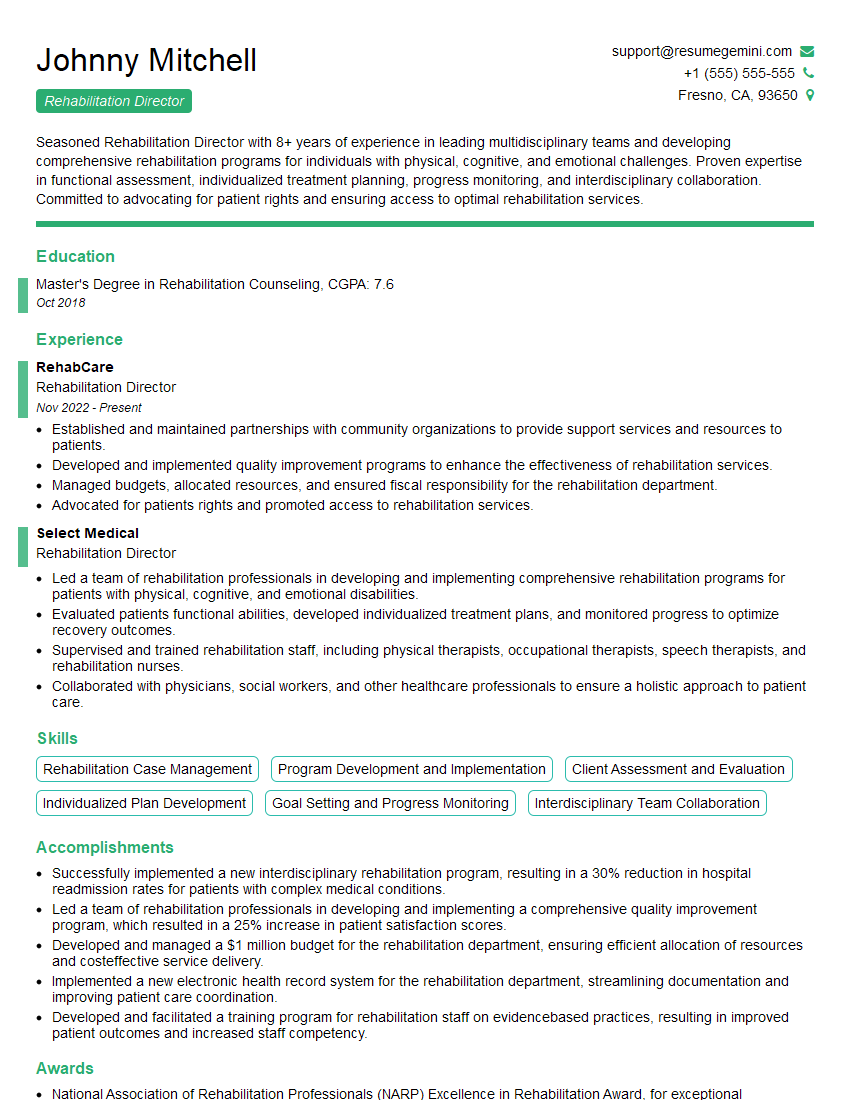
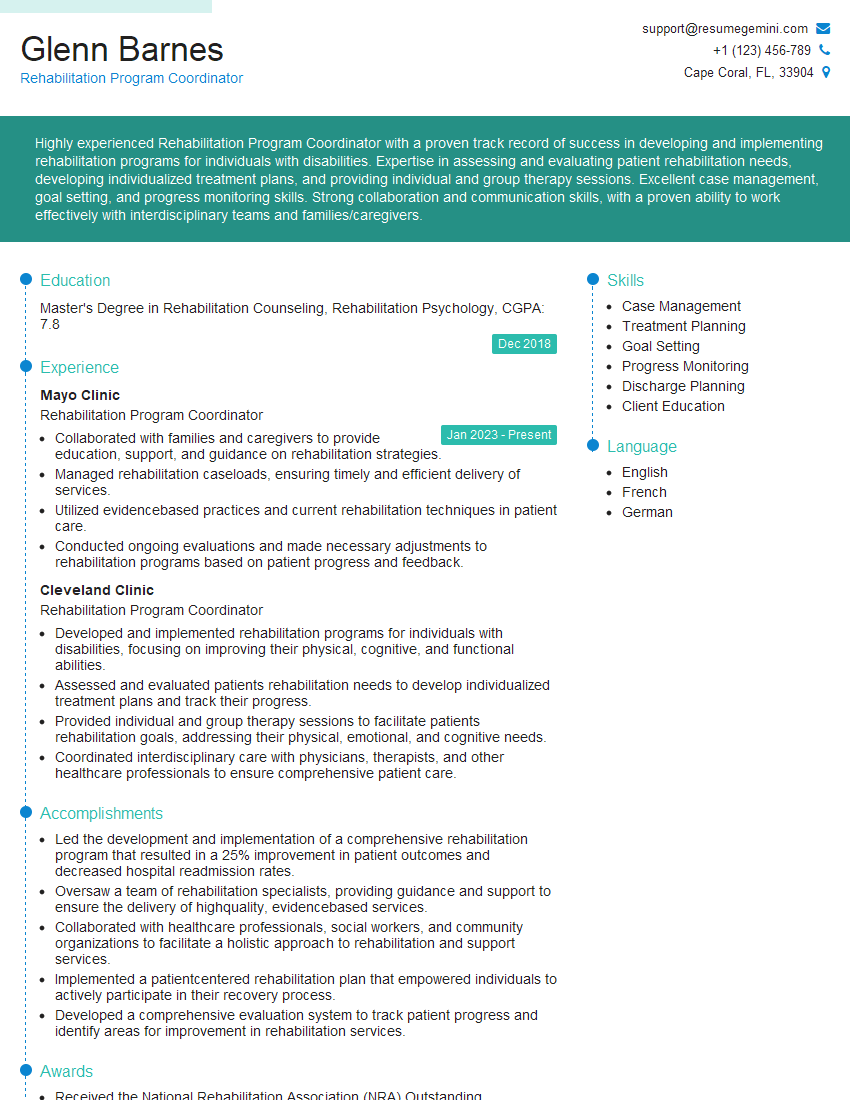
Mastering Acute Rehabilitation Management is crucial for career advancement in this rapidly evolving field. A strong understanding of these principles demonstrates your expertise and commitment to providing high-quality patient care. To significantly increase your job prospects, building an ATS-friendly resume is essential. ResumeGemini is a trusted resource that can help you create a compelling and effective resume tailored to the specific requirements of Acute Rehabilitation Management positions. Examples of resumes tailored to this field are available to guide you.
Explore more articles
Users Rating of Our Blogs
Share Your Experience
We value your feedback! Please rate our content and share your thoughts (optional).
What Readers Say About Our Blog
To the interviewgemini.com Webmaster.
Very helpful and content specific questions to help prepare me for my interview!
Thank you
To the interviewgemini.com Webmaster.
This was kind of a unique content I found around the specialized skills. Very helpful questions and good detailed answers.
Very Helpful blog, thank you Interviewgemini team.