Interviews are more than just a Q&A session—they’re a chance to prove your worth. This blog dives into essential Adaptability to Change interview questions and expert tips to help you align your answers with what hiring managers are looking for. Start preparing to shine!
Questions Asked in Adaptability to Change Interview
Q 1. Describe a situation where you had to quickly adapt to a new technology or process.
Adapting to new technologies and processes is crucial in today’s rapidly evolving work environment. It requires a proactive mindset, a willingness to learn, and a structured approach to onboarding.
In my previous role at [Previous Company Name], we transitioned from a legacy CRM system to a cloud-based solution. This involved learning a completely new interface, mastering new functionalities, and adjusting established workflows. My approach was threefold: firstly, I dedicated time to thorough training, utilizing online tutorials and attending workshops. Secondly, I actively sought out mentorship from colleagues already proficient in the new system. Finally, I practiced consistently, focusing on the most critical features and gradually incorporating more advanced functionalities into my daily work. This phased approach minimized disruption and ensured a smooth transition. The outcome was a significant increase in efficiency and data accuracy, showcasing the benefits of embracing technological advancements.
Q 2. How do you prioritize tasks when faced with unexpected changes?
Prioritizing tasks amid unexpected changes involves a flexible yet structured approach. I utilize a combination of techniques, including the Eisenhower Matrix (urgent/important), and a dynamic to-do list managed using project management software. When an unforeseen event occurs, I first assess its impact and urgency. For instance, if a critical client requires immediate assistance, that task becomes the top priority, even if it means temporarily postponing less urgent items.
I communicate transparently with stakeholders about any necessary shifts in priorities, managing their expectations and ensuring everyone understands the rationale behind the changes. This approach minimizes confusion and maintains collaboration. Regularly reviewing and updating my priorities ensures that I remain adaptable and responsive to evolving circumstances.
Q 3. Give an example of a time you had to adjust your plans due to unforeseen circumstances.
Unexpected circumstances require adaptability and resourcefulness. During a major project at [Previous Company Name], we experienced an unexpected delay due to a critical vendor failing to deliver key components on time. My initial plan involved a streamlined delivery schedule. However, facing the delay, I quickly convened a team meeting to brainstorm solutions. We explored alternative vendors, negotiated expedited delivery with the original vendor, and re-sequenced certain project tasks to mitigate the impact. This involved re-allocating resources and adjusting timelines, all communicated transparently to stakeholders. The end result was a minor project delay, avoiding a larger disruption. This situation highlighted the importance of contingency planning and proactive communication in handling unforeseen circumstances.
Q 4. How do you handle conflicting priorities in a dynamic work environment?
Handling conflicting priorities requires clear communication, prioritization skills, and effective time management. In a dynamic environment, conflicting priorities are commonplace. My approach involves clearly defining each task’s importance and urgency, considering potential impacts on various projects or stakeholders. I often employ a weighted prioritization system, assigning numerical values to tasks based on impact and deadlines. This allows me to objectively rank competing priorities.
Further, open and honest communication with stakeholders about constraints and trade-offs is vital. This helps to manage expectations and ensure collaborative decision-making. Negotiation and compromise may be necessary to reach a mutually agreeable solution. For example, I might suggest re-scoping a less critical task to free up time for a higher-priority item.
Q 5. Describe your approach to problem-solving when confronted with ambiguous situations.
Problem-solving in ambiguous situations necessitates a structured approach. I begin by gathering as much information as possible, clarifying the problem statement, and identifying known and unknown factors. I then generate multiple hypotheses or potential solutions, utilizing techniques such as brainstorming and root cause analysis. I evaluate each solution’s feasibility and potential impact, considering both short-term and long-term consequences. This may involve consulting with colleagues, conducting research, or testing various approaches. Iterative refinement is often necessary, adapting my solution based on feedback and emerging information. This iterative approach ensures that even with incomplete information, I can reach a reasonable and effective solution.
Q 6. How do you stay informed about industry trends and adapt your skills accordingly?
Staying informed about industry trends is paramount for continuous professional development and adaptability. I actively participate in online communities, attend industry conferences and webinars, and follow influential thought leaders on social media and through relevant publications. This keeps me abreast of emerging technologies, best practices, and evolving industry standards.
I also regularly assess my own skills and identify areas for improvement. This often leads me to pursue relevant certifications, online courses, or workshops to enhance my expertise. A proactive approach to continuous learning ensures I remain relevant and competitive in a rapidly changing landscape. For example, I recently completed a course on [Specific Technology/Skill] to enhance my skillset and stay ahead of the curve in my field.
Q 7. What strategies do you use to manage stress and maintain productivity during periods of change?
Managing stress and maintaining productivity during periods of change is crucial for both individual well-being and professional success. I prioritize self-care, ensuring sufficient sleep, regular exercise, and a healthy diet. These fundamentals help me manage stress effectively. I also incorporate mindfulness techniques, such as meditation or deep breathing exercises, to stay calm and focused under pressure.
Furthermore, I break down large tasks into smaller, more manageable steps, ensuring a sense of accomplishment and avoiding feeling overwhelmed. I also utilize time management techniques, such as the Pomodoro Technique, to maintain focus and prevent burnout. Open communication with my team and manager also allows me to manage expectations and receive support when needed, crucial during periods of significant change.
Q 8. How do you approach learning new skills or acquiring new knowledge quickly?
Learning new skills quickly is about strategic, not just frantic, effort. I approach it systematically, focusing on understanding the ‘why’ before the ‘how’.
- Goal Setting: I begin by clearly defining my learning objective. What specific skills or knowledge do I need? What measurable outcome am I aiming for?
- Resource Identification: Next, I identify the best resources – online courses, books, workshops, mentors – that align with my learning style and the available time. I prioritize high-quality, concise resources over overwhelming amounts of information.
- Chunking and Spaced Repetition: I break down complex topics into smaller, manageable chunks. I utilize spaced repetition techniques, reviewing material at increasing intervals to reinforce learning and minimize forgetting.
- Active Recall and Practice: Passive reading isn’t enough. I actively test myself through quizzes, practice exercises, and real-world application. This forces me to retrieve information from memory, strengthening the neural pathways.
- Feedback and Iteration: I seek feedback from peers, mentors, or through self-assessment to identify areas for improvement. This iterative approach allows for continuous refinement and faster skill acquisition.
For example, when I needed to learn Python for a data analysis project, I started with a structured online course focusing on data manipulation libraries like Pandas and NumPy. I then practiced by working on small projects, consistently testing my understanding and seeking feedback from colleagues.
Q 9. Describe a time you had to adapt your communication style to a specific audience or situation.
Adapting communication styles is crucial for effective collaboration. I’ve found that tailoring my approach based on audience characteristics and the context significantly improves understanding and rapport.
In a previous project, I was leading a team with members ranging from seasoned engineers to recent graduates. My initial technical explanations, while precise, were overwhelming for the less experienced members. I adapted by:
- Simplifying Terminology: I replaced complex jargon with simpler language, providing clear definitions when necessary.
- Visual Aids: I incorporated visual aids like diagrams and flowcharts to illustrate complex processes more effectively.
- Varying Communication Channels: I used emails for detailed updates, quick messaging for immediate questions, and team meetings for broader discussions and brainstorming.
- Active Listening: I actively listened to team members’ questions and concerns, ensuring everyone felt heard and understood.
This resulted in a more inclusive and collaborative environment where everyone felt comfortable contributing. The project was successfully completed on time and within budget.
Q 10. How do you contribute to a positive and adaptable team environment?
Contributing to a positive and adaptable team environment is a top priority for me. I believe a strong team culture is built on mutual respect, open communication, and a shared commitment to continuous improvement.
- Promoting Collaboration: I actively encourage teamwork by sharing knowledge, offering support, and fostering a culture of open communication. I believe in the power of collective problem-solving.
- Embracing Change: I’m a vocal advocate for change, highlighting its potential benefits and actively participating in the transition process. I strive to be a role model for adapting to new challenges.
- Constructive Feedback: I provide and receive constructive feedback openly and respectfully. This iterative process allows us to learn from mistakes and continuously improve our collective work.
- Conflict Resolution: I am proactive in addressing conflicts and disagreements constructively, facilitating open dialogue and seeking win-win solutions.
- Celebrating Successes: Recognizing and celebrating team accomplishments is crucial for maintaining morale and motivation. I make a point of highlighting individual and team successes.
In essence, I believe in creating a safe space where team members feel comfortable taking risks, sharing ideas, and learning from each other.
Q 11. Explain how you handle setbacks and maintain a positive outlook during challenging transitions.
Setbacks are inevitable, especially during transitions. My approach focuses on reframing challenges as learning opportunities and maintaining a positive outlook.
- Analyze and Learn: When faced with a setback, I conduct a thorough analysis to understand the root causes. This helps prevent similar issues in the future.
- Seek Support: I don’t hesitate to reach out to colleagues, mentors, or supervisors for support and guidance. A fresh perspective can be invaluable.
- Adjust the Plan: Based on my analysis, I adjust my approach or plan as needed. Flexibility and adaptability are key during challenging transitions.
- Focus on Solutions: Instead of dwelling on the setback, I focus my energy on finding solutions and moving forward.
- Maintain Perspective: I maintain a positive outlook by reminding myself of past successes and the overall goals. This keeps me motivated and focused.
For instance, when a project faced unexpected delays due to unforeseen technical difficulties, I didn’t panic. Instead, I collaborated with my team, identified the problem’s root cause, implemented a revised schedule, and communicated transparently with stakeholders.
Q 12. How do you assess risks associated with implementing changes?
Risk assessment for change implementation requires a structured and systematic approach. I typically use a combination of qualitative and quantitative methods.
- Identify Potential Risks: I start by identifying all potential risks associated with the change. This often involves brainstorming sessions with stakeholders.
- Analyze Likelihood and Impact: For each risk, I assess its likelihood of occurrence and potential impact on the project’s goals and objectives. This might involve using a risk matrix.
- Develop Mitigation Strategies: For high-impact, high-likelihood risks, I develop mitigation strategies to reduce their probability or impact. This could include contingency plans, additional resources, or revised timelines.
- Monitor and Adjust: Throughout the change implementation, I continuously monitor risks and adjust mitigation strategies as needed. This iterative process allows for a flexible and responsive approach.
For example, in implementing a new CRM system, I identified potential risks such as data migration errors, user resistance, and integration issues. I developed mitigation strategies that included thorough data validation, user training sessions, and phased implementation to minimize disruptions.
Q 13. Describe your experience with change management methodologies.
My experience encompasses several change management methodologies, including the ADKAR model, Kotter’s 8-Step process, and Agile methodologies. The best approach depends on the context and scale of the change.
- ADKAR Model: This model focuses on individual change management, emphasizing Awareness, Desire, Knowledge, Ability, and Reinforcement. I find it particularly useful for ensuring buy-in at an individual level.
- Kotter’s 8-Step Process: This provides a structured framework for organizational change, including creating a sense of urgency, building a guiding coalition, and anchoring new approaches in the culture. It’s useful for large-scale transformations.
- Agile Methodologies: For iterative projects and software development, I utilize Agile principles, emphasizing flexibility, collaboration, and continuous improvement. The iterative nature of Agile allows for quick adaptation to changing requirements.
I adapt my approach based on the specific project needs, choosing the most suitable methodology or a hybrid approach to maximize success.
Q 14. What are your preferred methods for gathering feedback and using it to adapt your work?
Gathering and using feedback is essential for continuous improvement. I employ various methods to obtain valuable insights and adapt my work accordingly.
- Surveys and Questionnaires: For gathering broad feedback, I use anonymous surveys and questionnaires. This provides a quantitative measure of satisfaction and identifies areas for improvement.
- One-on-One Meetings: To gain deeper insights, I conduct one-on-one meetings with stakeholders and team members. This allows for open dialogue and personalized feedback.
- Focus Groups: For exploring specific topics or issues in detail, I utilize focus groups to facilitate group discussions and uncover diverse perspectives.
- A/B Testing: For digital projects, I often use A/B testing to compare different approaches and determine which is most effective. This data-driven approach informs design decisions.
- Actionable Steps: Once feedback is gathered, I prioritize the most critical areas for improvement and create actionable steps to address them. I track progress and ensure implemented changes are effective.
For example, after launching a new website, I used surveys and user analytics to identify navigation issues and areas of low engagement. Based on this feedback, I implemented changes that improved usability and resulted in increased user engagement.
Q 15. How do you maintain focus and avoid being overwhelmed during periods of significant change?
Maintaining focus during significant change is crucial. Think of it like navigating a stormy sea – you need a clear destination and a reliable compass. I employ several strategies. First, I prioritize tasks using methods like Eisenhower Matrix (urgent/important), ensuring I tackle the most critical aspects first. This prevents feeling overwhelmed by the sheer volume of change. Second, I break down large changes into smaller, manageable steps. This allows for incremental progress and provides a sense of accomplishment, boosting morale and preventing burnout. Finally, I schedule dedicated time for focused work, minimizing distractions, and practicing mindfulness techniques to stay centered and manage stress.
For example, during a recent company-wide restructuring, I prioritized communication with my team and ensuring the smooth transfer of essential projects. Breaking this down into daily, manageable tasks – like updating team members on new procedures, one by one – prevented me from feeling overloaded. Regular short mindfulness breaks helped me stay calm and focused amidst the uncertainty.
Career Expert Tips:
- Ace those interviews! Prepare effectively by reviewing the Top 50 Most Common Interview Questions on ResumeGemini.
- Navigate your job search with confidence! Explore a wide range of Career Tips on ResumeGemini. Learn about common challenges and recommendations to overcome them.
- Craft the perfect resume! Master the Art of Resume Writing with ResumeGemini’s guide. Showcase your unique qualifications and achievements effectively.
- Don’t miss out on holiday savings! Build your dream resume with ResumeGemini’s ATS optimized templates.
Q 16. How do you measure your success in adapting to change?
Measuring success in adapting to change isn’t just about achieving a specific outcome; it’s about evaluating the entire process. I use a multi-faceted approach. First, I assess the efficiency and effectiveness of my adaptation strategies. Did my chosen approach yield the desired results? Were there unforeseen challenges, and how effectively did I address them? Second, I evaluate the impact on the team or organization. Did the changes improve productivity, morale, or overall performance? Finally, and perhaps most importantly, I gauge my personal learning and growth. Did the experience enhance my problem-solving skills and resilience? I use qualitative and quantitative data where possible – for instance, analyzing project completion times before and after a change, or conducting team feedback sessions. This holistic approach provides a more comprehensive understanding of my success in adapting to change.
Q 17. Describe a time you failed to adapt effectively and what you learned from that experience.
In a previous role, we implemented a new CRM system without sufficient training or buy-in from the sales team. I focused solely on the technical aspects of the rollout, neglecting the human element. This resulted in significant resistance, decreased productivity, and even some staff turnover. My failure stemmed from an inadequate understanding of change management principles – specifically the importance of stakeholder engagement and communication. The learning was profound. I realized that successful change implementation requires not only technical proficiency but also empathy, clear communication, and a commitment to addressing employee concerns. Now, I always prioritize thorough training, open communication channels, and feedback mechanisms when implementing any significant change.
Q 18. How do you build consensus within a team when implementing changes?
Building consensus during change is paramount. It’s not about forcing acceptance, but fostering collaboration. My approach involves several key steps. First, I ensure transparency. I openly share information, explain the reasons behind the changes, and address any concerns proactively. Second, I actively solicit feedback. This might involve workshops, surveys, or one-on-one discussions to understand team members’ perspectives and address potential roadblocks. Third, I involve the team in the implementation process. By empowering individuals to participate in decision-making, they feel ownership and are more likely to support the changes. Finally, I use collaborative problem-solving techniques. This might involve brainstorming sessions or SWOT analyses to identify potential solutions and address concerns collectively. For example, during the implementation of a new workflow, involving the team in the design process ensured their feedback was incorporated, leading to a smoother transition and higher adoption rate.
Q 19. How do you effectively communicate changes to stakeholders?
Effective communication of change is critical. I use a multi-channel approach tailored to the audience and the nature of the change. For example, I might use email announcements for general updates, team meetings for detailed explanations and Q&A sessions, and one-on-one conversations to address individual concerns. The key is to be clear, concise, and empathetic. I provide context, explain the benefits of the change, address potential concerns, and provide clear next steps. I also ensure that communication is consistent and ongoing, utilizing multiple platforms to reach everyone. Regular updates, feedback mechanisms, and opportunities for questions are vital for maintaining transparency and building trust.
Q 20. What are the biggest challenges you’ve faced adapting to change, and how did you overcome them?
One of the biggest challenges I’ve faced is adapting to unexpected changes – those that require immediate action and strategic pivots. For example, during a market downturn, we had to drastically reduce our marketing budget with little notice. Overcoming this involved a combination of creativity, resourcefulness, and proactive communication. We prioritized digital marketing strategies, explored low-cost alternatives, and closely monitored results. Open communication with the team ensured buy-in and helped maintain morale. The key was to stay flexible, adapt to the new constraints, and focus on finding innovative solutions. This experience taught me the importance of contingency planning and the ability to make quick, strategic decisions under pressure.
Q 21. Describe a time you had to adapt to a change in leadership or management style.
I once experienced a significant change in leadership style, transitioning from a highly directive manager to a more collaborative and empowering one. Initially, this felt disorienting. I was used to receiving clear instructions and felt unsure about how to navigate the increased autonomy. However, I adapted by actively seeking feedback, clarifying expectations, and taking initiative. I also embraced the opportunity to develop my collaborative skills and contribute more actively to strategic decision-making. The key was embracing the change, acknowledging my initial discomfort, and actively working to understand and succeed within the new framework. This experience enhanced my adaptability and empowered me to collaborate more effectively and contribute to a more inclusive work environment.
Q 22. How do you balance the need for speed and thoroughness when adapting to change?
Balancing speed and thoroughness during change requires a strategic approach. It’s like navigating a river: you need speed to reach your destination, but thoroughness to avoid the rocks. I use a phased approach. First, a rapid assessment of the situation – what’s the critical path? What are the immediate priorities? This allows for quick action on essential elements. Then, I prioritize a methodical examination of secondary aspects, allowing for a more in-depth analysis with less pressure. This might involve using techniques like rapid prototyping to test solutions quickly, followed by more thorough user testing and refinement. For example, in a recent project involving a website redesign, we initially focused on launching a Minimum Viable Product (MVP) with core functionality quickly to get user feedback. Then, we iteratively improved it based on that feedback, ensuring a thorough and well-designed final product.
Q 23. How do you ensure that your team is adequately prepared for and supported during periods of change?
Preparing a team for change involves transparency, communication, and training. I believe in fostering a culture of open dialogue where team members feel comfortable voicing concerns and providing feedback. Before implementing changes, I conduct thorough training sessions and workshops, ensuring everyone understands the ‘why’ behind the change and how it impacts their roles. I use a variety of methods, from interactive presentations and simulations to one-on-one coaching. This is complemented by readily available resources, FAQs, and dedicated support channels. During the transition period, I prioritize regular check-ins and feedback sessions to address issues promptly and boost morale. For example, when transitioning to a new project management software, we held weekly sessions addressing user concerns and providing support, ensuring a smooth and low-stress transition.
Q 24. How do you identify potential roadblocks and develop contingency plans when implementing changes?
Identifying potential roadblocks involves proactive risk assessment. I use tools like SWOT analysis (Strengths, Weaknesses, Opportunities, Threats) and PESTLE analysis (Political, Economic, Social, Technological, Legal, Environmental) to systematically identify potential hurdles. This includes anticipating technical difficulties, resistance from stakeholders, and resource limitations. For each identified roadblock, I develop a contingency plan, outlining alternative solutions and mitigation strategies. For example, if a key piece of technology is unavailable, I would have a backup system or a plan to use a manual process temporarily. This approach minimizes disruptions and allows for flexible responses to unexpected challenges. Documentation is critical to ensure the plans are easily accessible and understood by the team.
Q 25. How do you deal with resistance to change within a team or organization?
Addressing resistance to change requires empathy and understanding. I start by actively listening to concerns and addressing them directly. It’s crucial to validate those feelings and demonstrate that their input matters. I often frame the change not as a threat, but as an opportunity for growth and improvement, highlighting the benefits and addressing potential negative impacts proactively. For example, I might demonstrate how a change can streamline their workflow, reduce their workload, or offer them new skills. If necessary, I use collaborative problem-solving to find solutions that address the concerns of the resistant parties. Sometimes, it may involve adjusting the change implementation plan to better suit their needs. A combination of clear communication, empathy, and collaborative problem-solving often successfully addresses resistance.
Q 26. Describe your experience working in a fast-paced, ever-changing environment.
I thrive in fast-paced environments. In my previous role at a startup, we launched three new products within a year, each involving significant changes in strategy, technology, and team structure. The key was to maintain flexibility and prioritize clear communication. We adopted Agile methodologies, allowing for iterative development and quick adaptation to market feedback. The ability to quickly process information, prioritize tasks effectively, and collaborate seamlessly with a dynamic team were crucial to our success. This experience honed my abilities in quick decision-making, problem-solving, and crisis management in rapidly evolving circumstances.
Q 27. How do you leverage technology to improve your adaptability?
Technology is integral to improving adaptability. Project management software like Jira or Asana allows for efficient task tracking, real-time collaboration, and streamlined communication. Data analytics tools enable me to monitor progress, identify bottlenecks, and make data-driven decisions. Automation tools, such as Zapier or IFTTT, can automate repetitive tasks freeing up time for more strategic initiatives. Furthermore, leveraging communication platforms like Slack or Microsoft Teams facilitates instant information sharing and ensures everyone stays updated on any changes or developments. This integrated technological approach optimizes workflows, boosts efficiency, and enables a more flexible and responsive approach to change.
Q 28. How do you maintain work-life balance during periods of significant change?
Maintaining work-life balance during significant change requires conscious effort and planning. I prioritize setting clear boundaries between work and personal life. This includes setting realistic expectations and avoiding overcommitment. I use time-blocking techniques to schedule focused work periods and allocate time for personal activities, relaxation, and hobbies. Regular exercise, mindfulness practices, and spending quality time with loved ones are vital in mitigating stress and burnout. Open communication with my team and manager about workload and priorities is essential to ensure a sustainable pace. It’s a continuous balancing act, requiring self-awareness and a commitment to prioritizing well-being to ensure long-term sustainability.
Key Topics to Learn for Adaptability to Change Interview
- Understanding Change: Recognizing the various types of change (incremental, transformative, disruptive) and their impact on individuals and organizations.
- Emotional Intelligence: Developing self-awareness to manage your own reactions to change and empathy to understand the perspectives of others during transitions.
- Problem-Solving in Flux: Demonstrating your ability to analyze changing situations, identify key challenges, and develop effective solutions under pressure.
- Learning Agility: Highlighting your capacity to quickly acquire new skills and knowledge, adapting your approach as needed to meet evolving demands.
- Communication & Collaboration: Articulating your understanding of change effectively, actively seeking feedback, and collaborating with others to navigate transitions successfully.
- Resilience & Perseverance: Showcasing your ability to bounce back from setbacks, maintain a positive attitude, and persevere through challenging periods of change.
- Strategic Thinking & Planning: Demonstrating your ability to anticipate potential challenges, proactively plan for change, and adjust strategies as necessary.
- Practical Application: Prepare examples from your past experiences where you successfully adapted to significant changes, highlighting your problem-solving strategies and the positive outcomes achieved.
Next Steps
Mastering adaptability to change is crucial for career advancement. In today’s dynamic work environment, the ability to thrive amidst uncertainty is highly valued by employers. To significantly increase your job prospects, focus on building a strong, ATS-friendly resume that effectively showcases your adaptability skills. ResumeGemini is a trusted resource that can help you craft a compelling resume highlighting your key strengths. We offer examples of resumes tailored to demonstrate adaptability to change, providing you with a strong foundation for your job search. Invest time in creating a professional and impactful resume—it’s your first impression with potential employers.

Operations Manager Resume Sample
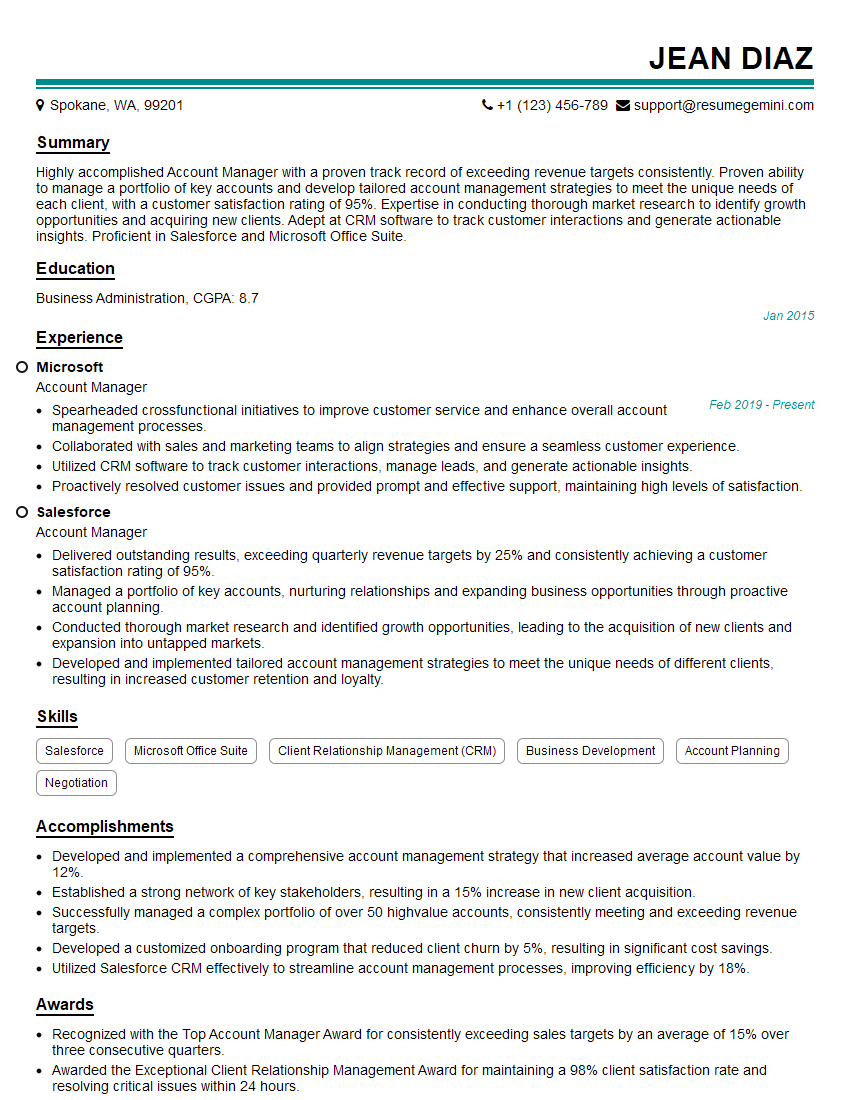
Account Manager Resume Sample
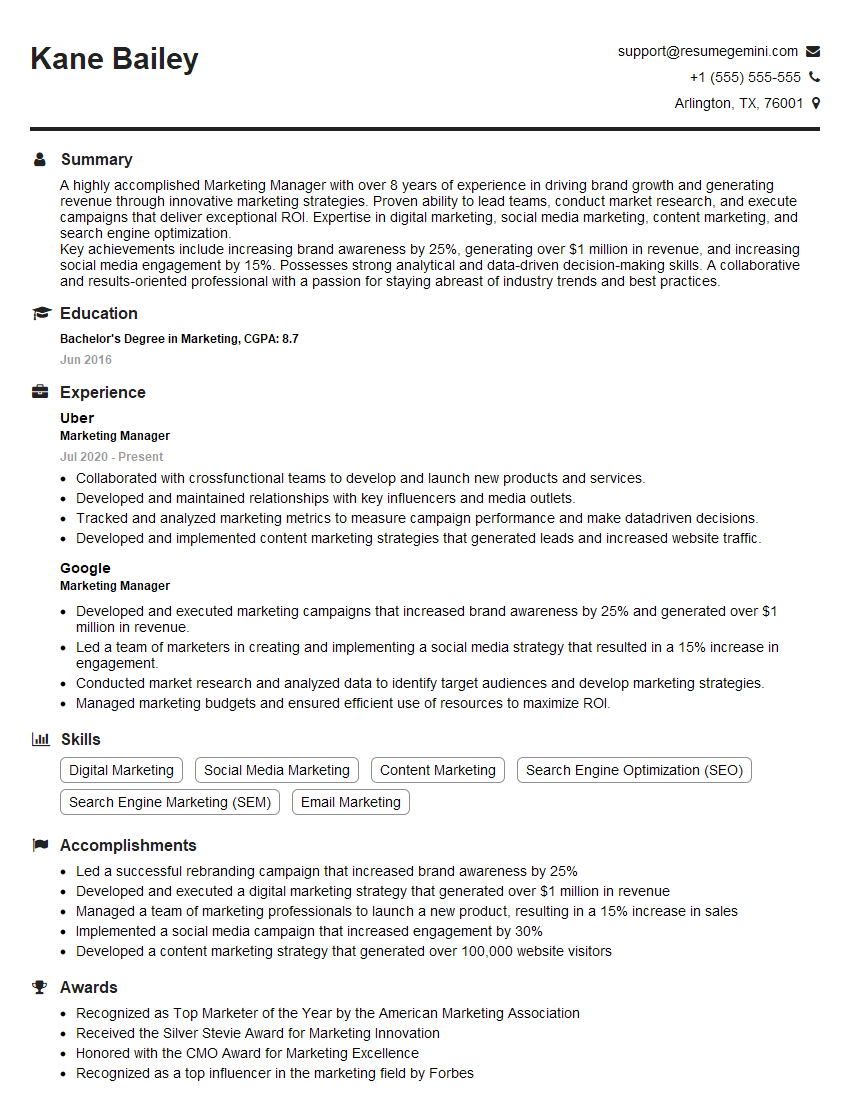
Marketing Manager Resume Sample
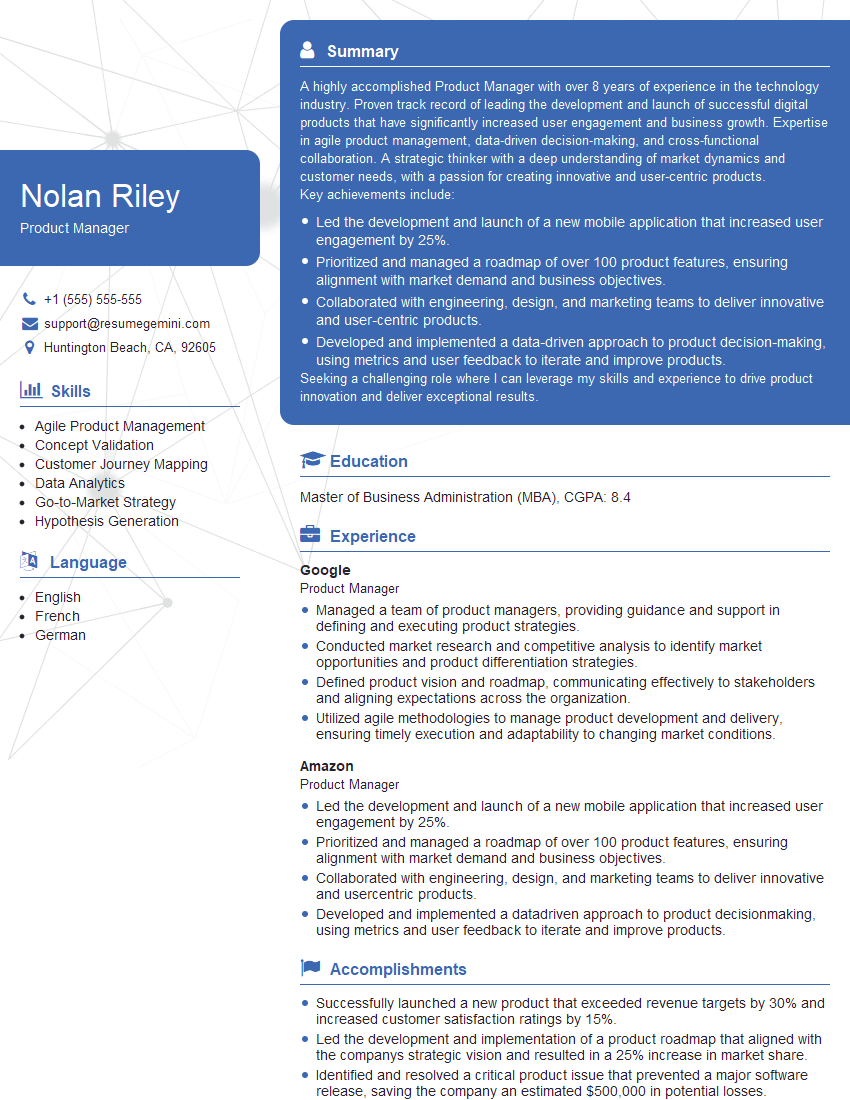
Product Manager Resume Sample
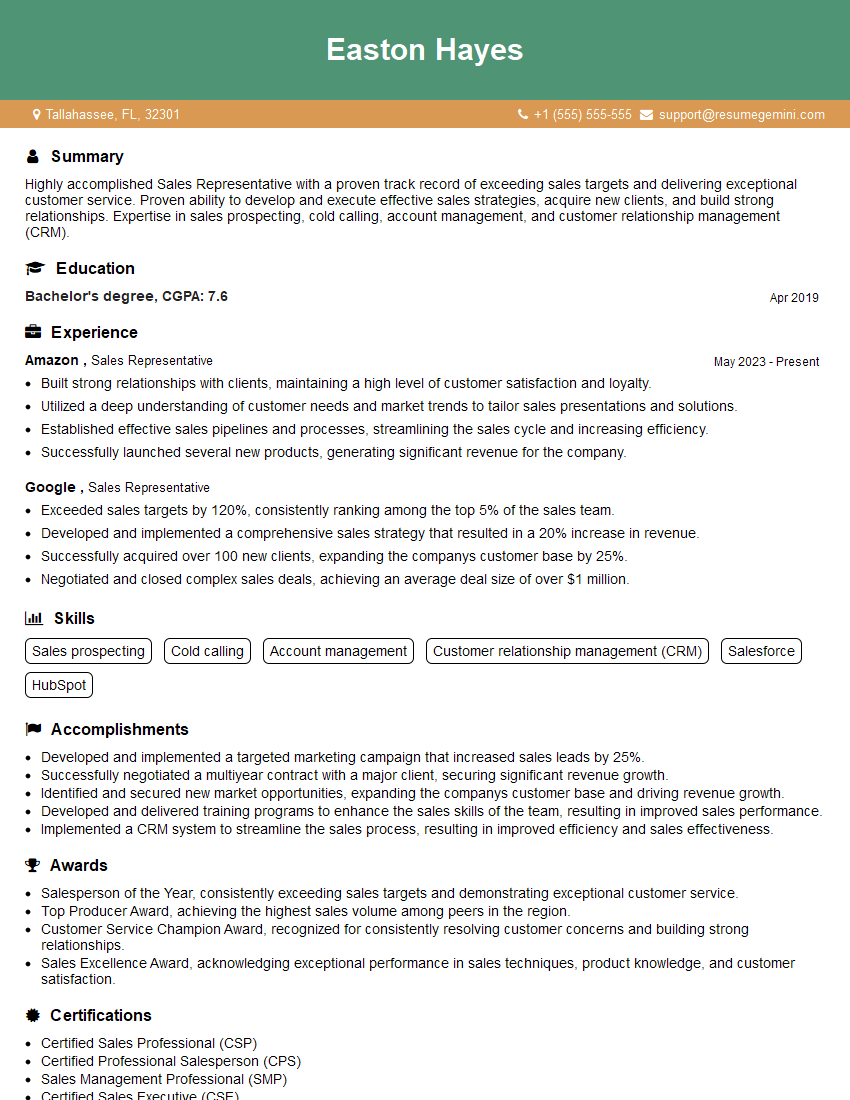
Sales Representative Resume Sample
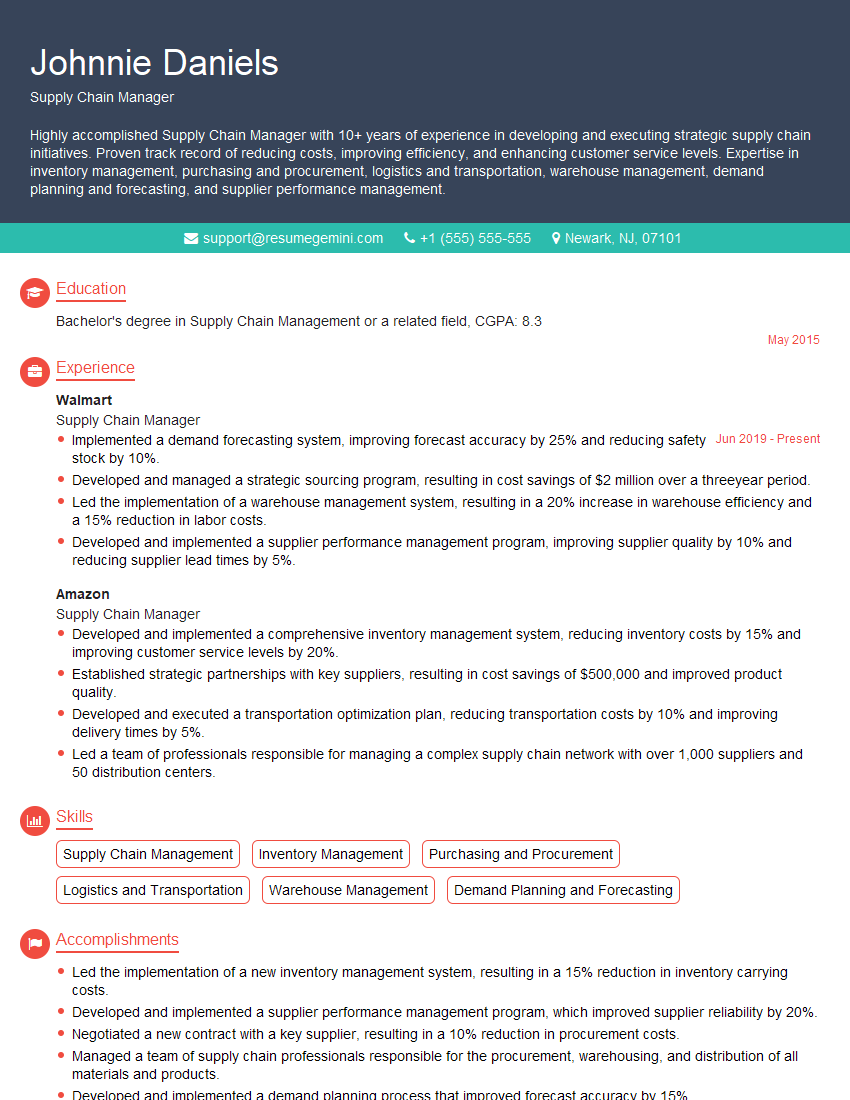
Supply Chain Manager Resume Sample
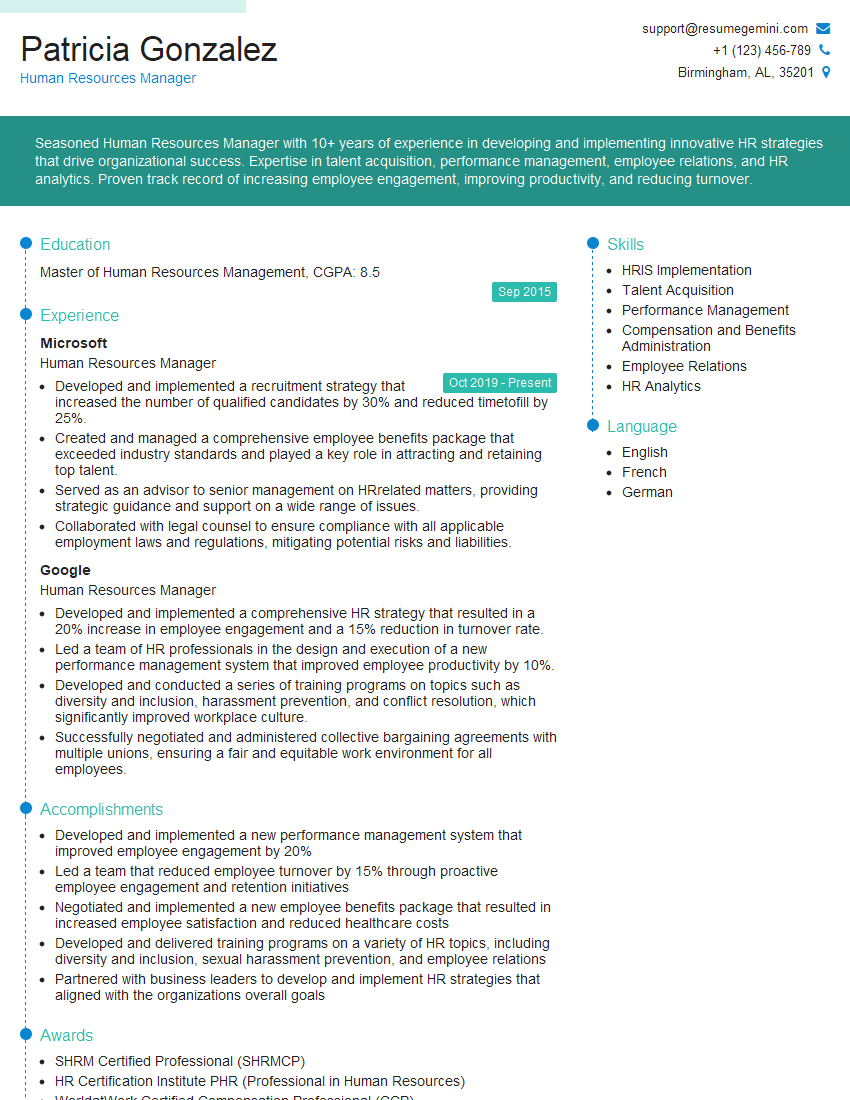
Human Resources Manager Resume Sample
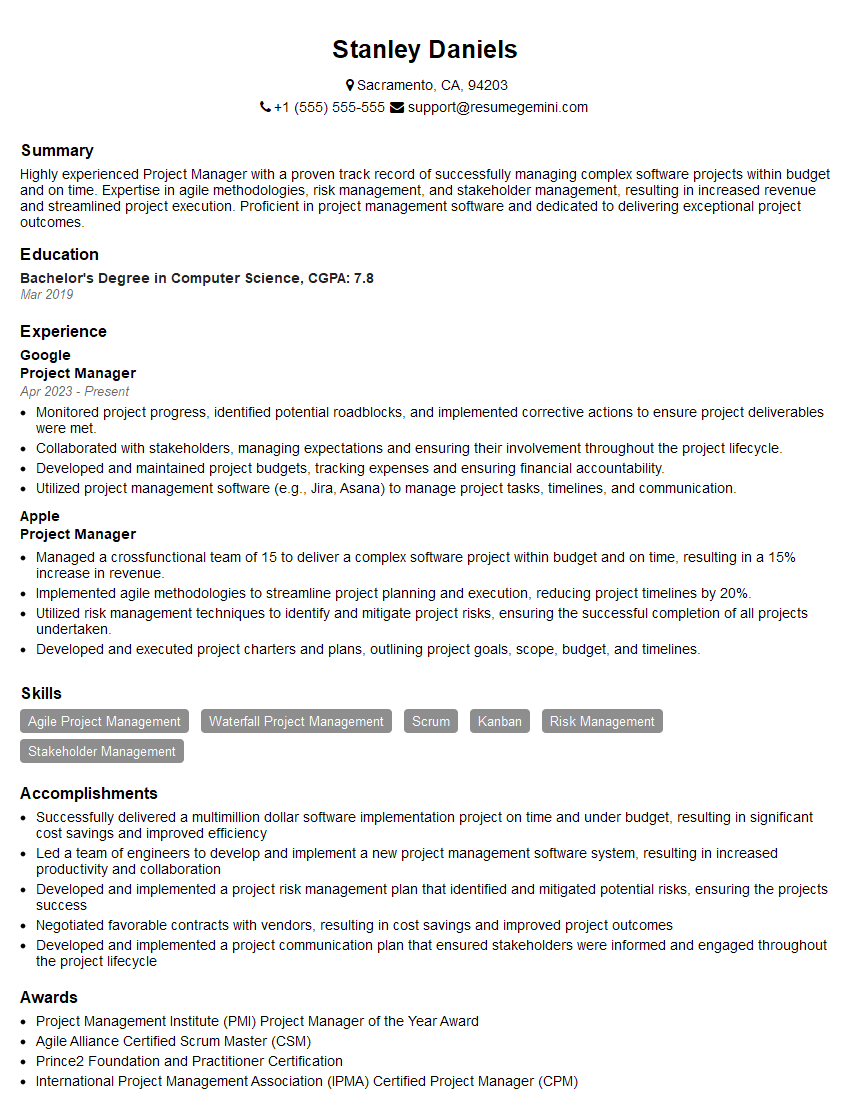
Project Manager Resume Sample

Compliance Officer Resume Sample
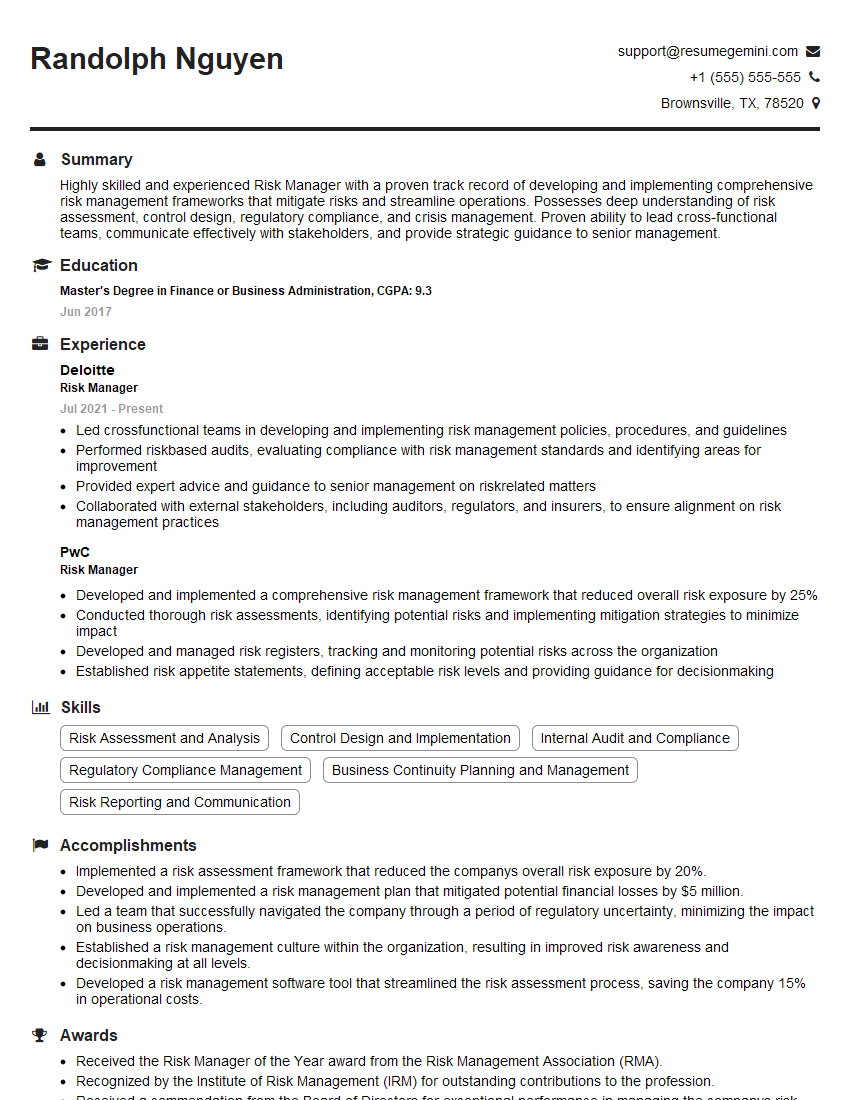
Risk Manager Resume Sample
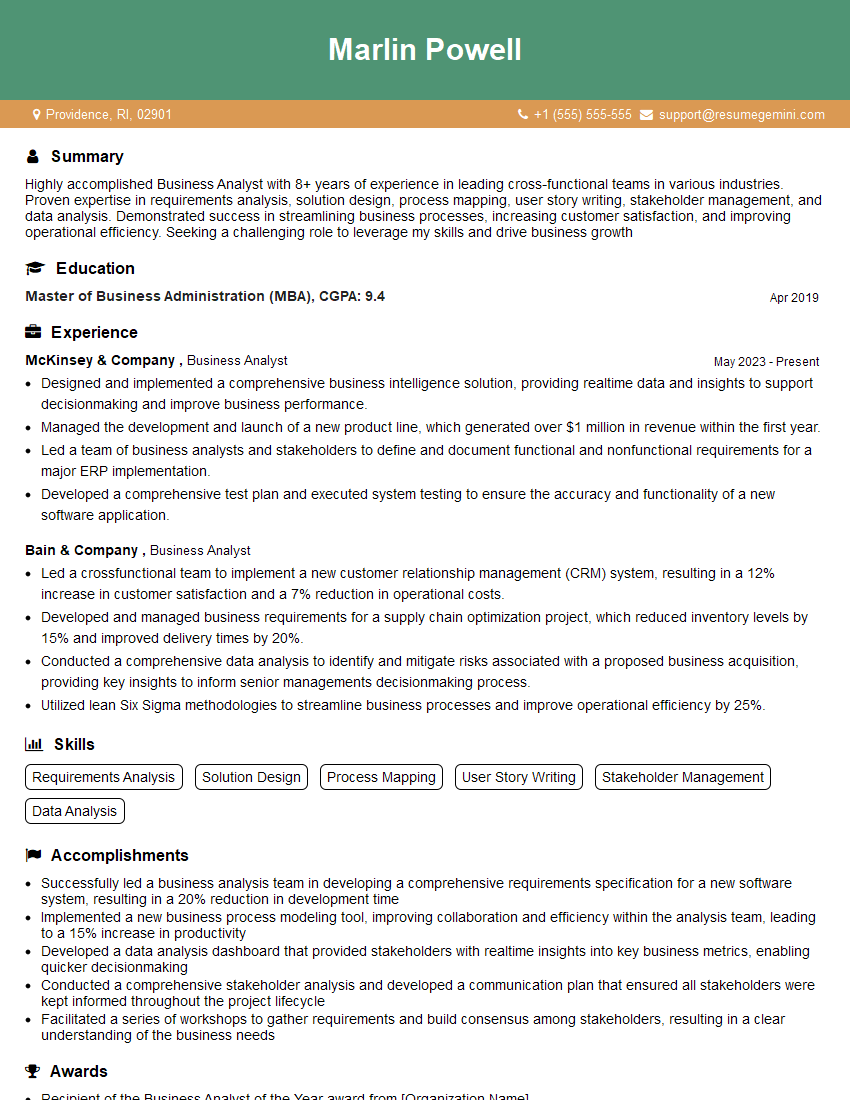
Business Analyst Resume Sample

Training Specialist Resume Sample
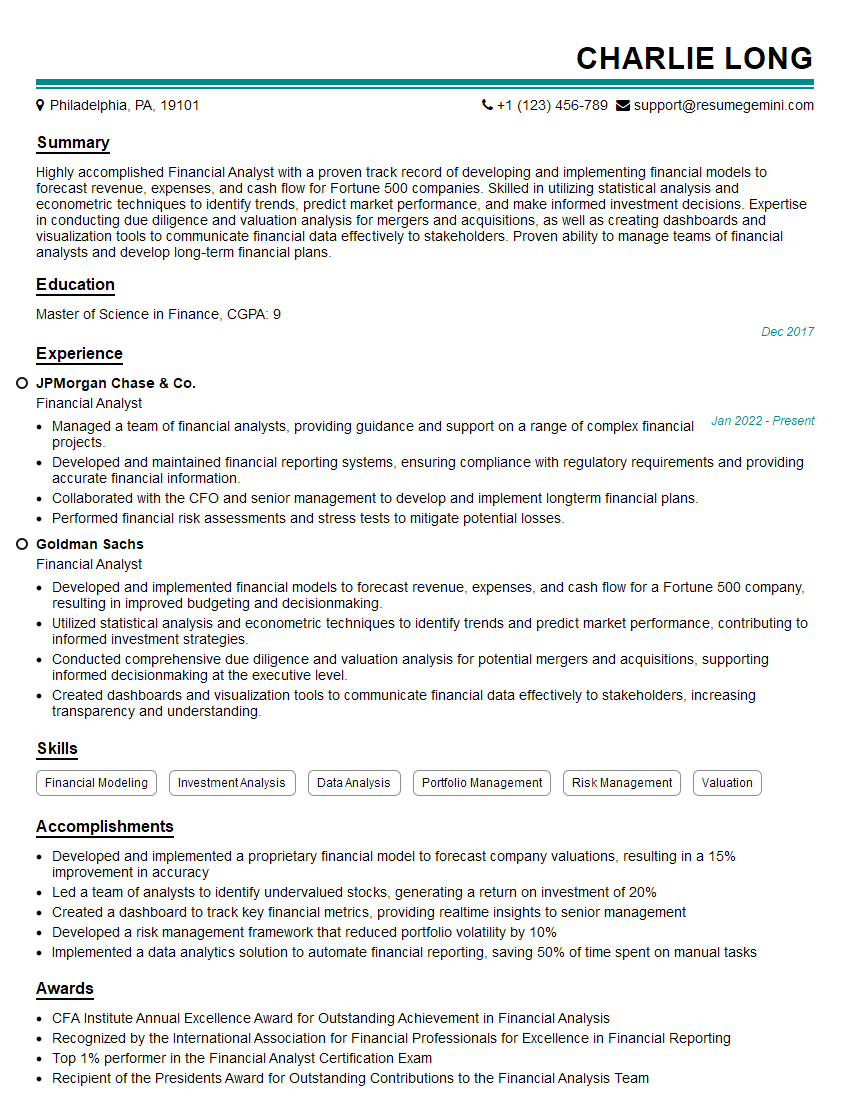
Financial Analyst Resume Sample
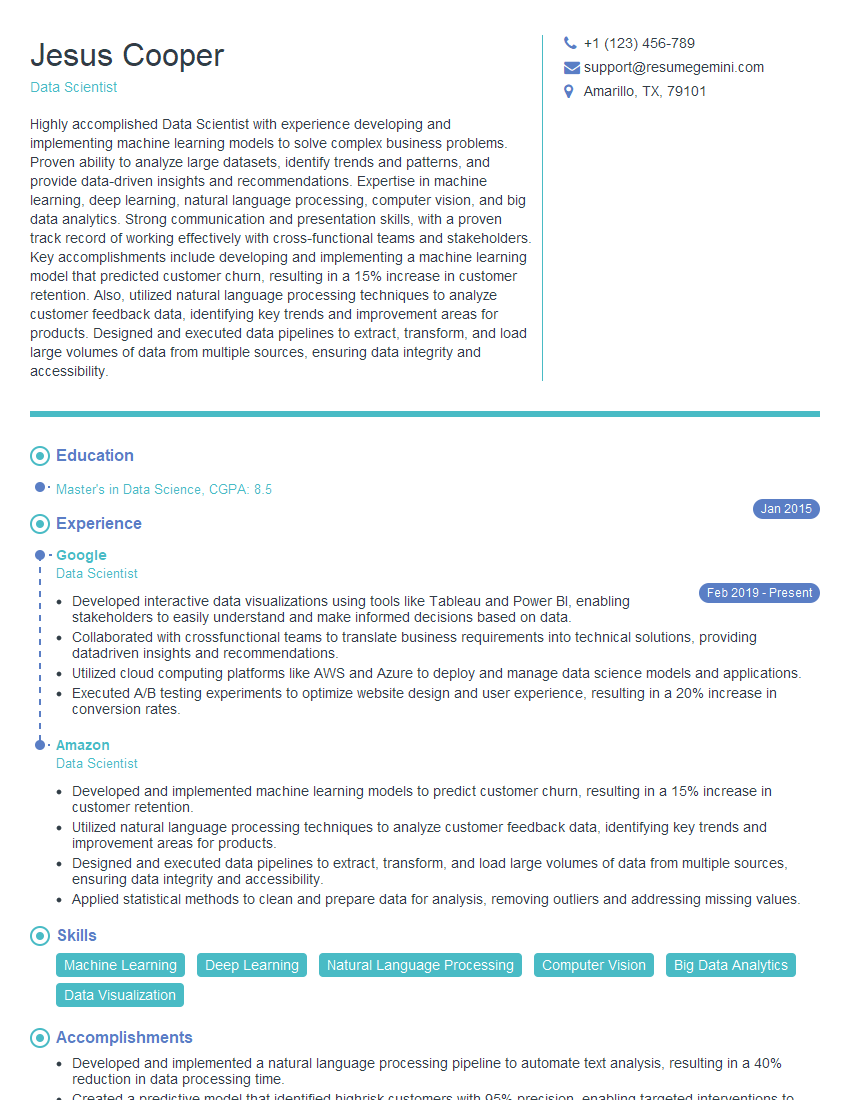
Data Scientist Resume Sample
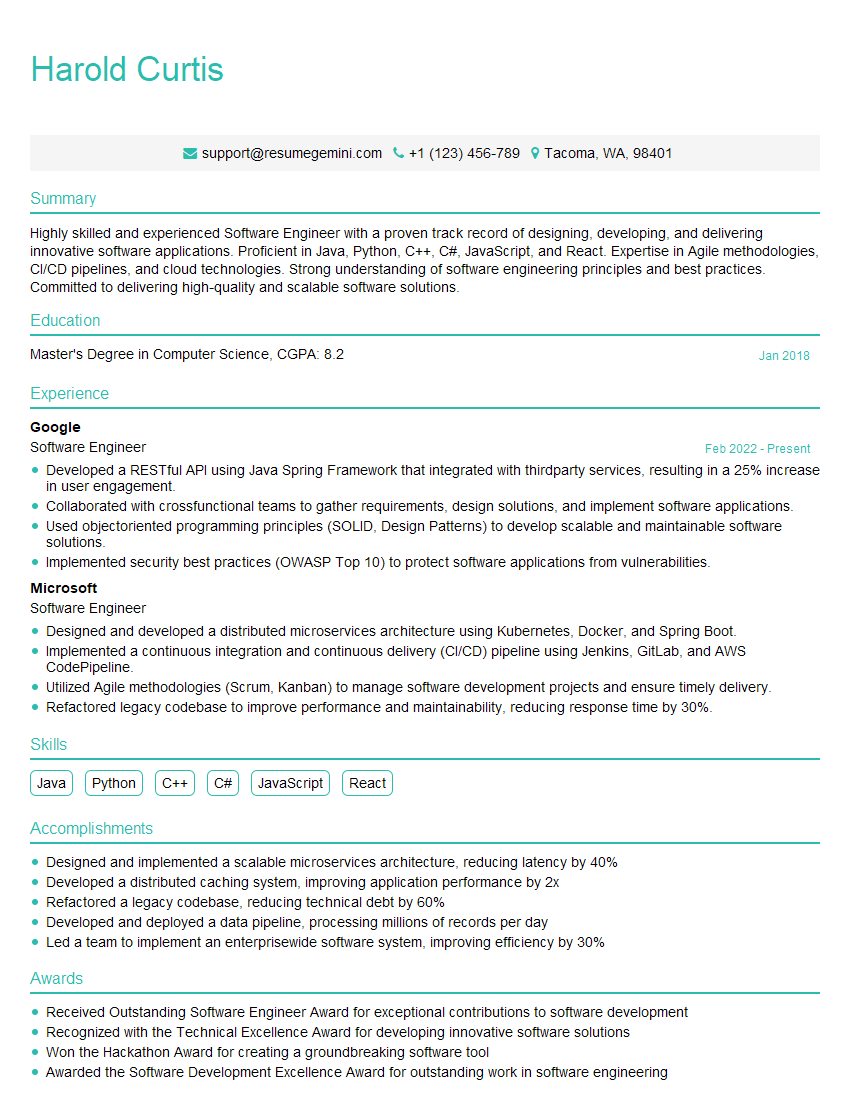
Software Engineer Resume Sample
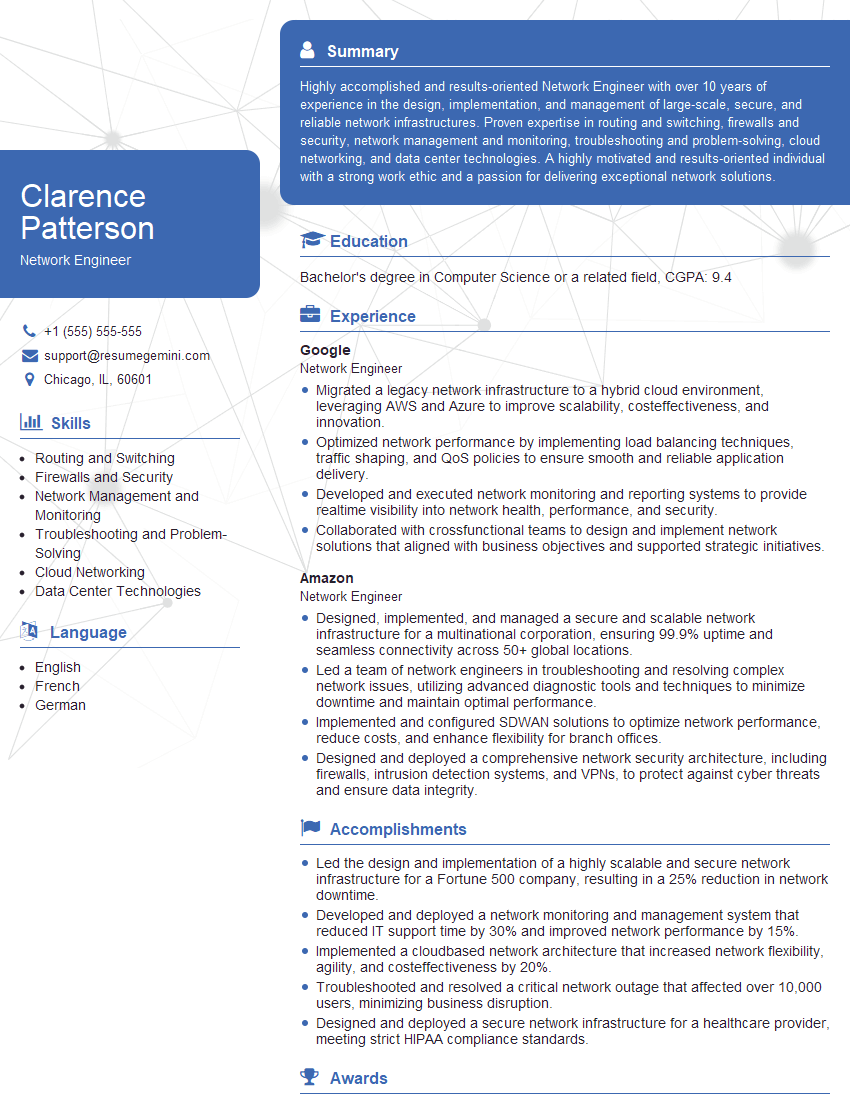
Network Engineer Resume Sample
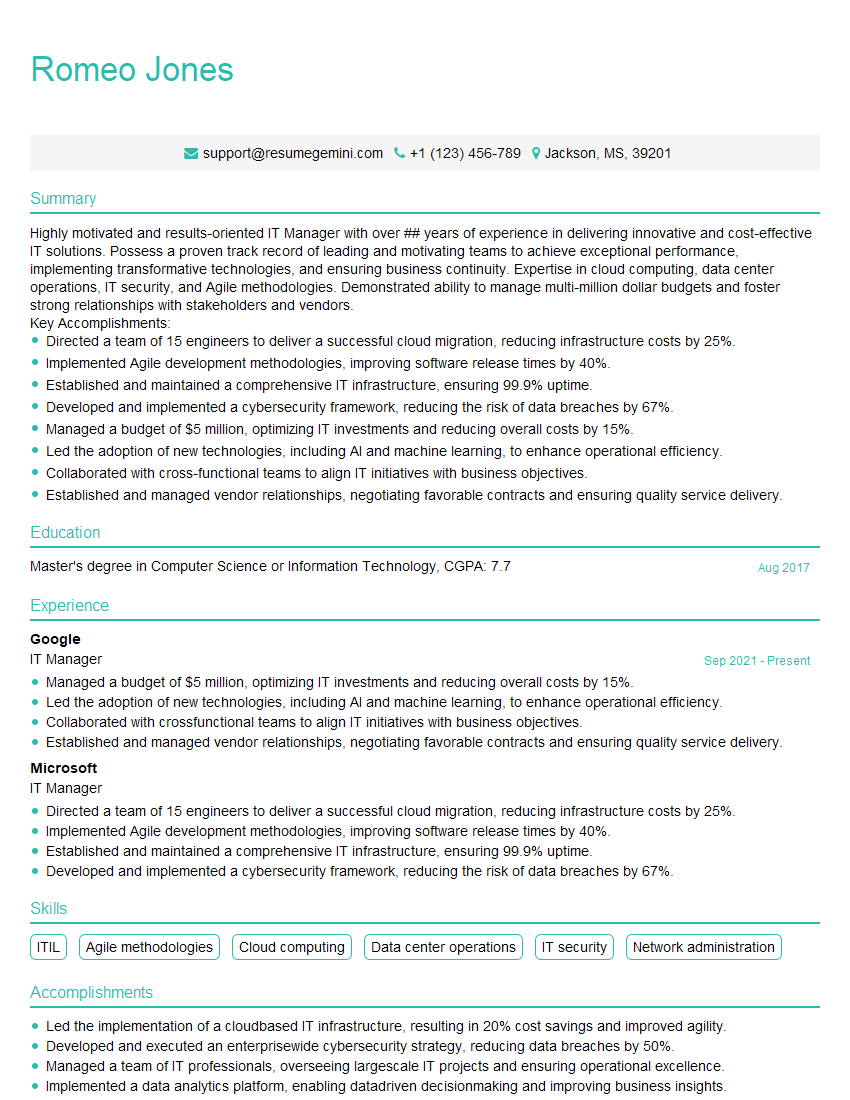
IT Manager Resume Sample
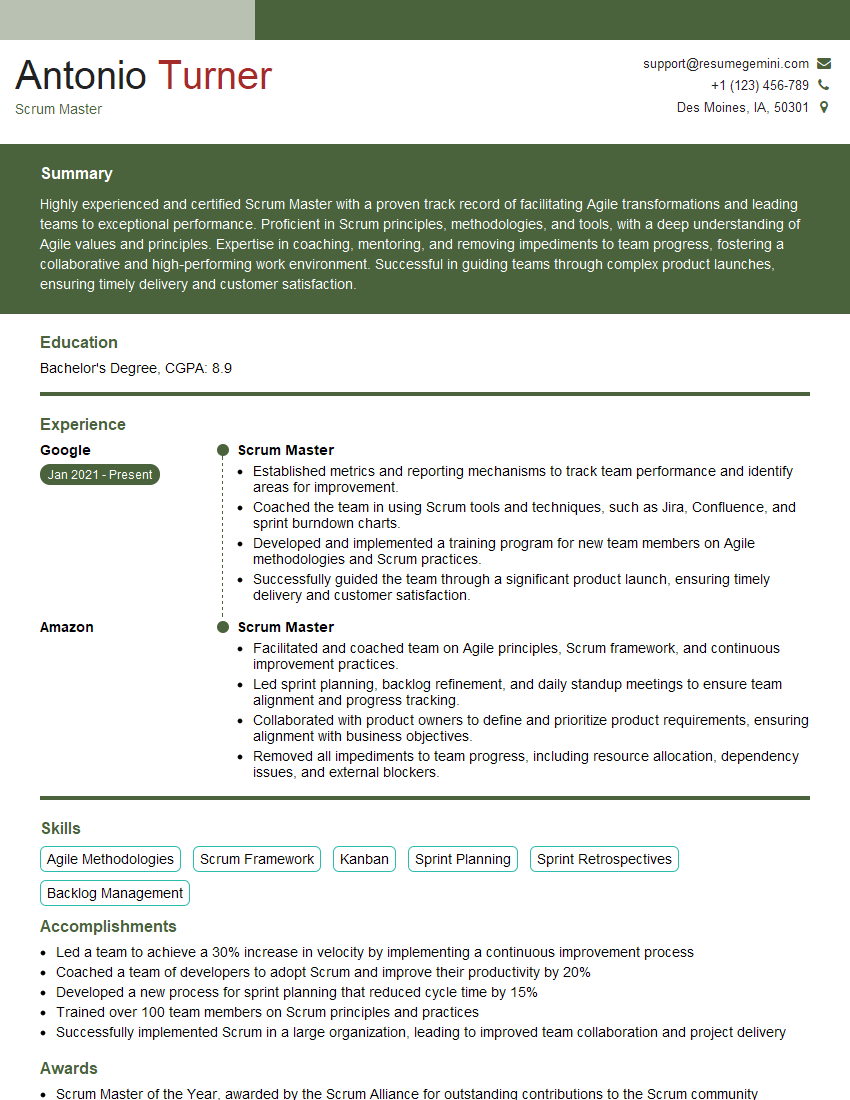
Scrum Master Resume Sample

Technical Writer Resume Sample
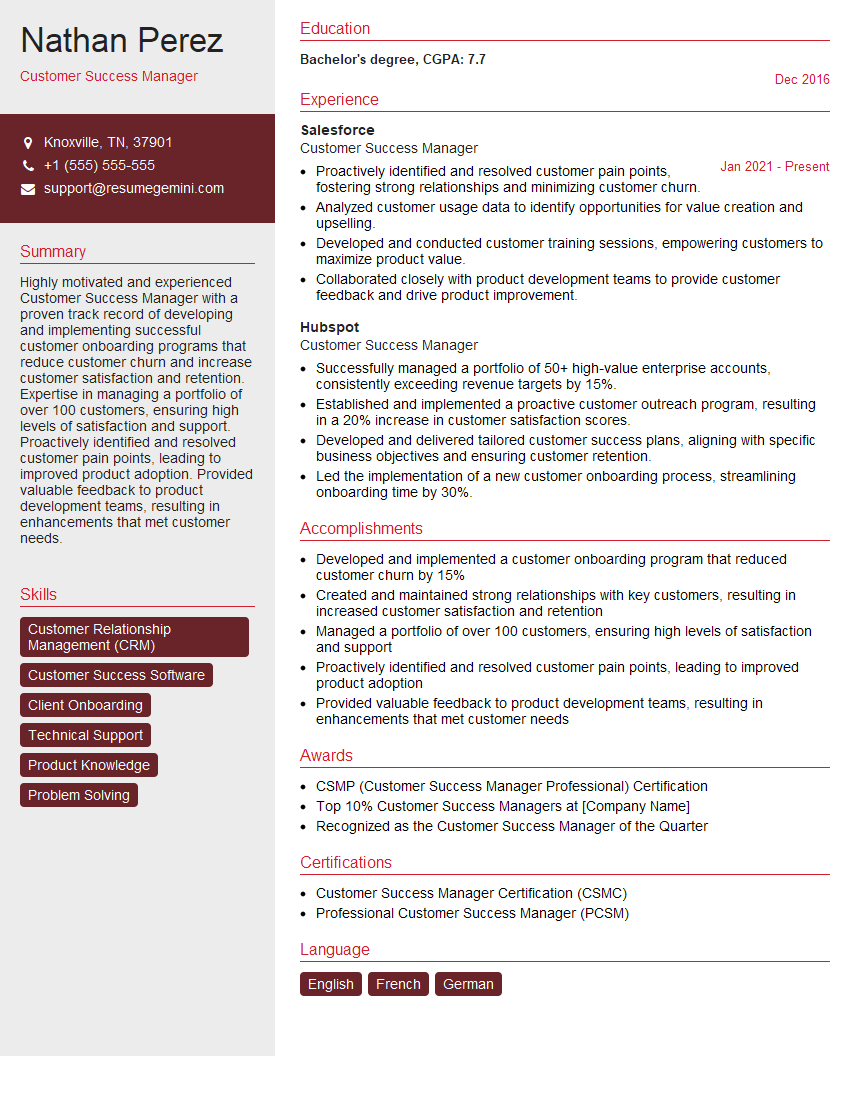
Customer Success Manager Resume Sample
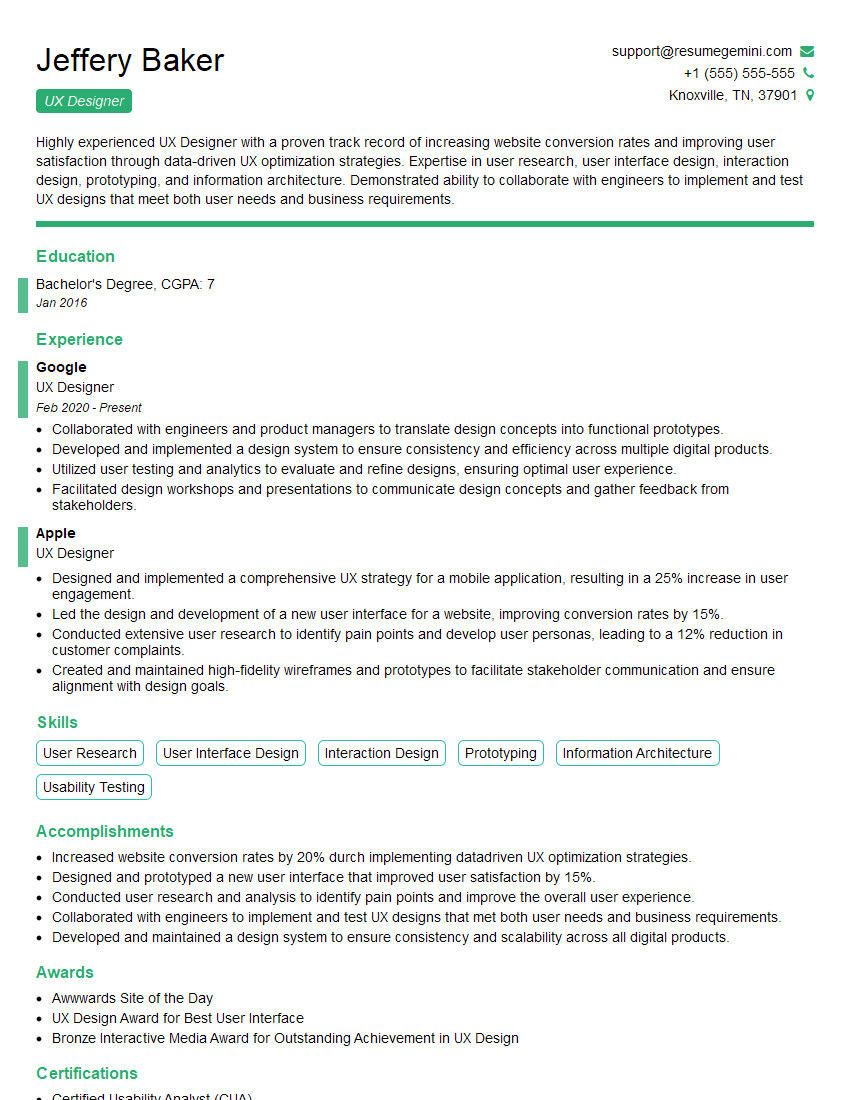
UX Designer Resume Sample
- Operations Manager
- Account Manager
- Marketing Manager
- Product Manager
- Sales Representative
- Supply Chain Manager
- Human Resources Manager
- Project Manager
- Compliance Officer
- Risk Manager
- Business Analyst
- Training Specialist
- Financial Analyst
- Data Scientist
- Software Engineer
- Network Engineer
- IT Manager
- Scrum Master
- Technical Writer
- Customer Success Manager
- UX Designer
Explore more articles
Users Rating of Our Blogs
Share Your Experience
We value your feedback! Please rate our content and share your thoughts (optional).
What Readers Say About Our Blog
To the interviewgemini.com Webmaster.
Very helpful and content specific questions to help prepare me for my interview!
Thank you
To the interviewgemini.com Webmaster.
This was kind of a unique content I found around the specialized skills. Very helpful questions and good detailed answers.
Very Helpful blog, thank you Interviewgemini team.