Interviews are more than just a Q&A session—they’re a chance to prove your worth. This blog dives into essential Allergy Testing and Management interview questions and expert tips to help you align your answers with what hiring managers are looking for. Start preparing to shine!
Questions Asked in Allergy Testing and Management Interview
Q 1. Describe the different types of allergy tests and their indications.
Allergy testing helps identify substances triggering allergic reactions. Several methods exist, each with specific applications.
- Skin Prick Test (SPT): A small amount of allergen is pricked onto the skin. A wheal (raised bump) indicates a positive reaction. It’s quick, inexpensive, and suitable for many common allergens like pollen, dust mites, and foods.
- Intradermal Test: Allergen is injected just under the skin. More sensitive than SPT but carries a slightly higher risk of systemic reaction, making it less frequently used. It’s primarily for diagnosing suspected drug allergies or when SPT results are inconclusive.
- Serum Specific IgE (Immunoglobulin E) Test (Blood Test): Measures the level of IgE antibodies specific to certain allergens in the blood. It’s useful for diagnosing allergies to a wide range of substances, especially when skin testing is contraindicated (e.g., severe eczema, taking antihistamines). Quantitative results provide information about the severity of the allergy.
- Patch Test: Used for diagnosing contact dermatitis (allergic reaction to substances touching the skin). Allergens are applied to the skin under patches for 48 hours. Positive reactions manifest as an inflamed area. This is vital for identifying allergic reactions to cosmetics, metals, or other topical substances.
- Provocative Tests: Involve controlled exposure to the suspected allergen. This includes oral food challenges (ingesting increasing amounts of a food under medical supervision) or inhalational challenges (inhaling increasing concentrations of an airborne allergen). This is usually a last resort when other tests are inconclusive or negative but clinical suspicion is high. They are performed in specialized settings due to the risk of severe reactions.
The choice of test depends on the suspected allergen, patient history, and clinical presentation. For instance, SPT is ideal for rapid screening of common inhalant allergens, while blood tests are preferred for diagnosing food allergies.
Q 2. Explain the interpretation of skin prick test results.
Interpreting skin prick test results involves observing the wheal and flare reaction at the prick site. A wheal is a raised, pale area, and the flare is the surrounding redness. A positive result shows a wheal greater than 3 mm in diameter compared to the negative control (saline). The size of the wheal generally correlates with the severity of the allergy, although this is not always the case. A larger wheal indicates a stronger reaction.
For example, a wheal of 5mm to pollen might indicate a moderate allergy, requiring environmental control measures. A wheal of 10mm could suggest a more significant allergy, possibly necessitating medication and allergen avoidance. It is crucial to note that the interpretation should be done in the clinical context of a patient’s symptoms and history. A positive result doesn’t always mean a clinically significant allergy, and clinical correlation is essential.
Negative results don’t automatically rule out an allergy, especially if clinical suspicion is high. This can necessitate further testing, such as a blood test for specific IgE.
Q 3. How do you differentiate between allergic and non-allergic reactions?
Differentiating between allergic and non-allergic reactions hinges on understanding the underlying mechanisms. Allergic reactions involve an IgE-mediated immune response, triggering mast cell degranulation and histamine release. Non-allergic reactions are not IgE-mediated; instead, they often involve other immune mechanisms, like direct mast cell activation or other inflammatory pathways.
- Allergic Reactions: Characterized by immediate onset (minutes to hours) after exposure, often involving itchy skin (urticaria or hives), swelling (angioedema), respiratory symptoms (wheezing, rhinitis), and gastrointestinal problems. These reactions typically exhibit a clear dose-response relationship (greater exposure leads to a more severe reaction). Specific IgE tests are usually positive.
- Non-allergic Reactions: Can have delayed onset (hours to days) and may lack the characteristic features of an allergic reaction. Symptoms can be varied and not always as clearly defined. Food intolerance (e.g., lactose intolerance causing bloating), drug side effects, and other inflammatory conditions can mimic allergic reactions. Specific IgE tests are generally negative.
A detailed history, physical examination, and appropriate allergy testing are crucial for accurate differentiation. For example, if a patient presents with immediate-onset hives and wheezing after eating peanuts, with a positive peanut-specific IgE test, it points towards a peanut allergy. If a patient experiences bloating and gastrointestinal discomfort only after consuming large quantities of dairy, but with a negative IgE test, it might suggest lactose intolerance rather than an allergy.
Q 4. What are the common causes of false-positive and false-negative allergy test results?
False-positive and false-negative allergy test results can occur due to various factors. Understanding these factors is critical for accurate diagnosis.
- False-positive results (showing allergy when none exists):
- High IgE levels due to other conditions: Conditions like atopic dermatitis or parasitic infections can elevate IgE levels, leading to false positives in blood tests.
- Skin reactions not related to allergy: Stress, anxiety, or local skin irritation can mimic a positive SPT reaction.
- Cross-reactivity: Some allergens share similar molecular structures, causing cross-reactivity. A positive reaction to one allergen might falsely indicate sensitivity to another.
- False-negative results (showing no allergy when one exists):
- Low allergen concentration: Insensitive testing methods can miss very low concentrations of allergens.
- Low IgE levels: Individuals with very low IgE responses might show a negative blood test despite experiencing allergic symptoms.
- Medications: Some medications (e.g., antihistamines) can suppress skin test reactions leading to false negatives.
- Poor test technique: Inadequate allergen dilutions or incorrect skin test administration can also affect results.
Careful clinical correlation, proper test selection, and consideration of possible confounding factors are essential to avoid misinterpretations. Repeating tests or utilizing alternative testing methods can be beneficial when results are ambiguous.
Q 5. Describe the management of anaphylaxis.
Anaphylaxis is a severe, life-threatening allergic reaction requiring immediate action. Management focuses on prompt administration of epinephrine (adrenaline) and supportive care.
Management steps:
- Immediate administration of epinephrine (auto-injector): This is the cornerstone of anaphylaxis treatment, rapidly reversing the effects of histamine release and improving cardiovascular function.
- Airway management: Secure the airway if necessary, possibly with advanced airway techniques like intubation. Oxygen should be given.
- Fluid resuscitation: Administer intravenous fluids to manage hypotension.
- Monitoring: Continuous monitoring of vital signs, respiratory status, and neurological function is essential.
- Supportive care: This may include antihistamines (to reduce symptoms such as hives and itching), corticosteroids (to reduce inflammation), and bronchodilators (to relieve wheezing).
- Transportation: Immediate transport to the nearest emergency department for ongoing observation and management. Even after initial improvement, patients must be observed as a recurrence is possible.
Training and Education: Individuals at risk of anaphylaxis should be educated on recognizing the symptoms, using an epinephrine auto-injector, and having an anaphylaxis action plan. This includes having the appropriate medications and alerting emergency personnel. Regular follow-up is vital.
Q 6. Explain the principles of immunotherapy and its application in allergy management.
Immunotherapy, also known as desensitization or allergy shots, aims to modify the immune system’s response to allergens. It works by gradually increasing exposure to the allergen, leading to a reduction in the allergic response over time.
Principles: The underlying principle is to induce a shift in the immune response from a Th2 (allergic) to a Th1 response (regulatory). Repeated low-dose allergen exposure gradually increases tolerance, leading to a reduction in IgE production and an increase in regulatory T cells. This is not a ‘cure’ for allergy but rather a way to manage it and potentially reduce the severity of reactions.
Application in Allergy Management: Immunotherapy is primarily used for treating allergic rhinitis (hay fever), allergic asthma, and insect venom allergies. It’s considered when avoidance measures are insufficient, symptoms are severe, and medication provides inadequate relief. It requires commitment to a long-term treatment regimen, usually for three to five years.
Q 7. Discuss the different types of immunotherapy available.
Several types of immunotherapy exist, differing in their administration and allergen preparation.
- Subcutaneous Immunotherapy (SCIT): Allergen extracts are injected subcutaneously (under the skin) at gradually increasing doses. This is the most common form of immunotherapy.
- Sublingual Immunotherapy (SLIT): Allergen extracts are administered under the tongue. This is a convenient option for some allergens, and some find it better tolerated.
- Rush immunotherapy: A rapid escalation of allergen doses within a relatively short time. Only done under medical supervision in hospital settings.
- Oral immunotherapy (OIT): Allergen is administered orally, often in food form. It is being researched for various allergies, but requires close monitoring due to the risk of severe reactions.
The choice of immunotherapy depends on several factors, including the specific allergy, patient preference, and the availability of treatments in that specific allergen. Each type has its advantages and disadvantages, and careful consideration is crucial for successful management. Careful patient selection and risk assessment are vital due to the potential for significant allergic reactions.
Q 8. How do you monitor patients undergoing immunotherapy?
Monitoring patients undergoing immunotherapy, also known as allergy shots, is crucial for safety and efficacy. It involves regular check-ups to assess both the patient’s response to the treatment and the potential for side effects.
We begin with a thorough initial assessment including a detailed allergy history and physical examination. Subsequently, we follow a stepwise approach, carefully increasing the allergen dose at each visit, typically spaced several weeks apart. This gradual escalation allows the immune system to adapt without triggering severe reactions.
During each visit, we closely monitor the patient for any immediate or delayed reactions. This includes questioning the patient about symptoms such as itching, hives, swelling, shortness of breath, or gastrointestinal distress. We also observe them for any signs of anaphylaxis, a severe, life-threatening allergic reaction. We may measure vital signs such as blood pressure and heart rate. Depending on the severity of the patient’s allergies and the type of immunotherapy, blood tests might be ordered to assess the changes in specific antibody levels.
Regular feedback from the patient is paramount. We encourage them to actively report any changes in their symptoms, even seemingly minor ones. This proactive approach is critical to adjust the treatment plan if necessary, ensuring patient safety and optimizing treatment outcome.
Q 9. What are the potential side effects of immunotherapy?
Immunotherapy, while highly effective for many, can cause side effects. These range from mild to severe. Mild side effects are the most common and usually occur at the injection site. They can include localized redness, swelling, itching, or pain. These typically resolve within a few hours or days.
More serious side effects, though less frequent, are a cause for concern. These can involve more systemic reactions such as generalized itching, hives, facial swelling (angioedema), difficulty breathing, dizziness, or a drop in blood pressure. In rare cases, a severe, life-threatening anaphylactic reaction can occur. This is a medical emergency requiring immediate treatment with epinephrine (adrenaline) and potentially hospitalization.
Delayed reactions, which can appear hours or days after an injection, are also possible and can include fatigue, muscle aches, fever, or a worsening of existing allergic symptoms. Each patient’s experience is unique, and the severity and type of side effects vary. It’s important for patients to be well-informed and to report any concerns or symptoms to their allergist immediately.
Q 10. How do you counsel patients about allergy management?
Counseling patients about allergy management is a key component of effective care. It goes beyond simply explaining diagnoses and treatments; it’s about empowering patients to take control of their allergies. This includes a collaborative discussion about the patient’s specific allergy triggers, severity of symptoms, and lifestyle. We aim to develop a comprehensive and personalized management plan.
We start by educating the patient about their condition, explaining the underlying mechanisms of their allergies and how different triggers affect them. We discuss avoidance strategies, focusing on practical steps they can take to minimize exposure to allergens. For example, if a patient is allergic to dust mites, we discuss strategies like using hypoallergenic bedding, frequent vacuuming with a HEPA filter vacuum, and regular washing of bedding.
Medication management is another key aspect of counseling. This includes explaining the proper use of medications such as antihistamines, decongestants, nasal corticosteroids, and leukotriene modifiers. We address any concerns about medication side effects and answer their questions openly and honestly. The use of an action plan for managing emergencies, including the proper use of an epinephrine auto-injector, is a critical element of our discussion. Finally, we encourage open communication, emphasizing the importance of regularly scheduled follow-up appointments and encouraging patients to contact us with any questions or concerns between appointments.
Q 11. Describe the role of diet in allergy management.
Diet plays a significant role in allergy management, particularly for food allergies. For individuals with food allergies, strict avoidance of the allergenic food is paramount. This often involves careful reading of food labels and being mindful of potential cross-contamination in food preparation and handling. For example, someone with a peanut allergy must carefully read labels and be aware of potential peanut residues in shared kitchen equipment.
For other allergies, the role of diet is less direct. However, some studies suggest that certain dietary patterns might influence the severity of allergic symptoms in some individuals. For example, diets rich in anti-inflammatory foods may potentially provide some benefit in managing inflammation associated with allergic conditions. Conversely, certain foods, particularly highly processed foods or those rich in saturated fats and sugars, might exacerbate inflammation.
It’s crucial to understand that there is no universally agreed-upon ‘allergy diet’ that cures or prevents all allergies. While a healthy, balanced diet is always beneficial for overall health, dietary changes should be made under the guidance of both an allergist and a registered dietitian. They can help tailor recommendations to suit individual needs and medical conditions. Self-prescribed dietary changes, especially restrictive ones, can sometimes lead to nutritional deficiencies and should always be undertaken with professional medical supervision.
Q 12. How do you manage allergic reactions in an emergency setting?
Managing allergic reactions in an emergency setting demands a swift and decisive response. The severity of the reaction dictates the approach. Mild reactions, like mild itching or hives, might be managed with over-the-counter antihistamines. However, more serious reactions require immediate medical intervention.
Anaphylaxis, a life-threatening systemic allergic reaction, is a medical emergency. The hallmark of anaphylaxis is a sudden onset of symptoms, typically involving multiple organ systems. These can include difficulty breathing (wheezing, shortness of breath), swelling of the throat or tongue (angioedema), dizziness, drop in blood pressure, rapid heart rate, and loss of consciousness.
The first line of treatment for anaphylaxis is epinephrine (adrenaline), administered via an auto-injector (like an EpiPen). Epinephrine should be administered immediately, even before emergency medical services arrive. This medication reverses the effects of the allergic reaction by constricting blood vessels and relaxing the airways. Following epinephrine administration, immediate transport to the nearest emergency room is essential for monitoring, further treatment, and observation to prevent recurrence.
In the emergency room setting, further management may involve intravenous fluids, oxygen therapy, and possibly additional medications such as antihistamines, corticosteroids, and bronchodilators. Continuous monitoring of vital signs is crucial. The patient needs careful observation for hours to ensure the reaction has fully subsided and there’s no risk of recurrence. For individuals at high risk of anaphylaxis, regular training on the proper use of epinephrine auto-injectors is absolutely essential.
Q 13. What are the common triggers for allergic rhinitis and asthma?
Allergic rhinitis (hay fever) and asthma share many common triggers, with significant overlap between the two conditions. These triggers can be broadly categorized as indoor and outdoor allergens.
Outdoor triggers: Pollen from trees, grasses, and weeds is a major culprit, with the specific pollen type depending on the geographic location and season. Mold spores, which are prevalent in damp environments, can also trigger reactions. Outdoor air pollutants, such as exhaust fumes and industrial emissions, can exacerbate symptoms.
Indoor triggers: Dust mites are microscopic organisms living in bedding, carpets, and upholstery. Their fecal matter is a potent allergen. Pet dander (animal skin flakes) and cockroach allergens are also significant contributors. Mold can grow indoors in damp areas, including bathrooms and basements. Certain cleaning agents and perfumes can also cause reactions.
It’s important to note that individuals can be sensitive to different combinations of these triggers, and the severity of the reaction can vary considerably. Identifying the specific triggers for a particular individual is key to developing an effective management plan.
Q 14. How do you differentiate between allergic rhinitis and a common cold?
Differentiating between allergic rhinitis and the common cold can be challenging, as they share some similar symptoms like nasal congestion, sneezing, and runny nose. However, key differences exist that can aid in diagnosis.
Allergic Rhinitis: Typically presents with itchy eyes, nose, and palate. Symptoms are often seasonal or related to specific exposures. They tend to be more persistent, lasting weeks or months, rather than resolving within a week or two. A family history of allergies is common.
Common Cold: Generally lacks the characteristic itchiness associated with allergies. Symptoms usually include a sore throat, cough, and fever or body aches. The duration is usually shorter, lasting around 7-10 days. The timing isn’t necessarily associated with specific allergens or seasons.
Further investigation might involve allergy testing (skin prick test or blood test) to confirm the diagnosis of allergic rhinitis. If symptoms are persistent, or if there is a significant impact on daily life, consulting an allergist is recommended for appropriate diagnosis and management. Proper diagnosis is crucial as treatment differs considerably; antihistamines are often effective for allergic rhinitis but don’t treat the common cold.
Q 15. Explain the role of environmental control in allergy management.
Environmental control is a cornerstone of allergy management. It involves identifying and minimizing exposure to allergens that trigger allergic reactions. Think of it as creating a ‘safe haven’ for your immune system.
- Dust mites: Regular cleaning, using allergen-impermeable covers for mattresses and pillows, and maintaining low humidity are crucial.
- Pet dander: Restricting pets from bedrooms, regular vacuuming with HEPA filters, and bathing pets frequently can help.
- Pollen: Keeping windows closed during high pollen counts, showering after outdoor activities, and using air purifiers can reduce exposure.
- Mold: Fixing leaks, using dehumidifiers, and cleaning moldy areas promptly are essential.
For example, a patient with severe dust mite allergy might benefit from replacing carpets with hardwood floors, frequently washing bedding in hot water, and using an air purifier with a HEPA filter. These measures aim to significantly reduce their exposure and improve their symptoms.
Career Expert Tips:
- Ace those interviews! Prepare effectively by reviewing the Top 50 Most Common Interview Questions on ResumeGemini.
- Navigate your job search with confidence! Explore a wide range of Career Tips on ResumeGemini. Learn about common challenges and recommendations to overcome them.
- Craft the perfect resume! Master the Art of Resume Writing with ResumeGemini’s guide. Showcase your unique qualifications and achievements effectively.
- Don’t miss out on holiday savings! Build your dream resume with ResumeGemini’s ATS optimized templates.
Q 16. What are the different classes of medications used in allergy management?
Allergy management utilizes several classes of medications, each targeting different aspects of the allergic response:
- Antihistamines: These block the action of histamine, a key mediator of allergic inflammation. They come in various generations, with newer ones causing less drowsiness.
- Corticosteroids: Powerful anti-inflammatory drugs that reduce swelling and inflammation in the airways and other affected tissues. They are available as nasal sprays, inhalers, or oral medications.
- Leukotriene inhibitors: These block leukotrienes, another inflammatory mediator, particularly helpful for asthma and allergic rhinitis.
- Decongestants: These constrict blood vessels in the nasal passages, providing temporary relief from nasal congestion. They are often combined with antihistamines.
- Immunotherapy (Allergy shots): This involves gradually introducing increasing doses of the allergen to desensitize the immune system over time. It’s a long-term approach but can lead to significant improvement.
Q 17. Describe the mechanism of action of antihistamines.
Antihistamines work by blocking the action of histamine at its receptor sites on cells. Histamine, released by mast cells during an allergic reaction, causes various symptoms like sneezing, itching, runny nose, and swelling. By preventing histamine from binding to its receptors, antihistamines effectively reduce these symptoms.
Imagine histamine as a key trying to unlock a door (the receptor) on a cell, triggering an allergic response. Antihistamines act as a ‘jammer’, preventing the key (histamine) from entering the lock and initiating the reaction.
Q 18. Explain the mechanism of action of corticosteroids.
Corticosteroids are potent anti-inflammatory medications. They work by reducing the production and release of inflammatory mediators, like histamine and leukotrienes, from immune cells. They also decrease the number of inflammatory cells in the affected area. This leads to a reduction in swelling, redness, and irritation.
Think of corticosteroids as the ‘peacekeepers’ of the immune system. They calm the inflammatory cascade, reducing the overall allergic response. This makes them very effective in treating severe allergic reactions and inflammatory conditions like asthma and eczema.
Q 19. Discuss the role of leukotriene inhibitors in asthma management.
Leukotriene inhibitors are particularly valuable in asthma management. Leukotrienes are inflammatory substances that contribute to airway constriction, mucus production, and inflammation in asthma. By blocking leukotriene receptors, these medications help reduce these symptoms, improving lung function and reducing the frequency and severity of asthma attacks.
They are often used as an add-on therapy to inhaled corticosteroids, especially for patients whose asthma isn’t well controlled with corticosteroids alone.
Q 20. How do you choose the appropriate medication for an allergic patient?
Choosing the right medication involves a careful assessment of the patient’s specific allergies, symptoms, severity of the condition, and overall health status. It’s crucial to consider factors like the patient’s age, other medical conditions, and potential drug interactions.
- Mild allergic rhinitis: An antihistamine may be sufficient.
- Moderate-to-severe allergic rhinitis or asthma: A combination of an inhaled corticosteroid and a leukotriene inhibitor or a long-acting antihistamine might be necessary.
- Severe allergic reactions (anaphylaxis): Prompt administration of epinephrine is crucial, followed by ongoing management.
For example, a young child with mild seasonal allergies might be treated with a liquid antihistamine, while an adult with severe asthma could require inhaled corticosteroids and a leukotriene modifier.
This decision-making process is best handled in consultation with an allergist or healthcare professional who can carefully evaluate individual needs and adjust treatment as needed.
Q 21. What are the common complications associated with allergic diseases?
Allergic diseases can have various complications, ranging from mild to severe:
- Asthma exacerbations: Allergic triggers can worsen asthma, leading to increased wheezing, coughing, and shortness of breath.
- Sinusitis: Allergic rhinitis can lead to inflammation and infection of the sinuses.
- Eczema (Atopic dermatitis): This inflammatory skin condition is often associated with other allergic diseases.
- Food allergies: Severe reactions, including anaphylaxis, can be life-threatening.
- Conjunctivitis: Inflammation of the conjunctiva (the membrane lining the eyelids and covering the white part of the eye).
- Anaphylaxis: A severe, life-threatening allergic reaction requiring immediate medical attention.
Proper management of allergies is vital to prevent these complications and improve the patient’s quality of life. Regular check-ups with an allergist are recommended, especially for individuals with severe allergies.
Q 22. Explain the concept of cross-reactivity in allergies.
Cross-reactivity in allergies occurs when your immune system mistakenly reacts to a substance because it shares similar molecular structures with an allergen you’re already allergic to. Think of it like this: your immune system has developed a ‘key’ (an antibody) that fits a specific ‘lock’ (an allergen). If another substance has a similar ‘lock’ shape, the same ‘key’ might accidentally open it, triggering an allergic reaction.
For example, someone allergic to pollen might also experience symptoms when they eat certain fruits or vegetables, because proteins in these foods share similar structures to those in the pollen. This is because the immune system recognizes similar epitopes (antigenic determinants) on both the pollen and the food. Another common example is the cross-reactivity between cat dander and cow’s milk proteins. A person sensitive to one may also show a reaction to the other.
Understanding cross-reactivity is crucial in diagnosis and management, as it can explain seemingly inexplicable allergic reactions and guide appropriate avoidance strategies.
Q 23. How do you manage patients with multiple allergies?
Managing patients with multiple allergies requires a comprehensive and individualized approach. It begins with a thorough allergy workup to identify all allergens, using skin prick tests, blood tests (such as specific IgE), and a detailed history of reactions. Once the allergens are known, we prioritize them based on the severity and frequency of reactions.
- Avoidance: This is the cornerstone of management. We work with the patient to create a detailed avoidance plan, focusing on the most significant allergens. This involves meticulous label reading, environmental control (e.g., air purifiers for dust mites), and lifestyle adjustments.
- Pharmacotherapy: Depending on the specific allergies and the severity of the reactions, we might prescribe medications such as antihistamines, nasal corticosteroids, leukotriene inhibitors, or even epinephrine auto-injectors (like EpiPens) for emergency use.
- Immunotherapy (Allergy Shots): In some cases, especially for severe allergies that are difficult to manage with avoidance and medication, allergen immunotherapy, or allergy shots, can be a very effective option. This gradually desensitizes the patient to the allergen.
- Regular follow-up: Frequent monitoring is essential to assess the effectiveness of the treatment plan, identify any new allergies, and adapt the plan as needed.
Ultimately, the goal is to minimize exposure to allergens and to equip the patient with the knowledge and tools to manage their allergies effectively and safely.
Q 24. How do you approach a patient with a suspected new allergy?
Suspected new allergies necessitate a careful and systematic approach. The process starts with a thorough history, documenting the symptoms, the suspected trigger, the timing of symptom onset, and the duration of symptoms. This helps in generating a differential diagnosis. Then:
- Detailed History: I ask about the circumstances surrounding the potential allergic reaction, including the time of onset, the location, exposure to potential allergens, and any associated symptoms.
- Physical Examination: I conduct a physical exam to evaluate the patient’s overall health and assess the extent of any symptoms (e.g., rash, swelling, respiratory distress).
- Allergy Testing: This is crucial in confirming a suspected allergy. Skin prick tests are commonly used for immediate hypersensitivity reactions as they’re quick, cost-effective and relatively easy to perform. Blood tests (specific IgE) can be used for both immediate and delayed hypersensitivity reactions and when skin tests are not possible. The choice of test depends on the suspected allergen and the patient’s history.
- Provocative Challenges (rare): In some instances, a controlled challenge test may be performed under strict medical supervision to confirm a suspected allergy when other tests are inconclusive. This method should be reserved for when other test results are uncertain and the potential risks are carefully weighed against the benefits.
- Differential Diagnosis: It’s essential to exclude other potential causes of the symptoms before making a definitive diagnosis of a new allergy. This may involve consultation with other specialists, depending on the symptoms.
The entire process ensures that the diagnosis is accurate and that a proper management plan can be developed.
Q 25. Describe your experience with interpreting allergy test results.
Interpreting allergy test results requires a comprehensive understanding of both the testing methodologies and the patient’s clinical presentation. I don’t rely solely on the test results; instead, I integrate the test data with the patient’s history, physical examination findings, and other relevant information to arrive at an accurate diagnosis.
For instance, a positive skin prick test doesn’t automatically equate to a clinically significant allergy. The size of the wheal and flare, the patient’s symptom history related to the suspected allergen, and potential cross-reactivity are all crucial factors to consider. Similarly, a negative skin prick test doesn’t definitively rule out an allergy, especially if the patient has a strong clinical history suggestive of allergy.
Blood tests for specific IgE provide quantitative data, indicating the level of IgE antibodies specific to various allergens. These levels can be helpful in assessing the severity of the allergy, but again, clinical correlation remains essential. Overall, my interpretation of allergy test results is a multi-faceted process, incorporating clinical judgment and a holistic perspective.
Q 26. How do you stay updated on the latest advancements in allergy testing and management?
Staying updated in the field of allergy testing and management is crucial. I employ several strategies to maintain my knowledge base:
- Professional Organizations: Active membership in organizations like the American Academy of Allergy, Asthma & Immunology (AAAAI) and the American College of Allergy, Asthma & Immunology (ACAAI) provides access to journals, conferences, and continuing medical education (CME) opportunities.
- Peer-Reviewed Journals: I regularly review publications in leading allergy and immunology journals to stay abreast of the latest research findings and clinical guidelines.
- Conferences and Workshops: Attending national and international conferences allows me to learn about the newest diagnostic techniques, therapeutic approaches, and research breakthroughs directly from leading experts in the field.
- Online Resources and Databases: I utilize reputable online resources and medical databases (such as PubMed) to access the latest clinical trials, research papers, and review articles.
- CME Courses: I actively participate in continuing medical education courses to ensure that my knowledge and skills remain current and aligned with the best practices.
This multi-pronged approach enables me to provide my patients with the most up-to-date, evidence-based care.
Q 27. Discuss a challenging case involving allergy management and how you resolved it.
One challenging case involved a young child presenting with severe anaphylaxis after consuming peanuts. Initial skin prick testing was negative, causing considerable diagnostic uncertainty. The child’s history indicated that the reaction was very severe. However, a subsequent specific IgE blood test revealed a significantly elevated level of peanut-specific IgE antibodies, confirming the diagnosis.
The challenge lay in managing the child’s severe allergy. We implemented strict avoidance measures, providing the family with comprehensive education on peanut cross-reactivity and emergency preparedness. We also initiated immunotherapy (allergy shots), closely monitoring the child for any adverse reactions throughout the treatment. This case highlights the importance of utilizing a combination of testing methodologies and the necessity of careful clinical correlation. The child’s response to immunotherapy has been excellent, showing a marked reduction in their sensitivity to peanuts over time and significant improvement in their quality of life.
Q 28. What are your strategies for patient education and adherence?
Patient education and adherence are paramount in successful allergy management. My strategies include:
- Clear and Concise Communication: I explain allergy concepts in simple terms, ensuring the patient fully understands their diagnosis, the significance of avoidance measures, and the proper use of medications. Using visual aids (e.g., diagrams, illustrations) can also enhance understanding.
- Personalized Action Plans: We collaboratively develop personalized allergy action plans, detailing specific avoidance measures, medication regimens, and emergency procedures. These plans are tailored to each patient’s unique needs and circumstances.
- Written Instructions: I provide written instructions, including food labels to avoid, environmental control strategies, and medication guidelines, to reinforce verbal explanations and ensure information is easily accessible.
- Follow-up Appointments: Regular follow-up appointments provide opportunities to address questions, monitor progress, and adjust the management plan as needed. This proactive approach fosters adherence and strengthens the patient-physician relationship.
- Referral to Support Groups: Connecting patients with allergy support groups provides a platform for sharing experiences, gaining emotional support, and learning from others facing similar challenges.
By using these multi-faceted strategies, I empower patients to take an active role in managing their allergies and improve their quality of life.
Key Topics to Learn for Allergy Testing and Management Interview
- Types of Allergic Reactions: Understanding the mechanisms of IgE-mediated, non-IgE-mediated, and delayed-type hypersensitivity reactions, including their clinical presentations and diagnostic approaches.
- Allergy Testing Methods: Detailed knowledge of skin prick tests, intradermal tests, serum IgE specific testing (ImmunoCAP), and their interpretation, including limitations and potential false positives/negatives. Practical application: Discuss scenarios requiring specific test selection based on patient history and clinical presentation.
- Interpreting Allergy Test Results: Analyzing test data to differentiate true allergies from non-allergic reactions, considering factors like patient age, medical history, and environmental exposure. Problem-solving: Discuss situations where test results are inconclusive or conflicting with clinical findings.
- Allergen Avoidance Strategies: Developing personalized plans for allergen avoidance, including dietary modifications, environmental control measures, and pharmacotherapy strategies. Practical application: Creating a realistic avoidance plan for a hypothetical patient with multiple allergies.
- Pharmacotherapy for Allergic Diseases: In-depth understanding of antihistamines, corticosteroids, leukotriene modifiers, and immunotherapy (allergy shots/sublingual immunotherapy). Theoretical concepts: Explain the mechanism of action and efficacy of each drug class.
- Immunotherapy: Understanding the principles, indications, contraindications, and potential side effects of allergy immunotherapy. Problem-solving: Managing a patient experiencing a systemic reaction to immunotherapy.
- Anaphylaxis Management: Detailed knowledge of the recognition, immediate management, and long-term care of anaphylaxis, including epinephrine administration and follow-up care. Practical application: Step-by-step approach to managing an anaphylactic reaction in a clinical setting.
- Specific Allergens and Their Clinical Presentations: Comprehensive understanding of common allergens (e.g., pollen, food, insect venom) and their associated symptoms, diagnostic approaches, and treatment strategies.
- Ethical Considerations and Patient Communication: Understanding the importance of informed consent, effective communication with patients and their families, and addressing patient concerns and anxieties.
Next Steps
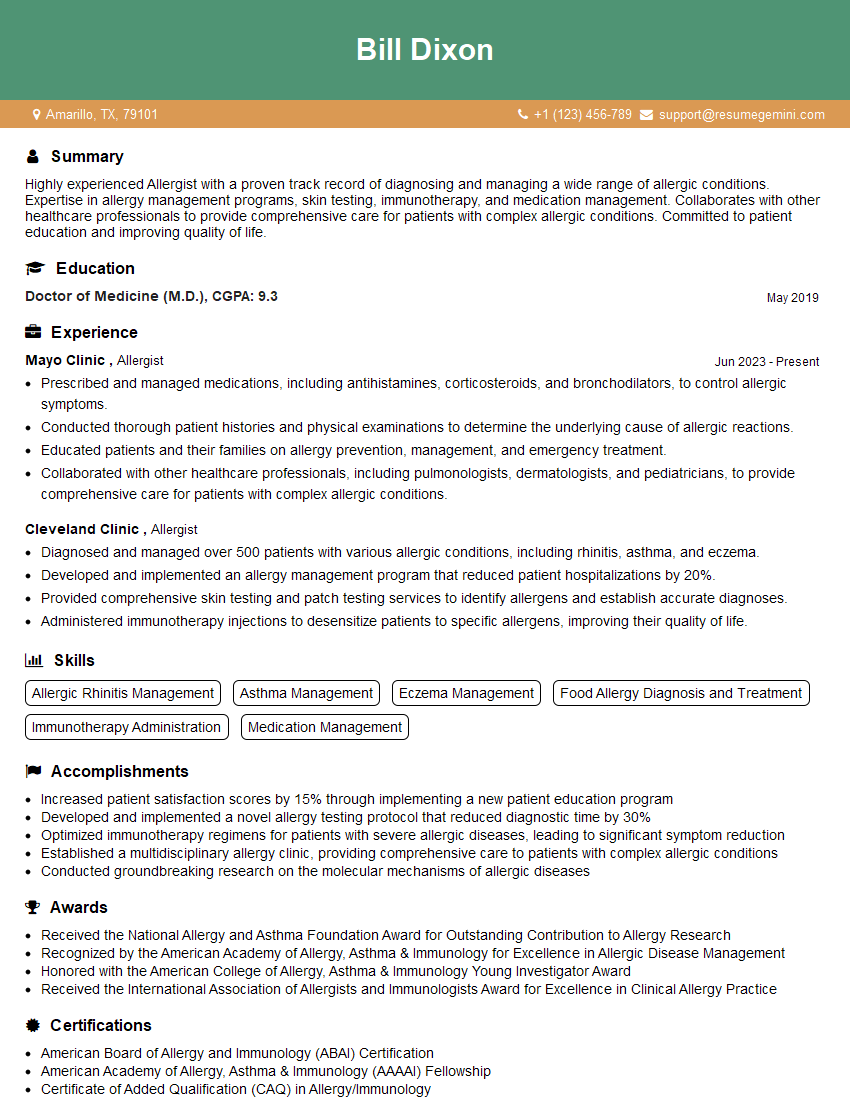
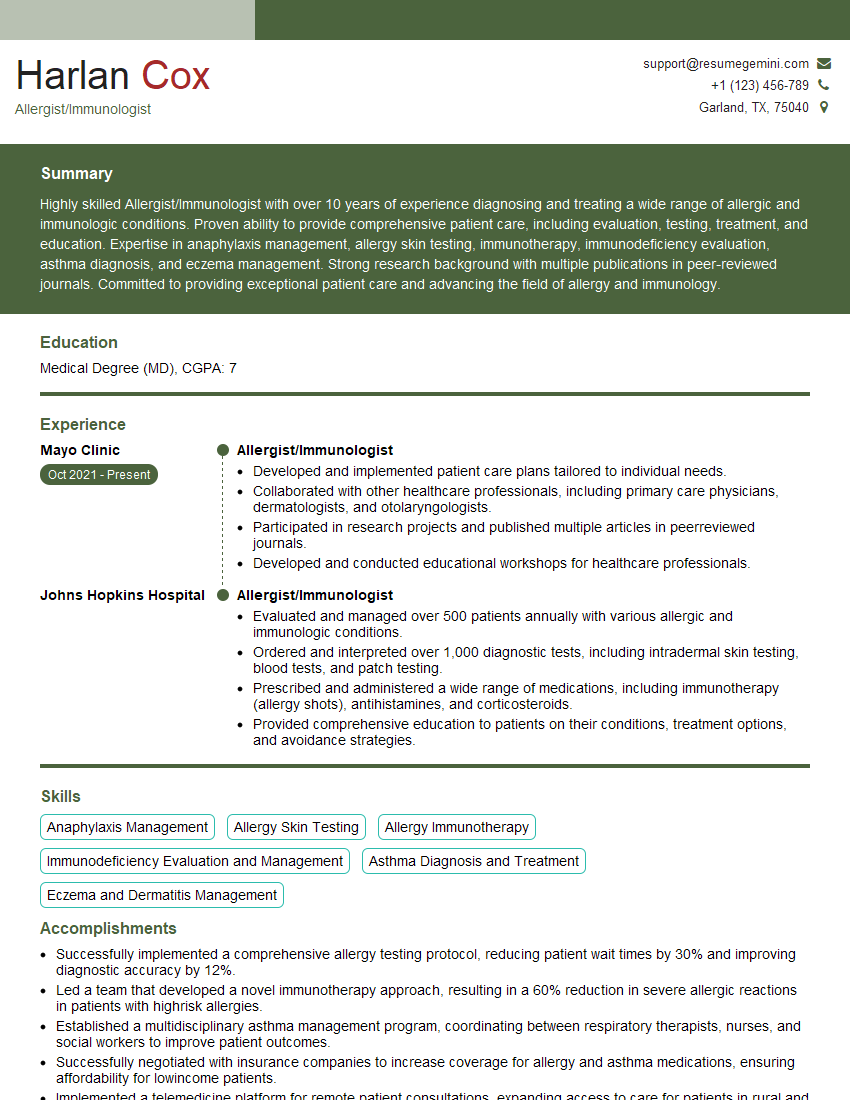
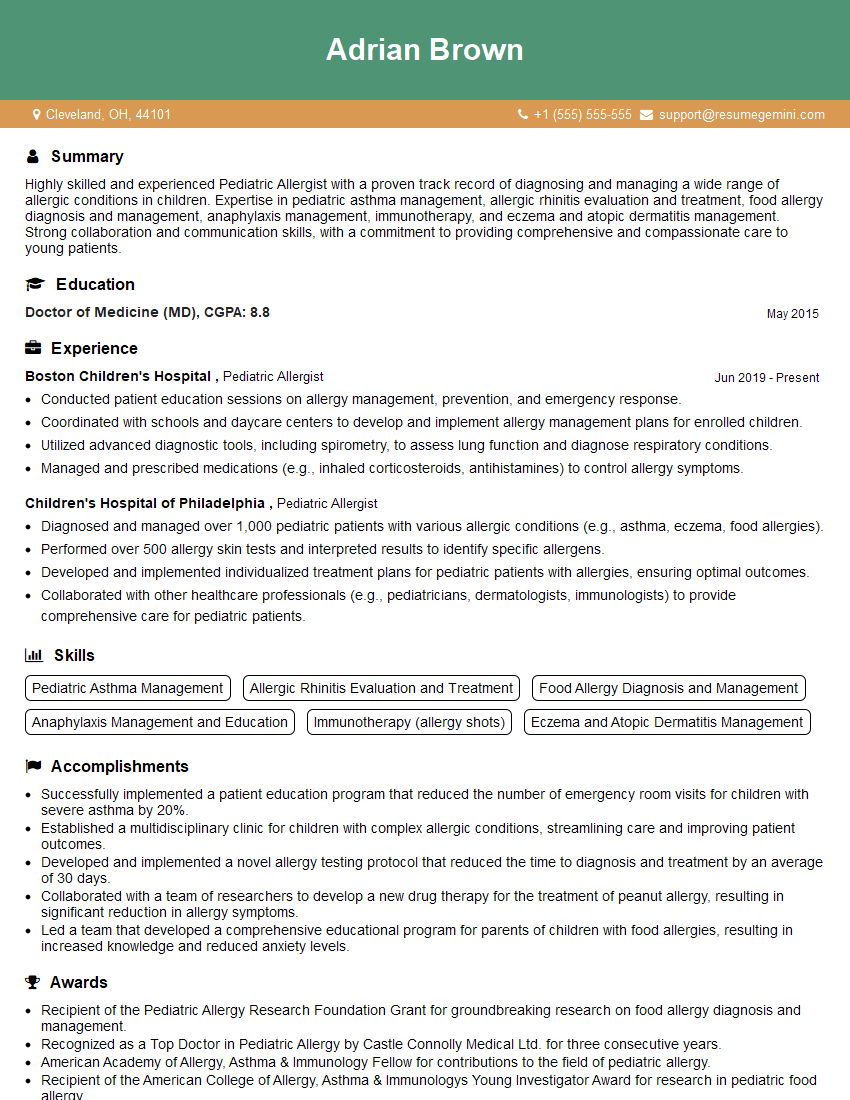
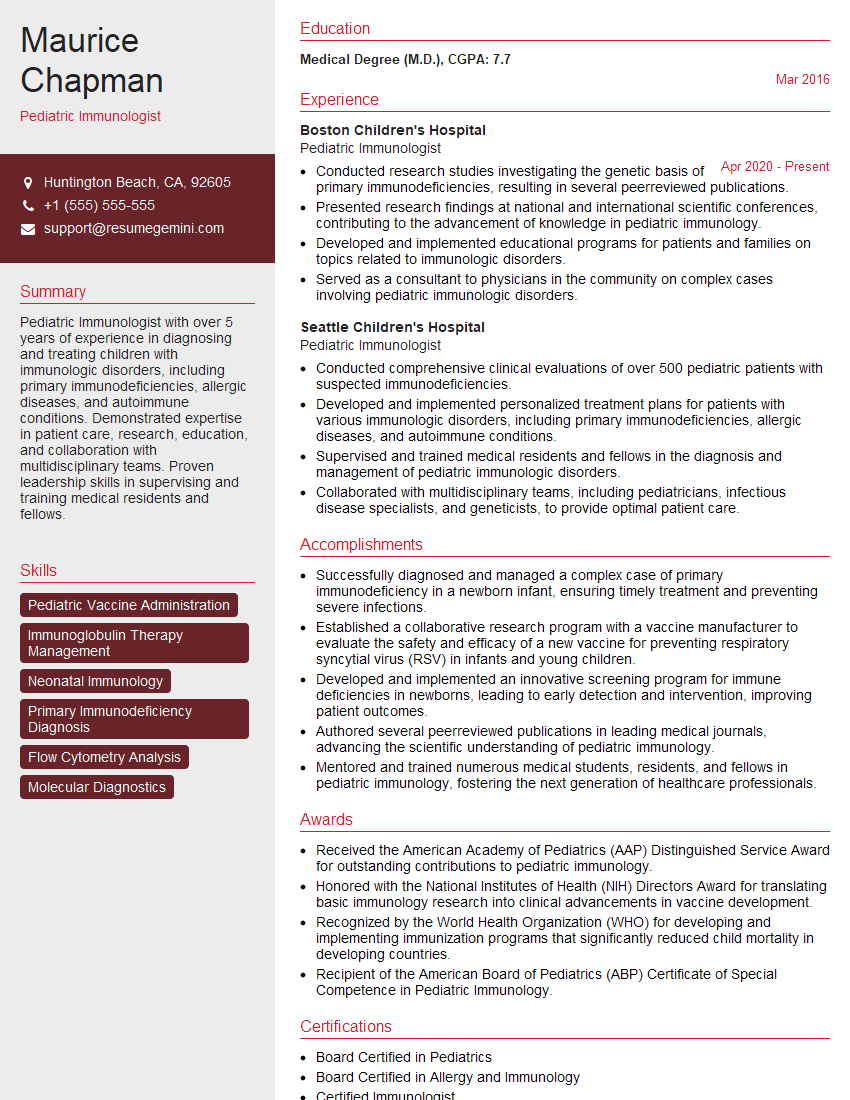
Mastering Allergy Testing and Management is crucial for career advancement in this rapidly growing field. A strong understanding of these concepts will significantly improve your interview performance and open doors to exciting opportunities. To enhance your job prospects, it’s vital to create an ATS-friendly resume that highlights your skills and experience effectively. ResumeGemini is a trusted resource that can help you build a professional and impactful resume tailored to your specific career goals. We provide examples of resumes specifically designed for candidates in Allergy Testing and Management to guide you through the process. Invest time in crafting a compelling resume – it’s your first impression with potential employers.
Explore more articles
Users Rating of Our Blogs
Share Your Experience
We value your feedback! Please rate our content and share your thoughts (optional).
What Readers Say About Our Blog
To the interviewgemini.com Webmaster.
Very helpful and content specific questions to help prepare me for my interview!
Thank you
To the interviewgemini.com Webmaster.
This was kind of a unique content I found around the specialized skills. Very helpful questions and good detailed answers.
Very Helpful blog, thank you Interviewgemini team.