The right preparation can turn an interview into an opportunity to showcase your expertise. This guide to Analytical and Attention to Detail interview questions is your ultimate resource, providing key insights and tips to help you ace your responses and stand out as a top candidate.
Questions Asked in Analytical and Attention to Detail Interview
Q 1. Describe a time you identified an error in a large dataset.
In a previous role, I was analyzing a large customer database containing millions of records for a marketing campaign. My task was to identify high-value customers based on several criteria like purchase frequency, average order value, and website engagement. During the data cleaning process, I noticed an anomaly – a significant number of customers had inconsistent addresses, some missing crucial data points, and others had illogical purchase histories (e.g., purchasing extremely high-value items far exceeding their income profiles).
I used SQL queries to isolate these anomalies, then utilized data visualization tools to explore the data patterns. The inconsistent addresses turned out to be a result of data entry errors, easily fixed with a standardized address cleaning process. The missing data points I flagged as requiring further investigation; they might represent a genuine lack of customer information or an indication of a data collection problem. The illogical purchase histories required a deeper dive. By cross-referencing the customer data with external sources like credit reports (after obtaining proper authorization, of course) I found that a small percentage of these records represented fraudulent accounts. Identifying and correcting these issues ensured the accuracy of the subsequent customer segmentation and campaign targeting, leading to a significantly more effective and less costly campaign.
Q 2. How do you ensure accuracy in your work when dealing with complex information?
Accuracy in my work, especially when dealing with complex information, relies on a multi-pronged approach. First, I meticulously review all source materials, cross-referencing data from multiple sources whenever possible to identify potential discrepancies early on. Second, I establish a robust process documentation trail – I carefully note each step of my analysis, including the assumptions made and the rationale behind my decisions. This documentation ensures transparency and allows for easier identification of errors if needed.
Third, I employ various quality control measures. This could involve using automated checks (e.g., data validation rules within spreadsheets or SQL queries), peer reviews, and independent verification of my results. Finally, I always consider the potential impact of errors and design my analysis to minimize the risks. For instance, I might use sensitivity analysis to assess the robustness of my conclusions to variations in the input data.
Q 3. Explain your approach to solving a problem requiring meticulous attention to detail.
My approach to problem-solving requiring meticulous attention to detail follows a structured methodology. I start by breaking down the problem into smaller, manageable tasks. This helps me to focus on each component individually without getting overwhelmed. I create detailed checklists for each task, ensuring that I don’t miss any steps. Next, I work methodically, prioritizing accuracy over speed. I use multiple review checkpoints throughout the process, comparing my work against the original requirements and reviewing each output carefully for errors. This could involve proofreading text, double-checking calculations, or carefully verifying data entry. If errors are identified, I meticulously document them, analyze their root cause, and implement corrective actions.
For example, when preparing a complex financial report, I would meticulously review each entry, comparing it against source documents. I’d use spreadsheet functions for validation checks and develop a cross-referencing system to make sure every item is accurately accounted for.
Q 4. How do you prioritize tasks when facing multiple deadlines requiring high accuracy?
Prioritizing tasks with multiple deadlines and high-accuracy requirements involves a combination of planning and execution. I start by assessing the urgency and criticality of each task, considering potential consequences of delays or inaccuracies. Then, I employ a prioritization matrix, ranking tasks based on their importance and urgency (e.g., using the Eisenhower Matrix). This helps me focus on the most time-sensitive and crucial tasks first. I break down larger tasks into smaller, more manageable components to make them less daunting and easier to track progress on.
Throughout the process, I utilize time management techniques such as timeboxing and the Pomodoro Technique to maintain focus and avoid burnout. Regularly reviewing my progress and adjusting my schedule as needed is also crucial to stay on track and ensure delivery of high-quality work within deadlines.
Q 5. Walk me through your process for identifying and correcting inconsistencies in data.
My process for identifying and correcting inconsistencies in data involves a systematic approach. I begin by establishing clear data quality rules and standards – defining what constitutes an inconsistency in the specific dataset. I then use automated data quality tools or write custom scripts (e.g., using Python with Pandas) to scan for inconsistencies, such as duplicate entries, missing values, or outliers. Visualization techniques, like histograms or scatter plots, help me visually identify data anomalies that automated checks might miss.
Once inconsistencies are identified, I investigate their root cause. Was it a data entry error, a problem with the data source, or a system malfunction? Based on the cause, I determine the appropriate correction method. This might involve data cleaning techniques (like imputation for missing values), data transformation (e.g., standardization or normalization), or even consulting with the data source to rectify the original problem. Finally, I document the corrections made and update the data quality metrics to monitor the effectiveness of my interventions.
Q 6. Describe a situation where your analytical skills helped you solve a problem.
In a previous project, our team was tasked with optimizing the pricing strategy for a new product launch. We had collected extensive market research data, including competitor pricing, customer segmentation analysis, and cost estimations. However, the initial analysis suggested conflicting conclusions – one model indicated a high-price strategy was optimal, while another pointed towards a low-price strategy.
To resolve this conflict, I employed a more rigorous analytical approach. I investigated the assumptions behind each model, identifying discrepancies in the data sources used. I found that one model relied heavily on outdated competitor data, while the other ignored the significance of certain customer segments. By carefully validating the data and refining the analytical models, I was able to reconcile the conflicting conclusions. The refined analysis indicated a tiered pricing strategy that addressed the needs of different customer segments, ultimately maximizing revenue and market share.
Q 7. How do you approach interpreting data that presents conflicting conclusions?
When presented with data that presents conflicting conclusions, I employ a structured approach to investigate the discrepancies. First, I carefully review the methodologies used to generate each conclusion, looking for potential flaws in the data collection, analysis, or interpretation process. I examine the assumptions made in each analysis and assess their validity. Often, discrepancies stem from differences in data selection, methodologies, or the scope of the investigation.
Next, I systematically compare the datasets and analytical methods used in each analysis. This might involve using statistical tests to determine whether the differences between the results are statistically significant. I would also explore alternative explanations for the conflicting conclusions, including the possibility of confounding factors or external influences. Finally, I would aim to synthesize the findings from each analysis, developing a more nuanced understanding that accounts for the different perspectives and limitations of the data. This often results in a more comprehensive and robust conclusion.
Q 8. How do you handle pressure when working on tasks that demand precision?
When precision is paramount, pressure is inevitable. My approach is multifaceted. Firstly, I break down complex tasks into smaller, manageable steps. This allows me to focus on one aspect at a time, minimizing the feeling of being overwhelmed. Secondly, I prioritize planning and utilize time management techniques like the Pomodoro Technique to maintain focus and prevent burnout. Regular breaks are crucial to prevent errors stemming from fatigue. Finally, I proactively communicate potential delays or challenges to stakeholders, fostering transparency and collaboration. This collaborative approach not only helps manage expectations but also provides a safety net should unforeseen complications arise. For example, while working on a financial model requiring high accuracy, I divided the process into sections: data input, formula development, validation, and scenario analysis. This approach helped me manage the pressure and ensured accuracy.
Q 9. How do you stay organized and manage your time when working on multiple analytical projects?
Managing multiple analytical projects requires a robust organizational system. I leverage project management tools like Trello or Asana to visually track progress, deadlines, and dependencies between tasks. Each project has a dedicated folder with clearly labeled sub-folders for data, analysis, reports, and communications. I utilize time-blocking to allocate specific time slots for each project, prioritizing tasks based on urgency and importance. Regular review sessions (daily or weekly, depending on project complexity) help me stay on track and identify potential roadblocks early on. For instance, when managing three concurrent projects involving data analysis, market research, and client reporting, I used Asana to assign tasks, set deadlines, and monitor progress. This allowed me to juggle the projects efficiently without compromising quality.
Q 10. Explain your approach to reviewing documents for accuracy and completeness.
My approach to document review emphasizes a systematic and meticulous process. I begin with a comprehensive overview, identifying the key objectives and intended audience. Next, I follow a structured approach, checking for accuracy in data, consistency in formatting, clarity of language, and completeness of information. I utilize checklists to ensure thoroughness and employ comparison techniques when multiple versions exist. I cross-reference information against reliable sources and pay close attention to details like units of measurement, dates, and numerical values. Any discrepancies or ambiguities are meticulously documented and investigated. This approach helps maintain the highest standards for accuracy and reduces the possibility of omissions or errors. For instance, when reviewing a complex research report, I created a checklist for each section: methodology, data analysis, results, and conclusions. This ensured that every aspect was carefully checked.
Q 11. How would you explain a complex analytical concept to a non-technical audience?
Explaining complex analytical concepts to a non-technical audience requires clear, concise communication and relatable analogies. I avoid technical jargon and instead use simple language and real-world examples. Visual aids such as charts, graphs, and diagrams are extremely helpful in illustrating key points. I start by establishing a common understanding of the problem or challenge before introducing the analytical concepts. I break down the information into digestible chunks, focusing on the implications and conclusions rather than the intricate technical details. For example, when explaining regression analysis to a client, I used an analogy of fitting a line through data points to show how it predicts future outcomes, focusing on the practical implications for their business rather than the statistical formulas behind it.
Q 12. Describe a situation where you had to identify and resolve a discrepancy in information.
In a previous role, I discovered a discrepancy in sales data between our internal system and the reports from our distribution partners. The difference was significant enough to impact our revenue projections. I systematically investigated the discrepancy by cross-referencing data from multiple sources, including invoices, delivery receipts, and inventory records. I identified a coding error in our internal system that caused a misallocation of sales transactions. This involved careful analysis of database records to pinpoint the exact source of the problem. After documenting the findings, I proposed a solution to correct the code and implemented a quality control measure to prevent similar errors from occurring in the future. The issue was promptly resolved, and the corrected data was used to generate accurate revenue reports.
Q 13. What strategies do you use to prevent errors in your work?
Preventing errors is a proactive process involving multiple strategies. I employ thorough planning, meticulous data validation, and rigorous quality control checks at each stage of my workflow. I utilize double-checking mechanisms, independent verification, and peer review where appropriate. I also regularly maintain and update my knowledge and skills to stay abreast of best practices and emerging technologies. Additionally, I utilize error tracking tools and maintain detailed records of my work for traceability and debugging. In essence, a multi-layered approach ensures that errors are minimized and detected early, preventing larger issues later.
Q 14. How do you use technology to enhance your analytical skills and attention to detail?
Technology plays a crucial role in enhancing my analytical skills and attention to detail. I leverage tools like SQL for data extraction and manipulation, Python with libraries like Pandas and NumPy for data analysis and visualization, and statistical software like R or SPSS for more advanced statistical modeling. Spreadsheets are also essential for organizing data and creating clear reports. Data visualization tools like Tableau or Power BI provide impactful ways to communicate complex findings. Version control systems like Git facilitate collaboration and track changes, ensuring data integrity. These tools enable me to work more efficiently, handle larger datasets, and perform more complex analyses with greater accuracy and detail.
Q 15. Describe your process for verifying the accuracy of data sources.
Verifying data accuracy is paramount to any analytical endeavor. My process involves a multi-step approach, beginning with source assessment. I evaluate the reputation and credibility of the source, considering factors like the organization’s expertise, potential biases, and the methodology used to collect the data. For instance, I’d treat data from a reputable government agency differently than data from an anonymous blog.
Next, I perform data validation. This involves checking for inconsistencies, outliers, and missing values. I use various techniques, depending on the data type. For numerical data, I might look at descriptive statistics like mean, median, and standard deviation to identify anomalies. For categorical data, I might check for unexpected values or inconsistencies in coding. For example, if I’m working with customer data, I’d flag entries with inconsistent email addresses or phone numbers.
Finally, I conduct data comparison where possible. If the same data exists from multiple sources, I cross-reference them to detect discrepancies and resolve conflicts. This might involve using simple comparison techniques or more advanced data reconciliation methods depending on the complexity of the data. I document all findings and validation steps meticulously, creating an audit trail for traceability.
Career Expert Tips:
- Ace those interviews! Prepare effectively by reviewing the Top 50 Most Common Interview Questions on ResumeGemini.
- Navigate your job search with confidence! Explore a wide range of Career Tips on ResumeGemini. Learn about common challenges and recommendations to overcome them.
- Craft the perfect resume! Master the Art of Resume Writing with ResumeGemini’s guide. Showcase your unique qualifications and achievements effectively.
- Don’t miss out on holiday savings! Build your dream resume with ResumeGemini’s ATS optimized templates.
Q 16. How do you handle situations where information is incomplete or ambiguous?
Incomplete or ambiguous information is a common challenge. My approach focuses on responsible inference and transparency. First, I identify the extent and nature of the incompleteness. Is it a few missing values, or is the dataset significantly lacking crucial information? Is the ambiguity related to the definition of a variable or the methodology used for data collection?
Next, I explore potential solutions. For missing numerical data, I might use imputation techniques like mean/median imputation or more sophisticated methods like k-nearest neighbors. For missing categorical data, I may use mode imputation or create a separate category for “unknown”. For ambiguous data, I might refer to documentation, consult experts, or attempt to gather additional information to clarify the meaning. Crucially, I document all assumptions and limitations stemming from the incomplete or ambiguous data in my analysis and reports.
For example, if I find missing salary information in a dataset, I’ll clearly state in my analysis that the findings regarding salary are based on a subset of the data after imputation, highlighting the potential bias this might introduce.
Q 17. How do you approach fact-checking and verifying information from multiple sources?
Fact-checking from multiple sources requires a systematic approach. I begin by identifying reputable and diverse sources. This means considering the source’s authority, potential biases, and whether the information aligns with my existing knowledge. I prioritize peer-reviewed publications, official government reports, and established news organizations over less credible sources.
Next, I compare the information across sources. Do they agree on the key facts? Are there any discrepancies or conflicting accounts? Discrepancies require deeper investigation. I may need to check primary sources, explore supporting evidence, or consult additional experts. It’s like investigating a crime – looking for corroborating evidence to establish the truth.
I document my findings meticulously, including the sources used and any discrepancies encountered. This transparency ensures that my analysis is verifiable and allows others to understand how conclusions were reached. This is extremely important to avoid spreading misinformation.
Q 18. How do you manage your time when working on projects with tight deadlines and high accuracy requirements?
Managing time effectively under tight deadlines requires meticulous planning and prioritization. I start by clearly defining the scope and deliverables of the project, breaking down the tasks into smaller, manageable units. This helps estimate the time required for each task accurately.
Then, I create a realistic schedule, using project management tools or techniques like Gantt charts to visualize the timeline and dependencies between tasks. This involves identifying critical path activities – those that have the greatest impact on the overall project duration. I also incorporate buffer time to accommodate unexpected delays.
Throughout the project, I regularly monitor progress and make adjustments as needed. This involves tracking my time spent on each task and actively looking for ways to improve efficiency without compromising accuracy. Tools like time tracking software and prioritization matrices (like Eisenhower Matrix) help to manage time effectively.
Q 19. Give an example of when you had to present detailed findings to a senior stakeholder.
In a previous role, I analyzed customer churn data to identify key drivers of customer attrition. My findings showed a strong correlation between customer satisfaction scores and churn rate. I presented these findings to the senior management team using a combination of data visualizations (charts and graphs) and concise narratives. I explained the methodology used, the key findings, and their implications for business strategy.
I used clear, non-technical language to explain the complex data, focusing on the implications for improving customer retention. I also incorporated interactive elements in my presentation, allowing the stakeholders to explore the data further and ask clarifying questions. The presentation led to the implementation of new customer service initiatives based on my analysis.
Q 20. Explain your process for identifying patterns and trends in large datasets.
Identifying patterns and trends in large datasets often involves a combination of exploratory data analysis (EDA) and statistical modeling. I typically start with EDA using data visualization techniques to get a preliminary understanding of the data’s structure and characteristics. This might involve creating histograms, scatter plots, box plots, or heatmaps to visualize the distribution of variables and their relationships.
Next, I apply various statistical methods depending on the type of data and the research question. For example, I might use correlation analysis to measure the strength of relationships between variables, regression analysis to model the relationship between a dependent variable and one or more independent variables, or clustering analysis to group similar data points together. If there is a time series component, I would leverage time series analysis techniques to find patterns and forecast future trends.
I employ various software tools like R, Python (with libraries like Pandas, NumPy, Scikit-learn), and data visualization software such as Tableau or Power BI to process and analyze this data efficiently.
Q 21. Describe your experience with data visualization tools and techniques.
I’m proficient in a variety of data visualization tools and techniques, including Tableau, Power BI, and Python libraries like Matplotlib and Seaborn. My experience spans creating various chart types, such as bar charts, line graphs, scatter plots, and heatmaps, depending on the type of data and the insights I want to convey.
Beyond simply creating charts, I focus on the principles of effective data visualization: clarity, accuracy, and relevance. A good visualization should be easy to understand, avoid misleading interpretations, and directly support the key findings of the analysis. For example, I’d avoid using 3D charts unless absolutely necessary, as they can be more difficult to interpret than their 2D counterparts. I also pay attention to details like axis labels, titles, and legends to ensure the visualization is fully self-explanatory.
I strive to create visualizations that are not only informative but also engaging, making complex data accessible to audiences with varying levels of technical expertise.
Q 22. How do you handle unexpected challenges or roadblocks in your analytical work?
Unexpected challenges are inevitable in analytical work. My approach involves a structured problem-solving process. First, I acknowledge the roadblock and avoid panic. Then, I systematically break down the problem into smaller, manageable parts. This helps me identify the root cause. Next, I explore potential solutions, considering their feasibility and impact. This might involve consulting relevant documentation, seeking input from colleagues, or researching alternative methodologies. Finally, I implement the chosen solution, monitor its effectiveness, and document the entire process for future reference and learning. For example, if I encounter unexpected data inconsistencies during a data cleaning process, I wouldn’t just ignore or arbitrarily fix them. Instead, I would investigate the source of the inconsistency, perhaps by reviewing data collection procedures or consulting with the data provider. I’d then document the issue, the solution I implemented, and any adjustments I made to my analysis pipeline to prevent similar issues in the future.
Q 23. How do you assess the reliability and validity of different sources of information?
Assessing information reliability and validity is crucial for accurate analysis. I use a multi-faceted approach. Firstly, I evaluate the source’s credibility: Is it a reputable organization, a peer-reviewed publication, or a known expert in the field? Secondly, I examine the methodology used to gather the data. Was the sample size adequate? Was the data collection method unbiased? Thirdly, I look for corroboration. Do other sources support the findings? Discrepancies trigger deeper investigation. Finally, I consider potential biases, both in the data itself and in the interpretation presented. For instance, if I’m analyzing market research, I wouldn’t solely rely on a single company’s report. I’d compare their findings with reports from independent research firms and consider factors such as potential conflicts of interest.
Q 24. How do you ensure consistency in your work when collaborating with others?
Consistency in collaborative work relies on clear communication and established protocols. We start by defining clear roles and responsibilities, agreeing on a common methodology, and establishing a shared workspace (e.g., a shared document or project management tool). We also establish a consistent style guide for reporting and data visualization, and regular check-ins help us identify and resolve inconsistencies early. Version control is crucial to track changes and avoid conflicts. We use tools that facilitate collaboration and ensure transparency. For instance, in a team analyzing customer feedback data, we might use a shared spreadsheet where everyone can update entries, but with clearly defined columns and data entry rules. We might also schedule regular meetings to discuss our findings and ensure consistency in interpretation.
Q 25. How would you handle a situation where a colleague has made a significant error?
Addressing a colleague’s significant error requires tact and professionalism. My first step is to privately address the issue with my colleague, emphasizing a supportive and constructive tone. I would focus on the error itself, rather than attacking the colleague personally. I’d then collaboratively identify the root cause of the mistake—perhaps inadequate training, unclear instructions, or overlooked details. We would develop a plan to correct the error, ensuring its impact is minimized. Finally, I’d suggest strategies to prevent similar errors in the future. This might involve additional training, improved communication protocols, or enhanced quality checks. Documentation of the issue and its resolution would be essential.
Q 26. Describe a time you identified a potential problem before it became a significant issue.
During a project involving website analytics, I noticed a gradual increase in bounce rate from a specific landing page. While not critically high yet, the trend was alarming. Instead of waiting for the bounce rate to become a significant problem, I investigated further. I discovered a broken image on the page, which was likely causing frustration and immediate exits. By promptly reporting this issue to the web development team, the image was fixed, preventing a potentially much larger drop in conversion rates later. This highlights the value of proactive monitoring and timely intervention.
Q 27. How do you evaluate the effectiveness of your analytical approach after completing a project?
Evaluating analytical approach effectiveness involves a post-project review. I start by comparing the results against the initial objectives. Did the analysis answer the key questions posed? Did it achieve the desired outcome? I then assess the methodology itself. Were the methods appropriate and rigorous? Could the process have been more efficient? I also evaluate the quality of data and the limitations of the analysis. Were any assumptions made? Were there any significant biases or limitations to the findings? Finally, I consider the insights gained and their practical implications. Did the findings lead to actionable recommendations? This self-reflection is crucial for continuous improvement, informing my approach on future projects.
Key Topics to Learn for Analytical and Attention to Detail Interviews
- Data Interpretation & Analysis: Understanding various data formats (graphs, charts, tables), identifying trends, drawing logical conclusions, and presenting findings clearly.
- Critical Thinking & Problem Solving: Breaking down complex problems into smaller, manageable parts, identifying root causes, evaluating potential solutions, and selecting the most effective approach. This includes demonstrating your thought process clearly.
- Logical Reasoning & Deduction: Applying logic and reasoning to analyze situations, identify patterns, and draw inferences from incomplete information. Practice with logic puzzles and case studies.
- Accuracy & Precision: Understanding the importance of detail and minimizing errors in all aspects of work, from data entry to report writing. Demonstrating meticulousness and a commitment to quality.
- Process Improvement & Efficiency: Identifying areas for improvement in processes and workflows, suggesting solutions to enhance efficiency and reduce errors. Consider examples from past experiences.
- Communication of Findings: Clearly and concisely communicating complex analytical findings to both technical and non-technical audiences. Practice explaining your reasoning and conclusions.
Next Steps
Mastering analytical and attention-to-detail skills is paramount for career advancement in virtually any field. These skills demonstrate your ability to solve problems effectively, contribute meaningfully to teams, and produce high-quality work. To maximize your job prospects, it’s crucial to present these skills effectively on your resume. Creating an ATS-friendly resume is essential for getting your application noticed by recruiters and hiring managers. ResumeGemini can significantly assist in building a professional and impactful resume that highlights your analytical and attention-to-detail strengths. We provide examples of resumes tailored specifically to these skills to help you showcase your capabilities effectively.
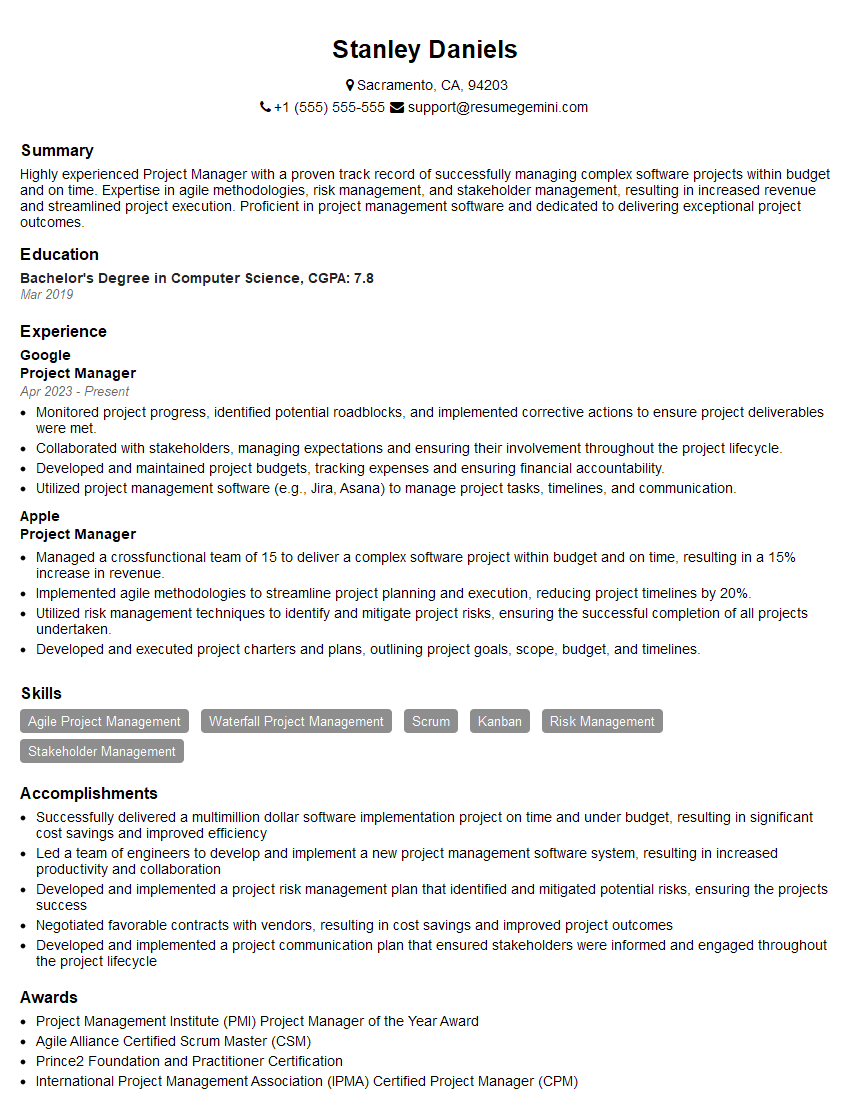
Project Manager Resume Sample
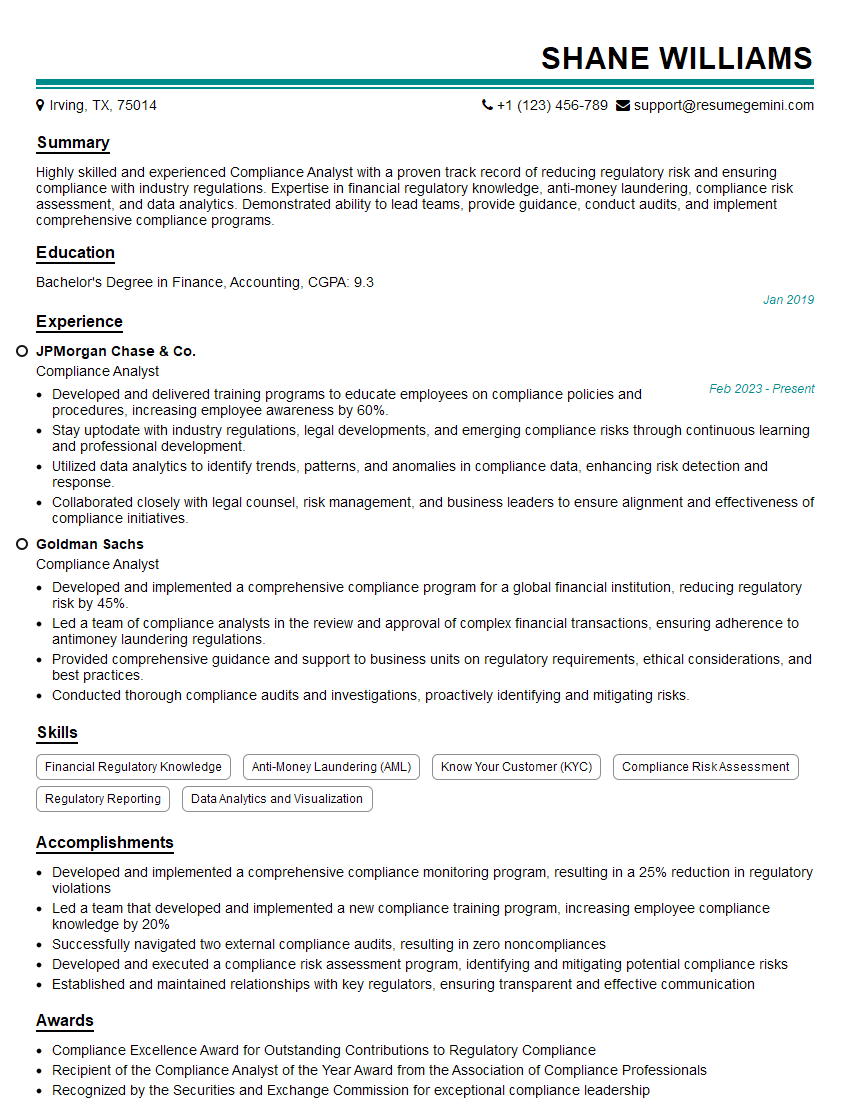
Compliance Analyst Resume Sample
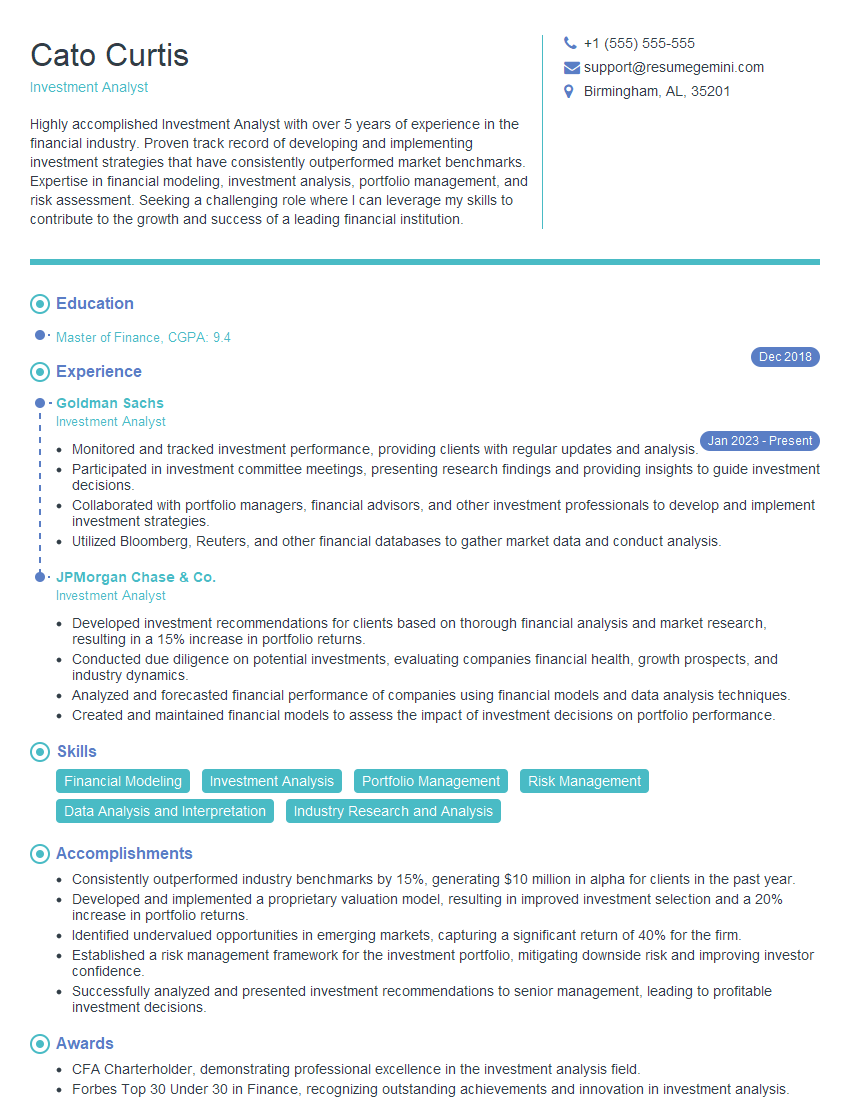
Investment Analyst Resume Sample
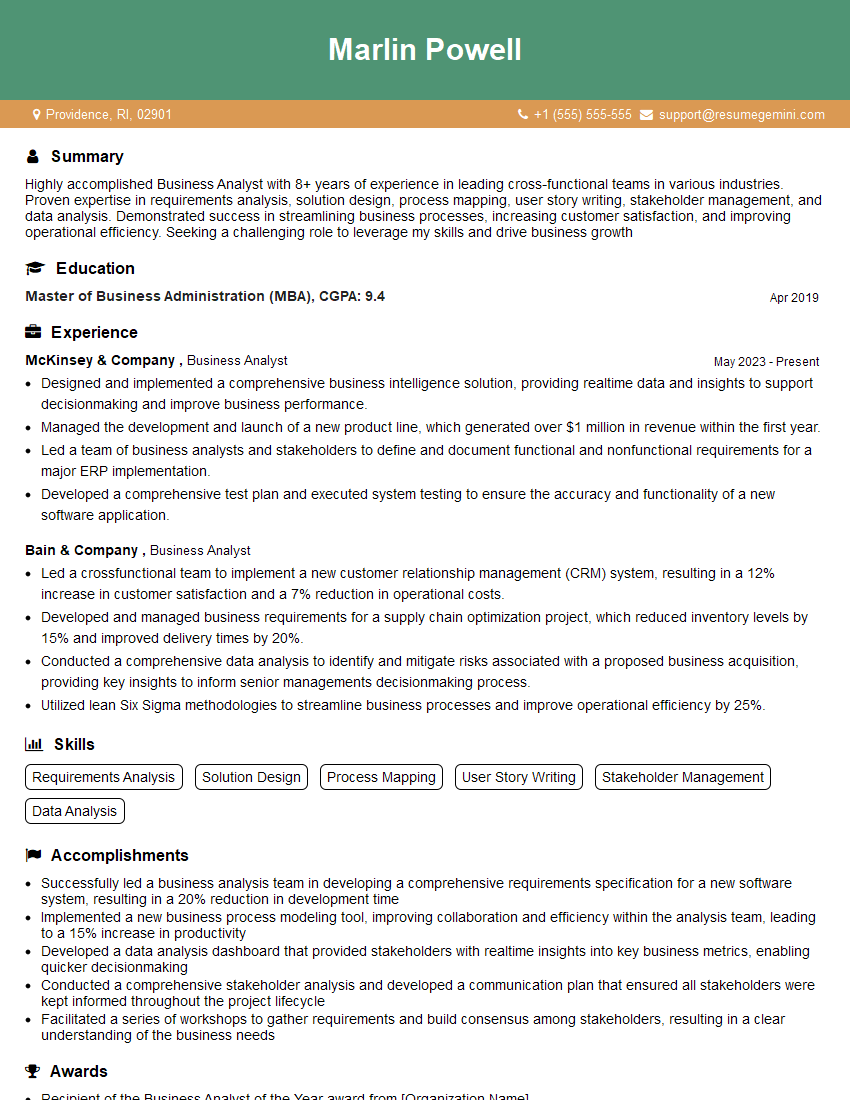
Business Analyst Resume Sample
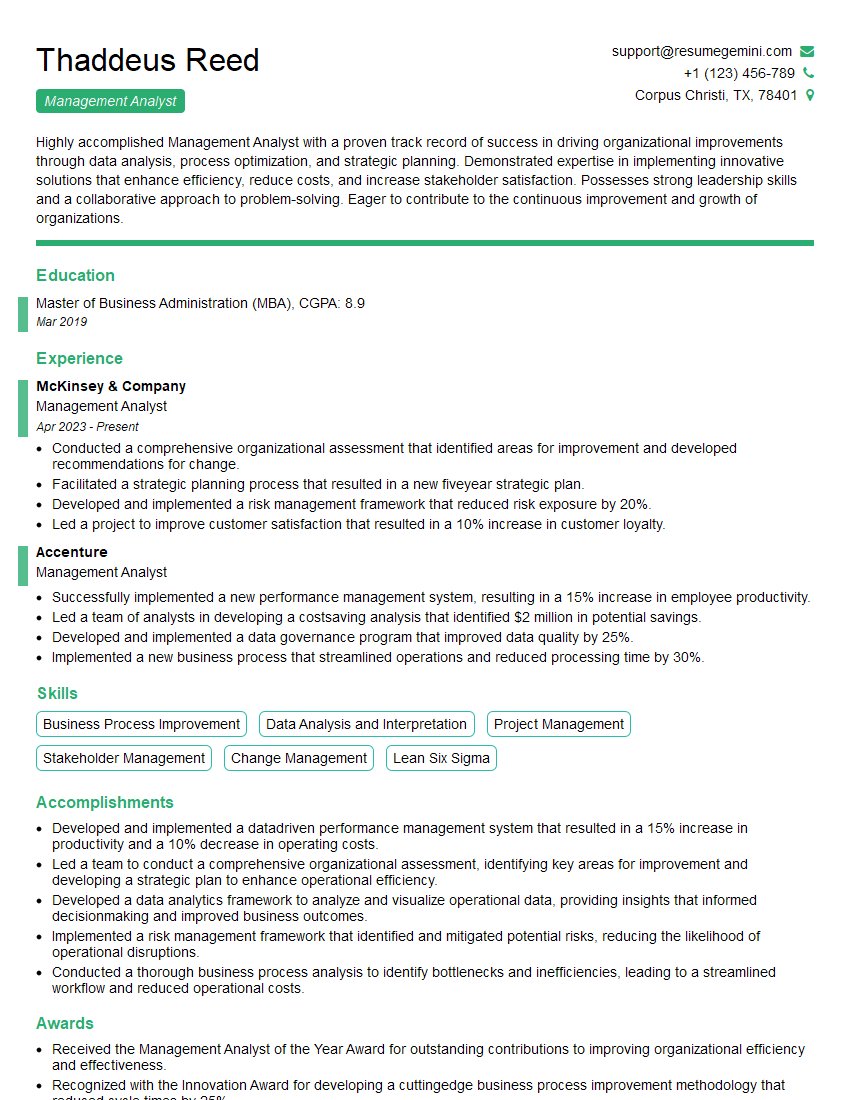
Management Analyst Resume Sample
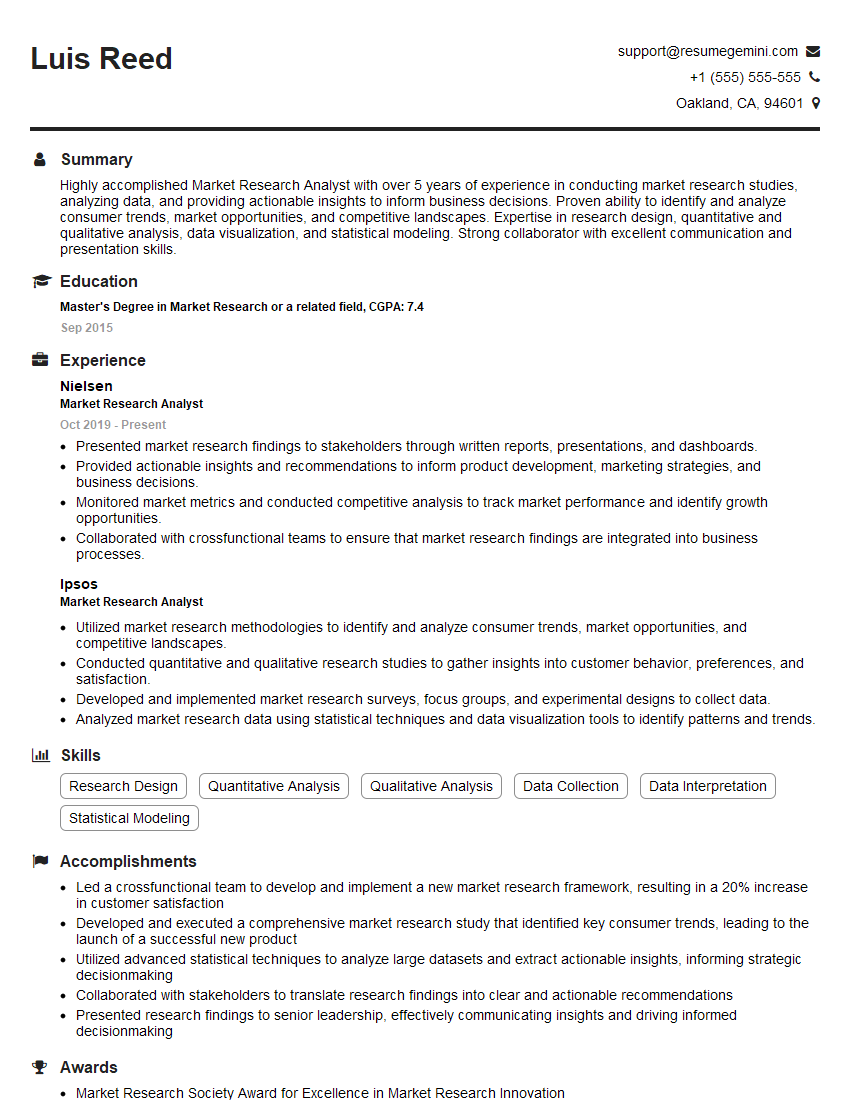
Market Research Analyst Resume Sample
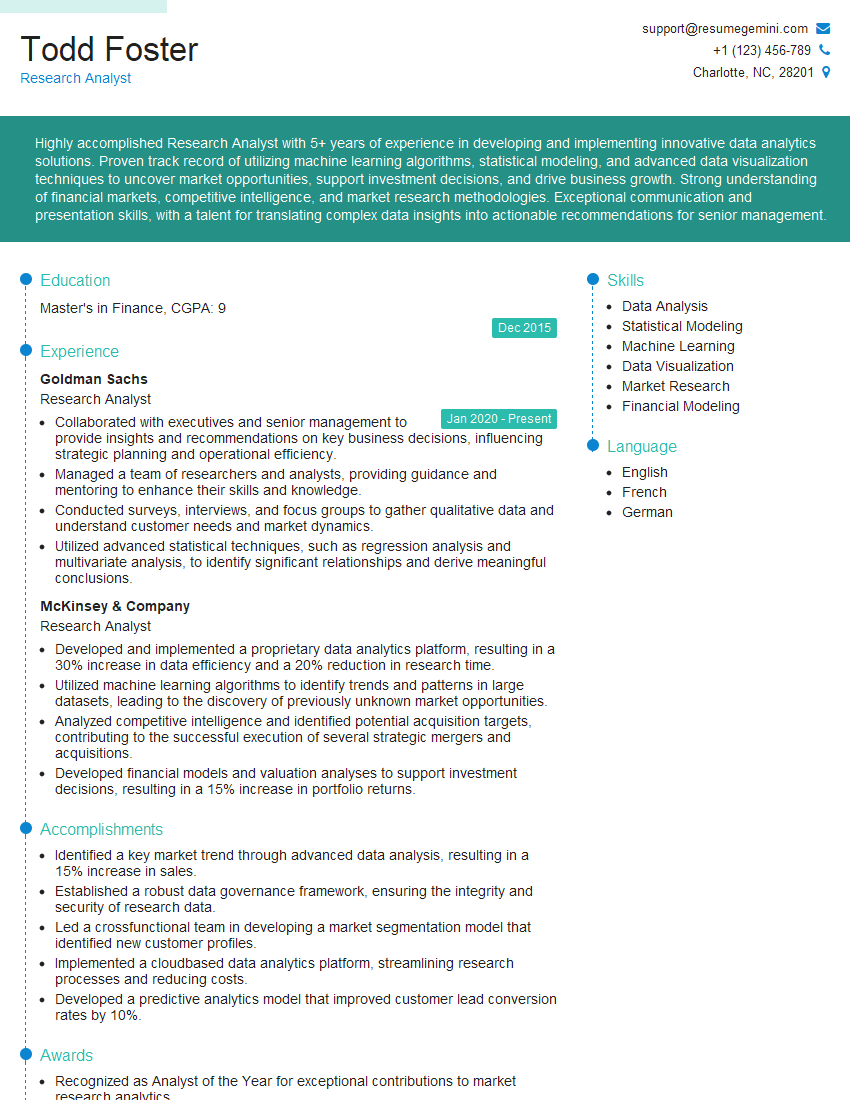
Research Analyst Resume Sample
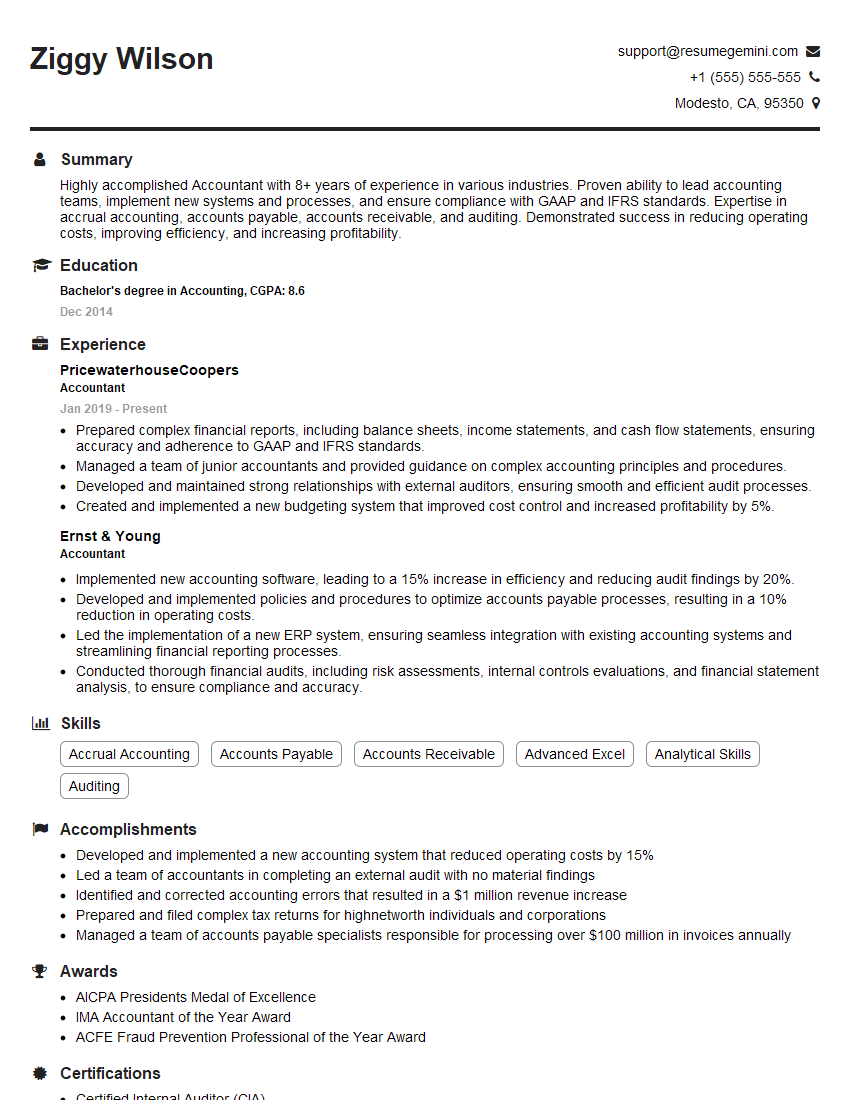
Accountant Resume Sample
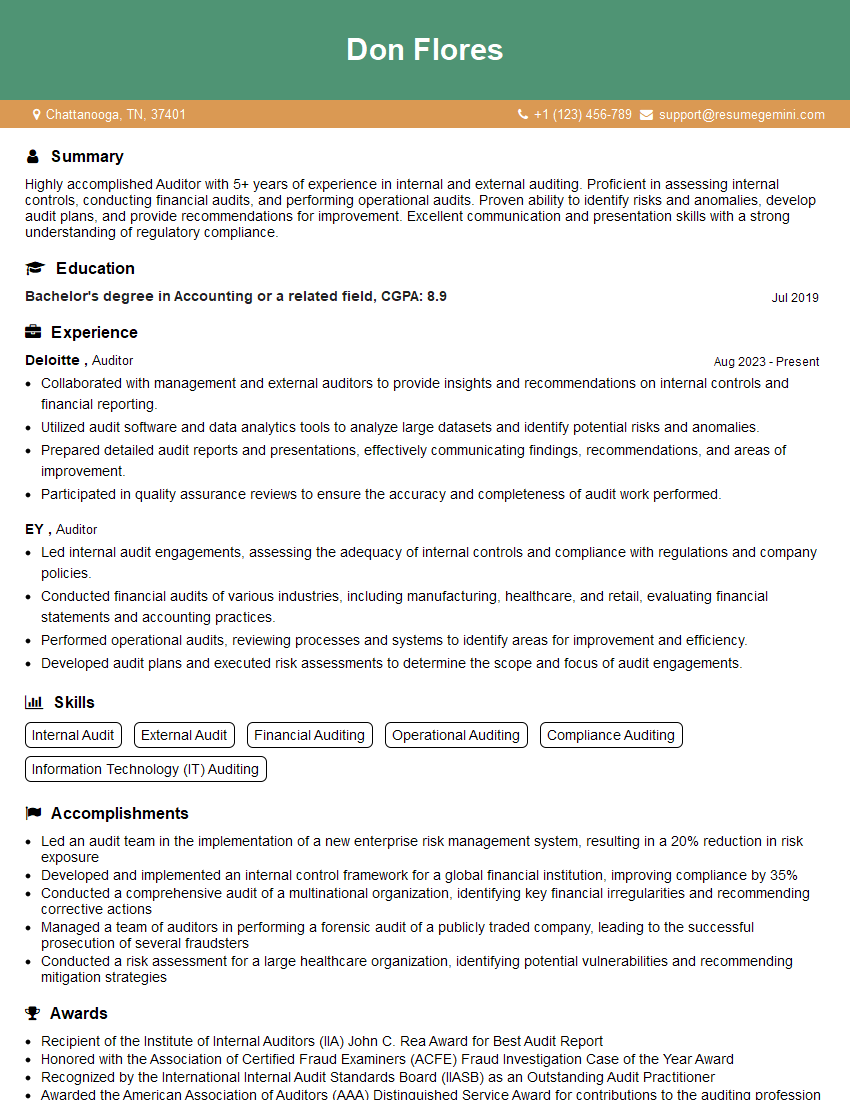
Auditor Resume Sample
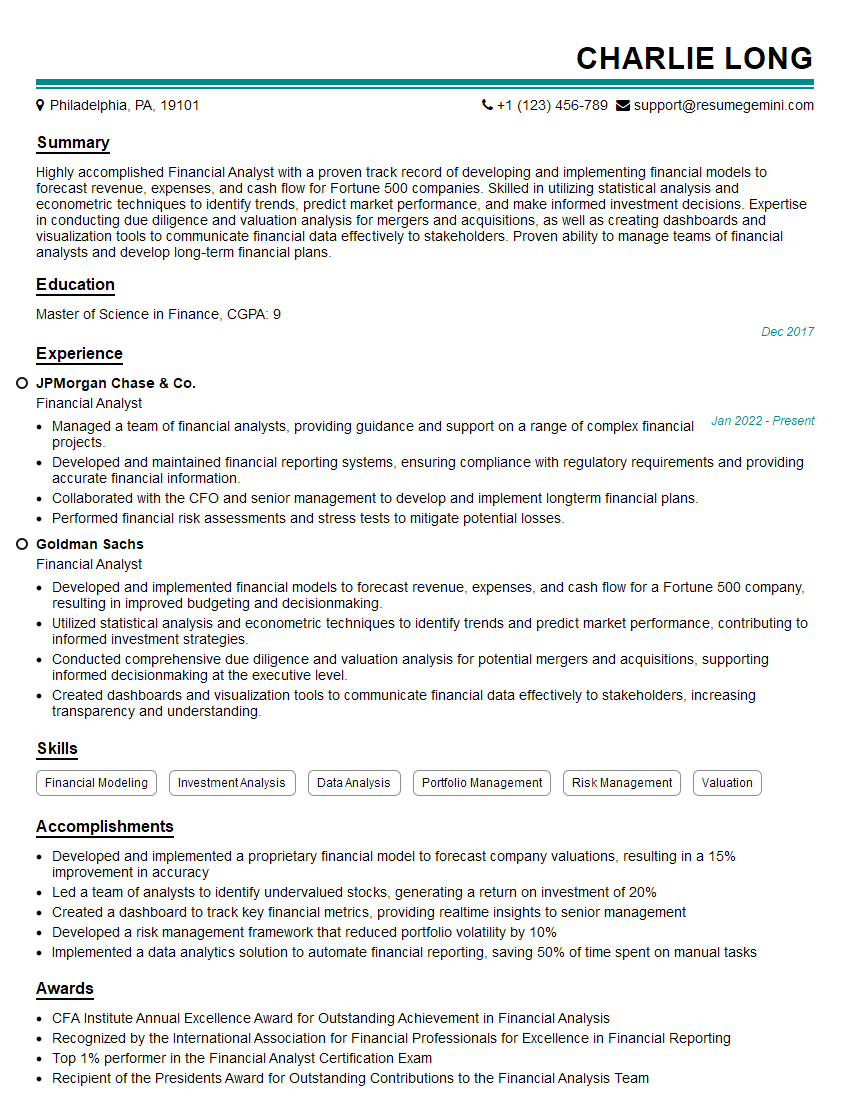
Financial Analyst Resume Sample
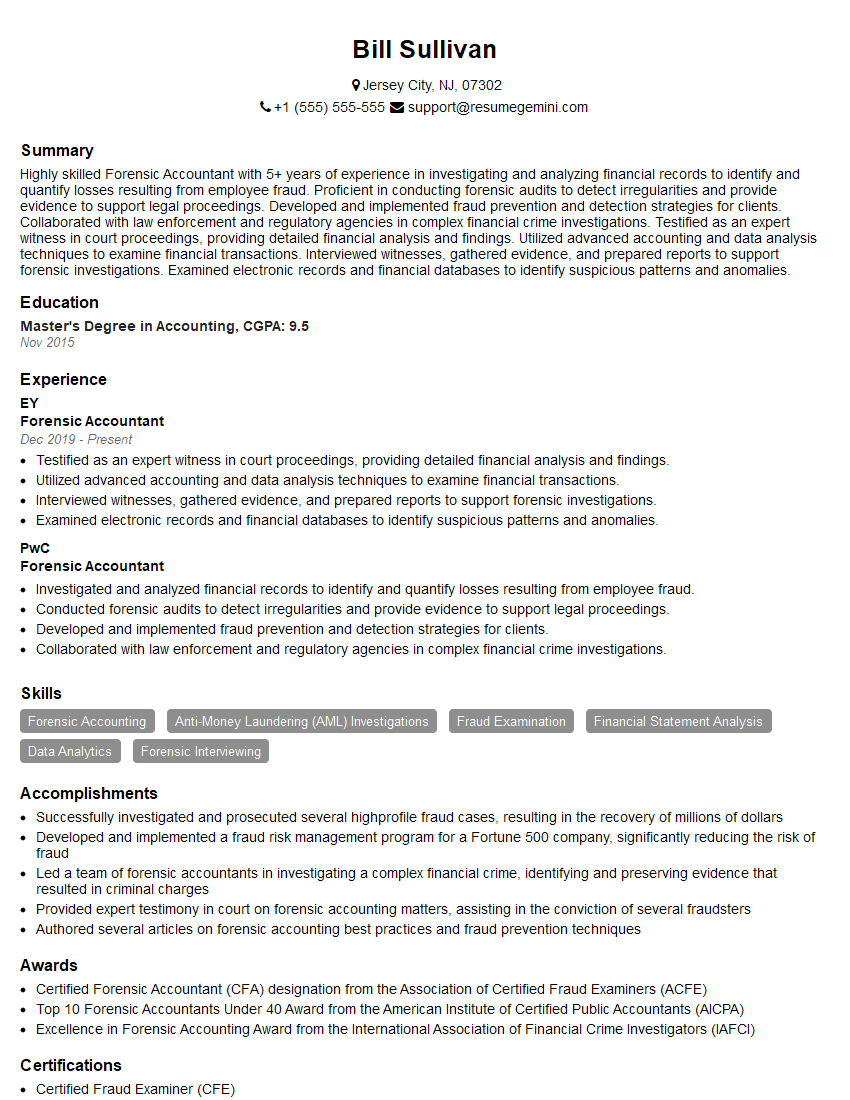
Forensic Accountant Resume Sample
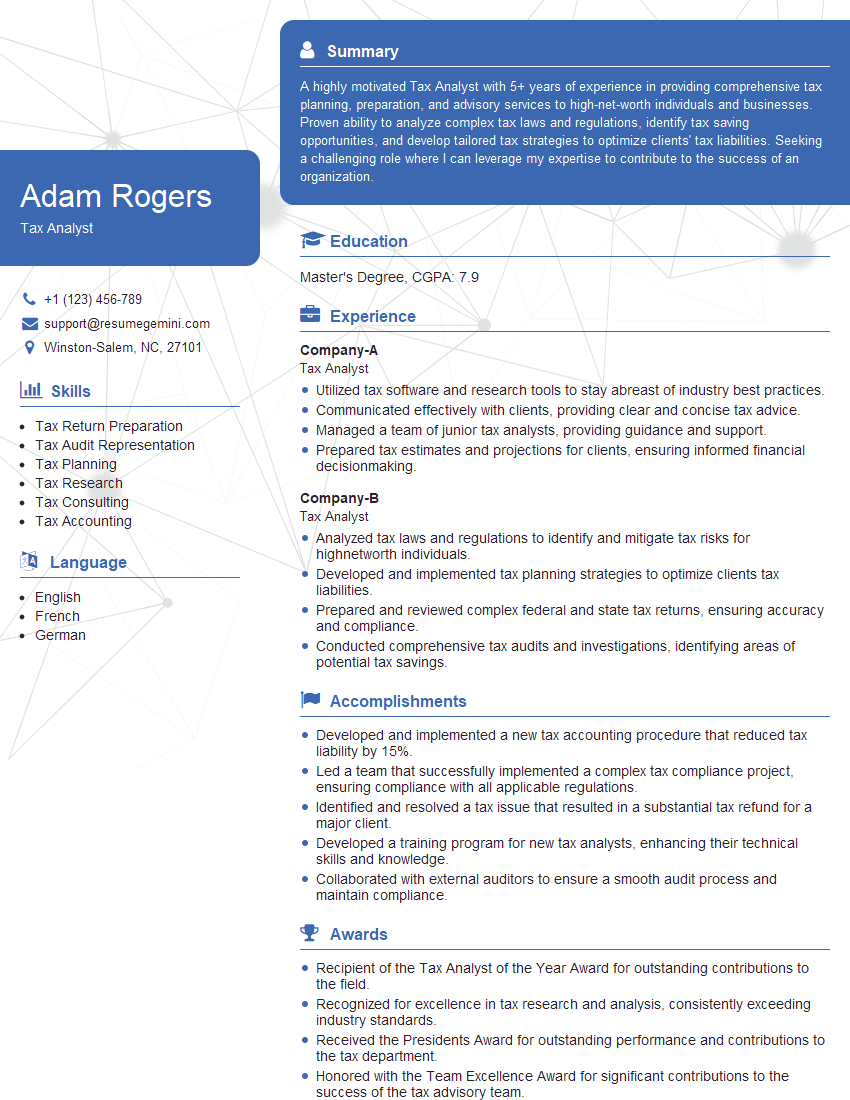
Tax Analyst Resume Sample
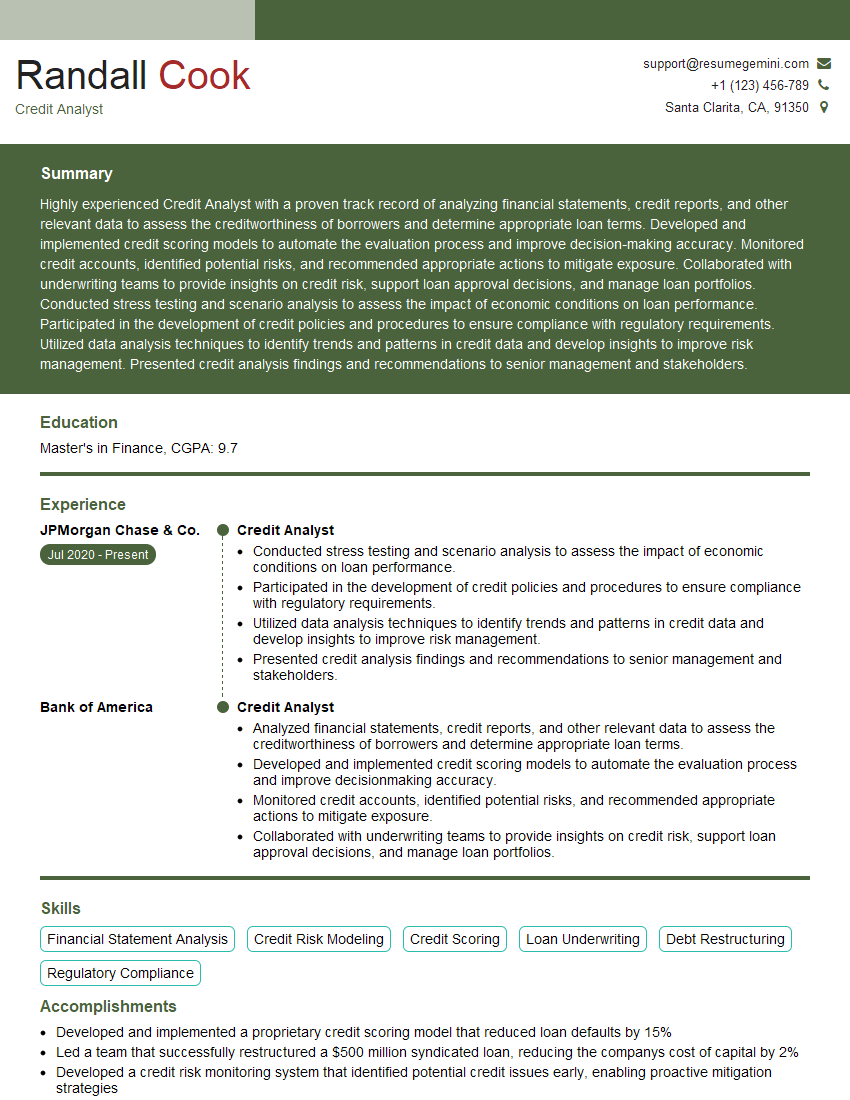
Credit Analyst Resume Sample
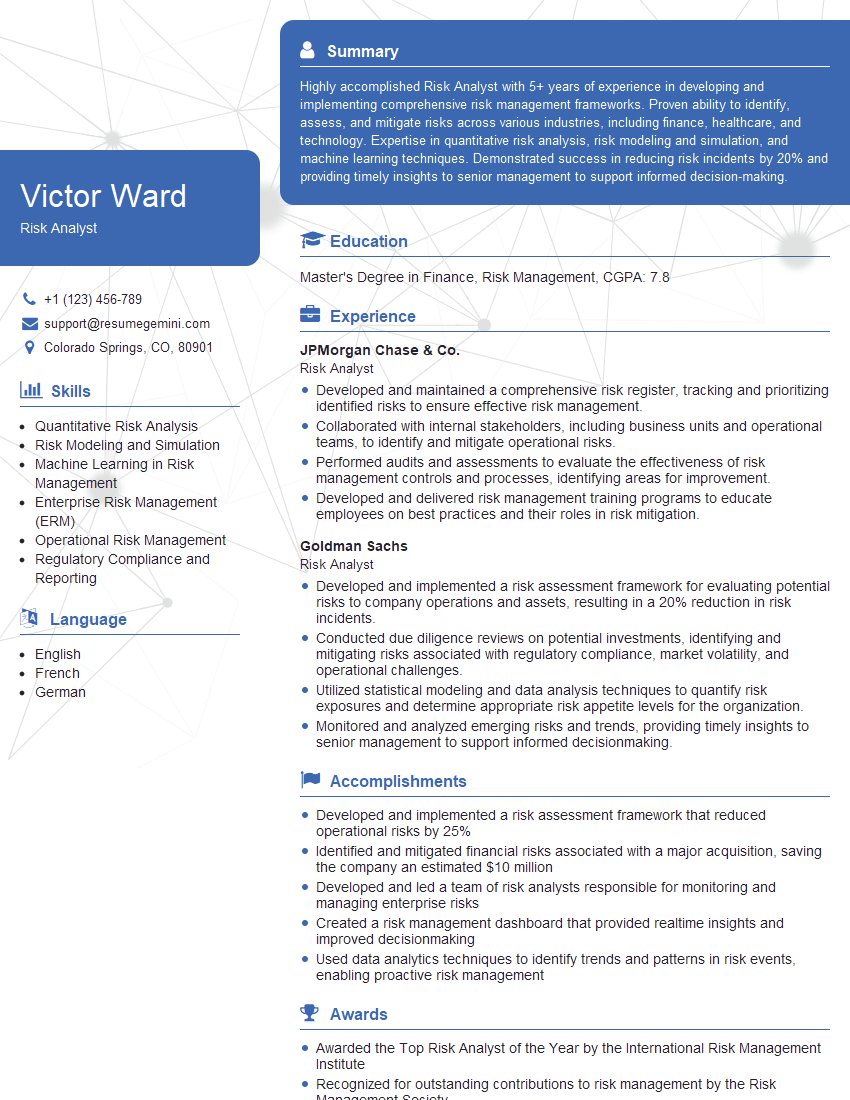
Risk Analyst Resume Sample
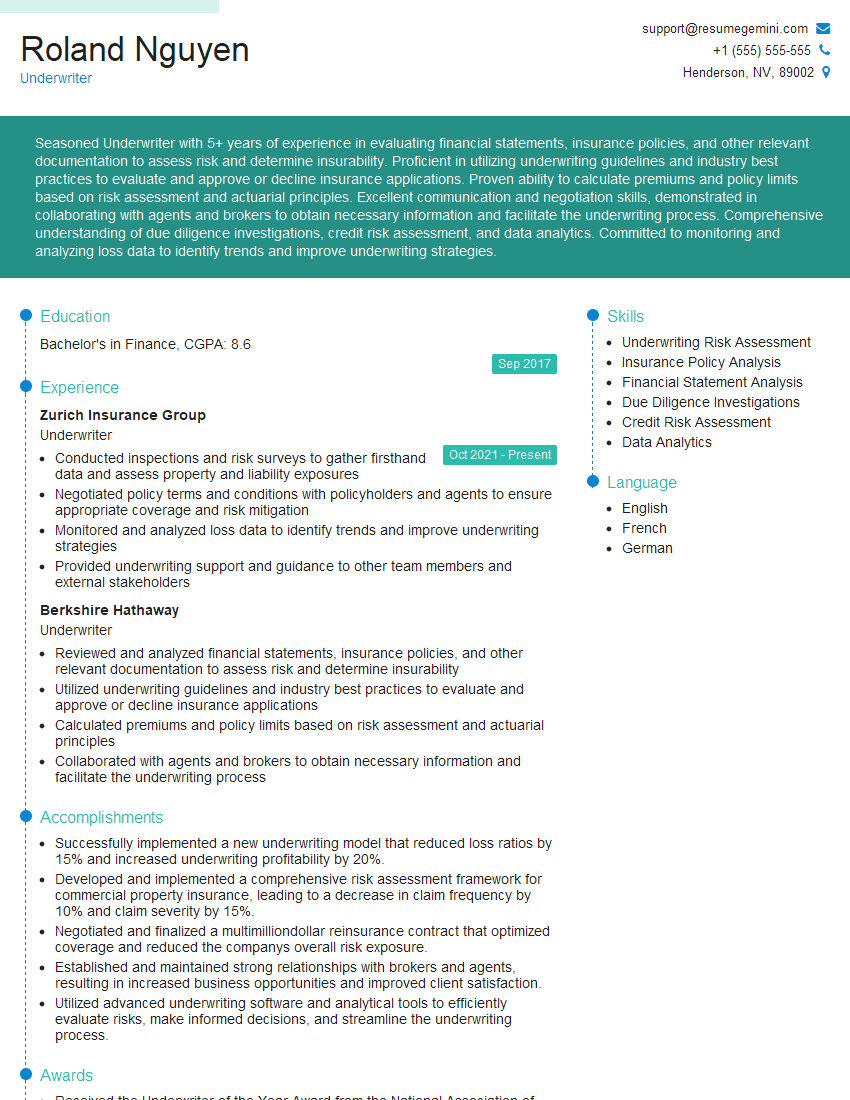
Underwriter Resume Sample
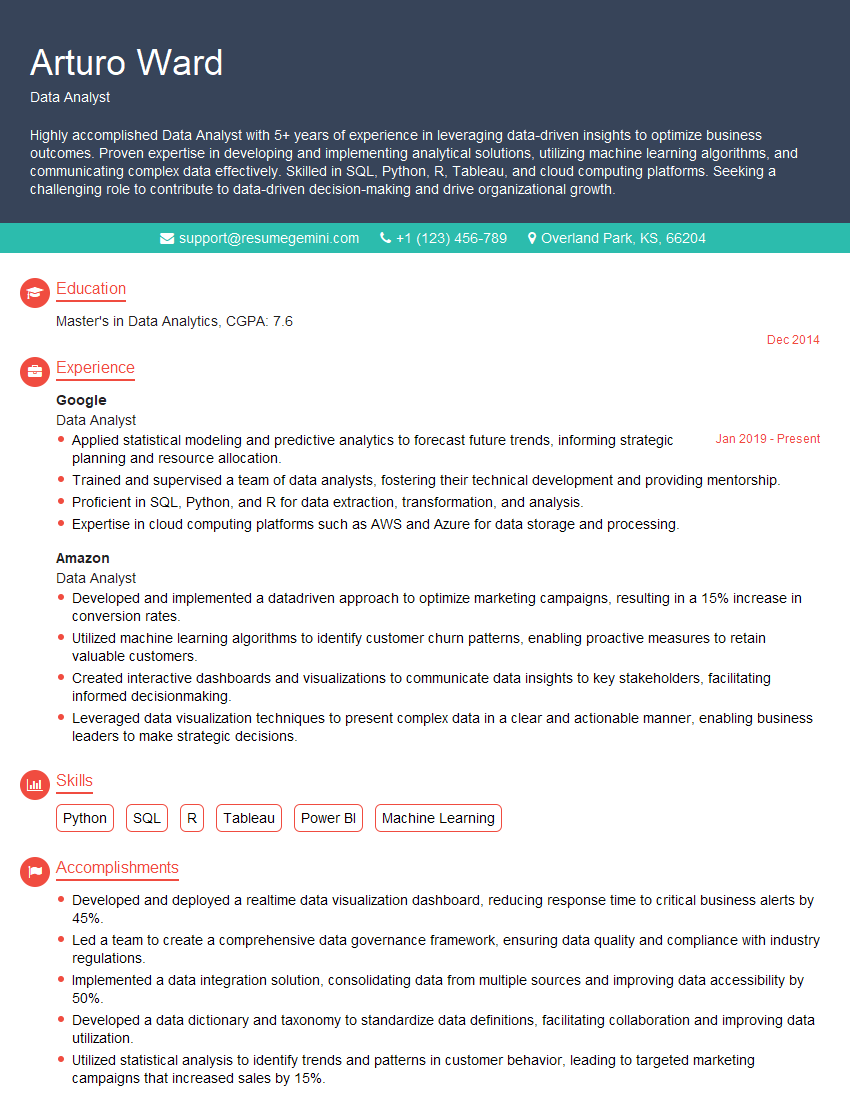
Data Analyst Resume Sample
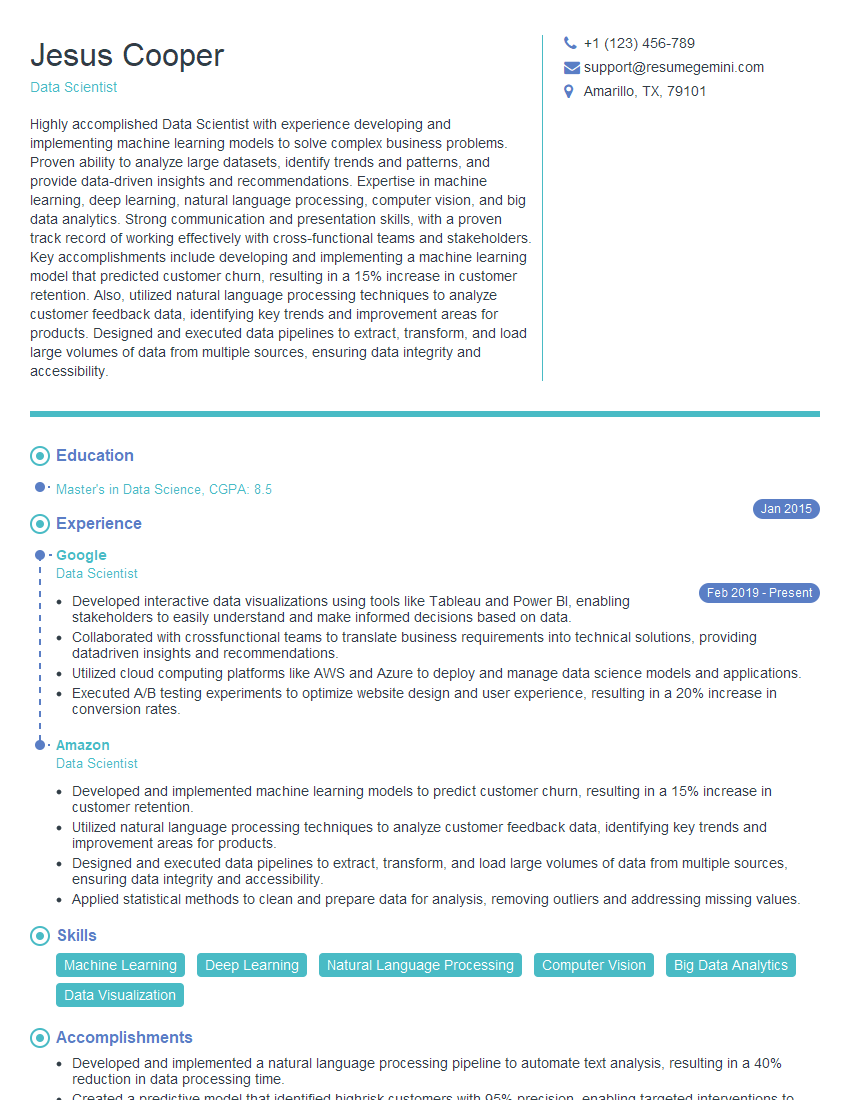
Data Scientist Resume Sample
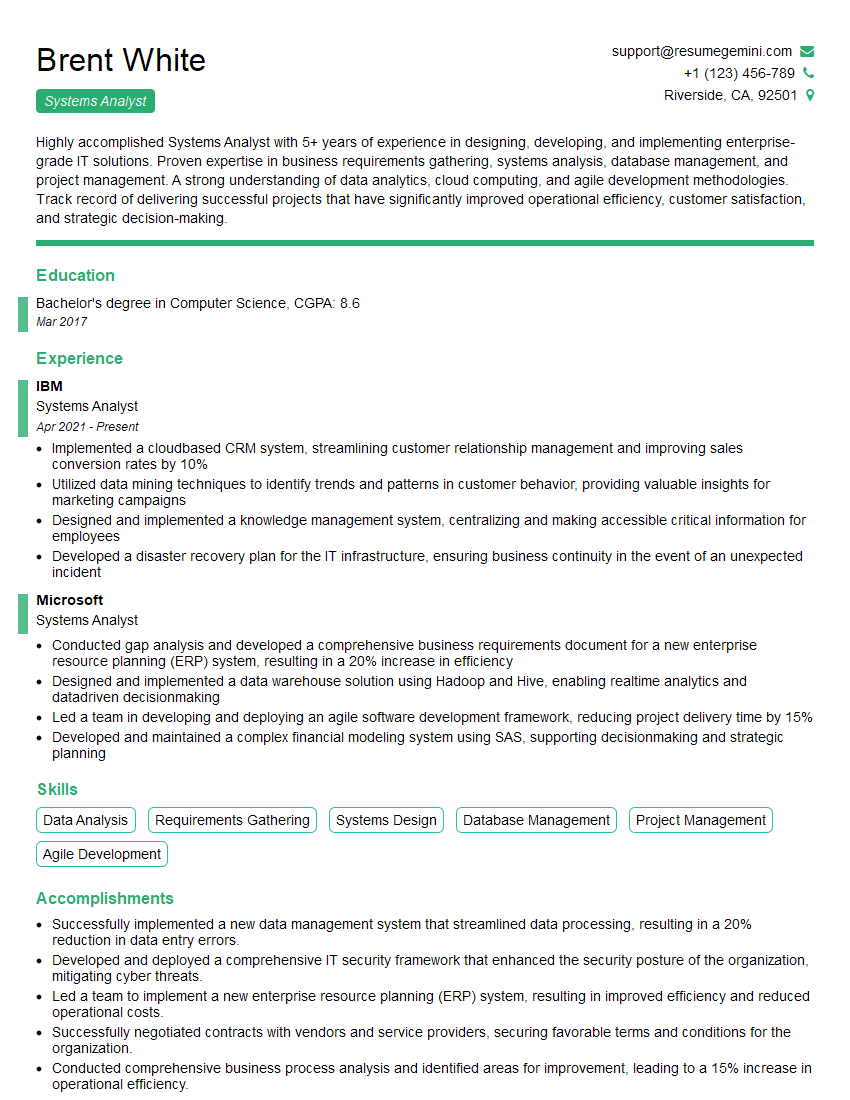
Systems Analyst Resume Sample
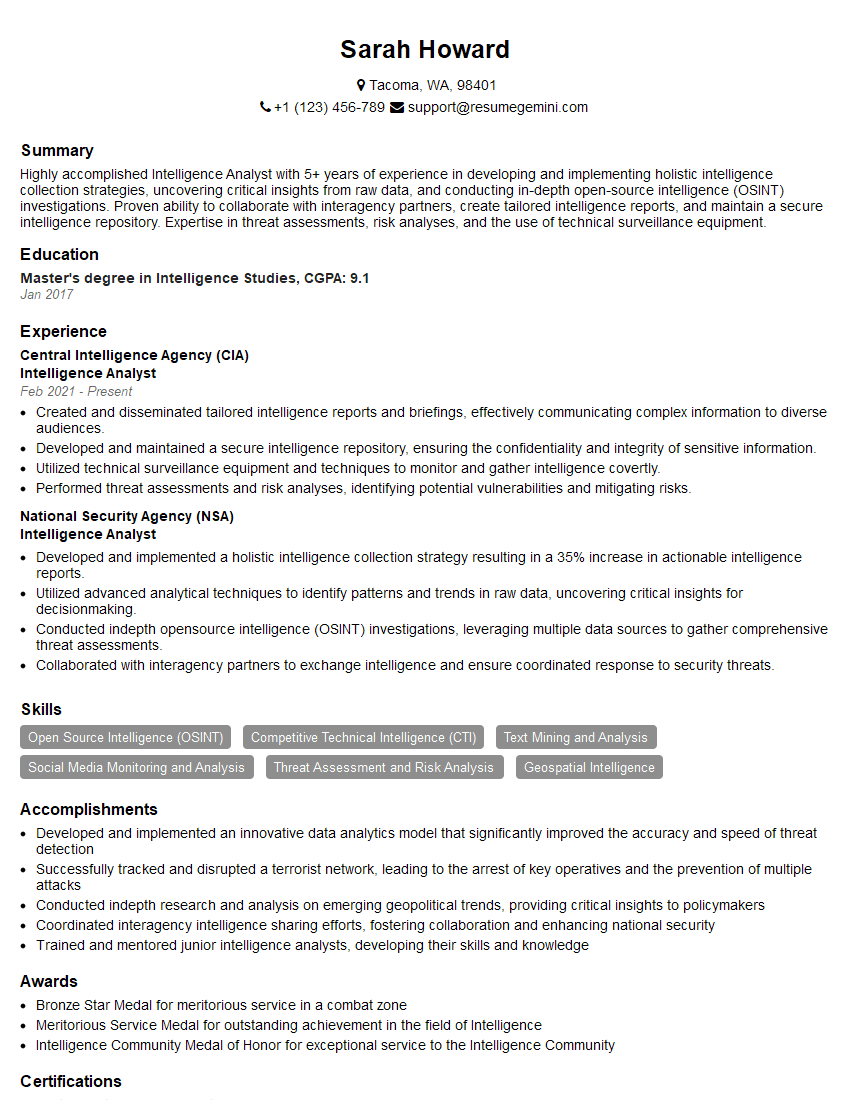
Intelligence Analyst Resume Sample
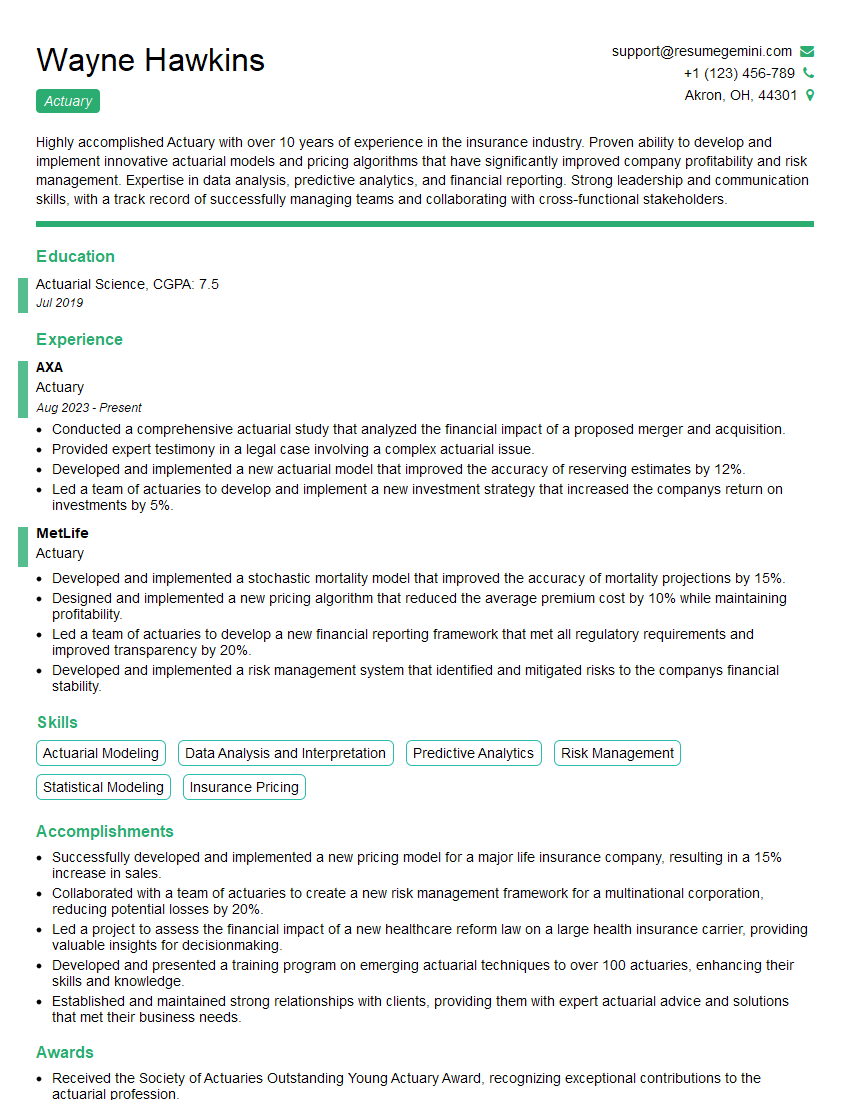
Actuary Resume Sample
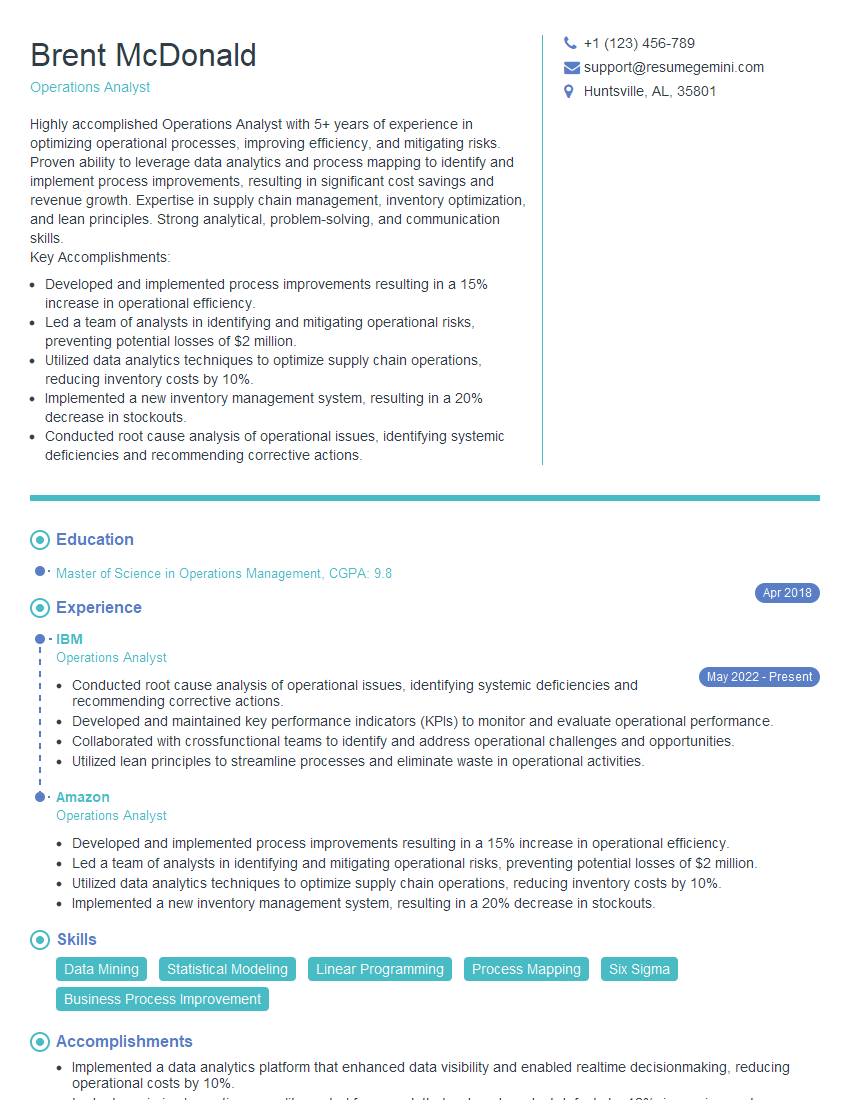
Operations Analyst Resume Sample
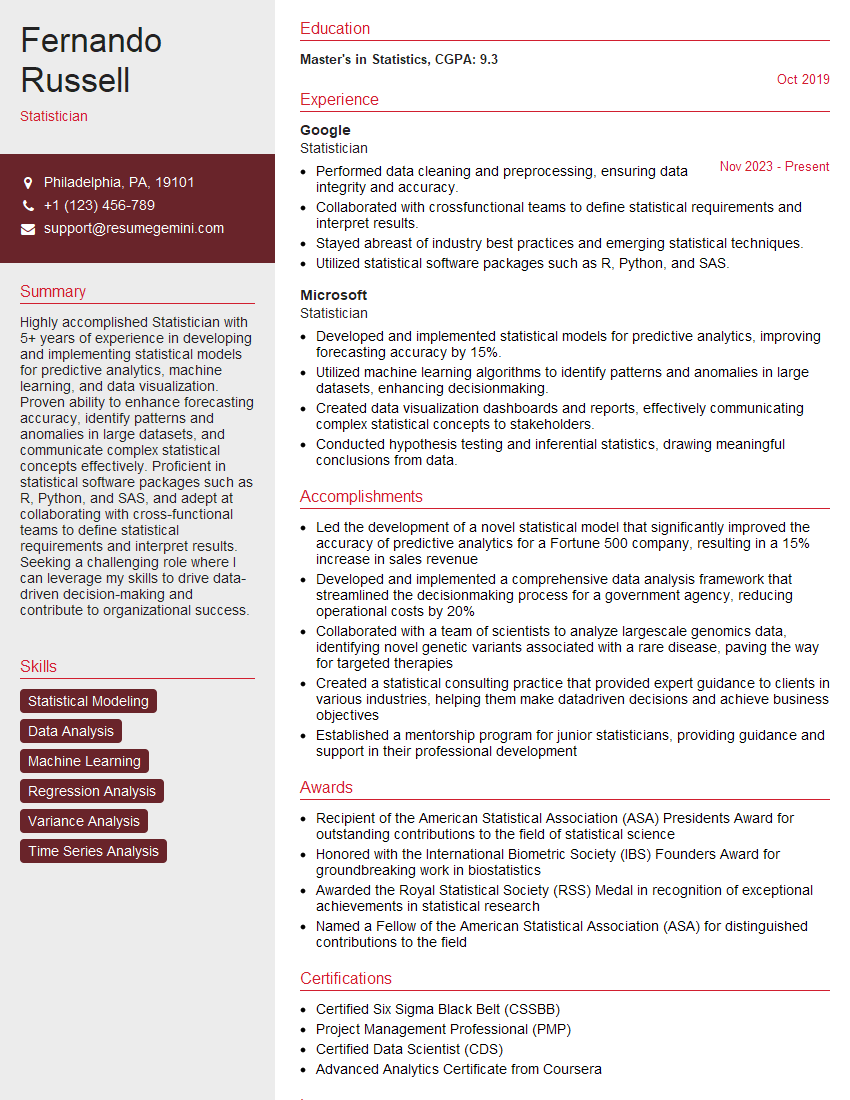
Statistician Resume Sample
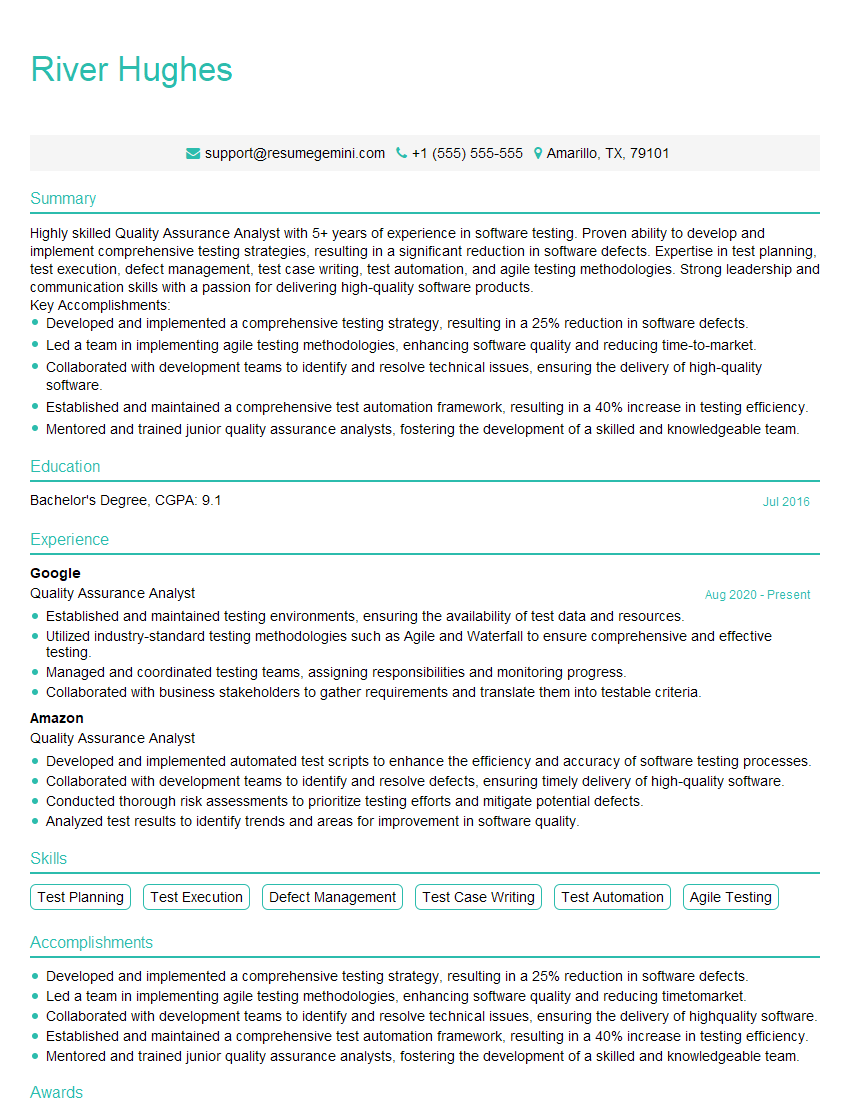
Quality Assurance Analyst Resume Sample
- Project Manager
- Compliance Analyst
- Investment Analyst
- Business Analyst
- Management Analyst
- Market Research Analyst
- Research Analyst
- Accountant
- Auditor
- Financial Analyst
- Forensic Accountant
- Tax Analyst
- Credit Analyst
- Risk Analyst
- Underwriter
- Data Analyst
- Data Scientist
- Systems Analyst
- Intelligence Analyst
- Actuary
- Operations Analyst
- Statistician
- Quality Assurance Analyst
Explore more articles
Users Rating of Our Blogs
Share Your Experience
We value your feedback! Please rate our content and share your thoughts (optional).
What Readers Say About Our Blog
To the interviewgemini.com Webmaster.
Very helpful and content specific questions to help prepare me for my interview!
Thank you
To the interviewgemini.com Webmaster.
This was kind of a unique content I found around the specialized skills. Very helpful questions and good detailed answers.
Very Helpful blog, thank you Interviewgemini team.