Interviews are opportunities to demonstrate your expertise, and this guide is here to help you shine. Explore the essential Anesthesia Management for Thoracic Surgery interview questions that employers frequently ask, paired with strategies for crafting responses that set you apart from the competition.
Questions Asked in Anesthesia Management for Thoracic Surgery Interview
Q 1. Explain the physiological changes occurring during one-lung ventilation.
One-lung ventilation (OLV) involves ventilating only one lung while the other is collapsed or isolated. This creates significant physiological changes. The most dramatic is hypoxemia due to reduced functional lung capacity. The remaining lung has to work harder, leading to increased physiological dead space and ventilation-perfusion mismatch. This increased workload can lead to increased pulmonary vascular resistance. Cardiovascular changes are also significant; the collapsed lung reduces venous return, leading to decreased preload and potentially hypotension. There’s also a shift of mediastinal structures towards the ventilated lung, potentially affecting cardiac output. Acid-base imbalances, typically respiratory alkalosis initially followed by metabolic acidosis, can occur due to hyperventilation and increased anaerobic metabolism. Finally, there’s an increased risk of atelectasis in the non-ventilated lung. Careful monitoring of oxygenation, ventilation, and hemodynamics is crucial during OLV.
For example, a patient undergoing a lobectomy might experience a drop in oxygen saturation initially, requiring adjustments to oxygen delivery and possibly positive end-expiratory pressure (PEEP) to improve oxygenation. We closely monitor cardiac output and blood pressure to manage potential hemodynamic instability.
Q 2. Describe the anesthetic management of a patient undergoing pneumonectomy.
Anesthetic management for a pneumonectomy, the surgical removal of an entire lung, is complex and requires meticulous planning and execution. Preoperative assessment focuses on optimizing cardiopulmonary function. This might include smoking cessation counseling, pulmonary rehabilitation, and treatment of any underlying cardiac or pulmonary conditions. In the operating room, the goal is to maintain hemodynamic stability, adequate oxygenation, and protection of the remaining lung. We usually employ a double-lumen endobronchial tube to isolate the lung to be removed. Anesthesia is typically induced with a rapid-sequence induction to minimize the risk of aspiration. Thorough lung isolation and OLV are crucial to prevent contamination of the remaining lung. Precise fluid management is critical because hypovolemia can easily occur due to blood loss and decreased venous return. Intraoperative monitoring includes invasive arterial blood pressure, central venous pressure or pulmonary artery catheterization (in selected cases), electrocardiography, and pulse oximetry, as well as continuous capnography to monitor ventilation. Post-operatively, close monitoring of respiratory and cardiovascular function is essential, with careful attention to pain management and prevention of complications such as atelectasis, pneumothorax, and infection.
Q 3. What are the specific challenges in managing anesthesia for a patient with severe pulmonary hypertension undergoing thoracic surgery?
Patients with severe pulmonary hypertension (PH) undergoing thoracic surgery present unique challenges. Their already elevated pulmonary vascular resistance (PVR) can be further increased by OLV, leading to profound right heart failure and potentially cardiovascular collapse. These patients are at high risk for hypoxemia due to the limited pulmonary reserve and impaired gas exchange. Anesthetic management necessitates a multi-pronged approach. We aim to minimize PVR by optimizing fluid management, avoiding hypovolemia, and using pulmonary vasodilators (when appropriate and safe). Precise blood pressure control is key. Maintaining normovolemia is crucial to avoid hypoxemia due to poor cardiac output. Careful attention to ventilation parameters is critical, avoiding excessive PEEP, which further increases PVR. Inotropic support might be necessary to maintain cardiac output. Careful selection of anesthetic agents – avoiding those that might increase PVR – is paramount. Continuous monitoring of cardiac function, oxygen saturation, and blood gases is absolutely essential.
For instance, we might use inhaled nitric oxide (iNO) cautiously to reduce PVR but only in selected cases and under close monitoring due to its potential side effects. The use of sildenafil pre-operatively or during the surgery can be considered only after careful evaluation by the cardiac anesthesiologist and cardiothoracic surgeon.
Q 4. How would you manage a patient’s airway during a challenging intubation for thoracic surgery?
Difficult airway management during thoracic surgery requires a proactive and systematic approach. Thorough preoperative airway assessment, including Mallampati score, neck mobility, and thyromental distance, is crucial. If a difficult airway is anticipated, we assemble a difficult airway cart with various adjuncts like video laryngoscopes, bougies, and alternative airway devices. If conventional laryngoscopy is unsuccessful, we move quickly to alternative techniques. Fiberoptic bronchoscopy is invaluable for visualization and intubation. Consideration of a surgical airway (cricothyrotomy) should be made early in the process if other methods fail. For example, if a patient has limited mouth opening, a video laryngoscope may provide a better view than a conventional laryngoscope. A patient with a history of previous neck trauma may necessitate a cautious approach and readiness to perform an awake fiberoptic intubation before induction of general anesthesia.
Q 5. Describe your approach to managing hemodynamic instability during thoracic surgery.
Managing hemodynamic instability during thoracic surgery involves a rapid, systematic response. The first step is to identify the cause – hypovolemia, cardiac dysfunction, or anesthetic effects. For hypovolemia, rapid fluid resuscitation with crystalloids or colloids is initiated. For cardiac dysfunction, inotropes such as dopamine or norepinephrine might be necessary. If these are insufficient, the surgeons should be informed about the hemodynamic compromise, and additional interventions including transfusions or surgical techniques might be required. Monitoring includes continuous electrocardiography, invasive arterial pressure monitoring, and frequently measuring central venous pressure (or pulmonary artery pressures, if appropriate). Vasopressors are used cautiously, titrated to maintain adequate blood pressure. The overall aim is to restore and maintain adequate tissue perfusion while supporting cardiac function.
For instance, a sudden drop in blood pressure during a pneumonectomy could indicate bleeding, requiring immediate assessment and surgical control of the bleeding source alongside aggressive fluid resuscitation. Close collaboration between the anesthesiologist and the surgical team is crucial.
Q 6. Explain the role of lung protective ventilation strategies in thoracic surgery.
Lung-protective ventilation strategies are essential during thoracic surgery to minimize lung injury. These strategies aim to reduce tidal volumes and maintain adequate oxygenation and ventilation. Low tidal volumes (6ml/kg of predicted body weight), moderate positive end-expiratory pressure (PEEP), and appropriate respiratory rate are employed to minimize alveolar overdistension and volutrauma, which are causes of acute lung injury. The goal is to achieve adequate oxygenation with the lowest possible airway pressures. Permissive hypercapnia, allowing a slight elevation in PaCO2, can be considered to reduce lung injury, but careful monitoring of the patient is required. Recruitment maneuvers, short periods of high PEEP to open collapsed alveoli, can improve oxygenation in certain circumstances, but should be cautiously applied and only when indicated. The application of these strategies requires vigilance and adjustment based on real-time monitoring of lung mechanics and blood gases.
Q 7. Discuss the use of regional anesthesia techniques in thoracic surgery.
Regional anesthesia techniques, such as thoracic epidural analgesia (TEA) and paravertebral blocks, play a crucial role in thoracic surgery. TEA provides effective analgesia for post-thoracotomy pain and reduces the need for systemic opioids. This results in less respiratory depression, improved pulmonary function, and decreased risk of postoperative complications. Paravertebral blocks provide a more localized approach to analgesia, especially useful for smaller incisions and specific procedures. These regional techniques can be used alone or in combination with general anesthesia (as a multimodal approach) offering benefits including reduced opioid requirements, improved respiratory function, reduced post-operative nausea and vomiting (PONV), and faster recovery time. However, they also have potential complications including hypotension, hematoma, and nerve injury. Careful patient selection and meticulous technique are crucial for maximizing the benefits while minimizing risks. A thorough understanding of the anatomy and potential complications is essential for successful implementation.
Q 8. How would you monitor a patient’s ventilation during a complex thoracic procedure?
Monitoring ventilation during a complex thoracic procedure is crucial for patient safety and requires a multi-modal approach. We use a combination of techniques to ensure adequate gas exchange and prevent complications.
- Capnography (EtCO2): This is the cornerstone of ventilation monitoring. It provides real-time assessment of end-tidal carbon dioxide, reflecting alveolar ventilation. A low EtCO2 may indicate hypoventilation, while a high EtCO2 suggests hypercarbia, possibly due to increased CO2 production or inadequate ventilation.
- Pulse Oximetry (SpO2): While not a direct measure of ventilation, SpO2 monitors arterial oxygen saturation. A low SpO2 (hypoxemia) indicates inadequate oxygenation, which may be caused by hypoventilation or other factors like pulmonary shunting or V/Q mismatch. We continually assess SpO2 and adjust the ventilator settings and supplemental oxygen accordingly.
- Arterial Blood Gases (ABGs): ABGs provide the most comprehensive assessment of respiratory function, giving precise measurements of PaO2, PaCO2, and pH. We frequently obtain ABGs, particularly during critical phases of the procedure, to fine-tune our ventilation strategy. For instance, if we notice persistent hypoxemia despite adjustments, ABGs can help identify the underlying cause, such as a right-to-left shunt.
- Lung Mechanics: We monitor ventilator pressures (peak inspiratory pressure, plateau pressure) and volumes (tidal volume, minute ventilation) to assess lung compliance and resistance. Changes in these parameters can indicate atelectasis, pneumothorax, or other pulmonary complications, requiring immediate attention. For example, a sudden increase in peak inspiratory pressure might suggest a developing pneumothorax.
- Clinical Assessment: Finally, we never underestimate the value of observing the patient. We monitor breath sounds, chest movement, and the patient’s overall clinical status. Changes in these could signal issues with ventilation, such as unilateral absence of breath sounds indicating a pneumothorax.
By integrating these monitoring modalities, we can precisely adjust the ventilator settings, manage airway pressures, and optimize oxygenation and ventilation, mitigating potential complications and ensuring the patient’s safety throughout the procedure.
Q 9. What are the potential complications of thoracic surgery related to anesthesia?
Thoracic surgery, due to its invasive nature and proximity to vital organs, carries a unique set of anesthetic-related risks. These complications can be broadly categorized into respiratory, cardiovascular, and neurological events.
- Respiratory Complications: These are the most frequent complications. They include:
- Atelectasis: Collapse of lung tissue, often due to decreased lung volume post-operatively. We actively prevent this through techniques like lung recruitment maneuvers and meticulous airway management.
- Pneumothorax: Air leak into the pleural space. We monitor for this closely through chest tube output and radiographic imaging. If a pneumothorax occurs, we may need to intervene with chest tube insertion or other measures.
- Pulmonary edema: Fluid accumulation in the lungs. Fluid management and appropriate hemodynamic support are key to prevention.
- Bronchospasm: Constriction of the bronchi, potentially leading to severe hypoxemia. This is treated with bronchodilators.
- Cardiovascular Complications: These complications can be life-threatening:
- Hypotension: This can be due to blood loss, anesthetic effects, or other factors. We meticulously manage fluid balance and employ vasopressors if necessary.
- Cardiac arrhythmias: These can be triggered by surgical manipulation or anesthetic agents. Continuous cardiac monitoring and timely interventions are vital.
- Myocardial ischemia: Reduced blood supply to the heart. Careful hemodynamic management and possibly intraoperative echocardiography are employed.
- Neurological Complications: While less common, these can have devastating consequences:
- Stroke: This is often related to thromboembolic events. We implement measures to prevent thrombosis, including adequate anticoagulation (depending on the procedure and patient profile).
- Cognitive dysfunction: Postoperative delirium or cognitive impairment can occur. Multimodal pain management and close monitoring of the patient’s neurological status help minimize this risk.
Effective anesthetic management, meticulous attention to detail, and a collaborative approach between the anesthesia and surgical teams are crucial for minimizing these risks and ensuring optimal patient outcomes.
Q 10. How do you manage pain after thoracic surgery?
Post-thoracic surgery pain management is crucial for patient comfort, recovery, and prevention of complications. A multimodal approach is typically used, combining different analgesic modalities to achieve optimal pain control with minimized side effects.
- Analgesics: Opioids (e.g., morphine, fentanyl) are frequently used for moderate to severe pain, but their use is carefully titrated to minimize respiratory depression and other side effects. Non-opioid analgesics, like NSAIDs (e.g., celecoxib) or acetaminophen, are often combined with opioids to reduce the opioid dose and side effects.
- Regional Anesthesia: Epidural or paravertebral catheters can provide excellent analgesia by targeting peripheral nerves. This reduces the reliance on systemic opioids, minimizing respiratory depression and gastrointestinal side effects.
- Neuraxial Analgesia: This refers to pain management techniques using the spinal or epidural space, providing superior pain control for thoracic procedures. For example, a thoracic epidural catheter can be utilized to provide continuous infusion of local anesthetics and opioids directly to the affected area.
- Other Modalities: Non-pharmacological methods, such as patient-controlled analgesia (PCA) pumps, physical therapy, and psychological support, also play a role in improving pain management and accelerating recovery. Techniques like breathing exercises are especially helpful for preventing post-operative atelectasis.
The choice of analgesic technique and regimen is individualized based on the patient’s specific needs, the extent of the surgery, and any co-morbidities. Careful monitoring for side effects, especially respiratory depression and opioid-induced bowel dysfunction, is essential.
Q 11. What are the indications for using extracorporeal membrane oxygenation (ECMO) in thoracic surgery?
Extracorporeal membrane oxygenation (ECMO) is a life-support system that provides temporary heart-lung bypass. In thoracic surgery, its use is reserved for critical situations where conventional respiratory and cardiovascular support is insufficient.
- Severe Respiratory Failure: ECMO can be used for patients with severe post-operative respiratory failure refractory to conventional ventilatory support. This may be due to severe lung injury, acute respiratory distress syndrome (ARDS), or other life-threatening conditions.
- Post-Operative Cardiac Failure: In cases of severe post-operative cardiac dysfunction, ECMO can provide temporary circulatory support, allowing time for the heart to recover or for other interventions.
- Bridge to Transplant: In patients awaiting lung transplantation, ECMO can maintain vital organ function until a suitable donor is available. The use of ECMO in such situations can significantly improve the patient’s chances for successful transplantation.
- Rescue Therapy: ECMO is often considered a rescue therapy for patients with life-threatening complications from thoracic surgery where standard measures have failed to provide adequate support.
The decision to use ECMO is made on a case-by-case basis, carefully considering the patient’s overall condition, the severity of the complications, and the potential benefits and risks of ECMO. It is typically reserved for situations where the benefits significantly outweigh the inherent risks associated with the procedure, which include bleeding, infection, and thromboembolic events.
Q 12. Describe your experience with different types of thoracic surgical procedures.
Throughout my career, I’ve had extensive experience with a wide variety of thoracic surgical procedures. This includes but isn’t limited to:
- Lobectomy: Removal of a lobe of the lung. I’ve managed patients undergoing both open and video-assisted thoracoscopic surgery (VATS) lobectomies, adjusting my anesthetic technique based on the surgical approach and the patient’s individual needs. For example, patients undergoing VATS procedures often require less anesthetic depth.
- Pneumonectomy: Removal of an entire lung. This is a more complex procedure with significant physiological implications. I’ve managed many pneumonectomy cases, employing meticulous hemodynamic monitoring and careful fluid management to mitigate the risks of hypotension and shock. For example, a specific challenge is achieving optimal oxygenation after the removal of one lung.
- Esophagectomy: Surgical removal of the esophagus, often involving a significant portion of the chest cavity. I’ve participated in the anesthetic care of numerous esophagectomy patients, managing the associated challenges of esophageal disruption and the potential for aspiration.
- Aortic Surgery: Procedures involving the thoracic aorta, such as aortic aneurysm repair or dissection repair, carry significant risks. I’ve collaborated with cardiothoracic surgical teams, managing complex hemodynamic challenges and employing advanced monitoring techniques.
- Mediastinal Surgery: Procedures involving structures in the mediastinum, such as thymomas or mediastinal cysts, requiring precise anesthetic management to avoid injury to vital structures. This often includes close attention to airway management to prevent injury to the recurrent laryngeal nerve.
My experience encompasses both elective and emergency cases, covering a wide spectrum of patient ages and co-morbidities. This breadth of experience has allowed me to develop a deep understanding of the unique anesthetic challenges presented by different thoracic surgical procedures.
Q 13. How do you assess a patient’s suitability for thoracic surgery from an anesthesia perspective?
Assessing a patient’s suitability for thoracic surgery from an anesthesia perspective is a crucial step that involves a thorough pre-operative evaluation. This involves a comprehensive review of the patient’s medical history, physical examination, and laboratory investigations.
- Pulmonary Function Tests (PFTs): These are essential to assess the patient’s respiratory reserve. PFT results help predict post-operative respiratory function and guide the choice of surgical approach and anesthetic technique. For example, poor PFTs might contraindicate a pneumonectomy.
- Cardiac Evaluation: Thoracic surgery can place significant stress on the cardiovascular system. An EKG, echocardiogram, and assessment of cardiac risk factors are important to determine the patient’s cardiac suitability. Patients with pre-existing heart disease require meticulous hemodynamic management.
- Co-Morbidities: The presence of co-morbidities such as diabetes, hypertension, and chronic obstructive pulmonary disease (COPD) needs to be carefully assessed. These conditions can influence anesthetic management and the patient’s post-operative recovery. For example, diabetes may increase the risk of infection.
- Blood Work: Complete blood count (CBC), coagulation profile, and electrolyte levels are crucial to identify any potential bleeding risk or electrolyte imbalances. Electrolyte abnormalities need to be corrected pre-operatively.
- Pre-operative Optimization: Addressing any reversible risk factors, such as optimizing lung function through smoking cessation or improving cardiac function through medication adjustments, is essential to improve surgical outcomes.
Based on this comprehensive evaluation, we can determine the patient’s fitness for surgery, tailor the anesthetic plan, and identify potential risks and complications. In some cases, the patient may require optimization of their condition before surgery or the procedure might even be deemed unsuitable, depending on the risk-benefit profile.
Q 14. What are the key differences in anesthetic management between lobectomy and pneumonectomy?
The anesthetic management of lobectomy and pneumonectomy differs significantly due to the extent of lung resection. While both procedures require meticulous attention to detail, the physiological challenges are substantially greater in pneumonectomy.
- Lung Volume Changes: Lobectomy involves the removal of a single lobe, leading to a moderate reduction in lung volume. Pneumonectomy, however, results in the removal of an entire lung, causing a much more significant reduction in lung volume and potential for significant physiological derangements. This dictates differences in our ventilator management, fluid management, and the use of bronchodilators.
- Ventilation-Perfusion Matching (V/Q): After a lobectomy, V/Q matching is usually relatively preserved, whereas in pneumonectomy, the loss of an entire lung significantly alters V/Q ratios. This requires more cautious adjustment of ventilation and oxygenation.
- Hemodynamic Considerations: The impact on hemodynamics is more profound in pneumonectomy due to the significant reduction in functional lung tissue. Meticulous hemodynamic monitoring and proactive management of hypotension are critical during and after pneumonectomy. Pre-operative optimization is even more paramount for pneumonectomy patients to minimize the cardiovascular impact.
- Post-Operative Pain Management: While both procedures require comprehensive pain management, the level of pain and the need for aggressive analgesia may be greater after pneumonectomy due to the larger incision and increased postoperative inflammation.
- Monitoring Strategies: While both procedures require diligent monitoring, the frequency and intensity of monitoring may differ depending on the procedure and the patient’s condition. For instance, frequent ABG measurements are more common in pneumonectomy due to the heightened risk of post-operative respiratory complications.
In summary, while both procedures demand a high level of anesthetic skill and attention to detail, the anesthetic management of pneumonectomy is significantly more challenging due to the greater physiological impact on respiratory and cardiovascular function.
Q 15. How would you manage a postoperative pneumothorax?
Postoperative pneumothorax, or air in the pleural space after surgery, is a serious complication requiring prompt management. The approach depends on the size and severity of the pneumothorax. Small pneumothoraces may resolve spontaneously with observation and supplemental oxygen. However, larger or symptomatic pneumothoraces necessitate intervention.
Management typically involves:
- Chest Tube Insertion: This is the mainstay of treatment. A chest tube is inserted into the pleural space to evacuate air and re-expand the lung. The location of insertion depends on the location of the pneumothorax (e.g., apical pneumothorax requires a higher insertion point).
- Supplemental Oxygen: Increased oxygen delivery helps accelerate lung re-expansion.
- Analgesia: Pain management is crucial for patient comfort and facilitates deep breathing, promoting lung re-expansion.
- Monitoring: Close monitoring of respiratory status, including oxygen saturation, respiratory rate, and breath sounds, is essential to assess the effectiveness of treatment and detect any complications.
Example: I recently managed a patient who developed a significant right-sided pneumothorax after a lobectomy. A chest tube was inserted, resulting in immediate improvement in respiratory status. The tube was removed after 3 days when a chest x-ray confirmed complete lung re-expansion.
Career Expert Tips:
- Ace those interviews! Prepare effectively by reviewing the Top 50 Most Common Interview Questions on ResumeGemini.
- Navigate your job search with confidence! Explore a wide range of Career Tips on ResumeGemini. Learn about common challenges and recommendations to overcome them.
- Craft the perfect resume! Master the Art of Resume Writing with ResumeGemini’s guide. Showcase your unique qualifications and achievements effectively.
- Don’t miss out on holiday savings! Build your dream resume with ResumeGemini’s ATS optimized templates.
Q 16. Explain your understanding of the impact of obesity on anesthesia for thoracic surgery.
Obesity significantly impacts anesthesia for thoracic surgery. Obese patients have reduced functional residual capacity (FRC), meaning less air in the lungs at the end of exhalation. This leads to reduced oxygen reserves and increased risk of hypoxemia (low blood oxygen) during surgery. Furthermore, they often have restrictive lung disease, making ventilation more challenging.
Specific challenges include:
- Difficult airway management: Obesity can limit neck mobility and increase soft tissue in the airway, making intubation more difficult.
- Increased risk of pulmonary complications: Reduced lung volumes, atelectasis (lung collapse), and increased susceptibility to pneumonia are more common in obese patients.
- Cardiovascular compromise: Obesity is associated with increased cardiac workload and risk of cardiovascular complications during and after surgery.
- Longer surgical times: Increased surgical difficulty due to adipose tissue around the surgical site can lead to longer procedures and potentially increased anesthetic risk.
Management strategies: Preoperative optimization, including weight loss, pulmonary rehabilitation, and smoking cessation, are important. Intraoperatively, careful attention to airway management, lung protective ventilation strategies (small tidal volumes and lower respiratory rates), and meticulous monitoring are crucial. Regional anesthesia techniques might be considered when appropriate, to reduce the need for large doses of general anesthetic medication.
Q 17. Describe your experience with difficult airway management in thoracic surgery.
Thoracic surgery often presents unique challenges for airway management. The patient’s position, the potential for lung collapse, and the need for one-lung ventilation can all make securing and maintaining a patent airway more difficult.
My experience includes managing airways in patients with:
- Limited neck mobility: This can be due to obesity, cervical spine disease, or prior surgery. I utilize techniques like fiberoptic bronchoscopy for intubation in these cases.
- Difficult anatomy: Patients with short, thick necks, or other anatomical abnormalities may require specialized intubation techniques.
- Unexpected difficult intubations: Even in patients with a seemingly normal airway, unexpected difficulties can arise. I’m proficient in using a range of airway management devices, including laryngeal mask airways and video laryngoscopes, to manage these situations.
- One-lung ventilation: This requires careful positioning and monitoring to avoid airway complications. I carefully monitor end-tidal CO2 and oxygen saturation.
Example: I recently managed a patient with severe cervical spondylosis who required a thoracotomy. Preoperative assessment revealed limited neck flexion. Using fiberoptic bronchoscopy, we successfully intubated the patient with minimal difficulty, avoiding any significant airway complications.
Q 18. How do you handle unexpected intraoperative bleeding during a thoracic procedure?
Unexpected intraoperative bleeding during a thoracic procedure is a critical event requiring rapid and decisive action. The first priority is to ensure the patient’s airway, breathing, and circulation (ABCs) are maintained.
My approach involves:
- Immediate assessment: Determine the source and rate of bleeding.
- Control of bleeding: Surgical techniques, such as direct pressure, cauterization, or suture ligation, are used to control the bleeding. The surgical team will take the lead on this aspect.
- Fluid resuscitation: Administer intravenous fluids and blood products as needed to maintain hemodynamic stability (blood pressure and heart rate).
- Monitoring: Closely monitor vital signs, including heart rate, blood pressure, oxygen saturation, and urine output.
- Communication: Maintain clear and effective communication with the surgical team, informing them of the patient’s hemodynamic status and fluid balance.
- Consideration of additional therapies: In cases of massive hemorrhage, measures like cell salvage or hypothermia may be considered.
Example: During a pneumonectomy, we encountered significant bleeding from a large vessel. The surgical team immediately applied direct pressure and used electrocautery to control the bleeding. Simultaneously, we administered intravenous fluids and blood products to maintain hemodynamic stability. The situation was successfully resolved without compromising the patient’s outcome.
Q 19. What are the specific anesthetic considerations for patients with COPD undergoing thoracic surgery?
Patients with Chronic Obstructive Pulmonary Disease (COPD) undergoing thoracic surgery present unique anesthetic challenges. Their compromised respiratory function requires careful consideration of both pre- and intraoperative anesthetic management.
Specific considerations include:
- Preoperative optimization: This includes pulmonary rehabilitation, smoking cessation, and optimization of medications to improve lung function. Bronchodilators are crucial.
- Airway management: Intubation might be more challenging due to underlying lung disease and reduced respiratory reserves.
- Lung-protective ventilation strategies: Using low tidal volumes and lower respiratory rates reduces the risk of lung injury and barotrauma during surgery.
- Careful fluid management: Avoiding fluid overload minimizes the risk of pulmonary edema.
- Postoperative pain management: Adequate pain control is crucial for promoting effective coughing and deep breathing, thus preventing post-operative complications like atelectasis.
- Close monitoring: Continuous monitoring of oxygen saturation, respiratory rate, and arterial blood gases (ABGs) is essential during the procedure and in the postoperative period.
Example: In a patient with severe COPD scheduled for a lung resection, we optimized his medical management preoperatively, used lung-protective ventilation strategies intraoperatively, and employed multimodal pain management postoperatively. This approach minimized postoperative pulmonary complications.
Q 20. Discuss the role of ultrasound in regional anesthesia for thoracic surgery.
Ultrasound has revolutionized regional anesthesia, including its application in thoracic surgery. It allows for real-time visualization of anatomical structures, leading to increased accuracy and safety of nerve blocks.
In thoracic surgery, ultrasound guidance is particularly useful for:
- Paravertebral blocks: Ultrasound allows for precise placement of local anesthetic near the paravertebral space, providing excellent analgesia for post-thoracotomy pain.
- Intercostal nerve blocks: This technique can effectively manage pain from specific intercostal nerves. Ultrasound helps to avoid pneumothorax and intravascular injection.
- Epidural anesthesia: While less commonly used for thoracic surgery compared to other procedures, ultrasound can assist in identifying the epidural space and performing the block safely.
Benefits of ultrasound guidance include:
- Reduced complications: Decreased risk of pneumothorax, vascular puncture, and nerve injury.
- Increased success rates: More precise needle placement leads to higher success rates of nerve blocks.
- Improved patient satisfaction: Effective pain management results in better patient comfort and satisfaction.
Example: I routinely use ultrasound guidance for paravertebral blocks in patients undergoing thoracotomy. This technique provides excellent postoperative analgesia while significantly reducing the incidence of complications.
Q 21. How do you assess and manage a patient with significant preoperative anxiety before thoracic surgery?
Significant preoperative anxiety before thoracic surgery can negatively impact the patient’s physiological response to anesthesia and surgery. Addressing this anxiety is crucial for optimizing patient care.
Assessment involves:
- Thorough history taking: Explore the patient’s concerns and fears regarding the surgery and anesthesia. Understanding the source of anxiety is essential.
- Anxiety scales: Using standardized anxiety scales (e.g., Spielberger State-Trait Anxiety Inventory) can help quantify the level of anxiety.
- Physical examination: Note any signs of physiological stress, such as tachycardia or hypertension.
Management strategies include:
- Preoperative counseling: Providing detailed information about the surgical procedure, anesthesia techniques, and the expected postoperative recovery can alleviate anxiety. Addressing specific concerns is critical.
- Pharmacological interventions: Anxiolytic medications, such as benzodiazepines or other medications as appropriate, can be prescribed if anxiety is severe.
- Non-pharmacological approaches: Techniques like relaxation exercises, deep breathing, mindfulness, or cognitive behavioral therapy (CBT) can be effective in reducing anxiety.
- Involving family and support systems: Allowing family members to be present and involved can provide emotional support to the patient.
Example: I recently managed a patient with severe anxiety before a lobectomy. We discussed her concerns, provided detailed information about the procedure and anesthesia, and prescribed a low dose of anxiolytic medication. We also taught her relaxation techniques. As a result, she felt much more calm and confident before and after the surgery.
Q 22. What are the potential interactions between anesthetic drugs and commonly used cardiac medications?
The interaction between anesthetic drugs and cardiac medications is a crucial consideration in thoracic surgery. Many anesthetic agents can affect the cardiovascular system, and this can be significantly altered by pre-existing cardiac conditions and medications. For example, volatile anesthetics like sevoflurane and desflurane can depress myocardial contractility and decrease blood pressure, potentially exacerbating the effects of beta-blockers which already lower heart rate and blood pressure. Conversely, some anesthetics, like isoflurane, can sensitize the myocardium to catecholamines, potentially causing arrhythmias in patients on medications like digoxin which can increase the risk of arrhythmias.
Similarly, the use of opioids for pain management can interact negatively with calcium channel blockers, potentially leading to hypotension. We must also account for the impact of diuretics, ACE inhibitors, and antiplatelet agents, all commonly prescribed for cardiac patients. A thorough pre-operative assessment of cardiac medications is paramount, and careful titration of anesthetic agents during the procedure is essential to minimize adverse effects. In practice, I always meticulously review the patient’s medication list, discuss potential interactions with the cardiologist if needed, and tailor my anesthetic approach accordingly. I might choose to avoid certain anesthetic agents or modify the dosage based on the patient’s specific cardiac profile.
Q 23. Explain your experience with postoperative pain management protocols.
Postoperative pain management after thoracic surgery is crucial for patient recovery and quality of life. My approach is multimodal and patient-tailored, incorporating a balanced combination of techniques to optimize analgesia while minimizing side effects. This typically includes a preemptive analgesic strategy, initiated before surgery with non-opioid medications like NSAIDs or gabapentinoids, to reduce central sensitization. During the procedure, I utilize local anesthetic infiltration, sometimes via thoracic epidural or paravertebral blocks, to provide targeted pain relief. Postoperatively, the plan often involves a combination of intravenous opioids (carefully titrated to minimize respiratory depression), regional analgesia (if appropriate), and oral analgesics (acetaminophen, NSAIDs, or opioids).
Regular pain assessments, using validated scales like the Visual Analog Scale or Numerical Rating Scale, are essential. This allows me to adjust the analgesia regimen as needed, ensuring adequate pain control while minimizing side effects. I actively involve the patient in deciding their pain management strategy, considering their pain tolerance and preferences. I always remain vigilant for potential complications, such as respiratory depression, ileus, or nausea, and adjust the regimen appropriately. For instance, if a patient develops respiratory depression from opioids, I will reduce the dosage or switch to alternative analgesic strategies.
Q 24. Describe your understanding of the use of neuromuscular blocking agents in thoracic surgery.
Neuromuscular blocking agents (NMBAs) are frequently used in thoracic surgery to facilitate endotracheal intubation, provide optimal surgical conditions, and prevent patient movement during the procedure. The choice of NMBA depends on the specific surgical requirements, the patient’s clinical status and the anticipated duration of the procedure. Rocuronium and vecuronium are commonly used non-depolarizing agents, offering a predictable onset and duration of action. Succinylcholine, a depolarizing agent, is often used for rapid sequence induction but carries a risk of hyperkalemia, particularly in patients with pre-existing neuromuscular disease.
Careful monitoring of neuromuscular function using a peripheral nerve stimulator is crucial to determine the depth of blockade and to guide the reversal of neuromuscular blockade. Monitoring ensures that the patient is adequately paralyzed during the surgery yet adequately recovered before extubation. The reversal of NMBA effect, usually with neostigmine or sugammadex (depending on the NMBA used), is another critical component. Premature reversal can lead to complications, including difficult extubation and respiratory compromise, whereas delayed reversal can prolong recovery time. My experience involves ensuring the appropriate NMBA selection, titration, and monitoring, along with careful consideration of potential complications such as malignant hyperthermia (a rare but potentially fatal condition). I always tailor my approach based on individual patient factors.
Q 25. How do you interpret arterial blood gas results and how do you adjust anesthetic management accordingly?
Arterial blood gas (ABG) analysis provides vital information about the patient’s ventilation, oxygenation, and acid-base balance during thoracic surgery. I meticulously interpret ABG results to assess the adequacy of ventilation, the effectiveness of oxygen delivery, and the presence of any acid-base disturbances. For example, a low PaO2 (partial pressure of oxygen) indicates hypoxemia, which may require adjustments in FiO2 (fraction of inspired oxygen), PEEP (positive end-expiratory pressure), or the surgical position. A low PaCO2 (partial pressure of carbon dioxide) could suggest hyperventilation, while an elevated PaCO2 suggests hypoventilation, necessitating adjustments to the ventilator settings. Metabolic acidosis or alkalosis are identified by changes in pH and bicarbonate levels.
Adjusting anesthetic management based on ABG results involves a dynamic process. Hypotension might require fluid resuscitation or the use of vasopressors. Acidosis might necessitate changes to ventilation or the addition of bicarbonate therapy. The interpretation of ABGs is not done in isolation. It’s combined with clinical assessment, electrocardiogram (ECG) readings, and other physiological parameters to develop the most appropriate response. For instance, a low PaO2 might be explained by a lung pathology which requires changes to the surgical approach in concert with changes to oxygen delivery or ventilatory support. My approach emphasizes a proactive strategy, anticipating potential ABG abnormalities and actively intervening to maintain optimal physiological balance throughout the procedure.
Q 26. What are the key considerations when choosing an anesthetic technique for a particular thoracic procedure?
Choosing an anesthetic technique for thoracic surgery is a complex decision based on several factors, including the type and extent of the procedure, the patient’s overall health, and the preferences of the surgical team. The selection involves a trade-off between the need for muscle relaxation, the potential for hemodynamic instability, and the risk of complications. General anesthesia is frequently used for major thoracic procedures, allowing for controlled ventilation and muscle relaxation. However, regional anesthesia techniques, such as epidural or paravertebral blocks, can be considered for certain procedures. These techniques can offer advantages in terms of reduced postoperative pain, improved respiratory function, and decreased opioid requirements.
Specific factors to consider include the patient’s age, comorbidities, pulmonary function, and medications. For example, a patient with significant pulmonary disease might benefit from a less invasive anesthetic approach to minimize respiratory depression. A patient with a history of cardiovascular disease might require careful monitoring and hemodynamic support throughout the procedure. The duration of the procedure also plays a role in the selection of an anesthetic technique. For short procedures, a simpler technique might suffice. For longer or more complex cases, general anesthesia with more extensive monitoring is often needed. Ultimately, a collaborative decision is made between the anesthesiologist and the surgical team to choose the optimal approach that provides patient safety and successful surgical outcomes.
Q 27. Describe your experience with managing patients with known bleeding disorders undergoing thoracic surgery.
Managing patients with bleeding disorders undergoing thoracic surgery presents unique challenges requiring careful planning and collaboration between the anesthesiologist, surgeon, and hematologist. A detailed pre-operative assessment is crucial to evaluate the type and severity of the bleeding disorder, the patient’s current medication regimen, and any previous bleeding episodes. This includes a complete review of the coagulation profile (PT, PTT, INR, platelet count, etc.) and a careful consideration of potential interactions between the anesthetic agents and the patient’s existing medications. My experience involves optimizing the patient’s coagulation status before surgery, potentially with factor replacement therapy, tranexamic acid, or other hemostatic agents.
Intraoperatively, meticulous attention is paid to minimizing blood loss. This includes the use of hypotensive anesthesia, careful tissue handling by the surgical team, and judicious use of blood products as needed. Close monitoring of vital signs, including blood pressure, heart rate, and urine output, is crucial to detect early signs of hemorrhage. The selection of anesthetic agents is also important, avoiding medications that can increase the risk of bleeding, such as heparin. Postoperatively, close monitoring for bleeding complications is paramount, and prompt intervention is essential should any bleeding episodes arise. The focus is on a holistic approach that integrates pre-operative optimization, intraoperative vigilance, and post-operative surveillance to minimize complications and ensure patient safety.
Q 28. How do you communicate effectively with the surgical team during complex thoracic procedures?
Effective communication is paramount during complex thoracic procedures. It is essential for maintaining patient safety and achieving optimal surgical outcomes. My approach emphasizes clear, concise, and timely communication with the surgical team using established protocols and standardized terminology. This begins with a thorough pre-operative discussion to review the surgical plan, patient’s medical history, and anticipated anesthetic challenges. During the procedure, ongoing communication with the surgical team is vital. I regularly provide updates on the patient’s physiological status, including heart rate, blood pressure, oxygen saturation, and any observed anesthetic complications.
I actively listen to the surgeon’s requests and respond promptly to any changes in the surgical plan, adjusting the anesthetic management as needed. This includes communicating any potential anesthetic limitations or concerns. I utilize a systematic approach to reporting critical events and utilizing checklists to ensure consistent and complete information sharing. In high-risk cases, I involve other specialists, such as the cardiothoracic anesthesiologist, intensivist, or hematologist, to enhance communication and ensure a multidisciplinary approach. After surgery, I provide a comprehensive handover report to the post-anesthesia care unit (PACU) team, outlining the specifics of the anesthetic management, the patient’s physiological state, and any potential postoperative risks. In essence, clear and consistent communication fosters a collaborative environment and significantly contributes to successful outcomes.
Key Topics to Learn for Anesthesia Management for Thoracic Surgery Interview
- Preoperative Assessment and Planning: Understanding patient history, pulmonary function tests, and cardiac risk assessment; developing a tailored anesthetic plan based on individual patient needs and the planned surgical procedure.
- Intraoperative Anesthesia Techniques: Mastering techniques like general anesthesia, regional anesthesia (e.g., epidural, thoracic paravertebral block), and monitored anesthesia care; managing airway challenges specific to thoracic surgery.
- Lung Protective Ventilation Strategies: Applying optimal ventilation strategies to minimize lung injury and improve postoperative outcomes; understanding the physiological effects of one-lung ventilation and managing its associated complications.
- Hemodynamic Management: Addressing hemodynamic instability during and after thoracic surgery; managing hypotension, hypertension, and arrhythmias; utilizing appropriate inotropic and vasopressor support.
- Postoperative Pain Management: Developing effective postoperative analgesia plans; managing pain while minimizing respiratory depression and other side effects; utilizing multimodal analgesia techniques.
- Complications and Management: Recognizing and managing potential complications such as pneumothorax, air embolism, hypoxemia, and bleeding; understanding the role of advanced monitoring and intervention techniques.
- Anesthetic Considerations for Specific Thoracic Procedures: Demonstrating knowledge of anesthetic management for various thoracic surgical procedures, including lobectomy, pneumonectomy, and esophageal surgery.
- Ethical and Legal Considerations: Understanding the ethical implications of anesthesia care and the legal responsibilities of anesthesiologists in thoracic surgery.
Next Steps
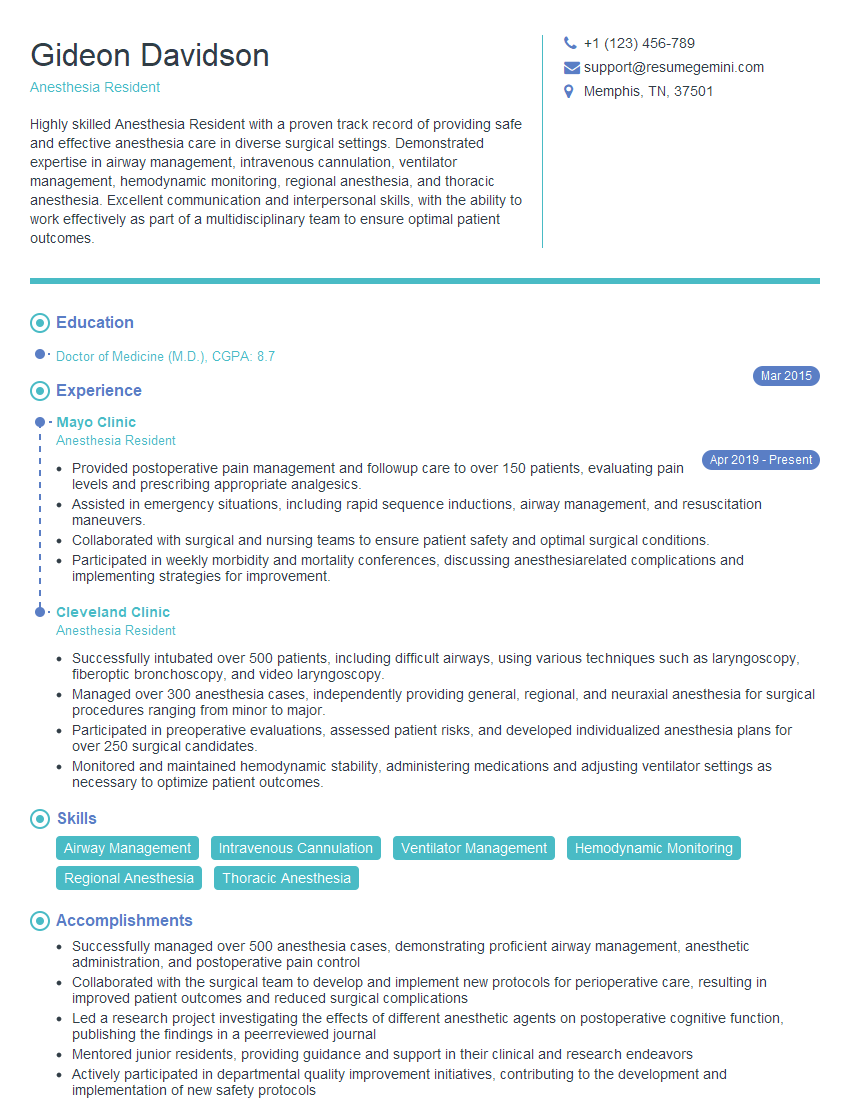
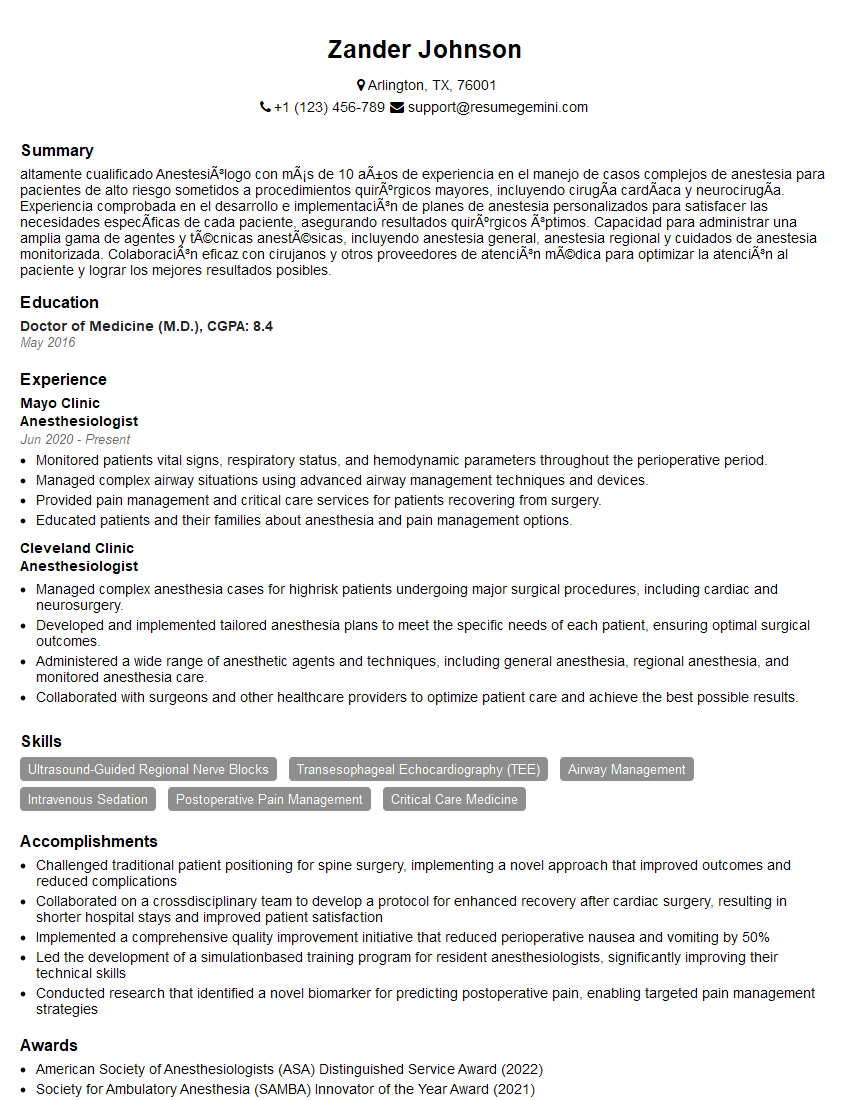
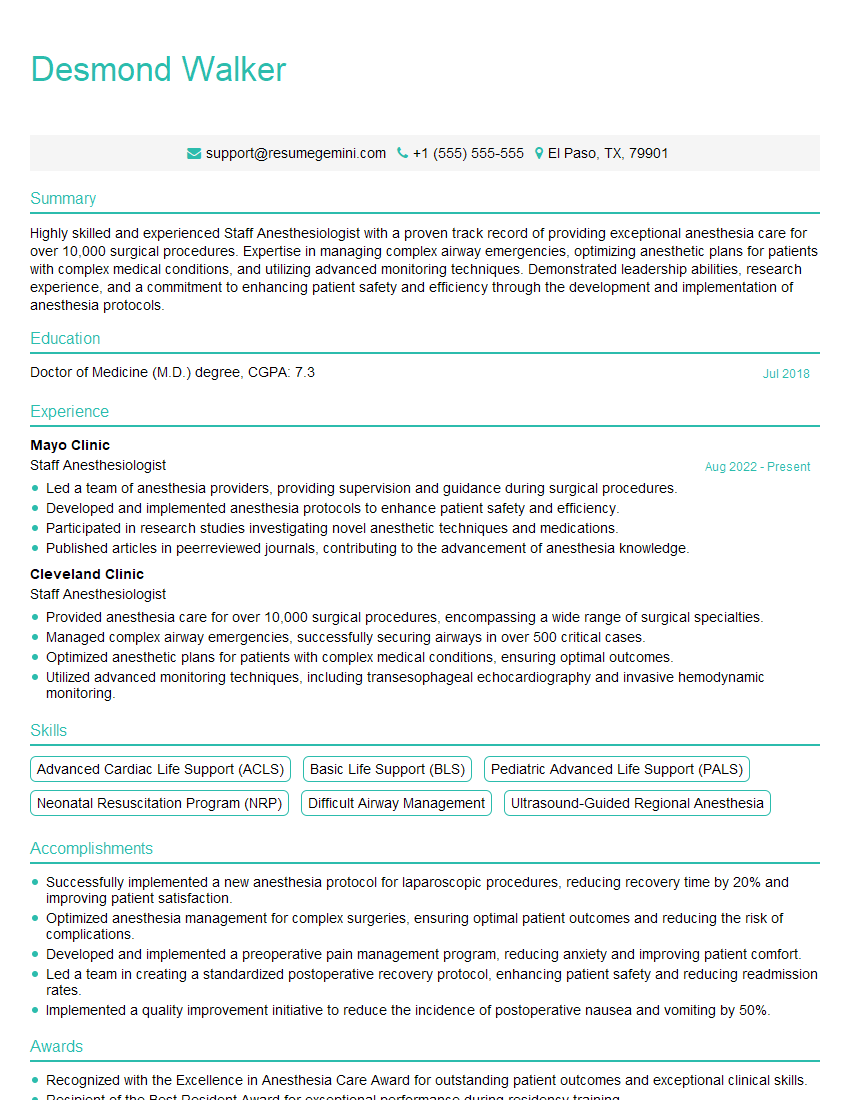
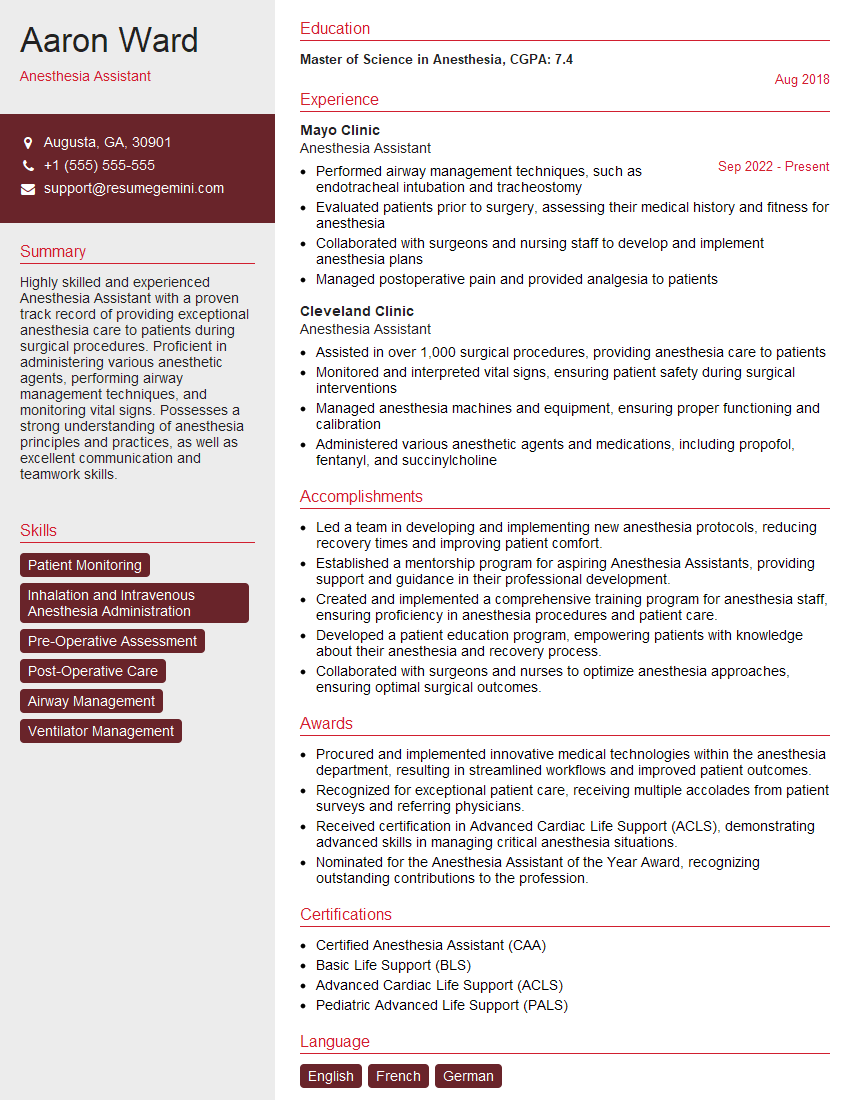
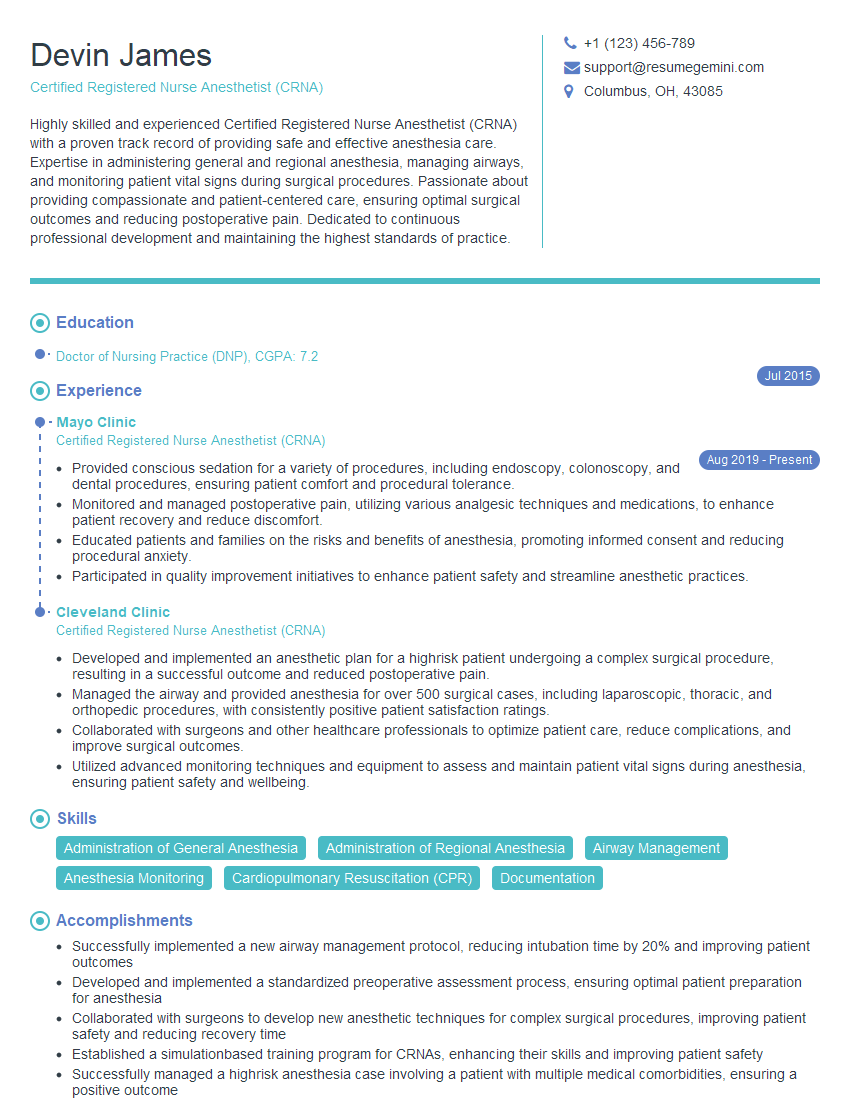
Mastering Anesthesia Management for Thoracic Surgery is crucial for career advancement and opens doors to specialized roles and increased earning potential. A well-crafted resume is your key to unlocking these opportunities. Ensure your resume is ATS-friendly to maximize its visibility to recruiters. ResumeGemini is a trusted resource to help you build a powerful, professional resume that highlights your skills and experience effectively. Examples of resumes tailored to Anesthesia Management for Thoracic Surgery are available to guide you through the process.
Explore more articles
Users Rating of Our Blogs
Share Your Experience
We value your feedback! Please rate our content and share your thoughts (optional).
What Readers Say About Our Blog
To the interviewgemini.com Webmaster.
Very helpful and content specific questions to help prepare me for my interview!
Thank you
To the interviewgemini.com Webmaster.
This was kind of a unique content I found around the specialized skills. Very helpful questions and good detailed answers.
Very Helpful blog, thank you Interviewgemini team.