Are you ready to stand out in your next interview? Understanding and preparing for Aphasia and Dysarthria Therapy interview questions is a game-changer. In this blog, we’ve compiled key questions and expert advice to help you showcase your skills with confidence and precision. Let’s get started on your journey to acing the interview.
Questions Asked in Aphasia and Dysarthria Therapy Interview
Q 1. Describe your experience assessing and diagnosing aphasia.
Assessing and diagnosing aphasia involves a multifaceted approach. It begins with a thorough case history, understanding the onset, progression, and potential causes of the language impairment. This includes gathering information from the patient, family members, and medical records. Next comes a comprehensive language assessment using standardized tests and informal observation. I look for deficits across various language modalities – spoken and written expression (output), and spoken and written comprehension (input). For example, I might assess fluency, word-finding abilities (anomia), repetition skills, and grammatical structure. I also evaluate the patient’s reading and writing skills and pragmatic language use (how effectively they use language in social contexts). Based on the pattern of strengths and weaknesses, I arrive at a diagnosis, often specifying the type of aphasia present. The diagnostic process isn’t just about labeling the condition; it’s about understanding the individual’s specific challenges to tailor effective therapy.
Q 2. Explain the different types of aphasia and their associated symptoms.
Aphasia is an acquired language disorder impacting communication abilities after brain damage, typically stroke. Several types exist, each with unique symptoms:
- Broca’s Aphasia: Characterized by non-fluent speech, difficulty producing grammatically correct sentences, and relatively preserved comprehension. Imagine someone struggling to find the right words, speaking in short, fragmented phrases, but understanding what’s said to them.
- Wernicke’s Aphasia: Presents with fluent but often nonsensical speech. Comprehension is severely impaired. Think of someone speaking rapidly and effortlessly, yet their words don’t make sense, and they don’t understand instructions.
- Global Aphasia: This is the most severe form, affecting both expressive and receptive language significantly. Individuals with global aphasia have profound difficulty with both understanding and producing language.
- Conduction Aphasia: Individuals with this type exhibit fluent speech and good comprehension but have difficulty repeating words or phrases. The connection between the comprehension and production areas of the brain is disrupted.
- Anomic Aphasia: This type primarily involves difficulty with word-finding, leading to frequent pauses and substitutions in speech, but generally preserving fluency and comprehension. It’s like having the word ‘on the tip of your tongue’.
It’s crucial to remember that these are idealized categories; individuals often present with mixed characteristics, making a precise diagnosis sometimes challenging.
Q 3. What are the common assessment tools you utilize for aphasia?
The assessment tools I use vary depending on the patient’s specific needs and the severity of their aphasia. However, some commonly employed tools include:
- Boston Diagnostic Aphasia Examination (BDAE): A comprehensive assessment battery providing detailed information on various language skills.
- Western Aphasia Battery (WAB): Another widely used battery that helps identify the type of aphasia and assess its severity.
- Aphasia Language Performance Scales (ALPS): Focuses on functional communication abilities, evaluating language skills in everyday contexts.
- Minnesota Test for Differential Diagnosis of Aphasia (MTDDA): Offers a detailed assessment of various aspects of language and helps differentiate between different aphasia types.
In addition to standardized tests, I use informal assessments tailored to the individual’s communication needs and daily routines. This helps me to understand the functional impact of their aphasia.
Q 4. Outline your approach to developing an individualized treatment plan for a patient with aphasia.
Developing an individualized treatment plan for aphasia requires a collaborative approach, involving the patient, family, and other healthcare professionals. The process typically involves the following steps:
- Comprehensive Assessment: This includes identifying the patient’s strengths, weaknesses, and communication goals.
- Goal Setting: Collaborative goal setting with the patient and caregivers ensures that the therapy focuses on areas that are meaningful to the individual. Goals might focus on improved conversational skills, reading comprehension, writing, or functional communication in everyday settings.
- Treatment Strategy Selection: The approach is tailored to the specific type and severity of aphasia. Techniques might include constraint-induced language therapy (forcing use of impaired language skills), melodic intonation therapy (using musicality to improve fluency), or various communication strategies like using visual aids or gestures.
- Therapy Implementation: Therapy sessions are structured to maximize engagement and progress. Regular monitoring and adjustments are crucial to optimize outcomes.
- Discharge Planning: This stage involves preparing the patient and caregivers for continued communication support beyond formal therapy.
For example, a patient with Broca’s aphasia might benefit from therapy focused on improving grammatical structure and sentence production. A patient with Wernicke’s aphasia might require strategies to improve comprehension and use of functional communication strategies.
Q 5. How do you measure treatment outcomes in aphasia therapy?
Measuring treatment outcomes in aphasia therapy involves a multi-pronged approach. We don’t just look at standardized test scores. We also assess functional improvements. This includes:
- Standardized Test Scores: Tracking changes in scores on tests like the BDAE or WAB over time provides objective measures of progress.
- Functional Communication Measures: These tools assess the patient’s ability to communicate effectively in daily life, considering factors like participation in conversations, ability to convey needs, and understanding instructions.
- Qualitative Measures: Observational data on the patient’s participation in therapy, communication strategies employed, and overall quality of life are also important factors to consider.
- Patient and Caregiver Feedback: Their perspectives on the improvements observed in daily life offer invaluable insights. We often use questionnaires to assess their perceptions of change and satisfaction.
The combination of these different methods provides a holistic picture of the effectiveness of the therapy, ensuring that the improvements are meaningful and applicable to the patient’s daily functioning.
Q 6. Describe your experience assessing and diagnosing dysarthria.
Assessing dysarthria involves a detailed evaluation of speech production. It begins with a comprehensive case history, exploring the medical history and the nature of the speech problems. I then conduct a thorough oral-motor examination, assessing the strength, range of motion, and coordination of the muscles involved in speech production (lips, tongue, jaw, palate, pharynx). This includes checking for any abnormalities in muscle tone, reflexes, or facial symmetry. Next, I perform a detailed speech assessment, focusing on the intelligibility and clarity of the patient’s speech, analyzing aspects such as articulation (sound production), respiration (breath support), phonation (voice quality), and prosody (intonation and rhythm). The goal is to identify the specific characteristics of the dysarthria and its impact on communication.
Q 7. Explain the different types of dysarthria and their underlying neurological mechanisms.
Dysarthria is a motor speech disorder resulting from damage to the nervous system, affecting the muscles controlling speech. Different types arise from damage to various parts of the nervous system:
- Flaccid Dysarthria: Results from damage to lower motor neurons, causing weakness and reduced muscle tone. Speech is often breathy, weak, and imprecise.
- Spastic Dysarthria: Caused by damage to upper motor neurons, leading to increased muscle tone and stiffness. Speech is often slow, strained, and monotonous.
- Ataxic Dysarthria: Arises from damage to the cerebellum, resulting in incoordination and irregular speech timing. Speech is characterized by slurring and inaccurate articulation.
- Hypokinetic Dysarthria: Associated with Parkinson’s disease, involves reduced movement and rigidity. Speech is often quiet, monotone, and rapid.
- Hyperkinetic Dysarthria: Caused by damage to the basal ganglia, resulting in involuntary movements. Speech is interrupted by unusual sounds or movements.
- Mixed Dysarthria: This is common and involves features of multiple types of dysarthria, often seen in stroke or traumatic brain injury.
Understanding the underlying neurological mechanism is crucial for developing effective treatment strategies. For example, flaccid dysarthria might respond well to exercises that improve muscle strength, while spastic dysarthria might benefit from techniques to reduce muscle tension.
Q 8. What are the common assessment tools you utilize for dysarthria?
Assessing dysarthria requires a multifaceted approach, combining perceptual analysis with instrumental measures. Common tools I utilize include the Frenchay Dysarthria Assessment (FDA), which provides a comprehensive profile of speech characteristics across different subsystems (respiration, phonation, articulation, resonance, prosody). The Assessment of Intelligibility of Dysarthric Speech (AIDS) focuses specifically on quantifying speech intelligibility, crucial for functional communication. I also use the Speech Intelligibility Test (SIT) which is another objective measure of intelligibility. For more detailed acoustic analysis, I might employ acoustic analysis software to examine parameters like jitter, shimmer, and voice fundamental frequency, which helps identify subtle patterns underlying the dysarthria. Finally, I use a thorough case history to understand the onset, progression, and associated medical conditions. The choice of assessment tools always depends on the individual’s specific needs and the available resources.
Q 9. Outline your approach to developing an individualized treatment plan for a patient with dysarthria.
Developing an individualized treatment plan for dysarthria is a collaborative process starting with a thorough assessment. First, I identify the specific type of dysarthria present and the impact on the patient’s daily life. This is done using tools mentioned earlier (FDA, AIDS, SIT). Next, I establish measurable goals, focusing on areas impacting communication such as intelligibility, speaking rate, and vocal loudness. The treatment plan may then incorporate various techniques. For instance, if respiration is impaired, I might focus on breathing exercises to improve breath support. If articulation is affected, I might use techniques such as phonetic placement cues and oral-motor exercises. If prosody is a problem, I work on stress patterns and intonation. The plan is reviewed and adjusted regularly based on the patient’s progress. For example, a patient initially struggling with basic vowel production might progress to phrase practice and conversation. Throughout the process, I actively involve the patient and family, ensuring the plan aligns with their priorities and abilities.
Q 10. How do you incorporate compensatory strategies in dysarthria therapy?
Compensatory strategies are crucial in dysarthria therapy, especially when significant motor impairments limit the potential for restorative approaches. These strategies aim to improve communication without directly addressing the underlying neurological cause. Examples include altering speaking rate (e.g., using a slower rate), increasing vocal loudness, using clear articulation techniques, employing simpler sentence structures, and using visual aids or gestures. I teach strategies tailored to the individual’s strengths and weaknesses. For instance, a patient with reduced respiratory support might benefit from using shorter sentences and pausing frequently. A patient with poor articulation might use alphabet supplementation, emphasizing clear enunciation of key sounds. I always demonstrate and practice strategies in functional contexts to ensure their practical application in daily life.
Q 11. Discuss the role of AAC (Augmentative and Alternative Communication) in managing communication difficulties in aphasia and dysarthria.
Augmentative and Alternative Communication (AAC) plays a vital role in managing communication difficulties in both aphasia and dysarthria. AAC provides alternative means of communication when verbal expression is impaired. This could range from low-tech options like picture boards or communication books to high-tech devices such as speech-generating devices (SGDs) or apps. In aphasia, AAC can compensate for word-finding difficulties and grammatical errors. In dysarthria, it can improve intelligibility when speech is severely impaired. The selection of an AAC system depends on the individual’s cognitive abilities, physical limitations, and communication needs. For example, a patient with severe apraxia of speech might benefit from a picture exchange system (PECS), while a patient with relatively preserved cognition but severely impaired articulation might use an SGD with synthesized speech. Training on effective AAC use is crucial, and family involvement ensures successful integration into daily life.
Q 12. How do you collaborate with other healthcare professionals (e.g., neurologists, occupational therapists) in the rehabilitation of patients with aphasia or dysarthria?
Collaboration is essential in the rehabilitation of patients with aphasia or dysarthria. I frequently work closely with neurologists to understand the underlying neurological condition, its prognosis, and medication effects which can influence therapy goals. Occupational therapists contribute valuable insights into the patient’s motor skills and adaptive strategies for daily living, often informing my approach to motor speech exercises. Collaboration with other professionals allows for a holistic approach that addresses the multifaceted needs of the patient. For example, an occupational therapist might suggest techniques to improve hand strength for using an AAC device, which I then incorporate into the communication therapy sessions. Such collaborative efforts improve treatment outcomes and ensure that the patient receives comprehensive support.
Q 13. Describe your experience working with patients who have both aphasia and dysarthria.
Patients presenting with both aphasia and dysarthria pose unique challenges. The combined impairments significantly impact communication abilities. My approach involves a careful assessment of both conditions, often utilizing standardized tests and observation to determine the severity of each. Treatment prioritizes addressing the most debilitating impairments first, which might be different for each patient. For instance, one patient might prioritize improving intelligibility through focused articulation work, while another might prioritize improving language comprehension using visual cues before working on articulation. Therapy incorporates strategies that address both language and motor speech impairments. For example, I might combine language exercises with techniques targeting breath support or articulation, ensuring activities integrate both aspects of their communication difficulties. AAC is frequently a crucial component of therapy in these cases, providing a supplemental communication pathway.
Q 14. How do you adapt your therapy techniques for patients with cognitive impairments alongside aphasia or dysarthria?
Adapting therapy techniques for patients with cognitive impairments alongside aphasia or dysarthria requires a highly individualized approach. Cognitive deficits such as attention, memory, and executive function can significantly impact learning and retention. I use strategies to improve task engagement and attention, such as breaking down tasks into smaller, more manageable steps. I also use repetitive practice with frequent reinforcement and positive feedback. Visual aids and gestures are extensively used to support comprehension. Therapy sessions are shorter and more frequent, minimizing cognitive fatigue. If severe cognitive impairment is present, I might focus primarily on improving functional communication using simpler AAC systems, rather than intensive speech and language therapy exercises. Ultimately, the goal is to adapt the therapy to the patient’s cognitive capacity, focusing on achievable goals that maximize their functional communication abilities.
Q 15. Explain your understanding of evidence-based practices in aphasia and dysarthria therapy.
Evidence-based practice (EBP) in aphasia and dysarthria therapy means using the best available research to guide our clinical decisions. It’s not just about intuition or tradition; it’s about integrating the latest scientific findings with our clinical expertise and patient values.
This involves a three-pronged approach: critically appraising research (e.g., randomized controlled trials, cohort studies) to determine its validity and relevance; considering our own clinical experience and judgment in tailoring treatments; and collaborating closely with patients to ensure the therapy aligns with their individual goals and preferences. For example, if research shows that melodic intonation therapy (MIT) is effective for certain types of aphasia, we incorporate it into our treatment plan, but we also adjust its intensity and focus based on the patient’s specific needs and response.
- Example: A meta-analysis demonstrating the efficacy of constraint-induced language therapy (CILT) would inform my treatment choices for a patient with chronic aphasia. I would then adjust the intensity and types of constraints based on the individual’s capabilities and tolerance.
- Example: For dysarthria, we might consult studies on the effectiveness of specific exercises targeting respiratory support or articulation, and tailor the program based on the patient’s speech characteristics and overall physical condition.
Career Expert Tips:
- Ace those interviews! Prepare effectively by reviewing the Top 50 Most Common Interview Questions on ResumeGemini.
- Navigate your job search with confidence! Explore a wide range of Career Tips on ResumeGemini. Learn about common challenges and recommendations to overcome them.
- Craft the perfect resume! Master the Art of Resume Writing with ResumeGemini’s guide. Showcase your unique qualifications and achievements effectively.
- Don’t miss out on holiday savings! Build your dream resume with ResumeGemini’s ATS optimized templates.
Q 16. What are some common challenges faced in treating aphasia and dysarthria, and how do you address them?
Treating aphasia and dysarthria presents unique challenges. Aphasia patients may struggle with language comprehension and production, leading to frustration and communication breakdowns. Dysarthria patients, on the other hand, may face challenges with speech articulation, respiration, and phonation, impacting intelligibility.
- Cognitive Impairments: Aphasia often co-occurs with other cognitive deficits, making it challenging to focus on language therapy. We address this by incorporating cognitive exercises into treatment, targeting attention, memory, and processing speed. We also break down tasks into smaller, manageable steps.
- Physical Limitations: Dysarthria can be caused by neurological damage affecting the motor system, impacting muscle strength and coordination. We adapt therapies to accommodate these limitations, using assistive devices when necessary and focusing on achievable goals.
- Motivation and Engagement: Maintaining patient motivation can be difficult, especially during long-term therapy. We address this by setting realistic goals, celebrating small victories, and involving patients actively in the treatment planning process. We also use a variety of therapeutic techniques to keep sessions interesting and engaging.
- Comorbidities: Patients may have other conditions like depression or anxiety which can interfere with treatment. Collaboration with other healthcare professionals (psychologists, psychiatrists) is crucial in such cases.
For instance, if a patient with aphasia displays significant fatigue, we might shorten therapy sessions or schedule them at times when they feel most alert.
Q 17. How do you maintain professional development in the field of aphasia and dysarthria therapy?
Maintaining professional development is critical. I stay current by attending conferences (e.g., American Speech-Language-Hearing Association (ASHA) conventions), participating in workshops and continuing education courses focusing on the latest research and treatment techniques in aphasia and dysarthria. I also actively engage in professional organizations like ASHA, reading peer-reviewed journals, and collaborating with colleagues to share knowledge and best practices.
Mentorship plays a vital role. Learning from experienced colleagues and sharing my experiences with others helps foster growth and refine my skills. Case studies and reflective practice are also integral parts of my professional development, allowing me to analyze my successes and areas for improvement.
Q 18. Describe a time you had to modify a treatment plan due to a patient’s response or lack of progress.
I recall a patient with Broca’s aphasia who initially responded well to melodic intonation therapy (MIT). However, after a few weeks, his progress plateaued. Instead of continuing with the same approach, I analyzed his responses and observed that he was becoming frustrated with the melodic component. He also showed better responsiveness when presented with visual cues.
To adapt, I integrated visual cueing into the therapy, using pictures and written words alongside the melodic component. I gradually reduced the emphasis on melody as he became more comfortable using visual support. We also incorporated more activities focusing on written expression, which he found more engaging and less frustrating. This modification significantly improved his progress, as measured by standardized tests and his ability to communicate daily needs.
Q 19. How do you manage patient expectations regarding recovery from aphasia and dysarthria?
Managing patient expectations is vital. Recovery from aphasia and dysarthria varies greatly depending on the severity of the damage, the individual’s overall health, and their commitment to therapy. It is crucial to be honest and transparent. I explain the nature of these conditions, the potential for improvement, and the realistic limitations early in the therapeutic process.
I set achievable, measurable goals collaboratively with the patient and their family, focusing on functional improvements that enhance their communication skills and quality of life. Regular progress updates, alongside open communication regarding challenges, help manage expectations and build trust. I explain that while complete recovery might not always be possible, significant improvements in communication and overall well-being are attainable.
Q 20. What are your ethical considerations in providing aphasia and dysarthria therapy?
Ethical considerations are paramount. Confidentiality is crucial; I adhere strictly to HIPAA regulations. Informed consent is obtained before initiating any treatment, ensuring the patient fully understands the process and potential risks and benefits. I prioritize patient autonomy, respecting their choices and preferences in treatment plans. I avoid making promises I cannot keep and always act in the best interests of my patients.
Cultural sensitivity is crucial. I recognize that communication styles and preferences vary across cultures and tailor my approach accordingly. Maintaining professional boundaries is equally important, ensuring a therapeutic relationship based on trust and respect, free from any exploitation or personal bias.
Q 21. Discuss the impact of cultural and linguistic factors on the assessment and treatment of aphasia and dysarthria.
Cultural and linguistic factors significantly influence assessment and treatment. Language differences can affect standardized test scores, leading to inaccurate diagnoses. For instance, a bilingual aphasia patient might perform differently on tests administered in their dominant versus non-dominant language. We address this through thorough assessments utilizing multiple methods, including interviews with family members or caregivers who can provide insight into the patient’s pre-morbid communication skills.
Treatment must consider the patient’s linguistic background. For example, if the patient speaks a language other than English, we might incorporate their native language into therapy or utilize interpreters. Cultural norms also influence communication styles, impacting how effectively patients engage in therapy. Sensitivity to cultural beliefs about disability and rehabilitation is crucial for effective treatment. We might need to adapt our approach to align with family expectations and cultural norms about communication styles.
Q 22. How do you use technology to support your therapy sessions?
Technology plays a crucial role in modern aphasia and dysarthria therapy. I utilize a variety of tools to enhance engagement and track progress. For example, I incorporate speech and language apps like Speech Therapy App and Lingraphica for exercises focusing on articulation, fluency, and comprehension. These apps often offer gamified activities to keep patients motivated. I also use telehealth platforms like Zoom or Skype for remote sessions, allowing for greater flexibility and accessibility for patients who have mobility challenges. Furthermore, I utilize digital recording devices to track patient performance across sessions, enabling objective progress monitoring. Finally, I’m exploring the use of Augmentative and Alternative Communication (AAC) apps, which can be incredibly beneficial for patients with severe communication impairments.
The choice of technology depends on the individual patient’s needs and preferences. For instance, a patient with primarily expressive aphasia might benefit most from apps focusing on word retrieval and sentence construction, whereas a patient with dysarthria might focus more on articulation exercises and AAC options.
Q 23. Describe your experience working with families of patients with aphasia and dysarthria.
Working with families is an integral part of my therapy approach. I find that a collaborative, supportive relationship with family members is key to successful outcomes. My experience involves educating family members about the nature of aphasia and dysarthria, helping them understand the patient’s communication challenges, and providing practical strategies for effective communication at home. This often includes teaching communication strategies such as using visual aids, simplifying language, and being patient and encouraging. I also provide emotional support, recognizing that diagnosis can be extremely difficult for both the patient and their loved ones. Regular family meetings, both formal and informal, allow for shared decision-making and ensure that everyone is on the same page regarding the treatment plan.
For example, I recently worked with a family whose mother had suffered a stroke resulting in severe aphasia. We collaborated on creating a communication book filled with pictures and phrases representing common needs and wants. The family’s active participation in therapy sessions, coupled with their consistent use of the communication book, dramatically improved the mother’s communication and quality of life.
Q 24. How do you document patient progress and treatment outcomes?
Documentation is vital for tracking patient progress and ensuring effective treatment. I maintain comprehensive clinical records, including a detailed initial assessment outlining the patient’s baseline communication skills. Each therapy session is meticulously documented, noting specific goals addressed, techniques used, patient performance, and any observations about their emotional state. Progress is measured using standardized assessments like the Western Aphasia Battery or the Frenchay Dysarthria Assessment, administered at regular intervals. I also use qualitative data, including observations and anecdotal evidence, to provide a holistic view of patient progress. This data is used to modify the treatment plan as needed, ensuring that it remains relevant and effective. Finally, all documentation is securely stored and adheres to HIPAA regulations.
For instance, I might document a session with a patient struggling with fluency like this: “Session 3: Patient exhibited increased frustration during fluency exercises. Techniques employed included slow-paced speech and choral reading. Patient demonstrated slight improvement in fluency towards the end of the session. Will incorporate more visual aids in the next session.”
Q 25. What is your approach to counseling patients and their families about their diagnosis?
Counseling patients and their families is a sensitive yet crucial aspect of my work. I approach these conversations with empathy and understanding, acknowledging the emotional impact of the diagnosis. I start by explaining the diagnosis in clear, simple terms, avoiding overwhelming technical jargon. I use analogies and relatable examples to help them understand the challenges the patient may face and the potential for recovery. I emphasize the importance of realistic expectations while also highlighting the potential for improvement through consistent therapy. I actively listen to their concerns, provide emotional support, and offer practical strategies for coping with the challenges ahead. I connect them with support groups and resources as needed, fostering a sense of hope and empowerment. My goal is to empower both the patient and their families, not just to treat symptoms but also to nurture resilience and hope.
Q 26. Describe a challenging case you encountered and how you addressed it.
One challenging case involved a young adult with severe apraxia of speech following a traumatic brain injury. He had significant difficulty with articulation, making communication extremely frustrating. Traditional speech therapy techniques were initially yielding minimal progress. To address this, I adapted a multi-modal approach. This involved incorporating visual cues, tactile stimulation, and melodic intonation therapy (MIT) in addition to traditional articulation drills. We also integrated AAC technology, allowing him alternative means of communication. Furthermore, I collaborated closely with his occupational therapist and physical therapist to address any potential physical limitations impacting his speech production. Gradually, his progress improved as he learned to compensate for his difficulties and utilize alternative communication strategies. This case highlighted the importance of a comprehensive, individualized approach and the need for collaboration across disciplines.
Q 27. How do you prioritize your patient caseload and manage your time effectively?
Prioritizing my caseload and managing my time effectively involves utilizing several strategies. I use a combination of electronic health records and personal scheduling systems to keep track of appointments and deadlines. I dedicate specific time blocks for direct patient care, administrative tasks, and continuing education. I prioritize patients based on their needs and urgency, ensuring those with the most significant communication impairments receive timely attention. Furthermore, I actively delegate tasks whenever possible, utilizing support staff for administrative responsibilities. Regularly reviewing my schedule and adapting it to changing needs allows for flexibility and ensures that I can provide high-quality care to all my patients without feeling overwhelmed.
Q 28. What are your salary expectations?
My salary expectations are commensurate with my experience and qualifications as a highly skilled and experienced Speech-Language Pathologist specializing in Aphasia and Dysarthria Therapy. I am confident in my abilities and the value I bring to any practice or organization. I’m open to discussing specific salary ranges based on the specifics of the position, including benefits, location, and responsibilities.
Key Topics to Learn for Aphasia and Dysarthria Therapy Interview
- Understanding Aphasia: Types of aphasia (Broca’s, Wernicke’s, etc.), assessment methods (e.g., Boston Diagnostic Aphasia Examination), and the impact on communication and daily life.
- Practical Application of Aphasia Therapy: Developing individualized treatment plans, utilizing various therapeutic techniques (e.g., constraint-induced language therapy, melodic intonation therapy), and measuring treatment efficacy.
- Understanding Dysarthria: Different types of dysarthria (flaccid, spastic, etc.), their underlying neurological causes, and the impact on speech intelligibility and production.
- Practical Application of Dysarthria Therapy: Implementing strategies to improve respiration, phonation, articulation, and resonance. Utilizing augmentative and alternative communication (AAC) methods when appropriate.
- Differential Diagnosis: Distinguishing between aphasia and dysarthria, as well as other communication disorders that may present similar symptoms.
- Evidence-Based Practice: Understanding the importance of using research-supported interventions and adapting treatment based on client progress and needs.
- Interprofessional Collaboration: Working effectively with other healthcare professionals (e.g., speech-language pathologists, neurologists, occupational therapists) to provide holistic care.
- Ethical Considerations: Maintaining client confidentiality, informed consent, and cultural sensitivity in therapy.
- Technology in Aphasia and Dysarthria Therapy: Utilizing technology for assessment, treatment, and communication (e.g., speech generating devices, apps).
- Case Study Analysis: Developing strong analytical skills to understand and interpret complex clinical cases.
Next Steps
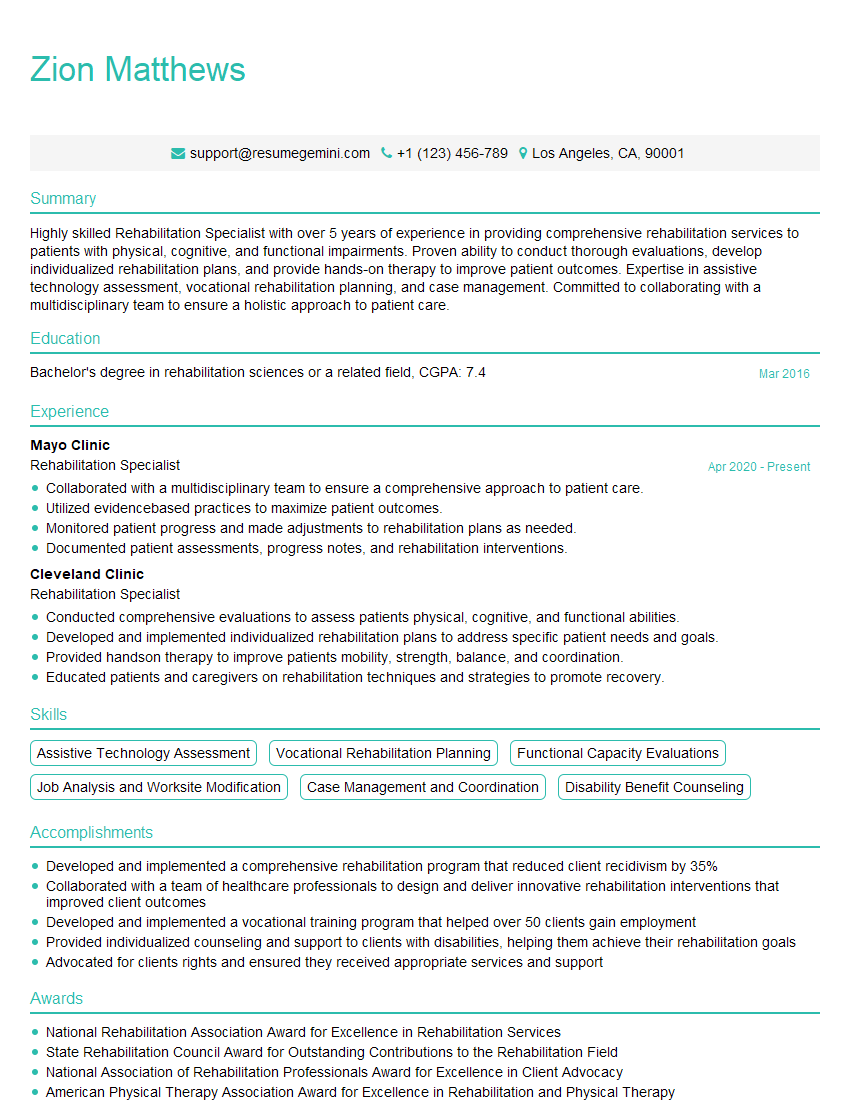
Mastering Aphasia and Dysarthria Therapy opens doors to rewarding careers with significant impact on patients’ lives. To maximize your job prospects, creating a strong, ATS-friendly resume is crucial. ResumeGemini is a trusted resource that can help you build a professional resume that highlights your skills and experience effectively. Examples of resumes tailored to Aphasia and Dysarthria Therapy are available through ResumeGemini to guide you in crafting a compelling application.
Explore more articles
Users Rating of Our Blogs
Share Your Experience
We value your feedback! Please rate our content and share your thoughts (optional).
What Readers Say About Our Blog
To the interviewgemini.com Webmaster.
Very helpful and content specific questions to help prepare me for my interview!
Thank you
To the interviewgemini.com Webmaster.
This was kind of a unique content I found around the specialized skills. Very helpful questions and good detailed answers.
Very Helpful blog, thank you Interviewgemini team.