Are you ready to stand out in your next interview? Understanding and preparing for Aphasia Treatment interview questions is a game-changer. In this blog, we’ve compiled key questions and expert advice to help you showcase your skills with confidence and precision. Let’s get started on your journey to acing the interview.
Questions Asked in Aphasia Treatment Interview
Q 1. Describe your experience with different aphasia types (e.g., Broca’s, Wernicke’s, Global).
My experience encompasses a wide range of aphasia types. Aphasia is a language disorder affecting the ability to communicate, caused by brain damage, usually stroke. Each type presents unique challenges.
- Broca’s Aphasia: Individuals struggle with producing fluent speech, often speaking in short, fragmented phrases. They understand language relatively well, but their output is labored and grammatically incorrect. Imagine trying to build a sentence with only a few available bricks – that’s the struggle they face. I’ve worked with patients who, despite understanding instructions, could only manage single words or short phrases like “Walk dog.”
- Wernicke’s Aphasia: This is characterized by fluent but nonsensical speech. Patients can speak easily, but their words are often jumbled or unrelated, making comprehension difficult. Think of it like having a perfectly functioning tap but the water flowing out is polluted and unusable. I remember a patient who, when asked her name, responded with a long, grammatically correct but utterly meaningless sentence.
- Global Aphasia: This is the most severe form, impacting both expressive and receptive language skills significantly. Patients have extreme difficulty understanding and producing speech. It’s like a complete shutdown of the language system. Treatment focuses on rebuilding basic communication skills through nonverbal methods and gradual language reintroduction. I’ve worked with patients using picture boards and gestures as a first step in communication.
Understanding these varied presentations is crucial for tailoring effective treatment plans.
Q 2. Explain your approach to assessing aphasia in adults.
My approach to assessing aphasia is comprehensive and multi-faceted, always beginning with a thorough case history, understanding the nature of the onset (sudden or gradual), the individual’s medical history and pre-morbid language abilities. The assessment goes beyond standardized tests.
I use a combination of methods:
- Observation: Observing spontaneous language in conversation, noting fluency, grammar, and word finding difficulties. I pay close attention to their non-verbal communication and overall cognitive status.
- Formal Testing: Administering standardized tests (discussed in the next question) provides quantitative data on various aspects of language ability.
- Informal Assessment: I engage the patient in various tasks designed to elicit language skills in a natural setting – storytelling, describing pictures, answering questions. This helps me understand their functional communication abilities in real-world contexts.
- Functional Assessment: Observing how the aphasia impacts their daily life, such as participation in social situations, work, and family interactions. This informs the goal setting process for therapy.
The aim is to create a detailed profile of the patient’s strengths and weaknesses, so I can develop a personalized therapy plan targeting their specific needs.
Q 3. What standardized assessments do you utilize for aphasia diagnosis?
The choice of standardized assessment depends on the individual’s needs and suspected aphasia type. I frequently use:
- Boston Diagnostic Aphasia Examination (BDAE): A comprehensive test assessing various aspects of language, including fluency, comprehension, repetition, and naming.
- Western Aphasia Battery (WAB): Another widely used test providing a quantitative measure of aphasia severity and classification.
- Aphasia Language Performance Scales (ALPS): Focuses on functional communication skills, measuring the patient’s ability to perform everyday tasks involving language use.
These assessments offer valuable insights into the type and severity of aphasia, enabling a precise diagnosis and informing therapy strategies. The results aren’t used in isolation; they’re interpreted within the context of the overall clinical picture.
Q 4. How do you differentiate between aphasia and other communication disorders?
Differentiating aphasia from other communication disorders requires careful consideration of several factors.
- Apraxia of Speech: This involves difficulty planning and coordinating the motor movements needed for speech. Unlike aphasia, where language comprehension might be intact, apraxia affects the physical act of speaking, resulting in errors in articulation but relatively preserved language comprehension.
- Dysarthria: This is a motor speech disorder affecting muscle control needed for speech production. It results in slurred or slow speech, but the underlying language skills remain intact.
- Cognitive-Communication Disorders: Conditions like traumatic brain injury or dementia can cause communication difficulties overlapping with aphasia. However, cognitive-communication disorders often present alongside other cognitive deficits such as memory problems or attention difficulties, which aren’t typically seen in isolated aphasia cases.
A comprehensive assessment focusing on language comprehension, production, and motor speech control is essential to distinguish aphasia from these related disorders. Medical history and neuroimaging can further aid in the differential diagnosis.
Q 5. Detail your experience with various treatment modalities for aphasia.
My experience includes a variety of treatment modalities, each tailored to individual needs and preferences.
- Constraint-Induced Language Therapy (CILT): This intensive approach focuses on using the impaired language functions repeatedly, restricting the use of compensatory strategies. I’ve seen remarkable improvements in patients using this method.
- Melodic Intonation Therapy (MIT): Particularly helpful for Broca’s aphasia, this uses musical intonation to facilitate speech production.
- Spontaneous Conversational Therapy: Encouraging spontaneous language use in meaningful conversations and interactions.
- Group Therapy: Patients benefit from interacting with peers, improving social communication skills and providing a supportive environment.
- Augmentative and Alternative Communication (AAC): For patients with severe aphasia, AAC strategies like picture exchange systems or communication boards help facilitate communication.
The best approach often involves a combination of these modalities, chosen based on the patient’s specific profile and goals.
Q 6. Describe your experience using Computer-Assisted Language Intervention (CALI).
Computer-Assisted Language Intervention (CALI) offers significant advantages in aphasia therapy. I’ve incorporated various CALI programs into my practice.
Benefits include:
- Increased engagement: Interactive games and exercises can maintain motivation and adherence to therapy.
- Repetition and practice: CALI programs allow for repetitive practice, crucial for language recovery.
- Data collection: CALI provides objective data on patient performance, enabling tracking of progress and adjustment of therapy strategies.
- Accessibility and flexibility: Home-based programs using CALI can extend therapy beyond clinic sessions.
I choose programs based on the patient’s specific needs and cognitive abilities, ensuring the technology enhances, not hinders, their engagement and progress. For example, I might utilize a program focusing on naming for a patient with anomia, or a conversational program for someone struggling with spontaneous speech. Regular evaluation of CALI effectiveness is key to optimizing its use.
Q 7. Explain your approach to incorporating family members in aphasia therapy.
Incorporating family members is vital for successful aphasia therapy. They are invaluable partners in the rehabilitation journey.
My approach involves:
- Education and training: I provide family members with information about aphasia, its impact on communication, and effective communication strategies.
- Joint therapy sessions: I incorporate family members into therapy sessions, teaching them how to engage the patient in meaningful conversations and activities.
- Collaboration and support: Regular communication and collaborative goal setting ensure everyone is on the same page.
- Emotional support: Aphasia can be emotionally challenging for both the patient and family; I provide support to address their concerns and emotional needs.
By empowering family members with knowledge and skills, they become active participants in the recovery process, creating a more supportive and effective therapeutic environment.
Q 8. How do you measure treatment outcomes in aphasia?
Measuring treatment outcomes in aphasia requires a multifaceted approach, going beyond simple language tests. We use a combination of standardized assessments and functional measures to paint a complete picture of a patient’s progress.
- Standardized Assessments: These are formal tests like the Western Aphasia Battery (WAB) or the Boston Diagnostic Aphasia Examination (BDAE). They provide quantitative data on language abilities (fluency, comprehension, repetition, naming) and can track changes over time. For example, a patient’s score on a naming task might improve from 5/10 at baseline to 8/10 after several weeks of therapy.
- Functional Measures: These focus on how well a patient can use language in everyday life. We use questionnaires, observations, and functional communication tasks. A functional measure might assess a patient’s ability to follow instructions during meal preparation, participate in a conversation about a familiar topic, or write a simple shopping list. This helps us determine the real-world impact of therapy.
- Qualitative Data: We also consider qualitative data such as patient and caregiver reports on communication confidence, social participation, and overall quality of life. This provides valuable insights that standardized tests may miss.
Ideally, we combine these measures to get a comprehensive understanding of the patient’s progress and determine the effectiveness of the intervention. We also involve the patient and their caregivers in setting realistic goals and tracking progress towards those goals, making the process more meaningful and motivating.
Q 9. Describe a challenging case of aphasia you’ve encountered and how you addressed it.
One particularly challenging case involved a 68-year-old gentleman, Mr. Jones, who presented with severe global aphasia following a stroke. He had minimal verbal output, severely impaired comprehension, and significant difficulties with reading and writing. His frustration and emotional distress were palpable.
Addressing this challenge required a multi-pronged approach. We started with simple, highly structured activities focusing on improving his receptive language skills. We used visual aids, gestures, and repetition extensively. Initially, even simple yes/no questions were difficult, but with consistent work, his comprehension slowly improved.
Simultaneously, we incorporated augmentative and alternative communication (AAC) strategies. We introduced a picture exchange system (PECS) and eventually a communication app on a tablet. This allowed him to express his needs and wants even when verbal communication was limited.
Beyond language therapy, we collaborated closely with occupational and physical therapists to address his physical limitations, which were contributing to his overall frustration. We also involved a speech-language pathologist specialized in the psychosocial aspects of aphasia to provide emotional support and counselling to both Mr. Jones and his family. The gradual improvement in his communication skills, combined with emotional support, significantly reduced his frustration and improved his overall quality of life. This case highlighted the importance of teamwork and individualized treatment strategies.
Q 10. What are the common cognitive impairments associated with aphasia?
Aphasia frequently co-occurs with other cognitive impairments, making recovery more complex. These often include:
- Attention deficits: Difficulty focusing, maintaining attention, or shifting attention between tasks.
- Memory problems: Both short-term and long-term memory may be affected. This can impact learning new words or retaining information from therapy sessions.
- Executive dysfunction: Challenges with planning, sequencing, problem-solving, and initiating tasks. This can affect the ability to organize thoughts and communicate effectively.
- Visuospatial impairments: Difficulties with visual perception, spatial awareness, and visual-motor coordination. This can impact reading, writing, and drawing.
- Processing speed deficits: Slower processing of information, which can affect all aspects of communication and cognition.
The specific cognitive impairments a person experiences vary greatly depending on the location and extent of the brain damage. Addressing these cognitive deficits is crucial for successful aphasia therapy, as improvements in these areas can often support improvements in language skills. We frequently incorporate cognitive rehabilitation techniques into our treatment plans to address these associated difficulties.
Q 11. How do you address emotional and psychosocial aspects of aphasia?
Addressing the emotional and psychosocial aspects of aphasia is just as important as addressing language deficits. Aphasia can significantly impact a person’s self-esteem, confidence, and social participation. They may experience frustration, anxiety, depression, and social isolation.
Our approach involves:
- Emotional Support: Providing a safe and supportive environment where patients can express their feelings without judgment. We may use counselling techniques and connect patients with support groups.
- Psychoeducation: Educating patients and families about aphasia, its impact, and the recovery process. This helps reduce anxiety and promotes realistic expectations.
- Communication Strategies: Teaching coping mechanisms for communication breakdowns and strategies to manage frustration. This might involve practicing techniques for asking for help or clarifying misunderstandings.
- Social Participation: Encouraging and facilitating participation in social activities and community reintegration. We may work with occupational therapists or social workers to achieve this.
- Collaboration: Working closely with other healthcare professionals, including neuropsychologists, psychiatrists, and social workers, to provide a holistic approach to care.
Remember, improving communication skills is only one piece of the puzzle. Addressing the emotional and psychological impact is essential for promoting overall well-being and a successful recovery.
Q 12. Explain your understanding of the impact of aphasia on daily living.
Aphasia dramatically impacts daily living in various ways, ranging from simple tasks to complex social interactions.
- Communication Difficulties: Simple conversations become challenging. Individuals might struggle to understand instructions, express their needs, or participate in social gatherings.
- Reduced Independence: Tasks like reading, writing, shopping, and managing finances become difficult, leading to a loss of independence and potentially requiring assistance from caregivers.
- Social Isolation: Communication challenges can lead to withdrawal from social activities and feelings of isolation, negatively impacting mental health.
- Occupational Changes: Aphasia often necessitates changes in employment status, creating financial and emotional stress.
- Family Dynamics: Caregiver burden is significant, with family members often taking on substantial responsibility, impacting their own well-being.
The severity of these impacts depends on the type and severity of aphasia. However, even mild aphasia can present significant challenges in daily life. It’s crucial to remember that aphasia therapy aims not only to improve language skills but also to enhance the individual’s ability to participate fully in all aspects of daily living.
Q 13. What is your experience with augmentative and alternative communication (AAC) for aphasia?
Augmentative and Alternative Communication (AAC) plays a vital role in aphasia treatment, especially in cases of severe communication impairment. It involves using various methods to supplement or replace verbal communication.
My experience includes utilizing a range of AAC strategies, including:
- Picture Exchange Communication Systems (PECS): Particularly useful in the early stages of recovery, PECS helps individuals communicate basic needs and wants using pictures.
- Speech-Generating Devices (SGDs): These high-tech devices, often tablet-based apps or dedicated communication devices, allow individuals to create and express messages using synthesized speech or text.
- Sign Language: Learning basic sign language can enhance communication, particularly when combined with other AAC methods.
- Gestures and Writing: Combining gestures, drawing, or writing to convey meaning can significantly aid communication.
Choosing the right AAC system depends on the individual’s cognitive abilities, communication needs, and preferences. We work collaboratively with the patient and their family to select and implement an AAC system that best supports their needs and promotes communication effectiveness. The key is to integrate AAC naturally into daily life, making it a functional and empowering tool.
Q 14. Describe your knowledge of evidence-based practices in aphasia treatment.
Evidence-based practices in aphasia treatment are grounded in research and clinical experience. Our therapy approach is informed by the latest scientific findings and best clinical practices.
Key principles include:
- Intensity and Duration: Research supports intensive therapy, often multiple sessions per week for several months, to maximize gains.
- Individualized Treatment: Therapy is tailored to the individual’s specific aphasia type, cognitive abilities, and communication needs. A “one-size-fits-all” approach is ineffective.
- Constraint-Induced Language Therapy (CILT): This approach focuses on repeatedly practicing impaired language functions to promote neuroplasticity and functional improvement.
- Melodic Intonation Therapy (MIT): This technique utilizes melodic intonation patterns to improve fluency in patients with non-fluent aphasia.
- Spaced Retrieval Training (SRT): This method uses repeated retrieval of information with progressively increasing intervals to improve memory and learning.
- Group Therapy: Group therapy can provide social interaction, support, and opportunities for communication practice.
- Family Involvement: Engaging family members in therapy sessions and educating them on communication strategies is crucial for successful rehabilitation.
Regularly reviewing the latest research and adapting our treatment plans accordingly ensures we provide the most effective and evidence-based care for our patients.
Q 15. How do you adapt treatment plans to individual patient needs and goals?
Aphasia treatment isn’t one-size-fits-all. Every individual experiences aphasia differently, impacting their communication and daily life in unique ways. Therefore, adapting treatment plans is crucial for effective recovery. We start by conducting a comprehensive assessment, evaluating the patient’s specific language deficits (e.g., fluency, comprehension, repetition), cognitive abilities, and overall functional communication needs. This includes understanding their pre-morbid personality, communication style, and social context.
For instance, a patient primarily focused on resuming work might need intensive therapy targeting specific vocabulary and sentence construction relevant to their job. Conversely, a patient prioritizing social interaction may benefit from conversation practice and strategies for managing communication breakdowns in social settings. We regularly adjust the plan based on progress, challenges encountered, and the patient’s evolving goals, often involving the patient and family in setting realistic, achievable targets. We might use different therapy approaches, like Constraint-Induced Language Therapy (CILT) for certain patients while others might benefit more from melodic intonation therapy. The key is flexibility and ongoing assessment.
Career Expert Tips:
- Ace those interviews! Prepare effectively by reviewing the Top 50 Most Common Interview Questions on ResumeGemini.
- Navigate your job search with confidence! Explore a wide range of Career Tips on ResumeGemini. Learn about common challenges and recommendations to overcome them.
- Craft the perfect resume! Master the Art of Resume Writing with ResumeGemini’s guide. Showcase your unique qualifications and achievements effectively.
- Don’t miss out on holiday savings! Build your dream resume with ResumeGemini’s ATS optimized templates.
Q 16. How do you manage challenging behaviors in patients with aphasia?
Managing challenging behaviors in aphasia patients requires a sensitive and multifaceted approach. These behaviors can stem from frustration, cognitive impairments, or emotional distress associated with communication difficulties. It’s crucial to understand the underlying cause before addressing the behavior.
For example, aggression might arise from the patient’s inability to express their needs. In such cases, we would focus on improving their communication skills through alternative methods, like augmentative and alternative communication (AAC) devices or visual aids. We also work on strategies for managing frustration, such as incorporating relaxation techniques and providing ample opportunities for success in therapy. We may also collaborate with other specialists, like occupational therapists or psychologists, to address underlying emotional or cognitive issues.
Another example is perseveration, where the patient repeats the same word or phrase. Here, we would utilize strategies like redirecting the conversation, providing cues to shift the topic, or employing techniques that encourage response variability. Patience, empathy, and a strong therapeutic relationship are vital in managing challenging behaviors. The goal isn’t to suppress behavior, but to understand its origins and teach alternative, more adaptive strategies.
Q 17. Explain your understanding of the recovery trajectory of aphasia.
The recovery trajectory of aphasia is highly variable and unpredictable. It’s influenced by factors like the cause and severity of the stroke or brain injury, the patient’s age, pre-morbid health, and their engagement with therapy.
Spontaneous recovery, occurring in the initial months post-onset, often involves a gradual improvement in language abilities. However, the rate and extent of this spontaneous recovery vary significantly. After this initial period, the rate of recovery often slows down, with further improvement primarily driven by intensive therapy and rehabilitation efforts.
Some patients might experience substantial recovery, regaining most of their language functions, while others may exhibit lasting impairments. There’s no single timeline, and recovery can be uneven, with fluctuations in abilities. Some patients may show significant progress in certain aspects of language (e.g., comprehension) while others struggle. We emphasize that even with lasting impairments, strategies for effective communication can be taught and adapted throughout the recovery process and beyond.
Q 18. What are the ethical considerations in treating patients with aphasia?
Ethical considerations in aphasia treatment are paramount. Our primary responsibility is to respect the patient’s autonomy, ensuring they are actively involved in decision-making about their treatment plan. This often involves communicating clearly and respectfully with both the patient and their family, considering their values and cultural backgrounds.
Confidentiality is crucial. We must protect sensitive information about the patient’s condition and treatment. Another key aspect is beneficence – acting in the best interest of the patient. We need to be transparent about the potential benefits and limitations of treatment, avoiding false hope while promoting realistic expectations. Justice requires ensuring equitable access to quality aphasia care, regardless of socioeconomic status or other factors. We continually strive to uphold these ethical principles throughout the therapeutic process.
Q 19. How do you collaborate with other healthcare professionals in an aphasia team?
Collaboration is essential in aphasia care. The aphasia team typically comprises speech-language pathologists (SLPs), neurologists, occupational therapists, physiatrists, psychologists, and social workers. My role as an SLP involves frequent communication with other professionals to provide a holistic approach.
For example, I might collaborate with an occupational therapist to address difficulties with daily living activities that are impacted by aphasia (dressing, eating, etc.). Working with a neurologist helps in understanding the neurological basis of the patient’s language deficits. Regular meetings and case conferences allow us to share information, coordinate treatment strategies, and ensure the patient receives the most appropriate and comprehensive care. Good communication ensures consistent messaging and avoids contradictory recommendations.
Q 20. What is your experience working with diverse populations with aphasia?
I have extensive experience working with diverse populations affected by aphasia. This includes individuals from various cultural backgrounds, socioeconomic statuses, and levels of literacy. Cultural sensitivity is paramount, recognizing that communication styles, family dynamics, and attitudes toward healthcare can differ significantly.
For instance, when working with a patient from a culture where direct confrontation is avoided, I would need to adapt my communication style to ensure respect and understanding. Similarly, with patients who have low literacy, I might rely more on visual aids, gestures, and AAC devices. I strive to provide culturally appropriate and sensitive care, ensuring that each individual feels understood and respected throughout the therapeutic process.
Q 21. Describe your experience with group therapy for aphasia.
Group therapy provides unique benefits for aphasia patients. The social interaction inherent in group settings helps improve communication skills in a supportive environment. Patients learn from each other, sharing strategies and coping mechanisms. Moreover, group therapy can foster a sense of community and reduce feelings of isolation, a common experience among individuals with aphasia.
I structure group therapy sessions with varied activities promoting communication, including conversational practice, role-playing, and collaborative problem-solving tasks. I carefully select group members to foster positive dynamics and ensure each participant feels comfortable and supported. Progress is constantly monitored, and the structure and activities are adjusted based on group needs and individual progress.
Q 22. Explain your understanding of the role of neuroplasticity in aphasia recovery.
Neuroplasticity is the brain’s incredible ability to reorganize itself by forming new neural connections throughout life. In aphasia recovery, this means the brain can compensate for damaged areas by recruiting other regions to take over language functions. Think of it like rerouting traffic after a road closure – the brain finds alternative pathways to communicate. This process is crucial for improvement after a stroke or brain injury that causes aphasia.
For example, if the area responsible for speech production is damaged, the brain might utilize areas typically involved in other cognitive functions, gradually improving the patient’s ability to speak. The extent of neuroplasticity depends on factors like the severity of the brain damage, the individual’s age, and the intensity of therapy. We harness this by implementing intensive, targeted therapies designed to stimulate these adaptive changes in the brain.
Q 23. How do you handle setbacks or plateaus in aphasia treatment?
Setbacks and plateaus are unfortunately common in aphasia recovery. They’re often not indicative of failure, but rather a natural part of the healing process. When a plateau occurs, it’s crucial to reassess the treatment plan. We may need to adjust the therapy goals, techniques, or intensity. This could involve introducing new strategies, modifying the exercises to make them more challenging or engaging, or even incorporating alternative approaches like music therapy or constraint-induced language therapy.
For instance, if a patient is struggling with verb production, we might shift the focus to improve their noun retrieval first, creating a foundation for verb use. We also involve the patient and their family in this process, ensuring everyone understands that setbacks are temporary and that consistent effort is key. Open communication and emotional support play a vital role in navigating these challenges.
Q 24. Describe your approach to discharge planning for individuals with aphasia.
Discharge planning for aphasia patients is a collaborative process involving the patient, their family, and the multidisciplinary team. It starts early in therapy, focusing on realistic, achievable goals. We assess the patient’s communication skills, functional abilities, and support systems to determine the level of ongoing care required. This includes identifying resources available in the community, such as support groups, speech therapy services, and assistive technology.
For example, we might work with occupational therapists to ensure the patient’s home environment is conducive to communication, recommending adaptations for daily living tasks. We might also connect them with vocational rehabilitation services to help them return to work. The aim is to create a seamless transition from intensive therapy to a supportive environment that fosters continued improvement and participation in everyday life.
Q 25. What are your professional development goals related to aphasia treatment?
My professional development goals center on enhancing my expertise in evidence-based aphasia treatment and incorporating technological advancements. I’m particularly interested in exploring the efficacy of virtual reality (VR) therapy for aphasia. VR offers immersive and engaging environments for language practice, potentially accelerating recovery. I also aim to expand my knowledge of neuroimaging techniques to better understand the neural correlates of language recovery and tailor treatments accordingly.
Furthermore, I plan to deepen my understanding of culturally sensitive approaches to aphasia therapy to best serve diverse populations. Continuous learning ensures I remain at the forefront of this field and provide the most effective care for my patients.
Q 26. How do you stay current with advancements in aphasia research and treatment?
Staying current in aphasia research requires a multifaceted approach. I regularly read peer-reviewed journals such as Aphasiology and Journal of Speech, Language, and Hearing Research. I actively participate in professional organizations like the American Speech-Language-Hearing Association (ASHA) and attend conferences and workshops to learn about the latest research findings and treatment techniques. These events provide invaluable networking opportunities and exposure to innovative practices.
I also utilize online resources and databases, like PubMed, to access research articles and stay updated on clinical trials and emerging technologies in aphasia treatment. Continuous learning is essential in this dynamic field.
Q 27. What software and technology do you have experience using in aphasia therapy?
My experience encompasses a variety of software and technology used in aphasia therapy. I’m proficient in using computer-based language programs, such as those that provide targeted practice in word retrieval, sentence construction, and reading comprehension. These programs offer adaptive exercises, providing personalized challenges based on the patient’s performance. I also utilize digital communication aids, including speech-generating devices and augmentative and alternative communication (AAC) apps.
Furthermore, I’ve explored the use of teletherapy platforms for remote sessions, which are especially beneficial for patients with mobility limitations. I am always assessing and adopting new technologies that demonstrate efficacy and enhance the effectiveness of my therapeutic interventions.
Q 28. Explain your understanding of the impact of bilingualism on aphasia recovery.
Bilingualism presents both challenges and opportunities in aphasia recovery. Research suggests that individuals with aphasia who are bilingual may experience differential recovery patterns compared to monolingual speakers, with one language sometimes recovering faster or more completely than the other. This can be influenced by various factors, such as the age of acquisition of each language and the level of proficiency in each.
While some might experience a phenomenon known as ‘cross-linguistic interference,’ where difficulties in one language impact the other, others might benefit from cross-language activation, whereby strengths in one language can support the recovery of the other. Therapy must consider the patient’s individual linguistic profiles and tailor the approach accordingly, potentially incorporating both languages into the treatment plan to leverage potential cross-linguistic benefits. Careful assessment of the patient’s linguistic background is crucial in developing an effective treatment strategy.
Key Topics to Learn for Aphasia Treatment Interview
- Types of Aphasia: Understanding the different types of aphasia (e.g., Broca’s, Wernicke’s, Global) and their associated symptoms is crucial. Be prepared to discuss the impact of each type on communication and daily life.
- Assessment and Diagnosis: Familiarize yourself with common assessment tools and procedures used to diagnose aphasia. Consider the ethical implications and cultural sensitivity involved in the assessment process.
- Treatment Approaches: Master the various therapeutic approaches used in aphasia treatment, including speech therapy techniques, group therapy, and technological interventions. Be ready to discuss the evidence-based rationale behind different approaches.
- Communication Strategies: Develop a strong understanding of effective communication strategies for individuals with aphasia, including augmentative and alternative communication (AAC) methods. Practice explaining these strategies clearly and concisely.
- Rehabilitation and Recovery: Understand the long-term rehabilitation process, including the role of family and caregivers, and the potential for spontaneous recovery. Be prepared to discuss factors influencing recovery outcomes.
- Evidence-Based Practice: Demonstrate your understanding of evidence-based practice in aphasia treatment. Be ready to discuss relevant research and its application to clinical practice. Consider the limitations of current research.
- Collaboration and Teamwork: Aphasia treatment often involves a multidisciplinary team. Highlight your experience and understanding of effective collaboration with other healthcare professionals (e.g., occupational therapists, neurologists).
- Case Study Analysis: Prepare to discuss hypothetical case studies, demonstrating your problem-solving skills and ability to apply theoretical knowledge to practical situations.
Next Steps
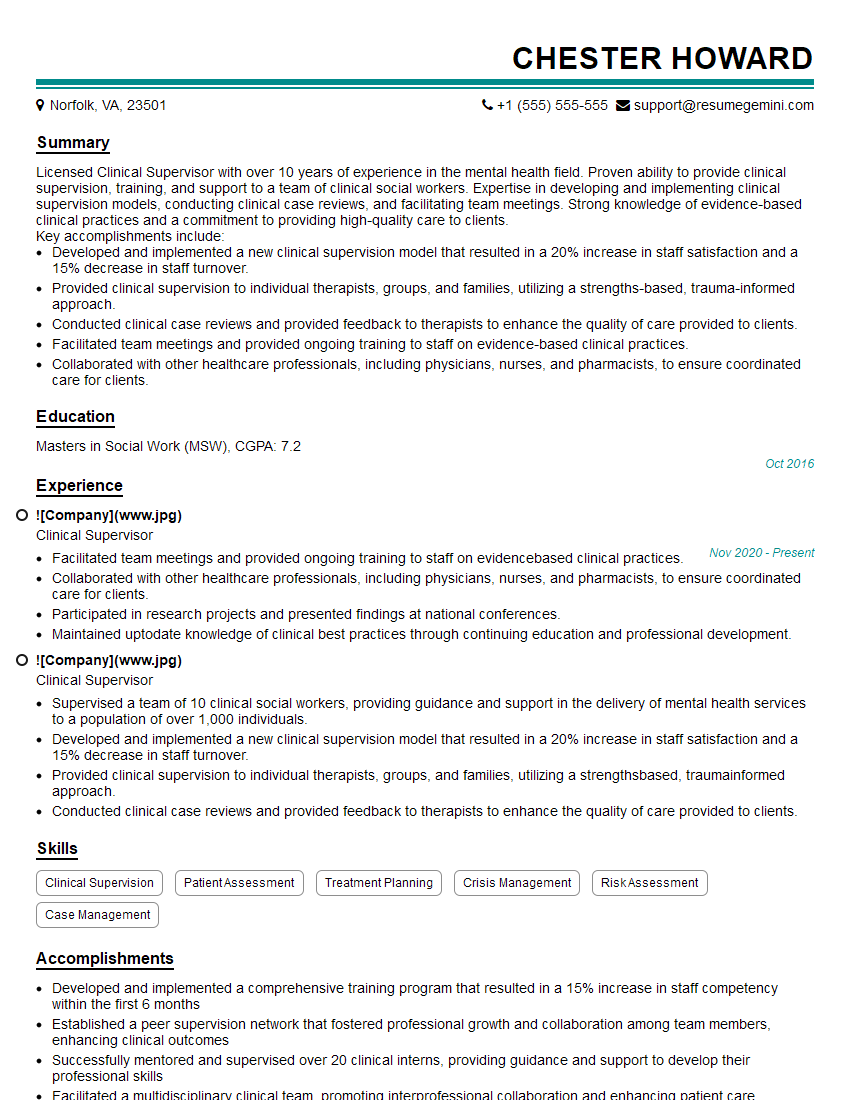
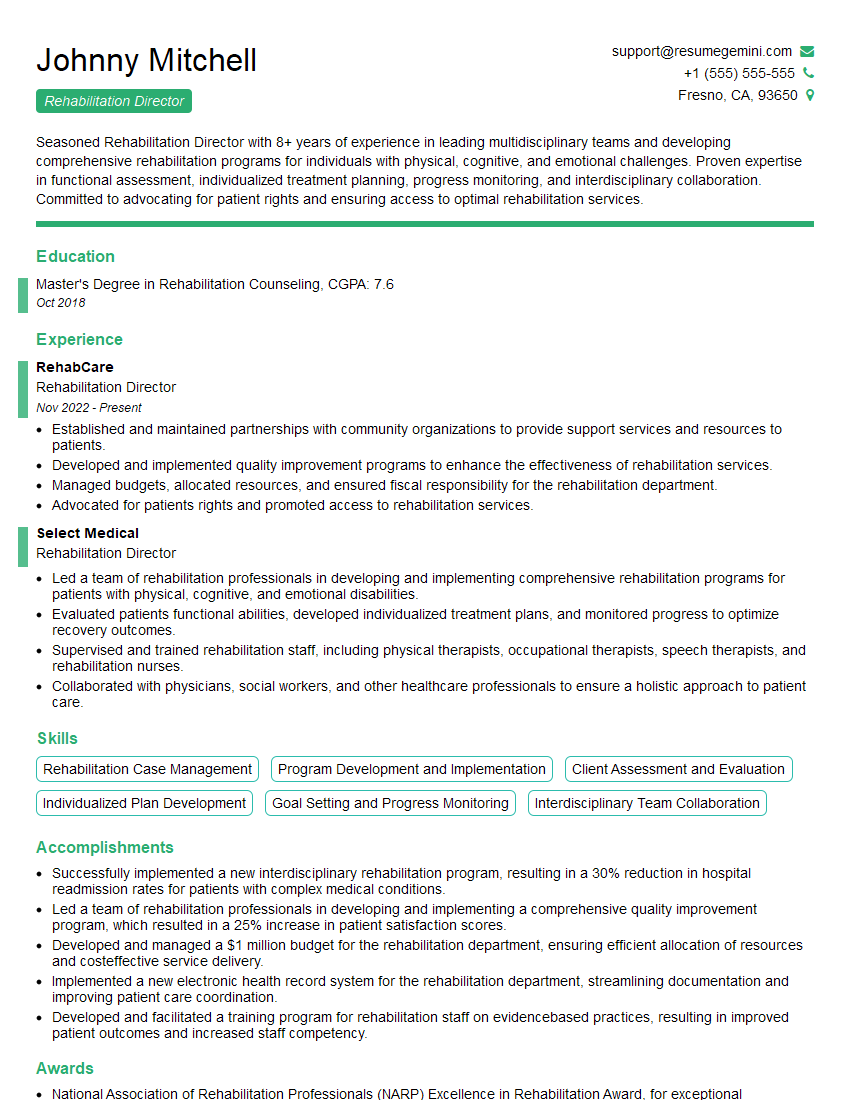
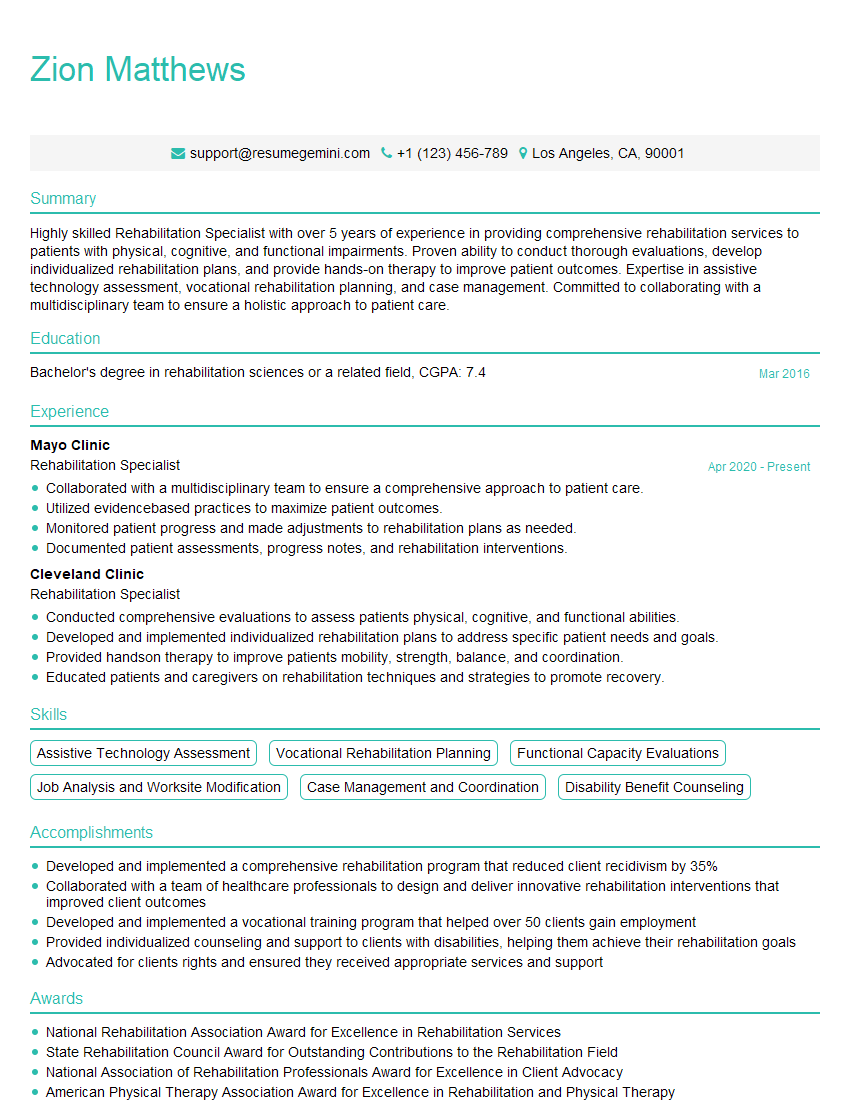
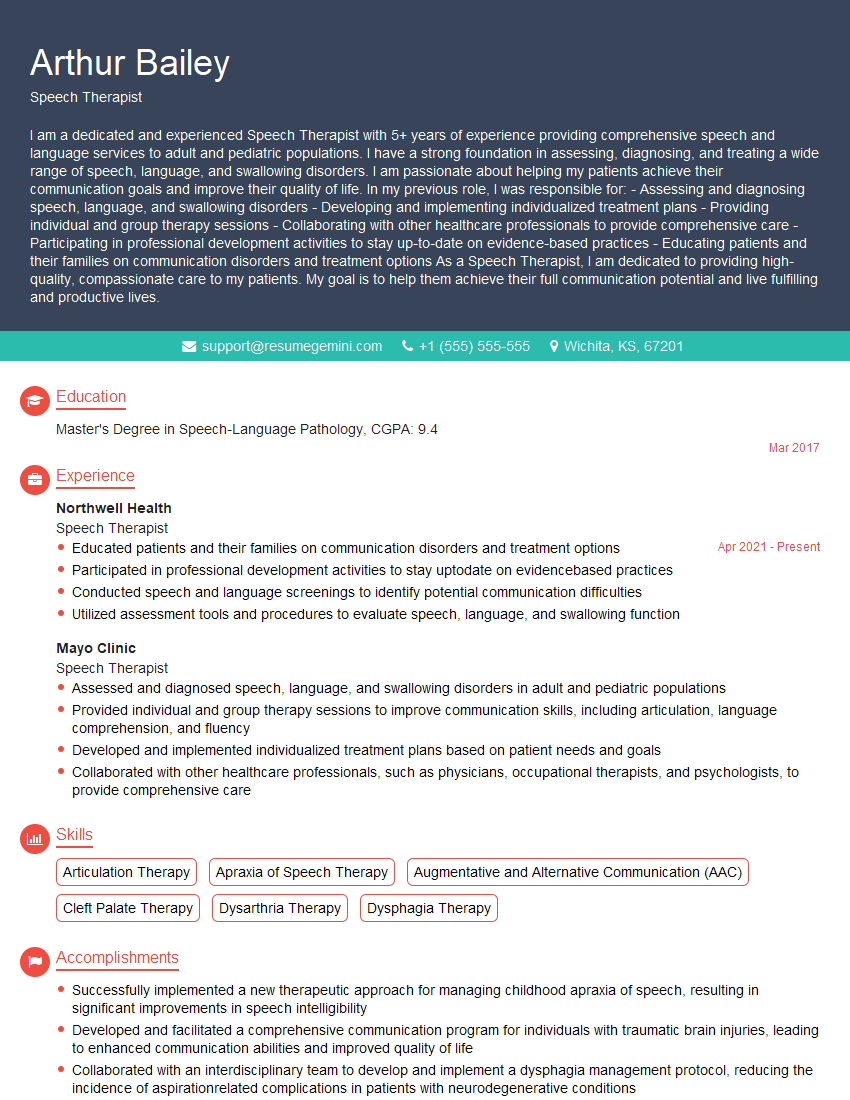
Mastering aphasia treatment is key to a rewarding and impactful career in speech-language pathology or related fields. A strong understanding of these concepts will significantly enhance your interview performance and career prospects. To maximize your chances of securing your dream role, focus on creating a compelling and ATS-friendly resume that effectively showcases your skills and experience. ResumeGemini is a trusted resource to help you build a professional resume that highlights your qualifications. Examples of resumes tailored to Aphasia Treatment are available to guide you in creating a standout application.
Explore more articles
Users Rating of Our Blogs
Share Your Experience
We value your feedback! Please rate our content and share your thoughts (optional).
What Readers Say About Our Blog
To the interviewgemini.com Webmaster.
Very helpful and content specific questions to help prepare me for my interview!
Thank you
To the interviewgemini.com Webmaster.
This was kind of a unique content I found around the specialized skills. Very helpful questions and good detailed answers.
Very Helpful blog, thank you Interviewgemini team.