Interviews are opportunities to demonstrate your expertise, and this guide is here to help you shine. Explore the essential Art-Based Interventions interview questions that employers frequently ask, paired with strategies for crafting responses that set you apart from the competition.
Questions Asked in Art-Based Interventions Interview
Q 1. Describe your experience using different art modalities in Art-Based Interventions.
My experience with art modalities in Art-Based Interventions is extensive and spans various mediums. I’ve found that the choice of modality is crucial and depends heavily on the client’s needs and the therapeutic goals. For example, I’ve used drawing with children processing grief, where the visual representation of feelings provided a non-verbal outlet. Painting, with its richer textures and colors, has been particularly helpful for adults exploring emotional depth and abstract concepts. Sculpting offers a powerful kinesthetic experience, beneficial for clients needing to express anger or frustration physically. I’ve also incorporated collage, allowing clients to assemble fragmented parts of themselves or their experiences into a cohesive whole. Finally, photography, with its ability to capture moments and perspectives, has been a valuable tool in narrative therapy. The selection process isn’t arbitrary; it’s a collaborative journey with the client, exploring what medium best aligns with their comfort level and capacity for self-expression.
In a recent case, a young adult struggling with anxiety found painting particularly cathartic. The act of applying color to the canvas, the texture of the brush against the paint, all served as a grounding mechanism, allowing for a mindful exploration of his feelings. The resulting artwork wasn’t judged for its aesthetic value; its therapeutic value lay in the process itself.
Q 2. Explain the ethical considerations in using art-based methods with vulnerable populations.
Ethical considerations in using art-based methods with vulnerable populations are paramount. Confidentiality is crucial; maintaining the privacy of the client’s creative expressions and personal information is paramount. Informed consent is another cornerstone; clients, or their legal guardians, need a clear understanding of the process, potential risks, and benefits of participation. Power dynamics must be carefully managed; the therapist’s role is to empower the client, not to impose their own views or interpretations onto the artwork. Cultural sensitivity is essential; respecting the client’s cultural background and avoiding interpretations that could be culturally insensitive or biased is crucial. Finally, awareness of potential triggering of traumatic memories through the creative process is vital. A strong therapeutic relationship built on trust and respect is essential to mitigating these risks. In the event of triggering, having a pre-established safety plan and appropriate support systems in place is critical.
Q 3. How do you adapt Art-Based Interventions to meet the diverse needs of clients?
Adapting Art-Based Interventions to meet diverse needs involves considering various factors, including age, developmental stage, physical abilities, cognitive functioning, cultural background, and personal preferences. For instance, with young children, I might use simple materials and focus on play-based activities. For clients with physical limitations, alternative materials or adapted techniques are employed. Cognitive impairments necessitate a more structured approach, possibly focusing on specific, repetitive tasks. Cultural sensitivity is integral, ensuring that the materials and methods chosen are culturally appropriate and respectful. Furthermore, I often adapt the therapeutic process itself to cater to the individual’s unique learning style and pace. It’s a fluid and responsive process that necessitates constant assessment and adjustment.
For example, working with an elderly client with limited mobility, we might use larger paintbrushes and adapt the seating to facilitate comfortable participation. With a client from a different cultural background, I might incorporate elements of their culture into the session or modify the approach based on culturally appropriate communication styles.
Q 4. What are the limitations of Art-Based Interventions, and how do you address them?
Art-Based Interventions, while powerful, have limitations. One is the subjectivity of interpretation; the meaning derived from artwork is inherently personal and open to various interpretations, which can sometimes lead to ambiguity in understanding the client’s experience. Another limitation is the potential for resistance; clients may not engage with the art-making process or may find it difficult to express themselves through art. Furthermore, the lack of standardized assessment tools makes it challenging to objectively measure the effectiveness of interventions. Finally, access to resources and materials can be a barrier for some clients. To address these challenges, I utilize a multi-modal approach, combining art therapy with other methods like talk therapy or journaling. This allows for triangulation of information and a more comprehensive understanding of the client’s experience. Regular reflection and supervision help refine interpretations and prevent biases, while building rapport and trust helps address resistance.
Q 5. Describe your experience using art-based interventions for trauma-informed care.
My experience with art-based interventions for trauma-informed care centers on creating a safe and empowering space for clients to explore their experiences without feeling pressured or overwhelmed. The focus is on empowerment and agency, allowing clients to choose the pace, materials, and level of self-disclosure that feels safe for them. Somatic experiences, like the feeling of clay in the hands or the texture of paint on the skin, can be grounding and helpful in regulating emotional responses. Narrative approaches, where clients create artwork that visually represents their story, can be particularly beneficial in processing traumatic memories. Emphasis is always placed on the client’s control and autonomy within the therapeutic process. We may start with simple, sensory-based activities to establish a secure base before moving onto more complex or emotionally charged creative work.
For instance, I might use sand trays to allow for non-verbal exploration of difficult feelings and experiences, or encourage the creation of mandalas as a way to foster a sense of calm and stability. The overarching goal is to help clients reclaim their narrative, find a voice, and build resilience.
Q 6. How do you assess the effectiveness of Art-Based Interventions?
Assessing the effectiveness of Art-Based Interventions is a multi-faceted process. While quantitative measures are limited, qualitative data gathering is crucial. This involves analyzing the client’s artwork, observing their behavior during sessions, and utilizing client self-report measures. Process-oriented assessments focus on changes in the client’s engagement, emotional expression, and creative choices over time. Outcome-oriented assessments examine changes in symptoms, coping mechanisms, and overall well-being. These assessments are not isolated events; they are ongoing and integrated throughout the therapeutic journey. Keeping detailed session notes, including observations of client behavior, emotional responses, and the artistic process, allows for a rich qualitative assessment. Combining these qualitative methods with standardized outcome measures where appropriate allows for a more complete picture of the intervention’s effectiveness.
Q 7. Explain your understanding of transference and countertransference in the context of art therapy.
Transference and countertransference are crucial concepts in art therapy, reflecting the dynamic interplay between the client and therapist. Transference refers to the client’s unconscious projection of feelings, beliefs, and behaviors from past relationships onto the therapist. This might manifest in the client’s artwork, their interactions with the therapist, or their response to the therapeutic process. Countertransference, conversely, represents the therapist’s emotional reactions to the client, often triggered by the client’s transference or the therapeutic relationship itself. Recognizing and managing both transference and countertransference are key to maintaining a healthy therapeutic relationship and providing effective care. Regular supervision, self-reflection, and maintaining professional boundaries are crucial for effective management.
For instance, a client might unconsciously project feelings of abandonment onto the therapist, mirroring past experiences with a caregiver. The therapist, in turn, might feel frustrated or rejected, experiencing countertransference. Addressing these dynamics openly and respectfully, within the therapeutic framework, allows for a deeper understanding of the client’s underlying issues and contributes to the healing process.
Q 8. How do you maintain client confidentiality and ethical boundaries in art therapy sessions?
Maintaining client confidentiality and ethical boundaries is paramount in art therapy. It’s built upon the foundation of professional codes of ethics, such as those established by the American Art Therapy Association (AATA). This involves several key practices:
- Informed Consent: Before starting therapy, clients receive clear information about the process, including confidentiality limits (e.g., mandated reporting of child abuse or threats of harm to self or others). They then provide written consent to proceed.
- Secure Storage of Records: All client files, including artwork, are stored securely, both physically and digitally, using password protection and HIPAA-compliant systems.
- Confidentiality Limits: Clients are informed about situations where confidentiality may be breached, such as suspected child abuse, elder abuse, or imminent danger to self or others. This is always handled according to legal and ethical guidelines.
- HIPAA Compliance: Adherence to the Health Insurance Portability and Accountability Act (HIPAA) is crucial for protecting client health information, including electronic records. This encompasses secure data transmission and access controls.
- Professional Boundaries: Maintaining professional boundaries is essential. This means avoiding dual relationships (e.g., becoming a client’s friend) and respecting client autonomy. Clear professional boundaries are set and maintained throughout the therapeutic relationship.
For example, I once had a client who expressed suicidal ideation during a session. While maintaining confidentiality regarding the specifics of their situation, I acted in accordance with my ethical and legal responsibilities, contacting the necessary support systems to ensure their safety.
Q 9. Describe a situation where you had to adapt an art-based intervention due to unexpected client behavior.
I recall a session with a young client who initially expressed a strong desire to work with clay, but after beginning, became overwhelmingly frustrated with his inability to create the precise form he envisioned. His frustration escalated into anger and he began throwing the clay. Adapting to this unexpected behavior was critical.
Instead of pushing him towards a specific outcome, I validated his feelings, acknowledging that his frustrations were understandable. We then shifted the focus from the intended project. We explored the emotional experience of his frustration through freeform sculpting, allowing him to express his anger through the clay in a non-destructive way. This transition allowed him to regain control and process his emotions. We discussed the different emotions expressed through the forms he created in the clay – even the destructive ones. The session concluded with a sense of calm and a shared understanding that artistic expression isn’t always about achieving a perfect end product, but about exploring emotions and experiences.
Q 10. How do you incorporate cultural sensitivity into your art therapy practice?
Cultural sensitivity is integrated into my practice by acknowledging that art-making itself has cultural roots and meanings. I actively strive to create a safe and inclusive space for diverse clients by considering these aspects:
- Cultural background: I make a point of asking about clients’ cultural backgrounds to understand their perspectives and experiences. This helps inform my understanding of their artistic expressions and communication styles.
- Material choices: Offering a wide range of art materials, reflecting different cultural traditions and artistic styles, allows clients to choose media that resonates with their background and comfort level.
- Symbolic interpretations: I avoid imposing my own interpretations on clients’ artwork and instead explore the meanings and symbols they attach to their creations. Their understanding of symbolism holds precedence.
- Therapeutic approaches: I adapt my therapeutic approach to accommodate differing cultural values and communication styles. For example, some cultures may prioritize group work over individual therapy. I always approach each client individually.
- Language accessibility: Ensuring accessibility through translation or interpreters if necessary.
For instance, I recently worked with a client from a culture where direct expression of emotions is less common. We used sand tray therapy, allowing a non-verbal means of expression and narrative development, which better suited their cultural background.
Q 11. What theoretical models inform your approach to Art-Based Interventions?
My approach to art-based interventions draws from several theoretical models, creating a holistic framework. Key models include:
- Jungian Psychology: This informs my understanding of symbolism in artwork, considering the unconscious and archetypal expressions in creative process. The artwork becomes a window into the client’s inner world.
- Psychodynamic Theory: I utilize this to explore the unconscious conflicts and defenses reflected in the creative process. The artwork is a tool for understanding past traumas and their current impact.
- Person-Centered Therapy: This emphasizes the client’s self-discovery and inherent capacity for growth. My role is to facilitate self-exploration through art-making, creating a supportive and non-judgmental environment.
- Narrative Therapy: This approach helps clients externalize problems and re-author their life stories through creative expression. Art becomes a means of creating alternative narratives and fostering empowerment.
These models aren’t used in isolation but rather integrated, tailored to meet the unique needs of each client. For example, I may use Jungian symbolism analysis to explore a client’s recurring imagery, while simultaneously using person-centered techniques to foster self-acceptance and empowerment.
Q 12. Explain your understanding of the therapeutic process in art therapy.
The therapeutic process in art therapy is a collaborative journey towards self-discovery and healing. It’s not solely about the creation of artwork but about the process of creation itself and its reflection upon the internal world of the client.
It typically involves:
- Building Rapport: Establishing a safe and trusting relationship between therapist and client.
- Assessment: Understanding the client’s needs and goals, both verbally and through their artwork.
- Art-Making Process: Engaging in creative activities, chosen collaboratively, which offer a non-verbal mode of expression.
- Interpretation and Reflection: Exploring the meaning and symbolism within the artwork, fostering self-awareness and insight.
- Integration: Connecting the insights gained from the art-making process to the client’s life experiences.
- Goal Setting: Setting clear and achievable goals for the client, in line with their values and aspirations.
- Termination: Carefully planning and executing the ending of the therapeutic relationship, providing support during the transition.
The therapeutic process is fluid and adaptive, responding to the client’s changing needs and progress throughout the sessions. I often employ metaphors and storytelling to facilitate deeper understanding and self-reflection in my practice.
Q 13. How do you manage challenging behaviors during an art therapy session?
Managing challenging behaviors in art therapy requires a combination of understanding, empathy, and proactive strategies. The key is to approach such behaviors not as defiance, but as potential expressions of underlying emotional distress.
- Understanding the Root Cause: Attempt to understand the reasons behind the behavior. Is it frustration, anxiety, or something else? Open-ended questions, active listening, and observations of nonverbal cues are crucial.
- Setting Boundaries: While providing a safe and supportive space, clear boundaries must be established and consistently reinforced. This involves addressing unsafe behaviors directly and respectfully, explaining why they’re unacceptable.
- Sensory Regulation: Adjusting the environment or activity to better support the client’s sensory needs. This might include dimming the lights, changing the music, or offering alternative materials.
- Emotional Regulation Techniques: Teaching and practicing calming techniques such as deep breathing or mindfulness exercises. Art can be used as a tool for emotional regulation.
- Collaboration: Working with the client to co-create strategies for managing future challenging behaviors, empowering them to take ownership.
For example, if a client is exhibiting aggressive behavior, I might offer them a more robust material like clay, allowing them a safe outlet for their aggression. Afterward, we would collaboratively process the experience. Always prioritize safety and well-being for both the client and the therapist.
Q 14. Describe your experience documenting client progress in art therapy.
Documenting client progress in art therapy is crucial for ensuring accountability, tracking treatment effectiveness, and facilitating communication with other professionals (if necessary). My documentation process incorporates several elements:
- Session Notes: Detailed written records of each session, including the client’s verbal and nonverbal communication, art-making process, and key observations. This includes summarizing the client’s emotional state, insights gained, and any significant changes.
- Photographic Documentation: Photos of the client’s artwork (with their consent), providing visual evidence of progress and themes that emerge across sessions.
- Client Self-Reflection: Incorporating client’s self-assessment of their progress through journaling prompts or verbal reflections. This gives a direct voice to their experience.
- Progress Notes: Summarizing the client’s progress over time, highlighting significant milestones and challenges. These are generally created at regular intervals, such as after several sessions or at the midpoint of therapy.
- Secure Storage: Storing all documentation securely, adhering to HIPAA guidelines and maintaining client confidentiality.
I use a combination of qualitative and quantitative data. Qualitative data stems from observations and interpretations of the client’s artwork and their verbal reflections. Quantitative data might include a standardized measure to assess emotional well-being over time if clinically relevant. The documentation serves both as a record of therapy and as a tool for continuous evaluation and improvement.
Q 15. How do you ensure the safety and well-being of your clients during art-based activities?
Ensuring client safety and well-being in art-based interventions is paramount. It’s a multifaceted process that begins before the first session even starts. This involves a thorough assessment of the client’s physical and emotional state, including any potential allergies to art materials or pre-existing conditions that might impact their participation.
For instance, if a client has a history of self-harm, I’d avoid providing sharp objects like knives or excessively pointed tools. Similarly, clients with sensory sensitivities might require a quieter, less stimulating environment and the careful selection of non-toxic, hypoallergenic materials.
During sessions, I maintain a safe and supportive environment, clearly establishing boundaries and guidelines. This includes having a first-aid kit readily available, understanding and responding appropriately to emotional outbursts, and providing opportunities for the client to express their boundaries or needs. Open communication is key; fostering a sense of trust encourages clients to communicate any concerns they may have.
- Risk assessment: A pre-session assessment identifies potential risks and informs the choice of materials and activities.
- Material selection: Choosing age-appropriate and safe materials, considering allergies and potential hazards.
- Environmental safety: Creating a comfortable and secure space, free from hazards.
- Crisis management plan: Having a protocol in place for managing potential emotional or behavioral crises.
Career Expert Tips:
- Ace those interviews! Prepare effectively by reviewing the Top 50 Most Common Interview Questions on ResumeGemini.
- Navigate your job search with confidence! Explore a wide range of Career Tips on ResumeGemini. Learn about common challenges and recommendations to overcome them.
- Craft the perfect resume! Master the Art of Resume Writing with ResumeGemini’s guide. Showcase your unique qualifications and achievements effectively.
- Don’t miss out on holiday savings! Build your dream resume with ResumeGemini’s ATS optimized templates.
Q 16. What is your approach to working collaboratively with other healthcare professionals?
Collaboration is crucial in healthcare. My approach to working with other professionals, such as therapists, doctors, and social workers, is built on mutual respect, clear communication, and a shared understanding of the client’s goals. We work together to create a holistic treatment plan, where art therapy acts as a complementary modality, enhancing the overall effectiveness of the intervention.
This collaboration often involves regular case conferences where we share insights, observations, and strategies. For example, I might collaborate with a psychiatrist to understand the client’s medication side effects, or with a physical therapist if the client’s motor skills are impacting their participation in art activities. This integrated approach ensures a comprehensive and tailored therapeutic journey for each client.
I maintain confidentiality, respecting the boundaries of each profession. Clear communication channels, shared documentation, and a focus on the client’s best interests are essential.
Q 17. Describe your experience with art materials and their therapeutic applications.
My experience encompasses a wide range of art materials, each with unique therapeutic properties. For example, the fluidity of paint can symbolize the release of emotions, while the structured nature of clay can be grounding and calming for clients experiencing anxiety. Working with collage allows for the integration of diverse elements, reflecting the complexity of life experiences.
I consider the symbolic meaning behind each material when selecting it. For instance, soft pastels might be preferable for someone experiencing trauma, as their gentle texture can be soothing. Conversely, bold, vibrant acrylic paints can be used to express intense emotions safely. The texture, color, and even the smell of the materials all play a role in the therapeutic process.
Beyond the materials themselves, I am also skilled in adapting materials to meet specific needs. For clients with physical limitations, I may use assistive tools or modify techniques to facilitate their participation. The focus is always on ensuring access and inclusivity.
Q 18. How do you incorporate client feedback into your art therapy practice?
Client feedback is integral to my practice. I actively solicit feedback throughout the therapeutic process, both verbally and nonverbally. This might involve direct questions, observation of their engagement with the materials, or reflections on their creative process.
For example, I might ask, “What was your experience creating this piece?”, or “What feelings or thoughts came up during the process?” Their responses are invaluable for understanding their progress and adjusting my approach accordingly. Sometimes, the artwork itself speaks volumes, revealing subtle shifts in mood or perspective that the client may not explicitly articulate.
I incorporate this feedback to refine my therapeutic techniques, ensuring that the sessions are meaningful and effective. This continuous feedback loop fosters a collaborative therapeutic relationship, creating a safe space for open dialogue and mutual understanding.
Q 19. Explain your understanding of the difference between art therapy and art education.
While both art therapy and art education involve the creation and appreciation of art, their goals and approaches differ significantly. Art education focuses primarily on developing artistic skills, knowledge, and appreciation. The emphasis is on the product – the finished artwork – and its aesthetic qualities.
Art therapy, on the other hand, uses the creative process as a means to address emotional, psychological, and physical well-being. The focus is on the process of art-making itself, using it as a therapeutic tool for self-expression, exploration, and healing. The artwork serves as a vehicle for accessing and processing emotions, not as a measure of artistic merit.
Consider a child struggling with trauma. An art teacher might focus on teaching them basic painting techniques. An art therapist, however, would utilize the same painting materials to help the child express their feelings and develop coping mechanisms through a creative outlet. The goal isn’t a perfect painting, but rather the emotional release and personal growth achieved through the process.
Q 20. Describe your experience with group art therapy and its unique challenges.
Group art therapy offers a unique setting for exploring social interaction, developing communication skills, and experiencing a sense of community. However, it presents unique challenges. One key challenge is managing the dynamics of the group itself – balancing individual needs with group cohesion.
For example, some members may dominate the conversation or be reluctant to participate. Others may feel uncomfortable sharing personal experiences in a group setting. I address these challenges by establishing clear group guidelines, encouraging active listening and respectful interaction, and providing opportunities for individual expression while also fostering a sense of shared experience.
Another challenge lies in maintaining confidentiality, as sharing personal art and experiences can be vulnerable. I establish clear boundaries regarding the sharing of information within the group. Sometimes individual sessions are integrated with group sessions to address individual needs and challenges within a safe and supportive structure.
Q 21. How do you handle situations involving client resistance or reluctance to participate?
Client resistance or reluctance is common, and it’s often a valuable indicator of underlying issues needing attention. I approach these situations with patience, empathy, and a non-judgmental attitude. It’s crucial to understand the source of their resistance, whether it’s fear, anxiety, lack of trust, or previous negative experiences with art or therapy.
My approach is collaborative and respectful. I don’t force participation. Instead, I start with open-ended conversation, creating a safe space for them to express their concerns. I may offer alternative art forms or activities, adjusting my approach to meet their comfort level. For example, I might start with simple sensory activities, like finger painting or exploring various textures, gradually increasing the level of engagement as they feel more comfortable.
Building rapport and trust is key. Sometimes, simply acknowledging their feelings and validating their hesitation is enough to break down the barriers. The goal is to create a safe and supportive environment where they feel empowered to participate at their own pace.
Q 22. How do you maintain your own well-being while working with emotionally challenging clients?
Maintaining my well-being is paramount when working with emotionally challenging clients. It’s a bit like being a firefighter – you can’t effectively put out fires if you’re constantly burning yourself out. My approach involves a multi-pronged strategy:
- Self-care practices: This includes regular exercise, mindful meditation, spending time in nature, and ensuring sufficient sleep. These activities help regulate my stress response and prevent burnout. For example, I make sure to take a 30-minute walk during my lunch break to clear my head.
- Supervision and peer support: I regularly meet with a supervisor to process challenging cases and receive guidance. Sharing experiences with colleagues in a supportive environment also helps normalize the emotional demands of the work and fosters resilience.
- Setting boundaries: It’s crucial to establish clear professional boundaries to protect my mental health. This involves setting limits on caseloads, prioritizing self-care, and not taking work home emotionally.
- Mindful self-reflection: I regularly engage in reflective practices to understand my emotional responses to clients’ experiences. This helps me identify potential countertransference issues and adjust my therapeutic approach accordingly.
Essentially, it’s about proactively prioritizing my own well-being so I can be the best possible support for my clients.
Q 23. What are your professional development goals in art therapy?
My professional development goals in art therapy are focused on continuous learning and refinement of my skills. I’m particularly interested in:
- Expanding my expertise in trauma-informed care: I want to deepen my understanding of the impact of trauma on the creative process and develop more effective interventions for clients with trauma histories.
- Developing proficiency in specific art modalities: I’m eager to explore new mediums and techniques like sand tray therapy or digital art to broaden the range of therapeutic options available to my clients. This allows me to tailor interventions to their individual preferences and needs.
- Integrating technology into art therapy practice: I’m interested in exploring the use of virtual reality, digital art programs, and online platforms to enhance accessibility and expand the reach of my services.
- Research and publication: I hope to contribute to the field of art therapy through research and publishing my findings. This would help advance the evidence base for art therapy interventions.
Ultimately, my goal is to become a highly skilled and versatile art therapist, equipped to provide the most effective and compassionate care to a diverse range of clients.
Q 24. Describe your experience using art-based interventions with specific diagnoses (e.g., anxiety, depression).
I’ve used art-based interventions with clients experiencing anxiety and depression with considerable success. For anxiety, I often use techniques that promote self-regulation and emotional expression:
- Mandala creation: The repetitive and structured nature of mandala drawing can be soothing and calming, allowing clients to focus on the present moment and regulate their anxiety levels.
- Collage: Clients can select images and materials that represent their feelings and experiences, fostering a sense of control and facilitating emotional processing.
With clients struggling with depression, I focus on building self-esteem and fostering hope:
- Self-portraiture: Creating self-portraits can be a powerful way for clients to explore their self-perception and identify positive aspects of themselves.
- Future-oriented art projects: Creating artwork that depicts their hopes and dreams for the future can inspire motivation and optimism.
For instance, one client struggling with depression created a vibrant collage depicting her aspirations for travel and personal growth, which ignited a sense of purpose and hope. Each intervention is tailored to the individual’s needs and preferences, and always within a safe and supportive therapeutic relationship.
Q 25. How do you ensure accessibility in your art therapy sessions for clients with disabilities?
Accessibility is a critical aspect of my practice. I strive to create an inclusive environment for clients with disabilities. This involves:
- Adapting materials and techniques: I offer a variety of art supplies, including adaptive tools for clients with limited mobility or dexterity. This could involve larger paintbrushes, specialized grips, or assistive technology.
- Adjusting the physical environment: The therapy space must be accessible, with ample room for wheelchairs and other mobility devices. I also ensure proper lighting and temperature control.
- Considering sensory sensitivities: I am mindful of sensory sensitivities and tailor the session accordingly. This may involve using quieter materials or adjusting the lighting to reduce overstimulation.
- Communicating effectively: I use clear and concise language and employ alternative communication methods when necessary. This includes visual aids or interpreters to ensure effective communication with clients with communication challenges.
Collaboration with occupational therapists or other professionals is crucial to support clients with complex needs. For example, I might work with an occupational therapist to help a client with limited fine motor skills find suitable art materials and techniques.
Q 26. What are the key components of a successful art therapy session?
A successful art therapy session relies on several key components:
- Therapeutic relationship: A strong, trusting, and empathetic relationship is fundamental. This creates a safe space for exploration and self-discovery. It’s like building a bridge – a connection that allows for mutual understanding and support.
- Client-centered approach: The session should be guided by the client’s needs and goals. It’s about empowering them to lead the process and discover their own insights.
- Process-oriented focus: The emphasis is on the creative process itself, rather than solely on the final product. The act of creating, exploring emotions, and problem-solving through art is crucial.
- Integration of verbal and non-verbal communication: Both verbal and non-verbal cues are considered. The artwork speaks volumes, and conversation helps interpret and explore its meaning.
- Ethical considerations: Maintaining confidentiality and adhering to professional ethical guidelines is paramount.
Think of it as a collaborative journey, where I provide guidance and support, but the client ultimately holds the map and determines the direction.
Q 27. Describe your approach to crisis intervention using art-based methods.
My approach to crisis intervention using art-based methods is grounded in safety and stabilization. The goal is to help the client regain control and manage their overwhelming emotions. This typically involves:
- Creating a safe and contained space: Ensuring a calm and secure environment is the first priority. This might involve reducing external stimuli or providing comforting sensory objects.
- Using simple and expressive art techniques: I might use techniques like finger painting, scribbling, or clay sculpting, as these can be less demanding and provide immediate emotional release.
- Focusing on grounding techniques: This could include focusing on physical sensations, breathing exercises, or using visual imagery. These help to bring the client back to the present moment.
- Collaborating with other professionals: If the client’s needs exceed my capabilities, I coordinate with other professionals such as psychiatrists or social workers.
For instance, a client experiencing a panic attack might engage in rhythmic scribbling or tearing paper to express their agitated energy. The focus is on immediate emotional regulation and connecting with the client on a non-verbal level before progressing to more in-depth exploration.
Q 28. How familiar are you with relevant professional organizations and ethical guidelines in Art-Based Interventions?
I am very familiar with relevant professional organizations and ethical guidelines in art-based interventions. I am a member of the American Art Therapy Association (AATA), and I adhere to their Code of Ethics. This code provides a framework for responsible and ethical practice, covering issues such as confidentiality, professional boundaries, and informed consent. I regularly review the AATA’s publications and attend professional development workshops to stay updated on best practices and ethical standards within the field. Understanding and applying these ethical guidelines is vital for safeguarding the well-being of clients and maintaining the integrity of the profession.
Key Topics to Learn for Art-Based Interventions Interview
- Theoretical Foundations: Explore key theories underpinning art-based interventions, including expressive arts therapy, community arts practice, and participatory arts methodologies. Understand the philosophical and ethical considerations involved.
- Methodology and Practice: Become proficient in various art-based intervention techniques, such as collaborative art-making, storytelling through visuals, and using art for therapeutic purposes. Consider different facilitation styles and their appropriateness for diverse populations.
- Assessment and Evaluation: Learn how to effectively assess the impact of art-based interventions. Familiarize yourself with qualitative and quantitative research methods used to measure outcomes and evaluate program effectiveness.
- Cultural Sensitivity and Inclusivity: Develop a deep understanding of how cultural contexts shape artistic expression and the importance of creating inclusive and culturally responsive interventions. Be prepared to discuss strategies for working with diverse communities.
- Ethical Considerations and Professional Boundaries: Understand the ethical responsibilities involved in using art-based interventions, including issues of confidentiality, power dynamics, and informed consent. Be prepared to discuss your approach to maintaining professional boundaries.
- Practical Application & Case Studies: Analyze successful case studies of art-based interventions in different settings (e.g., education, healthcare, community development). Be ready to discuss how you would adapt methodologies to specific contexts and challenges.
- Problem-Solving and Adaptability: Practice anticipating and responding to challenges that might arise during an art-based intervention. Be ready to discuss your problem-solving skills and ability to adapt your approach based on participant needs and feedback.
Next Steps
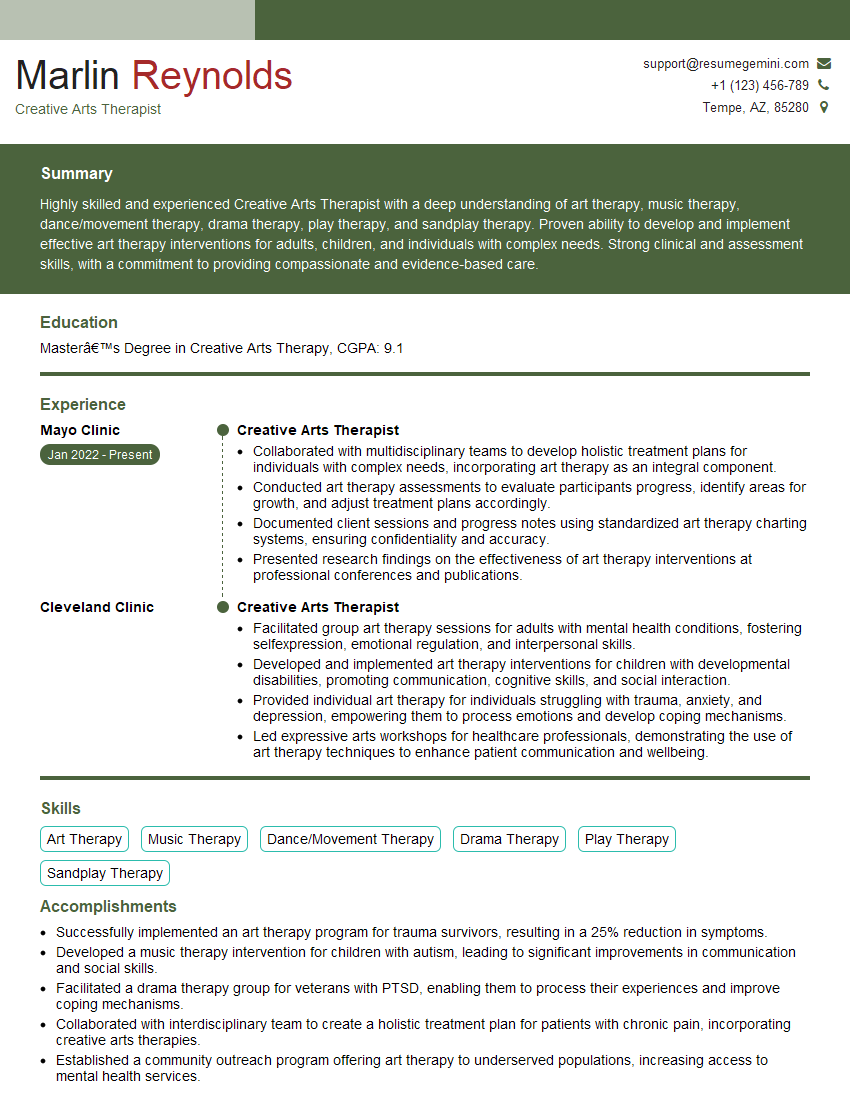
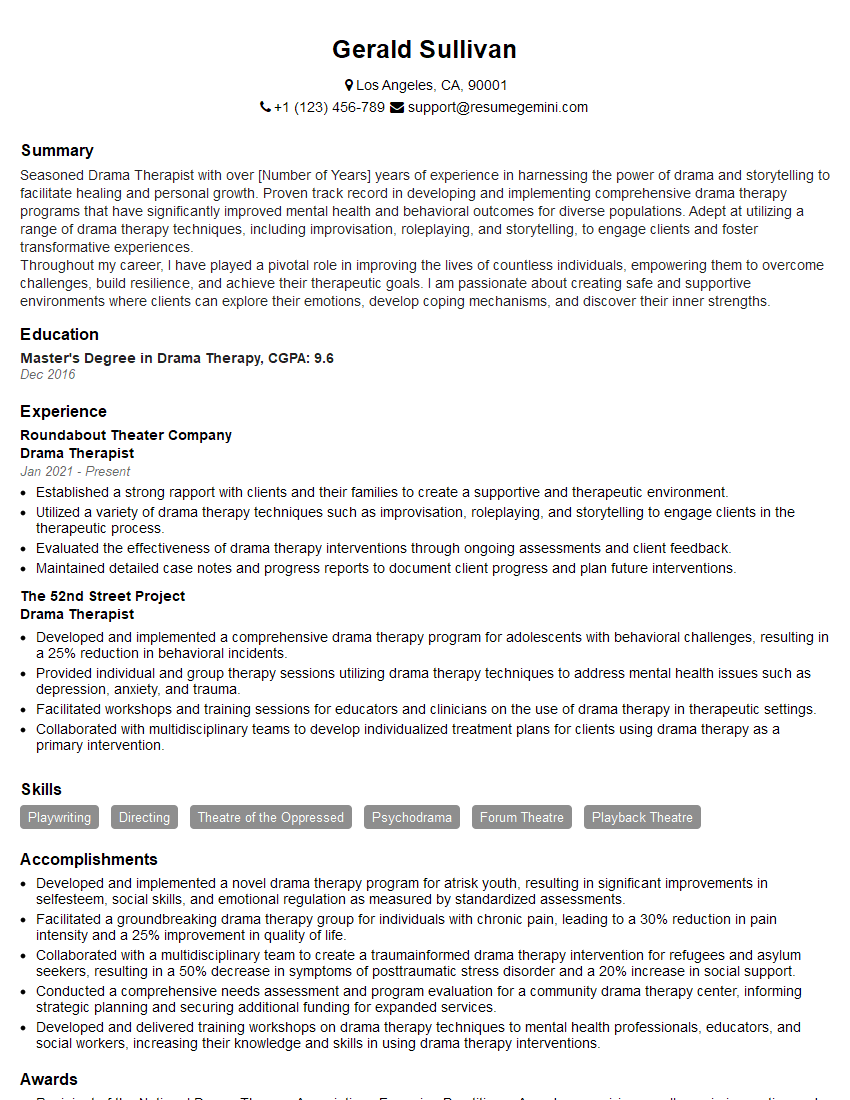
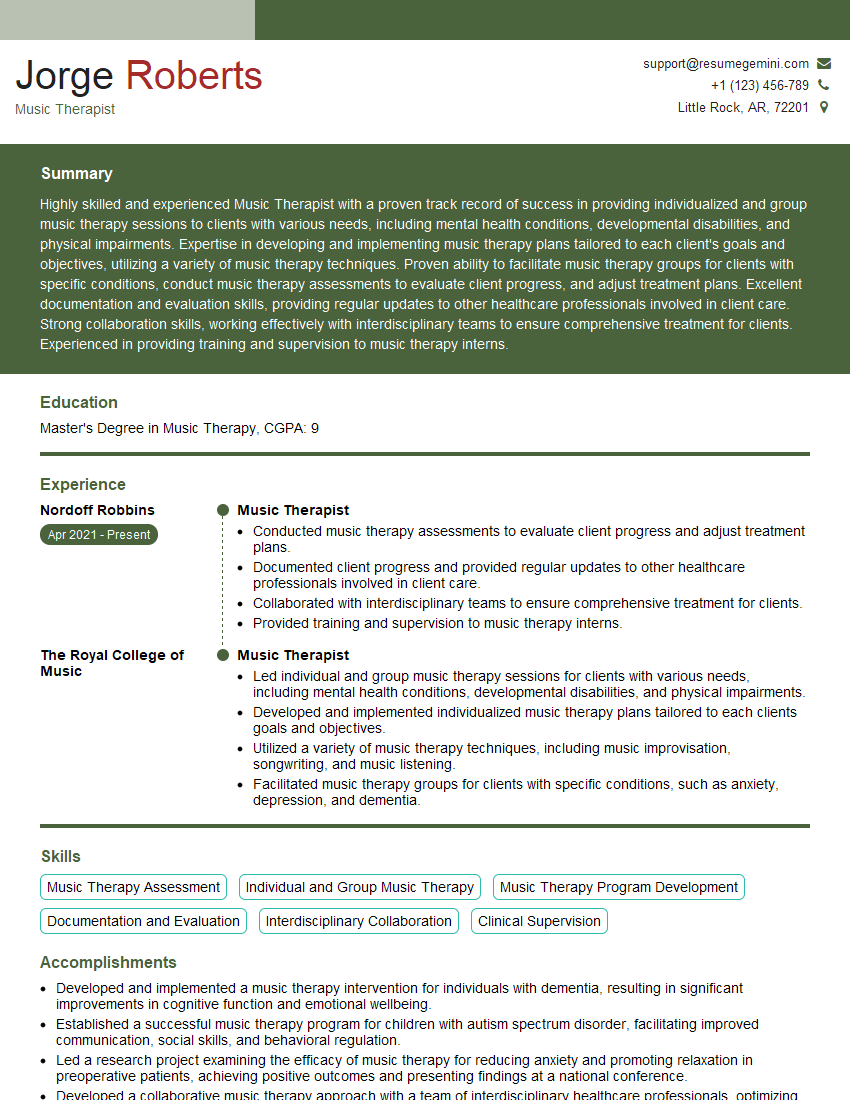
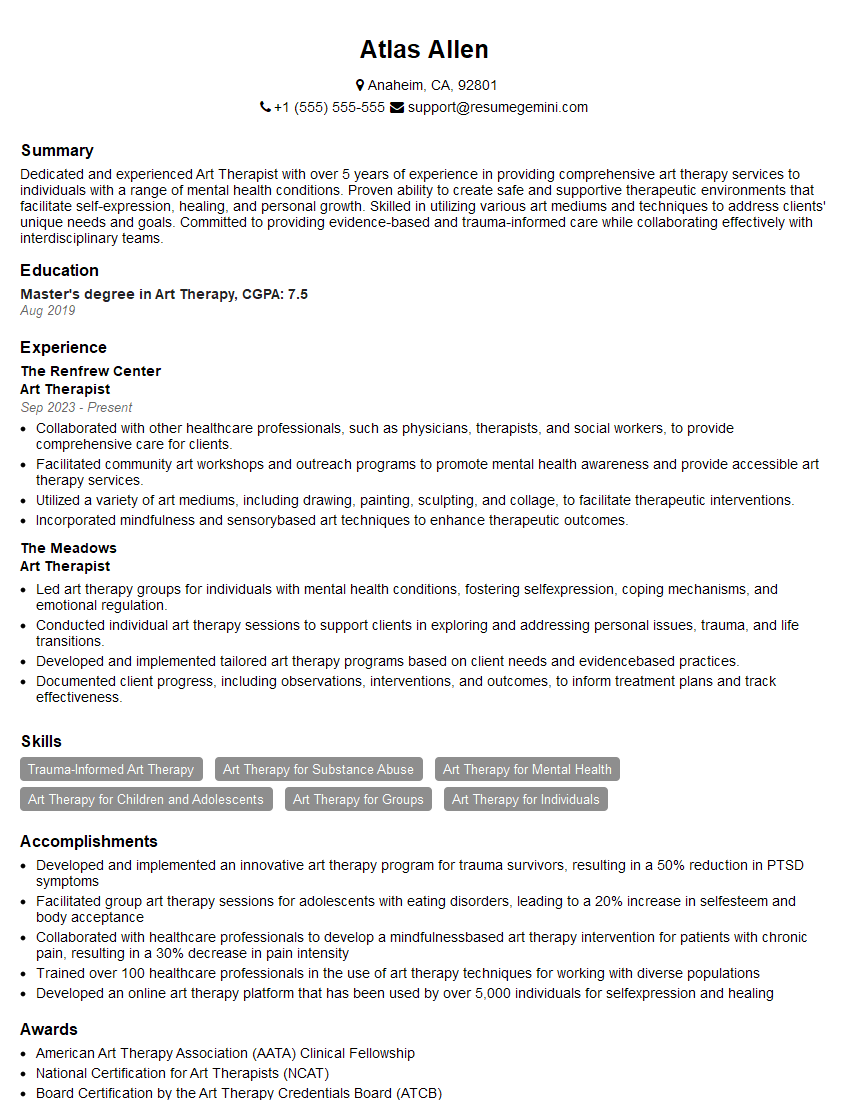
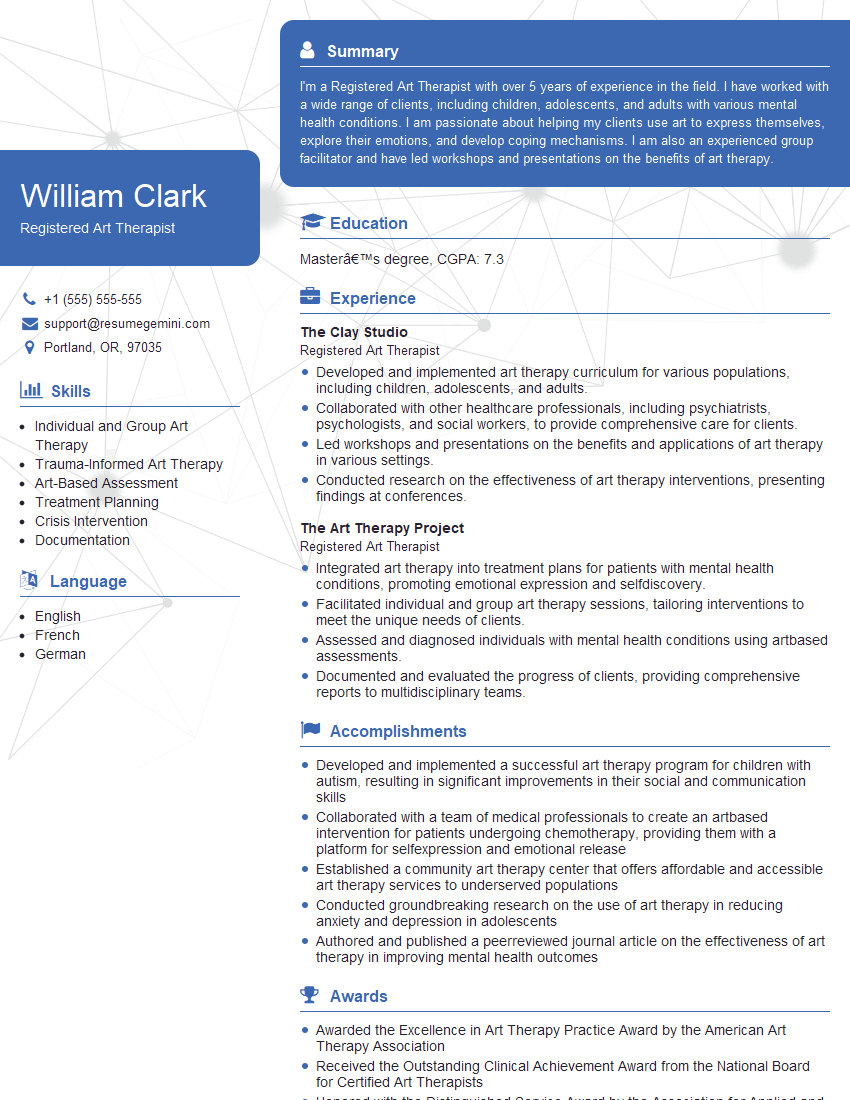
Mastering Art-Based Interventions opens doors to fulfilling and impactful careers in diverse fields. To maximize your job prospects, creating a strong, ATS-friendly resume is crucial. ResumeGemini is a trusted resource that can help you build a professional resume that highlights your skills and experience effectively. ResumeGemini provides examples of resumes tailored to Art-Based Interventions to guide you through the process. Invest time in crafting a compelling resume – it’s your first impression on potential employers.
Explore more articles
Users Rating of Our Blogs
Share Your Experience
We value your feedback! Please rate our content and share your thoughts (optional).
What Readers Say About Our Blog
To the interviewgemini.com Webmaster.
Very helpful and content specific questions to help prepare me for my interview!
Thank you
To the interviewgemini.com Webmaster.
This was kind of a unique content I found around the specialized skills. Very helpful questions and good detailed answers.
Very Helpful blog, thank you Interviewgemini team.