Unlock your full potential by mastering the most common Art Materials and Techniques interview questions. This blog offers a deep dive into the critical topics, ensuring you’re not only prepared to answer but to excel. With these insights, you’ll approach your interview with clarity and confidence.
Questions Asked in Art Materials and Techniques Interview
Q 1. Explain the differences between acrylic, oil, and watercolor paints.
Acrylic, oil, and watercolor paints are distinct mediums with unique properties affecting their application, drying time, and final appearance. Think of it like choosing the right tool for a job: each paint is best suited for different tasks.
- Acrylics: These water-based paints dry quickly, forming a water-insoluble, flexible film. Their fast drying time is both an advantage (allowing for quick layering) and a disadvantage (limiting blending time). They’re versatile, can be used on a variety of surfaces, and clean up easily with water. Think of them as the ‘workhorse’ – fast, efficient, and adaptable.
- Oils: Oil paints are composed of pigment suspended in drying oil (like linseed oil). They offer a slow drying time, allowing for extensive blending and glazing. The rich luminosity and depth of color are unmatched, but they require specific solvents for cleanup and take significantly longer to dry completely – sometimes weeks or even months. They’re ideal for detailed work and achieving a rich, textured finish. Think of them as the ‘master painter’s choice’ – requiring patience but providing exquisite results.
- Watercolors: These paints are also water-based, but unlike acrylics, they remain translucent even when dry. This translucency allows for layering effects and luminous washes of color. They require special watercolor paper designed to handle the wet-on-wet technique. Watercolors are ideal for capturing light and airy scenes and are often used for sketching and quick studies. They’re like the ‘impressionist’ – capturing the essence of a scene with delicate washes of color.
Q 2. Describe the properties of various types of paper (e.g., watercolor, drawing, printmaking).
Paper plays a crucial role in the final artwork, influencing the outcome depending on its weight, texture, and composition. Selecting the wrong paper can lead to frustrating results.
- Watercolor Paper: This paper is made with a high cotton content and is sized (treated) to resist the absorption of water. The sizing prevents the paper from buckling or becoming overly saturated. Weight is crucial; heavier weight paper (300gsm or higher) is preferred for wet-on-wet techniques to prevent warping. Think of it like a strong foundation for a house – it must be sturdy enough to handle the stress of water.
- Drawing Paper: Drawing paper comes in various weights and textures, from smooth Bristol board ideal for precise line work and detail to textured papers like Stonehenge or Ingres that provide a tooth (texture) that holds the graphite or charcoal beautifully. The choice depends on your chosen media; smoother paper is preferred for pencil and ink, while textured paper suits charcoal or pastel.
- Printmaking Paper: This paper needs to withstand the pressure and abrasion of the printmaking process. It’s usually thicker and stronger than drawing paper, able to handle the pressure of etching, lithography, or screen printing. The type of paper used depends on the printmaking technique and the desired final effect.
Q 3. What are the different types of brushes and their appropriate uses?
Choosing the right brush is essential for controlling the flow of paint and achieving the desired texture and detail. Just like a chef selecting the right knife for the job, each brush has its own purpose.
- Round Brushes: Ideal for fine details, lines, and delicate work. Sizes vary from extremely fine to moderately large.
- Flat Brushes: Used for broad strokes, washes, and covering large areas quickly. They create crisp edges and are great for impasto (thick application of paint).
- Filbert Brushes: A combination of round and flat, offering a soft edge for blending and softening transitions.
- Fan Brushes: Create textured strokes, gradients, and special effects like grass or foliage.
- Angular Brushes: Allow for sharp lines, precise details, and creating bold shapes.
The material of the brush – sable, synthetic, hog bristle – also impacts the feel and performance. Sable brushes are known for their fine point and excellent color holding capacity, but synthetic options are more affordable and durable.
Q 4. How would you determine the age and authenticity of a painting?
Determining the age and authenticity of a painting requires a multi-faceted approach, involving art historical research, technical analysis, and often, the expertise of a conservator. It’s like solving a complex puzzle with multiple pieces.
- Stylistic Analysis: Comparing the painting’s style to the known works of the artist across different periods. Inconsistencies in style can be a red flag.
- Technical Examination: Analyzing the pigments, binders, canvas, and any other materials used. Pigment analysis, through techniques like X-ray fluorescence (XRF), can reveal the presence of pigments not available during certain historical periods. Microscopic examination can reveal brushstrokes and painting techniques consistent with an artist’s known methods.
- Provenance Research: Tracing the painting’s ownership history through documentation such as sales records, exhibition catalogs, and private collections. A clear and documented provenance significantly strengthens authenticity.
- Condition Report: Assessing the painting’s condition, including craquelure (cracking) patterns, restoration work, and any signs of damage or alteration. Over-restoration or inconsistencies in repair work might indicate forgery.
It’s crucial to consult with reputable art historians, conservators, and experts in the relevant period and artistic style before making any conclusions about a painting’s authenticity.
Q 5. Describe the process of preparing a canvas for oil painting.
Preparing a canvas for oil painting is a crucial step that ensures the paint adheres properly and the artwork endures. It’s like creating a strong foundation for a building.
- Sizing: Applying a sizing solution (often rabbit skin glue or acrylic gesso) to seal the canvas and create a uniform surface. This prevents the oil paint from being absorbed too quickly by the canvas.
- Priming: Applying a layer of gesso (a mixture of pigment, chalk, and a binder like glue) to create a smooth, white surface. Gesso provides a tooth for the paint to adhere to and prevents the oil paint from yellowing the canvas over time. Multiple thin coats are better than one thick coat.
- Sanding (optional): Gently sanding the gesso between coats to create an exceptionally smooth surface.
- Final Preparation: Once the gesso is completely dry, the canvas is ready for painting. You can further prepare by lightly wiping with a tack cloth to remove dust.
The choice of gesso (acrylic or oil-based) and the number of coats can vary depending on the desired texture and the artist’s preference. Some artists prefer a slightly textured canvas while others seek a completely smooth surface.
Q 6. What are the common methods for cleaning and preserving artwork?
Cleaning and preserving artwork requires a delicate approach to prevent damage. The methods depend on the medium, the type of soiling, and the artwork’s condition.
- Regular Cleaning: Dusting is essential for preventing the accumulation of dirt and grime. Use a soft brush, ideally a sable hair brush or a soft synthetic alternative, and gently brush the surface. For framed artwork, consider cleaning the glass with a specialized glass cleaner.
- Professional Cleaning: For significant soiling or stains, professional cleaning is recommended. Conservators possess the expertise and specialized tools to safely clean artwork without causing damage. They may use specialized cleaning solutions and techniques suited to the artwork’s materials and condition.
- Environmental Control: Protecting the artwork from fluctuating temperature and humidity is crucial. Avoid direct sunlight, which can cause fading. Ideal storage conditions should be kept consistently cool, dry and stable.
- Proper Handling: Always handle artwork with clean hands and wear cotton gloves to avoid transferring oils from the skin. Avoid touching the painting surface.
Proper storage and framing are equally crucial. Use acid-free materials for framing and storage to prevent damage from acidic compounds that can yellow or weaken the artwork over time.
Q 7. Explain the dangers of using certain art materials (e.g., solvents, pigments).
Many art materials pose health risks if not handled appropriately. Safety precautions are essential to protect yourself and your workspace.
- Solvents: Solvents like turpentine, mineral spirits, and acetone are highly flammable and toxic. They should be used in well-ventilated areas, away from open flames or sparks. Wear appropriate respiratory protection (respirator) and gloves to prevent inhalation or skin contact. Dispose of solvents according to local regulations.
- Pigments: Some pigments, particularly older ones, contain heavy metals like lead or cadmium, which are toxic if ingested or inhaled. Avoid using pigments containing such substances if possible, and always wash your hands thoroughly after handling pigments.
- Other Hazards: Always refer to the Safety Data Sheet (SDS) for each material to understand its specific hazards and appropriate handling procedures. Proper ventilation, eye protection, and protective clothing are paramount when working with art materials.
Remember, safety should always be the top priority. It’s always better to err on the side of caution when handling art materials.
Q 8. What are the different types of adhesives used in art restoration?
Adhesives in art restoration are chosen meticulously, as the wrong one can cause irreversible damage. The selection depends heavily on the materials being joined, the age and condition of the artwork, and the desired level of reversibility. We aim for the least invasive solution.
- Animal glues (hide glue): Derived from animal collagen, these are traditional and reversible, suitable for many paper and wood repairs. Think of it like the glue our ancestors used – it’s strong but can be softened with water, allowing for future adjustments.
- Synthetic adhesives: These offer greater control and strength in specific situations. Examples include acrylic emulsions (water-based and reversible), polyvinyl acetate (PVA, also reversible, commonly used for paper and canvas), and ethyl cyanoacrylate (super glue, used sparingly and only for very small, stable areas because it’s irreversible). These are often preferred in modern restorations due to their precision, but reversibility is critical.
- Wheat starch paste: A natural, reversible adhesive primarily for paper conservation. It’s gentle and easy to work with, perfect for delicate documents or artworks.
Choosing the right adhesive is a delicate balance. While strength is important, reversibility is paramount in art restoration to allow for future interventions or corrections without harming the original artwork. For example, using super glue on a delicate painting would be disastrous, while hide glue is a more suitable choice for securing a loose canvas area.
Q 9. How do you choose the appropriate varnish for a particular painting?
Varnish selection is crucial as it protects the painting’s surface, enhances its colors, and can even impact its perceived appearance. The wrong varnish can yellow, crack, or even damage the paint layer over time. The choice depends on several factors:
- Type of paint: Oil paintings traditionally use oil-based varnishes, while acrylics may require acrylic-based varnishes or specially formulated options for optimal compatibility.
- Age of the painting: Older paintings often require a more gentle, reversible varnish, such as a natural resin varnish. It’s more important to address previous varnish problems than to add another layer.
- Desired effect: Some varnishes enhance gloss, while others offer a matte finish. The goal is to maintain the artist’s original intention as much as possible.
- Reversibility: A crucial aspect. The varnish should be removable if needed, allowing for future cleaning or restoration without causing further damage.
Think of it like choosing sunscreen: you wouldn’t use the same SPF for a sunny beach day as you would for a cloudy walk. Similarly, we consider the painting’s ‘skin’ and the environmental conditions before choosing a varnish.
Q 10. Explain the process of matting and framing artwork.
Matting and framing are crucial for protecting artwork and enhancing its presentation. The mat board acts as a buffer, preventing the artwork from contacting the glass or frame directly, which can lead to abrasion, discoloration, or even acidic damage. Framing adds structural support and contributes to the artwork’s aesthetic appeal.
The process typically involves:
- Mat selection: Choosing an acid-free mat board of appropriate color and size. Acid-free is important to prevent discoloration over time.
- Mat cutting: Precision cutting of the mat board to create a window for the artwork. This creates a visual border and adds to the presentation.
- Artwork placement: Carefully centering and adhering the artwork to the mat using acid-free materials, such as hinges or archival tape. We avoid direct contact whenever possible.
- Frame selection: Choosing a frame that complements the artwork in style, color, and material, ensuring structural integrity and stability.
- Assembly: Gently inserting the matted artwork into the frame, often incorporating UV protective glazing to prevent fading and protect the artwork from sunlight.
Proper matting and framing not only safeguards the artwork but also elevates its visual impact, preparing it for display and long-term preservation. Think of it as giving the artwork a custom-made protective suit, tailored to its specific needs.
Q 11. What are some common issues encountered when working with sculptures?
Sculptures, especially those made from delicate materials or exposed to the elements, face unique challenges.
- Cracking and breakage: Exposure to temperature fluctuations, humidity, or physical trauma can cause cracks and fractures. Repair involves careful cleaning, stabilization with consolidants, and filling cracks with appropriate materials. We use techniques specific to the material and the type of damage.
- Corrosion and decay: Metal sculptures are prone to corrosion, while organic materials like wood or stone can decay over time. This often necessitates specialized cleaning and protective treatments. For example, bronze sculptures can suffer from bronze disease – a chemical process requiring expert intervention.
- Loss of surface detail: Erosion, abrasion, or biological growth can diminish the original detail of the sculpture. Often, this can only be mitigated by careful cleaning and potentially the application of protective coatings.
- Insect infestation: Wood and organic sculptures can be vulnerable to insect damage, requiring fumigation, treatment, and possibly restoration.
Working with sculptures demands a deep understanding of materials science and conservation techniques, as each material reacts differently to environmental factors and requires specific treatment strategies.
Q 12. Describe different methods for repairing damaged textiles.
Textile repair requires great care and knowledge of textile structures and fibers. Methods vary depending on the type of damage and the textile itself.
- Patching: Holes or tears can be patched using similar fabric, carefully stitched with appropriate thread to blend seamlessly. The patch should ideally match the color, weight and texture of the original.
- Darning: A method of weaving new threads to repair holes, creating a nearly invisible mend. This technique requires skill and patience. It’s particularly suitable for delicate fabrics.
- Basting: Temporary stitches used to secure areas before more permanent repair. These are easily removed and help maintain the integrity of the fabric during the repair process.
- Inpainting: For minor discoloration or loss of color, inpainting involves carefully applying pigments to match the surrounding area. This method needs a light touch and a skilled hand to avoid further marring the textile.
Repairing textiles is like carefully putting a puzzle back together, ensuring the new pieces blend seamlessly with the original, maintaining the integrity and beauty of the piece.
Q 13. How do you identify and address color fading in artwork?
Color fading is a common issue, particularly with artworks exposed to light. Identifying the cause is the first step.
- Assessment: Careful observation of the artwork under controlled lighting conditions reveals patterns of fading, which may indicate exposure to light from a specific direction. UV light is a main culprit.
- Light exposure analysis: Measuring the light levels in the display area helps determine the level of UV radiation and overall light intensity causing the damage. We often recommend controlled lighting for long term preservation.
- Material analysis: Understanding the pigments and their lightfastness helps predict future fading. Some pigments are inherently more susceptible to light than others.
- Treatment options: Depending on the extent of fading, there might be limited options for color correction or restoration. Preventative measures such as UV-filtering glazing or controlled lighting are far more effective than corrective actions.
Addressing color fading is often a preventative rather than curative process. Regular monitoring and careful light management are essential to safeguard the artwork’s vibrancy.
Q 14. What are the ethical considerations in art conservation and restoration?
Ethical considerations in art conservation and restoration are paramount. The aim is to preserve the artwork for future generations while respecting its artistic integrity and historical context.
- Reversibility: Interventions should be reversible whenever possible, allowing for future corrections or adjustments without harming the artwork. This is a cornerstone of ethical practice.
- Minimally invasive techniques: The approach should always be as minimally invasive as possible, using the least aggressive techniques to achieve the desired outcome. We prioritize preserving the original material as much as possible.
- Transparency and documentation: All treatments must be meticulously documented, with detailed records of the materials used, methods employed, and the rationale behind each decision. This enables future conservators to understand the history of the object and any necessary future interventions.
- Respect for the artist’s intent: Conservation aims to preserve the artwork as close as possible to the artist’s original intention, avoiding unnecessary changes or alterations to the aesthetic or structural integrity. It’s about preserving the legacy, not altering it.
- Professional competence: Only qualified and experienced conservators should undertake restoration work, ensuring the application of best practices and appropriate techniques to avoid causing unintended damage.
Ethical art conservation prioritizes the long-term well-being of the artwork, guided by principles of minimal intervention, transparency, and respect for the artistic and historical significance of the piece. It’s a commitment to preserving cultural heritage for generations to come.
Q 15. Discuss the use of digital imaging techniques in art conservation.
Digital imaging techniques have revolutionized art conservation. Think of it like having a powerful magnifying glass and X-ray vision combined! We use high-resolution cameras, multispectral imaging, and infrared reflectography to reveal hidden details, assess damage, and monitor the artwork’s condition over time. For example, multispectral imaging can penetrate layers of paint to reveal underdrawings or previous versions of the artwork. Infrared reflectography helps to identify the artist’s preparatory sketches beneath the paint surface, often invisible to the naked eye. This information is crucial for making informed decisions about conservation treatments. Digital images are also archived, creating a visual record of the artwork’s state at different points in its life, allowing us to track changes and the effectiveness of conservation efforts. These records are invaluable for future conservators.
Another crucial application is in the creation of virtual reconstructions. If a painting is damaged, we can use digital imaging to carefully reconstruct missing sections or to virtually “repair” damage, allowing for better visualization before undertaking actual physical repairs. This non-invasive approach allows us to plan treatments with great precision, minimizing risk to the original artwork.
Career Expert Tips:
- Ace those interviews! Prepare effectively by reviewing the Top 50 Most Common Interview Questions on ResumeGemini.
- Navigate your job search with confidence! Explore a wide range of Career Tips on ResumeGemini. Learn about common challenges and recommendations to overcome them.
- Craft the perfect resume! Master the Art of Resume Writing with ResumeGemini’s guide. Showcase your unique qualifications and achievements effectively.
- Don’t miss out on holiday savings! Build your dream resume with ResumeGemini’s ATS optimized templates.
Q 16. Explain the role of archival materials in preserving artwork.
Archival materials are essential for the long-term preservation of artwork. Imagine trying to protect a delicate flower – you wouldn’t use rough material, would you? Similarly, we need materials that won’t damage or react negatively with the artwork. Archival materials are specifically designed to be chemically stable and inert, meaning they won’t release harmful chemicals or degrade over time, thus causing damage to the artwork. This includes acid-free papers, pH-neutral boards, and lignin-free cotton or linen fabrics. These materials help protect the artwork from light, humidity, and pollutants.
For example, using acid-free paper for matting and framing prevents the paper from releasing acids that can yellow and degrade the artwork over time. Similarly, choosing stable storage boxes prevents the artwork from being exposed to harmful elements, contributing to preservation.
Selecting the right archival materials involves considering the specific needs of the artwork. For a delicate watercolor, the choice will differ significantly from that for a sturdy oil painting on canvas.
Q 17. What are the different types of pigments and their properties?
Pigments are the colored powders that give paints, inks, and other art materials their color. They come from a wide variety of sources, both natural and synthetic, each possessing unique properties.
- Inorganic Pigments: These are derived from minerals or metallic compounds. Examples include azurite (a blue pigment from copper carbonate), cadmium yellow (from cadmium sulfide), and vermilion (from mercury sulfide). Inorganic pigments are generally more lightfast (resistant to fading) and durable than organic pigments, but some, like lead white, are toxic.
- Organic Pigments: These are derived from plants, animals, or synthetic organic compounds. Examples include madder lake (a red pigment from the madder plant root), indigo (a blue pigment from the indigo plant), and alizarin crimson (a synthetic organic pigment). Organic pigments are often vibrant but can be less lightfast than inorganic pigments. Many synthetic organic pigments offer improved lightfastness and permanence, but careful selection is essential.
- Properties to Consider: When choosing a pigment, consider its lightfastness, permanence, transparency, opacity, and toxicity. Lightfastness refers to how well the pigment resists fading in light; permanence relates to its long-term stability. Transparency describes whether light passes through the pigment (allowing underlying layers to show), while opacity means the pigment completely covers underlying layers. Toxicity is a major concern, especially with historical pigments containing lead or other heavy metals.
Q 18. How do you assess the condition of a piece of artwork before starting a restoration?
Assessing the condition of an artwork before restoration is like giving a patient a thorough medical examination before surgery. It’s a crucial first step. We use a multi-pronged approach including visual inspection, using magnification (microscopes), and various analytical techniques.
Visual Inspection: This involves carefully observing the artwork for any visible damage, such as cracks, tears, discoloration, or losses of paint. We document the location and extent of the damage using photography and written notes.
Magnification: Microscopes allow for a close examination of the paint layers, revealing subtle damage or changes not visible to the naked eye.
Analytical Techniques: We might use techniques like X-ray fluorescence (XRF) to identify pigments, infrared reflectography to detect underdrawings, or UV fluorescence to assess the condition of varnish layers. The choice of techniques depends on the type of artwork and the questions we need to answer.
Based on this comprehensive assessment, we create a condition report, a detailed document that outlines the artwork’s strengths, weaknesses, and areas requiring attention. This is vital for developing a sound conservation treatment plan.
Q 19. Describe the process of preparing a work of art for transport.
Preparing artwork for transport is like preparing a delicate package for a long journey; great care is needed. The process depends largely on the artwork’s size, fragility, and the distance to be traveled. We want to protect the artwork from physical damage, vibrations, and environmental factors like temperature and humidity changes.
Crating: This typically involves creating a custom-fit crate made from strong, lightweight materials. The artwork is carefully secured within the crate using acid-free cushioning materials such as archival foam or cotton batting, which prevent movement and protect it from shocks and vibrations during transport. We ensure appropriate climate control is maintained inside the crate, especially for sensitive artwork.
Environmental Control: For long-distance transport, we might use climate-controlled vehicles or shipping containers to maintain stable temperature and humidity levels, preventing damage from environmental fluctuations.
Documentation: Comprehensive documentation throughout the process is critical. This includes photographs of the artwork before packing, details of packing materials used, and records of environmental conditions during transport. This documentation ensures accountability and helps track the artwork’s condition.
Handling: It’s vital to handle the artwork with extreme care. Trained personnel should carry out packing and handling procedures, minimizing the risk of damage.
Q 20. What are the safety precautions when handling hazardous art materials?
Handling hazardous art materials requires strict adherence to safety precautions. Many traditional and some modern art materials pose health risks. These risks can manifest as skin irritation, respiratory problems, or long-term health issues. Think of it as working in a chemistry lab; proper safety protocol is non-negotiable.
Personal Protective Equipment (PPE): This is paramount. Use appropriate PPE such as gloves (nitrile gloves are generally recommended), eye protection (safety glasses or goggles), and respirators (depending on the material) to protect against inhalation, skin contact, and eye irritation.
Ventilation: Ensure adequate ventilation in the workspace to minimize the inhalation of fumes or dusts. This might involve working outdoors, using local exhaust ventilation systems, or ensuring good airflow within a well-ventilated studio.
Safe Storage: Store hazardous materials appropriately, following manufacturer instructions and regulations. This often involves labeling containers clearly, separating incompatible materials, and storing them in a cool, dry place away from heat sources.
Disposal: Dispose of hazardous waste responsibly, following local and national regulations. Never pour materials down the drain or into the trash.
Emergency Procedures: Have a plan in place for handling emergencies, including skin contact, eye irritation, or inhalation incidents. Knowing the location of safety showers and eyewash stations is essential.
Q 21. What are the different types of wood used in sculpture and framing?
The choice of wood in sculpture and framing depends on its properties, including strength, durability, workability, and aesthetic appeal.
- Sculpture: Hardwoods like oak, mahogany, walnut, and lignum vitae are often favored for sculptures due to their strength, durability, and ability to hold intricate detail. The choice often depends on the desired aesthetic and the specific requirements of the sculpture. Softer woods like basswood and pine might be preferred for carving intricate details where less strength is required.
- Framing: For framing, durability and stability are key. Hardwoods like oak and maple are popular choices for their strength and resistance to warping. Pine is often used for more affordable frames, though it’s less durable and may require more care.
Other factors to consider include the wood’s grain, color, and tendency to warp or crack. The climate in which the artwork will be displayed is also crucial, as extreme humidity or temperature fluctuations can affect the wood’s stability.
Q 22. Describe the properties of various metal used in art.
Metals offer a diverse range of properties crucial for artistic expression. Their malleability, durability, and aesthetic appeal make them versatile materials. The choice of metal depends heavily on the desired outcome and the artist’s technique.
- Copper: Relatively soft and easily malleable, it oxidizes (patinas) over time, offering a beautiful range of colors from reddish-brown to green. It’s ideal for etching, chasing, and repoussé techniques.
- Silver: Known for its brilliant luster and high reflectivity, it’s used in jewelry, silverware, and sculptural works. It requires careful handling to prevent tarnishing.
- Gold: Highly valued for its inertness and radiant golden hue, it’s often used in its pure form or alloyed with other metals for strength and color variations. It’s frequently employed in intricate jewelry and decorative applications.
- Iron: Strong and durable, iron lends itself to forging, welding, and casting. Its susceptibility to rust can be controlled through various treatments, adding another layer of artistic expression. Wrought iron, in particular, allows for intricate designs.
- Bronze: An alloy primarily of copper and tin (sometimes with other metals added), bronze offers a unique combination of strength and malleability. It’s been a favorite material for sculpture for millennia, renowned for its ability to retain fine details.
- Aluminum: Lightweight and corrosion-resistant, aluminum is frequently used in modern sculpture due to its ease of fabrication and striking metallic sheen. It can be readily cast, welded, and shaped.
Consider the artist who creates delicate silver filigree jewelry versus the sculptor who crafts a large-scale iron installation. The properties of each metal directly influence the artistic choices and the final artwork’s character.
Q 23. How do you handle the ethical dilemmas in art conservation?
Ethical dilemmas in art conservation are complex, often involving balancing the artwork’s preservation with the integrity of the original artist’s intent and the piece’s historical context. The core principle is always to do no harm, but navigating that is often challenging.
- Intervention vs. Non-Intervention: The decision to intervene with a treatment is paramount. Sometimes, minimal intervention is best, allowing the artwork to age naturally. However, unchecked deterioration can lead to irreversible damage. This requires a careful assessment of the artwork’s condition and its projected lifespan.
- Material Authenticity: Using modern materials in restoration can be contentious. While necessary at times, replacing original pigments with modern counterparts could diminish the piece’s historical value. The goal is to use materials as close to the original as possible while ensuring stability and longevity.
- Documentation and Transparency: Complete and meticulously documented records of all treatments are crucial for maintaining the artwork’s history and for informing future conservation efforts. This transparency ensures accountability and allows future conservators to understand the rationale behind previous actions.
- Cultural Sensitivity: When dealing with artifacts from different cultures, it’s imperative to respect their cultural significance and any associated traditions. This often requires collaboration with specialists in cultural heritage and indigenous communities.
For example, imagine discovering a delicate fresco with significant damage. The ethical dilemma might involve whether to undertake extensive restoration, potentially altering the original’s character, or to stabilize it minimally and preserve its existing condition—even if that implies a shorter lifespan. Each case requires careful consideration and consultation with experts.
Q 24. What are the common issues associated with the storage of artwork?
Improper storage poses significant threats to artwork, leading to deterioration and even irreversible damage. Several factors contribute to these issues.
- Environmental Conditions: Fluctuations in temperature and humidity are detrimental. Extreme temperatures can cause materials to expand and contract, leading to cracking or warping. High humidity promotes mold and mildew growth, while low humidity can cause materials to become brittle.
- Light Exposure: UV radiation from sunlight and artificial lighting fades pigments, causing color shift and weakening of fibers. Artwork should be stored in subdued, indirect light or shielded by UV-filtering materials.
- Pests: Insects and rodents can cause significant damage, chewing through canvases, paper, or wood. Regular inspections and pest control measures are essential.
- Airborne Pollutants: Pollutants such as dust, smoke, and gases can settle on artwork surfaces and chemically react with the materials, leading to discoloration and degradation.
- Physical Damage: Improper handling, vibrations, and unstable shelving can lead to physical damage, such as abrasions or tears. Artwork should be handled with care and stored securely.
Imagine a museum storing a collection of delicate watercolors in direct sunlight. The colors would rapidly fade, diminishing the artwork’s value and beauty. Proper storage is fundamental to preservation.
Q 25. Explain the process of creating a custom color mix.
Creating custom color mixes is a fundamental skill for artists, allowing for precise control over hue, value, and saturation. The process typically involves understanding color theory and using a systematic approach.
- Understanding Color Theory: A strong grasp of the color wheel (primary, secondary, and tertiary colors) is vital. Understanding relationships between colors—complementary, analogous, etc.—helps in predicting the outcome of mixing.
- Choosing Your Medium: The process varies based on the medium; oil paints require a different approach than watercolors. Oil paints can be mixed directly on the palette, while watercolors often require more careful control of the water-to-pigment ratio.
- Starting with a Base Color: Begin by choosing a base color that is close to your desired target. Adding small amounts of other colors to the base is easier than trying to correct a large initial mistake.
- Gradual Mixing: Mix small batches of colors, testing the mixtures on a separate surface before applying them to the artwork. This avoids large-scale color errors.
- Documenting Your Mixes: Note down the ratios of each color used in your mixtures. This allows you to replicate the colors later if needed.
For example, to create a specific shade of green, you might start with a base of yellow and gradually add small amounts of blue, adjusting the ratio to achieve the desired tone. Careful observation and incremental mixing are key to success.
Q 26. Describe different types of printmaking techniques and their materials.
Printmaking encompasses a range of techniques used to create multiple copies of an image. Each technique uses unique materials and processes.
- Relief Printing (e.g., Woodcut, Linocut): The image is carved into a surface (wood or linoleum), leaving the areas to be printed raised. Ink is applied to the raised surface and transferred to paper under pressure. Woodcuts use wood blocks, while linocuts utilize softer linoleum.
- Intaglio Printing (e.g., Etching, Engraving): The image is incised into a metal plate (typically copper or zinc). Ink is forced into the grooves, and the surface is wiped clean. Paper is pressed onto the plate, transferring the ink from the grooves. Etching involves using acid to bite into the metal, while engraving uses tools to directly carve the lines.
- Lithography: The image is drawn onto a flat stone or metal plate with a greasy crayon or ink. The plate is treated with water and ink; the ink adheres to the greasy areas, repelling the water. Paper is then pressed onto the plate to transfer the image. This is a planographic printing method where the surface is flat.
- Screen Printing (Serigraphy): A stencil is created on a fine mesh screen. Ink is pushed through the open areas of the stencil onto paper or fabric. This technique allows for bold, vibrant colors and is often used for posters and textile printing.
Imagine the detailed lines of an engraving versus the bold colors of a screen print. The choice of printmaking technique dramatically affects the final artwork’s aesthetic and character.
Q 27. What are some alternative and sustainable art materials?
The art world is increasingly embracing sustainable and environmentally conscious materials. This movement aims to reduce the environmental impact of art production.
- Recycled Materials: Utilizing recycled paper, plastic, metal scraps, and textiles offers a creative way to repurpose waste and minimize environmental burden.
- Natural Pigments: Creating pigments from natural sources, such as plants, minerals, and insects, reduces reliance on synthetic, often toxic, pigments. This also connects artists more directly to the origins of their materials.
- Biodegradable Materials: Using materials that break down naturally, such as certain types of clay or plant-based fibers, minimizes long-term environmental impact.
- Locally Sourced Materials: Sourcing materials locally reduces transportation costs and emissions associated with long-distance shipping.
- Digital Art and Virtual Reality: Digital art creation is a largely sustainable medium, utilizing minimal physical materials and producing minimal waste.
An artist creating sculptures from recycled plastic bottles is an excellent example of sustainable art practice. By reusing materials, the artist both creates unique pieces and reduces the environmental impact of plastic waste.
Q 28. How do you maintain your tools and equipment in a professional art setting?
Maintaining tools and equipment is crucial in a professional art setting for several reasons: it ensures the longevity of the equipment, improves the quality of the artwork, and promotes a safe working environment.
- Regular Cleaning: After each use, tools and equipment should be thoroughly cleaned. This removes residue that might damage the tools or interfere with future use. The cleaning method varies depending on the material; brushes require different care than carving tools.
- Proper Storage: Tools and equipment must be stored in a safe and organized manner. This prevents damage, loss, and ensures they are readily accessible when needed. Using protective cases and designated storage areas keeps things organized.
- Sharpening and Maintenance: Cutting tools, such as knives and chisels, require regular sharpening to maintain efficiency and prevent damage to materials. Other tools may require specific maintenance procedures, such as oiling or lubrication.
- Safety Checks: Regular safety checks are essential, particularly for power tools. This ensures the tools are working properly and are not posing any safety risks to the artist.
- Preventative Maintenance: Preventative maintenance, such as regular inspections and minor repairs, can help to prevent major problems and expensive repairs down the line.
Imagine an artist whose fine paintbrushes are caked with dried paint. Not only is the brush damaged, but the quality of their work will suffer. Proper maintenance ensures efficiency, longevity, and superior results.
Key Topics to Learn for Art Materials and Techniques Interview
- Pigment Properties & Behavior: Understanding the chemical composition, lightfastness, and mixing properties of various pigments (e.g., acrylics, oils, watercolors).
- Binder & Medium Effects: Knowing how different binders (e.g., oil, acrylic polymer, gum arabic) affect paint consistency, drying time, and final appearance. Understanding the role and impact of mediums.
- Surface Preparation & Priming: Exploring various surface preparation techniques for different materials (canvas, wood panel, paper) and the importance of proper priming for optimal adhesion and paint performance.
- Brushwork & Application Techniques: Mastering different brushstrokes (e.g., impasto, glazing, scumbling) and their effects on texture, color mixing, and overall artistic expression. Understanding the appropriate brush types for various mediums.
- Color Theory & Mixing: A strong grasp of color relationships (hue, saturation, value), color harmonies, and effective color mixing techniques for achieving desired results.
- Preservation & Conservation: Understanding the principles of art conservation, including appropriate storage, handling, and restoration techniques for different art materials.
- Health & Safety: Familiarity with safe handling procedures for various art materials, including proper ventilation, protective gear, and waste disposal.
- Digital Art Materials & Techniques: If applicable to the role, understanding digital painting software, brushes, and techniques.
- Problem-solving in Artistic Application: Demonstrating the ability to troubleshoot issues such as cracking, fading, or unexpected color interactions.
- Historical & Contemporary Techniques: Awareness of traditional and contemporary art techniques and their historical contexts.
Next Steps
Mastering Art Materials and Techniques is crucial for career advancement in the art world. A strong understanding of these principles demonstrates your expertise and allows you to tackle complex projects with confidence. To significantly boost your job prospects, it’s essential to create an ATS-friendly resume that highlights your skills and experience effectively. ResumeGemini is a trusted resource that can help you build a professional and impactful resume. We provide examples of resumes tailored specifically to Art Materials and Techniques roles to help you get started. Invest the time in creating a compelling resume – it’s your first impression on potential employers.
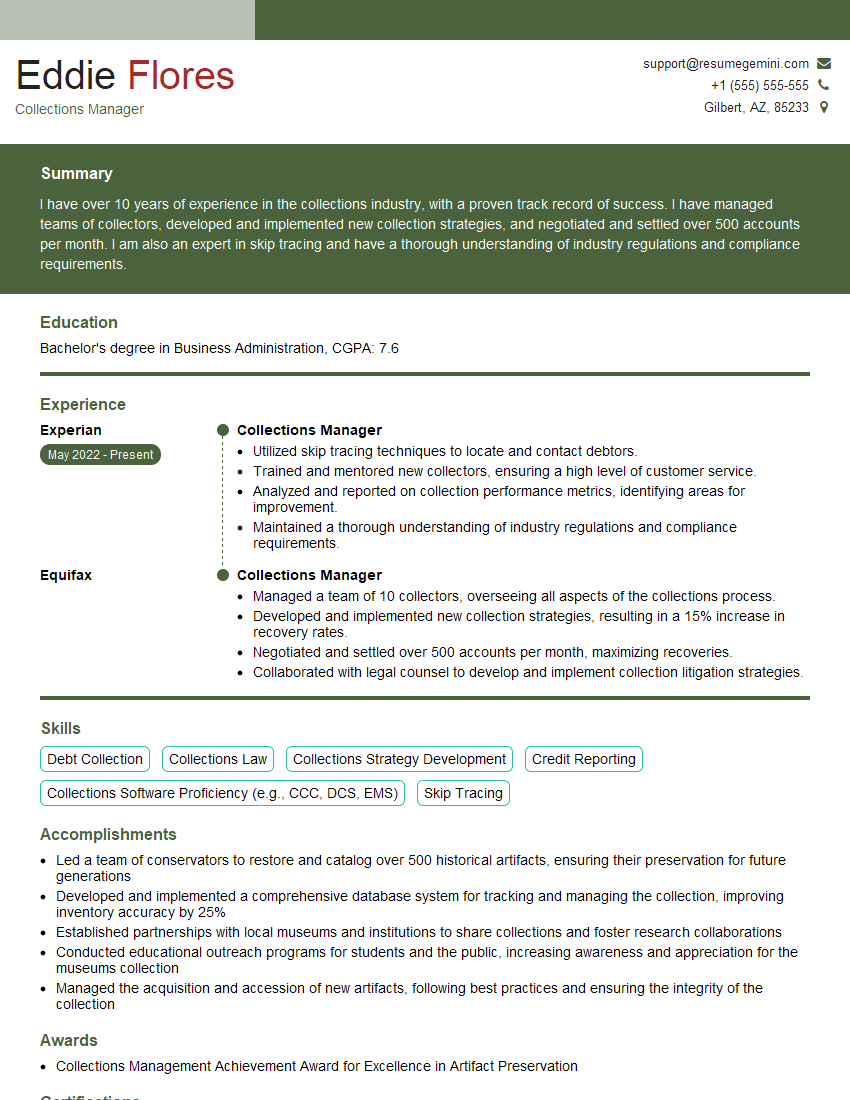
Collections Manager Resume Sample
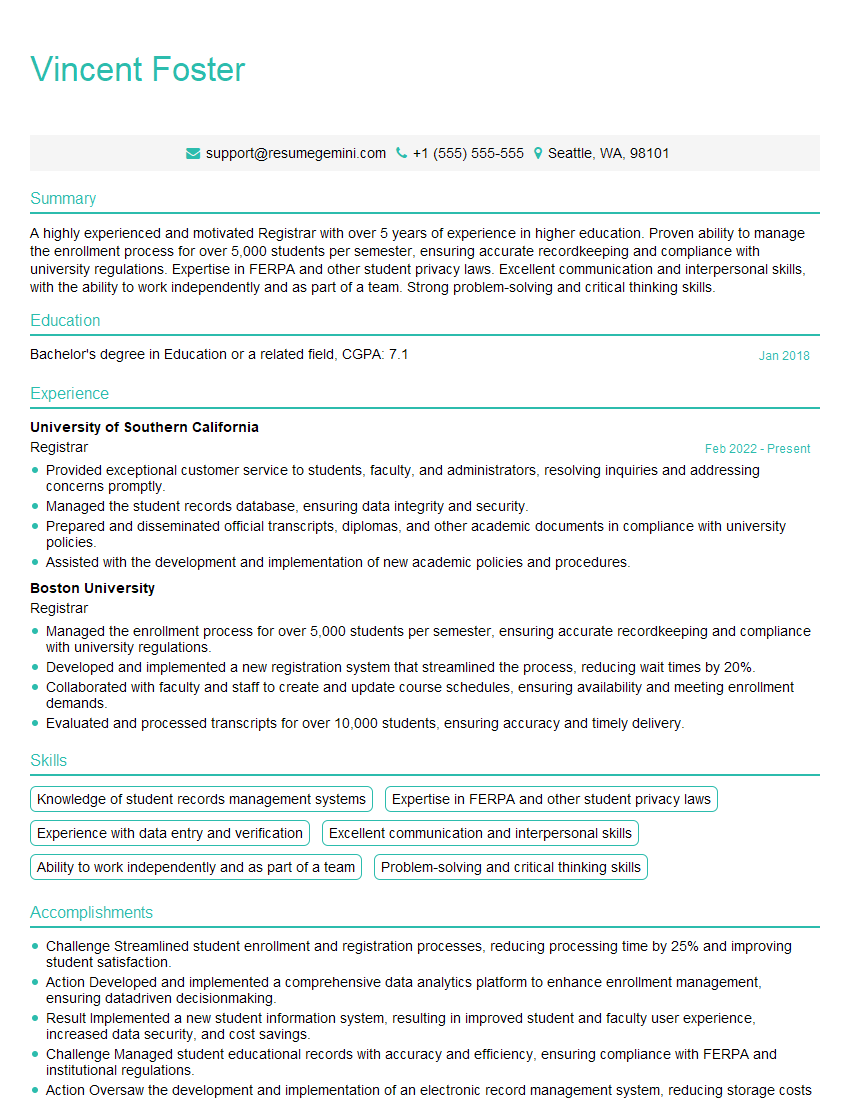
Registrar Resume Sample
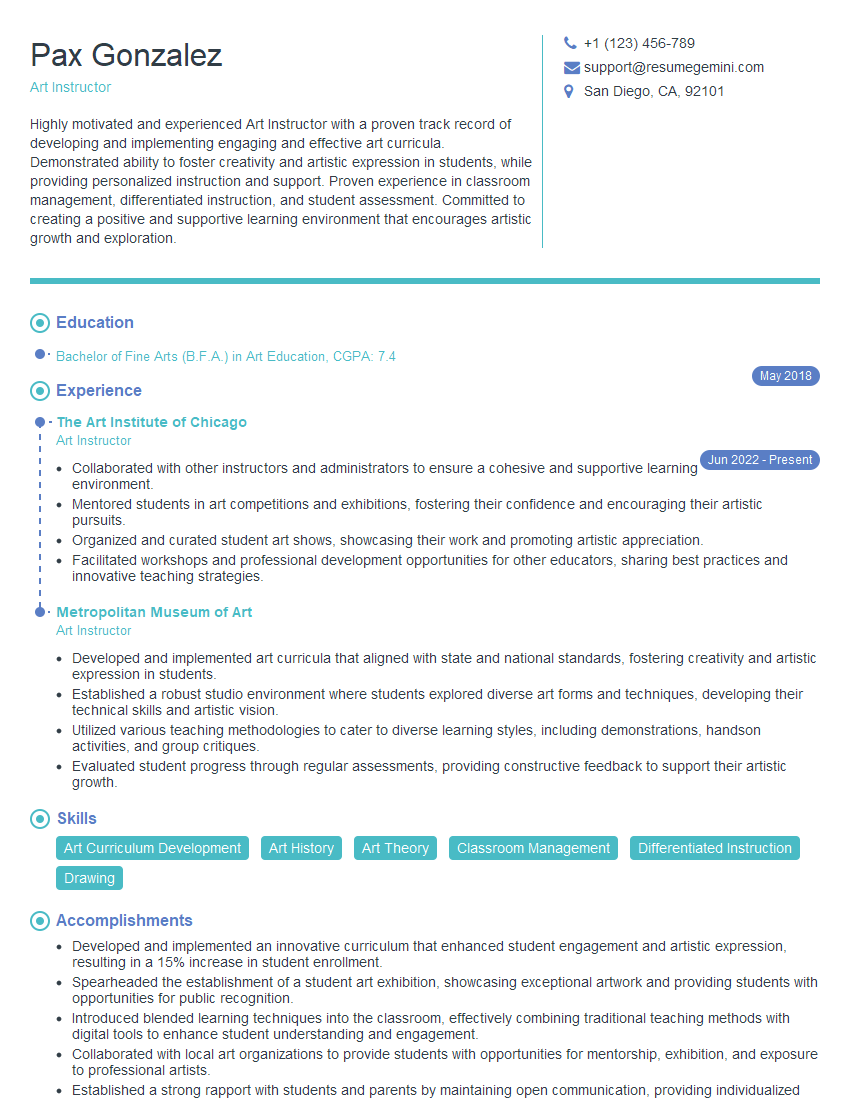
Art Instructor Resume Sample
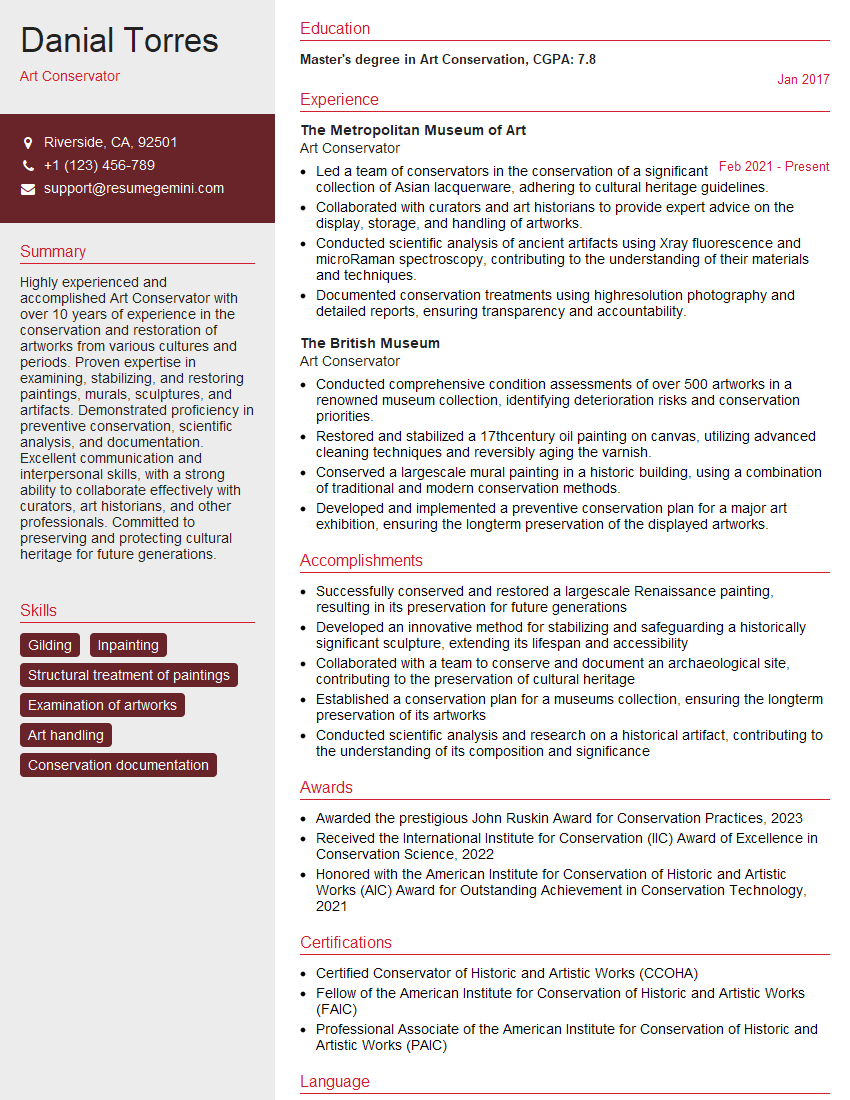
Art Conservator Resume Sample
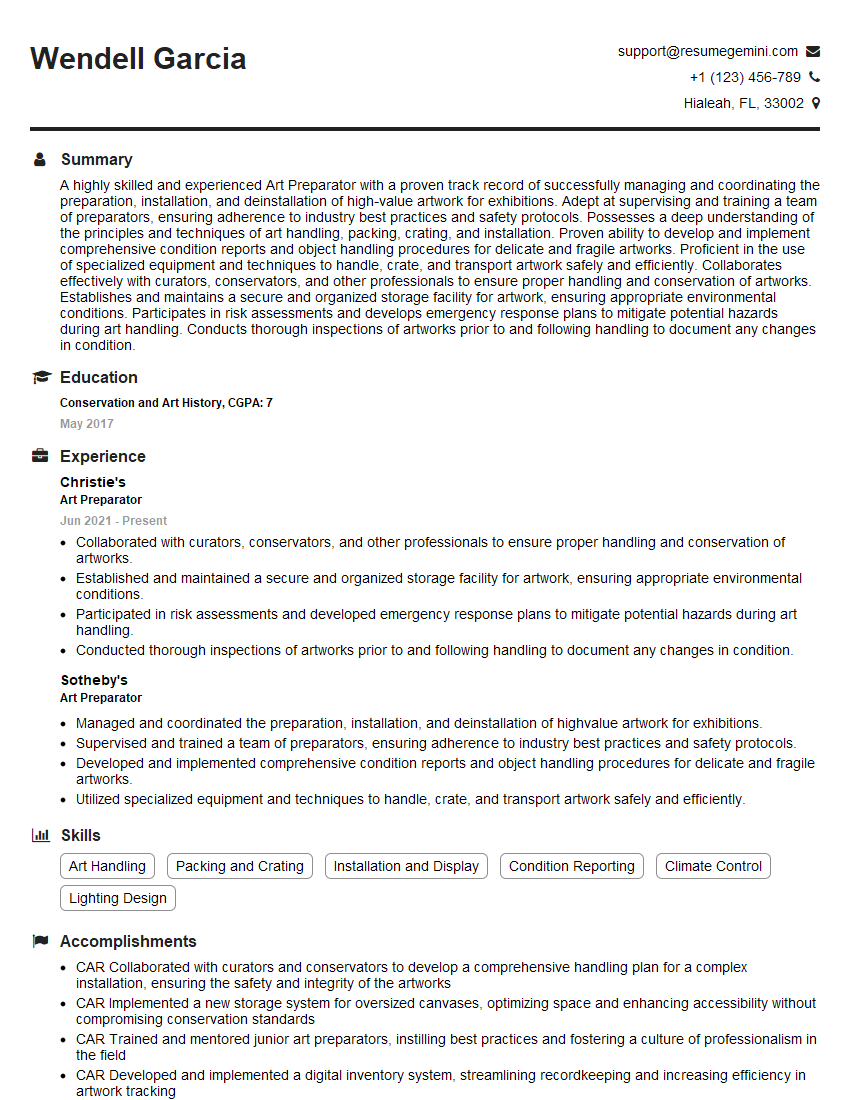
Art Preparator Resume Sample

Exhibition Designer Resume Sample
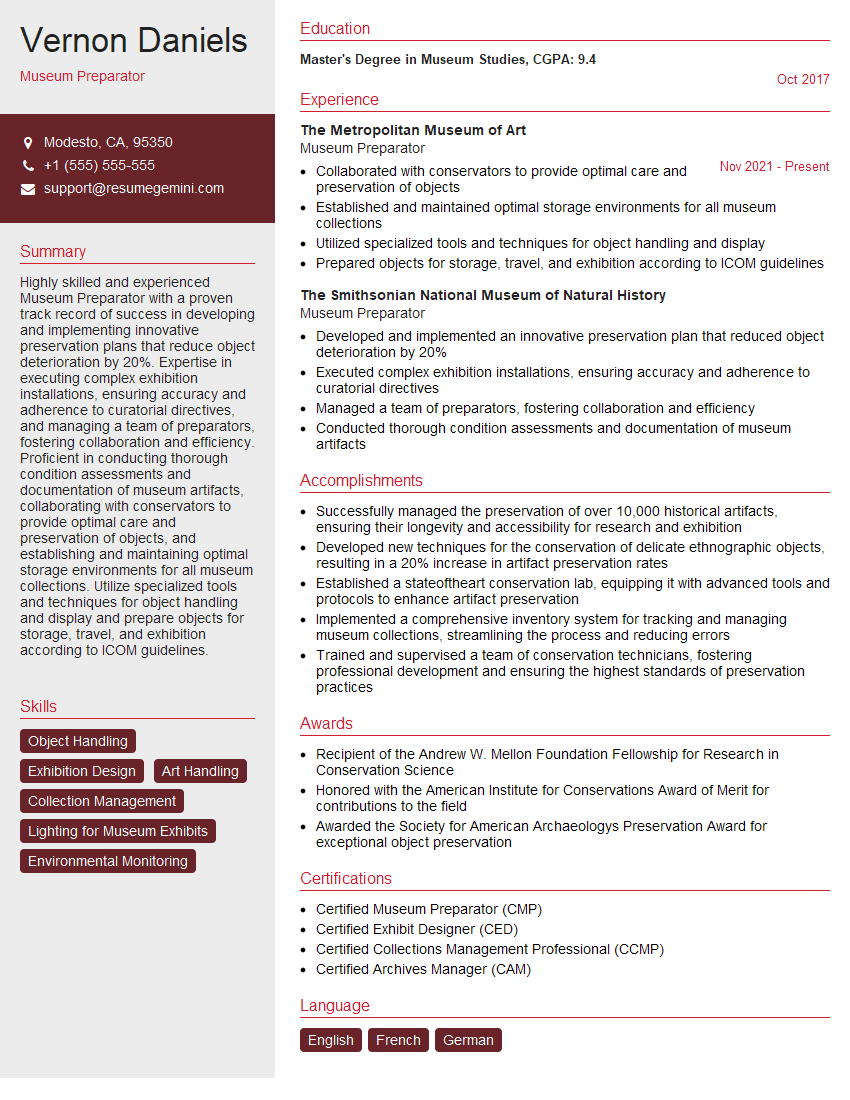
Museum Preparator Resume Sample
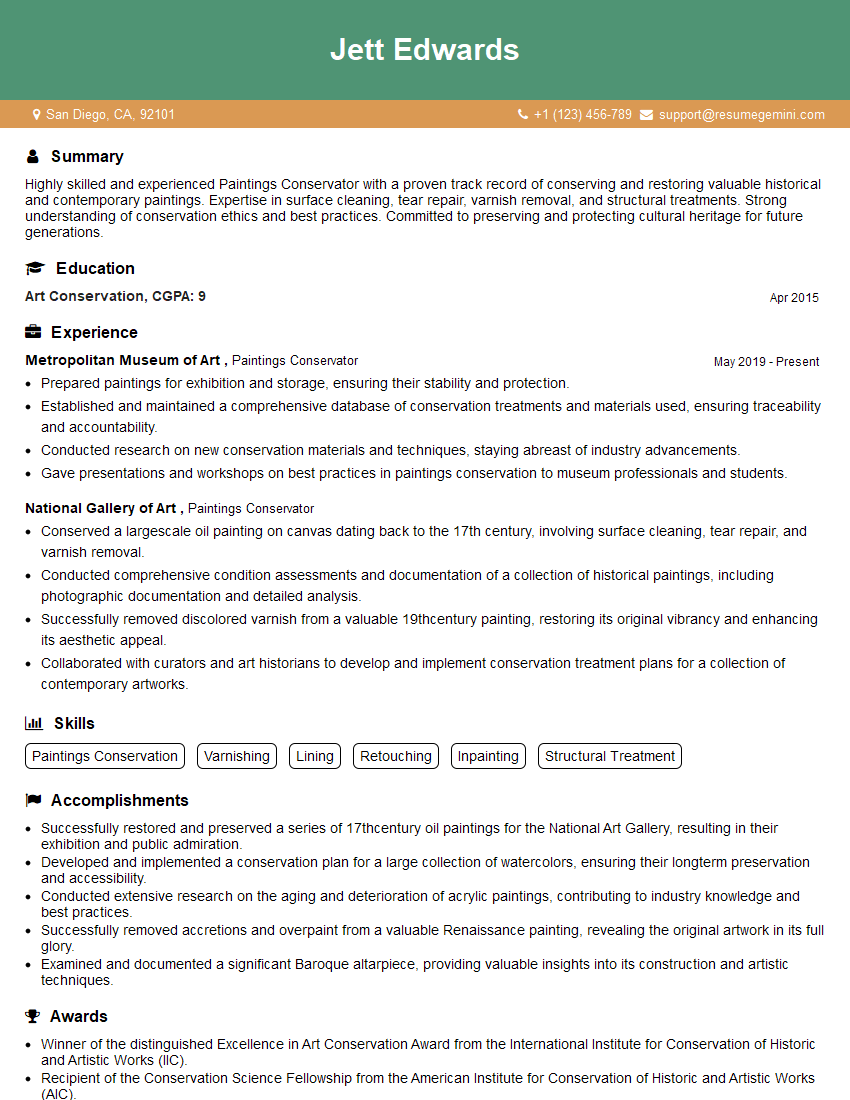
Paintings Conservator Resume Sample
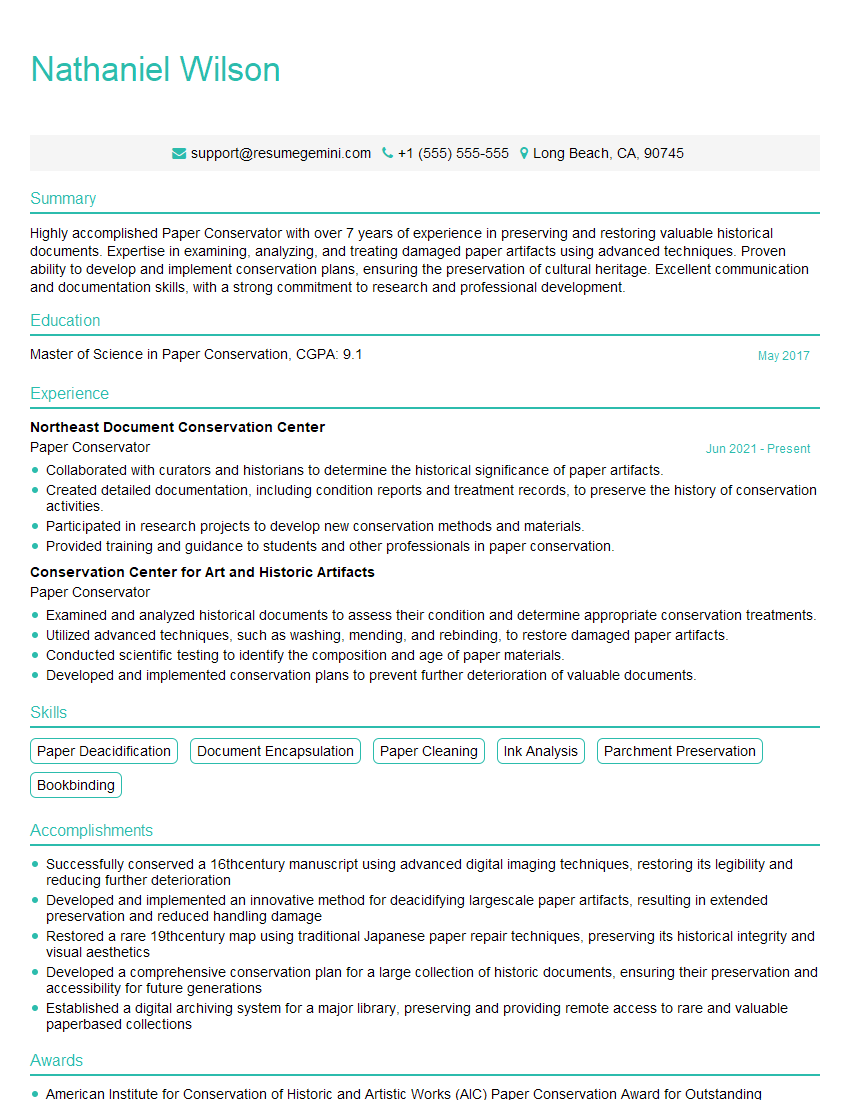
Paper Conservator Resume Sample
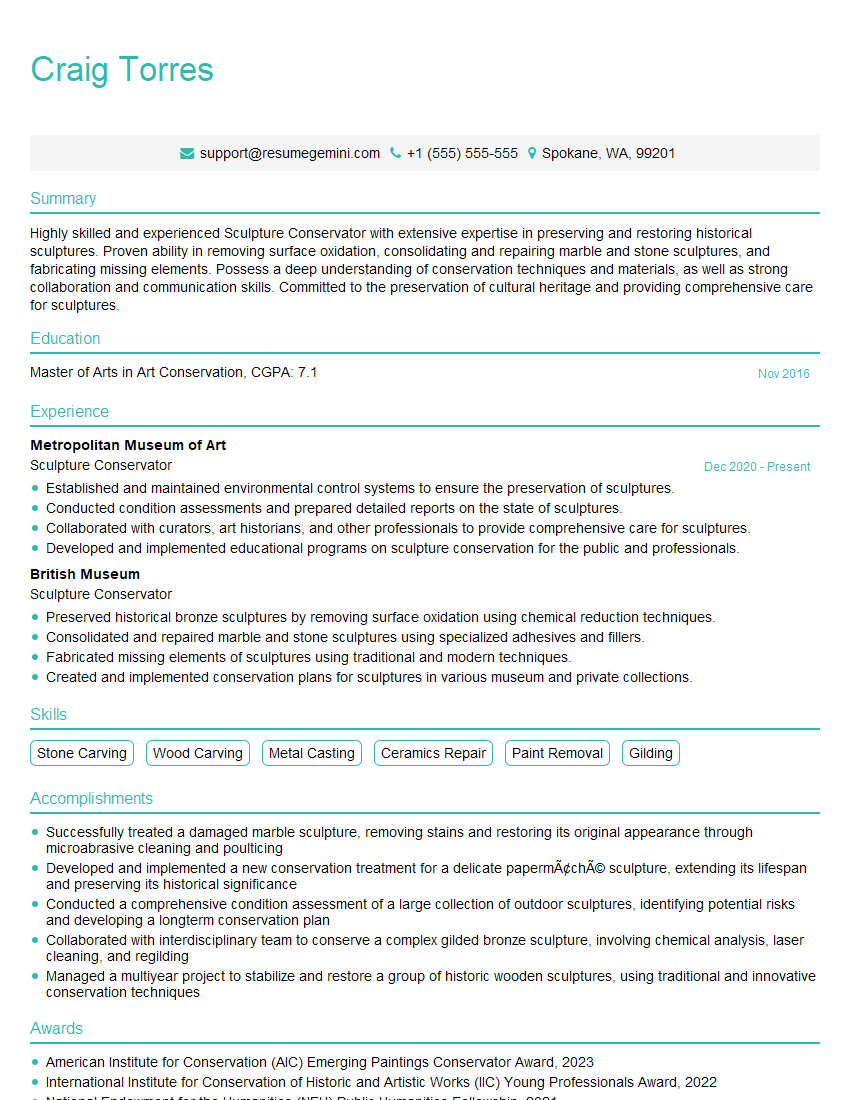
Sculpture Conservator Resume Sample
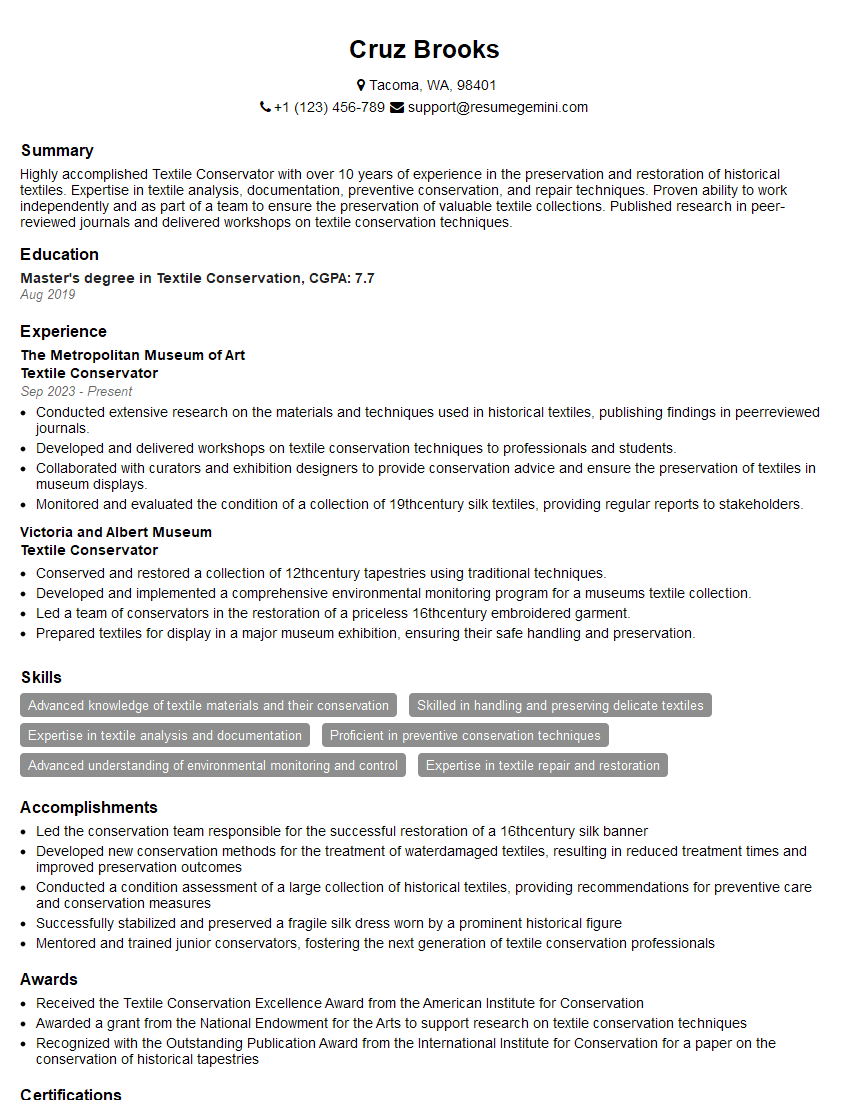
Textile Conservator Resume Sample
Explore more articles
Users Rating of Our Blogs
Share Your Experience
We value your feedback! Please rate our content and share your thoughts (optional).
What Readers Say About Our Blog
To the interviewgemini.com Webmaster.
Very helpful and content specific questions to help prepare me for my interview!
Thank you
To the interviewgemini.com Webmaster.
This was kind of a unique content I found around the specialized skills. Very helpful questions and good detailed answers.
Very Helpful blog, thank you Interviewgemini team.