Cracking a skill-specific interview, like one for Art Therapy in Medical Settings, requires understanding the nuances of the role. In this blog, we present the questions you’re most likely to encounter, along with insights into how to answer them effectively. Let’s ensure you’re ready to make a strong impression.
Questions Asked in Art Therapy in Medical Settings Interview
Q 1. Describe your experience using art therapy with patients experiencing trauma.
Art therapy offers a powerful tool for processing trauma. Many trauma survivors struggle to verbalize their experiences, and art provides a non-threatening avenue for expression. My approach involves creating a safe and trusting therapeutic relationship, prioritizing the patient’s pace and comfort level. I utilize various techniques depending on the patient’s needs, including guided imagery through drawing, collage to represent fragmented memories, or sculpting to externalize intense emotions. For example, a patient struggling with the aftermath of a car accident might use clay to sculpt the car, then gradually modify it to represent their healing process. This allows them to regain a sense of control and symbolically process their experience. The focus is always on empowering the patient and validating their feelings, rather than forcing them to confront traumatic memories prematurely.
Q 2. How do you adapt art therapy techniques for patients with diverse cognitive abilities?
Adapting art therapy techniques for patients with diverse cognitive abilities is crucial for inclusivity and effectiveness. It involves a flexible and individualized approach. For patients with cognitive impairments, I might simplify the process, focusing on sensory exploration using different textures, colors, and materials. For instance, instead of a complex narrative painting, we might focus on creating patterns or textures with paint and various brushes. With patients experiencing dementia, I focus on the present moment, utilizing simple, repetitive activities like finger painting or coloring that offer comfort and sensory stimulation. The emphasis shifts from complex artistic expression to the therapeutic process itself, fostering a sense of calm and self-expression through simple acts of creativity.
Q 3. Explain your approach to creating a safe and therapeutic art-making environment.
Creating a safe and therapeutic art-making environment is paramount. This involves several key elements: a comfortable and private space free from distractions; a wide variety of art materials to encourage exploration and self-expression; and a consistent, predictable structure within the sessions to build trust and security. I also strive to foster a non-judgmental atmosphere, emphasizing the process over the product. Patients are encouraged to experiment without fear of criticism, allowing them to express themselves authentically. Clear boundaries are established, respecting the patient’s physical and emotional space. Music, aromatherapy, and mindful breathing techniques can also be integrated to enhance relaxation and focus.
Q 4. What are the ethical considerations when documenting patient progress in art therapy?
Ethical considerations in documenting patient progress in art therapy are crucial. Confidentiality is paramount, adhering to HIPAA guidelines and maintaining patient privacy at all times. Documentation should be objective, focusing on observable behaviors and the patient’s emotional responses during sessions, rather than subjective interpretations of the artwork. I utilize a standardized format to document sessions, focusing on key aspects such as the materials used, the patient’s process, and any significant emotional expressions observed. Patient consent is obtained before any documentation is shared with other healthcare professionals, and the artwork itself is usually kept confidential unless the patient explicitly agrees to its use for therapeutic or other purposes.
Q 5. How do you integrate art therapy with other medical treatments?
Integrating art therapy with other medical treatments requires close collaboration with the patient’s healthcare team. For example, in a setting treating anxiety disorders, art therapy can complement cognitive behavioral therapy (CBT) by providing a visual outlet for processing anxious thoughts and feelings. In palliative care, art therapy can help patients express their grief, fears, and hopes, offering a non-verbal means of communication. I frequently communicate with the patient’s physician, psychologist, or other specialists to ensure the art therapy interventions are aligned with the overall treatment plan and contribute to the patient’s holistic well-being. This integrated approach offers a more comprehensive and compassionate approach to care.
Q 6. Describe your experience with different art modalities used in medical settings.
My experience encompasses a wide range of art modalities, including painting, drawing, sculpting (with clay and other materials), collage, and expressive writing. The choice of modality depends on the patient’s preferences, physical capabilities, and therapeutic goals. For instance, painting can be cathartic for expressing intense emotions, while collage can be beneficial for processing fragmented memories or trauma. Sculpting allows for a more tactile and three-dimensional expression, often helpful for those who struggle with verbal expression. Expressive writing provides a bridge between art and traditional verbal therapy. The flexibility in using various modalities ensures the treatment aligns with individual needs and preferences.
Q 7. How do you assess a patient’s readiness and suitability for art therapy?
Assessing a patient’s readiness and suitability for art therapy involves several steps. It begins with an initial assessment of the patient’s physical and cognitive abilities to ensure they can engage with the chosen art modalities safely and effectively. I also assess the patient’s emotional state and willingness to participate, ensuring they feel comfortable and receptive to the therapeutic process. A thorough conversation explores their expectations and goals for art therapy. If there are any concerns regarding the patient’s emotional stability or potential triggers, I consult with the healthcare team to determine if art therapy is appropriate at that time or if other interventions would be more suitable. It’s crucial to prioritize the patient’s safety and well-being throughout the process. The process is collaborative and patient-centered.
Q 8. How do you maintain confidentiality and privacy in art therapy sessions?
Confidentiality is paramount in art therapy, mirroring the ethical standards of other therapeutic professions. It’s built on a foundation of trust, allowing patients to express themselves freely without fear of judgment or disclosure. I adhere to HIPAA regulations and all relevant institutional policies regarding patient privacy. This includes securing art materials and completed artwork in locked cabinets, utilizing encrypted electronic record-keeping, and only discussing patient cases with relevant healthcare professionals on a need-to-know basis. For instance, if a patient discloses a potential harm to self or others, I would follow mandated reporting procedures, but always prioritizing the patient’s autonomy and well-being to the greatest extent possible. I clearly communicate my confidentiality practices at the outset of therapy, ensuring patients understand the limits of confidentiality and any exceptions, such as mandated reporting.
Q 9. What are some common challenges in working with patients in medical settings?
Working in medical settings presents unique challenges. Patients often experience physical discomfort, emotional distress, and cognitive limitations due to their illness or treatment. This can impact their engagement and ability to participate fully in art therapy. For example, a patient undergoing chemotherapy might experience fatigue and lack of motivation, making it difficult to focus on creative tasks. Also, the medical environment itself can be overwhelming, with noise, unfamiliar smells, and constant activity. I address these challenges by adapting my approach to the patient’s specific needs, offering flexible session structures, creating a calming and supportive atmosphere, and collaborating closely with the medical team to ensure the patient’s comfort and well-being. This might involve scheduling sessions around medication times or adapting materials to suit physical limitations.
Q 10. How do you handle resistance or lack of engagement from patients in art therapy?
Resistance or lack of engagement is a common occurrence and is rarely a sign of treatment failure, but rather an opportunity for deeper understanding. I address this by first validating the patient’s feelings and creating a non-judgmental space. I might start by engaging in a conversation about their reluctance, exploring possible underlying reasons. If the resistance is rooted in anxiety or fear, I might introduce simple, low-pressure art activities, focusing on sensory exploration and self-expression rather than complex projects. For example, I might start with coloring, using textured materials, or simply looking at art together. The goal is to build rapport, create a trusting relationship, and gradually encourage deeper engagement. Ultimately, I always respect the patient’s autonomy and pace. Sometimes, just allowing silence or creating a safe space can be a very powerful intervention.
Q 11. How do you measure the effectiveness of art therapy interventions?
Measuring the effectiveness of art therapy interventions requires a multifaceted approach, considering both quantitative and qualitative data. Quantitative measures might include standardized assessments such as questionnaires measuring anxiety, depression, or self-esteem, administered before and after treatment. Qualitative data includes observations of the patient’s behavior, changes in their artwork over time, and their self-reported experiences during and after sessions. For example, analyzing changes in the color palettes or subject matter of a patient’s art can offer valuable insights into their emotional processing. I also use regular clinical supervision and collaboration with other healthcare professionals to monitor progress and adjust the treatment plan as needed. There is no single ‘perfect’ metric, and the most valuable assessments reflect the unique individual experience of the patient.
Q 12. Describe your experience in crisis intervention using art therapy techniques.
In crisis intervention, art therapy can provide a rapid and effective way for patients to express intense emotions and process traumatic experiences. My approach involves creating a safe and supportive environment where patients can freely express themselves without judgment. I might use techniques such as expressive drawing, sculpting with clay, or even just guided imagery to help patients manage overwhelming emotions. For instance, a patient experiencing a panic attack might find relief in tearing or ripping paper to express their feelings of anger or frustration. The focus is on immediate emotional regulation and stabilization, followed by collaboration with other members of the healthcare team to develop a long-term treatment plan. Ethical considerations and safety are paramount in crisis situations, so effective communication and collaboration with other professionals are essential.
Q 13. How do you collaborate with other healthcare professionals in a medical setting?
Collaboration is essential in a medical setting. I regularly attend case conferences, share relevant information with the medical team (psychiatrists, nurses, social workers, etc.), and receive updates on patients’ medical conditions. This integrated approach ensures a holistic understanding of the patient and avoids treatment fragmentation. For example, I might work with a psychiatrist to understand a patient’s medication side effects that might impact their engagement in art therapy. Conversely, I might inform the medical team about insights gained from art therapy that could inform medication adjustments or other aspects of the treatment plan. Open communication and shared goals are critical for effective collaboration.
Q 14. Explain your approach to documenting and reporting patient progress.
Documentation is crucial for ensuring continuity of care and maintaining professional standards. My approach involves creating detailed session notes, including a description of the patient’s behavior, emotional state, art-making process, and any significant themes or insights that emerged during the session. I also document the patient’s progress towards their goals, noting any changes in their symptoms or functioning over time. Artwork is often photographed, with explicit permission from the patient. These notes are stored securely and follow all HIPAA guidelines. Progress reports are generated regularly and shared with the appropriate members of the healthcare team, summarizing the patient’s progress, challenges encountered, and recommendations for continued treatment.
Q 15. How do you address challenging behaviors in art therapy sessions?
Addressing challenging behaviors in art therapy requires a multifaceted approach rooted in understanding the underlying causes. It’s not about suppressing the behavior, but rather exploring its function and meaning within the therapeutic context. My approach involves:
Building rapport and trust: Creating a safe and non-judgmental space is paramount. This involves actively listening, validating feelings, and demonstrating empathy. For example, if a patient is exhibiting anger, I might acknowledge their frustration and validate the emotions behind it before suggesting ways to express them through art.
Setting clear boundaries and expectations: This ensures safety for both the patient and myself. Rules are communicated clearly and consistently, with appropriate consequences for violations. However, this is done with compassion and understanding, focusing on the patient’s needs and safety. For instance, if a patient is destroying materials, we collaboratively discuss safer alternatives like using less fragile materials or having a “break” time.
Utilizing art as a medium for expression: Art therapy provides a non-threatening outlet for processing intense emotions. If a patient is acting out, we might explore creating art that represents their anger or frustration. The process itself can be therapeutic, allowing for emotional release and catharsis.
Collaborating with the treatment team: When behavior becomes unmanageable or indicates a serious safety risk, it’s crucial to involve other members of the treatment team, such as psychiatrists, nurses, or social workers. A collaborative plan ensures coordinated support and addresses the underlying issues more comprehensively. This can include medication adjustments or a change in treatment plan.
Career Expert Tips:
- Ace those interviews! Prepare effectively by reviewing the Top 50 Most Common Interview Questions on ResumeGemini.
- Navigate your job search with confidence! Explore a wide range of Career Tips on ResumeGemini. Learn about common challenges and recommendations to overcome them.
- Craft the perfect resume! Master the Art of Resume Writing with ResumeGemini’s guide. Showcase your unique qualifications and achievements effectively.
- Don’t miss out on holiday savings! Build your dream resume with ResumeGemini’s ATS optimized templates.
Q 16. What is your experience with different assessment tools used in art therapy?
My experience encompasses a range of assessment tools in art therapy, each offering unique insights. I utilize both standardized and informal assessment methods, tailoring my choice to the individual’s needs and the specific therapeutic goals.
Standardized assessments: These include the Draw-a-Person test, the Kinetic Family Drawing, and the Roberts Apperception Test for Children. These tools provide quantifiable data, allowing for comparison against norms and tracking progress over time. For instance, changes in the details and emotional expression in a Draw-a-Person test over several sessions can indicate improvement in self-esteem.
Informal assessments: These are more flexible and client-centered, focusing on observation of the creative process and the artwork itself. I note the patient’s choice of colors, materials, subject matter, and the overall composition, interpreting these elements within the context of their verbal and nonverbal communication. This provides rich qualitative data and a deeper understanding of the patient’s inner world.
Observation of the creative process: I pay close attention to the patient’s behavior throughout the session – their energy levels, their emotional state, their interaction with materials, and their reactions to feedback. This provides valuable information about the therapeutic alliance and the effectiveness of our approach.
The selection and interpretation of assessment tools always considers the patient’s developmental stage, cultural background, and cognitive abilities to ensure accurate and ethical evaluation.
Q 17. How do you ensure cultural sensitivity in your art therapy practice?
Cultural sensitivity is fundamental to my practice. It’s not merely about acknowledging diversity, but actively incorporating cultural understanding into every aspect of therapy. My approach includes:
Self-reflection: Regularly examining my own biases and assumptions is crucial. This involves continuous learning about different cultures and their perspectives on mental health and art.
Adapting materials and methods: I ensure that the art materials and therapeutic approaches are culturally appropriate and relevant. This may include utilizing art forms that are meaningful within a patient’s cultural context or selecting imagery that resonates with their background.
Building trust and rapport: Creating a safe and welcoming environment where patients feel comfortable expressing themselves authentically is essential. This often involves adapting my communication style and demonstrating respect for their beliefs and values. For instance, I would carefully consider the use of touch, eye contact, and personal space based on the patient’s cultural norms.
Collaborating with interpreters or cultural mediators: When necessary, I seek assistance from interpreters or cultural mediators to ensure effective communication and understanding. This is crucial when working with patients who have limited English proficiency or different cultural interpretations of mental health issues.
Recognizing that cultural competence is an ongoing process of learning and refinement, I constantly seek opportunities for professional development in this area to enhance my cultural sensitivity and improve my ability to provide equitable and effective care.
Q 18. How do you maintain your own well-being while working with challenging patients?
Maintaining my own well-being is not a luxury, but a necessity for providing effective and ethical care. Working with challenging patients can be emotionally demanding, so self-care is essential. My strategies include:
Supervision and peer support: Regular supervision with experienced art therapists allows me to process complex cases, discuss ethical dilemmas, and receive support and guidance. Connecting with colleagues and peers provides a space for shared experiences and emotional support.
Setting boundaries: Establishing clear boundaries between my personal and professional life helps prevent burnout and protects my emotional energy. This includes maintaining a healthy work-life balance, and understanding when to delegate or seek assistance.
Self-care practices: I prioritize activities that promote my physical, emotional, and spiritual well-being, including exercise, mindfulness, spending time in nature, and pursuing personal hobbies.
Continuing education: Staying updated on the latest research and best practices in art therapy keeps me engaged and helps to manage potential feelings of helplessness or frustration that can arise from complex cases. It also reminds me of the power and efficacy of art therapy.
By prioritizing self-care, I am better equipped to provide compassionate and effective care to my patients.
Q 19. Describe your experience with group art therapy in a medical setting.
My experience with group art therapy in medical settings has been profoundly rewarding. The group dynamic offers a unique opportunity for social learning, mutual support, and shared experiences. In oncology settings, for example, groups provide a safe space for patients to express their anxieties, fears, and hopes related to their diagnosis and treatment. In psychiatric settings, group art therapy helps patients develop coping skills, build social connections, and enhance self-esteem.
I facilitate group sessions by establishing a clear structure and guidelines while maintaining a supportive and inclusive atmosphere. Activities might include collaborative art projects, individual expression through art, and discussions about the artwork and the creative process. Careful attention is paid to group dynamics, ensuring that all members feel heard and respected. Confidentiality is paramount, and group rules emphasizing respect and boundaries are established at the start of each session.
The benefits of group art therapy are numerous, including fostering a sense of community, reducing isolation, and promoting resilience. However, challenges can arise, such as managing power dynamics within the group or addressing conflicts between group members. My approach prioritizes careful group composition and ongoing monitoring of group dynamics, to ensure a safe and productive environment for all participants.
Q 20. What are the benefits and limitations of art therapy in specific medical contexts (e.g., oncology, psychiatry)?
Art therapy offers unique benefits in various medical contexts, but it also has limitations that need to be considered.
Oncology: Art therapy can help cancer patients express their emotions, cope with stress, manage pain, and improve their quality of life. It provides a non-invasive and empowering way to process the physical and emotional challenges of the disease. However, physical limitations due to the illness might restrict some art-making activities. The therapist needs to adapt their approach accordingly, perhaps using alternative media or focusing on more symbolic or expressive techniques.
Psychiatry: In psychiatric settings, art therapy can assist in diagnosis, treatment planning, and symptom management for a wide range of mental health conditions. It can be particularly helpful for individuals who have difficulty verbalizing their emotions or experiences. However, the effectiveness of art therapy can vary depending on the individual’s condition and their willingness to engage in the therapeutic process. It’s crucial to integrate art therapy with other evidence-based treatments for optimal outcomes.
Limitations across settings include the need for trained art therapists, the cost of materials, and the fact that art therapy is not a replacement for other medical interventions, but rather a complementary modality.
Q 21. How do you adapt your art therapy approach to different age groups?
Adapting my art therapy approach to different age groups is crucial for effective intervention. My methods vary significantly based on developmental stages and cognitive abilities.
Children (preschool – elementary): With younger children, I use play-based approaches, focusing on spontaneous expression and creative exploration. Simple materials and open-ended activities allow them to express themselves freely. I use a conversational approach, focusing on their thoughts and feelings related to their artwork.
Adolescents: Adolescents often require more autonomy and self-directed activities. I provide more structured options, balancing self-expression with the potential for deeper introspection. Discussions might focus on identity, relationships, and social challenges.
Adults: Adult sessions usually involve more focused exploration of personal issues and psychological themes. I use a collaborative approach, empowering the individual to define their goals and objectives for therapy. I might employ more complex art-making techniques and engage in in-depth discussions about their artwork and their experiences.
Older Adults: For older adults, I might consider physical limitations and cognitive changes while selecting activities and materials. The focus might be on reminiscence, life review, and exploring legacy projects through art. The therapeutic relationship is particularly important here.
In all age groups, adaptation involves considering the individual’s unique needs and preferences, always tailoring the therapeutic process to facilitate safe, meaningful, and productive sessions.
Q 22. Describe your experience with telehealth or remote art therapy delivery.
My experience with telehealth art therapy has been both rewarding and challenging. Initially, I was concerned about the loss of the in-person connection, but I’ve found that adapting my techniques has allowed me to maintain strong therapeutic relationships. I use video conferencing platforms like Zoom, ensuring a stable internet connection and a quiet, private space for both myself and the client. The key is adapting the therapeutic process. For instance, instead of directly handing the client materials, I provide detailed instructions and support their selection, often sending curated kits ahead of time. We discuss what materials are available to them at home and create alternatives when necessary. We might use readily available items like fabric scraps, buttons, or even food for creative expression. The focus shifts to the process of creating rather than the materials themselves. I’ve also found that incorporating mindful activities, like guided meditations or progressive muscle relaxation, before and after the art-making process, can help maintain a sense of grounding and calm, which is essential in the remote setting. The added challenge is the need for creative problem-solving for technical difficulties or unanticipated material limitations, but the adaptability needed has enriched my practice.
Q 23. How do you manage art supplies and materials in a medical art therapy setting?
Managing art supplies in a medical setting requires careful planning and organization to ensure safety, hygiene, and accessibility for all patients. We use a variety of storage solutions, from clearly labeled drawers and cabinets to designated art carts that are easily moved to different therapy spaces. The materials are categorized by type (e.g., drawing, painting, sculpting) and age-appropriateness for diverse populations. Hygiene is paramount, particularly in medical settings. We utilize disposable materials like paper plates and cups whenever possible. Shared materials, such as brushes and sculpting tools, are cleaned thoroughly with appropriate disinfectants after each use, following strict infection control protocols. For patients with specific needs, such as those with sensory sensitivities or mobility limitations, we adapt the materials, offering alternatives like larger paintbrushes or adaptive grips. Regular inventory management is crucial to ensure sufficient supplies, addressing potential shortages and organizing regular purging and disposal of expired or damaged materials. This organized system helps maintain a safe, functional, and creative space for therapy.
Q 24. What strategies do you use to foster self-reflection and insight through art therapy?
Fostering self-reflection and insight through art therapy involves a multifaceted approach. I use open-ended prompts that encourage exploration rather than prescribing specific outcomes. For example, instead of asking a patient to ‘draw their feelings,’ I might ask them to ‘create an image that represents their current experience.’ During the process, I utilize techniques like guided imagery and metaphor to encourage deeper engagement. After the artwork is completed, we engage in a collaborative dialogue focusing on the process itself: What materials did they choose? What challenges did they encounter? What feelings came up? This process helps them see patterns and connections in their experiences. I also utilize various therapeutic approaches like narrative art therapy, focusing on storytelling; expressive art therapy, where the act of making is therapeutic; and trauma-informed art therapy, ensuring patient safety. We might even utilize art journaling, a method allowing clients to visually chart their progress and self-discoveries over time. This reflective process is not about interpreting the art literally but using it as a springboard for self-understanding and growth.
Q 25. How do you deal with instances where a patient’s artwork reveals sensitive information?
When a patient’s artwork reveals sensitive information, such as self-harm ideation or abuse disclosure, my priority is the patient’s safety and well-being. I approach this with sensitivity and ethical awareness. First, I validate their feelings and expressions, acknowledging the courage it took to express these things through their art. Then, I engage in a careful, supportive conversation to explore their experience in more detail. This conversation is guided by empathy and careful consideration of appropriate boundaries. Depending on the severity of the information disclosed, I follow agency-specific protocols which might include mandatory reporting to relevant authorities (e.g., child protective services, or hospital staff when dealing with potential self-harm), in keeping with my legal and ethical obligations. However, the conversation always starts with building trust and prioritizing the patient’s autonomy, ensuring they feel safe and heard.
Q 26. How would you respond to a patient’s sudden emotional outburst during a session?
A patient’s sudden emotional outburst requires a calm and reassuring response. My priority is to ensure the patient’s safety and validate their feelings. I’d first create a safe space, perhaps moving to a quieter area. Then, I’d use validating language acknowledging their emotional experience, for instance, “I can see you’re feeling overwhelmed right now.” I would offer a calming presence and avoid judgmental language. I might offer them options for self-soothing strategies, such as deep breathing exercises or a quiet moment away from the art materials. Depending on the severity, I might need to adjust the session’s structure or even reschedule it entirely. If the outburst involves thoughts of self-harm or a threat to others, my immediate concern is safety; I’d follow hospital protocols, which may include contacting the appropriate medical team for intervention. The primary goal is to help the patient regain control and feel supported through the emotional experience.
Q 27. How do you ensure the safety of your patients during art therapy activities?
Patient safety during art therapy is paramount. This involves several measures. Firstly, I assess each patient’s individual needs and capabilities before starting any activity, ensuring materials are appropriate and the environment is safe. Sharp objects are used with extra caution and only under my direct supervision. We use childproof containers for small materials if there are pediatric clients. I also regularly check the workspace, clearing any potential hazards. In the case of patients with self-harm tendencies, I modify activities to reduce risk, for instance, avoiding sharp tools or materials that could be easily misused. Furthermore, I establish clear boundaries and guidelines from the outset of therapy, including rules regarding the safe handling of materials. Consistent supervision is critical, especially when working with individuals at risk. Ultimately, creating a safe and therapeutic space is an ongoing process that requires attentiveness and flexibility, adapting strategies to each individual’s unique needs.
Q 28. Explain your familiarity with relevant legal and ethical guidelines for art therapists.
My understanding of legal and ethical guidelines for art therapists is comprehensive. I am familiar with the ethical codes established by professional organizations like the American Art Therapy Association (AATA), including those relating to confidentiality, informed consent, professional boundaries, dual relationships, and the appropriate handling of sensitive client information. I am aware of mandatory reporting laws concerning child abuse and neglect, and situations where patient safety is compromised. I understand the importance of maintaining accurate client records, adhering to HIPAA regulations (in the US context) concerning the privacy and security of Protected Health Information (PHI). I also understand ethical considerations related to the use of technology in telehealth settings, including data security and maintaining client confidentiality in remote sessions. My practice is guided by a commitment to ethical and legal compliance, ensuring that my work prioritizes the well-being and safety of my patients within a framework of professional standards.
Key Topics to Learn for Art Therapy in Medical Settings Interview
- Trauma-Informed Art Therapy: Understanding the impact of trauma on the creative process and adapting therapeutic approaches accordingly. Practical application: Developing session plans that prioritize client safety and empowerment.
- Ethical Considerations in Medical Settings: Navigating confidentiality, mandated reporting, and collaboration with medical professionals. Practical application: Demonstrating a strong understanding of ethical dilemmas and best practices in a medical environment.
- Specific Populations and Disorders: Adapting art therapy techniques for diverse populations (e.g., oncology patients, individuals with PTSD, geriatric populations). Practical application: Explaining how to tailor interventions to specific needs and challenges within a medical context.
- Assessment and Treatment Planning: Utilizing art-based assessments to inform diagnosis and treatment planning within the medical model. Practical application: Describing the process of integrating art therapy goals with overall medical treatment plans.
- Collaboration with Medical Teams: Effectively communicating with physicians, nurses, and other healthcare professionals. Practical application: Demonstrating an understanding of interdisciplinary teamwork and the importance of clear communication within a medical setting.
- Documentation and Record Keeping: Maintaining accurate and comprehensive clinical records that meet legal and ethical standards. Practical application: Explaining how to document art therapy sessions in a manner that is both thorough and relevant to the medical chart.
- Crisis Intervention and Safety Planning: Responding to crises and developing safety plans for clients in a medical setting. Practical application: Describing strategies to ensure client safety and de-escalate challenging situations.
Next Steps
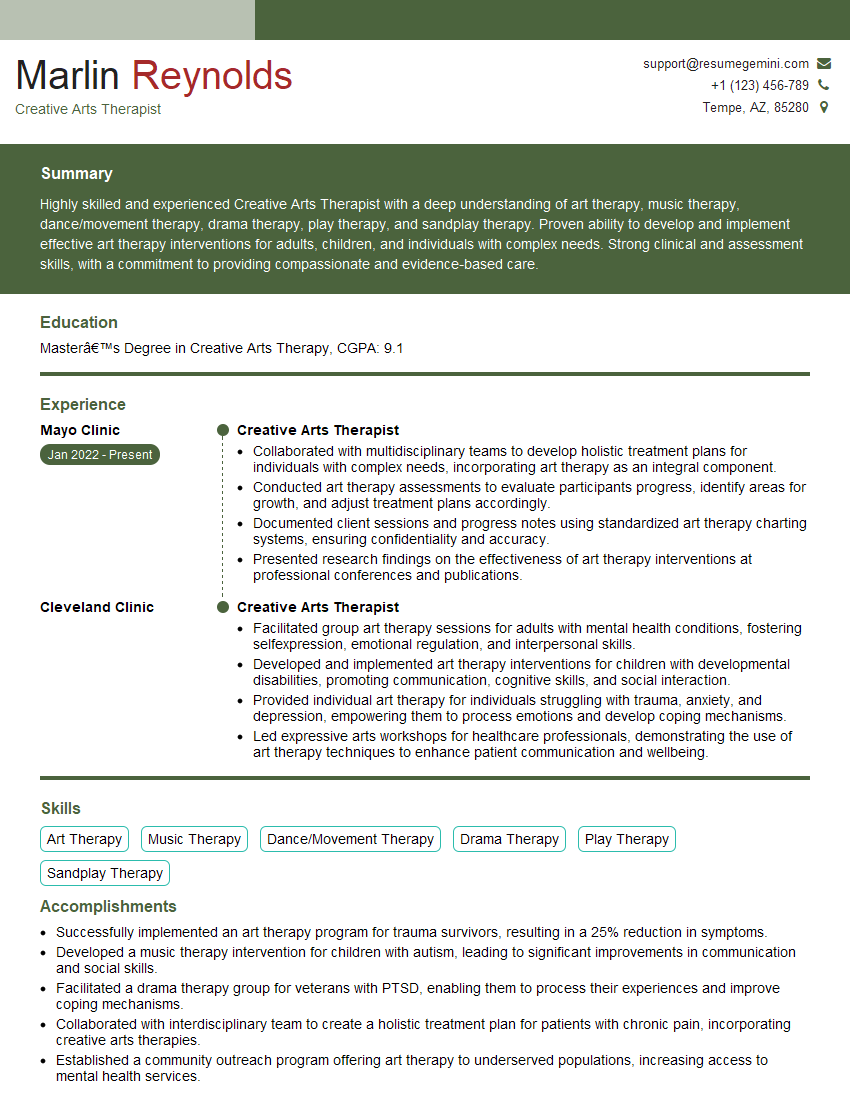
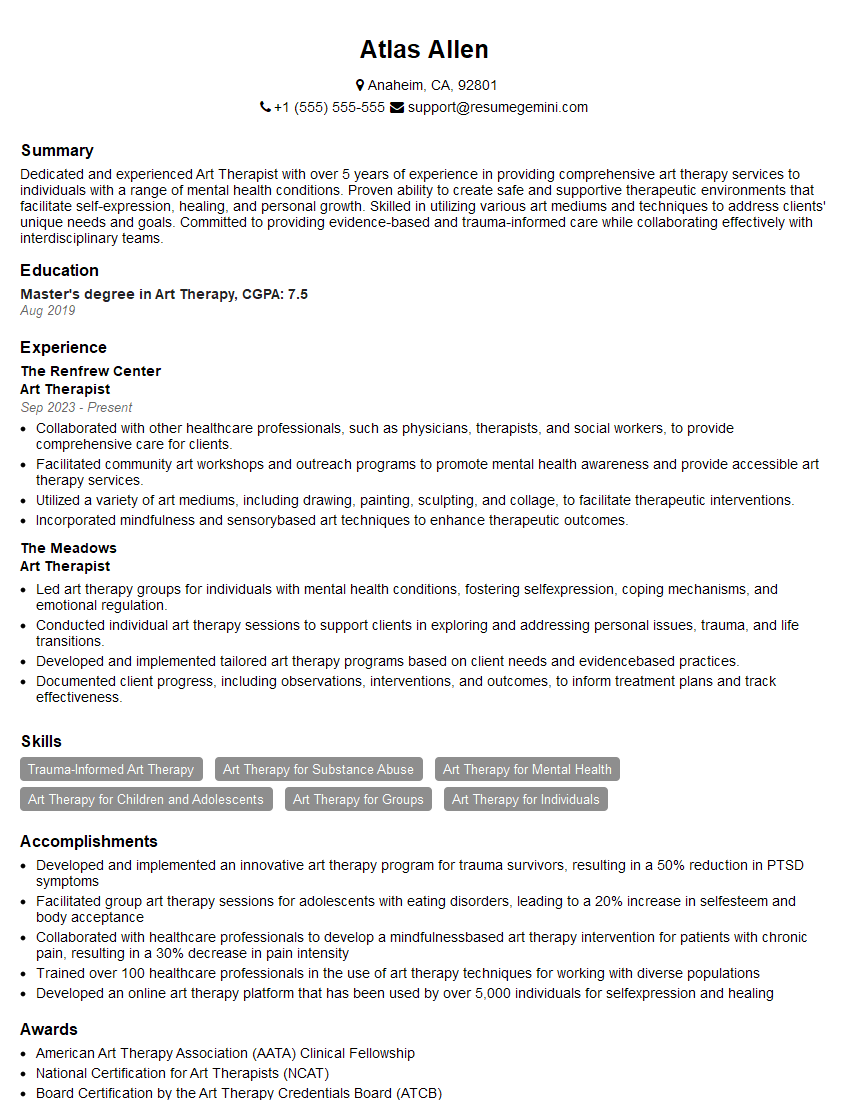
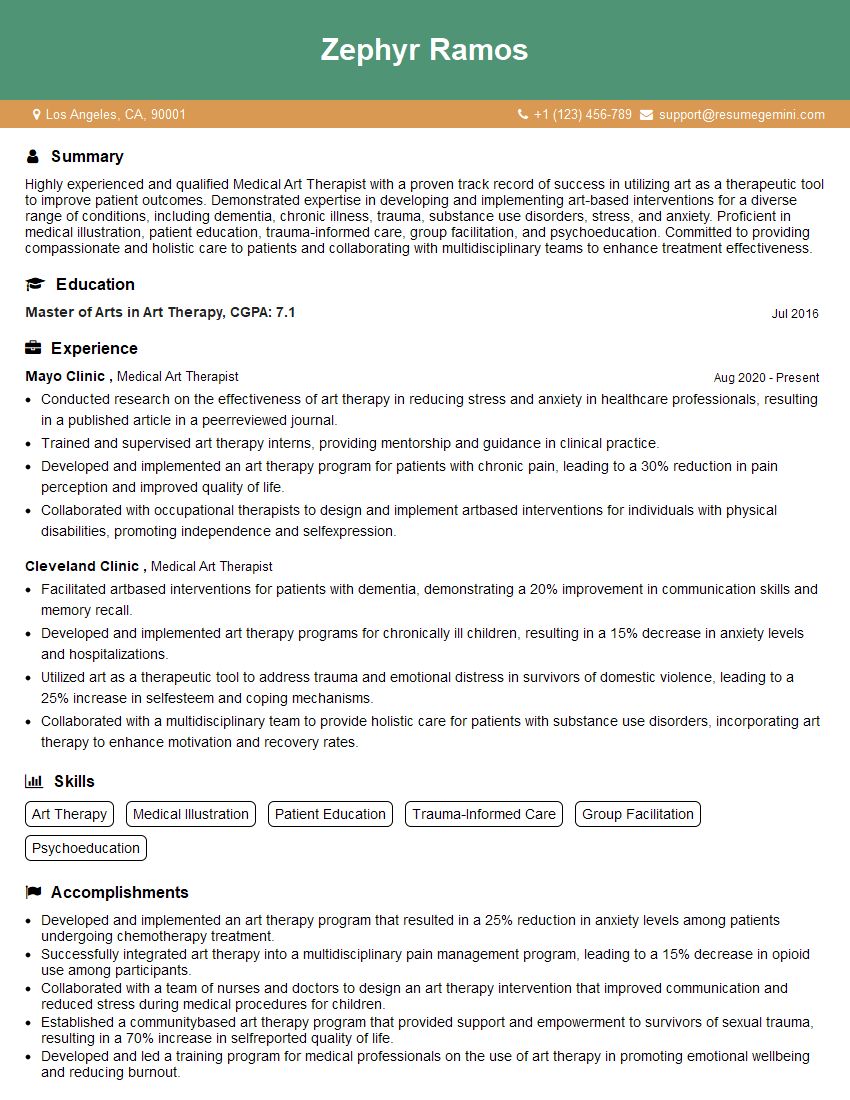
Mastering Art Therapy in Medical Settings opens doors to rewarding careers with significant impact. To maximize your job prospects, a strong, ATS-friendly resume is crucial. ResumeGemini is a trusted resource to help you craft a professional resume that highlights your unique skills and experience. They offer examples of resumes tailored specifically to Art Therapy in Medical Settings, providing a valuable template for success. Take the next step towards your dream career – invest in creating a compelling resume that showcases your expertise.
Explore more articles
Users Rating of Our Blogs
Share Your Experience
We value your feedback! Please rate our content and share your thoughts (optional).
What Readers Say About Our Blog
To the interviewgemini.com Webmaster.
Very helpful and content specific questions to help prepare me for my interview!
Thank you
To the interviewgemini.com Webmaster.
This was kind of a unique content I found around the specialized skills. Very helpful questions and good detailed answers.
Very Helpful blog, thank you Interviewgemini team.