Feeling uncertain about what to expect in your upcoming interview? We’ve got you covered! This blog highlights the most important Art Therapy Interventions interview questions and provides actionable advice to help you stand out as the ideal candidate. Let’s pave the way for your success.
Questions Asked in Art Therapy Interventions Interview
Q 1. Describe your approach to assessing a client’s needs through art therapy.
Assessing a client’s needs in art therapy is a holistic process, going beyond simply observing the artwork. It involves a multi-faceted approach combining observation of the art-making process, analysis of the artwork itself, and verbal interaction with the client.
- Observational Assessment: This involves noting the client’s choice of materials, colors, imagery, and their overall demeanor during the art-making process. For example, a client who avoids bright colors and uses muted tones might be experiencing depression, while someone using aggressive strokes might be expressing anger.
- Artwork Analysis: Analyzing the artwork itself involves considering the composition, symbolism, and emotional content. For instance, recurring themes, specific symbols, and the overall emotional tone of the piece can offer clues into the client’s inner world. A house depicted as dilapidated might symbolize feelings of instability or insecurity.
- Verbal Interaction: Open-ended questions and active listening during the session are crucial. I’d ask questions like, ‘Tell me about this piece,’ or ‘What feelings come up as you create this?’ This helps the client articulate their experience, connecting their emotional state to their artwork.
This combined approach provides a comprehensive understanding of the client’s needs, allowing me to tailor interventions that effectively address their specific challenges.
Q 2. Explain the difference between expressive arts therapy and art therapy.
While closely related, expressive arts therapy and art therapy have key distinctions. Art therapy is a mental health profession that uses the creative process of making art to improve a person’s physical, mental, and emotional well-being. It’s a specific therapeutic modality with established ethical guidelines and professional standards.
Expressive arts therapy is a broader term encompassing various creative modalities, including art, music, dance/movement, drama, and poetry. It uses these forms of self-expression to facilitate healing and personal growth. Think of it as an umbrella term under which art therapy falls.
The main difference lies in the level of professional training and the specific therapeutic application. Art therapists are trained mental health professionals with specialized knowledge in art and therapy. Expressive arts therapists may have backgrounds in various creative fields but may not necessarily possess the same depth of therapeutic training.
Q 3. How do you incorporate trauma-informed practices into your art therapy sessions?
Trauma-informed practices are central to my approach. These practices prioritize safety, trustworthiness, choice, collaboration, and empowerment – crucial elements when working with individuals who have experienced trauma.
- Establishing Safety: This begins with creating a calm and comfortable therapeutic space where the client feels secure and in control. This might involve offering choices in materials or allowing them to set the pace of the session.
- Collaboration and Choice: Instead of directing the art-making process, I actively collaborate with the client, respecting their choices and preferences. The focus is on their process and self-discovery, not on creating a ‘perfect’ artwork.
- Empowerment: I emphasize the client’s strengths and resilience throughout the therapeutic process. The artwork becomes a tool for reclaiming power and agency.
- Regulation Techniques: I might incorporate mindfulness exercises or grounding techniques before or during the session, particularly if the client becomes emotionally dysregulated during the art-making process.
For instance, I might offer a sensory box with different textures and materials for grounding or use breathing exercises to help regulate emotions.
Q 4. What are the ethical considerations when working with art produced by clients?
Ethical considerations surrounding client artwork are paramount. Confidentiality, ownership, and potential use of the artwork are key concerns.
- Confidentiality: Client artwork is treated with the same level of confidentiality as verbal information shared in therapy sessions. It’s not displayed or shared without explicit consent.
- Ownership: While I may provide guidance and support, the artwork remains the client’s property. I ensure this understanding is established from the beginning of therapy.
- Use of Artwork: I will never use client artwork for personal gain or publication without written informed consent. Any use in presentations or publications would be anonymized to protect the client’s identity and privacy.
These ethical considerations demonstrate respect for the client’s vulnerability and trust in the therapeutic relationship.
Q 5. Describe a case where art therapy helped a client achieve a specific therapeutic goal.
I worked with a young woman struggling with anxiety and social isolation following a significant loss. She initially struggled to express her feelings verbally. Through art therapy, she began to explore her emotions through collage. Initially, her collages were dark and fragmented, reflecting her inner turmoil. As the sessions progressed, her artwork started to incorporate brighter colors and more integrated imagery. She began creating self-portraits that showed a gradual shift from a withdrawn figure to one that was more confident and expressive.
By the end of therapy, she had not only processed her grief but also developed greater self-awareness and coping mechanisms for her anxiety. The shift in her artwork directly reflected her therapeutic progress, providing tangible evidence of her growth and resilience.
Q 6. How do you handle resistance or lack of participation in art therapy sessions?
Resistance or lack of participation in art therapy sessions is common. Instead of pushing the client, I explore the underlying reasons for the resistance.
- Validate Feelings: I acknowledge and validate the client’s discomfort or reluctance without judgment. I might say something like, ‘It’s understandable that you feel hesitant to engage in this activity right now.’
- Explore Alternative Approaches: If direct art-making is challenging, I might offer alternative methods of expression, such as writing, music listening, or movement activities. This could help ease the client into the therapeutic process.
- Collaboration and Flexibility: I adjust my approach based on the client’s needs and preferences, ensuring they feel safe and in control. This might involve focusing on verbal processing before introducing art-making activities.
- Gradual Introduction: Rather than diving into complex projects, I might start with simple exercises such as doodling or drawing simple shapes to build trust and reduce pressure.
The goal is to create a safe and supportive environment where the client feels empowered to explore their emotions at their own pace.
Q 7. Explain your understanding of the role of transference and countertransference in art therapy.
Transference in art therapy refers to the client unconsciously projecting feelings, thoughts, and behaviors onto the therapist, similar to other therapeutic approaches. This might manifest in the client’s choice of colors, imagery, or interactions with me. For example, a client who had a difficult relationship with their mother might unconsciously create artwork portraying a dominant or critical female figure.
Countertransference is the therapist’s unconscious emotional reactions to the client. It’s essential for me to be aware of my own countertransference responses to ensure they don’t interfere with the therapeutic process. For instance, if a client’s artwork evokes strong personal feelings in me, I’d need to process these feelings through supervision or self-reflection to avoid projecting them onto the client.
Understanding and managing both transference and countertransference are crucial for maintaining a safe, ethical, and effective therapeutic relationship. Regular supervision is key to this process.
Q 8. What are some common art media used in art therapy, and how do you select appropriate media for different clients?
Art therapy utilizes a wide range of media, each offering unique therapeutic possibilities. Common choices include paints (watercolor, acrylic, gouache), drawing materials (pencils, charcoal, crayons), clay, collage materials (magazines, fabric scraps, natural objects), and even sand trays. The selection process is highly individualized and depends on the client’s developmental stage, cognitive abilities, sensory preferences, and therapeutic goals.
- For younger children or clients with limited fine motor skills, I might start with large crayons, finger paints, or playdough, focusing on the tactile experience and self-expression through color and form.
- For adolescents exploring identity or expressing anger, more expressive media like acrylic paints or charcoal might be appropriate, allowing for powerful mark-making and symbolic representation.
- With clients experiencing trauma or anxiety, collage can be particularly helpful as it allows for a sense of control and gradual self-discovery through the selection and arrangement of images and objects.
Ultimately, the choice of media is a collaborative process. I’ll observe the client’s reactions and preferences, adapting the materials to best support their emotional expression and therapeutic progress.
Q 9. How do you maintain client confidentiality in art therapy?
Maintaining client confidentiality is paramount in art therapy, and I adhere to strict ethical guidelines. This includes securing artwork in locked storage, not sharing images or discussions of sessions without explicit written consent, and ensuring HIPAA compliance (where applicable) regarding the storage and transmission of client information. I’ll explain confidentiality expectations clearly at the outset of therapy and regularly reiterate its importance throughout the process. Any exceptions, such as mandated reporting of child abuse or imminent harm, are handled according to legal and ethical obligations, always prioritizing client safety.
Q 10. Describe your experience working with diverse populations.
My experience encompasses working with diverse populations, including individuals from various cultural backgrounds, socioeconomic statuses, age groups, and with a wide range of abilities. I understand that cultural background heavily influences artistic expression, and I’m sensitive to the unique ways different cultures communicate and use art. I adapt my approach accordingly, drawing on culturally sensitive methods to foster trust and create a comfortable therapeutic space. For example, with a client from a collectivist culture, the focus might be on collaborative art-making rather than solely individual expression. Similarly, I utilize alternative communication methods, such as assistive technology or nonverbal communication techniques, when working with clients with disabilities to ensure inclusivity and accessibility.
Q 11. How do you document your art therapy sessions?
Documentation of art therapy sessions is crucial for clinical record-keeping, insurance purposes, and ensuring continuity of care. My documentation includes a detailed description of the session, including the client’s verbal and nonverbal communication, the art materials used, the client’s artwork, process and themes identified, and any significant emotional shifts or insights observed. I may include photographs (with client permission) of the artwork to illustrate the session’s content. My notes maintain objectivity, focusing on observable behaviors and avoiding subjective interpretations. All documentation adheres to relevant privacy regulations, such as HIPAA.
Q 12. How would you address a client who exhibits self-harm tendencies during a session?
If a client exhibits self-harm tendencies during a session, my immediate priority is client safety. I would first validate their feelings and create a safe and supportive environment. I would calmly assess the situation, ensuring the client feels heard and understood. Direct, yet sensitive questioning is vital to understand the triggers and underlying reasons. Depending on the severity, this may involve implementing a safety plan collaboratively, and contacting emergency services or their support network as needed. The focus shifts to crisis intervention and ensuring access to appropriate resources.
Q 13. What are your strategies for managing difficult behaviors in art therapy?
Managing difficult behaviors in art therapy requires a thoughtful and nuanced approach. It often involves understanding the root cause of the behavior, which may be related to underlying trauma, emotional dysregulation, or other mental health concerns. Strategies include creating a structured and predictable environment, offering choices within the session, using positive reinforcement, and setting clear boundaries. For instance, if a client is verbally aggressive, I might redirect the energy into art-making, encouraging them to express their anger through non-verbal means. Collaboratively establishing ground rules at the beginning of therapy helps prevent escalation. If behaviors persist or escalate, I would seek consultation from colleagues or supervisors to ensure appropriate interventions.
Q 14. Explain your understanding of the art therapy process and its phases.
The art therapy process can be conceptualized in different ways. However, a common understanding involves phases of relationship building, exploration and expression, insight and interpretation, and application and generalization.
- Relationship Building: This initial phase focuses on establishing trust and rapport with the client, creating a safe and confidential therapeutic space.
- Exploration and Expression: Clients utilize art materials to express their thoughts, feelings, and experiences. The focus is on the process of creating art rather than the final product.
- Insight and Interpretation: The therapist and client collaboratively explore the symbolic meaning of the artwork, connecting it to the client’s life experiences and emotional patterns.
- Application and Generalization: This final phase involves integrating the insights gained through art therapy into the client’s daily life and applying new coping mechanisms.
These phases are not always linear; clients may move back and forth between them. The process is dynamic and individualized to the client’s needs and goals.
Q 15. How do you adapt your art therapy approach based on different theoretical orientations?
My art therapy approach is deeply informed by a variety of theoretical orientations, and I adapt my methods depending on the client’s needs and presenting issues. For example, if working with a client using a psychodynamic lens, I might focus on exploring unconscious themes through their artwork, analyzing symbolism and recurring imagery to uncover underlying conflicts or anxieties. This could involve prompting them with open-ended questions about their creations or focusing on projective techniques like drawing a family portrait. Conversely, a cognitive behavioral therapy (CBT) approach would involve more direct strategies to identify and challenge negative thought patterns reflected in their art. This could involve collaboratively creating a ‘thought record’ alongside an artwork depicting a specific situation, allowing us to identify and reframe negative automatic thoughts. With a person-centered approach, the emphasis would be on providing a safe and accepting environment for self-expression, focusing on the process of art-making itself as therapeutic rather than interpreting the artwork’s meaning explicitly. Each approach requires a different level of therapist interpretation and client participation, tailored to their unique therapeutic journey.
- Psychodynamic: Analyzing symbolism, exploring unconscious themes.
- CBT: Identifying and challenging negative thoughts, behavior modification through art.
- Person-centered: Emphasis on self-expression and the process of creation.
Career Expert Tips:
- Ace those interviews! Prepare effectively by reviewing the Top 50 Most Common Interview Questions on ResumeGemini.
- Navigate your job search with confidence! Explore a wide range of Career Tips on ResumeGemini. Learn about common challenges and recommendations to overcome them.
- Craft the perfect resume! Master the Art of Resume Writing with ResumeGemini’s guide. Showcase your unique qualifications and achievements effectively.
- Don’t miss out on holiday savings! Build your dream resume with ResumeGemini’s ATS optimized templates.
Q 16. Describe your experience with supervision in art therapy.
Supervision has been instrumental in my professional growth as an art therapist. I actively seek out supervision regularly, both individual and group, with experienced and licensed art therapists. My supervisors help me refine my clinical skills, ensuring ethical practice, and navigating complex clinical situations. For example, during supervision, we’ve discussed challenging cases involving clients experiencing intense emotional distress or exhibiting self-harming behaviors. My supervisor provided guidance on appropriate crisis intervention strategies, including de-escalation techniques and safety planning. Supervision also helps me process my countertransference—my own emotional reactions to clients— ensuring that my personal feelings don’t interfere with providing objective and effective therapy. It’s a crucial element for maintaining a high standard of care and promoting continuous learning and professional development.
Q 17. How do you ensure the safety of yourself and your clients in an art therapy setting?
Ensuring the safety of myself and my clients is paramount. This involves several layers of precaution. Before starting therapy, I conduct a thorough intake assessment that explores any potential safety concerns, including history of violence, self-harm, or suicidal ideation. I establish clear boundaries and ground rules at the beginning of therapy, explicitly addressing expectations around appropriate behavior in the studio. The physical space itself needs to be safe and organized to minimize risk of accidents, with materials stored appropriately. With clients demonstrating potential for self-harm or aggression, I collaborate with them to develop safety plans, potentially involving family members or other professionals. I also maintain professional boundaries, avoiding dual relationships and ensuring that my own emotional and physical well-being is protected. Documenting sessions thoroughly helps me monitor and manage potential risks effectively.
Q 18. What are your strategies for managing a client’s crisis during a session?
Managing a client’s crisis during a session requires a calm and reassuring approach. The initial step involves acknowledging and validating the client’s distress. I would prioritize creating a sense of safety and containment, perhaps using grounding techniques like focusing on their breath or body sensations. Depending on the severity of the crisis, I might offer a reduced range of art materials. For example, instead of scissors and sharp objects I would provide only crayons and large paper. I would then collaborate with the client to de-escalate the crisis, identifying their immediate needs and helping them verbalize their feelings. If the crisis escalates beyond my ability to manage, I would not hesitate to contact emergency services or their support network. The immediate goal is to ensure the client’s safety and well-being, with follow-up care tailored to addressing the underlying causes of the crisis.
Q 19. How do you integrate art therapy with other therapeutic modalities?
Art therapy works beautifully in conjunction with other therapeutic modalities. I often integrate it with talk therapy, using art to explore themes and experiences discussed verbally. For example, a client exploring grief in talk therapy might create a collage reflecting their memories of a loved one, providing a non-verbal avenue for processing complex emotions. Art therapy can also enhance cognitive behavioral therapy (CBT) by visually representing thoughts, feelings, and behaviors. Similarly, mindfulness techniques can be combined with art-making, promoting a greater sense of presence and self-awareness during the creative process. In cases involving trauma, art therapy can be highly effective when used alongside trauma-informed therapies, offering a safe and controlled way for clients to express and process traumatic experiences without re-traumatization. The integrated approach allows for a more holistic and multifaceted treatment plan.
Q 20. What are some limitations of art therapy?
While art therapy is incredibly powerful, it’s important to acknowledge its limitations. Firstly, not all clients respond equally well to art-making as a therapeutic method. Some may find the process frustrating or even triggering. Secondly, the interpretation of art is subjective, and while valuable insights can be gained, it should not be the sole basis for clinical decisions. Furthermore, art therapy may not be suitable for individuals with certain physical or cognitive limitations that prevent them from engaging in creative activities. Finally, art therapy alone may not be sufficient for treating severe mental illness or complex trauma, and it may be more effective as a part of a broader treatment plan that also includes other therapeutic approaches like medication management or psychotherapy.
Q 21. Describe your understanding of informed consent in art therapy.
Informed consent is a cornerstone of ethical art therapy practice. Before commencing therapy, I thoroughly explain the nature of art therapy, its goals, limitations, and potential risks and benefits. I explicitly discuss the confidentiality of our sessions and any exceptions to this rule, such as mandated reporting of child abuse or threats of harm. I also clarify the client’s rights, including their right to withdraw from therapy at any time. Furthermore, I address how their artwork may be used, for example, in case presentations or publications, always obtaining their explicit consent before using their artwork for any purpose other than therapeutic interaction within the therapeutic relationship. This process is not just a single conversation but an ongoing dialogue to ensure the client remains fully informed and empowered throughout their therapeutic journey. I regularly revisit the consent process, particularly when significant changes occur in the treatment plan or client’s circumstances.
Q 22. How do you handle potential ethical dilemmas in your practice?
Ethical dilemmas in art therapy are handled with a strong foundation in professional ethics codes, such as those provided by the American Art Therapy Association (AATA). Prioritizing client well-being is paramount. This includes maintaining confidentiality (with appropriate exceptions mandated by law), ensuring informed consent, and establishing clear boundaries.
For example, if a client discloses a plan to harm themselves or others, mandated reporting protocols immediately supersede confidentiality. Another example might involve a conflict of interest, such as a personal relationship developing with a client. In such situations, I would immediately seek supervision from a more experienced colleague or refer the client to another therapist to avoid compromising the therapeutic process and the client’s welfare. Ethical decision-making is a continuous process involving reflection, consultation, and a commitment to upholding the highest standards of professional conduct.
Q 23. How do you assess the effectiveness of your art therapy interventions?
Assessing the effectiveness of art therapy interventions involves a multifaceted approach. It’s not simply about whether a client creates a ‘good’ piece of art. Rather, it’s about tracking changes in their emotional, cognitive, and behavioral functioning.
- Qualitative Measures: These include observing changes in client affect (mood), verbal expression, and engagement in the therapeutic process. For instance, a client who initially exhibited extreme anxiety might demonstrate increased self-regulation and a calmer demeanor over time. Detailed session notes are crucial.
- Quantitative Measures: Standardized assessment tools, such as symptom checklists (e.g., for depression or anxiety) or projective tests can be used pre- and post-intervention to measure changes in scores. These provide a more objective measure of progress.
- Client Feedback: Regular check-ins with the client to explore their subjective experience of the therapy are essential. This allows for a collaborative evaluation of progress and adjustments to the therapeutic approach as needed.
It’s important to note that progress is not always linear. Setbacks can occur, and these should be viewed as opportunities for reflection and adjustments in the treatment plan.
Q 24. What are your professional development plans in art therapy?
My professional development plan in art therapy is ongoing and multifaceted. It involves a commitment to lifelong learning to stay abreast of current research, best practices, and emerging techniques within the field.
- Continuing Education: I actively participate in workshops, conferences, and webinars related to specific areas of interest, such as trauma-informed art therapy or working with specific populations.
- Supervision: Regular supervision with experienced art therapists provides valuable feedback and guidance on clinical practice. This peer review helps maintain high ethical standards and clinical competence.
- Research: Engaging with relevant research helps me refine my practice and adopt evidence-based approaches. Staying current in the field ensures my interventions are grounded in the latest scientific understanding.
- Specialization: I am exploring potential avenues for specialization, focusing on techniques and applications that align with my passion and experience.
Essentially, my professional development plan aims to enhance my therapeutic skills and expand my capacity to serve clients effectively.
Q 25. Describe your experience using art therapy with specific populations (e.g., children, adults, specific disorders).
My experience encompasses working with diverse populations, applying varied art therapy modalities to address their unique needs.
- Children: With children, I often use play therapy techniques integrated with art. For example, sand trays can facilitate exploring difficult emotions or family dynamics. Drawing, painting, and collage provide avenues for nonverbal expression of feelings.
- Adults: Adults often benefit from more abstract or symbolic art-making processes. Techniques like expressive painting or sculpting can help process trauma or grief, fostering self-discovery and emotional regulation. I’ve worked with adults facing anxiety, depression, and various life transitions.
- Specific Disorders: I have experience using art therapy with individuals facing trauma, PTSD, eating disorders, and substance abuse. The approach is tailored to the individual’s specific needs and challenges, focusing on building resilience and fostering self-awareness.
In each case, establishing a safe and trusting therapeutic relationship is crucial. The art-making process is a means to an end—a way to access and process emotions and experiences that might be difficult to verbalize.
Q 26. Explain how you would create a therapeutic art-making environment.
Creating a therapeutic art-making environment requires careful attention to both the physical and emotional space. The goal is to foster a sense of safety, comfort, and creativity.
- Physical Space: A dedicated, private room with ample natural light and comfortable seating is ideal. The room should be clutter-free and organized, providing a sense of calm. Easy access to a variety of art materials is important.
- Materials: A broad range of art supplies – paints, clay, collage materials, drawing tools – caters to diverse preferences and creative styles. The materials should be high-quality and easily accessible.
- Emotional Atmosphere: Establishing a warm, non-judgmental, and accepting atmosphere is paramount. This includes respecting the client’s pace and process, avoiding pressure to produce ‘perfect’ artwork, and valuing their creative expression regardless of skill level.
- Confidentiality: Emphasizing the confidential nature of the space and the client’s artwork is crucial for building trust.
Imagine a comfortable living room, rather than a sterile clinic. The aim is to make the client feel relaxed and empowered to engage in self-expression.
Q 27. What are your strategies for working with clients who have limited artistic skills?
Many individuals come to art therapy with anxieties about their perceived lack of artistic skills. It’s vital to emphasize that the therapeutic value lies in the process, not the product.
- Focus on Process, Not Product: Reframing the experience from ‘making art’ to ‘exploring emotions through art’ shifts the emphasis. The goal is self-expression, not artistic mastery.
- Collaborative Approach: I work collaboratively with clients, helping them find appropriate mediums and techniques that feel comfortable and accessible. Experimentation and exploration are encouraged.
- Adapting Techniques: If a client feels intimidated by traditional painting, we might explore alternative methods such as collage, sculpting with clay, or using found objects.
- Emphasizing Effort and Intention: I praise and validate the client’s effort and intention, regardless of the final outcome. The focus is on the journey of self-discovery.
For example, instead of focusing on creating a perfect portrait, we might explore the textures and colors of different paints to evoke feelings or memories. The therapeutic process is about emotional release and self-understanding, not about creating a masterpiece.
Key Topics to Learn for Your Art Therapy Interventions Interview
- Theoretical Foundations: Understand the core theories underpinning art therapy, including psychodynamic, humanistic, cognitive-behavioral, and other relevant approaches. Explore how these theories inform your therapeutic choices.
- Assessment Techniques: Master various assessment methods used in art therapy, such as observational analysis, projective techniques, and client self-report. Be prepared to discuss how you interpret artistic expressions within a clinical context.
- Intervention Strategies: Familiarize yourself with a range of art therapy interventions, including expressive techniques, imagery work, and narrative approaches. Consider how you would adapt interventions based on client needs and therapeutic goals.
- Ethical Considerations: Demonstrate a strong understanding of ethical principles and professional boundaries within art therapy practice. Be prepared to discuss confidentiality, informed consent, and cultural competence.
- Practical Application: Develop case examples illustrating your ability to apply theoretical knowledge to real-world scenarios. Be ready to discuss specific interventions used and the rationale behind your choices.
- Group Art Therapy: Understand the unique dynamics and challenges of facilitating group art therapy sessions. Be prepared to discuss group process, leadership styles, and ethical considerations specific to group settings.
- Documentation and Record Keeping: Understand the importance of thorough and accurate documentation in art therapy. Be prepared to discuss best practices for maintaining client records and complying with relevant regulations.
- Crisis Intervention & Safety Planning: Be prepared to discuss your understanding of crisis intervention in the context of art therapy, including recognizing signs of distress, implementing safety plans and appropriate referrals.
Next Steps: Level Up Your Art Therapy Career
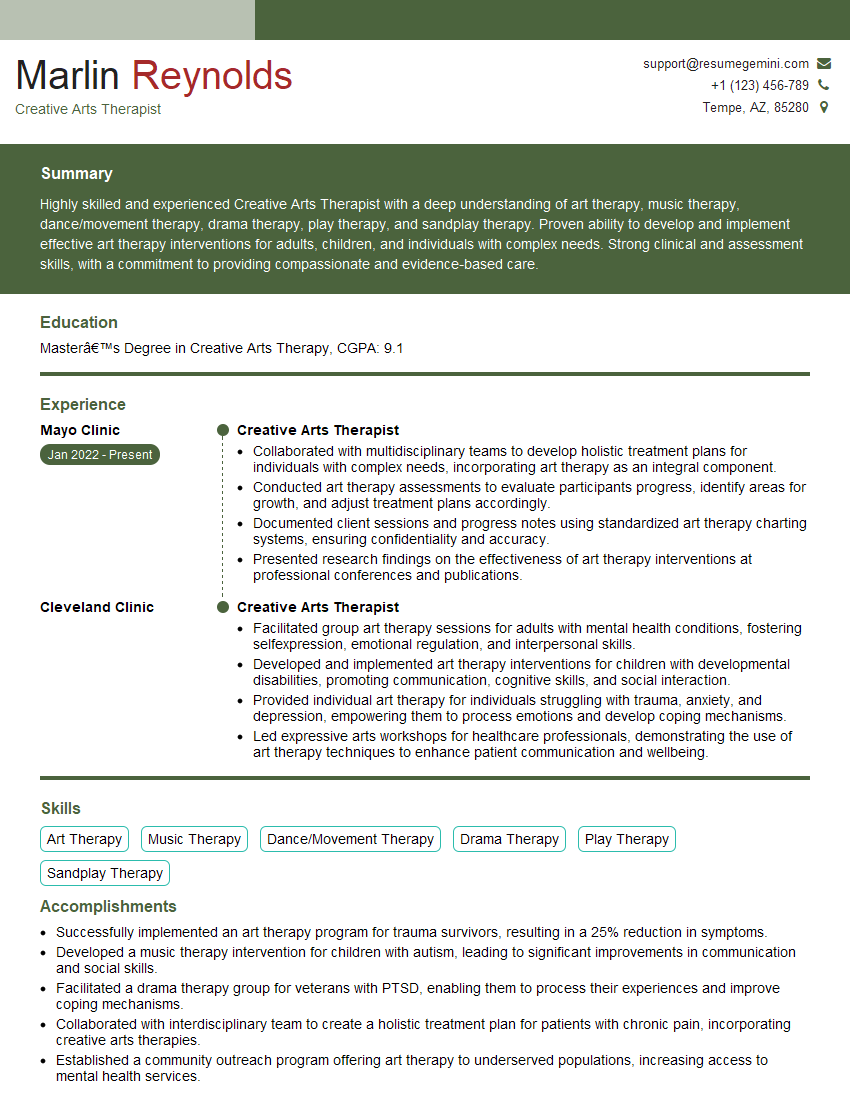
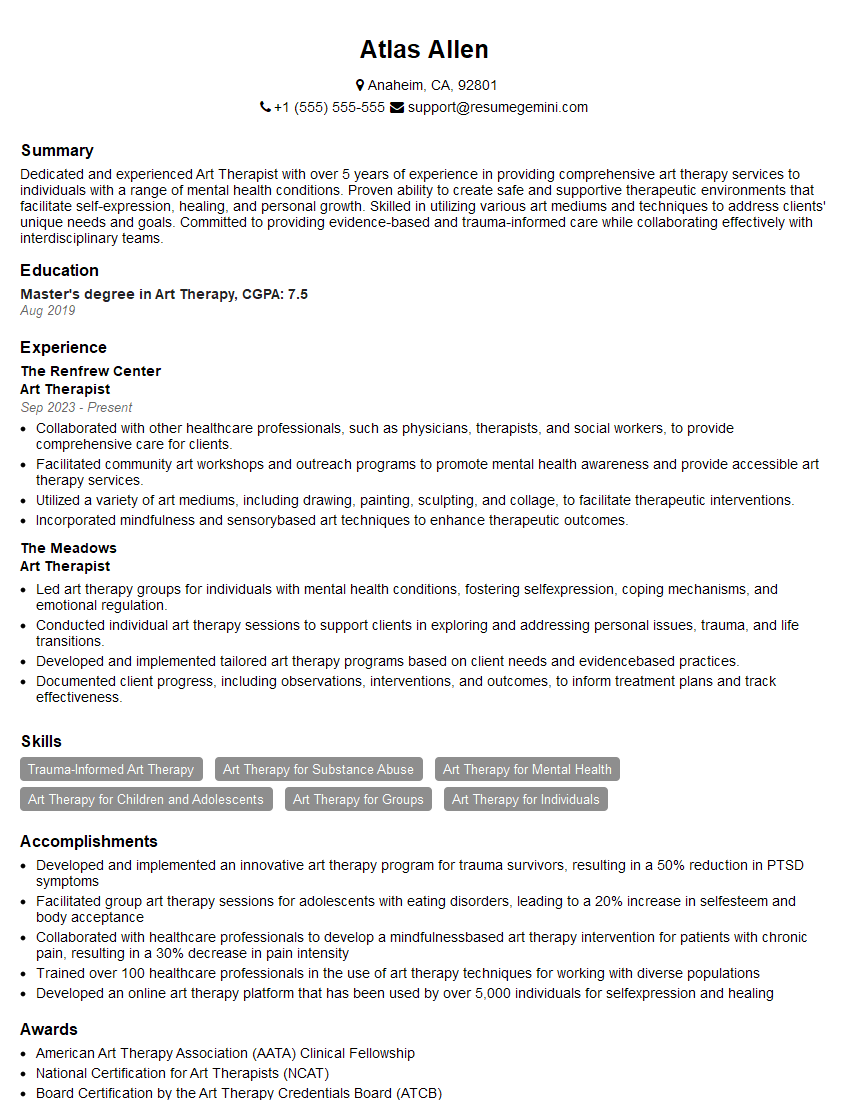
Mastering Art Therapy Interventions is crucial for career advancement in this rewarding field. A strong understanding of these concepts will significantly enhance your interview performance and demonstrate your expertise to potential employers. To maximize your job prospects, creating a compelling and ATS-friendly resume is essential. ResumeGemini is a trusted resource that can help you build a professional resume tailored to highlight your skills and experience. We provide examples of resumes specifically tailored to Art Therapy Interventions to guide you in showcasing your qualifications effectively. Take the next step in your career journey – craft a standout resume with ResumeGemini today.
Explore more articles
Users Rating of Our Blogs
Share Your Experience
We value your feedback! Please rate our content and share your thoughts (optional).
What Readers Say About Our Blog
To the interviewgemini.com Webmaster.
Very helpful and content specific questions to help prepare me for my interview!
Thank you
To the interviewgemini.com Webmaster.
This was kind of a unique content I found around the specialized skills. Very helpful questions and good detailed answers.
Very Helpful blog, thank you Interviewgemini team.