The thought of an interview can be nerve-wracking, but the right preparation can make all the difference. Explore this comprehensive guide to ASTM D938 interview questions and gain the confidence you need to showcase your abilities and secure the role.
Questions Asked in ASTM D938 Interview
Q 1. What is ASTM D938 and what properties does it determine?
ASTM D938 is a standard test method used to determine the flexural properties of plastics and other rigid materials. It’s essentially a way to measure how a material bends or deflects under a load. The properties determined are primarily flexural strength (the maximum stress a material can withstand before breaking under bending) and flexural modulus (a measure of the material’s stiffness or resistance to bending). Think of it like testing the strength and stiffness of a ruler by bending it – D938 provides the numbers behind that.
Q 2. Describe the different types of specimens used in ASTM D938 testing.
ASTM D938 allows for several specimen types, chosen based on the material and the desired level of precision. Common types include:
- Rectangular bars: These are the most common, typically with a specific length-to-width ratio. They’re easy to manufacture and test.
- Square bars: Similar to rectangular bars but with equal width and depth, offering a simplified geometry.
- Other shapes: The standard also accommodates specimens of other shapes, provided their dimensions are documented and consistently maintained. This allows for testing materials that might not easily be formed into standard rectangular bars.
The choice of specimen type is dictated by the material’s properties and the available testing equipment. For example, a very brittle material might require a smaller cross-section to avoid premature failure during testing.
Q 3. Explain the importance of proper specimen preparation in ASTM D938.
Proper specimen preparation is absolutely critical for accurate and reliable results in ASTM D938 testing. Inconsistent preparation introduces variability that can skew the results and make comparisons between tests unreliable. Key aspects of proper preparation include:
- Accurate dimensions: Specimens must be precisely cut to the dimensions specified in the standard. Variations in size significantly affect the calculated flexural properties.
- Smooth surfaces: Surface imperfections can act as stress concentrators, leading to premature failure and inaccurate results. Careful machining or polishing is often necessary.
- Free from defects: Any voids, cracks, or other imperfections in the specimen can dramatically weaken the material and compromise the test’s integrity. Careful inspection is essential.
- Controlled conditioning: The specimen’s moisture content and temperature should be controlled and consistent with the standard’s requirements to avoid variations in material behavior.
Imagine trying to compare the strength of two wooden beams – if one is perfectly smooth and dry and the other is cracked and damp, the comparison would be meaningless. Proper preparation ensures a fair and accurate comparison of material properties.
Q 4. What are the critical parameters to control during an ASTM D938 test?
Several critical parameters must be carefully controlled during an ASTM D938 test to ensure accurate and reproducible results:
- Loading rate: The speed at which the load is applied affects the measured flexural properties. The standard specifies a specific loading rate to maintain consistency.
- Support span: The distance between the supports influences the bending moment experienced by the specimen. The support span must be accurately measured and controlled.
- Temperature and humidity: As mentioned earlier, environmental conditions can affect material properties. Maintaining consistent temperature and humidity is vital for accurate results.
- Alignment: Precise alignment of the specimen on the test supports is essential to prevent uneven loading and premature failure.
- Calibration: The testing machine must be regularly calibrated to ensure accurate load and deflection measurements.
Think of a tightrope walker – a slight change in the tension (loading rate) or their position (alignment) could mean the difference between success and failure. Similarly, carefully controlling these parameters ensures the accuracy of the test.
Q 5. How is the flexural modulus calculated from ASTM D938 data?
The flexural modulus (Ef) is calculated from the stress-strain curve generated during the ASTM D938 test. The calculation utilizes the initial linear elastic portion of the curve. The formula is:
Ef = (L3 * m) / (4 * b * d3)Where:
Efis the flexural modulusLis the support spanmis the slope of the initial linear portion of the load-deflection curve (force/deflection)bis the width of the specimendis the depth (thickness) of the specimen
The slope (m) essentially represents the material’s stiffness in the elastic region. A steeper slope indicates a higher modulus and thus a stiffer material.
Q 6. Explain the difference between flexural strength and flexural modulus.
While both flexural strength and flexural modulus describe a material’s response to bending, they represent different aspects:
- Flexural strength indicates the material’s ability to withstand bending stress before fracturing. It’s essentially a measure of strength at the point of failure.
- Flexural modulus is a measure of a material’s stiffness or resistance to deformation under bending. It reflects how much the material bends under a given load before it breaks. It’s a measure of its elastic response.
Think of a rubber band and a metal rod. Both can bend, but the rubber band is flexible (low modulus) and easily breaks (low flexural strength), while the metal rod is stiff (high modulus) and can withstand considerable bending before breaking (high flexural strength).
Q 7. What are the common sources of error in ASTM D938 testing?
Several sources of error can affect the accuracy of ASTM D938 testing:
- Improper specimen preparation: Inaccurate dimensions, surface imperfections, or defects in the specimen lead to inconsistent results.
- Inaccurate measurement of test parameters: Errors in measuring the support span, load, or deflection will affect the calculated flexural properties.
- Poor machine calibration: An improperly calibrated testing machine will yield inaccurate results.
- Non-uniform loading: Uneven application of the load can lead to premature failure and incorrect measurements.
- Environmental factors: Fluctuations in temperature and humidity can alter the material’s properties and affect the test results.
- Operator error: Incorrect setup procedures or misinterpretation of test data can introduce errors.
Mitigating these errors requires careful attention to detail throughout the entire testing process – from specimen preparation to data analysis.
Q 8. How do you identify and address outliers in ASTM D938 test results?
Identifying and addressing outliers in ASTM D938 test results is crucial for ensuring the reliability of material properties data. Outliers, data points significantly deviating from the rest, can stem from various sources, including testing errors, sample inconsistencies, or equipment malfunctions. We use statistical methods to detect them. A common approach is to utilize the Grubbs’ test, which checks if the most extreme value in a dataset is statistically different from the others. Another method involves visual inspection of the data using box plots or scatter plots to identify points significantly outside the normal distribution. If an outlier is identified and its cause is traceable to an error (e.g., a misreading of the gauge), that data point is removed. However, if the cause is unknown and the outlier is deemed a true representation of the material’s behavior (perhaps indicating batch variability), it might be included in the analysis, with a note clearly stating its presence and potential impact. For example, if one tensile strength value is unusually low compared to the rest, and it’s discovered a flaw existed in that particular specimen, it’s discarded. Conversely, if multiple batches of the same material consistently produce a few outliers in the same range, it suggests real material variability that shouldn’t be ignored.
Q 9. What are the limitations of ASTM D938?
ASTM D938, while a widely used standard for determining the tensile properties of plastics, has some limitations. Firstly, it provides a standardized method but doesn’t encompass every possible material or testing condition. The test results are highly dependent on factors such as specimen preparation (precise dimensions and careful handling are vital). Slight variations in specimen geometry can lead to significant differences in results. Secondly, the standard’s applicability is limited to materials exhibiting relatively linear elastic behavior and doesn’t fully capture complex viscoelastic properties evident in some plastics. It also assumes uniform material properties across the specimen. This isn’t always the case, especially for filled or reinforced plastics where heterogeneities exist. For example, if there are air bubbles or voids in the specimen, the test results will be lower than expected. Finally, the test provides a snapshot of material behavior under specific conditions; extrapolation to other temperatures, strain rates, or environmental conditions may not be accurate.
Q 10. How does temperature affect the results of an ASTM D938 test?
Temperature significantly impacts the results of an ASTM D938 test, as most plastics exhibit temperature-dependent mechanical properties. Higher temperatures typically reduce the tensile strength and modulus, and increase elongation at break. This is because the increased thermal energy enhances molecular mobility, making the material less rigid and more prone to deformation. Conversely, lower temperatures often lead to increased stiffness, strength, and a reduction in ductility (elongation at break). The conditioning of the specimens before testing, as defined by ASTM D938, is essential to achieve consistent results, specifying the duration and temperature the specimen must be subjected to before the tensile test. For example, a polyvinyl chloride (PVC) specimen tested at room temperature will have different strength and elongation values than the same specimen tested at 80°C. The temperature must be carefully controlled and precisely recorded in the test report to ensure reproducibility.
Q 11. What is the significance of the support span-to-depth ratio in ASTM D938?
The support span-to-depth ratio in ASTM D938 is crucial for ensuring accurate and reproducible results. This ratio, typically specified as 16:1 or 20:1 (span/depth), determines the distance between the grips that hold the specimen during testing relative to the thickness of the specimen. The correct ratio minimizes the effects of bending and ensures the specimen is predominantly under uniaxial tensile stress. If the ratio is too low (the supports are too close), the specimen may experience significant bending stresses alongside the tensile load, skewing the tensile properties and leading to premature failure. Conversely, if the ratio is too high, the specimen might sag between the supports, again affecting results. The chosen ratio ensures that the measured stress-strain relationship is primarily representative of the tensile strength of the material, rather than a combination of tensile and bending stresses.
Q 12. Describe the different types of loading used in ASTM D938.
ASTM D938 primarily uses uniaxial tensile loading. This means a constant tensile force is applied along a single axis of the specimen, gradually increasing until failure. The test machine controls the rate at which the load is applied, typically expressed as either a constant crosshead speed (e.g., 50 mm/min) or a constant strain rate. Although the main focus is on tensile loading, the process could reveal other failure modes, such as yielding (a sudden drop in stress), necking (a reduction in the specimen cross-sectional area prior to failure), and ultimate failure. The selection of the loading method depends on the material’s properties and the purpose of testing; for example, high-speed tensile testing might be employed for certain applications. However, most commonly, the test involves a slowly increasing uniaxial tensile load.
Q 13. Explain how to interpret a stress-strain curve obtained from ASTM D938.
Interpreting a stress-strain curve from ASTM D938 provides valuable insight into the material’s mechanical properties. The curve plots stress (force per unit area) against strain (change in length per unit length). Key features include: the Young’s modulus (slope of the initial linear portion, representing stiffness), the yield strength (stress at which significant plastic deformation begins), the tensile strength (maximum stress before failure), and the elongation at break (total strain at failure, indicating ductility). For example, a steep initial slope indicates a high modulus (stiff material), a high tensile strength represents a material’s resistance to fracture, and a high elongation suggests a flexible material. The shape of the curve can reveal if the material is brittle (minimal plastic deformation before failure) or ductile (substantial plastic deformation before failure). By analyzing these characteristics, we can select the appropriate material for specific engineering applications. For instance, a material with high tensile strength and low elongation would suit applications requiring high strength and rigidity, like structural components, while a high elongation material would be suitable for flexible applications.
Q 14. What is the role of conditioning in ASTM D938 testing?
Conditioning is a crucial step in ASTM D938 testing, ensuring consistent and reproducible results. It involves controlling the temperature and humidity of the test specimens before testing to standardize their physical state. This minimizes the impact of ambient conditions on the test outcomes, as temperature and humidity significantly affect the properties of many plastic materials. The standard specifies the conditioning time and temperature (e.g., 23°C ± 2°C and 50% ± 10% relative humidity). This allows the specimens to reach thermal equilibrium, reducing internal stresses and ensuring uniformity in mechanical properties across different samples and tests. Proper conditioning is analogous to preheating an oven before baking a cake – it ensures a consistent environment for the process, leading to more reliable results. Failing to condition specimens adequately can lead to inconsistent and inaccurate data, hindering reliable comparisons between different test runs and materials.
Q 15. How do you ensure the accuracy and precision of ASTM D938 test results?
Ensuring accurate and precise results in ASTM D938 flexural testing hinges on meticulous attention to detail across every stage, from sample preparation to data analysis. Accuracy refers to how close the measured value is to the true value, while precision reflects the reproducibility of measurements.
- Proper Sample Preparation: This is paramount. We need to ensure consistent specimen dimensions, precisely following the standard’s specifications. Any deviation can significantly impact the results. I always verify dimensions with calibrated calipers and ensure the samples are free from defects or damage that could skew the test.
- Calibration of Testing Machine: Regular calibration of the testing machine using certified weights and standards is crucial. This ensures the machine’s load cells and displacement measurements are accurate. We follow a strict calibration schedule, often exceeding the minimum requirements stated in the standard.
- Controlled Testing Environment: Temperature and humidity significantly affect material properties. Maintaining a stable, controlled environment according to the ASTM D938 specifications minimizes these influences. This could involve using a temperature-controlled room or environmental chamber.
- Proper Test Procedure: Following the detailed procedure outlined in ASTM D938 is essential. This includes the correct loading rate, support span, and the precise positioning of the specimen. Any deviation from the prescribed method compromises the validity of the test results. I personally make a checklist and review it before starting any test run.
- Data Analysis and Reporting: The data acquired during the test must be carefully analyzed, and any outliers or anomalies should be investigated. Understanding statistical analysis techniques, such as calculating the mean, standard deviation, and range of values, allows us to assess the precision of the test and identify possible errors.
For example, if I notice inconsistencies in the flexural strength values obtained from multiple specimens, I’d meticulously review the sample preparation process, check the calibration of the machine, and re-examine the testing procedure to identify and correct any errors.
Career Expert Tips:
- Ace those interviews! Prepare effectively by reviewing the Top 50 Most Common Interview Questions on ResumeGemini.
- Navigate your job search with confidence! Explore a wide range of Career Tips on ResumeGemini. Learn about common challenges and recommendations to overcome them.
- Craft the perfect resume! Master the Art of Resume Writing with ResumeGemini’s guide. Showcase your unique qualifications and achievements effectively.
- Don’t miss out on holiday savings! Build your dream resume with ResumeGemini’s ATS optimized templates.
Q 16. What are the reporting requirements for ASTM D938 testing?
ASTM D938 reporting mandates a comprehensive documentation of the testing process and results. The report should include the following:
- Specimen Identification: Clear identification of the material tested, including batch number, source, and any relevant information.
- Testing Machine Details: Model number, serial number, and confirmation that the machine is calibrated and within its acceptable range.
- Test Conditions: Ambient temperature and humidity during the test.
- Specimen Dimensions: Precise dimensions of each tested specimen, including length, width, and thickness.
- Test Data: Recorded load and deflection data, typically presented graphically as a load-deflection curve.
- Calculated Properties: Calculated flexural strength, modulus of elasticity, and other relevant parameters, along with their standard deviations. Reporting limits and associated confidence intervals is also a good practice.
- Date and Time of Test: Clear indication of when the test was performed.
- Tester’s Identification: The name or identification of the person who performed the test.
A properly formatted report, often including tables and graphs, allows for easy interpretation and comparison with previous or future test results. Incompleteness could lead to misinterpretations, rendering results unreliable and possibly costly.
Q 17. How does ASTM D938 compare to other methods for determining flexural properties?
ASTM D938 is a widely used standard for determining the flexural properties of materials, particularly plastics and composites. However, it’s not the only method available. Other techniques exist, each with its own strengths and limitations.
- ISO 178: This international standard offers a similar approach to ASTM D938 but might include slight variations in testing parameters or reporting requirements. Harmonization between these standards is crucial for global collaboration.
- Three-Point Bend Test Variations: While D938 employs a three-point bend test, variations exist in specimen geometry, loading rate, and measurement techniques. Some tests might use different support spans or focus on specific aspects like fracture toughness.
- Four-Point Bend Test: This method applies load at two points, creating a constant bending moment in the central portion of the specimen, which can be advantageous for certain materials or applications.
The choice of method depends on the specific material properties being investigated and the desired level of detail. ASTM D938 is often preferred due to its simplicity and widespread adoption, however the applicability of the other methods should be considered to accurately determine material properties.
Q 18. Explain the difference between static and dynamic flexural testing.
ASTM D938, in its standard form, describes a static flexural test. This means the load is applied slowly and gradually to the specimen until failure or a specified deflection is reached. The loading rate is controlled and relatively low. The test measures the material’s response under sustained, static load.
In contrast, dynamic flexural testing involves applying a rapidly changing or cyclical load. Examples include impact testing or fatigue testing. These tests evaluate the material’s response under high-speed impacts or repeated loading cycles. Dynamic tests provide insights into a material’s resistance to fracture under sudden impact or its ability to withstand repetitive stress. They are critical for applications like automotive components or packaging design, where materials are subjected to sudden impacts or repetitive loading conditions.
Q 19. What are the safety precautions to be followed during ASTM D938 testing?
Safety is paramount during ASTM D938 testing. Here are some key precautions:
- Eye Protection: Always wear safety glasses or goggles to protect against potential flying debris during specimen failure.
- Machine Guarding: Ensure the testing machine has appropriate guarding to prevent accidental contact with moving parts. Never reach into the machine’s working area during operation.
- Proper Handling of Specimens: Exercise caution when handling specimens, as sharp edges or fragments might cause injuries. Use gloves where appropriate.
- Emergency Stop: Be familiar with the location and operation of the emergency stop button on the testing machine.
- Appropriate Clothing: Wear clothing appropriate for a laboratory environment, avoiding loose clothing or jewelry that could get caught in machinery.
- Risk Assessment: A formal risk assessment before any testing to identify potential hazards and outline appropriate control measures is recommended.
Never compromise safety. A thorough understanding of the equipment and procedures is essential to prevent accidents. I always conduct a pre-test safety review before any testing begins.
Q 20. How do you troubleshoot common issues encountered during ASTM D938 testing?
Troubleshooting during ASTM D938 testing often involves systematic investigation. Common issues include:
- Inconsistent Results: This might point to issues with sample preparation (inconsistent dimensions or defects), calibration of the testing machine, or inconsistencies in the testing procedure. Review all steps meticulously.
- Premature Specimen Failure: This could stem from flaws in the specimen, incorrect test setup (support span or loading position), or excessive loading rate. Carefully examine the failed specimen and inspect the test setup.
- Calibration Issues: If the machine is out of calibration, the readings will be inaccurate. Regular calibration and verification against certified standards are essential.
- Data Acquisition Problems: Issues with the data acquisition system can lead to unreliable results. Check the wiring, software settings, and sensor functionality.
My approach involves a step-by-step investigation, starting with the simplest explanations before moving to more complex factors. For example, if I am getting erratic data, I’ll start with checking the calibration, then investigate the specimen itself, the test setup, and finally the data acquisition system. Accurate record keeping and detailed documentation play a critical role in effective troubleshooting.
Q 21. Describe your experience with different types of testing machines used in ASTM D938.
Throughout my career, I’ve gained extensive experience with various testing machines used for ASTM D938, each with its unique capabilities and features.
- Universal Testing Machines (UTMs): These are the most commonly used machines for ASTM D938. I have worked with both hydraulic and electromechanical UTMs, from manufacturers such as Instron and MTS. Electromechanical UTMs offer advantages in terms of precision and control over loading rate, whereas hydraulic UTMs might offer greater force capacity. The choice depends on the specific application and the strength of the material being tested.
- Dedicated Flexural Testing Machines: Some manufacturers produce testing machines specifically designed for flexural testing. These machines are often optimized for precision, ease of use, and efficient data acquisition.
My experience encompasses not only operating these machines but also maintaining, calibrating, and troubleshooting them. Understanding their functionality, limitations, and capabilities is crucial for obtaining reliable and accurate results. I always ensure that the machine is appropriately selected based on the type and properties of material under consideration, the required accuracy, and other factors.
Q 22. Explain your experience in data analysis and reporting for ASTM D938.
My experience in data analysis and reporting for ASTM D938 is extensive. It involves more than just recording numbers; it’s about interpreting the results to understand material behavior. This begins with meticulous data entry, ensuring accuracy is paramount. I utilize spreadsheets (like Excel) and statistical software (like Minitab or JMP) to organize and analyze the tensile strength, yield strength, elongation, and modulus of elasticity data obtained from the tests. I then generate comprehensive reports, including charts and graphs, visualizing trends and comparing results across different batches or materials. For example, I recently analyzed data from 10 different batches of polypropylene, identifying a statistically significant difference in tensile strength between two specific batches, leading to a root cause investigation and process improvement within the manufacturing facility. This process also includes ensuring the reports adhere to the required formatting and include all necessary details for regulatory compliance and internal use.
Beyond basic descriptive statistics, I often perform more advanced analysis, such as ANOVA (analysis of variance) to compare means across different groups and regression analysis to explore relationships between different properties. This helps determine the factors that influence the material’s mechanical performance and aid in material selection and design.
Q 23. How would you handle a situation where the test results do not meet the specified requirements?
If test results don’t meet specified requirements, my approach is systematic and follows a defined protocol. The first step is to verify the testing procedure. Did we adhere strictly to ASTM D938? Were there any deviations in the sample preparation, testing environment (temperature, humidity), or machine calibration? This often involves reviewing the test logs and quality control documentation. Think of it like a detective investigation – we’re looking for clues to explain the discrepancy.
If an error in procedure is identified, we repeat the testing with corrected methodology. If the issue persists, we analyze the results further. Is the failure consistent across multiple tests? Are there visible defects in the material itself? This phase often involves microscopic inspection of the failed specimens to identify any flaws or weaknesses. For instance, we might discover internal voids or improper molecular orientation that compromised the material’s strength.
After thoroughly investigating potential causes, we issue a comprehensive report detailing the findings and recommendations. This might involve modifying the material specification, adjusting the manufacturing process, or identifying a need for alternative materials. The goal is not only to document the failure, but also to prevent future occurrences through corrective actions.
Q 24. What is your experience with quality control procedures related to ASTM D938?
My experience with quality control procedures related to ASTM D938 is integral to my work. These procedures are designed to ensure the reliability and validity of our test results. They encompass several key aspects. First, we meticulously maintain a chain of custody for all samples, ensuring traceability throughout the entire testing process. We also strictly follow the standardized sample preparation outlined in the ASTM D938, including appropriate conditioning of the specimens to control the effects of temperature and humidity. This is crucial because even small variations can drastically affect the test outcome.
Regular calibration and maintenance of the testing equipment are paramount. We use calibrated tensile testing machines and adhere to a strict schedule of preventative maintenance, ensuring that all machines are operating within their specified tolerances. We also maintain detailed records of all calibrations, repairs, and maintenance activities. This is to ensure that any potential equipment malfunction doesn’t compromise the accuracy of our measurements. Furthermore, we implement statistical process control (SPC) techniques to monitor the consistency of our testing process and promptly address any potential deviations.
Q 25. Describe your experience with different types of plastics tested using ASTM D938.
I have extensive experience testing a wide variety of plastics using ASTM D938. This includes common thermoplastics such as polypropylene (PP), polyethylene (PE), polystyrene (PS), and polyvinyl chloride (PVC), as well as various engineering thermoplastics like polycarbonate (PC), acrylonitrile butadiene styrene (ABS), and polyetheretherketone (PEEK). The mechanical properties vary significantly across these materials, requiring a tailored approach to each testing procedure. For example, a highly rigid material like PEEK would require a higher load cell capacity than a flexible material like PE.
Beyond the material type, I’ve also worked with different grades and formulations within each plastic family. Variations in additives, fillers, and processing conditions can significantly influence the mechanical properties, highlighting the importance of accurate identification and documentation of the tested materials. This often involves coordinating with the materials provider to obtain detailed material specifications, including the chemical composition and any pre-existing conditions.
Q 26. How familiar are you with the latest revisions of ASTM D938?
I am highly familiar with the latest revisions of ASTM D938. I regularly consult the current standard to ensure all my testing procedures are up-to-date and compliant. I understand the rationale behind recent modifications, particularly those related to enhanced precision and clarity. Staying abreast of these changes is critical to maintaining the accuracy and reliability of our test data and our adherence to industry best practices. This is more than just reading the document; it’s actively seeking out updates, participating in industry workshops, and engaging with other experts in the field.
For example, I’m aware of the importance of adhering to the updated guidelines on specimen preparation, including the specific dimensions and tolerances required to avoid systematic errors. This understanding is critical for producing accurate and reproducible test results. Furthermore, I have a strong understanding of the implications of any changes in terminology and definitions of the mechanical properties.
Q 27. Describe your experience with maintaining and calibrating the testing equipment used in ASTM D938.
Maintaining and calibrating the testing equipment used in ASTM D938 is a critical aspect of my role. This involves a multi-faceted approach, beginning with a regular preventative maintenance schedule. This includes cleaning, lubrication, and visual inspection of the equipment to identify any potential issues before they escalate. We follow a rigorous calibration program, using traceable standards to ensure the accuracy of the load cell, extensometer, and other components of the tensile testing machine. This calibration is usually performed by certified technicians, and I meticulously document all calibration results and any necessary adjustments.
The calibration process itself is complex, involving applying known forces and extensions to the machine and verifying the readings against the standard. If deviations are detected, adjustments are made, and the calibration process is repeated. Detailed records are maintained to satisfy accreditation and regulatory requirements. I am proficient in identifying potential sources of error during testing and troubleshooting equipment malfunctions, ensuring the continued reliable operation of our testing systems.
Key Topics to Learn for ASTM D938 Interview
- Standard Test Method Overview: Understand the purpose and scope of ASTM D938, including its application in materials science and engineering.
- Specimen Preparation: Master the techniques for preparing test specimens according to ASTM D938 specifications, ensuring accurate and reliable results. This includes understanding the importance of proper sample selection and conditioning.
- Tensile Testing Procedures: Familiarize yourself with the detailed steps involved in conducting tensile tests, including the use of testing machines and data acquisition systems. Understand the different types of grips and their applications.
- Data Analysis and Interpretation: Learn how to analyze tensile test data, including calculating key parameters like tensile strength, yield strength, elongation, and modulus of elasticity. Understand how to interpret these results in the context of material properties.
- Stress-Strain Curves: Develop a strong understanding of stress-strain curves, their different regions, and how to interpret them to determine material behavior under tensile load. Be prepared to discuss the significance of yield point, ultimate tensile strength, and fracture point.
- Influence of Test Parameters: Understand how factors like temperature, humidity, and strain rate can affect the results of tensile testing and the interpretation of material properties.
- Troubleshooting Common Issues: Be prepared to discuss potential challenges encountered during tensile testing, such as specimen failure outside the gauge length, machine calibration issues, or data interpretation difficulties. Develop problem-solving strategies for these scenarios.
- Applications of ASTM D938: Discuss real-world applications of ASTM D938 across various industries and how tensile testing data informs material selection and design decisions.
Next Steps
Mastering ASTM D938 demonstrates a strong understanding of materials science and engineering principles crucial for career advancement in various technical fields. A well-crafted resume is key to showcasing this expertise. Creating an ATS-friendly resume significantly increases your chances of getting your application noticed. We strongly encourage you to use ResumeGemini, a trusted resource for building professional and effective resumes. ResumeGemini provides examples of resumes tailored to ASTM D938 to help you create a compelling application that highlights your skills and experience. Take the next step towards your dream job today!

Quality Control Manager Resume Sample

Production Supervisor Resume Sample

Compliance Officer Resume Sample
Regulatory Affairs Specialist Resume Sample
Process Engineer Resume Sample

Research Scientist Resume Sample
Technical Specialist Resume Sample
Product Development Engineer Resume Sample
Chemical Engineer Resume Sample
Testing Engineer Resume Sample
Manufacturing Engineer Resume Sample
Metrologist Resume Sample
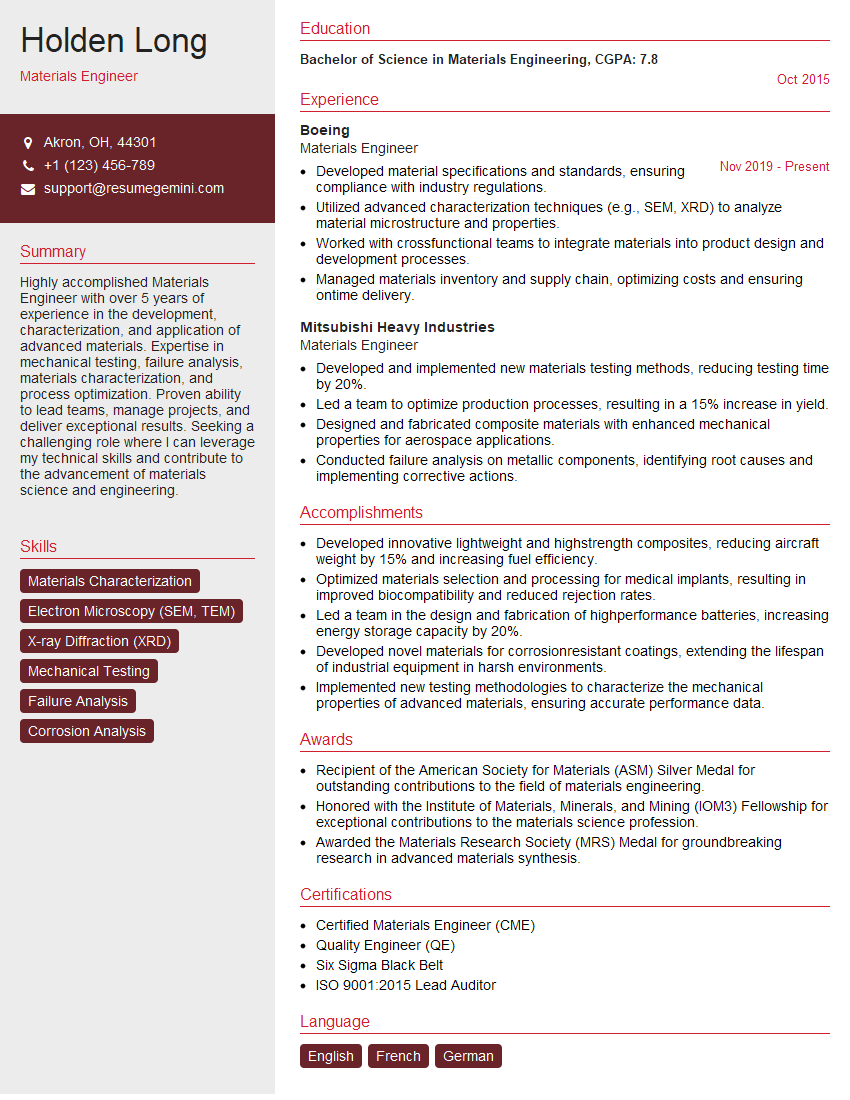
Materials Engineer Resume Sample

Quality Assurance Engineer Resume Sample
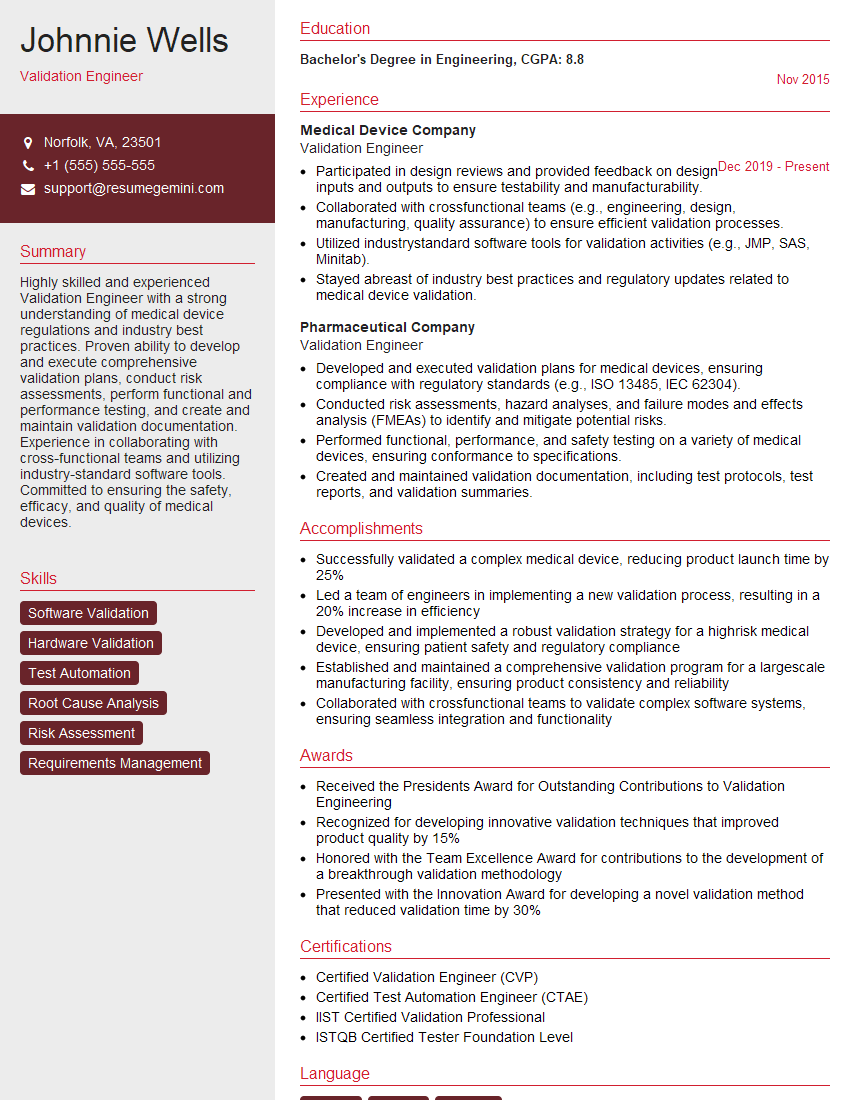
Validation Engineer Resume Sample
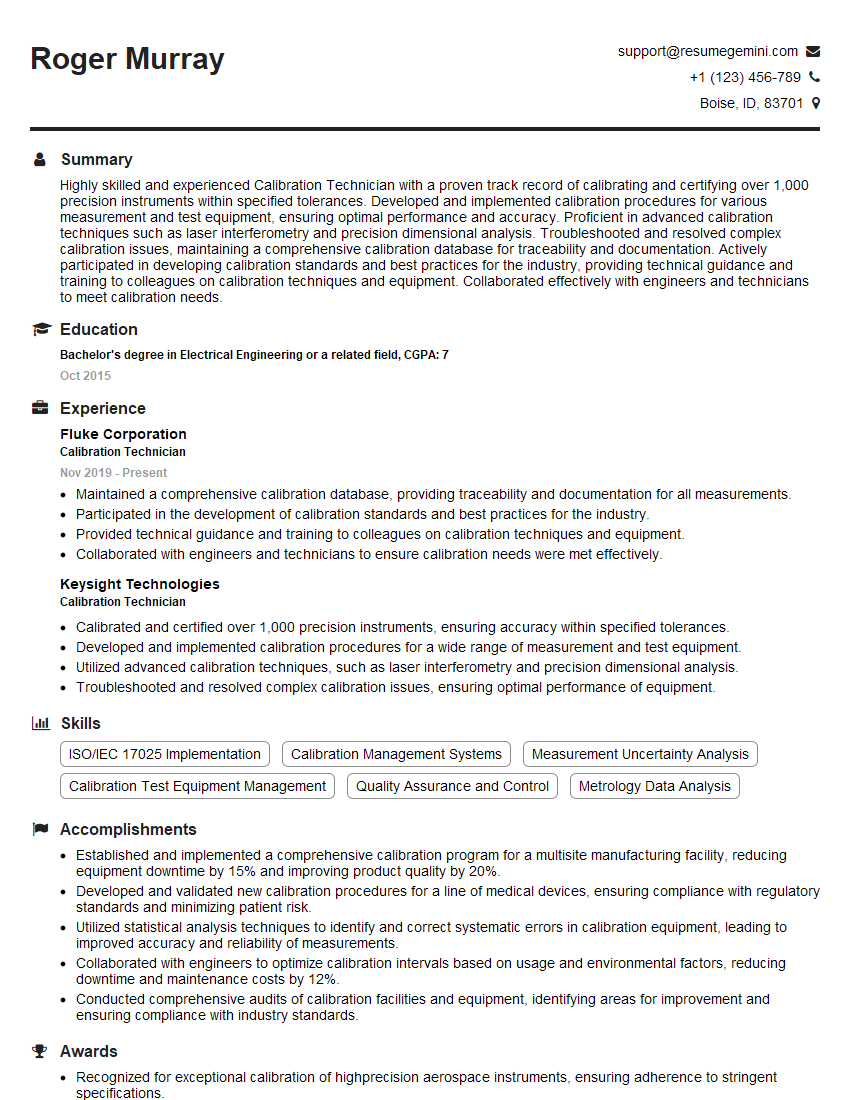
Calibration Technician Resume Sample
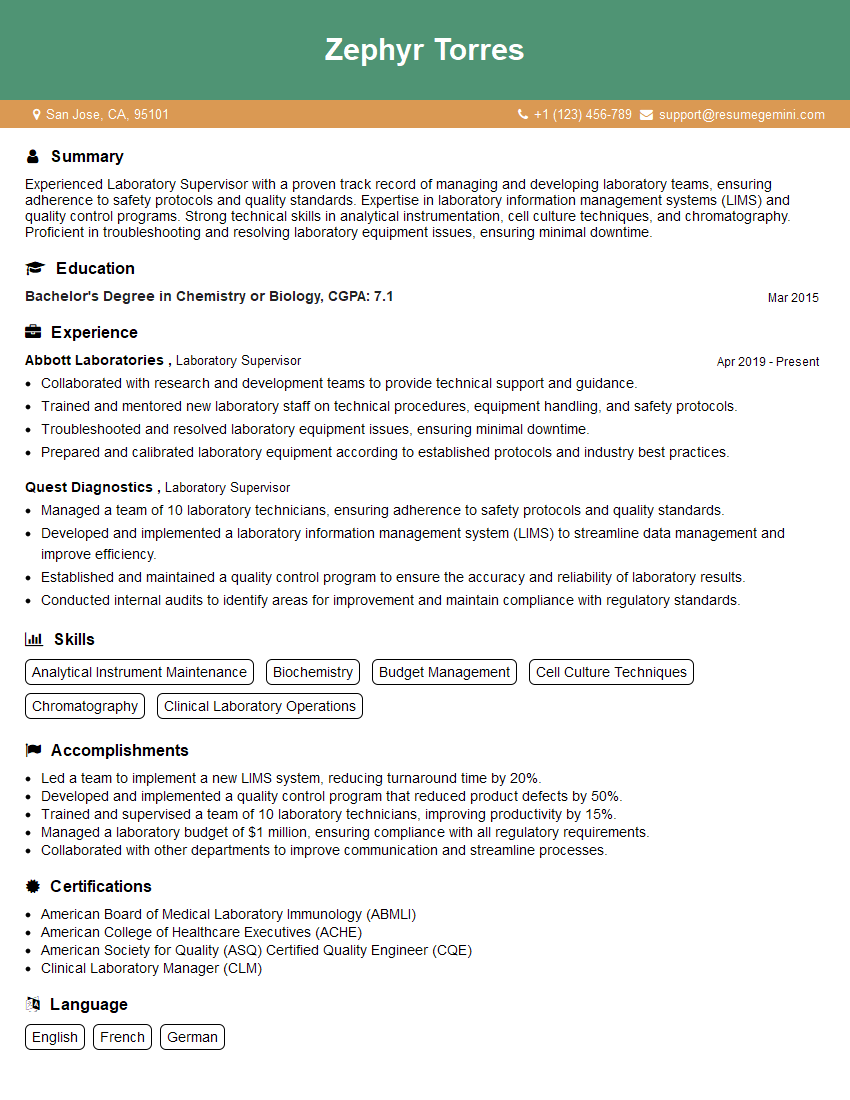
Laboratory Supervisor Resume Sample
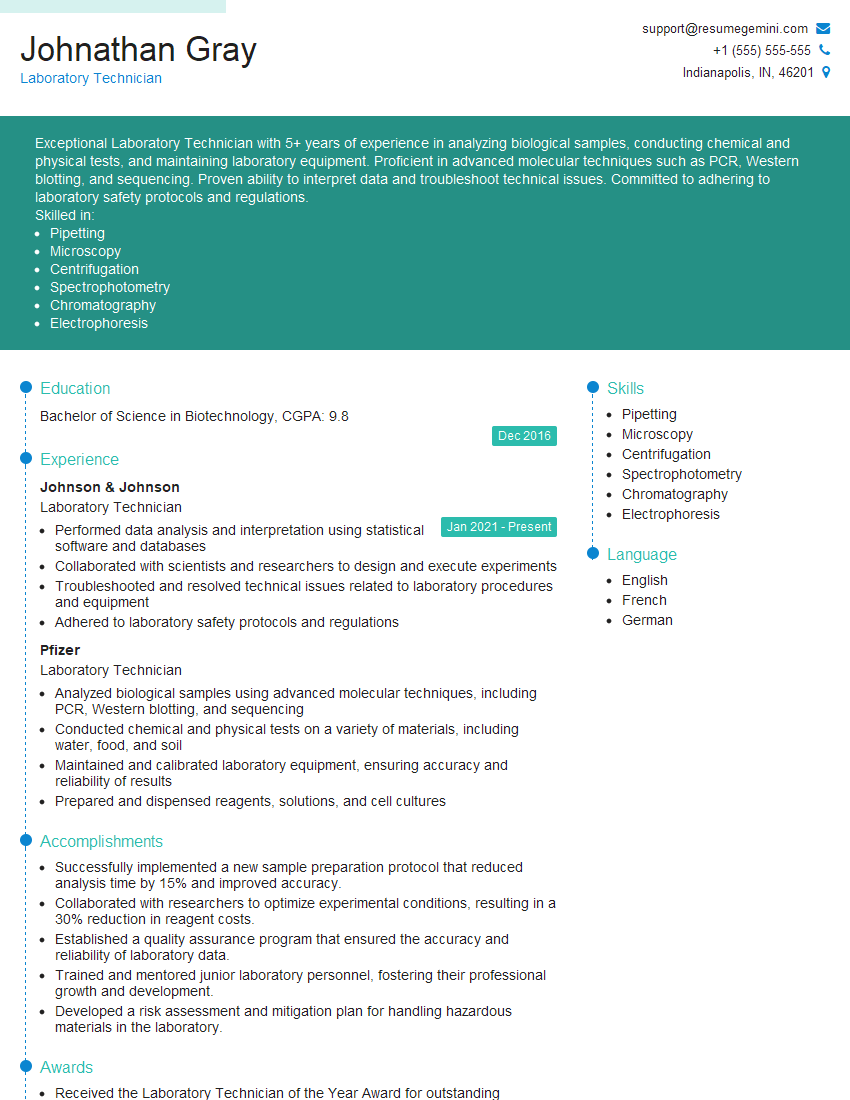
Laboratory Technician Resume Sample

Analytical Chemist Resume Sample
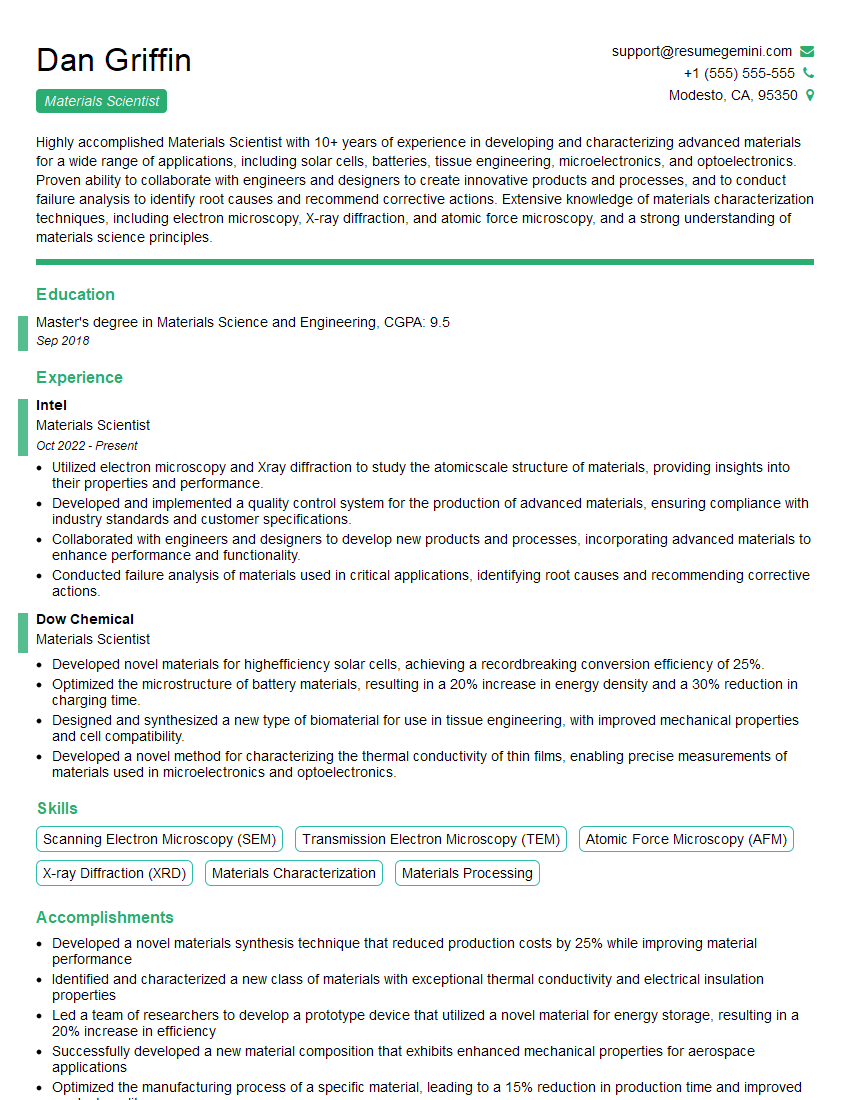
Materials Scientist Resume Sample
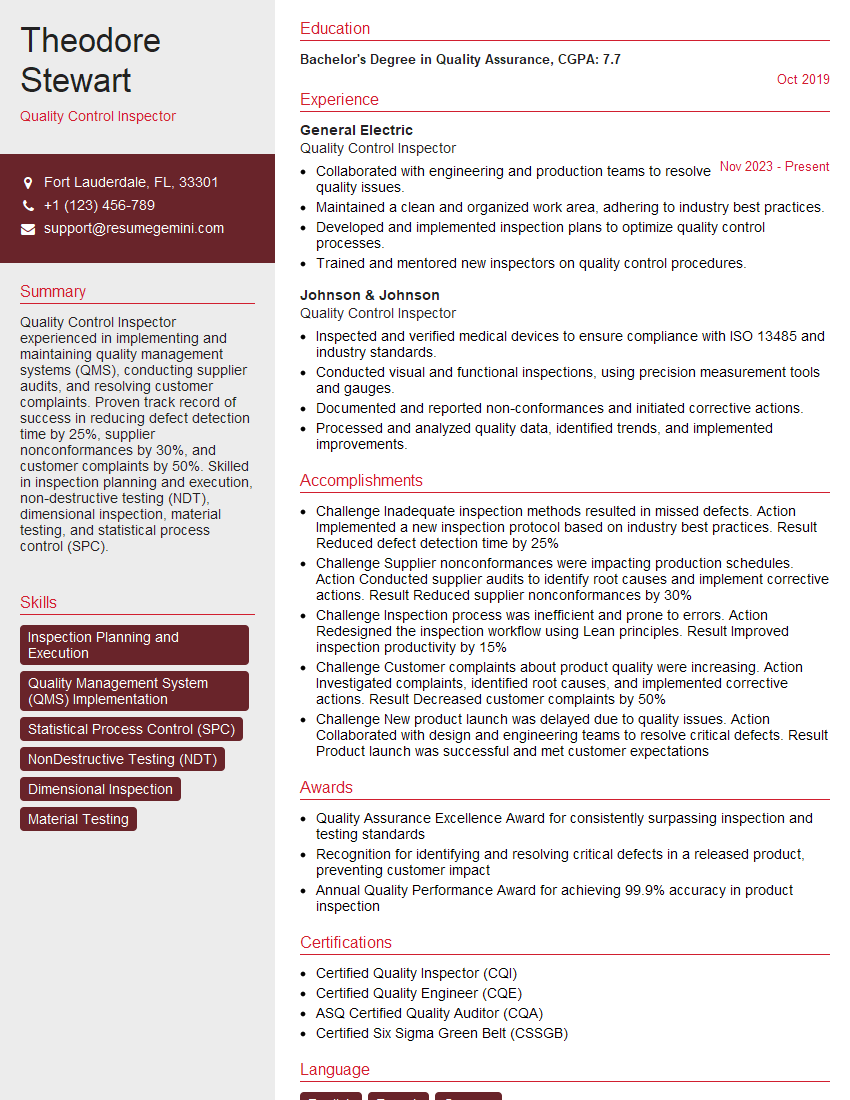
Quality Control Inspector Resume Sample
- Quality Control Manager
- Production Supervisor
- Compliance Officer
- Regulatory Affairs Specialist
- Process Engineer
- Research Scientist
- Technical Specialist
- Product Development Engineer
- Chemical Engineer
- Testing Engineer
- Manufacturing Engineer
- Metrologist
- Materials Engineer
- Quality Assurance Engineer
- Validation Engineer
- Calibration Technician
- Laboratory Supervisor
- Laboratory Technician
- Analytical Chemist
- Materials Scientist
- Quality Control Inspector
Explore more articles
Users Rating of Our Blogs
Share Your Experience
We value your feedback! Please rate our content and share your thoughts (optional).
What Readers Say About Our Blog
To the interviewgemini.com Webmaster.
Very helpful and content specific questions to help prepare me for my interview!
Thank you
To the interviewgemini.com Webmaster.
This was kind of a unique content I found around the specialized skills. Very helpful questions and good detailed answers.
Very Helpful blog, thank you Interviewgemini team.