Interviews are more than just a Q&A session—they’re a chance to prove your worth. This blog dives into essential Automated External Defibrillator (AED) Use interview questions and expert tips to help you align your answers with what hiring managers are looking for. Start preparing to shine!
Questions Asked in Automated External Defibrillator (AED) Use Interview
Q 1. Describe the steps involved in using an AED.
Using an AED is a life-saving procedure that should be performed swiftly and accurately. Think of it like following a recipe – each step is crucial for the best outcome.
- Check for responsiveness and breathing: Gently shake the person and shout, “Are you okay?” If they are unresponsive and not breathing normally (gasping breaths don’t count), call emergency services immediately (911 or your local equivalent).
- Call for help and get the AED: While someone calls emergency services, another person should retrieve the nearest AED. Time is critical.
- Turn on the AED and follow the voice prompts: The AED will give clear, step-by-step instructions. Listen carefully and follow them exactly. Most AEDs will have visual prompts as well.
- Attach the pads: Carefully attach the adhesive pads to the person’s bare chest, ensuring they are placed correctly according to the AED’s instructions. One pad goes above the right nipple, and the other below the left nipple. Make sure there’s no clothing between the pads and the skin.
- Analyze the heart rhythm: The AED will analyze the person’s heart rhythm. Keep everyone clear of the patient during this analysis.
- Deliver a shock (if advised): If the AED advises delivering a shock, it will announce this clearly and instruct you to stand clear of the patient. Push the shock button. This will send an electrical current to try to restore a normal heart rhythm.
- Begin CPR: After the shock, immediately begin chest compressions (CPR) for the recommended time. Continue CPR until emergency services arrive or the patient shows signs of recovery. The AED may advise repeating the analysis and shock cycle.
Remember, even with proper AED use, ongoing CPR is crucial until professional medical help arrives.
Q 2. What are the contraindications for using an AED?
While AEDs are incredibly safe and effective, there are some rare situations where using one might be contraindicated. These are typically situations where the risk of using the AED outweighs the potential benefit. These are exceptions and usually assessed by trained medical professionals.
- Patient is submerged in water: Remove the patient from the water before attempting AED use.
- Patient is in direct contact with a live electrical source: Disconnect the power source before touching the patient. This is extremely dangerous.
- Obvious signs of life (strong pulse, breathing): An AED is not needed if the person is breathing normally and has a pulse.
- Patient is in the presence of flammable materials: Move the person to a safer location before using the AED. Take precautions to minimize fire risk.
It’s crucial to emphasize that these contraindications are extremely rare. In most cases of cardiac arrest, immediate AED use is vital. Ambiguity favors using the AED as long as safety precautions regarding the immediate surroundings and the patient’s contact with electric sources are observed.
Q 3. How do you assess a patient’s rhythm before using an AED?
You don’t directly assess the rhythm. The AED does this automatically. The device analyzes the heart’s electrical activity to determine if a shockable rhythm (ventricular fibrillation or pulseless ventricular tachycardia) is present. Laypeople aren’t trained to interpret ECG rhythms directly. The AED’s computer interprets the rhythm and instructs you on whether or not a shock is needed.
Your role is to ensure the AED pads are correctly placed and that the device is operating correctly. The AED’s voice prompts and visual cues guide you through the process.
Q 4. What are the different types of AEDs available?
AEDs come in various types, each with its unique features and capabilities.
- Public Access AEDs (PAEDs): These are the most common type found in public places like airports, schools, and offices. They are designed to be user-friendly and require minimal training.
- Biphasic AEDs: These deliver a shock in a biphasic waveform, meaning the current flows in two directions. They are generally considered more efficient and often require a lower energy level.
- Monophasic AEDs: These deliver a shock in one direction. Although older technology, they are still effective.
- Automated external defibrillators with manual override options: Some AEDs permit advanced users (usually trained medical professionals) to override certain aspects of the device’s operation in specialized situations.
- AEDs with advanced features: Some advanced AEDs provide real-time ECG monitoring, feedback to rescuers, and other features to support patient care.
The specific type of AED isn’t as important as using the one available quickly and effectively. All AEDs follow a similar operating principle.
Q 5. Explain the importance of proper pad placement when using an AED.
Proper pad placement is absolutely critical for effective AED use. The pads must make good contact with the skin and be positioned according to the manufacturer’s instructions. Incorrect placement can affect the effectiveness of the shock or even be dangerous.
Generally, the pads should be placed one above the right rib cage, just below the right clavicle and the other below the left armpit. However, always check the device’s instructions because some AEDs may have slightly different recommendations. If the pads are placed incorrectly, the shock may not reach the heart effectively, or could cause burns or other complications.
Imagine aiming a gun; you need to aim properly to hit the target. Similarly, correct pad placement ensures that the electrical shock reaches the heart’s critical areas to restore normal rhythm.
Q 6. How do you handle a situation where the AED advises against shocking?
If the AED advises against shocking, it means the device has analyzed the heart rhythm and determined that a shock is not immediately needed or beneficial. This could be because the heart rhythm isn’t a shockable rhythm (e.g., asystole or pulseless electrical activity).
In this case, immediately begin CPR according to guidelines. Follow the instructions given by the AED. Continue CPR until professional medical assistance arrives. Even without a shock, CPR provides critical support by maintaining blood flow.
Q 7. Describe the post-shock care procedures after AED use.
Post-shock care involves continuing life support until emergency services arrive. This includes:
- Immediately resume CPR: Don’t stop CPR after delivering a shock. Continue compressions at the proper rate and depth.
- Monitor the patient: Observe the patient’s breathing and pulse for signs of recovery or changes in condition.
- Be prepared for repeated shocks: The AED may advise repeating the analysis and shock cycle. Be ready to follow its instructions.
- Follow instructions from emergency services: Once paramedics arrive, fully cooperate with their instructions and help them in any way possible.
- Attend to emotional needs: Recognize that this is a traumatic experience for bystanders and family. Support them as needed.
The key is to stay calm, follow the AED and emergency service instructions, and continue providing life support until medical professionals take over.
Q 8. What are the potential complications associated with AED use?
While AEDs are life-saving devices, potential complications can arise. These are thankfully rare with proper training and usage. One key risk is the delivery of a shock to someone who doesn’t actually need it, such as someone who is simply unconscious but not experiencing cardiac arrest. This can be avoided by carefully assessing the patient for signs of cardiac arrest before using the AED. Another complication could be burns at the electrode pad sites, usually minor, but potentially more severe if the pads aren’t properly applied or if there is excessive moisture on the skin. There’s also the possibility of broken ribs due to the force of the shock, though this is statistically uncommon. Finally, there’s the psychological impact on bystanders, who may experience emotional distress from witnessing the event, regardless of the outcome. Therefore, providing post-incident support for those involved is crucial.
- Misapplication of pads: Ensuring correct pad placement is paramount to avoid burns and ineffective defibrillation.
- Premature or unnecessary shock: Only use the AED after confirming cardiac arrest.
- Physical trauma: While rare, the force of the shock can potentially cause rib fractures.
- Emotional distress for bystanders: Providing support is essential.
Q 9. How do you maintain an AED and ensure its readiness?
Maintaining an AED’s readiness is critical. Think of it like a car – regular checks ensure it’s operational when needed. The manufacturer’s instructions are paramount, but generally, this involves regular inspections of the device itself, checking the battery life (often indicated by a visual indicator or a self-test), ensuring the pads and any other accessories are within their expiration dates and undamaged, and performing regular self-tests as advised by the manufacturer (often monthly). Documentation is key; maintain a log of all checks, battery changes, and self-tests. This is crucial for liability and ensuring the device’s continued reliability. Consider organizing training sessions for those responsible for AED maintenance. Imagine the stress of needing an AED and discovering it’s not working due to neglect. Proper maintenance prevents this.
- Visual inspection: Check for damage to the device and accessories.
- Battery check: Ensure the battery is fully charged and within its expiration date.
- Pad and accessory check: Verify expiration dates and condition.
- Self-test: Regularly conduct self-tests per manufacturer’s instructions.
- Documentation: Maintain a detailed log of all maintenance activities.
Q 10. What is the role of CPR in conjunction with AED use?
CPR and AED use are a powerful combination in cardiac arrest. CPR, or cardiopulmonary resuscitation, provides chest compressions and rescue breaths to circulate blood and oxygen to the brain and heart until the AED can be used. The AED analyzes the heart rhythm and, if necessary, delivers a shock to try to restore a normal rhythm. CPR maintains blood flow during the time it takes to get the AED ready and between shocks. It’s a synergistic approach: CPR buys time, and the AED attempts to correct the underlying heart problem. Think of CPR as the bridge keeping the patient alive while waiting for the AED to potentially reset the heart. It’s crucial to continue CPR compressions immediately after the AED delivers a shock, and only stopping momentarily to analyze the heart rhythm.
- CPR before AED: Initiate CPR immediately until the AED is ready.
- CPR after AED: Continue CPR compressions after shock delivery.
- Continuous CPR: Maintain continuous chest compressions except during rhythm analysis.
Q 11. How do you handle interruptions during AED use?
Interruptions during AED use are a serious concern, especially if they involve a delay in delivering a shock. Any interruption must be handled swiftly and efficiently. Causes might range from a power outage to someone unexpectedly touching the patient while a shock is about to be delivered. If an interruption occurs during the analysis phase, simply resume the analysis process once the interruption is resolved. If an interruption occurs during a shock delivery phase, ensure everyone is clear of the patient, resolve the issue, and immediately reanalyze the heart rhythm. Remember, every second counts. Effective communication among the team is key to minimizing interruption time. Pre-planning for potential interruptions, like ensuring adequate power sources and clear communication protocols, can minimize these problems. A clear understanding of the AED’s functions and the team’s roles is crucial for effective response.
Q 12. Explain the importance of regular AED training and certifications.
Regular AED training and certifications are not optional; they’re essential. Knowing how to use an AED correctly can literally mean the difference between life and death. Training provides the knowledge and practical skills necessary to confidently and efficiently use the device. Certifications, such as those offered by the American Heart Association or the American Red Cross, validate these skills and ensure a minimum standard of competence. These certifications often require periodic renewal to stay up-to-date with the latest guidelines and best practices. Regular refresher courses reinforce what’s been learned and help individuals maintain their proficiency. Think of it like a pilot needing regular flight training. In the high-stakes scenario of cardiac arrest, confidence and skills are crucial.
Q 13. What are the legal considerations related to AED use?
Legal considerations around AED use are complex and vary by jurisdiction. Generally, using an AED in good faith to help someone in cardiac arrest is protected under Good Samaritan laws. These laws offer legal protection to individuals who voluntarily provide emergency medical assistance. However, this protection typically hinges on acting within the scope of one’s training and without gross negligence. Proper documentation of the event, including the time of the incident, steps taken, and any witnesses, is crucial for legal protection. Moreover, adhering to all manufacturer’s instructions and maintaining the AED according to the guidelines is also a crucial element. It’s advisable to consult with legal counsel to understand the specific laws in your area.
Q 14. How do you deal with a malfunctioning AED?
A malfunctioning AED is a critical situation. If the device displays an error message, follow the troubleshooting steps outlined in the manufacturer’s manual. If the problem persists, immediately obtain a replacement AED if available. Alternatively, focus on providing effective CPR while trying to secure a functioning AED. It’s also important to report the malfunction to the appropriate authorities and the AED’s manufacturer for repair or replacement. Regular maintenance and promptly addressing minor issues can usually prevent major malfunctions. The key is a proactive approach to maintenance and the ability to switch to a backup strategy when necessary.
Q 15. Explain the difference between monophasic and biphasic AEDs.
The key difference between monophasic and biphasic AEDs lies in how they deliver the electrical shock to the heart. Monophasic AEDs deliver a single shock of electricity in one direction. Think of it like a one-way street for the electrical current. Biphasic AEDs, on the other hand, deliver the shock in two phases – one in each direction – like a two-way street. This bi-directional flow of energy is generally considered more efficient, requiring less energy to achieve the same defibrillation effect.
This efficiency translates to potentially lower energy levels needed for defibrillation, which could mean less stress on the patient’s heart. Many modern AEDs are biphasic, and research suggests they may have advantages in terms of effectiveness and patient outcomes compared to monophasic devices.
Imagine you need to push a stuck door open. A monophasic AED is like pushing with all your might in one direction. A biphasic AED is like pushing then pulling, requiring less force overall.
Career Expert Tips:
- Ace those interviews! Prepare effectively by reviewing the Top 50 Most Common Interview Questions on ResumeGemini.
- Navigate your job search with confidence! Explore a wide range of Career Tips on ResumeGemini. Learn about common challenges and recommendations to overcome them.
- Craft the perfect resume! Master the Art of Resume Writing with ResumeGemini’s guide. Showcase your unique qualifications and achievements effectively.
- Don’t miss out on holiday savings! Build your dream resume with ResumeGemini’s ATS optimized templates.
Q 16. What are the signs and symptoms of sudden cardiac arrest?
Sudden cardiac arrest (SCA) is a life-threatening emergency where the heart suddenly and unexpectedly stops beating effectively. Recognizing the signs and symptoms is crucial for prompt action. These can include:
- Sudden collapse: The person falls down suddenly and becomes unresponsive.
- Absence of breathing or only gasping breaths (agonal breaths): Breathing might be absent entirely, or the person may take only shallow, infrequent gasps.
- Loss of consciousness: The person is unresponsive and does not react to voice or touch.
- No pulse: You cannot feel a pulse at the neck or wrist.
It’s important to remember that SCA can occur without warning in otherwise healthy individuals. Time is critical; immediate CPR and defibrillation are essential for survival.
Q 17. How do you determine if a patient needs defibrillation?
Defibrillation is only necessary if a person is in cardiac arrest, meaning they are unresponsive, not breathing normally, and have no pulse. You don’t defibrillate someone who is simply unconscious or having a seizure. The AED will analyze the heart rhythm. If it detects a shockable rhythm (ventricular fibrillation or pulseless ventricular tachycardia), it will advise you to deliver a shock. If the rhythm is not shockable (asystole or pulseless electrical activity), the AED will not recommend a shock, and CPR should continue.
Always follow the AED’s voice prompts. It is designed to guide you through the process. Don’t attempt defibrillation unless the AED clearly indicates the need for it. If you are unsure about the patient’s condition, start CPR immediately and call for emergency medical services.
Q 18. What safety precautions should be taken when using an AED?
Safety is paramount when using an AED. Here are key precautions:
- Ensure the area is dry: Water conducts electricity. Make sure the patient and the surrounding area are dry before applying the pads.
- Avoid touching the patient during the shock: Stand clear of the patient and others when the AED is discharging a shock. This prevents the risk of accidental electrocution.
- Remove any metal objects near the chest: Remove necklaces, jewelry, or patches that may interfere with the electrical current.
- Follow the AED’s instructions precisely: Don’t deviate from the voice prompts or visual instructions on the device. Each AED model has slight variations in its instructions.
- After the shock: Immediately resume CPR according to the latest guidelines.
Q 19. How do you communicate effectively with bystanders during an AED emergency?
Effective communication with bystanders is vital. A calm, clear approach is essential. Here’s how to handle it:
- Delegate tasks clearly: Assign specific roles like calling emergency services, retrieving the AED, and providing chest compressions.
- Use simple language: Avoid medical jargon. Tell them what you need them to do using simple instructions.
- Reassure bystanders: Let them know you are taking care of the situation, and acknowledge their concerns.
- Maintain a calm demeanor: Your calm demeanor will help keep others calm, enabling more effective teamwork.
- Brief updates: Provide occasional updates to bystanders on the situation’s progression without disrupting CPR.
Remember, bystanders are often a valuable resource in a time-sensitive situation. Their help is key to successful resuscitation.
Q 20. Describe the importance of team dynamics during an AED resuscitation.
Effective team dynamics are crucial for successful AED resuscitation. A well-coordinated team operates efficiently, ensuring timely intervention and improving the chances of survival. The team should:
- Clearly defined roles: One person should be in charge of the AED, another on CPR, and another on calling emergency services.
- Efficient communication: Members communicate effectively and share updates without interrupting the resuscitation effort.
- Shared responsibility: Team members support and encourage each other, recognizing the stress of the situation.
- Delegation of tasks: Assigning tasks effectively reduces confusion and maximizes efficiency.
- Clear leadership: Having a leader to coordinate actions helps to manage the urgency and maintain focus on the patient.
Regular training and practice scenarios are critical for building effective team dynamics in real-life emergency situations.
Q 21. How would you handle a situation where a patient has a pacemaker or implantable cardioverter-defibrillator (ICD)?
The presence of a pacemaker or ICD (Implantable Cardioverter-Defibrillator) does not prevent the use of an AED. These devices are designed to work alongside AEDs. However, the AED pads should be placed at least one inch away from the device. Avoid placing the pads directly over the device. This helps to minimize the risk of interference.
In most cases, the AED will still be able to analyze the heart rhythm and deliver a shock if necessary. Always continue CPR if the AED doesn’t recommend a shock. After the event, it’s essential to inform the emergency medical personnel about the presence of the pacemaker or ICD.
Think of it as the AED and the ICD working together, with the AED providing backup support if needed. The key is to follow the AED’s instructions carefully and to ensure the pads are correctly positioned.
Q 22. How do you address potential ethical dilemmas during an AED emergency?
Ethical dilemmas in AED emergencies are rare but can arise. The primary ethical concern revolves around consent. In a cardiac arrest situation, implied consent is generally assumed; we act in the best interest of the patient when their life is immediately threatened. However, if a conscious patient refuses treatment, their wishes must be respected, even if it means potentially foregoing life-saving intervention. Documentation is crucial in these situations, clearly outlining the circumstances, the patient’s response, and the decisions made. We must always prioritize the patient’s autonomy while providing the best possible medical care. A challenging scenario might involve a minor where parental consent is unavailable due to an urgent situation; in such instances, acting swiftly to save the child’s life is justified, with post-incident reporting and justification vital.
Another potential ethical dilemma could involve resource allocation. In a mass casualty incident, with multiple cardiac arrests and limited AEDs, difficult choices must be made to ensure the most effective use of available resources, prioritizing those most likely to survive. Ethical frameworks and triage protocols must be followed meticulously in these high-pressure environments.
Q 23. What would be your actions if the AED fails to deliver a shock?
If an AED fails to deliver a shock, the first step is to check for any obvious errors: is the machine displaying an error message? Are the pads properly attached and making good contact with the patient’s skin? Are the pads dry? If there are any errors, follow the device’s troubleshooting instructions. If the issue persists despite troubleshooting, immediately initiate high-quality CPR and call for advanced medical support. While waiting for advanced medical personnel, continue uninterrupted CPR. The failure of the AED to shock doesn’t negate the importance of CPR; continued chest compressions are crucial in maintaining circulation until further help arrives. It’s also critical to report the AED malfunction to the relevant authorities and the equipment’s servicing provider for immediate repair and investigation to prevent similar incidents in the future.
Q 24. Describe your experience troubleshooting AED equipment issues.
My experience troubleshooting AEDs includes addressing various issues. One common problem is battery failure, easily solved by replacing the battery. I’ve also encountered situations where the pads were not properly connected, leading to a ‘no shock advised’ message. Ensuring firm contact between the pads and the patient’s chest is essential. Once, I had to deal with a faulty cable connection, which required replacing the cable. In all cases, following the manufacturer’s troubleshooting guide is paramount. Regular self-tests and scheduled servicing of the AEDs are critical to proactively identify potential issues before they cause a critical failure during an emergency.
I’ve also learned to recognize the importance of accurate documentation during troubleshooting. Recording the exact error message, the steps taken to resolve the issue, and the outcome is vital for both device maintenance and for tracking the overall effectiveness of our AED program.
Q 25. Explain the chain of survival in cardiac arrest management.
The Chain of Survival for cardiac arrest is a sequence of actions that, if performed promptly and effectively, dramatically increase the chance of survival. It comprises four critical links:
- Immediate Recognition and Activation of the Emergency Response System: Quickly recognizing cardiac arrest and calling emergency services is the first and most crucial step. Time is of the essence.
- Early CPR: High-quality cardiopulmonary resuscitation (CPR) helps maintain blood flow to the brain and vital organs until defibrillation can be administered.
- Rapid Defibrillation: Using an AED to deliver an electric shock to restore the heart’s normal rhythm is critical. Early defibrillation within the first few minutes is vital.
- Advanced Life Support: This involves the intervention of paramedics and emergency medical professionals to provide advanced medical care, such as advanced airway management, medication administration, and ongoing monitoring.
Think of it like a relay race. Each link depends on the successful completion of the previous one. A delay in any of these steps can significantly reduce the chances of survival.
Q 26. How often should an AED be inspected and serviced?
AEDs require regular inspection and servicing to ensure they function correctly during an emergency. The frequency varies depending on the manufacturer’s recommendations and local regulations, but generally, a thorough inspection should be done at least monthly. This should include checking the battery’s charge level, the condition of the pads and cables, and conducting a self-test to verify the device is functioning correctly. A more comprehensive service, including a full functional check and potential replacement of components, should be performed annually by a certified technician. Any device that has been used should be inspected and serviced immediately after the incident to ensure it’s ready for future use.
Think of it like a car; regular servicing prevents unexpected breakdowns. The same applies to AEDs – preventative maintenance ensures they are always ready when needed to save a life.
Q 27. What are the reporting requirements after AED use in your jurisdiction?
Reporting requirements after AED use vary depending on jurisdiction. However, generally, incidents involving AED use must be documented and reported to relevant authorities, such as emergency medical services and potentially the health department. Reports typically include details like the date and time of the incident, the patient’s condition before and after AED use, the AED’s serial number and manufacturer, the outcome of the intervention, and any complications encountered. These records are vital for tracking AED usage statistics, identifying potential device malfunctions, and for continuous improvement in emergency response protocols.
Specific forms and procedures for reporting will be provided by your local emergency medical services or regulatory body. It is crucial to follow these guidelines meticulously to ensure compliance and contribute to a comprehensive database for better emergency medical practices.
Q 28. Explain the importance of patient confidentiality after an AED incident.
Maintaining patient confidentiality after an AED incident is paramount. All information related to the patient, including their identity, medical history, and the details of the event, must be treated with the strictest confidence. This information should only be accessed and shared by authorized personnel on a need-to-know basis. Adherence to HIPAA (Health Insurance Portability and Accountability Act) or similar legislation is crucial. This includes protecting any written or electronic records. Discussions about the incident should occur in private settings, avoiding public disclosure of any identifying information.
Protecting patient privacy is not just a legal requirement; it’s an ethical obligation. Building trust with the community is essential, and ensuring patient confidentiality fosters that trust. It also respects the individual’s dignity and right to privacy, even in stressful and high-pressure situations.
Key Topics to Learn for Automated External Defibrillator (AED) Use Interview
- AED Anatomy and Functionality: Understand the components of an AED, its power source, and how it analyzes heart rhythms.
- Recognizing Cardiac Arrest: Learn to identify the signs and symptoms of cardiac arrest and the importance of immediate action.
- Step-by-Step AED Operation: Master the practical steps involved in using an AED, including turning it on, attaching pads, and following voice prompts.
- CPR Integration: Understand the crucial role of CPR in conjunction with AED use and the proper sequence of actions.
- Safety Procedures: Learn about safety precautions to ensure both patient and responder well-being during AED use.
- Troubleshooting Common Issues: Prepare for potential problems like malfunctioning equipment, difficult pad placement, or lack of response.
- Post-AED Care: Understand the importance of post-shock monitoring and the actions to take after AED use.
- Legal and Ethical Considerations: Be familiar with the legal implications and ethical considerations surrounding AED use in emergency situations.
- Different AED Models and Variations: Familiarize yourself with the various AED models available and their unique features.
- AED Maintenance and Inspection: Understand the importance of regular maintenance and inspection of AEDs to ensure proper functionality.
Next Steps
Mastering Automated External Defibrillator (AED) use is vital for a successful career in emergency medical services and related fields. It demonstrates a critical skillset and commitment to saving lives. To significantly boost your job prospects, create a strong, ATS-friendly resume that highlights your expertise. ResumeGemini is a trusted resource to help you build a professional and impactful resume. Examples of resumes tailored to Automated External Defibrillator (AED) Use are available to guide you. Take the next step towards your dream career today!
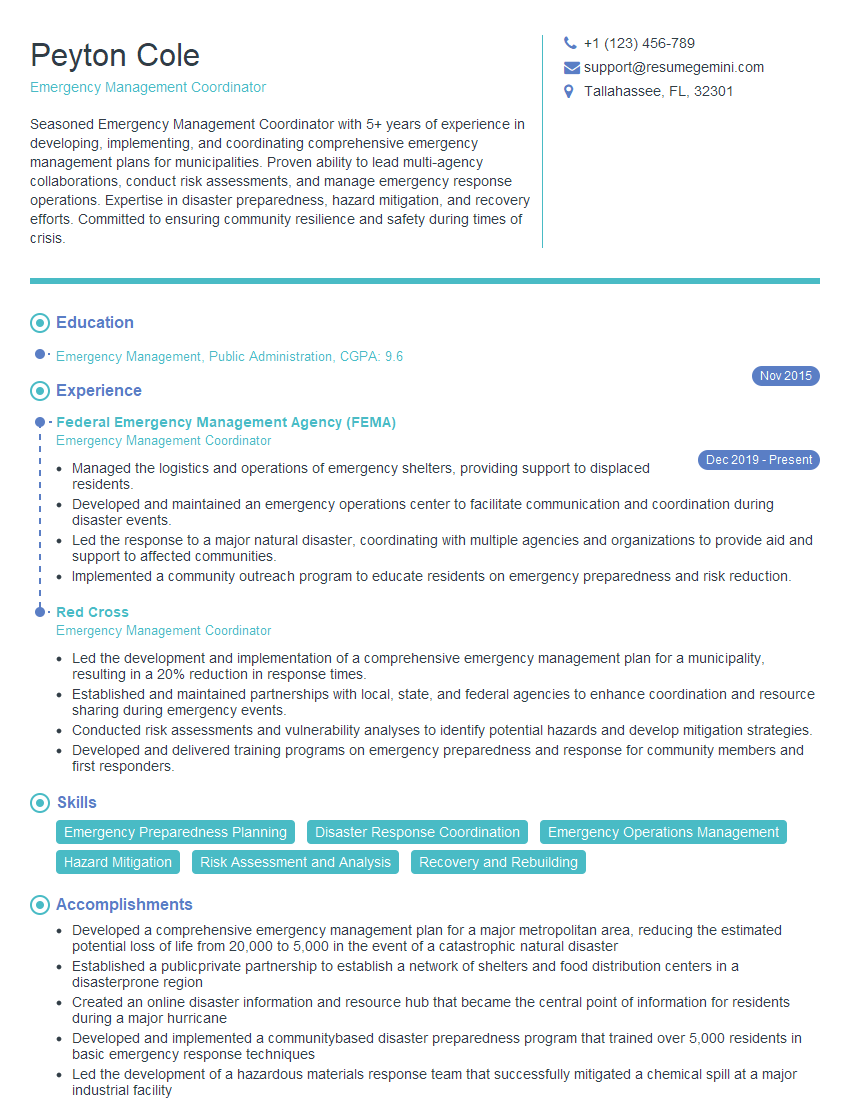
Emergency Management Coordinator Resume Sample
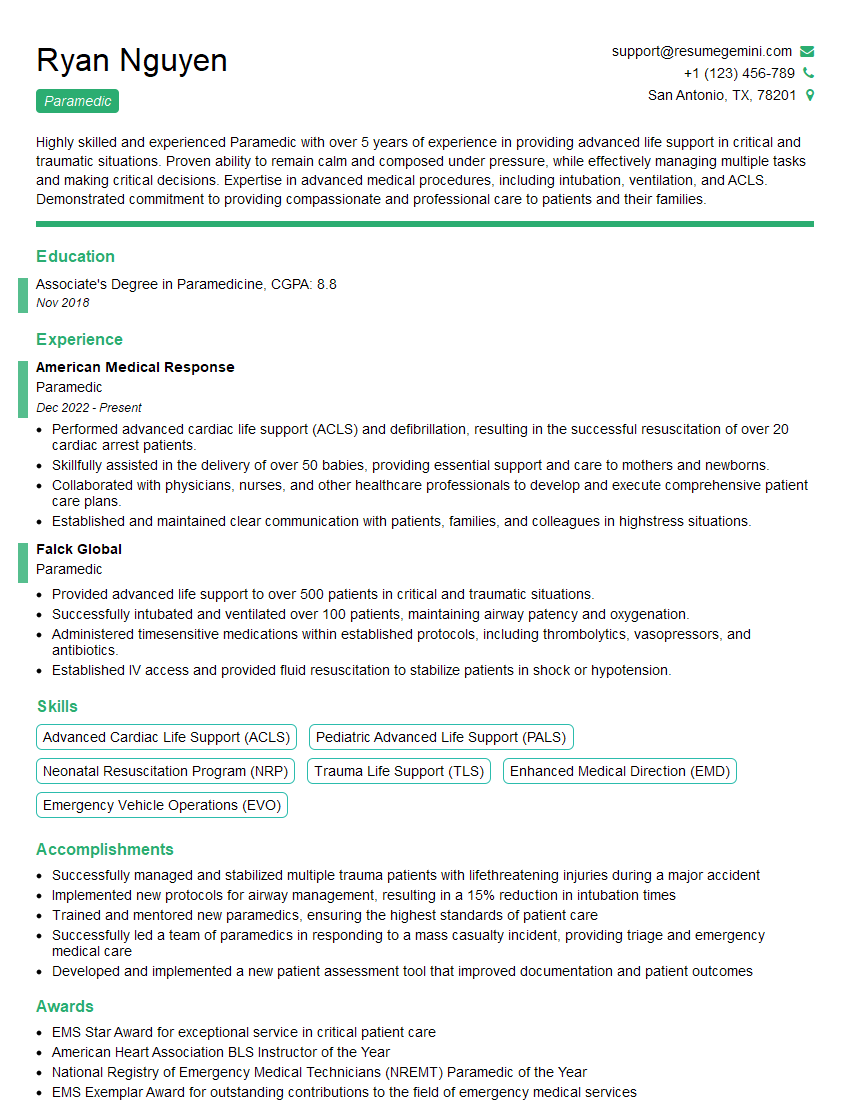
Paramedic Resume Sample
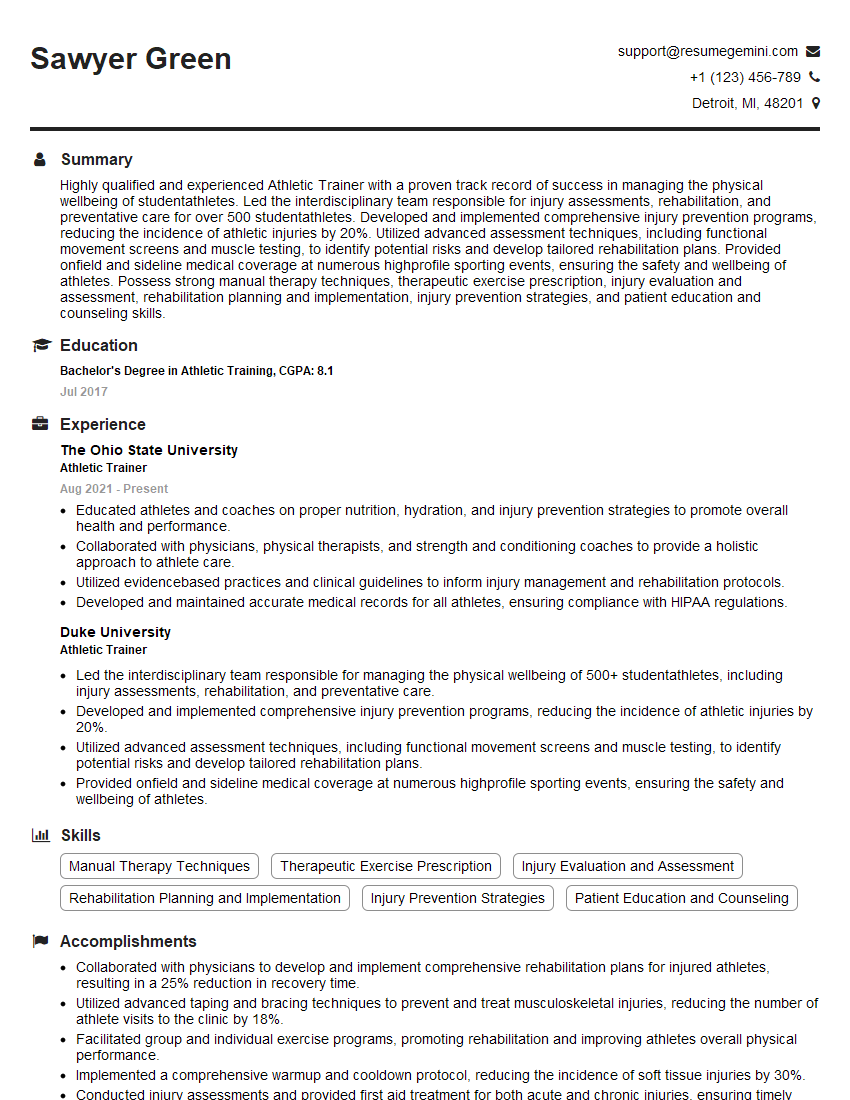
Athletic Trainer Resume Sample
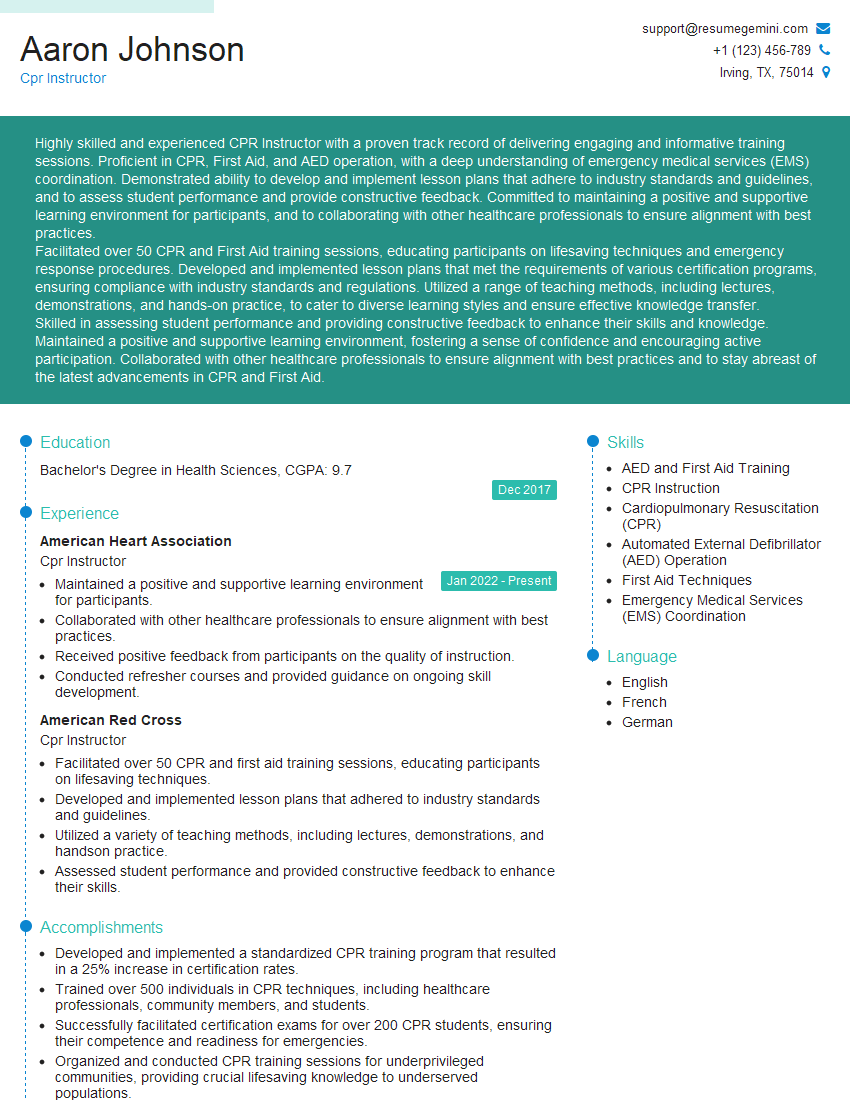
Cpr Instructor Resume Sample
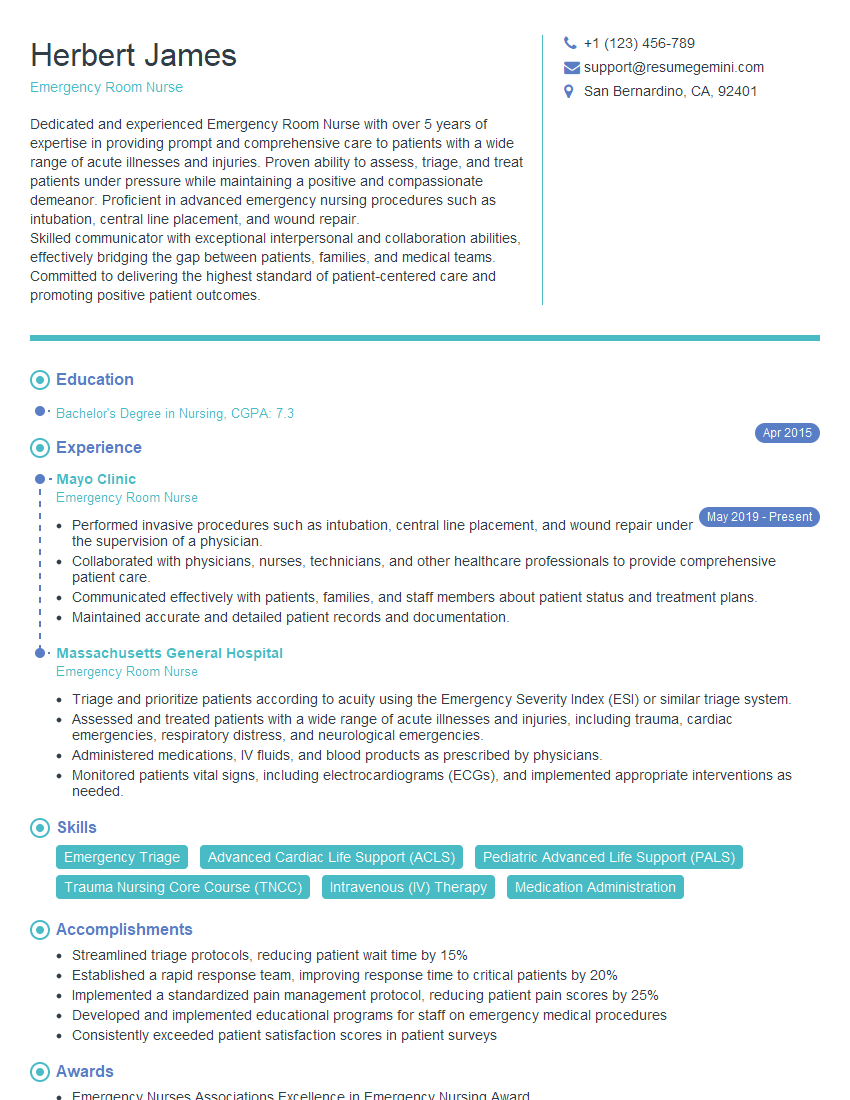
Emergency Room Nurse Resume Sample
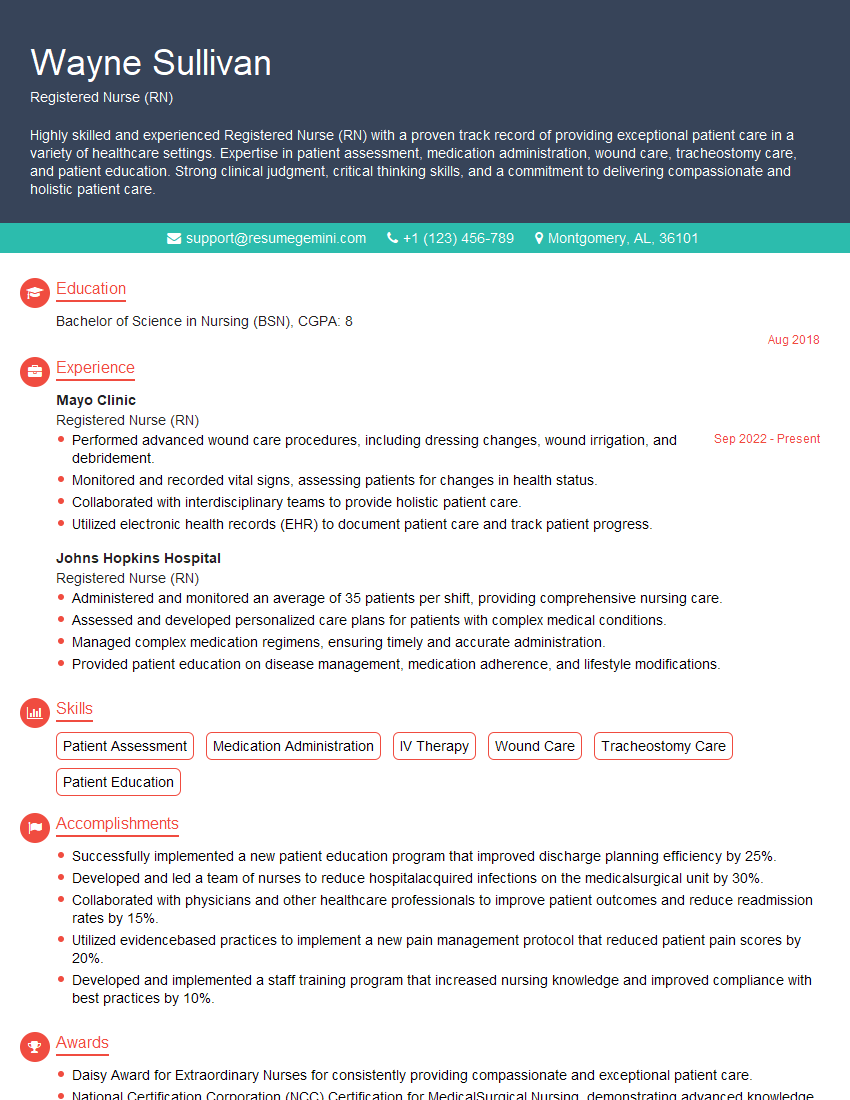
Registered Nurse (RN) Resume Sample
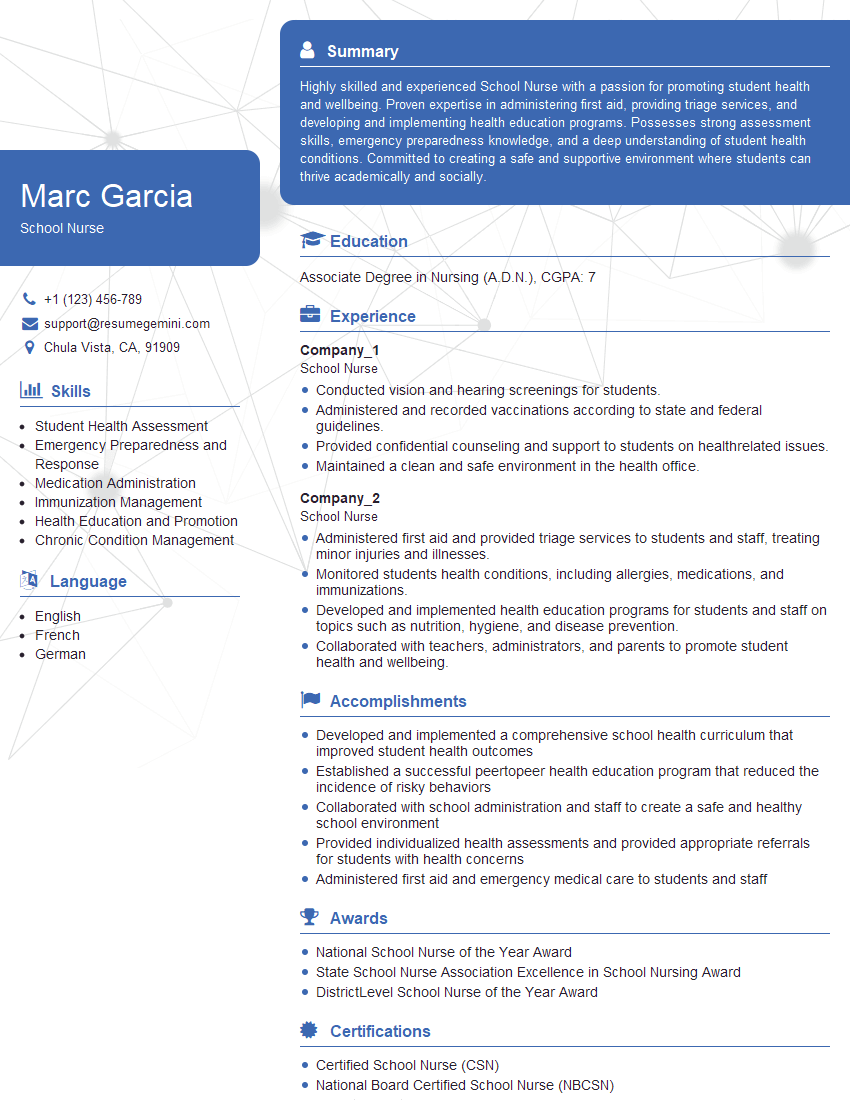
School Nurse Resume Sample
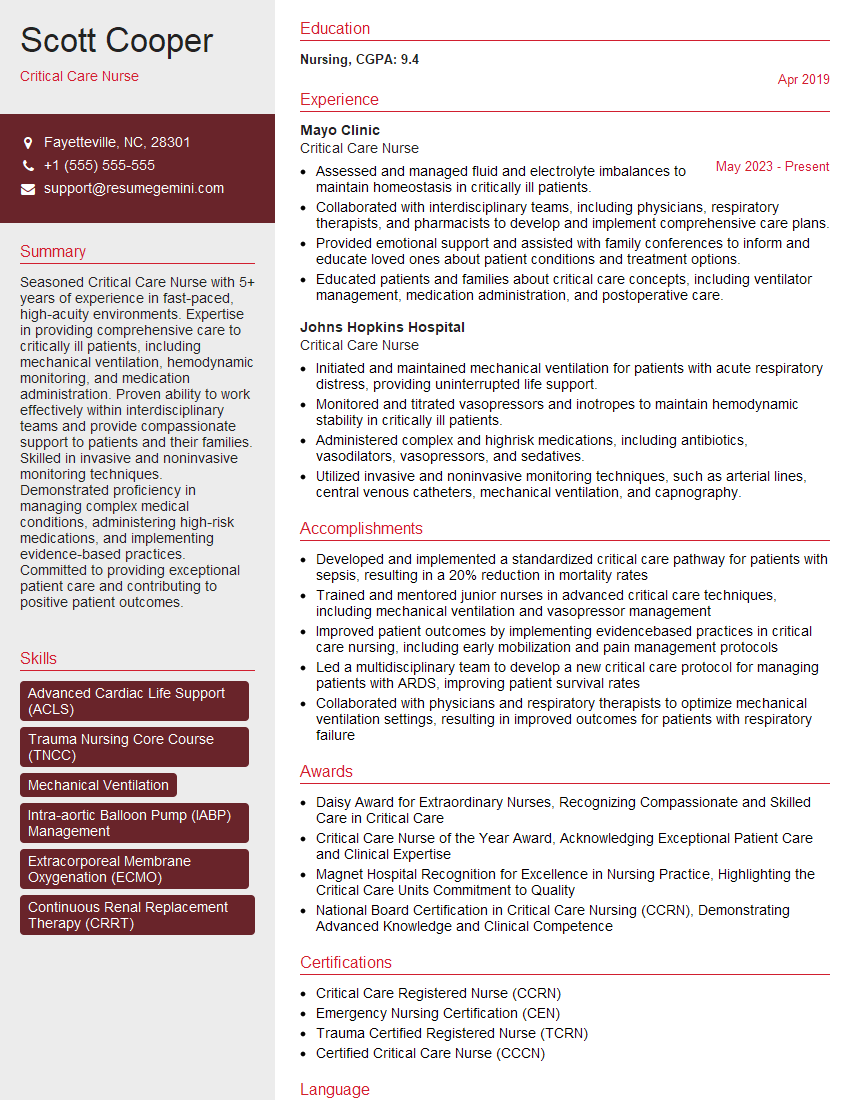
Critical Care Nurse Resume Sample
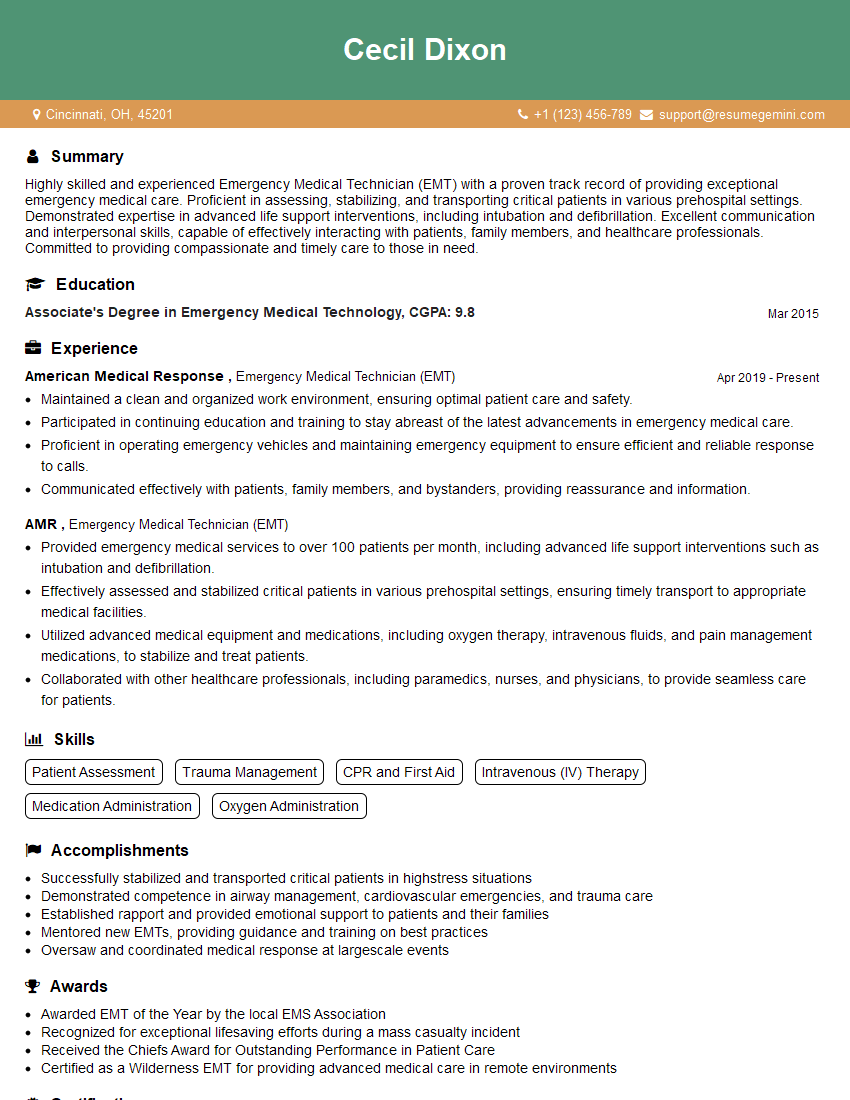
Emergency Medical Technician (EMT) Resume Sample
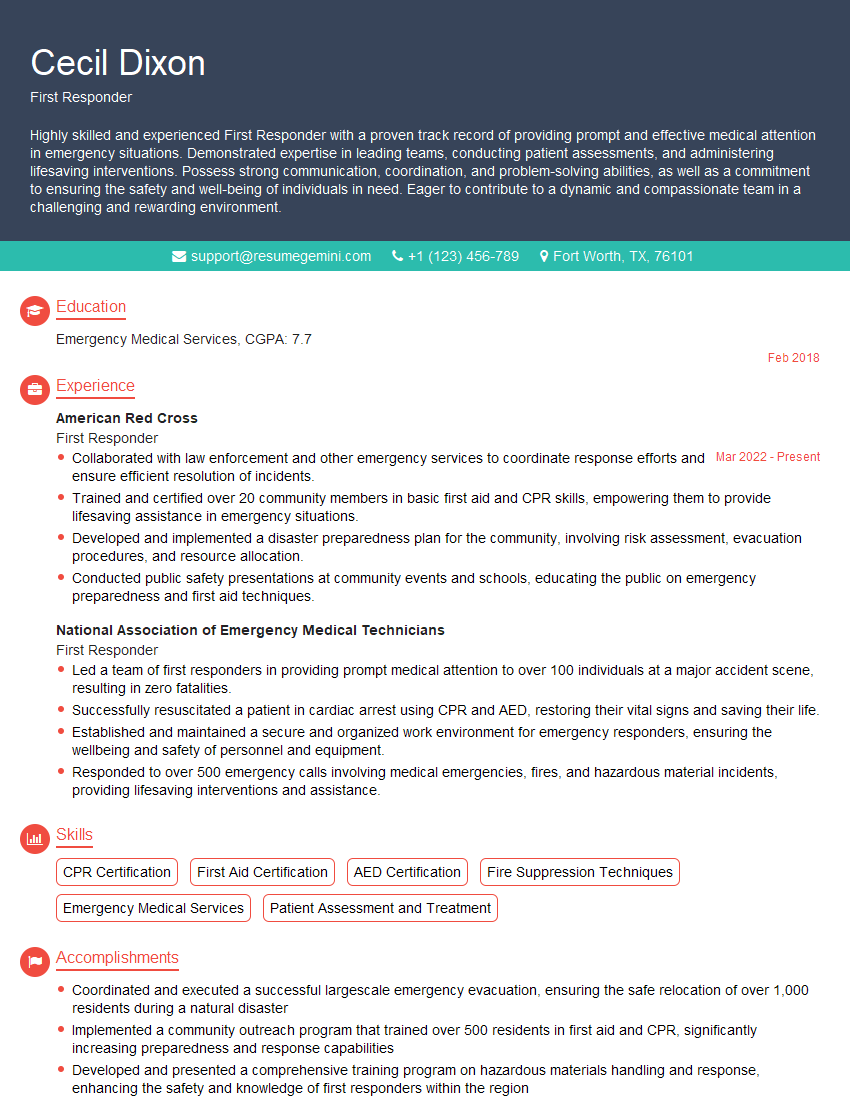
First Responder Resume Sample
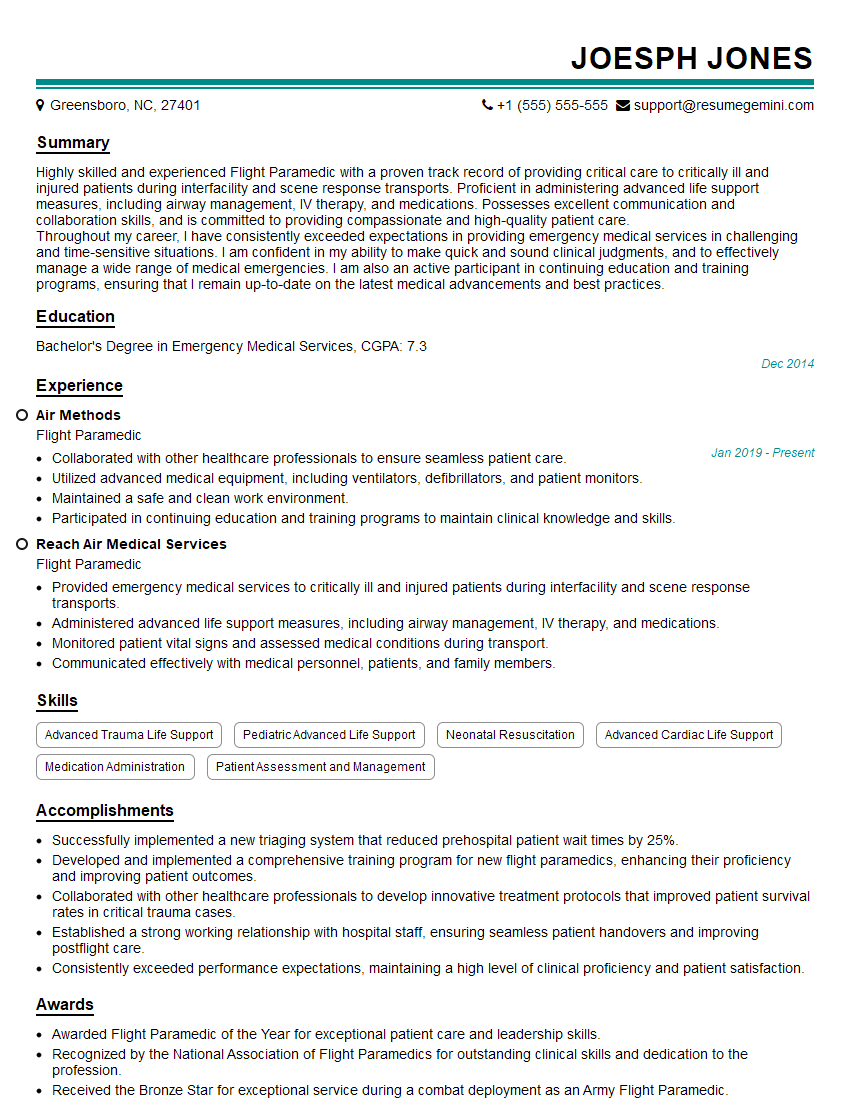
Flight Paramedic Resume Sample
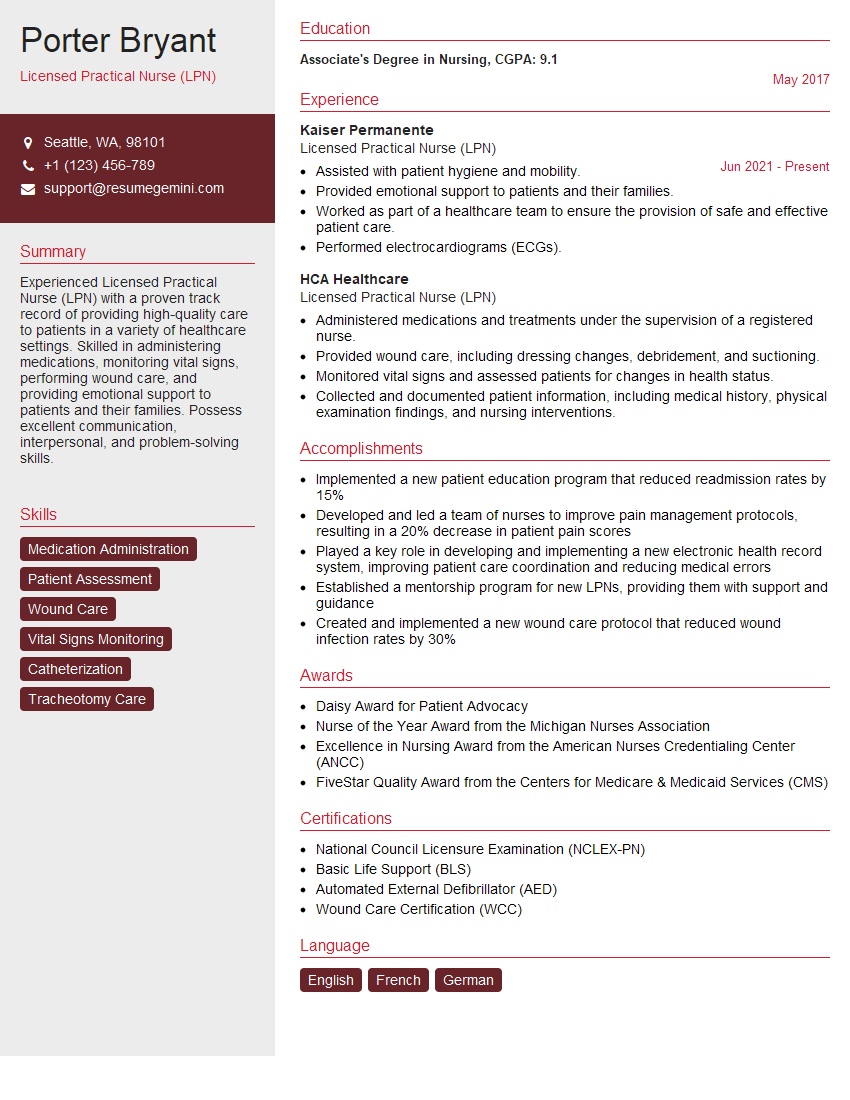
Licensed Practical Nurse (LPN) Resume Sample
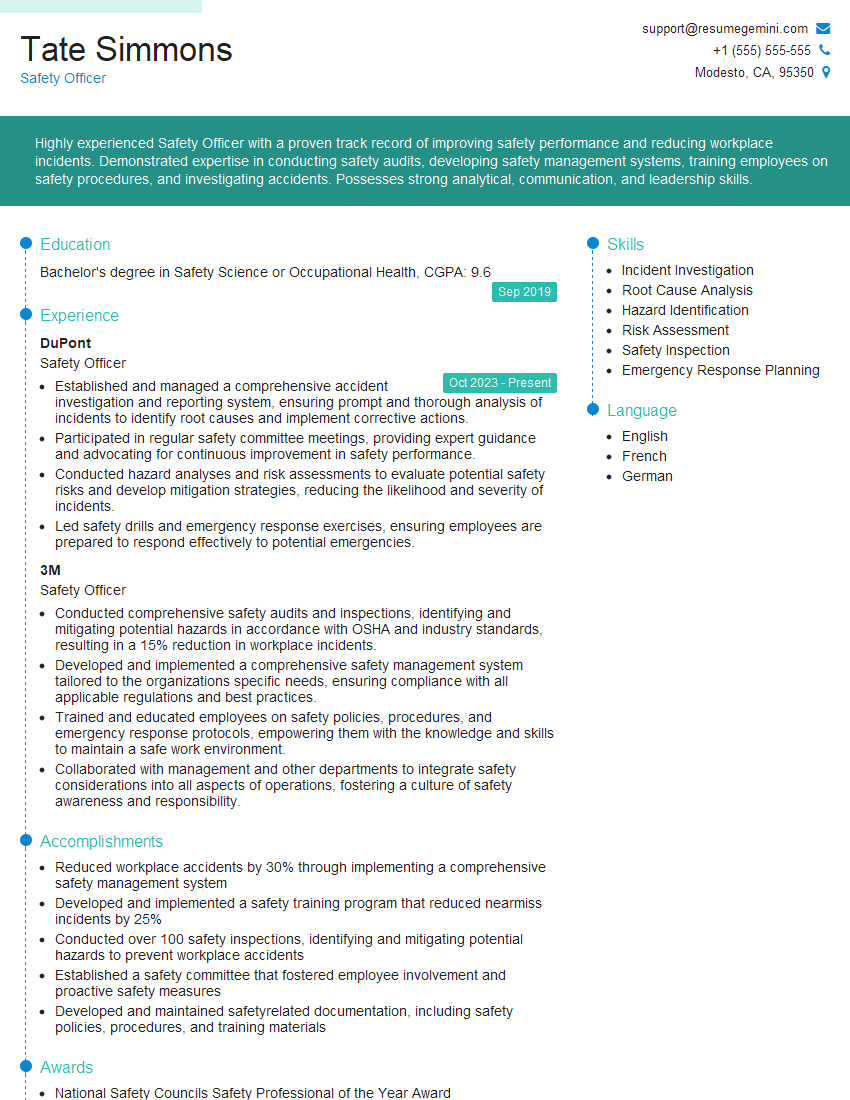
Safety Officer Resume Sample
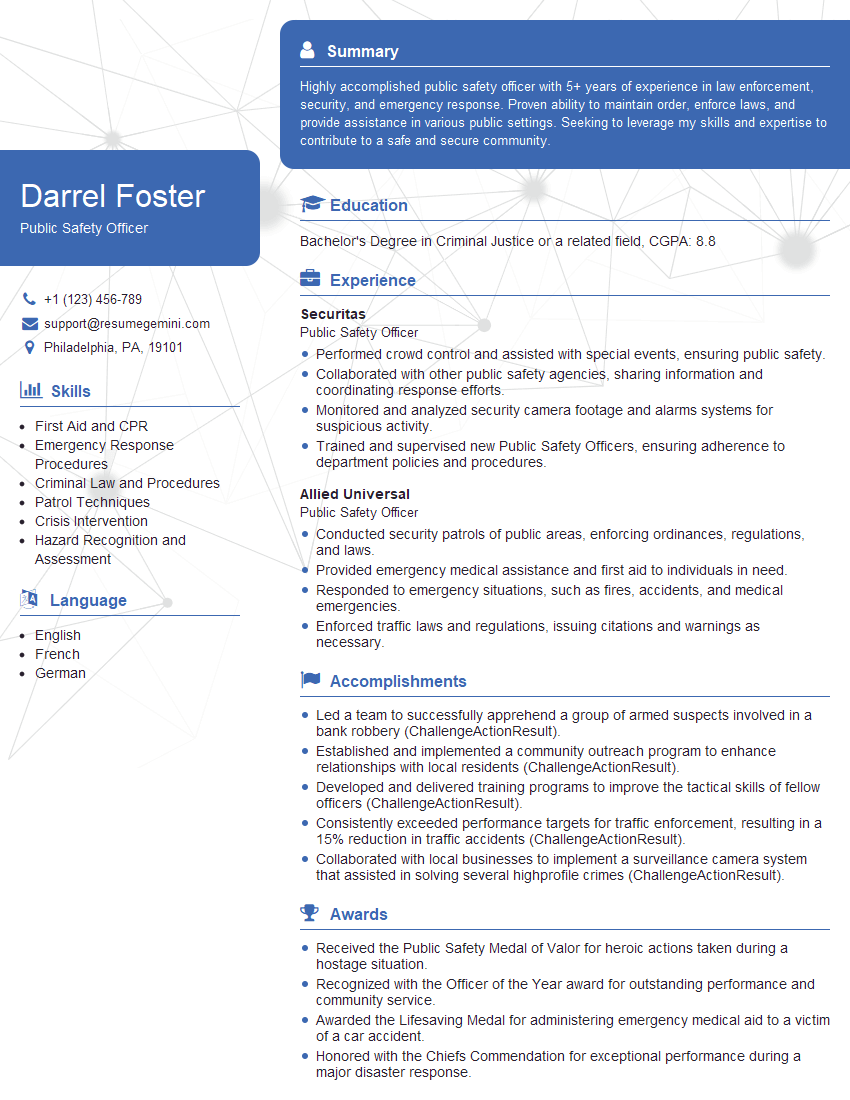
Public Safety Officer Resume Sample
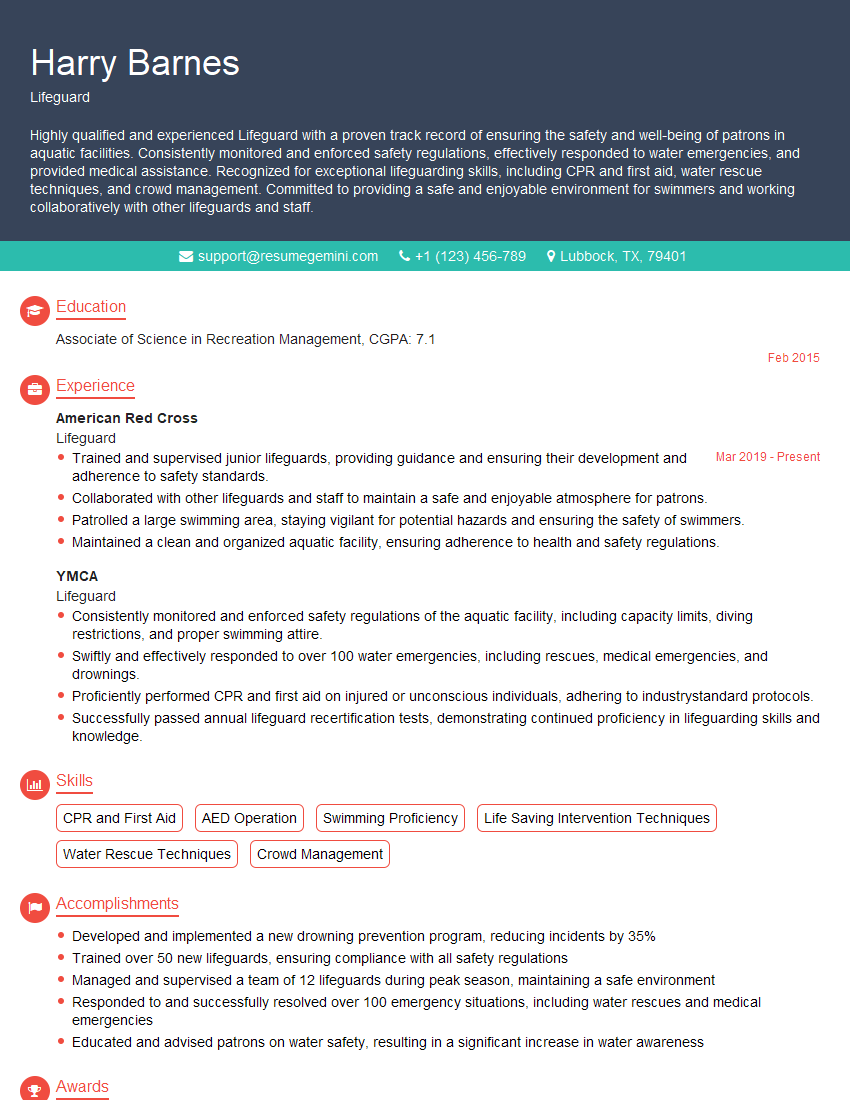
Lifeguard Resume Sample
Explore more articles
Users Rating of Our Blogs
Share Your Experience
We value your feedback! Please rate our content and share your thoughts (optional).
What Readers Say About Our Blog
To the interviewgemini.com Webmaster.
Very helpful and content specific questions to help prepare me for my interview!
Thank you
To the interviewgemini.com Webmaster.
This was kind of a unique content I found around the specialized skills. Very helpful questions and good detailed answers.
Very Helpful blog, thank you Interviewgemini team.