Are you ready to stand out in your next interview? Understanding and preparing for Barehand and Glove Work interview questions is a game-changer. In this blog, we’ve compiled key questions and expert advice to help you showcase your skills with confidence and precision. Let’s get started on your journey to acing the interview.
Questions Asked in Barehand and Glove Work Interview
Q 1. What are the different types of gloves used in various industries?
The type of glove needed depends entirely on the hazard. There’s no one-size-fits-all solution. Industries use a wide variety, each designed for specific threats. Here are some examples:
- Cut-resistant gloves: Made from materials like Kevlar, Spectra, or high-performance polyethylene, these protect against sharp objects in industries like meat processing, glass handling, and manufacturing.
- Chemical-resistant gloves: Constructed from nitrile, neoprene, butyl rubber, or other polymers, these shield hands from corrosive chemicals, solvents, and acids found in labs, cleaning, and manufacturing.
- Heat-resistant gloves: Often made from aramid fibers, leather, or silicone, these protect against burns from hot surfaces, flames, or molten metal, common in welding, foundry work, and firefighting.
- Impact-resistant gloves: These gloves, sometimes incorporating hard shells or reinforced materials, protect against impacts and crushing injuries in construction, demolition, and material handling.
- Insulated gloves: Used in cold environments, these gloves protect against frostbite and cold-related injuries, essential for workers in refrigeration, construction (winter), and outdoor industries.
- Anti-vibration gloves: Designed to reduce the transmission of vibrations to the hands, reducing the risk of hand-arm vibration syndrome (HAVS) in industries like construction (power tools) and manufacturing (machinery).
Choosing the right glove is paramount to worker safety; a glove designed for cut resistance won’t protect against chemical spills.
Q 2. Explain the selection criteria for choosing appropriate hand protection.
Selecting appropriate hand protection requires a thorough risk assessment. This involves identifying all potential hazards, evaluating their severity and frequency, and matching them to the right glove type. Key factors include:
- Hazard Identification: What are the specific risks? Are we dealing with cuts, chemicals, heat, cold, or impact?
- Severity and Frequency: How severe are the potential injuries? How often will the worker be exposed to the hazard?
- Glove Material Compatibility: Does the glove material provide sufficient protection against the identified hazard? Chemical resistance ratings, cut levels (e.g., ANSI/ISEA 105), and thermal protection levels should be considered.
- Dexterity and Fit: The glove must allow for adequate dexterity and comfort to perform the task effectively. Poor fit can lead to fatigue and increase the risk of accidents.
- Durability and Longevity: The glove needs to withstand the rigors of the work environment without premature wear and tear. Consider the cleaning and maintenance requirements.
- User Acceptance: Workers need to be comfortable wearing the gloves. Uncomfortable or impractical gloves are often removed, negating their protective value.
For example, a welder needs heat-resistant gloves, while a mechanic working with oils may need chemical-resistant gloves. A proper selection process will ensure the correct glove is chosen for each task.
Q 3. Describe the proper donning and doffing procedures for gloves.
Proper donning and doffing procedures are crucial for maintaining glove integrity and preventing contamination. Here’s a generalized approach:
- Donning (Putting on gloves):
- Inspect the gloves for any damage before putting them on.
- Wash your hands thoroughly.
- Pick up the glove by the cuff, avoiding touching the outside.
- Carefully slip your hand into the glove, ensuring a snug fit without excessive tightness.
- With the gloved hand, carefully pick up the second glove and put it on, again avoiding touching the outside.
- Ensure the gloves are properly fitted and comfortable.
- Doffing (Removing gloves):
- Grasp the outside of one glove near the cuff and peel it off, turning it inside out.
- Hold the removed glove in your gloved hand.
- Slide the fingers of your ungloved hand under the cuff of the remaining glove.
- Peel off the second glove, turning it inside out as you do so, trapping the first glove inside.
- Dispose of the gloves properly.
These procedures minimize the risk of contamination and extend glove life. Specific procedures might vary depending on the industry and the hazards involved, such as using a ‘glove buddy’ system for chemical glove removal.
Q 4. What are the limitations and potential hazards associated with barehand work?
Barehand work exposes workers to numerous hazards, significantly increasing the risk of injury. The limitations are substantial and often lead to serious consequences:
- Cuts and Lacerations: Sharp objects can easily cause deep wounds, leading to infection, scarring, and loss of function.
- Chemical Burns and Irritations: Direct contact with chemicals can cause burns, skin irritation, and allergic reactions.
- Heat and Cold Burns: Handling hot or cold materials without protection can lead to severe burns or frostbite.
- Abrasions and Blisters: Repetitive tasks or rough surfaces can cause skin damage and blisters.
- Infections: Open wounds can become infected by bacteria, viruses, or fungi, particularly in contaminated environments.
- Punctures: Sharp objects can penetrate the skin, leading to infection and potential damage to underlying tissues.
- Exposure to Biological Hazards: Working with biological materials without gloves significantly increases the risk of infection.
The potential for injury is drastically reduced through appropriate glove selection and use. Think of the difference between slicing an onion with bare hands and using a well-fitting glove.
Q 5. How do you assess the risk of hand injuries in a specific work environment?
Assessing the risk of hand injuries involves a systematic process. A comprehensive approach includes:
- Job Hazard Analysis: Detail the tasks performed, identifying all potential hand injury hazards.
- Hazard Severity Assessment: Classify the severity of each hazard (minor, moderate, severe). This considers the potential for injury and the potential consequences.
- Exposure Frequency: Determine how often workers are exposed to each hazard. Is it a constant, occasional, or rare exposure?
- Control Measures: Evaluate existing control measures (e.g., engineering controls like guarding machinery, administrative controls like work procedures, and personal protective equipment like gloves). Are these measures adequate?
- Risk Matrix: Combine the severity and frequency assessments to create a risk matrix, prioritizing hazards based on their overall risk level.
- Recommendation for Hand Protection: Select appropriate hand protection based on the identified hazards and risk levels.
For example, a high-frequency exposure to a severe hazard requires the highest level of hand protection, likely specialized gloves with multiple layers of protection.
Q 6. What are the regulatory requirements for hand protection in your industry?
Regulatory requirements for hand protection vary significantly depending on the industry and geographical location. However, most jurisdictions adhere to similar principles, focusing on employer responsibilities for providing suitable hand protection and worker responsibilities for using it correctly. Examples include:
- OSHA (US): Sets standards for workplace safety, including requirements for hand protection in various industries. Employers must conduct hazard assessments and provide appropriate PPE.
- EU Directives (Europe): Similar regulations exist within the European Union, emphasizing risk assessments and the provision of adequate PPE.
- WHMIS (Canada): The Workplace Hazardous Materials Information System mandates proper labeling and handling of hazardous materials, often requiring hand protection.
These regulations often mandate regular training, proper glove selection based on risk assessments, and the availability of adequate hand protection at the workplace. Non-compliance can lead to significant penalties and legal repercussions.
Q 7. Explain the importance of glove inspection and maintenance.
Glove inspection and maintenance are critical for ensuring effectiveness and worker safety. Regular inspections can prevent accidents and extend the lifespan of gloves.
- Regular Inspection: Gloves should be inspected before each use for any signs of damage, such as cuts, punctures, tears, or chemical degradation. Look for any changes in texture or flexibility indicating weakening.
- Proper Cleaning: Clean gloves according to the manufacturer’s recommendations after each use. This removes contaminants and extends their life. Methods range from simple washing to specialized cleaning processes depending on the glove material and the hazards encountered.
- Storage: Gloves should be stored properly to prevent damage. This may include keeping them in a clean, dry location away from direct sunlight and extreme temperatures.
- Replacement Schedule: Gloves should be replaced at regular intervals or whenever damage is detected, regardless of the frequency of use. Always follow manufacturer’s guidelines for recommended replacement.
- Training: Workers should be trained on proper inspection, cleaning, and maintenance procedures. This ensures consistent practices and maximizes protection.
Ignoring glove maintenance can compromise protection, leading to accidents and injuries. Think of it like maintaining a car; regular checks and maintenance extend its life and keep you safe.
Q 8. How do you handle damaged or contaminated gloves?
Damaged or contaminated gloves are a serious safety hazard and must be handled with utmost care. The first step is always to assess the damage or contamination. Is it a simple tear, a puncture, or exposure to a hazardous substance? The type of contamination dictates the disposal method.
- Minor Damage: For small tears or punctures in gloves that haven’t compromised their barrier function and haven’t been exposed to hazardous materials, immediate replacement is crucial. Never attempt to repair a damaged glove.
- Contamination with Non-Hazardous Substances: Gloves contaminated with non-hazardous substances like grease or dirt can often be carefully removed, turned inside out, and disposed of in a regular trash receptacle. Hand hygiene must follow immediately.
- Contamination with Hazardous Substances: Gloves contaminated with hazardous chemicals, biological materials (blood, bodily fluids), or radioactive materials require strict adherence to facility-specific protocols. This usually involves removing the gloves carefully using a specific technique to avoid contact with the contaminated surface, placing them in designated biohazard containers or specialized waste receptacles, and immediately following the relevant decontamination procedures (e.g., hand washing, shower).
Remember, the priority is always to prevent further contamination and protect oneself and others. Following established protocols and seeking clarification if unsure about handling procedures are paramount.
Q 9. Describe your experience with different glove materials (e.g., nitrile, latex, leather).
My experience encompasses a wide range of glove materials, each with its strengths and weaknesses.
- Nitrile Gloves: These are my go-to for most applications. Nitrile is highly resistant to punctures, tears, and a broad spectrum of chemicals. They offer excellent dexterity and are a good option for tasks requiring fine motor skills, although they can sometimes be less comfortable in very hot environments. I’ve used them extensively in laboratory settings and during chemical handling.
- Latex Gloves: While offering good flexibility and tactile sensitivity, latex gloves pose a significant allergy risk. Their susceptibility to punctures is also a consideration. I only use latex gloves when absolutely necessary and when I know there is no allergy risk amongst the workers. In those circumstances they are very useful in medical settings due to their superior tactile sensitivity.
- Leather Gloves: Leather gloves provide superior protection against cuts and abrasions but offer less protection from chemicals. They are heavier and less dexterous, making them suitable for tasks requiring robust protection but not fine motor control. I have utilized them in applications such as handling sharp objects or working with abrasive materials. In construction or metal working for instance they are excellent.
Glove selection is always task-specific. Understanding the hazards of the job and selecting the appropriate glove material is critical in preventing hand injuries.
Q 10. How do you ensure compliance with hand protection policies and procedures?
Compliance with hand protection policies is non-negotiable. My approach is multifaceted:
- Regular Training: Ensuring all employees receive and understand the hand protection policy and participate in refresher training sessions is key. We simulate real-world scenarios to reinforce the importance of proper glove usage.
- Proper Glove Selection: We maintain a comprehensive inventory of gloves suitable for every task. Job hazard analyses are conducted regularly to assess risks and confirm appropriate glove selection.
- Inspection and Maintenance: Regular inspection of gloves and prompt replacement of damaged gloves is enforced. We also keep a supply of gloves in readily accessible locations.
- Documentation and Reporting: Accurate record-keeping of glove usage, incidents, and training sessions is essential. This information is crucial for identifying trends and implementing improvements in our hand protection program. We have a detailed reporting system for any glove-related incidents.
Compliance is not just a checklist; it’s a culture of safety built through consistent reinforcement and proactive measures.
Q 11. What are the common causes of hand injuries in your experience?
Hand injuries are unfortunately common in many workplaces. In my experience, the most frequent causes include:
- Cuts and Lacerations: Sharp objects, broken glass, and improperly handled tools are frequent culprits. Often, proper glove usage could mitigate these.
- Crushes: Heavy objects, machinery malfunctions, and improper lifting techniques can lead to serious hand injuries. The importance of correct lifting techniques and proper machine guards cannot be overstated.
- Burns: Exposure to hot surfaces, chemicals, or electricity can cause severe burns. Safety training, protective clothing and correct equipment are important here.
- Punctures: Sharp objects, needles, and splinters are frequent causes, especially when insufficient hand protection is used. Again, correct glove selection is vital.
- Chemical Exposure: Contact with corrosive or irritating chemicals can lead to dermatitis, burns, and other skin problems. Always wear appropriate chemical-resistant gloves.
Prevention hinges on thorough risk assessments, appropriate personal protective equipment (PPE), and comprehensive safety training.
Q 12. How do you train employees on proper hand protection techniques?
Employee training on proper hand protection is crucial. We use a multi-pronged approach:
- Classroom Instruction: We provide comprehensive classroom training covering various aspects of hand safety, including glove selection, proper donning and doffing techniques, and recognition of hazards.
- Hands-on Training: Practical demonstrations and hands-on exercises allow employees to practice glove usage in simulated work environments, ensuring proficiency.
- Demonstrations of correct techniques: Demonstrations of correct techniques for handling potentially hazardous materials and equipment are also included in the training sessions.
- Regular Refresher Training: Periodic refresher training keeps safety practices fresh in employees’ minds and addresses any evolving safety concerns or new procedures.
- Interactive Sessions: We incorporate interactive sessions, including Q&A, to engage employees and encourage them to ask questions, fostering open communication and a safe environment.
Effective training reduces accidents, builds confidence, and fosters a culture of safety among employees.
Q 13. What are the signs and symptoms of hand injuries that require immediate medical attention?
Several signs and symptoms indicate the need for immediate medical attention following a hand injury:
- Severe Bleeding: Profuse or uncontrolled bleeding requires immediate medical attention to prevent shock.
- Deep Wounds or Punctures: Wounds exceeding half an inch deep or those involving tendons, bones, or joints need professional evaluation and treatment.
- Deformities or Fractures: Any obvious bone misalignment or suspected fracture necessitates immediate medical intervention.
- Loss of Sensation or Movement: Numbness, tingling, or inability to move fingers or the hand indicates potential nerve damage and requires immediate medical attention.
- Severe Pain or Swelling: Intense pain that persists despite pain relief measures or significant swelling requires prompt evaluation to rule out serious damage.
- Chemical Burns: Chemical burns require immediate washing and professional medical assessment to prevent complications.
When in doubt, always seek immediate medical attention. Early intervention can prevent long-term complications and improve the chances of a full recovery.
Q 14. How do you investigate and report hand injuries in the workplace?
Investigating and reporting hand injuries involves a systematic approach:
- Immediate First Aid: Providing immediate first aid and ensuring the injured person receives necessary medical attention is the priority.
- Incident Documentation: Thoroughly document the incident, including the date, time, location, nature of the injury, and any witnesses’ accounts.
- Scene Preservation: If possible, preserve the scene of the incident to allow for a thorough investigation. Take pictures, if appropriate.
- Witness Interviews: Interview witnesses to gather additional information and corroborate the details.
- Root Cause Analysis: Conduct a thorough root cause analysis to identify the factors that contributed to the injury. This may include reviewing safety procedures, equipment condition, and employee training.
- Corrective Actions: Implement corrective actions to prevent similar incidents from occurring in the future. This might involve improved safety procedures, upgraded equipment, or additional employee training.
- Report Submission: Submit a detailed report of the incident to the relevant authorities, including safety managers and regulatory bodies, as required.
A systematic approach to incident investigation and reporting is crucial for improving workplace safety and preventing future injuries.
Q 15. Describe your experience with selecting appropriate glove sizes and styles.
Selecting the right gloves involves understanding the task and the associated hazards. It’s not a one-size-fits-all approach. I start by identifying the specific risks – are we dealing with cuts, abrasions, chemicals, heat, cold, or electrical hazards? Then, I consider the type of work being performed. Delicate tasks require dexterity, whereas heavy-duty work demands durability and protection.
For example, a mechanic repairing engines needs cut-resistant gloves with good grip, whereas a lab technician handling chemicals needs gloves made from a chemical-resistant material like nitrile. Size is crucial. Gloves that are too tight restrict blood flow and dexterity, while gloves that are too loose offer inadequate protection and can be cumbersome. I always ensure a proper fitting process involving employees trying on different sizes until they find a comfortable and secure fit.
- Consider Material: Leather for durability, nitrile for chemical resistance, cotton for comfort.
- Consider Coating: Nitrile coating enhances grip, while PVC provides abrasion resistance.
- Consider Gauntlet Length: Extended gauntlets provide extra protection for the forearm.
Finally, I always prioritize employee feedback. Their experience with the gloves is key to ensuring proper protection and comfort.
Career Expert Tips:
- Ace those interviews! Prepare effectively by reviewing the Top 50 Most Common Interview Questions on ResumeGemini.
- Navigate your job search with confidence! Explore a wide range of Career Tips on ResumeGemini. Learn about common challenges and recommendations to overcome them.
- Craft the perfect resume! Master the Art of Resume Writing with ResumeGemini’s guide. Showcase your unique qualifications and achievements effectively.
- Don’t miss out on holiday savings! Build your dream resume with ResumeGemini’s ATS optimized templates.
Q 16. What are the challenges in ensuring proper glove use in a busy work environment?
Ensuring proper glove use in a busy environment presents numerous challenges. The biggest hurdle is often compliance. Workers may prioritize speed and convenience over safety, leading to improper glove use or non-use altogether. Other challenges include:
- Accessibility: Gloves must be readily available and easily accessible at all work stations.
- Training: Inadequate training on proper glove selection, donning, doffing, and disposal can lead to misuse.
- Comfort: Uncomfortable or ill-fitting gloves can lead to employees removing them, negating their protective function.
- Cost: The expense of providing and replacing gloves can be significant, leading to attempts to extend their life beyond their useful limits.
- Environmental Factors: Extreme temperatures, humidity, or even simply a dusty environment can impact glove performance and employee willingness to wear them.
I tackle these challenges by implementing a robust safety program with regular training, readily accessible gloves in appropriate sizes, and open communication with employees to address concerns and provide solutions.
Q 17. How do you address employee resistance to wearing hand protection?
Addressing employee resistance to hand protection requires a multifaceted approach that focuses on education, communication, and making safety a priority. I wouldn’t just tell someone to wear gloves, I’d show them why it’s important.
- Education: Show employees real-life examples of hand injuries and the long-term consequences. This could include photos or videos of injuries (with consent, of course), and statistical data on workplace accidents.
- Participation: Involve employees in the selection process. Let them try different gloves and provide feedback. They’re more likely to use something they helped choose.
- Comfort and Fit: Provide a variety of glove sizes and styles to ensure a comfortable fit. Discomfort is a major reason for non-compliance.
- Incentives: Reward employees for consistently wearing hand protection. This could be through recognition programs, safety bonuses, or other incentives.
- Addressing Concerns: Openly address employees’ concerns about glove use, such as discomfort, dexterity limitations, or cost. Work collaboratively to find solutions.
Ultimately, building a safety culture where hand protection is seen as essential, rather than an inconvenience, is key.
Q 18. How do you maintain an adequate supply of hand protection in the workplace?
Maintaining an adequate supply of hand protection requires a proactive and organized approach. This involves:
- Inventory Management: Implement a system for tracking glove inventory levels, usage rates, and reordering points. This could be a simple spreadsheet or a dedicated inventory management software.
- Regular Audits: Regularly check glove dispensers and storage areas to ensure adequate stock levels. This helps identify potential shortages before they become a problem.
- Supplier Relationships: Establish strong relationships with reliable suppliers to ensure timely delivery of gloves. Negotiate favorable pricing and terms to manage costs.
- Storage Conditions: Properly store gloves to maintain their quality and extend their shelf life. Store in a clean, dry location, away from direct sunlight and heat.
- Budget Allocation: Secure adequate budget for the purchase and replacement of hand protection. This should be factored into the overall workplace safety budget.
Proactive management helps prevent situations where employees lack access to the right hand protection, leading to unsafe practices.
Q 19. What are the different types of hand injuries and their potential consequences?
Hand injuries encompass a wide range of possibilities, each with potentially serious consequences. These can include:
- Lacerations: Cuts caused by sharp objects. Consequences can range from superficial wounds to severed tendons or nerves requiring surgery.
- Abrasions: Scrapes or grazes caused by friction. While often minor, they can lead to infection if not properly cleaned and treated.
- Punctures: Penetrating wounds caused by sharp objects. These can cause deep tissue damage, infections, or even nerve damage.
- Crush Injuries: Injuries caused by compression or impact forces. These can result in broken bones, soft tissue damage, or even amputation.
- Burns: Thermal burns from hot objects or chemicals, electrical burns from contact with electricity. Severity varies greatly depending on the temperature, duration, and type of burn.
- Chemical Burns: Damage to the skin and underlying tissues caused by contact with corrosive chemicals. Can cause permanent scarring or disability.
- Dermatitis: Inflammation of the skin caused by contact with irritants or allergens. Can lead to chronic skin conditions.
The consequences of hand injuries can range from temporary discomfort to permanent disability, lost productivity, and significant medical expenses. Prevention is always the best approach.
Q 20. How do you ensure the compatibility of gloves with other personal protective equipment?
Compatibility of gloves with other PPE is vital for ensuring overall worker safety. Incompatibility can lead to compromised protection, reduced effectiveness, or even increased risk. For instance:
- Gloves and Eye Protection: Gloves that are too bulky could interfere with the proper fit and function of safety glasses or goggles.
- Gloves and Hearing Protection: Gloves might interfere with the proper seal of earplugs or earmuffs.
- Gloves and Respirators: Gloves must be compatible with the respirator’s seals and should not compromise the respirator’s effectiveness.
- Gloves and Clothing: Loose-fitting gloves worn under tight-fitting sleeves might restrict blood flow or reduce dexterity.
To ensure compatibility, I always select PPE components carefully, considering potential interactions. I involve employees in the selection process to address any fit or comfort concerns. Regular training and observation ensure that workers are using all PPE correctly and safely.
Q 21. What are the best practices for cleaning and disinfecting gloves?
Cleaning and disinfecting gloves depends entirely on the type of glove and the nature of the contamination. Reusable gloves require different treatment than disposable ones. Disposable gloves are generally discarded after a single use, while reusable gloves need thorough cleaning after every use and proper disinfection when necessary.
Reusable Gloves: Cleaning should begin with removing visible debris with a suitable brush or cloth. Then, wash with soap and water, paying attention to all areas, especially the seams. Disinfection is done using an approved disinfectant according to the manufacturer’s instructions. Gloves should be thoroughly rinsed and allowed to air dry completely before reuse. If damaged or heavily soiled they should be discarded.
Disposable Gloves: After use, disposable gloves should be properly removed (avoid touching the outside) and disposed of immediately in designated waste containers. No cleaning or disinfecting is necessary, but the process of removing them should be done carefully to prevent contamination.
Proper cleaning and disinfection procedures are crucial to prevent cross-contamination and the spread of pathogens, contributing to a safer and healthier work environment.
Q 22. Describe your experience with managing glove inventory and procurement.
Managing glove inventory and procurement requires a multifaceted approach encompassing forecasting, ordering, storage, and tracking. My experience involves developing and implementing inventory management systems, utilizing both manual and computerized methods. For example, in a previous role, I implemented a Kanban system for glove replenishment, significantly reducing stockouts and minimizing waste. This system tracked glove usage rates by department and work task, allowing for precise forecasting and timely ordering. We categorized gloves by type (cut resistant, chemical resistant, etc.) and size to ensure optimal stock levels while minimizing storage space. Regular audits of the inventory helped identify discrepancies and potential improvements to the system. Furthermore, I have experience negotiating contracts with suppliers to secure the best prices and quality, ensuring compliance with safety standards and regulations.
I also developed a system for tracking glove damage and disposal, ensuring adherence to environmental regulations and minimizing costs. This included implementing a clear labeling system for damaged or used gloves and coordinating their proper disposal.
Q 23. How do you stay updated on the latest advancements in hand protection technology?
Staying current with hand protection advancements is crucial for ensuring worker safety and optimizing protection. I actively participate in industry conferences and workshops, such as those hosted by the American Society of Safety Professionals (ASSP) and the National Safety Council (NSC). I regularly review industry publications like Occupational Hazards and Safety & Health magazine, focusing on articles related to new glove materials, designs, and technologies. I also subscribe to relevant industry newsletters and participate in online forums and groups to learn about emerging trends and best practices.
Further, I maintain relationships with glove manufacturers and suppliers, keeping abreast of their product innovations. This allows me to proactively assess and implement new glove technologies based on evolving workplace hazards and safety needs. For instance, recently I introduced the use of new nitrile gloves with enhanced dexterity and grip, improving efficiency without compromising worker safety in our precision assembly area.
Q 24. Explain the importance of ergonomic considerations when selecting and using gloves.
Ergonomic considerations are paramount when selecting and using gloves. Poorly fitting or designed gloves can lead to discomfort, fatigue, and even repetitive strain injuries (RSIs). Selecting gloves that allow for a natural range of motion is key. The glove should fit snugly without restricting blood flow or causing excessive pressure points. Factors like dexterity, grip, and tactile sensitivity are all crucial and must be balanced against the required level of protection. For example, heavy-duty gloves might offer excellent protection but compromise dexterity, making them unsuitable for fine motor tasks. Conversely, overly lightweight gloves might not offer sufficient protection.
Furthermore, worker training is vital. Employees must understand how to properly don and doff gloves to avoid undue stress on their hands and wrists. Providing regular breaks and encouraging proper hand posture during tasks can help prevent injuries. Implementing job rotation to alleviate repetitive movements can further reduce the risk of RSIs.
Q 25. How do you assess the effectiveness of a hand protection program?
Assessing the effectiveness of a hand protection program involves a multi-pronged approach. Key metrics include the incidence rate of hand injuries, the number of reported near misses, and the overall cost of hand-related incidents. Regular audits of the program, including inspection of gloves, and review of safety protocols are essential. These should encompass observations of workers using gloves in their specific tasks and analysis of any incidents or near misses to identify areas for improvement.
Employee feedback is crucial. Regular surveys and focus groups can identify any ergonomic issues, glove discomfort, or training needs. Data analysis of glove usage rates, types of injuries, and the associated costs helps quantify the program’s effectiveness and direct efforts towards optimization. The overall goal is to demonstrate a reduction in hand injuries and a corresponding decrease in associated costs.
Q 26. What are some common glove-related workplace accidents and how can they be prevented?
Common glove-related accidents include lacerations, chemical burns, and infections. Lacerations often result from inadequate cut resistance, improper glove use, or handling sharp objects. Chemical burns can occur from exposure to hazardous substances, particularly if the glove material isn’t compatible with the chemicals involved. Infections can result from prolonged glove use without proper hygiene practices or using damaged gloves.
Prevention strategies include selecting appropriate gloves for the task, ensuring proper fit and comfort, providing thorough training on glove use and disposal, implementing regular glove inspections, and emphasizing hand hygiene. This also includes establishing clear procedures for handling sharp objects and hazardous chemicals, promoting a safety culture, and providing workers with access to appropriate cleaning supplies and hand care products.
Q 27. Describe your experience with conducting hand protection risk assessments.
Conducting hand protection risk assessments involves a systematic approach to identify and evaluate hazards associated with hand injuries. I typically use a hierarchical approach, starting with a walk-through survey of the workplace, closely observing tasks and identifying potential hand hazards such as sharp objects, chemicals, extreme temperatures, and repetitive motions. This is followed by documenting the hazards, evaluating their severity and likelihood, and prioritizing them based on risk level. This evaluation uses established risk assessment methodologies, such as a qualitative risk matrix, that considers the probability and consequence of the hazards.
Next, I select and implement control measures, like implementing engineering controls, administrative controls (e.g. job rotation), and personal protective equipment (PPE), including selecting appropriate gloves. Finally, I document the assessment, including the identified hazards, the risk levels, and the control measures implemented. This document serves as a roadmap for ensuring ongoing hand protection and forms the basis for regular reviews and updates to the risk assessment.
Q 28. How would you handle a situation where an employee refuses to wear appropriate hand protection?
Addressing employee refusal to wear appropriate hand protection requires a multi-step approach that prioritizes open communication and collaboration. I would first initiate a private conversation with the employee to understand their reasons for refusal. This may involve addressing any concerns about comfort, dexterity, or the cost of the gloves. I would then clearly explain the potential risks and consequences of not wearing the required hand protection, emphasizing the severity of potential injuries and the company’s commitment to worker safety.
If the concerns are legitimate, I would explore alternative options, such as providing different glove types or implementing ergonomic adjustments. If the refusal persists despite these efforts, I would escalate the situation to the supervisor, who may use progressive disciplinary measures as outlined in the company’s policies. However, the emphasis is always on education, understanding the root cause of the refusal, and finding a solution that prioritizes both worker safety and their needs.
Key Topics to Learn for Barehand and Glove Work Interview
- Safety Procedures and Regulations: Understanding and applying relevant safety protocols for both barehand and gloved operations, including hazard identification and risk mitigation.
- Barehand Techniques: Mastering dexterity, precision, and efficiency in tasks requiring direct hand contact. This includes understanding appropriate hand positions, grip strength, and movement.
- Glove Selection and Usage: Knowledge of various glove types (e.g., nitrile, latex, Kevlar) and their applications based on task requirements and safety considerations. Proper donning, doffing, and maintenance procedures are crucial.
- Material Handling and Manipulation: Safe and efficient handling of materials and components, considering the impact of gloves on grip and dexterity. This includes techniques for lifting, carrying, and manipulating objects of varying sizes and weights.
- Task-Specific Techniques: Developing proficiency in techniques tailored to specific tasks within your field. This may involve assembly, disassembly, inspection, or cleaning processes.
- Troubleshooting and Problem-Solving: Identifying and resolving issues related to glove use, material handling, or procedural inefficiencies. This includes adapting techniques to overcome challenges and maintain productivity.
- Ergonomics and Injury Prevention: Understanding and applying ergonomic principles to minimize the risk of repetitive strain injuries and other workplace hazards associated with barehand and glove work.
- Cleaning and Sanitization Procedures: Implementing appropriate cleaning and sanitization techniques for both hands and gloves, maintaining hygiene standards and minimizing contamination risks.
Next Steps
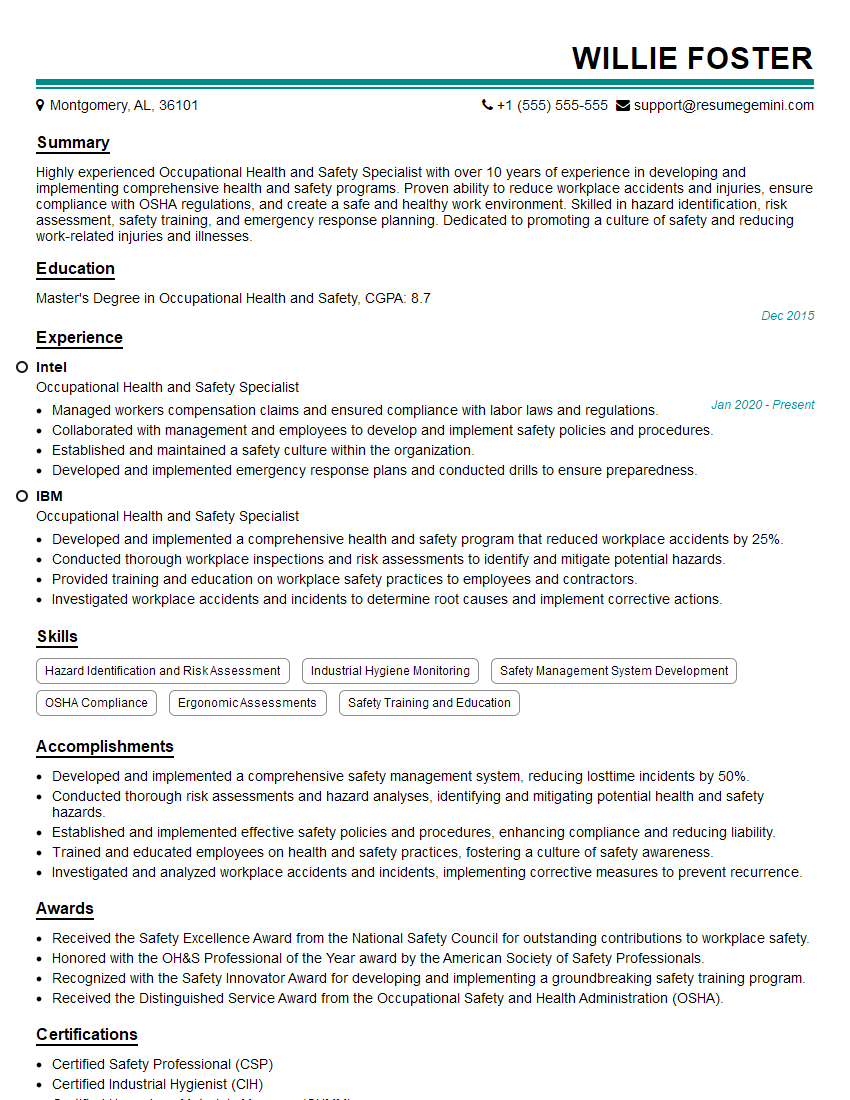
Mastering barehand and glove work techniques demonstrates crucial skills valued across numerous industries, significantly enhancing your career prospects. A strong understanding of these principles is vital for success in many roles, showcasing your commitment to safety, efficiency, and precision. To maximize your job search effectiveness, create an ATS-friendly resume that highlights your acquired skills and experience. ResumeGemini is a trusted resource that can help you build a professional and impactful resume tailored to your specific industry and experience. Examples of resumes tailored to Barehand and Glove Work are available to help you get started.

Explore more articles
Users Rating of Our Blogs
Share Your Experience
We value your feedback! Please rate our content and share your thoughts (optional).
What Readers Say About Our Blog
To the interviewgemini.com Webmaster.
Very helpful and content specific questions to help prepare me for my interview!
Thank you
To the interviewgemini.com Webmaster.
This was kind of a unique content I found around the specialized skills. Very helpful questions and good detailed answers.
Very Helpful blog, thank you Interviewgemini team.