Interviews are opportunities to demonstrate your expertise, and this guide is here to help you shine. Explore the essential Bilge and Ballast System Operation interview questions that employers frequently ask, paired with strategies for crafting responses that set you apart from the competition.
Questions Asked in Bilge and Ballast System Operation Interview
Q 1. Explain the purpose of a bilge system.
A bilge system is essentially a vessel’s drainage system. Its primary purpose is to remove unwanted water that accumulates in the bilge – the lowest part of a ship’s hull. This water can come from various sources, including leaks, rain, condensation, and even spilled liquids. Think of it like a ship’s internal gutter system. Without a functioning bilge system, accumulated water can lead to significant problems, such as corrosion, instability, and even sinking.
Q 2. Describe the different types of bilge pumps and their applications.
Several types of bilge pumps exist, each suited to different needs. Common types include:
- Electric Bilge Pumps: These are the most common, powered by the ship’s electrical system. They are relatively simple, reliable, and readily available. They are perfect for routine removal of small amounts of water. For example, a small yacht might solely rely on an electric bilge pump.
- Manual Bilge Pumps: These are hand-operated pumps, often used as a backup system or on smaller vessels. They require physical effort but are useful in emergencies when the electrical system fails. Imagine being stranded at sea—a manual pump could be a lifesaver.
- Engine-Driven Bilge Pumps: These pumps are directly connected to the ship’s main engine. They’re powerful and capable of handling large volumes of water quickly. Larger vessels, like tankers or cargo ships, would typically utilize this type of pump for their main bilge pumping.
- Air-Operated Bilge Pumps: These pumps use compressed air to operate, providing a reliable alternative when power or engine-driven systems are unavailable. They are a good compromise between power and reliance on the main power system.
The choice of bilge pump depends on factors such as vessel size, operational requirements, and safety regulations.
Q 3. How does a bilge alarm system work?
A bilge alarm system is a safety mechanism designed to alert the crew of rising water levels in the bilge. It typically consists of a float switch, which is a sensor that activates when the water level reaches a pre-determined height. This float switch then triggers an audible and/or visual alarm, warning the crew to take action. Some sophisticated systems even incorporate remote monitoring capabilities, allowing for continuous surveillance even when the crew aren’t directly on board. Think of it as a ship’s early warning system for potential flooding.
Q 4. What are the safety procedures for operating bilge pumps?
Safety procedures for operating bilge pumps are critical to prevent accidents and ensure efficient operation. Key procedures include:
- Inspecting the pump and surrounding area before operation to identify potential hazards like leaks or obstructions.
- Ensuring proper ventilation to avoid inhaling harmful fumes or gases that may accumulate in the bilge.
- Using appropriate personal protective equipment (PPE), such as gloves and safety glasses, to safeguard against potential hazards.
- Never operating the pump if the bilge is contaminated with hazardous materials without specialized precautions. This might include chemical spills.
- Following the manufacturer’s instructions for operating and maintaining the specific pump model.
- Regularly checking the pump’s performance and reporting any issues promptly.
Adherence to these procedures minimizes the risk of injury or damage to the ship and its equipment.
Q 5. Explain the importance of regular bilge system maintenance.
Regular bilge system maintenance is crucial for ensuring the safety and operational efficiency of a vessel. Neglecting maintenance can lead to catastrophic failures at the worst possible time. Regular maintenance includes:
- Regular inspections of all components, including pumps, pipes, valves, and sensors.
- Cleaning the bilge regularly to prevent the build-up of debris that can clog the system.
- Testing the functionality of the bilge pumps and alarm systems at regular intervals. This often forms part of a ship’s routine checks.
- Lubricating moving parts according to manufacturer recommendations.
- Replacing worn or damaged components promptly.
A well-maintained bilge system minimizes the risk of flooding and ensures the vessel’s seaworthiness.
Q 6. What are the common causes of bilge system failures?
Bilge system failures can stem from several causes:
- Clogged suction lines or strainers: Debris or sediment accumulating in the suction lines can restrict water flow.
- Pump failure: This can result from mechanical wear, electrical faults, or impeller damage.
- Float switch malfunction: A faulty float switch may fail to activate the alarm or pump.
- Leakage in pipes or fittings: This can lead to reduced efficiency or even complete failure.
- Power failure: This will disable electrically-powered pumps.
Understanding these common causes helps in proactive maintenance and quick troubleshooting.
Q 7. How do you troubleshoot a malfunctioning bilge pump?
Troubleshooting a malfunctioning bilge pump involves a systematic approach:
- Check the power supply: Ensure the pump is receiving power (if electrically powered).
- Inspect the suction line: Look for blockages, kinks, or leaks.
- Examine the impeller: Check for wear, damage, or debris.
- Test the float switch: Verify its functionality and proper activation level.
- Inspect wiring and connections: Look for loose connections or damaged wiring (for electrically-powered pumps).
- Check the discharge line: Ensure it’s clear and unobstructed.
- Listen for unusual sounds: Grinding or unusual noises can indicate mechanical problems.
If the problem persists after these checks, professional assistance may be required.
Q 8. Describe the function of a ballast system.
A ballast system is crucial for maintaining a ship’s stability and draft. Think of it as adjusting the weight distribution of a huge floating object. Without ballast water, a large cargo ship would sit too high in the water, making it unstable and vulnerable to capsizing, especially in rough seas. The system involves taking in and discharging water into dedicated tanks to achieve the desired draft and trim (the difference in draft between the bow and stern).
Q 9. Explain the different types of ballast tanks and their locations.
Ballast tanks come in various shapes and sizes depending on the ship’s design and intended purpose. Common types include:
- Wing tanks: Located on the sides of the ship, extending along its length. These are frequently used and offer considerable ballast capacity.
- Center tanks: Situated in the center of the vessel. Their large volume allows for significant adjustments to draft.
- Peak tanks: Located at the ship’s bow (forepeak) and stern (afterpeak). They act as a reserve and help with trim adjustment and stability in extreme conditions.
- Saddle tanks: Often found in tankers and bulk carriers, these tanks sit atop the cargo tanks and help manage stability during cargo operations.
The location of ballast tanks is carefully considered during ship design to optimize stability, strength, and cargo-carrying capacity. Their strategic placement minimizes stress on the hull and ensures the vessel remains seaworthy.
Q 10. How does ballast water affect a ship’s stability?
Ballast water significantly impacts a ship’s stability by altering its center of gravity (CG) and displacement (the volume of water displaced by the ship). When ballast tanks are full, the CG is lowered, increasing stability. This is because a lower CG makes the ship less prone to rolling or pitching. Conversely, discharging ballast water raises the CG, potentially reducing stability, particularly if the ship is lightly loaded. The amount of ballast water and its distribution are carefully controlled to ensure the ship remains within safe stability limits throughout its voyage. Consider a simple analogy: Imagine a pencil balanced on its tip versus on its side – the lower center of gravity provides greater stability.
Q 11. What is the purpose of ballast water management (BWM)?
The purpose of ballast water management (BWM) is to prevent the spread of invasive aquatic species (IAS) and pathogens. Ships routinely take on ballast water from one location and discharge it in another, potentially transporting non-native organisms across vast distances. These organisms can outcompete native species, disrupt ecosystems, and cause significant economic and environmental damage. BWM aims to treat ballast water to eliminate or significantly reduce the number of these harmful organisms before discharge.
Q 12. Describe the different BWM technologies.
Several BWM technologies are available, each with its own strengths and limitations:
- Ultraviolet (UV) irradiation: Uses UV light to kill microorganisms in the ballast water.
- Electrochlorination: Generates chlorine on-board to disinfect ballast water.
- Ozone treatment: Uses ozone gas to oxidize and kill organisms.
- Filtration: Physically removes larger organisms from the ballast water.
- Combination systems: Employ multiple technologies to achieve higher treatment efficiency.
The choice of technology depends on factors such as ship size, ballast water volume, and operational constraints. Many newer vessels are fitted with multiple treatment methods for maximum efficacy.
Q 13. What are the regulations regarding ballast water discharge?
Regulations regarding ballast water discharge are stringent and internationally mandated by the International Maritime Organization (IMO). The Ballast Water Management Convention (BWM Convention) sets standards for the acceptable level of living organisms allowed in discharged ballast water. This varies according to the size and type of the vessel and the standards are regularly updated and tightened. Ships must maintain records of ballast water management operations, and non-compliance can lead to significant fines and port-state control detentions. This involves regular inspections and verification procedures.
Q 14. How do you ensure compliance with BWM regulations?
Ensuring compliance with BWM regulations involves a multi-faceted approach:
- Regular maintenance of BWM systems: This includes scheduled inspections, cleaning, and repairs to guarantee optimal performance.
- Accurate record-keeping: Maintaining detailed logs of ballast water management activities, including treatment parameters and discharge locations.
- Crew training: Ensuring that crew members are properly trained in the operation and maintenance of BWM systems and understand the associated regulations.
- Port State Control compliance: Being prepared for inspections by port state control officers and having all necessary documentation readily available.
- Regular sampling and analysis: Conducting regular tests to verify the effectiveness of the BWM system and to ensure compliance with discharge standards.
Proactive compliance is essential; it avoids costly penalties and ensures environmental protection. It’s a matter of good operational practice and responsible stewardship of the marine environment.
Q 15. Explain the process of ballasting and deballasting.
Ballasting and deballasting are crucial processes in maritime operations, primarily influencing a vessel’s stability and draft. Ballasting involves filling ballast tanks with water to increase a ship’s weight and draft (depth in the water), usually done when the ship is lightly loaded or empty. This improves stability, especially in rough seas. Deballasting is the opposite – emptying the ballast tanks to reduce the ship’s draft and weight, typically performed before entering port or when the vessel is fully loaded with cargo.
The process typically involves using ballast pumps. Imagine filling a bathtub – the ballast pump acts like the faucet, bringing water into the ballast tanks. To deballast, the pump acts like a drain, emptying the tanks. The location and size of the ballast tanks vary based on ship design, but they’re typically strategically placed to optimize stability.
For example, an empty container ship might ballast to improve its stability during a long ocean voyage. Conversely, upon approaching port with a full cargo, it would deballast to safely navigate shallower waters and avoid grounding. The precise amount of ballasting or deballasting is carefully calculated based on the vessel’s characteristics, cargo load, and environmental conditions.
Career Expert Tips:
- Ace those interviews! Prepare effectively by reviewing the Top 50 Most Common Interview Questions on ResumeGemini.
- Navigate your job search with confidence! Explore a wide range of Career Tips on ResumeGemini. Learn about common challenges and recommendations to overcome them.
- Craft the perfect resume! Master the Art of Resume Writing with ResumeGemini’s guide. Showcase your unique qualifications and achievements effectively.
- Don’t miss out on holiday savings! Build your dream resume with ResumeGemini’s ATS optimized templates.
Q 16. What are the safety precautions during ballasting and deballasting operations?
Safety during ballasting and deballasting is paramount and requires strict adherence to procedures. Key precautions include:
- Proper tank inspection: Before commencing operations, tanks must be inspected for structural integrity, ensuring no leaks or damage are present. This includes checking for any potential obstructions that might impede the flow of water.
- Ventilation: Ballast tanks must be properly ventilated to prevent the build-up of hazardous gases like methane or hydrogen sulfide, which can be lethal. Proper ventilation ensures a safe atmosphere for personnel.
- Pump operation monitoring: The operation of the ballast pumps should be continuously monitored, checking for unusual sounds, vibrations, or pressure fluctuations which might indicate a malfunction. This can prevent damage to the pump or flooding.
- Overfilling prevention: High-level alarms and automatic shut-off systems are essential to prevent overfilling ballast tanks. This averts potential structural damage or free surface effects, which compromises the stability of the ship.
- Personnel safety: Strict adherence to safety procedures, including proper personal protective equipment (PPE), such as life jackets, and ensuring personnel stay clear of moving machinery, is crucial.
- Emergency procedures: Well-defined emergency procedures should be in place and understood by all crew members, including response plans for leaks, equipment failure, or unexpected situations.
For instance, a failure to properly ventilate a ballast tank before entering could lead to an explosion. Regular training and drills help ensure personnel are prepared for any eventuality.
Q 17. How do you monitor ballast water levels?
Ballast water levels are monitored using a variety of methods depending on the age and sophistication of the vessel. Older vessels might rely on manual sounding – physically measuring the water level in the tank using a calibrated dipstick. However, this is less accurate and more time-consuming. Modern vessels commonly employ:
- Level sensors: These sensors, often ultrasonic or radar-based, provide continuous, real-time readings of the water level in the ballast tanks. These data are usually displayed on a central control panel in the engine room.
- Tank gauging systems: These integrated systems combine level sensors with other data, such as temperature and density, to provide a highly accurate estimation of the ballast water volume. This allows for precise control during ballasting and deballasting operations.
- Data acquisition systems: Advanced ships use data acquisition systems to collect and store ballast water level data, allowing for trend analysis and performance monitoring. This enables proactive maintenance and aids in preventing potential issues.
For example, an ultrasonic sensor emits sound waves that reflect off the water’s surface. The time it takes for the wave to return determines the water level. Regular calibration of these sensors is essential to maintain accuracy.
Q 18. Describe the role of the bilge and ballast system in preventing pollution.
The bilge and ballast system plays a vital role in preventing marine pollution. The bilge system collects oily water and other contaminants that accumulate in the ship’s bilges (the lowest part of the hull). This oily water, if discharged untreated, would pollute the ocean. Modern ships are equipped with oil-water separators that remove oil from the bilge water before discharge, complying with MARPOL regulations. Ballast water, often containing harmful invasive species, also poses a significant environmental threat if improperly managed. Ballast water management systems (BWMS) are increasingly mandated to treat ballast water before discharge, reducing the risk of introducing non-native species into new ecosystems.
Imagine the bilge system as a ship’s internal drainage system; it collects all the unwanted fluids. The ballast system, on the other hand, is more like a dynamic weight adjustment system, but its management is key to controlling the spread of invasive species.
Q 19. What are the environmental implications of improper bilge and ballast water management?
Improper bilge and ballast water management has severe environmental consequences. Untreated bilge water discharge leads to oil spills, polluting marine environments, harming wildlife, and damaging coastal ecosystems. The oil can coat the feathers of birds, impacting their insulation and ability to fly, causing starvation and death. Similarly, discharge of untreated ballast water can introduce invasive species, outcompeting native organisms, disrupting the balance of the ecosystem, and potentially damaging fisheries.
For instance, the introduction of zebra mussels through ballast water has severely impacted North American waterways, clogging pipes and causing ecological disruption. The economic consequences can also be significant, impacting tourism, fishing industries, and water treatment.
Q 20. What is the significance of high-velocity bilge pumps?
High-velocity bilge pumps are crucial for efficient and rapid removal of water from the bilges, especially in emergency situations. Their high pumping capacity allows for swift evacuation of water in case of flooding, significantly reducing the risk of sinking. The higher velocity also helps to clear debris and sludge from the bilge, which could otherwise impede the flow of water and hinder the pump’s efficiency.
Think of a powerful vacuum cleaner. A high-velocity bilge pump works on a similar principle but on a much larger scale, quickly removing large amounts of water.
Q 21. Explain the operation of automatic bilge pumps and their safety features.
Automatic bilge pumps operate automatically when the bilge water level reaches a predetermined threshold, providing continuous monitoring and protection. They’re typically equipped with float switches or level sensors that trigger the pump when the water level rises above a safe limit. Many modern systems have multiple pumps for redundancy, ensuring that even if one fails, another can take over. This automatic operation minimizes the risk of flooding by quickly removing accumulated water. Safety features include:
- High-level alarms: These alarms alert the crew if the bilge water level reaches a dangerously high point, even before the automatic pump activates.
- Overload protection: The pump will automatically shut down if it encounters an excessive load or blockage, preventing damage to the pump itself.
- Manual override: Despite being automatic, the pumps can be manually operated by the crew if required. This allows for additional control during routine maintenance or specific situations.
- Automatic air release valves: These prevent airlock situations where air might become trapped in the pump, impeding its efficiency.
For example, an automatic bilge pump could automatically start if a small leak develops, preventing it from becoming a major flooding incident. The redundancy of multiple pumps offers extra security in case of a pump failure.
Q 22. How are bilge suction lines designed and maintained?
Bilge suction lines are the veins of a ship, responsible for removing unwanted water from the bilge. Their design prioritizes efficient drainage and ease of maintenance. They’re typically made of durable materials like stainless steel or PVC, chosen for their corrosion resistance and ability to withstand the harsh marine environment. The lines are sized according to the vessel’s size and anticipated bilge water volume, ensuring sufficient flow capacity. Multiple suction points are strategically placed throughout the bilge to effectively collect water from different areas. To prevent clogging, the lines have generous diameters and smooth internal surfaces. Regular cleaning is crucial, which can involve high-pressure water jets or specialized cleaning tools. Maintenance also includes regular visual inspections for cracks, leaks, or blockages, and timely replacement of worn components. Consider a tanker, for example – its vast bilge area necessitates a complex network of suction lines, possibly incorporating multiple pumps and strategically positioned strainers to filter out debris.
Think of it like your home’s plumbing system. You wouldn’t want a narrow pipe leading away from your sink, right? The same logic applies; larger diameter pipes allow for faster and more efficient drainage. Regular checks and cleaning of pipes prevent blockages and ensure that the system functions optimally.
Q 23. Describe the process of inspecting and testing bilge and ballast systems.
Inspecting and testing bilge and ballast systems is a critical part of ensuring the safety and seaworthiness of a vessel. Inspections involve visual checks for leaks, corrosion, and damage to piping, valves, and pumps. Testing usually involves running the pumps to verify their functionality and flow rates. This often includes checking pressure gauges and flow meters. For ballast systems, water tightness tests are crucial to ensure no leaks are present which could compromise the stability of the vessel. This usually entails filling the tanks and checking for any water loss over a certain period. Documented procedures for both inspections and testing are essential and will often be set by flag-state regulations. Regular testing, such as monthly or quarterly checks, is vital to identify potential issues early on, before they escalate into significant problems. Think of it as a regular health check-up for your ship. Regular maintenance can save you significant time and expenses later on.
For example, a regular inspection might reveal a small crack in a pipe. Addressing this minor issue early prevents a potential major leak which would greatly increase the risk of flooding and damage to the vessel. A systematic approach using checklists ensures nothing is missed.
Q 24. What are the common problems associated with bilge and ballast system piping?
Common problems in bilge and ballast system piping include corrosion, particularly in areas exposed to seawater or bilge water containing chemicals. Blockages caused by debris such as oil sludge, rags or other foreign objects, are also frequent. Leaks due to aging or mechanical damage can cause significant issues and may lead to flooding or environmental pollution. Poor design or installation can lead to inefficient flow, inadequate drainage, and pressure build-up. Scale formation on the inner surfaces of the pipes in areas where water is slow to drain, can reduce the effectiveness of the system. Finally, improper maintenance practices can drastically shorten the life of the piping and increase the risk of failure.
Imagine a clogged drain in your kitchen sink – that’s similar to a blockage in a bilge suction line. A small leak might go unnoticed initially, but it can quickly escalate into a major problem if not addressed promptly. Regular flushing with fresh water is recommended to help prevent build-up and maintain proper flow.
Q 25. Explain the principles of fluid dynamics related to bilge and ballast systems.
Fluid dynamics plays a vital role in bilge and ballast system design and operation. Principles like Bernoulli’s principle (pressure and velocity relationship of a moving fluid), head loss (energy loss due to friction), and flow rate calculations are crucial in determining pipe size, pump capacity, and the overall system efficiency. Understanding laminar flow (smooth, parallel flow) versus turbulent flow (chaotic flow) helps optimize design to minimize head loss and maximize pumping efficiency. For instance, sharp bends and valves in the piping system can generate turbulence, reducing the system’s overall efficiency. A proper understanding of these dynamics is key to designing a system that efficiently moves fluids while minimizing energy consumption.
Think of it like water flowing down a river. A smooth, straight river channel allows for efficient water flow. However, a river with many bends and obstacles will have slower flow due to increased friction. Similarly, smooth pipes minimize head loss and optimize the performance of bilge and ballast pumps.
Q 26. Describe the role of sensors and instrumentation in monitoring bilge and ballast systems.
Sensors and instrumentation are essential for monitoring bilge and ballast systems. Level sensors measure the amount of water in bilges and ballast tanks. Pressure sensors monitor the pressure within the system, helping identify blockages or leaks. Flow meters measure the rate at which water is being pumped, indicating pump efficiency and potential problems. Temperature sensors can detect overheating of pumps or unusually high temperatures in ballast tanks. These sensors relay data to a central monitoring system, providing operators with real-time information and allowing for proactive maintenance and emergency response. Modern systems often incorporate alarm systems that alert crew to high water levels or other critical situations. The data gathered from these sensors are also crucial for recording purposes and regulatory compliance.
Imagine a car’s dashboard – it provides vital information about the car’s performance and status. Similarly, sensors in bilge and ballast systems provide crucial real-time information to the crew, allowing them to take appropriate actions and prevent emergencies.
Q 27. How do you manage bilge water during an emergency?
Managing bilge water during an emergency, such as a flooding incident, requires immediate action. The primary goal is to control and remove the water to prevent the vessel from becoming unstable or sinking. This involves activating all available bilge pumps, closing any openings that might be contributing to the inflow of water, and directing additional resources to the affected area. The crew should prioritize any areas of critical equipment or machinery that might be at risk of being flooded. Detailed emergency procedures specific to the vessel should be followed by the crew. Communication with other crew members and potentially with external authorities (e.g., coast guard) is essential to coordinate the response and request assistance if needed.
Think of it like a fire drill – quick, coordinated action is key. The better prepared your crew is, and the more efficient your bilge system, the greater the chance of minimizing damage and ensuring safety.
Q 28. What are the procedures for dealing with a bilge overflow?
A bilge overflow indicates a serious problem, requiring immediate attention. First, identify the source of the overflow – a blocked pipe, a faulty pump, or excessive water ingress. Once the source is identified, take steps to mitigate the problem. This could involve clearing blockages, repairing leaks, or switching to a backup pump. If the overflow is excessive, consider using emergency pumps or even manual bailing methods as a temporary solution. The crew should carefully monitor the situation, recording observations and notifying the relevant authorities as necessary. Investigating the cause of the overflow thoroughly after the emergency is critical to prevent recurrence. The damaged system must be repaired and tested properly before returning to service.
Imagine a burst pipe in your bathroom; you would immediately try to stop the flow of water and then call a plumber to repair the damage. Similarly, a bilge overflow requires immediate attention and a systematic approach to identifying and fixing the problem.
Key Topics to Learn for Bilge and Ballast System Operation Interview
- Bilge System Fundamentals: Understanding the purpose, components (pumps, piping, sensors), and operation of bilge systems. This includes different types of bilge pumps and their applications.
- Ballast System Fundamentals: Comprehending the purpose, components (tanks, valves, piping, control systems), and operation of ballast systems. Focus on the role of ballast in ship stability and trim.
- Regulations and Safety: Familiarity with relevant international maritime regulations (e.g., MARPOL) concerning bilge and ballast water management. Understanding safety procedures and emergency responses related to these systems.
- Troubleshooting and Maintenance: Developing problem-solving skills to identify and resolve common malfunctions in bilge and ballast systems. Knowledge of preventative maintenance procedures and schedules.
- Practical Applications: Understanding the practical implications of bilge and ballast system operation in various scenarios, including cargo handling, port operations, and emergency situations. Consider scenarios involving leaks, pump failures, or system overloads.
- Types of Ballast Water Treatment Systems: Knowledge of different technologies used for ballast water treatment and their effectiveness in preventing the spread of invasive species.
- Automation and Control Systems: Understanding the role of automation and control systems in modern bilge and ballast systems, including alarm systems and remote monitoring capabilities.
- Environmental Considerations: Understanding the environmental impact of ballast water discharge and the importance of responsible ballast water management practices.
Next Steps
Mastering Bilge and Ballast System Operation is crucial for advancing your maritime career, opening doors to more senior roles with increased responsibility and earning potential. A strong understanding of these systems demonstrates technical competence and commitment to safety. To maximize your job prospects, create an ATS-friendly resume that highlights your skills and experience effectively. ResumeGemini is a trusted resource that can help you build a professional and impactful resume tailored to the maritime industry. Examples of resumes specifically designed for Bilge and Ballast System Operation roles are available to guide you.
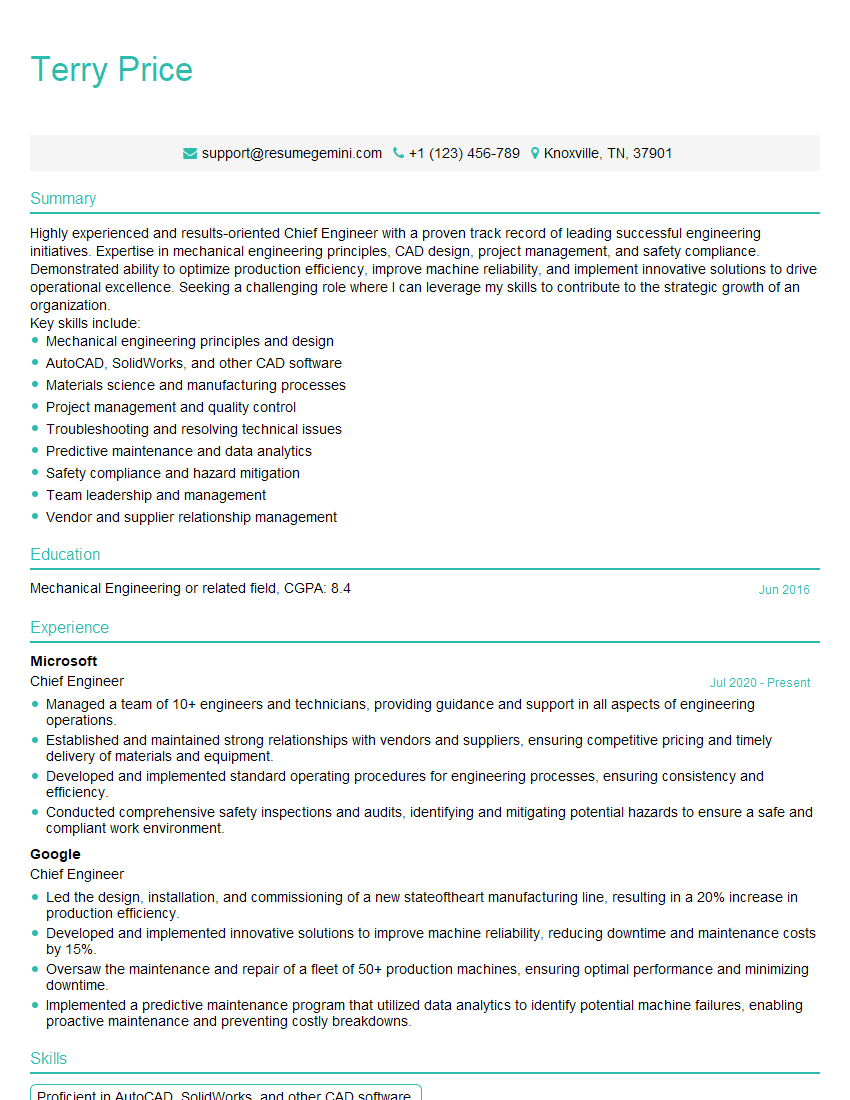
Chief Engineer Resume Sample
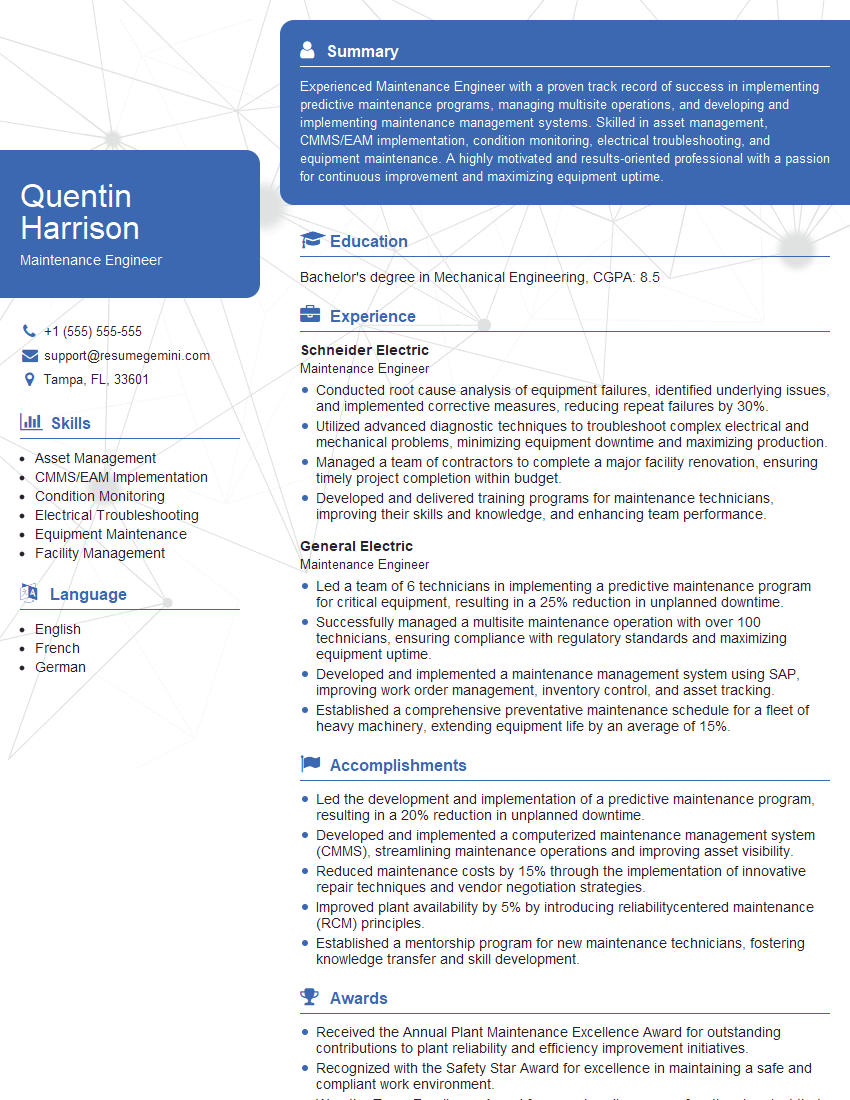
Maintenance Engineer Resume Sample
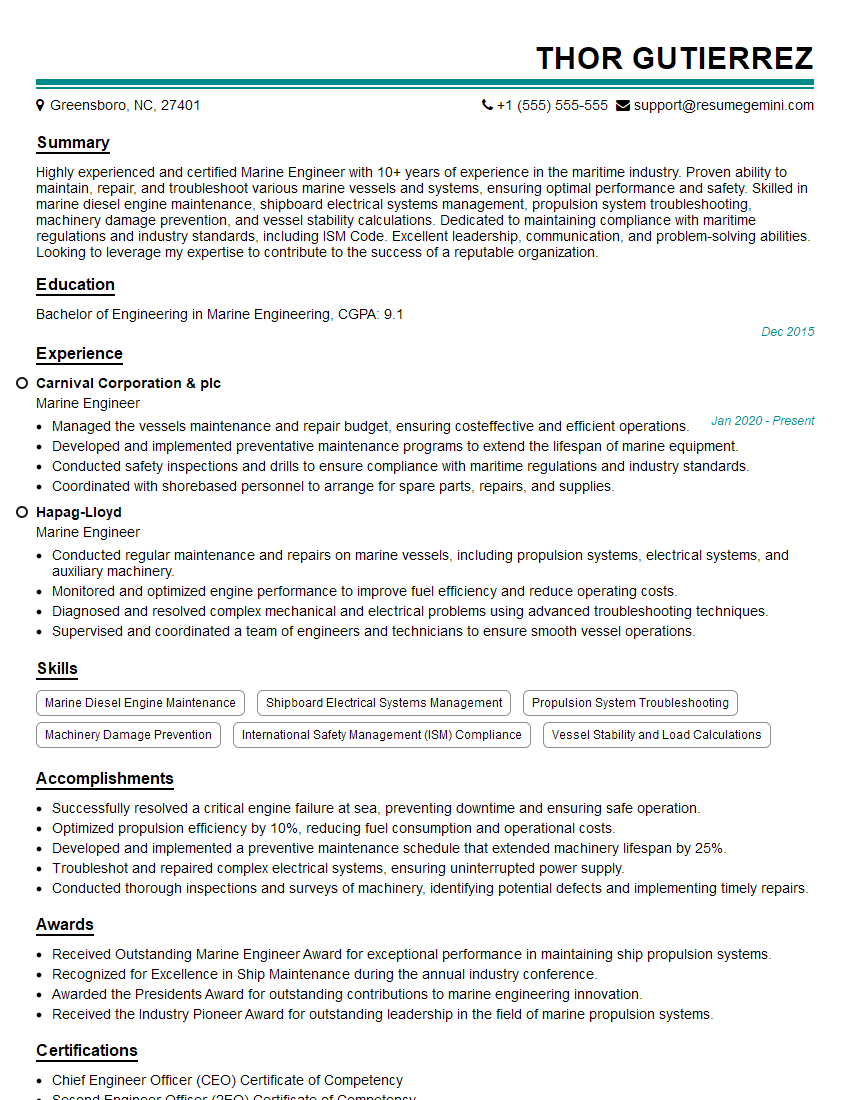
Marine Engineer Resume Sample
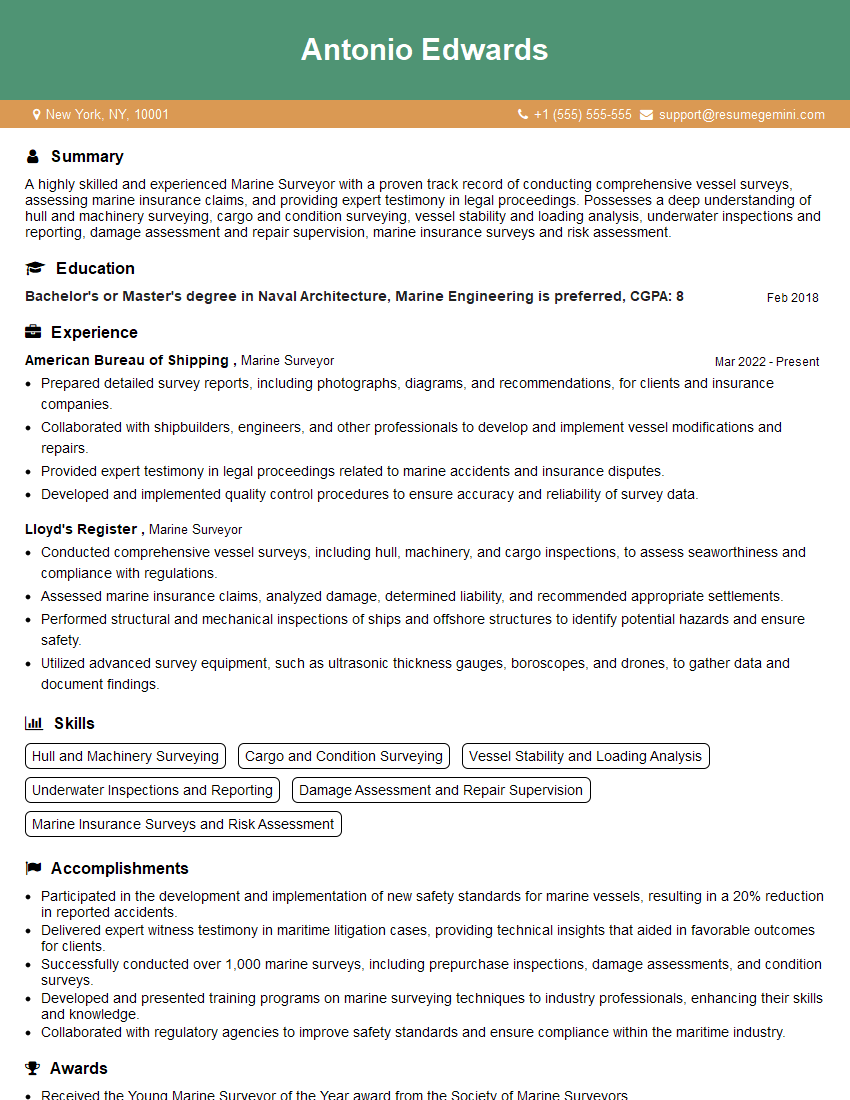
Marine Surveyor Resume Sample
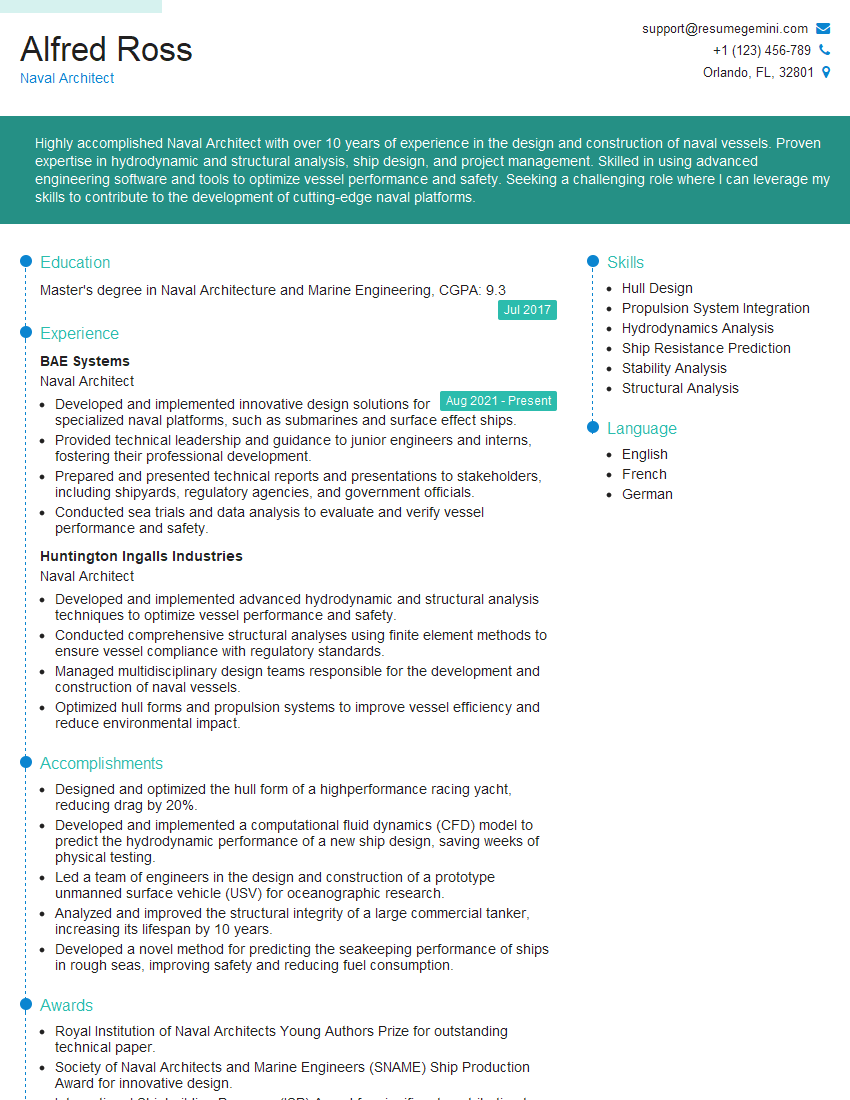
Naval Architect Resume Sample
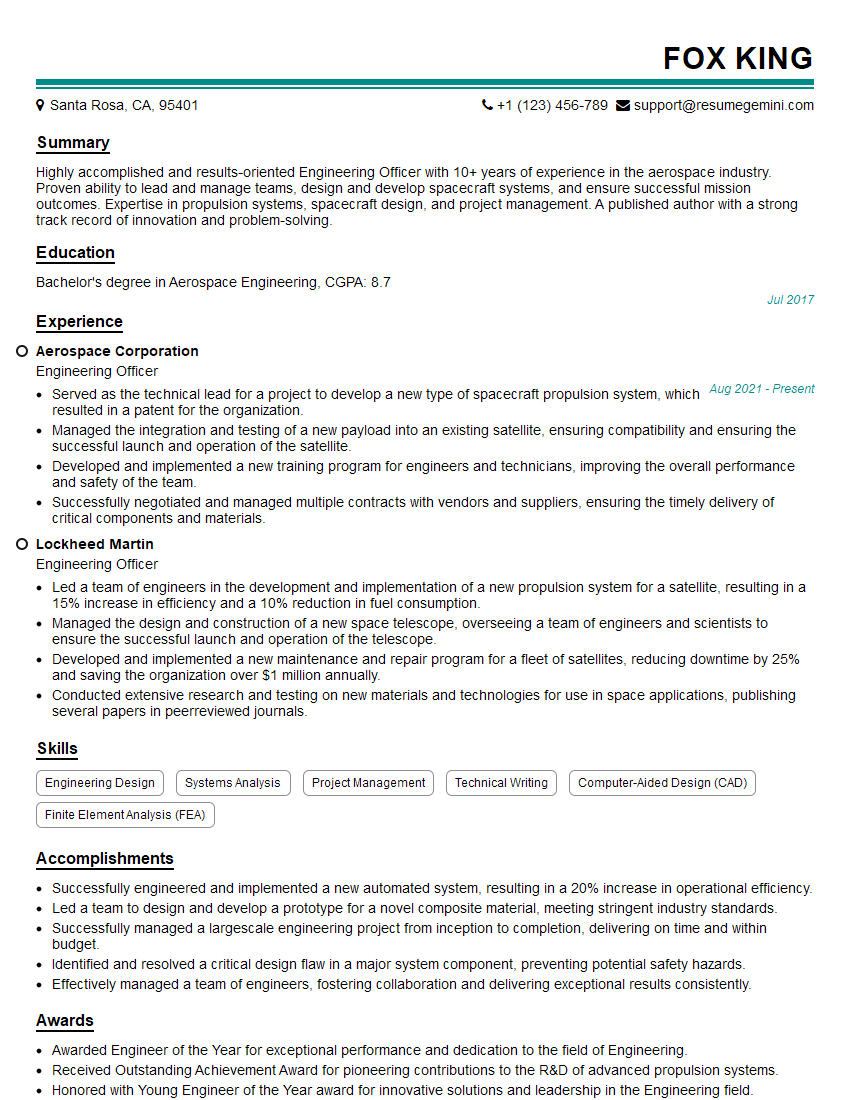
Engineering Officer Resume Sample
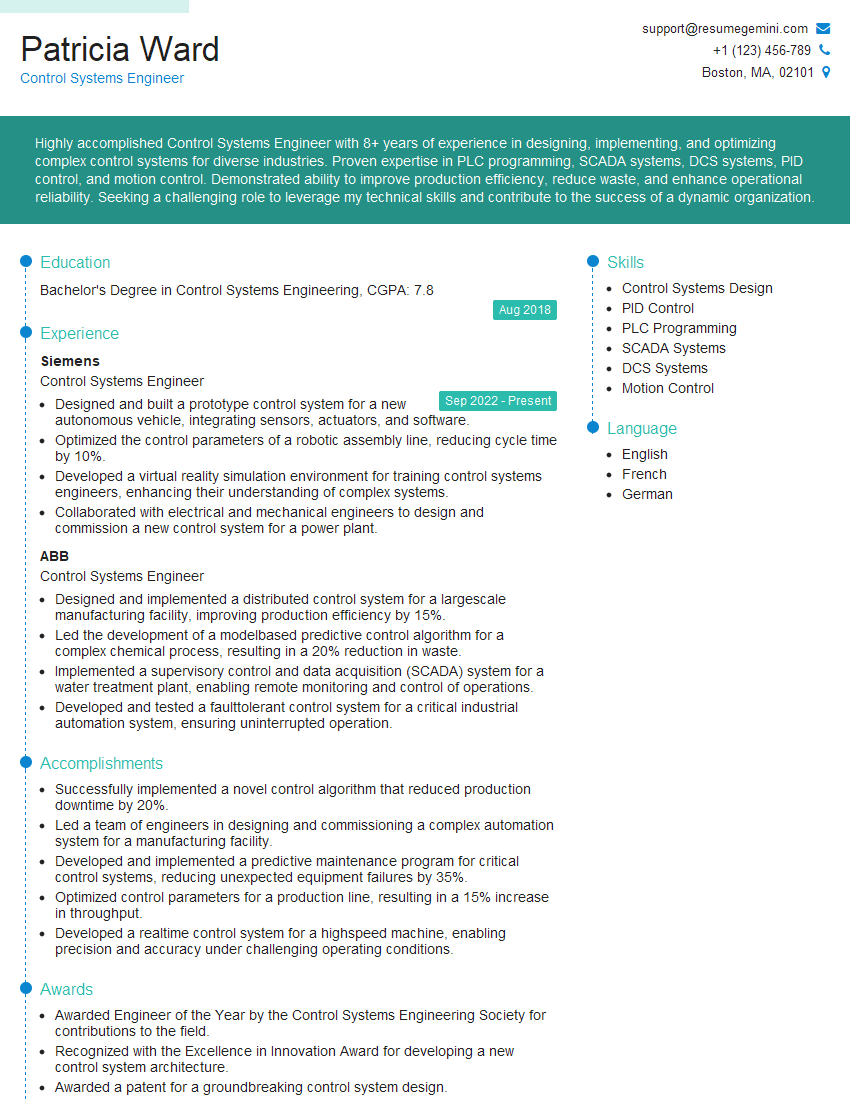
Control Systems Engineer Resume Sample
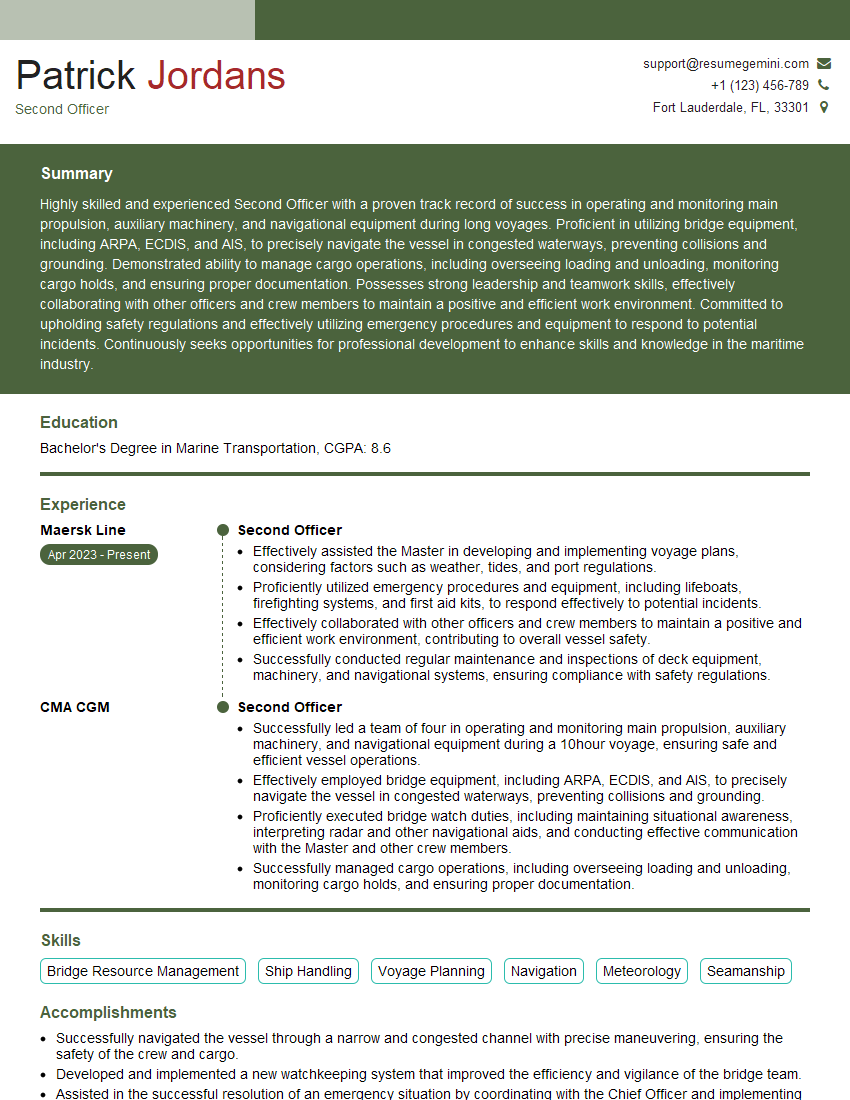
Second Officer Resume Sample
Welder/Fitter Resume Sample
Deck Officer Resume Sample
Explore more articles
Users Rating of Our Blogs
Share Your Experience
We value your feedback! Please rate our content and share your thoughts (optional).
What Readers Say About Our Blog
To the interviewgemini.com Webmaster.
Very helpful and content specific questions to help prepare me for my interview!
Thank you
To the interviewgemini.com Webmaster.
This was kind of a unique content I found around the specialized skills. Very helpful questions and good detailed answers.
Very Helpful blog, thank you Interviewgemini team.