The thought of an interview can be nerve-wracking, but the right preparation can make all the difference. Explore this comprehensive guide to Biosafety and Pathogen Handling interview questions and gain the confidence you need to showcase your abilities and secure the role.
Questions Asked in Biosafety and Pathogen Handling Interview
Q 1. Describe the different biosafety levels (BSL-1 to BSL-4) and their corresponding safety practices.
Biosafety levels (BSLs) categorize laboratories based on the risk posed by the handled agents. Each level mandates specific containment practices and safety equipment.
- BSL-1: Suitable for working with well-characterized agents not known to consistently cause disease in healthy adult humans. Basic safety practices like handwashing and disinfecting work surfaces suffice. Think of handling non-pathogenic E. coli strains used in introductory biology labs.
- BSL-2: Handles agents that pose moderate hazards. More stringent practices are employed, including restricted access, biosafety cabinets for certain procedures (e.g., creating aerosols), and use of PPE like gloves and lab coats. Examples include working with Salmonella or Hepatitis B virus.
- BSL-3: Designed for agents that can cause serious or potentially lethal disease through respiratory transmission. Requires stringent containment, including specialized ventilation systems, controlled access, and the use of respirators in addition to other PPE. Agents such as Mycobacterium tuberculosis or West Nile virus are handled at this level.
- BSL-4: The highest level of biosafety, handling dangerous and exotic agents that pose a high risk of life-threatening disease, often with no known treatment or vaccine. Specialized facilities with extensive safety features like positive-pressure suits, airlocks, and rigorous decontamination protocols are necessary. Examples include Ebola or Marburg viruses.
Q 2. Explain the principles of aseptic technique and its importance in pathogen handling.
Aseptic technique is a set of practices designed to prevent contamination of sterile surfaces, materials, and environments by unwanted microorganisms. It’s paramount in pathogen handling to avoid both cross-contamination of samples and infection of personnel.
Imagine you’re preparing a sterile culture media. Any accidental contact with a non-sterile surface would introduce unwanted microbes that could outcompete or contaminate your intended culture. This is why aseptic technique emphasizes meticulous cleaning, sterilization (using autoclaves, for example), and careful handling of materials. Specific practices include proper handwashing, sterilizing equipment, using sterile techniques for inoculations, and working in a laminar flow hood for sensitive procedures. A failure in aseptic technique can lead to inaccurate experimental results, wasted resources, and potential health risks.
Q 3. What are the standard operating procedures (SOPs) for handling biohazardous waste?
Standard Operating Procedures (SOPs) for biohazardous waste handling are crucial for maintaining lab safety and environmental protection. These protocols vary depending on the type of waste (sharps, cultures, etc.) and the BSL level.
Generally, SOPs include:
- Segregation: Waste is segregated into appropriate containers labeled with biohazard symbols. Sharps go into puncture-resistant containers; liquid cultures go into leak-proof containers, etc.
- Decontamination: Liquid waste is often autoclaved to kill infectious agents before disposal. Solid waste may undergo chemical disinfection or incineration.
- Packaging: Waste is properly packaged in containers that meet regulatory requirements for transport and disposal.
- Disposal: Disposal follows local, state, and federal regulations. This often involves specialized waste disposal companies that handle biohazardous materials.
- Documentation: All steps, including the generation, handling, and disposal of waste, are meticulously documented to maintain a comprehensive record.
Failure to follow SOPs can lead to serious health risks and environmental contamination, attracting significant penalties and reputational damage.
Q 4. How would you respond to a biosafety incident or spill in the laboratory?
Responding to a biosafety incident, such as a spill, requires immediate and decisive action following established protocols.
- Contain the Spill: Immediately restrict access to the area. Use absorbent materials to soak up the spill, avoiding splashing.
- Notify Personnel: Alert laboratory supervisors and appropriate emergency response teams, following established communication channels.
- Decontamination: Use appropriate disinfectants following the manufacturer’s instructions, ensuring adequate contact time. For large spills, specialized decontamination teams may be necessary.
- PPE: Ensure everyone involved uses appropriate PPE (gloves, gowns, eye protection) throughout the process.
- Waste Disposal: The contaminated materials should be handled as biohazardous waste following established SOPs.
- Documentation: Thoroughly document the incident, including the type of agent involved, the extent of the spill, actions taken, and personnel involved. This is critical for incident investigations and future risk mitigation.
A well-rehearsed emergency plan is essential for minimizing risk and ensuring a swift, effective response.
Q 5. What personal protective equipment (PPE) is necessary when working with BSL-3 pathogens?
Working with BSL-3 pathogens demands stringent PPE to protect personnel from exposure.
- Respirator: A powered air-purifying respirator (PAPR) or a high-efficiency particulate air (HEPA) filter respirator is crucial to prevent inhalation of airborne pathogens.
- Gloves: Multiple layers of gloves, including a pair of durable utility gloves and a pair of sterile nitrile or latex gloves, are essential.
- Gown: A fluid-resistant gown offers protection against splashes and spills.
- Eye Protection: Full-face protection (goggles or a face shield) protects eyes and mucous membranes.
- Shoe Covers: Protect shoes from contamination.
The specific PPE may vary based on the specific procedures being performed, but the principles of multiple barriers and respiratory protection remain paramount.
Q 6. Describe the process for decontaminating a laboratory workspace after handling infectious agents.
Decontamination of a laboratory workspace after handling infectious agents involves a multi-step process ensuring complete inactivation of the pathogens.
- Initial Cleanup: Remove all contaminated materials and waste, following established protocols for handling biohazardous materials.
- Disinfection: Apply an appropriate disinfectant, such as a 10% bleach solution (or another EPA-registered disinfectant effective against the specific agent) to all surfaces, ensuring adequate contact time (usually 10-30 minutes).
- Cleaning: Once the disinfectant has been allowed to sit for the recommended contact time, thoroughly clean all surfaces with soap and water to remove debris and residual disinfectant.
- Verification: For high-risk scenarios, environmental testing may be required to verify the effectiveness of the decontamination process.
- Documentation: All decontamination procedures, including the disinfectant used, contact time, and individuals involved, are meticulously documented.
The choice of disinfectant should be appropriate for the specific agent and the surface material. Adequate training and adherence to SOPs are essential for effective decontamination.
Q 7. Explain the role of biological safety cabinets (BSCs) in pathogen handling.
Biological safety cabinets (BSCs) are enclosed, ventilated workspaces designed to protect personnel, the environment, and the product (the experiment) from contamination. They are a cornerstone of pathogen handling, providing containment and minimizing the risk of aerosol generation.
Different classes of BSCs offer varying levels of protection:
- Class I: Protects personnel and the environment, but not the product.
- Class II: Protects personnel, the environment, and the product. They are further categorized into different types (A1, A2, B1, B2) based on airflow patterns and containment levels.
- Class III: Provides the highest level of protection, completely isolating the agent. Work is performed through attached gloves.
BSCs utilize HEPA filters to remove particulate matter from the air, effectively reducing the risk of infection and contamination. They are essential for procedures that generate aerosols (e.g., centrifuging, vortexing) which could spread infectious agents. Proper use and regular maintenance (including HEPA filter replacements) are critical for maintaining their effectiveness.
Q 8. What are the key elements of a comprehensive biosafety program?
A comprehensive biosafety program is the cornerstone of safe pathogen handling. It’s not just a set of rules; it’s a holistic approach encompassing risk assessment, standard operating procedures, training, and ongoing monitoring. Think of it as a multi-layered security system protecting both the lab personnel and the environment.
- Risk Assessment: This is the foundation. We identify potential hazards, evaluate the likelihood and severity of exposure, and determine appropriate control measures. For example, working with a highly infectious virus requires a higher level of containment than handling non-pathogenic bacteria.
- Standard Operating Procedures (SOPs): These are detailed, step-by-step instructions for every procedure, leaving no room for ambiguity. Imagine a recipe for a complex experiment; every step needs to be clear and followed precisely. Each lab should have SOPs for handling specific agents, equipment sterilization, waste disposal, and emergency response.
- Engineering Controls: These are physical modifications to the lab environment to minimize risk, such as biological safety cabinets (BSCs), autoclaves, and specialized ventilation systems. These act as the first line of defense.
- Administrative Controls: These encompass the policies, procedures, and training programs that govern lab activities. This includes personnel training, emergency response planning, and regular safety inspections.
- Personal Protective Equipment (PPE): This includes gloves, lab coats, eye protection, and respirators. Proper selection and use of PPE is crucial. For instance, working with aerosols necessitates the use of respirators.
- Monitoring and Evaluation: Regular review and updates of the biosafety program are essential. We monitor compliance, identify areas for improvement, and adapt to changes in technology and regulations.
In essence, a robust biosafety program is a proactive, dynamic process, not a static document. It’s constantly evolving to reflect the latest scientific understanding and best practices.
Q 9. How do you ensure proper sterilization and disinfection of laboratory equipment?
Sterilization and disinfection are critical for preventing contamination and ensuring safe lab practices. The methods chosen depend on the type of equipment and the level of contamination. We often employ a multi-step approach.
- Autoclaving: This is the gold standard for sterilization, using high-pressure saturated steam to kill all microorganisms, including spores. We use this for glassware, media, and other heat-resistant materials. Proper autoclave operation requires careful monitoring of temperature and pressure to ensure efficacy. For example, the cycle might need to be adjusted based on the material’s load and volume.
- Dry Heat Sterilization: This method uses high temperatures in an oven to kill microorganisms. It’s suitable for heat-stable items like glassware that might be damaged by steam. The temperature and time are crucial parameters.
- Chemical Disinfection: This uses chemicals like ethanol, bleach, or specialized disinfectants to kill or inactivate microorganisms. The choice of disinfectant depends on the type of microorganism and the surface being disinfected. For example, bleach is effective against many bacteria and viruses but can be corrosive to certain surfaces. It’s important to follow manufacturer’s instructions carefully.
- UV Sterilization: Ultraviolet (UV) radiation can damage microbial DNA, effectively killing or inactivating them. It’s often used for surface disinfection in BSCs or other enclosed spaces.
After any sterilization or disinfection procedure, it’s essential to verify its effectiveness. This might involve biological indicators (spores that are tracked to see if the sterilization process killed them) or chemical indicators (which change color to indicate conditions have been met). Regular maintenance of equipment is also paramount. For instance, autoclaves need regular testing and calibration to ensure they are operating correctly.
Q 10. What are the ethical considerations related to working with pathogens?
Ethical considerations are paramount when working with pathogens. We must uphold the highest standards of integrity, responsibility, and respect for human and animal life. Our actions have direct implications on public health and the environment.
- Informed Consent: When working with human samples, informed consent is crucial. Participants must be fully informed about the research and the potential risks involved before they agree to participate.
- Data Security and Privacy: Patient data must be handled with extreme care and protected from unauthorized access. We must comply with all relevant data privacy regulations.
- Animal Welfare: If animal models are used, we must follow strict ethical guidelines to minimize suffering and ensure their humane treatment. We strive to utilize the three Rs – Replacement (replacing animals with other models), Reduction (using the fewest animals possible), and Refinement (minimizing pain and distress).
- Dual-Use Research of Concern (DURC): We must be acutely aware of the potential misuse of our research. The development and handling of pathogens must be carefully scrutinized to prevent their malicious use. We may engage in DURC self-assessment and reporting.
- Transparency and Accountability: Our research must be conducted with transparency, and we must be accountable for our actions. Open communication and collaboration are essential to fostering ethical conduct.
Ethical lapses can have devastating consequences. We must prioritize ethical considerations at every stage of the research process, from the initial design to the final publication.
Q 11. Describe your experience with risk assessment and mitigation strategies in a laboratory setting.
Risk assessment is an iterative process, not a one-time event. I have extensive experience in conducting thorough risk assessments using established frameworks, such as those provided by the Centers for Disease Control and Prevention (CDC) and the World Health Organization (WHO).
The process usually begins with identifying hazards (e.g., infectious agents, equipment, chemicals). Then, we evaluate the probability of exposure and the potential severity of consequences. This might involve reviewing existing literature, consulting with experts, or conducting surveys. Once we have a clear understanding of the risks, we develop and implement appropriate mitigation strategies.
- Engineering Controls: This could be installing BSCs, modifying ventilation systems, or using specialized equipment to minimize exposure.
- Administrative Controls: This includes developing SOPs, implementing training programs, assigning responsibilities, and setting safety protocols.
- Personal Protective Equipment (PPE): This involves selecting and providing appropriate PPE based on the assessed risk.
For example, in a project involving highly pathogenic avian influenza viruses, the risk assessment led to the implementation of a BSL-3 laboratory with stringent access controls, specialized training, and the use of respirators and other protective gear. Regular monitoring of the effectiveness of mitigation strategies is vital. We continuously monitor health status and conduct regular safety inspections to ensure all measures remain effective. Modifications and improvements to our mitigation plans are made as needed based on new information or changes in the risk profile.
Q 12. How would you train new personnel on biosafety procedures?
Training new personnel is crucial for maintaining a safe lab environment. My approach is multifaceted and incorporates various methods to ensure understanding and competency.
- Initial Orientation: New personnel receive a comprehensive overview of the biosafety program, including policies, procedures, and emergency protocols.
- Hands-on Training: Practical, supervised training is essential. This involves demonstrations and practice sessions on proper techniques for handling pathogens, using equipment, and donning/doffing PPE.
- Specialized Training: Depending on the specific pathogens being handled, specialized training may be required. For example, personnel working with select agents must receive specialized training to meet regulatory requirements.
- Simulation Exercises: These realistic simulations help personnel prepare for emergencies and improve their response capabilities. For instance, we might simulate a spill or equipment malfunction to reinforce training.
- Ongoing Competency Assessment: Regular competency assessments, such as written tests and practical evaluations, ensure that personnel maintain their knowledge and skills. This might include annual refresher courses and skills tests.
- Mentorship Program: Pairing new personnel with experienced staff provides ongoing support and guidance.
Documentation is essential. Records of all training received must be kept for compliance purposes. My training program focuses not just on compliance but on instilling a strong safety culture, emphasizing the importance of proactive risk management and the inherent responsibilities of working in a biosafety environment.
Q 13. What are the regulatory requirements for handling specific pathogens (e.g., select agents)?
Regulatory requirements for handling specific pathogens, particularly select agents, are stringent and vary by country and jurisdiction. These regulations are put in place to prevent the misuse of these agents and to protect public health and national security.
In the United States, for example, the Centers for Disease Control and Prevention (CDC) and the Department of Health and Human Services (HHS) oversee the regulation of select agents. Researchers who work with these agents must obtain permits and licenses, adhere to strict security protocols, and comply with stringent record-keeping requirements. These regulations cover everything from agent acquisition and storage to experimental procedures and waste disposal. There are specific requirements for facility design, biosafety levels, and personnel qualifications. Failure to comply with these regulations can result in significant penalties.
Similar regulatory frameworks exist in other countries, though the specifics may differ. International organizations such as the World Health Organization (WHO) play a role in establishing global guidelines and promoting international collaboration in biosafety.
Working with select agents demands meticulous adherence to established protocols and rigorous oversight to prevent accidental release, theft, or intentional misuse.
Q 14. Explain the differences between sterilization and disinfection.
Sterilization and disinfection are both processes aimed at reducing the number of microorganisms but differ significantly in their outcomes.
- Sterilization: This process eliminates all forms of microbial life, including bacteria, viruses, fungi, and spores. A sterilized object is completely free of viable microorganisms. Think of it as a complete eradication. Methods include autoclaving, dry heat sterilization, and radiation.
- Disinfection: This process reduces the number of viable microorganisms to a safe level, but it doesn’t necessarily eliminate all of them. Disinfection targets vegetative cells (actively growing microorganisms) but may not kill spores. Think of it as a significant reduction, not complete elimination. Methods include using chemical disinfectants like bleach or alcohol.
Think of it like this: sterilization is like completely cleaning a house, removing all traces of dirt and grime, while disinfection is like a quick tidy-up, cleaning visible mess but not necessarily deep cleaning every corner. The choice between sterilization and disinfection depends on the intended use of the item and the level of microbial contamination that needs to be reduced. For example, surgical instruments require sterilization, while a lab bench might only require disinfection.
Q 15. Describe your experience with different sterilization methods (e.g., autoclaving, dry heat, gas sterilization).
Sterilization is the complete elimination or destruction of all forms of microbial life, including spores. I have extensive experience with various methods, each suited to different materials and applications.
- Autoclaving: This is the gold standard for sterilizing many laboratory materials. It uses pressurized steam at high temperatures (typically 121°C for 15-20 minutes) to denature proteins and kill microorganisms. I’ve used autoclaves daily in my work, sterilizing everything from media and glassware to contaminated waste. For example, before working with bacterial cultures, all glassware and instruments are meticulously autoclaved to eliminate any background contamination that could affect experimental results.
- Dry Heat Sterilization: This method employs high temperatures in the absence of moisture, typically between 160°C and 180°C for 1-2 hours. It’s effective for materials that can’t withstand the moisture of autoclaving, such as glassware or certain metal instruments. I’ve relied on this method for sterilizing glassware used in experiments involving heat-sensitive reagents where autoclaving could alter the integrity of the experimental setup.
- Gas Sterilization (Ethylene Oxide): Ethylene oxide is a highly effective sterilizing agent used for heat-sensitive materials such as plastics and electronics. However, it’s a hazardous chemical requiring specialized equipment and training, which I possess. It is crucial to follow strict safety protocols when handling ethylene oxide due to its mutagenic and carcinogenic potential. In my previous role, I was responsible for overseeing the sterilization of plastic labware used in a cell culture facility.
The choice of sterilization method depends critically on the nature of the materials and the desired sterility level. Validation of sterilization procedures, using biological indicators (as discussed later), is crucial to ensure effectiveness.
Career Expert Tips:
- Ace those interviews! Prepare effectively by reviewing the Top 50 Most Common Interview Questions on ResumeGemini.
- Navigate your job search with confidence! Explore a wide range of Career Tips on ResumeGemini. Learn about common challenges and recommendations to overcome them.
- Craft the perfect resume! Master the Art of Resume Writing with ResumeGemini’s guide. Showcase your unique qualifications and achievements effectively.
- Don’t miss out on holiday savings! Build your dream resume with ResumeGemini’s ATS optimized templates.
Q 16. How do you ensure the safety and integrity of biological samples?
Maintaining the safety and integrity of biological samples is paramount to reliable research and accurate results. This involves a multi-pronged approach:
- Proper Collection and Handling: Samples must be collected using aseptic techniques to avoid contamination. This includes using sterile collection vessels and minimizing exposure to environmental microbes. For example, I’ve trained many lab technicians in the proper aseptic collection techniques for blood, tissue, and environmental samples.
- Appropriate Storage: Storage conditions vary greatly depending on the sample type. Some samples require refrigeration, freezing, or even cryopreservation (-80°C or lower) to maintain their viability and integrity. Maintaining an accurate chain-of-custody is also vital to ensure data reliability.
- Monitoring and Documentation: Detailed records must be kept, including sample collection dates, storage conditions, and any handling procedures. This is essential for tracking and ensuring sample quality and preventing any potential contamination.
- Transportation: During transport, samples must be protected from physical damage and temperature fluctuations. Appropriate packaging, using temperature-controlled containers and shipping methods, are essential. I’ve overseen many sample shipments, often using dry ice or specialized containers for maintaining appropriate temperature.
Neglecting any of these steps could compromise the quality and validity of the results. Think of it like baking a cake – if you don’t follow the recipe, your cake will likely be ruined. Similarly, improper handling of biological samples can lead to inaccurate or unusable data.
Q 17. What are the common laboratory hazards associated with pathogen handling?
Pathogen handling presents numerous laboratory hazards. These can be broadly categorized into:
- Biological Hazards: Infection from pathogens is the most significant risk. This depends on the pathogen’s virulence, the route of exposure (e.g., inhalation, ingestion, percutaneous), and the individual’s immune status. For example, working with highly pathogenic bacteria like Mycobacterium tuberculosis requires a Biosafety Level 3 (BSL-3) laboratory with stringent containment measures.
- Chemical Hazards: Many reagents and disinfectants used in pathogen handling are toxic or corrosive. Proper handling, storage, and disposal procedures are crucial. This includes understanding Safety Data Sheets (SDS) for all chemicals and following appropriate personal protective equipment (PPE) protocols.
- Physical Hazards: These include sharp objects (needles, broken glass), ergonomic issues (repetitive strain injuries), and fire hazards from flammable materials used in some sterilization methods. All equipment should be properly maintained, and regular safety training on proper techniques and the use of appropriate equipment should be prioritized.
- Radiation Hazards: If radioactive isotopes are used in research with pathogens, this introduces another significant hazard that requires adherence to stringent radiation safety protocols.
Risk assessment and mitigation is crucial to minimizing these hazards. This includes thorough training, appropriate PPE, and adherence to established standard operating procedures (SOPs).
Q 18. Explain your understanding of the Occupational Safety and Health Administration (OSHA) regulations related to biosafety.
OSHA regulations in the US are paramount to ensuring worker safety in laboratories handling pathogens. They outline specific requirements based on the biosafety level of the work being undertaken. Key aspects include:
- Hazard Communication: Proper labeling of hazardous materials and access to Safety Data Sheets (SDS). This ensures that anyone working in the lab understands the risks associated with specific materials.
- Personal Protective Equipment (PPE): Providing and enforcing the use of appropriate PPE, including gloves, lab coats, eye protection, and respiratory protection depending on the risk level.
- Engineering Controls: Implementing appropriate engineering controls in the lab, such as biosafety cabinets (BSCs), autoclaves, and fume hoods, to minimize the risk of exposure to biological and chemical hazards. These are integral to minimizing potential airborne or surface contamination.
- Emergency Response: Having established protocols for responding to spills, injuries, or other emergencies, including eye wash stations, safety showers, and a well-defined emergency action plan.
- Medical Surveillance: Depending on the risk assessment, medical surveillance programs, including vaccinations and serological testing, may be required for laboratory personnel.
- Training: Providing comprehensive training on biosafety practices and procedures to all personnel working with pathogens.
Failure to comply with OSHA regulations can result in substantial fines and legal repercussions, highlighting the significance of rigorous adherence to safety standards.
Q 19. How would you investigate and report a laboratory-acquired infection?
Investigating a laboratory-acquired infection (LAI) requires a swift, systematic approach:
- Immediate Action: Isolate the infected individual, provide appropriate medical care, and notify relevant authorities (e.g., occupational health and safety personnel, public health officials).
- Incident Investigation: Conduct a thorough investigation to determine the source of the infection. This involves reviewing laboratory practices, safety protocols, and the infected individual’s activities. It may involve reviewing lab notebooks, environmental sampling, and interviewing colleagues.
- Identifying Gaps in Safety Protocols: The investigation will often highlight gaps or weaknesses in existing safety procedures. These need to be rectified immediately. For example, if the investigation reveals a failure in proper autoclaving techniques, new training or improved protocols must be implemented.
- Corrective Actions: Implement corrective actions based on the findings of the investigation. This might include retraining personnel, modifying laboratory procedures, or replacing or upgrading equipment.
- Reporting and Documentation: Thoroughly document all aspects of the investigation, including the findings, corrective actions taken, and any follow-up measures. The incident should also be reported to relevant regulatory bodies, such as OSHA.
Transparency and a commitment to continuous improvement in safety protocols are crucial in preventing future incidents. An LAI is a serious event, and a thorough investigation not only helps with treatment but also provides opportunities to prevent similar events from happening again.
Q 20. Describe your experience with the use of biological indicators for sterilization validation.
Biological indicators (BIs) are crucial for validating sterilization processes. These are preparations containing a known number of highly resistant bacterial spores (often Geobacillus stearothermophilus for steam sterilization or Bacillus subtilis for dry heat) within a carrier. Following a sterilization cycle, the BIs are incubated to determine if the spores were killed, thus demonstrating the effectiveness of the sterilization process.
My experience includes using BIs regularly to validate autoclave cycles. I’ve performed BI tests on a regular schedule, ensuring that the autoclaves maintain proper sterilization parameters. This involves placing BIs within various locations inside the autoclave to determine whether sterilization parameters are uniform throughout. Positive BI results (spore growth) indicate a failure of the sterilization cycle, requiring immediate investigation and corrective action to prevent further potential contamination.
The use of BIs is essential for compliance and maintaining the integrity of sterility in the laboratory. A failure to validate sterilization procedures properly can lead to contamination, unreliable experimental results, and potentially, serious health consequences.
Q 21. What is your understanding of the principle of containment in relation to pathogens?
Containment, in the context of pathogen handling, refers to the use of safety measures and practices to prevent the accidental release of infectious agents into the environment. It’s about controlling the spread of pathogens from the point of origin (e.g., the laboratory) to prevent exposure to personnel, the environment, and the wider population.
This principle is implemented through several strategies, depending on the pathogen’s risk group (biosafety level):
- Physical Containment: This involves using physical barriers such as biosafety cabinets (BSCs), which provide a contained workspace with HEPA filtration to prevent the release of airborne pathogens. Other examples include using sealed containers, autoclaves, and proper waste disposal procedures.
- Administrative Controls: These involve policies, procedures, and protocols that guide safe practices. This includes strict adherence to Standard Operating Procedures (SOPs), access controls to restricted areas, training, and incident reporting procedures.
- Personal Protective Equipment (PPE): This encompasses the use of gloves, gowns, masks, and eye protection to prevent direct contact with the pathogens. The specific type and level of PPE varies depending on the pathogen and the task being undertaken. In a BSL-4 lab, for example, personnel would utilize positive-pressure suits.
The principle of containment is fundamental to preventing laboratory-acquired infections and protecting public health. Each laboratory dealing with pathogens must have an appropriate level of containment based on a comprehensive risk assessment of the agents being handled.
Q 22. How do you ensure the accuracy and reliability of laboratory results when handling pathogens?
Ensuring accurate and reliable laboratory results when handling pathogens is paramount. It requires a multi-faceted approach encompassing rigorous quality control at every stage, from sample collection and processing to analysis and reporting.
- Pre-analytical Phase: This includes proper sample collection techniques, minimizing contamination risks (using sterile equipment, appropriate transport media), and maintaining the cold chain for temperature-sensitive samples. For example, a blood sample improperly collected could lead to inaccurate results due to contamination with skin flora.
- Analytical Phase: This phase focuses on the accuracy of the assays themselves. We use validated methods and calibrated equipment. Internal controls, such as positive and negative controls, are run alongside patient samples to verify the integrity of the test. For example, a positive control would confirm that the assay is capable of detecting the target pathogen, while a negative control verifies the absence of contamination.
- Post-analytical Phase: This involves careful data recording, proper data analysis, and interpretation. We utilize laboratory information systems (LIS) to ensure data integrity and traceability. Results are reviewed by experienced personnel before being released to ensure consistency and accuracy. A robust quality assurance program includes regular proficiency testing and internal audits to ensure performance adherence to international standards.
By implementing these stringent quality control measures at each step, we can significantly reduce the chance of error and enhance the reliability of our laboratory results.
Q 23. What are the potential environmental impacts of improper pathogen handling?
Improper pathogen handling poses significant environmental risks. Accidental release of pathogens can lead to:
- Contamination of soil and water: This can contaminate local water supplies, impacting human and animal health. For instance, improper disposal of wastewater containing pathogens can lead to waterborne diseases.
- Spread of infectious diseases: Pathogens released into the environment can infect humans, animals, and plants, potentially leading to outbreaks. This risk increases if the pathogens are highly contagious and are released in areas with vulnerable populations.
- Development of antibiotic resistance: Exposure of environmental microorganisms to antibiotics used in laboratories can lead to the development of antibiotic-resistant strains, which can compromise the effectiveness of antibiotics in treating infections. For instance, improper disposal of antibiotic-containing waste can contribute to the emergence of resistant bacteria.
- Impact on biodiversity: Release of pathogens can disrupt the ecological balance by harming native flora and fauna. Introduction of invasive pathogens can devastate ecosystems.
Implementing proper biosafety protocols, including safe disposal methods for contaminated waste, rigorous decontamination procedures, and stringent containment practices are crucial to mitigate these environmental risks. Regular environmental monitoring can help detect any accidental releases and facilitate prompt remediation.
Q 24. Explain your experience with different types of biological safety cabinets (Class I, II, III).
I have extensive experience working with various biological safety cabinets (BSCs). Each class offers different levels of protection:
- Class I BSCs: These provide protection for the personnel and the environment but not the product (the material being worked on). They operate by drawing air inwards towards the HEPA filter, protecting the user from airborne pathogens. This is suitable for work with low-to-moderate risk agents.
- Class II BSCs: These offer protection for personnel, the product, and the environment. They create a unidirectional airflow, preventing contamination by drawing air into the cabinet, filtering it, and recirculating a portion back into the workspace, while exhausting a portion to the outside. Different types of Class II cabinets exist, offering varying degrees of inward and outward airflow. I’ve worked extensively with type A2 and B2 cabinets, which are commonly used in microbiology labs.
- Class III BSCs: These provide the highest level of protection, completely isolating the work being done inside. They are gas-tight and use HEPA-filtered air supply and exhaust. This is critical for work involving highly hazardous agents. I have experience using these specifically for research involving high-containment pathogens such as certain viruses and select bacteria.
My experience includes not only using these cabinets but also ensuring their proper maintenance, certification, and operational checks, including testing for airflow velocity and HEPA filter integrity. Proper handling and maintenance of these cabinets are essential for user safety and the prevention of contamination.
Q 25. Describe your understanding of the different methods for inactivation of pathogens.
Pathogen inactivation is crucial to prevent the spread of infectious diseases. Several methods exist, each with its own advantages and limitations:
- Physical Methods: These include autoclaving (high-pressure steam sterilization), which is highly effective for inactivating most pathogens; incineration, which completely destroys the material along with the pathogens; and dry heat sterilization, which is useful for materials that can’t withstand high-pressure steam.
- Chemical Methods: These include using disinfectants such as sodium hypochlorite (bleach), ethanol, isopropanol, and glutaraldehyde. The effectiveness of chemical disinfectants depends heavily on the concentration and contact time. For instance, bleach is highly effective against a wide range of pathogens but can be corrosive.
- Radiation Methods: UV radiation is often used for surface decontamination and to reduce microbial loads in air. Gamma irradiation is a more powerful method used for sterilizing materials. It has the added benefit of not requiring chemical residue removal.
- Other Methods: Methods such as filtration (for removing microbes from liquids or gases) are also employed, alongside combinations of methods, for example, chemical disinfection followed by autoclaving.
Choosing the appropriate inactivation method depends on the type of pathogen, the material being treated, and the level of safety required. Validation of the inactivation process is essential to ensure efficacy and safe handling of potentially infectious waste.
Q 26. What is your experience with quality control measures in a microbiology lab?
Quality control (QC) in a microbiology lab is critical for the accuracy and reliability of results. My experience includes implementing and overseeing various QC measures:
- Media preparation and sterility testing: This involves preparing culture media according to strict protocols and testing for sterility to rule out contamination before using it to grow microorganisms. This prevents false positives.
- Strain identification and verification: This involves using multiple identification methods to ensure accurate identification of isolated microbes. For example, we often combine biochemical tests with molecular techniques such as 16S rRNA sequencing for bacterial identification.
- Instrument calibration and maintenance: Regular calibration and maintenance of equipment such as autoclaves, incubators, and microscopes are crucial for accurate and reliable results. We use certified calibration services to maintain a high standard of precision.
- Proficiency testing and inter-laboratory comparisons: Participating in proficiency testing programs allows us to compare our results with other laboratories and identify potential areas for improvement.
- Internal quality audits: Regular internal audits are conducted to assess compliance with standard operating procedures and identify any deficiencies in the quality management system.
These QC measures ensure the validity and reliability of our results, maintaining the integrity of our research and clinical diagnostics.
Q 27. Explain how you would ensure proper documentation and record-keeping in a biosafety laboratory.
Proper documentation and record-keeping are essential in a biosafety laboratory. It provides a detailed audit trail, traceability of samples and experiments, and demonstrates compliance with regulatory requirements.
- Laboratory Information Systems (LIS): We utilize LIS for electronic record-keeping, storing all relevant data including sample information, test results, and quality control data in a secure and organized manner.
- Standard Operating Procedures (SOPs): Detailed SOPs are developed and followed for all procedures, including sample handling, testing methods, equipment maintenance, and waste disposal. These should be updated regularly and approved by laboratory management.
- Detailed Logbooks: Physical logbooks are maintained for recording all activities, including equipment usage, reagent preparation, and any deviations from SOPs. These records are essential for tracking experiments and troubleshooting issues. These can be linked to the LIS data to allow for full traceability.
- Training records: We maintain complete training records for all personnel, demonstrating their competency in biosafety procedures and handling of infectious agents. Regular refresher training is provided.
- Inventory management: A detailed inventory of all materials, chemicals, and equipment is kept up to date to ensure proper tracking and management of resources. This reduces the chances of expired or contaminated materials being used.
Maintaining accurate and complete records ensures accountability, facilitates effective quality control, and allows for easier troubleshooting in case of any issue. This supports transparency and compliance with regulations.
Q 28. Describe a time you had to troubleshoot a problem related to biosafety or pathogen handling.
During a research project involving a newly discovered virus, we encountered a biosafety issue. A minor leak was detected in a Class II BSC while working with the virus.
Troubleshooting Steps:
- Immediate Action: The work was immediately stopped, and the area was cordoned off to prevent any further exposure. All personnel were asked to remove any protective equipment and wash their hands thoroughly.
- Leak Identification: The BSC was carefully inspected, and the source of the leak was identified as a faulty seal around one of the cabinet’s sashes.
- Containment and Decontamination: The cabinet was decontaminated following our established protocols using a two-step process with an approved disinfectant. The cabinet was subsequently sealed off until it could be repaired.
- Repair and Recertification: A qualified technician was called to repair the faulty seal. Once repaired, the BSC was thoroughly tested and recertified to ensure its integrity and proper operation.
- Incident Report and Review: A detailed incident report was filed, documenting the event, troubleshooting steps, and corrective actions. A review of our safety protocols was conducted to see if any improvements could be made to prevent similar incidents in the future.
This incident reinforced the importance of regular maintenance, thorough inspections, and the adherence to established biosafety protocols. It also highlighted the significance of detailed documentation and proactive risk assessment in managing biosafety risks in a research laboratory setting.
Key Topics to Learn for Biosafety and Pathogen Handling Interview
- Biosafety Levels (BSL): Understanding the different BSLs (1-4), their associated risks, and the specific practices and equipment required for each level. Consider practical examples of working within each BSL.
- Standard Microbiological Practices: Mastering aseptic techniques, including sterilization methods (autoclaving, filtration), disinfection, and proper handling of biological materials to prevent contamination.
- Personal Protective Equipment (PPE): Knowing the appropriate PPE for various scenarios, including selecting and properly using gloves, gowns, respirators, and eye protection. Discuss limitations and potential breaches.
- Pathogen Identification and Characterization: Familiarize yourself with common pathogens, their characteristics, and the methods used for their identification (e.g., microscopy, culture, molecular techniques).
- Waste Management: Understanding the regulations and procedures for safe disposal of biological waste, including sharps, cultures, and other potentially infectious materials. Explore practical application of waste segregation and disposal processes.
- Emergency Response Procedures: Knowing how to respond to spills, accidents, and other emergencies involving biological materials, including appropriate containment and reporting protocols.
- Risk Assessment and Mitigation: The ability to conduct risk assessments to identify potential hazards and implement appropriate control measures to minimize risks associated with handling pathogens.
- Regulatory Compliance: Familiarity with relevant biosafety regulations and guidelines (e.g., OSHA, CDC) and how they apply to specific laboratory settings.
- Ethical Considerations: Understanding the ethical implications of working with pathogens, including responsible conduct and data integrity.
Next Steps
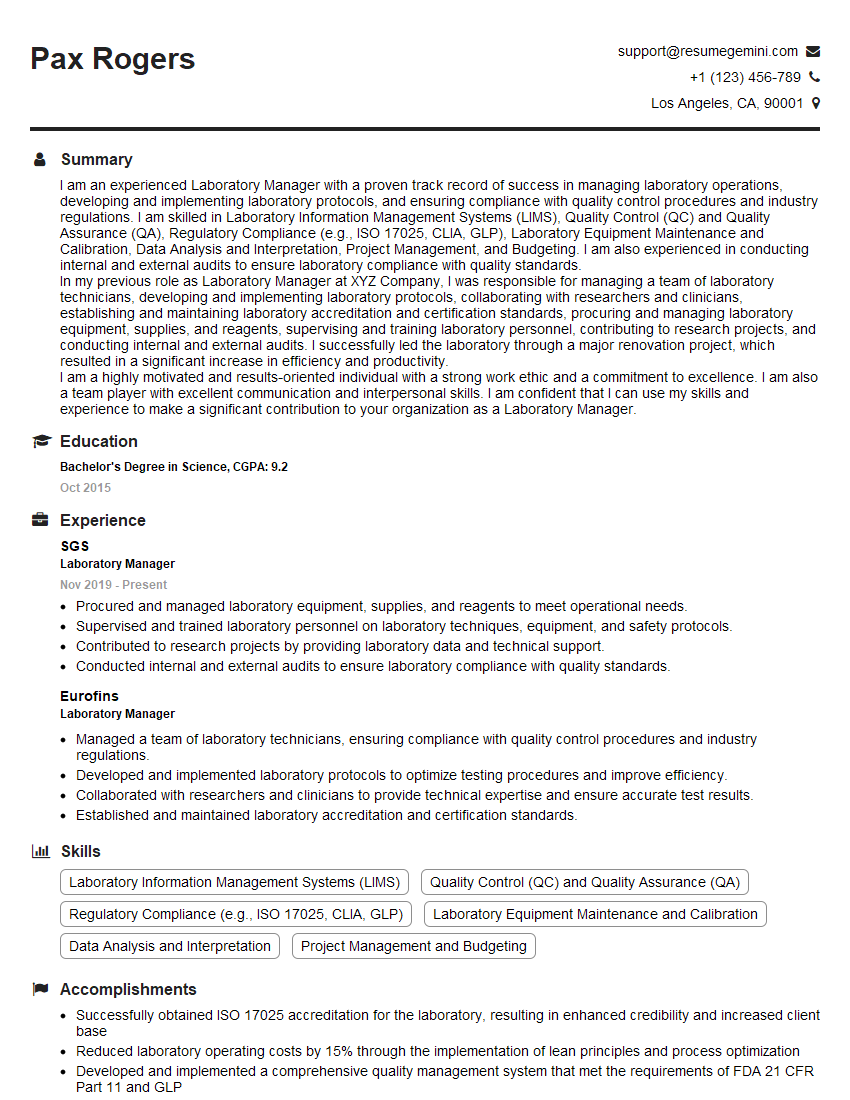
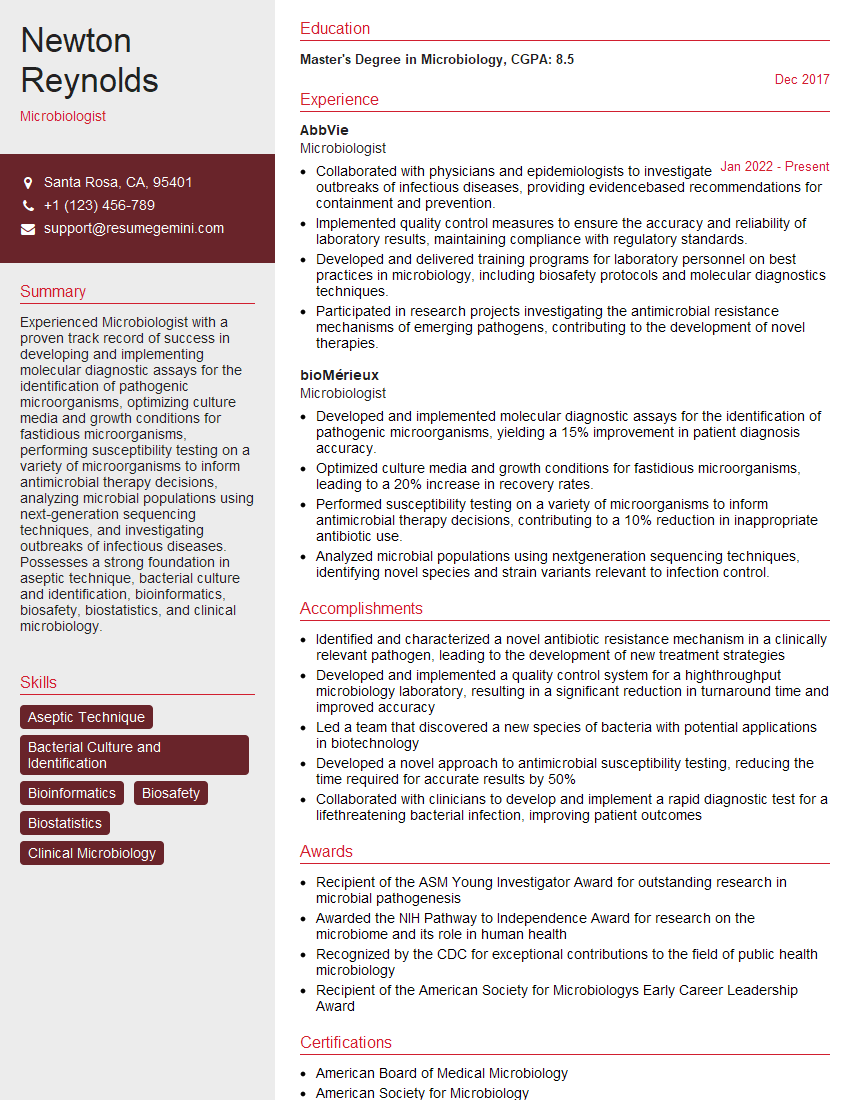
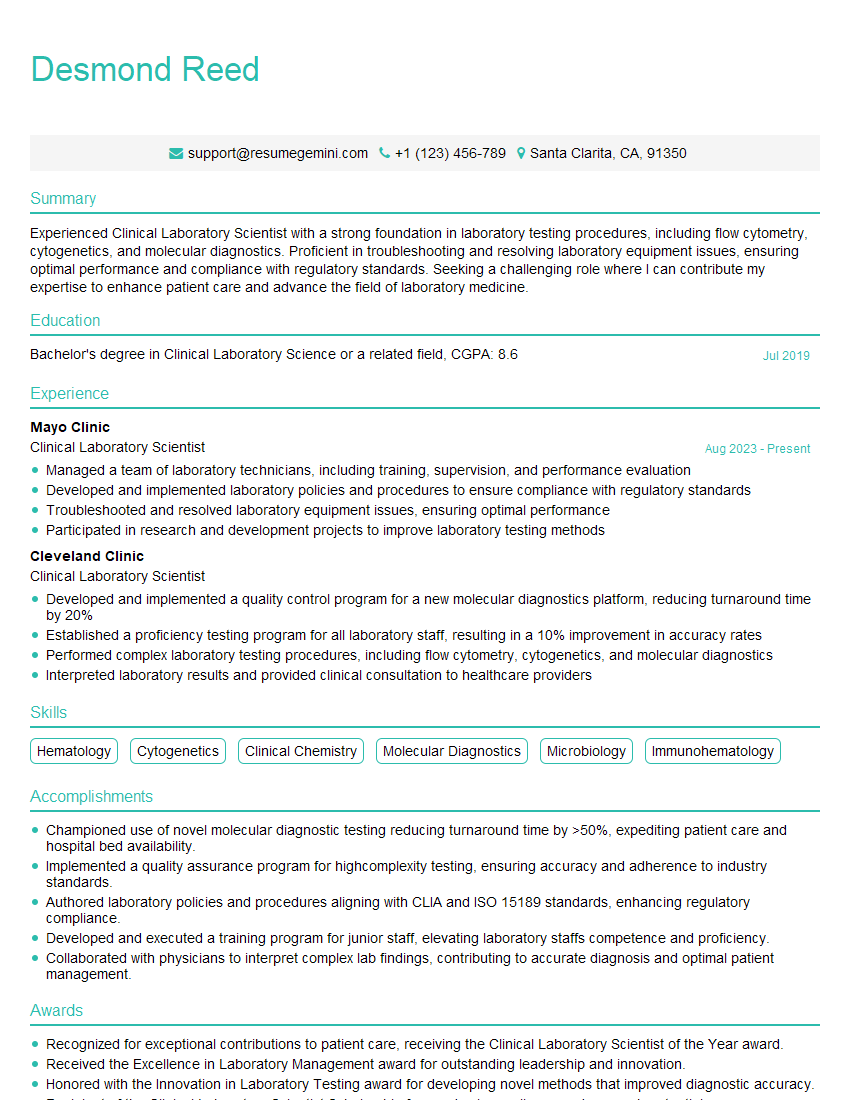
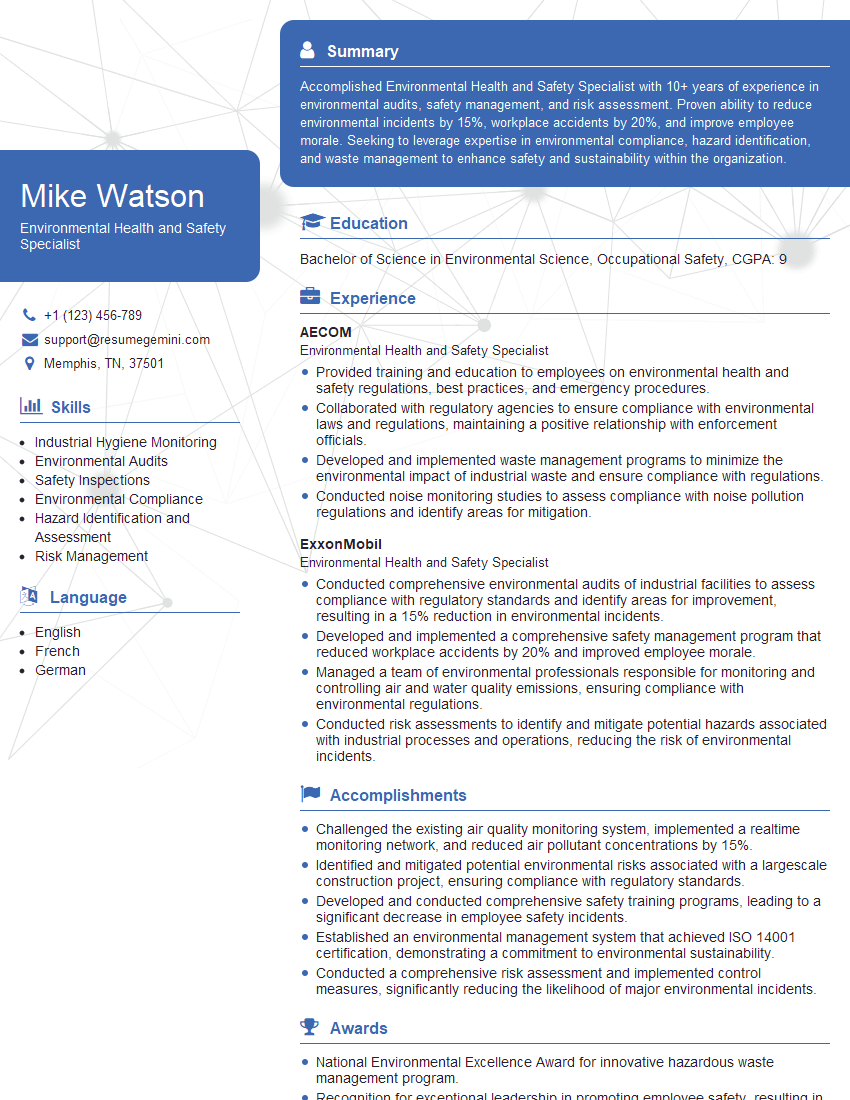
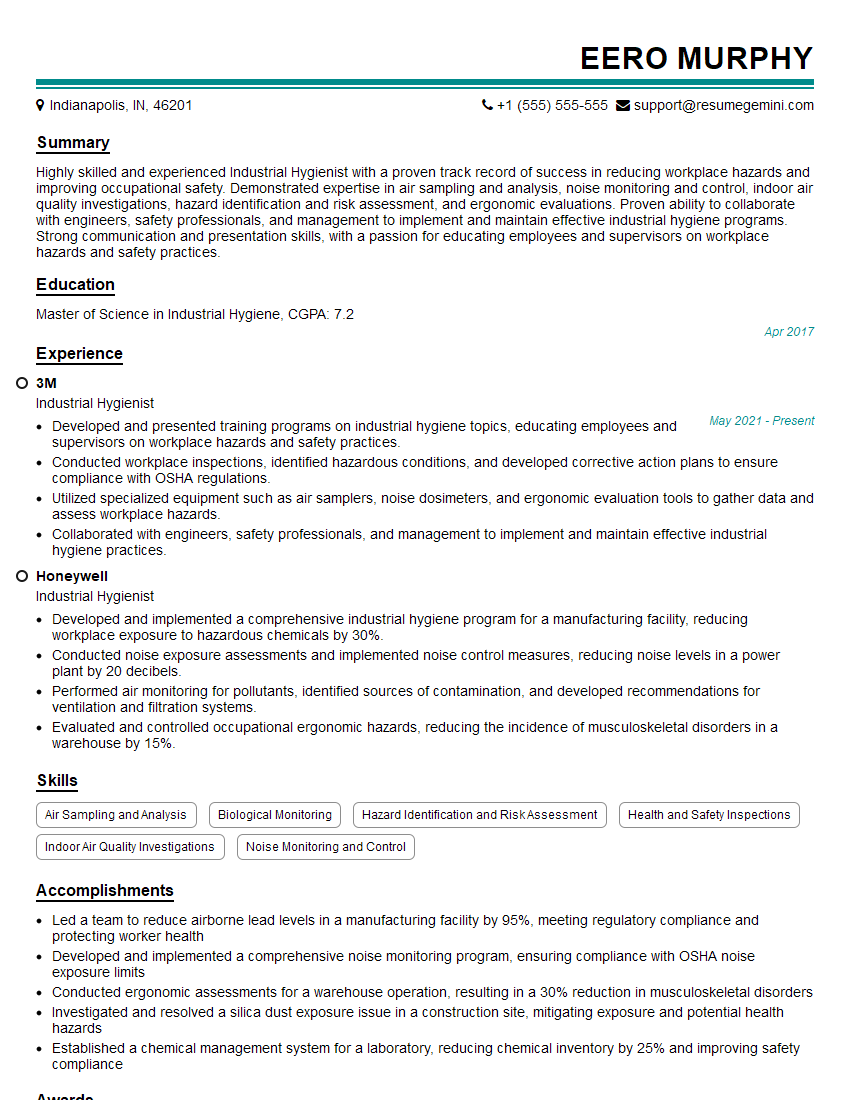
Mastering Biosafety and Pathogen Handling is crucial for a successful career in many scientific fields, opening doors to exciting opportunities and demonstrating a commitment to safety and responsible research. A strong resume is key to showcasing your skills and experience to potential employers. To ensure your qualifications stand out, create an ATS-friendly resume that highlights your accomplishments and technical proficiencies. ResumeGemini is a valuable resource to help you build a professional and impactful resume that will catch the eye of recruiters. ResumeGemini provides examples of resumes tailored to Biosafety and Pathogen Handling to help you create the perfect application.

Explore more articles
Users Rating of Our Blogs
Share Your Experience
We value your feedback! Please rate our content and share your thoughts (optional).
What Readers Say About Our Blog
To the interviewgemini.com Webmaster.
Very helpful and content specific questions to help prepare me for my interview!
Thank you
To the interviewgemini.com Webmaster.
This was kind of a unique content I found around the specialized skills. Very helpful questions and good detailed answers.
Very Helpful blog, thank you Interviewgemini team.