Preparation is the key to success in any interview. In this post, we’ll explore crucial Group Dynamics and Process Management interview questions and equip you with strategies to craft impactful answers. Whether you’re a beginner or a pro, these tips will elevate your preparation.
Questions Asked in Group Dynamics and Process Management Interview
Q 1. Describe your experience facilitating group discussions and resolving conflicts.
Facilitating productive group discussions and resolving conflicts requires a nuanced understanding of group dynamics. My approach centers around creating a safe and inclusive environment where everyone feels comfortable sharing their perspectives. This starts with establishing clear ground rules and expectations at the outset, emphasizing respectful communication and active listening. I utilize various techniques, such as brainstorming sessions, nominal group technique, and structured debates, to ensure all voices are heard and considered.
When conflicts arise, I employ a collaborative problem-solving approach. Instead of focusing on assigning blame, I guide the group towards identifying the root cause of the disagreement and finding mutually acceptable solutions. This often involves active mediation, helping individuals understand each other’s viewpoints and finding common ground. For example, during a project where team members disagreed on the optimal design approach, I facilitated a workshop where each team member presented their proposal, highlighting its strengths and weaknesses. We then collectively evaluated the options, combining the best elements of each to create a superior solution. This collaborative process transformed a potential conflict into an opportunity for creative problem-solving.
Q 2. Explain your approach to identifying and addressing process bottlenecks.
Identifying process bottlenecks requires a systematic approach. I typically start with process mapping, visually representing the workflow to pinpoint areas of delay or inefficiency. This could involve using tools like swim lane diagrams or flowcharts. Once bottlenecks are identified, I analyze the root causes using techniques like the 5 Whys (repeatedly asking ‘why’ to uncover the underlying reasons for a problem) or Pareto analysis (focusing on the 20% of causes that create 80% of the effects).
Addressing bottlenecks involves implementing targeted solutions. This might include automating repetitive tasks, streamlining workflows, improving communication channels, or providing additional training or resources. For instance, in a previous role, process mapping revealed that a significant delay occurred in the approval stage of new product development. By streamlining the approval process and implementing an online approval system, we significantly reduced the bottleneck, shortening the overall project timeline.
Q 3. How do you measure the effectiveness of a team or process?
Measuring team or process effectiveness depends on establishing clear, measurable goals upfront. Key Performance Indicators (KPIs) are crucial. These can be quantitative (e.g., project completion rate, customer satisfaction scores, defect rates) or qualitative (e.g., team morale, collaboration effectiveness, innovation).
I utilize a balanced scorecard approach, considering various perspectives (financial, customer, internal processes, learning and growth). Regular monitoring and data analysis are critical for tracking progress and identifying areas for improvement. For example, when evaluating a team’s performance, I might track their velocity (in Agile terms), defect rates, and client feedback scores, alongside conducting regular team check-ins to assess morale and collaboration. This holistic approach provides a comprehensive picture of the team’s effectiveness.
Q 4. What methodologies (e.g., Agile, Lean) have you utilized in process improvement?
I have extensive experience utilizing Agile and Lean methodologies for process improvement. Agile, with its iterative approach and emphasis on collaboration, is particularly effective for managing complex projects and adapting to changing requirements. I’ve implemented Scrum and Kanban, utilizing tools like Jira and Trello to track progress and manage tasks. Lean principles, focused on eliminating waste and maximizing value, have been instrumental in streamlining processes and optimizing efficiency. I’ve successfully implemented value stream mapping to identify and eliminate waste in various workflows.
For example, in a previous project, we transitioned from a waterfall to an Agile approach, resulting in increased flexibility, faster delivery times, and improved stakeholder satisfaction. By applying Lean principles, we identified and eliminated redundant steps in the manufacturing process, reducing lead times and increasing production output.
Q 5. Describe a time you improved a team’s efficiency.
In a previous role, a marketing team was struggling to meet deadlines and manage a large volume of campaigns effectively. The process was disorganized, with tasks assigned haphazardly and communication breakdowns frequently occurring. I implemented a Kanban system, visualizing the workflow and limiting work in progress (WIP). This provided better clarity on task status and dependencies. I also introduced daily stand-up meetings to foster better communication and coordination.
The result was a significant improvement in team efficiency. Deadlines were consistently met, the team felt more organized and less stressed, and the quality of campaign execution improved significantly. The Kanban board provided a clear visual representation of the workflow, making it easy for everyone to understand the current status and identify any potential roadblocks. The daily stand-up meetings ensured prompt identification and resolution of issues.
Q 6. How do you handle resistance to change within a team or organization?
Resistance to change is a common challenge in any organization. My approach involves understanding the root causes of the resistance, which might include fear of the unknown, loss of control, or lack of trust. I address this by proactively communicating the reasons for change, emphasizing its benefits and addressing concerns transparently.
I involve team members in the change process, soliciting their input and ensuring they feel heard and valued. This participatory approach fosters a sense of ownership and reduces resistance. Providing training and support to help individuals adapt to the new processes is also crucial. For example, when implementing a new project management software, I conducted training sessions, provided ongoing support, and addressed individual concerns, ultimately ensuring a smooth transition.
Q 7. Explain your understanding of different team communication styles.
Understanding different team communication styles is vital for effective collaboration. Some team members may prefer direct, concise communication, while others are more comfortable with detailed explanations and collaborative discussions. There are various communication styles, including assertive, passive, aggressive, and passive-aggressive.
I adapt my communication style to the individual and the situation. I encourage open and honest communication, providing regular feedback and creating opportunities for constructive dialogue. For example, if a team member is hesitant to speak up, I create a safe space where they feel comfortable sharing their thoughts. Recognizing and accommodating different communication preferences fosters a more inclusive and collaborative team environment.
Q 8. How do you foster collaboration and trust within a team?
Fostering collaboration and trust is the cornerstone of any successful team. It’s not a one-time event but a continuous process requiring proactive effort and consistent attention. Think of it like building a strong bridge – it requires solid foundations and regular maintenance.
Open Communication: Establishing clear communication channels and encouraging open dialogue is paramount. This means regular team meetings, readily available communication platforms, and a culture where team members feel comfortable expressing their opinions, concerns, and ideas without fear of judgment.
Shared Goals and Vision: A shared understanding of the team’s objectives and a collectively developed vision provides a unifying force. When everyone is working towards the same goal, collaboration becomes more natural. I often facilitate sessions where we collectively define our goals and create a visual representation (like a mind map) to solidify our shared understanding.
Team Building Activities: Engaging in activities outside of regular work strengthens relationships and builds rapport. These could range from informal social gatherings to more structured team-building exercises designed to improve communication and problem-solving skills. The key is to choose activities that suit the team’s personality and dynamics.
Recognition and Appreciation: Acknowledging individual and team accomplishments fosters a positive and supportive environment. Publicly recognizing contributions, both big and small, strengthens team morale and encourages continued collaboration. Simple gestures like a “thank you” or highlighting exceptional work in team meetings can go a long way.
Conflict Resolution Mechanisms: Establishing clear processes for addressing conflict is crucial. This might involve mediation, facilitated discussions, or the use of conflict resolution tools. It’s important to approach disagreements constructively and focus on finding mutually acceptable solutions.
Q 9. Describe your approach to project planning and execution.
My approach to project planning and execution is grounded in a structured, iterative methodology, often incorporating Agile principles. I believe in breaking down large projects into smaller, manageable tasks to enhance visibility and facilitate progress tracking. Think of it as assembling a complex Lego model – you wouldn’t try to build the whole thing at once.
Initiation: This involves clearly defining project goals, scope, and deliverables, along with identifying key stakeholders and establishing a realistic timeline.
Planning: This stage includes creating a detailed project plan, allocating resources, defining roles and responsibilities, and developing a risk management plan. We utilize tools like Gantt charts to visualize task dependencies and timelines.
Execution: This phase involves carrying out the project plan, monitoring progress, and making necessary adjustments along the way. Regular team meetings and progress reports are crucial for staying on track.
Monitoring and Control: Closely monitoring progress against the plan allows for early identification of potential issues and allows for corrective actions. Key performance indicators (KPIs) are regularly reviewed and compared against targets.
Closure: Once the project is completed, a thorough review is conducted to document lessons learned and assess overall project success. This information is invaluable for future projects.
Q 10. What tools and techniques do you use for process mapping and analysis?
Process mapping and analysis are essential for understanding and improving workflows. I utilize a variety of tools and techniques depending on the complexity and scope of the process.
Flowcharts: These are visual representations of a process, showing the sequence of steps and decision points. I often use tools like Lucidchart or draw.io to create these.
Swimlane Diagrams: These extend flowcharts by showing who is responsible for each step, making it easier to identify bottlenecks and areas for improvement.
Business Process Modeling Notation (BPMN): This standardized notation provides a more detailed and rigorous way to model business processes, especially useful for complex systems.
Value Stream Mapping: This technique helps identify and eliminate waste in a process by visualizing the entire flow of materials and information.
Data Analysis Techniques: Analyzing process data, such as cycle times and defect rates, helps identify areas for improvement. Tools like Excel or specialized process mining software are often employed.
For example, I recently used swimlane diagrams to analyze a customer service process, identifying a bottleneck in the escalation procedure which we then addressed resulting in a 20% reduction in resolution times.
Q 11. How do you identify and mitigate risks in a project or process?
Risk management is a proactive process, not a reactive one. Identifying and mitigating risks is crucial to project success. It’s about anticipating potential problems and developing strategies to prevent or minimize their impact. Think of it as a preemptive strike against potential threats.
Risk Identification: This involves brainstorming potential risks, using techniques like SWOT analysis (Strengths, Weaknesses, Opportunities, Threats) or brainstorming sessions.
Risk Assessment: Once risks are identified, they are assessed based on their likelihood and potential impact. This often involves assigning probabilities and severity levels.
Risk Response Planning: For each risk, a response plan is developed. This could involve avoidance, mitigation (reducing the likelihood or impact), transference (shifting the risk to another party), or acceptance (acknowledging the risk and its potential consequences).
Risk Monitoring and Control: Throughout the project, risks are monitored and the response plans are reviewed and updated as needed. Regular risk reviews are crucial.
Q 12. How do you ensure accountability within a team?
Accountability is essential for a high-performing team. It’s about ensuring that everyone understands their responsibilities and is held responsible for their actions. This is not about blame, but about ownership and commitment.
Clear Roles and Responsibilities: Clearly defined roles and responsibilities prevent confusion and ensure everyone knows what is expected of them. A RACI matrix (Responsible, Accountable, Consulted, Informed) is a helpful tool.
Regular Check-ins and Feedback: Regular progress updates and feedback sessions provide opportunities to address any issues and ensure everyone is on track. This includes both positive reinforcement and constructive criticism.
Performance Management Systems: Formal performance management systems, including regular performance reviews and goal setting, can help to reinforce accountability and track individual contributions.
Consequences for Non-Performance: While not always pleasant, establishing clear consequences for non-performance is essential to maintaining accountability within the team. This could involve coaching, retraining, or, in severe cases, disciplinary action.
Q 13. Describe a situation where you had to make a difficult decision regarding team dynamics.
In a previous project, we faced a significant challenge when a key team member consistently missed deadlines and failed to communicate effectively. This impacted the overall project schedule and created tension within the team. After several informal attempts to address the issue, I had to make a difficult decision to formally address the issue with the team member, involving management. This involved a frank discussion about expectations, performance, and consequences. While uncomfortable, this was crucial for maintaining project integrity and the morale of the rest of the team. The outcome was a performance improvement plan and, ultimately, a positive resolution. The experience highlighted the importance of early intervention and clear communication in addressing performance issues within a team.
Q 14. How do you handle personality clashes within a team?
Personality clashes are inevitable in any team. The key is to address them constructively and prevent them from escalating into larger conflicts. I approach this by focusing on behavior rather than personality. It’s about managing the interaction, not judging the individual.
Mediation: If a conflict arises, I often act as a mediator, facilitating a discussion between the individuals involved. The goal is to help them understand each other’s perspectives and find a common ground.
Clear Expectations and Ground Rules: Setting clear expectations about professional conduct and establishing ground rules for communication can help to prevent misunderstandings and conflict.
Focus on Behavior, Not Personality: I encourage team members to focus on specific behaviors rather than making general judgments about personality. This keeps the discussion productive and solutions-oriented.
Team Building Activities: As mentioned previously, team-building exercises can help to build rapport and foster understanding between team members. However, I pay careful attention to selecting activities that are inclusive and encourage positive interactions.
Involvement of HR (if necessary): In cases where conflict is severe or cannot be resolved internally, I may involve HR to provide further support and guidance.
Q 15. What is your experience with performance management within a team context?
Performance management within a team isn’t just about individual targets; it’s about fostering a collaborative environment where everyone contributes to shared goals. My approach involves a multi-faceted strategy. Firstly, I establish clear expectations and Key Performance Indicators (KPIs) collaboratively with the team, ensuring everyone understands their role and how their performance impacts the overall objective. This transparency is crucial. Secondly, I implement regular check-ins – both individual and group – using a combination of methods like one-on-one meetings, peer feedback sessions, and project retrospectives. This allows for timely feedback, identification of potential roadblocks, and proactive course correction. Thirdly, I leverage various performance management tools to track progress, identify trends, and celebrate successes. For example, I might use a project management software to monitor task completion rates or a collaborative platform to collect peer feedback. Finally, I focus on continuous improvement, using performance data to identify areas for skill development and to adapt strategies as needed. In one project, we used data from regular check-ins to identify a knowledge gap in a specific skillset, prompting us to organize targeted training sessions which led to a significant improvement in team performance and project delivery.
Career Expert Tips:
- Ace those interviews! Prepare effectively by reviewing the Top 50 Most Common Interview Questions on ResumeGemini.
- Navigate your job search with confidence! Explore a wide range of Career Tips on ResumeGemini. Learn about common challenges and recommendations to overcome them.
- Craft the perfect resume! Master the Art of Resume Writing with ResumeGemini’s guide. Showcase your unique qualifications and achievements effectively.
- Don’t miss out on holiday savings! Build your dream resume with ResumeGemini’s ATS optimized templates.
Q 16. Describe your experience with different decision-making models.
My experience encompasses a range of decision-making models, each suited to different contexts. For instance, in situations requiring quick action with readily available information, a democratic model, where the team collaboratively decides, is effective. This fosters buy-in and shared responsibility. However, when dealing with complex issues requiring specialized expertise, a consultative model is more appropriate. This involves seeking input from relevant stakeholders before making a final decision. In high-pressure situations where speed is of the essence, a autocratic model, where a leader makes the decision, might be necessary. This should, however, be carefully balanced with transparency and justification post-decision. Finally, I’ve used a consensus-based model for decisions impacting the entire team long-term. This model involves extensive discussion and negotiation until a decision is reached that is acceptable to everyone. The choice of model depends heavily on the situation’s urgency, the availability of information, and the team’s dynamics and maturity level. I always aim for transparency and ensure everyone understands the rationale behind the chosen decision-making process.
Q 17. How do you ensure effective knowledge transfer within a team?
Effective knowledge transfer is critical for team success and continuity. My approach focuses on creating a culture of sharing. I encourage regular knowledge-sharing sessions, where team members present their expertise or insights on specific topics. We utilize various methods including:
- Mentorship programs: Pairing experienced team members with newer ones for guidance and training.
- Documentation: Establishing a central repository for project documentation, standard operating procedures, and best practices.
- Knowledge bases: Utilizing internal wikis or other platforms to store and share information.
- Cross-training: Encouraging team members to work on different projects to gain diverse experience and understanding.
- Shadowing: Allowing team members to observe colleagues performing tasks to learn through practical demonstration.
Q 18. How do you prioritize tasks and manage competing deadlines within a project?
Prioritizing tasks and managing competing deadlines requires a structured approach. I typically use a combination of techniques, including:
- Prioritization matrices: Employing frameworks like Eisenhower Matrix (Urgent/Important) to categorize tasks based on their urgency and importance.
- Project management software: Utilizing tools like Jira or Asana to track tasks, deadlines, and dependencies.
- Work breakdown structure (WBS): Breaking down large projects into smaller, manageable tasks to improve visibility and control.
- Gantt charts: Visually representing project timelines to identify potential conflicts and dependencies.
- Regular team meetings: Holding frequent meetings to discuss progress, address roadblocks, and readjust priorities as needed.
Q 19. How do you use data to drive process improvement decisions?
Data is crucial for driving process improvements. I utilize data analytics to identify bottlenecks, inefficiencies, and areas for optimization. This involves collecting data from various sources, such as project management software, performance metrics, and customer feedback. I then analyze this data to identify trends and patterns. For example, if we see consistently high rates of defects in a particular stage of a process, this data points to a potential issue requiring further investigation and improvement. I use data visualization tools to present findings clearly and concisely, making it easier for the team to understand the issues and potential solutions. Data-driven decision-making ensures that improvements are targeted and effective, leading to demonstrable gains in efficiency and quality. In a recent project, analyzing project completion data revealed an unexpected bottleneck in the testing phase. By addressing this bottleneck through process redesign, we significantly reduced project cycle times and improved overall delivery.
Q 20. What metrics are most important to you when assessing process success?
The most important metrics for assessing process success are those aligned with the overall project goals. However, some key metrics I consistently monitor include:
- Efficiency: Measuring the time and resources required to complete a task or project.
- Effectiveness: Assessing the extent to which a process achieves its intended outcomes.
- Quality: Tracking defect rates, customer satisfaction, and error rates.
- Cost: Monitoring the financial impact of the process.
- Cycle time: Measuring the time taken to complete a process from start to finish.
- Employee satisfaction: Assessing how satisfied employees are with the process.
Q 21. How do you ensure consistent application of processes across different teams?
Ensuring consistent application of processes across different teams requires a structured and standardized approach. This involves:
- Centralized documentation: Establishing a single source of truth for all process documentation, ensuring consistency across all teams.
- Standard operating procedures (SOPs): Developing clear and concise SOPs for each process, outlining steps, responsibilities, and expectations.
- Training and onboarding: Providing comprehensive training to all team members on the standardized processes.
- Regular audits and reviews: Conducting regular audits to assess process adherence and identify areas for improvement.
- Communication and collaboration: Facilitating regular communication between teams to share best practices and address inconsistencies.
- Process improvement initiatives: Implementing continuous improvement initiatives to refine processes and address any identified gaps.
Q 22. Describe your approach to defining and measuring Key Performance Indicators (KPIs).
Defining and measuring Key Performance Indicators (KPIs) is crucial for effective process management. My approach is a three-step process: Strategic Alignment, Measurable Definition, and Continuous Monitoring.
First, Strategic Alignment ensures KPIs directly support overall business objectives. I start by understanding the organization’s strategic goals and then work backward to identify the key processes that contribute most significantly to achieving those goals. For instance, if the overarching goal is increased customer satisfaction, relevant KPIs might include customer satisfaction scores (CSAT), Net Promoter Score (NPS), and resolution time for customer complaints.
Next, Measurable Definition involves crafting specific, measurable, achievable, relevant, and time-bound (SMART) KPIs. Vague targets are useless. Instead of simply aiming for ‘improved efficiency,’ we define a KPI like ‘reduce order processing time by 15% within the next quarter.’ This clarity allows for accurate tracking and progress assessment. I often use data visualization tools to represent the KPIs clearly and accessibly.
Finally, Continuous Monitoring involves regular tracking and reporting on KPIs. This data informs adjustments to processes and strategies. I advocate for using dashboards and regular progress reports to maintain transparency and accountability. If we notice that our order processing time isn’t improving, we delve deeper to understand why, perhaps identifying bottlenecks or training needs within the process.
Q 23. Explain your experience with root cause analysis.
Root cause analysis is essential for preventing recurring problems. My preferred method is the 5 Whys technique, combined with a Fishbone Diagram (Ishikawa Diagram) for a more comprehensive view. The 5 Whys involves repeatedly asking ‘why’ to delve deeper into the cause of a problem. For example, if a project is delayed, the first ‘why’ might be ‘missed deadline.’ The second ‘why’ could be ‘inadequate resources.’ The third ‘why’ might be ‘poor resource allocation planning,’ and so on, until the root cause is uncovered.
The Fishbone Diagram provides a visual representation of potential causes categorized by factors like people, equipment, methods, and materials. This helps in brainstorming potential root causes and prevents overlooking important factors. I typically facilitate a collaborative session with the team to complete the Fishbone diagram, leveraging their collective knowledge and insights. This collaborative approach makes the process more engaging and increases buy-in for the solutions.
Once the root cause is identified, we develop and implement corrective actions, and then closely monitor the effectiveness of these actions using relevant KPIs. This ensures the problem is solved and doesn’t resurface.
Q 24. How do you handle unexpected challenges or setbacks in a project or process?
Unexpected challenges are inevitable. My approach emphasizes proactive risk management, flexible planning, and effective communication. Before a project starts, I conduct a thorough risk assessment, identifying potential problems and developing contingency plans. This allows us to be prepared for a wider range of scenarios.
When unexpected setbacks occur, I convene the team to assess the impact, identify the root cause using techniques like the 5 Whys, and then collaboratively develop solutions. Open and honest communication is crucial during this phase to maintain morale and trust. I might need to adjust the project timeline, resources, or even the scope to accommodate the unexpected challenge. Transparency with stakeholders is essential, keeping them informed every step of the way. If needed, I utilize techniques like agile methodologies to adapt rapidly to change.
For example, if a key supplier goes out of business, we’d immediately explore alternative suppliers, potentially renegotiating contracts or making adjustments to specifications. Post-incident reviews help to learn from the experience and improve our future risk mitigation strategies.
Q 25. How do you adapt your approach to group dynamics based on team context and composition?
Adapting to group dynamics is vital for successful team work. I use a contextual approach, considering factors like team size, members’ personalities, experience levels, and the project’s nature. For example, a small, highly experienced team might thrive with a more autonomous, decentralized approach. Conversely, a larger, less experienced team may benefit from a more structured, centralized leadership style.
I utilize tools such as Belbin Team Roles or Myers-Briggs Type Indicator (MBTI) assessments (with team consent) to understand team member strengths and weaknesses, facilitating better collaboration and conflict resolution. Understanding team dynamics can help preemptively address potential issues.
My communication style adapts to the team’s context. With some teams, direct and assertive communication works well, while with others, a more collaborative and empathetic style might be more appropriate. I am proficient in various facilitation and conflict resolution techniques, and I choose the most suitable approach based on team context and the nature of the issue. Regular team check-ins and feedback mechanisms are essential to proactively address emerging issues.
Q 26. Describe your experience with stakeholder management in a process improvement initiative.
Stakeholder management is crucial for the success of any process improvement initiative. My approach involves identifying all stakeholders early in the process – including those directly involved and those indirectly affected. This is often done via stakeholder mapping exercises. I then develop a communication plan tailored to each stakeholder group, ensuring they receive relevant information in a timely manner. Regular meetings and feedback sessions are critical to keep stakeholders informed and engaged.
I actively seek input and address concerns proactively. By involving stakeholders in the planning and implementation phases, I build buy-in and commitment. This also helps in identifying potential roadblocks early and developing mitigation strategies. Building trust and rapport with each stakeholder group is essential. For instance, regular updates to management demonstrate progress and alleviate concerns, while providing detailed explanations to frontline staff can reduce resistance to change.
Regular feedback mechanisms, including surveys and interviews, help to ensure that the initiative meets stakeholder needs and expectations. Any resistance to change is addressed through open dialogue and collaboration.
Q 27. How do you ensure that process improvements are sustainable over time?
Sustainability of process improvements requires a multi-pronged approach. Firstly, integration into existing systems and workflows is vital. Changes shouldn’t feel like add-ons; they should be seamlessly integrated. This requires careful planning and design. Secondly, training and ongoing support are essential to ensure that team members understand and effectively use the improved processes. This might involve workshops, job aids, or mentoring programs. Effective onboarding procedures are necessary for new hires.
Thirdly, establishing clear accountability is critical. Assigning responsibility for maintaining the improved process and measuring its ongoing effectiveness keeps it a priority. Regular monitoring and adjustments based on data and feedback help sustain positive results and make sure the improvements are relevant to the evolving needs. Finally, linking the improved process to performance evaluations can reinforce the importance of maintaining the changes.
For example, if a new software system is implemented to improve efficiency, regular training sessions for employees are needed, followed by ongoing support. Key metrics must be monitored to demonstrate continuous improvement. Failure to reinforce these aspects may cause the process to revert to its prior state.
Q 28. What is your experience with documenting and communicating process changes?
Documenting and communicating process changes is essential for transparency, training, and maintaining consistency. My approach involves creating clear, concise, and visually appealing documentation. This includes flowcharts, process maps, standard operating procedures (SOPs), and user manuals. The documentation should be easily accessible and updated regularly to reflect any changes.
Communication channels should be selected based on audience and information type. For example, internal emails are suitable for quick updates, while more comprehensive changes require formal documentation and presentations. Training sessions are vital to ensure that team members understand the changes. These should be interactive and tailored to different learning styles.
I utilize a version control system to manage documentation effectively, allowing for easy tracking of changes and collaboration among team members. This approach ensures that everyone has access to the most up-to-date information, reducing confusion and promoting consistency.
For instance, a revised SOP for a specific task would be clearly documented, including screenshots or videos to demonstrate the process. This document would then be distributed through the appropriate channels and included in employee training modules.
Key Topics to Learn for Group Dynamics and Process Management Interview
- Understanding Group Dynamics: Explore Tuckman’s stages of group development (forming, storming, norming, performing, adjourning), communication styles within teams, conflict resolution strategies, and the impact of groupthink.
- Process Improvement Methodologies: Familiarize yourself with Lean, Six Sigma, Agile methodologies, and their practical applications in optimizing workflows and enhancing team productivity. Consider case studies demonstrating your understanding.
- Team Leadership and Facilitation: Understand different leadership styles and their effectiveness in diverse team settings. Practice techniques for effective meeting facilitation, including agenda setting, time management, and conflict mediation.
- Process Mapping and Analysis: Learn how to visually represent workflows (e.g., using flowcharts, swim lane diagrams) to identify bottlenecks, inefficiencies, and areas for improvement. Practice analyzing process data to support recommendations.
- Change Management and Implementation: Understand the stages of organizational change and the strategies for effectively managing resistance and promoting buy-in from team members. Prepare to discuss approaches for successful change implementation.
- Risk Management and Mitigation in Processes: Learn how to identify, assess, and mitigate potential risks within processes. Practice developing strategies to minimize disruptions and ensure successful project completion.
- Metrics and Measurement: Understand key performance indicators (KPIs) used to track process effectiveness and team performance. Be prepared to discuss how data analysis informs decision-making and process optimization.
Next Steps
Mastering Group Dynamics and Process Management is crucial for career advancement in many fields, showcasing your ability to collaborate effectively, drive improvements, and lead teams to success. A strong resume is your first impression; make it count! Building an ATS-friendly resume significantly increases your chances of getting noticed by recruiters. ResumeGemini is a trusted resource to help you craft a compelling and effective resume that highlights your skills and experience in Group Dynamics and Process Management. We provide examples of resumes tailored to this field to guide you. Invest time in crafting a professional resume; it’s an investment in your future.
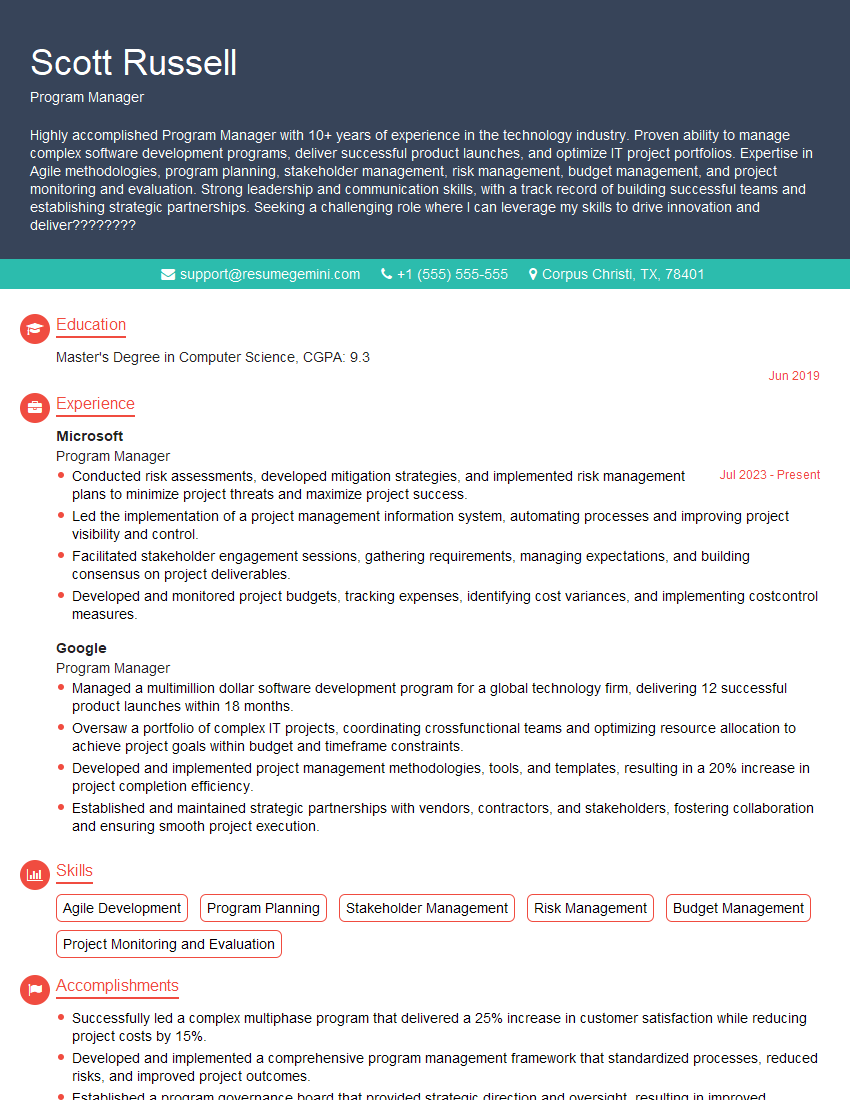
Program Manager Resume Sample
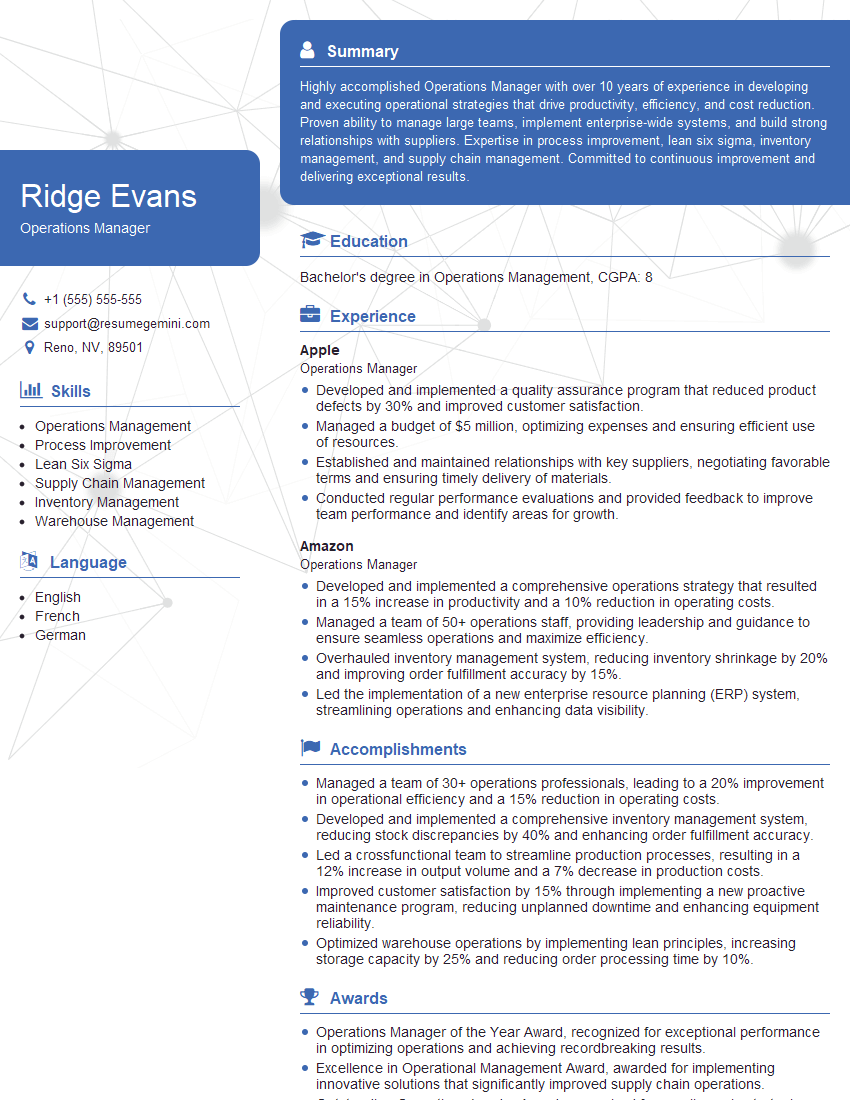
Operations Manager Resume Sample
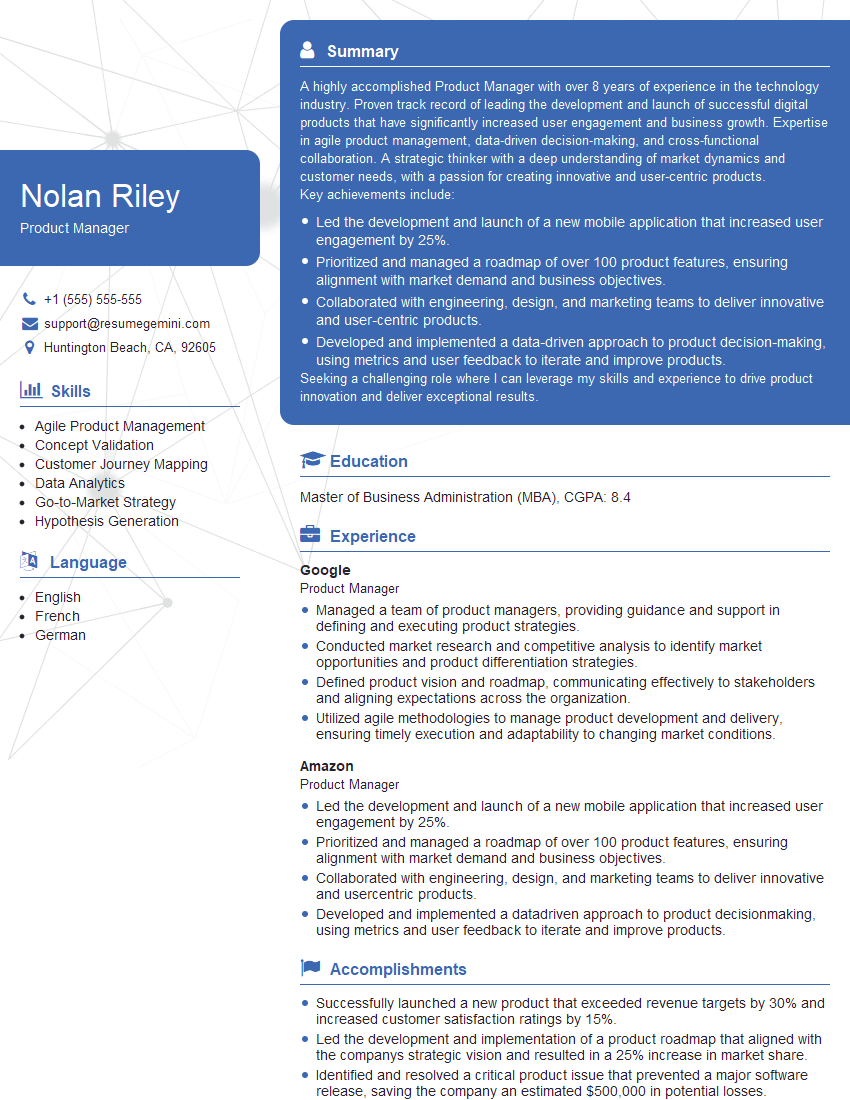
Product Manager Resume Sample
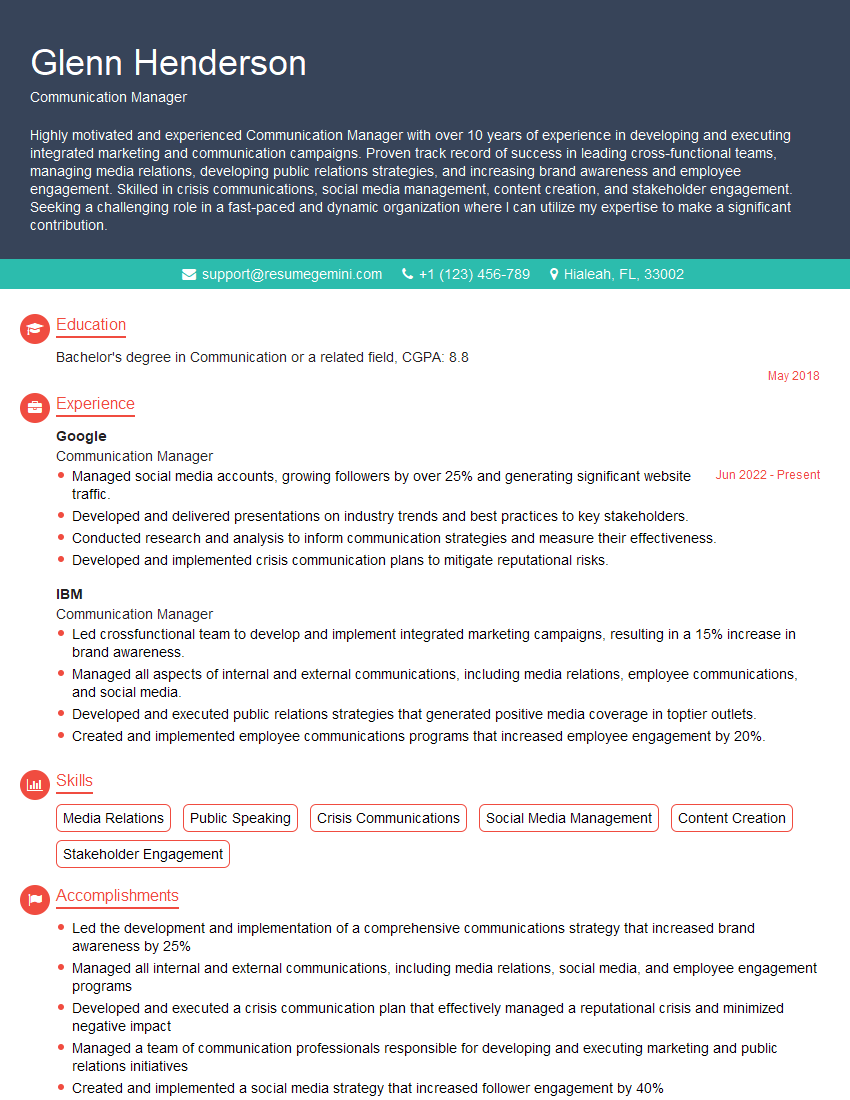
Communication Manager Resume Sample
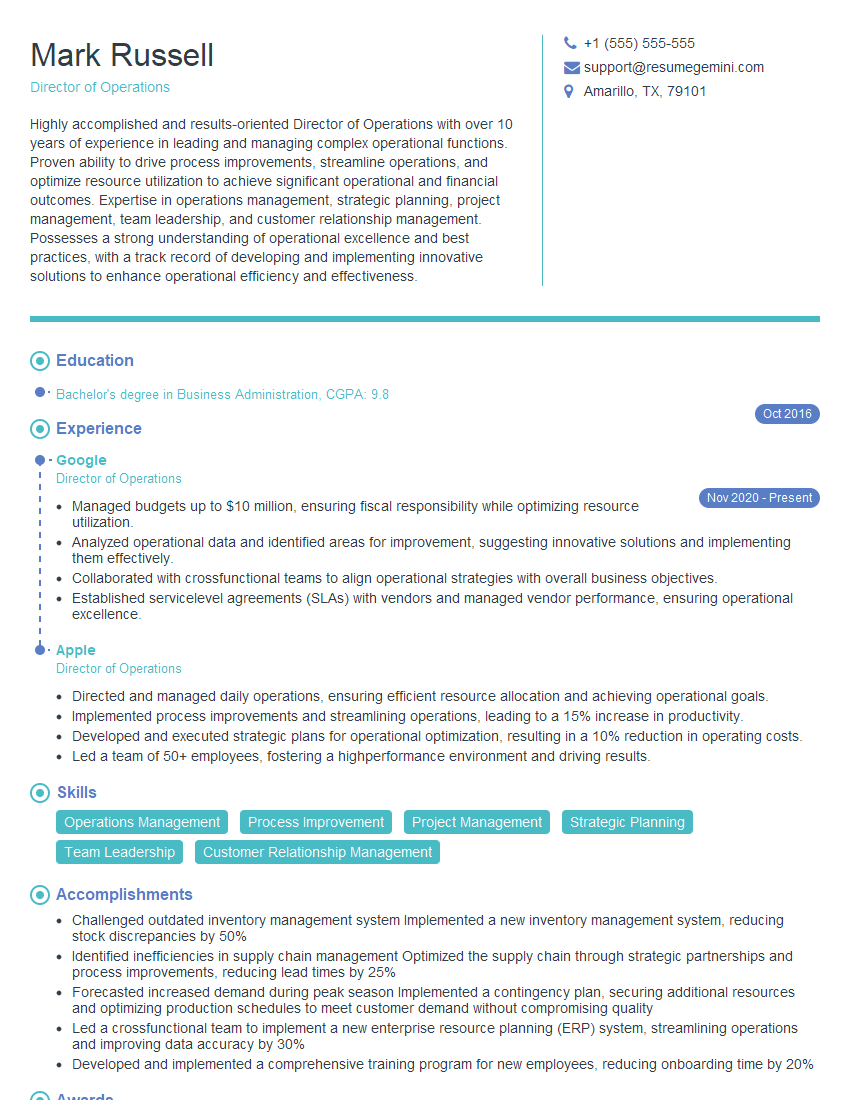
Director of Operations Resume Sample
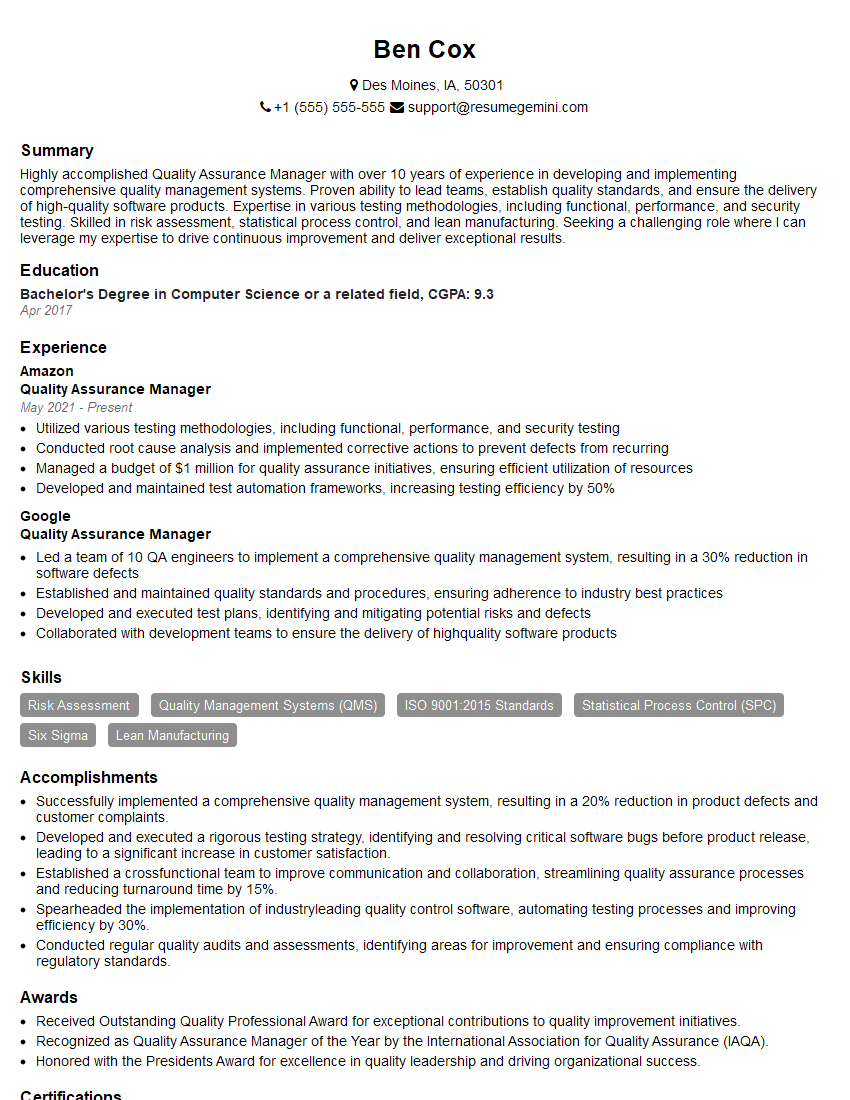
Quality Assurance Manager Resume Sample
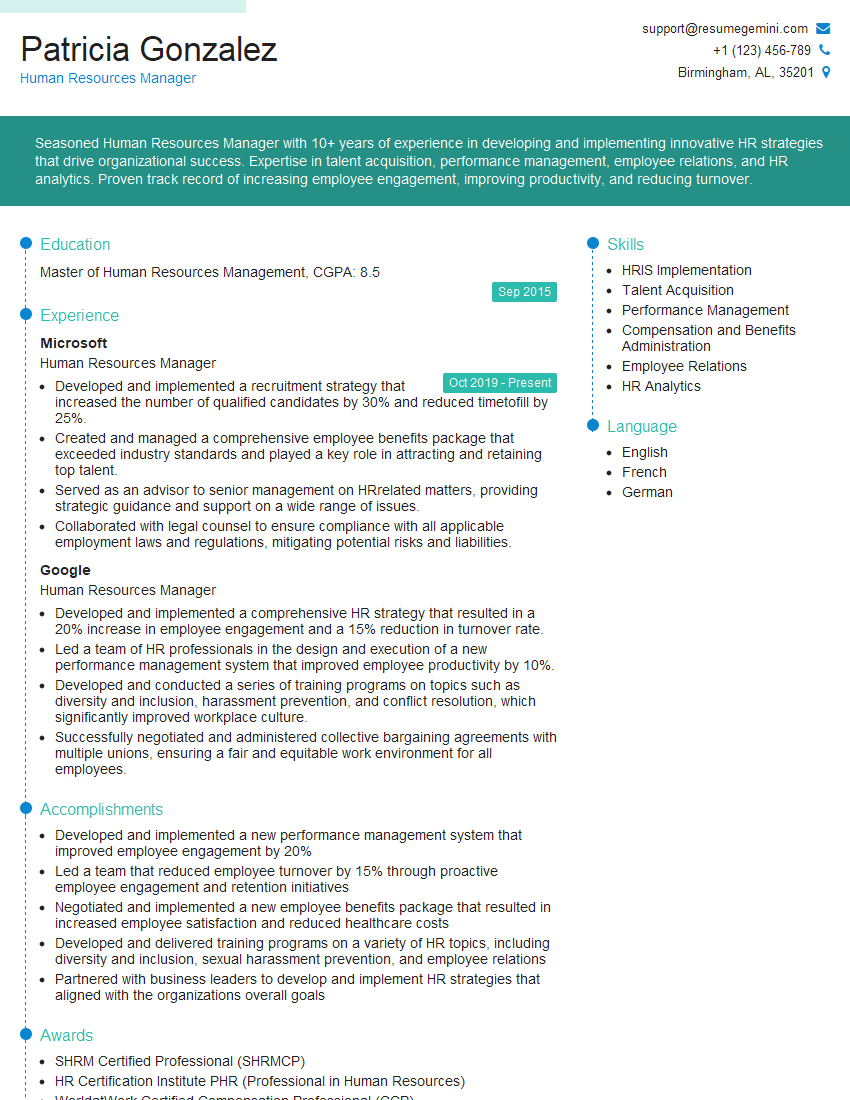
Human Resources Manager Resume Sample
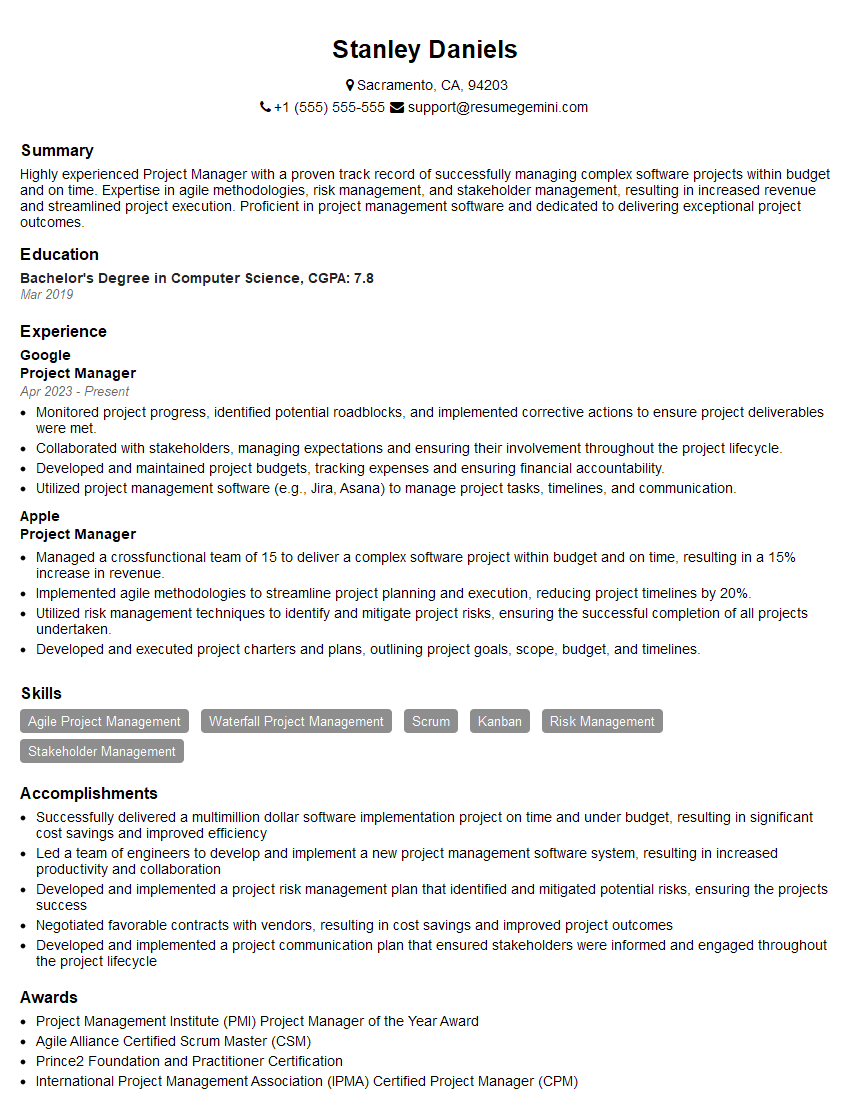
Project Manager Resume Sample
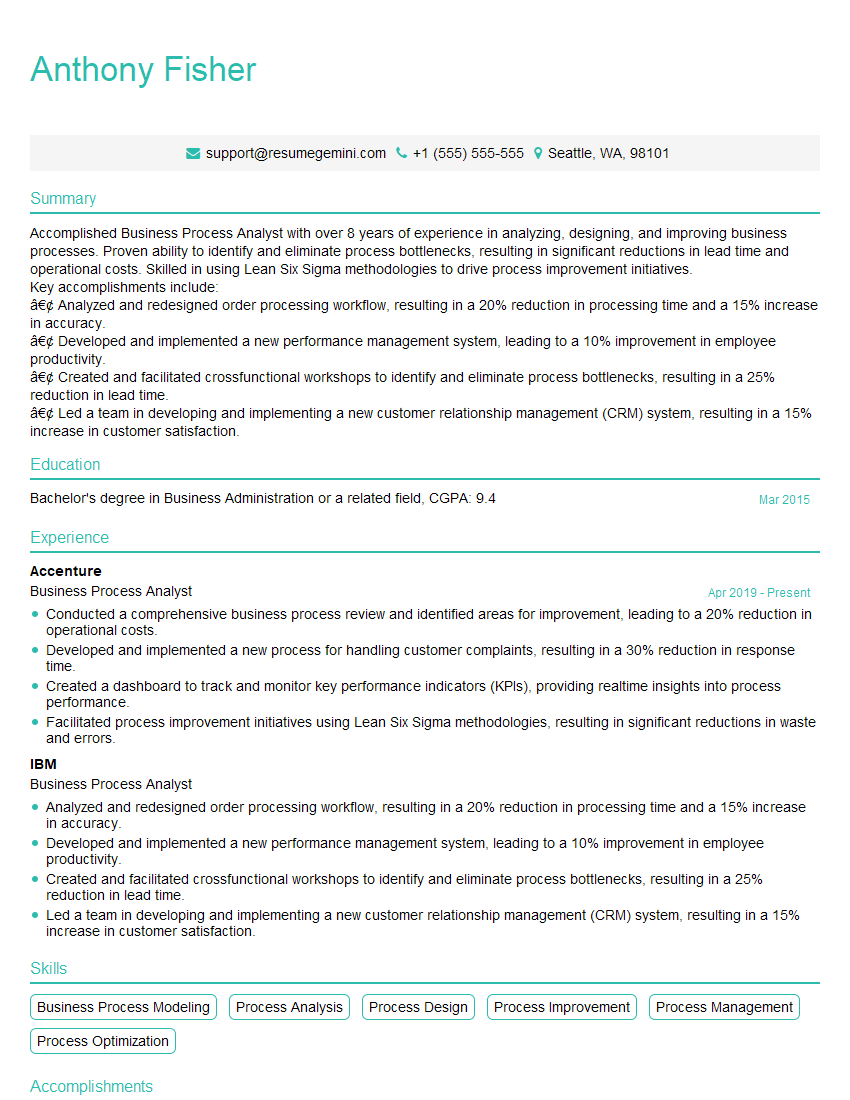
Business Process Analyst Resume Sample
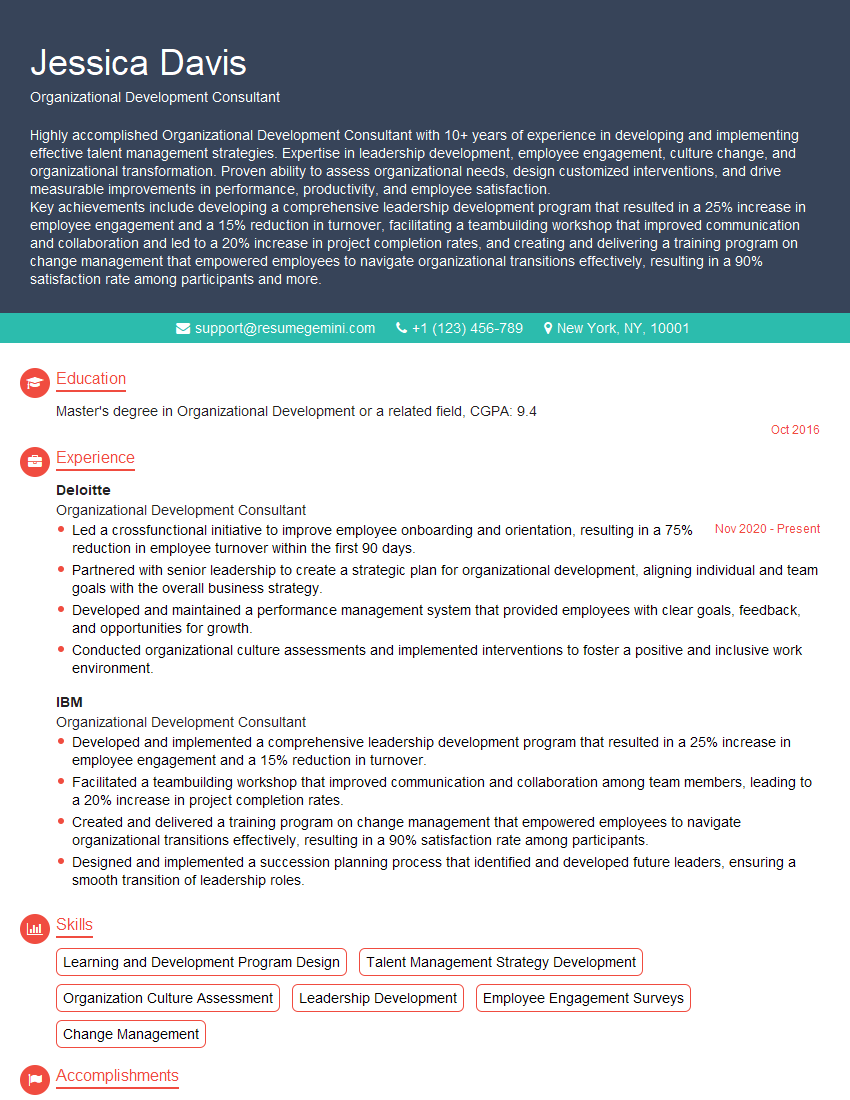
Organizational Development Consultant Resume Sample
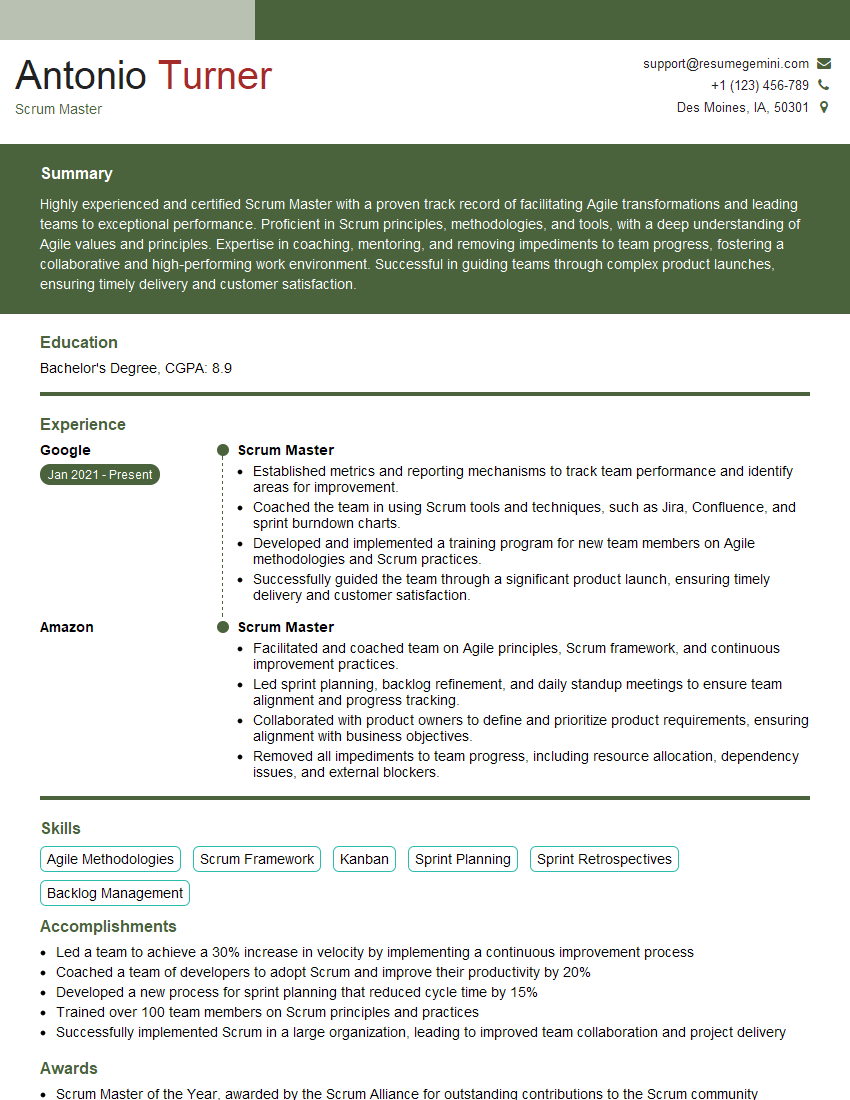
Scrum Master Resume Sample
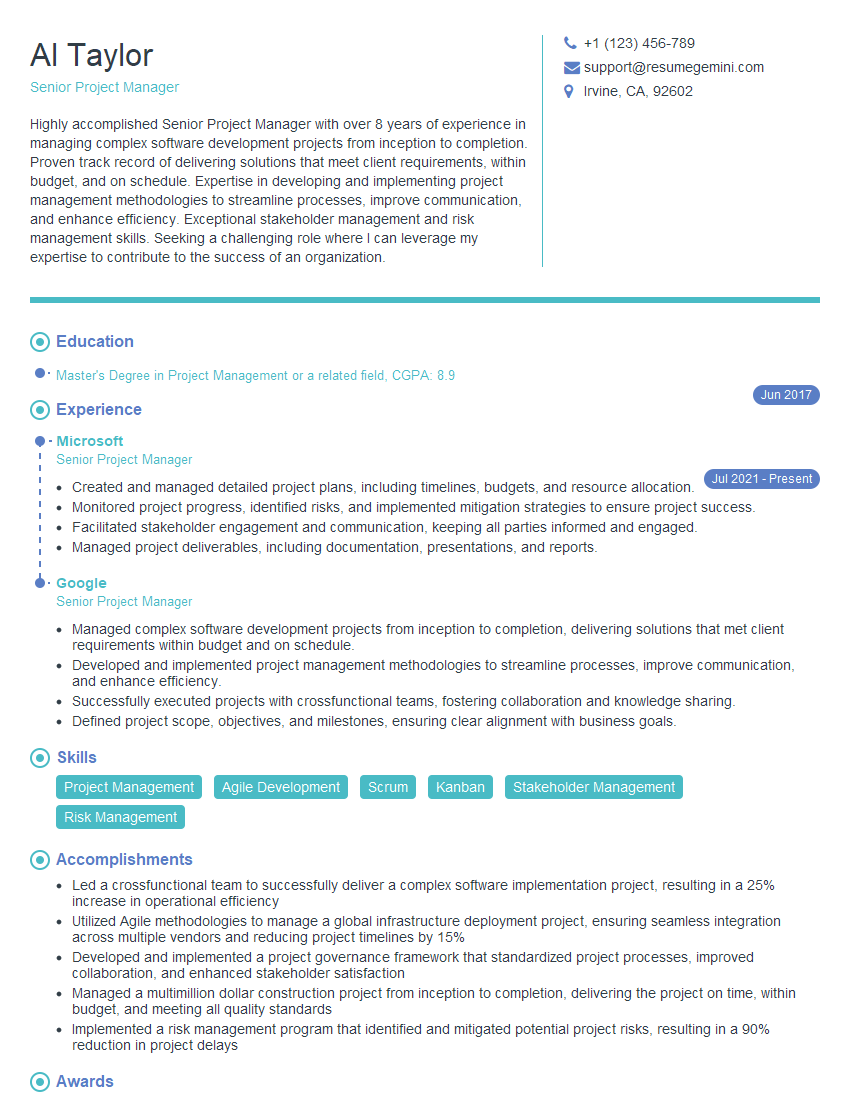
Senior Project Manager Resume Sample
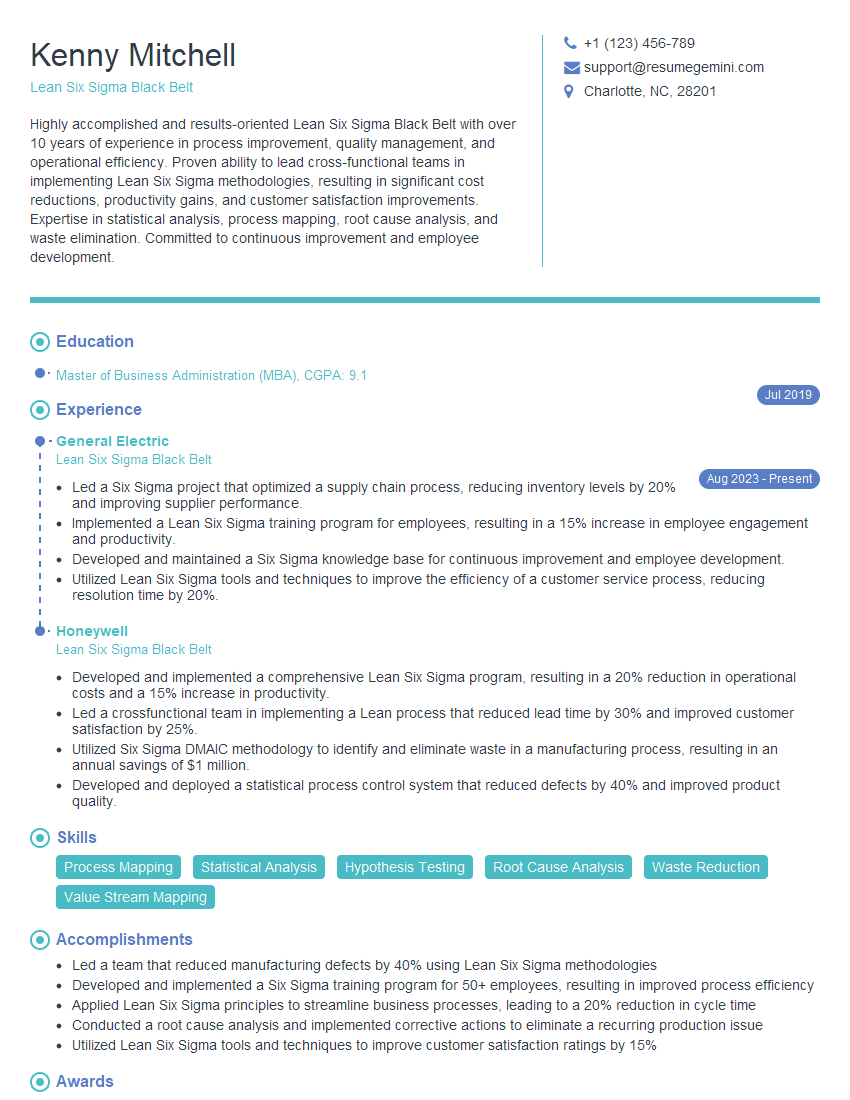
Lean Six Sigma Black Belt Resume Sample
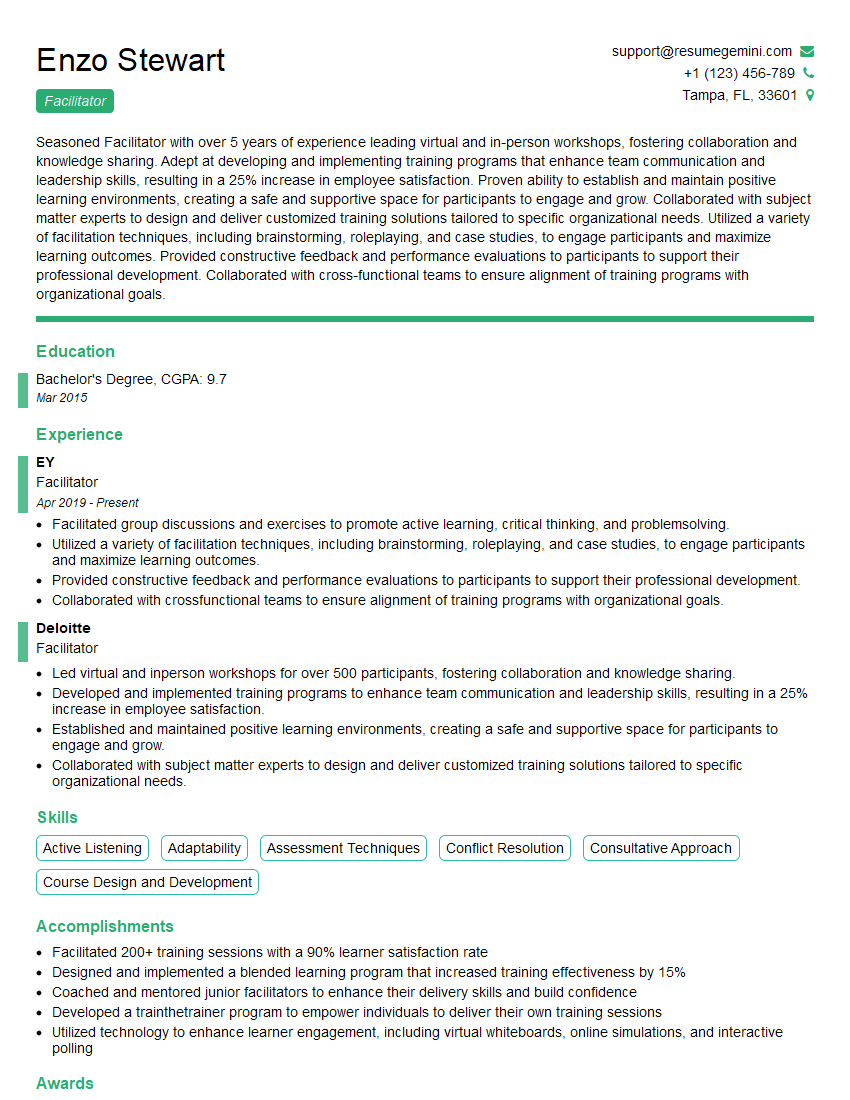
Facilitator Resume Sample
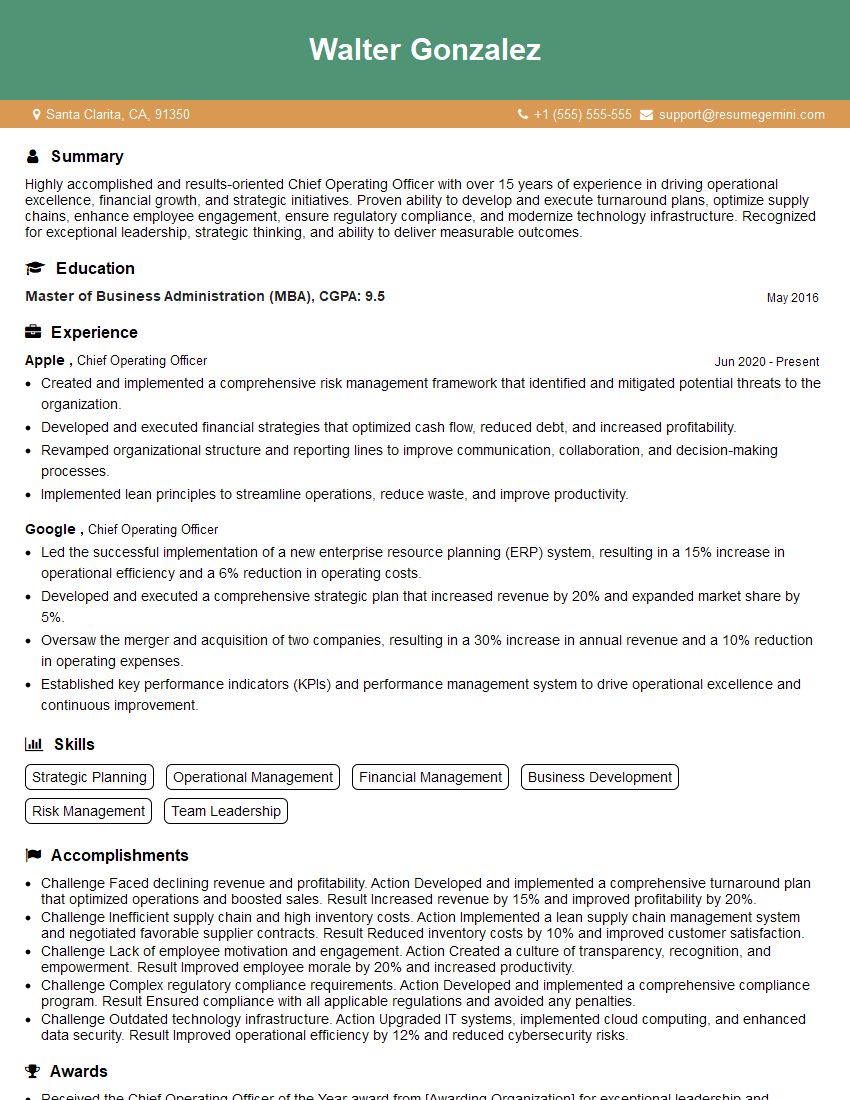
Chief Operating Officer Resume Sample
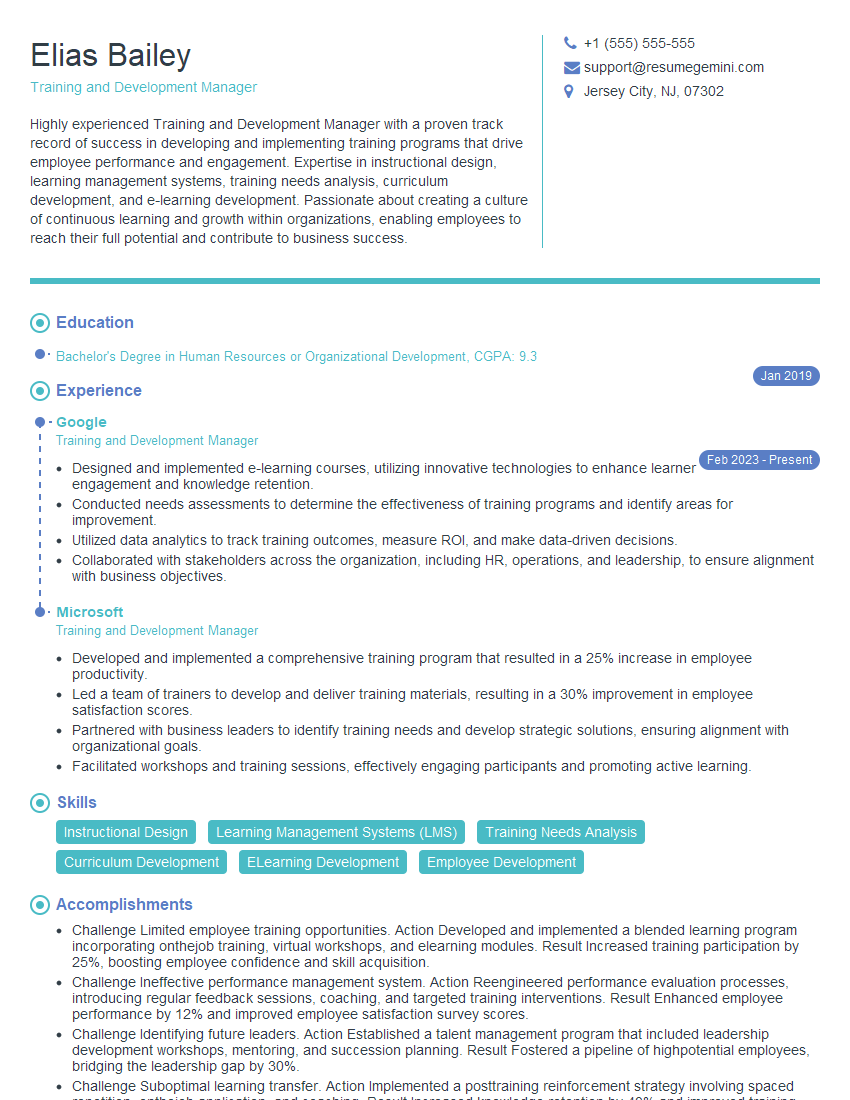
Training and Development Manager Resume Sample
- Program Manager
- Operations Manager
- Product Manager
- Communication Manager
- Director of Operations
- Quality Assurance Manager
- Human Resources Manager
- Project Manager
- Business Process Analyst
- Organizational Development Consultant
- Scrum Master
- Senior Project Manager
- Lean Six Sigma Black Belt
- Facilitator
- Chief Operating Officer
- Training and Development Manager
Explore more articles
Users Rating of Our Blogs
Share Your Experience
We value your feedback! Please rate our content and share your thoughts (optional).
What Readers Say About Our Blog
To the interviewgemini.com Webmaster.
Very helpful and content specific questions to help prepare me for my interview!
Thank you
To the interviewgemini.com Webmaster.
This was kind of a unique content I found around the specialized skills. Very helpful questions and good detailed answers.
Very Helpful blog, thank you Interviewgemini team.