Unlock your full potential by mastering the most common Bottle Handling and Storage interview questions. This blog offers a deep dive into the critical topics, ensuring you’re not only prepared to answer but to excel. With these insights, you’ll approach your interview with clarity and confidence.
Questions Asked in Bottle Handling and Storage Interview
Q 1. Describe your experience with various bottle handling equipment.
My experience encompasses a wide range of bottle handling equipment, from simple manual conveyors to highly automated systems. I’ve worked extensively with robotic palletizers and depalletizers, which significantly increase efficiency and reduce the risk of damage. I’m also familiar with various types of conveyors – roller, belt, and chain – each suited to different bottle shapes, sizes, and throughput requirements. For delicate bottles, I’ve utilized specialized equipment like gentle gripping systems and vacuum lifters to prevent breakage. Furthermore, I’ve overseen the implementation and maintenance of bottle-washing and filling lines, integrating the handling equipment into the overall production process.
For example, in a previous role, we transitioned from a manual palletizing system to a robotic one. This resulted in a 30% increase in throughput and a 50% reduction in breakage. The robotic system also allowed for more consistent palletizing, improving storage efficiency.
My experience also includes working with specialized equipment for handling unique bottle types, such as those with unusual shapes or delicate labels, necessitating customized grippers and handling techniques.
Q 2. Explain different types of bottle storage systems.
Bottle storage systems are chosen based on factors like bottle type, volume, storage space, and budget. Common systems include:
- Pallet racking: This is a widely used system for storing bottles on pallets. It maximizes vertical space and allows for easy access using forklifts.
- Flow racks: These gravity-fed racks are ideal for FIFO (First-In, First-Out) management, ensuring older bottles are used first. They are particularly useful for high-volume storage.
- Shelving units: Simpler shelving units are suitable for smaller operations or for storing smaller quantities of bottles. They can be easily customized and adjusted to fit available space.
- Automated storage and retrieval systems (AS/RS): These highly automated systems are ideal for large-scale operations. They offer increased efficiency and precise inventory control.
- Bulk storage (tanks): For liquids, bulk storage in tanks is common, especially for high-volume production or distribution. This often precedes bottling.
The selection of the optimal system often involves considering the fragility of the bottles, the need for temperature control, and the overall logistics of the facility.
Q 3. How do you ensure the safety of bottles during handling and storage?
Ensuring bottle safety during handling and storage requires a multi-pronged approach. It begins with careful selection of appropriate handling equipment, as mentioned earlier. We need to minimize vibrations and shocks during transportation and movement. Proper stacking techniques are crucial to prevent toppling and breakage, considering weight distribution and the structural integrity of the bottles themselves. Regular maintenance of equipment is key, checking for any malfunctions or wear and tear that could compromise safety. In addition, appropriate safety training for personnel is paramount to ensure they handle bottles with care, following established procedures.
For example, we might use shock-absorbing materials like bubble wrap or foam inserts within packaging to further protect bottles during shipping. We also might implement a system of color-coded labels to indicate fragility or special handling requirements.
Q 4. What are the best practices for preventing bottle breakage?
Preventing bottle breakage involves implementing best practices throughout the entire supply chain. This includes using appropriate handling equipment, as discussed earlier. Proper stacking techniques, including using dividers to prevent shifting, are crucial. Careful selection of packaging materials, considering cushioning and shock absorption, is also essential. Regular inspections of storage areas to ensure structural integrity and prevent overcrowding are vital. Maintaining optimal temperature and humidity conditions can also help prevent damage, especially for sensitive materials. Finally, effective employee training on safe handling procedures is fundamental to minimizing breakage.
For instance, implementing a system of visual cues, like floor markings indicating safe pathways for forklifts, can greatly reduce the risk of accidental damage. Another example would be using a ‘first-in, first-out’ (FIFO) system to prevent bottle spoilage and ensure the timely movement of stock.
Q 5. Describe your experience with inventory management systems for bottles.
My experience with inventory management systems for bottles includes using both manual and automated systems. Manual systems often involve spreadsheets or databases to track inventory levels, location, and expiry dates. Automated systems, such as Warehouse Management Systems (WMS), provide real-time tracking of bottles throughout the entire supply chain, integrating with barcode or RFID technology for precise inventory counts and location tracking. They are essential for larger operations where manual tracking would be inefficient and prone to errors. I’m proficient in using WMS systems to optimize inventory levels, manage stock rotation, and generate reports to monitor stock levels and identify potential issues.
For example, in a past project, we implemented a WMS that reduced inventory discrepancies by 75% and allowed for more accurate forecasting of demand, improving our operational efficiency.
Q 6. How do you manage FIFO (First-In, First-Out) for bottled products?
Managing FIFO for bottled products is vital to prevent spoilage and maintain product quality. This involves careful organization of storage and a well-defined process for identifying and utilizing older bottles first. For pallet racking, this might involve placing newer pallets behind older ones. With flow racks, the gravity-fed nature of the system inherently ensures FIFO. In automated systems, the WMS can be configured to prioritize the retrieval of older bottles. Visual cues like date labels or batch numbers are essential for quick identification. Regular stock rotations and thorough inventory checks are necessary to ensure FIFO is consistently adhered to. Failure to do so can lead to significant losses through product spoilage.
We often use a combination of visual cues, such as date labels, and digital tracking through our WMS to enforce FIFO. Regular audits are performed to ensure the system’s effectiveness.
Q 7. Explain your understanding of temperature control for bottled goods.
Temperature control is crucial for many bottled goods, particularly those that are perishable, sensitive to temperature fluctuations, or have specific shelf-life requirements. Maintaining the correct temperature prevents spoilage, degradation, and preserves product quality. This involves utilizing climate-controlled storage facilities, refrigeration units, or temperature-controlled containers, depending on the product’s requirements. Regular monitoring of temperature levels with calibrated thermometers or sensors is essential, with automated alarm systems alerting personnel of any deviations. Documentation of temperature levels throughout the storage and distribution chain is crucial for maintaining compliance and ensuring product safety.
For instance, beverages might require refrigeration to maintain quality and prevent spoilage, whereas certain chemicals might need to be stored at room temperature to avoid degradation. We need to tailor our approach to the specific needs of each product.
Q 8. How do you handle damaged or expired bottles?
Handling damaged or expired bottles requires a strict protocol to ensure safety and compliance. First, we visually inspect each bottle for damage, looking for cracks, leaks, or dents. Expired bottles are identified through their clearly marked expiration dates. Damaged bottles are immediately segregated and disposed of according to local regulations; this might involve specialized waste disposal contractors for glass or plastic recycling, or potentially hazardous waste streams if the contents are dangerous. Expired bottles, depending on the contents, might be returned to the supplier for credit, destroyed, or also disposed of according to regulations. Accurate record-keeping of disposal methods is crucial for auditing and compliance purposes. For example, we might use a dedicated log book and barcode scanning system to track each bottle from identification to final disposal, ensuring traceability and accountability.
Think of it like this: imagine a restaurant handling spoiled food – the same principles of safety, hygiene, and proper disposal apply. We don’t want to risk contamination or accidents.
Q 9. Describe your experience with different pallet configurations for bottles.
My experience encompasses a wide range of pallet configurations for bottles, dictated by factors like bottle size, shape, fragility, and transportation mode. Common configurations include using dividers within the pallet to separate layers of bottles, preventing shifting during transit. We frequently utilize various layer pads and corrugated board to act as shock absorbers. For heavier or more fragile bottles, we might employ smaller pallet sizes or custom-built wooden crates for added support. For example, delicate wine bottles often require individual compartments within a custom-designed crate, whereas robust beer bottles can be more densely packed on standard pallets with appropriate separators. The choice of configuration is driven by minimizing damage and optimizing space utilization, all while adhering to weight and dimensional limits for transport.
I’ve worked with both standard EUR-pallets and US-pallets, and I’m familiar with various configurations to optimize space and protect the product. The key is always to balance efficient use of space with the secure protection of the bottles.
Q 10. What are the common causes of bottle damage during transit?
Bottle damage during transit stems from several common causes. Rough handling is a primary culprit, including impacts from drops, stacking, and vibrations during transport. Inadequate packaging – insufficient cushioning or poor pallet construction – allows bottles to shift and collide, leading to breakage. Extreme temperature fluctuations can also cause issues, particularly with glass bottles which can crack under thermal stress. Finally, improper loading and securing of pallets on vehicles can lead to instability, creating increased risks of damage. We mitigate these risks by implementing robust packaging standards, using appropriate handling equipment, and providing clear instructions to transportation personnel. For example, fragile items are marked and placed in the center of the pallet, and the pallet is securely strapped to prevent shifting.
Q 11. How do you prevent contamination of bottled products?
Preventing contamination is paramount. This starts with maintaining impeccable hygiene throughout the handling process. Our facilities adhere to stringent cleaning protocols, and all personnel wear appropriate protective gear. Bottles are handled with clean gloves, and any spills are immediately cleaned up using designated cleaning agents. We employ specialized equipment, designed to avoid contact between the bottle and any potentially contaminating surfaces, including conveyors and storage racks. Moreover, we utilize protective caps and seals on the bottles themselves to maintain product integrity. Regular audits and inspections ensure our contamination prevention protocols remain effective. We also have strict procedures for dealing with any suspected contamination, involving thorough investigation and potentially product recalls.
Think of it like a sterile operating room – every step is meticulously planned and executed to minimize the risk of contamination.
Q 12. What safety protocols do you follow when operating bottle handling equipment?
Safety is our top priority. All personnel operating bottle handling equipment receive comprehensive training and certification before operating any machinery. This includes understanding safe operating procedures, lockout/tagout procedures for maintenance, and emergency response protocols. We strictly enforce the use of personal protective equipment (PPE), including safety glasses, gloves, and steel-toe boots. Regular equipment inspections and maintenance are conducted to ensure all machinery functions correctly and safely. Furthermore, we have clearly defined safety protocols for handling different types of bottles, considering factors such as weight and fragility. Any accidents or near misses are thoroughly investigated to identify potential areas for improvement and prevent future incidents. We also regularly conduct safety drills and refresher training sessions.
Q 13. How do you maintain accurate inventory records for bottled products?
Maintaining accurate inventory records is crucial for efficient operations and preventing stockouts or overstocking. We utilize a computerized inventory management system, typically integrated with warehouse management systems (WMS), to track every bottle from arrival to shipment. This system uses barcode scanning to record movement in and out of the warehouse, and automatically updates inventory levels. Regular physical stock counts are conducted to cross-verify the system’s accuracy, identifying and correcting any discrepancies promptly. We also use lot tracking systems to monitor individual batches, allowing us to quickly trace any issues to specific production runs. This comprehensive approach ensures accuracy and provides valuable data for forecasting and production planning.
Think of it like an accountant keeping meticulous track of financial transactions, ensuring that all records are accurate and consistent.
Q 14. How do you handle discrepancies in inventory counts?
Discrepancies in inventory counts are investigated thoroughly to identify the root cause. We start by comparing the physical count to the system’s records, examining any potential data entry errors or scanning discrepancies. Next, we inspect the storage area for potential problems like misplacement or damage. We may also review recently completed shipments or receipts, checking for any inaccuracies. The investigation involves a systematic approach, looking at all aspects of the inventory process. Once the root cause is identified, corrective actions are implemented to prevent future discrepancies. This might involve retraining staff, improving the accuracy of scanning procedures, or upgrading the inventory management system. Detailed documentation of the investigation and its outcome is crucial for ongoing improvement and accountability.
Our goal is not just to correct the discrepancy but to understand and fix the underlying issue that led to it. It’s like troubleshooting a computer problem – you need to find the source of the error to fix it effectively.
Q 15. What are the different types of labeling used for bottles, and their importance?
Bottle labeling is crucial for traceability, inventory management, and consumer safety. Different types cater to specific needs.
- Primary Labels: These are the main labels directly affixed to the bottle, providing essential information like product name, ingredients, weight, manufacturer details, and barcodes. Think of the label on your favorite soda bottle.
- Secondary Labels: These are often added over the primary label, perhaps for promotional offers, batch numbers for internal tracking, or warnings about specific handling requirements (e.g., ‘fragile’).
- Shrink Sleeves: These are printed plastic sleeves that shrink to fit tightly around the bottle, providing a tamper-evident seal and a larger surface area for branding and information. Many beverage companies utilize this.
- Neck Labels: These smaller labels encircle the bottle’s neck, often for additional information or warnings.
The importance of proper labeling cannot be overstated. Inaccurate or missing labels can lead to product recalls, legal issues, and inventory mismanagement. Clear, concise, and compliant labeling is essential.
Career Expert Tips:
- Ace those interviews! Prepare effectively by reviewing the Top 50 Most Common Interview Questions on ResumeGemini.
- Navigate your job search with confidence! Explore a wide range of Career Tips on ResumeGemini. Learn about common challenges and recommendations to overcome them.
- Craft the perfect resume! Master the Art of Resume Writing with ResumeGemini’s guide. Showcase your unique qualifications and achievements effectively.
- Don’t miss out on holiday savings! Build your dream resume with ResumeGemini’s ATS optimized templates.
Q 16. Describe your experience with automated bottle handling systems.
I have extensive experience with automated bottle handling systems, ranging from simple conveyor belt systems to sophisticated robotic palletizers. I’ve worked with systems using vision guidance for accurate bottle picking and placement, and those employing RFID technology for real-time tracking. In one project, we implemented a system that integrated robotic arms with a high-speed conveyor, significantly increasing throughput and reducing the risk of damage. This involved careful planning of the system layout to minimize bottlenecks and ensure smooth bottle flow. We also used simulation software to optimize the system’s configuration before actual implementation.
Another project involved implementing a fully automated warehouse management system that integrated with the automated bottle handling system. This allowed for real-time tracking of inventory levels, streamlined order fulfillment, and improved overall efficiency. This experience has given me a deep understanding of the advantages of automation, including increased efficiency, reduced labor costs, improved accuracy, and enhanced safety.
Q 17. How do you optimize the storage space for bottles in a warehouse?
Optimizing warehouse space for bottles involves maximizing vertical space and minimizing aisle space. This can be achieved through several strategies:
- High-bay racking: Utilizing tall racking systems to store bottles vertically, maximizing floor space. This is especially effective for warehouses with high ceilings.
- Narrow aisle racking: Employing very narrow aisles between racking units, maximizing storage capacity without sacrificing accessibility. This often requires specialized narrow-aisle forklifts.
- Flow racking: Implementing gravity flow racking allows for efficient first-in, first-out (FIFO) inventory management. This is particularly suitable for perishable or time-sensitive products.
- Dynamic storage systems: Using automated storage and retrieval systems (AS/RS) for high-density storage and efficient retrieval. These systems are optimal for large warehouses with high throughput.
- Careful SKU placement: Strategically placing frequently accessed items in easily reachable areas to minimize picking times.
Careful consideration must be given to the weight and fragility of the bottles when selecting storage solutions. For instance, glass bottles would require more robust and protective racking than plastic bottles.
Q 18. Explain your understanding of warehouse layout design for efficient bottle handling.
Warehouse layout design for efficient bottle handling is critical for minimizing travel time, maximizing throughput, and reducing damage. Key considerations include:
- Receiving and Shipping Zones: These areas should be strategically located to minimize transportation distances.
- Storage Area Layout: The arrangement of racking and storage systems should optimize flow, considering the movement of bottles through various stages, from receiving to shipping.
- Picking and Packing Zones: These areas should be designed to facilitate efficient order fulfillment, with ergonomic considerations for workers.
- Aisle Widths: Appropriate aisle widths are essential for forklift and other equipment maneuverability. Too narrow and it slows things down, too wide and you lose storage space.
- Product Zoning: Grouping similar products together can streamline picking processes.
- Safety Considerations: The layout must prioritize worker safety, with clear walkways and appropriate safety equipment.
Simulation software can be invaluable in designing efficient layouts, allowing for testing of various configurations before implementation. This avoids costly mistakes and optimizes flow from day one.
Q 19. How do you handle returns and disposal of damaged bottles?
Handling returns and disposal of damaged bottles requires a structured approach. Returns need to be inspected for damage or contamination before being integrated back into inventory or disposed of appropriately.
- Inspection and Segregation: Returned bottles should be inspected for damage, contamination, or tampering. Damaged bottles must be clearly segregated from undamaged ones.
- Cleaning and Sanitization: If possible, undamaged returned bottles can be cleaned and sanitized for reuse, depending on regulations and product type. This is common in the beverage industry.
- Disposal: Damaged or contaminated bottles must be disposed of responsibly, often through recycling programs. Regulations vary by region, and compliance is crucial.
- Documentation: All aspects of return and disposal must be carefully documented to ensure traceability and regulatory compliance.
Implementing a robust returns management system is vital to prevent cross-contamination, maintain product quality, and ensure environmental responsibility. Having clear procedures and dedicated staff helps to minimize delays and maximize efficiency in this process.
Q 20. What metrics do you use to measure the efficiency of bottle handling and storage?
Several key metrics are used to measure the efficiency of bottle handling and storage. They provide a comprehensive overview of performance.
- Throughput: The number of bottles processed per unit of time (e.g., bottles per hour). Higher throughput indicates greater efficiency.
- Order Fulfillment Rate: The percentage of orders filled on time and in full. This metric assesses the overall effectiveness of the operation.
- Damage Rate: The percentage of damaged bottles during handling and storage. A lower damage rate signifies better handling practices.
- Inventory Turnover Rate: The number of times inventory is sold and replaced within a given period. A higher rate suggests efficient inventory management.
- Storage Space Utilization: The percentage of available storage space being used. Maximizing space utilization indicates efficient space planning.
- Labor Costs per Unit: The cost of labor per bottle handled. Lower costs indicate higher efficiency.
Regular monitoring of these metrics enables identifying bottlenecks, areas for improvement, and the overall effectiveness of the handling and storage processes.
Q 21. Describe your experience with different types of bottle materials (glass, plastic, etc.) and their handling requirements.
Different bottle materials have unique handling requirements, necessitating tailored approaches.
- Glass Bottles: These are fragile and require careful handling to prevent breakage. Automated systems must incorporate gentle handling mechanisms. Specialized conveyor belts and robotic grippers are designed to minimize the risk of damage. Storage requires sturdy racking and potentially extra padding to avoid breakage.
- Plastic Bottles: Generally more durable than glass, but they can still be susceptible to damage, particularly if they are filled with heavier liquids. Automated systems need to be adjusted to prevent crushing or warping. They also require protection from extreme temperatures which can affect the plastic’s shape and integrity.
- PET Bottles: These are lightweight and relatively strong, but they can be deformed under pressure. Proper handling systems must be designed to prevent such deformation. Storage conditions are less critical than for glass, but they should still be protected from excessive heat and UV radiation, which can degrade the plastic.
Understanding the specific properties of each material is crucial to selecting appropriate handling equipment, designing efficient warehouse layouts, and preventing damage during transportation and storage.
Q 22. How do you ensure compliance with relevant regulations for handling and storing bottles?
Ensuring compliance with regulations for bottle handling and storage is paramount. It involves understanding and adhering to various standards, including those related to food safety (like FDA regulations for food-grade bottles), workplace safety (OSHA), and environmental protection (regarding waste disposal and recycling). This begins with a thorough risk assessment identifying potential hazards and vulnerabilities. For example, glass bottles pose a breakage risk, requiring careful handling and storage to prevent injuries and contamination. We implement strict procedures for handling fragile materials, including proper packing, stacking, and transportation methods. Regular audits and training programs ensure everyone understands and follows these protocols. Detailed record-keeping, including temperature logs for temperature-sensitive products, is essential for traceability and demonstrating compliance. Finally, staying updated on evolving regulations is crucial, requiring continuous professional development and engagement with industry best practices.
Q 23. What are the potential hazards associated with bottle handling and storage, and how do you mitigate them?
Potential hazards in bottle handling and storage are numerous. Broken glass from damaged bottles can lead to injuries. Spillage of the contents, whether corrosive chemicals or food products, creates cleaning and contamination risks. Improper stacking can cause collapses, leading to damage and injuries. Poor ventilation can lead to the build-up of hazardous gases if the bottles contain volatile substances. Temperature fluctuations can affect product quality, particularly for temperature-sensitive items like pharmaceuticals or beverages. We mitigate these risks through several strategies: using appropriate protective equipment like gloves and safety glasses, implementing robust safety training programs for all personnel, utilizing proper storage racking and methods to prevent collapses, employing adequate ventilation systems, and maintaining precise temperature controls in storage areas. Regular inspections and maintenance of equipment are also crucial for identifying and addressing potential hazards before incidents occur.
Q 24. Describe your experience with different types of conveyors used in bottle handling.
My experience encompasses a wide range of conveyors, each with its strengths and weaknesses. I’ve worked extensively with roller conveyors for their simplicity and cost-effectiveness, particularly in situations requiring gentle handling of fragile bottles. Belt conveyors offer higher throughput and better control for larger volumes but require more maintenance and careful consideration of bottle fragility. Chain conveyors, often seen in more heavy-duty applications, provide the strength to handle heavier bottles and steeper inclines. More sophisticated systems, including diverters and accumulation conveyors, offer greater flexibility in routing and handling diverse bottle types and sizes. For example, in one project, we integrated a complex system using a combination of belt and roller conveyors to manage a high-volume, multi-product line, carefully choosing conveyor types to match specific bottle characteristics and processing needs. Selection depends critically on the bottle characteristics (size, weight, fragility), throughput requirements, and space constraints.
Q 25. How do you handle the different sizes and shapes of bottles in a warehouse environment?
Handling diverse bottle sizes and shapes requires a flexible and adaptable approach. We use a combination of techniques, including customizable racking systems with adjustable dividers and shelves. This allows for efficient storage of various sizes, maximizing space utilization while minimizing damage. Specialized bottle carriers and trays are employed for delicate or unusually shaped bottles, providing secure containment during transportation and handling. Different conveyor systems may be adjusted or interchanged to accommodate the variations in bottle size and shape. Careful planning of warehouse layouts, allowing for efficient flow of materials, is also crucial. For example, we’ve successfully implemented a system with designated zones for specific bottle types, optimizing picking and packing processes and reducing the likelihood of mix-ups or damage.
Q 26. What is your experience with implementing and managing a WMS (Warehouse Management System)?
My experience with WMS (Warehouse Management Systems) is extensive. I’ve been involved in the implementation, configuration, and ongoing management of several WMS across various warehouse environments. This includes defining system parameters, such as product codes, storage locations, and picking strategies. I’m proficient in integrating WMS with other systems, like ERP and TMS, to ensure seamless data flow across the supply chain. I’ve managed data migration to WMS, ensuring data accuracy and integrity. Furthermore, I’ve designed and implemented reporting and analytical tools to track key performance indicators (KPIs) like order fulfillment rates, storage utilization, and inventory turnover. A recent project involved optimizing a warehouse’s picking process through the strategic implementation of a WMS, resulting in a 20% increase in efficiency.
Q 27. Explain your experience with barcode or RFID scanning for inventory tracking of bottles.
Barcode and RFID scanning are essential tools for accurate inventory tracking. Barcodes are cost-effective for identifying individual bottles, particularly when integrated with handheld scanners. This allows for efficient real-time tracking of inventory movement. RFID offers greater capabilities, enabling tracking of multiple bottles simultaneously without line-of-sight requirements. This is particularly advantageous in high-density storage or situations where manual scanning is impractical. We use both technologies strategically, leveraging barcodes for everyday inventory management and RFID for high-value or sensitive items where real-time tracking and more detailed data capture are critical. For example, in a pharmaceutical warehouse, we employed RFID technology to precisely monitor the location and temperature of temperature-sensitive medications, ensuring product integrity.
Q 28. How do you prioritize tasks when dealing with multiple bottle handling and storage demands?
Prioritizing tasks in a high-demand environment relies on a structured approach. We use a combination of techniques, including Kanban boards for visualizing workflow, prioritizing tasks based on urgency and importance, and leveraging the capabilities of our WMS to generate optimized picking and shipping schedules. Factors considered include order deadlines, product fragility, storage location, and resource availability. Using a weighted scoring system, we can assign priority levels to various tasks, ensuring critical operations are addressed first. Regular communication and collaboration among team members are also crucial to ensure everyone is aligned on priorities and potential roadblocks are addressed proactively. For instance, during peak seasons, we use a combination of predictive analytics and real-time data to forecast demands and optimize resource allocation, ensuring efficient handling of all bottle storage and handling needs.
Key Topics to Learn for Bottle Handling and Storage Interview
- Warehouse Layout and Design: Understanding efficient warehouse layouts for optimal bottle storage, including considerations for space utilization, accessibility, and safety.
- Inventory Management Systems: Practical application of inventory tracking systems (e.g., FIFO, LIFO) to ensure accurate stock levels and minimize waste in a bottle handling environment. Understanding data analysis related to inventory.
- Material Handling Equipment: Safe and efficient operation of forklifts, conveyor systems, palletizers, and other machinery commonly used in bottle handling and storage. This includes preventative maintenance and troubleshooting.
- Packaging and Transportation: Knowledge of different packaging types for bottles (e.g., crates, pallets) and their suitability for various transportation methods. Understanding regulations related to fragile goods.
- Health and Safety Regulations: Thorough understanding of OSHA (or relevant regional) regulations pertaining to warehouse safety, including proper lifting techniques, hazard identification, and emergency procedures specific to bottle handling.
- Quality Control and Assurance: Procedures for inspecting bottles for damage, ensuring proper labeling, and maintaining product quality throughout the handling and storage process.
- Waste Management and Recycling: Understanding environmentally responsible practices for handling broken or damaged bottles and implementing recycling programs.
- Problem-solving and Process Improvement: Analyzing bottlenecks in the bottle handling and storage process and proposing solutions to improve efficiency and reduce costs.
Next Steps
Mastering bottle handling and storage techniques is crucial for career advancement in the logistics and manufacturing industries. Proficiency in this area demonstrates essential skills in efficiency, safety, and quality control, leading to greater responsibility and higher earning potential. To maximize your job prospects, creating a strong, ATS-friendly resume is paramount. ResumeGemini is a trusted resource for building professional resumes that highlight your skills and experience effectively. We offer examples of resumes tailored to the Bottle Handling and Storage sector to help you present yourself in the best possible light. Invest time in crafting a compelling resume—it’s your first impression with potential employers.
Safety Manager Resume Sample
Facility Manager Resume Sample

Operations Manager Resume Sample
Plant Manager Resume Sample
Production Supervisor Resume Sample
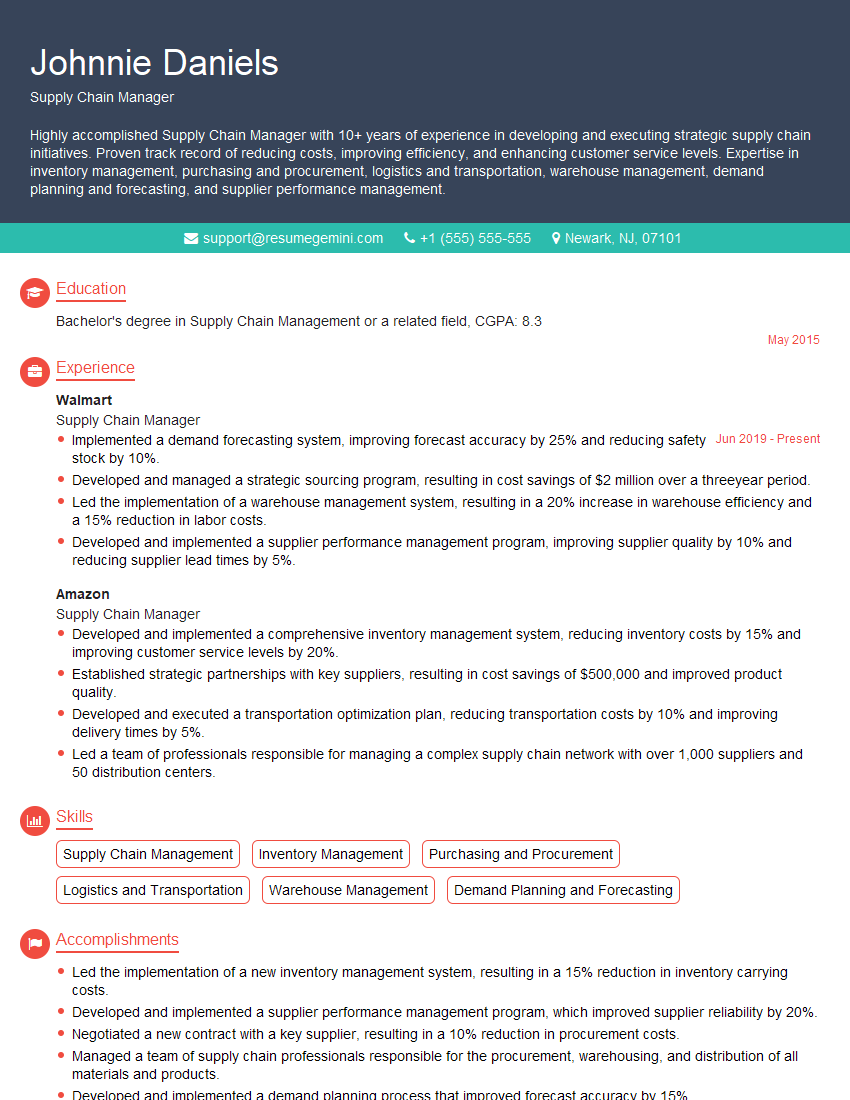
Supply Chain Manager Resume Sample
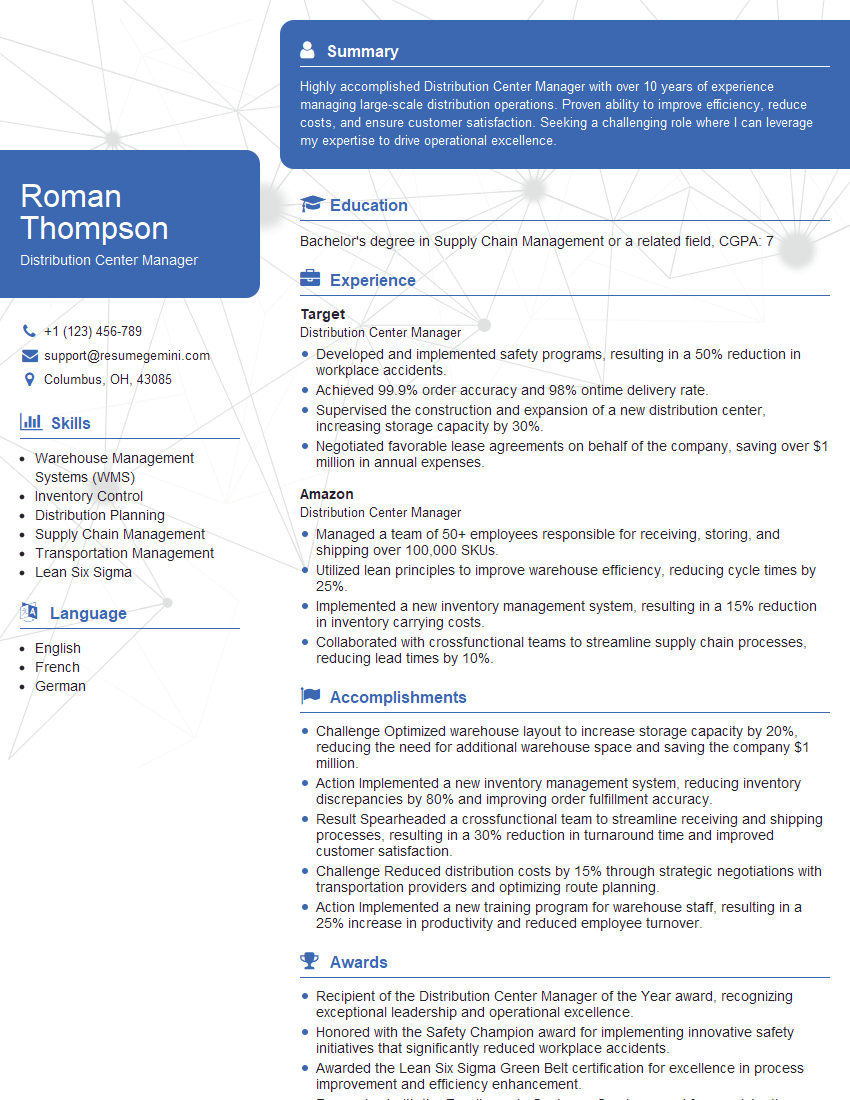
Distribution Center Manager Resume Sample
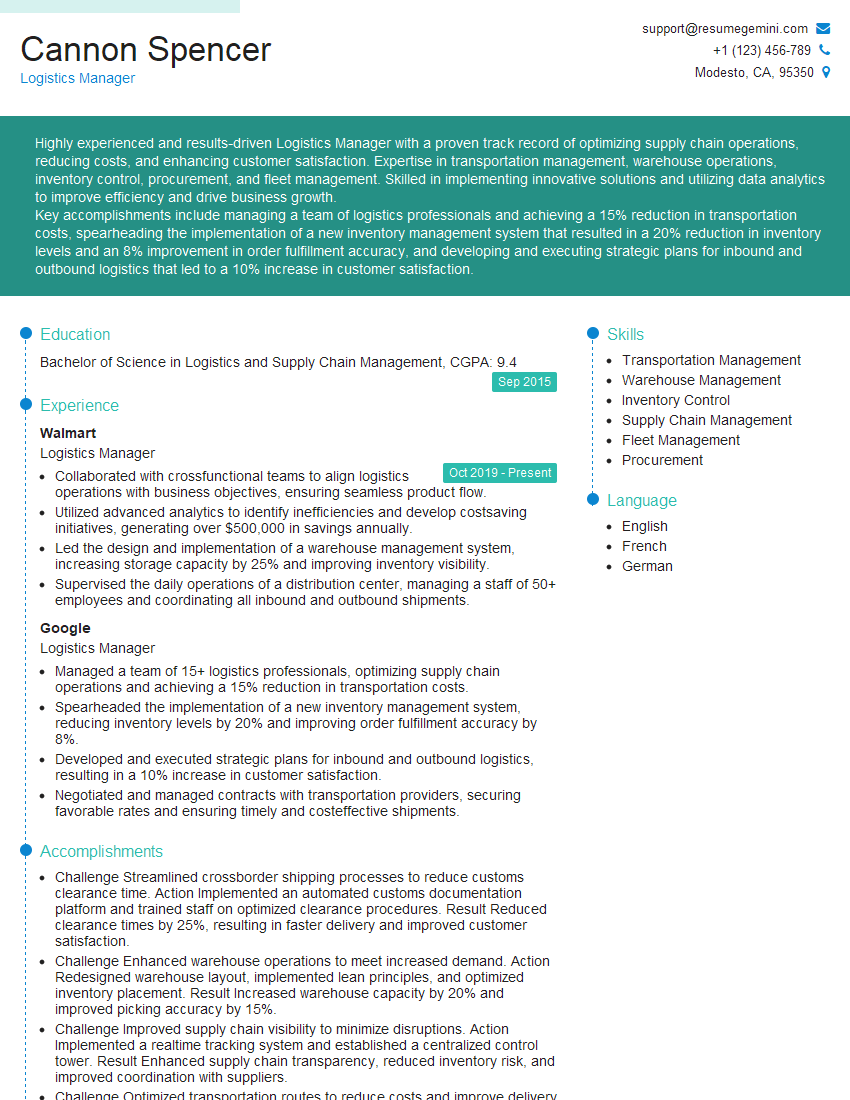
Logistics Manager Resume Sample
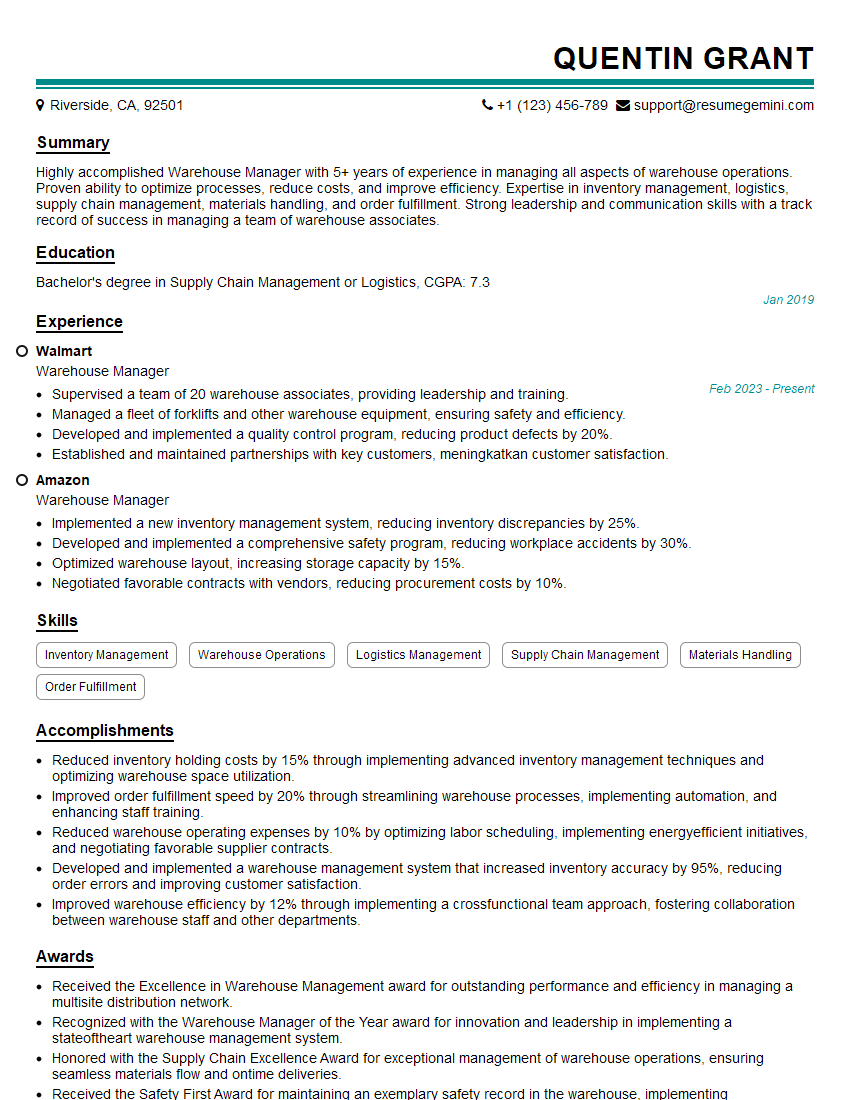
Warehouse Manager Resume Sample
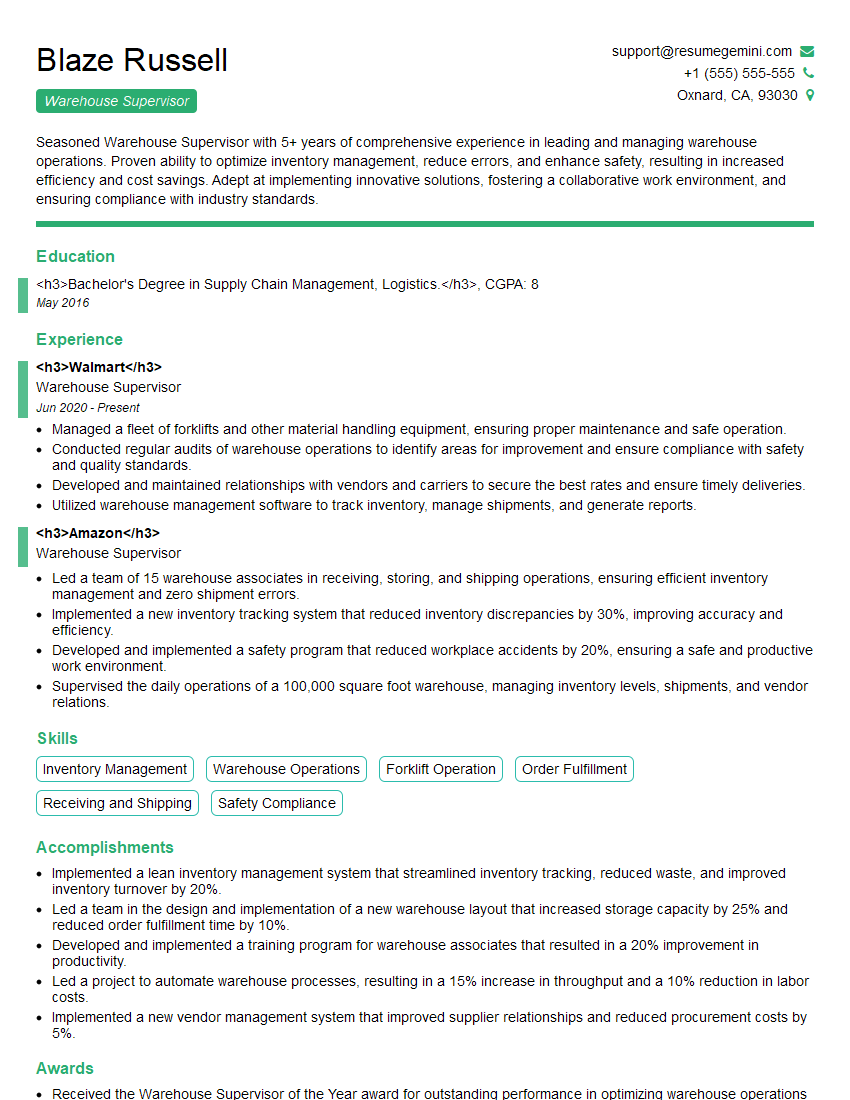
Warehouse Supervisor Resume Sample
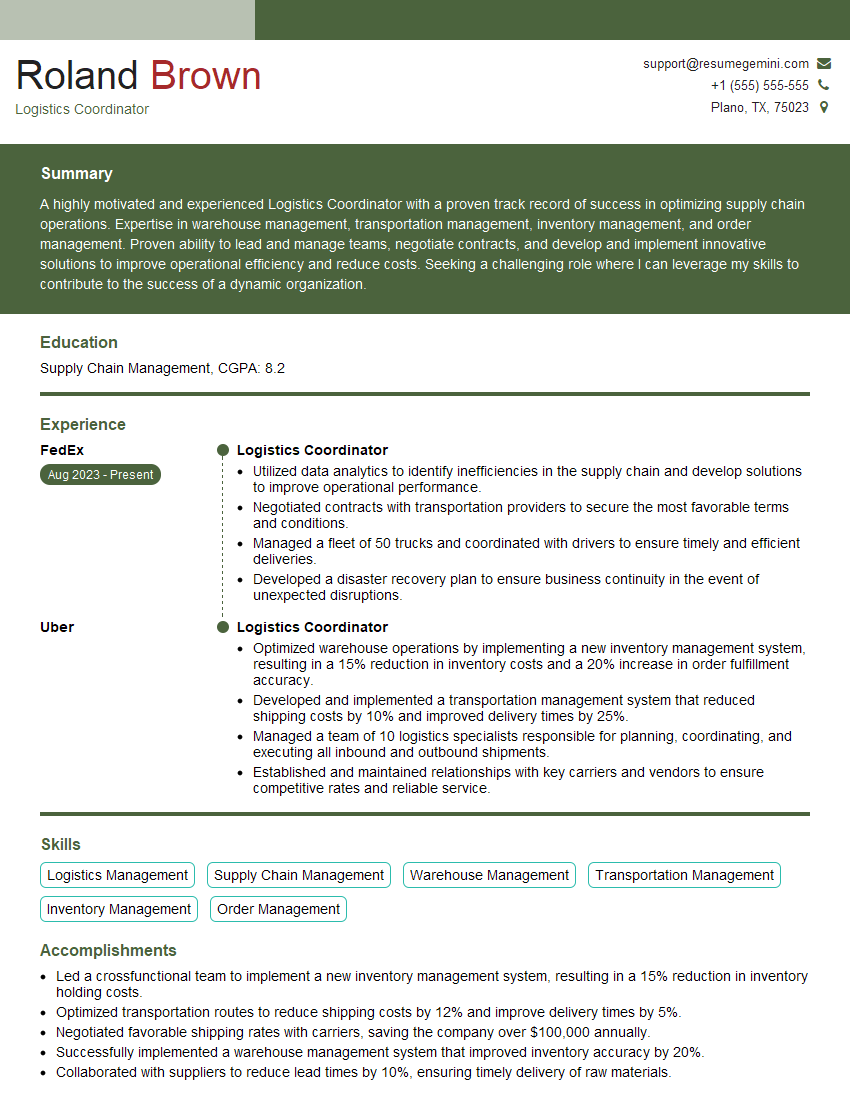
Logistics Coordinator Resume Sample
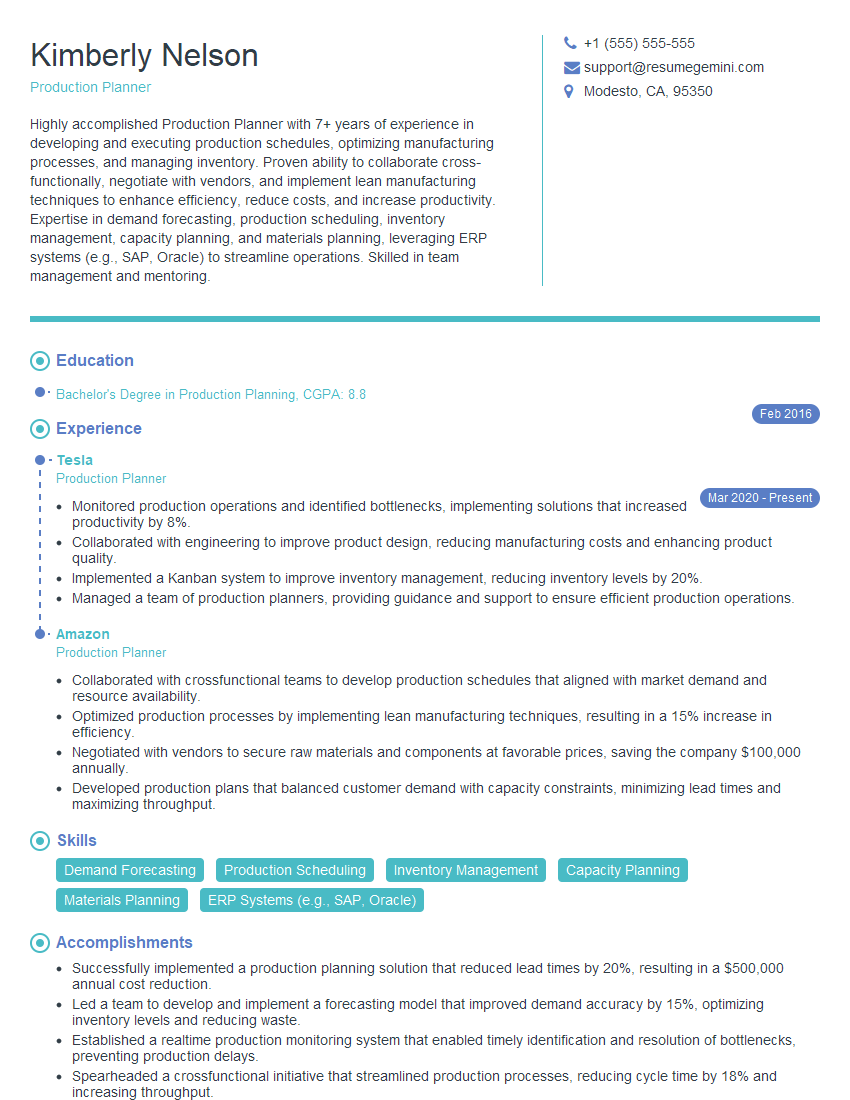
Production Planner Resume Sample
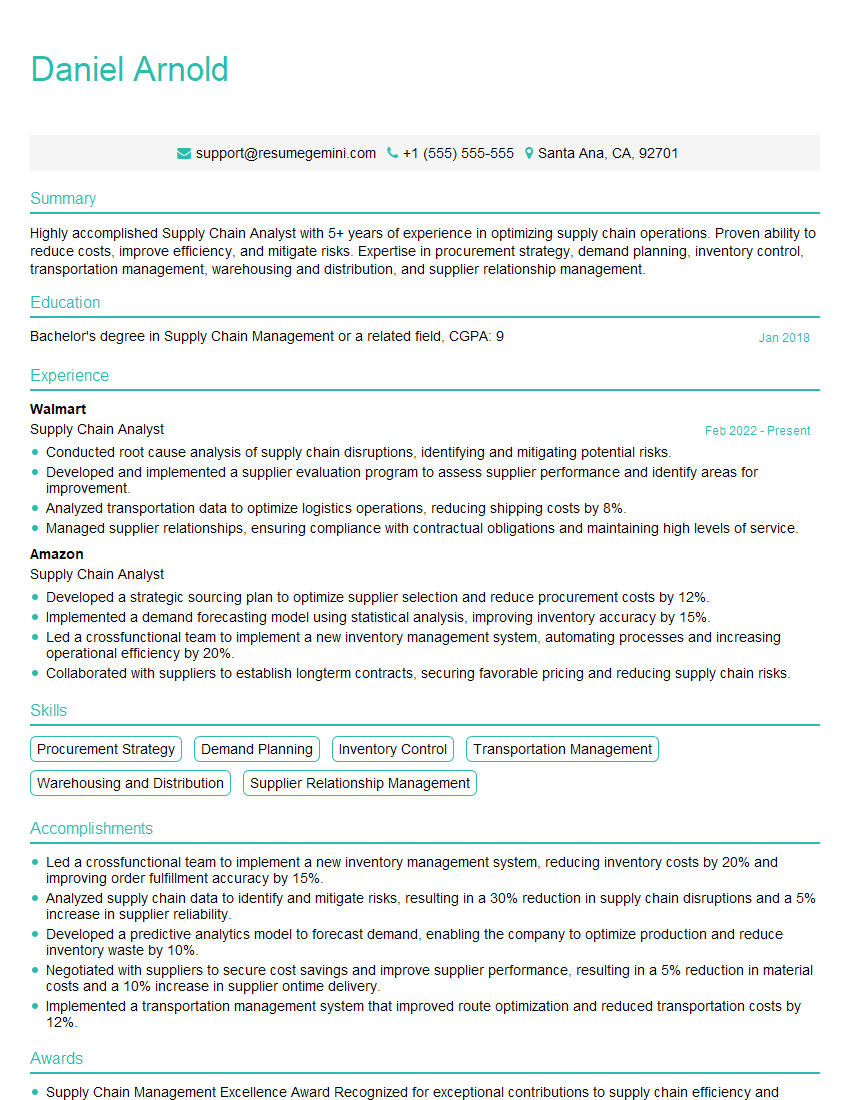
Supply Chain Analyst Resume Sample
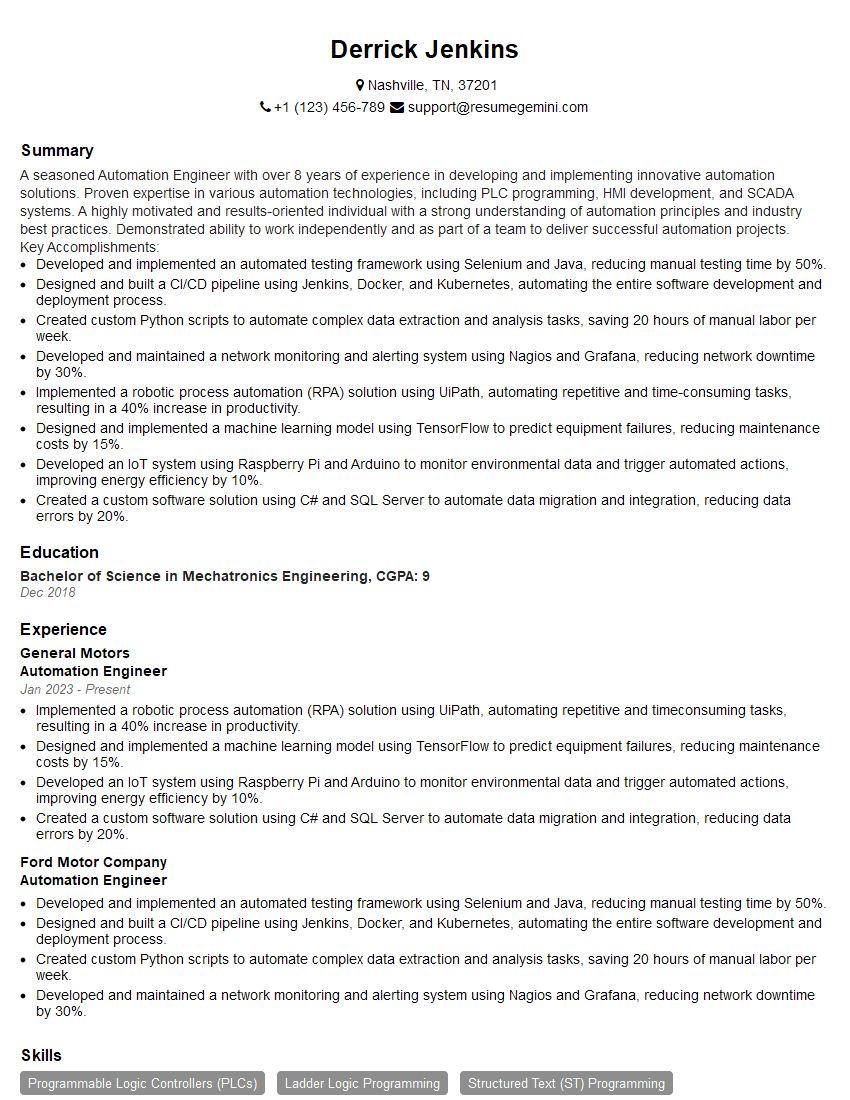
Automation Engineer Resume Sample
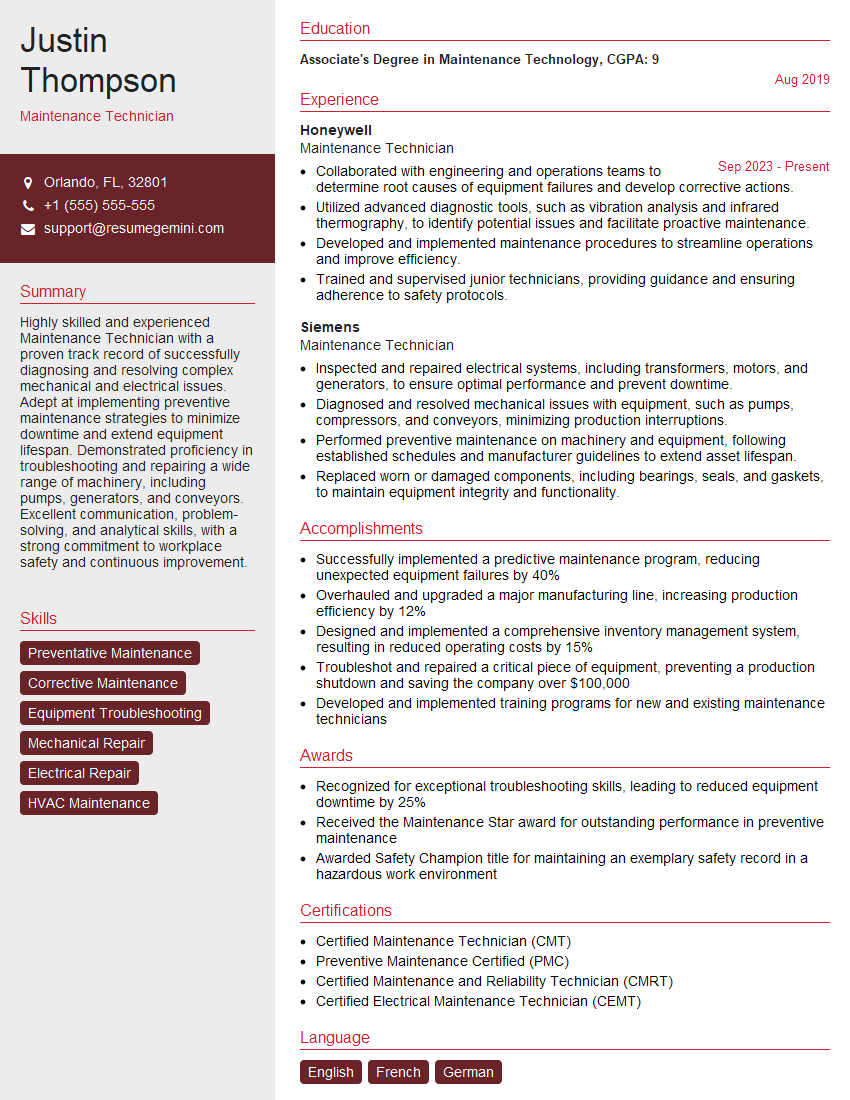
Maintenance Technician Resume Sample
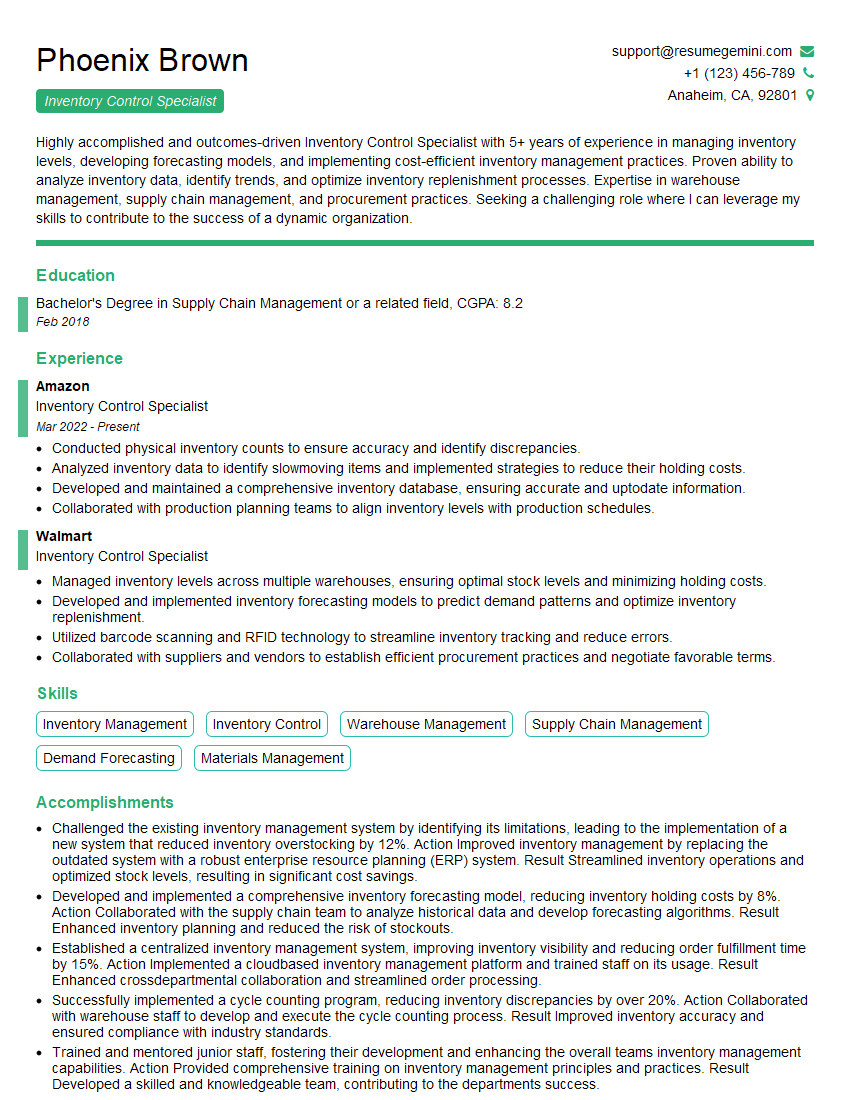
Inventory Control Specialist Resume Sample
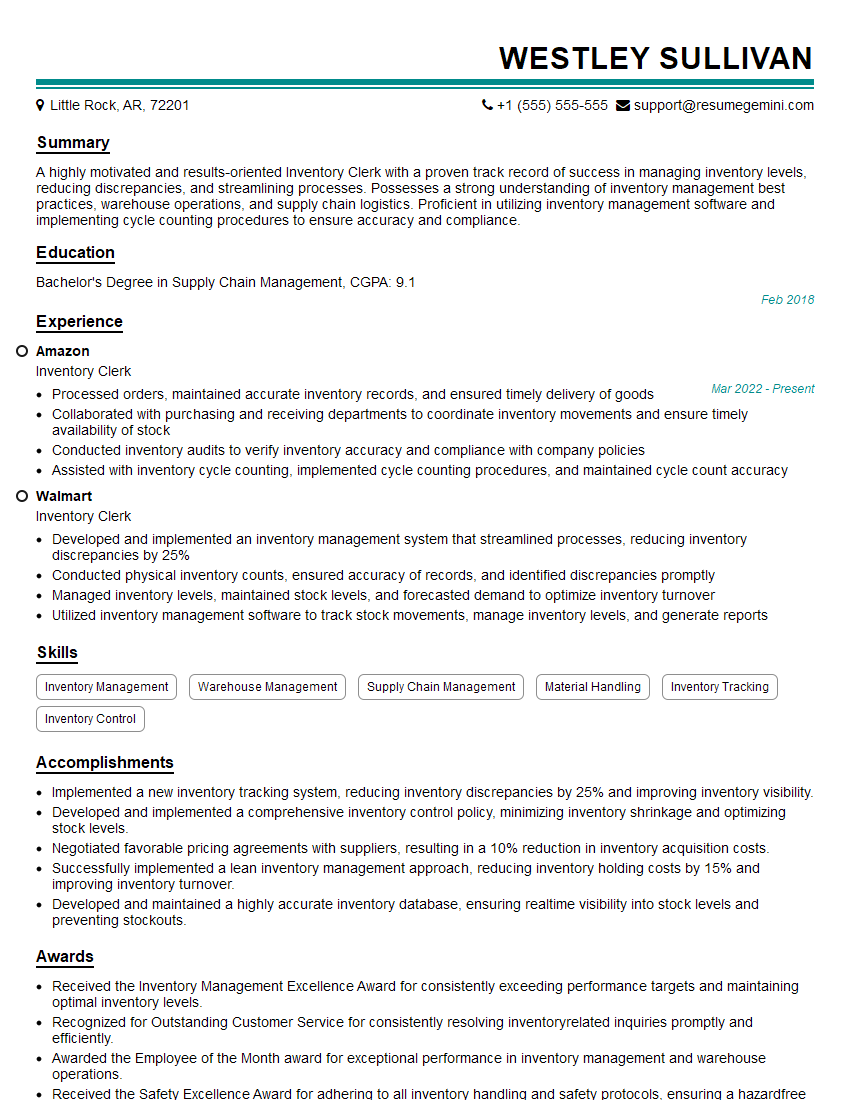
Inventory Clerk Resume Sample
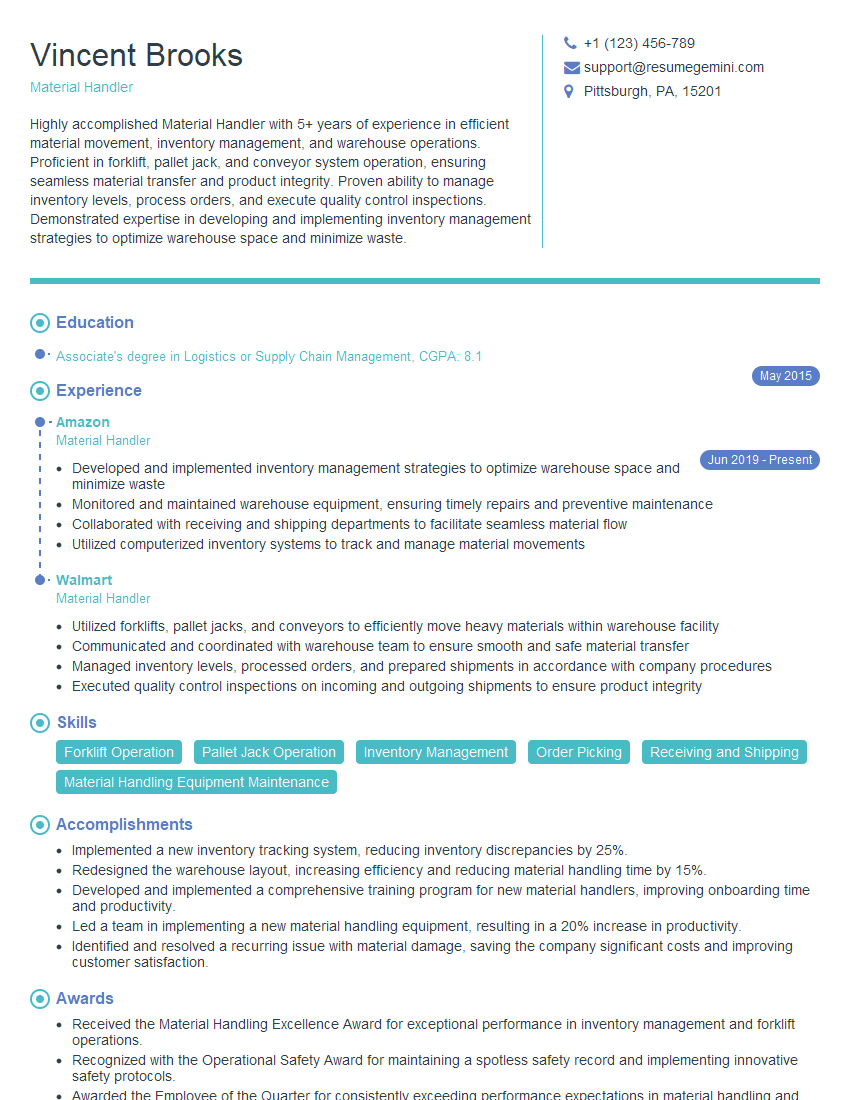
Material Handler Resume Sample
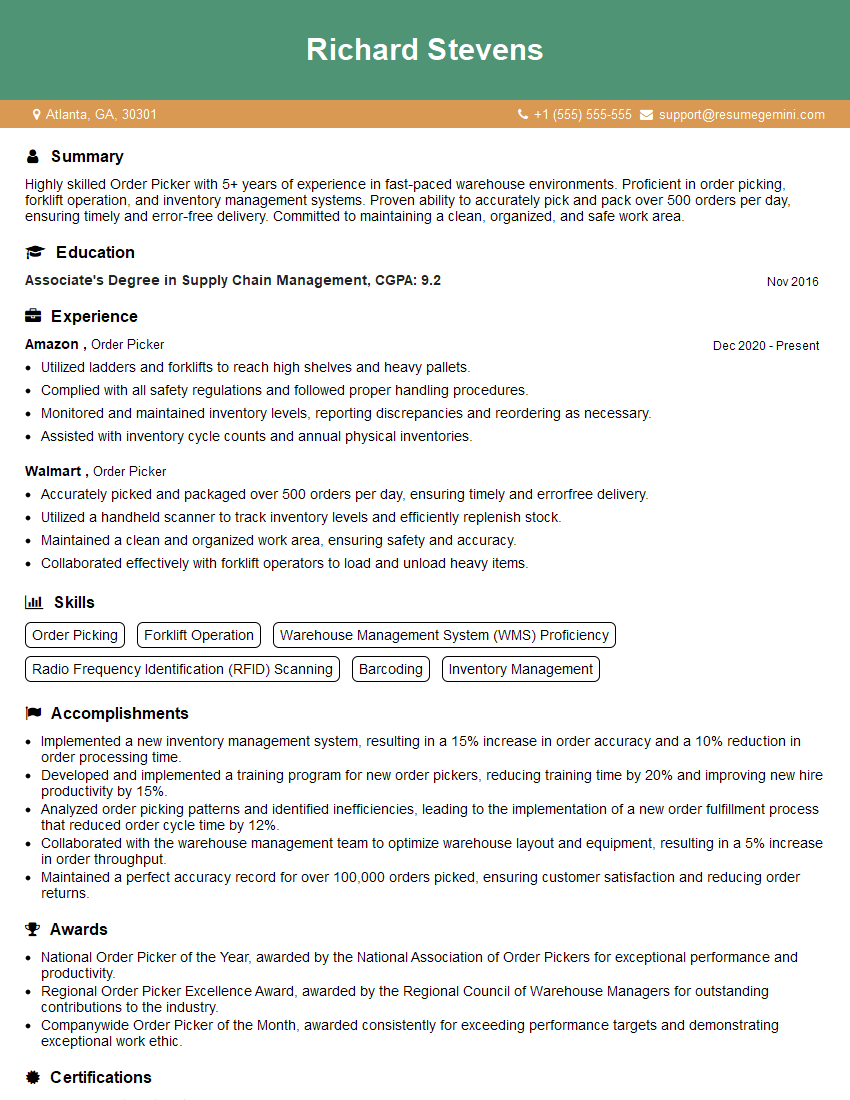
Order Picker Resume Sample
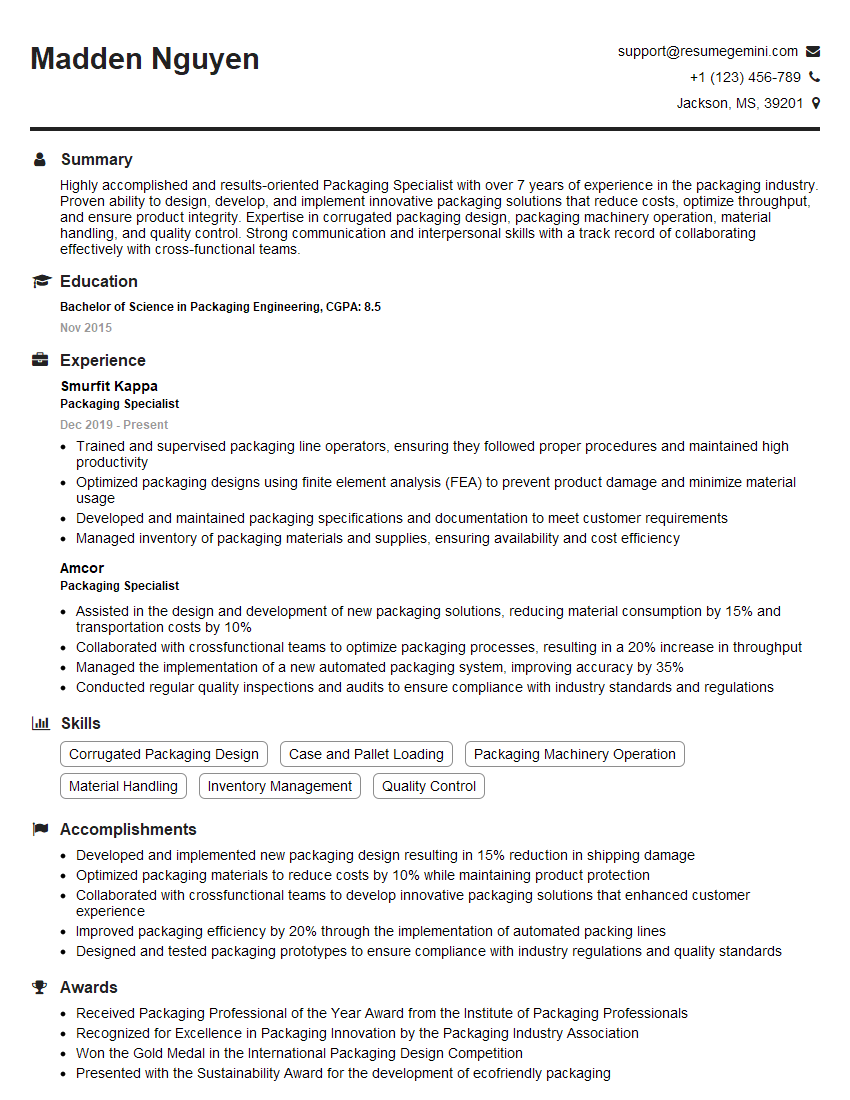
Packaging Specialist Resume Sample
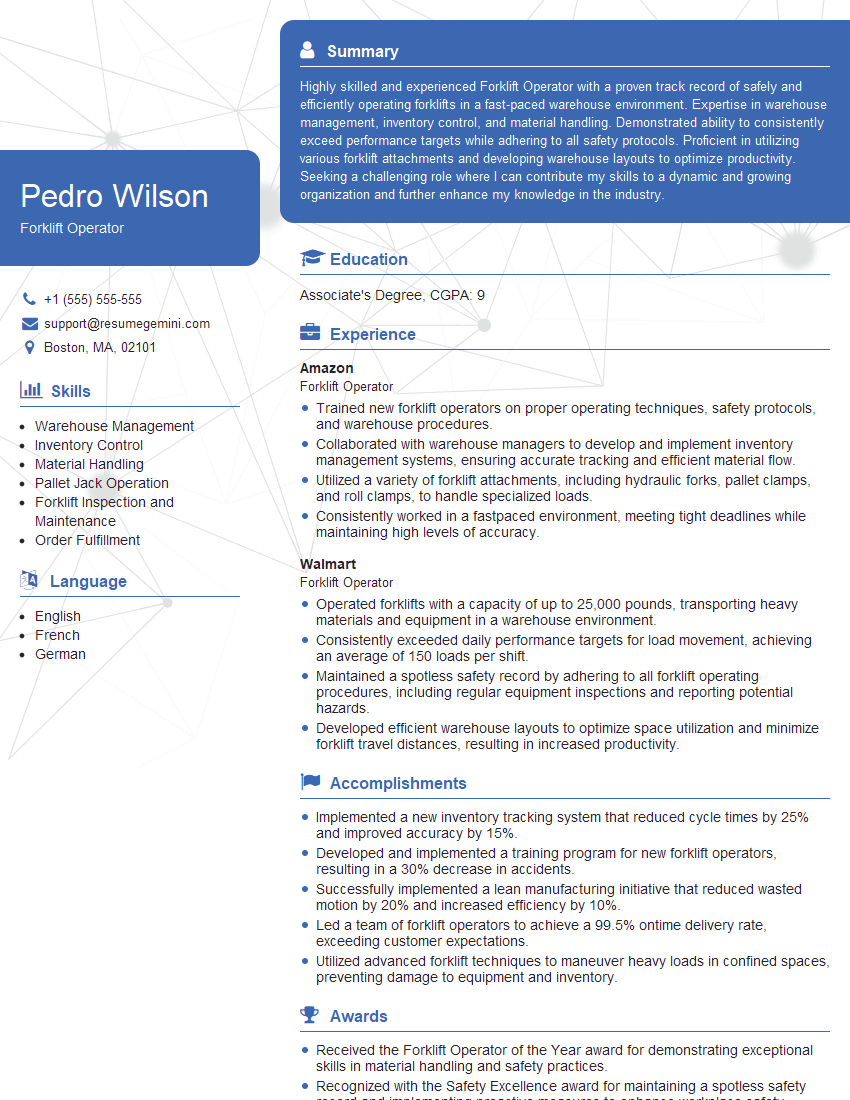
Forklift Operator Resume Sample
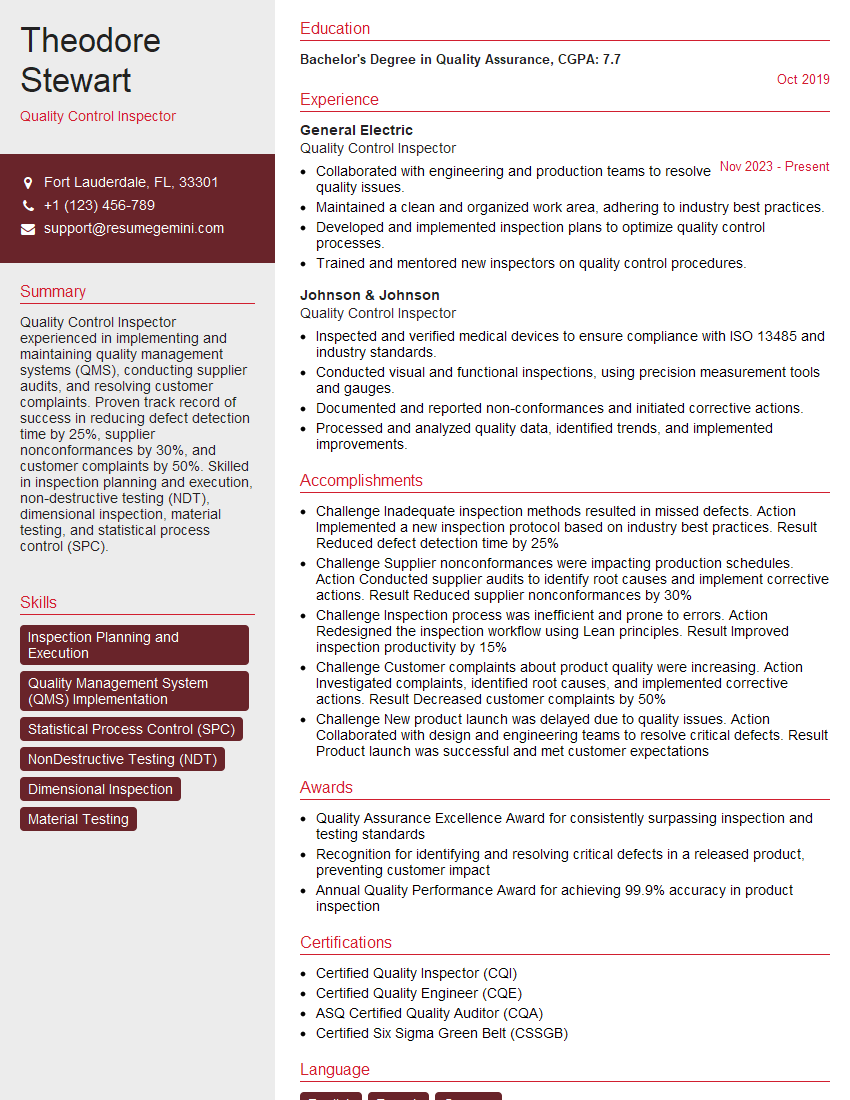
Quality Control Inspector Resume Sample
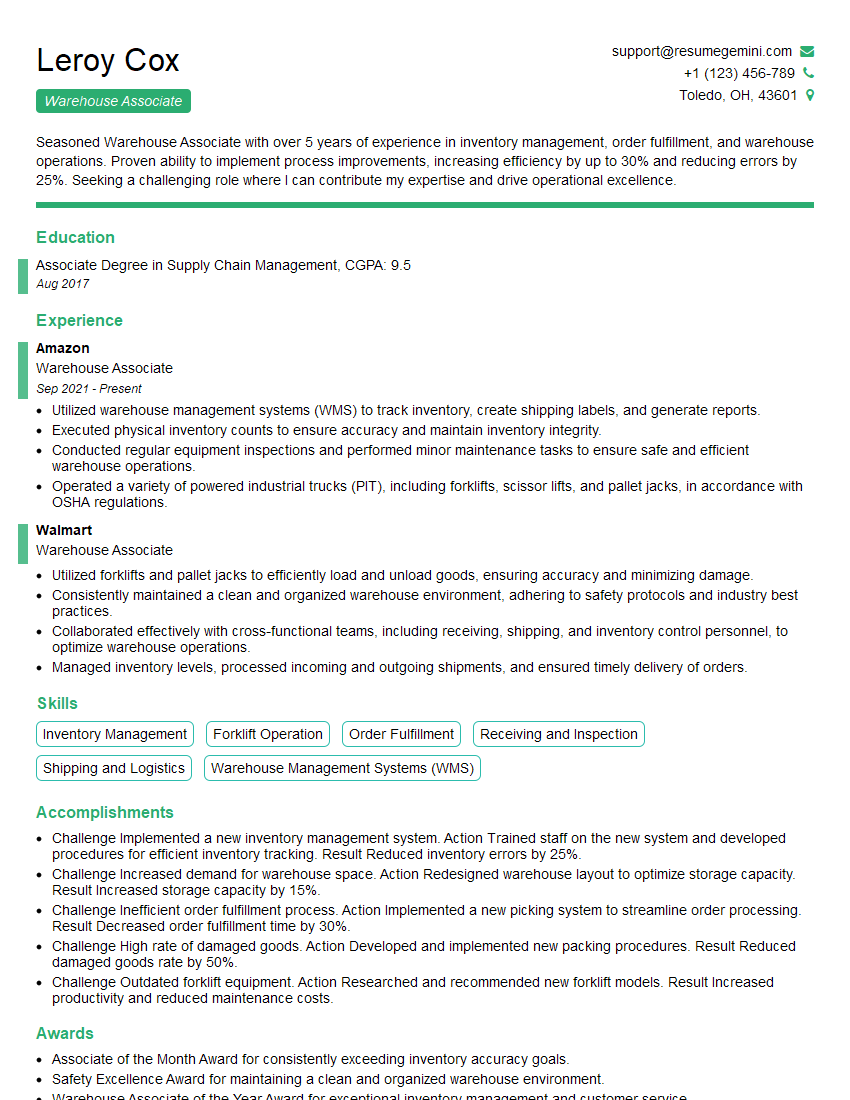
Warehouse Associate Resume Sample
- Safety Manager
- Facility Manager
- Operations Manager
- Plant Manager
- Production Supervisor
- Supply Chain Manager
- Distribution Center Manager
- Logistics Manager
- Warehouse Manager
- Warehouse Supervisor
- Logistics Coordinator
- Production Planner
- Supply Chain Analyst
- Automation Engineer
- Maintenance Technician
- Inventory Control Specialist
- Inventory Clerk
- Material Handler
- Order Picker
- Packaging Specialist
- Forklift Operator
- Quality Control Inspector
- Warehouse Associate
Explore more articles
Users Rating of Our Blogs
Share Your Experience
We value your feedback! Please rate our content and share your thoughts (optional).
What Readers Say About Our Blog
To the interviewgemini.com Webmaster.
Very helpful and content specific questions to help prepare me for my interview!
Thank you
To the interviewgemini.com Webmaster.
This was kind of a unique content I found around the specialized skills. Very helpful questions and good detailed answers.
Very Helpful blog, thank you Interviewgemini team.