Are you ready to stand out in your next interview? Understanding and preparing for Buffer Environmental Compliance interview questions is a game-changer. In this blog, we’ve compiled key questions and expert advice to help you showcase your skills with confidence and precision. Let’s get started on your journey to acing the interview.
Questions Asked in Buffer Environmental Compliance Interview
Q 1. Explain the concept of a buffer zone in environmental compliance.
A buffer zone, in the context of environmental compliance, is a protected area established around a sensitive environmental feature, such as a wetland, river, or endangered species habitat. Its purpose is to act as a filter or barrier, minimizing the negative impacts of adjacent land uses on the protected feature. Think of it as a protective moat around a castle, shielding the central area from external threats.
These zones are designed to prevent pollution, erosion, habitat destruction, and other detrimental effects. The width and specific regulations for a buffer zone vary depending on the type of protected area, local regulations, and the potential for impact from neighboring activities. For instance, a buffer zone around a wetland might be wider than one around a less sensitive area.
Q 2. What are the key regulations governing buffer zones in your region?
The key regulations governing buffer zones vary significantly by region. In many jurisdictions, these regulations are enshrined in a combination of federal, state, and local laws. For example, in the US, the Clean Water Act plays a crucial role, setting standards for wetlands protection and often dictating the establishment of buffer zones. Similarly, the Endangered Species Act might mandate buffer zones to protect critical habitats.
Specific state and local ordinances often provide more detailed regulations, including permitted land uses, setbacks, and required vegetation. These local rules often involve zoning ordinances, environmental protection regulations, and perhaps even watershed management plans. It’s crucial to consult all relevant regulatory documents for a specific location and project.
- Example: A county might have an ordinance requiring a 50-foot buffer zone around all streams, prohibiting any construction or land clearing within that zone.
Q 3. Describe your experience conducting environmental audits related to buffer zones.
Throughout my career, I’ve conducted numerous environmental audits related to buffer zones. These audits typically involve a thorough site visit, a review of existing permits and plans, and an assessment of current land use practices. For example, I once audited a development project near a significant wetland. The audit focused on verifying the developer’s compliance with the required 100-foot buffer zone, including checking for proper vegetation, erosion control measures, and the absence of any unauthorized activities.
During the audit, I meticulously examined the buffer zone for signs of encroachment, soil erosion, or pollution sources. I used GPS technology to accurately map the buffer zone boundaries and compare them to the approved plans. Any deviations from the approved plan or regulations were documented, along with recommendations for corrective actions.
Data analysis and reporting are crucial. I prepare detailed reports summarizing findings, identifying any non-compliance issues, and recommending remediation strategies to bring the project into full compliance.
Q 4. How do you identify and assess potential environmental risks within a buffer zone?
Identifying and assessing potential environmental risks within a buffer zone requires a multi-faceted approach. It starts with understanding the specific environmental features being protected and the potential threats posed by adjacent land uses.
This assessment might involve:
- Site inspections: Visual inspections to identify signs of erosion, pollution (e.g., chemical runoff, sediment), illegal dumping, invasive species, or unauthorized construction.
- Data analysis: Reviewing historical data on water quality, soil conditions, and ecological surveys to understand the baseline condition and identify potential vulnerabilities.
- Modeling: Using hydrological or ecological models to predict the potential impacts of different land use scenarios on the protected area.
- Stakeholder consultation: Engaging with local residents, landowners, and regulatory agencies to gather valuable information and perspectives.
A risk assessment matrix can be used to prioritize and manage identified risks. The matrix should consider the likelihood of an event occurring and the severity of its potential impact. For example, a high-likelihood, high-severity risk would warrant immediate attention and corrective measures.
Q 5. What are the common environmental impacts associated with buffer zone violations?
Violations of buffer zone regulations can lead to a range of significant environmental impacts. These impacts can be immediate or develop over time, and can cascade through the ecosystem:
- Water pollution: Runoff from agricultural fields or construction sites lacking proper erosion controls can pollute streams and wetlands.
- Habitat loss and fragmentation: Encroachment into a buffer zone can destroy critical habitat for plants and animals.
- Soil erosion and sedimentation: Clearing vegetation or disturbing soils can lead to increased erosion, resulting in sedimentation of waterways and harming aquatic life.
- Reduced water quality: Increased nutrient loads and sediment can reduce dissolved oxygen levels in water bodies, negatively affecting aquatic organisms.
- Loss of biodiversity: Degradation of habitat can lead to the decline or extinction of species relying on the protected area.
The cumulative impact of numerous minor violations can be far more damaging than a single major incident, emphasizing the importance of comprehensive buffer zone protection.
Q 6. Explain the process of obtaining permits for activities within a buffer zone.
The process for obtaining permits for activities within a buffer zone is typically stringent and involves multiple steps. It usually starts with a detailed application submitted to the relevant regulatory agency. The application must clearly describe the proposed activity, its potential environmental impacts, and the mitigation measures to be implemented.
The agency reviews the application, potentially requiring additional information or studies (e.g., environmental impact assessments). Public notice and comment periods are often part of the process, allowing for input from stakeholders. If the agency finds the proposed activity acceptable and the mitigation measures adequate, a permit will be issued. This permit specifies the allowed activities, conditions, and monitoring requirements. Failure to comply with the conditions can result in penalties, including permit revocation.
The specific requirements will vary based on the location, type of activity, and the sensitivity of the protected area. It’s crucial to engage with the regulatory agency early in the planning process to ensure a smooth and efficient permit application.
Q 7. How do you ensure compliance with buffer zone regulations throughout a project lifecycle?
Ensuring compliance with buffer zone regulations throughout a project lifecycle is critical. This requires a proactive and integrated approach, starting from the initial planning stages and extending through construction, operation, and decommissioning (if applicable).
Key strategies include:
- Incorporate buffer zone protection into project design: Design the project to minimize its footprint and impact on the buffer zone.
- Implement robust erosion and sediment control measures: Employ best management practices to prevent soil erosion and pollution during construction.
- Regular monitoring and inspections: Conduct periodic inspections to ensure compliance with permit conditions and identify potential problems early.
- Comprehensive documentation: Maintain detailed records of all activities, inspections, and any corrective actions taken.
- Employee training: Ensure that all project personnel are adequately trained on buffer zone regulations and best practices.
- Adaptive management: Be prepared to adjust plans and practices as needed to address unforeseen challenges or changing conditions.
By adhering to these strategies, projects can be executed successfully while minimizing their impact on the environment and ensuring long-term compliance with buffer zone regulations.
Q 8. Describe your experience developing and implementing environmental management plans for buffer zones.
Developing and implementing environmental management plans for buffer zones requires a multi-faceted approach. It begins with a thorough understanding of the specific ecosystem, the potential threats (e.g., pollution, erosion, invasive species), and the regulatory framework. I typically start with a comprehensive site assessment, identifying sensitive habitats and existing environmental conditions. This forms the basis for defining the buffer zone’s boundaries and objectives. The plan itself outlines specific management strategies, such as vegetation management, erosion control measures (e.g., terracing, riparian buffers), and pollution prevention practices (e.g., restricting pesticide use, managing stormwater runoff). Crucially, the plan details monitoring protocols and mechanisms for adaptive management to address unforeseen challenges.
For example, in a project near a sensitive wetland, we implemented a plan that included the planting of native vegetation to stabilize the soil, create a natural filter for runoff, and provide habitat for wildlife. We also established a controlled access zone to limit human disturbance. Another example involved developing a detailed stormwater management plan that directed runoff away from the buffer zone and into a constructed wetland for filtration before it reached a nearby river.
Q 9. How do you monitor and measure the effectiveness of buffer zone management strategies?
Monitoring and measuring the effectiveness of buffer zone management strategies requires a systematic approach combining both quantitative and qualitative data collection. Quantitative data might include water quality parameters (e.g., nutrient levels, dissolved oxygen), soil erosion rates, and the population density of key indicator species. We use established sampling protocols and statistical analysis to evaluate trends and identify areas of concern. Qualitative data, such as photographic records of vegetation health and observations of wildlife activity, provide valuable contextual information. Remote sensing techniques, such as aerial photography or drone surveys, can also be employed to monitor changes in land cover and habitat over time.
For instance, to assess the effectiveness of a riparian buffer, we might compare water quality parameters upstream and downstream of the buffer, measuring differences in nutrient levels and sediment loads. We might also track the growth and survival rates of planted vegetation using established monitoring protocols.
Q 10. What are the key performance indicators (KPIs) used to assess buffer zone compliance?
Key Performance Indicators (KPIs) for assessing buffer zone compliance vary depending on the specific objectives of the management plan and the relevant regulations. However, common KPIs include:
- Water quality parameters: Levels of nutrients (nitrogen, phosphorus), sediment, pesticides, and other pollutants in water bodies adjacent to the buffer zone.
- Soil erosion rates: Measurement of soil loss to assess the effectiveness of erosion control measures.
- Vegetation cover and diversity: Percentage of land covered by vegetation, species richness, and the abundance of target species.
- Wildlife habitat quality: Presence and abundance of indicator species, nesting success rates, and overall habitat condition.
- Compliance with regulatory requirements: Adherence to permit conditions, regulations, and best management practices.
These KPIs are typically tracked over time to assess trends and identify areas needing improvement. For example, a significant increase in nutrient levels in a downstream water body might indicate a failure of the buffer zone to adequately filter runoff. Similarly, a decline in the population of a key indicator species could suggest that the buffer zone is not providing adequate habitat.
Q 11. Describe your experience with environmental remediation within buffer zones.
Environmental remediation within buffer zones often involves addressing past contamination or damage. This can range from removing invasive species, restoring degraded habitats, and treating contaminated soil or water. The approach is heavily dependent on the nature and extent of the contamination. For example, contaminated soil might require excavation and treatment or in-situ bioremediation. Contaminated water might require the installation of a treatment system. The remediation strategy must be designed to minimize further environmental damage and promote ecological recovery. It is crucial to carefully consider the potential impacts of remediation activities on the surrounding environment and ensure that the chosen methods comply with all relevant regulations.
In one project, we remediated a buffer zone impacted by past industrial activities involving heavy metal contamination. This involved a multi-stage process: initial site characterization to determine the extent of contamination; excavation of heavily contaminated soil; on-site treatment of the contaminated soil using a phytoremediation approach (using plants to absorb contaminants); and monitoring of soil and groundwater quality following remediation. Post-remediation monitoring is crucial to ensure the effectiveness of the cleanup and the long-term protection of the environment.
Q 12. How do you communicate environmental compliance requirements to stakeholders?
Effective communication of environmental compliance requirements is crucial for successful buffer zone management. This involves tailoring the information to the specific needs and understanding of different stakeholders. I typically use a multi-pronged approach:
- Workshops and training: Conducting workshops and training sessions for stakeholders to explain the regulations, best management practices, and their responsibilities.
- Fact sheets and brochures: Developing easy-to-understand fact sheets and brochures summarizing key information.
- Regular meetings and updates: Holding regular meetings with stakeholders to discuss progress, address concerns, and provide updates.
- Website and online resources: Creating a website or online portal containing relevant documents, maps, and contact information.
- Direct communication: Maintaining direct contact with stakeholders to address individual questions and concerns.
For example, we developed a user-friendly website for a project involving agricultural land bordering a protected area. This site contained maps showing buffer zone boundaries, information about permitted activities, and contact details for compliance officers.
Q 13. How do you handle environmental incidents or non-compliance issues within a buffer zone?
Handling environmental incidents or non-compliance issues within a buffer zone requires a prompt and thorough response. The first step is to assess the nature and extent of the incident, determining its potential environmental impacts. Then, we implement immediate containment and mitigation measures to prevent further damage. This might involve removing spilled pollutants, repairing damaged infrastructure, or taking other actions to minimize environmental harm. We then conduct a thorough investigation to determine the root cause of the incident and identify any contributing factors. This information is used to develop corrective actions to prevent recurrence. Depending on the severity of the incident, it may be necessary to report the incident to the relevant regulatory agencies and initiate legal proceedings.
For example, if there was an accidental release of pesticides into a buffer zone, we would immediately implement measures to contain the spill, prevent further spread, and collect samples for analysis. A thorough investigation would follow, including interviews with personnel and review of safety protocols. Corrective actions might include retraining of staff, improved safety procedures, and potential remediation of affected areas.
Q 14. What are the legal consequences of violating buffer zone regulations?
The legal consequences of violating buffer zone regulations vary depending on the jurisdiction, the nature of the violation, and its severity. Penalties can range from administrative fines to criminal charges. Common penalties include:
- Fines: Monetary penalties for non-compliance with regulations.
- Cease and desist orders: Legal orders requiring the cessation of activities that violate regulations.
- Restoration orders: Orders requiring the restoration of damaged areas to their previous condition.
- Criminal charges: In cases of serious violations, criminal charges may be filed, leading to imprisonment and substantial fines.
- Civil lawsuits: Private individuals or organizations may file civil lawsuits seeking damages resulting from violations.
It’s crucial to understand that the legal framework surrounding buffer zones is complex and varies across regions. Ignorance of the law is not a defense, and compliance is essential to avoid potentially severe consequences. A thorough understanding of the applicable regulations is vital for anyone involved in activities within or near buffer zones.
Q 15. Describe your experience working with environmental agencies and regulatory bodies.
My experience working with environmental agencies and regulatory bodies spans over ten years, encompassing collaborations with agencies like the EPA (Environmental Protection Agency), state-level Department of Environmental Quality (DEQ) counterparts, and various local conservation authorities. I’ve been involved in numerous projects requiring permit applications, compliance reporting, and environmental impact assessments. For example, I successfully navigated the complex permitting process for a large-scale construction project near a sensitive wetland, securing all necessary approvals while minimizing environmental disruption. This involved detailed communication, submission of comprehensive reports, and participation in several public hearings. Another key experience involved working with a DEQ to develop a remediation plan for contaminated soil within a buffer zone, resulting in successful site cleanup and ecosystem restoration. This collaboration showcased the importance of proactive engagement and clear, transparent communication for positive outcomes.
Career Expert Tips:
- Ace those interviews! Prepare effectively by reviewing the Top 50 Most Common Interview Questions on ResumeGemini.
- Navigate your job search with confidence! Explore a wide range of Career Tips on ResumeGemini. Learn about common challenges and recommendations to overcome them.
- Craft the perfect resume! Master the Art of Resume Writing with ResumeGemini’s guide. Showcase your unique qualifications and achievements effectively.
- Don’t miss out on holiday savings! Build your dream resume with ResumeGemini’s ATS optimized templates.
Q 16. How do you stay current with changes in environmental regulations related to buffer zones?
Staying current with changes in environmental regulations for buffer zones requires a multi-faceted approach. I regularly subscribe to and actively read newsletters and publications from key environmental agencies. I also participate in professional development workshops and conferences, networking with other experts and learning about the latest advancements in the field. Furthermore, I leverage online databases and legal research tools to access updated legislation and case law. Regularly reviewing relevant websites of governmental bodies such as the EPA ensures I’m aware of new policy or guidance. Monitoring changes in best management practices through industry associations and scientific journals keeps my understanding of buffer zone regulations dynamically up-to-date. Think of it like staying current on medical practices – constant learning is vital for effective and responsible practice.
Q 17. What are your strategies for minimizing environmental impacts within a buffer zone?
Minimizing environmental impacts within a buffer zone relies on a proactive, multi-pronged strategy. This begins with a thorough site assessment to identify sensitive areas and potential risks. Then, the strategy includes employing best management practices (BMPs) specific to the buffer zone’s ecological characteristics. For instance, in a riparian buffer zone protecting a stream, this could involve implementing erosion and sediment control measures, such as using vegetated filter strips, avoiding the use of fertilizers and pesticides near the water’s edge, and limiting vehicle access. In a coastal buffer zone, it could mean implementing measures to prevent erosion and control invasive species. Another critical aspect is careful planning and design of any activities within or near the buffer zone. This ensures construction, agriculture, or other activities avoid impacting water quality or disrupting sensitive habitats. Regular monitoring and evaluation allow us to adjust strategies as needed. Think of it as preventive medicine – the goal is to avoid problems before they happen.
Q 18. How do you incorporate sustainability principles into buffer zone management?
Incorporating sustainability principles into buffer zone management is crucial for long-term environmental health. This means adopting a holistic approach that considers ecological, social, and economic factors. For example, promoting biodiversity through native plant restoration improves the buffer zone’s resilience and effectiveness. This approach benefits the ecosystem’s health and can also contribute to carbon sequestration and climate change mitigation. Sustainable practices also prioritize minimizing resource consumption and waste generation. For instance, reducing water use through efficient irrigation techniques or using recycled materials for construction within the buffer zone promotes environmentally sound management. Community involvement is key too. Educating local residents and stakeholders about the importance of buffer zones and involving them in management decisions foster a sense of ownership and ensures the long-term success of conservation efforts.
Q 19. Describe your experience using environmental monitoring equipment and technologies.
My experience with environmental monitoring equipment and technologies is extensive. I’m proficient in using a range of tools for water quality analysis, including multi-parameter probes for measuring dissolved oxygen, pH, turbidity, and conductivity. I’ve also utilized soil testing kits to assess nutrient levels and heavy metal contamination. I’m skilled in operating and interpreting data from remotely sensed imagery (e.g., aerial photography and satellite data) to monitor vegetation health and changes in land cover within buffer zones. For example, I successfully utilized drone technology with high-resolution cameras to monitor erosion patterns along a riverbank, enabling timely intervention to prevent further damage. Data loggers are also frequently employed, providing continuous monitoring of parameters like water levels and rainfall. Analyzing this data provides invaluable insights into the buffer zone’s effectiveness and helps to identify potential problems early.
Q 20. Explain your understanding of GIS and its application in buffer zone management.
Geographic Information Systems (GIS) are indispensable tools for buffer zone management. GIS allows for the creation of detailed maps depicting buffer zone boundaries, sensitive habitats, and land use patterns. This spatial data can then be analyzed to identify potential conflicts and prioritize conservation efforts. For example, overlaying data on water flow patterns with land use data allows for the identification of areas at high risk of pollution. GIS also facilitates the development of management plans and monitoring programs, enabling visualization of project impact and tracking progress toward conservation goals. Additionally, GIS provides a platform for stakeholder communication and engagement by allowing for the interactive sharing of spatial information. I have extensive experience using GIS software such as ArcGIS to model various scenarios, predict the impact of different management interventions, and improve the overall effectiveness of buffer zone management.
Q 21. How do you use data analysis to identify trends and patterns in buffer zone compliance?
Data analysis plays a pivotal role in identifying trends and patterns in buffer zone compliance. I routinely collect data from various sources, including environmental monitoring equipment, compliance reports, and stakeholder feedback. This data is then analyzed using statistical software to identify trends and patterns. For instance, time-series analysis can reveal changes in water quality parameters over time, helping to assess the effectiveness of implemented management practices. Spatial analysis using GIS can highlight areas within the buffer zone exhibiting signs of degradation or non-compliance. For example, identifying statistically significant relationships between land use activities and water quality parameters helps pinpoint sources of pollution. Data analysis also enables the development of predictive models to anticipate future problems, allowing for proactive and preventative management strategies. This data-driven approach ensures continuous improvement in buffer zone management and compliance. A good analogy would be a doctor tracking a patient’s vital signs – the data allows for proactive intervention.
Q 22. How do you ensure the accuracy and integrity of environmental data related to buffer zones?
Ensuring the accuracy and integrity of environmental data in buffer zones is paramount. It’s like building a house – you need a solid foundation of reliable information. We achieve this through a multi-pronged approach:
- Rigorous Data Collection Methods: This involves using calibrated equipment, following standardized protocols (e.g., ISO standards), and employing trained personnel. For example, when monitoring water quality, we use certified equipment to measure parameters like pH and dissolved oxygen, meticulously documenting the process and chain of custody.
- Quality Control and Quality Assurance (QA/QC): Regular checks and audits are crucial. We implement blind samples, replicate measurements, and use statistical analysis to identify outliers and potential errors. Think of it as double-checking your work – it’s essential to catch mistakes early.
- Data Management Systems: We utilize robust databases and Geographic Information Systems (GIS) to store, manage, and visualize data. This ensures data accessibility, traceability, and helps identify trends over time. Imagine a central hub where all the environmental information is organized and easily retrievable.
- Data Validation and Verification: Independent verification of data by a third party is sometimes needed to ensure objectivity and build confidence in the results. This is like getting a second opinion from an expert.
By combining these methods, we can be confident that the data we use for decision-making regarding buffer zone management is accurate, reliable, and defensible.
Q 23. Describe your experience with environmental impact assessments (EIAs) for buffer zones.
My experience with EIAs for buffer zones is extensive. I’ve been involved in numerous projects, ranging from small-scale developments near wetlands to large industrial facilities bordering protected forests. The process generally involves:
- Baseline Studies: We initially characterize the existing environmental conditions within and surrounding the buffer zone. This includes flora, fauna, water quality, and air quality assessments. We collect data to understand the ‘before’ picture.
- Impact Prediction: We use various modeling techniques and expert judgment to predict the potential impacts of the proposed project on the buffer zone’s ecological integrity. For example, we might model the effect of increased runoff on a nearby stream.
- Mitigation Measures: A key part of the EIA involves designing and implementing measures to minimize or eliminate negative impacts. This might include buffer strip widening, erosion control practices, or habitat restoration projects.
- Reporting and Review: We compile a comprehensive report that summarizes the findings, predictions, and proposed mitigation measures. This report undergoes rigorous review by regulatory agencies to ensure compliance.
A recent project involved an EIA for a new highway adjacent to a sensitive riparian ecosystem. Through careful planning and the implementation of mitigation measures such as culvert design improvements and revegetation, we successfully minimized the project’s impact on the buffer zone.
Q 24. How do you contribute to a culture of environmental compliance within an organization?
Fostering a culture of environmental compliance isn’t just about following rules; it’s about embedding environmental responsibility into the organizational DNA. My approach involves:
- Training and Education: Regular training programs ensure everyone understands their environmental responsibilities and the relevant regulations. We use interactive workshops, case studies, and simulations to make learning engaging and relevant.
- Clear Communication: Open communication channels are vital. We establish clear lines of responsibility, provide regular updates on environmental performance, and encourage feedback.
- Incentives and Recognition: We reward employees and teams that demonstrate exceptional commitment to environmental compliance. This might include awards, bonuses, or public recognition.
- Leading by Example: Leadership commitment is paramount. When leaders prioritize environmental stewardship, it sends a powerful message throughout the organization.
- Audits and Continuous Improvement: Regular environmental audits and internal reviews help identify areas for improvement and ensure continuous compliance. The goal is not just to meet the minimum requirements, but to strive for excellence.
I’ve found that a culture of open communication and shared responsibility is the most effective way to build a strong environmental compliance program.
Q 25. What are the challenges of maintaining buffer zone compliance in a dynamic environment?
Maintaining buffer zone compliance in a dynamic environment presents several challenges:
- Climate Change: Increased frequency and intensity of extreme weather events (floods, droughts) can impact buffer zone integrity and necessitate adaptive management strategies.
- Land Use Changes: Changes in land use around buffer zones (e.g., urbanization, agriculture) can increase pollution and habitat fragmentation, requiring proactive monitoring and mitigation.
- Emerging Contaminants: New pollutants and chemicals constantly emerge, requiring ongoing research and updated compliance strategies. We need to stay informed about the latest scientific findings.
- Regulatory Changes: Environmental regulations are frequently updated, necessitating continuous adaptation and training to keep up with evolving requirements.
- Stakeholder Engagement: Balancing competing interests of various stakeholders (e.g., landowners, developers, conservationists) requires effective communication and negotiation skills.
Addressing these challenges requires flexibility, adaptability, and a proactive approach to environmental monitoring and management. We must anticipate changes and develop robust strategies to address potential issues before they escalate into compliance problems.
Q 26. How do you prioritize competing environmental compliance requirements within a buffer zone?
Prioritizing competing environmental compliance requirements within a buffer zone requires a systematic approach. I typically use a framework based on:
- Risk Assessment: We assess the potential environmental risks associated with each requirement, considering the probability and severity of potential harm. High-risk issues are prioritized.
- Legal and Regulatory Obligations: Compliance with mandatory regulations takes precedence. This is the foundation upon which all other decisions are made.
- Environmental Sensitivity: Areas of high ecological sensitivity within the buffer zone receive greater attention and more stringent compliance measures.
- Resource Availability: We consider the available resources (budget, personnel, time) when setting priorities. We focus on what we can realistically achieve.
- Stakeholder Input: We involve stakeholders in the prioritization process to ensure that the chosen approach is both effective and acceptable to all parties.
Imagine it like a triage system in a hospital – we address the most critical issues first, ensuring compliance with the most important regulations, and prioritizing high-risk situations while considering resource limitations and stakeholder perspectives.
Q 27. Describe your experience with environmental reporting and documentation related to buffer zones.
Environmental reporting and documentation for buffer zones is critical for demonstrating compliance and informing management decisions. My experience includes:
- Data Compilation and Analysis: We meticulously collect and analyze data from various sources, including field surveys, monitoring reports, and modeling outputs.
- Report Writing: I have extensive experience in preparing comprehensive reports that summarize environmental conditions, compliance status, and any identified issues. These reports are tailored to the specific audience (e.g., regulatory agencies, stakeholders).
- Data Visualization: We use graphs, charts, and maps to effectively communicate complex environmental data. Visual representations make information more accessible and easier to understand.
- Compliance Tracking Systems: We employ software to track compliance with permits, regulations, and internal standards. This allows us to monitor performance, identify potential non-compliance issues, and generate reports efficiently.
- Archiving and Record Keeping: We maintain accurate and complete records of all environmental data and documentation, ensuring long-term accessibility and traceability. This is crucial for audits and future reference.
Clear and accurate documentation is crucial for transparency and accountability, helping to demonstrate our commitment to environmental stewardship.
Q 28. What are your career goals related to environmental compliance and buffer zone management?
My career goals involve continued leadership and innovation in environmental compliance and buffer zone management. I aim to:
- Develop and Implement Advanced Monitoring Technologies: I’m keen to explore and integrate cutting-edge technologies like remote sensing and drone-based monitoring to improve the efficiency and accuracy of buffer zone management.
- Advance Adaptive Management Strategies: I want to contribute to the development and application of adaptive management strategies that enhance the resilience of buffer zones in the face of climate change and other environmental pressures.
- Promote Collaboration and Knowledge Sharing: I aim to foster collaboration among environmental professionals, sharing best practices and promoting a stronger sense of community within the field.
- Contribute to Policy Development: I’d like to contribute to the development of evidence-based policies that strengthen environmental regulations and promote effective buffer zone management.
Ultimately, I aspire to make a significant contribution to protecting and restoring the health of our ecosystems, ensuring a sustainable future for generations to come.
Key Topics to Learn for Buffer Environmental Compliance Interview
- Environmental Regulations and Legislation: Understanding key environmental laws (e.g., Clean Air Act, Clean Water Act) and their practical implications for industrial operations. This includes staying updated on current legislation and amendments.
- Environmental Impact Assessments (EIAs): Knowing how to conduct and interpret EIAs, including identifying potential environmental impacts and proposing mitigation strategies. Practical application involves understanding the different phases of an EIA process and the data analysis involved.
- Pollution Prevention and Control: Familiarize yourself with various pollution control technologies and strategies for air, water, and soil. This includes practical experience or knowledge of implementing and maintaining these systems.
- Waste Management and Recycling: Understanding different waste management approaches, including waste reduction, reuse, recycling, and disposal. Practical application involves knowing how to develop and implement a comprehensive waste management plan for a given scenario.
- Environmental Auditing and Reporting: Gain knowledge of conducting environmental audits, interpreting audit findings, and preparing compliance reports. This includes understanding different auditing methodologies and the importance of accurate and timely reporting.
- Risk Assessment and Management: Learn how to conduct environmental risk assessments, identify potential hazards, and develop risk mitigation plans. Practical application involves being able to analyze data and prioritize risk factors effectively.
- Sustainable Practices and Corporate Social Responsibility (CSR): Understanding the integration of sustainable practices into business operations and the importance of corporate social responsibility in environmental compliance. This includes knowledge of various sustainability initiatives and certifications (e.g., ISO 14001).
Next Steps
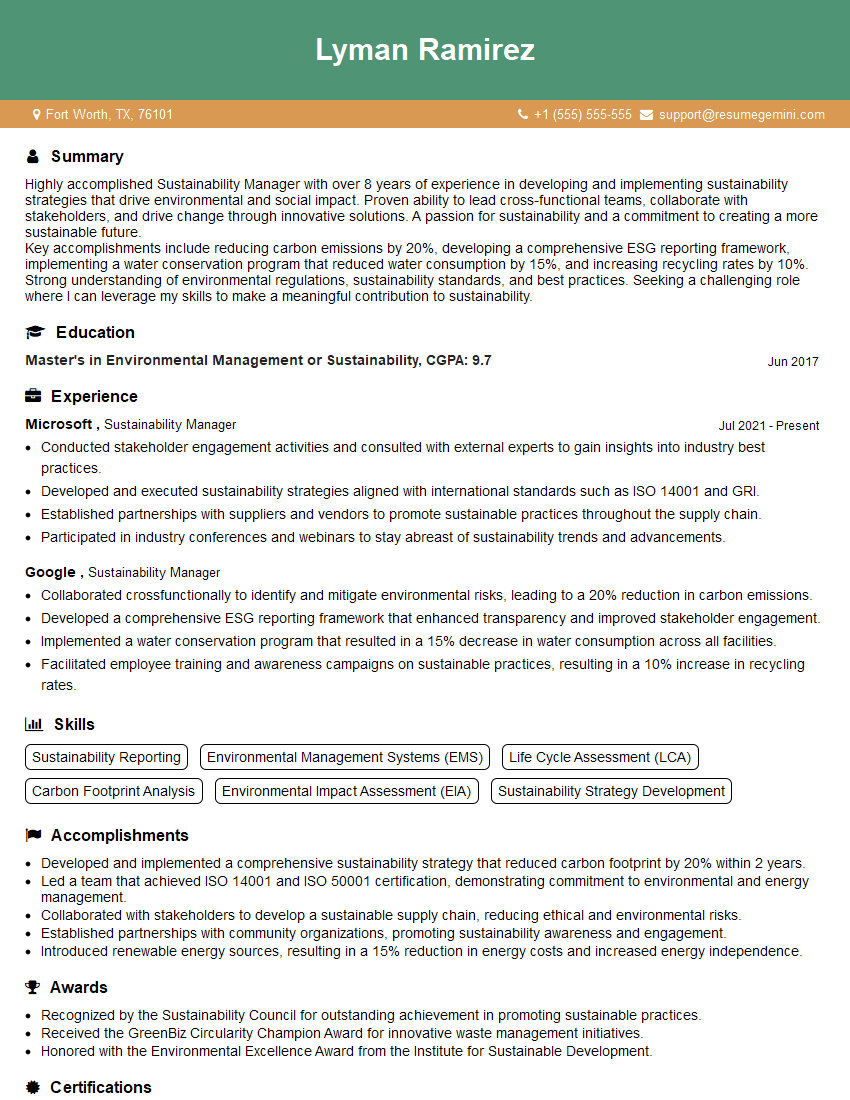
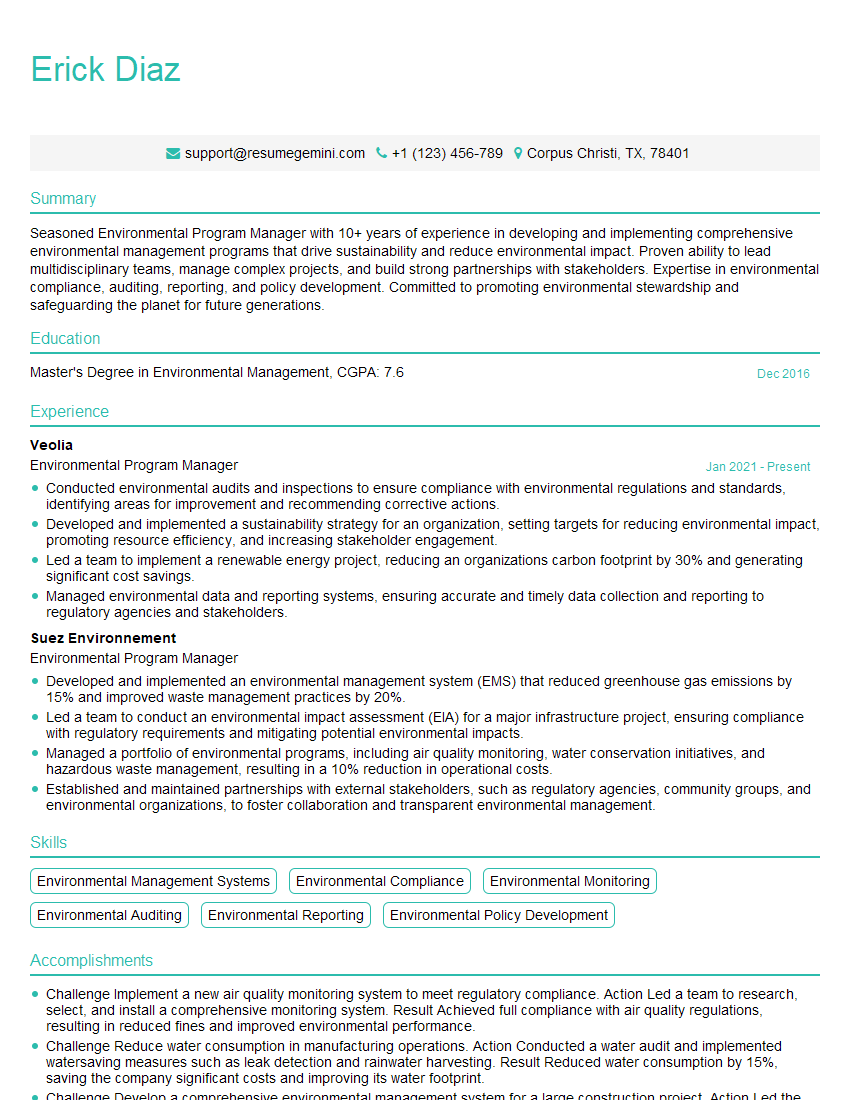
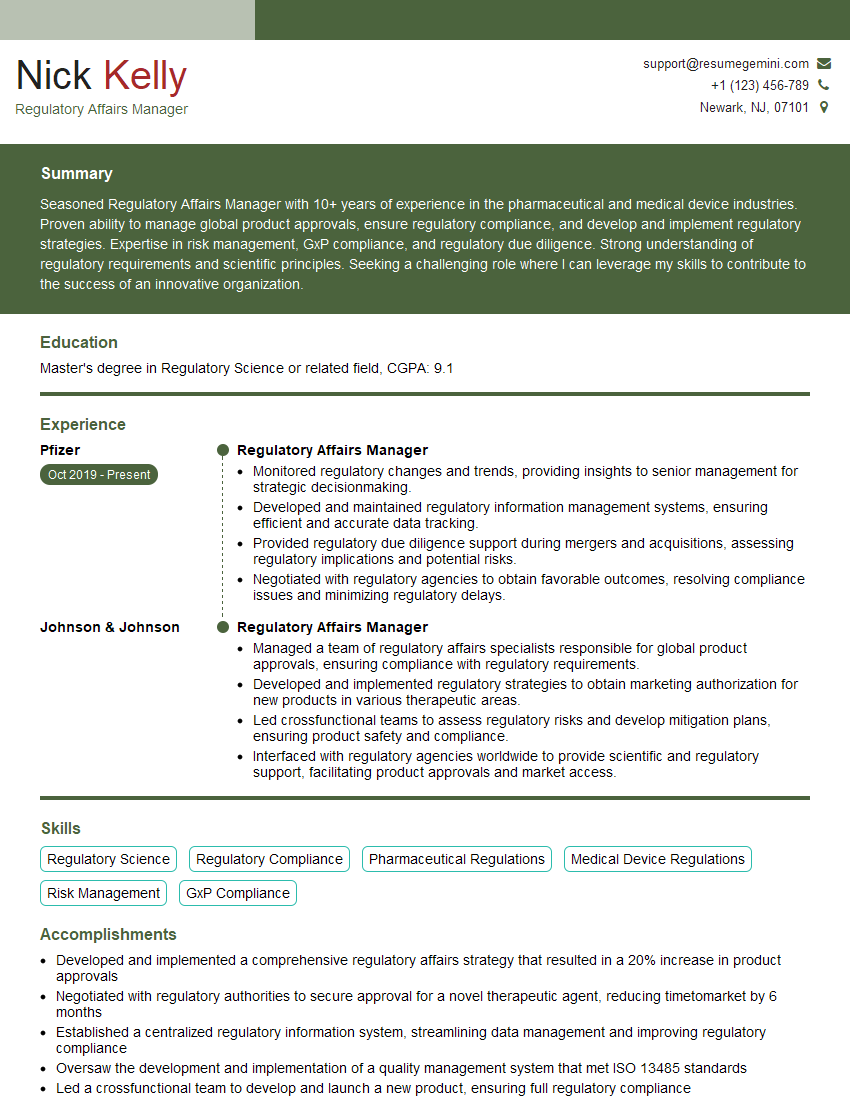
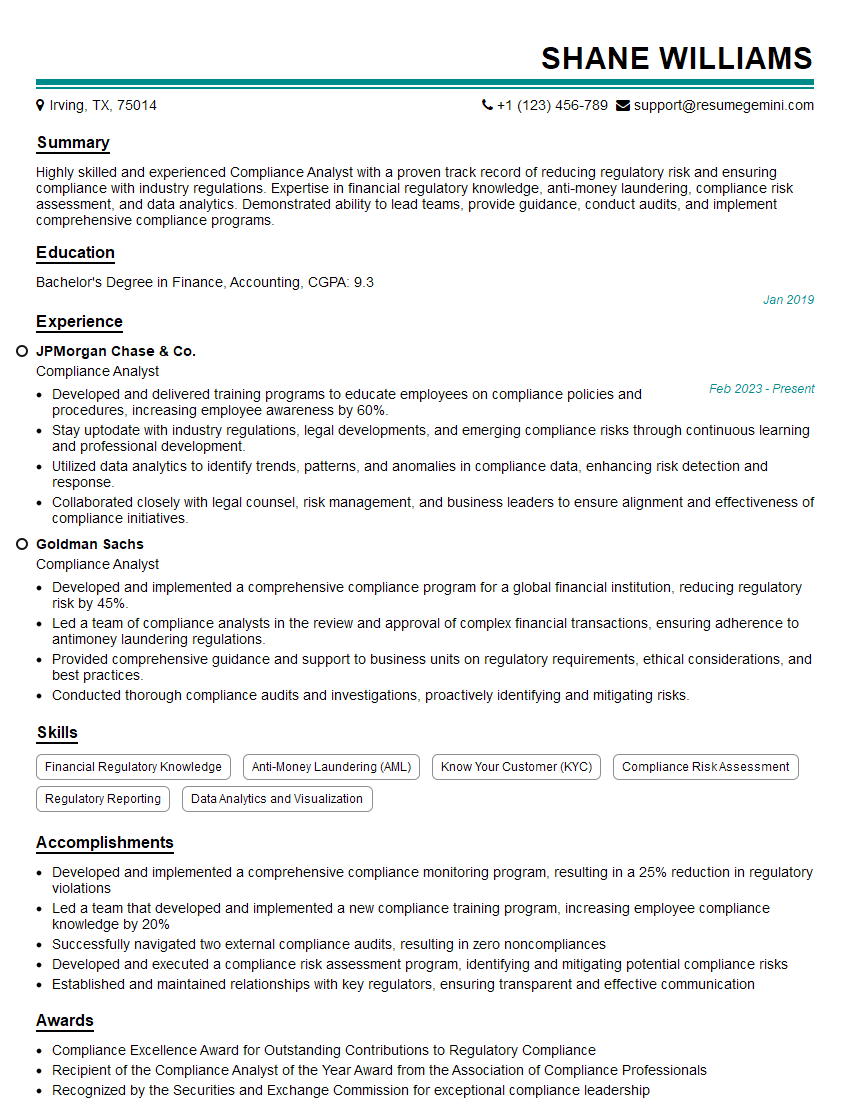
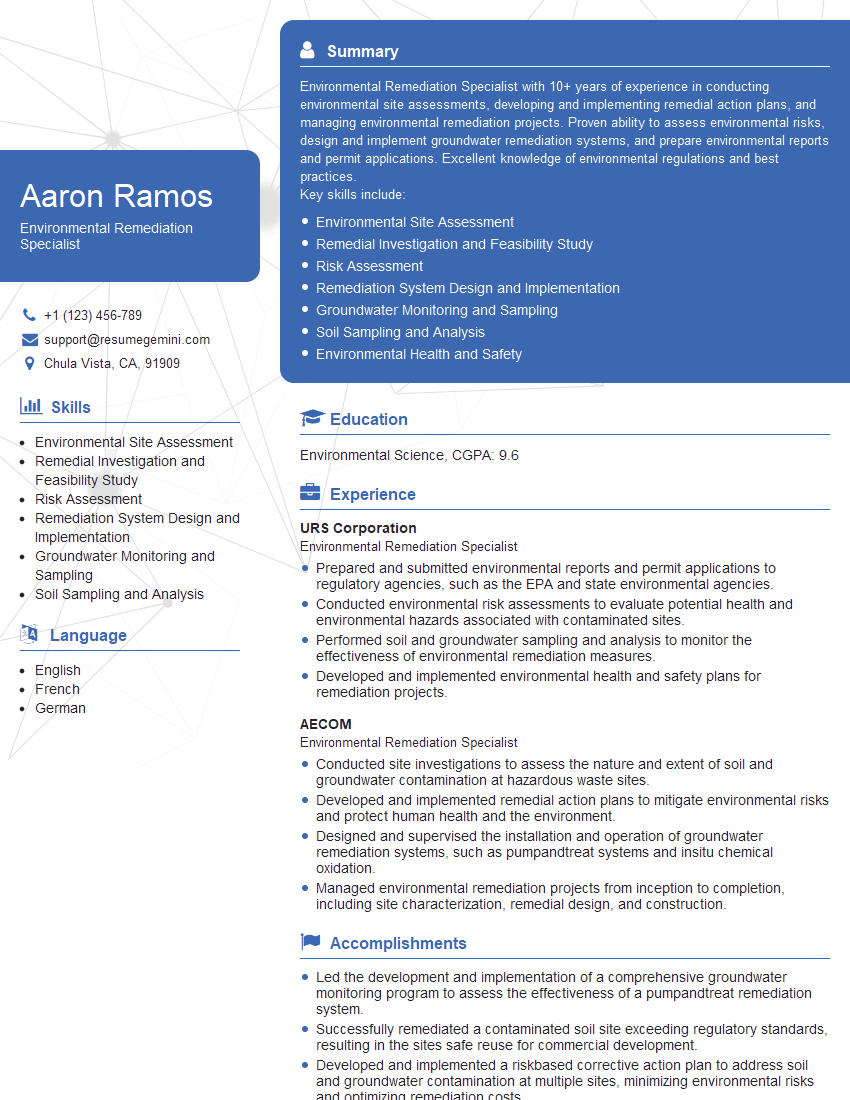
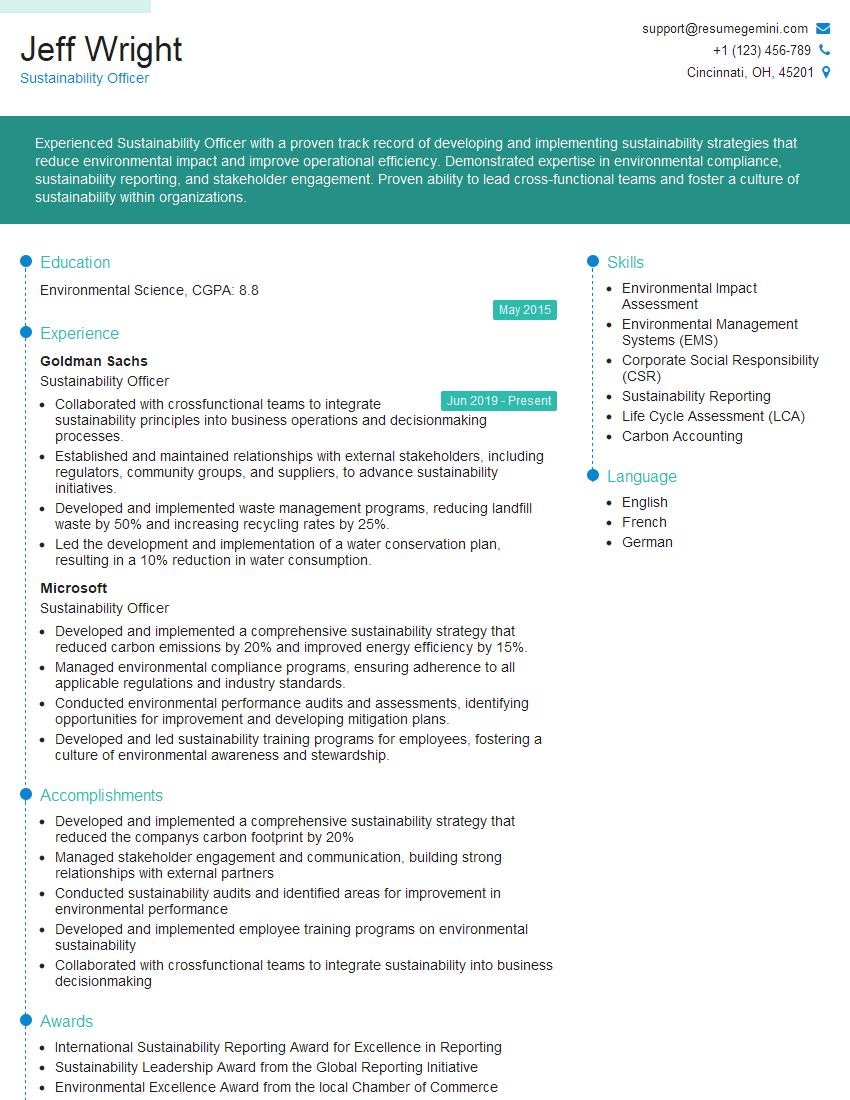
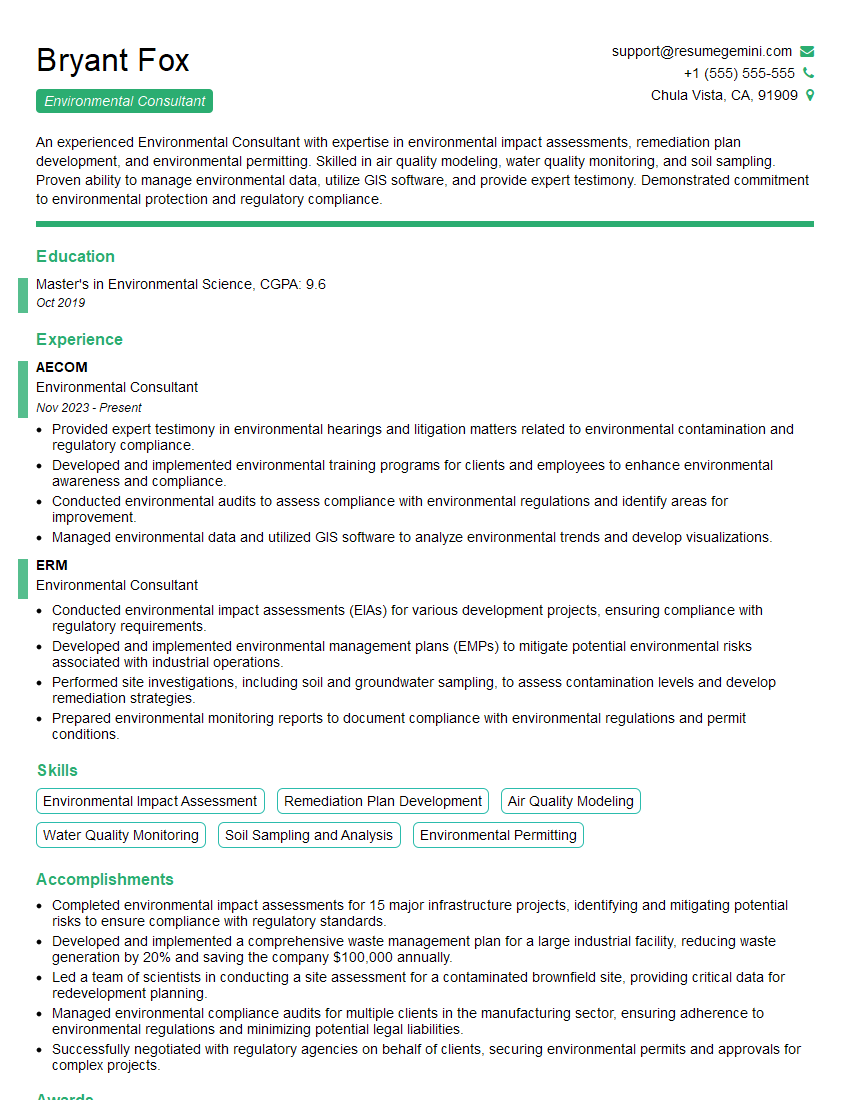
Mastering Buffer Environmental Compliance demonstrates a crucial skillset highly valued in today’s environmentally conscious industries. It showcases your commitment to sustainability and your ability to navigate complex regulations, significantly boosting your career prospects. To maximize your chances of landing your dream role, focus on creating a resume that’s optimized for Applicant Tracking Systems (ATS). This ensures your qualifications are effectively communicated to recruiters. ResumeGemini is a trusted resource to help you build a professional and impactful resume. They provide examples of resumes tailored to Buffer Environmental Compliance, ensuring your application stands out. Take the next step and craft a compelling resume that highlights your expertise!
Explore more articles
Users Rating of Our Blogs
Share Your Experience
We value your feedback! Please rate our content and share your thoughts (optional).
What Readers Say About Our Blog
To the interviewgemini.com Webmaster.
Very helpful and content specific questions to help prepare me for my interview!
Thank you
To the interviewgemini.com Webmaster.
This was kind of a unique content I found around the specialized skills. Very helpful questions and good detailed answers.
Very Helpful blog, thank you Interviewgemini team.