Every successful interview starts with knowing what to expect. In this blog, we’ll take you through the top Buffer Health and Safety interview questions, breaking them down with expert tips to help you deliver impactful answers. Step into your next interview fully prepared and ready to succeed.
Questions Asked in Buffer Health and Safety Interview
Q 1. Describe your experience with implementing buffer zone safety protocols.
Implementing buffer zone safety protocols requires a multi-faceted approach focusing on clear demarcation, controlled access, and robust communication. My experience involves developing and implementing protocols for various industrial settings, including construction sites near active roadways and chemical processing plants adjacent to residential areas. This involved:
- Physical demarcation: Establishing clear physical barriers such as fencing, signage, and barriers to visually separate the buffer zone from high-risk areas. For example, at a construction site, we used high-visibility fencing with clear signage indicating restricted access and speed limits for vehicles.
- Access control: Implementing controlled access points with authorized personnel and vehicle permits. This involved creating a system for issuing and tracking permits, ensuring only necessary personnel entered the buffer zone.
- Communication protocols: Establishing clear communication channels and procedures using two-way radios, emergency alert systems, and regular safety briefings. We established a system where workers had to check in and out of the buffer zone and report any unusual occurrences immediately.
- Monitoring and enforcement: Regularly monitoring the buffer zone for compliance with safety protocols and enforcing rules consistently. This involved daily site inspections and regular audits.
Through these measures, we successfully reduced incidents and ensured a safer working environment within the buffer zone.
Q 2. Explain the concept of hazard identification and risk assessment in a buffer zone.
Hazard identification and risk assessment in a buffer zone are crucial for proactive safety management. It involves systematically identifying potential hazards and evaluating the likelihood and severity of their associated risks. Think of it like a detective investigating a crime scene – you need to meticulously examine every element to understand the potential dangers.
The process typically follows these steps:
- Hazard identification: This involves identifying all potential hazards within the buffer zone, including physical hazards (e.g., moving vehicles, equipment, uneven terrain), chemical hazards (e.g., spills, airborne contaminants), and biological hazards (e.g., exposure to infectious agents). A thorough site survey and brainstorming sessions with workers are invaluable here. For example, in a buffer zone near a chemical plant, potential hazards could include chemical leaks, exposure to hazardous fumes, or equipment malfunctions.
- Risk assessment: Once hazards are identified, we assess the likelihood of each hazard occurring and the severity of its potential consequences. This often uses a risk matrix that combines likelihood and severity to determine the overall risk level (e.g., low, medium, high). This allows us to prioritize our safety interventions.
- Risk control: Based on the risk assessment, we develop and implement control measures to eliminate or mitigate the identified risks. Control measures might include engineering controls (e.g., installing barriers, using remote-controlled equipment), administrative controls (e.g., implementing safe work procedures, providing training), or personal protective equipment (PPE) (e.g., hard hats, safety glasses, respirators).
Regular review and updates to the hazard identification and risk assessment are essential, as conditions and operations within the buffer zone can change.
Q 3. How would you develop and deliver safety training for workers operating within a buffer zone?
Safety training for workers operating within a buffer zone must be comprehensive, engaging, and tailored to the specific hazards present. Think of it like teaching someone to drive – you need to cover the rules, the potential dangers, and how to react in different situations.
My approach involves:
- Needs assessment: Determining the specific knowledge, skills, and abilities required for workers to perform their tasks safely within the buffer zone. This includes understanding the hazards, the control measures, and emergency procedures.
- Training materials: Developing engaging and effective training materials that incorporate a variety of methods, such as presentations, videos, interactive exercises, and hands-on simulations. We use real-life examples and case studies to make the training relatable and memorable.
- Delivery methods: Using a variety of delivery methods such as classroom instruction, on-the-job training, and online modules to cater to different learning styles. We also incorporate regular refresher training to reinforce key safety messages.
- Competency assessment: Evaluating worker competence through practical demonstrations, written tests, or observation during real work situations. We use a system to track training records and ensure that workers are properly certified before they are allowed to work in the buffer zone.
- Feedback mechanisms: Creating opportunities for workers to provide feedback on the training program. This helps us to identify areas for improvement and ensure the training remains relevant and effective.
By making the training engaging, realistic, and relevant, we can ensure that workers are equipped with the knowledge and skills to work safely within the buffer zone.
Q 4. What are the key legal and regulatory requirements for buffer zone safety in your region?
Legal and regulatory requirements for buffer zone safety vary depending on the region and the specific industry. However, common requirements generally include adherence to:
- Occupational Safety and Health Administration (OSHA) regulations (United States): OSHA standards, such as those related to hazard communication, personal protective equipment, and confined space entry, generally apply to buffer zones. Specific regulations will vary depending on the nature of the operation and potential hazards.
- Environmental Protection Agency (EPA) regulations (United States): If the buffer zone involves handling hazardous materials or poses environmental risks, EPA regulations related to waste disposal, spill response, and air and water quality need to be followed.
- Local ordinances and regulations: Many jurisdictions have specific ordinances concerning land use, construction, and traffic control within buffer zones. These local regulations need to be carefully considered and incorporated into the safety plan.
- International Standards (e.g., ISO): Standards such as ISO 45001 (Occupational Health and Safety Management Systems) provide frameworks that can help companies develop a strong buffer zone safety program. These standards are often referenced by regulatory agencies.
It’s crucial to consult with legal counsel and relevant regulatory agencies to ensure full compliance with all applicable laws and regulations in a specific location.
Q 5. Describe your experience with incident investigation and reporting in a buffer zone environment.
Incident investigation and reporting in a buffer zone are crucial for identifying root causes of incidents, preventing future occurrences, and ensuring compliance. It involves a systematic process to understand what happened, why it happened, and what needs to be done to prevent it from happening again.
My experience includes:
- Immediate response: Securing the scene, providing first aid if necessary, and contacting emergency services as required.
- Data collection: Gathering factual information about the incident through interviews with witnesses, reviewing documentation, taking photographs, and examining physical evidence.
- Root cause analysis: Utilizing methods such as the ‘5 Whys’ technique or fault tree analysis to determine the underlying causes of the incident. This is where we dig deeper than just the surface-level events to uncover the root problem. For instance, if a worker was injured by a falling object, the ‘5 Whys’ might reveal that the incident occurred because the object was improperly stored, which was due to inadequate training, stemming from insufficient resources for training allocation.
- Corrective actions: Developing and implementing corrective actions to prevent similar incidents from occurring. These actions may involve updating safety procedures, providing additional training, or modifying equipment.
- Reporting: Documenting the incident investigation findings, corrective actions, and lessons learned in a formal report. The report may be submitted to regulatory authorities, company management, and insurance companies.
By conducting thorough incident investigations, we can learn from past mistakes and improve overall safety performance in the buffer zone.
Q 6. How would you manage and mitigate risks associated with confined spaces within a buffer zone?
Confined spaces within a buffer zone present unique and significant hazards. These spaces often have limited entry and exit points, poor ventilation, and potential for hazardous atmospheres. Managing and mitigating risks in these areas requires adherence to strict safety protocols.
My approach involves:
- Permit-required confined space entry program: Implementing a comprehensive program that follows all applicable regulations, including atmospheric testing before entry, continuous monitoring during entry, and the use of appropriate respiratory protection and safety equipment. We wouldn’t even think of entering a confined space without following our strict entry and exit protocols.
- Rescue planning: Developing a detailed rescue plan that outlines procedures for rescuing workers in case of an emergency. This often involves designating trained rescue personnel and having appropriate rescue equipment readily available.
- Lockout/Tagout procedures: Implementing robust lockout/tagout procedures to prevent the unexpected energization or startup of equipment near confined spaces during entry or maintenance. No one touches equipment without following our procedures.
- Ventilation: Ensuring adequate ventilation to maintain safe atmospheric conditions within the confined space. Mechanical ventilation systems are often used to remove hazardous gases or fumes.
- Training: Providing comprehensive training to all workers involved in confined space entry, covering procedures, hazards, and emergency response. Only trained and certified personnel are permitted to enter confined spaces.
By strictly adhering to these procedures, we can minimize the risks associated with confined space entry within the buffer zone.
Q 7. What are the common health hazards associated with buffer zone operations and how can they be controlled?
Common health hazards associated with buffer zone operations vary greatly depending on the specific location and activities. However, some common hazards include:
- Exposure to hazardous materials: Depending on the surrounding environment, workers may be exposed to chemical spills, airborne contaminants, or biological hazards. This exposure could cause acute or chronic health problems. For instance, a buffer zone near a chemical processing plant could expose workers to various toxic chemicals.
- Noise pollution: Proximity to heavy machinery or traffic could lead to excessive noise exposure, causing hearing loss over time. Construction sites are often a source of high noise levels.
- Physical hazards: Uneven terrain, inadequate lighting, and lack of proper fall protection can lead to slips, trips, and falls. These kinds of accidents often result in injuries.
- Heat stress/cold stress: Depending on the climate and working conditions, workers could be exposed to extreme temperatures, leading to heatstroke or hypothermia. Outdoor work sites are particularly vulnerable.
- Ergonomic hazards: Repetitive movements or awkward postures can lead to musculoskeletal disorders. Manual materials handling can be a source of ergonomic problems.
Control measures to mitigate these hazards include:
- Engineering controls: Implementing measures such as noise barriers, ventilation systems, and proper lighting.
- Administrative controls: Developing and enforcing safe work procedures, providing regular health check-ups, and limiting exposure times.
- Personal protective equipment (PPE): Providing and ensuring the correct use of PPE such as respirators, hearing protection, and safety footwear.
A proactive approach to hazard identification and risk assessment, combined with robust control measures and worker training, is crucial in mitigating these health hazards.
Q 8. Explain the importance of personal protective equipment (PPE) in buffer zone safety.
Personal Protective Equipment (PPE) is paramount in buffer zone safety, acting as the first line of defense against potential hazards. A buffer zone, by definition, is an area separating potentially hazardous operations or environments from other areas, but residual risks remain. The type of PPE required depends entirely on the specific hazards present, which could include chemical exposure, physical dangers (e.g., moving machinery, falling objects), biological hazards, or ergonomic stressors.
- Example 1: In a chemical processing buffer zone, workers might require respirators, chemical-resistant suits, gloves, and safety goggles to prevent inhalation, skin contact, or eye exposure to harmful substances.
- Example 2: In a construction buffer zone near heavy machinery, hard hats, safety glasses, high-visibility clothing, and steel-toed boots would be essential to protect against impacts and falls.
Effective PPE usage involves proper selection, training on correct donning and doffing procedures, regular inspection and maintenance, and strict adherence to company policies. It’s not just about providing PPE; it’s about fostering a culture where its use is seen as non-negotiable.
Q 9. How would you ensure effective communication and coordination among workers in a buffer zone?
Effective communication and coordination are the cornerstones of buffer zone safety. Miscommunication can lead to accidents. To ensure seamless collaboration, I would implement a multi-pronged approach:
- Pre-shift briefings: Daily briefings highlight potential hazards, planned activities, and changes in procedures. This allows everyone to be on the same page and address concerns proactively.
- Clear communication channels: Establishing clear lines of communication using radios, hand signals, or a designated communication system eliminates confusion and ensures immediate response to any situation. This is particularly vital in noisy environments.
- Visual communication: Utilizing signage, clear markings, and color-coded systems helps workers quickly understand restrictions and locate key safety equipment. This is crucial for workers who may not share a common language.
- Regular training: Comprehensive training on communication protocols, emergency procedures, and hazard recognition is vital. Simulations and drills help reinforce learned behaviors and build teamwork.
Think of it like an orchestra – every section (worker) needs to be in sync with the conductor (supervisor) to produce a harmonious and safe performance (operation).
Q 10. Describe your experience with emergency response planning and procedures for buffer zones.
My experience with emergency response planning includes developing comprehensive plans tailored to specific buffer zone hazards. This begins with a thorough hazard assessment, identifying all potential scenarios, from equipment malfunctions to chemical spills or fires. The plans cover:
- Emergency response teams: Clearly defined roles and responsibilities for each team member, including training and drills.
- Emergency procedures: Step-by-step protocols for various emergencies, covering evacuation routes, first aid response, and contacting emergency services.
- Communication protocols: Efficient communication strategies to ensure quick and accurate information flow during an emergency.
- Emergency equipment: Readily accessible and well-maintained equipment, including first aid kits, fire extinguishers, spill kits, and emergency communication devices.
- Post-incident analysis: A structured process to review incidents, identify root causes, and implement corrective actions to prevent future occurrences.
For instance, I developed a plan for a chemical handling buffer zone that included specific procedures for containing chemical spills, using specialized equipment and ensuring the safety of personnel. Regular drills, involving different scenarios, keep the response team sharp and prepared.
Q 11. What are your strategies for promoting a safety-conscious culture within a buffer zone team?
Promoting a safety-conscious culture isn’t a one-time event; it’s an ongoing process that requires consistent effort and leadership commitment. My strategies include:
- Leading by example: Demonstrating adherence to safety rules and procedures at all times.
- Employee empowerment: Encouraging employees to report hazards and near misses without fear of reprisal. Their input is invaluable.
- Recognition and rewards: Acknowledging and rewarding safe work practices reinforces positive behaviors.
- Regular safety meetings: Providing platforms for open dialogue, discussing safety concerns, and sharing best practices.
- Interactive safety training: Using engaging methods, like simulations and games, makes learning more effective and enjoyable.
- Promoting open communication: Creating an environment where safety concerns can be raised without hesitation.
I believe that a safe work environment is a productive work environment. By involving employees in the safety process, you gain buy-in and create a sense of shared responsibility.
Q 12. How would you handle a safety violation or near-miss incident in a buffer zone?
Handling a safety violation or near miss involves a structured approach focused on investigation, correction, and prevention. My process involves:
- Immediate response: Addressing the immediate danger and ensuring the safety of personnel.
- Investigation: Thorough investigation to determine the root cause of the incident using interviews, document review and physical inspection.
- Corrective action: Implementing corrective actions to prevent recurrence, including training, process changes, and equipment modifications.
- Reporting and documentation: Meticulous documentation of the incident, including findings, corrective actions, and follow-up measures.
- Follow-up: Monitoring the effectiveness of the corrective actions and making further adjustments as needed.
For example, if a worker failed to wear required PPE, the investigation would identify why this happened. Corrective actions could range from additional training to better enforcement of safety rules. A near miss might highlight a design flaw, prompting a redesign to prevent future incidents.
Q 13. What are the key elements of an effective safety management system for buffer zones?
An effective safety management system (SMS) for buffer zones is a holistic approach encompassing several key elements:
- Hazard identification and risk assessment: Proactive identification of potential hazards and assessment of associated risks.
- Safety policies and procedures: Clearly defined policies, procedures, and work instructions that are accessible to all personnel.
- Training and competency assessment: Comprehensive training programs for all employees, tailored to specific buffer zone hazards.
- Emergency preparedness: Development and implementation of emergency response plans that consider all possible scenarios.
- Monitoring and auditing: Regular safety audits and inspections to identify potential hazards and ensure compliance.
- Incident investigation and reporting: A systematic approach to investigate incidents, identify root causes, and implement corrective actions.
- Continuous improvement: A culture of continuous learning and improvement, where safety is constantly reviewed and enhanced.
A robust SMS ensures that safety is not an afterthought, but an integral part of every operation within the buffer zone.
Q 14. Explain your understanding of different types of safety audits and inspections within a buffer zone.
Different types of safety audits and inspections are utilized to assess the effectiveness of the safety management system within a buffer zone. They range in scope and depth:
- Walkthrough inspections: Regular, informal inspections conducted by supervisors or safety personnel to identify immediate hazards.
- Formal inspections: More detailed and structured inspections, often conducted by external auditors or specialists to assess compliance with regulations and standards.
- Process safety audits: Focus on the safety of processes and procedures, identifying potential hazards and areas for improvement.
- Environmental audits: Assess the environmental impact of operations and compliance with environmental regulations.
- Incident investigations: Detailed investigations into incidents to identify root causes and implement corrective actions.
The frequency and type of audit or inspection depend on the level of risk and the nature of operations within the buffer zone. A chemical plant’s buffer zone would require more frequent and rigorous audits than a less hazardous setting. The results of these audits should drive continuous improvement efforts.
Q 15. Describe your experience with conducting safety inspections and writing reports.
My experience in conducting safety inspections and writing reports spans over ten years, encompassing diverse industrial settings, including several projects involving buffer zones. I’m proficient in utilizing various inspection checklists and methodologies, tailored to the specific hazards present. My reports are meticulously detailed, including photographic evidence, observations of non-compliance, and prioritized recommendations for corrective actions.
For instance, during a recent inspection of a chemical plant’s buffer zone, I identified a lack of adequate signage indicating restricted areas and potential hazards. My report detailed these deficiencies, including photographic documentation of the missing signage. I then proposed a comprehensive plan, including specific signage requirements, placement suggestions, and a timeline for implementation. This resulted in a significant improvement in the safety of the buffer zone.
Beyond standard inspections, I’m experienced in conducting specialized inspections focusing on specific equipment, procedures, or potential risks identified through incident analysis or proactive risk assessment methodologies. My reports invariably include a root cause analysis section and focus on providing actionable, practical solutions.
Career Expert Tips:
- Ace those interviews! Prepare effectively by reviewing the Top 50 Most Common Interview Questions on ResumeGemini.
- Navigate your job search with confidence! Explore a wide range of Career Tips on ResumeGemini. Learn about common challenges and recommendations to overcome them.
- Craft the perfect resume! Master the Art of Resume Writing with ResumeGemini’s guide. Showcase your unique qualifications and achievements effectively.
- Don’t miss out on holiday savings! Build your dream resume with ResumeGemini’s ATS optimized templates.
Q 16. How would you address resistance to safety procedures from workers in a buffer zone?
Addressing resistance to safety procedures requires a multifaceted approach centered on communication, education, and collaboration. It’s crucial to understand the root cause of the resistance. Is it a lack of understanding, perceived inconvenience, or perhaps a fear of increased workload?
- Open Communication: I start by engaging workers in open dialogue, actively listening to their concerns. Creating a safe space for them to voice their anxieties without fear of reprisal is key.
- Education and Training: Often, resistance stems from a lack of understanding. I would reinforce safety training, emphasizing the ‘why’ behind the procedures, demonstrating how they directly impact worker safety and prevent incidents. This includes using relatable examples and real-life scenarios.
- Involvement and Participation: Including workers in the process, asking for their input on safety procedures, and making them active participants rather than passive recipients empowers them and fosters buy-in.
- Incentives and Recognition: A positive reinforcement system, acknowledging and rewarding safe work practices, significantly encourages adherence to safety procedures.
- Leadership Support: Visible, consistent support from management is essential. Leaders need to model safe behaviors and actively address any resistance from above.
For example, in one instance, workers resisted wearing specific PPE because of discomfort. By providing various options of PPE and involving them in the selection process, we found a mutually agreeable solution, reducing resistance and improving compliance.
Q 17. How do you ensure the effectiveness of safety training programs for buffer zone personnel?
Effective safety training for buffer zone personnel goes beyond simple compliance. It should be engaging, practical, and tailored to the specific hazards and risks of the area.
- Needs Assessment: I start by conducting a comprehensive needs assessment to identify specific training gaps and tailor the program to the workforce’s knowledge and skill levels.
- Interactive Training Methods: Lectures alone are insufficient. I incorporate interactive methods like simulations, role-playing, and hands-on training to ensure better retention and application of learned skills.
- Regular Refresher Training: Safety procedures evolve. Regular refresher training reinforces knowledge and adapts to changes in regulations or operational procedures.
- Competency Assessment: Post-training evaluations, including practical assessments, determine the effectiveness of the training and identify areas needing further development.
- Feedback Mechanisms: Establishing mechanisms for workers to provide feedback on the training program ensures continuous improvement and addresses any issues promptly.
For example, for a buffer zone involving hazardous chemicals, I would incorporate a practical exercise involving proper spill response procedures, using simulated spills to reinforce the training.
Q 18. Describe your knowledge of relevant safety regulations and standards concerning buffer zones.
My knowledge of safety regulations and standards concerning buffer zones is extensive, encompassing both national and international guidelines. This includes familiarity with OSHA (Occupational Safety and Health Administration) regulations in the US and equivalent regulations in other countries, as well as industry-specific standards relevant to the operations within the buffer zone (e.g., chemical handling, hazardous waste management, etc.).
Understanding these regulations isn’t simply about memorization; it involves interpreting and applying them in practical contexts. This requires understanding the intent behind the regulations and how they relate to the specific risks associated with the buffer zone’s activities. I stay abreast of changes and updates to these regulations through continuous professional development and membership in relevant professional organizations.
Q 19. How would you integrate safety considerations into the design and planning phases of buffer zone operations?
Integrating safety considerations into the design and planning phases is paramount. It’s far more cost-effective and efficient to design safety in from the outset rather than trying to retrofit it later. This is achieved through a thorough Hazard and Operability Study (HAZOP) and Job Safety Analysis (JSA).
- Hazard Identification: A comprehensive hazard identification process needs to be undertaken during the design phase, identifying all potential hazards within the buffer zone, including those related to the environment, equipment, and human factors.
- Risk Assessment and Mitigation: For each identified hazard, a detailed risk assessment is conducted, analyzing the likelihood and severity of the potential consequences. Based on the assessment, appropriate control measures are implemented in the design, minimizing risks before operations begin.
- Emergency Planning: Detailed emergency plans, including evacuation routes, emergency equipment placement, and communication protocols, are developed and integrated into the buffer zone’s design.
- Accessibility and Ergonomics: The design should ensure easy accessibility for emergency responders and ergonomic considerations for workers, minimizing the risk of musculoskeletal injuries.
- Environmental Protection: Consideration must be given to environmental protection measures, such as containment systems for spills or emissions.
For example, during the planning of a new buffer zone around a refinery, we incorporated strategically placed fire suppression systems, clearly marked emergency exits, and readily accessible emergency response equipment as part of the initial design.
Q 20. Explain your experience with analyzing safety data and using it to improve safety performance in a buffer zone.
Analyzing safety data is crucial for continuous improvement. I utilize various methods to collect, analyze, and interpret safety data, including incident reports, near-miss reports, inspection findings, and worker feedback.
- Data Collection and Organization: A robust system for collecting and organizing safety data ensures accuracy and completeness. This may involve the use of specialized software or databases.
- Statistical Analysis: Statistical methods are employed to identify trends, patterns, and correlations within the data, revealing contributing factors to incidents or near misses.
- Root Cause Analysis: Techniques like the ‘5 Whys’ or Fault Tree Analysis are employed to delve deeper into the root causes of incidents, allowing for targeted interventions.
- Performance Indicators: Key Performance Indicators (KPIs), such as the Total Recordable Incident Rate (TRIR) or Lost Time Incident Rate (LTIR), are monitored to track overall safety performance and identify areas requiring attention.
- Actionable Recommendations: Analysis results are used to develop specific, measurable, achievable, relevant, and time-bound (SMART) recommendations for improvements.
For instance, by analyzing incident data, we found a correlation between fatigue and accidents in a particular shift. This led to implementing measures to improve worker rest breaks, ultimately reducing incidents.
Q 21. Describe your approach to investigating workplace accidents in a buffer zone.
My approach to investigating workplace accidents in a buffer zone is thorough, systematic, and unbiased. The goal is to understand the root cause, not just assign blame.
- Secure the Scene: The immediate priority is to secure the scene, ensuring the safety of personnel and preventing further injury or damage.
- Gather Information: This involves interviewing witnesses, reviewing available documentation (e.g., safety permits, operating procedures), and examining physical evidence.
- Evidence Collection: Careful documentation of the accident site, including photographs, videos, and sketches, is essential.
- Root Cause Analysis: Techniques like the ‘5 Whys’ or Fishbone diagrams are employed to delve into the underlying causes of the incident.
- Corrective Actions: Based on the investigation’s findings, specific corrective actions are identified and implemented to prevent similar incidents from occurring in the future.
- Reporting: A comprehensive report detailing the findings, root causes, and corrective actions is prepared and distributed to relevant personnel.
For example, during an investigation into a fall from height in a buffer zone, thorough investigation uncovered a lack of appropriate fall protection equipment, leading to a policy change mandating its use in designated areas.
Q 22. What is your understanding of ergonomic principles in relation to buffer zone operations?
Ergonomic principles in buffer zone operations focus on minimizing physical strain and discomfort for workers. A buffer zone, often a space separating different operational areas or containing hazardous materials, requires careful consideration of worker posture, repetitive movements, and manual handling tasks. Think of it like this: a poorly designed buffer zone can be like a poorly designed workstation – causing fatigue and injuries over time.
Key ergonomic considerations include:
- Workstation design: Ensuring workstations are at the correct height to avoid bending or reaching excessively. This might involve adjustable height platforms for equipment or specialized tools.
- Tool design: Using tools that are lightweight, well-balanced, and have ergonomic handles to reduce strain on hands and wrists. Vibration-dampening tools should be used where applicable.
- Movement optimization: Designing workflows to minimize unnecessary bending, twisting, or reaching. This could involve optimizing the placement of materials and equipment within the buffer zone.
- Training and education: Providing workers with training on proper lifting techniques and posture to prevent musculoskeletal injuries. Regular breaks and stretching exercises are also critical.
Example: In a chemical buffer zone, ergonomic considerations would include providing adjustable height platforms for mixing tanks and ensuring chemical handling tools are designed to minimize hand fatigue.
Q 23. How would you manage the safe handling and disposal of hazardous materials within a buffer zone?
Safe handling and disposal of hazardous materials in a buffer zone are paramount. This involves strict adherence to regulatory guidelines, proper labeling, and use of appropriate safety procedures. We need to think of this as a multi-layered approach to minimize risks.
Key steps include:
- Proper labeling and segregation: All hazardous materials must be clearly labeled according to relevant regulations (e.g., Globally Harmonized System of Classification and Labelling of Chemicals – GHS). Materials should be segregated to prevent incompatible substances from reacting.
- Safe handling techniques: Workers should be trained in proper techniques for handling hazardous materials, including the use of appropriate PPE and procedures for containment in case of spills.
- Spill response plan: A detailed plan should be in place for responding to spills or leaks, including procedures for cleanup and emergency contact information.
- Designated disposal areas: Hazardous waste must be disposed of in accordance with regulations. This may involve contracting a licensed hazardous waste disposal company.
- Regular inspections: The buffer zone should be regularly inspected for any signs of leakage, damage to containers, or other potential hazards.
Example: In a buffer zone handling solvents, we would use spill kits containing absorbent materials and specialized cleaning agents. All containers would be clearly labeled, and workers would be trained in the use of appropriate PPE such as respirators and gloves.
Q 24. Explain your experience with conducting risk assessments for buffer zone activities.
Conducting risk assessments is a critical component of ensuring safety in a buffer zone. It’s a systematic process to identify hazards, analyze risks, and implement control measures. It’s not just about ticking boxes; it’s about understanding the potential for harm and developing realistic ways to mitigate it.
My approach to risk assessment involves:
- Hazard identification: Identifying all potential hazards within the buffer zone, such as chemical exposure, physical hazards (e.g., slips, trips, falls), and ergonomic risks.
- Risk analysis: Evaluating the likelihood and severity of each hazard. This often involves considering the frequency of exposure and the potential consequences of an incident.
- Risk control: Developing and implementing control measures to mitigate risks. This could involve using engineering controls (e.g., ventilation systems), administrative controls (e.g., safe work procedures), and personal protective equipment.
- Documentation: Thoroughly documenting the findings of the risk assessment, including identified hazards, risks, control measures, and responsibilities.
- Regular review: Regularly reviewing and updating the risk assessment to reflect changes in operations, procedures, or regulations.
Example: In assessing a buffer zone containing heavy machinery, I would identify potential hazards like crushing injuries, entanglement, and noise exposure. Control measures could include machine guarding, lockout/tagout procedures, and the provision of hearing protection.
Q 25. Describe your knowledge of different types of personal protective equipment (PPE) and their appropriate use in a buffer zone.
Personal Protective Equipment (PPE) is crucial for protecting workers in a buffer zone. The type of PPE required depends on the specific hazards present. It’s not a one-size-fits-all solution; it needs to be tailored to the task and the environment.
Different types of PPE and their applications:
- Respiratory protection: Respirators (e.g., dust masks, cartridges, self-contained breathing apparatus) are used to protect against inhaling hazardous substances. This is vital in areas with airborne contaminants.
- Eye protection: Safety glasses, goggles, or face shields are used to protect against flying particles, splashes, or chemical exposure. Always choose the appropriate level of protection for the task.
- Hand protection: Gloves are essential for protecting against cuts, burns, chemical exposure, or contact with hazardous materials. Different glove materials offer varying levels of protection.
- Foot protection: Safety footwear, such as steel-toe boots, protect against falling objects, punctures, or crushing injuries.
- Hearing protection: Earplugs or earmuffs reduce noise exposure in high-noise areas. This is especially important in buffer zones with loud machinery.
- Body protection: Coveralls, aprons, or other protective clothing can shield workers from splashes, spills, or cuts. Choosing appropriate materials depends on the specific hazard.
Example: In a buffer zone handling corrosive chemicals, workers would require chemical-resistant gloves, eye protection, and possibly a full body suit depending on the severity of the hazard.
Q 26. What is your experience with developing and implementing safety procedures?
Developing and implementing safety procedures requires a systematic approach, involving careful planning, stakeholder input, and ongoing review. It is not enough to just write procedures; they need to be understood, accepted, and followed by everyone.
My experience includes:
- Hazard analysis: Thorough identification of all potential hazards within the buffer zone, considering all aspects of operations.
- Procedure development: Creating clear, concise, and easily understandable safety procedures, using simple language and diagrams where appropriate.
- Training and communication: Developing and delivering training programs to ensure all workers understand and can follow the procedures. Regular communication is crucial to maintain awareness.
- Monitoring and evaluation: Regularly monitoring adherence to safety procedures and making adjustments as needed. Data analysis is important to identify areas for improvement.
- Documentation: Maintaining detailed records of safety procedures, training records, and any incidents that occur within the buffer zone.
Example: In a buffer zone where forklifts are used, I would develop detailed procedures for forklift operation, including safe operating speeds, load limits, and pedestrian safety measures. Training would include practical demonstrations and simulations.
Q 27. How would you respond to a serious safety incident in a buffer zone?
Responding to a serious safety incident in a buffer zone requires a calm, organized, and efficient approach. Prioritization and clear communication are key.
My response protocol would include:
- Immediate action: Prioritize securing the area and ensuring the safety of personnel. This may involve evacuating the area, shutting down equipment, or providing first aid.
- Emergency services: Contact emergency services immediately, providing clear and concise information about the incident, location, and the nature of the injuries or hazards.
- Incident investigation: Conduct a thorough investigation to determine the root cause of the incident. This would involve gathering evidence, interviewing witnesses, and analyzing any relevant data.
- Corrective actions: Implement corrective actions to prevent similar incidents from occurring in the future. This might include modifying procedures, providing additional training, or implementing engineering controls.
- Reporting and documentation: Complete a comprehensive report documenting the incident, investigation, and corrective actions. This information is critical for continuous improvement.
Example: If a chemical spill occurs, I would immediately evacuate the area, activate the emergency response plan, and contact emergency services. The investigation would involve determining the cause of the spill, the amount of chemical spilled, and the effectiveness of the spill response procedures.
Q 28. Describe your understanding of the roles and responsibilities of different members of a safety team within a buffer zone.
A well-functioning safety team in a buffer zone is crucial for proactive hazard management. Different members play key roles in ensuring safety.
Roles and responsibilities:
- Safety Officer/Manager: Overall responsibility for safety within the buffer zone. This includes developing and implementing safety procedures, conducting risk assessments, and overseeing the safety team.
- Supervisor/Foreman: Responsible for the safety of their team members, enforcing safety procedures, and reporting any hazards or incidents.
- Workers: Responsible for following safety procedures, reporting hazards, and using PPE appropriately. Active participation in safety initiatives is crucial.
- Emergency Response Team: Specifically trained to handle emergencies, such as spills or injuries, within the buffer zone. Their training and readiness are critical.
Example: The safety officer would be responsible for developing the buffer zone’s safety plan. Supervisors would ensure workers follow procedures, and workers would report any potential hazards to their supervisors or the safety officer. The emergency response team would be responsible for handling any incidents requiring specialized response.
Key Topics to Learn for Buffer Health and Safety Interview
- Hazard Identification and Risk Assessment: Understanding methods for identifying potential hazards in a workplace setting and assessing the associated risks. This includes learning about risk matrices and prioritization techniques.
- Control Measures and Hierarchy of Controls: Applying the hierarchy of controls (elimination, substitution, engineering controls, administrative controls, PPE) to mitigate identified risks. Be prepared to discuss practical examples of implementing these controls.
- Emergency Response Procedures: Familiarity with emergency response plans, including evacuation procedures, first aid response, and reporting protocols. Consider the practical application of these plans in different scenarios.
- Legislation and Compliance: Understanding relevant health and safety legislation and regulations. This includes knowing how to ensure compliance and the potential consequences of non-compliance.
- Personal Protective Equipment (PPE): Knowledge of different types of PPE, their appropriate use, limitations, and proper maintenance. Be ready to discuss selection criteria for PPE based on identified hazards.
- Incident Reporting and Investigation: Understanding the process of reporting incidents, conducting thorough investigations, and implementing corrective actions to prevent recurrence. This includes analyzing root causes and developing effective solutions.
- Communication and Training: Knowing how to effectively communicate health and safety information to colleagues and how to design and deliver effective training programs.
Next Steps
Mastering Buffer Health and Safety principles significantly enhances your career prospects, demonstrating your commitment to a safe and productive work environment. A strong understanding of these concepts is highly valued by employers. To maximize your chances, creating an ATS-friendly resume is crucial. ResumeGemini is a trusted resource to help you build a professional and impactful resume that showcases your skills and experience effectively. Examples of resumes tailored to Buffer Health and Safety roles are available to guide you. Take advantage of these resources to present yourself as the ideal candidate.
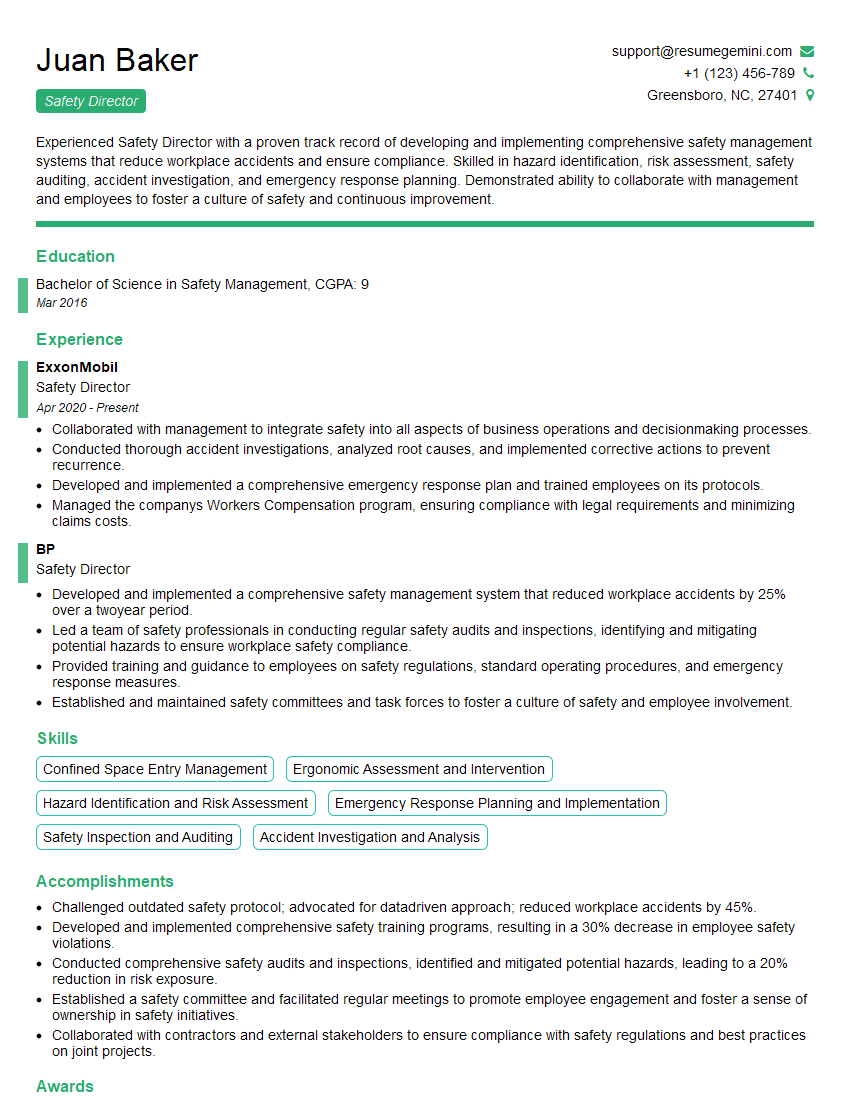
Safety Director Resume Sample
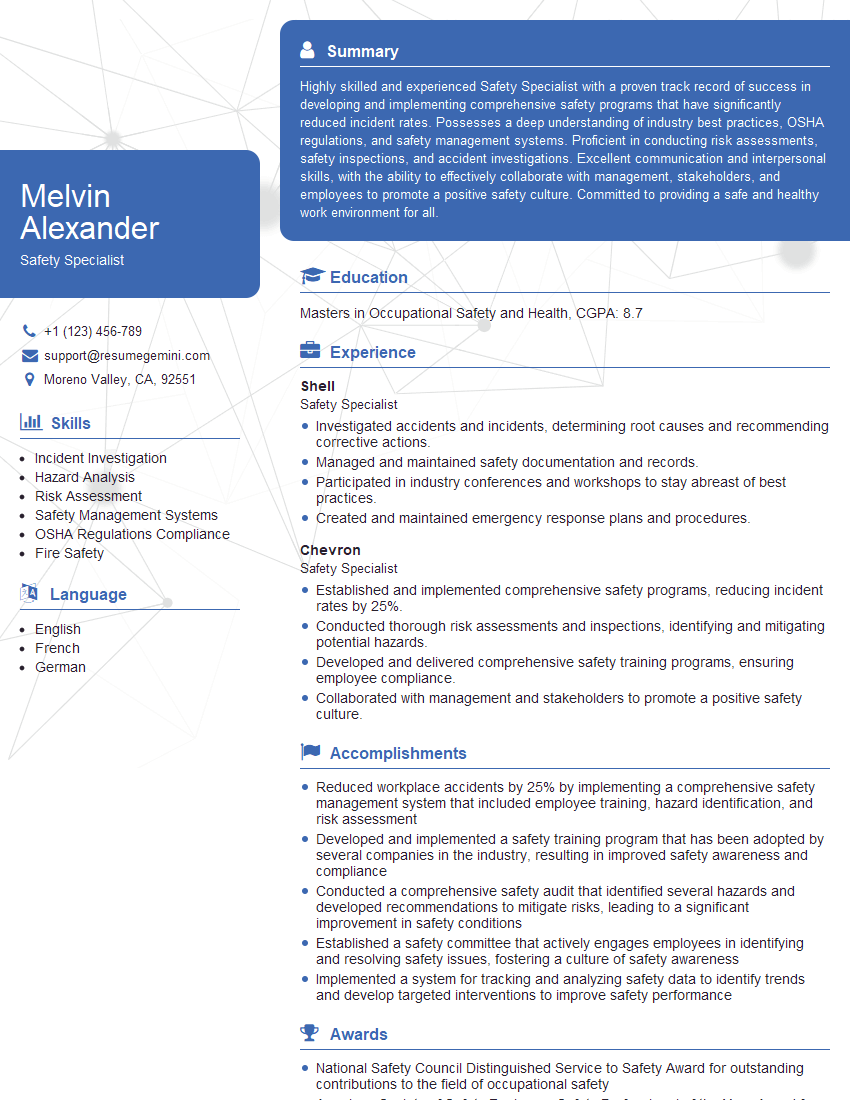
Safety Specialist Resume Sample

Compliance Officer Resume Sample

Risk Manager Resume Sample
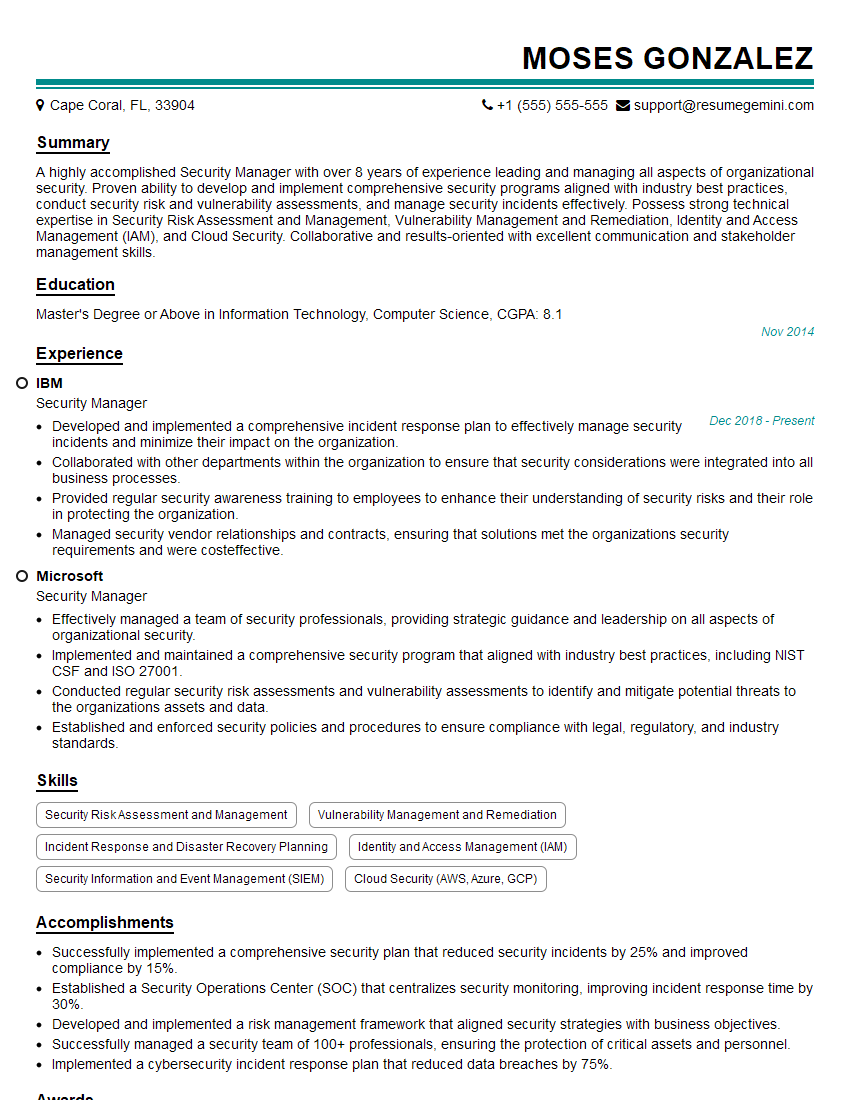
Security Manager Resume Sample
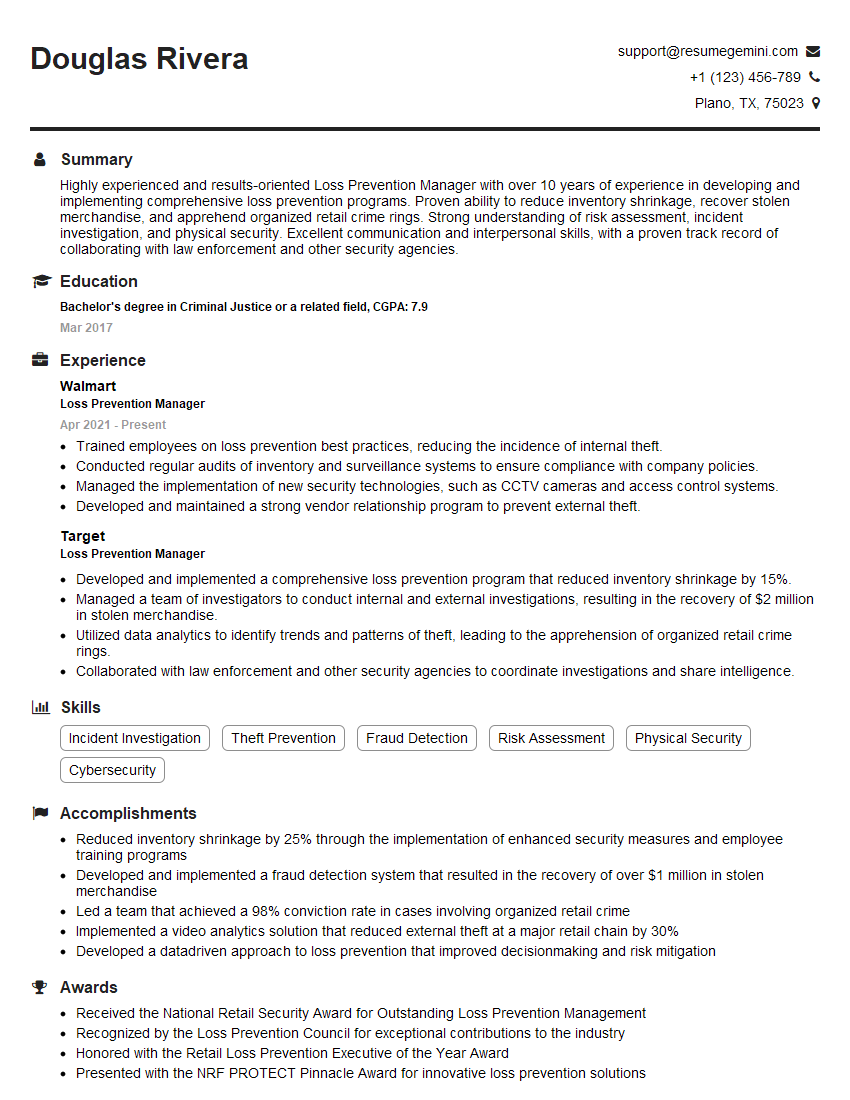
Loss Prevention Manager Resume Sample
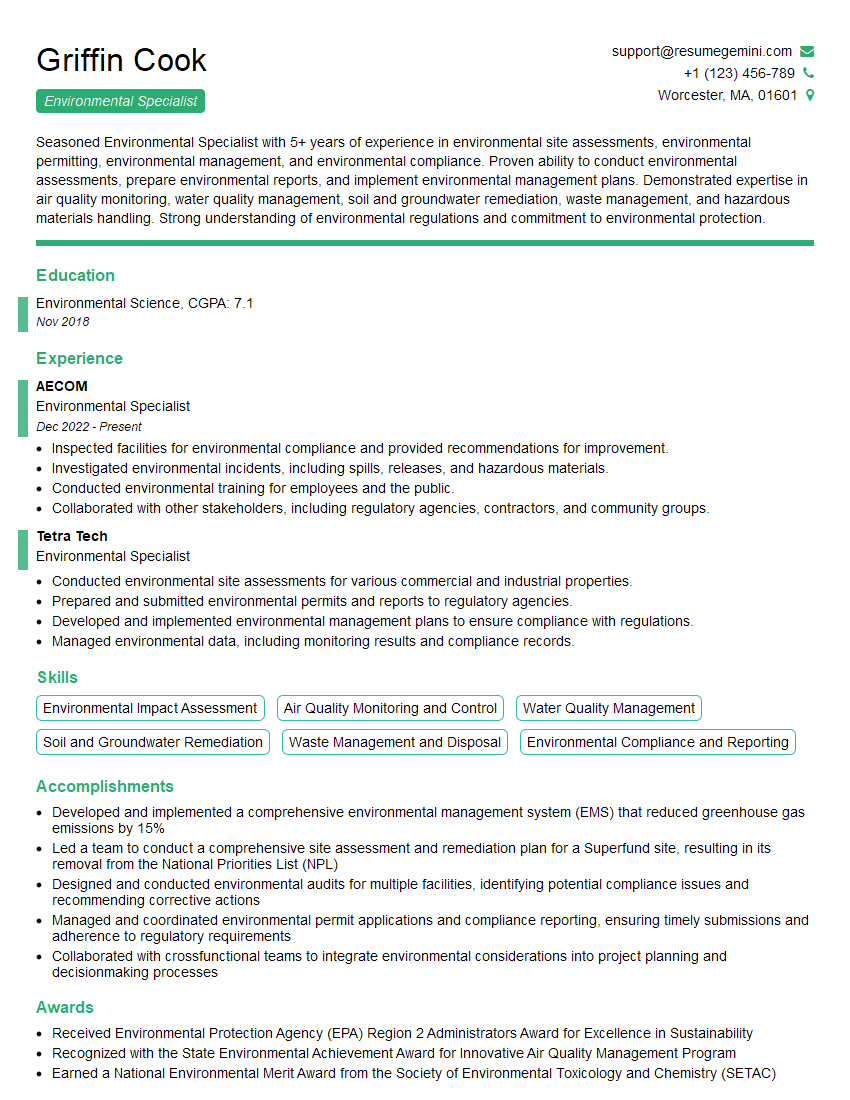
Environmental Specialist Resume Sample
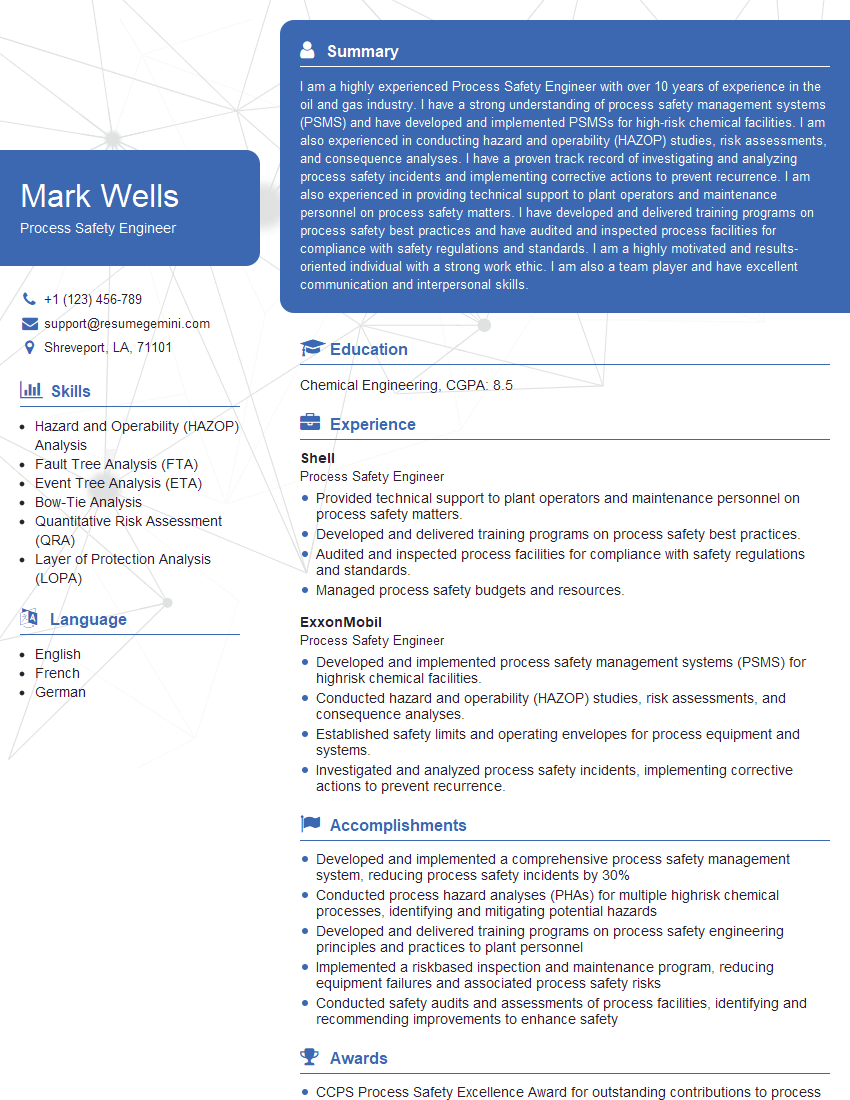
Process Safety Engineer Resume Sample

Safety Engineer Resume Sample
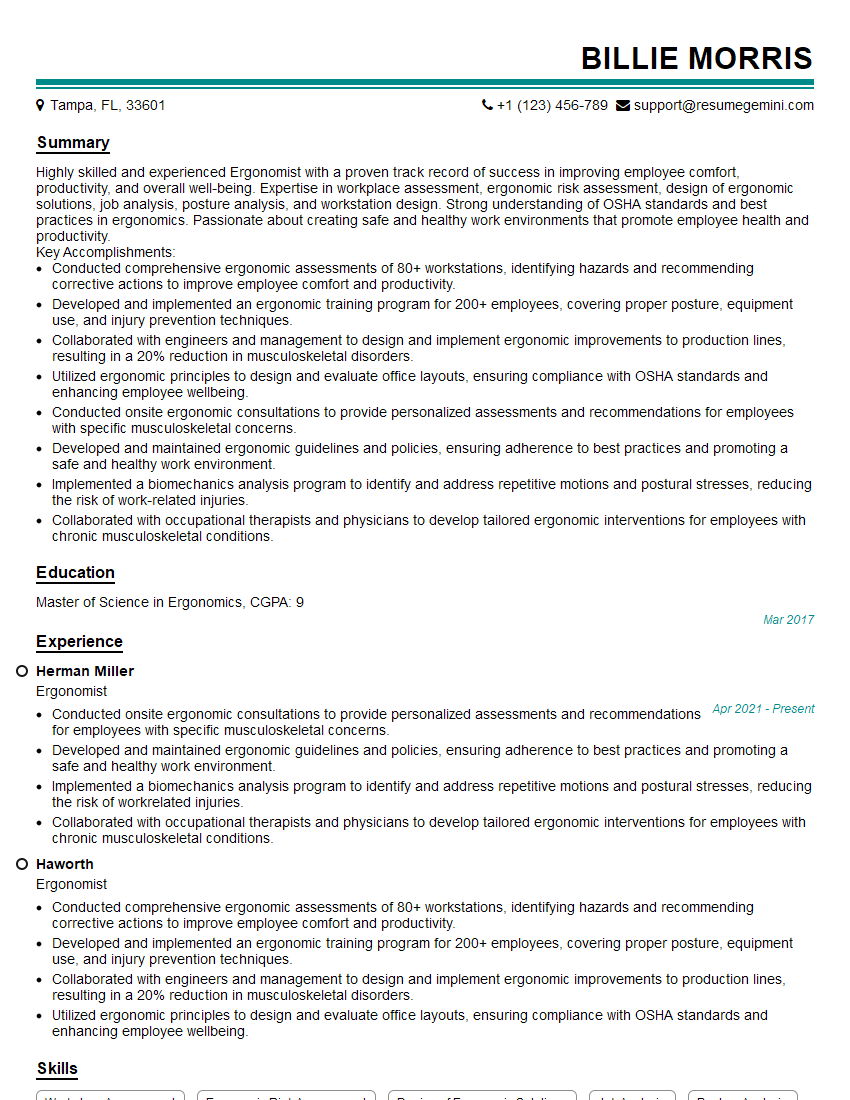
Ergonomist Resume Sample
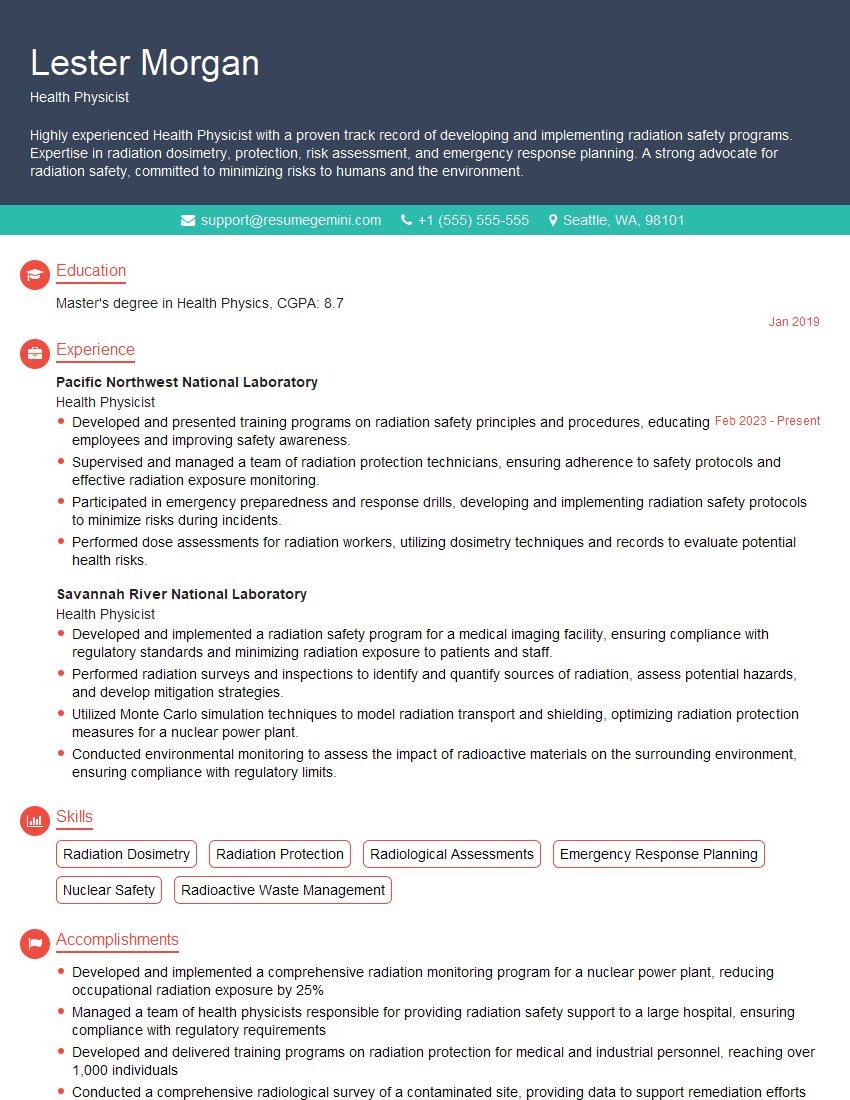
Health Physicist Resume Sample
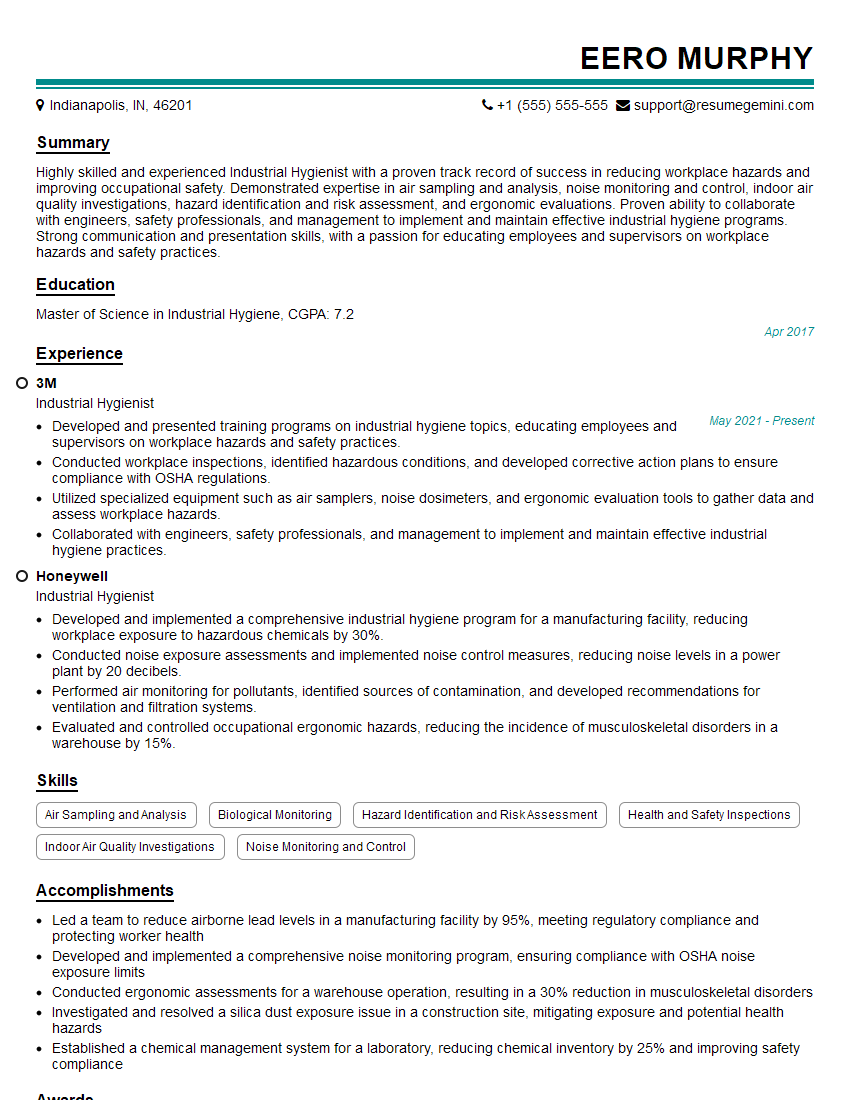
Industrial Hygienist Resume Sample
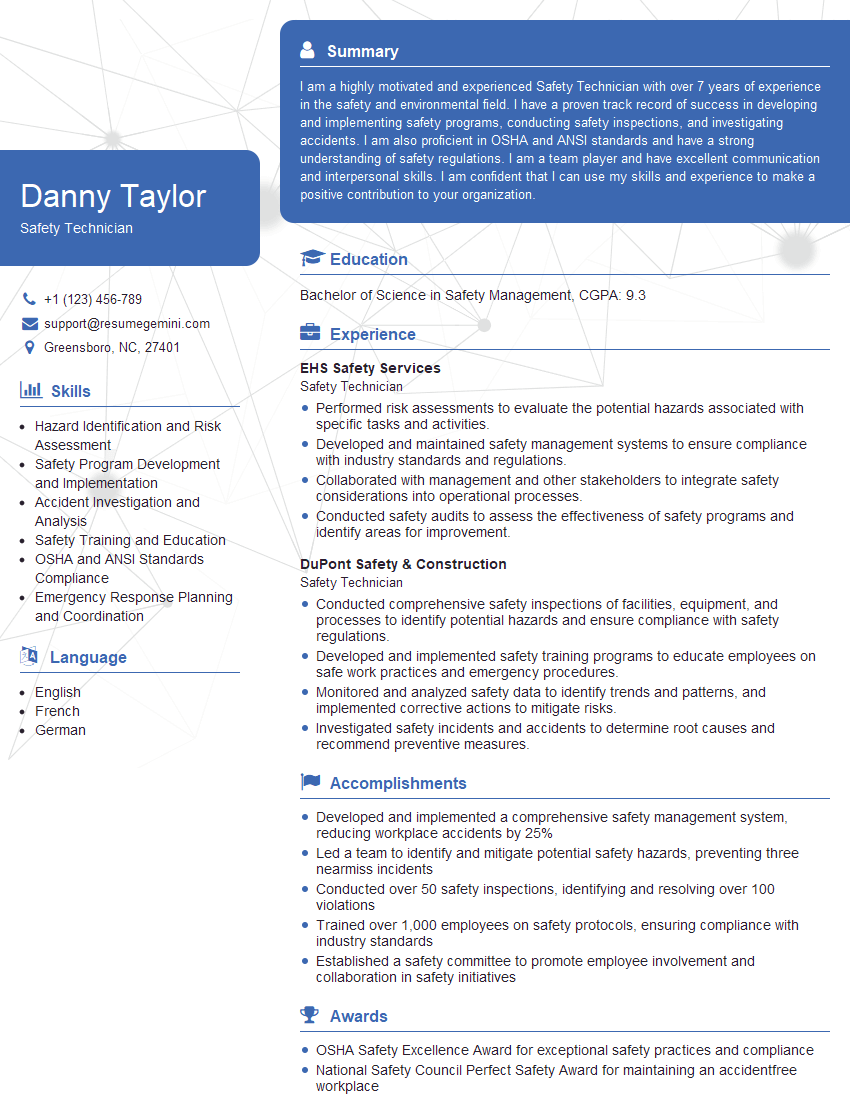
Safety Technician Resume Sample
Explore more articles
Users Rating of Our Blogs
Share Your Experience
We value your feedback! Please rate our content and share your thoughts (optional).
What Readers Say About Our Blog
To the interviewgemini.com Webmaster.
Very helpful and content specific questions to help prepare me for my interview!
Thank you
To the interviewgemini.com Webmaster.
This was kind of a unique content I found around the specialized skills. Very helpful questions and good detailed answers.
Very Helpful blog, thank you Interviewgemini team.