The thought of an interview can be nerve-wracking, but the right preparation can make all the difference. Explore this comprehensive guide to Cataloging and Labeling interview questions and gain the confidence you need to showcase your abilities and secure the role.
Questions Asked in Cataloging and Labeling Interview
Q 1. Explain the difference between descriptive and subject cataloging.
Descriptive cataloging focuses on the physical and bibliographic details of an item, providing a comprehensive description of what the item *is*. Think of it as creating a detailed portrait of the book itself. Subject cataloging, on the other hand, deals with the content of the item, assigning terms that represent the topics or themes it covers. This helps users find items based on the information they contain, rather than just their physical attributes.
For example, descriptive cataloging for a book might note its author, title, publisher, publication date, number of pages, and physical dimensions. Subject cataloging would involve assigning keywords or subject headings like “Artificial Intelligence,” “Machine Learning,” or “Robotics” if the book covered those topics. The descriptive cataloging tells you *what* the book is; subject cataloging tells you *what it’s about*.
Q 2. Describe your experience with various cataloging standards (e.g., RDA, MARC, Dublin Core).
I have extensive experience with several key cataloging standards. Resource Description and Access (RDA) is my primary framework for creating descriptive metadata, focusing on creating consistent and clear descriptions. I’m highly proficient in using MARC (Machine-Readable Cataloging) format for encoding metadata into a structured, machine-readable form. This is crucial for exchanging cataloging records between different library systems. I’m also familiar with Dublin Core, a simpler metadata element set, often used for web resources and digital libraries where a lighter-weight approach is needed. For example, in a recent project involving digitizing a historical archive, I used Dublin Core to create basic metadata records for quick indexing and discovery, while using RDA and MARC for the more detailed cataloging of key documents.
Q 3. How familiar are you with different classification systems (e.g., Dewey Decimal, Library of Congress)?
My familiarity with classification systems is extensive. I’m well-versed in both the Dewey Decimal Classification (DDC) and the Library of Congress Classification (LCC). The DDC uses a hierarchical numeric system, making it intuitive for browsing, while the LCC uses a complex alphanumeric system that’s more detailed and suitable for large, specialized collections. The choice between them often depends on the nature of the library and its collection. In my previous role, we used DDC for a public library’s general collection, given its user-friendliness, but utilized LCC for the university’s specialized research collections, which required a more granular and nuanced system for organization.
Q 4. How do you ensure data accuracy and consistency in cataloging?
Data accuracy and consistency are paramount in cataloging. My approach involves several key steps: First, I meticulously follow the chosen cataloging standard (like RDA) to ensure all records adhere to the same rules. Second, I use authority control—consulting standardized vocabularies and thesauri to ensure consistent use of terms for authors, titles, and subjects. Third, I perform rigorous quality control checks, often including peer review, to catch errors and inconsistencies before records are finalized. Finally, I leverage cataloging software with built-in validation features to catch data entry errors and automate some aspects of the consistency check. Think of it like building a house—you wouldn’t start construction without blueprints and inspections; similarly, standardized rules and review are vital for accurate and consistent cataloging.
Q 5. Describe your experience with metadata schemas and their implementation.
I have significant experience working with various metadata schemas, including MARC, Dublin Core, and MODS (Metadata Object Description Schema). My understanding extends beyond simply understanding their structures; I’m proficient in implementing them using cataloging software and mapping data between different schemas. For example, in a recent project, we migrated metadata from a legacy system using a proprietary schema to a new system using MODS. This involved carefully mapping fields from the old schema to their equivalents in MODS, ensuring data integrity throughout the migration process.
Q 6. How do you handle conflicting or incomplete data during cataloging?
Handling conflicting or incomplete data requires a methodical approach. First, I carefully review all available sources to identify the discrepancies and try to find corroborating evidence to resolve conflicts. If multiple sources present conflicting information, I prioritize reliable sources. For incomplete data, I investigate if additional information can be obtained from related sources, such as the item itself, online databases, or other library catalogs. If resolution is not possible, I document the uncertainty in the catalog record using appropriate qualifiers or notes. Transparency is key; it’s better to acknowledge the limitations of the available data than to present inaccurate or misleading information.
Q 7. What software or tools have you used for cataloging and labeling?
Throughout my career, I have utilized various software tools for cataloging and labeling. I’m proficient with Koha, an open-source integrated library system, and have also worked with Alma, a commercially available ILS. For specific tasks like authority control, I’ve used specialized software such as OCLC WorldCat. In addition, I’m comfortable using spreadsheet software like Microsoft Excel for data manipulation and cleaning, and specialized label-printing software for physical labeling needs. My experience extends beyond using these tools; I understand their underlying functionalities and capabilities, and I can effectively adapt to new software as needed.
Q 8. Explain your process for creating and implementing a new cataloging system.
Creating and implementing a new cataloging system is a multifaceted process requiring careful planning and execution. It begins with a thorough needs assessment, identifying the types of materials to be cataloged (books, journals, digital objects, etc.), the intended audience, and the desired level of detail. This informs the choice of cataloging standards (like RDA or MARC) and the selection of a suitable system (e.g., a library management system or a custom-built solution).
Next, I’d develop a detailed project plan, outlining timelines, responsibilities, and budget. This includes defining data fields, creating controlled vocabularies (discussed further in question 5), and designing the user interface for both catalogers and patrons. A key step is the data migration plan if moving from an existing system. This often involves cleaning and transforming data to ensure consistency and accuracy. Then comes the implementation phase, involving thorough testing and training for staff. Finally, I’d establish a robust maintenance and update process to adapt to changes and ensure the system’s continued effectiveness.
For example, in a recent project for a museum archive, we moved from a spreadsheet-based system to a professional digital asset management system. The process included defining metadata schemas, training staff on the new system, and migrating thousands of records, resulting in significantly improved access and organization of their collection.
Q 9. How do you prioritize tasks in a high-volume cataloging environment?
Prioritizing tasks in a high-volume cataloging environment requires a strategic approach. I usually employ a combination of techniques, starting with a clear understanding of the organization’s priorities and deadlines. This might involve categorizing tasks by urgency and importance using a matrix (e.g., Eisenhower Matrix), assigning priority based on user demand or collection value, or focusing on projects that directly support key initiatives.
Furthermore, I leverage workflow management tools to track progress, assign tasks, and monitor bottlenecks. Automation tools, such as those offered by many library management systems, can assist in automating repetitive tasks (like generating records from existing data) freeing up time for more complex cataloging. Finally, regular communication and collaboration with colleagues are crucial to ensure everyone is on the same page and to address any unforeseen challenges promptly. Think of it like running a well-oiled machine: efficient workflow, clear communication, and appropriate resource allocation are essential for success.
Q 10. How do you ensure the discoverability of cataloged items?
Ensuring the discoverability of cataloged items is paramount. This involves implementing strategies across several areas. First, accurate and comprehensive metadata is essential. This goes beyond basic title and author information, incorporating subject headings (using controlled vocabularies), keywords, abstracts, and even full-text indexing for digital resources. Secondly, a well-designed user interface is critical. A search interface should offer robust search capabilities, including Boolean operators and faceted browsing. Finally, promoting catalog usage through training, outreach, and integrated discovery services is key.
For instance, using standardized subject headings (like Library of Congress Subject Headings) allows users to find items using consistent terminology. Similarly, linking catalog records to related resources (through links or suggested readings) enhances discovery. Regular review and update of metadata based on user search behavior also enhances discoverability.
Q 11. Describe your experience with authority control.
Authority control is the process of creating and maintaining a consistent set of terms for names, titles, and subjects used in a catalog. It ensures that all instances of a particular entity are represented in the same way, preventing inconsistencies and improving retrieval. My experience includes creating and maintaining authority files using various systems and standards. This includes resolving conflicting entries, identifying alternate names, and establishing cross-references.
For example, I’ve worked with the Library of Congress Name Authority File and implemented authority control within a library management system. This involved both creating new authority records and resolving existing inconsistencies, significantly enhancing the searchability and usability of the catalog.
Q 12. Explain your experience with controlled vocabularies.
Controlled vocabularies are standardized lists of terms used to index and retrieve information. They ensure consistency and accuracy in subject access, making it easier for users to find relevant materials. I have experience working with a variety of controlled vocabularies including Library of Congress Subject Headings (LCSH), Medical Subject Headings (MeSH), and custom-created vocabularies tailored to specific collections or subject areas.
In practice, this means carefully selecting appropriate terms from the vocabulary to accurately reflect the subject matter of the items being cataloged. This may involve creating new terms (following established procedures) when necessary. For instance, when cataloging a collection on early 20th-century American photography, we created a customized controlled vocabulary reflecting the specific themes and artists prevalent in the collection, enhancing its discoverability.
Q 13. How do you handle updates and changes to existing catalog records?
Handling updates and changes to existing catalog records requires a systematic approach. It often starts with establishing a clear process for identifying records requiring changes. This might involve regular reviews of the catalog, feedback from users, or system-generated alerts. Once a change is identified, the record is updated following established protocols, ensuring data integrity and consistency.
It’s important to maintain a record of all changes, including the date, reason for the change, and the person making the change. In addition, the updated record should be thoroughly reviewed before being saved to prevent errors. Furthermore, some systems allow for versioning of records, which is helpful for tracking changes and reverting if needed. Think of it like a carefully maintained database, with version control similar to that used in software development to ensure accuracy and traceability.
Q 14. What is your experience with digital asset management systems?
My experience with digital asset management (DAM) systems is extensive. I understand the importance of these systems in organizing, managing, and preserving digital assets, including images, audio, and video. I’ve worked with various DAM systems, creating metadata schemas, implementing workflows for ingest and processing, and developing strategies for ensuring long-term access and preservation.
For instance, I implemented a DAM system for a large university archive, allowing researchers to easily locate and access a vast collection of digital materials. This included creating metadata templates tailored to the specific needs of the collection, developing workflows for digitization and metadata creation, and establishing procedures for quality control and preservation.
Q 15. Describe your experience with barcode scanning and labeling technologies.
My experience with barcode scanning and labeling technologies spans over ten years, encompassing various industries from retail to healthcare. I’m proficient in using a wide array of scanners, from handheld laser scanners to high-speed industrial scanners, and I understand the intricacies of different barcode symbologies like EAN-13, UPC-A, and Code 128. My expertise extends beyond just scanning; I’m deeply familiar with label design software, including the creation of both simple and complex labels with variable data, logos, and human-readable text. I’ve worked with various thermal transfer and direct thermal printers, ensuring optimal print quality and durability. For example, in a previous role managing inventory for a large distribution center, I implemented a new barcode scanning system that reduced picking errors by 15% and streamlined the entire shipping process.
Furthermore, I’m experienced with integrating barcode scanning into larger inventory management systems, using APIs to seamlessly transfer data between scanners, databases, and other software. I also have experience troubleshooting scanner malfunctions and resolving connectivity issues.
Career Expert Tips:
- Ace those interviews! Prepare effectively by reviewing the Top 50 Most Common Interview Questions on ResumeGemini.
- Navigate your job search with confidence! Explore a wide range of Career Tips on ResumeGemini. Learn about common challenges and recommendations to overcome them.
- Craft the perfect resume! Master the Art of Resume Writing with ResumeGemini’s guide. Showcase your unique qualifications and achievements effectively.
- Don’t miss out on holiday savings! Build your dream resume with ResumeGemini’s ATS optimized templates.
Q 16. How do you ensure compliance with relevant standards and regulations?
Ensuring compliance is paramount in cataloging and labeling. This involves a deep understanding of relevant standards and regulations, which vary depending on the industry and the type of products being cataloged. For example, in the food industry, compliance with GS1 standards for GTINs (Global Trade Item Numbers) is crucial for accurate tracking and traceability. In healthcare, strict adherence to regulations like HIPAA (regarding patient data) and FDA guidelines (regarding medical device labeling) are non-negotiable. My approach involves:
- Regularly reviewing and updating knowledge of applicable standards. This includes attending industry conferences, reading relevant publications, and staying informed about changes in legislation.
- Implementing robust data validation procedures. This ensures that data conforms to the required standards before it’s used for labeling or cataloging.
- Documenting all compliance procedures. This facilitates auditing and ensures traceability.
- Conducting regular internal audits. This proactively identifies and addresses any potential compliance gaps.
I’m adept at interpreting regulations and translating them into practical, actionable processes within a workflow.
Q 17. How would you handle a situation where a significant amount of data is missing?
Missing data is a common challenge in cataloging. My approach is systematic and data-driven. First, I’d determine the extent of the missing data: how much is missing, which fields are affected, and what type of data is missing (e.g., product descriptions, dimensions, etc.). Then, I would prioritize the missing data based on its criticality. For example, missing product identifiers would be a higher priority than missing color variations.
Next, I would explore various methods to recover the missing data. This could involve:
- Reviewing existing documentation: This may include old catalogs, spreadsheets, or other internal resources.
- Contacting relevant stakeholders: This could be suppliers, manufacturers, or internal departments.
- Implementing data imputation techniques: This involves using statistical methods to estimate missing values based on available data. However, I’d proceed cautiously with imputation, ensuring the method used doesn’t introduce bias.
- Data cleansing and standardization: Ensure any recovered data is cleaned to the same standards as the existing database to ensure data integrity.
Finally, I’d thoroughly document the entire process, including the methods used to recover the data and the rationale behind any decisions made. A detailed record helps in future data management and auditing.
Q 18. Explain your approach to quality control in cataloging and labeling.
Quality control is an ongoing process throughout the entire cataloging and labeling workflow. My approach is multi-faceted and includes:
- Data validation checks at each stage: This includes verifying data accuracy, consistency, and completeness before it is entered into the system. For instance, I’d utilize automated checks in the database system to identify potential errors and inconsistencies.
- Regular data audits: This involves a systematic review of data to identify errors, inconsistencies, or gaps. This could involve randomly selecting samples from the database for inspection.
- Label verification: Before any labels are printed, a verification process would include proofreading the labels against the data in the catalog to catch any discrepancies.
- Visual inspection of printed labels: A spot check of printed labels is performed to confirm that the labels are clear, legible, and accurately reflect the data.
- Feedback mechanisms: Establishing a clear feedback loop with users to identify and address any issues.
Essentially, it’s about building a system of checks and balances that ensures data accuracy and label quality from start to finish.
Q 19. How familiar are you with data validation techniques?
I’m highly familiar with data validation techniques, which are essential for maintaining data integrity. These techniques help ensure that data is accurate, consistent, and conforms to predefined rules. I use a variety of methods, including:
- Data type validation: Ensuring that data conforms to the expected data type (e.g., numbers, text, dates).
- Range checks: Verifying that numerical data falls within an acceptable range.
- Format checks: Confirming that data adheres to a specified format (e.g., date format, phone number format).
- Cross-field validation: Checking for consistency across multiple fields (e.g., ensuring that the postal code matches the state).
- Data uniqueness checks: Verifying that there are no duplicate records.
- Lookup validation: Checking that data values exist in a predefined list or reference table.
I also leverage database features and programming tools to automate data validation processes, making it more efficient and less error-prone.
Q 20. Describe your experience with database management systems.
I have extensive experience with various database management systems (DBMS), including relational databases like MySQL, PostgreSQL, and SQL Server, as well as NoSQL databases like MongoDB. My expertise encompasses database design, data modeling, data manipulation using SQL, query optimization, and data administration tasks such as user management and security configuration. In my previous role, I designed and implemented a new database schema for our product catalog, resulting in a significant improvement in query performance and data integrity. I’m also experienced in using database tools for data extraction, transformation, and loading (ETL) processes.
Beyond the technical aspects, I’m comfortable working with diverse teams to translate business requirements into effective database solutions. I believe in adopting a structured approach to database management, ensuring that data is properly organized, easily accessible, and secure.
Q 21. How do you handle data migration during a cataloging system upgrade?
Data migration during a cataloging system upgrade is a critical process requiring meticulous planning and execution. My approach involves several key steps:
- Assessment and Planning: Thorough assessment of the existing and new systems, including data structures, data volume, and data quality. Creating a detailed migration plan with timelines and responsibilities.
- Data Cleansing and Transformation: Cleaning and transforming the existing data to ensure compatibility with the new system. This often includes data standardization, data validation, and handling of missing data.
- Data Extraction: Extracting the data from the existing system using appropriate methods, such as database backups or export functions.
- Data Loading: Loading the transformed data into the new system, often using ETL tools to automate the process. I would implement validation checks at each step during the process to ensure data integrity.
- Data Validation and Verification: Validating the data in the new system to ensure that the migration was successful and the data is accurate and complete. This typically involves comparing the data in the old and new systems.
- Testing and Rollback Plan: Rigorous testing before going live. Developing a rollback plan to revert to the old system if necessary.
- Post-Migration Monitoring: Monitoring the new system post-migration to identify and address any issues that may arise.
A successful data migration requires a combination of technical skills and strong project management capabilities. I’m experienced in coordinating resources, managing expectations, and ensuring that the migration is completed efficiently and with minimal disruption.
Q 22. How do you prioritize accuracy versus speed in a high-volume environment?
In high-volume cataloging, accuracy is paramount; speed is secondary. Think of it like this: a single inaccurate label on a thousand items could lead to significant logistical problems – far outweighing the time saved by rushing. I prioritize accuracy through a multi-pronged approach:
- Quality Control Checks: Implementing regular spot checks and using automated validation tools to identify inconsistencies in real-time.
- Data Validation Rules: Establishing clear data validation rules within the cataloging system to prevent data entry errors, for example, verifying that all required fields are filled before data is saved.
- Training and Standard Operating Procedures (SOPs): Clearly defined SOPs and regular training sessions for all team members to ensure everyone understands the importance of accuracy and follows consistent procedures. This includes providing clear examples of common errors and how to avoid them.
- Workflow Optimization: Analyzing the workflow to identify and eliminate bottlenecks, and introduce automation wherever feasible – for example using barcode scanners to reduce manual data entry.
- Teamwork and Peer Review: Encouraging a culture of collaboration where team members can review each other’s work and catch potential errors. This helps to spread responsibility for accuracy and improves team morale.
While speed is important, it shouldn’t compromise accuracy. A robust system of checks and balances allows us to maintain high speed without sacrificing quality.
Q 23. How do you stay current with changes and advancements in cataloging practices?
Staying current in cataloging is crucial. I use a combination of methods to keep my knowledge up-to-date:
- Professional Organizations: Active membership in organizations like the American Library Association (ALA) or relevant industry-specific groups provides access to conferences, webinars, and publications on the latest trends and best practices.
- Industry Publications and Journals: Regularly reading journals and industry publications keeps me informed about changes in standards, technology, and techniques.
- Online Courses and Webinars: Utilizing online learning platforms to gain expertise in new software, techniques or relevant regulations. For example, I recently completed a course on implementing RFID technology in a library setting.
- Networking: Attending industry events and networking with other professionals helps to share knowledge and learn about new developments.
- Vendor Training: Participating in training sessions provided by vendors of cataloging software and labeling equipment. This provides hands-on experience with the latest tools and technology.
Continuous learning is essential to remain competitive and effective in this rapidly evolving field.
Q 24. What is your experience with using different labeling materials and printers?
My experience encompasses a wide range of labeling materials and printers. I’ve worked with:
- Label Materials: Paper labels (various weights and adhesives suitable for different surfaces like paper, plastic, or metal), vinyl labels (for durability and outdoor applications), thermal transfer labels (for high-quality, smudge-proof prints), and specialty labels (like those with tamper-evident features).
- Printers: Thermal transfer printers (for high-volume, durable labels), inkjet printers (for smaller-scale labeling, often with colour capabilities), and direct thermal printers (for low-cost applications with less durability). I’m also familiar with industrial-grade label printers capable of handling large label rolls and various label sizes.
The choice of material and printer depends heavily on the application. For example, a library might use thermal transfer labels for bookplates due to their durability, while a warehouse might choose more robust vinyl labels for pallets that face harsh conditions.
Q 25. Describe your experience with different labeling methods (e.g., thermal transfer, inkjet).
I have extensive experience with both thermal transfer and inkjet labeling methods. Each has its strengths and weaknesses:
- Thermal Transfer Printing: This method uses heat to transfer ink from a ribbon onto the label. It’s known for its high durability and resistance to smudging or fading. It’s ideal for high-volume applications and situations requiring long-lasting labels. I have experience using various ribbon types, each with differing properties affecting print quality and longevity.
- Inkjet Printing: Inkjet printing uses ink droplets to create the image. It offers flexibility with color printing, which is useful for applications beyond simple text and barcodes. However, it’s generally less durable than thermal transfer printing and susceptible to smudging if exposed to water or abrasion.
The decision of which method to use depends on the specific application and the required longevity and print quality. For example, high-volume product labeling in a manufacturing setting often benefits from thermal transfer, while creating personalized address labels might favor inkjet’s color flexibility.
Q 26. Explain how you would train new employees on cataloging procedures.
Training new employees on cataloging procedures requires a structured and layered approach:
- Initial Orientation: This includes an overview of cataloging principles, company policies, and the cataloging system used (e.g., MARC records, library management system).
- Hands-on Training: Guided, practical sessions using real-world examples. This includes hands-on practice with the chosen labeling equipment and software. This is crucial for developing muscle memory and identifying problem areas early.
- Shadowing Experienced Staff: New hires shadow experienced colleagues to observe best practices in action and learn by example.
- Role-playing and Case Studies: Simulating real-world scenarios to develop problem-solving skills. For example, providing scenarios where they have to troubleshoot labeling issues or deal with conflicting data.
- Regular Feedback and Assessments: Providing regular feedback and conducting assessments to track progress and address any knowledge gaps.
- Ongoing Support: Continuing support and mentorship after the initial training to ensure ongoing competency and address any evolving challenges.
The key is to make the training engaging and relevant. The use of visual aids, interactive exercises and a supportive learning environment are crucial for effective training.
Q 27. How do you ensure the security and integrity of cataloged data?
Ensuring the security and integrity of cataloged data is paramount. My strategies include:
- Access Control: Implementing robust access control measures, restricting access to the cataloging system based on roles and responsibilities. Only authorized personnel should have access to modify data.
- Data Backup and Recovery: Regularly backing up the cataloging database to a secure location to prevent data loss in case of system failure or disaster. Having a robust recovery plan in place is crucial.
- Data Validation: Using data validation rules and checks within the system to prevent incorrect data entry and maintain data integrity. This also includes data cleansing to remove duplicate records.
- Version Control: Tracking changes made to the cataloged data to allow for rollback if necessary. This is especially helpful when working collaboratively with multiple team members.
- Security Audits: Performing regular security audits to identify potential vulnerabilities and ensure compliance with relevant security standards.
- Encryption: Encrypting sensitive data both in transit and at rest to prevent unauthorized access.
A layered approach to security ensures that the cataloged data remains accurate, reliable, and protected from unauthorized access or modification.
Q 28. Describe a time you had to troubleshoot a problem with a cataloging system.
In a previous role, we experienced a problem where a batch of labels was being printed with incorrect information. The labels were for a new product line, and the data from the ERP system was not mapping correctly to the label template.
My troubleshooting steps were:
- Identify the Problem: We confirmed the problem by examining several printed labels and comparing them to the expected data in the system.
- Isolate the Source: We checked the label template, the data feed from the ERP system, and the printer settings to determine where the mismatch was occurring.
- Test and Debug: We systematically tested each component of the process to identify where the problem lied. We found that a field mapping in the label template was incorrect, causing the wrong data to be printed.
- Implement a Solution: We corrected the field mapping in the label template, re-tested the process, and confirmed that the labels were now printing correctly.
- Prevent Future Issues: We implemented additional checks in the data mapping process to prevent this issue from recurring. We also updated our internal SOPs to clearly outline this potential pitfall and the correction procedure.
This experience highlighted the importance of careful testing and the need for clear documentation and communication throughout the labeling process.
Key Topics to Learn for Your Cataloging and Labeling Interview
- Metadata Standards: Understanding and applying metadata schemas like MARC21, Dublin Core, or other relevant standards for accurate and consistent data representation. Consider the implications of choosing one standard over another.
- Cataloging Principles: Familiarize yourself with the fundamental principles of cataloging, including descriptive cataloging (title, author, subject headings), authority control, and the role of controlled vocabularies in ensuring data consistency and retrieval.
- Classification Systems: Gain a working knowledge of Library of Congress Classification (LCC), Dewey Decimal Classification (DDC), or other relevant classification systems used in your target field. Understand how these systems organize and retrieve information.
- Database Management: Develop proficiency in using cataloging databases and software (e.g., Koha, Alma, Sierra). Practice navigating and manipulating data within these systems. Consider discussing your experience with data cleaning and migration.
- Labeling Techniques & Best Practices: Explore various labeling methods, materials, and their applications (e.g., barcode generation, RFID tagging, specialized labels for archival materials). Discuss strategies for efficient and accurate labeling processes.
- Data Quality and Integrity: Understand the importance of maintaining high data quality in cataloging and labeling. Discuss strategies for identifying and resolving data errors and inconsistencies.
- Problem-Solving in Cataloging & Labeling: Prepare to discuss your approach to resolving challenges related to data inconsistencies, ambiguous metadata, or technical issues with cataloging software or labeling equipment.
- Workflow Optimization: Consider how you’ve streamlined processes in the past to improve efficiency in cataloging and labeling. Discuss any experience with automation or process improvement initiatives.
Next Steps
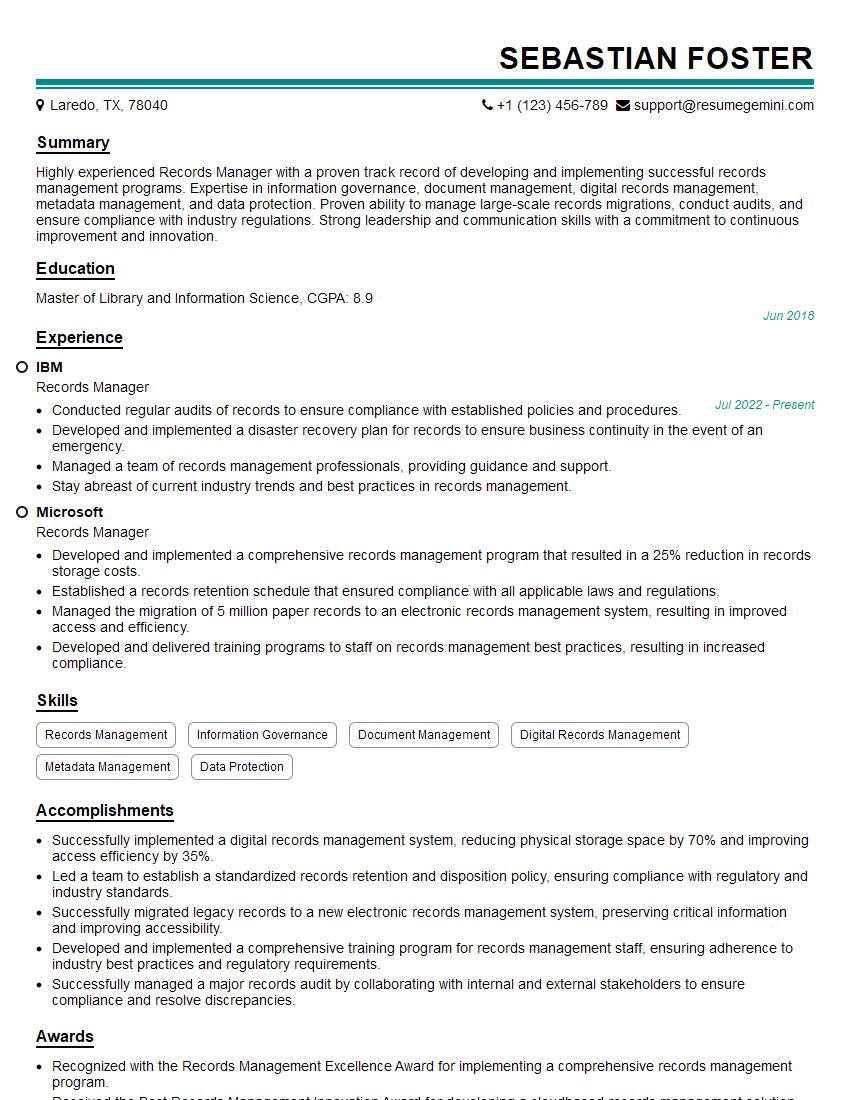
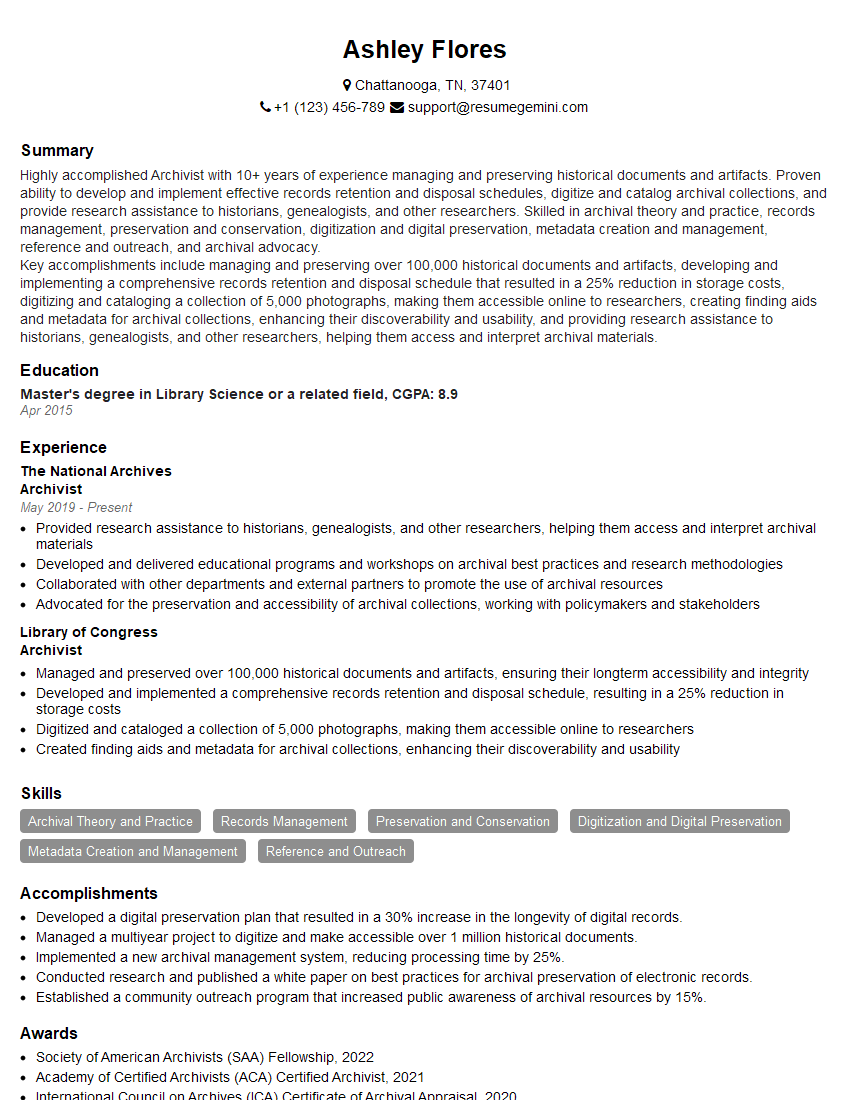
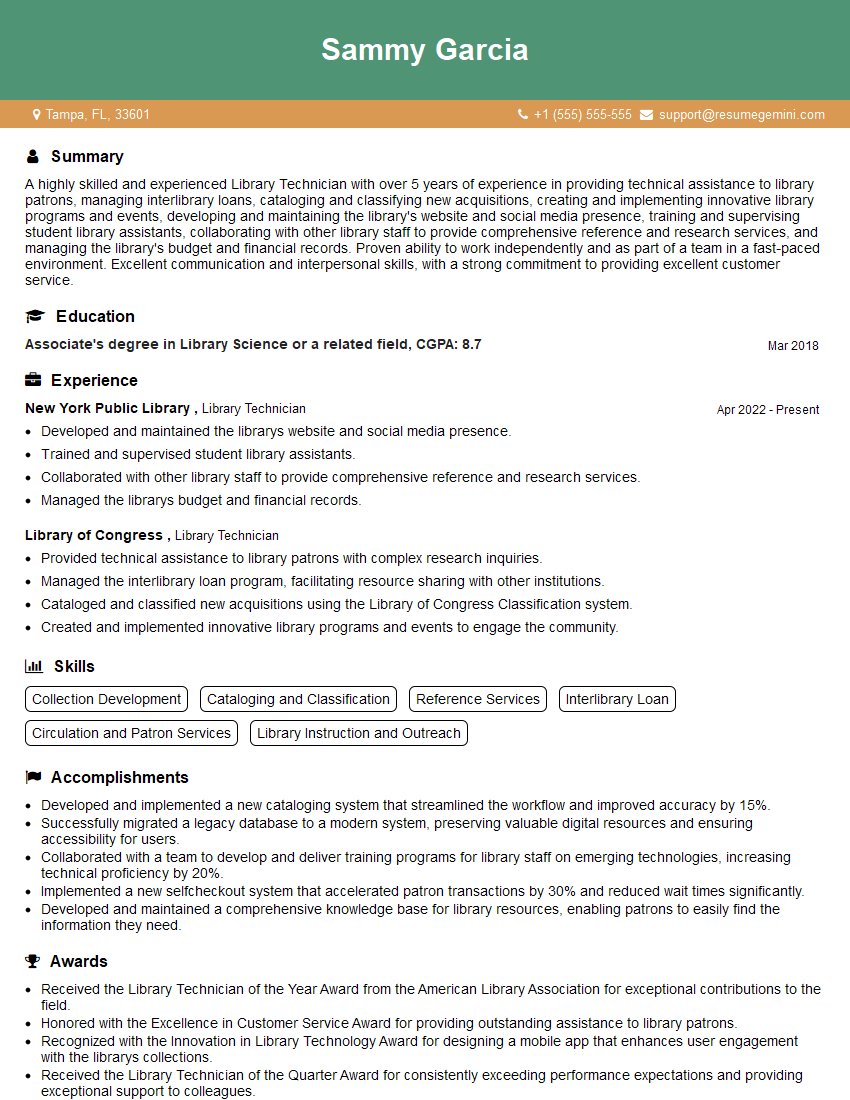
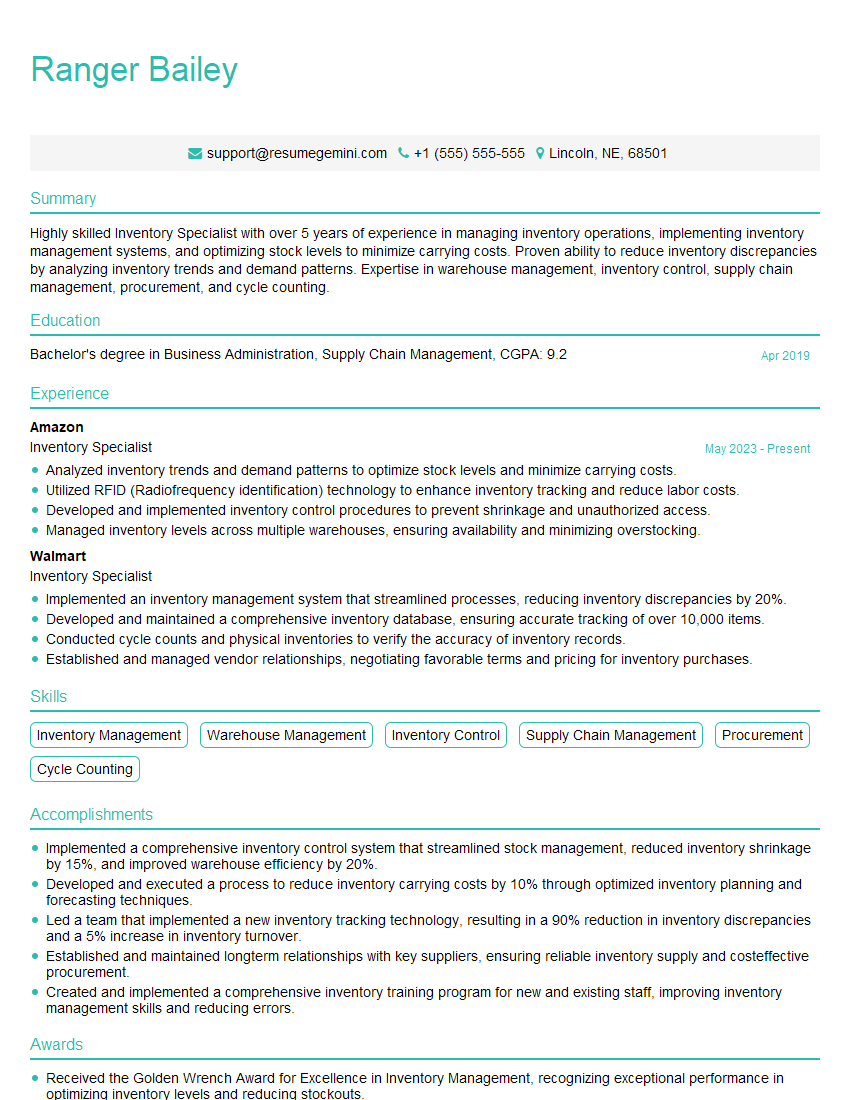
Mastering cataloging and labeling opens doors to exciting career opportunities in libraries, archives, museums, and various information management roles. A strong understanding of these skills demonstrates attention to detail, organizational prowess, and a commitment to accurate and accessible information. To maximize your job prospects, create a resume that’s both ATS-friendly and showcases your unique skills. ResumeGemini is a trusted resource to help you build a professional and impactful resume that highlights your expertise in cataloging and labeling. Examples of resumes tailored to this field are available to guide you. Invest time in crafting a compelling resume; it’s your first impression on potential employers.

Explore more articles
Users Rating of Our Blogs
Share Your Experience
We value your feedback! Please rate our content and share your thoughts (optional).
What Readers Say About Our Blog
To the interviewgemini.com Webmaster.
Very helpful and content specific questions to help prepare me for my interview!
Thank you
To the interviewgemini.com Webmaster.
This was kind of a unique content I found around the specialized skills. Very helpful questions and good detailed answers.
Very Helpful blog, thank you Interviewgemini team.