Every successful interview starts with knowing what to expect. In this blog, we’ll take you through the top Cataract Evaluation interview questions, breaking them down with expert tips to help you deliver impactful answers. Step into your next interview fully prepared and ready to succeed.
Questions Asked in Cataract Evaluation Interview
Q 1. Describe the different types of cataracts and their clinical presentations.
Cataracts are opacities that develop within the eye’s lens, obstructing the passage of light and leading to impaired vision. Different types are classified based on their location and appearance within the lens.
- Nuclear Cataracts: These form in the central (nuclear) part of the lens. They often begin as a small, dense area that gradually expands, causing a yellowish or brownish discoloration. Vision tends to worsen gradually, with early symptoms often including difficulty with near vision (presbyopia-like) and later progressing to blurry distance vision. Patients might also notice increased sensitivity to glare and halos around lights.
- Cortical Cataracts: These develop in the lens cortex (the outer layer), appearing as wedge-shaped opacities that extend from the periphery toward the center. They can create spoke-like patterns visible during examination. Vision loss is often more variable and may initially affect only certain areas of the visual field. Glare and reduced contrast sensitivity are common symptoms.
- Posterior Subcapsular Cataracts: These form at the back of the lens, beneath the posterior capsule. They tend to develop more quickly than other types and often cause significant glare and light sensitivity. Near vision can be disproportionately affected initially. These are particularly problematic as they affect the part of the lens directly in the path of light reaching the retina.
- Mixed Cataracts: This is the most common type, involving features of two or more of the above types.
Clinical presentation varies depending on the cataract type, stage of progression, and individual patient factors. Detailed history taking, visual acuity testing, and ophthalmoscopic examination are essential for accurate diagnosis and management.
Q 2. Explain the process of cataract evaluation, including diagnostic tests and imaging techniques.
Cataract evaluation involves a thorough assessment of the patient’s visual function and a detailed examination of the lens. The process typically includes:
- Detailed History: This focuses on the onset, progression, and nature of visual symptoms such as blurry vision, glare, and decreased contrast sensitivity. Medical history including diabetes and other systemic conditions is critical.
- Visual Acuity Testing: This measures the patient’s sharpness of vision with and without correction. This baseline provides crucial information for comparing outcomes post-surgery.
- Slit-Lamp Biomicroscopy: This highly detailed examination uses a slit lamp microscope to visualize the lens and surrounding structures, assessing the size, location, density, and type of cataract. It’s vital in determining the severity and suitability for surgery.
- Intraocular Pressure (IOP) Measurement: This screens for glaucoma, a condition that can coexist with cataracts and influence surgical planning.
- Imaging Techniques: While not routinely necessary for simple cases, imaging techniques like optical coherence tomography (OCT) can provide detailed cross-sectional images of the lens, and ultrasound biomicroscopy can image the anterior segment with greater detail, especially useful in cases of dense cataracts obscuring visualization or with suspected other eye pathology. These aid in surgical planning and assessment of co-existing conditions.
The overall goal is to assess the impact of the cataract on the patient’s quality of life and determine whether surgical intervention is necessary.
Q 3. What are the indications for cataract surgery?
The indication for cataract surgery is primarily visual impairment that significantly impacts a patient’s quality of life. While some mild cataracts may not require surgery, the decision is made when the cataract interferes with daily activities. Indications include:
- Reduced Visual Acuity: When best-corrected visual acuity is significantly below the patient’s needs for driving, reading, or other essential activities.
- Impaired Quality of Vision: Symptoms like glare, halos around lights, and reduced contrast sensitivity that negatively affect daily life.
- Bilateral Cataracts: When cataracts in both eyes affect vision significantly, surgical intervention on one eye followed by the other eye is often considered.
- Secondary Cataract after other procedures: Posterior capsular opacification (PCO), a common complication after cataract surgery, might warrant surgical intervention such as YAG laser capsulotomy.
The decision is personalized, weighing the benefits of improved vision against the risks of surgery. Patient preferences and expectations play a significant role in this decision-making process.
Q 4. Discuss the contraindications for cataract surgery.
Contraindications for cataract surgery are situations where the risks of the procedure outweigh the potential benefits. These can be broadly classified into:
- Uncontrolled Medical Conditions: Conditions like poorly controlled diabetes, severe heart disease, or active infections can increase surgical risks.
- Eye Diseases: Advanced glaucoma, active uveitis (inflammation of the uvea), or other serious eye conditions may require prior management or necessitate a different approach.
- Patient Factors: Uncooperative patients, those with limited understanding of the procedure and post-operative care, or those with unrealistic expectations pose challenges.
- Lack of Post-operative Care: Patients unable to follow post-operative instructions or receive adequate follow-up care are generally poor candidates.
Careful assessment of the patient’s overall health and visual needs is crucial to determine if the benefits of surgery outweigh the potential risks and challenges associated with any underlying condition.
Q 5. How do you assess a patient’s candidacy for different types of intraocular lenses (IOLs)?
Assessing a patient’s candidacy for different IOLs involves a comprehensive evaluation of their visual needs, eye health, and lifestyle. Factors considered include:
- Refractive Error: The degree of nearsightedness (myopia), farsightedness (hyperopia), and astigmatism influences the type of IOL needed. Patients with significant refractive error might benefit from multifocal or toric IOLs.
- Patient Age and Lifestyle: Younger, more active patients might prefer multifocal IOLs to reduce reliance on glasses. Older patients might prioritize minimizing glare or halos.
- Pre-existing Eye Conditions: The presence of glaucoma, corneal irregularities, or other conditions may limit the IOL options.
- Patient Expectations: A thorough discussion regarding potential outcomes, including limitations of each IOL type, is necessary to set realistic expectations.
Discussions with patients regarding their visual needs, priorities, and understanding of the trade-offs of each IOL type are critical in making the most suitable choice. Sharing examples of outcomes with similar patients can improve understanding.
Q 6. Explain the different types of IOLs and their advantages and disadvantages.
Several types of IOLs are available, each with its own advantages and disadvantages:
- Monofocal IOLs: These correct vision for either distance or near vision. They are the most common and offer predictable results. However, they often require glasses for other distances.
- Multifocal IOLs: These provide improved vision at multiple distances (near, intermediate, and far). They offer reduced dependence on glasses but can cause increased glare and halos in some patients.
- Toric IOLs: These correct astigmatism, reducing the need for glasses to correct blurry vision caused by this refractive error. They can be monofocal or multifocal.
- Accommodative IOLs: Designed to mimic the natural ability of the eye’s lens to change shape for focusing at different distances. While promising, their effectiveness can vary.
The choice of IOL depends on various factors, including the patient’s age, lifestyle, refractive error, pre-existing conditions, and personal preferences. A thorough discussion is crucial to ensure informed consent and realistic expectations.
Q 7. Describe the surgical techniques used in cataract surgery.
Cataract surgery techniques have evolved significantly, with phacoemulsification being the most common method. Here’s an overview:
- Phacoemulsification: This minimally invasive technique uses ultrasound energy to break up the cataract into small fragments, which are then aspirated from the eye. A small incision is made, minimizing the need for stitches.
- Femtosecond Laser Assisted Cataract Surgery: This advanced technique uses a femtosecond laser to create precise incisions and break up the cataract nucleus. This offers potential benefits in terms of precision and reduced complications.
- Extracapsular Cataract Extraction (ECCE): While less common now, this technique involves removing the entire lens in one piece. It generally requires larger incisions and sutures.
The choice of surgical technique depends on various factors, including the cataract’s density and the surgeon’s expertise. Advances in surgical techniques aim to minimize invasiveness, improve accuracy, and optimize visual outcomes.
Q 8. What are the potential complications of cataract surgery and how are they managed?
Cataract surgery, while generally safe and effective, carries potential complications. These can range from minor to severe, affecting visual acuity and potentially threatening the eye’s health. Understanding these risks is crucial for informed consent and effective post-operative management.
- Posterior Capsule Opacification (PCO): This is the most common complication, where the posterior lens capsule behind the implanted IOL (intraocular lens) becomes cloudy, gradually reducing vision. Management involves a simple, quick procedure called YAG laser capsulotomy, where a laser creates a small opening in the clouded capsule.
- Infection (Endophthalmitis): A serious complication involving inflammation within the eye. It requires immediate aggressive treatment with intravenous antibiotics. Prevention is key, achieved through meticulous sterile surgical techniques.
- Cystoid Macular Edema (CME): Fluid buildup in the macula, the central part of the retina responsible for sharp, central vision. It can cause blurry vision. Treatment may involve topical corticosteroids or other medications.
- Increased Intraocular Pressure (IOP): Elevation of pressure within the eye, potentially leading to glaucoma. Monitoring IOP post-operatively is crucial, and medication may be necessary to control pressure.
- Retinal Detachment: Though rare, this complication involves separation of the retina from the underlying tissue. It requires immediate surgical repair to preserve vision.
- Bleeding (Hemorrhage): Can occur during or after surgery. Usually self-limiting, but significant bleeding might require intervention.
- Iritis/Uveitis: Inflammation of the iris and/or uvea (middle layer of the eye). Treatment often involves corticosteroid eye drops.
The management of these complications varies depending on the severity and the specific condition. It often involves a combination of medication, laser treatments, and in some cases, further surgery.
Q 9. How do you counsel patients about the risks and benefits of cataract surgery?
Counseling patients about cataract surgery is a critical aspect of my role. It’s not just about explaining the procedure; it’s about fostering a shared understanding of the potential benefits and risks. I always start by explaining the nature of cataracts and their impact on vision. Then, I discuss the surgical procedure in simple, understandable terms, avoiding excessive medical jargon. I detail the benefits – improved vision, independence, and enhanced quality of life.
The risk discussion is equally important. I explain potential complications, their likelihood (emphasizing that serious complications are uncommon), and the management strategies available. I always emphasize that the decision is theirs and that I’m there to guide them through the process. I present realistic expectations, acknowledging that perfect vision isn’t always guaranteed. I often share stories of successful outcomes and address their specific concerns and questions, using visual aids and diagrams when helpful.
For example, I might say something like, “While the surgery is very successful for most people, there’s a small chance of infection, which we can treat with antibiotics. We’ll be monitoring your eye closely after surgery to minimize any risk.” This approach promotes informed decision-making and empowers the patient to participate actively in their care.
Q 10. What are the postoperative instructions for cataract surgery patients?
Post-operative instructions are vital for a successful outcome and are carefully explained to patients before surgery and reiterated afterwards. I provide both written and verbal instructions, ensuring patients and their caregivers fully understand them. The instructions typically cover:
- Eye Medications: The type, frequency, and duration of use for prescribed antibiotic, steroid, and lubricating eye drops. I explain the importance of adhering strictly to the prescribed schedule.
- Activity Restrictions: Advice on avoiding strenuous activities, heavy lifting, and bending, to prevent increased intraocular pressure. I usually recommend limiting activities for the first few weeks.
- Hygiene: Proper handwashing before touching the eyes and maintaining cleanliness around the eyes to prevent infection. I demonstrate the correct technique.
- Follow-up Appointments: The schedule and importance of attending all scheduled follow-up visits for monitoring and assessment of healing progress.
- Signs of Complications: What to look out for – increasing pain, redness, decreased vision, or excessive discharge. I emphasize the need to contact my office immediately if any of these occur.
- Driving restrictions: When driving can resume, typically after the initial post-op visit and based on vision recovery.
These instructions are tailored to the individual patient’s needs and circumstances. I ensure they understand what to expect and how to manage any potential issues. Clear communication is key in this stage.
Q 11. How do you manage postoperative complications?
Managing postoperative complications requires a systematic approach. The first step is accurate and prompt diagnosis. This involves a thorough examination, including visual acuity assessment, slit-lamp biomicroscopy, and IOP measurement. The severity and type of complication dictates the management strategy.
- Mild Complications: Such as mild inflammation or minor IOP elevation might be managed with medication alone (e.g., anti-inflammatory eye drops, IOP-lowering medications).
- Severe Complications: Like endophthalmitis or retinal detachment require immediate intervention, possibly including hospitalization, intravenous antibiotics, and/or emergency surgery.
Close monitoring is crucial. I often schedule more frequent follow-up appointments to assess progress and make adjustments to the treatment plan as needed. Patient education remains paramount, reassuring them and guiding them through the process. For instance, if a patient develops mild inflammation, I might explain what’s happening, assure them it’s manageable, and reinforce the importance of their medication regimen. For serious complications, communication with the patient and their family is crucial, ensuring a shared understanding of the situation and the treatment plan. Collaboration with other specialists, if needed, ensures comprehensive care.
Q 12. Describe the common causes of postoperative inflammation and how to treat them.
Postoperative inflammation is a common occurrence, often related to the surgical trauma itself or an immune response. Cystoid macular edema (CME) is one such example. Causes include:
- Surgical Trauma: The surgical manipulation of tissues can trigger an inflammatory response.
- Iritis/Uveitis: Inflammation of the iris and uvea can result in pain, redness, and blurry vision.
- Immune Response: The body’s immune system might react to the implanted IOL or other surgical materials.
Treatment typically involves topical corticosteroids, such as prednisolone acetate, to reduce inflammation. The dosage and duration of treatment are tailored to the individual patient’s response. In severe cases, oral corticosteroids or other anti-inflammatory medications may be necessary. Regular monitoring of inflammation and visual acuity is crucial to adjust treatment accordingly. For CME, specific treatments such as anti-VEGF injections might be considered.
Q 13. How do you diagnose and manage postoperative infection?
Postoperative infection, especially endophthalmitis, is a serious complication that requires immediate attention. Diagnosis involves a comprehensive examination, including assessment of visual acuity, slit-lamp biomicroscopy to evaluate the anterior chamber and cornea, and potentially, imaging studies such as ultrasound biomicroscopy. Key signs include:
- Decreased Vision: A significant drop in visual acuity is a major warning sign.
- Severe Pain: Intense pain in the eye, significantly more than expected post-operatively.
- Increased Redness: More redness than anticipated, often accompanied by swelling and discharge.
- Hypopyon: The presence of white blood cells in the anterior chamber, visible during slit-lamp examination.
Management requires prompt and aggressive treatment. This usually involves intravenous antibiotics, often administered in hospital. The specific antibiotic is chosen based on culture results, to ensure optimal effectiveness against the causative organism. In severe cases, surgical intervention might be needed to drain pus and remove infected material. Prognosis depends on the severity of the infection and the promptness of treatment. Early diagnosis and aggressive treatment are essential for preserving vision.
Q 14. What are the signs and symptoms of endophthalmitis?
Endophthalmitis, a severe infection within the eye, presents with a range of signs and symptoms. Early recognition is crucial for effective treatment, as delay can lead to irreversible vision loss. The symptoms can vary in severity, depending on the extent and location of the infection:
- Decreased Vision: Often a rapid and dramatic reduction in vision.
- Severe Eye Pain: Intense pain, significantly more than normal post-operative discomfort.
- Redness: Marked redness and swelling of the eye.
- Photophobia: Sensitivity to light.
- Discharge: Purulent or watery discharge from the eye.
- Hypopyon: Accumulation of white blood cells in the anterior chamber (visible during examination).
- Decreased Corneal Transparency: Clouding of the cornea.
If these symptoms appear after cataract surgery, immediate medical attention is crucial. Endophthalmitis is a medical emergency that requires prompt diagnosis and treatment to prevent permanent vision loss.
Q 15. How do you perform a thorough examination of the anterior segment of the eye?
A thorough anterior segment examination is crucial for diagnosing various eye conditions, including cataracts. It involves a systematic assessment of the structures in the front of the eye. We begin with a detailed history, focusing on symptoms like blurry vision, glare, and halos. The examination itself starts with assessing visual acuity, followed by detailed inspection using a slit lamp.
- Inspection: We visually assess the eyelids for abnormalities like ptosis (drooping eyelids) or inflammation. We then examine the conjunctiva and sclera for redness, discharge, or any signs of infection. The cornea is carefully inspected for clarity, looking for opacities, irregularities, or scarring. The iris is assessed for its color, shape, and any signs of inflammation or neovascularization (abnormal blood vessel growth).
- Gonioscopy: This is a vital part of the anterior segment examination, especially in glaucoma suspects. It involves using a special lens to view the angle where the iris meets the cornea (the iridocorneal angle). This helps determine the openness of the angle, assessing the risk of angle-closure glaucoma.
- Pupillary assessment: We evaluate pupillary reactions to light and accommodation (the eye’s ability to focus on near objects). Abnormal responses can suggest neurological problems or other underlying conditions.
Imagine it like checking a car’s exterior before a road trip – ensuring the body, windows, lights (cornea, conjunctiva, iris) are in good working condition before driving (seeing clearly).
Career Expert Tips:
- Ace those interviews! Prepare effectively by reviewing the Top 50 Most Common Interview Questions on ResumeGemini.
- Navigate your job search with confidence! Explore a wide range of Career Tips on ResumeGemini. Learn about common challenges and recommendations to overcome them.
- Craft the perfect resume! Master the Art of Resume Writing with ResumeGemini’s guide. Showcase your unique qualifications and achievements effectively.
- Don’t miss out on holiday savings! Build your dream resume with ResumeGemini’s ATS optimized templates.
Q 16. How do you interpret the results of a visual acuity test?
Visual acuity testing measures the sharpness of vision. The results are expressed as a fraction (e.g., 20/20, 20/40), indicating the ability to see at a certain distance what a person with normal vision can see at another. 20/20 means you can see at 20 feet what a person with normal vision can see at 20 feet. 20/40 means you can see at 20 feet what a person with normal vision can see at 40 feet – implying reduced visual acuity.
Interpreting the results requires considering several factors:
- Snellen chart: The most common method using standardized letters or symbols. We note the smallest line the patient can read accurately.
- Correction: We record visual acuity with and without corrective lenses (glasses or contact lenses) to assess the impact of refractive errors like myopia (nearsightedness) or hyperopia (farsightedness).
- Context: The result should be considered alongside other findings from the comprehensive eye examination. A patient with 20/20 vision but with significant cataracts might experience significant visual impairment under low light conditions or in glare.
For example, a patient with 20/200 vision would have significantly impaired vision and would benefit from a correction like glasses or surgery.
Q 17. How do you use a slit lamp to examine the eye?
The slit lamp is a binocular microscope that allows for a magnified, detailed examination of the eye’s anterior segment. Its adjustable slit beam creates a thin, highly focused light that allows us to visualize the structures in different planes. This is like having a highly adjustable flashlight that allows seeing various structures in different layers of the eye, similar to using cross-sectional view of an object.
Using a slit lamp involves:
- Positioning: The patient is seated, and the slit lamp is adjusted to a comfortable height and position for both the examiner and the patient.
- Illumination: The slit beam is adjusted in width, height, and intensity to highlight specific structures. We can use different types of illumination (e.g., direct, diffuse) to enhance visualization.
- Magnification: Magnification is adjusted according to the structures being examined; higher magnification is often needed for detailed examination of the cornea or lens.
- Systematic examination: We examine the eyelids, conjunctiva, sclera, cornea, iris, lens, and anterior chamber systematically. We look for any abnormalities in these structures, and assess their transparency, clarity, and integrity.
For example, using the slit lamp biomicroscopy to examine a cataract, we can see the lens’s clouding, its density, and its location within the eye. This helps us classify the cataract’s type and severity, allowing us to plan the best treatment approach.
Q 18. How do you measure intraocular pressure?
Intraocular pressure (IOP) is the fluid pressure inside the eye. Elevated IOP is a major risk factor for glaucoma. We measure IOP using several methods, most commonly:
- Tonometry: This involves using an instrument to gently indent the cornea and measure the resistance. There are several types of tonometers, including Applanation tonometry (Goldmann tonometry being the gold standard) and Non-contact tonometry.
- Applanation tonometry: This uses a small, flat surface to indent the cornea, and the pressure required to flatten a standardized area is measured. This is typically done using a Goldmann applanation tonometer, which is highly accurate but requires experience and training.
- Non-contact tonometry: This uses a puff of air to indent the cornea and measure the IOP. It is less accurate than applanation but more convenient for patients.
The normal range of IOP varies but generally falls between 10 and 21 mmHg (millimeters of mercury). Values above this range may suggest glaucoma, while consistently high readings necessitate further investigation and potential treatment.
Q 19. Describe the different types of glaucoma and their relationship to cataracts.
Glaucoma encompasses a group of eye diseases that damage the optic nerve, often due to increased IOP. Cataracts, on the other hand, involve clouding of the eye’s lens. While distinct, they can coexist.
- Open-angle glaucoma: The most common type. The drainage angle of the eye remains open, but the fluid outflow is reduced, leading to increased IOP. Cataracts can sometimes worsen the visual impairment associated with open-angle glaucoma.
- Angle-closure glaucoma: This occurs when the iris blocks the drainage angle, dramatically increasing IOP. This can be acute and requires immediate treatment. While not directly related, a swollen lens from a cataract can potentially increase the risk of angle closure in predisposed individuals.
- Normal-tension glaucoma: In this type, IOP is within the normal range, yet optic nerve damage still occurs. The exact mechanism isn’t fully understood; however, it’s important to note that even with normal IOP, cataracts can still impact vision significantly.
In essence, cataracts and glaucoma are separate entities but can occur together, potentially exacerbating visual problems. A cataract can sometimes make it harder to diagnose or manage glaucoma, as the lens clouding can obscure the view of the optic nerve. Careful examination and management are key.
Q 20. How do you manage patients with comorbid conditions such as diabetes or hypertension undergoing cataract surgery?
Managing patients with comorbid conditions like diabetes or hypertension undergoing cataract surgery requires a multidisciplinary approach. Careful preoperative assessment and meticulous perioperative management are crucial to minimize risks and ensure a successful outcome.
- Preoperative optimization: We need to optimize the patient’s medical condition before surgery. This might include adjusting medications (e.g., blood pressure, blood sugar levels) and addressing any infections or other health issues.
- Medication management: Certain medications, especially those affecting blood clotting, might need adjustments before and after surgery to minimize bleeding risks.
- Intraoperative considerations: The surgical technique might be slightly modified depending on the comorbid condition. For example, diabetic patients might be at increased risk of infection, and special precautions must be taken to maintain sterile conditions.
- Postoperative care: Postoperative care may involve additional monitoring and adjustments to medications to prevent complications related to the comorbid conditions.
For instance, a diabetic patient undergoing cataract surgery requires careful blood sugar control both before and after the procedure to minimize the risk of infection and wound healing complications. Similarly, a patient with hypertension might require medication adjustments to prevent IOP fluctuations during and after surgery.
Q 21. What are the latest advances in cataract surgery?
Cataract surgery has undergone significant advancements in recent years, leading to improved outcomes and patient satisfaction. These advances include:
- Femtosecond laser-assisted cataract surgery (FLACS): This technology uses a femtosecond laser to precisely create incisions and fragment the cataract, improving precision and reducing complications.
- Small-incision cataract surgery (SICS): Smaller incisions mean less trauma to the eye, faster healing, and a reduced need for sutures.
- Improved intraocular lenses (IOLs): Modern IOLs offer superior visual correction, including multifocal IOLs which reduce the dependence on glasses for near and far vision, and toric IOLs that correct for astigmatism.
- Enhanced recovery protocols: These include the use of topical anesthesia, improving patient comfort and reducing recovery time.
These advancements have made cataract surgery safer, more efficient, and more effective in restoring vision. The goal is not just to remove the cataract, but to provide patients with the best possible visual outcome and quality of life.
Q 22. Describe your experience with different types of phacoemulsification techniques.
My experience encompasses a wide range of phacoemulsification techniques, constantly evolving with technological advancements. I’m proficient in various techniques, including:
- Standard phacoemulsification: This involves using ultrasound energy to break up and aspirate the cataract nucleus. I utilize different phaco energy settings depending on the cataract’s hardness and density. For instance, a harder cataract might require a higher phaco power setting and a smaller incision, while a softer cataract could be managed with lower power and a larger incision. This requires constant monitoring to prevent complications.
- Femtosecond laser-assisted cataract surgery (FLACS): This technology allows for precise incisions, capsulorhexis (creating an opening in the lens capsule), and nuclear fragmentation. FLACS provides greater accuracy and potentially reduces complications, especially in complex cases like dense cataracts or those with pre-existing corneal conditions. I’ve found it particularly beneficial in cases where precise control is crucial for optimal visual outcomes.
- Microincisional cataract surgery (MICS): This uses smaller incisions, typically under 2mm. It often leads to faster visual recovery and reduced astigmatism compared to larger incisions. My experience includes utilizing both manual and phaco MICS techniques, adapting to the patient’s specific needs.
My approach emphasizes patient safety and tailored technique selection. The choice depends on factors such as the cataract’s density, the patient’s anatomy, and the presence of any pre-existing conditions. For example, a patient with pre-existing corneal irregularity might benefit more from FLACS for its precise incision creation, minimizing further corneal distortion.
Q 23. How do you choose the appropriate surgical approach for different types of cataracts?
Choosing the surgical approach is a critical decision based on several factors. A thorough pre-operative evaluation is essential. This includes:
- Cataract classification: The density, size, and type of cataract (nuclear sclerosis, cortical, brunescent, etc.) significantly influence the surgical technique. For instance, a brunescent cataract (very hard and dark) may necessitate different energy settings and techniques compared to a soft cortical cataract.
- Patient anatomy: Factors such as corneal thickness, axial length, pupil size, and the presence of any pre-existing eye conditions (glaucoma, macular degeneration, etc.) all impact the choice of technique. For example, a shallow anterior chamber may preclude the use of certain phaco techniques, demanding a modified approach.
- Patient preferences and expectations: While the surgeon’s expertise guides the decision, patient preferences (e.g., desire for toric IOL to correct astigmatism) are carefully considered. I always ensure the patient understands the options and their implications.
- Available technology: Access to advanced technologies like FLACS significantly affects the surgical plan. If available, it could be preferred for complex cases requiring high precision.
In essence, the approach is personalized. For example, a patient with a dense, hard cataract and thin cornea might best be served by FLACS for precise incisions and controlled energy delivery, minimizing the risk of complications. Conversely, a patient with a softer cataract and a normal cornea might be a good candidate for standard phacoemulsification.
Q 24. Explain your approach to managing patient expectations.
Managing patient expectations is paramount. It begins with a detailed explanation of the procedure, potential risks, and realistic outcomes. I always use clear, non-technical language. I explain that perfect vision isn’t always guaranteed, even with successful surgery. Factors such as pre-existing conditions, age-related changes, and individual patient variations can influence the final visual outcome. Visual acuity improvements, not perfection, are emphasized.
I involve patients actively in the decision-making process, answering questions thoroughly and ensuring they understand the benefits and potential drawbacks of different IOL (intraocular lens) options. Visual aids, such as brochures and images, are helpful in clarifying complex information. Post-operative expectations are also set appropriately – explaining the possibility of initial blurry vision, the need for follow-up appointments, and the gradual improvement of vision over time. I always encourage patients to report any concerns immediately. One particularly memorable case involved a patient who had extremely high expectations. Through detailed conversations and setting realistic goals, we were able to achieve a very positive outcome, exceeding even the patient’s adjusted expectation, thereby building their trust in my expertise.
Q 25. How do you document your findings and manage patient records?
Documentation is meticulously maintained using our electronic health record (EHR) system. Each patient’s record includes:
- Comprehensive history and physical examination: This documents the patient’s medical history, visual acuity, refractive error, and detailed ophthalmological findings.
- Pre-operative imaging: Photographs and optical coherence tomography (OCT) scans, before and after surgery, are essential.
- Surgical notes: A detailed record of the surgical procedure, including the technique used, complications (if any), and the type of IOL implanted, is crucial. We include details of energy settings, incision size, and intraoperative challenges.
- Post-operative assessments: Regular follow-up examinations are documented, noting visual acuity, intraocular pressure, and any complications encountered.
- IOL power calculations: All calculations, including keratometry and biometric measurements, are documented to ensure the accuracy of IOL selection.
This comprehensive approach ensures patient safety and facilitates efficient communication among healthcare professionals. For example, in the case of a complication, this detailed record allows for immediate action and efficient consultation with colleagues or specialists. Strict adherence to HIPAA guidelines ensures patient privacy and data security.
Q 26. Describe your experience working in an ophthalmology surgical setting.
My experience in an ophthalmology surgical setting spans many years. I’ve worked collaboratively with ophthalmologists, nurses, technicians, and anesthesiologists in high-volume surgical settings. I’m adept at assisting during cataract surgery, managing instruments, and ensuring the sterile field is maintained. I am also very comfortable with the entire surgical workflow, from pre-operative patient preparation to post-operative care. My role extends beyond mere technical skills; it emphasizes teamwork, communication, and patient safety.
I have firsthand knowledge of the demands of a busy surgical environment, understanding the importance of efficiency and precision. I am skilled at troubleshooting potential problems and ensuring smooth surgical procedures. For example, I am experienced in preparing and handling the various types of intraocular lenses and IOL insertion devices. A collaborative approach, focusing on efficiency and attention to detail, is crucial to ensure the best possible patient outcomes in a fast-paced surgical setting.
Q 27. Describe your experience with refractive surgery and its relationship with cataract surgery.
Refractive surgery and cataract surgery are increasingly intertwined. Cataract surgery often presents an opportunity for refractive correction. The implantation of premium intraocular lenses (IOLs) can address refractive errors like myopia, hyperopia, and astigmatism, reducing or eliminating the need for post-operative glasses.
My experience includes extensive work with various IOLs, including toric IOLs (correcting astigmatism), multifocal IOLs (providing vision at various distances), and accommodating IOLs (offering some degree of focus adjustment). Careful pre-operative assessment is crucial to determine the optimal IOL for each patient based on their individual needs and refractive profile. For example, a patient with significant astigmatism would benefit from a toric IOL, while a patient desiring independence from glasses might opt for a multifocal IOL. The integration of these advanced lens technologies significantly enhances the quality of life for many patients, delivering excellent refractive outcomes beyond the simple correction of cataracts.
Q 28. How do you stay current with advancements in cataract evaluation and surgical techniques?
Staying current in the rapidly evolving field of cataract surgery requires continuous professional development. My strategies include:
- Participation in professional organizations: Active membership in organizations such as the American Academy of Ophthalmology (AAO) provides access to conferences, journals, and educational resources.
- Continuing medical education (CME): Regular attendance at conferences and workshops, both in-person and online, is a priority. These provide updates on the latest technologies and surgical techniques.
- Reviewing peer-reviewed literature: Regularly reading leading ophthalmology journals ensures I am abreast of the latest research and clinical trials.
- Collaboration with colleagues: Sharing knowledge and experiences with other ophthalmologists is invaluable. Discussions and case reviews provide alternative perspectives and improve clinical judgment.
- Mentorship and teaching: Mentoring junior colleagues and teaching medical students fosters a continuous learning cycle.
This multi-faceted approach ensures I maintain a high level of expertise and provide my patients with the best possible care using the most advanced and evidence-based techniques. For instance, attending a recent AAO conference allowed me to learn about a new technique for managing zonular weakness during cataract surgery, subsequently improving my surgical approach and patient outcomes.
Key Topics to Learn for Cataract Evaluation Interview
- Patient History and Symptom Assessment: Understanding the patient’s medical history, visual symptoms (blurry vision, glare, halos), and duration of symptoms is crucial for accurate diagnosis and treatment planning. This includes differentiating between cataract symptoms and other conditions.
- Visual Acuity Measurement and Interpretation: Mastering the techniques for measuring visual acuity (both distance and near) and understanding how to interpret the results in the context of cataract severity. Practice calculating and understanding refractive errors.
- Slit-Lamp Biomicroscopy: Thorough understanding of slit-lamp examination techniques for evaluating lens opacification, nuclear sclerosis, cortical and posterior subcapsular cataracts, and other associated findings. This includes differentiating between various cataract types and grading their severity.
- Intraocular Pressure (IOP) Measurement: Familiarize yourself with the methods of IOP measurement (e.g., Goldmann applanation tonometry) and their importance in evaluating overall ocular health, especially in the context of cataract surgery planning.
- Dilated Fundus Examination: Understanding the importance of dilated fundus examination to assess the retina, optic nerve, and macula for any pathologies that may influence surgical planning or post-operative outcomes. Learn to identify and document significant findings.
- Phakometry and Keratometry: Understanding the principles and application of phakometry (measuring lens thickness) and keratometry (measuring corneal curvature) in pre-operative planning for cataract surgery, particularly IOL power calculations.
- Cataract Classification and Grading Systems: Familiarize yourself with different cataract grading systems (e.g., Lens Opacity Classification System – LOCS III) and their clinical significance in determining the optimal timing for surgical intervention.
- Pre-operative and Post-operative Management: Understanding the steps involved in pre-operative patient preparation and counseling, as well as post-operative care, including medication management and follow-up assessments.
- Ethical and Legal Considerations: Be prepared to discuss ethical considerations in patient care, informed consent, and legal aspects relevant to cataract evaluation and surgery.
Next Steps
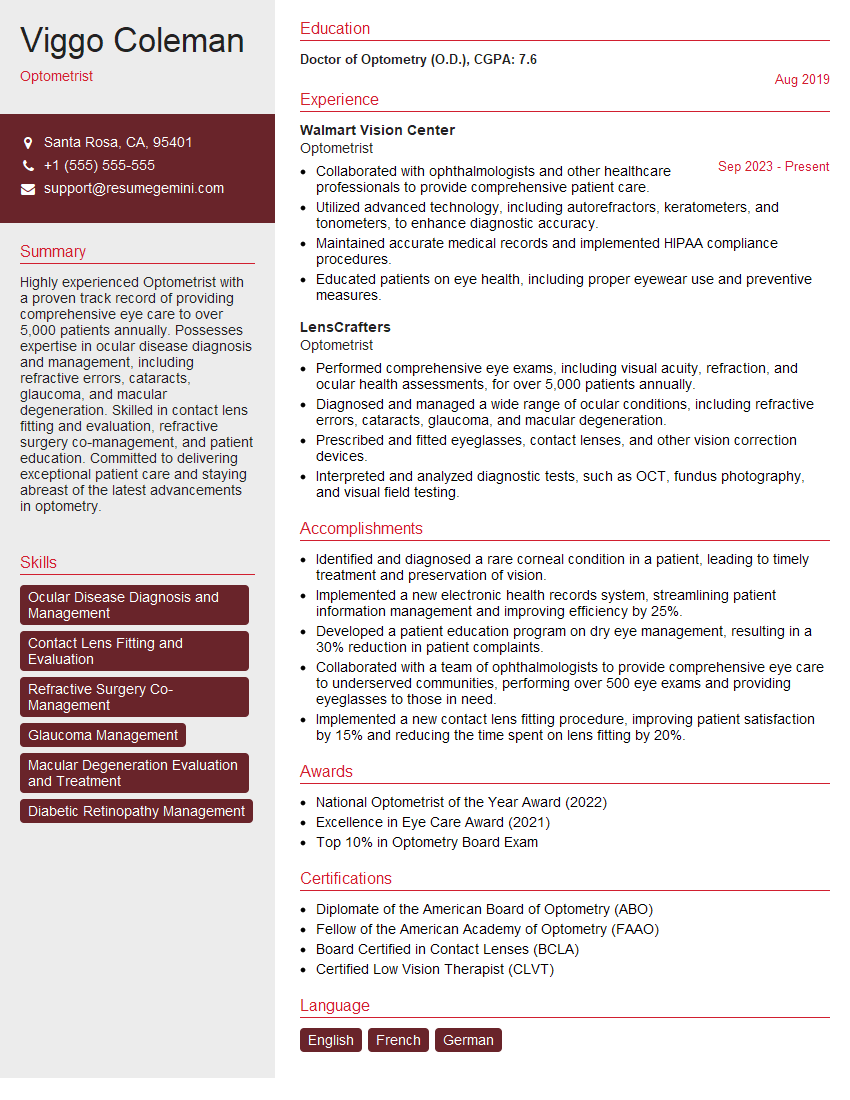
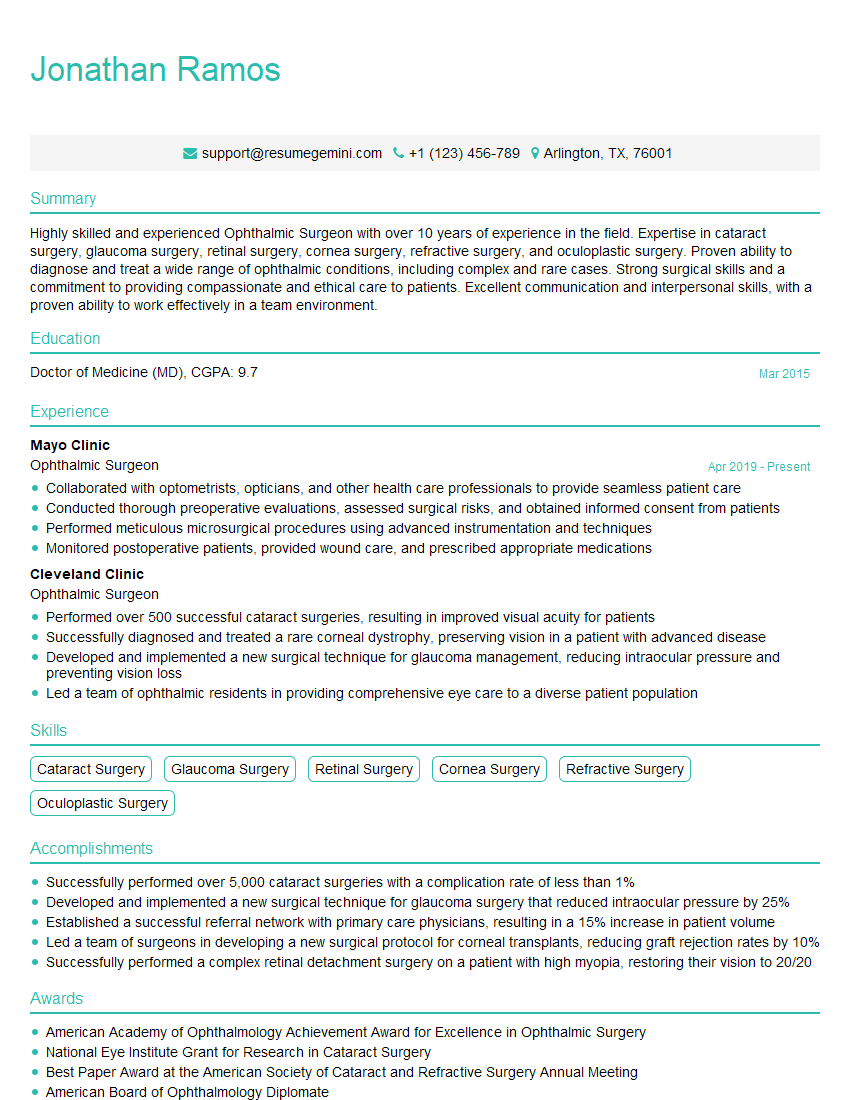
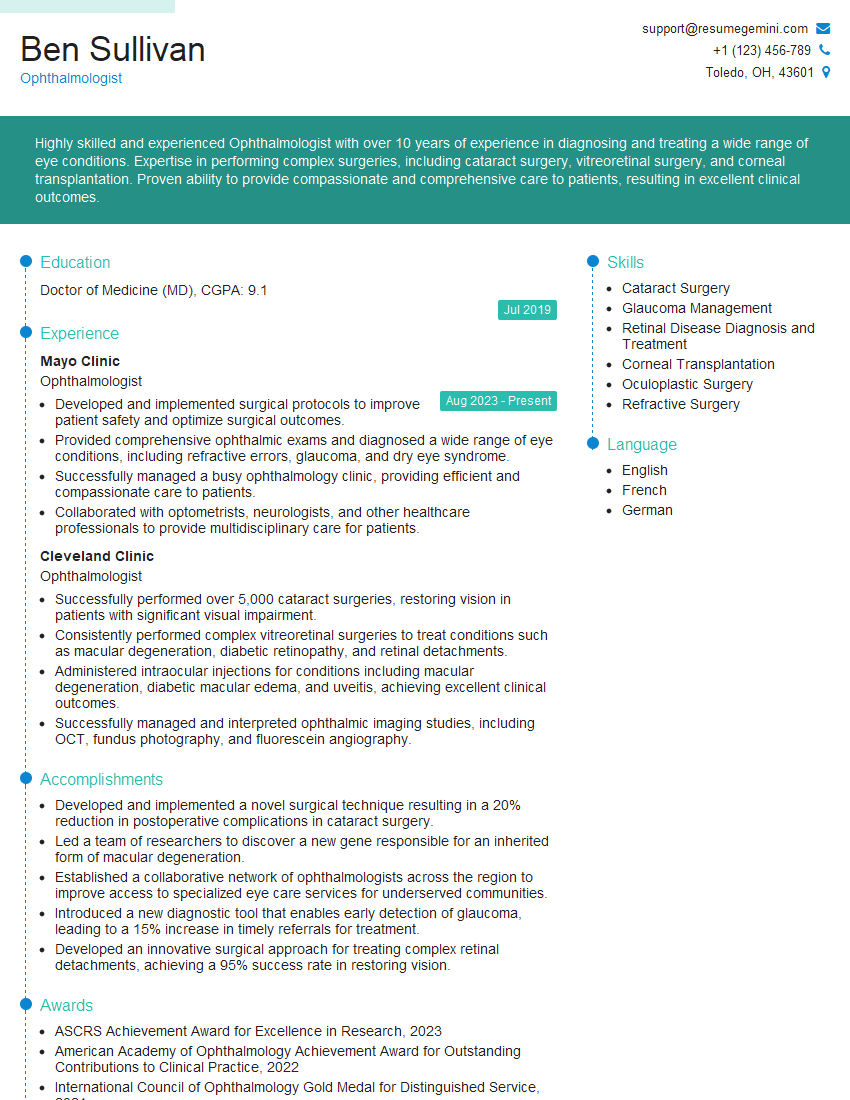
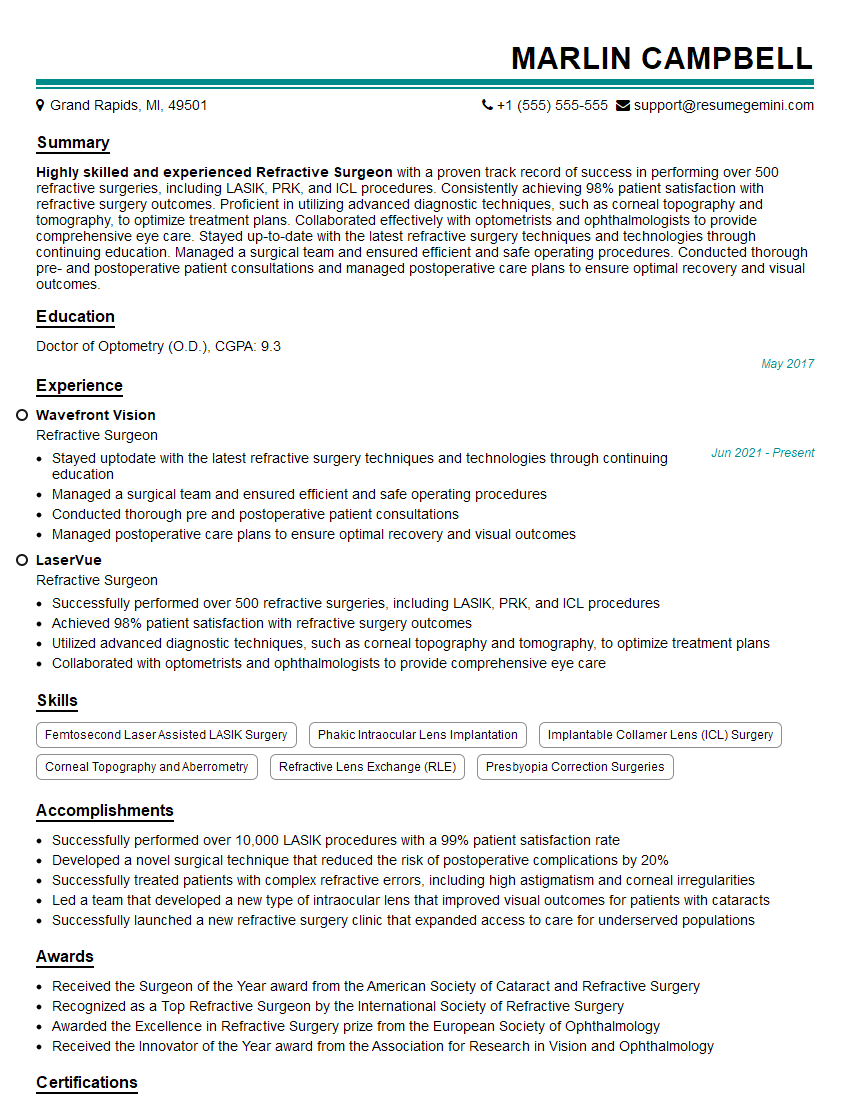
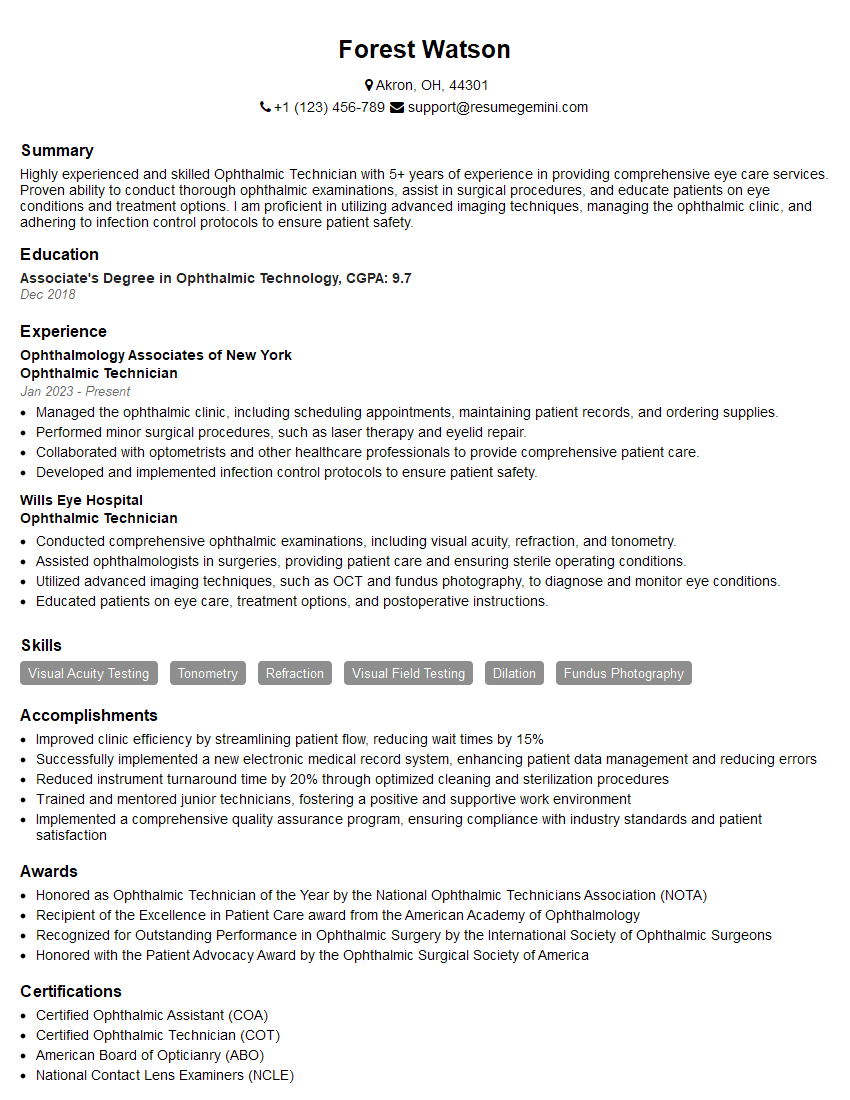
Mastering Cataract Evaluation is vital for a successful and rewarding career in ophthalmology. A strong understanding of these concepts will significantly enhance your interview performance and overall competency. To increase your job prospects, creating an ATS-friendly resume is crucial. ResumeGemini is a trusted resource to help you build a professional and impactful resume that highlights your skills and experience. Examples of resumes tailored to Cataract Evaluation are provided to guide you.

Explore more articles
Users Rating of Our Blogs
Share Your Experience
We value your feedback! Please rate our content and share your thoughts (optional).
What Readers Say About Our Blog
To the interviewgemini.com Webmaster.
Very helpful and content specific questions to help prepare me for my interview!
Thank you
To the interviewgemini.com Webmaster.
This was kind of a unique content I found around the specialized skills. Very helpful questions and good detailed answers.
Very Helpful blog, thank you Interviewgemini team.