Unlock your full potential by mastering the most common Cesspool Pumping and Cleaning interview questions. This blog offers a deep dive into the critical topics, ensuring you’re not only prepared to answer but to excel. With these insights, you’ll approach your interview with clarity and confidence.
Questions Asked in Cesspool Pumping and Cleaning Interview
Q 1. Describe your experience operating a vacuum truck.
Operating a vacuum truck requires a combination of technical skill and safety awareness. My experience spans over [Number] years, encompassing various models and applications. I’m proficient in all aspects, from pre-operation checks – ensuring fluid levels, hose connections, and vacuum pump functionality are optimal – to the actual pumping process and post-operation cleaning and maintenance. I understand the importance of understanding the truck’s pressure gauges, vacuum levels, and flow rates to ensure efficient and safe operation. For instance, I once had to troubleshoot a sudden drop in vacuum pressure mid-job. By systematically checking each component – hoses for leaks, filters for clogs, and the pump itself – I quickly identified a partially blocked filter and resolved the issue, minimizing downtime and preventing potential damage. I also have experience with various types of vacuum trucks, including those equipped with jetting capabilities for more stubborn blockages.
Q 2. Explain the process of safely pumping a cesspool.
Safely pumping a cesspool involves a multi-step process prioritizing safety and environmental compliance. First, a thorough site assessment is critical – identifying the cesspool’s location, access points, and any potential hazards. Next, appropriate Personal Protective Equipment (PPE) is donned, including gloves, boots, eye protection, and a respirator to protect against harmful gases and pathogens. The vacuum truck is then positioned strategically for efficient pumping, avoiding any potential damage to surrounding property. Before commencing the pump, we use a sewer camera to inspect the cesspool line for blockages or other problems. Once the connection is secure, the pumping process begins gradually, monitoring pressure and vacuum levels constantly. Upon completion, the system is thoroughly flushed and disinfected, and wastewater is disposed of according to local regulations. For example, I recently pumped a cesspool where I identified a partially collapsed pipe during the initial inspection. This required a more delicate approach and the subsequent scheduling of a separate repair before final pumping. The extra step avoided a potential mess and ensured efficient and environmentally-sound waste disposal.
Q 3. How do you identify potential problems during a cesspool inspection?
Identifying potential problems during a cesspool inspection involves visual examination and sometimes the use of specialized equipment. Visual inspection includes observing the condition of the tank itself for cracks, leaks, or corrosion. We also check for signs of excessive grease buildup, which can indicate improper waste disposal. We look for the level of sludge and scum accumulation, which can indicate the need for pumping. Additionally, we assess the surrounding area for any signs of ground saturation or leakage. Specialized equipment like sewer cameras can provide detailed visual inspections of the system’s pipes and connections, identifying blockages or damage not visible from the surface. For instance, I once identified a significant crack in the cesspool wall during a routine inspection using visual inspection only, prompting the homeowner to schedule necessary repairs before a complete system failure.
Q 4. What safety precautions do you take when working with wastewater?
Safety is paramount when handling wastewater. We always wear appropriate PPE, including chemical-resistant gloves, protective boots, eye protection, and a respirator designed for handling sewage gases. Working in confined spaces requires additional precautions, such as using atmospheric monitoring equipment to detect harmful gases like hydrogen sulfide. Proper decontamination procedures are followed after each job to prevent the spread of contaminants. Safety training is ongoing, covering hazard communication, emergency response procedures, and lockout/tagout procedures to ensure equipment safety. Before every job, a thorough site risk assessment is completed. A recent job involved a cesspool situated near a high-voltage power line. I ensured we maintained a safe distance and coordinated with the utility company to avoid any accidents. This proactive approach protects both the workers and the surrounding community.
Q 5. What are the common causes of cesspool backups?
Cesspool backups are typically caused by a few common issues:
- Excessive waste accumulation: This is the most frequent cause. Over time, solids and grease accumulate, reducing the effective capacity of the system.
- Improper waste disposal: Flushing inappropriate items like grease, sanitary products, and excessive amounts of toilet paper can lead to blockages.
- Physical damage or blockage: Cracks in the cesspool, collapsed pipes, or tree roots intruding into the lines cause blockages and backups.
- Infiltration of groundwater: High groundwater levels can overwhelm the system’s capacity.
Q 6. How do you handle different types of waste encountered during pumping?
Handling various types of waste requires careful consideration and appropriate procedures. Grease and oil require specialized cleaning techniques to prevent clogging of equipment and lines. Solid waste is carefully separated and disposed of appropriately according to local regulations. Hazardous materials, if encountered, require specialized handling and disposal procedures. We always follow strict protocols for handling any potentially infectious materials, ensuring the safety of our workers and the protection of the environment. For example, I once encountered a cesspool containing significant amounts of construction debris. This required extra care in removal, and the debris had to be disposed of separately at a designated waste disposal facility. This meticulous approach ensures proper disposal and avoids potential environmental pollution.
Q 7. Explain your knowledge of local regulations regarding wastewater disposal.
My knowledge of local regulations regarding wastewater disposal is comprehensive. I am familiar with all applicable state and local permits and requirements for cesspool pumping and waste disposal. This includes understanding the regulations concerning the proper disposal of wastewater in licensed facilities. We maintain detailed records of all pumping operations, including the volume of wastewater removed and the disposal site utilized, ensuring full compliance with all legal obligations. Staying up-to-date with any changes in regulations is essential, requiring ongoing professional development and attendance at relevant industry conferences. Non-compliance can result in significant fines and legal issues, so maintaining a thorough understanding of the relevant regulations is a high priority for our company. Regular training updates keep our team informed about any changes in environmental regulations or best practices.
Q 8. Describe your experience with troubleshooting cesspool system malfunctions.
Troubleshooting cesspool malfunctions requires a systematic approach. I start by visually inspecting the system for obvious issues like overflowing wastewater, foul odors, or soggy ground around the cesspool. Then, I use a combination of techniques to pinpoint the problem. This can involve using a specialized camera to inspect the interior of the cesspool for blockages, assessing the effluent flow to identify leaks or insufficient drainage, and even checking the distribution of wastewater to ensure all areas are properly draining into the cesspool.
For example, I once encountered a cesspool that was consistently overflowing despite recent pumping. A camera inspection revealed a significant blockage caused by tree roots penetrating the cesspool walls. We used specialized equipment to clear the roots and repaired the damaged sections of the wall, solving the problem permanently. Another instance involved a slow draining system, which turned out to be due to a buildup of grease and solids, ultimately resolved with a thorough cleaning and the recommendation of a grease trap for the homeowner.
Q 9. How do you ensure the proper disposal of wastewater according to regulations?
Proper wastewater disposal is paramount. We strictly adhere to all local and state regulations, which vary depending on location. This typically involves pumping the wastewater into designated treatment facilities equipped to handle such materials responsibly. We maintain detailed records of every pumping event, including the volume of wastewater removed, the disposal site, and the date of disposal. All our vehicles are properly licensed and equipped to safely transport and dispose of this material. For instance, we utilize specific manifests that are required by the EPA (Environmental Protection Agency) and local authorities, ensuring complete transparency and accountability regarding the waste removal process.
Q 10. What is your experience with high-pressure water jetting for cesspool cleaning?
High-pressure water jetting is an invaluable tool for thorough cesspool cleaning. The high-pressure stream of water effectively breaks down and removes accumulated sludge, grease, and other solids that contribute to cesspool malfunction. This technique is particularly effective in removing stubborn blockages and cleaning hard-to-reach areas within the cesspool. I have extensive experience operating these machines safely and efficiently, ensuring minimal disruption to the surrounding environment. It’s important to choose the right nozzle and pressure setting to avoid damage to the cesspool walls, a crucial detail of my expertise.
For example, a recent job involved a cesspool with significant grease buildup causing a major drainage issue. Using high-pressure water jetting, we dislodged and flushed away the grease, restoring the system’s efficiency. This was a much faster and more effective solution than traditional methods, minimizing downtime for the homeowner.
Q 11. Describe your experience with repairing or replacing cesspool components.
Repairing or replacing cesspool components requires specialized knowledge. This can include replacing damaged baffles, repairing cracks in the walls, or even replacing the entire cesspool structure if necessary. I have experience with various materials used in cesspool construction, including concrete and various types of sealant. Safety is a primary concern, especially when working in confined spaces. Proper ventilation, personal protective equipment (PPE), and adherence to safety protocols are crucial for this type of work.
Recently, we had to repair a cracked concrete cesspool wall. We used specialized epoxy resin to effectively seal the crack, preventing further leakage and ensuring the long-term structural integrity of the cesspool. In cases of significant damage, or where the cesspool is nearing the end of its lifespan, we advise customers on the best option, which might involve constructing a new cesspool and adhering to current building codes and regulations.
Q 12. What are the signs of a failing septic system?
Several signs indicate a failing septic system or cesspool. These can include: slow draining sinks and toilets, recurring clogs, foul odors emanating from drains or the ground around the system, unusually lush or green patches of grass over the cesspool, and even sewage backups into the house. The appearance of wastewater bubbling up to the surface is a major red flag. It’s important to address these issues promptly to prevent more significant and costly problems. Early detection is key to minimizing repairs and environmental damage.
Q 13. How do you determine the appropriate pumping frequency for a cesspool?
Determining the appropriate pumping frequency depends on several factors including household size, wastewater volume, and the cesspool’s size and design. There’s no one-size-fits-all answer. Factors such as the number of people residing in the house, water usage habits, and the presence of garbage disposals affect how quickly the cesspool fills. Smaller cesspools obviously require more frequent pumping than larger ones. I typically assess the situation with a visual inspection and use historical data to make an informed recommendation. Sometimes, a detailed analysis of wastewater flow may be required to achieve greater accuracy.
For example, a large family with high water usage might need their cesspool pumped every six months, while a smaller household with moderate water usage might only require annual pumping. We always explain these factors to homeowners so they understand why we suggest a particular pumping schedule. We also emphasize regular preventative maintenance to ensure the longevity of their cesspool system.
Q 14. Describe your experience with different types of cesspool systems.
I’ve worked with various cesspool systems, each with its own characteristics and maintenance requirements. These include traditional leaching cesspools, which rely on gravity for drainage; concrete cesspools, which offer more structural integrity; and more modern systems incorporating advanced filtration or treatment methods. Understanding the specific design and limitations of each type is essential for effective maintenance and repair. For example, the cleaning and maintenance procedures for a traditional leaching cesspool will differ significantly from those for a more sophisticated system with a filter bed. My expertise allows me to adapt my approach based on the specific system in place.
Q 15. How do you deal with unexpected challenges during a pumping job?
Unexpected challenges are par for the course in cesspool pumping. Think of it like plumbing – you never know what you’ll find until you get in there. My approach is always proactive and methodical. For instance, if we encounter a blockage beyond a standard auger, we systematically troubleshoot. First, we’d try a high-pressure water jet to break up the obstruction. If that fails, we might need to utilize a specialized drain snake with a camera to pinpoint and break up the blockage accurately, minimizing damage to the pipes. If it’s a severe issue like a collapsed pipe, we then communicate that discovery transparently to the client, explaining the situation, outlining the repair options, and providing a detailed cost estimate before proceeding. We always prioritize safety and environmental protection. For example, if there’s a significant amount of hazardous waste discovered (something beyond what’s typical for a household septic system), we would immediately halt the operation, call the appropriate environmental agency, and follow all protocols for safe disposal.
Career Expert Tips:
- Ace those interviews! Prepare effectively by reviewing the Top 50 Most Common Interview Questions on ResumeGemini.
- Navigate your job search with confidence! Explore a wide range of Career Tips on ResumeGemini. Learn about common challenges and recommendations to overcome them.
- Craft the perfect resume! Master the Art of Resume Writing with ResumeGemini’s guide. Showcase your unique qualifications and achievements effectively.
- Don’t miss out on holiday savings! Build your dream resume with ResumeGemini’s ATS optimized templates.
Q 16. What is your experience with using various pumps and equipment?
My experience spans a wide range of pumping equipment, from smaller, portable units ideal for residential jobs to heavy-duty, high-capacity pumps for larger commercial or industrial sites. I’m proficient with various pump types including centrifugal pumps (reliable and versatile), positive displacement pumps (for thicker, more viscous materials), and vacuum pumps (essential for handling solids and liquids simultaneously). Beyond pumps, I’m skilled in operating and maintaining all supporting equipment such as jetters, augers, sewer cameras, and vacuum trucks. For instance, I can efficiently select the right pump and equipment based on the job requirements and site conditions, maximizing efficiency and minimizing downtime. This often involves factors like the volume of waste, its consistency (sludge, solids, liquids), and the accessibility of the cesspool.
Q 17. How do you maintain and service your equipment?
Equipment maintenance is crucial for safety, efficiency, and longevity. It’s not just about keeping the machinery running; it’s about preventing costly breakdowns and ensuring we deliver top-quality service. Our preventative maintenance program includes regular inspections, lubrication of moving parts, checking fluid levels and filters, and replacing worn components before they fail. After every job, the equipment is thoroughly cleaned to prevent corrosion and cross-contamination. We maintain detailed service logs for all equipment, noting every maintenance task, repair, and part replacement. This meticulous record-keeping allows us to track performance, identify potential problems early on, and optimize our maintenance schedule. Think of it as regularly servicing a car—it’s less costly and time-consuming in the long run compared to dealing with unexpected breakdowns.
Q 18. Explain your understanding of wastewater treatment processes.
My understanding of wastewater treatment processes extends beyond just cesspool pumping. I know that the process usually involves a series of stages, starting with primary treatment (physical removal of solids through settling), followed by secondary treatment (biological breakdown of organic matter using bacteria), and in some cases, tertiary treatment (further refinement to remove nutrients and pathogens). While we don’t conduct full-scale wastewater treatment on-site, understanding these processes is crucial for properly handling the waste we remove. For example, knowing the implications of improper disposal of certain chemicals or the importance of preventing contamination of groundwater helps us work safely and responsibly. We’re also mindful of local regulations regarding wastewater disposal and ensure all our procedures comply with those guidelines.
Q 19. How do you communicate with clients about the condition of their cesspool?
Clear, concise communication is paramount. After an inspection, I provide the client with a detailed report, clearly outlining the condition of their cesspool. I use plain language, avoiding technical jargon, and explain the findings in a way that’s easy to understand. Visual aids, such as photos or diagrams taken using our sewer cameras, are extremely helpful in showing clients the actual condition of their system. We discuss the findings, recommended services, and potential future issues, ensuring the client feels well-informed and confident in our recommendations. If significant problems are detected, I will carefully explain the repair options, outlining the pros and cons of each approach and providing a clear, detailed cost estimate before proceeding with any work. Open communication builds trust and ensures the client feels comfortable with our service.
Q 20. Describe your experience with emergency cesspool services.
Emergency cesspool services are a critical part of our business, often involving situations like overflowing cesspools or complete system failures. Our team is on call 24/7 to respond to these urgent needs. Speed and efficiency are key in these scenarios. Our dispatch system is designed to route calls quickly to the nearest available crew. We’ve handled numerous emergency situations, ranging from clogged pipes to overflowing tanks and pump failures. Our experience allows us to rapidly assess the situation, implement the appropriate emergency measures, and get the system stabilized quickly and effectively, minimizing disruption and damage. For example, we always prioritize containing the spillage to prevent environmental contamination and health hazards, using temporary pumps or containment measures when necessary.
Q 21. What is your knowledge of various chemicals used in cesspool maintenance?
Knowledge of chemicals used in cesspool maintenance is crucial, but safety is always the top priority. Some chemicals, like bacterial additives, can improve the breakdown of organic matter within the cesspool. However, it’s important to know the proper usage, handling, and potential environmental impacts of any chemical introduced into the system. I always ensure that any chemical used is appropriate for the specific situation, is used in accordance with the manufacturer’s instructions, and that all necessary safety precautions are followed. For example, I would never recommend a chemical without understanding the specific composition of the waste in the cesspool and assessing the potential risks involved. Misuse of chemicals can damage the system, harm the environment, or even pose health hazards. Therefore, careful selection and responsible use are vital.
Q 22. How do you handle hazardous materials encountered during pumping?
Handling hazardous materials is paramount in cesspool pumping. We follow strict safety protocols and utilize specialized equipment. For instance, if we encounter chemicals like solvents or heavy metals, we immediately cease pumping and implement a containment strategy. This involves using absorbent pads to soak up spills and employing specialized pumps and containers designed for hazardous waste. We then contact the appropriate environmental agencies to report the incident and arrange for proper disposal according to local and national regulations. Personal Protective Equipment (PPE), including respirators, gloves, and protective suits, is mandatory. Proper labeling and documentation of all hazardous materials are meticulously maintained for compliance and traceability. Think of it like handling a spill in a lab – careful containment, proper disposal, and rigorous record-keeping are key.
Q 23. Describe your experience working with different soil types.
Different soil types significantly impact cesspool pumping. Clay soils, for example, can be incredibly dense and difficult to penetrate with a pump truck. We may need to employ specialized equipment or techniques to effectively remove waste. Sandy soils, on the other hand, are often more porous and easier to work with. Rocky soils present another challenge, potentially requiring excavation and manual intervention. My experience covers all of these scenarios. For example, in one case involving extremely compacted clay, we had to use a high-pressure jetting system to break up the soil around the cesspool before we could effectively pump out the waste. The documentation of each soil type encountered is critical for future planning and maintaining the integrity of future pumping operations.
Q 24. How do you ensure the proper documentation of each cesspool service?
Proper documentation is essential for liability, billing, and environmental compliance. For each service call, we generate a detailed report including: the service address, date and time of service, the type of service performed (pumping, cleaning, inspection), the amount of waste removed (measured in gallons), any issues encountered, the type of system serviced (septic tank, cesspool, etc.), and signatures from both the client and the technician. We also include photographs or videos documenting the condition of the system before and after service, especially if repairs were necessary or hazardous materials were discovered. This comprehensive documentation protects both the client and our company, ensuring accountability and transparency throughout the process. Think of it like a medical chart – complete and precise records are non-negotiable.
Q 25. What is your knowledge of bacteria and microorganisms in wastewater?
Wastewater contains a complex mix of bacteria and microorganisms, some beneficial and others harmful. Understanding their role is crucial for safe and effective waste management. Beneficial bacteria are essential for the natural breakdown of organic waste in a septic system. However, pathogenic bacteria, viruses, and parasites can pose health risks if not handled correctly. We are trained to recognize the potential hazards and take necessary precautions to prevent exposure. This includes proper disinfection of equipment and safe disposal procedures. Knowing the potential health risks associated with certain microbial communities allows us to implement appropriate measures that ensure the safety of both our employees and the environment.
Q 26. Explain your experience with different types of septic tank systems.
My experience encompasses a wide range of septic tank systems, including conventional septic tanks, aerobic treatment units, and constructed wetlands. Conventional tanks rely on anaerobic digestion, while aerobic systems use oxygen to accelerate the breakdown of waste. Constructed wetlands utilize natural processes to treat wastewater. Each system presents unique challenges and requires specific techniques for maintenance and pumping. For example, accessing and servicing an aerobic system requires more specialized knowledge to avoid damaging the sensitive oxygenation equipment. This understanding allows us to tailor our approach to each specific system, ensuring optimal performance and longevity.
Q 27. What is your experience with using GPS and mapping technology for service calls?
GPS and mapping technology are integral to our operations. We use GPS devices to efficiently locate service addresses, especially in rural areas or with unclear addresses. Real-time mapping helps us plan routes, estimate travel time, and optimize our daily schedules, maximizing efficiency. This also allows for better dispatching of service vehicles and more accurate job completion estimations for clients. Furthermore, we can use mapping technology to store the locations of past service calls, build a database for our customer base and track maintenance history for repeat customers. This helps in identifying potential trends or problems and providing improved proactive services.
Q 28. Describe your knowledge of environmental regulations relevant to wastewater disposal.
Understanding environmental regulations related to wastewater disposal is crucial. We adhere strictly to local, state, and federal guidelines concerning the disposal of wastewater and any hazardous materials encountered. This includes proper permits, waste transportation protocols, and disposal methods at licensed facilities. We are continuously updated on these regulations to ensure full compliance and prevent environmental contamination. Violations can lead to significant fines and legal repercussions; therefore, adherence to regulations is a top priority. This is not merely a regulatory matter; it is a critical component of protecting our community and environment.
Key Topics to Learn for Cesspool Pumping and Cleaning Interview
- Safety Procedures and Regulations: Understanding and adhering to all relevant safety protocols, including OSHA regulations and proper handling of hazardous materials.
- Equipment Operation and Maintenance: Practical knowledge of operating and maintaining various pumping equipment, trucks, and related tools. This includes troubleshooting common malfunctions and performing routine maintenance.
- Wastewater Treatment Basics: Fundamental understanding of wastewater composition, treatment processes, and disposal regulations. Knowing the environmental impact of improper handling is crucial.
- Pumping Techniques and Strategies: Efficient and effective methods for pumping different types of wastewater, considering factors like viscosity, solids content, and location.
- Cesspool System Design and Functionality: Familiarity with different cesspool systems, their components, and how they function. Understanding potential problems and their causes is beneficial.
- Customer Service and Communication: Effective communication with clients, addressing concerns professionally and providing clear explanations of services rendered. This includes maintaining a positive and respectful demeanor.
- Problem-Solving and Troubleshooting: Diagnosing and resolving issues related to equipment malfunctions, blocked lines, or other unexpected challenges encountered on the job.
- Record Keeping and Reporting: Accurate documentation of services performed, including materials used, time spent, and any relevant observations. Understanding reporting requirements is key.
Next Steps
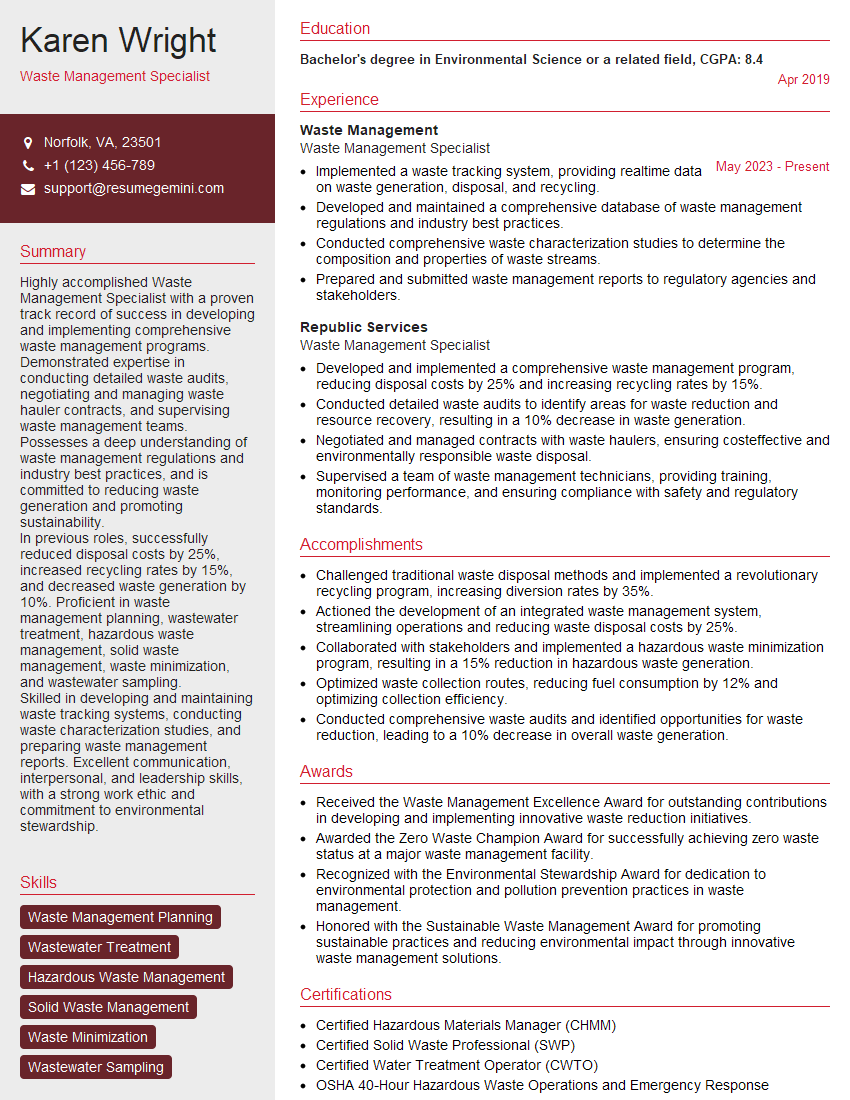
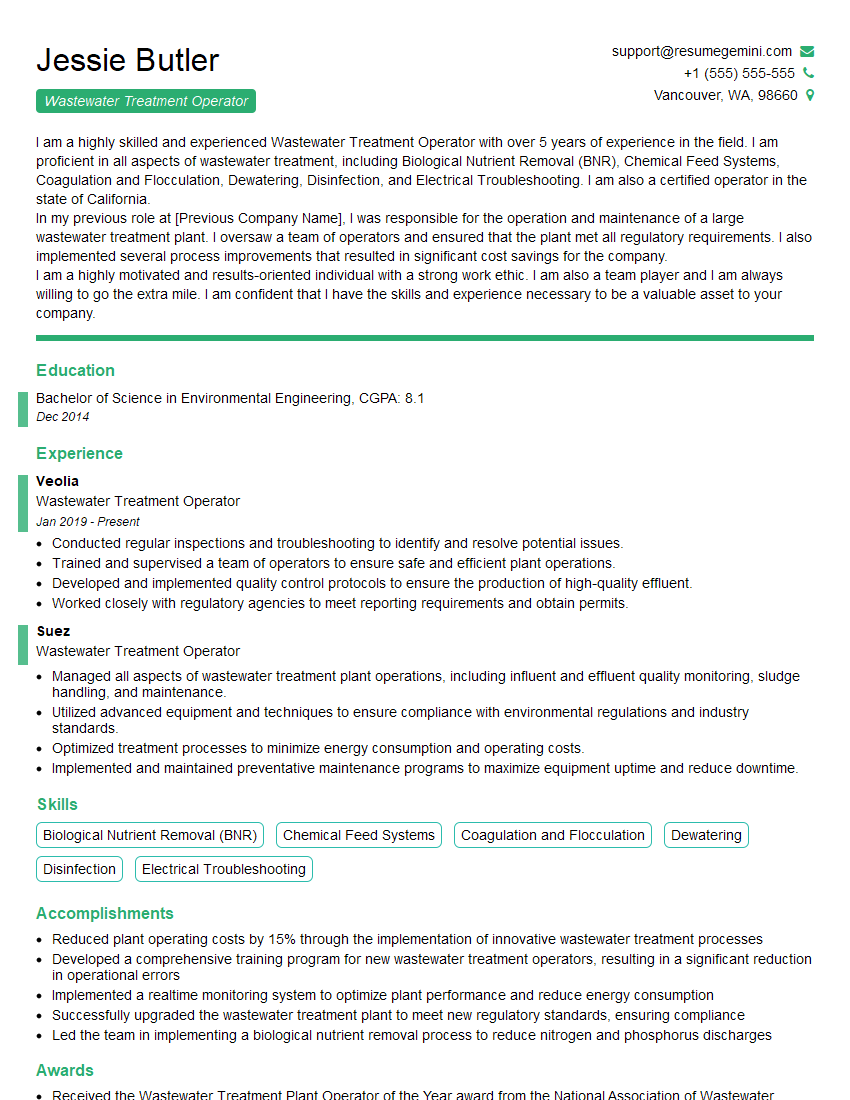
Mastering Cesspool Pumping and Cleaning opens doors to a rewarding career with opportunities for advancement, specializing in areas like high-pressure jetting or preventative maintenance. A strong resume is your key to unlocking these opportunities. Creating an ATS-friendly resume is critical for getting your application noticed by employers. We highly recommend using ResumeGemini to build a professional and effective resume that highlights your skills and experience. ResumeGemini provides examples of resumes tailored to the Cesspool Pumping and Cleaning industry, ensuring your application stands out.
Explore more articles
Users Rating of Our Blogs
Share Your Experience
We value your feedback! Please rate our content and share your thoughts (optional).
What Readers Say About Our Blog
To the interviewgemini.com Webmaster.
Very helpful and content specific questions to help prepare me for my interview!
Thank you
To the interviewgemini.com Webmaster.
This was kind of a unique content I found around the specialized skills. Very helpful questions and good detailed answers.
Very Helpful blog, thank you Interviewgemini team.