Interviews are opportunities to demonstrate your expertise, and this guide is here to help you shine. Explore the essential Dacryocystorhinostomy interview questions that employers frequently ask, paired with strategies for crafting responses that set you apart from the competition.
Questions Asked in Dacryocystorhinostomy Interview
Q 1. Describe the surgical steps involved in a Dacryocystorhinostomy procedure.
Dacryocystorhinostomy (DCR) is a surgical procedure that creates a new opening between the lacrimal sac (the tear sac) and the nasal cavity, bypassing a blocked nasolacrimal duct. The goal is to restore normal tear drainage and alleviate symptoms like epiphora (watery eyes) and recurrent dacryocystitis (infection of the tear sac).
The surgical steps generally involve:
- Incision and dissection: A small incision is made in the skin below the inner canthus of the eye. Careful dissection through the tissues exposes the lacrimal sac.
- Removal of bone: A small amount of bone overlying the lacrimal sac is removed using a drill or other instruments to create a window into the nasal cavity (osteotom). This creates a direct pathway for tear drainage.
- Creation of the ostium: The surgeon carefully creates an opening in the lacrimal sac, creating a communication between the sac and the nasal cavity.
- Insertion of a silicone stent (optional): A small silicone tube is often placed into the newly created opening to keep the passageway patent during healing and prevent scar tissue formation. This stent is usually removed after several weeks.
- Closure: The incision is closed with fine sutures.
The precise steps may vary slightly depending on the surgical approach (external or endoscopic) and surgeon preference.
Q 2. What are the indications for performing a Dacryocystorhinostomy?
Dacryocystorhinostomy is indicated when a patient experiences persistent symptoms due to nasolacrimal duct obstruction. These symptoms include:
- Epiphora (excessive tearing): Constant watery eyes, often exacerbated by wind or cold.
- Recurrent dacryocystitis: Repeated infections of the lacrimal sac, characterized by swelling, pain, and purulent discharge.
- Dacryoadenitis: Infection of the lacrimal gland, often a secondary condition resulting from nasolacrimal duct obstruction.
- Chronic mucopurulent discharge: Thick, mucus-like discharge from the eye.
In cases where conservative management (e.g., antibiotics for infection, probing) fails to provide relief, DCR becomes the preferred surgical intervention.
Q 3. What are the contraindications for Dacryocystorhinostomy?
Contraindications to Dacryocystorhinostomy are relatively few, but include:
- Active infection: The presence of an acute infection in the area would increase the risk of postoperative complications. Treatment of the infection is necessary before considering DCR.
- Severe nasal pathology: Significant nasal inflammation, tumors, or anatomical abnormalities that might compromise the surgery’s success or increase the risk of complications.
- Uncontrolled bleeding disorders: Patients with coagulation disorders are at increased risk of bleeding during and after the procedure.
- Patient refusal or inability to cooperate: Successful DCR requires patient cooperation during and after the procedure.
Careful assessment of the patient’s overall health is crucial before scheduling the surgery.
Q 4. Explain the different surgical approaches for Dacryocystorhinostomy (external vs. endoscopic).
Dacryocystorhinostomy can be performed via two primary approaches:
- External DCR: This is the traditional approach, involving a small incision below the inner canthus of the eye to expose the lacrimal sac and bone. It allows for direct visualization and manipulation of the surgical field.
- Endoscopic DCR: This minimally invasive approach utilizes an endoscope inserted through the nasal cavity to access the lacrimal sac. It offers smaller incisions, reduced scarring, and potentially faster recovery, but requires specialized equipment and expertise. The surgeon navigates the endoscope to create the osteotomy and ostium.
The choice of approach depends on factors like patient anatomy, surgeon experience, and available resources. External DCR might be preferred in cases with complex anatomy or prior nasal surgery.
Q 5. Discuss the potential complications associated with Dacryocystorhinostomy.
While generally safe, DCR carries potential complications, including:
- Infection: Postoperative infection is a possibility, and requires prompt treatment with antibiotics.
- Epiphora (persistent tearing): This can occur due to incomplete resolution of the obstruction, or scarring.
- Excessive scarring: Improper healing or surgical technique may lead to noticeable scarring.
- Bleeding: Minor bleeding is common, but significant bleeding is rare.
- Nasal obstruction: Swelling in the nasal cavity after surgery can cause temporary obstruction.
- Lacrimal sac fistula: A fistula (abnormal connection) may develop between the lacrimal sac and the skin.
- Dacryocystitis recurrence: In some cases, the obstruction may reoccur, requiring further intervention.
Careful surgical technique and postoperative care are crucial to minimize the risk of complications.
Q 6. How do you manage postoperative complications such as infection or epiphora?
Postoperative management focuses on preventing and treating complications.
- Infection: Postoperative infection is treated with antibiotics, often intravenously initially, then orally. Close monitoring is required, and surgical revision may be necessary in severe cases.
- Epiphora: Persistent epiphora may be due to incomplete drainage, stenosis (narrowing) of the newly created ostium, or other causes. Careful evaluation may necessitate further surgical intervention or probing to ensure patency of the new pathway.
Regular follow-up appointments are vital to monitor healing and address any issues promptly. Patients should be instructed on how to identify signs of infection and when to seek medical attention.
Q 7. What are the common causes of Dacryocystitis?
Dacryocystitis, an infection of the lacrimal sac, is most commonly caused by:
- Obstruction of the nasolacrimal duct: This is the primary cause, leading to stasis of tears and bacterial overgrowth. Causes of obstruction include congenital anomalies, inflammation, trauma, or tumors.
- Bacterial infection: Staphylococcus aureus and other bacteria are frequently implicated.
- Viral infections: Although less common, viral infections can contribute to inflammation and obstruction of the duct.
In many cases, dacryocystitis is a secondary consequence of an underlying nasolacrimal duct obstruction, highlighting the importance of addressing the underlying cause rather than just treating the infection.
Q 8. Describe the pre-operative assessment for a patient undergoing Dacryocystorhinostomy.
Pre-operative assessment for dacryocystorhinostomy (DCR) is crucial for ensuring a successful outcome and minimizing complications. It’s a multi-faceted process involving a thorough history, clinical examination, and potentially some investigations.
- Detailed History: This includes the duration and severity of epiphora (tearing), the presence of any discharge (purulent or otherwise), previous treatments, allergies, medications, and any relevant medical conditions (like diabetes or bleeding disorders). We specifically inquire about the patient’s expectations and concerns regarding the surgery.
- Clinical Examination: This involves a careful examination of the lacrimal system. We assess for the presence of punctal stenosis (narrowing of the tear duct openings), patency of the canaliculi (small tubes draining tears from the eye), and the presence of any palpable masses or inflammation around the lacrimal sac. We also evaluate the patient’s visual acuity and assess for any signs of infection.
- Imaging: In some cases, imaging studies like dacryocystography or CT dacryocystography might be necessary to further evaluate the extent of the obstruction. This helps define the location and severity of the blockage and guide the surgical approach. We might also order a nasal endoscopy to visualize the nasal cavity and assess its suitability for the procedure.
- Pre-operative Counseling: We discuss the procedure’s risks and benefits, alternative treatment options, potential complications (e.g., infection, bleeding, scarring, failure of the procedure), and post-operative care instructions. We ensure the patient understands the procedure thoroughly and provides informed consent.
A well-conducted pre-operative assessment is paramount for ensuring patient safety and achieving optimal surgical outcomes. For example, a patient with uncontrolled diabetes might require better blood sugar control before undergoing the procedure to minimize the risk of infection.
Q 9. What imaging modalities are used in the diagnosis of nasolacrimal duct obstruction?
Several imaging modalities can help diagnose nasolacrimal duct obstruction. The choice depends on the clinical context and the information needed.
- Dacryocystography (DCG): This is a contrast study where a radiopaque dye is injected into the lacrimal system. X-rays are then taken to visualize the flow of the dye. It helps identify the site and nature of the obstruction. For example, a complete blockage will show a sudden termination of the dye flow.
- CT Dacryocystography: This combines the advantages of DCG with the superior anatomical detail provided by CT scanning. It allows for better visualization of the bony anatomy of the lacrimal system and the surrounding structures. This is particularly useful in cases of complex anatomy or suspected bone involvement.
- Nasal Endoscopy: This is a minimally invasive procedure where a small, flexible endoscope is inserted into the nasal cavity. It allows direct visualization of the inferior meatus and the ostium (opening) of the nasolacrimal duct. This might show inflammation or obstruction of the duct opening.
- MRI Dacryocystography: Less commonly used, MRI Dacryocystography can provide high resolution images without ionizing radiation but is more expensive and less readily available.
In practice, we often start with a thorough clinical examination. If this is inconclusive, we usually proceed with nasal endoscopy which is less invasive and readily available. Dacryocystography or CT Dacryocystography is usually reserved for more complex cases where further clarification is needed.
Q 10. Explain the difference between primary and revision Dacryocystorhinostomy.
The primary distinction between primary and revision DCR lies in whether the surgery is being performed for the first time or to correct a previous unsuccessful attempt.
- Primary Dacryocystorhinostomy: This refers to the initial surgical creation of a new opening between the lacrimal sac and the nasal cavity. It’s performed in patients who have not undergone DCR before. The surgical field is generally cleaner, and the anatomy is typically undisturbed.
- Revision Dacryocystorhinostomy: This involves a second or subsequent surgical procedure to address a failed primary DCR. The anatomy is altered from the prior surgery, often with scarring and inflammation present. This makes the procedure technically more demanding and prone to complications.
Revision DCR is often more challenging because of scarring, inflammation, and potential distortion of the anatomical landmarks. The surgeon may need to use different techniques and approaches compared to primary DCR. For example, a revision case may require more extensive tissue dissection or the use of different materials for creating the osteotomy (bone cut).
Q 11. How do you differentiate between congenital and acquired nasolacrimal duct obstruction?
Congenital and acquired nasolacrimal duct obstruction differ in their etiology and typically present differently.
- Congenital Nasolacrimal Duct Obstruction (CNLDO): This is present at birth and results from incomplete canalization (opening) of the nasolacrimal duct during fetal development. It’s usually diagnosed in the first few months of life, often presenting with excessive tearing (epiphora), mucopurulent discharge (thick, yellow/green eye discharge), and sometimes recurrent infections (dacryocystitis – inflammation of the tear sac). It is often spontaneously resolved in the first year of life.
- Acquired Nasolacrimal Duct Obstruction: This develops after birth and can be caused by various factors including infection, trauma (e.g., facial fractures), tumors, inflammatory conditions (e.g., sarcoidosis), or iatrogenic causes (e.g., complications following prior nasal surgery). The symptoms are similar to CNLDO but typically manifest later in life.
The key differentiator is the age of onset. CNLDO presents in infancy or early childhood, while acquired obstruction occurs later in life. While symptoms can overlap, the history and age of the patient are crucial for making the distinction. A thorough examination, including probing the nasolacrimal duct, can aid in diagnosis.
Q 12. What are the advantages and disadvantages of using stents in Dacryocystorhinostomy?
Silicone stents are frequently used in DCR to maintain patency (openness) of the newly created ostium (opening). There are both advantages and disadvantages to their use:
- Advantages:
- Improved Patency: Stents help keep the surgical site open, reducing the risk of stenosis (narrowing) and failure. They physically prevent the tissues from closing.
- Faster Healing: In some cases, stents may promote faster healing and reduce postoperative inflammation.
- Reduced Risk of Infection: Some studies suggest that stents can decrease infection rates, though this is still debated.
- Disadvantages:
- Discomfort and Irritation: Patients may experience some discomfort, irritation, or foreign body sensation from the presence of the stent.
- Risk of Migration or Displacement: There’s a small chance the stent could move from its intended position or even be expelled.
- Risk of Infection: Although they might reduce infection in some cases, they could also act as a nidus for infection if not properly managed.
- Additional Procedure: The placement and removal of the stent require an additional procedure.
The decision to use a stent is based on individual patient factors and surgical judgment. Factors such as the surgeon’s experience, the complexity of the surgery, the presence of inflammation, and the patient’s preferences all play a role.
Q 13. How do you counsel patients about the risks and benefits of Dacryocystorhinostomy?
Counseling patients about DCR involves a balanced discussion of the procedure’s potential benefits and risks. It’s crucial to ensure they understand the procedure and make an informed decision.
- Benefits: We explain that successful DCR can alleviate the symptoms of epiphora (excessive tearing) and relieve discomfort. It can also improve cosmetic appearance and reduce the risk of recurrent infections.
- Risks: We discuss potential complications, including bleeding, infection, scarring, failure of the procedure (requiring revision surgery), damage to adjacent structures (such as the nasal mucosa or the medial wall of the orbit), and persistent or recurrent symptoms. We also mention the possibility of a temporary or permanent alteration in the sense of smell, though rare.
- Alternatives: We explain that conservative management, such as probing and irrigation, may be considered in certain cases, especially for mild obstructions. We weigh out the risks and benefits of each option.
- Expectations: We clearly outline the expected recovery timeline, including potential post-operative pain, discomfort, and any activity restrictions. We emphasize that recovery takes time and varies from patient to patient. We often show patients pictures to demonstrate what to expect post-surgery.
I always use clear, simple language, avoiding technical jargon. I encourage patients to ask questions and make sure they understand everything before making a decision. It’s important to build rapport and trust, and I find using analogies and real-world examples helps patients grasp the concepts better.
Q 14. Describe your experience with different types of Dacryocystorhinostomy techniques.
My experience encompasses various DCR techniques, tailored to the individual patient’s needs and the specific anatomical challenges presented.
- External DCR: This is a common approach involving an incision in the skin to expose the lacrimal sac and create the ostium. I find this particularly suitable for cases with significant scarring or inflammation.
- Endoscopic DCR: This minimally invasive technique utilizes an endoscope to visualize the surgical field and create the ostium from within the nasal cavity. I find that this technique provides better visualization of the surgical anatomy and is associated with reduced external scarring.
- Combined External and Endoscopic DCR: In some complex cases, I might employ a combined approach, utilizing the strengths of both external and endoscopic techniques. This is often in cases where intraoperative difficulties are encountered.
Technique selection depends on several factors: the severity of obstruction, presence of previous surgery or inflammation, surgeon expertise, and available resources. For instance, I have performed multiple revision DCRs where the external approach was necessary to access the previously operated site and manage dense scarring. I always choose the best technique for the patient, balancing the need for effective treatment and minimal invasiveness.
Q 15. What are the long-term outcomes of Dacryocystorhinostomy?
The long-term outcomes of Dacryocystorhinostomy (DCR), a surgical procedure to restore tear drainage, are generally excellent. Most patients experience significant and lasting relief from epiphora (tearing), and the procedure often leads to a marked improvement in their quality of life. However, like any surgery, there’s a chance of complications or less-than-perfect results.
Successful Outcomes: In the majority of cases, DCR leads to patent (open) nasolacrimal duct, resolving epiphora. Patients report a reduction in eye irritation, infection risk, and the need for frequent cleaning. The success is often maintained for many years, even decades, for a significant portion of patients.
Less Successful Outcomes: While rare, some patients may experience recurrence of duct obstruction, requiring revision surgery. Other potential long-term issues include scarring, the formation of a synechia (adhesion) between the nasal mucosa and the lacrimal sac, or persistent watering due to other underlying conditions that weren’t addressed during the initial procedure. Careful patient selection and meticulous surgical technique are key to minimizing these less favorable outcomes. For example, patients with significant inflammation or infection may have a higher risk of complications.
Factors influencing long-term success: Patient age, the underlying cause of the blockage, the surgical technique employed, and the presence of pre-existing medical conditions all contribute to the long-term success of DCR. Post-operative care compliance also plays a crucial role. Regular follow-up appointments are essential to monitor for any complications and ensure optimal healing.
Career Expert Tips:
- Ace those interviews! Prepare effectively by reviewing the Top 50 Most Common Interview Questions on ResumeGemini.
- Navigate your job search with confidence! Explore a wide range of Career Tips on ResumeGemini. Learn about common challenges and recommendations to overcome them.
- Craft the perfect resume! Master the Art of Resume Writing with ResumeGemini’s guide. Showcase your unique qualifications and achievements effectively.
- Don’t miss out on holiday savings! Build your dream resume with ResumeGemini’s ATS optimized templates.
Q 16. How do you assess the success rate of a Dacryocystorhinostomy procedure?
Assessing the success rate of a Dacryocystorhinostomy procedure involves a multi-faceted approach. It isn’t simply a binary ‘success’ or ‘failure’ but rather a nuanced evaluation based on several factors.
Primary Assessment: The most immediate assessment is the resolution of epiphora (excessive tearing). This is often the patient’s primary concern, and their subjective report is valuable. We also perform a thorough examination to assess the patency (openness) of the nasolacrimal duct using methods like probing or irrigation. Successful irrigation, with fluid readily passing from the lacrimal sac into the nose, strongly suggests a successful DCR.
Objective Measures: Imaging techniques like dacryocystography (injecting contrast dye and taking x-rays) can be used to visualize the nasolacrimal duct post-operatively, confirming patency. While not always necessary, it can provide objective evidence of successful drainage.
Long-Term Follow-up: Success is also judged on the long-term absence of symptoms. Patients are typically followed for several months or even years post-operatively to assess the persistence of tear drainage and the absence of recurrent symptoms. A successful procedure will result in long-term relief from epiphora and improved quality of life.
Quantitative vs Qualitative: The success rate is often expressed quantitatively as a percentage of patients achieving symptom relief and objective evidence of patency. However, a qualitative assessment based on the patient’s satisfaction and improved quality of life is equally important. A patient might still have slight tearing but experience a massive improvement in their quality of life, indicating a successful outcome despite not meeting a strict quantitative definition.
Q 17. What are the alternative treatment options for nasolacrimal duct obstruction?
Nasolacrimal duct obstruction (NLDO) can be managed with several alternative treatments to Dacryocystorhinostomy, although DCR is often the preferred approach for adult patients with persistent symptoms. The choice of treatment depends heavily on factors such as the patient’s age, the severity of the obstruction, and the presence of any underlying infections.
- Conservative Management: For mild cases or in young children where the duct may spontaneously open, conservative management, including regular massage and warm compresses, may be attempted. This can help clear mucus plugs and sometimes improve drainage. Topical antibiotic eye drops are occasionally used to address associated infections.
- Dacryocystotomy: This involves puncturing the lacrimal sac to release blocked tears. It’s a less invasive procedure than DCR but is often only temporary and may not be suitable for all patients. The blockage tends to recur.
- Intubation: This involves inserting a small silicone tube into the nasolacrimal duct to keep it open. It is sometimes used after a dacryocystotomy or as a temporary measure before more definitive surgery.
- Balloon Dilation: A balloon catheter is advanced through the nasolacrimal duct to dilate any constrictions. This is a minimally invasive option, but its long-term success is variable.
- Pharmacological Treatment: Antibiotics might be prescribed to combat infection when present but don’t address the underlying blockage itself.
It is important to note that each of these treatments has its own set of advantages and disadvantages, and the best approach is determined in consultation with the patient on a case-by-case basis.
Q 18. Discuss the role of antibiotics in the management of Dacryocystorhinostomy patients.
The role of antibiotics in managing Dacryocystorhinostomy patients is primarily prophylactic and focused on preventing or treating infections. Antibiotics are not routinely used to prevent infection in all cases. Instead, their use is targeted based on the clinical presentation.
Prophylactic Antibiotics: Prophylactic (preventative) antibiotics might be considered in cases of pre-existing infection or in patients with a compromised immune system. However, the benefits of routine prophylactic antibiotics are debated, and their use should be carefully considered to minimize the risk of antibiotic resistance.
Treatment of Infection: If an infection develops post-operatively (e.g., dacryocystitis), antibiotics are crucial. The choice of antibiotic depends on the specific pathogen, if identifiable via culture and sensitivity testing. Broad-spectrum antibiotics are often used initially until culture results are available.
Monitoring for Infection: Close monitoring of the patient post-operatively is essential to detect any signs of infection early. These signs include increased pain, swelling, redness, and purulent (pus-like) discharge. Prompt treatment of any infection is vital to prevent serious complications.
Surgical Site Infection: Careful surgical technique and sterile procedures are paramount in minimizing the risk of surgical site infection. Proper post-operative wound care also plays a critical role.
Q 19. How do you manage perioperative pain in Dacryocystorhinostomy patients?
Managing perioperative pain in Dacryocystorhinostomy patients is crucial for patient comfort and recovery. The surgical approach is generally minimally invasive but still involves some degree of discomfort. A multi-modal approach is usually employed to effectively manage this pain.
Preoperative Analgesia: Pre-operative anxiety can exacerbate pain perception. Providing preoperative education about the procedure and addressing patient concerns helps manage anxiety. In some cases, light sedation might be used to ease anxiety.
Intraoperative Analgesia: During the procedure, local anesthesia (with or without sedation) is commonly used to numb the area, minimizing pain during the operation.
Postoperative Analgesia: Postoperatively, pain management usually involves a combination of strategies:
- Analgesics: Oral pain relievers such as acetaminophen or non-steroidal anti-inflammatory drugs (NSAIDs) are usually sufficient. In cases of more significant pain, stronger opioid analgesics might be prescribed, but are used cautiously to minimize side effects and the risk of addiction.
- Topical Anesthetics: Topical anesthetic ointments or drops can provide relief from any local discomfort.
- Cold Compresses: Applying cold compresses to the affected area can reduce swelling and inflammation, which can also help manage pain.
Regular Pain Assessments: Regular assessments of pain levels using a standardized pain scale are important to track the effectiveness of the analgesia regimen and adjust it as needed. This patient-centered approach ensures that the pain management aligns with the patient’s experience.
Q 20. Describe your approach to patient selection for Dacryocystorhinostomy.
Patient selection for Dacryocystorhinostomy is a crucial aspect of ensuring a successful outcome. Not every patient with epiphora is a suitable candidate for DCR, and careful assessment is necessary.
Ideal Candidates: Ideal candidates for DCR are adults with persistent epiphora (tearing) due to nasolacrimal duct obstruction that has not responded to conservative management. They should have a reasonably good general health status to tolerate surgery. Patients who have had previous unsuccessful attempts with other therapies are often appropriate candidates for DCR.
Factors influencing Patient Selection:
- Severity of Symptoms: The extent of epiphora and its impact on the patient’s daily life is assessed. Patients with mild, intermittent symptoms might benefit from conservative management first.
- Presence of Infection: Acute infection of the lacrimal sac (dacryocystitis) should be treated before DCR. Surgery should be deferred until the infection is resolved.
- Medical Comorbidities: Patients with significant medical conditions that could increase surgical risk might require further evaluation before considering DCR.
- Patient Expectations: Realistic expectations regarding the procedure’s outcome are essential. The surgeon should thoroughly discuss the potential benefits, risks, and limitations of the procedure with the patient.
- Imaging Findings: Imaging studies, such as dacryocystography, help confirm the diagnosis and assess the anatomy of the nasolacrimal duct, further refining patient selection.
Careful patient selection improves the likelihood of a successful surgical outcome and reduces the chance of complications.
Q 21. What are the key elements of proper postoperative care for Dacryocystorhinostomy?
Proper postoperative care after Dacryocystorhinostomy is critical for optimizing healing, minimizing complications, and ensuring a successful outcome. It involves a combination of patient education, medication management, and regular follow-up appointments.
Immediate Postoperative Care:
- Pain Management: Providing adequate analgesia to control postoperative pain.
- Wound Care: Instructions on keeping the surgical site clean and dry, usually involving gentle cleansing with saline.
- Medication Adherence: Compliance with any prescribed medications (e.g., antibiotics, analgesics).
- Avoiding strenuous activity: Restricting strenuous activities that could increase pressure on the surgical site.
Follow-up Care:
- Regular appointments: Scheduled follow-up appointments to assess healing progress, monitor for complications, and ensure adequate drainage. These appointments allow for the assessment of the patency of the newly created ostium (opening).
- Irrigation: In some cases, irrigation of the nasolacrimal duct may be performed at follow-up visits to check drainage.
- Addressing Complications: Prompt identification and management of any postoperative complications (infection, excessive scarring, etc.).
- Patient Education: Ongoing education about potential complications, signs to watch out for, and the importance of adherence to the post-operative care plan.
Diligent postoperative care is paramount in achieving optimal outcomes and ensuring patient satisfaction.
Q 22. How do you handle patient expectations regarding the outcome of Dacryocystorhinostomy?
Managing patient expectations in Dacryocystorhinostomy (DCR) is crucial for a positive outcome. Before the procedure, I always have a thorough discussion with the patient, explaining that while DCR is highly successful, it’s not a guaranteed cure. I explain the procedure in simple terms, avoiding complex medical jargon, and use diagrams or illustrations to clarify the anatomy and surgical steps. I discuss the potential benefits, such as relief from epiphora (tearing) and improved vision, alongside the potential risks and complications, including infection, scarring, and the possibility of the procedure not being completely successful. I emphasize that complete resolution isn’t always achieved in a single procedure and that revision surgery might be necessary in some cases. Realistic expectations, set collaboratively, significantly improve patient satisfaction, even if the final outcome isn’t perfect.
I also discuss the recovery process, including potential post-operative discomfort, the need for regular follow-up appointments, and the importance of adherence to post-operative instructions. Finally, I encourage patients to ask questions at any point during the consultation process, ensuring they understand the procedure fully and feel comfortable proceeding. This open and honest communication approach minimizes patient anxiety and fosters a strong doctor-patient relationship.
Q 23. Describe a challenging case of Dacryocystorhinostomy you encountered and how you managed it.
One challenging case involved a patient with a history of multiple failed DCR surgeries and significant scarring around the nasolacrimal duct. The previous surgeries had created a complex anatomical situation, making it difficult to identify the exact location of the duct and navigate safely during surgery. The patient also had significant inflammation and fibrosis, making the tissue more fragile and prone to bleeding. To manage this, I utilized advanced imaging techniques, such as preoperative CT scans, to create a detailed three-dimensional map of the area. This allowed for precise surgical planning. During the procedure, I employed endoscopic techniques for better visualization and access, which minimized the invasiveness and allowed for a more precise approach to the scarred tissue. Furthermore, I used specialized instruments such as micro-scissors and micro-forceps to carefully dissect the scarred tissue and identify the nasolacrimal duct. The procedure required meticulous attention to detail, patience, and a delicate surgical touch. The outcome was successful, with the patient experiencing significant improvement in their symptoms, showcasing the benefits of a tailored approach to complex cases. Post-operatively, diligent monitoring for complications was crucial.
Q 24. What are some advancements and future trends in Dacryocystorhinostomy techniques?
Advancements in DCR techniques are focused on minimally invasive approaches, improved visualization, and faster recovery times. Endoscopic DCR, using smaller incisions and enhanced visualization through an endoscope, is becoming increasingly common. This minimizes scarring and reduces post-operative discomfort. The use of laser-assisted techniques, such as diode lasers, helps to create a more precise and controlled osteotomy (opening in the bone). Another exciting area of research is the development of novel stent designs, aiming for better patency (openness) of the newly created ostium and a reduction in the need for silicone stents which can sometimes cause problems. Future trends likely include the use of advanced imaging techniques, such as augmented reality or intraoperative navigation systems, which will provide surgeons with better visualization and real-time feedback during the procedure. Furthermore, research into biological stents and tissue engineering is being pursued, offering the potential for more biocompatible and effective alternatives to silicone stents.
Q 25. How do you stay updated on the latest research and techniques in Dacryocystorhinostomy?
Staying updated on the latest research and techniques in DCR involves a multi-faceted approach. I regularly attend national and international ophthalmology conferences and workshops, where I engage with leading experts and learn about new developments in surgical techniques and technologies. I actively participate in continuing medical education (CME) courses specifically focusing on oculoplastics and lacrimal surgery. I also subscribe to and closely read leading peer-reviewed journals such as the American Journal of Ophthalmology, Ophthalmology, and others focusing on oculoplastic and lacrimal surgery. Furthermore, I am a member of professional organizations such as the American Academy of Ophthalmology, providing access to the latest research articles, guidelines, and educational resources. I also regularly review online resources and participate in online forums and discussions with colleagues, allowing for an exchange of knowledge and experiences.
Q 26. Describe your experience with minimally invasive Dacryocystorhinostomy techniques.
My experience with minimally invasive DCR techniques has been overwhelmingly positive. Endoscopic DCR, in particular, has allowed me to achieve excellent outcomes with reduced invasiveness and faster recovery times for my patients. The use of smaller incisions reduces scarring and post-operative pain. The enhanced visualization provided by the endoscope allows for a more precise and controlled surgical dissection, minimizing the risk of complications. Patients often report a quicker return to normal activities compared to traditional DCR. However, it’s important to acknowledge that minimally invasive techniques may not be suitable for all patients, such as those with complex anatomical variations or significant previous scarring. Careful patient selection is crucial for optimal outcomes with these techniques. The learning curve for endoscopic DCR is steeper than traditional techniques and necessitates appropriate training and experience.
Q 27. How do you ensure patient safety during a Dacryocystorhinostomy procedure?
Ensuring patient safety during a DCR procedure is paramount. This begins with a thorough preoperative assessment, including a comprehensive medical history, physical examination, and appropriate investigations to rule out any contraindications to surgery. Sterile surgical techniques are strictly adhered to throughout the procedure to minimize the risk of infection. Careful hemostasis (control of bleeding) is maintained throughout the surgery to avoid complications such as hematoma formation. The use of image-guided techniques, such as intraoperative endoscopy, helps to reduce the risk of inadvertent injury to surrounding structures. Post-operatively, patients are monitored for potential complications such as infection, excessive bleeding, and formation of a postoperative fistula. Regular follow-up visits allow for early detection and management of any complications.
Q 28. What are the ethical considerations involved in performing Dacryocystorhinostomy?
Ethical considerations in performing DCR are centered around informed consent, patient autonomy, and beneficence. Patients must be fully informed about the risks, benefits, and alternatives to the procedure before giving their consent. This includes a clear explanation of the potential complications and the possibility of the procedure not being successful. The patient’s autonomy must be respected; they have the right to refuse the procedure even after receiving the information. The principle of beneficence necessitates that the surgery is performed only when it is likely to benefit the patient and when the potential benefits outweigh the risks. In situations where there’s uncertainty about the diagnosis or prognosis, further investigations or a second opinion should be sought to ensure the most ethical course of action. Furthermore, maintaining patient confidentiality and adhering to all relevant medical regulations and ethical guidelines are of utmost importance.
Key Topics to Learn for Dacryocystorhinostomy Interview
- Anatomy and Physiology: Detailed understanding of the lacrimal drainage system, including the nasolacrimal duct, sac, and surrounding structures. Prepare to discuss variations and potential anatomical challenges.
- Surgical Techniques: Master the various approaches to Dacryocystorhinostomy (external vs. endoscopic), including pre-operative planning, intraoperative steps, and post-operative management. Consider the advantages and disadvantages of each technique.
- Patient Selection and Indications: Develop a strong understanding of the criteria for selecting appropriate candidates for Dacryocystorhinostomy and differentiating between various causes of epiphora.
- Complications and Management: Be prepared to discuss potential complications (e.g., infection, scarring, fistula formation) and strategies for their prevention and management. This includes both immediate and long-term complications.
- Imaging and Diagnostic Techniques: Familiarize yourself with relevant imaging modalities (e.g., dacryocystography, CT scans) used in the diagnosis and pre-operative assessment of patients.
- Anesthesia and Pain Management: Understand the anesthesia techniques commonly used during Dacryocystorhinostomy and the associated risks and benefits. Discuss post-operative pain management strategies.
- Post-Operative Care and Recovery: Detail the crucial aspects of post-operative care, including wound management, medication regimens, and patient education. Understand common patient concerns and how to address them effectively.
- Alternative Treatment Options: Be aware of alternative treatment modalities for nasolacrimal duct obstruction and be able to discuss their indications, advantages, and limitations compared to Dacryocystorhinostomy.
- Research and Current Trends: Stay updated on the latest advancements and research in the field of Dacryocystorhinostomy, including minimally invasive techniques and novel materials.
- Problem-Solving: Practice applying your knowledge to hypothetical scenarios involving complications, unexpected findings during surgery, or challenging patient cases. Consider how you would approach diagnosis and management in such situations.
Next Steps
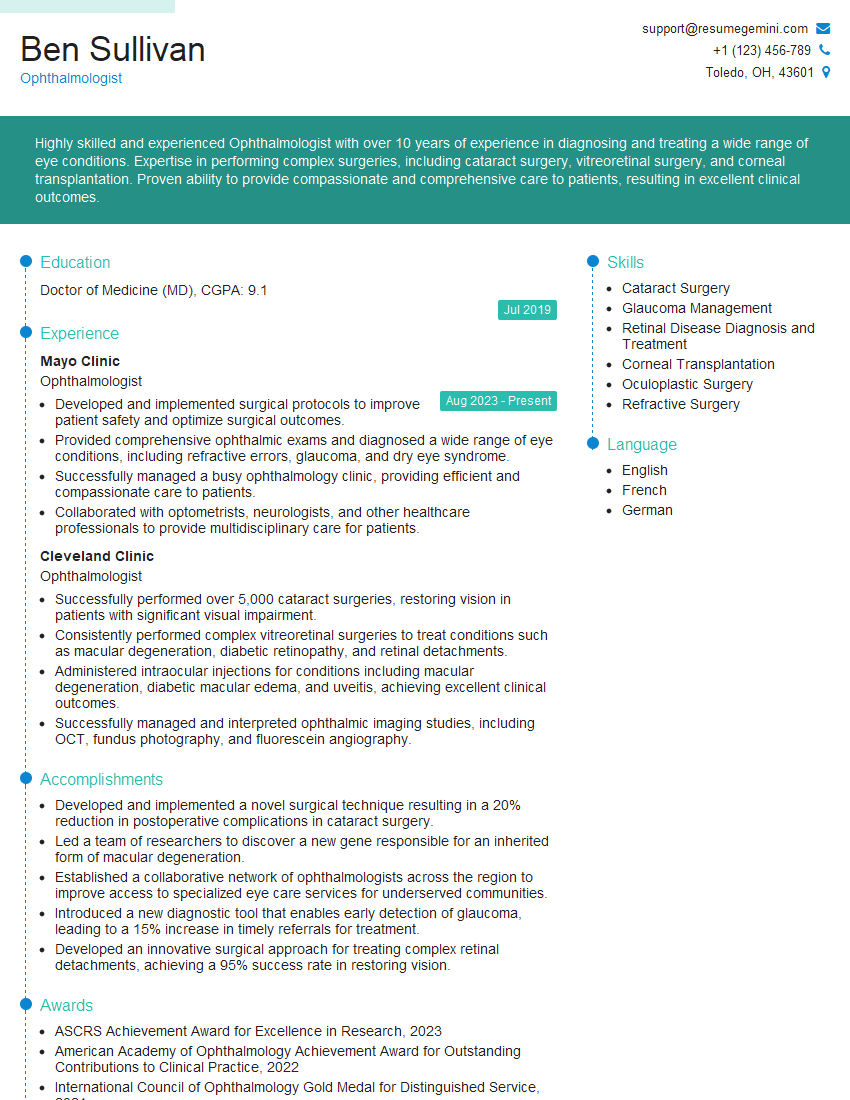
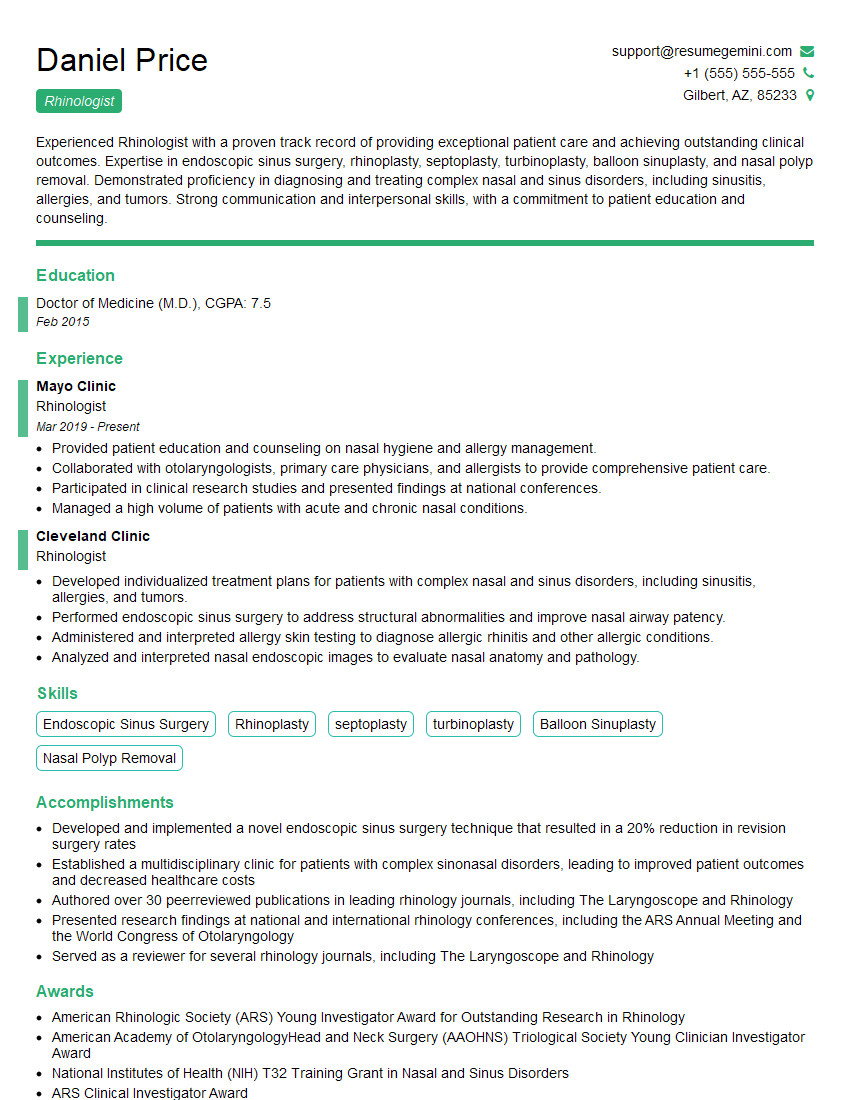
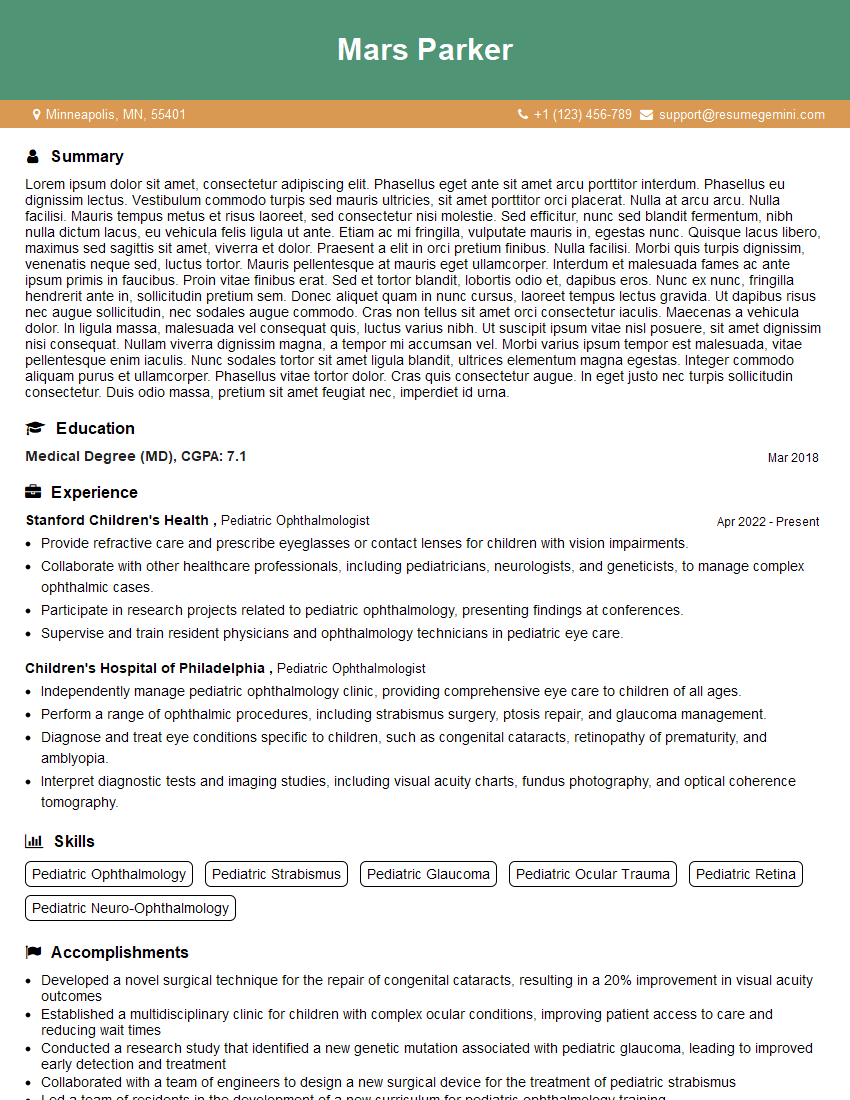
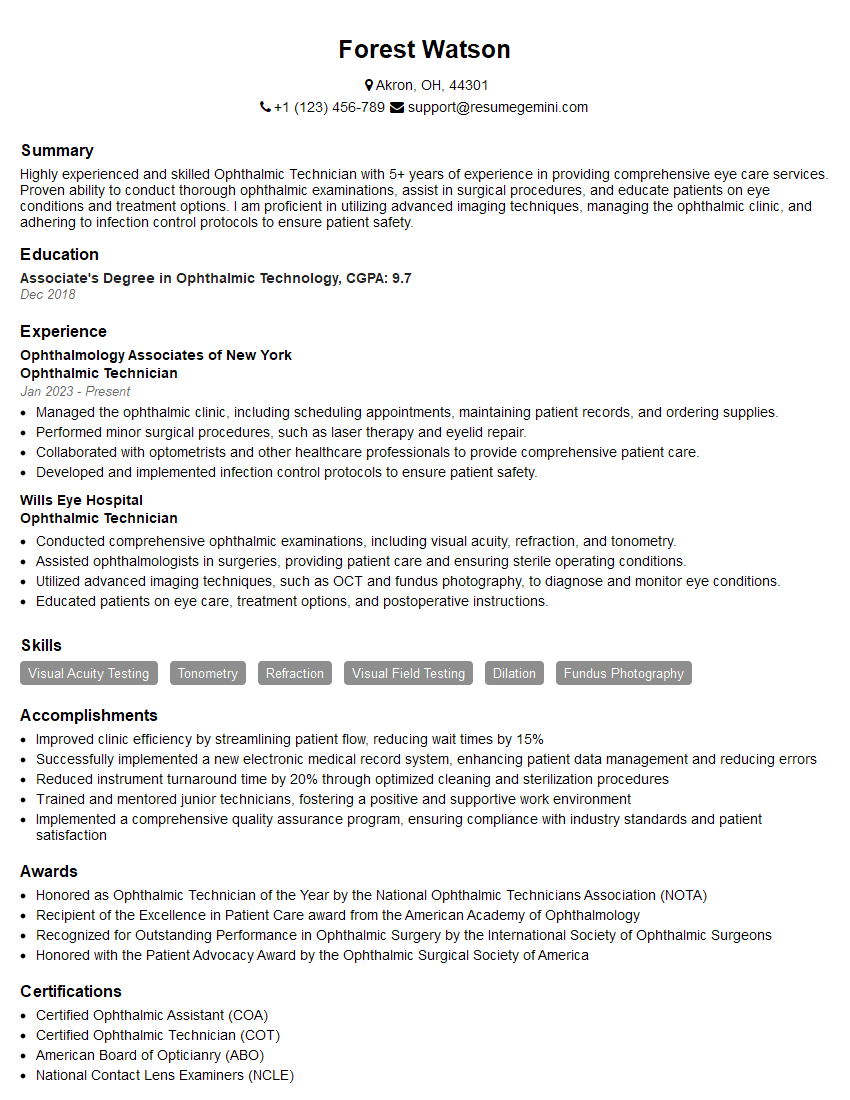
Mastering Dacryocystorhinostomy significantly enhances your value as a skilled ophthalmologist or otolaryngologist, opening doors to specialized practices and leadership opportunities. To maximize your job prospects, creating a strong, ATS-friendly resume is crucial. ResumeGemini is a trusted resource that can help you build a compelling resume that showcases your expertise in Dacryocystorhinostomy. We provide examples of resumes tailored specifically to this field, ensuring your qualifications shine. Invest in your future – build a resume that gets noticed.
Explore more articles
Users Rating of Our Blogs
Share Your Experience
We value your feedback! Please rate our content and share your thoughts (optional).
What Readers Say About Our Blog
To the interviewgemini.com Webmaster.
Very helpful and content specific questions to help prepare me for my interview!
Thank you
To the interviewgemini.com Webmaster.
This was kind of a unique content I found around the specialized skills. Very helpful questions and good detailed answers.
Very Helpful blog, thank you Interviewgemini team.