Interviews are more than just a Q&A session—they’re a chance to prove your worth. This blog dives into essential Chest Drainage and Thoracentesis interview questions and expert tips to help you align your answers with what hiring managers are looking for. Start preparing to shine!
Questions Asked in Chest Drainage and Thoracentesis Interview
Q 1. Describe the indications for chest tube insertion.
Chest tube insertion, a procedure involving the placement of a drainage tube into the pleural space, is indicated when there’s a need to evacuate air or fluid from the pleural cavity. This is crucial for restoring normal lung function and preventing life-threatening complications.
- Pneumothorax: A collapsed lung caused by air in the pleural space. This can be spontaneous (no known cause), traumatic (due to injury), or tension (air enters but can’t escape, causing increased pressure).
- Hemothorax: Blood accumulation in the pleural space, often resulting from trauma or surgery.
- Chylothorax: Lymph fluid accumulation in the pleural space, usually due to trauma or surgery near the lymphatic system.
- Empyema: Pus accumulation in the pleural space, indicating infection.
- Pleural effusion: An abnormal buildup of fluid in the pleural space, which may be transudative (due to systemic issues) or exudative (due to inflammation or infection).
- Post-operative drainage: Following thoracic surgery, chest tubes are often used to drain blood, fluid, and air to prevent complications.
Imagine a lung as a balloon inside a sealed container. If air or fluid gets into the space between the balloon (lung) and the container (chest wall), the lung can’t expand properly. Chest tubes act like a drain, removing the unwanted contents and allowing the lung to re-inflate.
Q 2. Explain the different types of chest drainage systems and their applications.
Several chest drainage systems exist, each designed for specific applications. The choice depends on the patient’s condition and the type of drainage needed.
- Water-seal drainage system: This is the most common type. It utilizes a water seal chamber to prevent air from re-entering the pleural space while allowing air and fluid to drain out. The bubbling in the water seal indicates air leakage.
- One-bottle system: A simplified version of the water-seal system, combining the collection and water-seal chambers into one bottle. It’s less common due to its limitations in monitoring air leaks.
- Three-bottle system: This system incorporates three separate chambers: a collection chamber, a water-seal chamber, and a suction control chamber. It offers more precise control of suction pressure.
- Pleur-evac system: A sophisticated, portable system often used for post-operative drainage and home care. It allows for adjustable suction and offers clearer monitoring of drainage.
For example, a patient with a simple pneumothorax might only need a water-seal drainage system, while a patient with a large hemothorax and continuous bleeding may require a three-bottle system with suction.
Q 3. What are the potential complications of chest tube insertion and how are they managed?
Chest tube insertion, while generally safe, carries potential risks. Careful attention to aseptic technique and post-insertion monitoring are crucial to minimize complications.
- Bleeding: Hemorrhage can occur at the insertion site or from injured blood vessels within the pleural space.
- Infection: Introduction of bacteria at the insertion site can lead to local or systemic infections.
- Lung injury: Accidental puncture or laceration of lung tissue during insertion is a possibility.
- Air leak: Continued air leakage despite chest tube placement may require further intervention.
- Subcutaneous emphysema: Air escaping into the subcutaneous tissues, causing swelling and crepitus (a crackling sensation).
- Malposition of the tube: If the tube is not placed correctly, it may not effectively drain the pleural space.
Management strategies involve prompt recognition of the complication and appropriate intervention. For example, bleeding may require surgical repair, infection necessitates antibiotics, and air leaks might necessitate further chest tube placement or surgical intervention. Close monitoring of vital signs, chest X-rays, and drainage output are essential.
Q 4. How do you assess the effectiveness of chest drainage?
Assessment of chest tube effectiveness involves a multifaceted approach, integrating clinical observation and objective measurements.
- Drainage output: Monitoring the amount, color, and character of the drainage is crucial. A decrease in drainage volume and clearer fluid suggests improvement.
- Lung expansion: Regular chest auscultation and chest X-rays are essential to assess lung re-expansion. Improved breath sounds and radiographic evidence of lung expansion indicate effectiveness.
- Vital signs: Monitoring heart rate, respiratory rate, blood pressure, and oxygen saturation helps determine the patient’s overall condition and response to drainage.
- Air leak: Observation of air bubbling in the water-seal chamber indicates ongoing air leakage. The size and persistence of the leak should be documented.
- Patient symptoms: Assessing the patient’s respiratory distress, pain, and overall comfort level provides important subjective data.
For instance, a patient with a pneumothorax will show reduced drainage output and improved breath sounds as the lung re-expands. Conversely, persistent air leaks or large drainage volumes suggest ongoing issues needing further evaluation.
Q 5. Describe the procedure for inserting a chest tube.
Chest tube insertion is a sterile procedure requiring meticulous attention to detail. It’s typically performed under local or general anesthesia.
- Preparation: The patient is positioned appropriately, and the insertion site is prepared using sterile technique.
- Incision: A small incision is made at the chosen intercostal space.
- Blunt dissection: Using a blunt instrument, a path is created through the subcutaneous tissue and intercostal muscles.
- Pleural space entry: The pleural space is entered, and a forceps is used to spread the tissues to avoid tearing.
- Tube insertion: The chest tube is advanced into the pleural space under direct visualization.
- Suture fixation: The chest tube is sutured to the skin to prevent accidental displacement.
- Connection to drainage system: The chest tube is securely connected to the chosen drainage system.
- Dressing application: An occlusive dressing is applied to secure the tube and prevent air leaks.
- Post-insertion chest X-ray: A chest X-ray is obtained to confirm proper tube placement and assess lung expansion.
This procedure requires considerable skill and experience and is always performed by qualified medical professionals. The exact technique may vary based on the specific clinical scenario and patient factors.
Q 6. Explain the post-insertion care for a patient with a chest tube.
Post-insertion care is critical for preventing complications and ensuring optimal patient recovery. It involves close monitoring and meticulous attention to detail.
- Drainage monitoring: Regular assessment of drainage volume, color, and character is essential. Any significant changes should be reported promptly.
- Tube patency: Maintaining the patency of the chest tube is crucial to prevent obstruction and ensure effective drainage.
- Respiratory assessment: Frequent monitoring of respiratory rate, oxygen saturation, and breath sounds helps detect respiratory distress.
- Mobility: Encouraging ambulation and deep breathing exercises aids lung expansion and mobilization of secretions.
- Dressing care: The dressing around the chest tube should be kept clean and dry to prevent infection.
- Patient education: Educating the patient and family on the purpose of the chest tube, potential complications, and signs to watch out for is crucial.
For instance, a patient may need regular pain medication and instruction on deep breathing exercises. The healthcare team should carefully observe the patient for any signs of infection or respiratory compromise.
Q 7. What are the signs and symptoms of a pneumothorax requiring thoracentesis?
A pneumothorax, or collapsed lung, occurs when air enters the pleural space, causing the lung to partially or completely collapse. Thoracentesis, a procedure involving needle aspiration of pleural fluid, is sometimes used as an initial treatment but is more often used to diagnose a pneumothorax rather than directly treat it. Chest tube insertion is generally preferred to treat a pneumothorax.
Signs and symptoms vary depending on the size and severity of the pneumothorax. They may include:
- Sudden onset of sharp chest pain: Often unilateral and worsened by deep breaths or coughing.
- Shortness of breath (dyspnea): Varying from mild to severe, depending on the extent of lung collapse.
- Rapid heart rate (tachycardia): The body compensates for decreased oxygen levels.
- Reduced breath sounds: Auscultation may reveal decreased or absent breath sounds on the affected side.
- Hyperresonance to percussion: Tapping on the chest may reveal a booming sound over the affected area due to the presence of air.
- Cyanosis: A bluish discoloration of the skin and mucous membranes, indicating low oxygen levels.
However, Thoracentesis would be considered in cases of a small, uncomplicated pneumothorax that fails to improve clinically or in cases requiring diagnostic confirmation of a pleural effusion. A larger pneumothorax usually requires a chest tube.
Q 8. Describe the procedure for performing a thoracentesis.
Thoracentesis is a procedure to remove fluid from the pleural space, the area between the lungs and the chest wall. Think of it like draining a flooded basement – the fluid needs to be removed to allow the lung to re-expand and function normally.
The procedure typically involves these steps:
- Patient Positioning: The patient sits upright, leaning forward, or lies on their side, depending on the amount of fluid and the physician’s preference. This helps gravity assist in the fluid collection.
- Local Anesthesia: The skin and underlying tissues are anesthetized with a local anesthetic like lidocaine to minimize discomfort.
- Skin Preparation: The area is cleaned with an antiseptic solution to reduce the risk of infection.
- Needle Insertion: Using ultrasound guidance for optimal accuracy, a needle is inserted through the intercostal space (between the ribs) into the pleural space. Ultrasound is critical to avoid damaging lung tissue or blood vessels.
- Fluid Aspiration: A syringe or a catheter is attached to the needle to remove the fluid. The amount of fluid removed is carefully monitored, and the procedure may be stopped if the patient experiences any distress.
- Needle Removal & Dressing: Once the desired amount of fluid is removed, the needle is carefully removed, and a small dressing is applied to the insertion site.
- Post-Procedure X-ray: A chest x-ray is usually obtained after the procedure to ensure proper lung re-expansion and to detect any complications.
The entire procedure is usually completed under sterile conditions to minimize the risk of infection.
Q 9. What are the contraindications for thoracentesis?
There are several contraindications to thoracentesis, meaning situations where the procedure shouldn’t be performed. These include:
- Uncorrected coagulopathy: Patients with bleeding disorders are at higher risk of bleeding complications.
- Severe respiratory distress: If a patient is struggling to breathe, the procedure’s risks may outweigh the benefits.
- Localized infection at the puncture site: This increases the risk of introducing infection into the pleural space.
- Lack of sufficient pleural effusion: If there isn’t enough fluid to justify the risk of the procedure, other approaches might be preferable.
- Patient refusal: The patient’s informed consent is paramount. They have the right to refuse any medical procedure.
Thoracentesis is a significant procedure; the risks and benefits are carefully weighed before proceeding. A detailed assessment is always necessary.
Q 10. How do you prevent complications during and after thoracentesis?
Preventing complications during and after thoracentesis involves meticulous attention to detail at every stage. Key strategies include:
- Strict aseptic technique: Maintaining a sterile field throughout the procedure significantly reduces the risk of infection.
- Accurate needle placement using ultrasound guidance: Ultrasound allows for precise needle placement, reducing the risk of lung injury or bleeding.
- Careful fluid aspiration rate: Slow removal of fluid minimizes the risk of hypotension (low blood pressure) or cardiovascular collapse.
- Close monitoring of vital signs: Continuous monitoring of heart rate, blood pressure, and oxygen saturation throughout the procedure allows for prompt identification and management of complications.
- Post-procedure chest x-ray: This helps assess lung re-expansion and detects any pneumothorax (collapsed lung).
- Patient education: Instructing the patient about post-procedure care, including signs and symptoms to watch for, can aid in early detection of complications.
Think of it like building a house – a solid foundation, careful construction, and regular checks significantly reduce the chances of problems later on.
Q 11. What are the common complications associated with thoracentesis?
Despite careful execution, complications can arise. Common ones include:
- Pneumothorax (collapsed lung): This is a relatively common complication, typically managed with observation or chest tube insertion.
- Hemorrhage (bleeding): Usually minor, but significant bleeding may require intervention.
- Infection: Strict aseptic technique minimizes this risk, but it remains a possibility.
- Re-accumulation of fluid: The underlying cause of the pleural effusion needs to be addressed to prevent recurrence.
- Hypotension (low blood pressure): Rapid fluid removal can lead to a drop in blood pressure.
- Pain: Post-procedure pain is common and can be managed with analgesics.
It is crucial to be prepared to manage these complications. Having a clear management plan in place before the procedure starts is key.
Q 12. How do you interpret a chest x-ray after chest tube insertion?
Interpreting a chest x-ray after chest tube insertion involves assessing several key aspects:
- Lung Expansion: The primary goal is to see if the lung has re-expanded. The lung should occupy its normal space, without any significant opacities or collapse.
- Chest Tube Position: The chest tube should be appropriately positioned within the pleural space, away from major vessels and structures. Its tip should be in the pleural space, not the lung parenchyma.
- Pneumothorax: Absence of any free air around the lung is crucial. The presence of air suggests a pneumothorax requiring further intervention.
- Fluid Levels: If a fluid collection was the reason for the chest tube, the radiograph should show decreasing fluid levels over time. Absence of fluid indicates successful drainage.
- Other abnormalities: The radiograph should also be assessed for any other abnormalities like consolidation, masses, or other underlying pathologies.
Think of it like a detective examining a crime scene—every detail matters. Careful analysis helps guide further management.
Q 13. How do you manage a patient with an air leak from a chest tube?
An air leak from a chest tube signifies that air is entering the pleural space. This needs prompt attention to prevent a tension pneumothorax (a life-threatening condition where air builds up in the pleural space, causing lung collapse and cardiovascular compromise). Management involves:
- Assessment: Closely monitor the patient’s respiratory status and vital signs.
- Chest Tube Management: Ensure the chest tube is properly connected and secured.
- Supplemental Oxygen: Oxygen therapy helps improve oxygenation.
- Observation: Continuous monitoring of the patient’s condition is crucial.
- Consider surgical intervention: If the air leak persists despite conservative management, surgical intervention might be necessary.
Early identification and intervention are critical. A persistent air leak can rapidly worsen the patient’s condition.
Q 14. How do you manage a patient with excessive drainage from a chest tube?
Excessive drainage from a chest tube can indicate a serious underlying condition. Management requires a systematic approach:
- Assessment: Carefully assess the patient’s hemodynamic status (blood pressure, heart rate) and respiratory function. A large volume of drainage can lead to hypovolemic shock.
- Fluid replacement: Aggressive intravenous fluid replacement might be necessary to compensate for fluid loss.
- Blood work: Laboratory tests (e.g., complete blood count, electrolytes) help assess for blood loss or electrolyte imbalances.
- Consider surgical intervention: Excessive drainage may indicate a significant bleed requiring surgical intervention.
- Underlying cause investigation: Thorough investigation is needed to identify the cause of the excessive drainage (e.g., bleeding, persistent pleural effusion).
It’s critical to determine the cause and treat accordingly. Excessive drainage is a serious clinical sign.
Q 15. How do you manage a patient with a blocked chest tube?
A blocked chest tube is a serious complication that requires immediate attention. It can lead to tension pneumothorax (a life-threatening condition where air pressure builds up in the pleural space, collapsing the lung), and compromise lung re-expansion. Management begins with assessment – checking the drainage system for kinks, clots, or dependent loops. The tube itself should be inspected for any obstruction.
- First step: Gentle milking or stripping of the chest tube (from the insertion site towards the collection chamber) may dislodge a clot. This should be done carefully to avoid dislodging the tube.
- If milking is unsuccessful: A physician may attempt to aspirate the clot using a large-bore syringe.
- If aspiration fails: surgical intervention may be necessary to clear the blockage. This might involve removing and replacing the chest tube or performing a surgical thrombectomy.
- Ongoing monitoring: Continuous monitoring of vital signs (especially respiratory rate, heart rate, and oxygen saturation) is crucial throughout the process.
Imagine a straw stuck in a milkshake – the clot is like the milkshake thickening and blocking the flow. The same principle applies to the chest tube; we need to clear the obstruction to allow proper drainage.
Career Expert Tips:
- Ace those interviews! Prepare effectively by reviewing the Top 50 Most Common Interview Questions on ResumeGemini.
- Navigate your job search with confidence! Explore a wide range of Career Tips on ResumeGemini. Learn about common challenges and recommendations to overcome them.
- Craft the perfect resume! Master the Art of Resume Writing with ResumeGemini’s guide. Showcase your unique qualifications and achievements effectively.
- Don’t miss out on holiday savings! Build your dream resume with ResumeGemini’s ATS optimized templates.
Q 16. Describe the different types of chest tube drainage systems.
There are several types of chest tube drainage systems, all designed to remove air, fluid, or blood from the pleural space. They share core components but may differ in design and features:
- Three-bottle (water-seal) drainage system: This classic system uses three bottles: one for collecting drainage, one for water seal (preventing air from re-entering the pleural space), and one for suction control. It’s simple but requires careful monitoring of water levels.
- One-bottle drainage system: This more compact system integrates the functions of the three-bottle system into a single unit, making it easier to manage. It often includes a built-in water seal and suction control.
- Electronic suction systems: These systems provide more precise and consistent suction control compared to traditional systems. They often include alarms to detect issues like low drainage or leaks.
The choice of system depends on the patient’s condition, the hospital’s resources, and clinician preference. The goal is always to provide effective drainage while minimizing the risk of complications.
Q 17. What are the indications for a thoracentesis?
Thoracentesis, a procedure to remove fluid from the pleural space using a needle, is indicated in various situations:
- Diagnostic purposes: Analyzing pleural fluid can help diagnose conditions like infections (pneumonia, empyema), cancer, tuberculosis, and pulmonary embolism.
- Therapeutic purposes: Removing excess fluid can relieve respiratory distress caused by pleural effusions (fluid buildup in the pleural space). This is especially important in cases of large effusions that compromise lung expansion.
- Treatment of pneumothorax: In some cases, a thoracentesis can be used to remove air from the pleural space in a small pneumothorax, relieving the lung collapse.
Think of it like draining a clogged sink – excess fluid is hindering proper function (breathing in the case of a pleural effusion). Thoracentesis helps to restore normal function.
Q 18. What are the different types of needles used in thoracentesis and why would you choose one over another?
Several types of needles can be used for thoracentesis, each with its own advantages and disadvantages. The choice depends on factors such as the volume and viscosity of the fluid, the patient’s body habitus, and the operator’s experience.
- Quincke needle: A smaller-gauge needle, generally preferred for its smaller puncture site, making it less traumatic. It’s often chosen for patients with smaller effusions or when minimizing risk of bleeding is paramount.
- Larger-bore needles (e.g., 16-gauge or larger): These needles allow for faster drainage of large volumes of fluid or thick fluids (like empyema). They also minimize the chances of clogging.
The decision on which needle to use involves a risk-benefit assessment. A smaller gauge minimizes trauma and bleeding, but a larger gauge may be necessary for efficient drainage of viscous fluids. A skilled operator will make the determination based on the patient’s clinical presentation and the characteristics of the pleural fluid.
Q 19. How do you select the appropriate insertion site for a chest tube?
Selecting the appropriate insertion site for a chest tube is critical to ensure effective drainage and minimize complications. The site is typically chosen based on the location of the fluid or air collection within the pleural space, and to avoid major blood vessels and nerves.
- For pneumothorax: the insertion site is typically in the second intercostal space in the midclavicular line.
- For pleural effusions: the insertion site may be lower, depending on the location of the fluid (often in the fifth or sixth intercostal space in the mid-axillary or posterior axillary line).
- Ultrasound guidance: Ultrasound is frequently used to visualize the pleural fluid or air collection, and guide the insertion of the chest tube or needle, ensuring accurate placement and avoiding injury to vital structures.
Using ultrasound is analogous to using a GPS to navigate to a specific location. It helps to avoid ‘collisions’ with vital structures by providing real-time visualization of the anatomy.
Q 20. How do you prepare a patient for a chest tube insertion or thoracentesis?
Thorough preparation of the patient is vital for both chest tube insertion and thoracentesis. This minimizes discomfort and reduces the risk of complications:
- Pre-procedural assessment: This includes a complete medical history, physical examination, and relevant blood tests. Checking coagulation status (blood clotting ability) is very important for both procedures.
- Informed consent: The patient or their legal guardian must understand the procedure, its risks and benefits, and alternatives.
- Positioning: The patient is positioned appropriately for the procedure (usually sitting upright for thoracentesis or lying on their side for chest tube insertion).
- Monitoring: Continuous monitoring of vital signs during and after the procedure is essential.
- Skin preparation: The insertion site is cleaned with an antiseptic solution to minimize infection risk.
- Analgesia/sedation: Depending on the patient’s condition and the physician’s preference, analgesics or sedatives may be administered to reduce discomfort.
Preparing the patient is like preparing a surgical field – a clean, organized and safe environment is needed for optimal outcomes.
Q 21. What are the key elements of informed consent for these procedures?
Informed consent for chest tube insertion and thoracentesis requires several key elements:
- Procedure explanation: A clear explanation of the procedure’s purpose, how it will be performed, and its expected benefits.
- Risk discussion: A detailed discussion of potential complications (e.g., bleeding, infection, pneumothorax, lung injury).
- Alternative options: Discussion of any alternative treatment options available.
- Question answering: Opportunity for the patient to ask questions and receive clear answers.
- Voluntary consent: The patient’s agreement must be entirely voluntary and without coercion.
- Documentation: The consent process should be meticulously documented, including the date, time, and signatures of all parties involved.
Informed consent ensures the patient is an active participant in their healthcare decision-making process, promoting patient autonomy and trust.
Q 22. How do you monitor a patient’s vital signs after these procedures?
Post-thoracentesis and chest tube insertion, meticulous monitoring of vital signs is crucial. We’re looking for changes that might indicate complications. This includes frequent monitoring (every 15 minutes initially, then gradually less frequently depending on the patient’s stability) of:
- Heart Rate (HR): A rapid HR could suggest pain, bleeding, or a developing tension pneumothorax.
- Blood Pressure (BP): Hypotension can be a sign of significant blood loss or shock.
- Respiratory Rate (RR) and Oxygen Saturation (SpO2): Changes in breathing rate and oxygen levels can indicate respiratory distress, pneumothorax, or other complications.
- Temperature: Fever suggests infection.
- Pain Level: We consistently assess pain levels and manage it effectively with analgesics.
Any significant deviations from baseline require immediate attention and appropriate interventions, potentially including contacting the attending physician.
For example, if a patient’s heart rate suddenly increases from 80 bpm to 120 bpm and their blood pressure drops, we’d immediately check the chest tube drainage system for signs of significant bleeding or a sudden increase in air leak, and alert the medical team immediately.
Q 23. What are the potential complications of using different sized chest tubes?
The size of a chest tube directly impacts its effectiveness and carries potential complications. Using inappropriately sized tubes can lead to several issues:
- Too Small: A tube that’s too small might not adequately drain fluid or air, potentially leading to incomplete lung expansion, recurrent pneumothorax, or empyema (pus collection).
- Too Large: A tube that’s too large can cause excessive trauma to the lung tissue, leading to increased bleeding, tissue damage, and potentially a greater risk of infection. It can also make it harder to maintain an airtight seal.
Choosing the right size depends on the patient’s anatomy and the clinical situation. For example, a larger tube might be necessary for a massive hemothorax (blood in the pleural space) to facilitate rapid drainage, while a smaller tube might be suitable for a small pneumothorax.
Proper sizing is crucial to minimize complications and optimize drainage, always considering the patient’s individual needs.
Q 24. How would you manage a tension pneumothorax?
A tension pneumothorax is a life-threatening condition where air enters the pleural space but cannot escape, causing increasing pressure that collapses the lung and shifts mediastinal structures. Management is immediate and aggressive:
- Immediate Needle Decompression: This is the most critical initial step. A large-bore needle (typically 14-16 gauge) is inserted into the second intercostal space in the mid-clavicular line on the affected side to relieve pressure.
- Chest Tube Insertion: Following needle decompression, a chest tube is placed to provide continuous drainage and prevent recurrence. This typically involves inserting a chest tube in the fifth intercostal space in the mid-axillary line.
- Supplemental Oxygen: High-flow oxygen is administered to improve oxygenation.
- Monitoring: Continuous monitoring of vital signs and respiratory status is essential.
- Fluid Resuscitation: Intravenous fluids may be needed to support blood pressure if shock is present.
Imagine it like a balloon inflating inside the chest, compressing the heart and lungs. The needle acts like a quick release valve, allowing the air to escape and alleviate the pressure. The chest tube provides ongoing drainage and ensures it doesn’t happen again.
Q 25. Describe the difference between an open and closed pneumothorax.
The key difference lies in how air enters the pleural space:
- Open Pneumothorax (Sucking Chest Wound): Air enters the pleural space through a direct opening in the chest wall, usually from a penetrating injury like a stab or gunshot wound. Air moves freely in and out with each breath.
- Closed Pneumothorax: Air enters the pleural space from a breach within the lung itself, without an external wound. This could be due to a lung rupture or bleb. Air enters, but does not escape easily.
An open pneumothorax is immediately life-threatening due to the direct air entry and the risk of significant lung collapse. A closed pneumothorax can also be serious, leading to a tension pneumothorax if the air becomes trapped.
Q 26. Explain the process of clamping and unclamping a chest tube.
Clamping and unclamping a chest tube is done to assess drainage, facilitate tube changes, or address specific clinical situations. It requires meticulous attention to detail and should be done under strict aseptic conditions.
- Clamping: Use a Kelly clamp or a specifically designed chest tube clamp to occlude the tube. Apply the clamp to the chest tube outside the drainage system. Never clamp for more than a specified time (typically 15-30 seconds to check for air leak). prolonged clamping can lead to re-accumulation of air or fluid.
- Unclamping: Simply remove the clamp. Observe the drainage system for any changes. Always record the reason for clamping and unclamping, and the duration of clamping. Always note the time and character of the drainage both before and after.
Think of clamping as a temporary pause in the drainage process. It’s crucial to follow protocols carefully, as prolonged clamping can have negative consequences.
Q 27. What are the nursing responsibilities related to chest tube care?
Nursing responsibilities in chest tube care are extensive and critical for patient safety and recovery:
- Monitoring: Continuous monitoring of drainage, ensuring the system remains airtight and functional. Note drainage amount, color, and consistency frequently.
- Assessment: Regularly assessing the patient’s respiratory status, including lung sounds, breath sounds, and oxygen saturation levels.
- Dressing Care: Maintaining a sterile dressing around the insertion site to prevent infection.
- Tube Management: Ensuring the tube remains patent and secured. This includes appropriate clamping and unclamping techniques and observing for any signs of displacement or blockage.
- Pain Management: Providing pain relief measures as needed.
- Patient Education: Explaining the procedure and providing education to the patient and their family about post-procedure care and potential complications.
- Documentation: Meticulous documentation of all assessments, interventions, and observations.
For example, a nurse would immediately report any significant changes in drainage (sudden increase or cessation), signs of infection at the insertion site, or difficulty breathing to the attending physician.
Q 28. How do you troubleshoot common problems encountered during chest drainage?
Troubleshooting chest drainage problems requires a systematic approach:
- Air Leaks: If the water-seal chamber shows continuous bubbling, it suggests an air leak. Check all connections for proper sealing and assess the patient for potential underlying causes such as a pneumothorax or bronchopleural fistula. Increased bubbling with inspiration and decreased bubbling with expiration is normal.
- Decreased or Absent Drainage: If drainage significantly decreases or stops, assess for kinks in the tubing, clots in the drainage system, or potential blockage of the tube. Consider repositioning the patient to facilitate drainage.
- Excessive Drainage: A sudden increase in drainage might indicate bleeding. Immediately notify the physician.
- Tidaling: Fluctuation of the water level in the water-seal chamber with respiration is normal. Absence of tidaling might indicate a blockage.
Troubleshooting often involves a combination of observation, assessment, and manipulation of the drainage system under strict aseptic conditions. If problems persist, always involve the attending physician.
Imagine the system as a plumbing system. A leak requires identifying and sealing the source. A blockage needs clearing. Understanding the principles of fluid dynamics and air pressure in the chest is critical to effective troubleshooting.
Key Topics to Learn for Chest Drainage and Thoracentesis Interview
- Anatomy and Physiology: Thoracic cavity anatomy, pleural spaces, lung lobes, and their relationship to chest drainage and thoracentesis procedures.
- Indications and Contraindications: Understanding the medical conditions requiring these procedures and situations where they are inappropriate or risky.
- Procedure Techniques: Detailed knowledge of the steps involved in both chest tube insertion and thoracentesis, including patient positioning, site selection, and needle/catheter insertion.
- Equipment and Supplies: Familiarity with the necessary equipment, their function, and sterile techniques for handling.
- Complications and Management: Identifying potential complications (e.g., pneumothorax, bleeding) and knowing appropriate management strategies.
- Post-Procedure Care: Understanding the monitoring and care required for patients post-procedure, including pain management and potential complications.
- Fluid Analysis and Interpretation: Knowledge of analyzing the fluid obtained during thoracentesis and interpreting the results for diagnostic purposes.
- Ethical and Legal Considerations: Understanding informed consent, patient rights, and the legal implications of these procedures.
- Troubleshooting and Problem-Solving: Ability to analyze and address unexpected situations during the procedure, such as difficulties with insertion or unexpected complications.
- Advanced Techniques and Technologies: Exploring newer techniques and technologies related to chest drainage and thoracentesis, showcasing continuous learning.
Next Steps
Mastering Chest Drainage and Thoracentesis demonstrates critical clinical skills highly valued in healthcare settings. Proficiency in these procedures significantly enhances your career prospects and opens doors to advanced roles and specializations. To maximize your job search success, crafting an ATS-friendly resume is crucial. ResumeGemini can help you build a professional and impactful resume tailored to highlight your expertise in Chest Drainage and Thoracentesis. ResumeGemini provides examples of resumes specifically designed for this field to help you showcase your skills effectively. Invest in your future and create a resume that gets noticed.
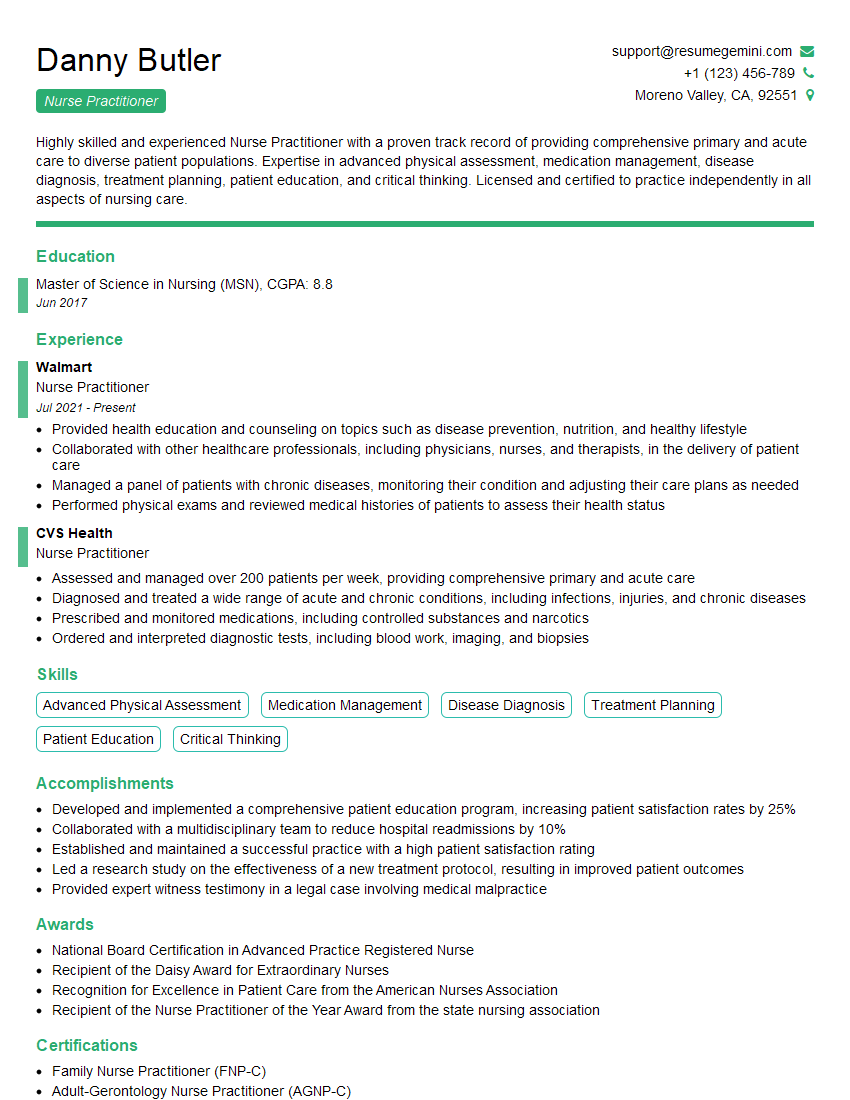
Nurse Practitioner Resume Sample
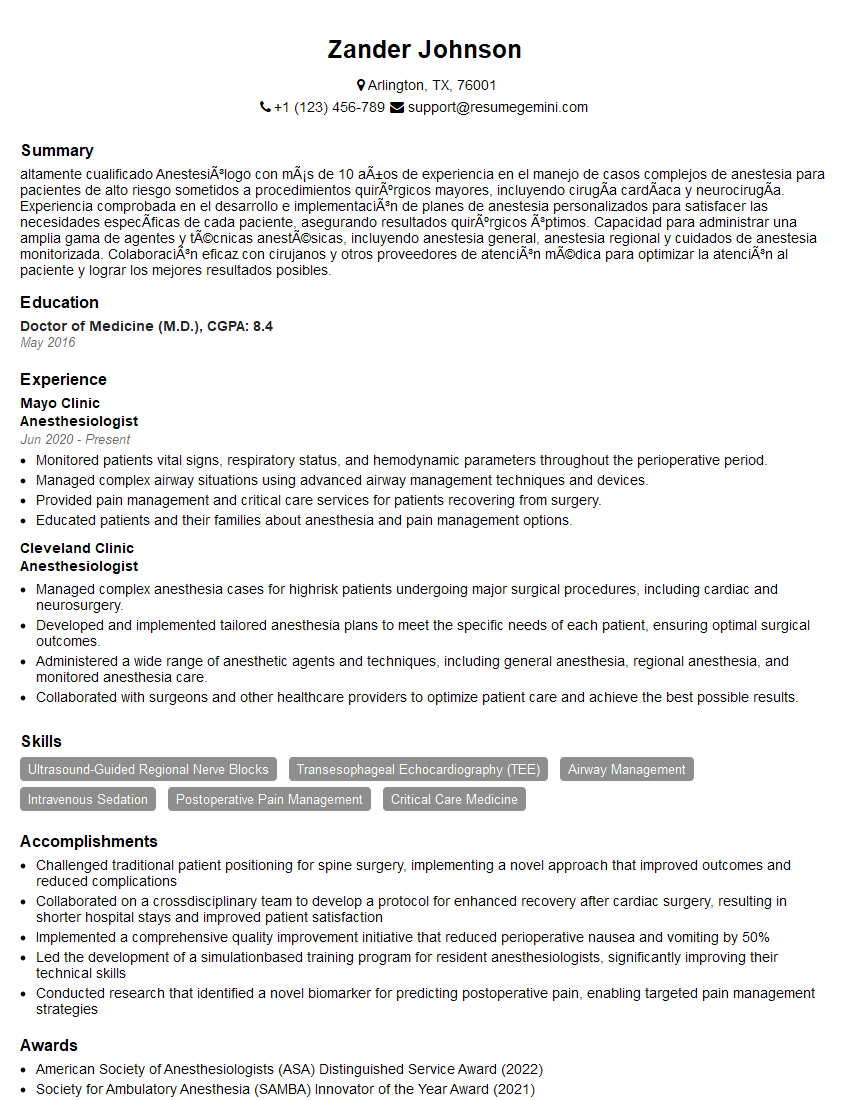
Anesthesiologist Resume Sample
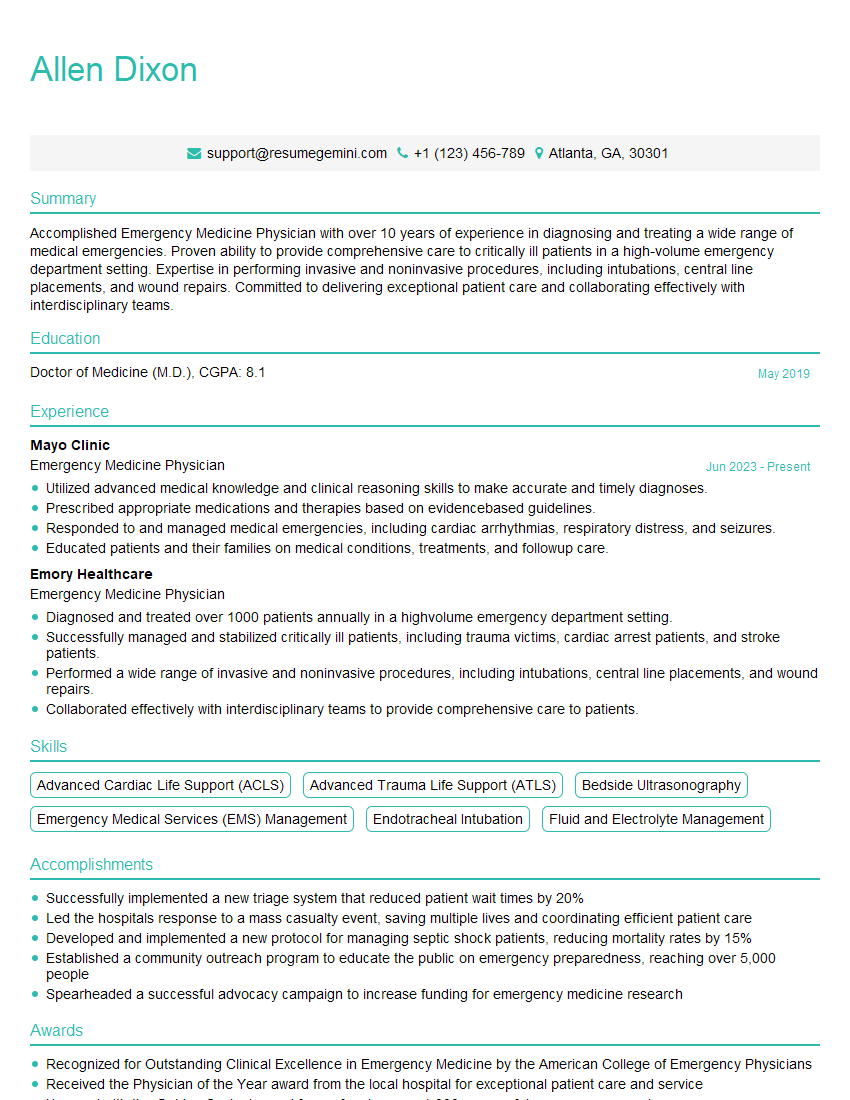
Emergency Medicine Physician Resume Sample

Physician Assistant Resume Sample
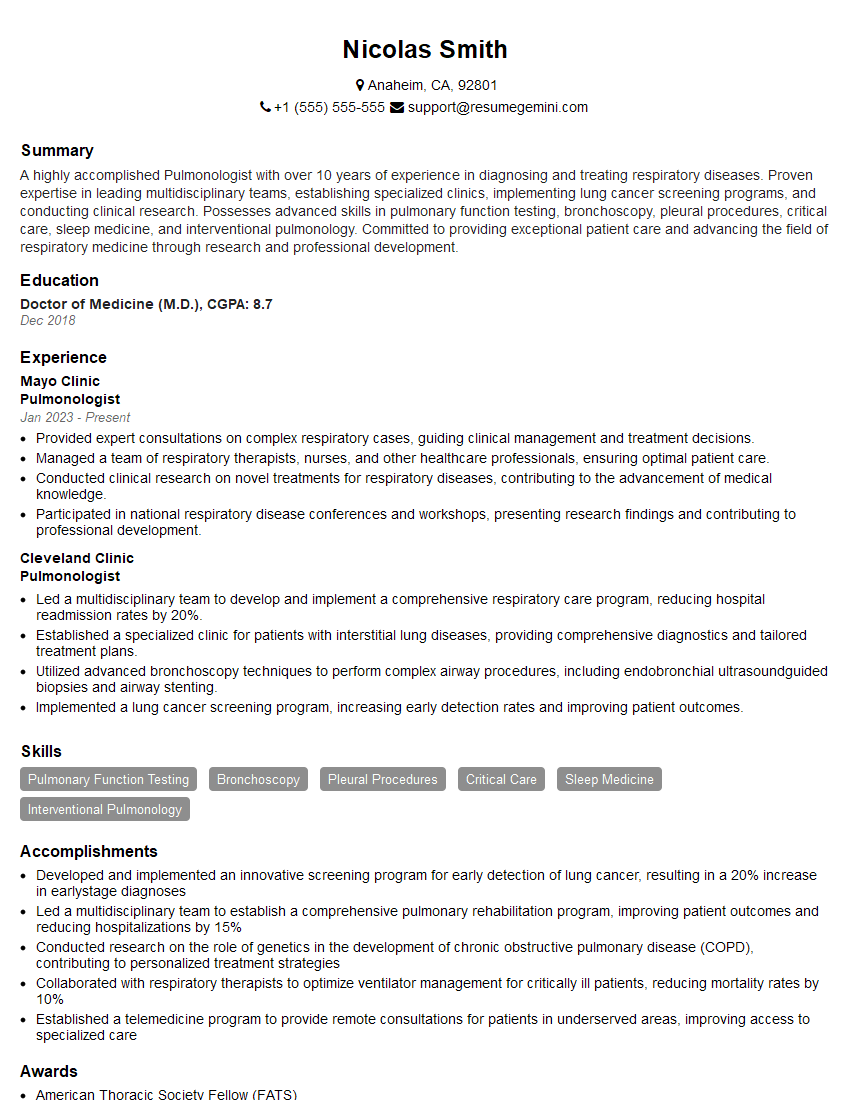
Pulmonologist Resume Sample
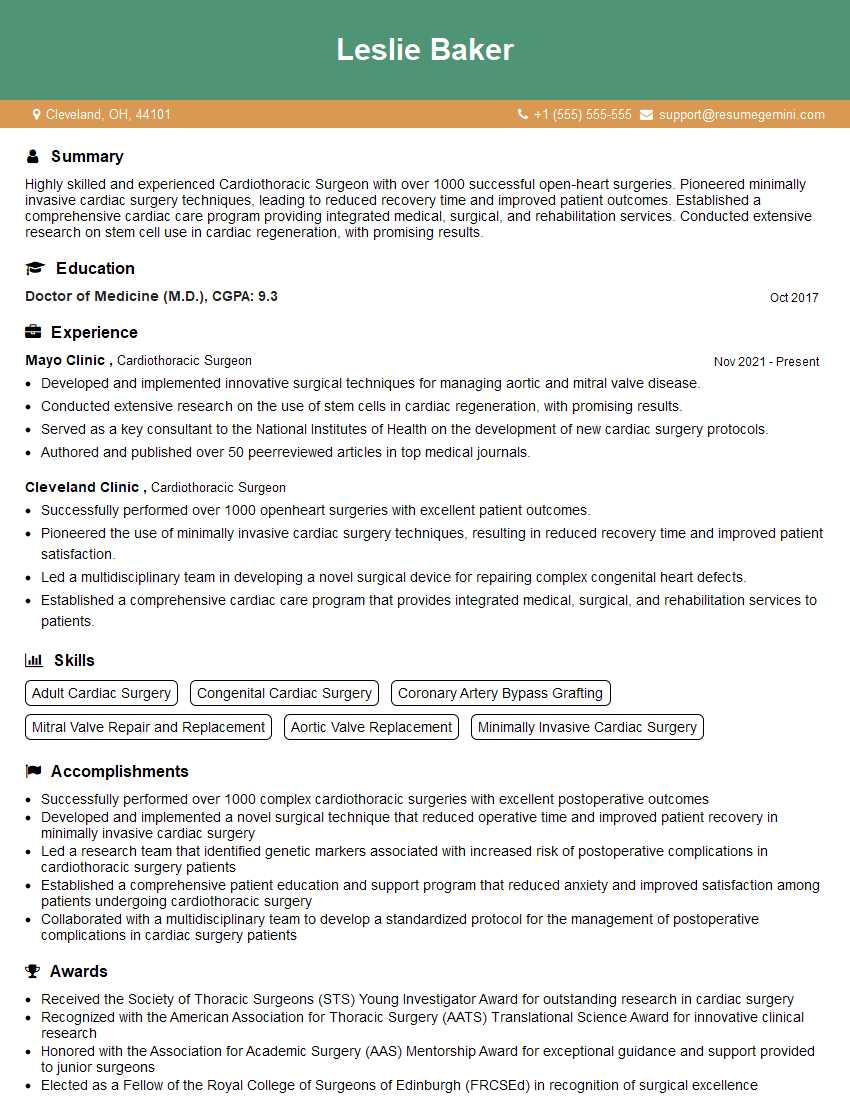
Cardiothoracic Surgeon Resume Sample
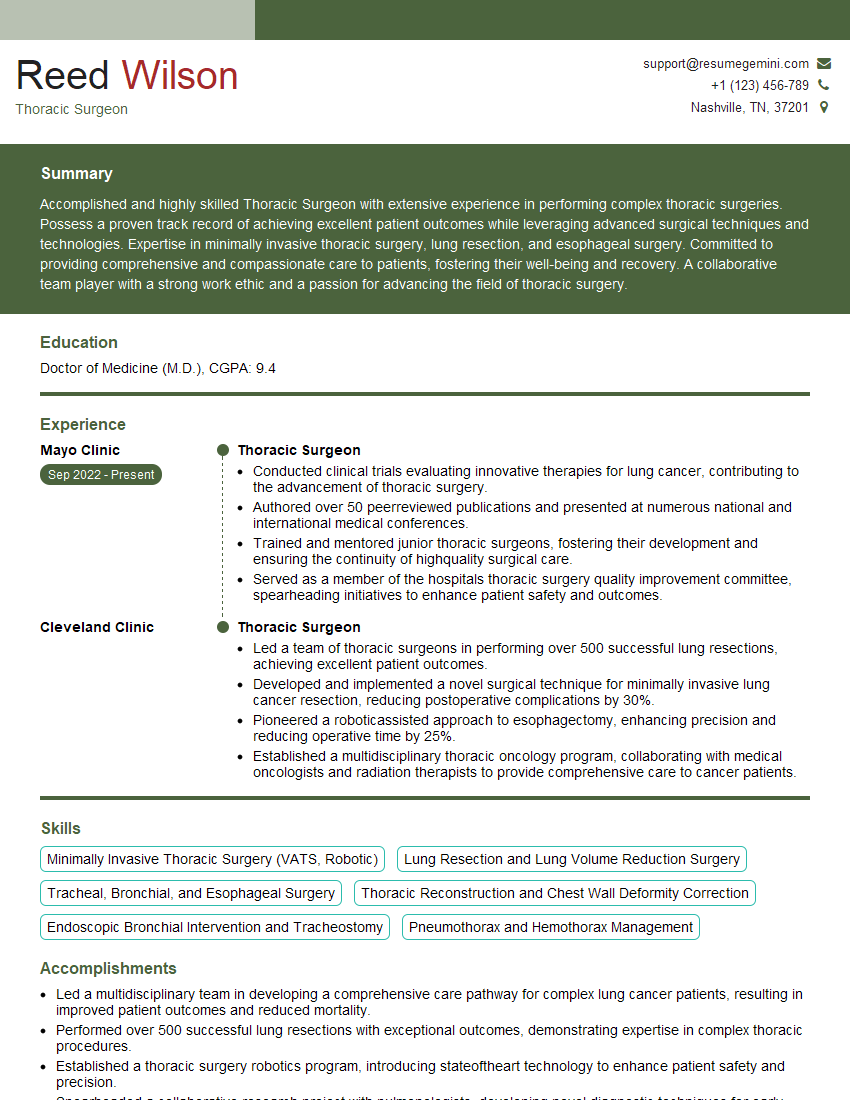
Thoracic Surgeon Resume Sample
Neonatologist Resume Sample
Clinical Nurse Specialist Resume Sample
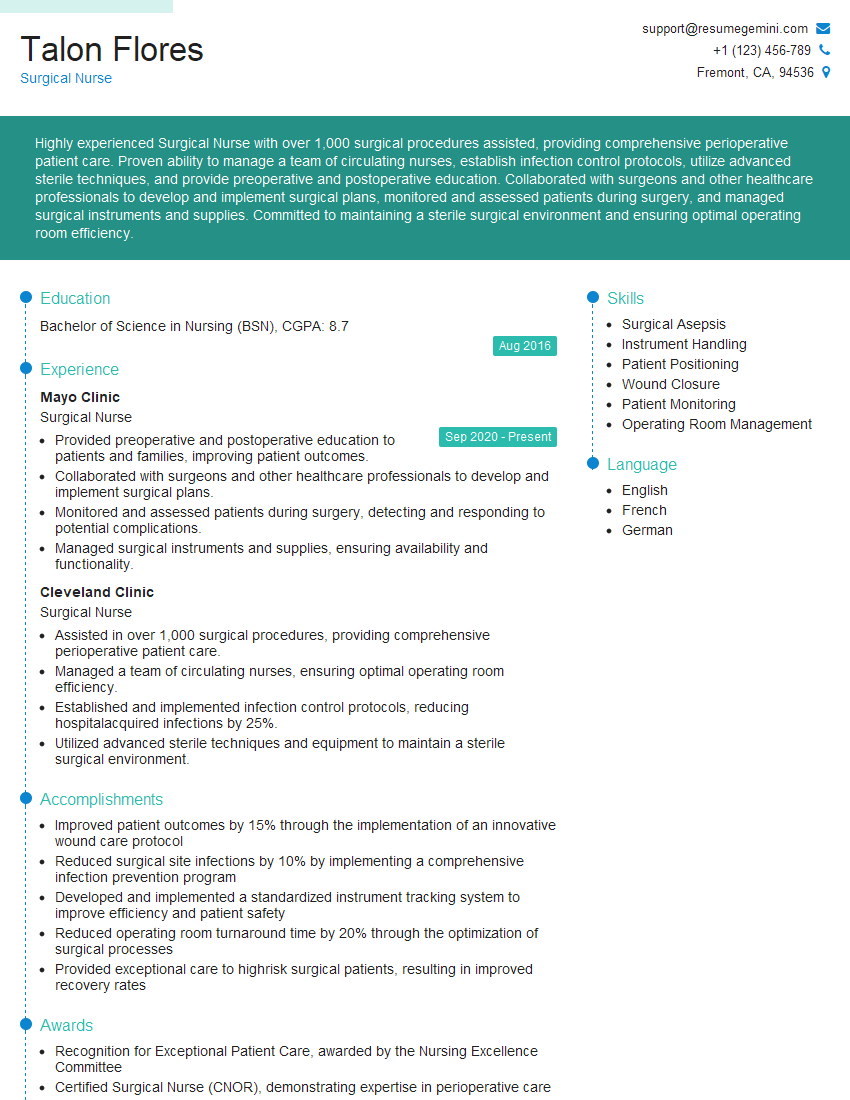
Surgical Nurse Resume Sample
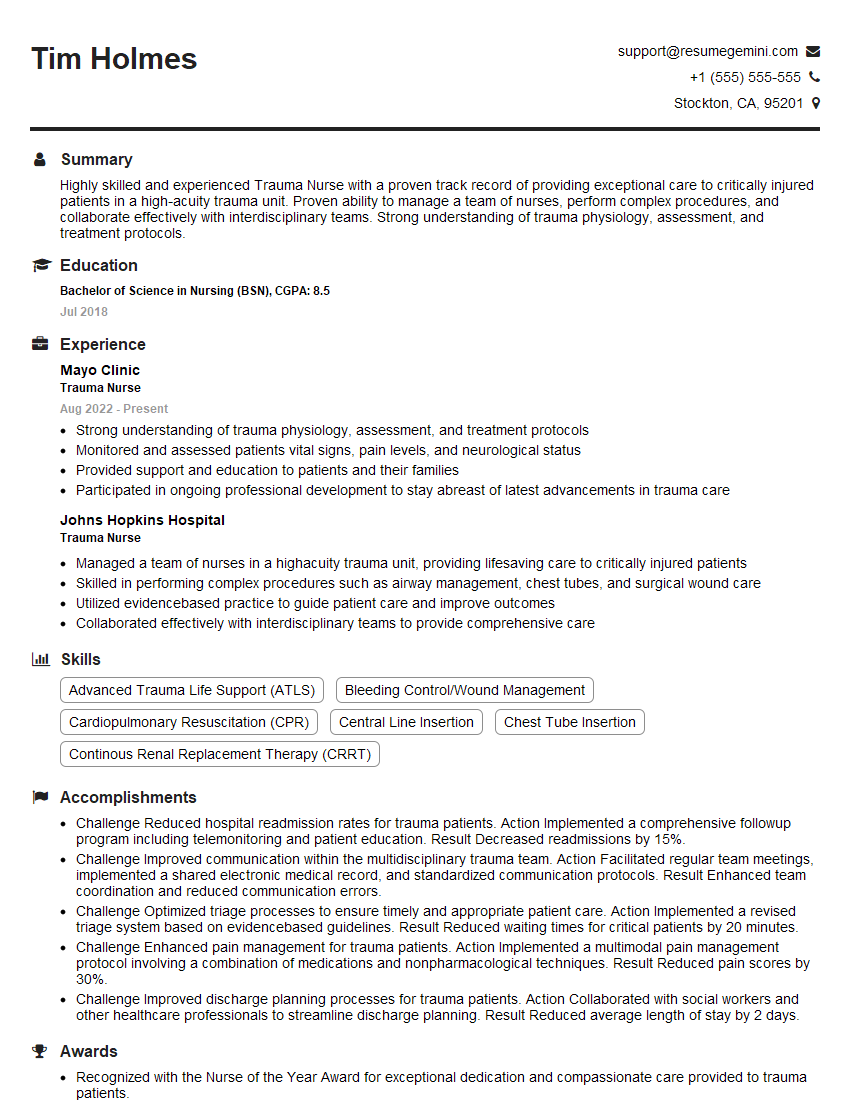
Trauma Nurse Resume Sample
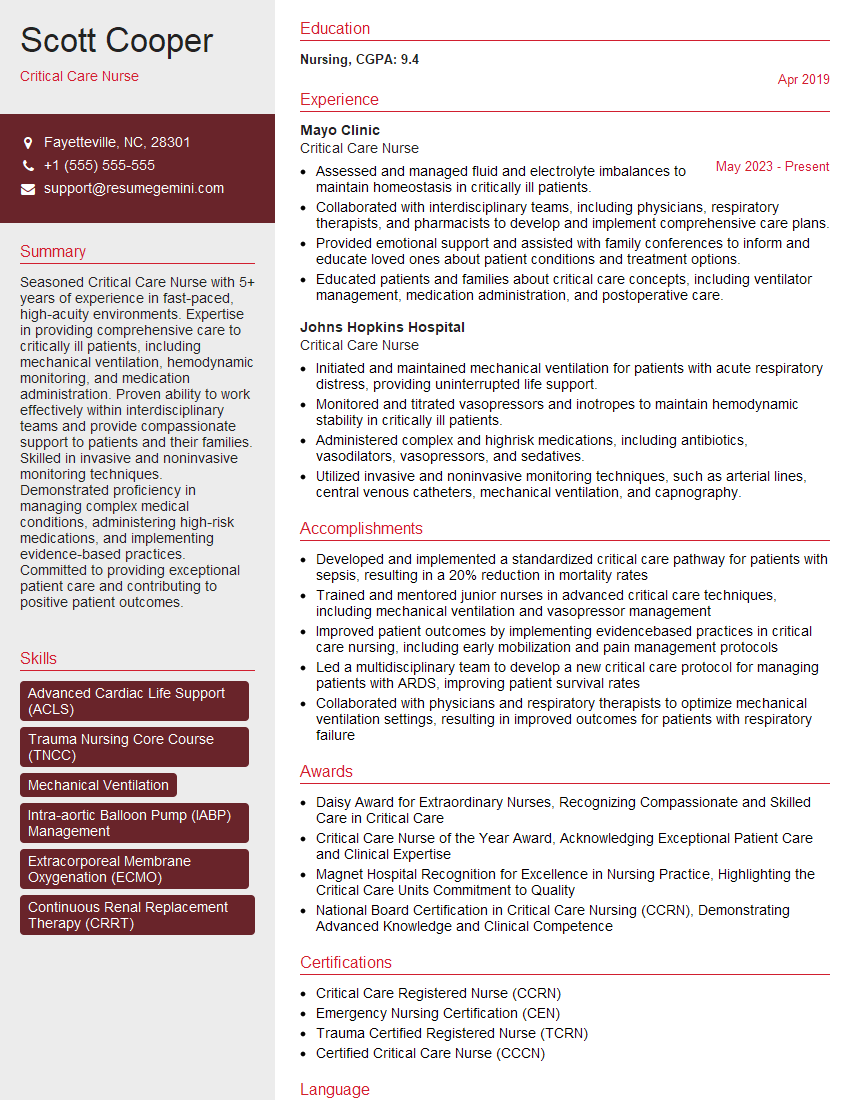
Critical Care Nurse Resume Sample
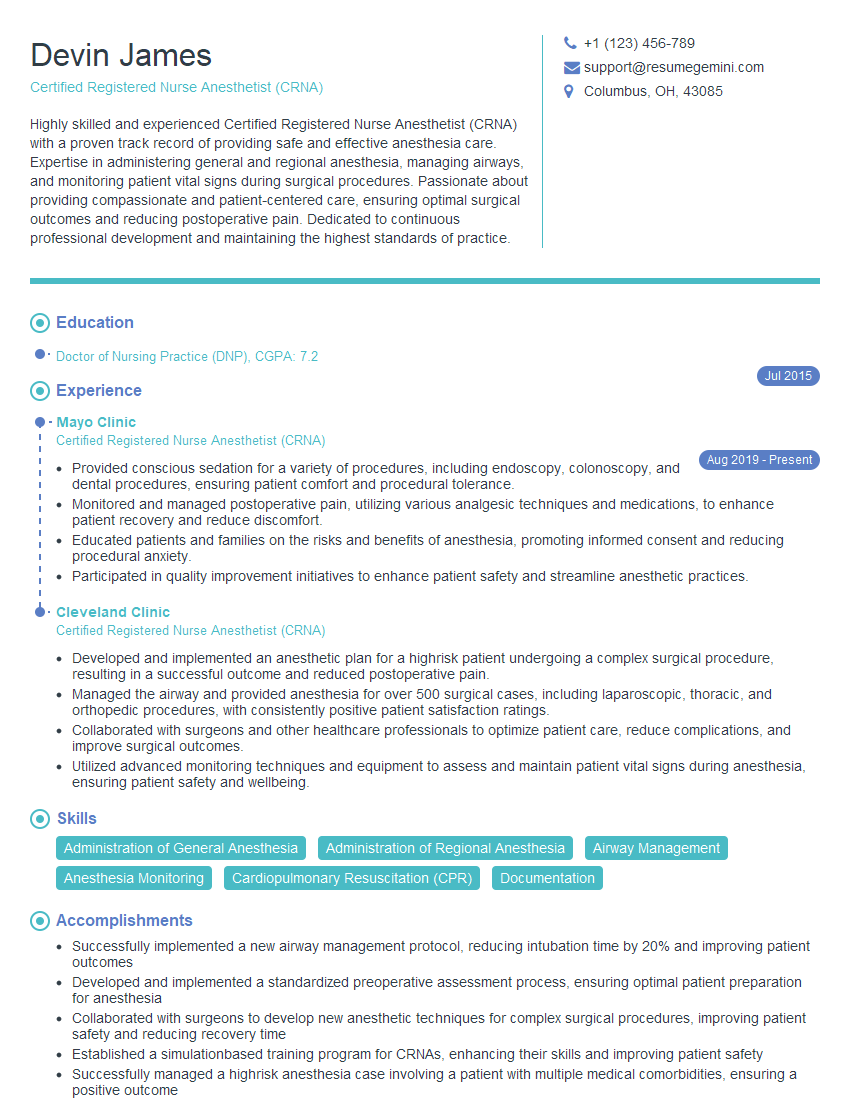
Certified Registered Nurse Anesthetist (CRNA) Resume Sample
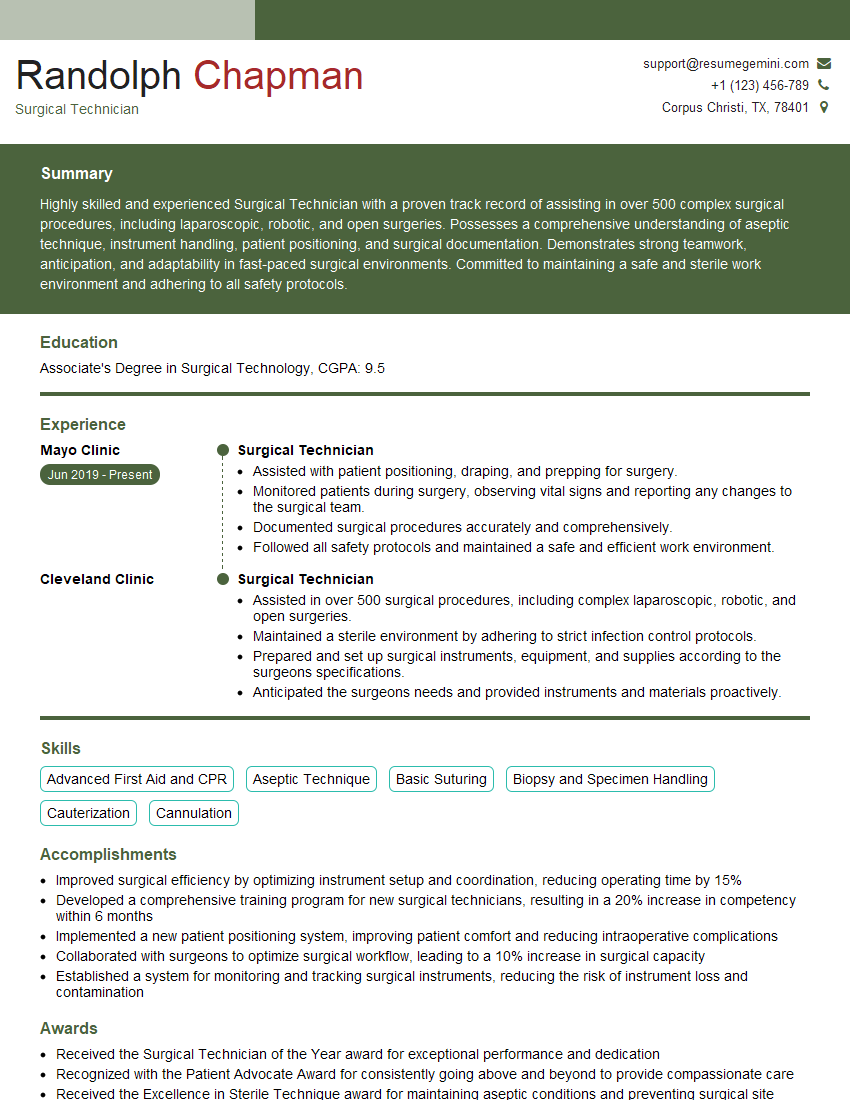
Surgical Technician Resume Sample
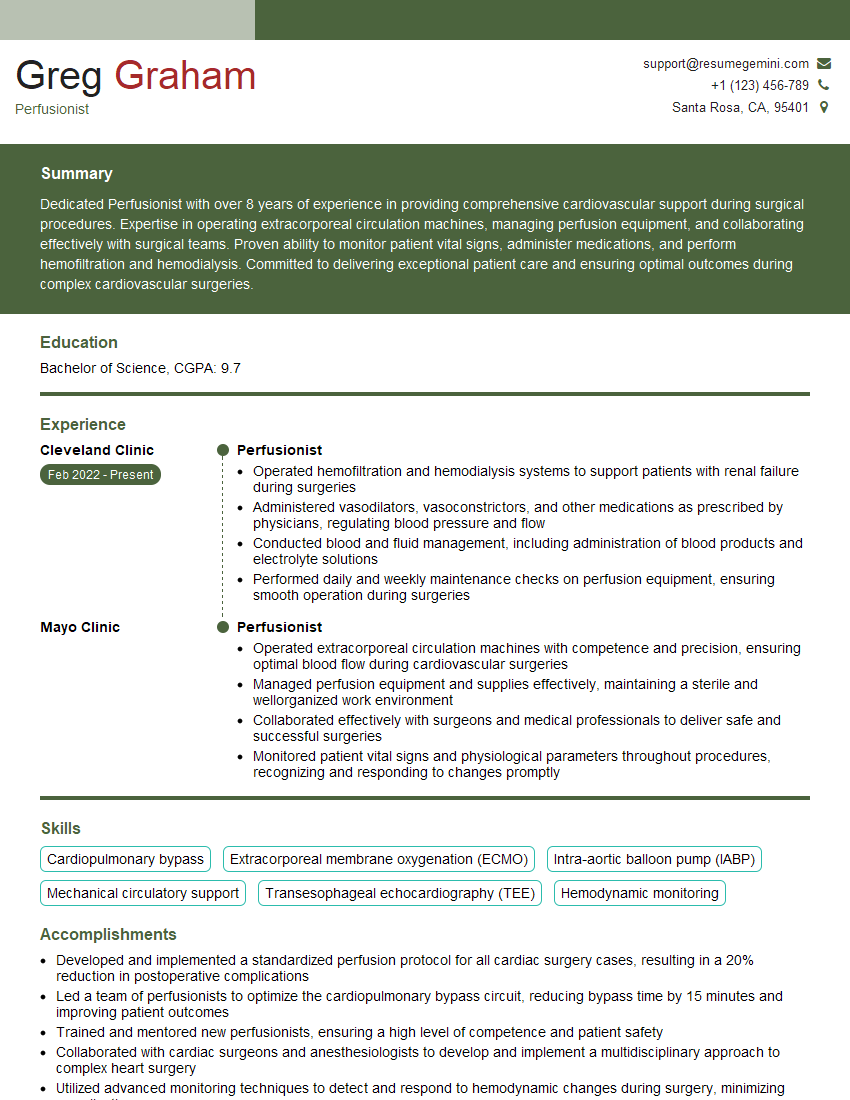
Perfusionist Resume Sample
- Nurse Practitioner
- Anesthesiologist
- Emergency Medicine Physician
- Physician Assistant
- Pulmonologist
- Cardiothoracic Surgeon
- Thoracic Surgeon
- Neonatologist
- Clinical Nurse Specialist
- Surgical Nurse
- Trauma Nurse
- Critical Care Nurse
- Certified Registered Nurse Anesthetist (CRNA)
- Surgical Technician
- Perfusionist
Explore more articles
Users Rating of Our Blogs
Share Your Experience
We value your feedback! Please rate our content and share your thoughts (optional).
What Readers Say About Our Blog
To the interviewgemini.com Webmaster.
Very helpful and content specific questions to help prepare me for my interview!
Thank you
To the interviewgemini.com Webmaster.
This was kind of a unique content I found around the specialized skills. Very helpful questions and good detailed answers.
Very Helpful blog, thank you Interviewgemini team.