The thought of an interview can be nerve-wracking, but the right preparation can make all the difference. Explore this comprehensive guide to Child Abuse Recognition and Reporting interview questions and gain the confidence you need to showcase your abilities and secure the role.
Questions Asked in Child Abuse Recognition and Reporting Interview
Q 1. Describe the legal requirements for mandatory child abuse reporting in your state.
In most states, including [Insert your state here], mandated reporters – individuals legally obligated to report suspected child abuse – have specific legal requirements. These laws generally require reporting suspected abuse or neglect to Child Protective Services (CPS) or law enforcement within a specific timeframe, often 24 to 48 hours. Failure to report can result in legal penalties, including fines or even criminal charges. The definition of ‘suspected abuse’ is broadly defined and includes any situation where a mandated reporter has reasonable cause to believe a child is being abused or neglected, regardless of whether the child directly states they are being abused. This means that even if the child is denying abuse but indicators are present, a report is still required. Mandated reporters typically include teachers, doctors, social workers, daycare providers, and law enforcement officers. The specific details, including the exact reporting procedures and penalties for failure to report, vary slightly from state to state, so it is vital for professionals in my field to be up-to-date on the specifics within their state’s regulations.
For example, in [Insert your state here], the law mandates that I, as a mandated reporter, must make a report to the state’s child abuse hotline within 24 hours of having reasonable suspicion of abuse or neglect. The report must include specific details like the child’s name, address, age, and a description of the suspected abuse.
Q 2. Explain the difference between child abuse neglect and child abuse.
While often used interchangeably, child abuse and child neglect are distinct but related concepts. Child abuse refers to any action that results in harm to a child. This can include physical abuse (hitting, kicking, burning), sexual abuse (any sexual act with a child), emotional abuse (verbal attacks, threats, constant criticism), and exploitation (using a child for labor, begging or criminal activity). Child neglect, on the other hand, is the failure to provide a child with their basic needs, resulting in harm or risk of harm. This encompasses physical neglect (lack of food, shelter, clothing, or medical care), educational neglect (failure to enroll a child in school or provide them with educational opportunities), and emotional neglect (lack of affection, attention, or emotional support that affects the child’s well-being).
For example, hitting a child is child abuse, while failing to provide a child with adequate food and clothing is child neglect. It is crucial to understand that both actions are detrimental to the child’s well-being and require intervention.
Q 3. List five common signs or indicators of child sexual abuse.
Identifying child sexual abuse can be challenging, as children may not always disclose the abuse directly. However, several common signs and indicators exist. These are not conclusive proof of abuse but should trigger a thorough investigation:
- Changes in behavior: Suddenly becoming withdrawn, anxious, fearful, or aggressive.
- Physical symptoms: Unexplained injuries to genitalia or other areas, sexually transmitted infections (STIs), or chronic pain.
- Sexualized behavior: Acting out sexually with toys, other children, or adults; exhibiting unusually advanced sexual knowledge for their age.
- Nightmares or sleep disturbances: Having recurring nightmares, difficulty sleeping, or bed-wetting.
- Regression in behavior: Returning to earlier developmental stages, such as thumb-sucking or bed-wetting after having previously outgrown these behaviors.
It’s vital to remember that these signs can be indicative of other problems and should always be assessed holistically, considering the child’s overall developmental context and individual circumstances. A single sign should not be interpreted as definitive proof of abuse. A constellation of indicators, coupled with a thorough investigation, is necessary to determine whether abuse has occurred.
Q 4. What are the key components of a forensic interview with a child?
Forensic interviewing with a child is a specialized process aimed at gathering accurate and reliable information about potential abuse allegations. It’s crucial that these interviews are conducted by trained professionals who understand the specific needs and vulnerabilities of children. Key components include:
- Building rapport: Establishing trust and a comfortable atmosphere is paramount before asking any questions related to the alleged abuse.
- Using open-ended questions: Instead of leading questions, open-ended questions encourage the child to recount their experience in their own words. For example, ‘Tell me what happened’ instead of ‘Did he touch you?’
- Avoidance of suggestive questioning: Leading questions can contaminate the child’s memory and lead to inaccurate statements.
- Using age-appropriate language: The interviewer should adjust their vocabulary to match the child’s understanding.
- Documentation: A thorough record of the interview, including the child’s statements, their non-verbal cues, and the interviewer’s observations, is meticulously documented.
- Child-centered approach: The child’s emotional well-being is prioritized throughout the interview. Breaks are taken when needed, and the interview is always conducted in a safe and supportive environment.
The goal of a forensic interview is not to ‘get a confession’ but to gather evidence for a potential investigation while minimizing stress and trauma for the child.
Q 5. How would you handle a situation where a child discloses abuse but retracts the statement later?
A child retracting an abuse allegation is a complex situation that requires careful handling. Retractions are common, and multiple factors can contribute to this, including fear of repercussions, pressure from family members, or simply the developmental challenges of recalling and articulating traumatic experiences. It is crucial to avoid assuming the retraction automatically means the allegation is false.
My approach would involve several steps: 1) Reassure the child that they’re safe and that their feelings are valid; 2) Understand the reasons for the retraction through gentle questioning (without pressure); 3) Continue to document all interactions and observations; 4) Consult with my supervisor and other professionals involved in the case to develop a strategy that prioritizes the child’s safety and well-being. 5) Consider the child’s developmental stage and cognitive ability when evaluating the retraction and making further decisions. The fact that a child retracts a statement does not necessarily negate the need for continued investigation, particularly if there are other corroborating evidence or indicators of abuse.
Q 6. Describe your understanding of trauma-informed interviewing techniques.
Trauma-informed interviewing recognizes the profound impact trauma can have on a person’s memory, behavior, and ability to communicate. This approach prioritizes the safety and empowerment of the survivor. Instead of focusing solely on extracting information, it aims to create a safe and supportive environment where the survivor feels heard and understood. It involves:
- Establishing trust and rapport: Building a strong therapeutic alliance that makes the child feel safe and empowered to disclose information.
- Avoiding pressure or coercion: Ensuring the child feels in control of the narrative.
- Validating the survivor’s experiences: Acknowledging the child’s feelings and experiences without judgment.
- Providing choices and control: Offering choices in the interview process whenever appropriate.
- Flexibility and adaptability: Adjusting the interview based on the child’s emotional state and needs.
Trauma-informed interviewing shifts the focus from simply obtaining a statement to fostering healing and providing support for the child. It emphasizes the importance of creating a therapeutic environment that fosters trust and promotes the child’s well-being.
Q 7. What are the ethical considerations involved in child abuse investigations?
Ethical considerations in child abuse investigations are paramount and guide every decision throughout the process. These include:
- Confidentiality: Maintaining confidentiality while adhering to mandatory reporting laws. Balancing the child’s right to privacy with the legal obligation to report potential abuse.
- Best interests of the child: Prioritizing the child’s physical and emotional safety and well-being throughout the investigation.
- Avoiding bias and prejudice: Remaining objective and impartial during the investigation, avoiding any preconceived notions or biases based on the child’s or family’s background.
- Informed consent and assent: Obtaining appropriate consent from the parent/guardian and assent from the child when possible, respecting their right to make choices about their participation in the investigation.
- Professional boundaries: Maintaining appropriate professional boundaries throughout the process. Avoiding any actions or relationships that might compromise the objectivity of the investigation.
- Competence and training: Adhering to professional standards and remaining up-to-date on best practices in child abuse investigations.
Ethical decision-making in this field is complex and requires careful consideration of all relevant factors. Ethical guidelines and ongoing professional development are essential for ensuring that child abuse investigations are conducted in a responsible and ethical manner.
Q 8. How would you assess the credibility of a child’s statement?
Assessing a child’s credibility in a child abuse case requires a nuanced approach that goes beyond simply believing or disbelieving their statement. We must consider developmental factors, the child’s capacity for accurate recall, and the potential influence of others. It’s not about whether the child is ‘telling the truth’ in a binary sense, but rather evaluating the consistency and plausibility of their account.
- Developmental Considerations: Young children may have difficulty with timelines, details, and vocabulary. Their narratives might be fragmented or inconsistent, not necessarily due to dishonesty, but their limited cognitive abilities. For example, a preschooler might not be able to articulate the precise date of an event.
- Consistency and Plausibility: We analyze the consistency of the child’s statements across interviews, considering any variations. We also evaluate the plausibility of the account in light of other evidence. For instance, if a child reports abuse involving a specific injury, that injury should be documented and consistent with the child’s description.
- Forensic Interviewing Techniques: Trained professionals use structured interviewing techniques to minimize suggestive questioning and elicit accurate information. These techniques involve open-ended questions, allowing the child to lead the narrative, and avoiding leading questions that might influence their responses. A skilled interviewer recognizes cues of truthfulness or deception.
- Behavioral Observations: Nonverbal cues can be indicative, though they should not be interpreted in isolation. A child’s demeanor, body language, and emotional responses during the interview can provide valuable information, but require careful interpretation.
Ultimately, evaluating credibility involves a holistic review of all available information, considering the child’s developmental stage, the consistency of their statements, the plausibility of their account, and corroborating evidence.
Q 9. Explain the importance of documenting all aspects of a child abuse investigation.
Meticulous documentation is crucial in child abuse investigations for several reasons. It forms the backbone of the investigation, ensuring accountability, supporting the prosecution, and facilitating future interventions. Poor documentation can severely hinder a case and potentially lead to a lack of justice for the child.
- Legal Requirements: Detailed records are essential to meet legal and regulatory requirements. These records may be scrutinized in court, and incomplete or poorly written notes can weaken a case.
- Case Management: Comprehensive documentation helps track all aspects of the investigation, from initial report to case closure. This ensures all involved parties are aware of the status and the next steps, aiding efficient case management.
- Evidence Preservation: Detailed notes document the evidence gathered, including statements, medical reports, and other findings. This provides a complete record of the investigation, which can be vital in court.
- Transparency and Accountability: Detailed records ensure transparency in the investigation process. They can be used to review the decisions made and the actions taken, ensuring proper accountability.
Documentation should include all interactions with the child, parents, witnesses, and other professionals; all forms of evidence gathered; dates, times, and locations of all events; and the rationale behind any decisions made throughout the investigation. Using standardized forms and a clear, concise writing style can greatly assist in effective documentation.
Q 10. What are the different types of child maltreatment?
Child maltreatment encompasses a range of harmful acts or omissions against children. It’s not limited to physical abuse, but encompasses various forms of harm:
- Physical Abuse: Non-accidental physical injury inflicted upon a child. This includes hitting, slapping, shaking, burning, and any other act causing physical harm.
- Neglect: Failure to provide for a child’s basic needs, including physical, emotional, medical, and educational needs. This can range from inadequate food and shelter to failure to seek medical care or provide appropriate supervision.
- Sexual Abuse: Any sexual act, exploitation, or contact between a child and an adult or older child. This includes touching, penetration, exposure, and exploitation through the internet or other means.
- Emotional Abuse: Persistent emotional mistreatment or rejection that can damage a child’s self-esteem and emotional development. This includes constant criticism, threats, humiliation, and isolation.
It’s crucial to understand that these categories often overlap. A child may experience multiple forms of maltreatment simultaneously. For example, a neglected child may also be emotionally abused.
Q 11. Describe the role of inter-agency collaboration in child abuse cases.
Inter-agency collaboration is paramount in child abuse cases. No single agency has all the resources and expertise to effectively address every aspect of a case. Successful collaboration leads to better outcomes for children and families.
- Improved Case Management: Collaboration improves case management through efficient information sharing between agencies like child protective services, law enforcement, medical professionals, schools, and mental health services.
- Comprehensive Assessments: Different agencies offer unique perspectives and expertise, allowing for comprehensive assessments of the child’s needs and the family’s situation. For instance, medical professionals can identify physical injuries consistent with abuse, while educators can observe behavioral changes indicative of trauma.
- Effective Interventions: Collaboration facilitates the development of individualized intervention plans tailored to the child’s and family’s specific needs, encompassing therapeutic interventions, family support services, and community resources.
- Reduced Duplication of Effort: Effective collaboration minimizes the duplication of effort and resources, making the process more efficient and cost-effective.
Effective inter-agency collaboration necessitates clear communication channels, a shared understanding of roles and responsibilities, and a commitment to working together for the child’s best interest. Regular meetings, shared case files (with appropriate privacy safeguards), and well-defined protocols are crucial for effective collaboration.
Q 12. How would you ensure the safety and well-being of a child during an investigation?
Ensuring a child’s safety and well-being throughout an investigation is of paramount importance. This involves immediate action to remove the child from harm and provide necessary support.
- Immediate Safety Measures: If there is an immediate risk of harm, the child may need to be removed from the home and placed in protective custody. This might involve temporary placement with relatives, foster care, or a specialized shelter.
- Medical Evaluation: A comprehensive medical evaluation is necessary to assess any physical or psychological injuries. This includes a thorough physical examination and potentially forensic examination.
- Trauma-Informed Care: All interactions with the child should be trauma-informed, recognizing the potential impact of abuse on their emotional and psychological well-being. This involves creating a safe and supportive environment and using age-appropriate communication techniques.
- Therapeutic Interventions: Access to therapeutic services, such as individual or group therapy, can help the child process their trauma and develop coping mechanisms.
- Supportive Network: Building a supportive network for the child and their family, involving extended family, community resources, and support groups, is essential for long-term well-being.
Ongoing monitoring of the child’s safety and well-being is crucial, even after the initial investigation is completed. Regular check-ins and ongoing support services are vital to ensure the child’s continued safety and recovery.
Q 13. What are some common barriers to effective child abuse reporting?
Several barriers can hinder effective child abuse reporting. These barriers often stem from fear, misunderstanding, or systemic issues.
- Fear of Retribution: Individuals may hesitate to report abuse due to fear of retaliation from the abuser or other family members. This is particularly true in situations involving domestic violence or other power imbalances.
- Lack of Awareness: Many people are unaware of what constitutes child abuse, the signs to look for, or the procedures for reporting. This lack of awareness can lead to delays or failures in reporting.
- Cultural Barriers: Cultural norms and beliefs can sometimes discourage reporting. In some cultures, family matters are considered private and interference is discouraged.
- Systemic Barriers: Overburdened child protective services agencies, insufficient resources, and lengthy investigation processes can create systemic barriers to effective reporting and intervention.
- Fear of Involvement: Individuals may be reluctant to report due to fear of becoming involved in a lengthy and complex legal process.
Addressing these barriers requires public awareness campaigns, improved training for professionals, strengthened inter-agency collaboration, and increased resources for child protective services agencies.
Q 14. How do you maintain confidentiality while adhering to mandatory reporting laws?
Maintaining confidentiality while adhering to mandatory reporting laws requires a delicate balance. While the identity of the reporter is generally protected, the information about the abuse itself must be reported to the appropriate authorities. This is crucial to protect the child and ensure their safety.
- Anonymity for Reporters: Many jurisdictions allow reporters to remain anonymous when filing a report. This encourages reporting without fear of personal repercussions.
- Limited Information Sharing: Information shared should be limited to what is necessary for the investigation. Unnecessary dissemination of details can compromise the child’s privacy and safety. The information shared is often limited to the essential facts necessary for the authorities to act.
- Strict Adherence to Legal Procedures: All reports must be made through the appropriate channels (e.g., child protective services hotline or law enforcement) to ensure proper handling and legal compliance.
- Data Security: Maintaining the confidentiality of records, and ensuring the secure storage and handling of information, is critical. This involves using secure systems and following all relevant data privacy regulations.
Navigating these complexities requires careful consideration of legal requirements, ethical guidelines, and the child’s best interests. Professional training and clear protocols are vital in managing this balance effectively.
Q 15. What resources are available to support victims of child abuse?
A multitude of resources exist to support child abuse victims, ranging from immediate crisis intervention to long-term therapeutic care. The availability and accessibility of these resources vary depending on geographical location and the specific needs of the child and family.
- Emergency Hotlines: These provide immediate support and can connect victims to emergency services, shelters, and counseling.
- Child Protective Services (CPS): Government agencies tasked with investigating reports of abuse and neglect, providing intervention, and potentially removing children from unsafe environments.
- Non-profit Organizations: Numerous organizations such as the National Sexual Assault Hotline and Childhelp USA offer specialized support, counseling, and advocacy services for victims and their families. These organizations often provide a range of services including therapy, legal aid, and support groups.
- Medical and Mental Health Professionals: Doctors, therapists, and psychiatrists play a crucial role in assessing the physical and psychological impact of abuse and providing appropriate treatment.
- Support Groups: These provide a safe space for victims and their families to connect with others who understand their experiences. This peer support can be invaluable during the healing process.
It’s crucial to remember that access to these resources isn’t always straightforward. Navigating the system can be challenging, so advocates and support networks play an important role in assisting victims and their families.
Career Expert Tips:
- Ace those interviews! Prepare effectively by reviewing the Top 50 Most Common Interview Questions on ResumeGemini.
- Navigate your job search with confidence! Explore a wide range of Career Tips on ResumeGemini. Learn about common challenges and recommendations to overcome them.
- Craft the perfect resume! Master the Art of Resume Writing with ResumeGemini’s guide. Showcase your unique qualifications and achievements effectively.
- Don’t miss out on holiday savings! Build your dream resume with ResumeGemini’s ATS optimized templates.
Q 16. Describe your experience with child abuse prevention programs.
My experience with child abuse prevention programs encompasses both direct involvement in delivering programs and evaluating their effectiveness. I’ve worked with programs focusing on various approaches:
- Parent Education Programs: These equip parents with the knowledge and skills to create safe and nurturing environments for their children. This includes conflict resolution strategies, positive parenting techniques, and recognizing signs of child abuse and neglect.
- School-Based Programs: These aim to educate children about healthy relationships, body safety, and how to report abuse. Interactive workshops and age-appropriate materials are key components of these programs.
- Community Awareness Campaigns: These focus on raising public awareness about child abuse, encouraging bystander intervention, and promoting reporting mechanisms. These campaigns often leverage social media and community events.
Program evaluation involves assessing their impact on reducing reported cases of abuse, improving parental skills, and enhancing children’s knowledge of safety. The effectiveness of these programs hinges on several factors, including community engagement, accessibility, and appropriate tailoring to the needs of the target population. For example, I’ve seen the positive impact of programs that specifically address cultural nuances and language barriers within diverse communities.
Q 17. How would you respond to a child who is reluctant to discuss abuse?
Responding to a reluctant child requires patience, empathy, and a trauma-informed approach. It’s essential to avoid pressure or interrogation.
- Build Trust and Rapport: Create a safe and non-judgmental space. Let the child lead the conversation, respecting their pace and boundaries.
- Use Open-Ended Questions: Instead of asking leading questions, use phrases like, “Tell me about your day,” or “Can you tell me what happened?” Avoid pressuring them to disclose details before they’re ready.
- Validate Their Feelings: Acknowledge their emotions without minimizing their experience. Phrases like, “It sounds like that must have been very difficult,” can show empathy.
- Offer Choices and Control: Giving them some control over the situation can reduce their anxiety. For instance, “Would you like to talk about this now, or maybe later?”
- Use Play Therapy: For younger children, play therapy can be an effective tool for uncovering information in a non-threatening way.
Remember, a child’s reluctance might stem from fear, shame, or a previous negative experience. The priority is building trust and creating an environment where they feel safe enough to disclose information at their own pace. In cases of extreme reluctance, a skilled therapist specializing in child trauma can be invaluable.
Q 18. Explain your understanding of the impact of child abuse on a child’s development.
Child abuse has profound and long-lasting consequences on a child’s development, impacting nearly every aspect of their life.
- Emotional Development: Abuse can lead to attachment disorders, anxiety, depression, post-traumatic stress disorder (PTSD), low self-esteem, difficulty forming healthy relationships, and increased risk of self-harm or suicidal ideation.
- Cognitive Development: Cognitive impairment, difficulties with learning and concentration, and problems with memory are often associated with abuse. The trauma can disrupt brain development and impact executive functions.
- Physical Development: Physical abuse can result in obvious injuries, but also chronic health problems, sleep disturbances, and stunted growth. Neglect can lead to malnutrition and developmental delays.
- Social Development: Children who experience abuse may struggle to develop appropriate social skills, exhibit aggressive or withdrawn behavior, and have difficulty trusting others.
The severity and long-term effects depend on factors such as the type, frequency, and duration of abuse, as well as the child’s resilience and the support systems available. Early intervention and appropriate therapeutic support are crucial in mitigating the long-term impact of child abuse.
Q 19. What strategies would you use to build rapport with a child during an interview?
Building rapport with a child during an interview is crucial for obtaining accurate and reliable information. It’s essential to create a safe and comfortable environment where the child feels heard and understood.
- Establish a Comfortable Setting: Choose a quiet, private space that is free from distractions. The child should feel safe and secure.
- Use Age-Appropriate Language: Avoid complex terminology or jargon. Tailor your communication style to the child’s developmental level.
- Start with Open-Ended Questions: Begin with general questions to help the child feel comfortable sharing information. Avoid leading questions.
- Active Listening: Pay close attention to the child’s verbal and non-verbal cues. Show genuine interest and empathy.
- Emphasize Confidentiality (with appropriate caveats): Explain the limits of confidentiality, but let them know they are safe to talk about what happened.
- Validate their Feelings: Acknowledge the child’s feelings and experiences without judgment. Let them know it’s okay to feel however they feel.
- Use Positive Reinforcement: Praise the child for their courage and cooperation.
For example, starting with “Tell me about your day” can be far more effective than immediately jumping into difficult questions. The goal is to build a trusting relationship that allows the child to feel empowered to disclose information, even if it’s difficult.
Q 20. How do you differentiate between accidental injury and inflicted injury in a child?
Differentiating between accidental injury and inflicted injury in a child requires careful consideration of several factors. There is no single definitive test; it’s a process of clinical judgment and assessment that requires expertise.
- Mechanism of Injury: Consider the explanation provided for the injury and whether it is consistent with the type and location of the injury. A story that doesn’t match the physical findings is a red flag.
- Pattern of Injuries: Multiple injuries, especially those in various stages of healing, may suggest repeated abuse. Certain patterns, like bruises in the shape of an object, are highly suggestive of inflicted injury.
- Location of Injuries: Injuries in unusual places, such as the back, buttocks, or inner thighs, are more likely to be suspicious. Accidental injuries tend to be in more typical areas like knees and elbows.
- Child’s Developmental Stage: Consider the child’s age and developmental abilities. Injuries inconsistent with the child’s age and capabilities may be suspicious.
- History Provided by Caregivers: Inconsistencies, evasiveness, or conflicting accounts from caregivers warrant further investigation.
- Medical Examination: A thorough physical examination by a physician trained in child abuse evaluations is crucial. Imaging studies such as X-rays or CT scans may be necessary to detect underlying fractures or other injuries.
For example, a single bruise on a toddler’s knee might be accidental. However, multiple bruises in different stages of healing on the torso and buttocks would raise significant concern. It’s important to consider the totality of the circumstances when making a judgment.
Q 21. Explain your understanding of different forms of child exploitation (e.g., online grooming, sex trafficking).
Child exploitation encompasses a range of harmful activities that exploit children for the profit or gratification of adults. It’s a serious crime with devastating consequences for victims.
- Online Grooming: This involves building a relationship with a child online to gain their trust and exploit them sexually. Groomers often use manipulative techniques to isolate children from their support systems and gain control over them. This can lead to online sexual abuse or offline encounters.
- Sex Trafficking: This involves the forced, coerced, or manipulated recruitment, transportation, or harboring of children for sexual exploitation. Children are often trafficked across borders or within their own communities. They may be forced into prostitution, pornography, or other sexual acts against their will.
- Child Pornography: The production, distribution, and possession of sexually explicit images or videos involving children is a serious crime. It fuels the demand for child sexual abuse and causes immense harm to the victims.
- Child Sexual Abuse Material (CSAM): This broader term encompasses all forms of media depicting child sexual abuse, whether online or offline. Its presence online is a major concern due to the ease of access and distribution.
Understanding these different forms of exploitation is crucial for effective prevention and intervention. It requires a multi-faceted approach that includes educating children and parents about online safety, strengthening law enforcement efforts to combat trafficking and production of CSAM, and providing support for victims and survivors.
Q 22. What are the potential long-term consequences of child abuse on the victim?
The long-term consequences of child abuse are devastating and far-reaching, impacting victims across their lifespan. These consequences aren’t solely physical; they deeply affect emotional, psychological, and social well-being.
- Mental Health Issues: Victims are at significantly higher risk of developing depression, anxiety, PTSD, personality disorders, and substance abuse. Imagine a child who experiences constant fear and neglect; this can lead to lifelong difficulties in forming trusting relationships and managing emotions.
- Physical Health Problems: Physical abuse can result in chronic pain, physical disabilities, and increased vulnerability to various illnesses. For example, untreated injuries from abuse can lead to long-term health complications.
- Relationship Difficulties: Abuse disrupts healthy attachment patterns, leading to difficulties in forming and maintaining healthy relationships. Victims might struggle with intimacy, trust, and boundaries in adulthood.
- Educational and Occupational Challenges: Trauma caused by abuse can impact concentration, learning, and self-esteem, hindering academic success and future career prospects. A child constantly fearing for their safety may have difficulty focusing in school.
- Legal and Social Problems: Victims are more likely to encounter legal issues, experience homelessness, and face unemployment. The cycle of trauma can lead to involvement in criminal activities or risky behaviors.
It’s crucial to understand that the severity of these consequences varies depending on factors like the type, duration, and severity of abuse, as well as the availability of support and intervention. Early identification and intervention are key to mitigating long-term harm.
Q 23. How would you ensure the accuracy and reliability of your investigation?
Ensuring accuracy and reliability in child abuse investigations is paramount. My approach is multi-faceted and adheres to strict ethical and professional guidelines.
- Thorough Documentation: Meticulous record-keeping is crucial. This includes detailed notes from interviews, observations, and any collected evidence, all with precise timestamps and locations. I utilize secure, confidential systems to store this information.
- Multiple Data Sources: I rely on a variety of sources to corroborate information. This might include medical records, school reports, statements from witnesses (including the child, if appropriate and developmentally capable), and photographs. Triangulating information from different sources helps to build a more accurate picture.
- Child-Centered Interviewing: When interviewing a child, I use techniques that are developmentally appropriate and trauma-informed. This means avoiding leading questions, using open-ended prompts, and creating a safe and comfortable environment for the child to share their experience. I’m trained in forensic interviewing techniques to minimize stress and maximize the accuracy of information obtained.
- Collaboration with Experts: I work closely with medical professionals, therapists, and other specialists to gather and interpret evidence. For instance, a medical examination can provide crucial evidence of physical abuse.
- Maintaining Objectivity: Despite the emotional nature of the work, I strive to maintain a neutral and objective perspective, focusing solely on gathering facts and evidence to support a fair and just conclusion. I am aware of my own biases and actively work to mitigate their influence.
By following these principles, I aim to build a strong, credible case based on verifiable evidence, ensuring the safety and well-being of the child while upholding the integrity of the investigation.
Q 24. Describe your experience working with multidisciplinary teams (MDTs) in child abuse cases.
My experience working with Multidisciplinary Teams (MDTs) in child abuse cases has been invaluable. MDTs are essential for providing a holistic response to child abuse, bringing together professionals from various disciplines with complementary expertise.
In my previous role, I worked extensively with MDTs comprising social workers, police officers, medical professionals (pediatricians, nurses, forensic examiners), child psychologists, and legal representatives. The collaborative nature of the MDT ensures a coordinated approach, preventing duplication of effort and ensuring comprehensive assessment and support for both the child and the family.
Specific examples include:
- Case Conferences: Regular case conferences facilitated open communication and shared decision-making. This ensures a consistent approach to the case and allows for differing perspectives to be considered.
- Information Sharing: Secure and confidential information sharing within the team ensures that everyone has the necessary information to make informed decisions. This may include utilizing secure electronic platforms for sharing sensitive information.
- Coordinated Service Delivery: Collaboration allows for a streamlined and coordinated approach to service delivery. The MDT can ensure that the child receives the appropriate therapeutic interventions, medical care, and social services simultaneously.
MDT collaboration improves the quality of care, enhances case outcomes, and reduces the risk of errors or oversight. The shared expertise and multi-faceted approach ultimately lead to better protection for the child.
Q 25. What is your approach to documenting observations of a child’s physical presentation?
Documenting a child’s physical presentation requires a meticulous and objective approach, avoiding any subjective interpretations. My documentation follows a standardized format, usually including photographs (with parental consent where legally required), and detailed written descriptions.
- Systematic Description: I use a head-to-toe approach, documenting any bruises, lacerations, burns, or other injuries, noting their location, size, shape, color, and any other relevant characteristics (e.g., the presence of scabbing, swelling, or tenderness). I avoid using subjective terms like “suspicious” or “consistent with abuse,” sticking to factual descriptions.
- Precise Measurements: When possible, I meticulously measure and record the dimensions of injuries using a ruler or other measuring instrument.
- Photography: High-quality photographs are essential, taken from multiple angles, showing the size, shape, and location of injuries accurately. I ensure appropriate lighting and use a scale for reference. I adhere to strict guidelines regarding the privacy and protection of the child’s image.
- Chronology: If possible, I try to determine the timing of injuries relative to reported events. This could involve using the child’s developmental stage, wound healing timeline, or the descriptions provided by the child or caregivers.
- Medical Records Correlation: I always cross-reference my observations with the child’s medical records to ensure consistency and identify any previous injuries or conditions that could explain existing marks.
All documentation is carefully stored securely, following legal and ethical guidelines for confidentiality and data protection.
Q 26. How would you explain the reporting process to a family?
Explaining the child abuse reporting process to a family requires sensitivity, empathy, and clear communication. My approach involves:
- Building Rapport: I begin by establishing a trusting relationship with the family, acknowledging their emotions, and assuring them that my primary concern is the child’s safety and well-being.
- Simple Language: I use clear, simple language, avoiding jargon or technical terms. I ensure the family understands the purpose of reporting, emphasizing that it’s a protective measure designed to ensure the child’s safety.
- Confidentiality: I explain the limits of confidentiality and the legal obligations of mandated reporters. I clarify what information will be shared and with whom, ensuring transparency and maintaining trust.
- Process Outline: I outline the steps involved in the reporting process, explaining what will happen after a report is made, such as an investigation by child protective services and potentially a medical examination. I describe the potential outcomes of the investigation transparently, ensuring that the family has realistic expectations.
- Support System: I provide information about available resources and support systems to help the family throughout the process, such as counseling services, support groups, and legal assistance.
Throughout the explanation, I remain empathetic and responsive to the family’s questions and concerns, ensuring they feel understood and supported.
Q 27. What professional development activities have you undertaken related to child abuse?
Throughout my career, I’ve actively pursued professional development in child abuse recognition and reporting. My commitment to staying current with best practices is ongoing and critical for effective intervention.
- Forensic Interviewing Training: I completed a specialized course on forensic interviewing techniques for children, focusing on eliciting accurate information while minimizing trauma.
- Trauma-Informed Care Training: This training provided me with a comprehensive understanding of the impact of trauma on children and how to deliver services in a way that is sensitive to their needs.
- Child Development Workshops: I’ve attended numerous workshops focusing on child development across different age groups, enabling me to recognize developmental milestones and behaviors that may indicate abuse.
- Medical Aspects of Child Abuse Workshops: I have regularly updated my understanding of the physical indicators of child abuse through workshops focusing on the recognition and documentation of injuries.
- Legal Updates: I regularly attend seminars and webinars to remain updated on relevant legal frameworks, policies, and procedures related to child protection and reporting.
Participation in continuing education ensures that my practice remains evidence-based, ethical, and consistent with the latest standards in child abuse prevention and intervention.
Q 28. Describe a situation where you had to make a difficult decision regarding child abuse reporting; what was your rationale?
In one case, I faced a difficult decision regarding a child who presented with inconsistencies in their statements regarding injuries. While some physical evidence was suggestive of abuse, other details presented doubts.
My rationale involved prioritizing the child’s safety and well-being while upholding ethical investigative principles. While there wasn’t conclusive evidence at that moment, I decided to proceed with a report. My reasoning was based on the following:
- The Child’s Vulnerability: The child’s age and the potentially unsafe home environment compelled me to err on the side of caution.
- Potential for Escalation: Delaying intervention could potentially allow the abuse to escalate or to continue, causing further harm to the child.
- In-Depth Investigation: I understood that a formal report would initiate a thorough investigation that would delve into all aspects of the case, including gathering more evidence and interviewing additional witnesses. This investigation would uncover a clearer picture of the situation.
- Collaboration with MDT: I knew that the MDT would help in evaluating the situation more comprehensively. Their expertise in assessing risk and providing various perspectives would guide the decision-making process more effectively.
The outcome was positive. Further investigation uncovered additional evidence supporting the likelihood of abuse, leading to intervention and the child’s placement in a safe environment. This case highlighted the importance of thorough investigation and the ethical consideration of prioritizing a child’s safety even in the face of uncertainty.
Key Topics to Learn for Child Abuse Recognition and Reporting Interview
- Recognizing Signs and Symptoms: Understanding the diverse manifestations of physical, emotional, and sexual abuse in children of different ages and developmental stages. This includes learning to differentiate between accidental injuries and abuse.
- Legal and Ethical Considerations: Familiarizing yourself with mandatory reporting laws, child protection procedures, and ethical considerations related to confidentiality and client advocacy. This includes understanding the limits of your role and responsibilities.
- Interviewing Techniques: Mastering effective communication strategies for interviewing children who may have experienced abuse, ensuring their safety and comfort while gathering crucial information. This includes understanding the importance of trauma-informed interviewing.
- Documentation and Reporting Procedures: Knowing how to accurately and thoroughly document suspected cases of child abuse, following established protocols for reporting to the appropriate authorities, and maintaining detailed records. This includes understanding the importance of accurate and timely reporting.
- Child Development and Trauma: Gaining a strong understanding of typical child development milestones and the impact of trauma on a child’s behaviour, emotional regulation, and overall well-being. This includes understanding the long-term effects of abuse.
- Risk Assessment and Safety Planning: Developing the ability to assess the level of risk to a child and create effective safety plans to protect them from further harm. This includes understanding different forms of intervention and support.
- Collaboration and Teamwork: Understanding the importance of inter-agency collaboration, working effectively with other professionals involved in child protection, such as law enforcement, social workers, and medical personnel.
Next Steps
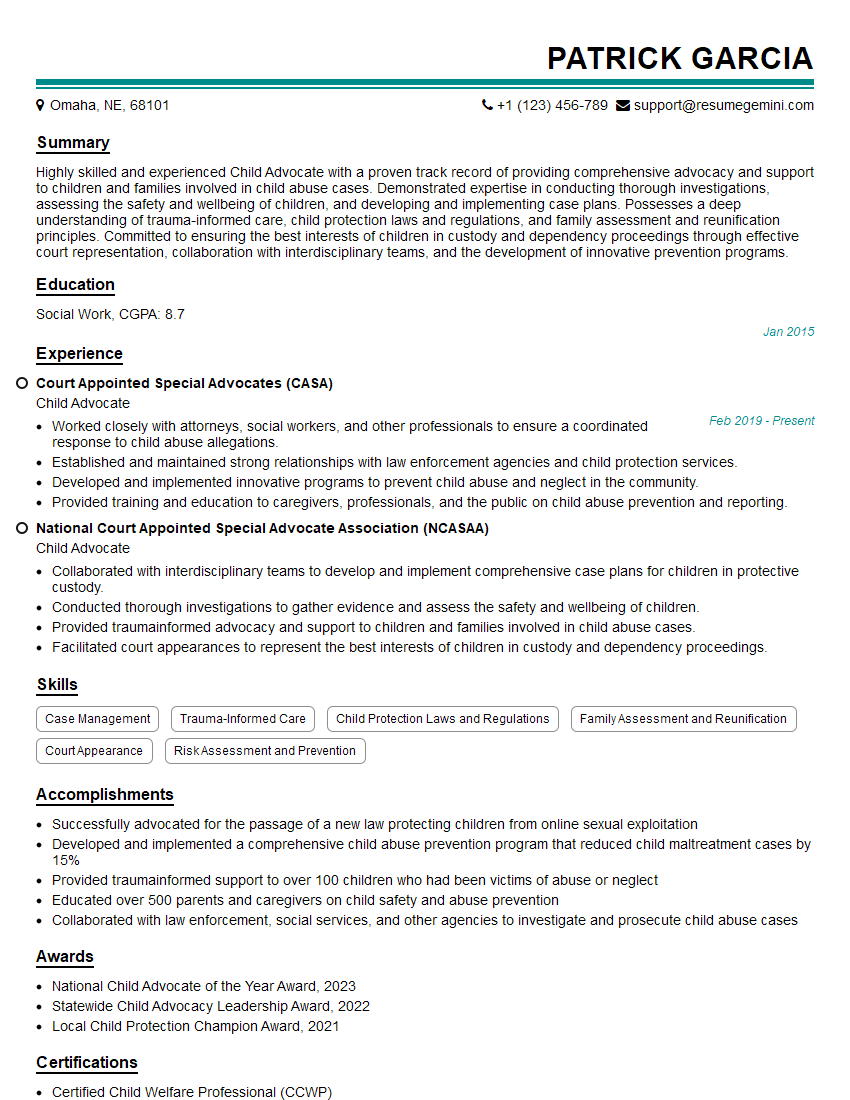
Mastering Child Abuse Recognition and Reporting is crucial for a successful and impactful career in safeguarding children. Demonstrating this expertise through a well-crafted resume is essential for securing your desired role. Building an ATS-friendly resume significantly increases your chances of getting noticed by recruiters. ResumeGemini is a trusted resource to help you create a professional and compelling resume that highlights your skills and experience effectively. Examples of resumes tailored to Child Abuse Recognition and Reporting are available to help guide you.
Explore more articles
Users Rating of Our Blogs
Share Your Experience
We value your feedback! Please rate our content and share your thoughts (optional).
What Readers Say About Our Blog
To the interviewgemini.com Webmaster.
Very helpful and content specific questions to help prepare me for my interview!
Thank you
To the interviewgemini.com Webmaster.
This was kind of a unique content I found around the specialized skills. Very helpful questions and good detailed answers.
Very Helpful blog, thank you Interviewgemini team.