Preparation is the key to success in any interview. In this post, we’ll explore crucial Client Centered Care interview questions and equip you with strategies to craft impactful answers. Whether you’re a beginner or a pro, these tips will elevate your preparation.
Questions Asked in Client Centered Care Interview
Q 1. Describe your understanding of the principles of client-centered care.
Client-centered care is a philosophy and approach where the individual’s needs, preferences, and values are at the heart of all care decisions. It’s about treating each person as a unique individual, not just a diagnosis. It moves away from a paternalistic model where healthcare professionals dictate treatment, towards a collaborative partnership where the client is actively involved.
- Respect for autonomy: Clients have the right to make their own decisions, even if those decisions differ from the recommendations of the healthcare team.
- Beneficence: Acting in the best interests of the client, while always keeping their preferences in mind.
- Non-maleficence: Avoiding harm to the client, both physical and emotional.
- Justice: Ensuring equitable and fair access to care for all clients.
- Collaboration: Working together as a team with the client to develop and implement a care plan.
For example, instead of simply prescribing medication for chronic pain, a client-centered approach would involve discussing the client’s experiences, goals, and preferences for pain management, considering their lifestyle, beliefs, and any potential side effects before jointly deciding on the most suitable treatment plan.
Q 2. How do you prioritize client needs in a fast-paced environment?
Prioritizing client needs in a fast-paced environment requires a structured approach combining effective time management and clinical judgment. I use a system that combines urgency and importance.
- Urgent and Important: These are immediate needs that require immediate attention, such as a client experiencing a medical emergency or severe distress. These take top priority.
- Important but Not Urgent: These are needs that are essential for long-term well-being but don’t demand immediate action. These are scheduled strategically into the day, perhaps using appointment slots or dedicated time blocks. Examples include preventative health measures or long-term care planning discussions.
- Urgent but Not Important: These might include administrative tasks or requests that, while pressing, don’t directly impact client well-being. These are delegated or tackled efficiently but without compromising client care.
- Neither Urgent nor Important: These tasks are often eliminated or postponed. This requires a clear understanding of priorities and the ability to say ‘no’ to non-essential demands.
For instance, if a client has a severe allergic reaction while another client needs routine medication review, the allergic reaction is the immediate priority. After stabilizing the first client, I would then attend to the medication review, perhaps prioritizing the tasks based on the impact on client well-being.
Q 3. Explain a situation where you had to adapt your approach to meet a client’s individual needs.
I once worked with a client who was profoundly deaf and communicated primarily through sign language. My initial approach, relying on written communication, proved inadequate as it slowed the interaction and created barriers to understanding. Recognizing this, I adapted my approach by seeking assistance from a sign language interpreter. This not only facilitated effective communication but also built trust and rapport. The interpreter helped bridge the communication gap, ensuring the client felt heard, understood, and respected. The collaborative approach involved the client, interpreter, and myself, resulting in a much more successful and satisfying interaction, including a more accurate assessment and a more appropriate care plan.
Q 4. How do you build rapport and trust with clients from diverse backgrounds?
Building rapport with clients from diverse backgrounds involves demonstrating cultural humility, active listening, and genuine empathy. It’s not about pretending to understand every culture perfectly but rather approaching each interaction with respect and a willingness to learn.
- Active listening: Paying close attention to both verbal and non-verbal cues, including body language and tone of voice.
- Cultural awareness: Understanding that different cultures may have different communication styles, beliefs about health and illness, and preferences for care. This involves self-reflection and education.
- Respectful communication: Using clear, simple language, avoiding jargon, and being sensitive to cultural differences in communication styles.
- Collaboration with interpreters: Utilizing professional interpreters when necessary, particularly for clients who don’t speak the primary language. This avoids misinterpretations and demonstrates professionalism.
- Open-mindedness: Approaching each client with an open mind and a willingness to learn about their unique experiences and perspectives.
For example, working with a client from a culture where direct eye contact is considered disrespectful, I would adjust my communication style to be more comfortable for the client, avoiding prolonged eye contact but still maintaining engagement and attentiveness through other means, such as nodding and verbal affirmations.
Q 5. Describe your experience with shared decision-making in client care.
Shared decision-making (SDM) is a crucial element of client-centered care. It’s a process where clients actively participate in making decisions about their care, in partnership with healthcare professionals. It’s not about the professional dictating, but about a collaborative process of information sharing, discussion, and mutual agreement on a plan.
My experience with SDM involves providing clients with clear, understandable information about their condition, treatment options, and potential risks and benefits. We then engage in a discussion about their preferences, values, and goals. I guide them through this process, helping them weigh the pros and cons of various options, but ultimately, the final decision rests with the client. This requires strong communication skills, active listening, and the ability to help clients make informed choices that align with their values and life goals. Documentation of this collaborative decision-making process is key.
Q 6. How do you handle client disagreements or conflict effectively?
Handling client disagreements or conflicts requires a calm, empathetic, and structured approach. The goal is to de-escalate the situation, understand the underlying concerns, and find a mutually acceptable solution.
- Active listening: Allowing the client to express their concerns and feelings without interruption. This shows respect and encourages collaboration.
- Empathy and validation: Acknowledging and validating the client’s feelings, even if you don’t agree with their perspective. This builds trust and rapport.
- Neutral communication: Avoiding judgmental language and maintaining a neutral tone. This prevents escalation.
- Collaborative problem-solving: Working together with the client to find a solution that meets the needs of both parties. This might involve compromise or exploring alternative options.
- Seeking mediation: If the conflict persists, I would seek assistance from a mediator or supervisor to facilitate a resolution.
For example, if a client disagrees with a treatment plan, I would first listen to their concerns, validate their feelings, and then collaboratively explore the reasons for their disagreement. We might explore alternative approaches, discuss any misconceptions about the treatment, or adjust the plan to better align with their preferences. If no agreement can be reached, I would discuss the implications with the client and document everything thoroughly, possibly involving other professionals.
Q 7. How do you ensure client confidentiality and privacy?
Maintaining client confidentiality and privacy is paramount. This involves adhering to strict ethical and legal guidelines, including HIPAA regulations and organizational policies. My approach encompasses several key elements:
- Access restrictions: Ensuring that only authorized personnel have access to client information, using secure systems and password protection.
- Secure communication: Using secure methods for communication, such as encrypted email or secure messaging platforms, to protect sensitive information during transmission.
- Data storage: Storing client records securely, both physically and electronically, complying with all relevant data protection laws.
- Confidentiality discussions: Discussing confidentiality with clients at the outset of the relationship to build trust and establish clear expectations.
- Disclosure guidelines: Adhering to strict guidelines regarding disclosure of client information, only disclosing information as required by law or with the informed consent of the client.
For example, I never discuss client information with unauthorized individuals, even family members, without explicit consent from the client. I also ensure that all client records are stored securely and accessed only through authorized channels. Any breaches are immediately reported according to established protocols.
Q 8. What strategies do you use to actively listen to clients?
Active listening is more than just hearing; it’s about truly understanding the client’s perspective. I employ several strategies to achieve this. Firstly, I maintain consistent eye contact and use open, inviting body language to signal my attentiveness. Secondly, I use verbal affirmations like ‘I understand,’ or ‘Tell me more,’ to encourage the client to continue sharing. Thirdly, I paraphrase their statements to ensure I’ve grasped their meaning correctly, offering opportunities for them to correct any misinterpretations. For example, if a client says they’re ‘feeling overwhelmed,’ I might respond with, ‘So, you’re feeling overwhelmed by the current situation. Can you tell me more about what’s causing that feeling?’ Finally, I minimize interruptions and allow for silence, giving the client time to process their thoughts and express themselves fully.
Q 9. How do you identify and address unmet client needs?
Identifying unmet needs requires a multifaceted approach. I begin by carefully reviewing the client’s medical history, current health status, and social circumstances. During our interactions, I pay close attention to both verbal and nonverbal cues. For instance, a client might express frustration with a specific aspect of their treatment, or their body language might indicate discomfort or anxiety. I use open-ended questions to explore their needs further. ‘What are your biggest concerns right now?’ or ‘What can I do to make this process easier for you?’ are examples of effective prompts. If a client appears hesitant or guarded, I create a safe space for them to express themselves, assuring them that their feelings are valid and that we’ll work together to address their needs. For example, I once noticed a client subtly avoiding eye contact and becoming withdrawn during discussions about their medication side effects. Through gentle probing, I discovered they were experiencing financial hardship and couldn’t afford the prescribed medication. Addressing this unmet financial need became a crucial part of their care plan.
Q 10. How do you involve family members or caregivers in the client’s care plan?
Involving family members and caregivers is vital for holistic client-centered care. I always obtain the client’s consent before involving others. Then, I explain the importance of their participation in the care plan and clarify how their involvement can benefit the client. I facilitate open communication by holding family meetings, where we collaboratively discuss the client’s needs, preferences, and goals. We actively listen to each person’s perspective and try to reach a shared understanding. I provide clear information about the client’s condition, treatment plan, and potential challenges. I also actively involve family members in decision-making processes whenever appropriate. For instance, if a client is struggling with adherence to a medication regimen, we might work with the family to establish reminder systems or identify support strategies. Open communication and shared responsibility are key to successfully integrating the family into the care process. A recent experience involved a patient with dementia. Involving their daughter allowed for personalized care tailored to the patient’s preferences and improved the family’s ability to cope with the challenges.
Q 11. Describe your experience with documenting client interactions and progress.
Thorough and accurate documentation is crucial. I utilize electronic health records (EHRs) to record all client interactions, including assessments, treatment plans, progress notes, and any changes in the client’s condition. My documentation adheres to all relevant legal and ethical standards, ensuring confidentiality and accuracy. I use clear, concise language, avoiding jargon. Each entry includes the date, time, and a detailed description of the interaction, focusing on observable behaviors and the client’s stated experiences. For instance, instead of writing ‘client was anxious,’ I might write, ‘Client reported feeling anxious, exhibiting increased heart rate and shallow breathing.’ Regular documentation allows for effective tracking of progress, identification of potential issues, and seamless communication among the healthcare team. This is essential for continuity of care and ensuring the client receives the best possible support.
Q 12. Explain how you utilize technology to enhance client-centered care.
Technology plays a significant role in enhancing client-centered care. I utilize telehealth platforms for remote consultations, providing convenient access to care, especially for clients with mobility limitations. Secure messaging systems allow for efficient communication and prompt responses to client inquiries. EHRs provide a comprehensive view of the client’s medical history, facilitating informed decision-making. Furthermore, I use data analytics to identify trends and patterns in client outcomes, enabling evidence-based improvements to our services. For example, analyzing patient satisfaction data from online surveys allows me to identify areas where we can improve service delivery. I also incorporate patient portals, allowing clients secure access to their medical records and enabling them to actively participate in managing their care.
Q 13. How do you assess client satisfaction and use feedback to improve services?
Assessing client satisfaction is an ongoing process. I regularly use both formal and informal methods to gather feedback. Formal methods include structured surveys, both online and paper-based, and standardized satisfaction questionnaires. Informal methods include open-ended conversations during appointments, actively seeking feedback throughout the care process. I analyze the collected data to identify trends and areas for improvement. For instance, if many clients express dissatisfaction with appointment scheduling, we might explore ways to improve efficiency and communication. We actively use feedback to refine our services. If a client provides negative feedback, I initiate a conversation to understand their concerns, apologize for any shortcomings, and work collaboratively to resolve the issue. This process helps us continuously enhance the quality of care and ensure that clients have a positive experience.
Q 14. Describe your approach to educating clients about their health and treatment options.
Client education is a cornerstone of client-centered care. I tailor my approach to each client’s individual needs, learning styles, and health literacy level. I use plain language, avoiding medical jargon, and ensuring the information is easily understood. I encourage questions and provide opportunities for clarification. I might use visual aids, such as diagrams or videos, to make complex information more accessible. For example, when explaining a medication regimen, I might use a pill organizer to demonstrate the correct dosage and timing. I actively involve the client in the learning process, focusing on their specific needs and concerns. I also provide written materials to reinforce the information discussed and offer resources for continued learning. Finally, I always assess the client’s understanding of the information, adjusting my approach as needed to ensure they feel comfortable and confident in managing their health.
Q 15. How do you manage time effectively to provide quality care to multiple clients?
Effective time management is crucial for providing quality client-centered care, especially when juggling multiple clients. It’s not just about squeezing in appointments; it’s about prioritizing tasks and optimizing workflows to ensure each client receives the attention they deserve. I use a combination of strategies:
- Prioritization: I utilize a system, such as a color-coded calendar or task management app, to prioritize client needs based on urgency and importance. This ensures that time-sensitive issues are addressed promptly.
- Time Blocking: I allocate specific time slots for various activities, including client appointments, documentation, administrative tasks, and personal breaks. This prevents tasks from bleeding into each other and ensures a structured workday.
- Delegation: Where appropriate, I delegate tasks to colleagues or support staff, freeing up my time to focus on direct client care. For instance, administrative tasks such as scheduling can be handled by reception.
- Efficient Documentation: I use electronic health records (EHR) and strive for concise, efficient documentation to save time without sacrificing detail. Templates and standardized forms can further streamline this process.
- Regular Review and Adjustment: I regularly review my schedule and adjust it based on the evolving needs of my clients and unforeseen circumstances. Flexibility is key.
For example, if a client experiences a sudden crisis, I may need to rearrange my schedule to address the immediate need. This requires flexibility and the ability to prioritize based on the most urgent situation.
Career Expert Tips:
- Ace those interviews! Prepare effectively by reviewing the Top 50 Most Common Interview Questions on ResumeGemini.
- Navigate your job search with confidence! Explore a wide range of Career Tips on ResumeGemini. Learn about common challenges and recommendations to overcome them.
- Craft the perfect resume! Master the Art of Resume Writing with ResumeGemini’s guide. Showcase your unique qualifications and achievements effectively.
- Don’t miss out on holiday savings! Build your dream resume with ResumeGemini’s ATS optimized templates.
Q 16. How do you collaborate with other healthcare professionals to ensure holistic client care?
Collaboration is paramount in delivering holistic client-centered care. It involves effectively communicating and working with a multidisciplinary team to coordinate services and ensure seamless care transitions. I foster collaboration through:
- Regular Team Meetings: Participating in regular team meetings allows for open communication and collaborative problem-solving. We discuss client progress, challenges, and plan future interventions together.
- Effective Communication: I utilize various communication methods, such as email, phone calls, and secure messaging platforms, to ensure prompt and clear communication with all relevant healthcare professionals. For instance, promptly informing a physician of a concerning change in a client’s condition.
- Shared Electronic Health Records (EHRs): Utilizing a shared EHR system provides everyone involved with access to the most up-to-date client information, preventing duplication of efforts and improving the overall efficiency of care delivery.
- Active Listening and Respectful Dialogue: I actively listen to colleagues’ perspectives and engage in respectful dialogue, valuing their expertise and contributions to the client’s care plan.
- Joint Case Management: Involving other professionals in collaborative case management sessions allows for the development of a comprehensive and coordinated treatment plan that addresses the client’s multifaceted needs.
For instance, in a case involving a client with diabetes, I would actively collaborate with the physician, dietitian, and pharmacist to ensure a consistent approach to medication management, diet, and lifestyle changes.
Q 17. Describe a time you had to advocate for a client’s needs.
I once advocated for a client who was experiencing significant barriers to accessing essential medication due to insurance coverage issues. The client, an elderly woman on a fixed income, was struggling to afford her prescribed medication, which was crucial for managing her chronic illness.
I first thoroughly documented the client’s situation, including her financial constraints and the medical necessity of the medication. I then contacted her insurance provider several times, explaining the situation and the potential negative health consequences if the medication was not accessible. I also explored options for financial assistance programs and worked with the pharmaceutical company to see if they offered patient assistance programs. After several weeks of persistent advocacy, including a meeting with the insurance case manager, I successfully secured a modification in her insurance coverage that ensured she could afford her medication.
This experience reinforced the importance of proactive advocacy and the impact it can have on improving client outcomes. It demonstrated that by being a persistent and effective advocate, I could bridge gaps in the healthcare system and improve a client’s access to crucial resources.
Q 18. How do you handle challenging client behaviors or situations?
Challenging client behaviors or situations require a calm, empathetic, and structured approach. My response depends on the specific behavior but generally follows these principles:
- Safety First: Prioritizing the safety of myself and others involved is crucial. If a situation escalates, I will involve security or other support personnel as needed.
- De-escalation Techniques: I employ de-escalation techniques, such as active listening, validating feelings, using calm and reassuring tones, and avoiding confrontational language. Understanding the underlying causes of the behavior is also critical.
- Collaboration and Communication: I collaborate with the client’s support network and other healthcare professionals to understand the context of the behavior and develop a collaborative response. This often involves a multidisciplinary team meeting.
- Documentation: Thoroughly documenting the behavior, my response, and any interventions is crucial for both legal and clinical purposes. This documentation helps in informing future interactions and potential adjustments to the care plan.
- Referral and Support: If the behavior stems from underlying mental health or substance abuse issues, I will facilitate appropriate referrals to specialists, such as psychiatrists or therapists.
For example, if a client becomes verbally aggressive, I might use active listening to understand their distress, offering empathy and validating their feelings while setting clear boundaries about acceptable behavior. I would then work with the team to develop strategies for managing similar situations in the future.
Q 19. What are some common barriers to providing client-centered care, and how do you overcome them?
Several barriers can hinder the provision of client-centered care. These include:
- Systemic Barriers: These encompass limitations within the healthcare system itself, such as inadequate funding, insufficient staffing, and complex bureaucratic processes.
- Time Constraints: The pressure to see many clients in a short period can limit the time available to truly engage with each client’s individual needs.
- Lack of Communication: Poor communication among healthcare professionals can lead to fragmented care and missed opportunities for personalized interventions.
- Cultural Differences: Differences in cultural background and communication styles can create barriers to understanding and trust.
- Client-Specific Barriers: Factors such as low health literacy, cognitive impairment, or lack of social support can also hinder effective client-centered care.
To overcome these barriers, I utilize strategies such as:
- Advocacy: Advocating for improved resources and systemic changes within the healthcare system.
- Efficient Time Management: Utilizing time management techniques and delegating tasks where appropriate to maximize time with clients.
- Enhanced Communication: Employing clear and consistent communication strategies with both clients and other healthcare providers.
- Cultural Competence Training: Continuously expanding knowledge and skills related to cultural competence.
- Collaboration and Teamwork: Working collaboratively with other professionals to address client-specific barriers and provide holistic support.
Q 20. Explain your understanding of cultural competence in client-centered care.
Cultural competence in client-centered care is the ability to understand, appreciate, and effectively respond to the diverse cultural backgrounds, beliefs, values, and practices of clients. It’s not just about awareness; it’s about actively integrating this understanding into every aspect of care delivery.
This involves:
- Self-Reflection: Understanding one’s own biases and assumptions about different cultures.
- Knowledge Acquisition: Learning about different cultural groups, their health beliefs, and communication styles. This might involve specific training or researching the cultures of the clients I serve.
- Respectful Communication: Adapting communication styles to be culturally sensitive and respectful. This may involve using interpreters or adjusting language to ensure understanding.
- Culturally Appropriate Interventions: Developing and implementing interventions that are appropriate and relevant to the client’s cultural background and preferences.
- Collaboration: Working with community resources and cultural experts to ensure culturally sensitive care.
For example, working with a client from a collectivist culture might necessitate engaging their family members in the care planning process. Understanding and respecting these cultural norms is crucial for providing effective and sensitive care.
Q 21. How do you ensure clients understand their rights and responsibilities?
Ensuring clients understand their rights and responsibilities is a fundamental aspect of client-centered care. This includes:
- Providing Information: Clearly and concisely explaining clients’ rights, including the right to informed consent, access to their medical records, confidentiality, and the right to refuse treatment.
- Using Plain Language: Avoiding medical jargon and using plain language to ensure that the information is readily understandable.
- Visual Aids: Utilizing visual aids, such as brochures or videos, to reinforce understanding.
- Repeating and Clarifying: Reiterating key information and answering any questions the client may have, ensuring clear understanding.
- Documentation: Documenting the client’s acknowledgement of their rights and responsibilities.
- Addressing Responsibilities: Clearly explaining the client’s responsibilities, such as adhering to treatment plans, attending appointments, and providing accurate information.
- Providing Resources: Providing clients with resources that can further enhance their understanding of their rights and responsibilities. This may include referral to patient advocate groups or providing written materials.
It is important to use a method that suits the individual client’s level of understanding and preferred communication style. For example, for clients with low health literacy, I might use visual aids and simpler language. I will also ensure that they have a chance to ask questions to clarify any doubts before proceeding with treatment.
Q 22. How do you integrate client feedback into the development of care plans?
Integrating client feedback is paramount in Client-Centered Care. It’s not just about asking for opinions; it’s about actively listening and using that input to shape the care plan. This ensures the plan aligns with the client’s goals, values, and preferences, promoting greater engagement and better outcomes.
- Active Listening and Open Communication: I begin by fostering a safe and trusting environment where clients feel comfortable sharing their thoughts and concerns. This involves using open-ended questions like, “What are your hopes for this treatment?” or “What are your biggest challenges right now?” This ensures I gather a holistic perspective, not just focusing on the clinical aspects.
- Regular Check-ins and Feedback Sessions: I schedule regular meetings to review progress and solicit feedback. This could be formal sessions or informal conversations. I encourage clients to rate their satisfaction with different aspects of their care and share any modifications they desire. For instance, if a client finds a therapy session too intense, we adjust the approach collaboratively.
- Collaboration and Shared Decision-Making: The care plan itself is a collaborative document. We discuss goals, treatment options, and potential challenges together, ensuring the client fully understands and agrees with the proposed path. Their feedback directly informs the choice of interventions, frequency of sessions, and even the selection of support resources.
- Documentation and Tracking: All feedback is meticulously documented in the client’s record, along with how the care plan is adjusted as a result. This demonstrates accountability and ensures continuity of care across providers.
For example, a client receiving care for depression might initially express discomfort with group therapy. By incorporating this feedback, we can adjust the plan to focus more on individual therapy and gradually introduce group sessions once the client feels more prepared. This ensures the client feels respected and in control of their treatment journey.
Q 23. How do you measure the effectiveness of client-centered interventions?
Measuring the effectiveness of client-centered interventions requires a multifaceted approach that goes beyond simply tracking clinical indicators. It needs to capture the client’s subjective experience and progress toward their personally defined goals.
- Quantitative Measures: We use standardized questionnaires and assessments to monitor changes in symptoms (e.g., depression scales, anxiety inventories). This provides objective data to track progress.
- Qualitative Measures: Regular interviews and feedback sessions allow clients to articulate their experiences, highlighting what has worked well and what hasn’t. Open-ended questions help reveal perspectives often missed by quantitative measures.
- Goal Attainment Scaling (GAS): GAS is a valuable tool for measuring client progress toward specific, measurable, attainable, relevant, and time-bound (SMART) goals. We collaboratively set these goals at the beginning of treatment and regularly assess progress towards them, using a scale to track improvement.
- Client Satisfaction Surveys: Simple surveys can provide valuable insight into the client’s overall satisfaction with their care experience. This feedback can reveal areas for improvement in the delivery of services.
For instance, with a client facing addiction, we’d use urine toxicology screens to track abstinence, but equally important would be qualitative feedback from the client regarding their self-reported cravings, emotional regulation, and overall sense of well-being. This combination gives a complete picture of effectiveness.
Q 24. What resources do you utilize to support clients’ needs beyond direct care?
Supporting clients’ needs extends far beyond direct clinical care. I leverage a wide range of resources to create a comprehensive support system.
- Referral Networks: I maintain strong relationships with other professionals, including psychiatrists, social workers, therapists, and support groups. This allows me to refer clients to specialists for additional support when needed.
- Community Resources: I’m well-versed in local community resources like food banks, housing assistance programs, job training services, and financial aid organizations. Many clients face challenges beyond their mental or physical health, and addressing these is crucial for overall well-being.
- Online Resources and Support Groups: I sometimes recommend appropriate online resources and support groups, but always ensuring their legitimacy and safety. This can provide an accessible source of support between appointments.
- Advocacy: When necessary, I act as an advocate for my clients, helping them navigate the healthcare system or access benefits they are entitled to.
For example, if a client is struggling with homelessness, I might work with a local shelter and social services to secure housing while simultaneously addressing the underlying mental health issues.
Q 25. Describe your experience with crisis intervention and client support in challenging situations.
Crisis intervention requires a calm, empathetic, and decisive approach. My experience involves assessing the situation, providing immediate support, and developing a safety plan.
- Immediate Safety Assessment: First, I assess the client’s immediate safety and level of risk. This might involve asking questions about suicidal or self-harming ideation, access to weapons, or other threats.
- De-escalation Techniques: I use active listening, validation, and de-escalation techniques to help calm the client and reduce their distress. This could involve simply letting them express their feelings without interruption.
- Safety Planning: Collaboratively, we develop a crisis plan that outlines strategies for managing future crises. This includes identifying warning signs, support persons, coping mechanisms, and emergency contacts.
- Collaboration and Referral: If the situation requires it, I immediately collaborate with emergency services, hospital staff, or other professionals to ensure the client’s safety.
For instance, a client experiencing an acute panic attack requires immediate reassurance and coping strategies to manage their symptoms. After stabilizing the situation, we would work together to develop a plan to manage future attacks.
Q 26. How do you handle ethical dilemmas related to client care?
Ethical dilemmas are inevitable in client care. My approach centers around adhering to professional codes of ethics, utilizing ethical decision-making frameworks, and consulting with colleagues and supervisors when needed.
- Ethical Frameworks: I utilize ethical frameworks like the principles of beneficence (acting in the client’s best interest), non-maleficence (avoiding harm), autonomy (respecting client self-determination), and justice (fairness and equity) to guide my decision-making.
- Supervision and Consultation: I actively seek guidance from supervisors and colleagues when facing complex ethical challenges. This provides an opportunity to discuss different perspectives and ensure I’m making informed decisions.
- Documentation: I meticulously document any ethical dilemmas encountered, the steps taken to address them, and the rationale behind my decisions. This provides a record of my actions and aids in future reflection.
- Client Advocacy: I advocate for clients’ rights and ensure their voices are heard even in challenging situations. This could involve advocating for access to resources or challenging discriminatory practices.
For example, if a client requests information that could potentially harm another individual, I navigate this conflict by exploring the underlying concerns and finding a safe way to address them while upholding confidentiality.
Q 27. How do you ensure continuity of care for your clients?
Ensuring continuity of care requires careful coordination and communication across the healthcare team and with the client.
- Comprehensive Care Plans: Well-defined care plans outline treatment goals, interventions, and progress, ensuring everyone involved is on the same page.
- Effective Communication: Regular communication with other healthcare providers, including through case conferences and shared electronic health records, is essential.
- Client Involvement: Clients are actively involved in all communication processes. This allows them to contribute to their care and understand any transitions involved.
- Transition Plans: If a client is transitioning to a new provider or setting, a detailed transition plan ensures seamless handover of care.
For example, if a client is transitioning from inpatient to outpatient care, I’d work closely with the hospital staff to ensure smooth transfer of medical records and develop a detailed plan outlining follow-up appointments and ongoing support.
Q 28. Describe your experience with discharge planning and client transitions.
Discharge planning is a crucial aspect of client-centered care, focusing on a smooth and supportive transition to the next stage of care.
- Needs Assessment: I assess the client’s physical, emotional, and social needs to create a tailored discharge plan. This could involve addressing housing, transportation, medication management, and ongoing therapy.
- Collaborative Planning: I work collaboratively with the client, their family (if they wish), and other healthcare professionals to develop a realistic and achievable plan.
- Resource Connection: I connect clients with necessary resources and support services, ensuring they have the tools they need to thrive outside of the care setting.
- Follow-up: I plan for regular follow-up appointments or check-ins to monitor progress and provide ongoing support.
For example, a client leaving a rehabilitation facility might need assistance with arranging transportation, securing appropriate housing, and establishing a support network before discharge. The discharge plan would address all of these elements, ensuring the transition is successful and supportive.
Key Topics to Learn for Your Client-Centered Care Interview
- Understanding the Philosophy: Explore the core principles of client-centered care, including respect for autonomy, empathy, and shared decision-making. Consider how these principles translate into practical actions.
- Assessment and Planning: Discuss your experience with conducting thorough client assessments, identifying needs and preferences, and developing individualized care plans that reflect those needs and preferences. Be prepared to discuss examples.
- Communication and Collaboration: Highlight your skills in active listening, therapeutic communication, and collaborating with interdisciplinary teams to ensure holistic client care. Prepare examples demonstrating effective communication in challenging situations.
- Advocacy and Empowerment: Explain how you empower clients to participate actively in their care and advocate for their rights and needs within the healthcare system. Prepare examples where you have successfully advocated for a client.
- Ethical Considerations: Discuss the ethical dilemmas that can arise in client-centered care and how you approach them, including maintaining confidentiality and respecting client autonomy even when faced with difficult decisions.
- Cultural Competency: Demonstrate your understanding of cultural sensitivity and how you adapt your approach to meet the diverse needs of clients from various backgrounds. Prepare examples showcasing your cultural competence.
- Evaluation and Improvement: Describe your experience with evaluating the effectiveness of care plans and making adjustments based on client feedback and outcomes. Be prepared to discuss how you continuously improve your client-centered practices.
Next Steps: Launch Your Career in Client-Centered Care
Mastering client-centered care is crucial for career advancement in today’s healthcare landscape. Employers highly value professionals who demonstrate genuine empathy, strong communication skills, and a commitment to individualized patient care. To significantly boost your job prospects, create an ATS-friendly resume that showcases your expertise and accomplishments.
We strongly recommend using ResumeGemini to build a professional and impactful resume. ResumeGemini provides tools and resources to create a resume that stands out to recruiters. Examples of resumes tailored to highlighting Client-Centered Care experience are available within the ResumeGemini platform.
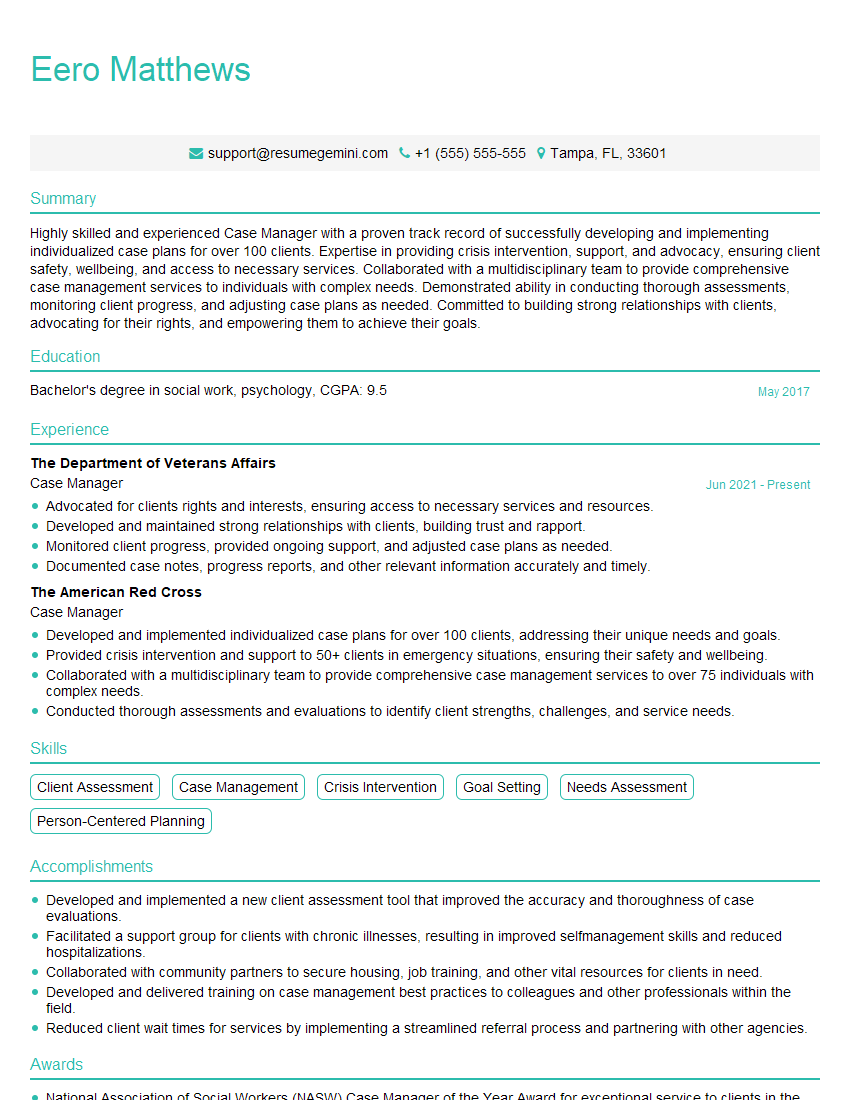
Case Manager Resume Sample
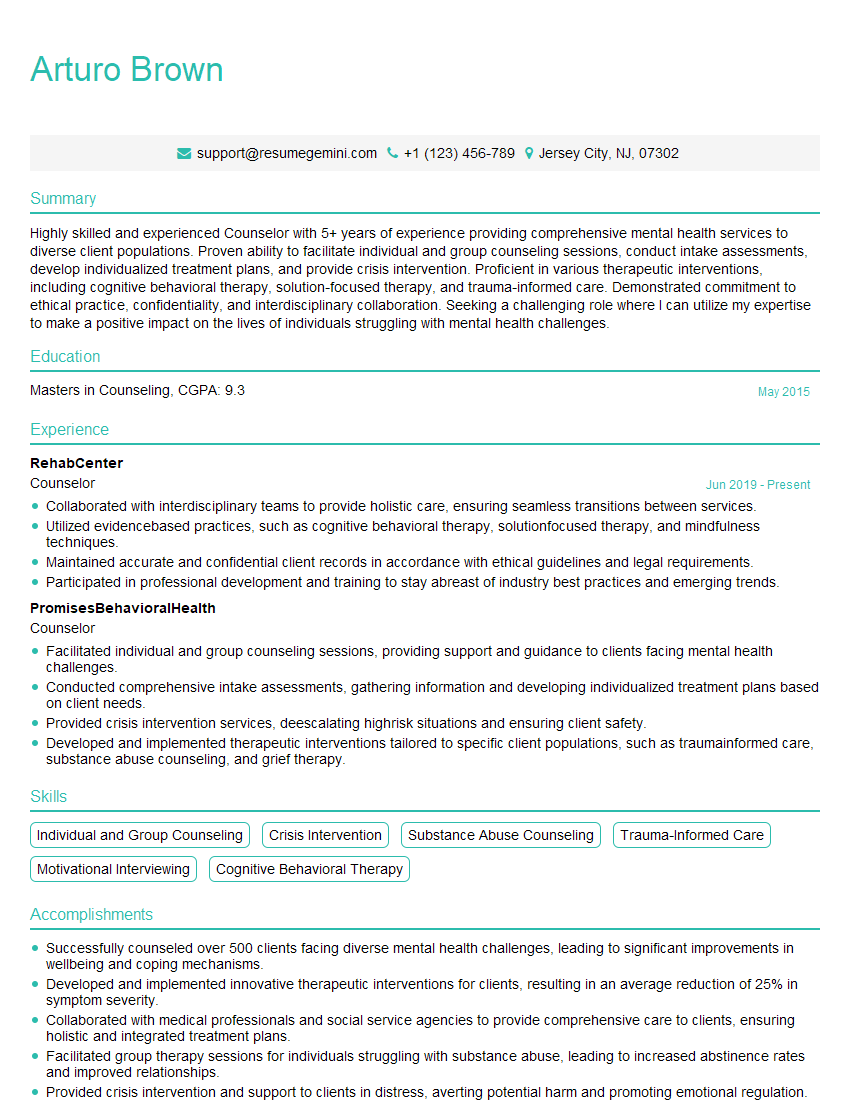
Counselor Resume Sample

Mental Health Counselor Resume Sample
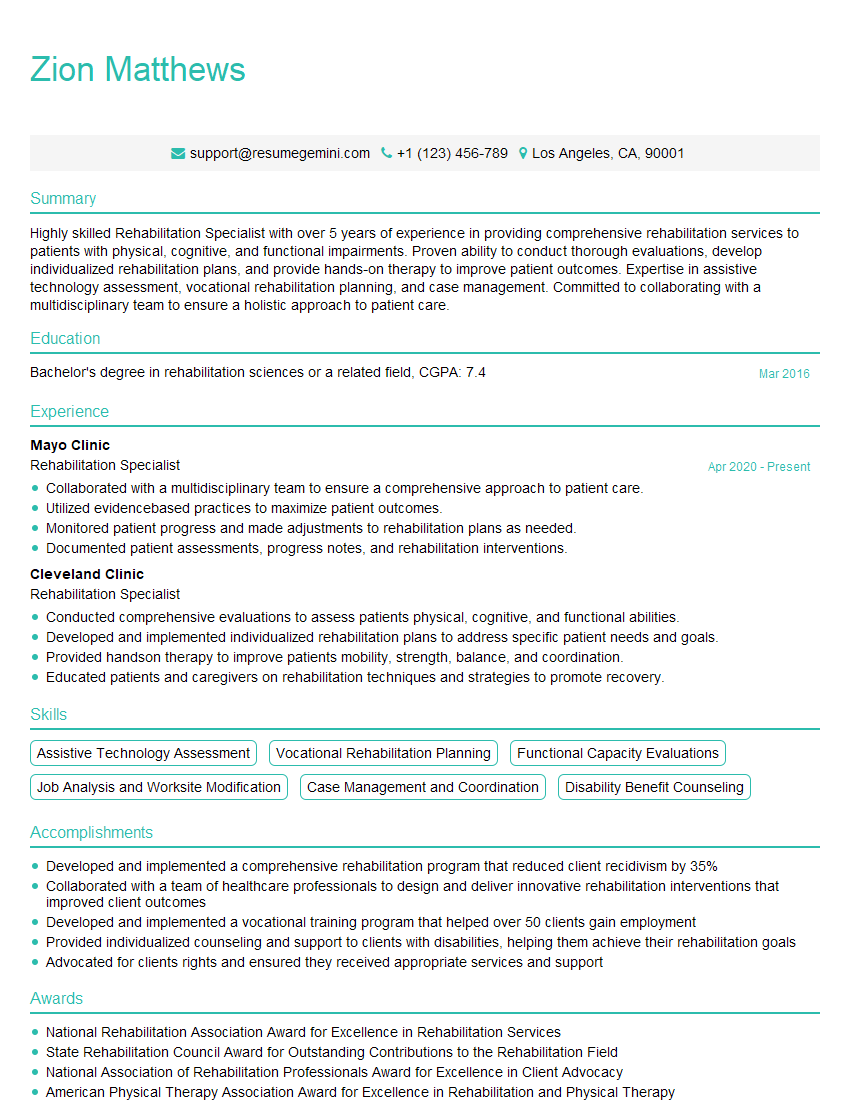
Rehabilitation Specialist Resume Sample
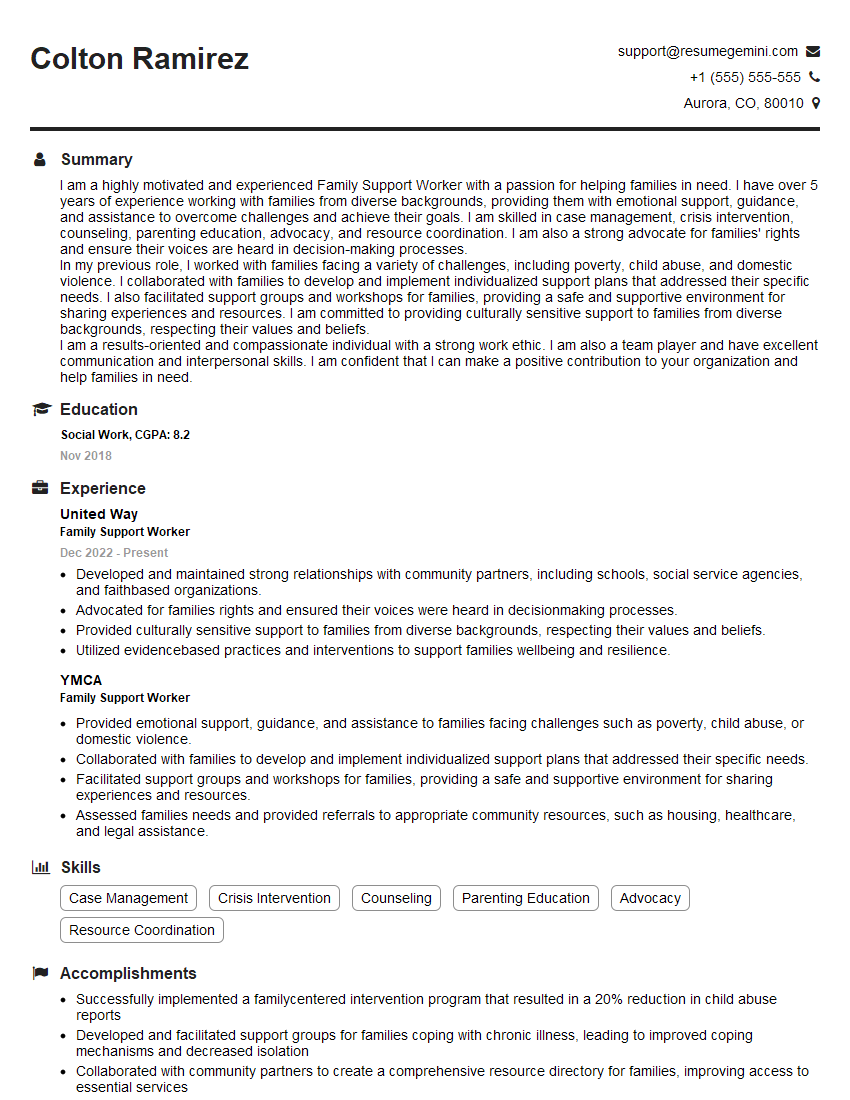
Family Support Worker Resume Sample
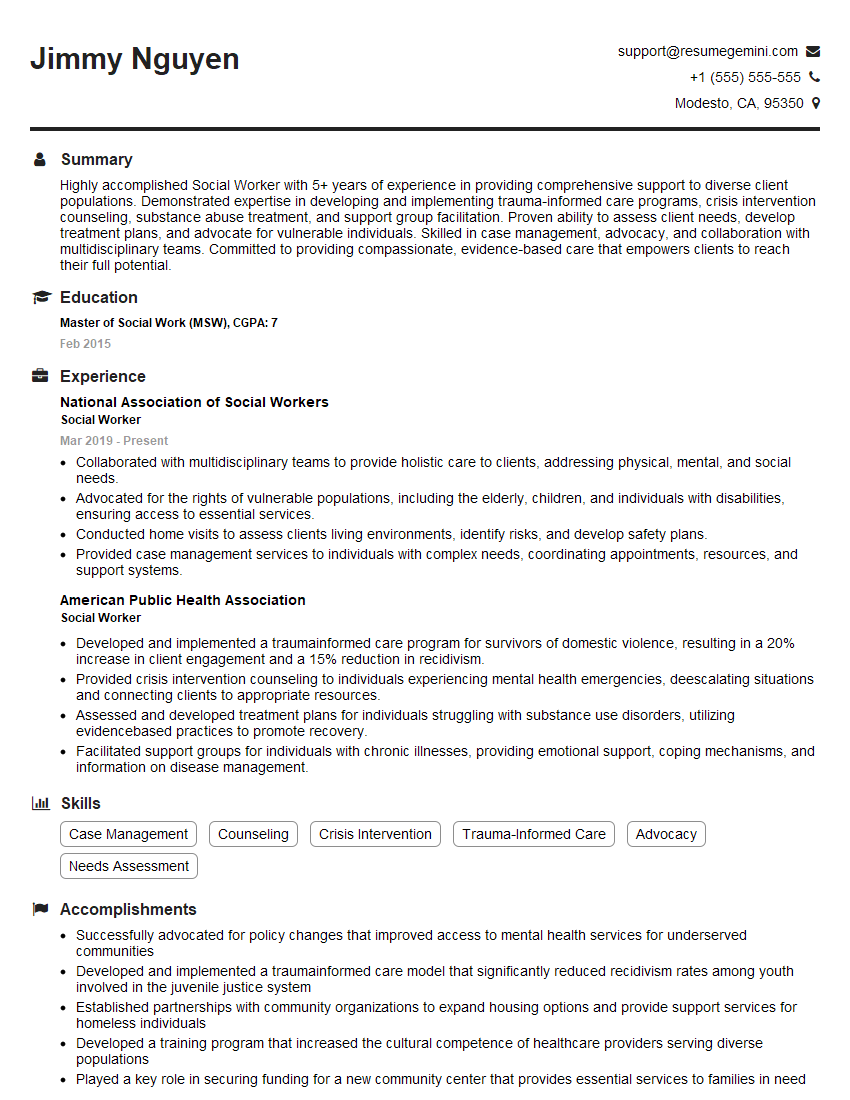
Social Worker Resume Sample
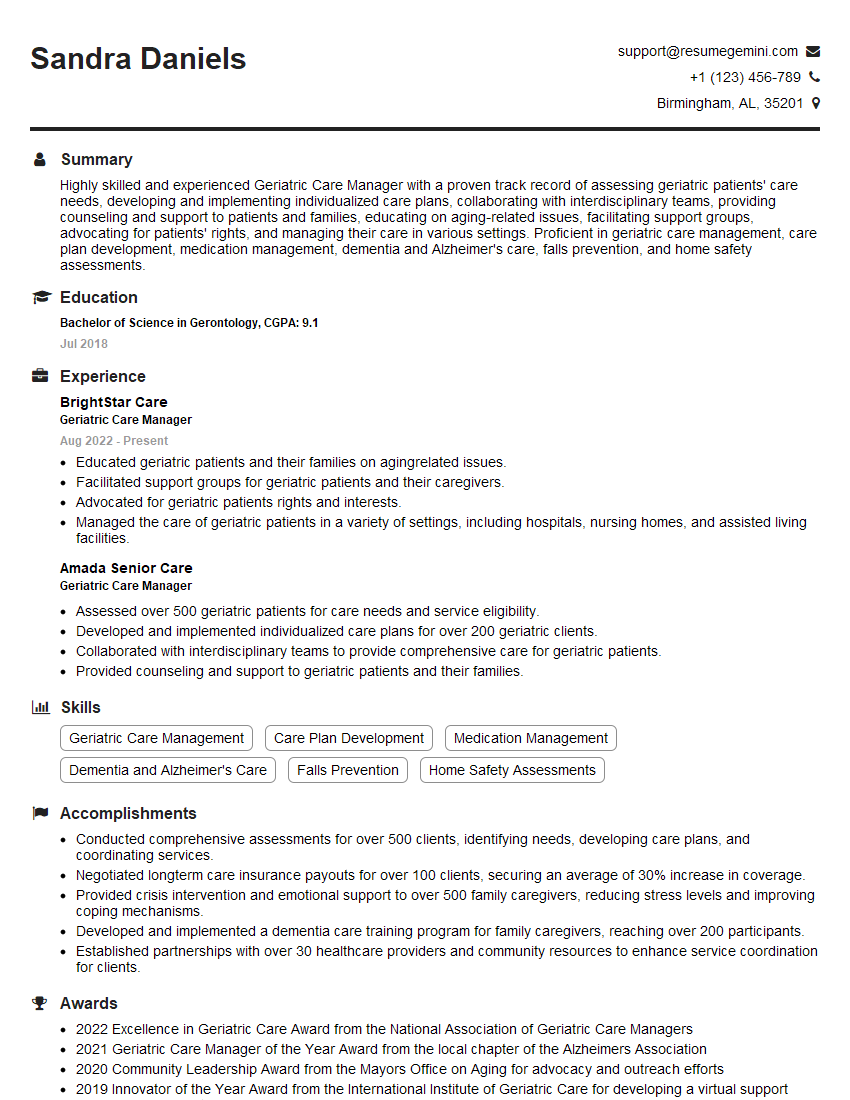
Geriatric Care Manager Resume Sample
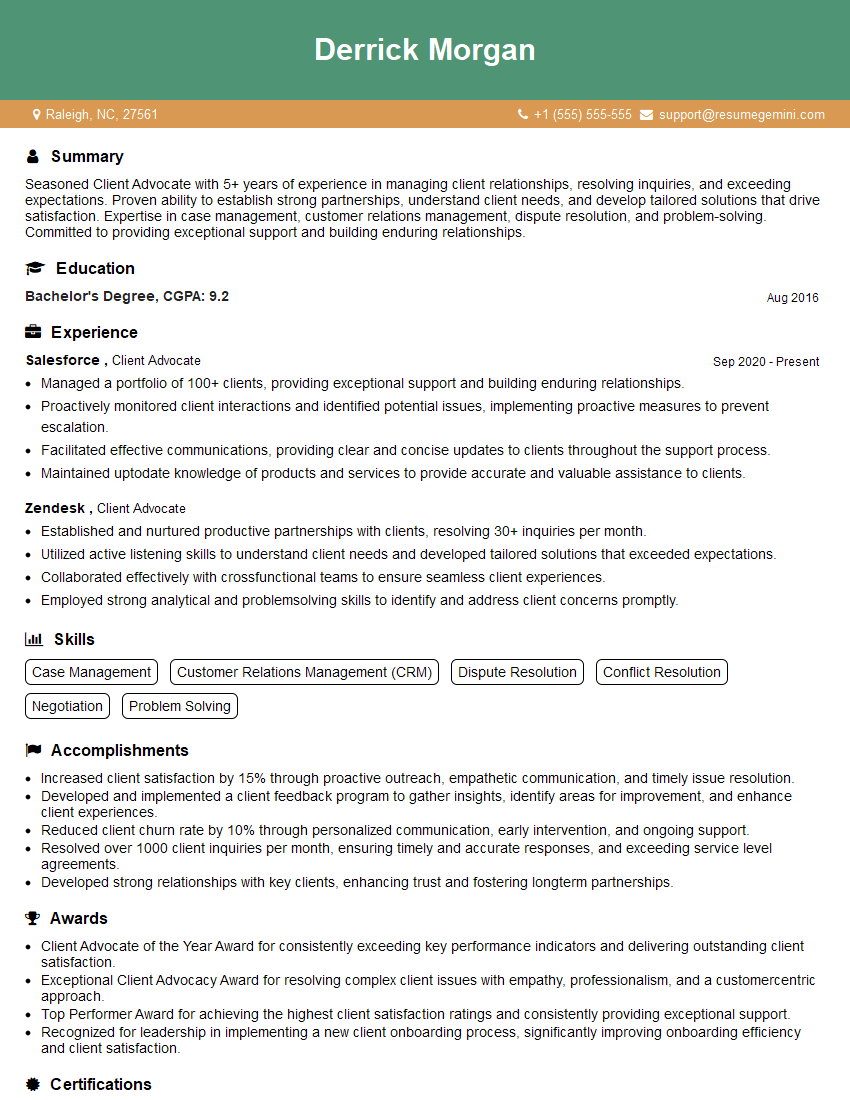
Client Advocate Resume Sample
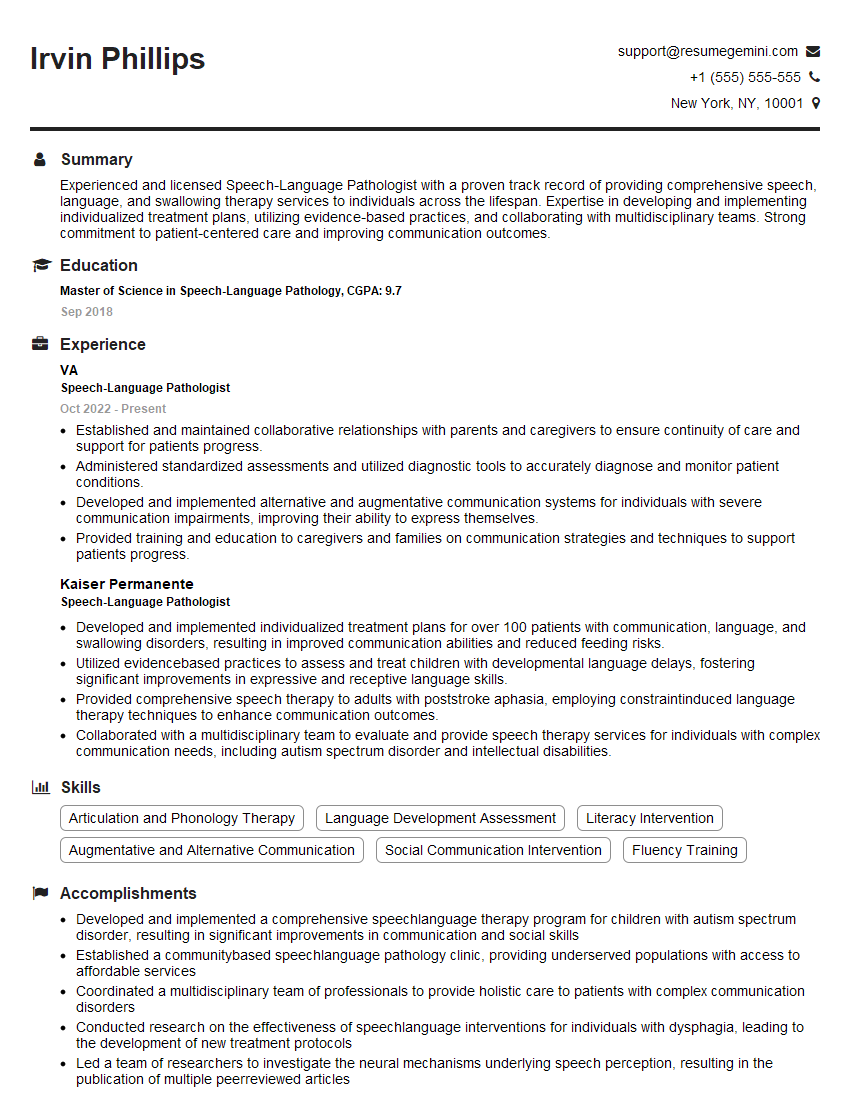
Speech-Language Pathologist Resume Sample
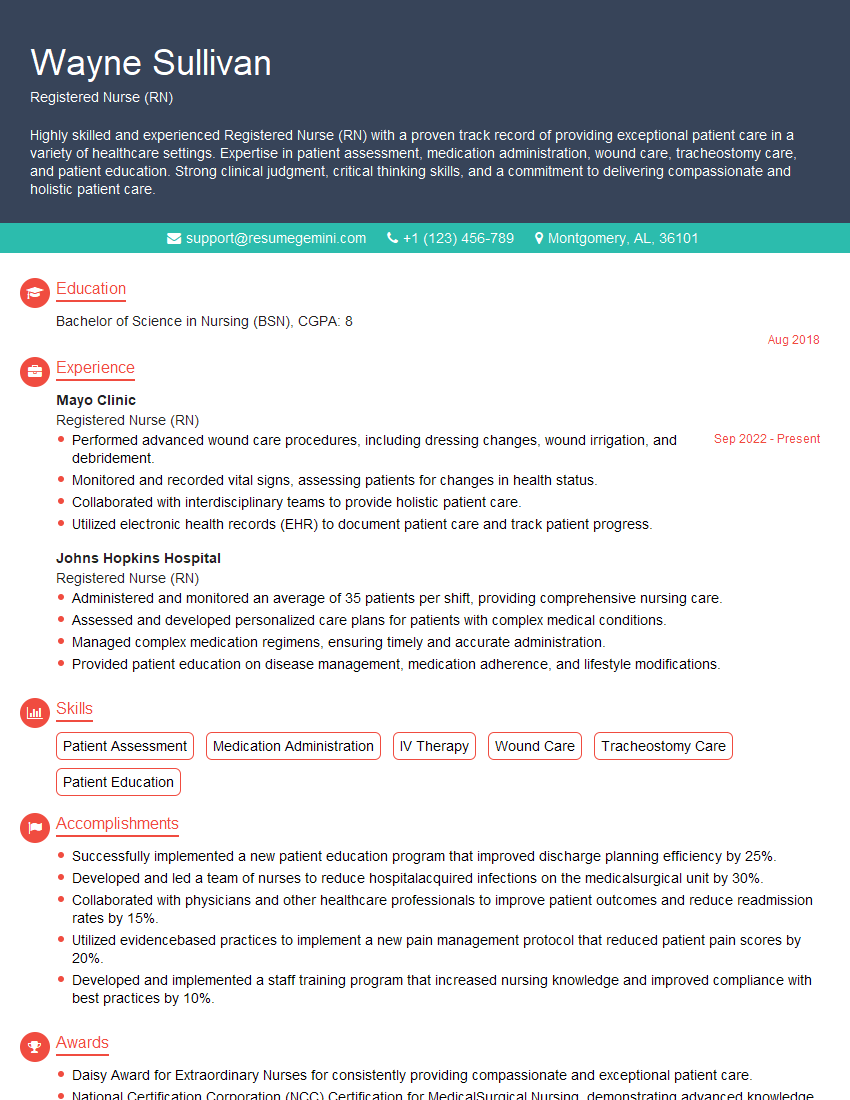
Registered Nurse (RN) Resume Sample
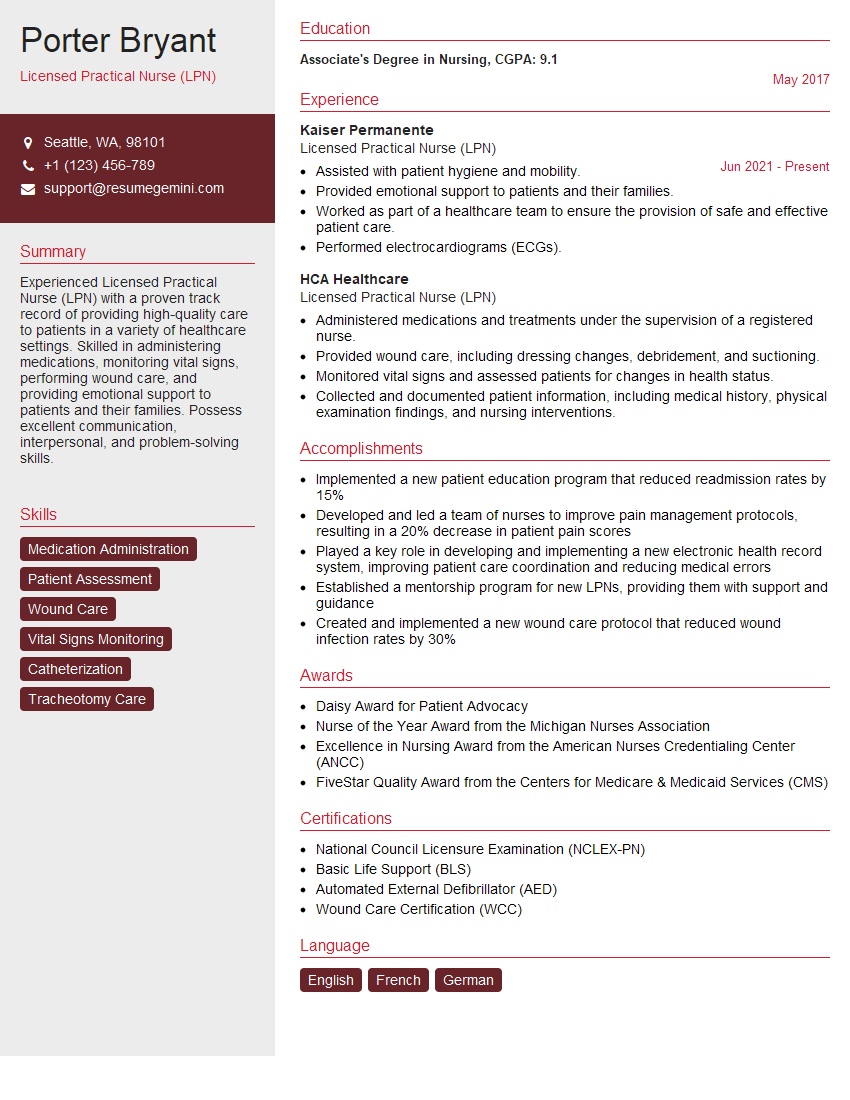
Licensed Practical Nurse (LPN) Resume Sample
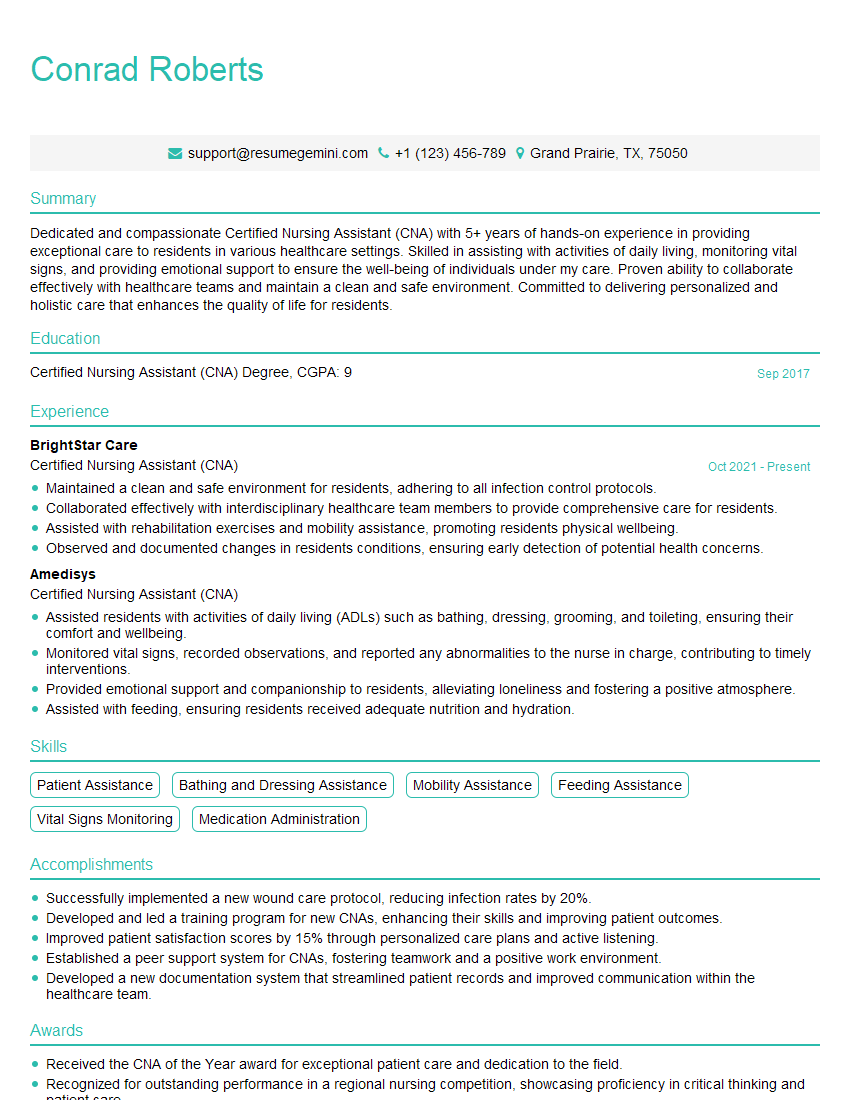
Certified Nursing Assistant (CNA) Resume Sample
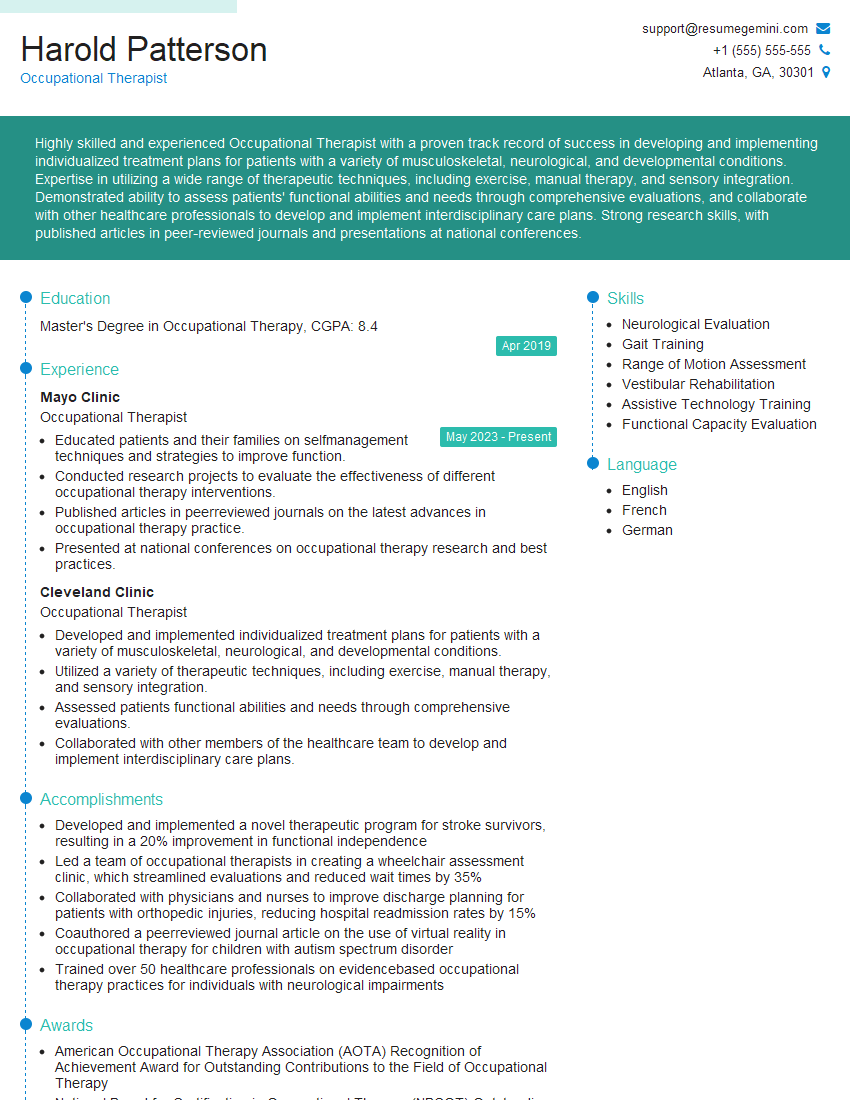
Occupational Therapist Resume Sample
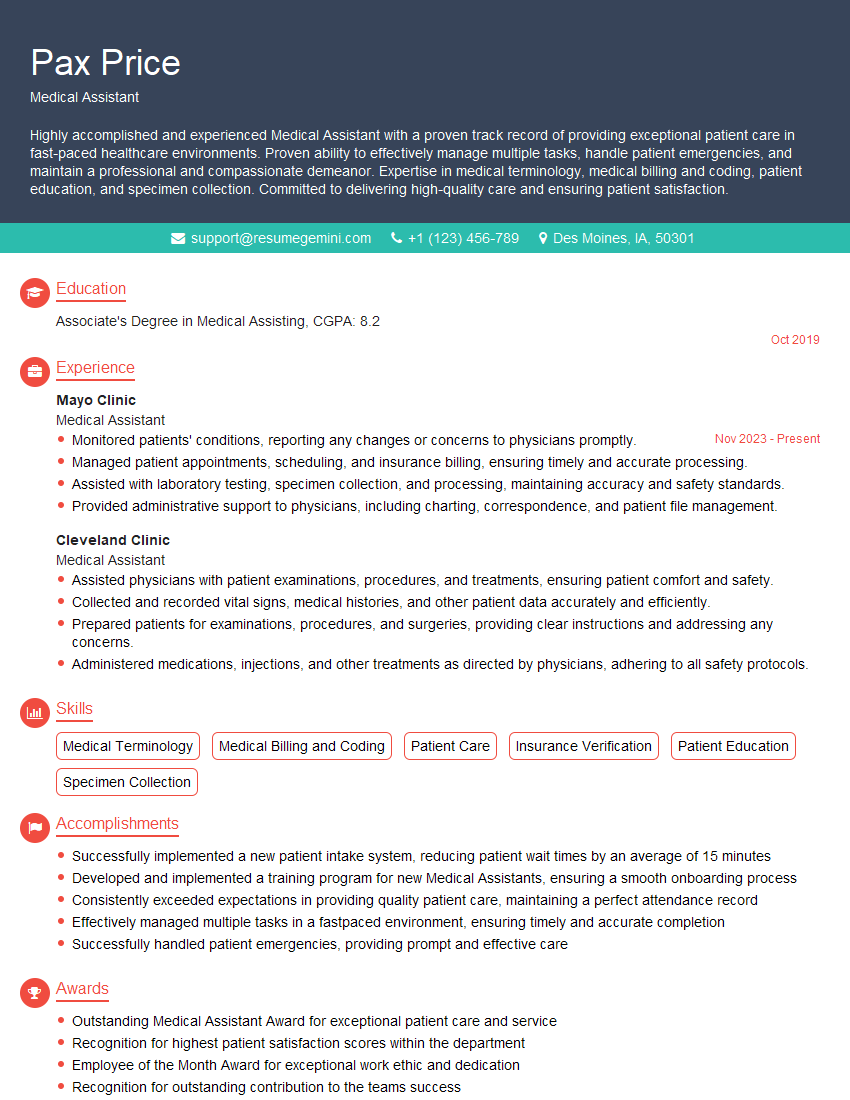
Medical Assistant Resume Sample
- Case Manager
- Counselor
- Mental Health Counselor
- Rehabilitation Specialist
- Family Support Worker
- Social Worker
- Geriatric Care Manager
- Client Advocate
- Speech-Language Pathologist
- Registered Nurse (RN)
- Licensed Practical Nurse (LPN)
- Certified Nursing Assistant (CNA)
- Occupational Therapist
- Medical Assistant
Explore more articles
Users Rating of Our Blogs
Share Your Experience
We value your feedback! Please rate our content and share your thoughts (optional).
What Readers Say About Our Blog
To the interviewgemini.com Webmaster.
Very helpful and content specific questions to help prepare me for my interview!
Thank you
To the interviewgemini.com Webmaster.
This was kind of a unique content I found around the specialized skills. Very helpful questions and good detailed answers.
Very Helpful blog, thank you Interviewgemini team.