Cracking a skill-specific interview, like one for Coffered Ceiling Installation, requires understanding the nuances of the role. In this blog, we present the questions you’re most likely to encounter, along with insights into how to answer them effectively. Let’s ensure you’re ready to make a strong impression.
Questions Asked in Coffered Ceiling Installation Interview
Q 1. Explain the different types of coffered ceilings.
Coffered ceilings are characterized by recessed panels, creating a grid-like pattern on the ceiling. The variety comes from the shape, size, and depth of these panels, as well as the overall design.
- Simple Square or Rectangular: This is the most common type, featuring a grid of square or rectangular recesses. Think of a classic, elegant look.
- Geometric: These designs incorporate more complex geometric shapes like octagons, hexagons, or even custom designs, adding a modern or artistic flair.
- Beamed Coffered Ceilings: These incorporate decorative beams that frame the recessed panels, offering a more rustic or traditional feel. The beams might be real wood or crafted from polyurethane for a lighter-weight option.
- Layered or Multi-Level Coffered Ceilings: These create depth and visual interest by incorporating multiple levels of recessed panels, often with varying sizes and depths. They offer a dramatic and luxurious look.
The choice of type depends heavily on architectural style, personal preference, and the space’s dimensions. A large room can accommodate a more intricate design, while a smaller room might benefit from a simpler pattern to avoid feeling cramped.
Q 2. Describe the process of measuring and planning for a coffered ceiling installation.
Accurate measuring and planning are crucial for a successful coffered ceiling installation. It’s not a project to rush into!
- Detailed Measurements: Begin with precise measurements of the room’s dimensions, including length, width, and height. Note any existing obstructions like beams or ductwork.
- Design Selection & Panel Layout: Choose your desired coffered ceiling design and determine the size and number of panels needed. Sketch a layout on paper, carefully considering the placement of panels relative to existing features. This prevents unexpected issues during installation.
- Structural Considerations: Assess the existing ceiling structure to ensure it can support the added weight of the coffered ceiling. In some cases, additional support may be needed, which should be planned for in advance.
- Material Selection: Choose materials based on your budget, design preferences, and the room’s environment. Consider factors like moisture resistance (for bathrooms), and sound dampening properties.
- Professional Consultation: For complex designs or large rooms, consulting a structural engineer or experienced ceiling installer is highly recommended to ensure structural integrity and avoid potential problems.
Proper planning saves time, money, and potential headaches down the line. A detailed plan ensures everything fits perfectly and avoids costly mistakes.
Q 3. What materials are commonly used in coffered ceiling construction?
The materials used in coffered ceiling construction vary depending on the design and budget.
- Wood: A popular choice for its beauty and durability, offering options from traditional hardwoods like oak and mahogany to more affordable softwoods like pine. Wood requires careful finishing and maintenance.
- Medium-Density Fiberboard (MDF): MDF is a cost-effective alternative to wood, offering a smooth, paintable surface. It’s less durable than wood and susceptible to moisture damage.
- Polyurethane: Lightweight and moisture-resistant, polyurethane is an excellent choice for bathrooms or high-humidity areas. It can be molded into various shapes and comes in different finishes.
- Plaster: Traditional plaster coffered ceilings offer a classic, elegant look. However, they’re heavier, more labor-intensive to install, and require skilled craftsmanship.
- Metal: Metal panels offer a contemporary look and are durable. However they can be more expensive and require special tools for installation.
The choice of material often involves a balance of aesthetics, budget, and practical considerations like moisture resistance and weight capacity.
Q 4. How do you ensure the structural integrity of a coffered ceiling?
Ensuring structural integrity is paramount. A poorly supported coffered ceiling can lead to sagging, cracking, or even collapse.
- Proper Support System: This usually involves installing a grid of framing members (often wood furring strips) attached directly to the existing ceiling joists or structural supports. This grid provides a robust foundation for the coffered ceiling panels.
- Weight Distribution: Distribute the weight of the panels evenly across the support system to prevent uneven stress. This is particularly important for heavier materials like plaster or solid wood panels.
- Appropriate Fasteners: Use appropriate fasteners—screws or nails—to securely attach the framing members and panels. Overdriving fasteners can weaken the wood, so you need the right-sized screws to prevent this.
- Professional Assessment: For complex designs or unusual ceiling structures, consulting a structural engineer to ensure proper support is vital. They can calculate the load-bearing capacity and specify appropriate support systems.
Remember, a strong foundation is key! Neglecting structural integrity can have significant and costly consequences.
Q 5. Explain the different methods for installing coffered ceiling panels.
Several methods exist for installing coffered ceiling panels, each with its own advantages and disadvantages.
- Direct Attachment: Panels are directly attached to the underlying support system using screws or nails. This is best for lightweight panels and straightforward designs.
- Z-clips or Hidden Fasteners: These provide a cleaner, more seamless finish by concealing the fasteners. They offer superior aesthetics but often require more precision and skill.
- Glue and Dowel System: This involves using a combination of adhesive and wooden dowels to create a strong and secure joint between panels and the support framework. This provides exceptional strength but takes more time and skill.
- Suspended System: Panels are suspended from the ceiling grid using wire or other hanging hardware. This is suitable for heavy panels or designs requiring significant depth.
The choice of installation method depends on several factors: panel material, design complexity, desired aesthetics, and installer skill. Consider these factors carefully when making your choice.
Q 6. What are the common challenges faced during coffered ceiling installation?
Coffered ceiling installation presents several challenges.
- Uneven Ceilings or Walls: These irregularities require extra time and effort to address. Shimming, leveling, and careful panel adjustments are often needed to achieve a smooth, professional finish.
- Difficult Access: Working overhead can be physically demanding and potentially hazardous. Proper safety measures and possibly specialized equipment are essential.
- Precise Measurements and Cutting: Inaccurate measurements can lead to gaps, misalignments, or the need for costly rework. Care must be taken throughout the process to ensure accuracy.
- Weight Management: Heavier materials require a more robust support system. This needs to be considered carefully to prevent sagging or structural damage.
- Hidden Services: Unexpected obstructions such as electrical wiring or ductwork can create delays and complications. Locating and working around these services requires extra care.
Thorough planning, attention to detail, and appropriate safety precautions are vital to mitigate these common challenges.
Q 7. How do you address uneven ceilings or walls when installing a coffered ceiling?
Uneven ceilings or walls pose a significant challenge. Ignoring them will lead to a poorly finished ceiling.
- Assessment and Planning: Carefully assess the extent of the unevenness. Measure the deviations from a true plane. This allows you to plan for appropriate corrective measures.
- Shimming: Use shims (thin wood pieces) to level the framing members of the coffered ceiling support grid. Shimming carefully ensures the grid is properly aligned despite ceiling imperfections.
- Leveling Compound: For minor imperfections, use a leveling compound to create a smoother surface before installing the panels. This can improve the overall appearance significantly.
- Custom Cutting and Adjustment: For significant unevenness, you may need to cut and adjust the panels individually to ensure a proper fit. This requires precision and patience.
- Flexible Materials: In some cases, using flexible or adaptable materials for the panels (such as some types of polyurethane molding) can help accommodate minor irregularities.
Addressing unevenness upfront is crucial. Failure to do so leads to a visually unappealing and potentially structurally unsound coffered ceiling.
Q 8. Describe your experience working with different types of wood for coffered ceilings.
Choosing the right wood for a coffered ceiling is crucial for both aesthetics and longevity. My experience spans working with a variety of species, each with its own unique properties. For instance, I’ve extensively used oak for its durability and classic look, perfect for formal settings. Its strength allows for intricate designs without compromising structural integrity. I’ve also worked with pine, a more budget-friendly option, which is readily available and easily manipulated, making it ideal for more complex designs where multiple cuts and shaping are required. However, pine is softer and requires more careful handling to avoid dents and scratches during installation. Recently, I completed a project using mahogany, offering a luxurious, rich finish for a high-end client. This wood requires expert handling due to its cost and susceptibility to damage, demanding precision in every step of the process. The choice ultimately depends on the client’s budget, desired aesthetic, and the level of detail in the coffered design.
Beyond the species, the grade of the lumber also significantly impacts the final product. Higher-grade wood ensures consistency in color and grain, resulting in a more uniform and visually appealing ceiling. I always ensure to inspect the lumber carefully for knots, imperfections, and warping before commencing installation to guarantee a flawless finished product.
Q 9. How do you ensure proper alignment and spacing of coffered ceiling components?
Precise alignment and spacing are paramount to a successful coffered ceiling installation. My approach involves a multi-step process beginning with meticulous planning. This starts with accurately measuring the room and transferring those measurements to a detailed plan, specifying the size and placement of each coffer. I then use a combination of laser levels and plumb bobs to ensure perfectly straight and level lines for the framework. This framework serves as the foundation for the entire structure; any discrepancies at this stage will amplify as the project progresses.
Once the framework is in place, I utilize precisely measured and cut wood components. For consistent spacing, I often employ pre-fabricated components or create jigs to assist in accurate placement of each coffer. This guarantees uniform gaps between coffers and a visually pleasing, symmetrical result. Regular checks with the laser level and measuring tape throughout the process ensure perfect alignment. Imagine building with LEGOs; each piece needs to fit precisely, and this principle applies equally to a coffered ceiling. Any deviation, even slightly, becomes visually apparent in the finished product.
Q 10. Explain your approach to finishing and painting a coffered ceiling.
Finishing and painting a coffered ceiling requires patience and precision. Before painting, I meticulously fill any nail holes or imperfections with wood filler, ensuring a smooth surface. After the filler dries, I sand the entire surface until it’s perfectly smooth, paying close attention to the edges and corners. This eliminates any imperfections, preparing it for a flawless finish.
Next, I apply a high-quality primer, which provides a consistent base for the paint, resulting in better coverage and a more uniform color. Finally, I apply multiple coats of high-quality paint, allowing each coat to dry thoroughly before applying the next. I generally use a low-luster or semi-gloss paint, as it’s easier to clean and stands up better to wear and tear than matte paints, a practical consideration for a ceiling. The application of paint is done with attention to detail, working methodically to ensure even coverage and prevent runs or drips. Often I utilize a roller for large areas and a brush for intricate details within the coffer design.
Q 11. What safety precautions do you take during coffered ceiling installation?
Safety is my utmost priority. Coffered ceiling installation involves working at heights, operating power tools, and handling heavy materials. Therefore, I always start by assessing the work area and identifying potential hazards. This includes checking for obstacles that could cause falls, ensuring proper lighting, and confirming the stability of the scaffolding or ladders used.
I always use appropriate personal protective equipment (PPE), including safety glasses, hearing protection, a dust mask, and work gloves. When using power tools, I ensure they are properly maintained and functioning correctly. Additionally, I frequently communicate with my team to maintain awareness and prevent accidents. Before starting any cutting operations, I take extra precaution to ensure that no one is in range of potential flying debris or falling objects. Safety is not just a guideline; it’s a fundamental aspect of my work ethic.
Q 12. How do you handle unexpected problems during installation?
Unexpected problems are part of any construction project. My approach involves careful planning and preparedness to address these situations effectively. For example, if I encounter unforeseen structural issues, I immediately halt work and assess the situation. I consult with the client, engineers, or other relevant professionals to determine the best course of action. This may involve making adjustments to the design, obtaining additional materials, or even bringing in specialized expertise.
Similarly, if I discover inconsistencies in the existing structure, such as uneven ceilings or walls, I take corrective measures, such as adding shims or adjusting the framework to compensate. This proactive approach minimizes delays and ensures the final product meets the required standards. Communication is also key; I keep the client informed of any issues, explaining potential solutions and adjusting the timeline accordingly. The ability to adapt and solve problems creatively is essential in this field.
Q 13. Describe your experience with using power tools for coffered ceiling installation.
Power tools are indispensable in coffered ceiling installation, significantly increasing efficiency and precision. My experience includes using a wide range of tools, from circular saws and miter saws for precise cuts to routers for creating intricate designs. I am proficient in using nail guns for fast and secure fastening, and also use drills and drivers for securing components.
Maintaining these tools is paramount. I regularly inspect them for proper functioning, ensuring blades are sharp and components are well-lubricated. This minimizes the risk of accidents and ensures clean, accurate cuts. I also prioritize the safe use of these tools, adhering to all manufacturer guidelines and safety regulations. Proper technique and regular maintenance ensure not only accurate work but also extends the life of these valuable tools.
Q 14. How do you manage your time effectively during a coffered ceiling project?
Effective time management is critical for successful project completion. My approach begins with a detailed project schedule, breaking down the entire process into smaller, manageable tasks. This allows me to track progress, identify potential bottlenecks, and allocate resources effectively. This scheduling incorporates realistic timeframes, accounting for potential unforeseen delays and complexities.
I prioritize tasks based on their dependencies and critical path, focusing on completing the most critical elements first. I maintain clear communication with the client, regularly updating them on progress and addressing any concerns promptly. By staying organized and consistently monitoring the schedule, I ensure projects are completed on time and within budget. It’s like running a well-oiled machine; every part needs to function smoothly and in sequence to achieve the final result.
Q 15. What are the different types of lighting that can be integrated into a coffered ceiling?
Coffered ceilings offer a fantastic canvas for integrated lighting, enhancing both aesthetics and functionality. The type of lighting you choose depends heavily on the overall design and desired ambiance. Here are a few popular options:
- Recessed Lighting: This is a classic choice, offering a clean, flush look. Downlights can be strategically placed within the coffers to highlight architectural details or provide general illumination. You can even use different wattages and color temperatures for varied effects.
- Track Lighting: Highly versatile, track lighting allows for adjustable positioning of light heads. This is particularly useful in larger coffered ceilings where you might need to highlight specific areas or adjust the lighting based on the time of day or occasion.
- Pendant Lighting: Depending on the coffer size and style, elegant pendant lights can be suspended from the ceiling, adding a dramatic focal point. These are especially effective in a grand entryway or dining room with a large coffered ceiling.
- Chandeliers: For truly luxurious spaces, a chandelier can be the centerpiece of a coffered ceiling. It’s crucial to ensure the chandelier is properly supported and doesn’t interfere with the coffering structure.
- LED Strip Lighting: This offers a modern and subtle approach. LED strips can be concealed within the coffering’s recesses to create ambient lighting or highlight the coffers themselves, creating a dramatic glow.
The key is careful planning and consideration of the overall design. The placement and type of lighting should complement the coffered ceiling’s style and purpose of the room.
Career Expert Tips:
- Ace those interviews! Prepare effectively by reviewing the Top 50 Most Common Interview Questions on ResumeGemini.
- Navigate your job search with confidence! Explore a wide range of Career Tips on ResumeGemini. Learn about common challenges and recommendations to overcome them.
- Craft the perfect resume! Master the Art of Resume Writing with ResumeGemini’s guide. Showcase your unique qualifications and achievements effectively.
- Don’t miss out on holiday savings! Build your dream resume with ResumeGemini’s ATS optimized templates.
Q 16. Describe your experience with installing recessed lighting in a coffered ceiling.
Installing recessed lighting in a coffered ceiling requires precision and attention to detail. My experience involves a multi-step process:
- Careful Planning: First, I meticulously review the blueprints and identify the optimal locations for the recessed lights, considering the spacing, the size of the coffers, and the overall lighting scheme. This includes checking for any obstructions like joists or HVAC systems.
- Cutting Precise Openings: Using a specialized hole saw, I carefully cut the openings for the recessed lights, ensuring they are perfectly sized and aligned. Any inaccuracies here can lead to installation problems or an uneven look.
- Wiring and Connections: This is a critical step where safety is paramount. I ensure all wiring is properly connected, adhering strictly to electrical codes. Proper grounding and insulation are essential to prevent electrical hazards.
- Mounting the Fixtures: The recessed lights are then carefully mounted, ensuring they are securely fastened and level. I use appropriate mounting hardware to ensure a stable and long-lasting installation.
- Testing and Inspection: Before finalizing the installation, I thoroughly test the lighting to ensure it’s functioning correctly. This includes verifying proper voltage, wattage, and color temperature.
In one particular project, we integrated dimmable LED downlights into a complex multi-level coffered ceiling. Precise measurements and careful planning were essential to ensure a seamless and visually stunning result.
Q 17. How do you ensure the proper ventilation in a coffered ceiling?
Proper ventilation in a coffered ceiling is crucial to prevent the buildup of moisture and heat, which can lead to mold, mildew, and structural damage. The approach depends on the design and construction of the ceiling:
- Passive Ventilation: This approach utilizes natural air circulation. It often involves strategically placed vents or openings within the coffering design that allow for air movement. The design should facilitate the natural movement of air to prevent stagnation.
- Active Ventilation: For larger or more complex coffered ceilings, an active ventilation system might be necessary. This could involve incorporating small exhaust fans within the coffering or connecting to the home’s main ventilation system. This requires careful planning and integration with the building’s HVAC system.
- Insulation: Proper insulation in the coffered ceiling helps regulate temperature and moisture levels, contributing to improved ventilation. This is particularly crucial in areas with high humidity.
In practice, I always discuss ventilation strategies with the architect and other contractors early in the project to ensure the most effective and integrated solution is implemented. Neglecting ventilation can have severe long-term consequences, so it’s a key aspect of responsible coffered ceiling installation.
Q 18. What is your experience with working from blueprints and construction drawings?
I possess extensive experience working from blueprints and construction drawings. My approach involves:
- Thorough Review: I meticulously review the blueprints to fully understand the design, dimensions, specifications, and any special instructions. This includes cross-referencing different drawings and clarifying any ambiguities.
- Accurate Measurements: I double-check all measurements on the blueprints and perform on-site verification to ensure accuracy and to account for any unforeseen discrepancies.
- Material Selection: Based on the blueprint specifications, I select the appropriate materials, ensuring they meet the required quality and performance standards.
- Sequencing of Work: I carefully plan the sequence of work based on the drawings to ensure efficiency and avoid conflicts with other trades.
In my previous projects, I’ve worked with complex, multi-layered drawings including structural details, electrical plans, and HVAC schematics. My ability to interpret and implement those drawings accurately is a key element of my success.
Q 19. How do you maintain the quality of your work throughout a coffered ceiling project?
Maintaining consistent quality throughout a coffered ceiling project requires a multi-faceted approach:
- Meticulous Planning and Preparation: This includes a thorough understanding of the design, material selection, and a detailed work plan. Thorough planning minimizes errors and ensures efficiency.
- Precise Execution: Accurate measurements, precise cuts, and careful installation are critical to achieving the desired outcome. I use high-quality tools and techniques to ensure accuracy and precision.
- Regular Quality Checks: Throughout the project, I conduct regular quality checks at each stage. This allows for early detection of any problems and prevents them from escalating.
- Adherence to Standards: I strictly adhere to industry standards and building codes to ensure safety and quality. I document all work and material selections.
- Client Communication: Open and honest communication with the client throughout the project is crucial. It prevents misunderstandings and ensures the client is happy with the progress and the final outcome.
For example, in one project, I noticed a minor discrepancy in the framing during the early stages. By addressing it immediately, we prevented a major problem later in the project.
Q 20. Explain your experience in working within a team environment.
I thrive in a team environment. My experience includes collaborating with architects, electricians, plumbers, and other construction professionals on numerous projects. I believe in open communication, active listening, and mutual respect. I contribute my expertise to the team while being receptive to the insights and perspectives of others.
In one particular project involving a complex coffered ceiling, I worked closely with an electrician to ensure the lighting installation seamlessly integrated with the structural elements. By working together, we found innovative solutions that met both aesthetic and functional requirements. This collaboration contributed significantly to the overall success of the project.
Q 21. How do you handle conflicts or disagreements with other members of the construction team?
Conflicts or disagreements are inevitable in any construction project. My approach focuses on open and respectful communication:
- Active Listening: I begin by actively listening to understand the other person’s perspective. This ensures everyone feels heard and valued.
- Collaborative Problem-Solving: I then work collaboratively with the other team member to identify the root cause of the conflict and brainstorm potential solutions. This often involves compromises from both sides.
- Focus on Shared Goals: I always remind the team of our shared goals – completing the project successfully and meeting the client’s expectations. This helps to shift focus from personal differences to collaborative problem solving.
- Escalation If Necessary: If a resolution can’t be reached directly, I escalate the issue to the project manager or supervisor to mediate and ensure a fair and equitable outcome.
My belief is that effective communication and a collaborative approach are far more effective than confrontation. By fostering mutual respect, we can resolve conflicts efficiently and maintain a positive work environment.
Q 22. What are your preferred methods for dealing with customer questions or concerns?
Addressing customer questions and concerns is paramount. My approach is built on clear, proactive communication and a commitment to finding mutually agreeable solutions. I begin by actively listening to understand their concerns fully, asking clarifying questions to ensure I grasp the nuances of their issue. I then explain the technical aspects in a way that is easy to understand, avoiding jargon. If the issue requires further investigation, I provide a realistic timeline for a response and follow up promptly. I always strive to build a collaborative relationship where customers feel heard and valued. For example, if a customer expresses concern about a specific design element, I might present alternative options with visual aids to help them make an informed decision, ensuring their vision is realized while adhering to structural integrity.
Q 23. Describe a time you had to troubleshoot a problem during a coffered ceiling installation.
During a recent installation, we encountered a significant challenge with inconsistent joist spacing in the existing ceiling. This meant our pre-calculated grid for the coffered ceiling was compromised. Instead of forcing the design, we carefully measured the actual spacing and adjusted the grid on-site. This involved re-calculating the cuts for the beams and panels, ensuring everything aligned perfectly. We used a combination of digital measurement tools and traditional carpentry techniques to ensure precise placement and avoid compromising the aesthetic outcome. It required extra time and careful planning but resulted in a flawless installation, demonstrating our ability to adapt and solve unforeseen problems creatively.
Q 24. How do you ensure compliance with building codes and regulations?
Compliance with building codes and regulations is non-negotiable. Before any installation, we thoroughly review the relevant local codes and obtain necessary permits. We meticulously document all aspects of the project, from material specifications to installation methods. This includes using approved fasteners, ensuring proper fire-resistant materials are used where required, and confirming the ceiling structure meets load-bearing capacity standards. We work closely with building inspectors and maintain detailed records of inspections and approvals. This proactive approach prevents potential issues and ensures the safety and longevity of the installed coffered ceiling. We treat compliance not just as a requirement, but as an integral part of delivering a high-quality and safe product.
Q 25. What is your experience with different types of ceiling finishes?
My experience encompasses a wide range of ceiling finishes. We frequently work with drywall, which offers versatility and affordability. For high-end projects, we use plaster, which provides an exceptionally smooth and elegant finish. We also have experience with wood paneling, offering diverse aesthetic options and the potential for intricate designs. In some cases, we utilize metal or even fabric for a modern, unique touch. The choice of finish is determined by the client’s preferences, the project’s design style, and the budget. Each finish requires specific techniques and tools for optimal application and ensuring a seamless, professional look. For instance, preparing a surface for plaster requires a different skill set and level of precision compared to drywall.
Q 26. How do you estimate the time and materials required for a coffered ceiling project?
Estimating time and materials for a coffered ceiling project involves a detailed process. We begin by carefully reviewing the architectural plans and specifications, taking accurate measurements of the area. We then factor in the complexity of the design, the number and size of coffers, and the chosen materials. Our estimation includes labor costs, accounting for the experience level of our team and the time needed for each stage, from framing to finishing. We also meticulously list all necessary materials, considering potential waste and overage. We use specialized software to assist in these calculations and constantly refine our estimations based on past project data, ensuring accuracy and minimizing unexpected delays or cost overruns. A detailed breakdown of these estimates is always provided to the client before the commencement of the project.
Q 27. Describe your experience in using different types of fasteners for coffered ceiling installation.
The choice of fasteners depends on several factors, including the ceiling material, the type of framing, and the load-bearing requirements. For drywall, we typically use drywall screws, ensuring proper depth and spacing to avoid damage. When working with wood framing, we use a combination of screws and construction adhesive for enhanced strength and stability. For heavier materials or more complex designs, we may use specialized fasteners like structural screws or even bolts. Safety and code compliance are always paramount. We carefully select fasteners appropriate for the specific materials and loading conditions to ensure a secure and lasting installation. We also consider factors like the potential for future access to the ceiling space. For instance, using screws allows for easier removal and repair than nails.
Q 28. How do you deal with difficult or demanding clients?
Handling demanding clients requires patience, empathy, and excellent communication. I start by actively listening to their concerns, even if they are expressed forcefully. I validate their feelings, emphasizing that their satisfaction is my priority. I clearly explain our process, timelines, and the rationale behind our decisions, providing visual aids or examples whenever possible. If disagreements arise, I focus on finding mutually agreeable solutions. I might present alternative options or compromise where appropriate. Ultimately, my goal is to transform a challenging situation into a collaborative experience, leading to a successful project and a satisfied client. Transparency and proactive communication are key to diffusing tension and fostering a positive working relationship.
Key Topics to Learn for Coffered Ceiling Installation Interview
- Planning & Design: Understanding blueprints, measuring techniques, and calculating material requirements for coffered ceiling projects. This includes identifying potential challenges in existing structures.
- Framing Techniques: Constructing the framework for coffered ceilings using various materials (wood, metal) and understanding different framing styles and their applications. Practical application includes dealing with irregular ceiling spaces and ensuring structural integrity.
- Drywall Installation & Finishing: Proper techniques for installing and finishing drywall, including taping, mudding, sanding, and priming to achieve a seamless, professional finish. This involves understanding different drywall types and their suitability for coffered ceilings.
- Material Selection & Handling: Knowledge of different materials used in coffered ceiling installation (wood, drywall, paint, adhesives) and their properties. This includes understanding best practices for handling and storing materials to prevent damage or waste.
- Safety Procedures & Regulations: Familiarity with relevant safety regulations and best practices for working at heights, using power tools, and handling hazardous materials. This includes understanding fall protection techniques and proper equipment usage.
- Troubleshooting & Problem-Solving: Identifying and resolving common problems encountered during coffered ceiling installation, such as uneven surfaces, material defects, and structural inconsistencies. This includes developing creative solutions to overcome unforeseen challenges on the job site.
- Finishing Touches & Detailing: Understanding the importance of precise measurements and attention to detail for a high-quality finish. This includes techniques for creating clean lines, sharp corners, and a polished appearance.
Next Steps
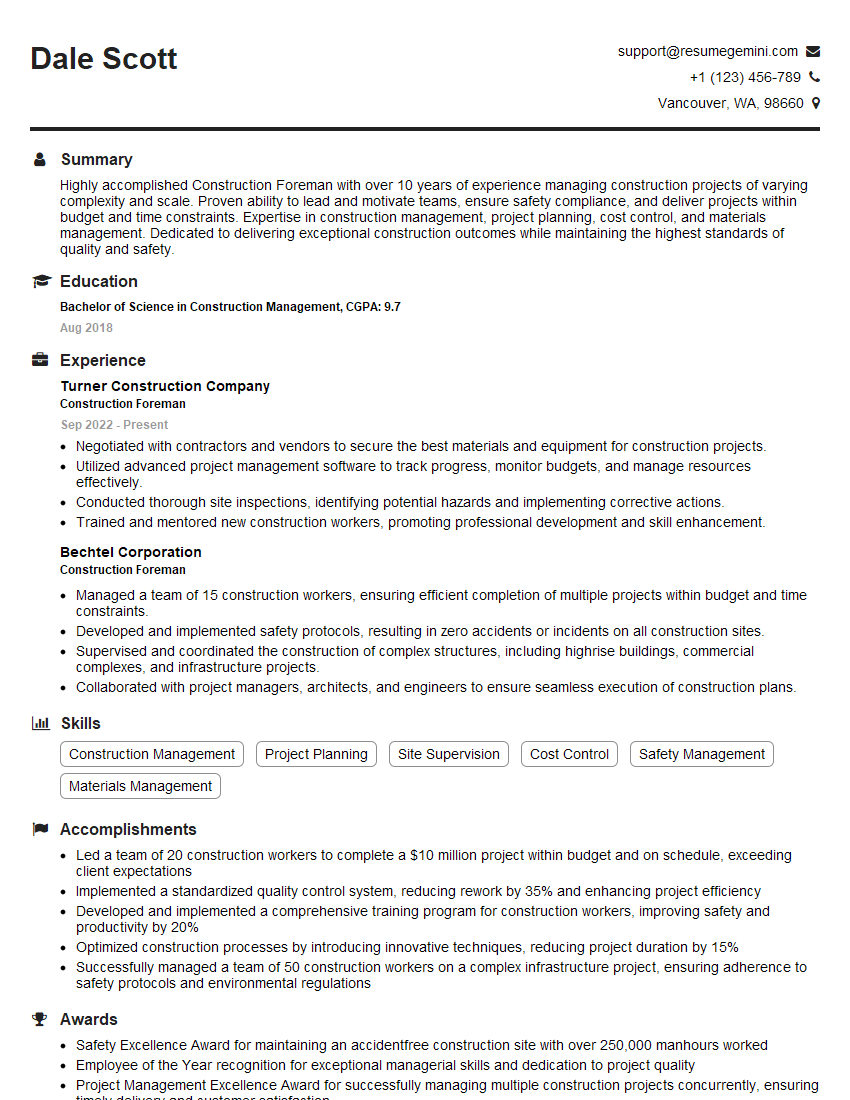
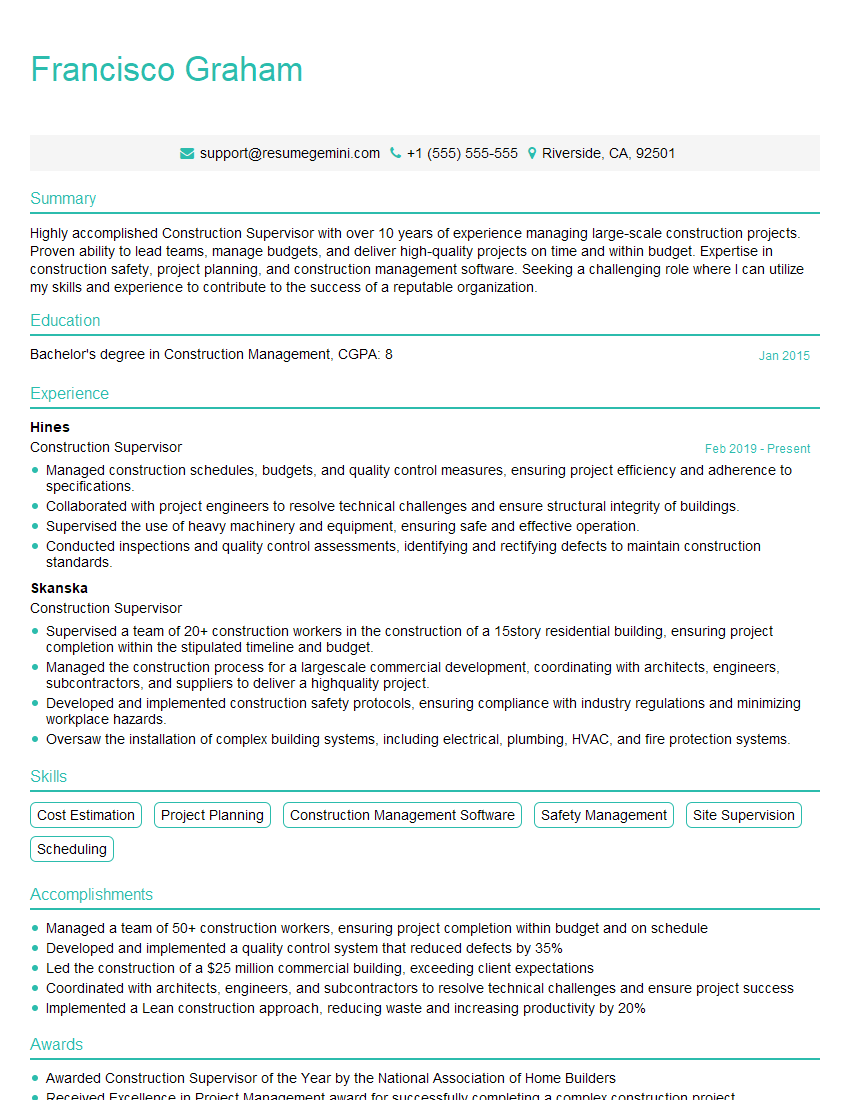
Mastering coffered ceiling installation opens doors to exciting career opportunities in construction and interior finishing. A strong understanding of these techniques demonstrates valuable skills and expertise to potential employers. To maximize your job prospects, creating an ATS-friendly resume is crucial. ResumeGemini is a trusted resource for building professional, impactful resumes that get noticed by recruiters. We offer examples of resumes tailored to Coffered Ceiling Installation to help you showcase your skills effectively.
Explore more articles
Users Rating of Our Blogs
Share Your Experience
We value your feedback! Please rate our content and share your thoughts (optional).
What Readers Say About Our Blog
To the interviewgemini.com Webmaster.
Very helpful and content specific questions to help prepare me for my interview!
Thank you
To the interviewgemini.com Webmaster.
This was kind of a unique content I found around the specialized skills. Very helpful questions and good detailed answers.
Very Helpful blog, thank you Interviewgemini team.