Interviews are opportunities to demonstrate your expertise, and this guide is here to help you shine. Explore the essential Cognitive Impairment Evaluation interview questions that employers frequently ask, paired with strategies for crafting responses that set you apart from the competition.
Questions Asked in Cognitive Impairment Evaluation Interview
Q 1. Describe the process of administering and interpreting the Mini-Mental State Examination (MMSE).
The Mini-Mental State Examination (MMSE) is a widely used 30-point screening tool for cognitive impairment. Administering it involves a structured interview assessing various cognitive domains. The examiner asks a series of questions and observes the patient’s performance on tasks. For example, it assesses orientation (to time and place), registration (remembering three words), attention and calculation (serial 7s subtraction), recall (remembering the three words from earlier), language (naming, repetition, following commands, writing, reading), and visual construction (copying a geometric design).
Interpretation involves summing the scores. A lower score suggests greater cognitive impairment. A score below 24 often indicates cognitive impairment, though the cutoff can vary depending on the population being assessed (e.g., education level, age). It’s crucial to remember the MMSE is a screening tool, not a diagnostic test. A low score necessitates further, more comprehensive neuropsychological evaluation to pinpoint the specific type and severity of cognitive impairment. For example, a patient scoring poorly on the language section might prompt further investigation into potential aphasia. Scores must be interpreted within the context of the patient’s education level, age, and cultural background.
Let’s say a patient scores a 18/30. This would raise a red flag, suggesting significant cognitive impairment. However, we wouldn’t diagnose dementia solely based on this. Further testing would be needed, like detailed neuropsychological testing and brain imaging to determine the cause and nature of the cognitive decline.
Q 2. Explain the differences between delirium, dementia, and depression.
Delirium, dementia, and depression are distinct conditions that can affect cognition, though they often overlap. Understanding their differences is crucial for accurate diagnosis and management.
- Delirium: This is an acute, fluctuating disturbance of consciousness and cognition. Think of it as a sudden clouding of mental function. Symptoms include disorientation, inattention, impaired memory, and altered perception (hallucinations or delusions). It often develops rapidly, typically within hours or days, and frequently resolves with treatment of the underlying cause, which might be infection, medication side effects, or electrolyte imbalance. Imagine someone suddenly becoming confused and agitated after surgery – that could be delirium.
- Dementia: This is a chronic or progressive decline in cognitive abilities severe enough to interfere with daily functioning. It’s characterized by a gradual onset and progressive worsening of memory, language, executive function, and other cognitive skills. Unlike delirium, it is not a fluctuating state; symptoms persist over time and worsen progressively. Alzheimer’s disease is the most common type of dementia.
- Depression: While primarily a mood disorder, depression can significantly impact cognitive function, manifesting as difficulties with concentration, memory, and decision-making. Unlike dementia, cognitive deficits associated with depression are often less severe and may improve with treatment of the depression. For example, someone with depression might find it difficult to recall things due to their low mood, whereas someone with dementia experiences a true impairment in their memory system.
It’s important to note that these conditions can co-occur. An older adult may have dementia and experience a superimposed episode of delirium due to an infection, or someone with depression may also have mild cognitive impairment.
Q 3. What are the key cognitive domains assessed in a comprehensive neuropsychological evaluation?
A comprehensive neuropsychological evaluation assesses a range of cognitive domains. This goes far beyond what a screening tool like the MMSE can provide. Key domains include:
- Attention and Concentration: Ability to focus, sustain attention, and switch between tasks. Tests might involve digit span tasks or continuous performance tests.
- Memory: Encoding, storage, and retrieval of information. Assessed through immediate, short-term, and long-term memory tests, including verbal and visual memory tasks.
- Language: Understanding and using language, including naming, fluency, comprehension, and repetition. Evaluated through tests like the Boston Naming Test.
- Visuospatial/Constructional Abilities: Visual perception, spatial reasoning, and drawing abilities. Assessed with tasks such as copying geometric designs or drawing clocks.
- Executive Functions: Higher-level cognitive abilities like planning, problem-solving, mental flexibility, and inhibition. Tests include the Wisconsin Card Sorting Test or Tower of London test.
- Processing Speed: The speed at which information is processed. Assessed with tasks such as symbol-digit coding.
The specific tests used vary depending on the patient’s presenting symptoms, suspected diagnosis, and referral questions.
Q 4. How would you differentiate between aphasia and apraxia?
Aphasia and apraxia are both neurological disorders that affect language and motor function, but they differ significantly.
- Aphasia: A language disorder affecting the ability to understand, produce, or use language. It can impact speaking, reading, writing, and understanding spoken or written language. Different types of aphasia exist, such as Broca’s aphasia (difficulty producing speech), Wernicke’s aphasia (difficulty understanding speech), and global aphasia (severe impairment in both comprehension and production).
- Apraxia: A motor planning disorder characterized by difficulty performing skilled movements, even when the individual has the physical ability to do so. This isn’t due to weakness or paralysis, but rather a problem with planning and executing the motor sequence. Apraxia can manifest in various ways, including ideomotor apraxia (difficulty performing movements on command), ideational apraxia (difficulty with the sequential steps of a task), and oral apraxia (difficulty with the coordinated movements of the mouth and tongue).
In essence, aphasia is a problem with language, while apraxia is a problem with motor planning. A patient with aphasia might struggle to say the word ‘hammer’ even though they understand its function. A patient with apraxia might be unable to use a hammer correctly even though they understand what it is and what it is used for.
Q 5. Discuss the role of neuroimaging (e.g., MRI, CT) in the assessment of cognitive impairment.
Neuroimaging techniques, such as MRI and CT scans, play a vital role in the assessment of cognitive impairment. They provide structural and sometimes functional information about the brain, helping to identify potential causes of cognitive decline.
- MRI (Magnetic Resonance Imaging): Provides detailed images of brain structures, allowing for the detection of atrophy (shrinkage of brain tissue), lesions, tumors, and other abnormalities that might contribute to cognitive impairment. For instance, in Alzheimer’s disease, MRI often shows atrophy in the hippocampus and temporal lobes.
- CT (Computed Tomography): Provides less detailed images than MRI but is quicker and can detect acute changes, such as bleeding or stroke. This is particularly useful for ruling out certain conditions that can mimic cognitive impairment, such as a subdural hematoma.
While neuroimaging can provide valuable clues, it is not a definitive diagnostic tool on its own. The findings from neuroimaging must be interpreted in conjunction with the clinical presentation, neuropsychological test results, and other relevant information to arrive at a diagnosis.
Q 6. What are some common causes of cognitive decline in older adults?
Several factors can contribute to cognitive decline in older adults. Some are modifiable, while others are not.
- Neurodegenerative diseases: Alzheimer’s disease, Parkinson’s disease, frontotemporal dementia, and others cause progressive damage to brain cells, leading to cognitive decline.
- Vascular disease: Strokes, high blood pressure, and other vascular problems can damage brain tissue, leading to cognitive impairment. This is often referred to as vascular dementia.
- Infections: Encephalitis or meningitis can cause inflammation in the brain, leading to cognitive impairment. Even less severe infections can sometimes temporarily impact cognitive abilities in older adults.
- Medication side effects: Certain medications can cause cognitive side effects as a result of the way they affect neurotransmitter systems in the brain.
- Head injury: Traumatic brain injury can cause both immediate and long-term cognitive problems.
- Substance abuse: Excessive alcohol use or drug abuse can damage the brain, leading to cognitive decline.
- Depression: As discussed previously, depression can significantly affect cognitive performance.
- Vitamin deficiencies: Especially B12 deficiency can cause cognitive decline.
It’s vital to investigate the potential contributing factors when evaluating cognitive decline, as this informs treatment strategies.
Q 7. Explain the concept of cognitive reserve and its implications for assessment.
Cognitive reserve refers to the brain’s resilience to injury or disease. It’s the idea that some individuals can maintain cognitive function even with significant brain pathology due to factors that have built up their brain’s capacity over time. Think of it like this: two individuals might have the same amount of brain damage, but one might show more significant cognitive impairment than the other because of differences in their cognitive reserve.
Factors contributing to cognitive reserve include higher education levels, engaging in intellectually stimulating activities (like reading or playing games), complex occupations, and a socially active lifestyle. Individuals with high cognitive reserve may show fewer symptoms of cognitive impairment despite having significant brain pathology. This is important for assessment because it highlights that the severity of cognitive impairment is not solely determined by the extent of brain damage but also by the individual’s inherent resilience. A patient with high cognitive reserve might compensate for brain damage better than another patient. Therefore, it’s vital to consider factors that could influence cognitive reserve when interpreting neuropsychological test scores and making a diagnosis.
In practice, a thorough history taking including education level, occupation, hobbies, and social engagement should help assess an individual’s potential cognitive reserve. The presence of significant brain pathology does not automatically equate to significant cognitive impairment.
Q 8. How do you assess for executive dysfunction in a patient?
Executive dysfunction refers to difficulties with higher-level cognitive processes that help us plan, organize, and execute tasks. Assessing for this involves looking beyond basic memory and attention. We use a multi-faceted approach.
Behavioral Observation: I observe the patient during the interview, noting their ability to follow instructions, manage their time, and switch between tasks. For example, I might notice difficulty organizing their thoughts during a narrative or trouble following a multi-step command.
Formal Neuropsychological Testing: Tests like the Wisconsin Card Sorting Test (WCST) assess abstract reasoning and set-shifting abilities. The Trail Making Test measures visual attention and executive control. The Tower of London test evaluates planning and problem-solving skills. Poor performance on these tests indicates potential executive dysfunction.
Self-Report Measures: Questionnaires like the Behavioral Rating Inventory of Executive Function (BRIEF) provide valuable insights into how executive difficulties impact daily life from the perspective of both the patient and their caregivers. This helps contextualize the findings from formal testing.
Collateral Information: Input from family or caregivers about the patient’s daily functioning provides crucial context. For instance, are they struggling with managing finances, remembering appointments, or completing household tasks? This information often reveals subtle executive difficulties that may not be apparent in a brief clinical interview.
Integrating information from all these sources paints a comprehensive picture of the patient’s executive functioning and its impact on their daily life. It’s crucial to consider the patient’s premorbid functioning – their abilities before the onset of any cognitive impairment – to accurately interpret findings.
Q 9. Describe your experience with different types of memory tests (e.g., verbal, visual, working memory).
My experience encompasses a wide range of memory tests, tailored to the specific needs of each patient. I utilize both standardized and informal assessments.
Verbal Memory: I frequently use tests like the California Verbal Learning Test (CVLT), which assesses learning, recall, and recognition of word lists. The Rey Auditory Verbal Learning Test (RAVLT) is another commonly used test that measures similar aspects of verbal memory.
Visual Memory: The Rey-Osterrieth Complex Figure Test (ROCF) is a powerful tool for evaluating visual memory and constructional praxis (the ability to copy complex designs). I also use visual reproduction tasks with simple and complex figures to assess different aspects of visual memory.
Working Memory: Tests like the Digit Span subtest from the Wechsler Adult Intelligence Scale (WAIS) assess the ability to hold and manipulate information in mind. The Corsi Block Tapping Test evaluates spatial working memory.
Selecting the appropriate tests depends on factors such as patient age, education, suspected cognitive deficits, and the overall goals of the assessment. For instance, with a suspected traumatic brain injury, I might focus more on tests assessing visual memory and processing speed, while in cases of Alzheimer’s disease, verbal memory assessments are often emphasized. The interpretation of results always considers the patient’s overall profile, not just individual test scores.
Q 10. How would you approach a patient exhibiting significant visuospatial deficits?
Visuospatial deficits involve impairments in the ability to perceive, analyze, and manipulate visual information. My approach involves a thorough assessment and tailored interventions.
Comprehensive Assessment: This includes a detailed history, neurological examination, and neuropsychological testing. Tests such as the ROCF, clock drawing test, and line bisection tasks are crucial for identifying the specific nature and severity of the visuospatial impairments.
Differential Diagnosis: It’s critical to rule out other conditions that could cause similar symptoms, such as stroke, brain tumor, or other neurological disorders. Medical imaging (CT or MRI scans) may be necessary.
Functional Impact Assessment: I assess how the visuospatial deficits affect daily living. This includes evaluating the patient’s ability to navigate, read maps, perform ADLs (Activities of Daily Living) like dressing or grooming, and drive.
Interventions: The intervention strategy would be tailored to the specific deficits and their impact on daily functioning. This might involve visual perceptual training, strategies for compensating for deficits (e.g., using large-print materials, assistive devices), environmental modifications (e.g., simplifying the home environment), or occupational therapy to improve functional skills.
For example, a patient struggling with navigation might benefit from using GPS devices and visual aids, while someone with difficulty with dressing might need adaptive clothing. The key is to create a holistic plan to maximize independence and quality of life.
Q 11. What are some common challenges in assessing cognitive impairment in individuals with comorbid conditions?
Assessing cognitive impairment in individuals with comorbid conditions presents several challenges. The presence of multiple health issues can complicate the interpretation of test results.
Difficulties Isolating Cognitive Deficits: Comorbid conditions such as depression, anxiety, or chronic pain can mimic cognitive symptoms, making it difficult to determine the true extent of cognitive impairment. For example, depression can cause slowed processing speed and difficulty with concentration, similar to some aspects of cognitive impairment.
Medication Effects: Certain medications can affect cognitive function, influencing test performance. Polypharmacy (taking multiple medications) exacerbates this problem, making it difficult to distinguish between medication side effects and underlying cognitive impairment.
Sensory and Physical Limitations: Conditions such as vision or hearing loss, arthritis, or other physical limitations can impact the patient’s ability to participate in testing, resulting in inaccurate or incomplete assessment results.
Motivation and Effort: Patients with comorbid conditions may have reduced motivation or effort during testing, potentially underestimating their actual cognitive abilities.
Addressing these challenges requires a thorough understanding of the patient’s medical history, a careful review of their medications, and the use of appropriate assessment tools that minimize the influence of comorbid conditions. When possible, incorporating collateral information from reliable sources such as family members or caregivers is vital for obtaining a comprehensive picture.
Q 12. Discuss the ethical considerations involved in assessing cognitive impairment.
Ethical considerations are paramount in cognitive impairment assessment.
Informed Consent: Obtaining truly informed consent is crucial, especially when the patient’s cognitive capacity might be impaired. If the patient lacks the capacity to provide consent, it’s necessary to involve a legal guardian or surrogate decision-maker. This involves ensuring the individual understands the purpose, procedures, and potential risks and benefits of the assessment.
Confidentiality: Maintaining patient confidentiality is essential. All information gathered during the assessment must be kept private and shared only with authorized individuals involved in the patient’s care.
Competence: Clinicians must have the necessary training and expertise to conduct accurate and reliable cognitive assessments. Misinterpreting results can have significant consequences for the patient.
Avoiding Bias: It’s critical to avoid biases during assessment and interpretation. This includes avoiding cultural or age-related biases that could lead to inaccurate diagnosis or treatment recommendations.
Beneficence and Non-maleficence: The assessment process should always aim to benefit the patient while minimizing any potential harm. This requires careful consideration of the potential impact of assessment results on the patient’s life.
For instance, if a patient’s driving abilities are impacted, it’s ethically important to communicate this finding sensitively and offer resources to help them adapt. Ethical practice requires balancing the need for accurate assessment with the patient’s well-being and autonomy.
Q 13. How do you communicate complex assessment findings to patients and their families?
Communicating complex assessment findings requires clear, empathetic, and patient-centered communication.
Tailoring the Language: I avoid medical jargon and use plain language that the patient and family can easily understand. I provide examples and analogies to clarify complex concepts.
Visual Aids: Using graphs, charts, or other visual aids can help to illustrate assessment findings and make them more understandable. For example, showing a graph of memory performance over time can be more impactful than simply stating the numerical scores.
Active Listening and Empathy: I create a safe space for the patient and family to ask questions and express their concerns. Active listening and empathy are vital for building trust and addressing their emotional needs.
Collaborative Approach: I present the findings as a collaborative effort, working with the patient and family to develop a shared understanding of the results and their implications.
Written Summary: I provide a written summary of the assessment findings to ensure that everyone has a clear record of the information discussed.
It’s important to address the emotional impact of the diagnosis, offering support and resources for coping with the challenges ahead. For example, I might refer the patient and family to support groups or other resources available in the community.
Q 14. Explain your approach to developing a comprehensive treatment plan for a patient with cognitive impairment.
Developing a comprehensive treatment plan for a patient with cognitive impairment involves a multidisciplinary approach and a focus on individual needs.
Assessment-Driven Plan: The treatment plan should be tailored to the specific cognitive deficits identified during the assessment. For example, if the patient has significant memory problems, strategies to enhance memory, such as using memory aids, will be prioritized.
Multidisciplinary Collaboration: This often involves collaboration with neurologists, psychiatrists, occupational therapists, speech-language pathologists, and social workers. Each specialist contributes their expertise to address different aspects of the patient’s needs.
Pharmacological Interventions: Medications may be prescribed to address underlying medical conditions or to manage specific symptoms, such as agitation or depression. The choice of medication will be based on the patient’s individual circumstances and medical history.
Non-pharmacological Interventions: These may include cognitive stimulation therapy, memory training, problem-solving skills training, and adaptive strategies to compensate for cognitive deficits. Occupational therapy can assist in adapting the home environment and teaching compensatory strategies for daily living.
Caregiver Support: Providing support and education for caregivers is critical. This may involve training on how to manage challenging behaviors, communication strategies, and accessing resources for respite care.
Regular Monitoring and Evaluation: The effectiveness of the treatment plan should be regularly monitored, with adjustments made as needed. This ensures that the plan remains relevant and effective as the patient’s condition changes over time.
Developing a comprehensive treatment plan is an ongoing process that requires ongoing communication and collaboration among healthcare professionals, the patient, and their family. The ultimate goal is to improve the patient’s quality of life and maximize their functional independence.
Q 15. What are some evidence-based interventions for individuals with mild cognitive impairment?
Evidence-based interventions for mild cognitive impairment (MCI) focus on enhancing cognitive function and preserving independence. These interventions are tailored to the individual’s specific cognitive deficits and needs. They aren’t cures but aim to slow decline and improve quality of life.
Cognitive Stimulation Therapy (CST): This group-based approach uses engaging activities to stimulate various cognitive domains like memory, attention, and language. For example, participants might play memory games, discuss current events, or engage in problem-solving tasks. I’ve seen CST improve social engagement and cognitive performance in several patients.
Cognitive Training: This involves personalized computer-based exercises targeting specific cognitive skills. Software programs often adapt to the individual’s performance, providing challenges at the appropriate level. This approach can be particularly effective for improving attention and working memory. I often use this in conjunction with other therapies.
Exercise and Physical Activity: Regular physical activity has been shown to have a positive impact on brain health and cognitive function. Encouraging patients to engage in aerobic exercise, strength training, or balance exercises is crucial. It’s amazing to see the positive effects on mood and cognitive function.
Lifestyle Modifications: This includes promoting healthy eating, managing stress, getting adequate sleep, and engaging in mentally stimulating activities like reading, puzzles, or learning a new skill. These lifestyle changes help maintain overall brain health and may help delay or reduce the severity of cognitive decline.
Medication: In some cases, medications like cholinesterase inhibitors may be prescribed to help manage symptoms, although their effectiveness varies. This is usually considered in conjunction with other therapies and is carefully monitored for efficacy and side effects.
Career Expert Tips:
- Ace those interviews! Prepare effectively by reviewing the Top 50 Most Common Interview Questions on ResumeGemini.
- Navigate your job search with confidence! Explore a wide range of Career Tips on ResumeGemini. Learn about common challenges and recommendations to overcome them.
- Craft the perfect resume! Master the Art of Resume Writing with ResumeGemini’s guide. Showcase your unique qualifications and achievements effectively.
- Don’t miss out on holiday savings! Build your dream resume with ResumeGemini’s ATS optimized templates.
Q 16. Describe your experience with different types of cognitive rehabilitation therapies.
My experience with cognitive rehabilitation therapies spans a wide range of approaches, each tailored to address specific cognitive deficits.
Memory Rehabilitation: I’ve utilized techniques like mnemonic strategies (e.g., using visual imagery or creating rhymes to remember information), spaced retrieval (gradually increasing the time intervals between memory retrieval attempts), and errorless learning (minimizing opportunities for incorrect responses). I find this particularly helpful for patients with memory problems related to Alzheimer’s disease.
Attention Training: I frequently employ attention training exercises, including computer-based programs and paper-and-pencil tasks targeting selective attention, sustained attention, and divided attention. These exercises help improve focus and concentration, which many patients find incredibly helpful in daily life.
Executive Function Training: This focuses on improving planning, problem-solving, and decision-making skills. I incorporate tasks such as planning complex activities, organizing materials, and working through multi-step problems. Seeing patients regain the ability to manage their daily lives independently is very rewarding.
Language Rehabilitation: For patients with language difficulties, I utilize techniques such as naming therapy, sentence construction exercises, and conversational practice to improve verbal fluency, comprehension, and expression. I frequently adapt these techniques based on the severity and type of language impairment.
I often combine these therapies for a holistic approach, and carefully monitor progress to adjust the intervention as needed. The key is personalization, recognizing that what works for one patient may not work for another.
Q 17. How do you measure the effectiveness of cognitive rehabilitation interventions?
Measuring the effectiveness of cognitive rehabilitation interventions is crucial for evaluating their impact and ensuring best practice. We use a multi-faceted approach.
Neuropsychological Testing: Pre- and post-intervention assessments using standardized tests like the Mini-Mental State Examination (MMSE), Montreal Cognitive Assessment (MoCA), or specific tests for attention, memory, or executive function allow for quantitative measurement of change in cognitive performance.
Functional Assessments: Evaluating the patient’s ability to perform activities of daily living (ADLs) through observation, interviews, and standardized questionnaires provides a measure of the intervention’s impact on real-world function. For instance, we might assess their ability to manage finances, cook meals, or take medications.
Quality of Life Measures: Questionnaires assessing the patient’s perception of their well-being, mood, and social participation provide important qualitative data about the intervention’s impact. These measures are particularly valuable in understanding the patient’s experience.
Caregiver Report: Involving caregivers in the assessment process provides a valuable perspective on the patient’s functional improvements and behavioral changes. Their observations can complement the objective data collected through formal assessments.
Combining these methods provides a comprehensive picture of the effectiveness of the intervention, guiding adjustments to the therapy plan as needed. It’s essential to consider the individual’s baseline functioning and potential for improvement when interpreting results.
Q 18. What are some strategies for managing behavioral disturbances associated with cognitive impairment?
Behavioral disturbances, such as agitation, aggression, or apathy, are common in individuals with cognitive impairment and require a tailored approach to management. Effective strategies are multifaceted and often involve collaboration with caregivers and other healthcare professionals.
Environmental Modifications: Creating a calm and predictable environment can significantly reduce behavioral disturbances. This might involve minimizing sensory overload, establishing a regular routine, and using visual cues to aid orientation.
Behavioral Interventions: Techniques such as positive reinforcement, redirection, and consistency in setting limits are often effective. For instance, rewarding calm behavior while ignoring or redirecting disruptive behavior can be beneficial.
Pharmacological Interventions: In some cases, medication may be necessary to manage severe behavioral disturbances. This decision is made in consultation with a psychiatrist or physician, considering potential side effects and interactions with other medications. Medication is usually only considered a last resort after careful exploration of non-pharmacological options.
Caregiver Training and Support: Educating and supporting caregivers is vital. Providing them with strategies to manage challenging behaviors, coping mechanisms, and respite care options can greatly improve both the patient’s and the caregiver’s quality of life.
It’s crucial to remember that the underlying cause of the behavior should be addressed. For example, agitation might be due to pain, hunger, or unmet needs. Addressing these underlying causes can significantly reduce behavioral problems.
Q 19. Describe your experience working with different assessment tools for specific cognitive deficits (e.g., attention, executive function, language).
My experience includes utilizing a variety of assessment tools to comprehensively evaluate specific cognitive deficits. The selection of tools depends on the individual’s presentation and the specific concerns.
Attention: The Trail Making Test (TMT), the Stroop Test, and the Test of Everyday Attention (TEA) are commonly used to assess different aspects of attention, such as sustained, selective, and divided attention. The TEA, in particular, provides a good measure of attention in real-world situations.
Executive Function: The Wisconsin Card Sorting Test (WCST), the Tower of London test, and the Stroop Test can help assess planning, problem-solving, cognitive flexibility, and inhibitory control. The WCST is excellent for measuring cognitive flexibility.
Language: The Boston Diagnostic Aphasia Examination (BDAE), the Western Aphasia Battery (WAB), and various subtests from broader neuropsychological batteries help assess verbal fluency, comprehension, repetition, and naming abilities. These tests are tailored to assess different aspects of language processing and identify areas of weakness.
I often use a combination of tests to get a complete picture of the patient’s cognitive strengths and weaknesses, and to track progress over time. Interpretation always considers the patient’s age, cultural background, and educational level.
Q 20. How do you adapt your assessment approach based on a patient’s age, cultural background, and education level?
Adapting the assessment approach is essential for obtaining valid and reliable results. Ignoring factors like age, cultural background, and education level can lead to inaccurate interpretations.
Age: Age-related changes in cognitive performance need to be considered. Normative data for standardized tests usually consider age-related variance. Additionally, assessment should accommodate potential physical limitations related to age.
Cultural Background: Cultural differences can influence performance on cognitive tests. Using culturally appropriate language, providing clear instructions, and selecting tests that minimize cultural biases are important. I always take care to choose tests appropriate for the cultural background and level of education. Using interpreters when necessary ensures accurate and reliable testing.
Education Level: Education level significantly impacts performance on many cognitive tests. Interpreting results requires considering the individual’s educational attainment and acknowledging that lower educational levels might lead to lower baseline scores, not necessarily reflecting cognitive impairment.
In practice, I modify my approach by selecting age-appropriate tests, using culturally sensitive language, adjusting instructions for clarity and comprehension, and interpreting scores within the context of the individual’s educational and cultural background. Sometimes, it may involve using alternative assessment methods, such as functional assessments, to gather a more comprehensive understanding of the individual’s abilities.
Q 21. What are some common pitfalls to avoid when conducting a cognitive assessment?
Several pitfalls can compromise the accuracy and validity of a cognitive assessment. It’s vital to be aware of and avoid these common mistakes.
Insufficient consideration of premorbid functioning: Not adequately understanding a patient’s cognitive abilities before the onset of their impairment can lead to inaccurate conclusions about the extent and nature of their deficits. I always try to gather thorough information about a patient’s past educational attainment, occupational history and any previous cognitive difficulties.
Ignoring the impact of medical and psychiatric conditions: Medical conditions like infections, sleep disorders, or thyroid problems can significantly impact cognitive performance, while psychiatric conditions such as depression or anxiety can mimic cognitive impairment. It is crucial to take a holistic approach to understand the possible influence of these conditions.
Overreliance on a single test: Using only one test can provide a limited understanding of cognitive functioning. A comprehensive assessment should involve multiple tests evaluating different cognitive domains, providing a more complete picture.
Failure to consider the patient’s effort and motivation: Patient cooperation and effort are essential for accurate assessment. Malinger, depression, or lack of understanding can lead to poor test performance.
Insufficient understanding of test limitations: All tests have limitations. It’s vital to understand the strengths and weaknesses of the chosen tests, their sensitivity and specificity for detecting different cognitive impairments and how these could be influenced by patient-specific factors. Thorough understanding of test interpretation is essential.
By carefully considering these potential pitfalls and employing a thorough and well-rounded assessment strategy, we can strive to obtain a more accurate and meaningful understanding of an individual’s cognitive status.
Q 22. Discuss the role of caregiver support in managing cognitive impairment.
Caregiver support is absolutely crucial in managing cognitive impairment. It’s not just about providing practical assistance; it’s about emotional support, education, and advocacy that significantly impacts the patient’s quality of life and the overall management of the condition.
Practical Support: Caregivers often manage daily tasks like medication reminders, meal preparation, personal hygiene, and transportation. This reduces stress on the patient and prevents potentially dangerous situations.
Emotional Support: Cognitive impairment can be incredibly isolating and frustrating for both the patient and the caregiver. Providing emotional support, empathy, and understanding is vital for maintaining a positive relationship and reducing caregiver burden. This often involves active listening, validation of feelings, and offering encouragement.
Education and Training: Educating caregivers about the specific type of cognitive impairment, its progression, and management strategies empowers them to better support their loved ones. This might include learning about behavioral management techniques, communication strategies, and accessing available resources.
Advocacy: Caregivers often act as advocates for their loved ones, navigating the healthcare system, accessing appropriate services, and ensuring their needs are met. This can involve communicating with healthcare providers, managing appointments, and coordinating care.
For example, I worked with a family caring for a patient with Alzheimer’s disease. By providing the caregivers with specific training on communication techniques and memory aids, we significantly improved the patient’s engagement and reduced the caregiver’s stress levels.
Q 23. Explain the difference between subjective and objective measures of cognitive impairment.
The difference between subjective and objective measures in cognitive impairment assessment lies in the source of the information. Subjective measures rely on self-reported information or observations from caregivers, while objective measures involve standardized tests and clinical observations.
Subjective Measures: These involve questionnaires, interviews, or rating scales that assess the patient’s perception of their cognitive abilities and their daily functioning. Examples include the Geriatric Depression Scale or caregiver-reported questionnaires on memory or daily living skills. These are valuable in gaining the patient’s perspective but are susceptible to biases and limitations in recall.
Objective Measures: These are standardized neuropsychological tests, such as the Mini-Mental State Examination (MMSE), Montreal Cognitive Assessment (MoCA), or more comprehensive batteries that assess various cognitive domains like memory, attention, language, and executive function. These provide quantifiable data that can be compared to normative data, making them more reliable for diagnosis and monitoring.
Think of it like this: a patient might subjectively report difficulty remembering things (subjective), but an objective test of memory would provide a quantifiable measure of their actual memory performance (objective). Both types of measures are crucial for a comprehensive evaluation.
Q 24. How do you differentiate between normal age-related cognitive changes and pathological cognitive decline?
Differentiating between normal age-related cognitive changes and pathological cognitive decline requires a careful assessment considering several factors. Normal aging involves some decline in processing speed and certain aspects of memory, but it doesn’t significantly impair daily functioning.
Normal Age-Related Changes: These are gradual, subtle changes that don’t interfere with independence in daily life. Examples include minor difficulties with recalling names, slight slowing of processing speed, and occasional forgetfulness of appointments.
Pathological Cognitive Decline: This involves more significant and progressive decline in cognitive abilities, impacting daily functioning. It’s characterized by noticeable memory loss, difficulty with familiar tasks, disorientation, changes in personality, and impaired judgment. This is often indicative of conditions like Alzheimer’s disease, dementia, or other neurological disorders.
The key distinction is the impact on daily functioning. If cognitive changes interfere with a person’s ability to perform their usual tasks, it warrants further investigation for pathological decline. A comprehensive neuropsychological assessment is often necessary to differentiate the two.
Q 25. Discuss the importance of differential diagnosis in cognitive impairment evaluation.
Differential diagnosis in cognitive impairment evaluation is crucial because many conditions can mimic the symptoms of dementia or other cognitive disorders. Accurate diagnosis ensures appropriate treatment and management.
Importance: Several conditions, such as depression, anxiety, medication side effects, vitamin deficiencies, thyroid disorders, or even sleep disturbances, can present with cognitive symptoms similar to dementia. A thorough differential diagnosis process rules out these reversible causes before concluding a diagnosis of a progressive neurodegenerative disorder.
Process: A comprehensive evaluation includes a detailed history, neurological examination, neuropsychological testing, blood tests, and sometimes neuroimaging studies (like MRI or CT scans). This helps identify the underlying cause of the cognitive impairment, enabling targeted interventions.
For instance, a patient presenting with memory problems might initially be suspected of having Alzheimer’s disease. However, a thorough evaluation might reveal that their symptoms are primarily due to untreated depression, which can be effectively treated with medication and therapy.
Q 26. How do you stay current with the latest research and advances in the field of cognitive impairment?
Staying current in this rapidly evolving field requires a multi-pronged approach.
Professional Journals: I regularly read peer-reviewed journals such as the Journal of the International Neuropsychological Society, Neuropsychology, and Alzheimer’s & Dementia to keep abreast of the latest research findings and treatment advancements.
Conferences and Workshops: Attending conferences and workshops organized by professional organizations like the American Academy of Clinical Neuropsychology (AACN) provides opportunities to learn from leading experts and network with colleagues. This allows for direct exposure to the newest diagnostic tools and treatment approaches.
Continuing Medical Education (CME): Participating in relevant CME courses ensures my knowledge base is up-to-date with the latest guidelines and best practices in cognitive assessment and management.
Online Resources: Reputable websites of organizations like the National Institute on Aging (NIA) and the Alzheimer’s Association provide valuable information on research updates and patient care.
Continual learning is essential for providing optimal care to patients with cognitive impairment.
Q 27. Describe your experience using technology in cognitive assessment and rehabilitation.
Technology has significantly enhanced both assessment and rehabilitation in cognitive impairment.
Assessment: We use computerized neuropsychological tests which offer standardized administration, scoring, and normative data. These tools can be more efficient and objective than traditional paper-and-pencil tests. Examples include computerized versions of the MMSE or MoCA. Some platforms provide detailed performance profiles across different cognitive domains, giving greater insight.
Rehabilitation: Technology offers a wide range of tools for cognitive rehabilitation, including brain training apps, virtual reality therapy, and telehealth platforms. These tools allow for personalized interventions, engaging exercises, and remote monitoring of progress. For example, virtual reality can be used to simulate real-life situations, helping patients practice skills like navigation or financial management in a safe and controlled environment.
In my practice, I have used several computerized assessment tools and have incorporated brain training apps into rehabilitation programs. I’ve found these technologies to be valuable additions to traditional approaches, particularly in enhancing patient engagement and providing objective data to track progress.
Q 28. How would you handle a situation where a patient refuses to participate in a cognitive assessment?
If a patient refuses to participate in a cognitive assessment, it’s crucial to approach the situation with sensitivity and understanding. The reasons for refusal need to be carefully explored.
Understanding the Reasons: Refusal might stem from fear, anxiety, misunderstanding of the procedure, or previous negative experiences. Open communication is key; I would ask the patient about their concerns in a non-judgmental way. This includes addressing their potential anxieties about the results.
Building Rapport: Establishing trust and rapport is crucial. I would explain the assessment’s purpose in simple, clear terms, emphasizing the benefits of identifying any potential issues early on and developing strategies for better management. I would also highlight the confidential nature of the information.
Alternative Approaches: If direct assessment is still refused, I might explore alternative methods, such as shorter, less demanding assessments or focusing on specific concerns the patient has expressed. I might also involve family members to help encourage participation.
Collaboration: In some cases, collaboration with other healthcare professionals, such as a psychiatrist or social worker, might be necessary to address underlying emotional or psychological factors that are contributing to the refusal.
Respecting Autonomy: It’s vital to respect the patient’s autonomy. If, after all efforts, the patient continues to refuse, I would document the situation clearly and explore alternative ways to assess their cognitive function through observation, reports from caregivers, and review of existing medical records.
Ultimately, my goal is to achieve a comprehensive understanding of the patient’s cognitive status while respecting their choices and ensuring their comfort.
Key Topics to Learn for Cognitive Impairment Evaluation Interview
- Neuropsychological Assessment: Understand the various assessment tools and their applications in diagnosing cognitive impairment, including standardized tests and their limitations.
- Differential Diagnosis: Master the art of differentiating between various types of cognitive impairment (e.g., dementia, delirium, mild cognitive impairment) based on clinical presentation and test results. Practice analyzing case studies to hone your diagnostic skills.
- Cognitive Domains: Develop a strong understanding of the key cognitive domains (memory, attention, executive function, language, visuospatial skills) and how they are assessed and impacted by different cognitive disorders.
- Ethical Considerations: Familiarize yourself with ethical principles relevant to the assessment process, including informed consent, confidentiality, and cultural sensitivity.
- Practical Application: Practice interpreting assessment results, writing concise and informative reports, and communicating findings effectively to patients, families, and healthcare professionals. Consider role-playing scenarios to enhance your communication skills.
- Impact of Comorbidities: Explore how co-occurring medical conditions (e.g., depression, anxiety) can influence cognitive performance and the assessment process.
- Intervention Strategies: Gain familiarity with different therapeutic approaches and interventions used to manage and support individuals with cognitive impairment.
- Current Research: Stay updated on recent advancements in the field of cognitive impairment evaluation, including new assessment tools and treatment strategies.
Next Steps
Mastering Cognitive Impairment Evaluation opens doors to rewarding and impactful careers in neuropsychology, geriatrics, and related healthcare fields. To maximize your job prospects, crafting a compelling and ATS-friendly resume is crucial. ResumeGemini is a trusted resource that can significantly enhance your resume-building experience, ensuring your skills and experience shine through to potential employers. Examples of resumes tailored to Cognitive Impairment Evaluation are available to help you create a document that highlights your qualifications effectively. Take the next step in your career journey and build a resume that makes you stand out!
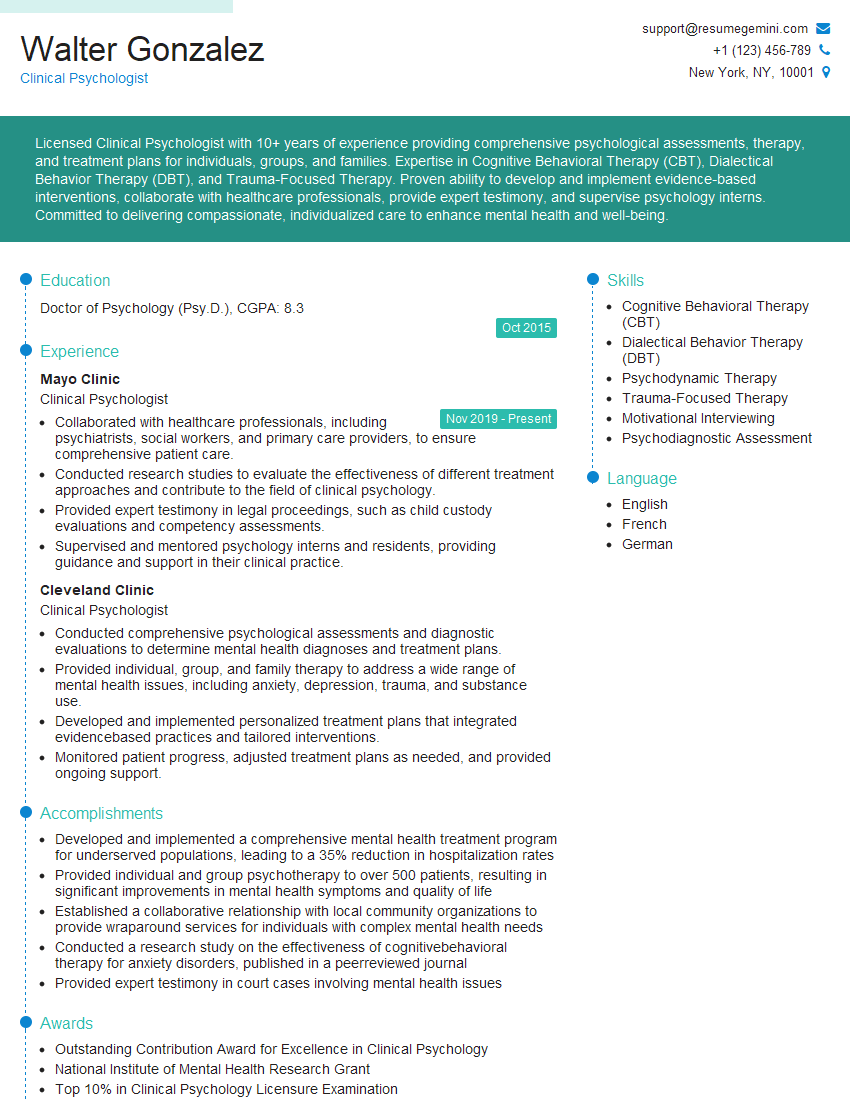
Clinical Psychologist Resume Sample
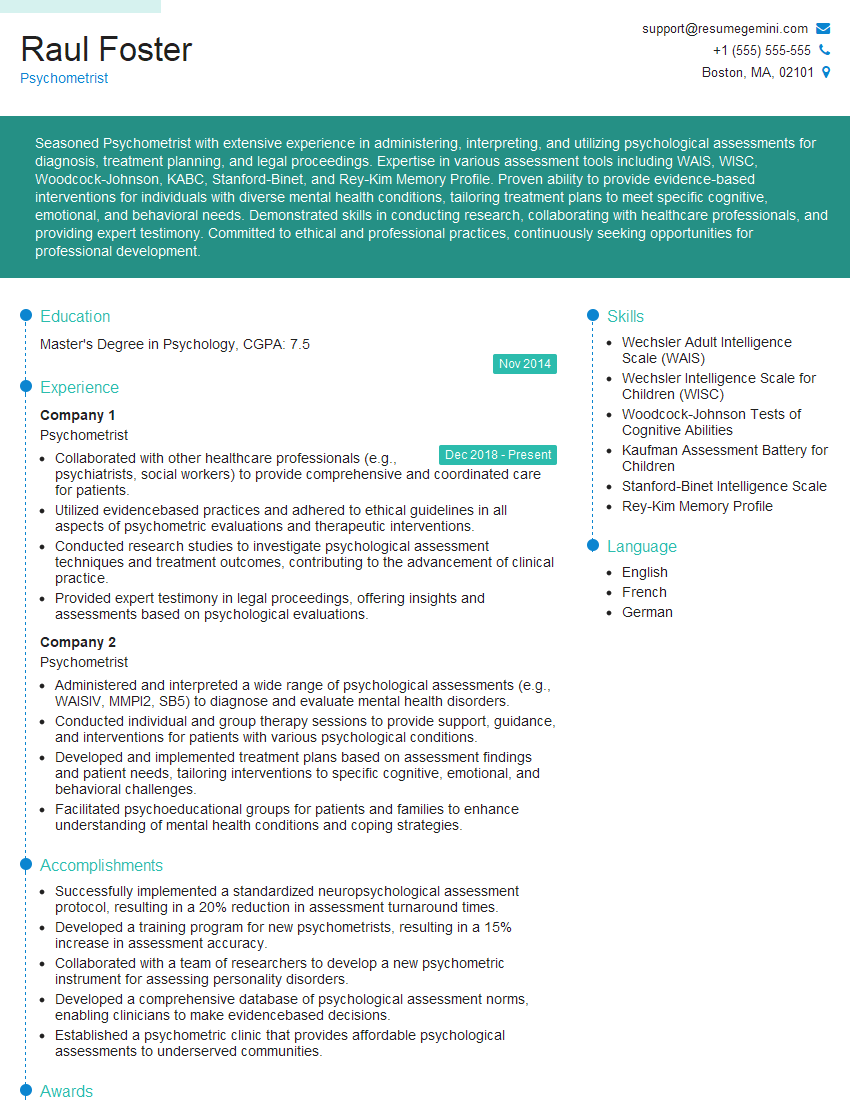
Psychometrist Resume Sample
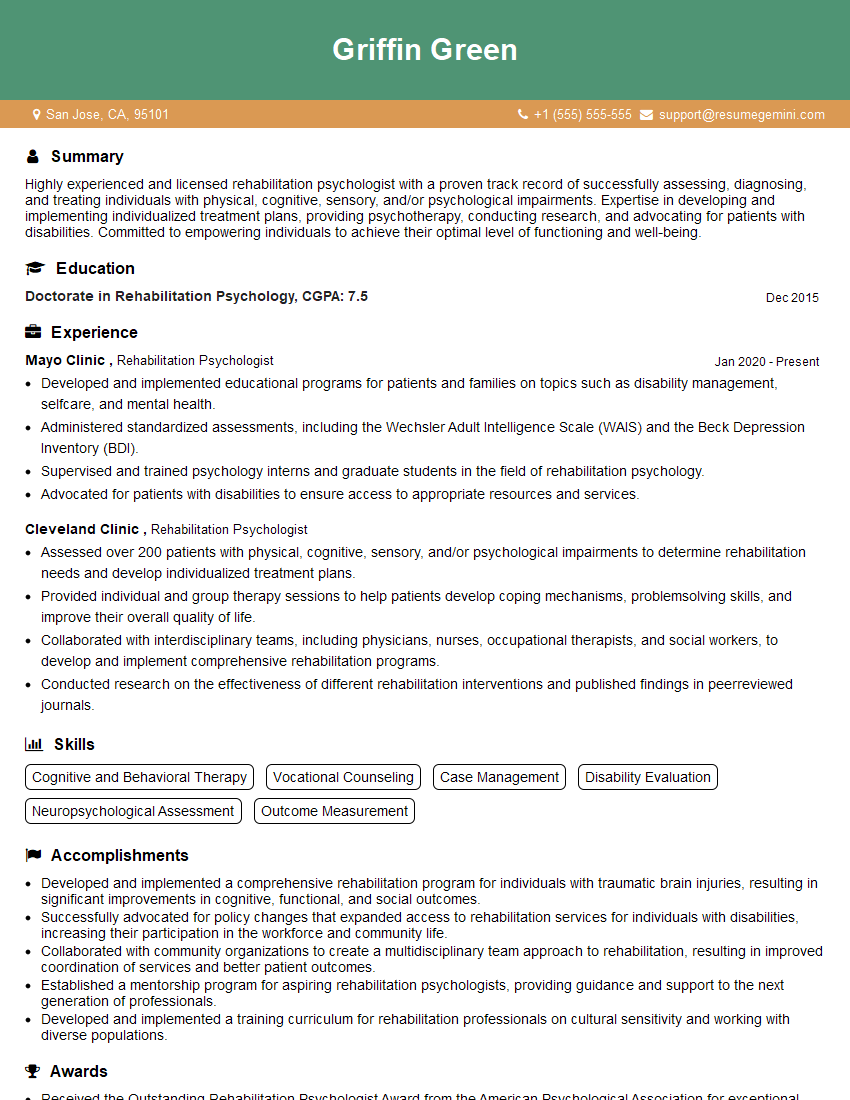
Rehabilitation Psychologist Resume Sample
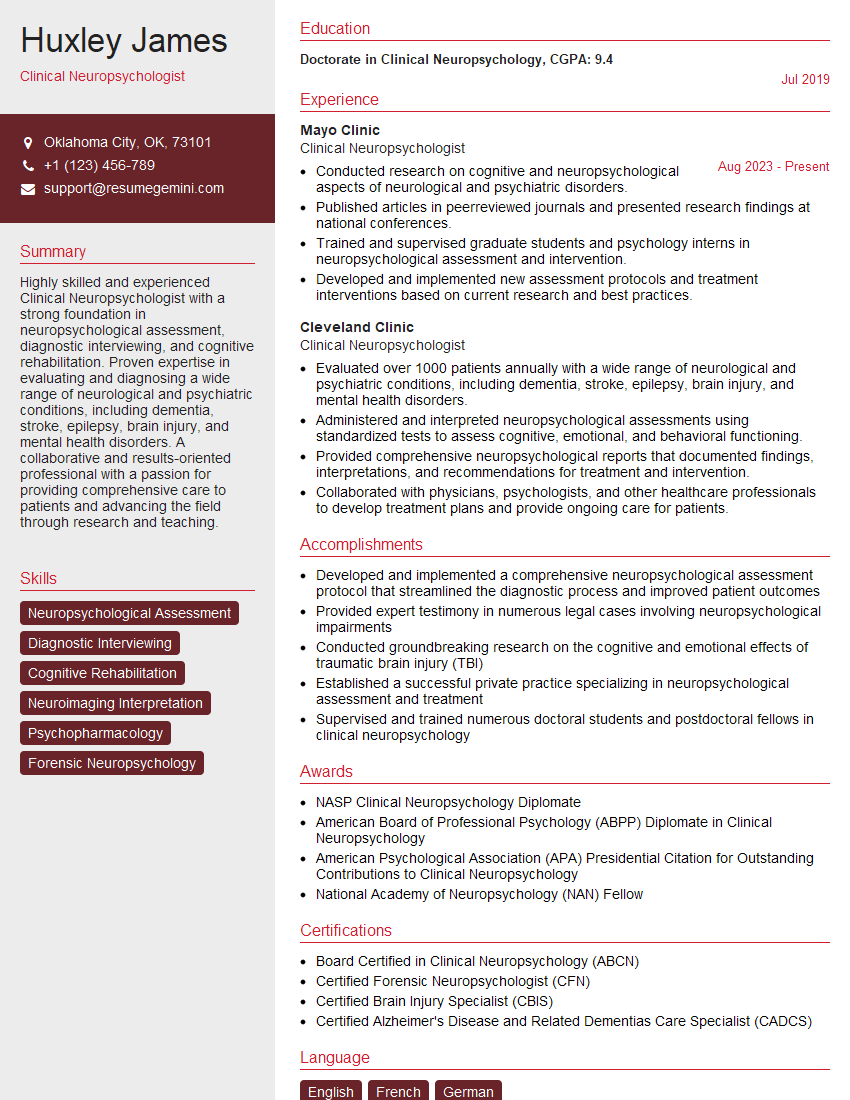
Clinical Neuropsychologist Resume Sample
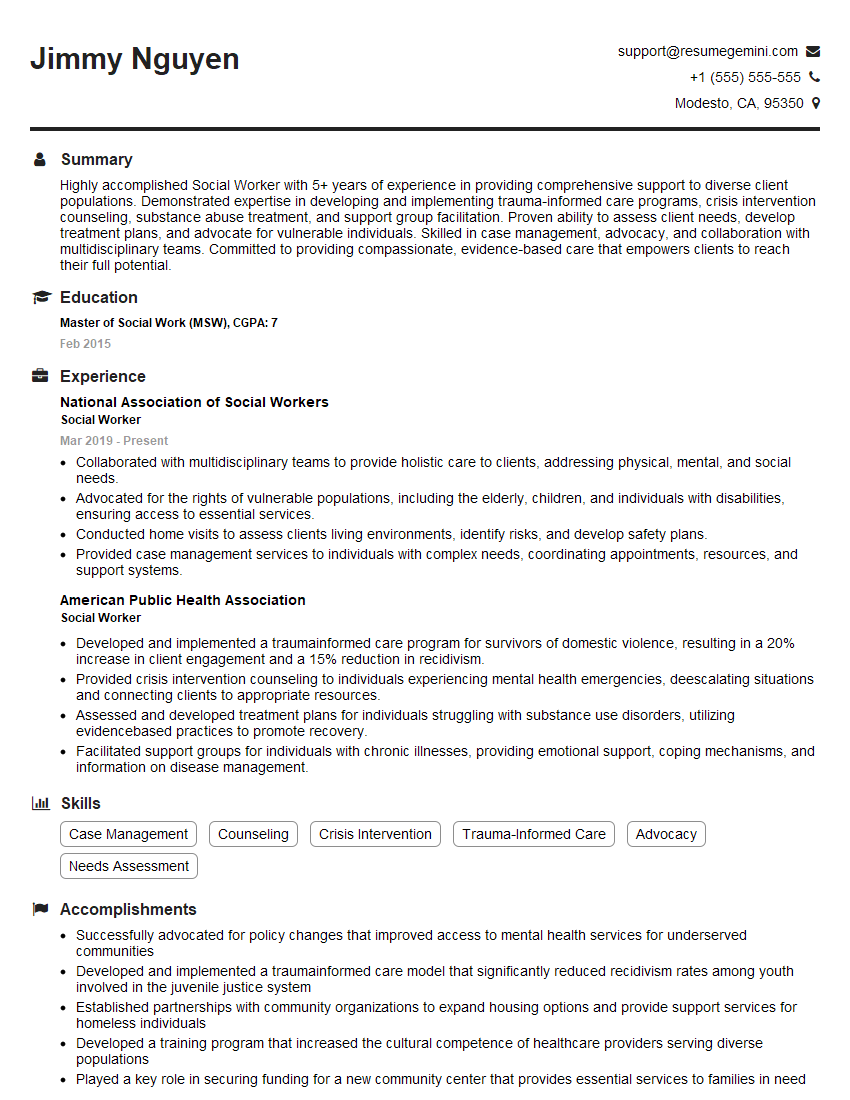
Social Worker Resume Sample
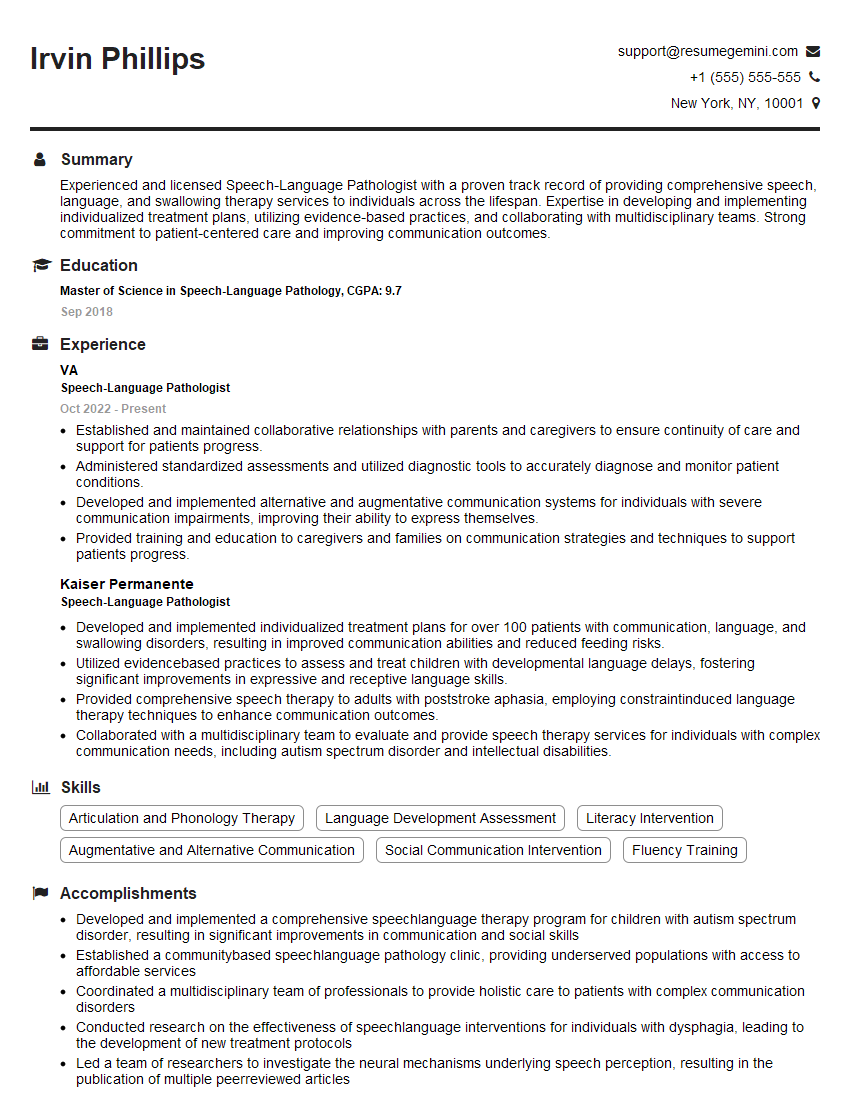
Speech-Language Pathologist Resume Sample
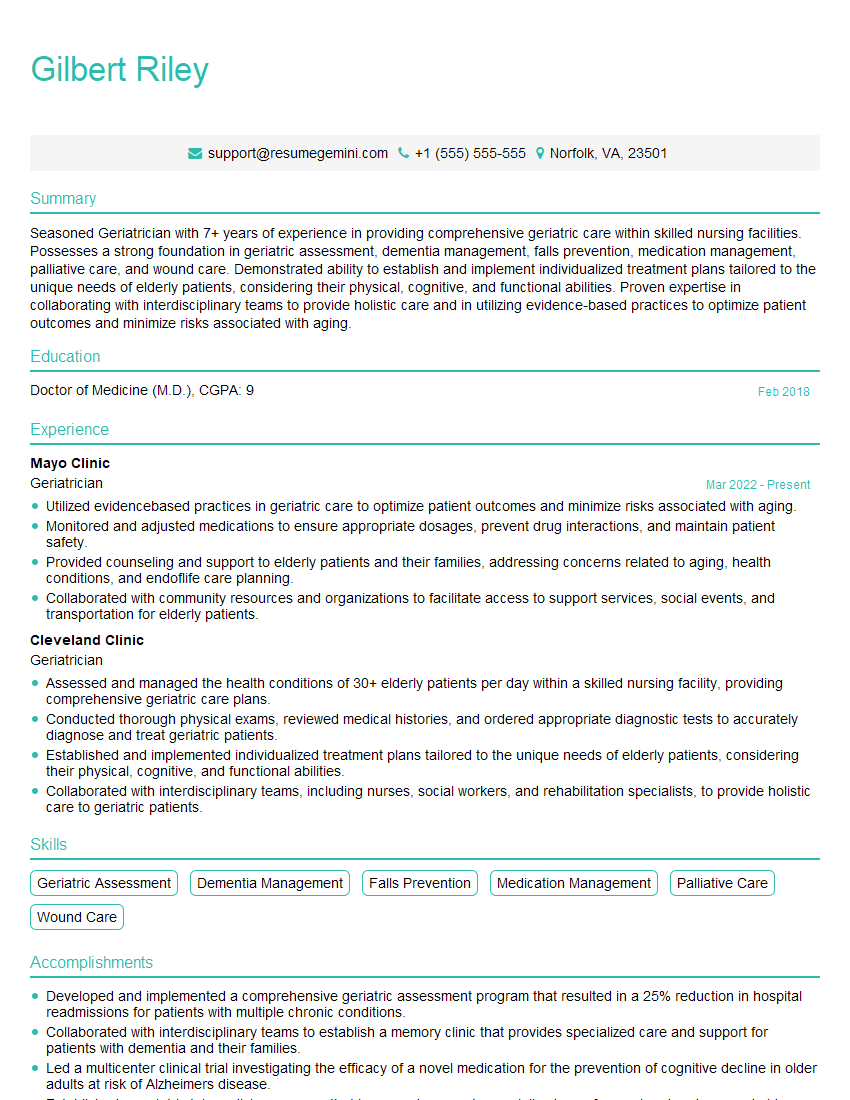
Geriatrician Resume Sample
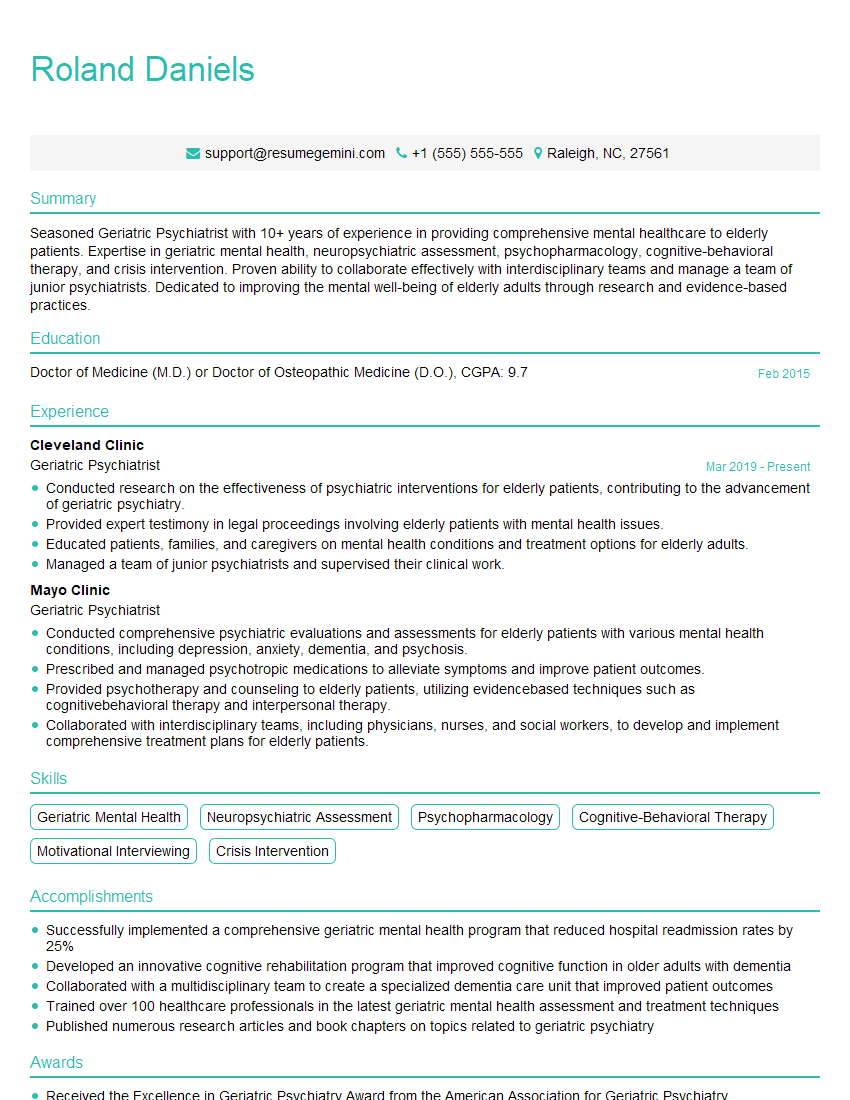
Geriatric Psychiatrist Resume Sample
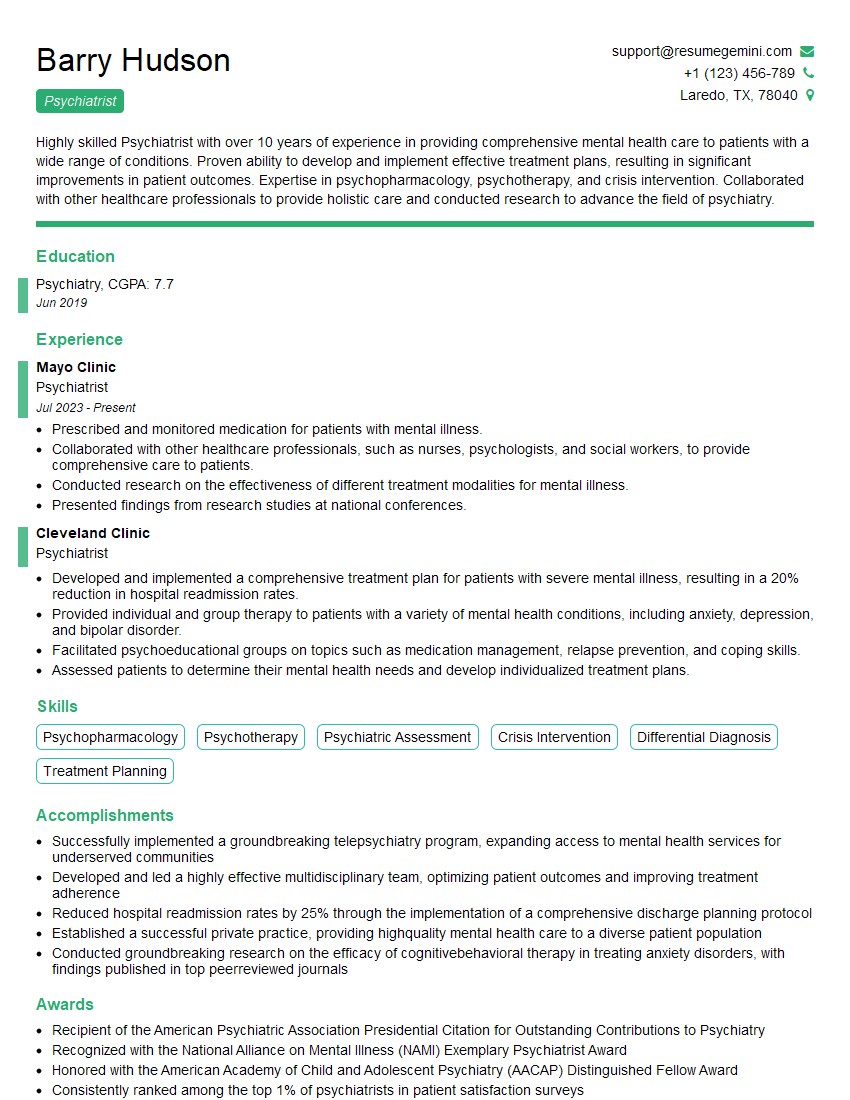
Psychiatrist Resume Sample
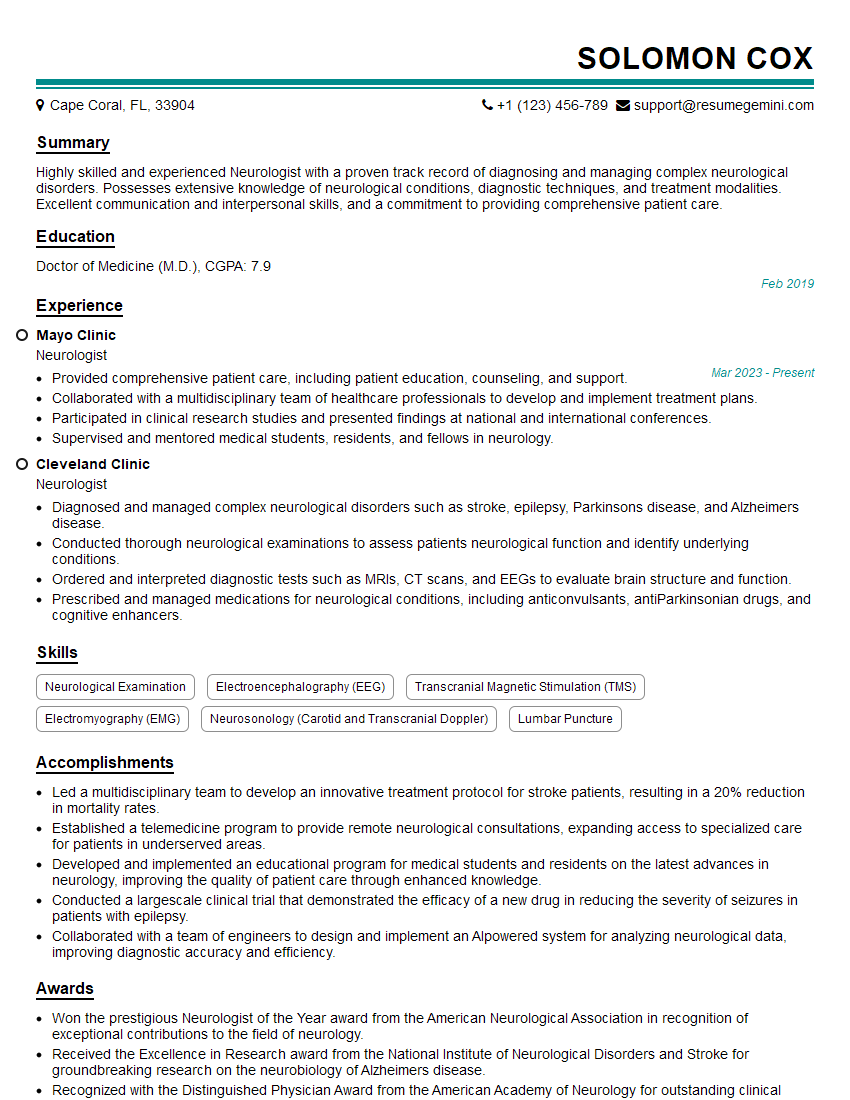
Neurologist Resume Sample
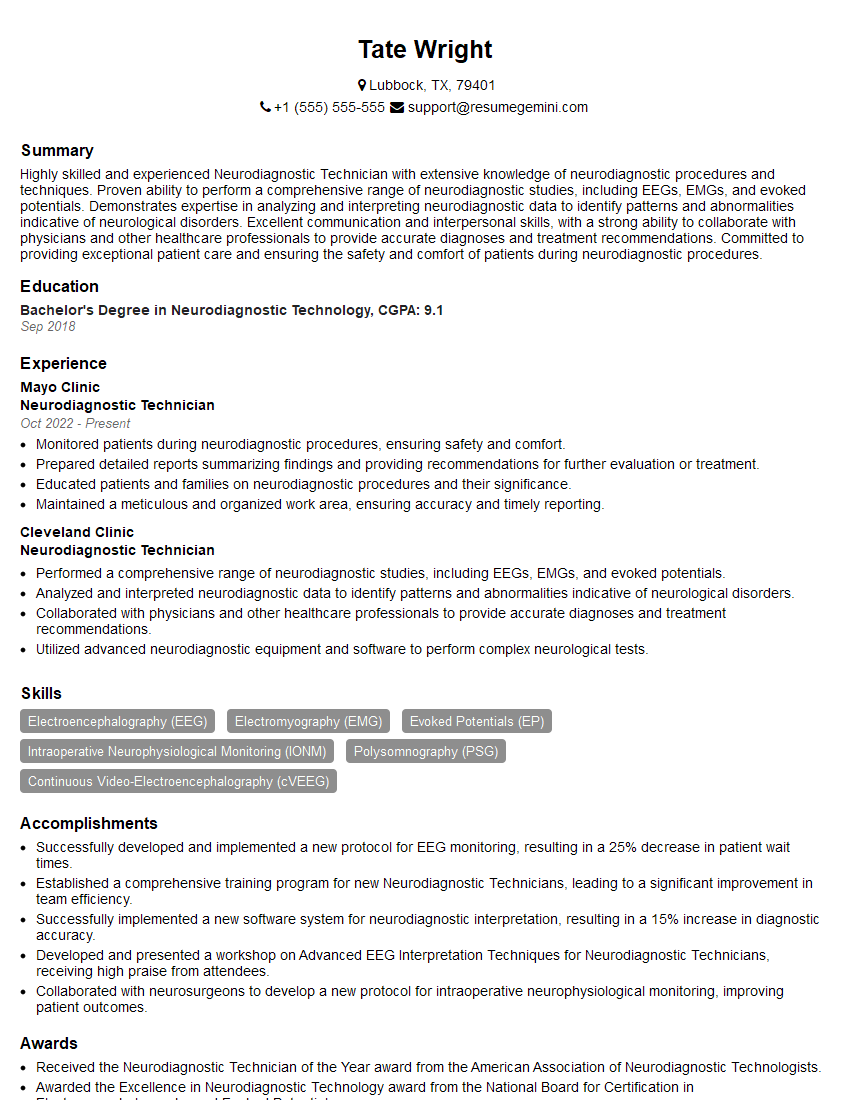
Neurodiagnostic Technician Resume Sample
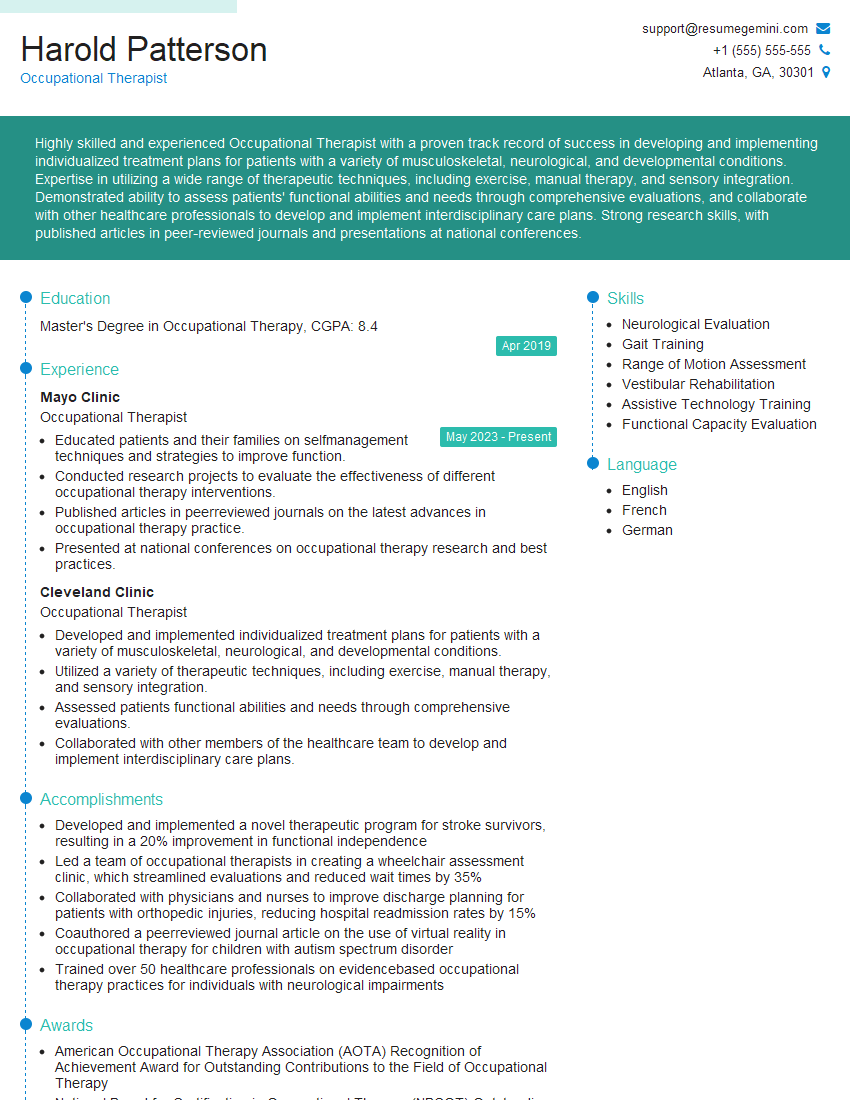
Occupational Therapist Resume Sample
Explore more articles
Users Rating of Our Blogs
Share Your Experience
We value your feedback! Please rate our content and share your thoughts (optional).
What Readers Say About Our Blog
To the interviewgemini.com Webmaster.
Very helpful and content specific questions to help prepare me for my interview!
Thank you
To the interviewgemini.com Webmaster.
This was kind of a unique content I found around the specialized skills. Very helpful questions and good detailed answers.
Very Helpful blog, thank you Interviewgemini team.