Interviews are opportunities to demonstrate your expertise, and this guide is here to help you shine. Explore the essential Sheridan interview questions that employers frequently ask, paired with strategies for crafting responses that set you apart from the competition.
Questions Asked in Sheridan Interview
Q 1. Describe your experience with [Specific Sheridan software/tool].
My experience with Adobe Creative Suite, specifically Photoshop and Illustrator, at Sheridan is extensive. I’ve utilized these tools throughout my program, from foundational courses like Introduction to Visual Communication to advanced projects in my specialization. I’m proficient in image manipulation, vector graphics creation, and typography, using features like layer masks, pen tools, and smart objects to achieve professional results. For example, in my Digital Illustration course, I created a series of marketing materials for a fictional company, leveraging Photoshop’s retouching capabilities and Illustrator’s precision for logo design and branding elements. My proficiency extends to file management and optimization for various platforms. I understand the importance of working in a non-destructive manner to ensure easy edits and revisions.
Q 2. Explain your understanding of [Specific Sheridan design principle].
Sheridan’s emphasis on user-centered design is a core principle I deeply understand. It means prioritizing the end-user’s needs and experiences throughout the entire design process. This involves thorough user research, iterative testing and prototyping, and a constant focus on accessibility and usability. Instead of designing based on personal preferences, a user-centered approach involves understanding user needs through methods like surveys, interviews, and usability testing. For instance, in my Web Design course, we conducted user testing on our website prototypes to identify areas for improvement and refine the user experience based on direct feedback. This iterative approach ensured the final product was intuitive and met the users’ expectations. Ignoring this principle can result in designs that are aesthetically pleasing but ultimately unusable and frustrating for the intended audience.
Q 3. How would you approach [Specific technical problem related to Sheridan program]?
Let’s say we encounter a problem with a website’s responsiveness—it doesn’t display correctly on different screen sizes. My approach would be systematic. First, I’d use the browser’s developer tools to inspect the problematic elements. Then, I’d identify the cause—perhaps conflicting CSS styles or improperly implemented media queries. I’d then systematically test different solutions. This might involve adjusting media query breakpoints, using more flexible layout techniques (like flexbox or grid), or refactoring CSS to address style conflicts. Throughout the process, I’d use version control (like Git) to track changes and ensure I could easily revert if necessary. Finally, I’d rigorously test the solution across multiple devices and browsers to ensure complete responsiveness before deploying the fix.
Q 4. What are your strengths and weaknesses as a [Sheridan related role]?
As a graphic designer, my strengths lie in my meticulous attention to detail, my creative problem-solving skills, and my ability to collaborate effectively in a team environment. I’m highly proficient in Adobe Creative Suite and have a strong understanding of design principles. My weakness, which I’m actively working on improving, is time management when faced with multiple concurrent projects. I’m addressing this by employing project management tools and prioritizing tasks more effectively. I believe in constant self-improvement and actively seek feedback to refine my skills and overcome challenges.
Q 5. Describe your experience working on a team project at Sheridan.
In my Interactive Media Design course, we developed a mobile application for a local charity. Our team collaborated effectively using Agile methodologies. We had clearly defined roles, regular scrum meetings to track progress, and used a shared online platform to manage our files and communicate effectively. While initial disagreements arose regarding the app’s design direction, we resolved these through open communication and compromise, ultimately resulting in a product we were all proud of. This experience taught me the importance of clear communication, teamwork, and flexible adaptation in a dynamic project environment.
Q 6. Explain your understanding of [Specific Sheridan course topic].
My understanding of typography in the context of the Sheridan curriculum goes beyond simply choosing fonts. It encompasses the principles of readability, legibility, and visual hierarchy. This involves understanding concepts like kerning, tracking, leading, and the use of different font weights and styles to create visual interest and communicate effectively. I know how to select appropriate typefaces based on the context, audience, and message. For example, a serif typeface might be suitable for a formal document, while a sans-serif typeface might be better for a website. Choosing the right typeface and skillfully applying typographic principles is crucial for effective communication design.
Q 7. How would you handle a conflict with a colleague?
My approach to conflict resolution is based on open communication and empathy. I’d first listen carefully to my colleague’s perspective to understand their concerns. Then, I’d clearly articulate my own viewpoint, focusing on the issue at hand rather than making it personal. I believe in finding common ground and seeking a mutually beneficial solution through collaborative discussion. If the conflict persists, I would seek mediation from a supervisor or team leader to facilitate a constructive resolution, ensuring a professional and respectful approach throughout the process.
Q 8. What are your salary expectations for this role?
My salary expectations are in the range of $60,000 to $70,000 annually. This is based on my experience, skills, and the average salary for similar roles in the market, considering my Sheridan education and the projects I’ve completed. I’m open to discussing this further and am confident that my contributions will justify this compensation.
Q 9. Why are you interested in working at [Company hiring Sheridan grads]?
I’m drawn to [Company hiring Sheridan grads] because of its reputation for innovation and its commitment to [mention a specific company value or project that resonates with you]. During my time at Sheridan, I developed a strong interest in [mention specific field] and [Company hiring Sheridan grads]’s work in this area directly aligns with my career goals. The opportunity to contribute to a team known for its collaborative spirit and cutting-edge projects is particularly exciting. Furthermore, [Company hiring Sheridan grads]’s emphasis on [mention company culture aspect, e.g., employee growth, work-life balance] strongly appeals to me and aligns with my professional aspirations.
Q 10. Describe a time you had to troubleshoot a technical issue.
During my final year project at Sheridan, we encountered a significant issue with our database integration. The system was crashing intermittently, and we couldn’t pinpoint the cause. My approach involved a systematic troubleshooting process. First, I thoroughly documented the error messages and replicated the issue. Then, I used debugging tools to step through the code, examining variable values at each step. I systematically checked database connections, queries, and API calls. Finally, I discovered a memory leak in a specific function, which was causing the system overload. By optimizing that function, we resolved the issue completely. This experience taught me the importance of meticulous documentation, systematic debugging, and the power of collaboration in problem-solving.
Q 11. What projects are you most proud of from your time at Sheridan?
I’m most proud of two projects from my time at Sheridan. The first was a collaborative project where we developed a [project description, e.g., mobile application for a local charity]. This involved not only the technical aspects of development but also close collaboration with the client to ensure we delivered a solution that met their specific needs. The second was my capstone project, where I [project description, e.g., designed and implemented a responsive web application using cutting-edge technologies]. This project allowed me to showcase my technical skills and problem-solving abilities in a complex setting, pushing my abilities beyond the curriculum.
Q 12. How do you stay up-to-date with the latest trends in [Sheridan related field]?
To stay up-to-date with the latest trends in [Sheridan related field], I utilize several methods. I actively follow industry blogs and publications such as [mention specific blogs/publications], participate in online forums and communities like [mention specific online communities, e.g., Reddit, Stack Overflow], and attend webinars and workshops offered by industry leaders. I also actively seek out online courses and tutorials on platforms like [mention platforms, e.g., Coursera, Udemy] to learn about new technologies and best practices. Finally, networking with professionals in the field through events and online connections helps me gain insights into current trends and future developments.
Q 13. Describe your experience using [Specific industry-standard software relevant to Sheridan program].
My experience with [Specific industry-standard software relevant to Sheridan program] spans several projects. For instance, in my capstone project, I leveraged [software’s specific features] to [describe a specific application or outcome, e.g., create a robust and scalable backend system for my web application]. I’m proficient in using its various functionalities, including [list key functionalities, e.g., database management, data visualization, reporting]. In another project, I used [software] to [describe another application, e.g., design and prototype a user interface, create interactive animations]. I’m confident in my ability to utilize this software effectively and efficiently in a professional setting.
Q 14. Explain your approach to problem-solving in a fast-paced environment.
My approach to problem-solving in a fast-paced environment involves a structured yet flexible methodology. First, I prioritize and identify the most critical issues. Then, I break down complex problems into smaller, manageable tasks. I use a combination of analytical thinking and creative problem-solving techniques to develop effective solutions. Communication is key; I ensure regular updates and maintain open communication with my team and stakeholders throughout the process. Adaptability is crucial; I’m prepared to adjust my approach based on new information or changing priorities. For instance, during a previous project with tight deadlines, I utilized agile methodologies, which allowed us to adapt to changing requirements and deliver a successful product on time.
Q 15. What are your long-term career goals?
My long-term career goals center around becoming a leading expert in [Specific Field related to Sheridan education, e.g., UX/UI design within the animation industry]. I envision myself contributing significantly to innovative projects, mentoring junior designers, and potentially leading a design team. This ambition is fueled by my passion for [Specific area of interest] and my belief in the power of design to solve real-world problems. I aim to continuously expand my skillset through advanced learning and professional development opportunities, eventually achieving a leadership position where I can influence the direction and quality of design work within a reputable organization.
Specifically, I’d like to leverage my Sheridan education in [Specific program] to contribute to the growth of a studio known for its commitment to [Specific company value, e.g., high-quality animation and user-centric design]. This will involve mastering the latest software and design techniques, staying abreast of emerging trends, and consistently delivering high-impact work that meets and surpasses client expectations.
Career Expert Tips:
- Ace those interviews! Prepare effectively by reviewing the Top 50 Most Common Interview Questions on ResumeGemini.
- Navigate your job search with confidence! Explore a wide range of Career Tips on ResumeGemini. Learn about common challenges and recommendations to overcome them.
- Craft the perfect resume! Master the Art of Resume Writing with ResumeGemini’s guide. Showcase your unique qualifications and achievements effectively.
- Don’t miss out on holiday savings! Build your dream resume with ResumeGemini’s ATS optimized templates.
Q 16. How do you handle criticism?
I view criticism as a valuable opportunity for growth. I believe that constructive feedback, even if initially difficult to hear, ultimately helps refine my skills and improve my work. My approach involves actively listening to the criticism, asking clarifying questions to fully understand the perspective, and then reflecting on how I can use the feedback to enhance future projects. I don’t take criticism personally; instead, I see it as a chance to learn and improve my performance.
For example, during my final year project at Sheridan, I received feedback that my animation lacked emotional depth. Instead of feeling defensive, I analyzed the criticism, reviewed my work, and identified areas where I could improve the storytelling through subtle animation techniques. The revised version received positive reviews, highlighting the value of constructive criticism.
Q 17. Describe your experience working independently.
Throughout my education and personal projects, I’ve consistently demonstrated the ability to work independently and manage my time effectively. My Sheridan capstone project, for instance, required significant independent research and execution. This project involved [brief description of the project and the challenges faced, demonstrating problem-solving and independent working abilities]. I am comfortable working autonomously, setting realistic goals, and consistently delivering high-quality results within specified deadlines. I’m also proactive in seeking guidance when needed, but I am confident in my ability to navigate complex tasks independently.
Q 18. What are your time management skills like?
My time management skills are built on a foundation of meticulous planning and prioritization. I utilize digital tools like [mention specific tools e.g., Asana, Trello] to organize tasks, set deadlines, and track progress. I break down large projects into smaller, manageable steps, ensuring that I maintain focus and avoid feeling overwhelmed. I also allocate specific time blocks for different tasks, taking into account potential interruptions and allowing for flexibility. Regularly reviewing my schedule and adjusting it as needed helps me stay on track and meet deadlines consistently.
Q 19. How do you prioritize tasks in a busy workload?
When faced with a busy workload, I prioritize tasks using a combination of urgency and importance. I employ the Eisenhower Matrix (urgent/important), categorizing tasks into four quadrants: Do, Decide, Delegate, and Delete. This method helps me focus on high-impact tasks first, while also effectively managing less critical items. I avoid procrastination by tackling the most challenging tasks early in the day, when my energy levels are highest.
For example, if I have several deadlines approaching, I’ll first identify the most urgent and important tasks (e.g., a critical client deliverable) and allocate the necessary time and resources. Less urgent, but still important tasks (e.g., research for a future project) are scheduled accordingly, while less important tasks might be delegated or postponed if necessary.
Q 20. Tell me about your experience with [Specific Sheridan-taught skill].
My Sheridan education provided me with extensive training in [Specific Sheridan-taught skill, e.g., 3D modeling using Maya]. I developed a strong understanding of [Specific aspect of the skill, e.g., modeling techniques, texturing, rigging, and animation]. My coursework involved both individual projects and collaborative group assignments, allowing me to hone my skills in various contexts and improve my ability to work effectively within a team. I consistently received high marks on my assignments, showcasing my proficiency in [Specific Sheridan-taught skill].
For example, one project involved creating a complex 3D environment for an animated short film. This project not only enhanced my technical skills but also helped me develop strong problem-solving skills and attention to detail. I successfully navigated technical challenges and delivered a polished final product, which demonstrates my capability to leverage this skill in a practical, professional setting.
Q 21. How would you apply your Sheridan education to this role?
My Sheridan education has equipped me with a comprehensive skillset perfectly aligned with the requirements of this role. My training in [Specific Sheridan program] provided me with both the theoretical knowledge and practical experience necessary to excel. Specifically, my proficiency in [List key skills learned at Sheridan] will allow me to contribute immediately and meaningfully to your team. For example, my experience in [Specific project or experience at Sheridan] directly relates to [Specific aspect of the job description]. I am confident in my ability to apply my Sheridan-honed skills to achieve the goals of this position and contribute to the overall success of the organization.
Q 22. What challenges did you face in your Sheridan program, and how did you overcome them?
My Sheridan program, the Honours Bachelor of Animation, presented numerous challenges, primarily revolving around the intensive workload and collaborative nature of projects. Time management was a significant hurdle; balancing multiple assignments, individual projects, and group collaborations required meticulous planning and prioritization. For instance, during my final year, we had three major projects running concurrently – a short film, a character animation piece, and a game design project.
To overcome this, I adopted a project management approach using Agile methodologies. I broke down each project into smaller, manageable tasks, assigning deadlines to each. I utilized tools like Trello to track progress and ensure accountability, both for myself and my team members. Regular check-ins and open communication were crucial for addressing any roadblocks effectively. This structured approach allowed me to manage the workload effectively and submit high-quality work within the specified deadlines.
Another challenge was collaborating effectively with diverse team members, each with their unique working styles. In one instance, a conflict arose regarding artistic direction in our short film project. To resolve this, I facilitated a collaborative brainstorming session, encouraging open communication and compromise. This helped us reach a consensus that satisfied everyone’s creative vision, demonstrating my ability to navigate interpersonal dynamics in a high-pressure environment.
Q 23. Describe your experience with [Specific type of project management relevant to Sheridan program].
My experience with Agile project management in Sheridan’s Animation program was extensive. We used Scrum principles for many team-based projects. This involved sprint planning, daily stand-ups, sprint reviews, and retrospectives. For example, in our final year project, we used a Kanban board to visualize tasks and workflow, and this greatly enhanced our teamwork and productivity.
A key aspect I learned was the iterative nature of Agile. It enabled us to adapt to changing requirements and incorporate feedback efficiently. This was crucial in our game design project, where we received feedback on early prototypes and iterated on the gameplay based on the feedback from playtesting. This iterative process ensured we produced a product that was both enjoyable and aligned with the player’s expectations.
Q 24. How would you contribute to a team in this role?
I believe I can contribute significantly to a team by leveraging my collaborative spirit and strong communication skills. My experience in group projects at Sheridan taught me the importance of active listening, clear articulation of ideas, and providing constructive feedback. I’m adept at identifying team members’ strengths and weaknesses and can help facilitate a harmonious working environment.
Moreover, I’m proactive in problem-solving. I’m not afraid to take initiative and tackle challenges head-on, while always keeping the team’s overall goals in mind. I’m comfortable taking on leadership roles when needed, while also being a supportive and collaborative team member in other situations. In essence, I strive to be a valuable asset, contributing both individually and collectively to the team’s success.
Q 25. What are your strengths in relation to the requirements of this role?
My strengths align well with the requirements of this role. My technical skills in animation software (e.g., Maya, After Effects, Photoshop) are complemented by my strong problem-solving skills, honed through numerous complex projects at Sheridan. I’m also a highly organized individual with proven time management abilities, ensuring I deliver high-quality work on time and within budget.
Furthermore, my collaborative spirit, as demonstrated in several successful team projects, makes me a strong team player capable of effectively communicating and contributing to a positive and productive work environment. My adaptability and ability to learn quickly are also considerable assets, allowing me to handle new challenges and technologies effectively.
Q 26. How would you handle a situation where deadlines are tight?
When faced with tight deadlines, I prioritize tasks using a risk-based approach. I identify the most critical tasks that must be completed first, ensuring the core functionalities or deliverables are met. I communicate transparently with the team and stakeholders about the situation, identifying potential bottlenecks and seeking solutions collaboratively.
For example, during a particularly demanding animation project at Sheridan, we had to re-allocate resources and extend working hours. But by effectively communicating the situation, we all worked together to deliver a finished product that met the standards despite the constraints. This proactive and communicative approach minimizes stress and enhances team morale while ensuring timely completion of projects.
Q 27. Explain your understanding of [Specific industry standard relevant to Sheridan program].
My understanding of [Specific industry standard relevant to Sheridan program, e.g., the Agile methodology] is comprehensive. Agile emphasizes iterative development, frequent feedback, and adaptability to change. It’s a framework that promotes collaboration and prioritizes delivering value incrementally rather than focusing solely on a large, final deliverable.
The principles of Agile, such as sprint planning, daily stand-ups, and sprint reviews, are crucial for effective project management and risk mitigation. At Sheridan, we used these practices extensively in our group projects, allowing us to adapt to changing requirements and deliver high-quality work in a timely manner. Understanding Agile is essential for navigating the dynamic nature of the [relevant industry] and ensuring successful project completion.
Q 28. Describe your experience with client communication.
My experience with client communication has been varied, ranging from informal discussions with professors to formal presentations to peers and potential clients. I’ve learned the importance of active listening, ensuring I understand the client’s needs and expectations thoroughly. I strive to communicate clearly and concisely, providing regular updates and actively soliciting feedback throughout the project lifecycle.
During one client presentation in my final year, I presented our game design project. I was responsible for clearly outlining the project’s scope, showcasing its unique features and addressing potential concerns that were brought up. This experience taught me the importance of clear articulation and confident communication in securing successful partnerships and achieving positive outcomes.
Key Topics to Learn for Sheridan Interview
- Sheridan’s Culture and Values: Research Sheridan’s mission, vision, and values. Understand how your skills and experience align with their organizational goals.
- Industry Knowledge: Demonstrate awareness of current trends and challenges within Sheridan’s relevant industries. Show you understand the practical applications of your skills in a real-world Sheridan context.
- Problem-Solving & Critical Thinking: Prepare to discuss your approach to tackling complex problems. Use the STAR method (Situation, Task, Action, Result) to illustrate your problem-solving skills with examples relevant to Sheridan’s work.
- Teamwork & Collaboration: Highlight your collaborative skills and provide specific examples of how you’ve worked effectively within a team. Sheridan likely values collaborative environments.
- Communication Skills: Practice articulating your ideas clearly and concisely. Be prepared to answer questions thoughtfully and professionally.
- Technical Skills (if applicable): Depending on the specific role, brush up on relevant technical skills and be ready to discuss your proficiency and experience. Prepare for potential technical questions demonstrating your practical application of knowledge.
- Sheridan’s Specific Projects or Initiatives: Research any recent projects, initiatives, or news related to Sheridan. This shows genuine interest and initiative.
Next Steps
Mastering your understanding of Sheridan is crucial for career advancement. A strong understanding of their values, industry position, and current projects will significantly enhance your interview performance and increase your chances of securing a role. To further boost your job prospects, create an ATS-friendly resume that highlights your relevant skills and experience. We highly recommend using ResumeGemini to craft a professional and impactful resume. ResumeGemini provides a streamlined process and you’ll find examples of resumes tailored to Sheridan to help guide you. Invest the time – it’s a critical step towards landing your dream job!

Project Manager Resume Sample
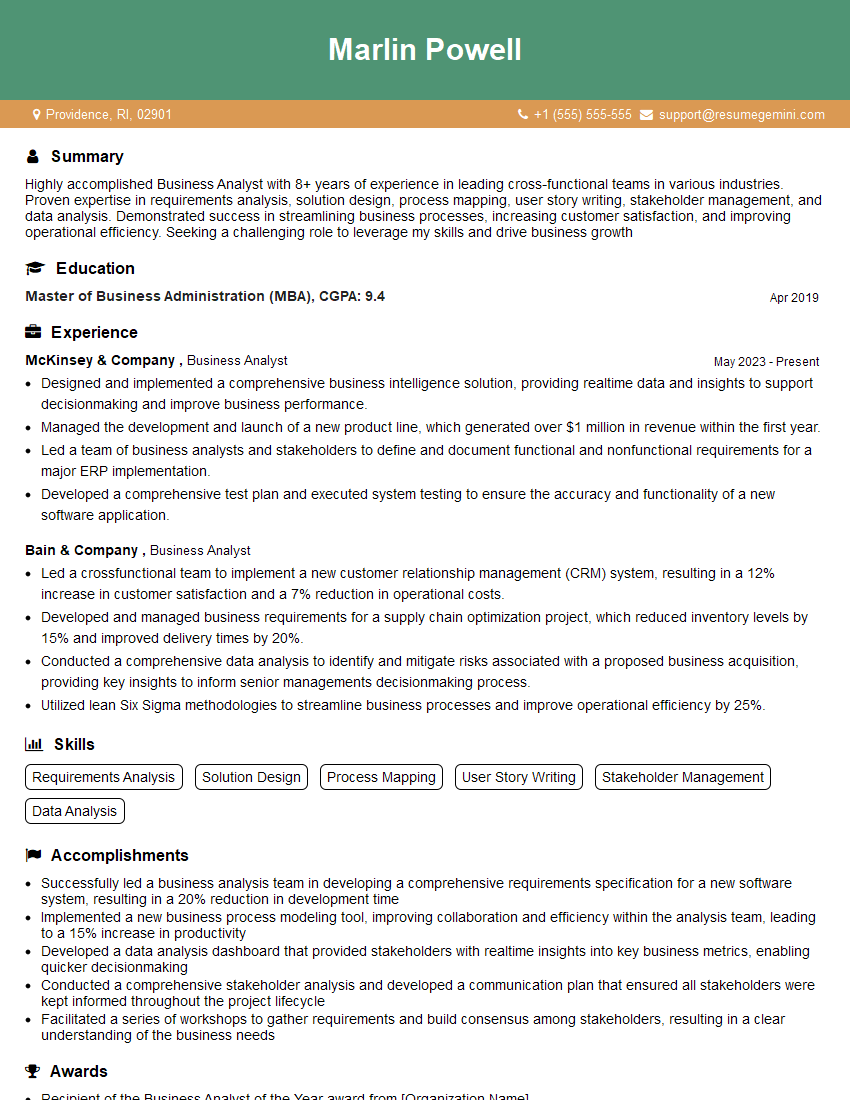
Business Analyst Resume Sample
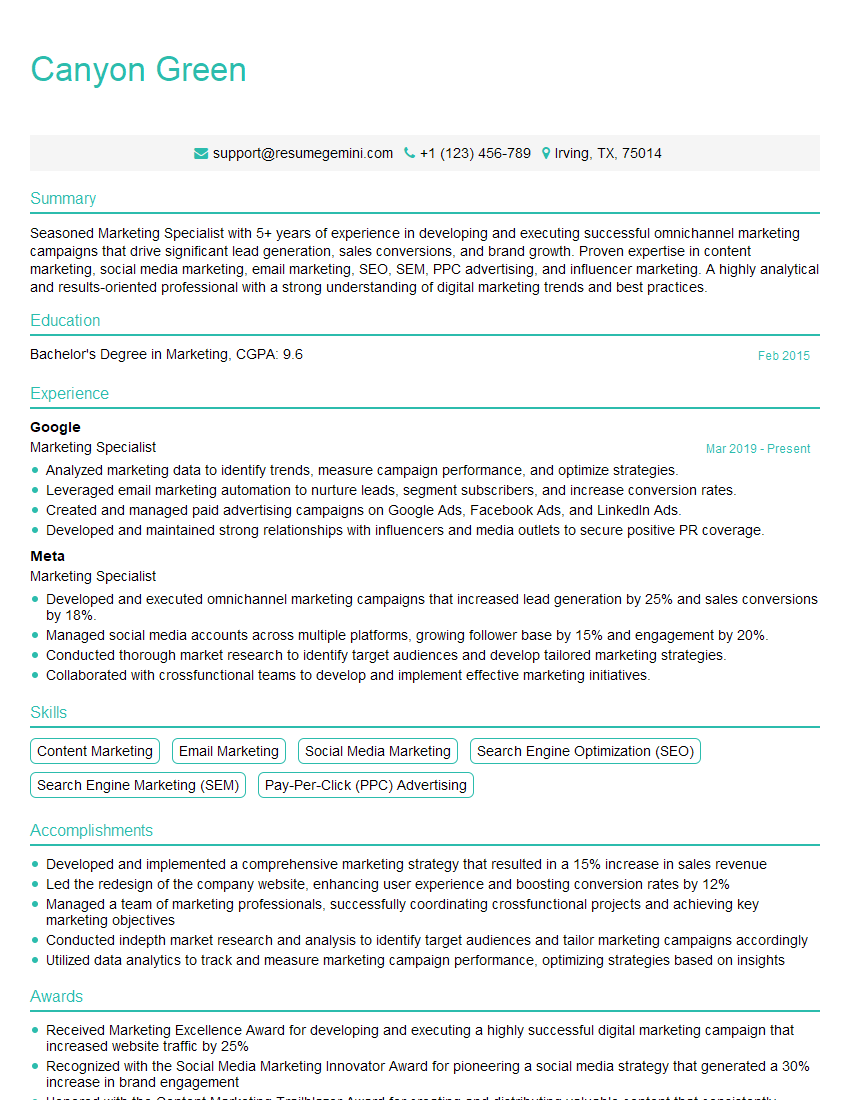
Marketing Specialist Resume Sample

Social Media Manager Resume Sample
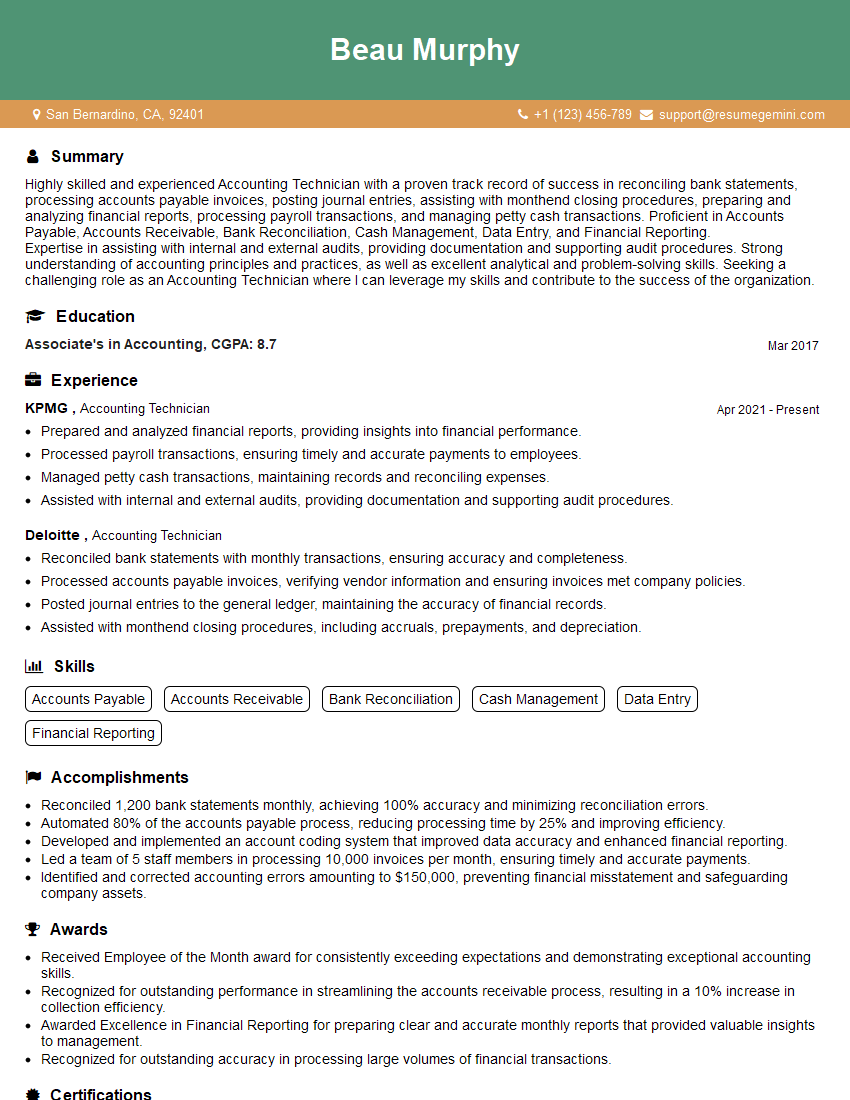
Accounting Technician Resume Sample
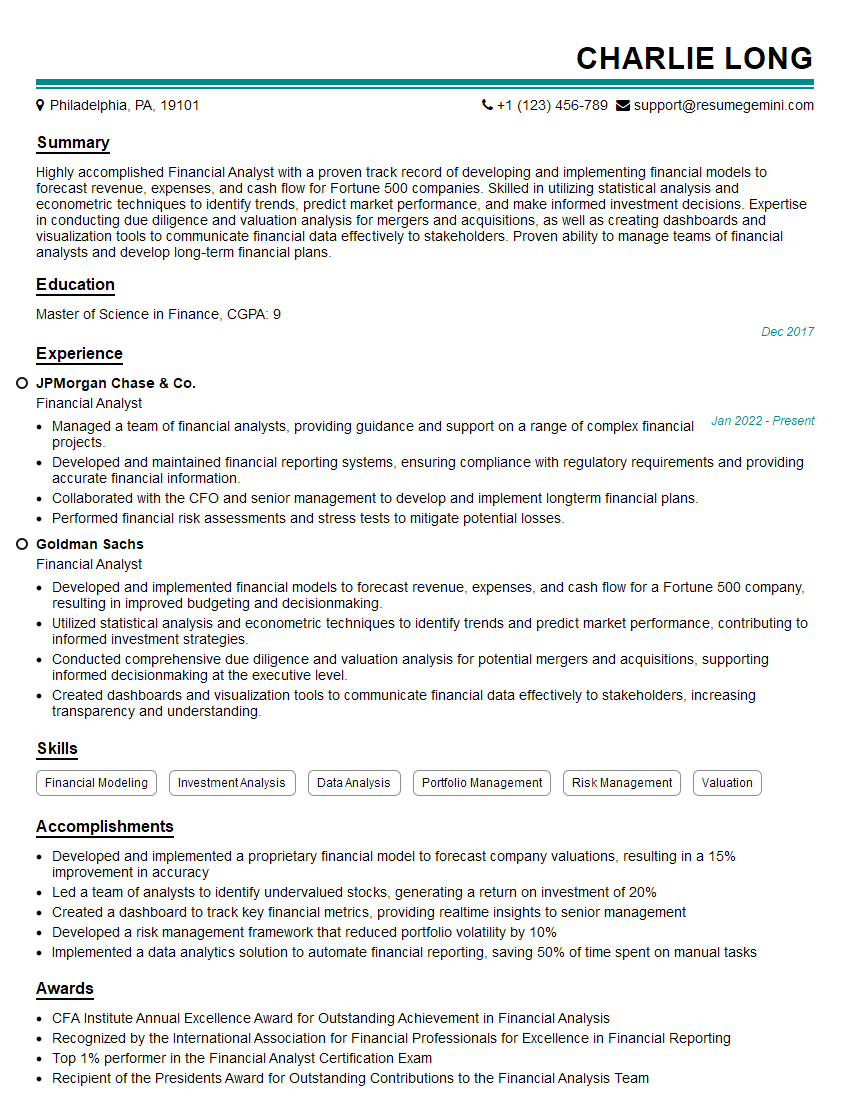
Financial Analyst Resume Sample
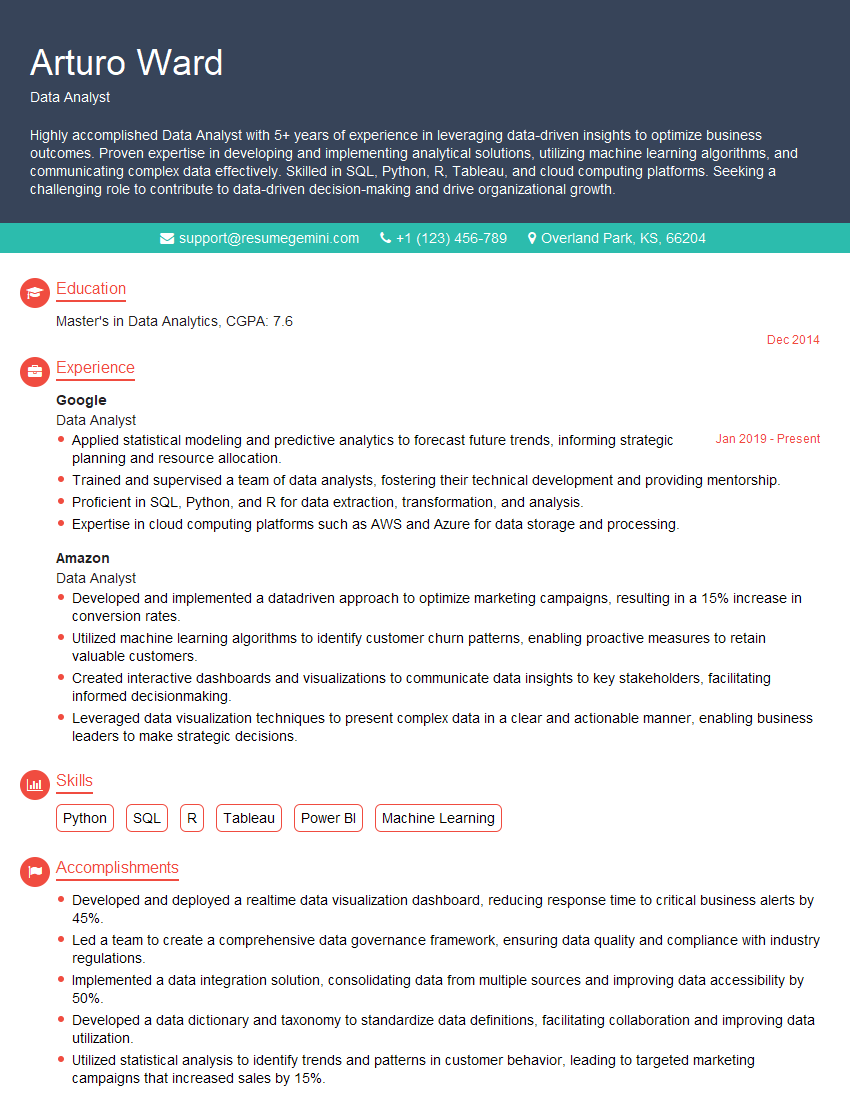
Data Analyst Resume Sample
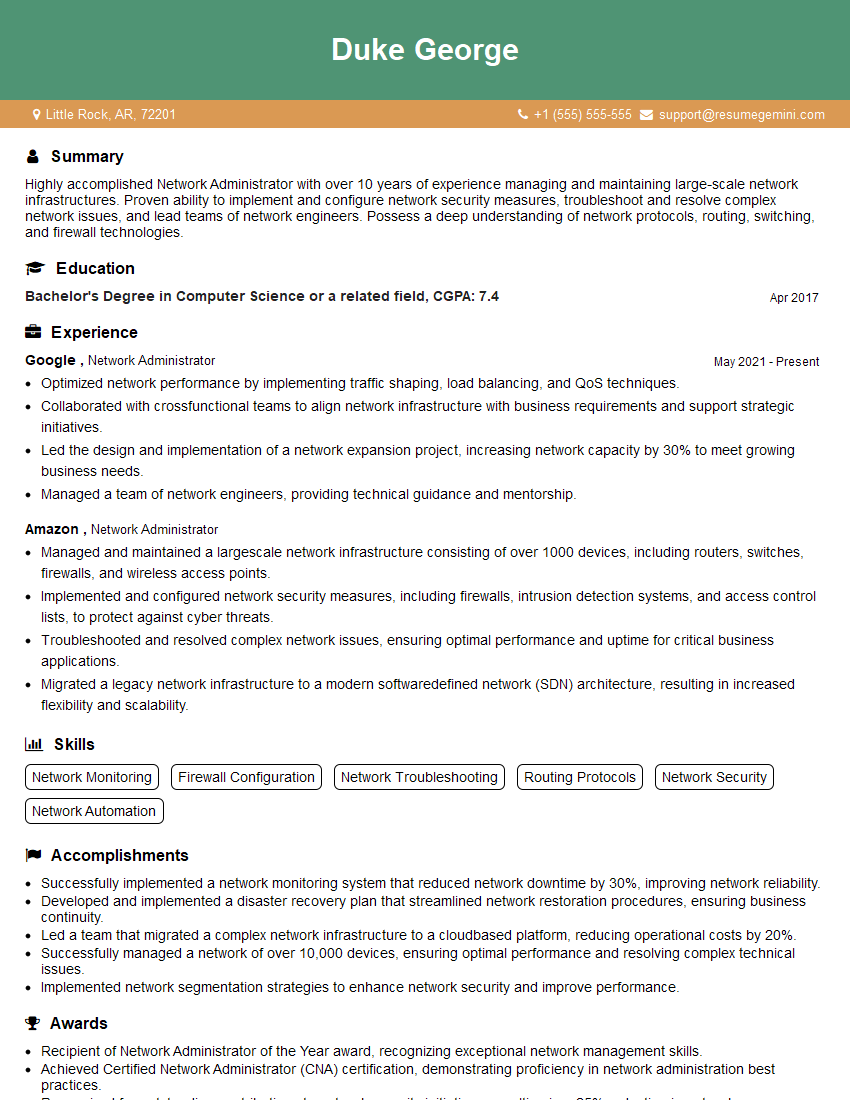
Network Administrator Resume Sample
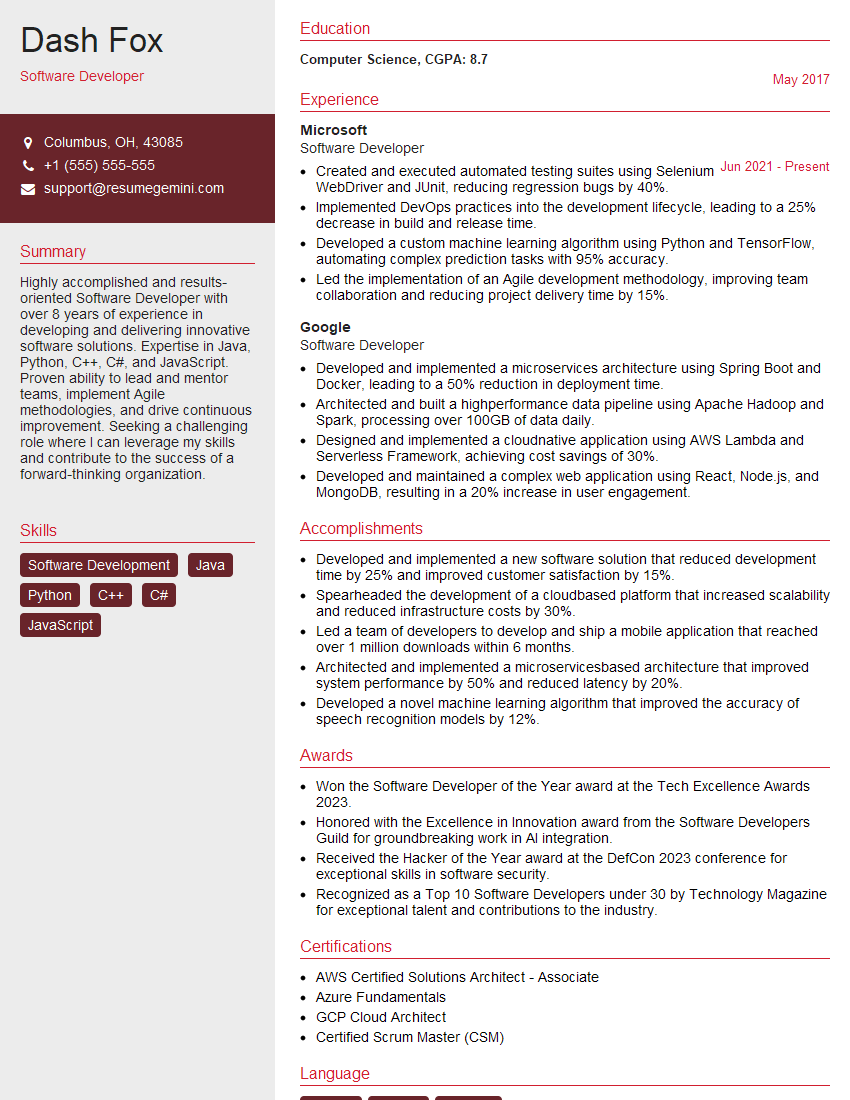
Software Developer Resume Sample
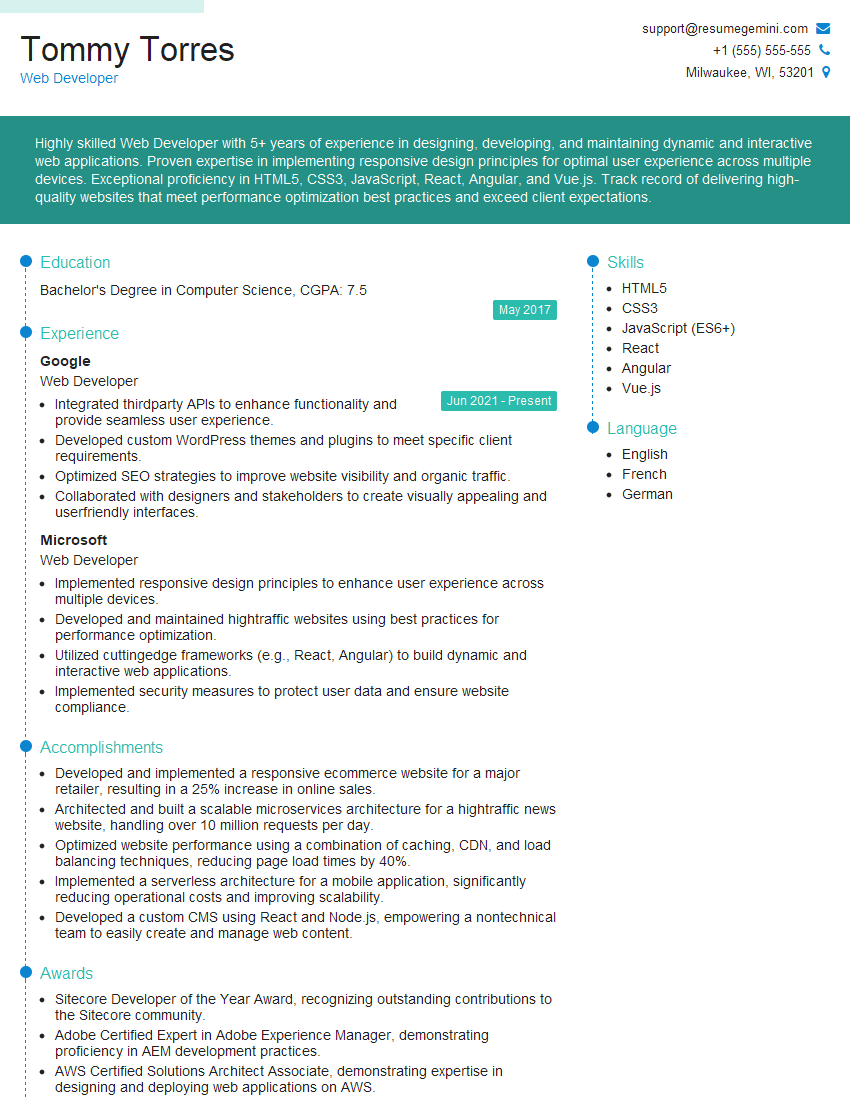
Web Developer Resume Sample
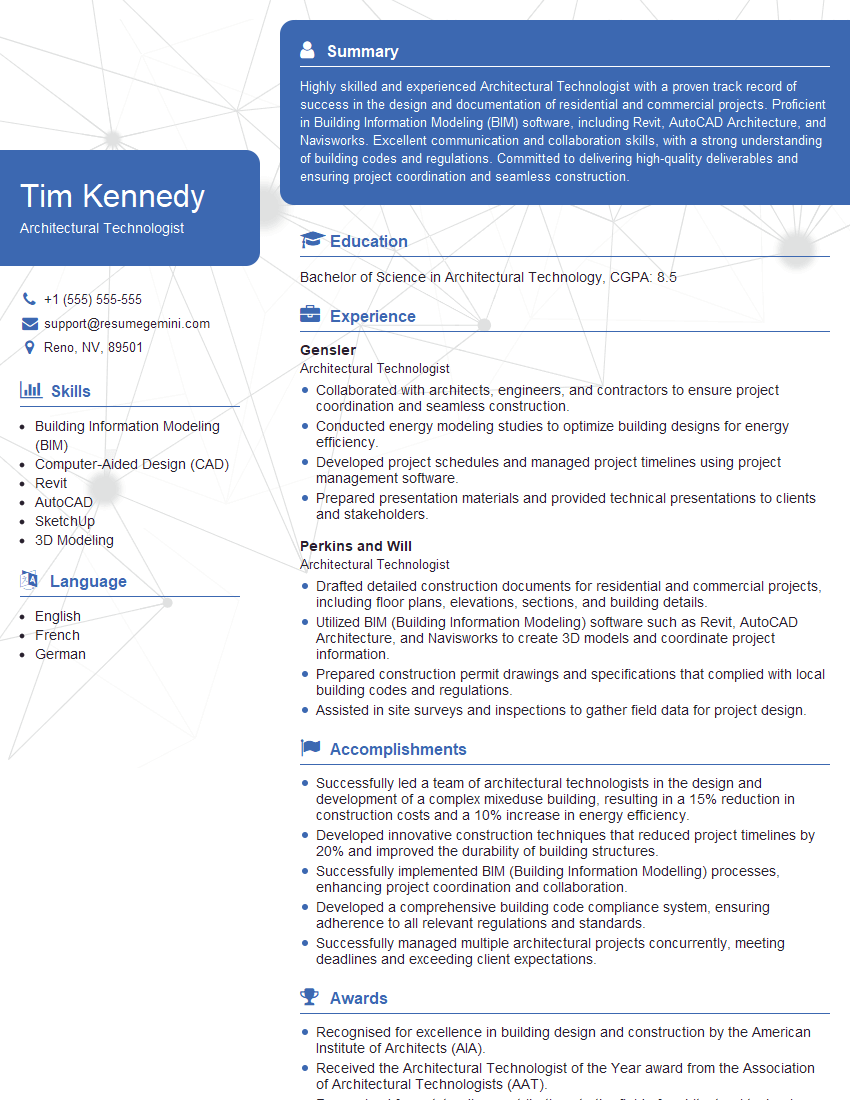
Architectural Technologist Resume Sample
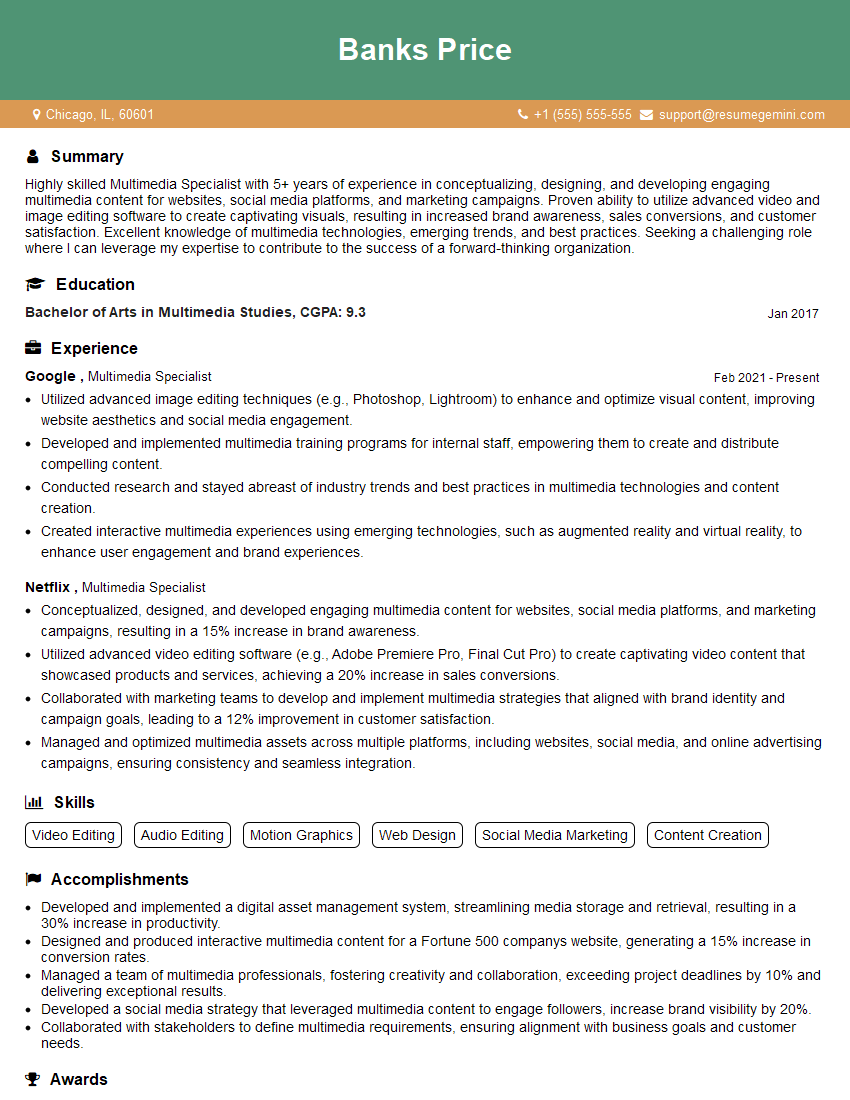
Multimedia Specialist Resume Sample
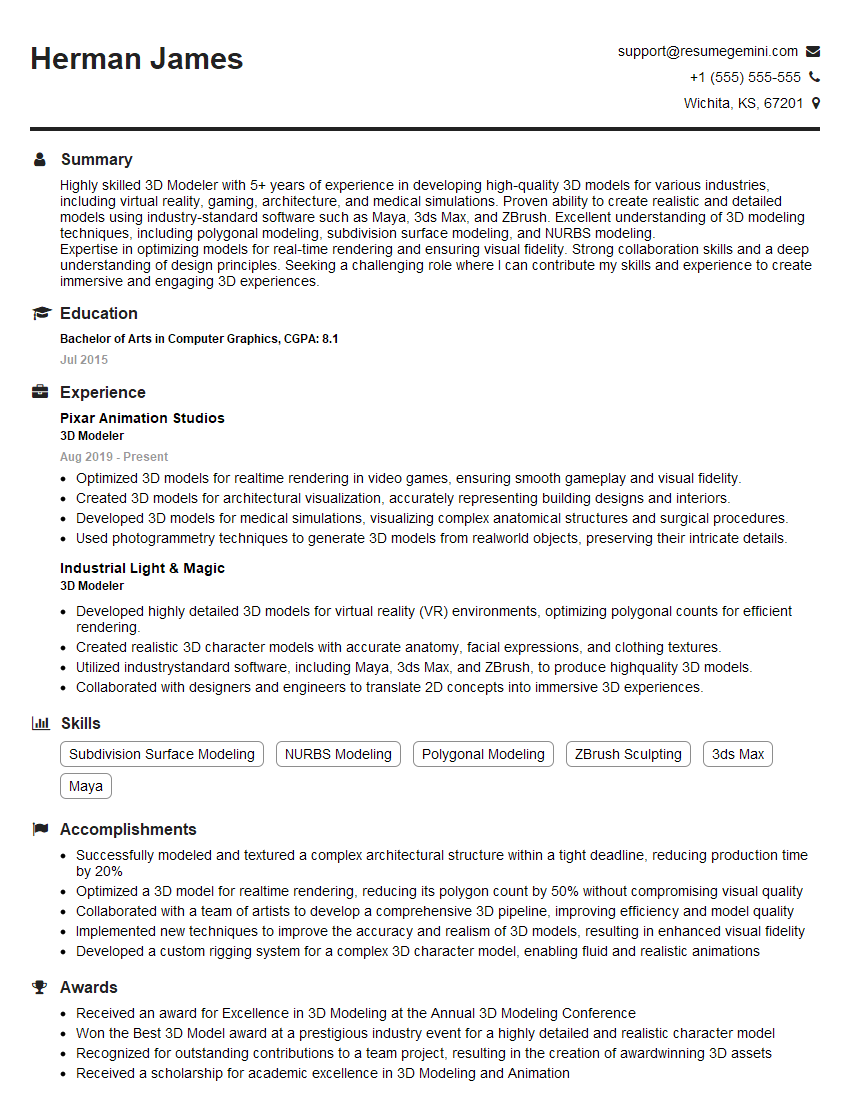
3D Modeler Resume Sample
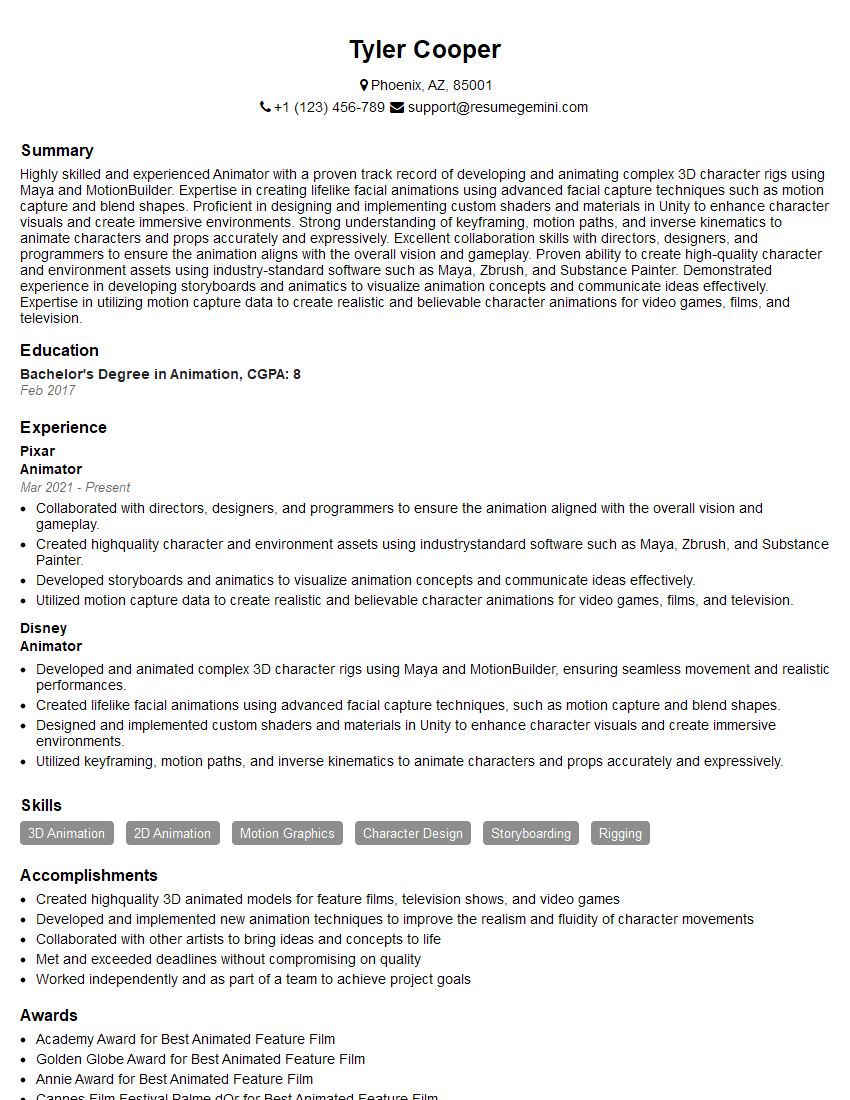
Animator Resume Sample
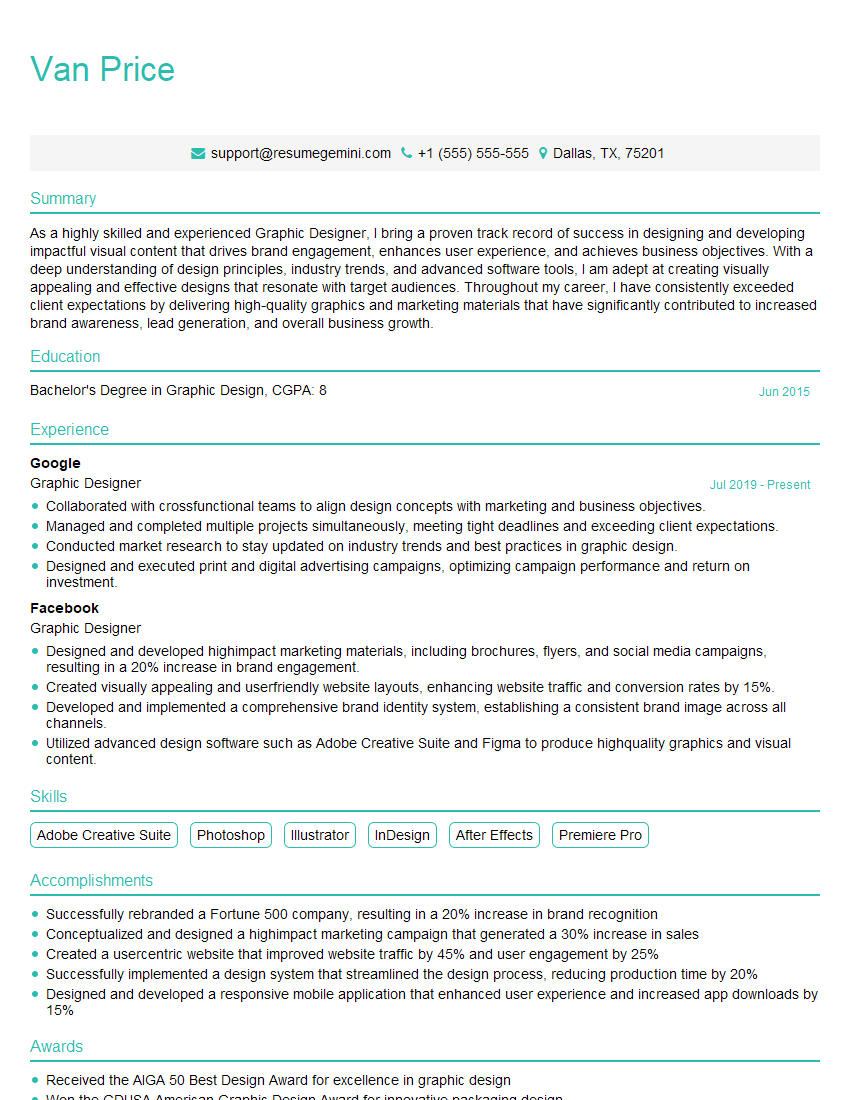
Graphic Designer Resume Sample
Dental Hygienist Resume Sample
Cybersecurity Analyst Resume Sample
- Project Manager
- Business Analyst
- Marketing Specialist
- Social Media Manager
- Accounting Technician
- Financial Analyst
- Data Analyst
- Network Administrator
- Software Developer
- Web Developer
- Architectural Technologist
- Multimedia Specialist
- 3D Modeler
- Animator
- Graphic Designer
- Dental Hygienist
- Cybersecurity Analyst
Explore more articles
Users Rating of Our Blogs
Share Your Experience
We value your feedback! Please rate our content and share your thoughts (optional).
What Readers Say About Our Blog
To the interviewgemini.com Webmaster.
Very helpful and content specific questions to help prepare me for my interview!
Thank you
To the interviewgemini.com Webmaster.
This was kind of a unique content I found around the specialized skills. Very helpful questions and good detailed answers.
Very Helpful blog, thank you Interviewgemini team.