Interviews are opportunities to demonstrate your expertise, and this guide is here to help you shine. Explore the essential Collection Management Assistance interview questions that employers frequently ask, paired with strategies for crafting responses that set you apart from the competition.
Questions Asked in Collection Management Assistance Interview
Q 1. Describe your experience with cataloging and metadata creation.
Cataloging and metadata creation are fundamental to effective collection management. It’s the process of creating descriptive records that allow us to find, retrieve, and understand items within a collection. This involves assigning standardized descriptive terms (metadata) according to established schemas, such as Dublin Core or MARC (Machine-Readable Cataloging) formats. My experience spans working with diverse collections, from archival materials to museum artifacts and digital assets. For example, in cataloging a collection of historical photographs, I would focus on creating metadata fields that capture details such as the subject, date, location, photographer, and any relevant contextual information. This allows for efficient searching and retrieval, essential for researchers and the public. I’m proficient in using various cataloging software and am adept at adapting my approach to the specific needs of different collection types.
In one project, I developed a new metadata schema for a digital archive of oral histories, ensuring consistency and discoverability across a large and complex collection. This involved carefully considering the specific needs of researchers and designing a structure that facilitates advanced search functionalities, including keyword search, date filtering, and subject indexing.
Q 2. Explain your understanding of different collection management software.
My understanding of collection management software encompasses a range of systems designed to manage different aspects of collection workflows, from acquisitions and cataloging to preservation and access. I’m familiar with both open-source solutions and commercial products. Some examples include Koha (an open-source Integrated Library System), Archival Information Management Systems (like Archivematica), and specialized museum collection management software such as PastPerfect. Each system offers unique features; some excel at managing complex metadata schemas, while others focus on digital asset management or preservation planning. The choice of software depends heavily on the type and size of the collection, the available budget, and the specific needs of the institution. My experience lies in selecting, implementing, and training others on the use of these tools. For instance, I successfully migrated a large archive from a legacy system to a modern cloud-based solution, resulting in improved accessibility and data security.
Q 3. How do you prioritize tasks in a busy collections environment?
Prioritization in a busy collections environment is critical. I utilize several strategies, including:
- Urgency and Importance Matrix: I categorize tasks based on urgency (immediate vs. long-term) and importance (impact on collection integrity, access, or legal compliance). This helps me focus on high-impact, time-sensitive tasks first.
- Project Management Techniques: Breaking down large projects into smaller, manageable tasks makes them less overwhelming and allows for more effective time allocation. Tools like project management software (e.g., Trello, Asana) can be extremely helpful here.
- Collaboration and Communication: Open communication with colleagues is crucial. I clearly define roles and responsibilities to ensure efficient workflow and avoid duplication of effort.
- Regular Review and Adjustment: I regularly review my task list and adjust priorities as needed based on new information or changes in circumstances. Flexibility is key in a dynamic environment.
For instance, if we have a rare book exhibit opening in a week requiring urgent conservation, that task would take precedence over a long-term project like digitizing our photographic archive. Proper prioritization balances short-term needs with long-term goals.
Q 4. What are your strategies for managing a diverse range of collection materials?
Managing diverse collections requires a flexible and adaptable approach. I tailor my strategies based on the unique characteristics of each material type. This includes understanding the specific preservation needs of different materials (e.g., proper storage conditions for photographs versus textiles), creating appropriate metadata schemas to capture the relevant information for each type, and employing different access and handling protocols.
For example, managing a collection that includes fragile manuscripts, digital audio recordings, and ethnographic artifacts requires a multi-faceted approach. Manuscripts might require specialized storage and handling protocols to prevent further deterioration, while digital audio files require ongoing maintenance to ensure long-term accessibility. Ethnographic artifacts may need culturally sensitive cataloging and handling procedures. A well-structured collection management system, including detailed accession records and comprehensive metadata, is essential for tracking, managing, and preserving this diversity.
Q 5. Describe your experience with preservation techniques for various materials (e.g., paper, photographs, digital files).
Preservation is paramount. My experience encompasses a range of preservation techniques for diverse materials. For paper-based materials, this includes proper storage conditions (temperature and humidity control), pest control, and careful handling techniques to avoid damage. For photographs, I’m familiar with techniques like proper storage in archival-quality materials, the use of acid-free boxes and sleeves, and digitization to create access copies while minimizing handling of the originals. For digital files, preservation focuses on using stable file formats, regular backups, and implementing a robust digital preservation strategy that accounts for technological obsolescence.
I’ve participated in several projects involving the stabilization and preservation of deteriorating materials, including the successful conservation of a collection of water-damaged maps using specialized techniques. My knowledge also extends to developing and implementing preventative conservation measures, such as regular environmental monitoring and the implementation of disaster preparedness plans.
Q 6. How do you ensure the accuracy and consistency of collection data?
Ensuring accuracy and consistency in collection data is vital for reliable retrieval and research. This involves several steps:
- Standardized Metadata Schemas: Using established schemas like MARC or Dublin Core ensures consistency in data structure and vocabulary.
- Controlled Vocabularies: Utilizing controlled vocabularies (e.g., subject headings, geographic terms) minimizes inconsistencies and improves searchability.
- Data Validation and Cleaning: Regularly reviewing and cleaning the data to identify and correct errors is crucial. This could involve automated checks and manual verification.
- Staff Training: Providing thorough training to all staff involved in data entry and management is essential to maintain consistency.
- Regular Audits: Conducting regular audits to assess data quality and identify areas for improvement.
For instance, implementing a data validation process for cataloging records before they are added to the database ensures that mandatory fields are populated and the data is consistent with our established standards. This contributes to a high-quality, reliable collection database.
Q 7. Explain your understanding of copyright and intellectual property rights related to collections.
Understanding copyright and intellectual property rights is crucial in collections management. It affects how we acquire, manage, and provide access to materials. This involves understanding different types of intellectual property (copyright, trademarks, patents, etc.) and how they apply to the various materials in our collections. We need to be aware of limitations and exceptions to copyright, like fair use, and ensure compliance with relevant laws and regulations. This includes properly documenting copyright information for acquired materials, obtaining permissions when necessary, and managing digital rights.
For example, before digitizing and making available a collection of photographs, we would need to investigate and clarify copyright ownership and secure the necessary permissions for online access if the copyright is still in effect. Ignoring these aspects could result in legal challenges and reputational damage. We must always adhere to ethical practices and respect the rights of creators and copyright holders.
Q 8. How do you handle discrepancies or inconsistencies in collection records?
Discrepancies in collection records are a common challenge, but addressing them is crucial for maintaining accurate and reliable data. My approach involves a multi-step process. First, I identify the nature of the inconsistency – is it a simple typographical error, a conflict between different data fields, or a more significant issue like a missing item? Once identified, I verify the information through multiple sources, consulting physical records, digital databases, and even contacting relevant individuals if necessary. For example, if a catalog record lists a painting as being 20” x 30”, but the physical painting measures differently, I’d physically verify the measurement and then correct the record. If the discrepancy is due to an inaccurate accession number, I’d cross-reference with other records to ensure data integrity. For larger inconsistencies, I would leverage the collection management system’s reporting tools to identify patterns and potential systemic problems. Finally, every correction is thoroughly documented, detailing the nature of the discrepancy, the steps taken to resolve it, and the source of the corrected information. This audit trail helps maintain the integrity of the data and aids in future problem-solving.
Q 9. Describe your experience with collection storage and organization methods.
Effective collection storage and organization are paramount for preserving items and ensuring easy retrieval. My experience spans several methods, tailored to the specific collection’s needs. I’ve worked with both traditional archival techniques, such as acid-free boxes and climate-controlled storage environments for sensitive materials like photographs and manuscripts, as well as more modern methods utilizing barcode systems and RFID tags for enhanced tracking. For instance, one project involved migrating a large photographic archive from cluttered metal cabinets into a purpose-built archival facility with specialized shelving and environmental controls. This included the creation of a detailed inventory system, using barcodes to track each item and ensuring proper environmental conditions. We organized the photos chronologically and thematically for easy access. In another project, involving a museum’s collection of 3D artifacts, we used custom-designed crates and foam inserts for protection during storage and transportation. The key is always to balance preservation needs with efficient access.
Q 10. How do you manage the accessioning process of new items into the collection?
Accessioning new items is a methodical process vital for establishing provenance and maintaining accurate records. It typically begins with a thorough examination of the item, documenting its physical characteristics, condition, and any identifying marks. Next, I create an accession record, including the item’s description, acquisition details, donor information (if applicable), and assigning a unique accession number. This number acts as a permanent identifier, linking all associated information, such as photographs, provenance documentation and appraisal data. For digital items, the accessioning process might include creating checksums or hashes for data integrity checks. After recording all information in the database, I ensure appropriate tagging or labeling of the physical item to align with the digital record. Finally, the item is then stored in its designated location, with its location details updated within the database. Each step ensures that we create a complete and accurate record of its journey into our collection.
Q 11. How do you handle requests for access to collection materials?
Handling requests for access to collection materials requires a balance between preserving the collection and providing researchers and the public with access. My process begins with reviewing the request to understand the purpose, scope, and the materials being requested. I then assess the condition and fragility of the requested items, determining if they require special handling. Some items might require viewing in a controlled environment, while others may necessitate protective handling gloves and tools. For very sensitive materials, I might schedule appointments and oversee access to ensure their safety. The researcher’s qualifications and intentions are also assessed, with appropriate agreements and restrictions put in place as needed. For example, for extremely fragile materials, we might offer digital surrogates instead of physical access. Finally, all access events are meticulously documented, ensuring accountability and traceability.
Q 12. Describe your experience with preparing collections for exhibitions or loans.
Preparing collections for exhibitions or loans is a detailed and often time-sensitive process. It involves several stages: First, we select items based on the exhibition theme or loan request, considering their condition, suitability for display, and insurance needs. Next, comes a thorough condition assessment. If any conservation is needed, that’s scheduled and carried out by trained professionals. This might involve cleaning, minor repairs, or creating protective housings. The next phase is meticulously documenting the item’s condition before and after handling. We then pack and ship using museum-quality packaging that includes appropriate climate control and impact protection. Every detail is documented, including packing lists and chain of custody records. Throughout the entire process, strict adherence to best practices and risk management is essential, ensuring that items are handled with care and returned safely.
Q 13. What are your skills in using database management systems for collections?
My proficiency in database management systems for collections is extensive. I’m comfortable working with various platforms, including TMS (Collection Management Systems) like PastPerfect, Collectionspace, and others. I’m proficient in data entry, data cleaning, report generation, and query creation using SQL. For example, I’ve used SQL to create custom reports on item condition, accession dates, or donor information to inform collection management strategies. Beyond data entry, I’m adept at designing and implementing database schema tailored to specific collection needs. I understand the importance of data normalization and data integrity in maintaining the long-term health of a collection’s digital representation. This includes understanding data structures, implementing data validation, and regularly conducting data backups. My skills also extend to using these systems for integrating with other systems, allowing for interoperability among different data sources. For instance, I have integrated our TMS with an online public access catalogue.
Q 14. How do you track the condition of collection items and implement preventative measures?
Tracking the condition of collection items and implementing preventative measures is fundamental to preserving them. I use a combination of visual inspections, detailed documentation, and condition reporting within the collection management system. Regular inspections allow for early detection of deterioration. The condition assessments include photographic documentation to track changes over time. This information is used to identify trends and potential issues. For instance, if I notice a pattern of fading in a particular type of photograph, we could implement environmental controls or modify storage conditions to mitigate the problem. Preventative measures may include appropriate environmental controls (temperature, humidity, light levels), pest management, proper storage materials (acid-free boxes, archival-quality enclosures), and protective handling procedures. The goal is to create a stable and safe environment to minimize risks and extend the lifespan of the collection.
Q 15. Explain your experience with disaster preparedness and recovery for collections.
Disaster preparedness and recovery for collections is paramount. It involves proactive planning to mitigate potential damage and a well-defined recovery strategy to minimize losses in the event of an unforeseen event. This includes everything from natural disasters like floods and fires to human-caused incidents like theft or vandalism.
My experience encompasses developing comprehensive disaster preparedness plans, including identifying vulnerabilities, outlining emergency procedures, and conducting regular drills. For instance, at my previous institution, we developed a detailed plan outlining evacuation procedures, securing valuable items, and utilizing off-site storage for critical collections. We also conducted regular fire drills and simulated flood scenarios to ensure staff preparedness. Post-disaster, my role involved assessing damage, prioritizing recovery efforts, and implementing salvage and stabilization techniques, ensuring the safety and preservation of the collections.
A key aspect is the creation of a detailed inventory, with meticulous record-keeping, allowing for accurate tracking of items in case of loss or damage. Regularly updated digital backups of this inventory are crucial. The plan also incorporated collaboration with emergency response teams and insurance providers, establishing clear communication channels for efficient response.
Career Expert Tips:
- Ace those interviews! Prepare effectively by reviewing the Top 50 Most Common Interview Questions on ResumeGemini.
- Navigate your job search with confidence! Explore a wide range of Career Tips on ResumeGemini. Learn about common challenges and recommendations to overcome them.
- Craft the perfect resume! Master the Art of Resume Writing with ResumeGemini’s guide. Showcase your unique qualifications and achievements effectively.
- Don’t miss out on holiday savings! Build your dream resume with ResumeGemini’s ATS optimized templates.
Q 16. How do you handle damaged or deteriorating collection items?
Handling damaged or deteriorating collection items requires a careful and systematic approach. The first step is a thorough assessment of the damage, noting the type and extent of deterioration. This assessment guides the choice of preservation methods.
For minor damage, such as minor tears in paper, I’d use techniques like mending with archival-quality materials. For more significant damage, such as water damage, more involved interventions might be necessary, including freeze-drying or professional cleaning by a conservator. Deterioration due to factors like light exposure might necessitate moving items to areas with controlled environmental conditions.
I always document all conservation actions, including materials used and techniques employed, to maintain a clear record of the item’s history. This documentation is critical for future reference and helps maintain the integrity of the collection’s provenance. For severely damaged items beyond repair, careful documentation precedes any decision regarding disposal or deaccessioning.
Q 17. Describe your experience with creating finding aids or other descriptive materials.
Creating finding aids and descriptive materials is essential for ensuring accessibility and discoverability of collections. My experience includes developing various finding aids, from simple item-level descriptions to complex, multi-level guides for large archives. This involves a thorough understanding of the collection’s content, context, and organization.
I utilize established standards like Dublin Core and Encoded Archival Description (EAD) to ensure consistency and interoperability. I’ve worked with both digital and physical collections, creating finding aids in various formats, from simple printed guides to fully searchable online databases. For example, I created an EAD-encoded finding aid for a large photographic collection, which included detailed descriptions of each photograph, along with subject headings and biographical information about the photographer. This allowed researchers to easily locate relevant materials.
In addition to finding aids, I’ve also developed other descriptive materials, such as catalog records for library materials, exhibition guides, and online databases. The goal is always to make information clear, concise, and accessible to a wide range of users.
Q 18. How familiar are you with different archival standards and best practices?
I’m very familiar with various archival standards and best practices. My experience encompasses adherence to standards set by organizations like the Society of American Archivists (SAA), the International Council on Archives (ICA), and the Library of Congress. This includes understanding and applying principles related to preservation, access, description, and appraisal.
I am proficient in using various archival description standards, including Dublin Core and EAD. I am also well-versed in best practices for storage, handling, and conservation of various collection types, including paper-based materials, photographs, and audio-visual materials. Understanding these standards is crucial for ensuring the long-term preservation and accessibility of collections, contributing to their continued value and usability for researchers and the public.
For example, I understand the importance of acid-free storage materials and environmental controls to mitigate deterioration. I also prioritize ethical considerations when dealing with sensitive materials, and I adhere to best practices for intellectual property rights and access restrictions.
Q 19. Explain your understanding of environmental controls for collection preservation.
Environmental controls are crucial for long-term preservation of collections. They involve maintaining stable temperature, relative humidity, and light levels to minimize deterioration. Think of it like creating a perfect ‘climate’ for your collection materials.
Temperature fluctuations can cause expansion and contraction, leading to damage, while high humidity promotes mold and pest growth. Excessive light, particularly ultraviolet (UV) light, causes fading and deterioration of many materials. My experience includes working with climate-controlled storage facilities, monitoring environmental conditions, and implementing strategies to mitigate environmental risks.
For example, I’ve worked with institutions to install environmental monitoring systems that track temperature and humidity levels, providing real-time data and alerts. We’ve also employed techniques such as UV filtering and light-level control to protect sensitive materials from light damage. Maintaining optimal environmental conditions significantly extends the lifespan of the collection.
Q 20. How do you manage the disposal or deaccessioning of collection items?
Managing the disposal or deaccessioning of collection items is a critical process that requires careful consideration and adherence to established policies and procedures. It’s not simply throwing things away; it’s a strategic decision to ensure the long-term viability and focus of the collection.
The process typically involves a formal review by a committee, taking into account factors such as the item’s condition, significance, and relevance to the collection’s scope. Documentation is crucial, including justification for removal, methods of disposal (e.g., sale, transfer to another institution, or responsible destruction), and any associated records. Disposal methods must also align with ethical and legal considerations, such as respecting intellectual property rights and ensuring environmentally responsible disposal.
For example, I’ve assisted in the deaccessioning of duplicate items or those deemed to have minimal value or relevance to the collection’s overall focus. This process involved careful documentation, appraisal, and responsible disposal according to established protocols.
Q 21. What strategies do you employ to maintain the integrity of digital collections?
Maintaining the integrity of digital collections presents unique challenges, requiring a proactive and multi-faceted approach. Unlike physical objects, digital materials can be easily lost or corrupted if not properly managed.
My strategies include implementing robust data backup and redundancy systems, regularly testing backups, and using multiple storage locations. This ensures that data is protected against hardware failure, natural disasters, or other unforeseen events. I utilize established metadata standards to accurately describe and organize digital assets, making them readily discoverable and usable. Furthermore, I employ digital preservation techniques like migrating data to new formats as technology evolves, thus ensuring long-term access. Regular file integrity checks help to detect and address any data corruption issues.
For instance, I’ve overseen the migration of a large digital archive from an obsolete format to a more sustainable one, ensuring the preservation of data for future access. In addition, we created detailed documentation of the migration process for future reference. This proactive approach is essential to preserving the value and accessibility of digital collections over the long term.
Q 22. How do you ensure the security of collection materials?
Ensuring the security of collection materials is paramount. It involves a multi-layered approach encompassing physical, environmental, and digital safeguards.
- Physical Security: This includes controlled access to storage areas, utilizing security systems like alarms and surveillance cameras, and implementing robust procedures for loaning and returning items. For instance, I’ve worked in a museum where a sophisticated inventory system was linked to the building’s security system, immediately flagging any unauthorized entry attempts near high-value collections.
- Environmental Security: This focuses on preserving the condition of the materials. It involves controlling temperature, humidity, and light exposure to prevent damage from degradation or pests. Think of climate-controlled storage rooms, archival-quality packaging, and regular environmental monitoring. In my previous role, we implemented a system of regular inspections to identify and address potential environmental risks, such as mold or insect infestation, before they could cause significant damage.
- Digital Security: This protects digital records and images of the collection. This requires strong passwords, regular software updates, and backups stored offsite. A recent project involved migrating our entire collection database to a cloud-based system with advanced encryption and disaster recovery protocols. We also implemented a multi-factor authentication system to prevent unauthorized access to sensitive data.
A comprehensive security plan requires regular review and adaptation to emerging threats and technologies.
Q 23. Describe your experience with working with volunteers or interns in a collections setting.
I have extensive experience supervising and mentoring volunteers and interns in collections settings. My approach focuses on providing clear expectations, comprehensive training, and ongoing support.
- Structured Training: I develop tailored training programs that cover handling procedures, cataloging techniques, and relevant safety protocols. For example, I created a detailed manual with photographs and videos to guide interns in handling fragile textiles.
- Mentorship and Feedback: I provide regular feedback, ensuring tasks are completed accurately and efficiently. I also facilitate opportunities for professional development, such as workshops or participation in collection-related projects. One intern, initially nervous about handling artifacts, became incredibly proficient after receiving focused training and encouragement.
- Delegation and Collaboration: I assign tasks appropriate to their skill level and encourage collaboration among team members. This creates a supportive and engaging learning environment and allows volunteers to contribute meaningfully to the collections work.
Successfully integrating volunteers and interns requires patience, clear communication, and a genuine commitment to their growth.
Q 24. How do you adapt to changes in collection management technology or procedures?
Adapting to changes in collection management technology and procedures is crucial in this field. I approach this by staying informed, seeking training, and actively participating in professional development opportunities.
- Continuous Learning: I regularly attend conferences, webinars, and workshops to stay updated on the latest advancements in collection management software and best practices. For instance, I recently completed a course on using a new database system, which has significantly streamlined our workflow.
- Collaboration and Networking: I actively engage with colleagues and professionals through professional organizations to share experiences and learn from others’ successes and challenges. I participate in online forums, attend industry events and engage in peer-to-peer learning.
- Trial and Implementation: When adopting new technologies or procedures, I follow a phased approach, starting with pilot projects and carefully evaluating the results before full-scale implementation. This minimizes disruption and ensures a smooth transition. For instance, before implementing a new digital asset management system, we tested it with a smaller portion of our collection to identify and resolve any issues before a wider rollout.
Proactive engagement with new technologies and procedures ensures continued efficiency and accuracy in collection management.
Q 25. Explain your understanding of different types of collection management systems (e.g., TMS, LIMS).
I have a strong understanding of various collection management systems, including TMS (Collection Management System) and LIMS (Laboratory Information Management System).
- TMS (Collection Management System): These systems are designed specifically for managing museum or archive collections. They provide tools for cataloging, tracking, and managing items, including their provenance, condition, and location. Popular TMS systems include PastPerfect and TMS. These systems often include features such as digital asset management, reporting, and loan management. In my experience, TMS systems are essential for effective organization, preservation, and accessibility of collections.
- LIMS (Laboratory Information Management System): While less common in traditional museum contexts, LIMS are vital when working with collections requiring scientific analysis or preservation treatments. They manage sample information, test results, and related data. I’ve used LIMS in conjunction with a TMS when working with archaeological collections that required laboratory analysis of artifacts. The data from the LIMS could be linked to records in the TMS providing a complete record of the item’s history.
Choosing the right system depends on the specific needs of the collection and the organization. A thorough needs assessment is always the first step.
Q 26. How do you handle confidential information related to collections?
Handling confidential information related to collections requires strict adherence to ethical and legal guidelines. My approach involves a combination of secure practices and a commitment to data privacy.
- Access Control: I restrict access to sensitive information on a need-to-know basis. This includes using password-protected databases, encrypted files, and secure servers. We adhere strictly to our institution’s data privacy policies and procedures.
- Data Security Protocols: I ensure that all data is stored securely and that appropriate security measures are in place to prevent unauthorized access or disclosure. This includes regular security audits and updates to software and hardware.
- Compliance with Regulations: I am familiar with relevant data protection regulations (like GDPR, CCPA etc.) and ensure that all handling of confidential information complies with those regulations. For example, I would be careful to anonymize donor information when sharing collection-related reports.
Protecting confidential information is a continuous responsibility, requiring vigilance and proactive measures.
Q 27. Describe your experience with preparing reports or presentations on collection activities.
I have significant experience preparing reports and presentations on collection activities. My goal is always to provide clear, concise, and informative summaries of progress, achievements, and challenges.
- Data Analysis and Interpretation: I use data from the collection management system to generate reports on various metrics, such as acquisitions, loans, and condition reports. I analyze this data and present key findings in a way that is easily understood by both technical and non-technical audiences.
- Visualizations and Presentations: I use data visualization techniques, such as charts and graphs, to enhance the clarity and impact of my reports and presentations. I tailor my presentations to suit the audience and the context.
- Storytelling and Context: I go beyond presenting just numbers and data. I also aim to tell a story about the collection and highlight the significance of the work being done. For example, I might present data on the condition of artifacts alongside a narrative about the conservation treatments that are being implemented.
Effective reporting and presentation skills are essential for demonstrating the value and impact of collection management efforts.
Q 28. How do you contribute to a positive and collaborative team environment in a collections setting?
Contributing to a positive and collaborative team environment is crucial for effective collection management. My approach focuses on fostering open communication, mutual respect, and shared goals.
- Open Communication: I maintain open and honest communication with my colleagues, fostering a culture of transparency and collaboration. Regular team meetings and informal communication are key.
- Shared Goals and Responsibilities: I work to establish clear roles and responsibilities within the team while emphasizing collaboration and mutual support. I firmly believe in teamwork and encourage colleagues to share their ideas and expertise.
- Respect and Inclusivity: I foster a supportive and inclusive environment where every member feels valued and respected. I actively seek input and feedback from colleagues and value diverse perspectives. A time I successfully fostered collaboration was when I initiated a project team consisting of members from various departments to tackle a complex issue in our collection.
A harmonious and collaborative work environment leads to increased efficiency, improved morale, and better outcomes for the collection.
Key Topics to Learn for Collection Management Assistance Interview
- Collection Organization & Cataloging: Understanding various cataloging systems (e.g., MARC, Dublin Core), metadata schemas, and best practices for organizing diverse collections.
- Preservation & Conservation: Knowing techniques for handling, storing, and preserving different types of collection materials (e.g., archival documents, photographs, digital assets) to ensure longevity.
- Database Management: Proficiency in using collection management software (e.g., Koha, Alma) for data entry, updates, and reporting. Understanding data integrity and troubleshooting database issues.
- Digital Asset Management: Experience with digital asset management systems, including metadata tagging, file organization, and access control for digital collections.
- Reference & Research Services: Understanding how to assist patrons with research requests, providing effective information retrieval strategies within the collection.
- Inventory Management & Control: Experience tracking collection items, conducting regular inventory checks, and managing accessioning and deaccessioning processes.
- Collection Development & Acquisitions: Familiarity with collection development policies and procedures, including selecting and acquiring new materials to enhance the collection.
- Problem-Solving & Decision-Making: Demonstrate your ability to analyze collection challenges, propose solutions, and make informed decisions regarding collection maintenance and management.
Next Steps
Mastering Collection Management Assistance opens doors to exciting career paths in libraries, archives, museums, and other cultural institutions, offering opportunities for professional growth and advancement. To significantly improve your job prospects, focus on crafting an ATS-friendly resume that highlights your relevant skills and experience. ResumeGemini is a trusted resource to help you build a professional and impactful resume. We provide examples of resumes tailored to Collection Management Assistance to guide you in creating a document that showcases your unique qualifications.
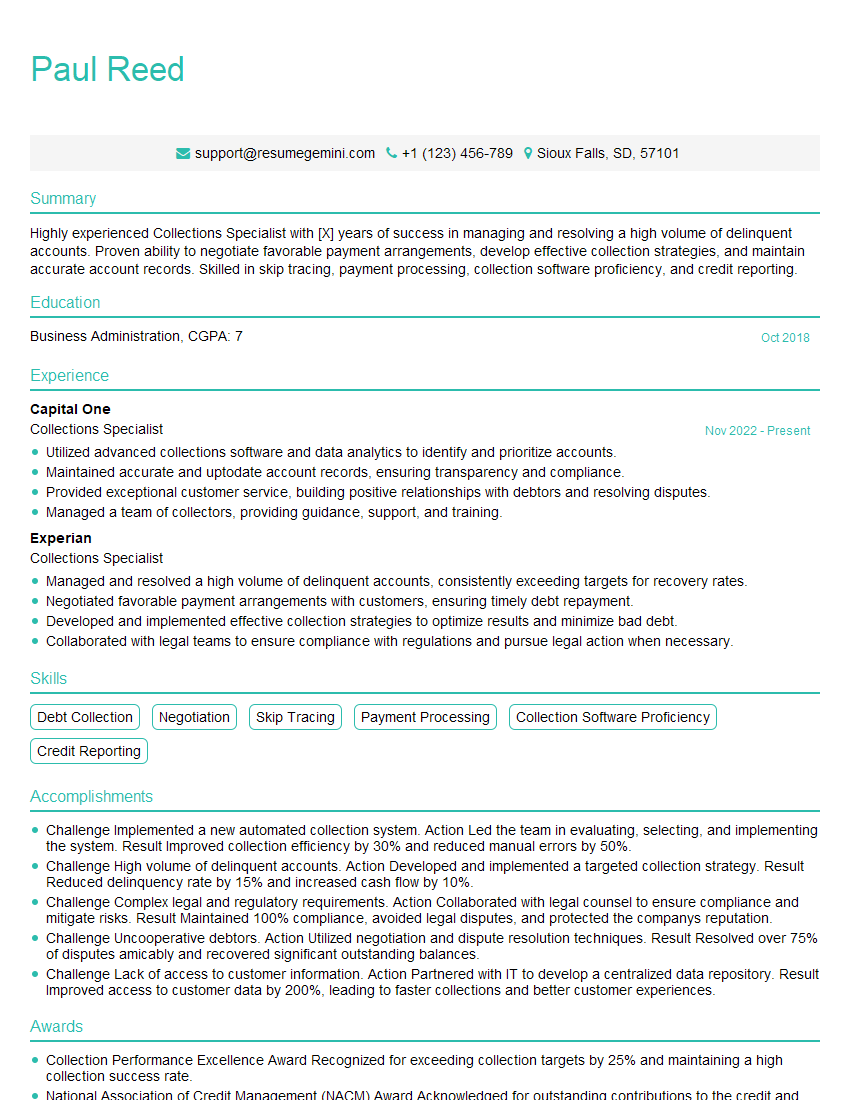
Collections Specialist Resume Sample
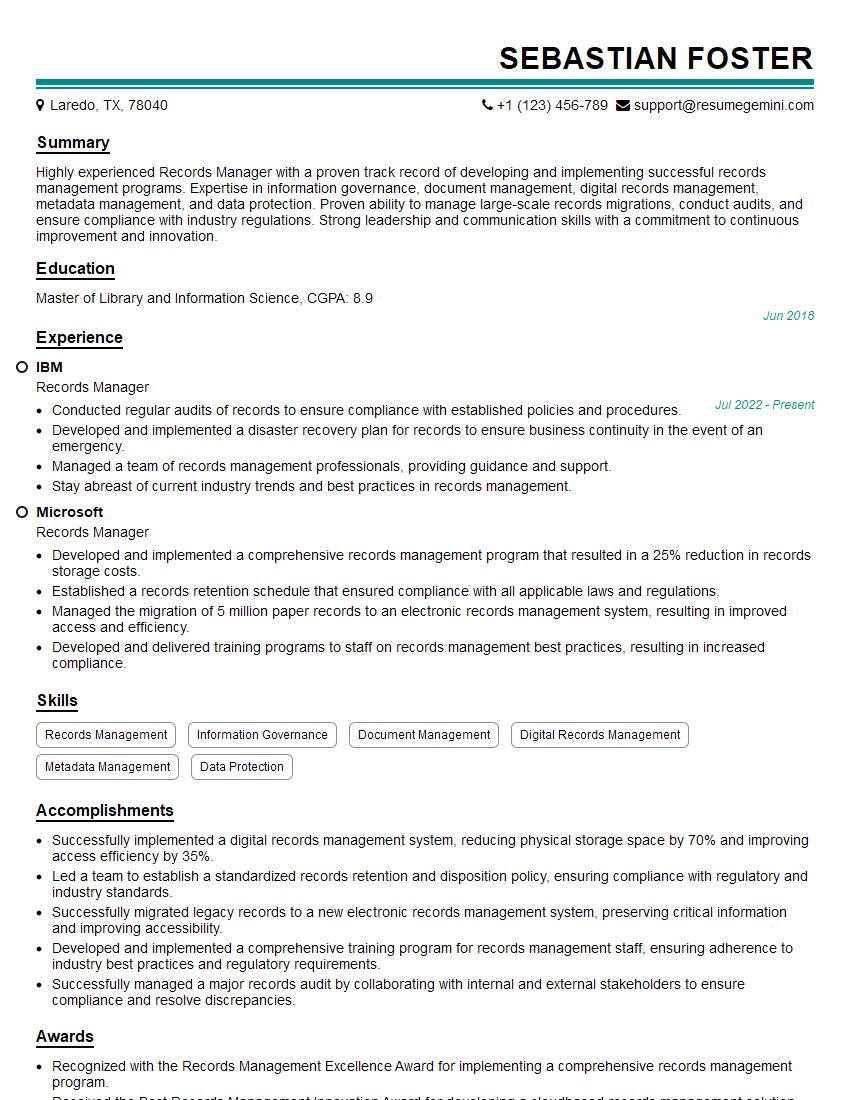
Records Manager Resume Sample
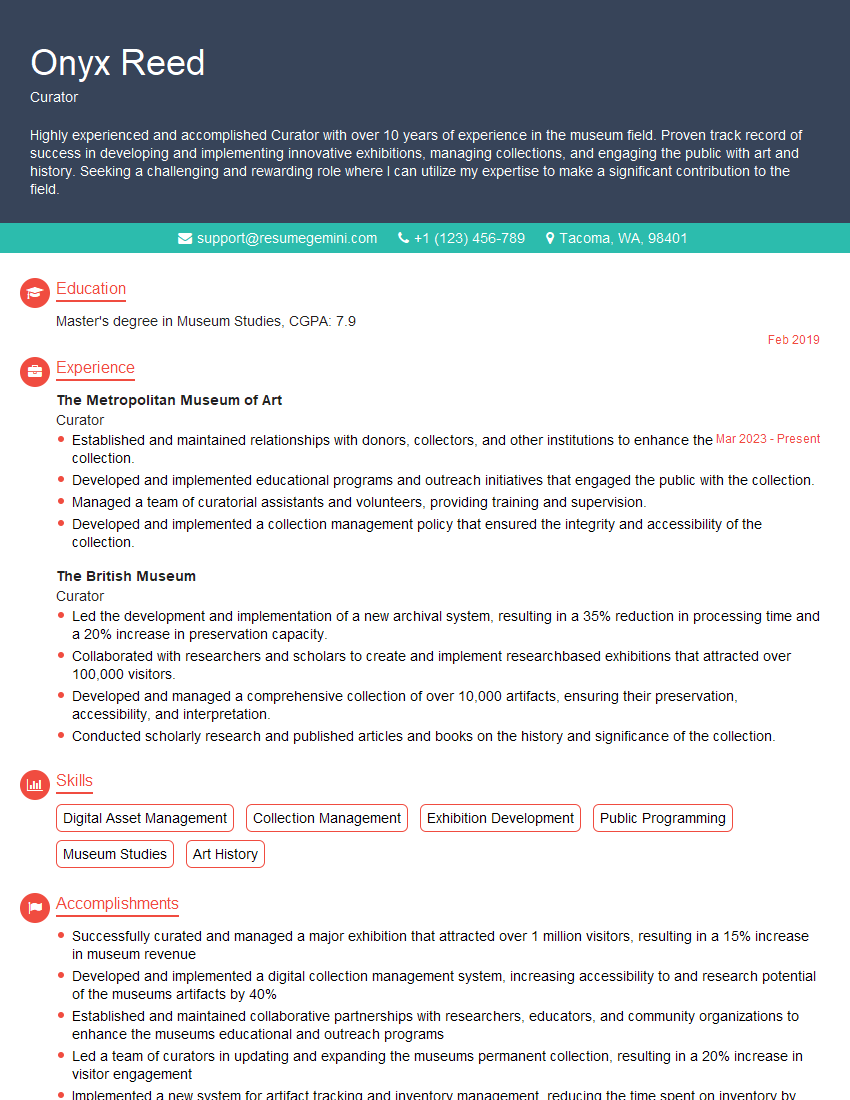
Curator Resume Sample
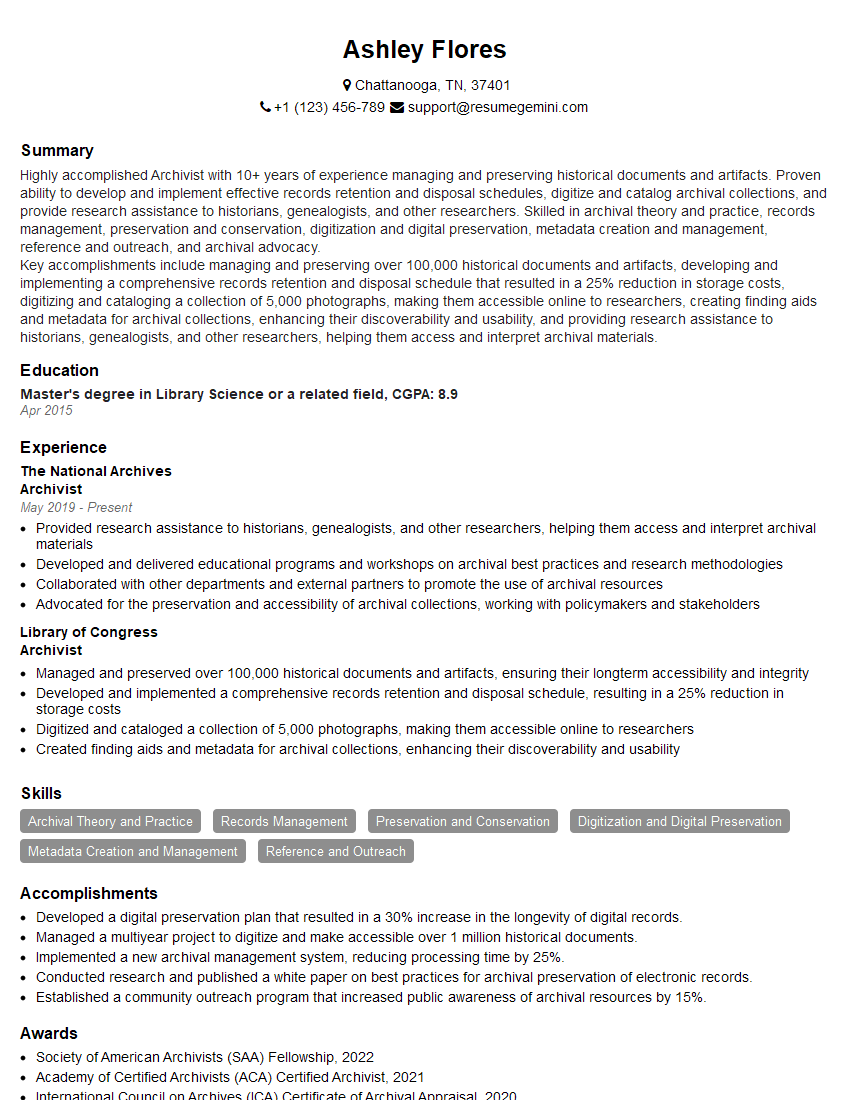
Archivist Resume Sample
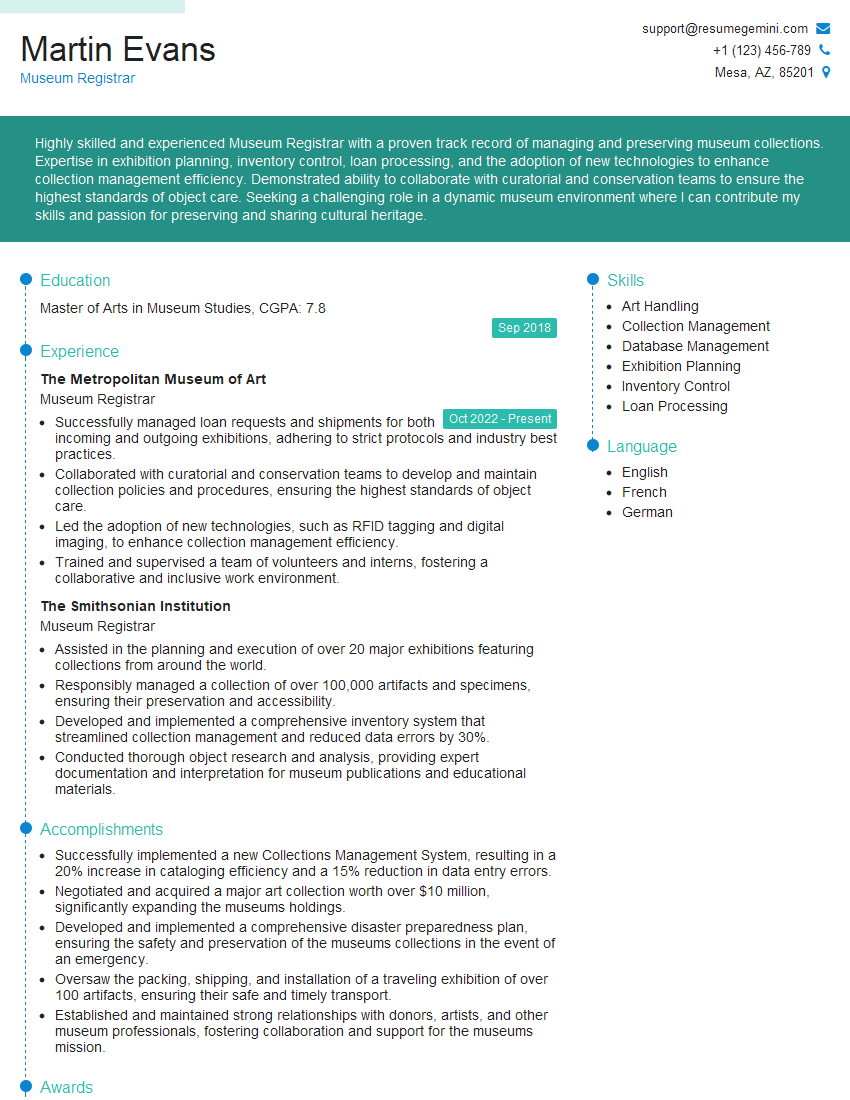
Museum Registrar Resume Sample
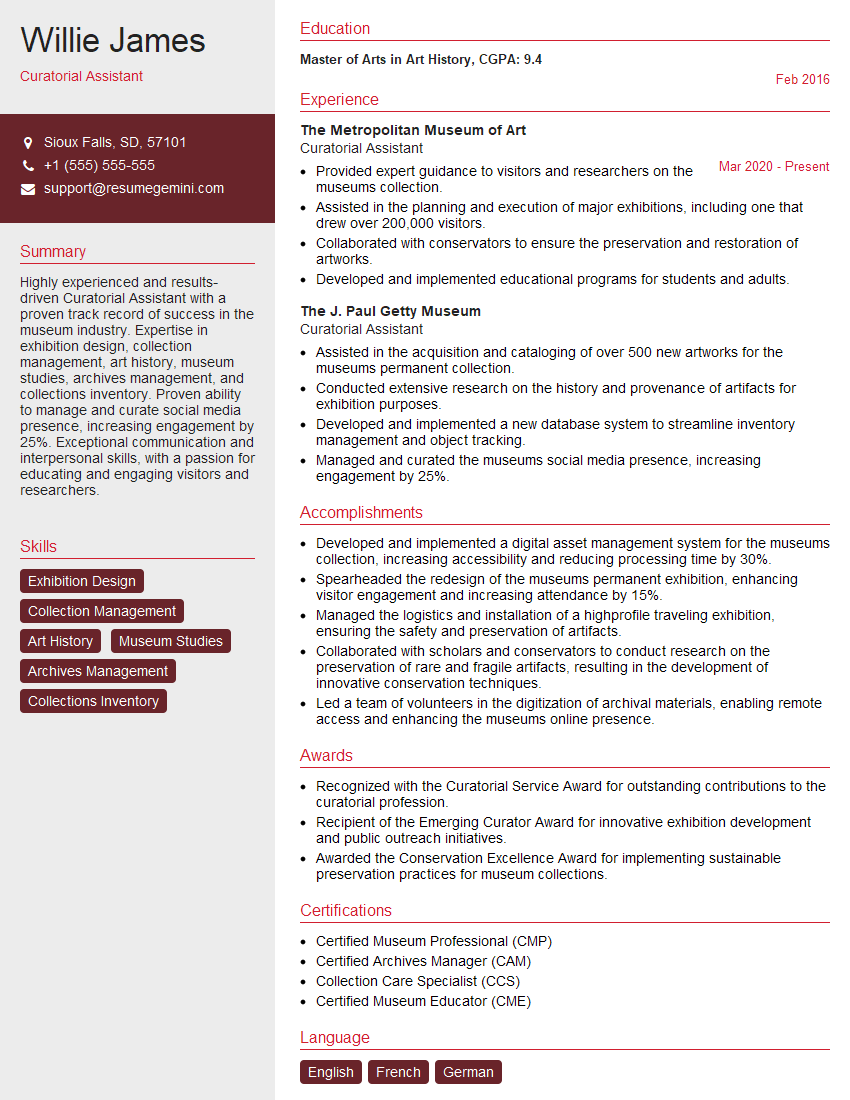
Curatorial Assistant Resume Sample
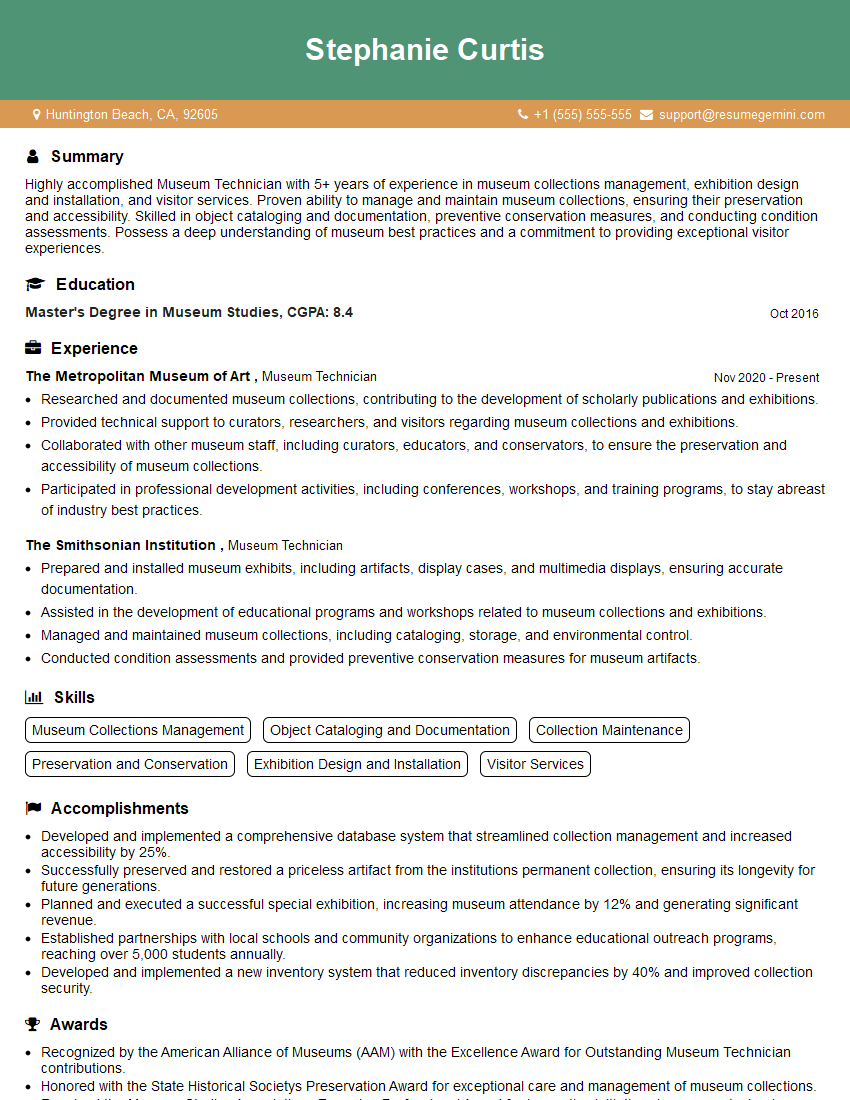
Museum Technician Resume Sample
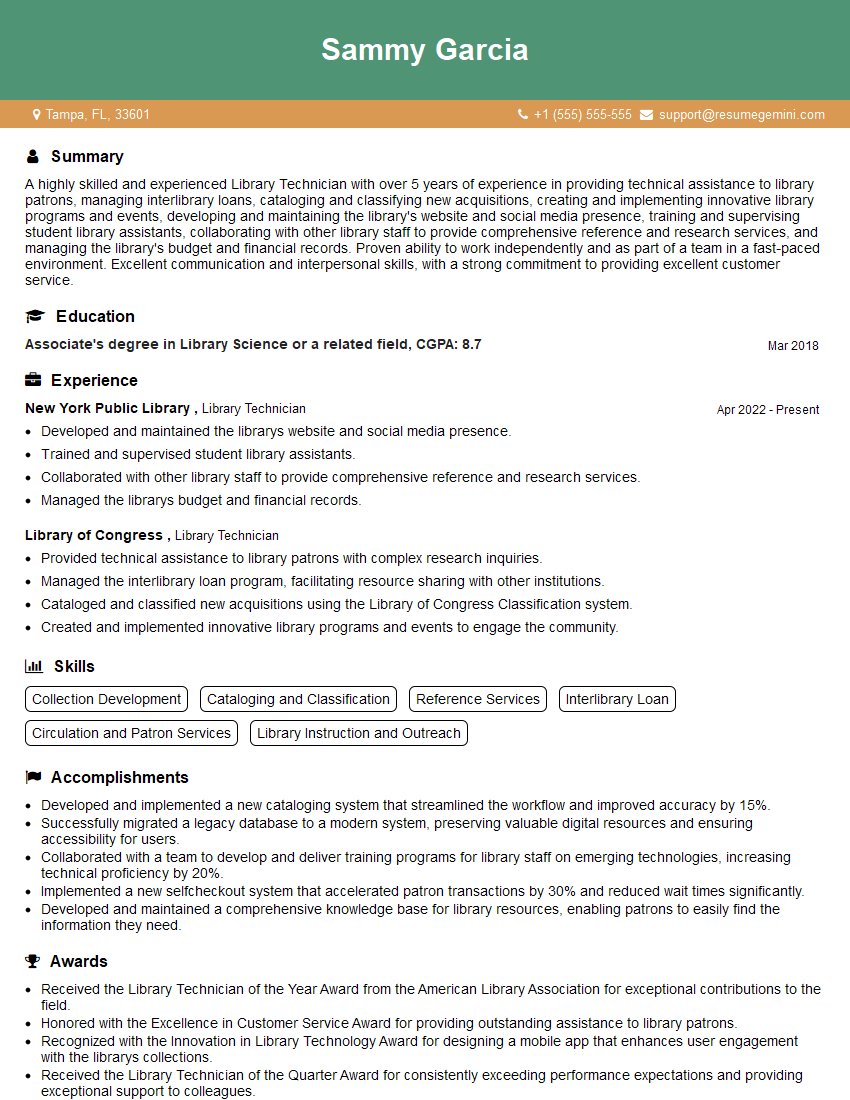
Library Technician Resume Sample
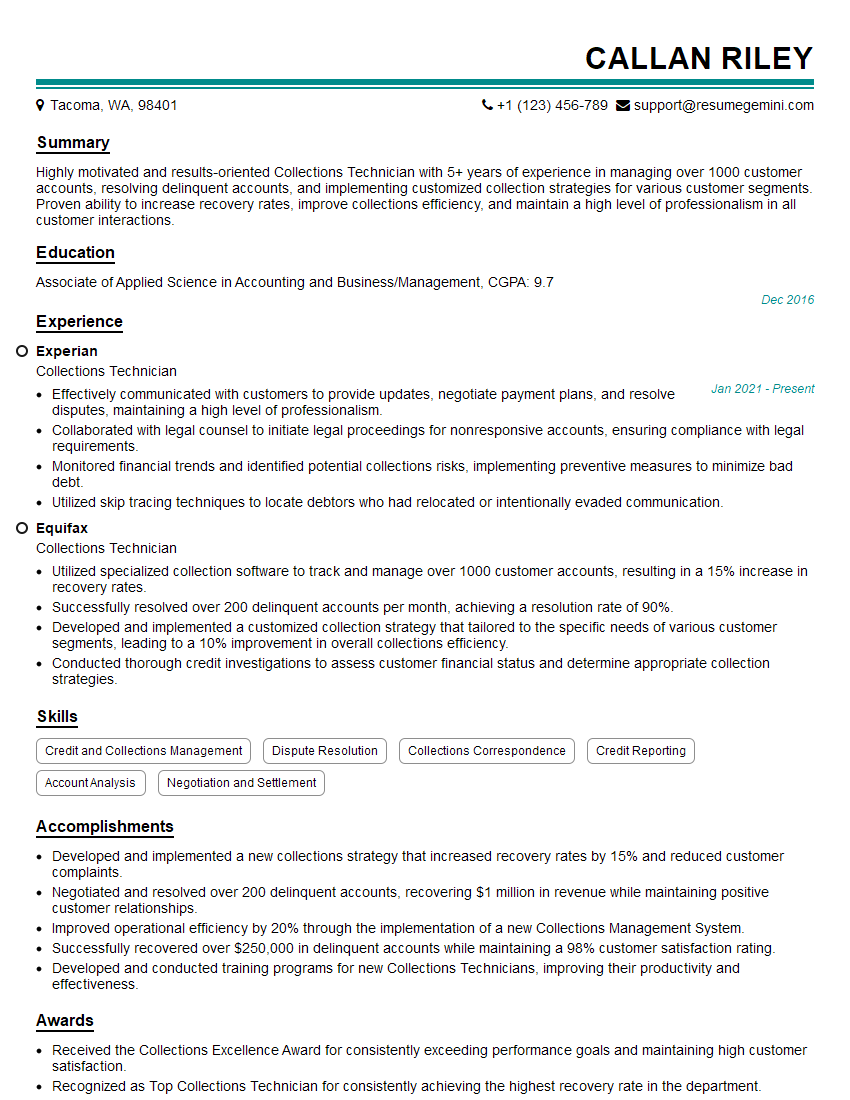
Collections Technician Resume Sample
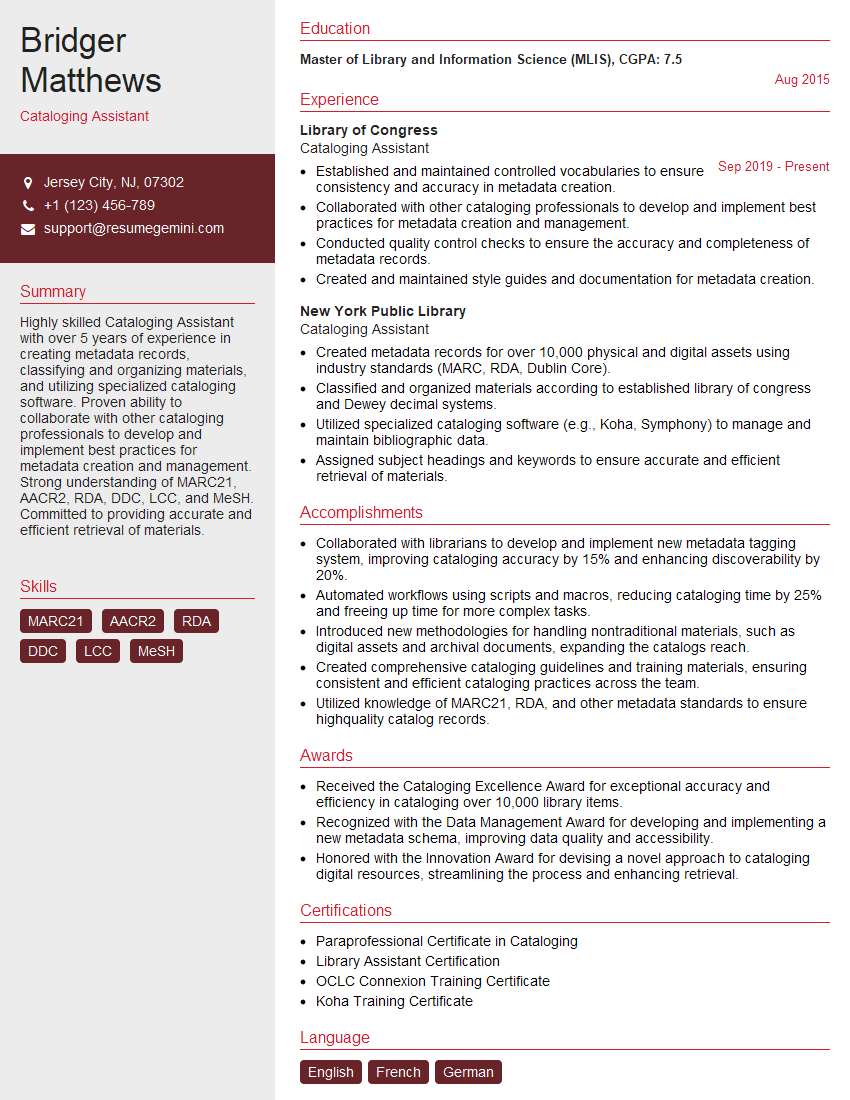
Cataloging Assistant Resume Sample
Explore more articles
Users Rating of Our Blogs
Share Your Experience
We value your feedback! Please rate our content and share your thoughts (optional).
What Readers Say About Our Blog
To the interviewgemini.com Webmaster.
Very helpful and content specific questions to help prepare me for my interview!
Thank you
To the interviewgemini.com Webmaster.
This was kind of a unique content I found around the specialized skills. Very helpful questions and good detailed answers.
Very Helpful blog, thank you Interviewgemini team.