Interviews are more than just a Q&A session—they’re a chance to prove your worth. This blog dives into essential Community Health Outreach interview questions and expert tips to help you align your answers with what hiring managers are looking for. Start preparing to shine!
Questions Asked in Community Health Outreach Interview
Q 1. Describe your experience developing and implementing community health outreach programs.
Developing and implementing community health outreach programs requires a multi-faceted approach. It starts with a thorough needs assessment to identify the specific health challenges within a target community. Then, we design programs that address those needs, considering the community’s unique cultural context and available resources. Implementation involves securing funding, recruiting staff and volunteers, creating culturally-sensitive materials, and establishing partnerships with local organizations. Finally, consistent monitoring and evaluation are crucial to ensure the program’s effectiveness and make necessary adjustments.
For example, in a previous role, I developed a program to address childhood obesity in a low-income neighborhood. This involved creating after-school cooking classes that taught children and their families about healthy eating habits, organizing community walks and bike rides, and advocating for increased access to fresh produce in local grocery stores. The program’s success was measured by tracking changes in BMI, healthy eating habits, and physical activity levels among participants.
Q 2. How do you identify and prioritize health needs within a community?
Identifying and prioritizing health needs within a community involves a systematic process. We begin by gathering data from multiple sources: public health records, surveys, focus groups, community meetings, and key informant interviews. This helps us understand the prevalence of various health issues, their impact on the population, and the community’s perceptions of these issues. We then use a prioritization framework, such as a needs assessment matrix, to weigh the severity, prevalence, and potential for intervention of different health concerns. This process ensures that we focus on the most pressing and addressable needs first. For instance, if a community reports high rates of diabetes, combined with limited access to affordable healthy food and diabetes education, we would prioritize initiatives addressing both these issues.
Q 3. Explain your approach to engaging diverse community populations.
Engaging diverse community populations demands a culturally sensitive and inclusive approach. This means understanding the unique cultural beliefs, practices, languages, and communication styles within the community. We achieve this through community participation in every stage – from needs assessment to program design and implementation. We collaborate with community leaders, faith-based organizations, and cultural groups to gain their input and ensure that our programs are relevant and accessible. For instance, when working with a refugee population, we translated program materials into their native languages, recruited bilingual staff, and ensured that programs accommodated their cultural customs and religious practices. This builds trust and increases participation.
Q 4. What strategies do you use to overcome barriers to accessing healthcare?
Overcoming barriers to accessing healthcare requires addressing the multifaceted challenges individuals may encounter. Transportation, lack of insurance, language barriers, lack of awareness, and cultural barriers all play a role. Strategies to overcome these include: providing transportation assistance, collaborating with community health clinics that offer sliding-scale fees, utilizing interpreters, conducting community education campaigns to raise awareness, and offering culturally appropriate health education. For example, if transportation is a major barrier, we might partner with local ride-sharing services or provide bus tokens to ensure patients can attend appointments.
Q 5. How do you measure the effectiveness of a community health outreach initiative?
Measuring the effectiveness of a community health outreach program requires a well-defined evaluation plan. This plan should include both process and outcome measures. Process measures track the program’s implementation, such as the number of participants, program activities conducted, and resources utilized. Outcome measures assess the program’s impact on the target population, such as changes in health behaviors, disease prevalence, and health outcomes. Quantitative data (e.g., surveys, medical records) and qualitative data (e.g., focus groups, interviews) are used to provide a complete picture. For instance, we might evaluate a smoking cessation program by measuring changes in smoking rates, lung function, and participants’ satisfaction with the program.
Q 6. Describe a time you had to adapt a program due to unexpected challenges.
During a program aimed at reducing teen pregnancy rates, we encountered unexpected challenges when a key partner organization unexpectedly withdrew funding mid-project. This forced us to adapt quickly. We immediately explored alternative funding sources, re-evaluated our budget, prioritized key activities, and secured in-kind support from other community organizations. We also modified our program plan, focusing on the most impactful activities within our reduced budget. We were successful in continuing the program, albeit with modifications, demonstrating our ability to be flexible and resourceful.
Q 7. How familiar are you with health disparities and health equity principles?
I am very familiar with health disparities and health equity principles. Health disparities refer to the differences in health outcomes among different population groups, often linked to social, economic, and environmental factors. Health equity, on the other hand, focuses on achieving fair and just opportunities for all individuals to be healthy. My work consistently addresses health disparities by focusing on underserved communities and working to address the social determinants of health that contribute to inequities. For example, by advocating for affordable housing, access to nutritious food, and quality education, we aim to create conditions that promote health equity and address the root causes of health disparities.
Q 8. How do you build trust and rapport with community members?
Building trust and rapport with community members is foundational to successful community health outreach. It’s about fostering genuine connections based on respect, empathy, and understanding. It’s not just about delivering information; it’s about building relationships.
Active Listening: Truly listening to community members’ concerns, experiences, and perspectives is paramount. This shows you value their input and are invested in their well-being. For example, during a community meeting about childhood obesity, I made sure to actively listen to parents’ concerns about access to healthy food and safe places to exercise, tailoring my solutions to address those specific needs.
Cultural Sensitivity: Understanding and respecting the cultural norms and values of the community is critical. This might involve adapting communication styles, program formats, and even the timing of outreach events to align with community preferences. In one project, we adapted our health education materials to be in the primary language spoken in the community and incorporated culturally relevant imagery.
Transparency and Honesty: Being open and honest about the goals of the outreach program, the limitations of resources, and the potential challenges is crucial for building trust. Hiding information or making unrealistic promises can severely damage relationships. I always aim to be upfront about what I can and cannot do, building credibility and maintaining trust.
Community Engagement: Involving community members in the design and implementation of health programs empowers them and fosters a sense of ownership. For example, forming a community advisory board to guide program decisions ensures that the outreach is relevant and meets the community’s needs.
Q 9. What data collection methods are you proficient in?
Proficiency in diverse data collection methods is crucial for assessing community health needs and evaluating program effectiveness. My experience encompasses both quantitative and qualitative approaches.
Quantitative Methods: I’m skilled in using surveys (both paper-based and online), health screenings (e.g., blood pressure, cholesterol), and utilizing existing datasets from public health agencies (e.g., vital statistics, census data) to gather numerical data about health status, risk factors, and program impact. For instance, I’ve used anonymized data from local hospitals to understand prevalence of diabetes within specific demographics.
Qualitative Methods: I’m also proficient in conducting focus groups, key informant interviews (with community leaders and health providers), and participatory observation to understand the community’s lived experiences, perspectives, and cultural context related to health. For example, I used focus groups to better understand the barriers faced by pregnant women in accessing prenatal care.
Mixed Methods: Often, I employ mixed methods approaches, combining both quantitative and qualitative data to create a more comprehensive understanding of a health issue. This allows for a richer, more nuanced picture, which is critical for effective program planning and evaluation.
Q 10. How do you collaborate effectively with community partners and stakeholders?
Effective collaboration with community partners and stakeholders is essential for achieving sustainable and impactful health outcomes. It requires a collaborative, participatory approach.
Relationship Building: Establishing strong relationships with key stakeholders – including community leaders, healthcare providers, schools, faith-based organizations, and local businesses – is paramount. Regular communication, open dialogue, and mutual respect are key components.
Shared Goals and Vision: Collaboration thrives when all stakeholders have a shared understanding of the goals and objectives of the outreach program. Clearly defined roles, responsibilities, and timelines prevent confusion and foster efficient workflow.
Resource Sharing: Effective collaboration involves pooling resources, including expertise, funding, personnel, and materials, to maximize impact. For example, I’ve collaborated with local clinics to provide health education workshops in their facilities, leveraging their established network and infrastructure.
Conflict Resolution: Disagreements are inevitable. Establishing clear communication channels and conflict resolution strategies early on are crucial for successful collaboration. In one instance, I facilitated a meeting between conflicting community organizations to help them find common ground and collaboratively develop a youth-focused health campaign.
Q 11. Explain your experience working with vulnerable populations.
Working with vulnerable populations requires a nuanced understanding of the unique challenges they face and a commitment to providing culturally sensitive, equitable, and trauma-informed care.
Experience: I’ve worked extensively with homeless populations, providing access to health screenings, substance abuse counseling, and housing assistance. I’ve also worked with low-income families, providing education on nutrition and parenting skills. I have experience with elderly populations, facilitating programs to address social isolation and improve access to healthcare.
Building Trust: Trust is especially crucial when working with vulnerable populations. This requires a genuine commitment to listening, respecting, and empowering individuals. I use a strength-based approach, focusing on what individuals can achieve instead of dwelling on limitations.
Addressing Systemic Barriers: Vulnerable populations often face systemic barriers that impact their health. I work to advocate for policy changes and resource allocation to address these barriers. For example, I’ve actively advocated for increased funding for mental health services in underserved areas.
Trauma-Informed Care: Many vulnerable populations have experienced trauma. My approach is grounded in trauma-informed principles, acknowledging that trauma can influence health behavior and utilizing practices that minimize re-traumatization.
Q 12. How do you utilize technology to enhance community outreach efforts?
Technology plays a vital role in enhancing community outreach efforts, allowing for wider reach, improved efficiency, and increased engagement.
Social Media: Utilizing platforms like Facebook, Twitter, and Instagram to share health information, promote events, and engage with community members. For example, I’ve created targeted social media campaigns to increase awareness about vaccination programs.
Mobile Health (mHealth): Employing mobile apps and text messaging to deliver health information, reminders, and support. For example, using SMS to remind individuals about their upcoming appointments.
Online Surveys and Data Collection Tools: Utilizing online survey platforms like SurveyMonkey or Qualtrics for efficient and cost-effective data collection. This also allows for easier analysis and reporting.
Telehealth: Providing telehealth services, such as virtual consultations and remote monitoring, to overcome geographical barriers and improve access to care, especially helpful for individuals with limited mobility or transportation.
Q 13. Describe your understanding of health literacy and its importance.
Health literacy is the degree to which individuals have the capacity to obtain, process, and understand basic health information and services needed to make appropriate health decisions. It’s crucial for effective community health outreach.
Importance: Low health literacy is linked to poorer health outcomes, increased healthcare costs, and lower adherence to treatment plans. Individuals with low health literacy may struggle to understand medical instructions, navigate healthcare systems, or make informed health choices.
Addressing Low Health Literacy: In my outreach efforts, I use plain language, avoid medical jargon, utilize visuals, and provide opportunities for questions and clarification. I also tailor communication to the specific audience’s literacy level and cultural background. For example, I’ve used visual aids and simple language in diabetes education materials for individuals with limited literacy skills.
Assessment: Identifying individuals with low health literacy is crucial. I use various assessment tools and informal observations during interactions to understand an individual’s health literacy level.
Empowerment: It’s not just about providing information; it’s about empowering individuals to become active participants in their own health care. This involves building confidence and providing them with the tools and resources they need to make informed decisions.
Q 14. How do you address ethical dilemmas in community health outreach?
Ethical dilemmas are inherent in community health outreach. Addressing them requires a strong ethical framework, transparency, and community engagement.
Confidentiality: Maintaining client confidentiality is paramount. I follow strict protocols for data protection and secure storage of personal information.
Informed Consent: Ensuring participants provide informed consent before participating in any program or study is crucial. This involves explaining the purpose, procedures, risks, and benefits in clear and understandable language.
Cultural Sensitivity: Respecting cultural norms and avoiding practices that could be perceived as disrespectful or exploitative is important.
Conflicts of Interest: Transparency about potential conflicts of interest is essential. I avoid situations that could compromise my objectivity or jeopardize the trust of the community.
Resource Allocation: Decisions regarding resource allocation must be fair and equitable, prioritizing the needs of the most vulnerable populations. Transparent decision-making processes involving community members can help prevent bias.
Q 15. How do you ensure the sustainability of a community health program?
Ensuring the sustainability of a community health program requires a multi-faceted approach focusing on building strong partnerships, diversifying funding streams, and creating ownership within the community. It’s not enough to simply implement a program; it must be designed to thrive long after initial funding ends.
- Building Strong Partnerships: Collaborating with local organizations, healthcare providers, government agencies, and community leaders is crucial. This creates a network of support that can contribute resources, expertise, and advocacy. For example, partnering with a local food bank to address food insecurity alongside a health education program creates a synergistic effect.
- Diversifying Funding Streams: Relying solely on grants is risky. Explore avenues like earned income (e.g., offering fee-for-service workshops), corporate sponsorships, individual donations, and fundraising events. A well-diversified portfolio makes the program more resilient to funding cuts.
- Developing Capacity within the Community: Train community members to take on leadership roles within the program. Empowering local residents fosters ownership and ensures the program’s continuation even after external support decreases. This might involve training community health workers to deliver services or establishing a community advisory board.
- Data-Driven Evaluation and Adaptation: Regularly evaluate the program’s effectiveness using clear metrics. This data guides improvements, demonstrates impact to funders, and reinforces the program’s value. Adaptability is key to long-term success in a constantly evolving environment.
Career Expert Tips:
- Ace those interviews! Prepare effectively by reviewing the Top 50 Most Common Interview Questions on ResumeGemini.
- Navigate your job search with confidence! Explore a wide range of Career Tips on ResumeGemini. Learn about common challenges and recommendations to overcome them.
- Craft the perfect resume! Master the Art of Resume Writing with ResumeGemini’s guide. Showcase your unique qualifications and achievements effectively.
- Don’t miss out on holiday savings! Build your dream resume with ResumeGemini’s ATS optimized templates.
Q 16. What are your skills in needs assessment and program planning?
My skills in needs assessment and program planning are comprehensive and data-driven. I utilize a mixed-methods approach, combining quantitative and qualitative data to gain a holistic understanding of community health needs.
- Needs Assessment: This involves systematically collecting data through surveys, focus groups, interviews, and secondary data analysis (e.g., reviewing health statistics, census data). This process helps identify the most pressing health issues, the populations most affected, and the resources available. For instance, in a rural community, a needs assessment might reveal high rates of diabetes and limited access to healthy food options, guiding the design of a nutrition education program and mobile health clinic.
- Program Planning: Based on the needs assessment, I develop a strategic plan outlining goals, objectives, activities, timelines, and evaluation methods. This plan details how the program will address identified needs, incorporating evidence-based interventions and culturally appropriate approaches. This might involve using the logic model framework to illustrate the causal relationship between program activities and desired outcomes.
- SMART Objectives: I create Specific, Measurable, Achievable, Relevant, and Time-bound (SMART) objectives to guide program implementation and evaluation. This ensures that progress is easily tracked and adjustments can be made as needed.
Q 17. How do you utilize health communication strategies?
Effective health communication is critical for reaching diverse audiences and achieving program goals. I utilize a variety of strategies tailored to the specific needs and preferences of the community.
- Multi-Channel Approach: I employ multiple communication channels, including social media, community events, local media partnerships (newspapers, radio), printed materials (flyers, brochures), and one-on-one conversations, to ensure broad reach and accessibility.
- Culturally Appropriate Messaging: I ensure that all communication materials are culturally sensitive and linguistically appropriate. This includes using plain language, avoiding jargon, and utilizing culturally relevant imagery and metaphors.
- Health Literacy Considerations: I adapt my communication style to the health literacy levels of the target audience, ensuring that information is easily understood and actionable. This might involve using visuals, simple language, and providing clear instructions.
- Community Engagement: I actively engage the community in the communication process, soliciting feedback and incorporating community input into message development and dissemination.
Q 18. How do you maintain confidentiality in community health work?
Maintaining confidentiality in community health work is paramount. I adhere to strict ethical guidelines and legal requirements to protect the privacy of individuals and communities.
- Informed Consent: I always obtain informed consent before collecting or sharing any personal information. This means clearly explaining the purpose of data collection, how information will be used and protected, and the individual’s right to refuse participation.
- Data Security: I implement robust data security measures to prevent unauthorized access, use, disclosure, alteration, or destruction of personal information. This includes secure storage of physical and electronic records, password protection, and adherence to data privacy regulations (e.g., HIPAA).
- Limited Access to Data: Access to sensitive information is restricted to authorized personnel only on a need-to-know basis. All staff members are trained on confidentiality protocols.
- De-identification of Data: Whenever possible, I de-identify data to prevent the identification of individuals. This involves removing identifying information like names, addresses, and other unique identifiers.
Q 19. Describe your experience with grant writing or securing funding.
I have extensive experience in grant writing and securing funding for community health programs. I have successfully obtained funding from various sources, including foundations, government agencies, and corporations. My approach involves a thorough understanding of the funder’s priorities and a compelling narrative showcasing the program’s impact.
- Needs-Based Approach: I align grant proposals with the specific priorities of the funding organization. Thorough research into the funder’s mission and past grants helps tailor the proposal effectively.
- Strong Narrative: I craft compelling narratives that clearly articulate the problem, the proposed solution, the program’s impact, and the sustainability plan. Strong storytelling makes the proposal memorable and impactful.
- Data-Driven Approach: I incorporate data and evidence to demonstrate the program’s effectiveness and the need for funding. This includes using statistics, testimonials, and previous program results to showcase the program’s value.
- Budget Justification: I create detailed and justified budgets that demonstrate responsible use of funds. This includes clearly outlining the expenses and justifying the costs associated with each program activity.
Q 20. How do you manage competing priorities and deadlines?
Managing competing priorities and deadlines effectively requires strong organizational skills, time management techniques, and proactive communication. I use several strategies to ensure efficient task completion.
- Prioritization: I utilize prioritization frameworks like Eisenhower Matrix (urgent/important) to identify the most critical tasks and allocate my time accordingly. This ensures that urgent matters are addressed promptly, while important long-term goals are not neglected.
- Time Blocking: I schedule specific blocks of time for particular tasks, minimizing distractions and promoting focused work. This approach helps break down large projects into manageable chunks.
- Delegation: When possible, I delegate tasks to other team members, leveraging their skills and expertise to optimize efficiency. Clear communication and well-defined responsibilities are key for effective delegation.
- Regular Monitoring and Adjustments: I regularly review my progress, track deadlines, and adjust my plans as needed. Flexibility and adaptability are essential in managing unexpected challenges and shifting priorities.
Q 21. What are your strengths in community mobilization?
My strengths in community mobilization lie in building trust, fostering collaboration, and empowering community members to participate actively in health initiatives. I believe in a participatory approach where community members are not passive recipients but active partners in shaping and implementing solutions.
- Building Relationships: I invest time in building strong relationships with community leaders, residents, and organizations. Trust is foundational for effective mobilization, requiring empathy, active listening, and respect for diverse perspectives.
- Community Asset Mapping: I identify existing strengths and resources within the community. This might involve identifying community leaders, existing organizations, and readily available resources. This is used to leverage existing assets and resources rather than starting from scratch.
- Participatory Planning: I engage the community in the planning process, ensuring that interventions are culturally appropriate and address the community’s unique needs and priorities. This might involve holding focus groups, surveys, and town hall meetings.
- Capacity Building: I provide training and support to community members to develop their skills and leadership abilities, allowing them to sustain initiatives over time. This often involves training community health workers or establishing community advisory boards.
Q 22. What are your skills in conflict resolution?
Conflict resolution is a crucial skill in community health outreach, where diverse perspectives and competing needs are common. My approach is grounded in active listening, empathy, and a collaborative problem-solving framework. I begin by ensuring all parties feel heard and understood. This involves creating a safe space for open communication, paraphrasing to confirm understanding, and validating feelings. Then, I facilitate a collaborative process focusing on identifying the root causes of the conflict, not just the symptoms. We brainstorm solutions together, focusing on mutually beneficial outcomes. For example, during a community meeting about a proposed new health clinic location, I successfully mediated between residents concerned about parking and those prioritizing proximity to public transportation. By actively listening to both sides and facilitating a compromise—exploring alternative parking solutions and improving public transport access—we reached a consensus that satisfied most stakeholders.
- Active Listening: Paying close attention to verbal and nonverbal cues.
- Empathy: Understanding and acknowledging the perspectives of all parties involved.
- Collaboration: Working together to find solutions that address everyone’s concerns.
- Compromise: Finding mutually acceptable solutions that may not perfectly satisfy everyone but resolve the core issue.
Q 23. Explain your experience with health promotion and disease prevention strategies.
My experience in health promotion and disease prevention spans various settings, including working with underserved communities and collaborating with healthcare providers. I’ve designed and implemented evidence-based interventions focusing on chronic disease management (diabetes, hypertension), promoting healthy lifestyles (nutrition, physical activity), and addressing health disparities. For instance, I led a community-based program targeting childhood obesity, which involved educational workshops for parents, cooking demonstrations focused on healthy recipes, and the establishment of a community garden to improve access to fresh produce. We also partnered with local schools to implement physical activity programs during school hours. This multi-pronged approach led to a significant reduction in childhood obesity rates within the targeted community, demonstrated through pre- and post-intervention assessments of BMI and dietary habits. My strategies always incorporate culturally sensitive approaches, recognizing that one-size-fits-all solutions are ineffective. I tailor interventions to the specific needs and preferences of each community, ensuring inclusivity and maximizing impact.
- Community Needs Assessment: Understanding the specific health challenges faced by the target population.
- Evidence-Based Interventions: Utilizing effective strategies supported by research.
- Culturally Sensitive Approaches: Adapting interventions to the unique cultural context of the community.
- Collaboration: Partnering with local organizations, schools, and healthcare providers to maximize reach and impact.
Q 24. How do you track program outcomes and report progress?
Tracking program outcomes and reporting progress is essential for demonstrating impact and making data-driven improvements. My approach involves a structured process utilizing both quantitative and qualitative data. We establish clear, measurable, achievable, relevant, and time-bound (SMART) goals at the outset of each program. Then, we collect data throughout the program using a variety of methods, including surveys, interviews, focus groups, and health record reviews. Quantitative data might involve tracking changes in blood pressure, BMI, or participation rates. Qualitative data helps understand the program’s impact on participants’ experiences and perceptions. I use data analysis software (like SPSS or R) to analyze quantitative data and thematic analysis for qualitative data. Finally, I prepare comprehensive reports summarizing the program’s achievements, challenges, and recommendations for improvement. These reports are shared with stakeholders (community partners, funders, and health authorities), allowing transparency and accountability. For example, in a recent program evaluating the effectiveness of a smoking cessation intervention, we tracked participant smoking status using validated questionnaires and biochemical markers (cotinine levels). Our report demonstrated a statistically significant reduction in smoking rates, influencing funding decisions and future program improvements.
Q 25. What software and technology are you proficient in for data management?
I’m proficient in several software and technology tools crucial for data management in community health outreach. My expertise includes:
- SPSS and R: For statistical analysis of quantitative data.
- Excel and Google Sheets: For data entry, organization, and basic analysis.
- NVivo or Atlas.ti: For qualitative data analysis (coding, thematic analysis).
- Data visualization tools (Tableau, Power BI): To create compelling reports and presentations.
- Electronic Health Record (EHR) systems: Familiar with accessing and utilizing data from various EHR systems, depending on the healthcare setting.
- Online survey platforms (SurveyMonkey, Qualtrics): To design and administer surveys efficiently.
I am also comfortable with using project management software (Asana, Trello) to keep track of tasks and deadlines, and video conferencing tools (Zoom, Teams) for virtual meetings and collaborations.
Q 26. How do you handle criticism or feedback on program effectiveness?
Criticism and feedback, whether positive or negative, are invaluable opportunities for learning and improvement. I view them as constructive contributions to program enhancement. When receiving criticism, I listen actively and respectfully, seeking clarification if needed. I avoid becoming defensive and instead focus on understanding the perspective of the critic. I then analyze the feedback objectively, determining whether it’s valid and applicable. If the criticism is constructive, I brainstorm ways to address the identified issues. This may involve modifying program activities, adjusting communication strategies, or strengthening evaluation methods. I document all feedback, both positive and negative, and use this information to inform future program iterations. For example, if participants complained about the inconvenient timing of a workshop, we would adjust the schedule for future sessions. Through transparent communication and a commitment to continuous improvement, I build trust and credibility with the community and stakeholders.
Q 27. Describe your experience with community health needs assessments.
Community health needs assessments (CHNAs) are fundamental to effective community health outreach. They provide a comprehensive understanding of the health status, needs, and resources within a specific population. My experience includes conducting CHNAs using a mixed-methods approach, combining quantitative data (e.g., from health surveys and vital statistics) with qualitative data (e.g., through community forums, key informant interviews, and focus groups). The process typically involves several stages: 1) Defining the community; 2) Gathering data; 3) Analyzing data to identify key health issues and needs; 4) Identifying assets and resources; 5) Developing recommendations for action; and 6) Communicating findings and recommendations. I am skilled in using various data collection methods, employing rigorous data analysis techniques to identify disparities and trends, and communicating findings clearly and concisely to diverse audiences. For example, during a CHNA in a rural community, we identified a significant lack of access to mental health services as a major health concern. This finding informed the development of a mobile mental health clinic, addressing a critical gap in service provision.
Key Topics to Learn for Community Health Outreach Interview
- Understanding Community Needs Assessment: Learn how to conduct thorough assessments to identify health disparities and prioritize intervention strategies within specific communities.
- Program Planning & Implementation: Explore the practical application of developing, implementing, and evaluating community health programs. Consider budgeting, resource allocation, and stakeholder engagement.
- Health Communication & Education: Master effective strategies for disseminating health information to diverse populations, considering literacy levels, cultural sensitivity, and health literacy.
- Cultural Competency & Health Equity: Understand the importance of addressing health inequities and providing culturally appropriate care. Explore models for addressing bias and promoting inclusivity.
- Collaboration & Partnerships: Discuss the essential role of building and maintaining strong relationships with community organizations, healthcare providers, and government agencies.
- Data Collection & Evaluation: Learn how to collect, analyze, and interpret data to measure program effectiveness and inform future interventions. Consider various data collection methods and evaluation frameworks.
- Public Health Policy & Advocacy: Explore how policy influences community health and the role of advocacy in improving health outcomes. Understand relevant legislation and regulations.
- Health Promotion & Disease Prevention: Discuss strategies for promoting healthy behaviors and preventing disease at the community level. Consider evidence-based interventions and their application.
- Ethical Considerations in Community Health: Understand ethical frameworks and their application in community health practice, including issues of confidentiality, informed consent, and resource allocation.
Next Steps
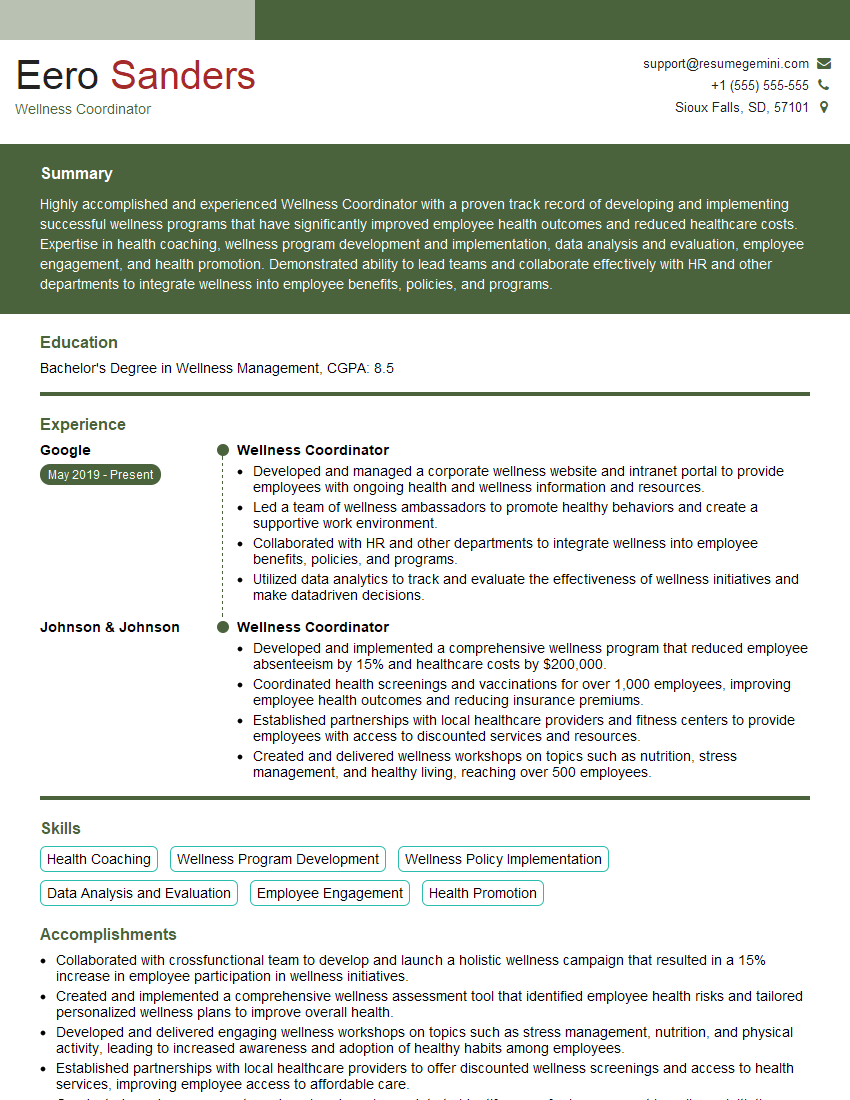
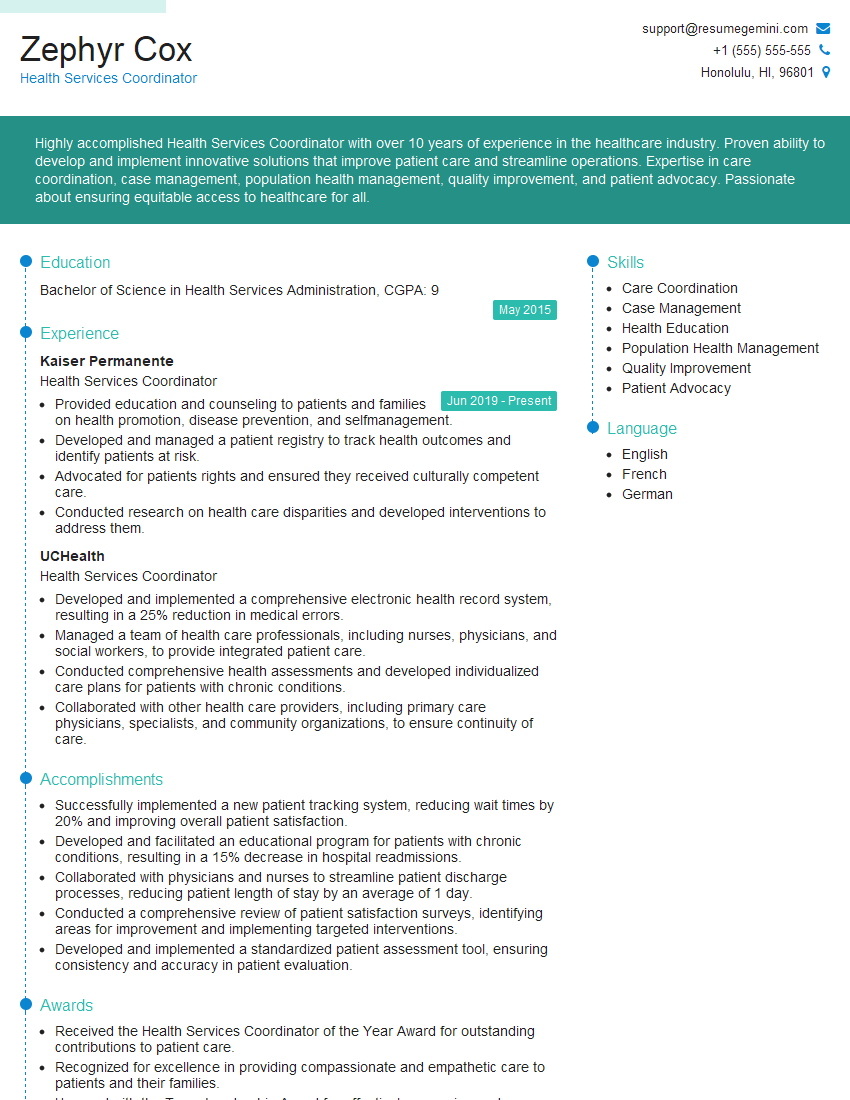
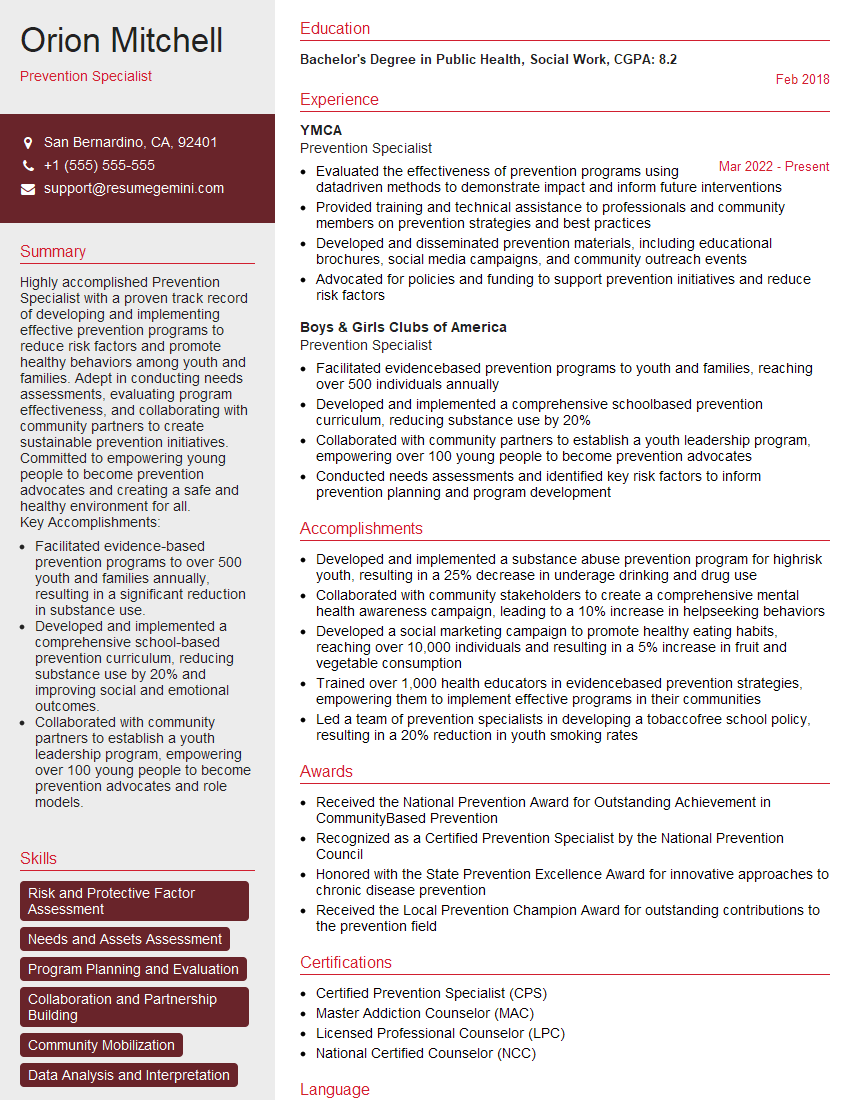
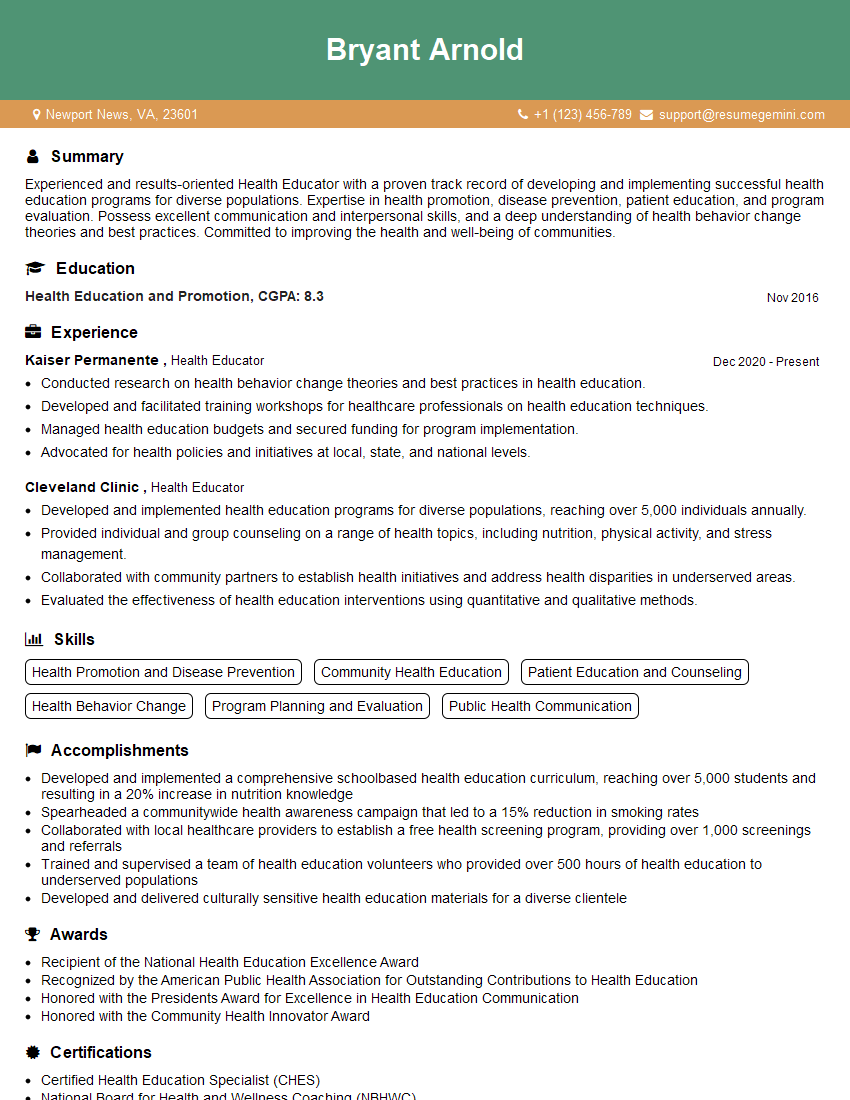
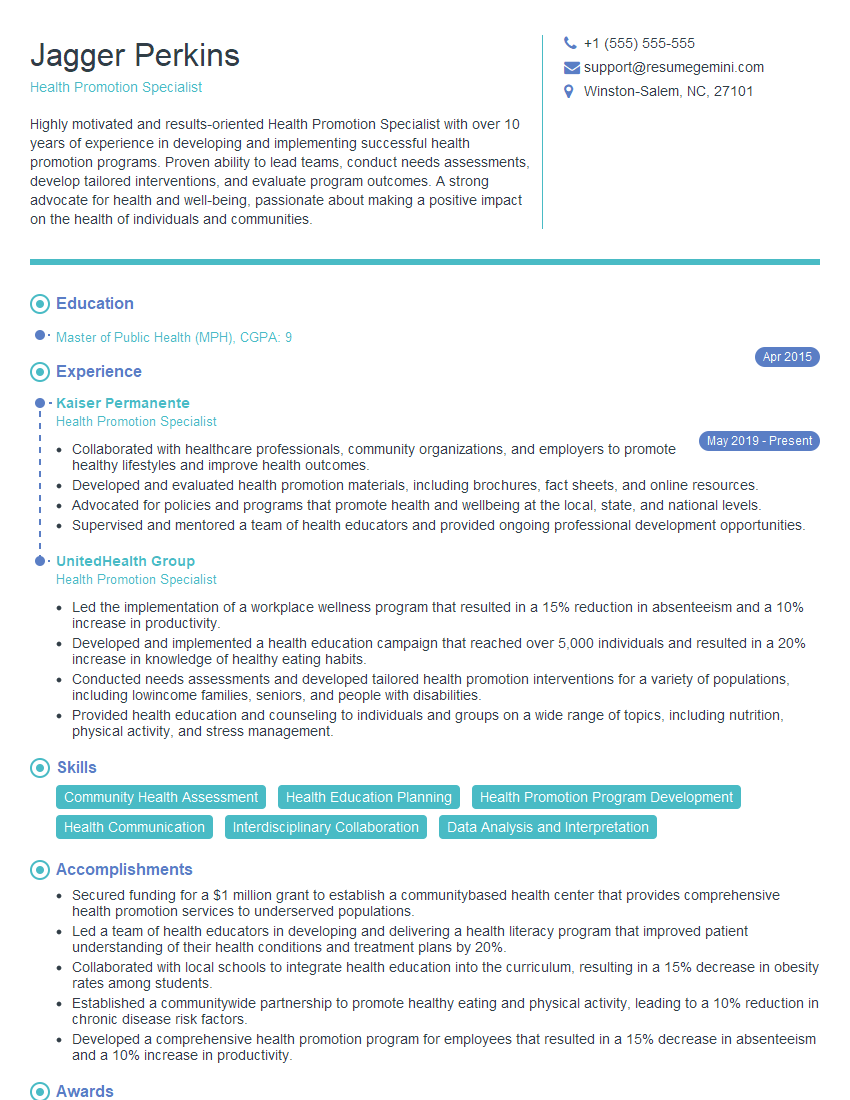
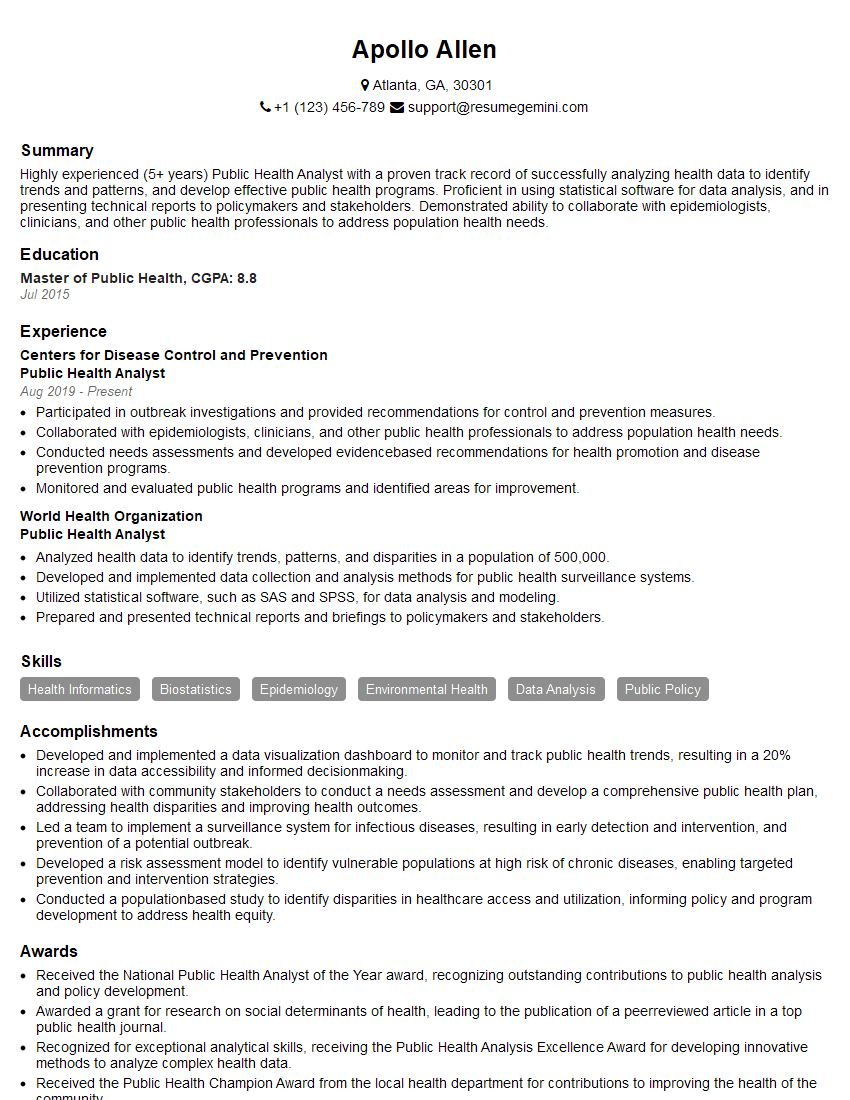
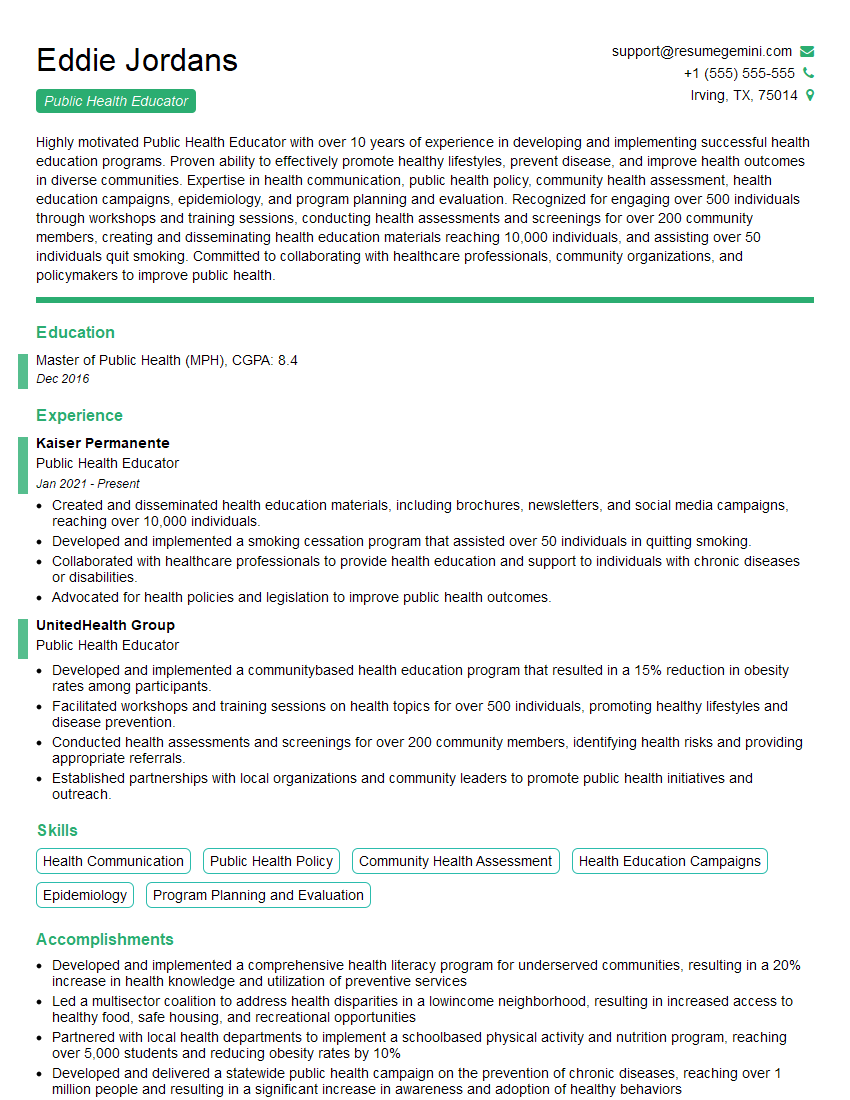
Mastering Community Health Outreach is crucial for a rewarding and impactful career. It opens doors to diverse roles with significant societal impact, offering opportunities for growth and leadership in public health. To maximize your job prospects, crafting an ATS-friendly resume is essential. This ensures your application is effectively screened by applicant tracking systems, giving you a competitive edge. We strongly recommend using ResumeGemini to build a professional and impactful resume. ResumeGemini provides tools and resources to create a compelling document, and offers examples of resumes specifically tailored to Community Health Outreach positions. Take the next step towards your ideal career today!
Explore more articles
Users Rating of Our Blogs
Share Your Experience
We value your feedback! Please rate our content and share your thoughts (optional).
What Readers Say About Our Blog
To the interviewgemini.com Webmaster.
Very helpful and content specific questions to help prepare me for my interview!
Thank you
To the interviewgemini.com Webmaster.
This was kind of a unique content I found around the specialized skills. Very helpful questions and good detailed answers.
Very Helpful blog, thank you Interviewgemini team.