Preparation is the key to success in any interview. In this post, we’ll explore crucial Community Health Planning interview questions and equip you with strategies to craft impactful answers. Whether you’re a beginner or a pro, these tips will elevate your preparation.
Questions Asked in Community Health Planning Interview
Q 1. Describe your experience in needs assessment for community health programs.
Needs assessment is the cornerstone of effective community health planning. It’s a systematic process of identifying the health problems and needs of a specific population. This involves gathering data from various sources to understand the community’s health status, strengths, and weaknesses. My experience encompasses utilizing a range of methods, from conducting surveys and focus groups to analyzing existing health data like mortality rates, disease prevalence, and access to healthcare services. For example, in a recent project addressing childhood obesity, we conducted surveys with parents, teachers, and students, reviewed school meal menus and physical activity programs, and analyzed local health department data on childhood BMI. This multifaceted approach provided a comprehensive understanding of the contributing factors and informed the design of targeted interventions.
I’m proficient in using both quantitative and qualitative data collection methods. Quantitative methods include analyzing epidemiological data, utilizing geographic information systems (GIS) for mapping health disparities, and conducting statistical analyses to identify trends and correlations. Qualitative methods such as focus groups, interviews, and community forums help to understand the social and environmental determinants of health, ensuring we aren’t just looking at numbers, but also understanding the lived experiences of the community members.
Q 2. Explain the process of developing a community health improvement plan.
Developing a community health improvement plan (CHIP) is an iterative process requiring collaboration and engagement. It typically involves several key phases:
- Assessment: This phase involves conducting a comprehensive needs assessment, as previously described, to identify the most pressing health issues and prioritize them based on their impact and feasibility of addressing them.
- Planning: This stage involves setting measurable goals and objectives, developing strategies and interventions to address identified priorities, and outlining a timeline for implementation. We might use frameworks like the SMART goals approach (Specific, Measurable, Achievable, Relevant, Time-bound) to ensure effective planning.
- Implementation: This phase involves putting the plan into action, mobilizing resources, securing partnerships, and overseeing program activities.
- Evaluation: This crucial step involves tracking progress towards goals, monitoring key performance indicators (KPIs), and using this data to adapt and improve the plan throughout its implementation. Regular monitoring ensures that we remain on track and address any unforeseen challenges.
- Sustainability: Finally, we focus on the long-term sustainability of the initiatives. This includes building local capacity, securing ongoing funding, and establishing systems to ensure the program’s success even after the initial project period ends.
For example, in a CHIP focused on reducing smoking rates, the planning phase would involve selecting evidence-based strategies such as tobacco cessation programs, public awareness campaigns, and policy changes related to tobacco sales.
Q 3. How do you prioritize health initiatives based on community needs and available resources?
Prioritizing health initiatives involves a systematic approach considering both community needs and resource availability. I employ a multi-criteria decision analysis (MCDA) approach, incorporating factors such as:
- Burden of Disease: We prioritize issues with high prevalence, incidence, mortality, or disability-adjusted life years (DALYs).
- Community Input: We give considerable weight to community priorities, identified through needs assessments and stakeholder engagement. Their input is crucial because community members are often the most aware of local issues and potential solutions.
- Feasibility: We evaluate the feasibility of implementing interventions, considering available resources, infrastructure, and community capacity.
- Cost-Effectiveness: We look at the potential health outcomes relative to the cost of interventions, aiming for the greatest impact with available funds.
- Equity: We prioritize addressing health disparities and ensure that interventions reach the most vulnerable populations.
For example, if a community faces high rates of both heart disease and influenza, but lacks the resources for a comprehensive heart disease program, prioritizing influenza prevention through vaccination campaigns might be more cost-effective and achievable in the short term.
Q 4. What are the key performance indicators (KPIs) you would use to measure the success of a community health program?
Key Performance Indicators (KPIs) are crucial for measuring the success of community health programs. The specific KPIs will vary depending on the program’s objectives. However, some common KPIs I use include:
- Changes in Prevalence/Incidence Rates: Measuring changes in the rates of targeted health issues (e.g., reduction in childhood obesity rates, decrease in smoking prevalence).
- Changes in Knowledge, Attitudes, and Behaviors: Assessing shifts in community knowledge, attitudes, and behaviors related to health risks and preventive measures (e.g., increase in fruit and vegetable consumption, improved adherence to medication regimens).
- Access to Services: Evaluating improvements in access to healthcare services (e.g., increased screening rates, improved access to mental health services).
- Program Reach: Tracking the number of people reached by the program and the level of participation.
- Cost-Effectiveness: Evaluating the cost per outcome achieved to ensure resource optimization.
- Community Satisfaction: Assessing community satisfaction with program services and perceived impact through surveys and feedback mechanisms.
For example, in a program promoting healthy eating habits, KPIs could include changes in BMI, self-reported fruit and vegetable consumption, and participation rates in program activities.
Q 5. How do you engage diverse stakeholders in the community health planning process?
Engaging diverse stakeholders is essential for effective community health planning. This requires a multi-pronged approach that goes beyond simply holding a few meetings. It involves understanding the unique perspectives, needs, and challenges of different groups within the community.
- Community Representation: Forming a diverse planning committee that includes representatives from all segments of the population, including racial/ethnic minorities, people with disabilities, LGBTQ+ individuals, and low-income communities.
- Culturally Sensitive Communication: Using culturally appropriate language and communication methods to ensure everyone feels understood and involved.
- Accessible Meetings and Materials: Holding meetings at accessible locations, offering translation services, and providing materials in multiple languages or formats.
- Community-Based Participatory Research (CBPR): Engaging community members as active partners in all phases of the planning process, from needs assessment to evaluation.
- Building Trust and Relationships: Taking the time to build trust and rapport with community members through ongoing communication and engagement.
A successful example includes partnering with local faith-based organizations to reach specific demographics and using community health workers, who are trusted members of the community, to help bridge communication gaps and encourage participation.
Q 6. Describe your experience with grant writing and securing funding for community health initiatives.
Securing funding for community health initiatives requires a strong grant writing strategy. My experience includes developing compelling proposals that clearly articulate the problem, proposed solutions, expected outcomes, budget, and evaluation plan. I’m proficient in identifying appropriate funding opportunities from various sources, including government agencies (e.g., CDC, NIH), private foundations, and corporate sponsors.
A successful grant proposal needs a strong narrative that connects the community’s needs to the proposed interventions. It also requires a detailed budget that demonstrates how funds will be used efficiently and effectively, and a clear evaluation plan that specifies how the program’s impact will be measured and reported.
I’ve successfully secured funding for several projects, including a grant from a private foundation to support a community-based diabetes prevention program and a grant from a government agency to implement a school-based mental health program. Each proposal emphasized community engagement and a rigorous evaluation plan to demonstrate accountability and potential for future funding.
Q 7. How do you utilize data analysis to inform community health planning decisions?
Data analysis is vital in informing community health planning decisions. It allows us to move beyond assumptions and base strategies on evidence. My experience includes using various data analysis techniques to identify trends, patterns, and disparities in health outcomes and resource allocation.
- Descriptive Statistics: Summarizing data to understand the distribution of health outcomes (e.g., calculating the prevalence of a disease, average age of participants).
- Inferential Statistics: Analyzing data to draw conclusions about a population based on a sample (e.g., conducting hypothesis tests to compare the effectiveness of two interventions).
- Spatial Analysis: Mapping health data to visualize geographic patterns and identify health disparities (e.g., using GIS to map the distribution of chronic diseases in a community).
- Regression Analysis: Identifying factors that influence health outcomes (e.g., determining the relationship between socioeconomic status and disease prevalence).
For example, by analyzing data on hospital admissions, emergency room visits, and mortality rates, we can identify high-risk populations and tailor interventions to meet their specific needs. Data analysis ensures we’re not just reacting to problems but proactively addressing the root causes of health disparities.
Q 8. What is your experience with health equity and addressing health disparities?
Health equity means everyone has a fair and just opportunity to be as healthy as possible. Addressing health disparities involves tackling the systemic inequalities that prevent certain groups from achieving optimal health. My experience in this area spans over ten years, focusing on identifying and mitigating disparities based on race, ethnicity, socioeconomic status, geographic location, and other relevant factors. For example, in a previous role, I led a project analyzing cancer screening rates across different neighborhoods. We found significant disparities between affluent and low-income areas, which led to targeted outreach programs focusing on education, transportation assistance, and removing financial barriers to screening services. This involved collaborating with local clinics, community centers, and faith-based organizations to ensure culturally appropriate and accessible services. We measured our success by tracking improvements in screening rates and subsequently observed a 25% increase in participation among previously underserved communities within two years. This success demonstrates the positive impact of targeted interventions and the importance of partnership to address health equity issues.
Q 9. How do you build and maintain partnerships with community organizations and stakeholders?
Building and maintaining strong partnerships is crucial for successful community health planning. It requires a proactive approach built on trust, mutual respect, and shared goals. My strategy involves several key steps: Firstly, identifying key stakeholders – this includes community leaders, healthcare providers, government agencies, non-profit organizations, and community members themselves. Secondly, establishing clear communication channels—regular meetings, newsletters, and community forums help keep stakeholders informed and involved. Thirdly, collaborative planning—I ensure all partners have a voice in defining priorities and developing strategies. Finally, ongoing evaluation and feedback—regular assessments of progress and open communication about challenges ensure the sustainability of partnerships. For instance, in a previous project focused on reducing childhood obesity, I worked with local schools, grocery stores, parks and recreation departments, and parent groups. Each partner contributed unique resources and expertise, leading to a holistic program that addressed multiple determinants of health. This collaborative approach resulted in a measurable reduction in childhood obesity rates within the target community.
Q 10. Describe your experience in program evaluation and making data-driven adjustments.
Program evaluation is an essential component of effective community health planning. It helps us understand what’s working, what’s not, and how to improve our strategies. My approach is data-driven, employing both quantitative and qualitative methods. Quantitative methods include analyzing epidemiological data, program participation rates, and health outcomes. Qualitative methods involve collecting feedback through surveys, focus groups, and interviews to gain a deeper understanding of community needs and perspectives. I use this information to regularly make data-driven adjustments, refining our approaches based on evidence. For instance, in a diabetes prevention program, we initially focused on providing educational workshops. However, through program evaluation, we found that attendance was low due to transportation barriers. Based on this data, we incorporated a shuttle service, resulting in a significant increase in participation and improved health outcomes. This demonstrates the importance of using data to adapt and optimize program strategies.
Q 11. Explain your familiarity with different health planning models (e.g., Health in All Policies).
I’m familiar with various health planning models, including the “Health in All Policies” approach. This model recognizes that health is influenced by factors beyond the healthcare sector, such as housing, education, transportation, and employment. It emphasizes cross-sector collaboration to create policies and programs that improve health across multiple domains. Other models I’m experienced with include the PRECEDE-PROCEED model, which focuses on ecological factors influencing health behaviors, and the Logic Model, which provides a framework for outlining program goals, activities, and outcomes. Understanding these diverse models allows for a flexible and comprehensive approach to community health planning, tailoring strategies to specific community contexts and challenges. For example, applying the “Health in All Policies” approach might involve collaborating with city planning departments to ensure access to healthy food options and safe recreational spaces.
Q 12. How do you incorporate health promotion and disease prevention strategies into community health plans?
Incorporating health promotion and disease prevention is fundamental to effective community health planning. This involves addressing the root causes of health problems rather than solely focusing on treatment. Strategies include promoting healthy lifestyles through education campaigns, community-based programs, and policy changes. For example, a community health plan might include initiatives to increase physical activity through improved access to parks and recreational facilities, promote healthy eating through nutrition education programs and access to affordable, healthy food, and reduce tobacco use through public awareness campaigns and tobacco control policies. Creating a supportive environment that empowers individuals to make healthy choices is crucial for long-term success. Implementing these strategies requires collaboration across multiple sectors and close engagement with the community to ensure programs are culturally relevant and meet their specific needs.
Q 13. Describe your experience with community health needs assessments (CHNAs).
Community Health Needs Assessments (CHNAs) are systematic processes for identifying and prioritizing the health needs of a community. My experience in conducting CHNAs includes data collection using various methods such as surveys, focus groups, secondary data analysis (e.g., vital statistics, healthcare utilization data), and community forums. The data gathered helps identify key health issues, disparities, and assets within the community. I then synthesize this information into a report that informs the development of a community health improvement plan. For example, a CHNA might reveal high rates of diabetes, limited access to healthy food, and lack of diabetes education programs. This would inform the development of a community health improvement plan that addresses these issues, including initiatives like establishing community gardens, providing nutrition education, and promoting physical activity.
Q 14. How do you address ethical considerations in community health planning?
Ethical considerations are paramount in community health planning. This includes ensuring fairness, equity, respect, and transparency in all aspects of the planning process. Key ethical considerations include: informed consent, ensuring community participation and ownership, protecting confidentiality, addressing potential conflicts of interest, and promoting cultural sensitivity. For example, when developing programs targeting a specific population group, it’s crucial to involve community members in the design and implementation to ensure cultural appropriateness and avoid imposing external values. Addressing potential biases in data collection and interpretation is also critical to ensure equitable resource allocation and program development. Transparency in decision-making and clear communication about the rationale behind choices are essential to build trust and support for community health initiatives.
Q 15. How familiar are you with health policy and its impact on community health?
Health policy profoundly shapes community health. It’s the set of laws, regulations, and guidelines that govern healthcare access, funding, and provision. My understanding encompasses its various levels – national, state, and local – and how each impacts resources available for programs, the types of services offered, and the populations they serve. For example, changes in Medicaid reimbursement rates directly affect the financial viability of community health clinics serving low-income individuals. Similarly, public health campaigns mandated by state health departments shape preventative health initiatives within communities. I stay updated on relevant policy changes through professional organizations like the APHA (American Public Health Association) and actively participate in policy discussions to advocate for community health needs.
I’ve seen firsthand how policy changes can either improve or hinder access to care. For instance, the expansion of the Affordable Care Act in some states significantly increased the insured population, leading to better health outcomes and reduced health disparities. Conversely, budget cuts to public health programs have often resulted in reduced staffing and service limitations, ultimately impacting the health of vulnerable populations. Analyzing policy impacts and advocating for effective and equitable policies is crucial to my work.
Career Expert Tips:
- Ace those interviews! Prepare effectively by reviewing the Top 50 Most Common Interview Questions on ResumeGemini.
- Navigate your job search with confidence! Explore a wide range of Career Tips on ResumeGemini. Learn about common challenges and recommendations to overcome them.
- Craft the perfect resume! Master the Art of Resume Writing with ResumeGemini’s guide. Showcase your unique qualifications and achievements effectively.
- Don’t miss out on holiday savings! Build your dream resume with ResumeGemini’s ATS optimized templates.
Q 16. What is your experience working with vulnerable populations?
My experience working with vulnerable populations spans over ten years, encompassing various roles. I’ve worked directly with homeless individuals, providing health screenings and connecting them to resources; collaborated with organizations serving individuals with mental illness and substance abuse disorders, coordinating care and support services; and developed programs targeting health disparities among minority and immigrant communities. My work in these areas has heightened my awareness of the complex interplay of social, economic, and environmental factors influencing health outcomes.
One particularly impactful experience involved developing a culturally sensitive diabetes management program for a predominantly Latino community. By collaborating with community leaders and utilizing peer educators, we achieved significant improvements in blood sugar control and overall health outcomes. This experience reinforced the importance of culturally competent interventions and community engagement in working with vulnerable populations.
Q 17. How do you utilize technology to support community health planning and outreach?
Technology is integral to modern community health planning and outreach. I utilize various tools for data collection, analysis, and dissemination of information. For instance, I use Geographic Information Systems (GIS) mapping to identify health disparities based on location, socioeconomic factors, and access to healthcare. This allows for targeted intervention strategies. We use electronic health records (EHRs) for data sharing and collaboration between providers. Online surveys and mobile health (mHealth) applications facilitate engagement with community members and data collection for program evaluation. Social media platforms are valuable tools for disseminating health information, promoting healthy lifestyles, and engaging in community dialogues.
For example, during a recent public health campaign, we used a mobile app to track vaccination rates, provide appointment reminders, and offer educational resources. This significantly improved vaccination coverage within the target population. I’m also proficient in using data analytics software to interpret health data and make data-driven decisions, leading to more effective programs and resource allocation.
Q 18. Describe your experience in developing and implementing health communication strategies.
Developing and implementing effective health communication strategies is crucial for achieving positive health outcomes. My approach emphasizes understanding the target audience, tailoring messages to their needs and preferences, and utilizing a variety of channels for dissemination. This includes designing culturally appropriate materials, ensuring clear and concise messaging, and employing trusted messengers within the community.
In one project, we aimed to reduce smoking rates among young adults. Instead of using fear-based messaging, we utilized a positive messaging campaign that highlighted the benefits of a healthy lifestyle, such as increased energy and improved fitness. We partnered with local influencers and used social media platforms to reach the target audience. The results demonstrated a significant increase in awareness and a reduction in smoking rates within the group. The success was directly attributed to the targeted, relatable messaging and effective use of communication channels.
Q 19. Explain your understanding of the social determinants of health and their influence on community health.
Social determinants of health (SDOH) are the conditions in which people are born, grow, live, work, and age that significantly influence their health outcomes. These factors include socioeconomic status, education, access to healthcare, neighborhood environment, and social support networks. Understanding SDOH is critical because they often explain health disparities observed within communities. For example, individuals living in poverty may lack access to nutritious food, safe housing, and quality healthcare, leading to higher rates of chronic diseases and poorer overall health.
In my work, I actively assess the SDOH within a community to identify areas needing improvement. This involves collaborating with various stakeholders, including community members, healthcare providers, and social service agencies. Addressing these determinants through community-based interventions, such as promoting affordable housing, improving access to healthy food options, and strengthening social support systems, is essential for improving community health equity.
Q 20. How do you address barriers to accessing healthcare services in your community health planning?
Addressing barriers to healthcare access is a central focus of my work. Common barriers include lack of transportation, high cost of care, limited availability of services, language barriers, and cultural differences. My strategies involve a multi-pronged approach:
- Transportation: Collaborating with transportation services to provide rides to appointments or establishing community health clinics in accessible locations.
- Cost of Care: Negotiating lower fees with healthcare providers, connecting individuals with financial assistance programs, and advocating for policy changes to increase affordability.
- Service Availability: Increasing the number of healthcare providers in underserved areas, extending clinic hours, and offering telehealth services.
- Language/Cultural Barriers: Hiring bilingual staff, providing translation services, and developing culturally sensitive educational materials.
A recent initiative involved partnering with a local transportation company to offer free rides to health appointments for low-income individuals. This significantly improved appointment attendance and overall healthcare utilization rates. A comprehensive approach targeting multiple barriers is crucial for successful community health planning.
Q 21. Describe a situation where you had to overcome a challenge in community health planning.
One significant challenge involved implementing a new health education program in a community with deep-rooted mistrust towards external organizations. Initially, participation was low, due to skepticism and cultural differences. To overcome this, we adopted a community-based participatory approach. This involved engaging local community leaders, establishing trust through consistent interaction, and co-creating the program with community members ensuring cultural sensitivity and relevance. We used participatory methods like focus groups to understand community priorities and concerns.
We replaced top-down strategies with a bottom-up approach, ensuring that the program’s content and implementation reflected the community’s needs and values. By actively listening and adapting our strategies, we successfully built trust and increased participation. This experience highlighted the critical importance of genuine engagement and community ownership in community health planning.
Q 22. How do you ensure the sustainability of community health programs after initial funding ends?
Ensuring the long-term success of community health programs beyond initial funding requires a multi-pronged approach focusing on building sustainable infrastructure and fostering community ownership. It’s not just about securing ongoing funding; it’s about creating a program so valuable and integrated into the community’s fabric that it becomes self-sustaining.
- Diversification of Funding Sources: Instead of relying solely on grants, we need to explore avenues like government contracts, private sector partnerships (corporations with a CSR focus), and philanthropic donations. This creates a resilient funding model less vulnerable to individual grant cycles.
- Community Ownership and Capacity Building: Training local community members to manage and run the program is crucial. This ensures local expertise continues the work, builds local capacity, and increases the program’s relevance to the community’s needs. Imagine training local healthcare workers to lead diabetes management workshops – the program becomes far more sustainable when run by the community itself.
- Demonstrating Impact and Value: Rigorous evaluation and data collection are vital. By demonstrating the program’s positive impact through measurable outcomes, we can strengthen our case for continued funding and attract new stakeholders. For example, demonstrating a decrease in childhood obesity rates after implementing a nutrition education program strengthens the argument for its continuation.
- Cost-Effectiveness and Efficiency: We need to analyze the program’s budget meticulously, identifying areas for cost reduction without compromising quality. We can look at maximizing resource utilization, exploring technology for better reach and efficiency, and engaging volunteers to support program activities.
- Advocacy and Policy Change: Working with local policymakers and advocacy groups can help secure long-term funding through policy changes or increased government investment in community health. This involves building a strong case for the program’s societal impact.
Q 23. How would you measure the impact of a health intervention on a specific community health issue?
Measuring the impact of a health intervention requires a well-defined methodology using both quantitative and qualitative data. We need to carefully select metrics that accurately reflect the program’s goals and the targeted health issue.
- Defining Measurable Outcomes: Before implementing the intervention, we need to establish clear, measurable goals. For instance, if addressing childhood obesity, we might aim for a 10% reduction in BMI among participating children within a year.
- Data Collection Methods: This might include pre- and post-intervention surveys, physiological measurements (e.g., BMI, blood pressure), medical records review, and focus groups to gather qualitative data on participants’ experiences. Using a control group (a similar community without the intervention) helps isolate the intervention’s effects.
- Quantitative Analysis: Statistical tests like t-tests or ANOVA can be used to compare outcomes between the intervention and control groups, assessing if the changes are statistically significant. This will provide numbers to support the impact.
- Qualitative Data Analysis: Thematic analysis of qualitative data from interviews or focus groups provides valuable insights into the intervention’s impact beyond the numbers. Understanding participant experiences is key to future improvement.
- Dissemination of Findings: Sharing the results through publications, presentations, and community reports is crucial for demonstrating accountability and informing future interventions. For example, presenting findings to local health authorities might secure future funding or policy changes.
Q 24. What is your experience with community-based participatory research (CBPR)?
Community-Based Participatory Research (CBPR) is central to my approach to community health planning. It’s a collaborative approach that involves community members as equal partners in all stages of the research process – from problem identification to data collection, analysis, and dissemination. I have extensive experience applying CBPR principles in various settings.
- Example 1: In a project addressing diabetes prevalence among a specific ethnic community, we established a community advisory board composed of community members, healthcare providers, and researchers. This board guided the study’s design, ensuring the research questions were relevant and culturally appropriate.
- Example 2: In another project focusing on improving access to mental health services, we used participatory mapping techniques to identify barriers to access from the perspectives of the community members themselves. This resulted in targeted intervention strategies tailored to their specific needs and realities.
- Key benefits of CBPR: This approach results in more culturally sensitive and relevant interventions, stronger community buy-in and engagement, and increased program sustainability.
Q 25. How familiar are you with different health data sources (e.g., CDC, state health departments)?
I’m highly familiar with various health data sources, including the CDC (Centers for Disease Control and Prevention), state health departments, and other relevant databases. I regularly utilize these resources for epidemiological data, disease surveillance information, health statistics, and health equity indicators.
- CDC WONDER: I use the CDC WONDER database extensively to access national-level health data, including mortality rates, morbidity statistics, and risk factors for various diseases.
- State Health Department Websites: Each state health department maintains detailed data relevant to their jurisdiction. I use these data for understanding local health needs and trends, informing tailored interventions.
- Other Data Sources: I also leverage data from other sources like the National Institutes of Health (NIH), the Agency for Healthcare Research and Quality (AHRQ), and various academic databases, tailoring my approach depending on the specific research question.
Q 26. Describe your experience with strategic planning within a health organization.
My experience in strategic planning within a health organization involves a systematic approach encompassing needs assessment, goal setting, resource allocation, and performance evaluation. I’ve been involved in developing and implementing strategic plans for several community health initiatives.
- Needs Assessment: Conducting thorough needs assessments using community health data and stakeholder engagement to identify key health issues and priorities.
- Goal Setting: Collaboratively establishing SMART (Specific, Measurable, Achievable, Relevant, Time-bound) goals aligned with the organization’s mission and community needs.
- Resource Allocation: Developing and managing budgets, allocating resources effectively across different programs and initiatives, and securing additional funding.
- Performance Evaluation: Implementing robust monitoring and evaluation systems to track progress towards goals, make data-driven adjustments to programs, and demonstrate program impact.
- Example: In my previous role, we developed a strategic plan focusing on reducing health disparities within a low-income community. The plan included specific initiatives for improving access to healthcare, addressing social determinants of health, and increasing health literacy. The plan successfully resulted in significant improvements in health outcomes.
Q 27. What are your salary expectations for this role?
My salary expectations are commensurate with my experience and the requirements of this role. Based on my research of similar positions and my qualifications, my salary range is between $X and $Y.
Q 28. What are your long-term career goals within community health planning?
My long-term career goals involve continued growth and leadership within community health planning. I aspire to take on increasing responsibility in program development and implementation, eventually leading larger-scale initiatives with significant public health impact.
- Leadership Roles: I aim to move into leadership positions where I can mentor others and shape the direction of community health programs.
- Policy Influence: I want to contribute to policy changes that promote health equity and improve the health of underserved communities.
- Research and Innovation: I want to continue developing innovative approaches to community health planning and contribute to the advancement of the field through research and publications.
Key Topics to Learn for Community Health Planning Interview
- Needs Assessment & Community Analysis: Understanding methods for identifying health needs within a specific community, including data collection, analysis, and interpretation. Practical application: Designing a survey to assess community health priorities.
- Health Planning Models & Frameworks: Familiarity with various planning models (e.g., PRECEDE-PROCEED, MAPP) and their application in real-world scenarios. Practical application: Applying a chosen framework to develop a community health improvement plan.
- Resource Allocation & Budgeting: Strategies for effectively allocating resources (financial, human, material) within a community health context. Practical application: Creating a budget proposal for a new community health program.
- Program Planning & Evaluation: Designing, implementing, and evaluating community health programs using appropriate metrics and methodologies. Practical application: Developing a logic model and evaluation plan for a health promotion initiative.
- Community Engagement & Collaboration: Building partnerships and fostering collaboration with diverse stakeholders (community members, healthcare providers, government agencies). Practical application: Describing strategies for engaging diverse community groups in the planning process.
- Health Policy & Advocacy: Understanding the role of policy in shaping community health and developing advocacy strategies to influence policy decisions. Practical application: Analyzing the impact of a specific health policy on a community.
- Health Equity & Social Determinants of Health: Addressing health disparities and considering the social determinants of health in planning interventions. Practical application: Designing a program to address health inequities within a specific population.
- Data Analysis & Interpretation: Skills in analyzing health data (e.g., epidemiological data, vital statistics) to inform planning decisions. Practical application: Interpreting public health data to identify target populations for intervention.
Next Steps
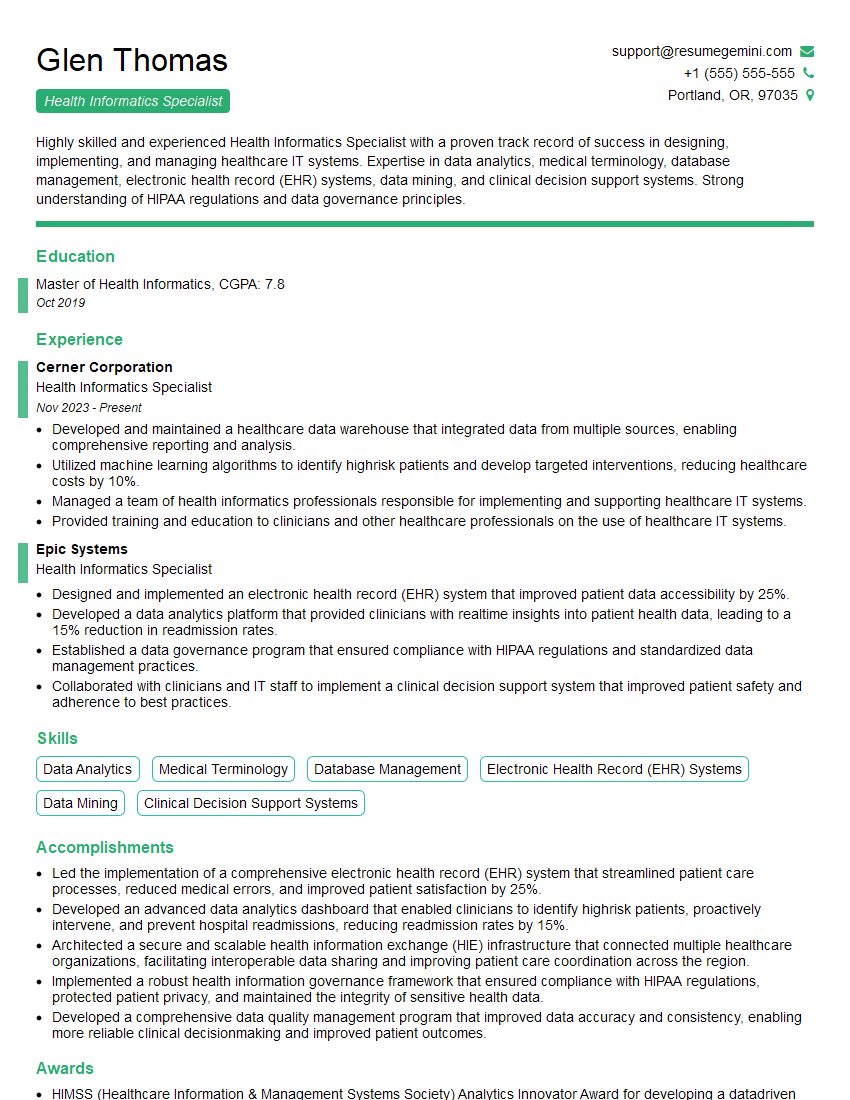
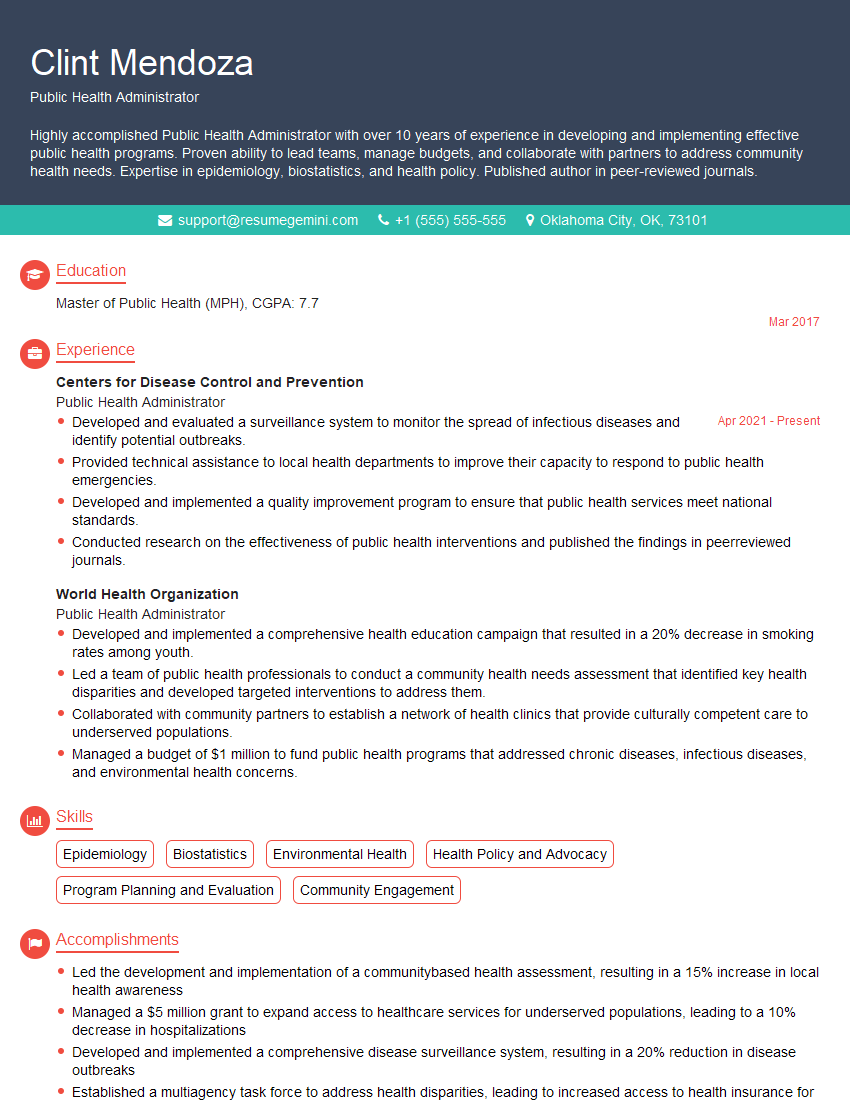
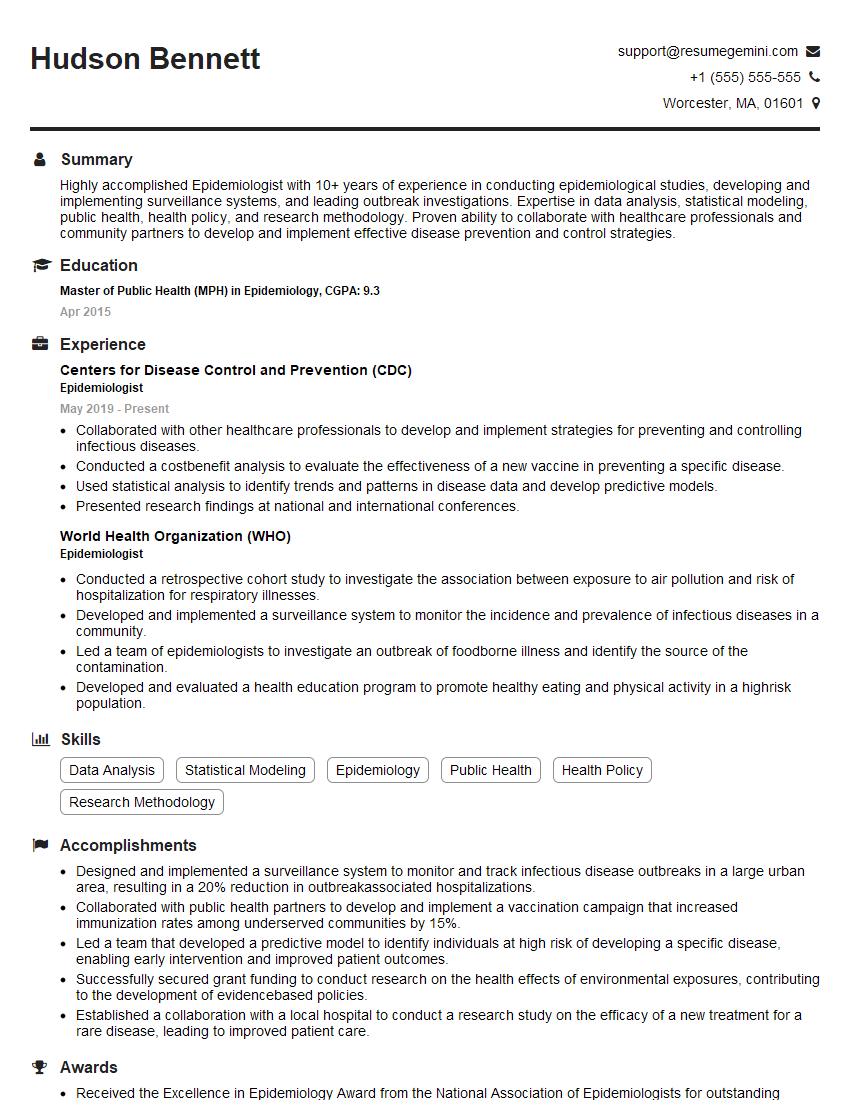
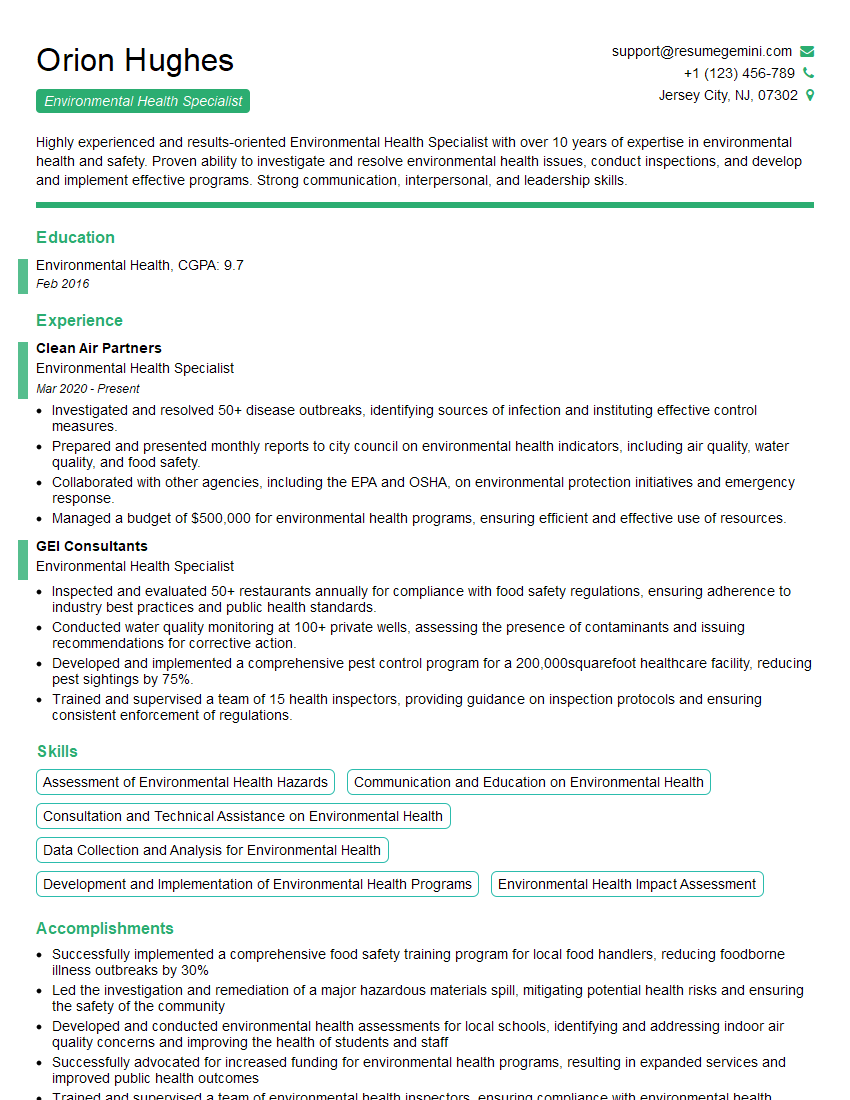
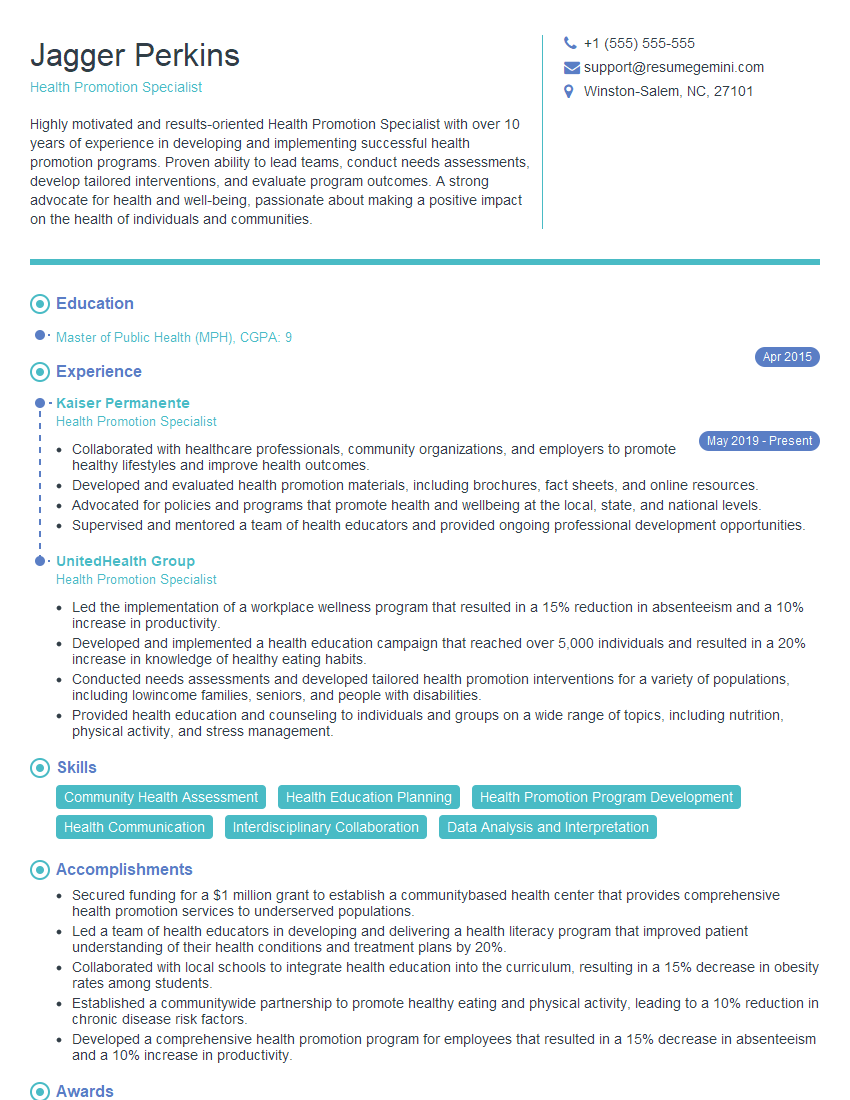
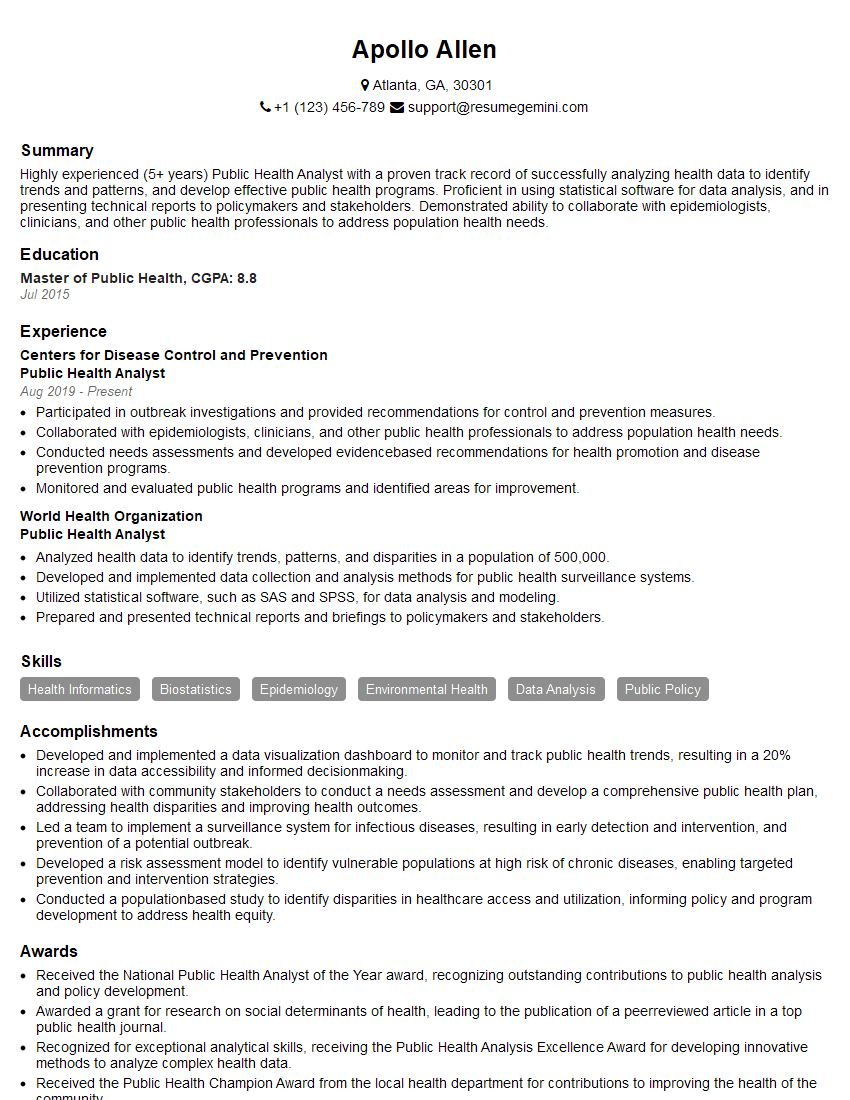
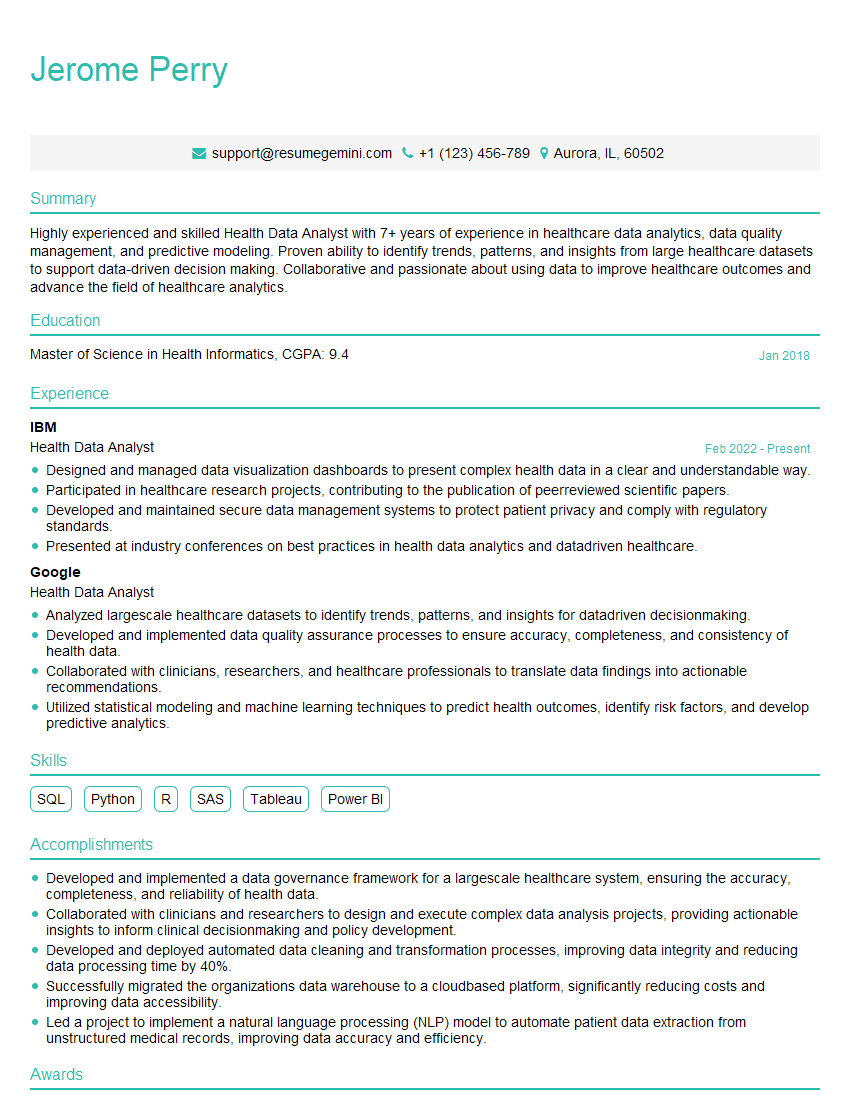
Mastering Community Health Planning is crucial for advancing your career in public health. It demonstrates a comprehensive understanding of community needs and the skills to develop and implement effective interventions. To maximize your job prospects, create an ATS-friendly resume that showcases your skills and experience. We recommend using ResumeGemini, a trusted resource, to build a professional and impactful resume. ResumeGemini provides examples of resumes tailored specifically to Community Health Planning, helping you present your qualifications effectively. Invest time in crafting a compelling resume; it’s your first impression on potential employers.
Explore more articles
Users Rating of Our Blogs
Share Your Experience
We value your feedback! Please rate our content and share your thoughts (optional).
What Readers Say About Our Blog
To the interviewgemini.com Webmaster.
Very helpful and content specific questions to help prepare me for my interview!
Thank you
To the interviewgemini.com Webmaster.
This was kind of a unique content I found around the specialized skills. Very helpful questions and good detailed answers.
Very Helpful blog, thank you Interviewgemini team.