Preparation is the key to success in any interview. In this post, we’ll explore crucial Conditional Use Permit Applications interview questions and equip you with strategies to craft impactful answers. Whether you’re a beginner or a pro, these tips will elevate your preparation.
Questions Asked in Conditional Use Permit Applications Interview
Q 1. What are the key components of a complete Conditional Use Permit application?
A complete Conditional Use Permit (CUP) application needs several key components to ensure a thorough review. Think of it like a compelling case for your project. You need to clearly articulate why your proposed use is compatible with the surrounding area and complies with the zoning regulations, even though it isn’t a permitted use by right.
- Detailed Project Description: A comprehensive explanation of the proposed use, including its nature, scale, and anticipated impacts. This includes architectural plans, site plans, and detailed specifications. For instance, if you’re applying for a CUP to open a brewery in a residential zone, you’d need to detail the brewing process, hours of operation, anticipated traffic, and noise levels.
- Site Analysis: A thorough assessment of the property’s characteristics, including its size, topography, existing infrastructure, and proximity to sensitive areas like schools or wetlands. Imagine mapping out potential noise pollution zones or assessing the impact on local traffic patterns.
- Compliance with Zoning Ordinances: Demonstrate how the proposed use meets all applicable zoning regulations, despite not being a permitted use as of right. This often involves showing how the project mitigates potential negative impacts identified in the site analysis. This might include demonstrating compliance with noise ordinances through proposed sound barriers.
- Mitigation Measures: Plans to address potential negative impacts of the project. For example, if the brewery will generate noise, detailed plans for soundproofing and operating hours restrictions would be crucial here.
- Supporting Documentation: Any supporting documents that strengthen the application, such as environmental impact studies, traffic studies, or letters of support from neighbors or community organizations.
- Applicant Information: Complete contact information for the applicant and any relevant parties involved in the project.
Q 2. Describe the process for submitting a CUP application in your jurisdiction.
The CUP application process varies by jurisdiction, but generally follows these steps. Let’s say you’re applying in a typical municipality:
- Pre-Application Meeting: It’s highly recommended to schedule a meeting with the planning department to discuss your project before submitting a formal application. This allows you to address potential issues early on.
- Application Submission: Submit the complete application package, including all required documents and fees, to the designated planning department.
- Review by Planning Staff: Planning staff reviews the application for completeness and compliance with all applicable regulations. They may request additional information or clarifications if needed.
- Public Hearing: A public hearing is held before the planning commission or a similar body to allow for public comment and review. This is a key stage where community input is considered.
- Planning Commission Decision: The planning commission reviews the application, public comments, and staff recommendations and votes to approve, deny, or conditionally approve the CUP.
- Appeals Process: Applicants or objecting parties may have the right to appeal the decision to a higher authority, such as the city council or a court.
It’s crucial to understand your specific jurisdiction’s rules and regulations. Always seek advice from the local planning department at the outset.
Q 3. Explain the difference between a variance and a Conditional Use Permit.
While both variances and Conditional Use Permits allow for deviations from standard zoning regulations, they address different situations. Think of it this way: a variance is for minor deviations caused by unique property characteristics, while a CUP is for a fundamentally different use that needs special approval.
- Variance: Addresses unique hardships or difficulties associated with a specific property that prevent compliance with existing zoning regulations. This could be something like a setback requirement that is impossible to meet due to the property’s unique shape. It’s a small adjustment to the rules to address a site-specific problem.
- Conditional Use Permit (CUP): Allows for a use that is not permitted by right in a specific zone, but is deemed compatible under certain conditions. For instance, allowing a daycare center in a residential zone, provided certain conditions about parking, safety, and noise are met. This is a fundamentally different use that requires additional scrutiny.
The key distinction lies in the nature of the deviation. A variance addresses a hardship related to the property itself, while a CUP addresses a use that is inherently different from what the zoning allows.
Q 4. How do you assess the potential environmental impacts of a proposed CUP?
Assessing the environmental impacts of a proposed CUP is crucial. It’s not just about ticking boxes; it’s about demonstrating responsible development. We often employ a tiered approach, starting with a screening-level assessment and escalating to more detailed studies as needed. This approach is very similar to what’s used in Environmental Impact Assessments (EIAs).
- Initial Screening: Identify potential environmental impacts based on the project’s nature and location. This involves reviewing existing environmental data and identifying potential areas of concern (e.g., proximity to wetlands, potential for air or water pollution).
- Detailed Assessment (if needed): If the initial screening identifies potential significant impacts, more detailed studies may be required. These studies could include traffic impact assessments, noise studies, water quality analysis, or habitat assessments. The scope depends on the project.
- Mitigation Planning: Based on the assessment, develop a comprehensive plan to mitigate any identified negative impacts. This might involve implementing Best Management Practices (BMPs), installing pollution control equipment, or creating buffer zones to protect sensitive habitats.
- Documentation: Clearly document the entire process, including the initial screening, detailed assessment results (if conducted), mitigation plans, and any relevant permits or approvals.
The goal is to ensure the project minimizes its environmental footprint and complies with all applicable environmental regulations. A strong environmental review strengthens the CUP application.
Q 5. What are the common grounds for denial of a CUP application?
CUP applications can be denied for various reasons. The most common grounds include:
- Inconsistency with Zoning Ordinances: Even with a CUP, the proposed use must be generally compatible with the surrounding area and not create undue negative impacts. Failing to demonstrate this compatibility is a common reason for denial.
- Insufficient Mitigation Measures: If the application fails to adequately address potential negative impacts (e.g., traffic congestion, noise pollution, environmental damage), it’s likely to be rejected.
- Negative Public Comment: Significant public opposition to the project, especially if it’s well-founded and addresses legitimate concerns, can sway the decision. This highlights the importance of robust community engagement.
- Incomplete Application: Failing to provide all required information or documents leads to delays and potential rejection. A thorough and complete application is essential.
- Lack of Feasibility: If the planning department deems the project infeasible or unsustainable, it may be denied. This often comes into play when aspects like traffic management or environmental impact mitigation aren’t realistic.
Understanding these potential grounds for denial allows applicants to prepare a much stronger application and address potential concerns proactively.
Q 6. How do you handle public comments and objections during the CUP review process?
Public comments are an integral part of the CUP review process. It’s vital to handle them transparently and fairly:
- Public Notice: The planning department provides adequate notice of the public hearing to affected property owners and the general public, often through advertisements in local newspapers and online postings.
- Public Hearing: During the hearing, members of the public are given the opportunity to express their support or opposition to the application, providing valuable feedback. Their comments are recorded in meeting minutes.
- Written Comments: Written comments are often accepted in addition to oral testimony at the hearing, providing a more thorough record of public opinion.
- Response to Comments: The applicant (or their representative) usually has the chance to respond to public comments at the hearing or in writing.
- Careful Consideration: The planning commission carefully considers all public comments before making a decision. The weight given to individual comments varies but overall public sentiment strongly influences decisions.
Handling public input effectively strengthens community trust and makes for better, more informed decisions. Ignoring public concerns, conversely, undermines the approval process and often leads to more protracted reviews and potential legal challenges.
Q 7. Describe your experience with zoning ordinances and their relevance to CUPs.
Zoning ordinances are the foundation upon which CUP applications are built. They dictate what uses are permitted in each zoning district. The CUP process allows for exceptions to these regulations, but it’s crucial to demonstrate how the proposed use is consistent with the overall goals and objectives of the ordinance, even if it’s not explicitly permitted.
My experience involves interpreting zoning maps and regulations, identifying applicable zoning requirements, and determining whether a proposed use is consistent with the intent and spirit of the ordinance, even if it requires a CUP. For example, an ordinance might discourage high-density residential buildings in a particular zone but still allow them with special conditions if it enhances the character of the area. A CUP is how that deviation is accomplished. I’ve worked extensively with identifying discrepancies between proposed projects and existing ordinances, and using these discrepancies to establish the need for, and specific conditions within, the CUP.
Thorough understanding of zoning ordinances and their underlying rationale is fundamental to successful CUP application review. I frequently utilize these ordinances as a guiding framework in my assessment of CUP applications. This ensures we approve applications that align with community goals whilst accommodating needed exceptions.
Q 8. How do you ensure compliance with all applicable regulations during the CUP process?
Ensuring compliance with all applicable regulations during a Conditional Use Permit (CUP) process is paramount. It’s like building a house – you need the right blueprints and inspections at every stage. My approach is multi-faceted:
Thorough Due Diligence: Before even drafting the application, I conduct a comprehensive review of all relevant zoning ordinances, building codes, environmental regulations (e.g., Clean Water Act, Endangered Species Act), and any other applicable local, state, and federal laws. This includes checking for any overlays or specific requirements for the proposed use.
Detailed Application Preparation: The application itself must meticulously address every regulatory requirement. This includes providing accurate site plans, detailed descriptions of the proposed use, traffic impact studies (if necessary), and any other supporting documentation mandated by the jurisdiction. Think of it as compiling a comprehensive case file demonstrating compliance.
Proactive Communication with Agencies: I maintain open and transparent communication with the reviewing agencies throughout the entire process. Pre-application meetings are crucial to address potential concerns early on, preventing delays later on. This collaborative approach ensures everyone is on the same page.
Addressing Comments and Revisions: Inevitably, agencies may have comments or require revisions to the application. I respond promptly and thoroughly, providing detailed justifications and addressing each concern with specific solutions. This iterative process ensures compliance before final approval.
Post-Approval Monitoring: Even after approval, compliance is an ongoing process. I work with clients to ensure the approved conditions are strictly adhered to, often conducting site visits and providing ongoing support to maintain compliance.
Q 9. Explain your understanding of the legal framework surrounding Conditional Use Permits.
The legal framework surrounding CUPs is rooted in local zoning ordinances and state enabling legislation. These ordinances establish the land use regulations for a specific jurisdiction. A CUP acts as an exception to the existing zoning rules, allowing a specific use that isn’t typically permitted under the base zoning. Think of it as a carefully negotiated exception to the general rules.
The legal process typically involves:
Application Submission: A detailed application outlining the proposed use and demonstrating compliance with all applicable regulations.
Public Hearing: An opportunity for the applicant to present their case and for the public to voice their opinions. This ensures transparency and allows for community input.
Planning Commission/Board Review: The relevant planning body reviews the application, considering its compatibility with surrounding land uses and the overall community plan. They weigh the potential benefits against potential drawbacks.
Decision and Appeal Process: The planning body renders a decision, which can be appealed to a higher authority, such as the city council or a court.
The legal framework varies slightly from jurisdiction to jurisdiction, emphasizing the importance of a thorough understanding of the specific rules and regulations governing each project.
Q 10. What are the typical timelines involved in processing a CUP application?
CUP processing timelines are highly variable and depend on factors like application complexity, agency workload, public input, and the completeness of the submitted materials. It’s like baking a cake; a simple recipe is quicker than an elaborate one. Generally, expect these stages:
Application Review (2-4 weeks): Initial review for completeness and compliance with submission requirements.
Staff Analysis (4-8 weeks): Thorough review of the application by planning staff, including site visits and consultations with other agencies.
Public Comment Period (2-4 weeks): Time for public input and review, often including a formal public hearing.
Planning Commission/Board Review (2-4 weeks): Consideration by the decision-making body, potentially including additional hearings or deliberations.
Decision and Permit Issuance (1-2 weeks): Following the decision, the permit is issued (or denied).
In total, the process can range from a few months to over a year, depending on the complexity and circumstances of each project.
Q 11. How do you prioritize multiple CUP applications simultaneously?
Prioritizing multiple CUP applications simultaneously requires a strategic and organized approach. I utilize a project management system that incorporates:
Application Complexity Scoring: Each application is assessed based on complexity, potential impact, and regulatory hurdles, assigning a priority level.
Deadlines and Key Milestones: Critical deadlines, such as public hearing dates or agency response deadlines, are carefully tracked.
Resource Allocation: Staff time and resources are allocated to applications based on their priority level and time sensitivity.
Regular Progress Meetings: Regular progress meetings with the team ensure everyone is aligned and potential bottlenecks are identified and addressed proactively.
Communication with Applicants: Maintaining open communication with applicants about timelines and any potential delays.
This systematic approach ensures that even with multiple applications, each receives the attention it deserves while maintaining efficiency and transparency.
Q 12. Describe your experience with using GIS software in land use planning and CUP applications.
Geographic Information System (GIS) software is an invaluable tool in land use planning and CUP applications. It’s like having a high-tech map that reveals everything. My experience includes using GIS to:
Analyze Site Suitability: GIS allows for precise assessment of site characteristics, including topography, proximity to infrastructure, environmental features, and land use patterns. This helps determine whether a proposed use is feasible and compatible with the surrounding area.
Create and Review Site Plans: GIS enables the creation of detailed site plans, incorporating accurate measurements and visualization tools. This makes it easier to communicate the proposed development and its impact on the surrounding environment.
Conduct Impact Assessments: GIS facilitates analysis of potential impacts, such as traffic congestion, drainage, and shadowing, by overlaying different data layers and simulating potential scenarios.
Visualize Project Impacts: GIS helps communicate the project’s impact on the surrounding environment and community through interactive maps and visualizations.
Data Management: GIS helps maintain a centralized and organized repository of spatial data, improving efficiency and decision-making.
Software like ArcGIS and QGIS are frequently used to achieve these functions.
Q 13. How do you resolve conflicts between different stakeholders involved in a CUP application?
Resolving conflicts between stakeholders in a CUP application requires a thoughtful and diplomatic approach. It’s like mediating a family dispute; you need to listen to everyone’s concerns. My strategies include:
Facilitated Meetings: Organizing meetings between the applicant and concerned stakeholders, acting as a neutral facilitator to guide productive discussions.
Open Communication: Encouraging open and transparent communication between all parties, ensuring that everyone feels heard and understood.
Mediation and Negotiation: Employing mediation techniques to help parties find common ground and reach mutually acceptable solutions.
Compromise and Collaboration: Working with stakeholders to find compromises that address their concerns while preserving the project’s viability.
Documentation: Maintaining detailed records of all communications, agreements, and decisions made during the conflict resolution process.
The goal is always to find a solution that satisfies the concerns of all stakeholders while ensuring the proposed use is feasible and aligns with the overall community plan.
Q 14. What strategies do you use to expedite the CUP approval process?
Expediting the CUP approval process requires a proactive and well-organized approach. Think of it as optimizing a manufacturing process to reduce production time. My strategies include:
Complete and Accurate Application: Submitting a comprehensive and error-free application from the outset reduces delays caused by incomplete information or needed revisions.
Pre-Application Meetings: Meeting with agencies before formal submission to address potential issues early on and gain preliminary feedback.
Proactive Communication: Maintaining open and regular communication with agencies to address their concerns promptly and provide any necessary information quickly.
Streamlined Review Process: Collaborating with agencies to optimize the review process and avoid unnecessary delays.
Addressing Concerns Promptly: Responding quickly and thoroughly to any comments or requests for information from the agencies.
By employing these strategies, we can work to minimize delays and expedite the CUP approval process without compromising the integrity or compliance of the project.
Q 15. How do you communicate effectively with applicants, community members, and regulatory bodies?
Effective communication is the cornerstone of successful Conditional Use Permit (CUP) applications. I approach communication strategically, tailoring my approach to each audience. With applicants, I aim for clear, concise explanations of the process, requirements, and potential challenges. This includes actively listening to their concerns and proactively addressing questions. For community members, I employ transparent and accessible methods – public meetings, online forums, and easily understandable materials – to ensure their input is heard and considered. With regulatory bodies, communication is formal and precise, adhering to all protocols and providing comprehensive documentation to support the application. I prioritize building trust and rapport with all stakeholders through consistent, respectful, and timely communication.
For example, during a recent CUP application for a daycare center, I held a community meeting to address residents’ concerns about increased traffic. By actively listening and providing data-driven responses about projected traffic impact and proposed mitigation strategies (e.g., staggered drop-off times), I successfully addressed their anxieties and fostered a collaborative environment.
Career Expert Tips:
- Ace those interviews! Prepare effectively by reviewing the Top 50 Most Common Interview Questions on ResumeGemini.
- Navigate your job search with confidence! Explore a wide range of Career Tips on ResumeGemini. Learn about common challenges and recommendations to overcome them.
- Craft the perfect resume! Master the Art of Resume Writing with ResumeGemini’s guide. Showcase your unique qualifications and achievements effectively.
- Don’t miss out on holiday savings! Build your dream resume with ResumeGemini’s ATS optimized templates.
Q 16. Describe a challenging CUP application you handled and how you resolved the issues.
One particularly challenging CUP application involved a proposed brewery in a historically preserved district. The applicant wanted to utilize a renovated historical building, but the zoning regulations regarding noise levels and parking were stringent. Several community members voiced concerns about potential disruptions to the neighborhood’s quiet character and inadequate parking.
To resolve the issues, I implemented a multi-pronged approach. First, we conducted a thorough noise impact study to demonstrate that sound mitigation measures (e.g., sound-dampening materials and limited operating hours) would minimize noise pollution. Second, we collaborated with the applicant to develop a detailed parking plan utilizing off-site parking arrangements and ride-sharing incentives. Finally, we facilitated a series of community meetings to address public concerns directly, resulting in a negotiated compromise that satisfied both the applicant’s needs and the community’s concerns. The application was ultimately approved with modifications that addressed all the identified issues.
Q 17. What are the potential consequences of approving a CUP that does not meet the necessary criteria?
Approving a CUP that doesn’t meet the necessary criteria can have several serious consequences. These consequences range from legal challenges to environmental damage, and even harm to public safety.
- Legal challenges: An improperly approved CUP can be challenged in court, leading to costly litigation and potential revocation of the permit.
- Environmental impact: Failure to adequately consider environmental factors can result in habitat destruction, pollution, or other negative ecological impacts.
- Public safety concerns: A CUP might pose safety risks (e.g., inadequate fire exits in a commercial building) that are overlooked during the approval process, resulting in potential harm to the public.
- Community disruption: Failure to adequately address community concerns can lead to dissatisfaction and potential future conflicts.
- Erosion of public trust: The approval of a non-compliant CUP can damage the public’s trust in the regulatory process.
Therefore, a rigorous review process and adherence to all established criteria are vital to prevent these negative outcomes.
Q 18. How do you ensure the accuracy and completeness of information provided in a CUP application?
Ensuring accuracy and completeness in CUP applications is paramount. My approach involves a multi-step verification process. First, I thoroughly review all submitted documents for completeness, checking against the checklist of required materials. Second, I verify the accuracy of the information provided, cross-referencing data with other sources, such as maps, zoning ordinances, and environmental impact assessments. This might involve site visits to confirm the accuracy of submitted plans and information. Third, I may request clarifications or additional information from the applicant if any ambiguities or inconsistencies arise. Finally, I maintain detailed records of all communication and documentation related to the application, creating a clear audit trail for future reference.
For example, if an applicant provides traffic projections, I would independently verify these projections against traffic counts from the relevant transportation authorities. This ensures that the information is reliable and supports the proposed development.
Q 19. What is your experience with preparing and presenting reports related to CUP applications?
I have extensive experience in preparing and presenting comprehensive reports on CUP applications. These reports detail the application’s progress, the applicant’s compliance with regulations, the community’s input, and my recommendation regarding approval or denial. They are meticulously structured to be easily understood by both technical and non-technical audiences.
The reports typically include sections on the application’s background, environmental review, public comment analysis, compliance assessment, and final recommendation with supporting justification. I present these reports clearly and concisely, utilizing visual aids such as maps and charts to enhance understanding. I am also prepared to answer questions from the reviewing body and stakeholders during the presentation and following the submission of the report.
Q 20. Describe your familiarity with different types of Conditional Use Permits.
My familiarity with different types of Conditional Use Permits is comprehensive. I’ve worked with applications for a wide array of uses, including:
- Commercial uses: Retail stores, restaurants, office buildings, etc., often requiring analysis of parking, traffic, and noise impacts.
- Residential uses: Multi-family dwellings, accessory dwelling units (ADUs), and other residential developments, necessitating evaluation of density, setbacks, and compatibility with surrounding properties.
- Industrial uses: Manufacturing facilities, warehouses, and other industrial developments, demanding careful consideration of environmental impact, safety regulations, and potential nuisance factors.
- Special uses: Daycare centers, churches, schools, and other uses that require consideration of community impact and compliance with specific regulations.
Understanding the specific requirements and potential impacts associated with each type of CUP is essential for effective evaluation and decision-making.
Q 21. How do you stay updated on changes to zoning regulations and land use laws?
Staying current with changes in zoning regulations and land use laws is crucial for accurate and effective CUP processing. I accomplish this through several strategies. First, I subscribe to relevant professional journals and online resources specializing in land use and planning. I also attend professional development workshops and conferences to learn about emerging trends and legal updates. Moreover, I actively monitor the official websites of the relevant regulatory bodies (e.g., city planning departments, county government websites) for updates and amendments to zoning ordinances. Finally, I maintain a strong professional network with colleagues and experts in the field, facilitating the sharing of knowledge and the latest information.
Q 22. What is your approach to assessing the compatibility of a proposed use with surrounding properties?
Assessing the compatibility of a proposed use with surrounding properties is crucial for ensuring a harmonious community. My approach involves a multi-faceted analysis. First, I meticulously review the zoning regulations and the comprehensive plan to understand the permitted uses in the area and the community’s vision. Then, I conduct a thorough site analysis, considering factors such as building height, setbacks, architectural style, and the intensity of use. I compare the proposed use to the existing characteristics of neighboring properties, looking for potential conflicts related to noise, traffic, parking, aesthetics, and environmental impacts. For example, a proposed nightclub next to a residential neighborhood would likely generate significant incompatibility issues due to noise and late-night activity. I use tools like overlay maps and comparative analysis to visualize and document these findings. Finally, I consider mitigation measures, such as landscaping buffers, sound barriers, or adjusted operating hours, to address any potential negative impacts.
This holistic approach aims to prevent conflicts and foster a positive relationship between the proposed development and its surroundings.
Q 23. Explain your understanding of the appeals process related to CUP decisions.
The appeals process for Conditional Use Permit (CUP) decisions is a critical component of ensuring fairness and transparency. Typically, an applicant or an affected party can appeal a CUP decision to a higher authority, such as a Board of Appeals or a Superior Court, within a specified timeframe. Grounds for appeal generally include procedural irregularities, such as violations of due process or inadequate notice, and substantive issues, such as errors in the interpretation of zoning ordinances or insufficient evidence to support the decision. The appeals process involves a formal hearing where evidence is presented and arguments are made. The appealing party must demonstrate that the original decision was arbitrary, capricious, or an abuse of discretion. The appeals body then reviews the record, considers new evidence if presented, and issues a final decision. The entire process is governed by established legal procedures and provides a mechanism for resolving disputes and ensuring that decisions are consistent with the law.
Q 24. How do you address concerns about traffic, parking, and other infrastructure impacts?
Addressing concerns about traffic, parking, and other infrastructure impacts is vital for responsible land use planning. My approach involves a thorough traffic impact study, often conducted by a qualified transportation engineer. This study analyzes current traffic conditions, projects the increase in traffic volume due to the proposed use, and evaluates the capacity of the existing road network to accommodate this increase. We then assess the parking needs of the development based on projected use and occupancy rates, ensuring that sufficient parking is provided on-site or through off-site agreements. If the study identifies potential issues, we explore mitigation strategies such as improved traffic signal timing, new roadways, or enhanced public transportation options. This often involves collaboration with public works departments and other agencies to ensure the proposed development does not negatively impact the community’s infrastructure.
For instance, a new shopping center might necessitate improvements to access roads and the addition of traffic signals to ensure safe and efficient traffic flow. Similarly, a large apartment complex would need to have sufficient parking to avoid overflow onto adjacent streets.
Q 25. How do you incorporate community feedback into the CUP review and decision-making process?
Community feedback is essential to the CUP review process. I believe in proactive engagement with the community throughout the review stages. This involves holding public hearings, disseminating information through newsletters and websites, and providing opportunities for residents to submit comments in writing or electronically. I strive to create a transparent and accessible process where community members feel comfortable expressing their concerns and suggestions. All received feedback is carefully documented and analyzed, and responses are provided to the community detailing how the comments were addressed in the final decision. This participatory approach promotes inclusiveness and ensures that the CUP decision considers a diverse range of perspectives and mitigates potential impacts on the community. For example, a proposed wind farm might elicit significant community concern regarding noise and visual impact, necessitating detailed responses and potential mitigation measures.
Q 26. Describe your experience with conducting site visits and field investigations related to CUPs.
Site visits and field investigations are integral to my CUP assessment process. These on-site inspections allow for a firsthand evaluation of the proposed location, its surroundings, and its potential impacts. During a site visit, I carefully assess the topography, existing infrastructure, environmental conditions, and the proximity to sensitive areas like schools, hospitals, or wetlands. I often use photographic documentation, sketches, and measurements to record my observations. I also use this opportunity to interact with neighbors, businesses, and other stakeholders to gain a better understanding of their concerns and perspectives. This on-the-ground investigation supplements the information gathered from documents and studies, providing a more complete and accurate assessment of the project’s feasibility and compatibility with the surrounding area. For example, during a site visit for a proposed gas station, I would assess the proximity to residential areas, the adequacy of access roads, and the potential for environmental contamination.
Q 27. What is your understanding of the role of the Planning Commission in the CUP approval process?
The Planning Commission plays a central role in the CUP approval process. They act as the primary decision-making body for most CUP applications. Their responsibilities include reviewing the application materials, conducting public hearings, weighing the evidence presented, and determining whether the proposed use meets the requirements of the zoning ordinance and is compatible with the surrounding neighborhood. The Planning Commission’s expertise in land use planning and community development ensures that CUP decisions are informed, consistent, and serve the broader interests of the community. They may also seek input from other relevant departments or agencies, such as public works, environmental services, or fire protection, before making a recommendation or decision.
Q 28. How do you ensure that CUP approvals are consistent with the overall goals and policies of the community’s comprehensive plan?
Ensuring CUP approvals align with the community’s comprehensive plan is paramount. The comprehensive plan is a long-term vision for the community’s future development, outlining goals and policies for land use, transportation, environmental protection, and other key areas. When reviewing a CUP application, I carefully evaluate how the proposed use contributes to or conflicts with the goals and policies of the comprehensive plan. For example, if the comprehensive plan prioritizes the preservation of green spaces, a CUP application for a large commercial development on a significant parcel of open land might be viewed negatively. Consistency with the comprehensive plan ensures that individual development projects support the larger community vision and foster a sustainable and thriving environment. This approach ensures that development decisions are strategic and contribute to the long-term well-being of the community.
Key Topics to Learn for Conditional Use Permit Applications Interview
- Understanding Conditional Use Permits: Defining CUPs, their purpose, and the distinction from other land use permits. This includes exploring the legal framework governing their use.
- Application Process & Requirements: Mastering the steps involved in submitting a complete and compliant CUP application. This includes understanding required documentation, timelines, and potential fees.
- Analyzing Site Suitability & Impact Assessments: Developing proficiency in evaluating the potential impacts of a proposed use on surrounding areas, including environmental, traffic, and neighborhood considerations. This involves understanding methods for mitigating potential negative impacts.
- Public Participation & Hearings: Understanding the role of public input in the CUP process and how to effectively address community concerns. This includes preparation for and participation in public hearings.
- Zoning Ordinances & Regulations: Demonstrating a thorough grasp of relevant zoning ordinances and regulations as they relate to CUP applications. This includes interpreting complex legal documents and applying them to specific scenarios.
- Problem-Solving & Decision-Making: Practicing your ability to analyze complex situations, identify potential challenges in CUP applications, and develop creative solutions to overcome obstacles. This involves showcasing strong critical thinking skills.
- Case Studies & Best Practices: Reviewing successful and unsuccessful CUP applications to learn from past experiences and identify best practices for improving the application process.
Next Steps
Mastering Conditional Use Permit Applications opens doors to exciting career opportunities in urban planning, land development, and environmental consulting. A strong understanding of this process is highly valued by employers. To increase your chances of landing your dream job, it’s crucial to present yourself effectively through a well-crafted, ATS-friendly resume. ResumeGemini is a trusted resource to help you build a professional resume that showcases your skills and experience. We provide examples of resumes tailored to Conditional Use Permit Applications to help you get started. Invest time in crafting a compelling resume—it’s your first impression on potential employers.
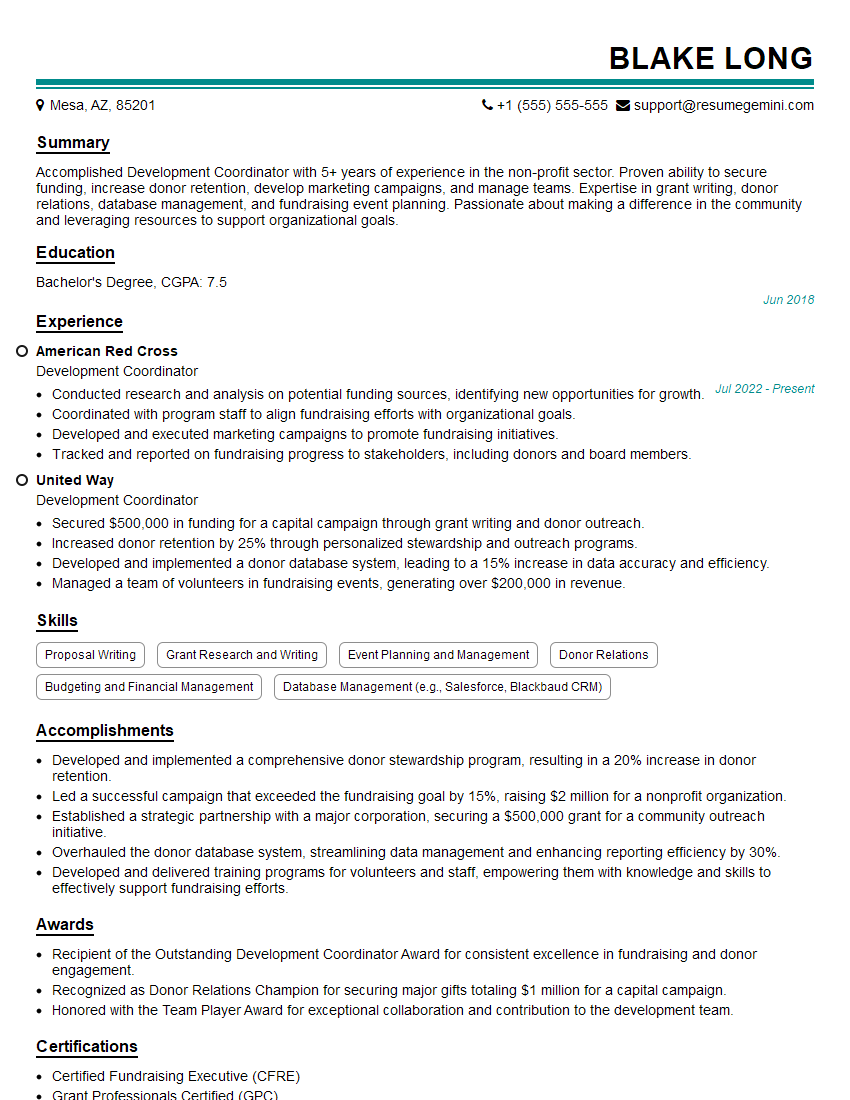
Development Coordinator Resume Sample
Regulatory Compliance Officer Resume Sample
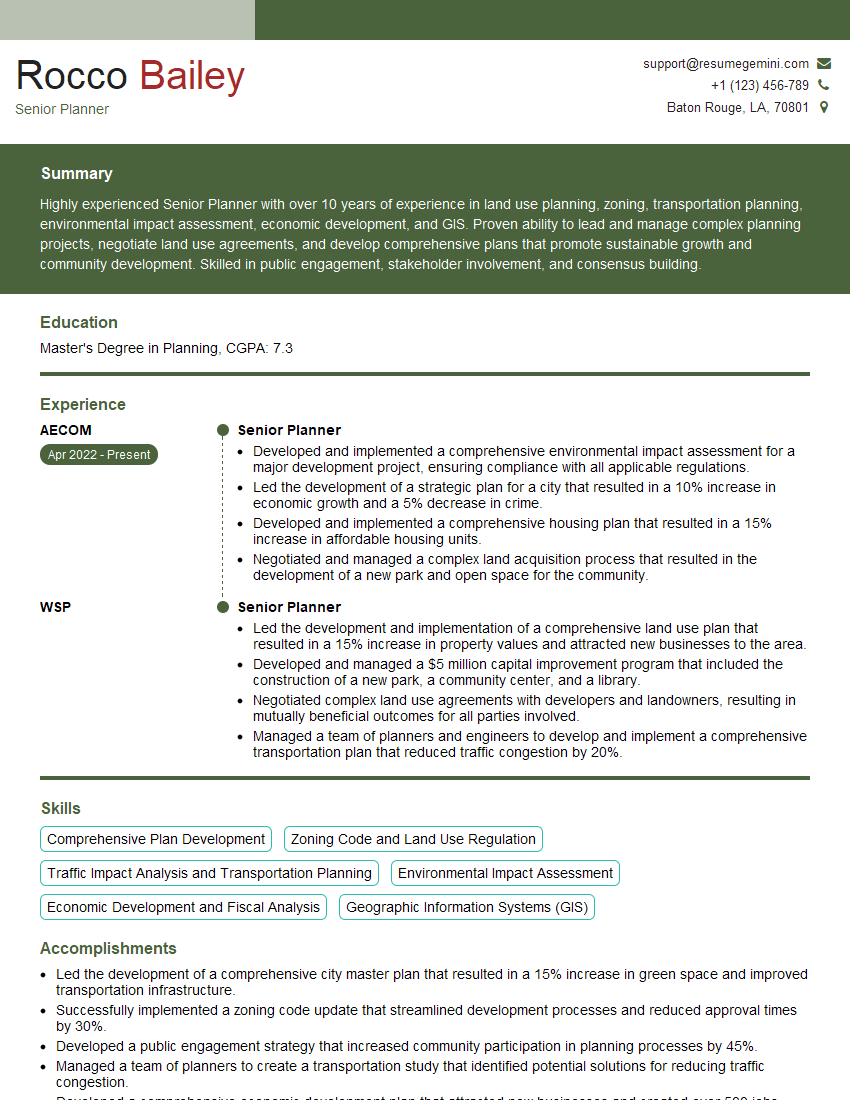
Senior Planner Resume Sample
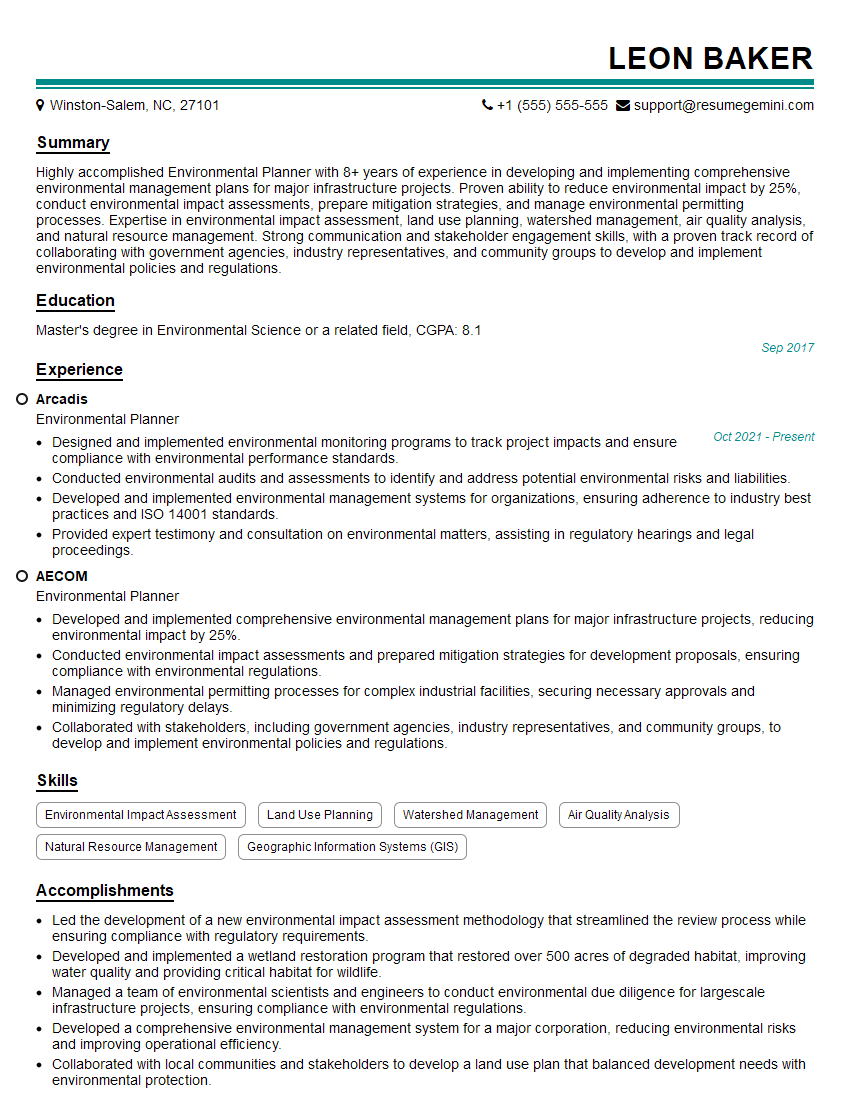
Environmental Planner Resume Sample
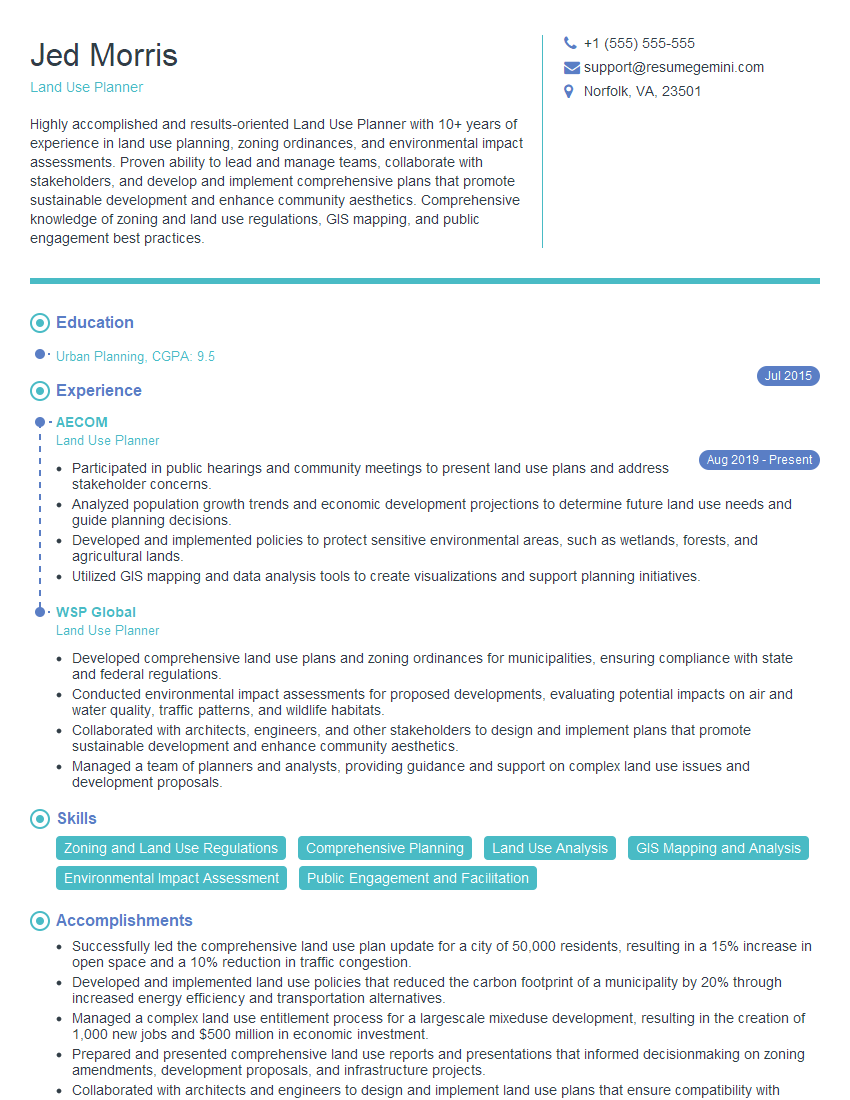
Land Use Planner Resume Sample
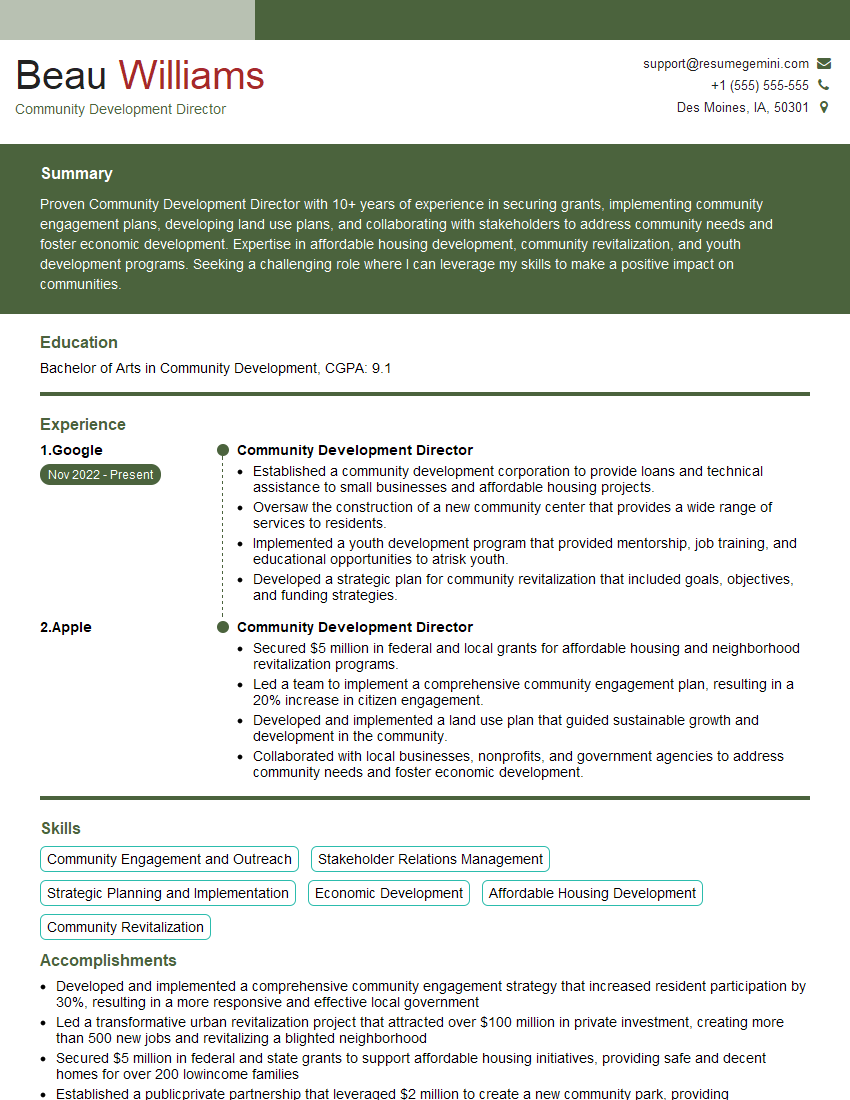
Community Development Director Resume Sample
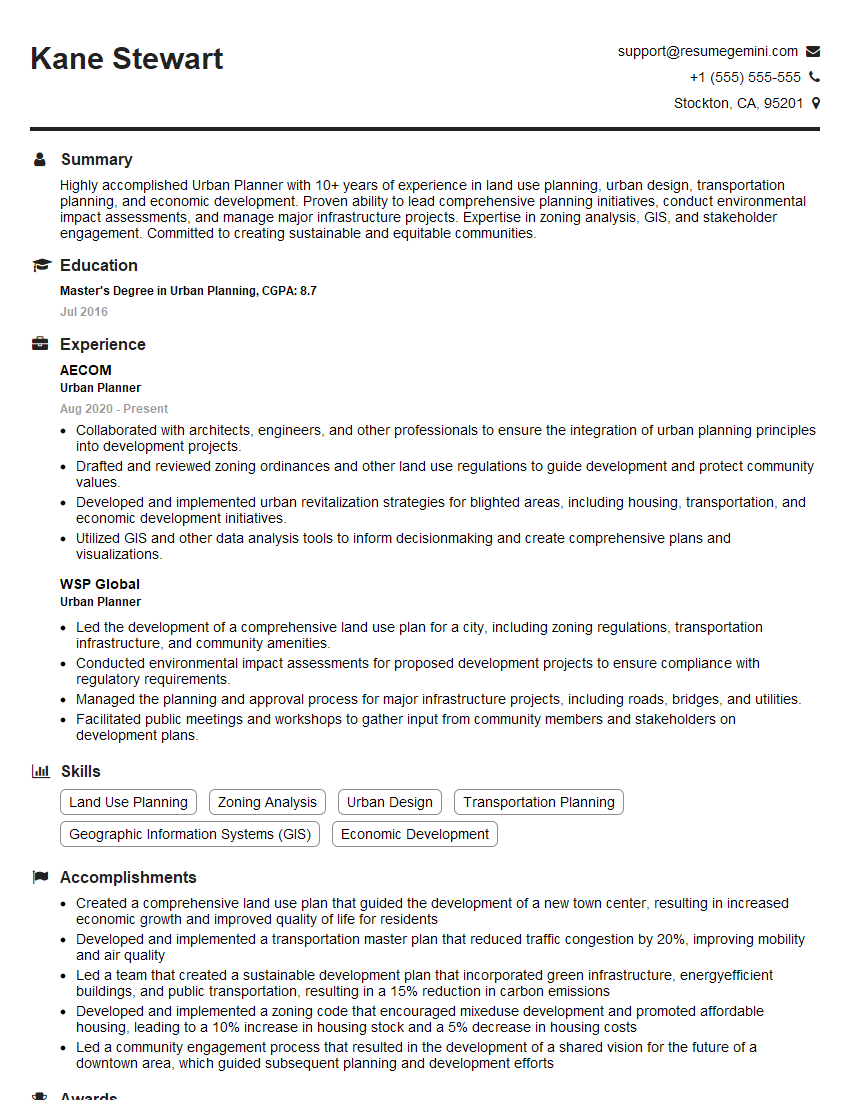
Urban Planner Resume Sample
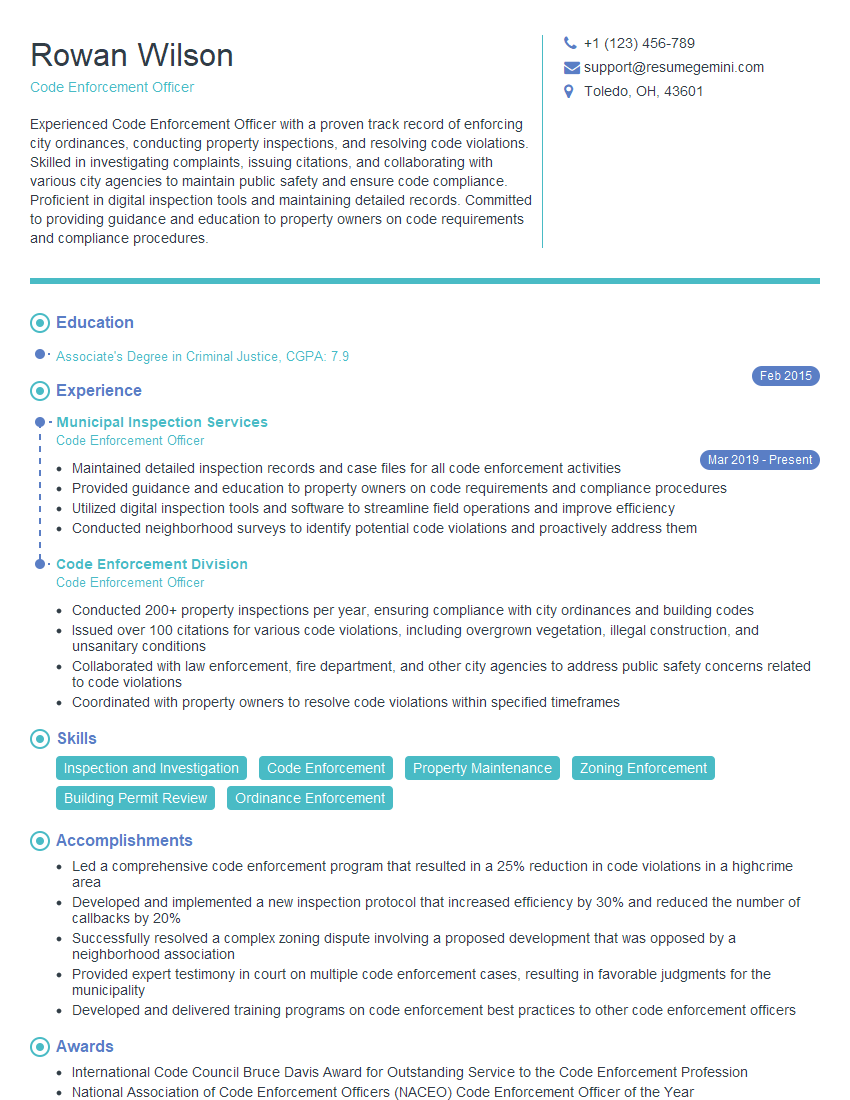
Code Enforcement Officer Resume Sample
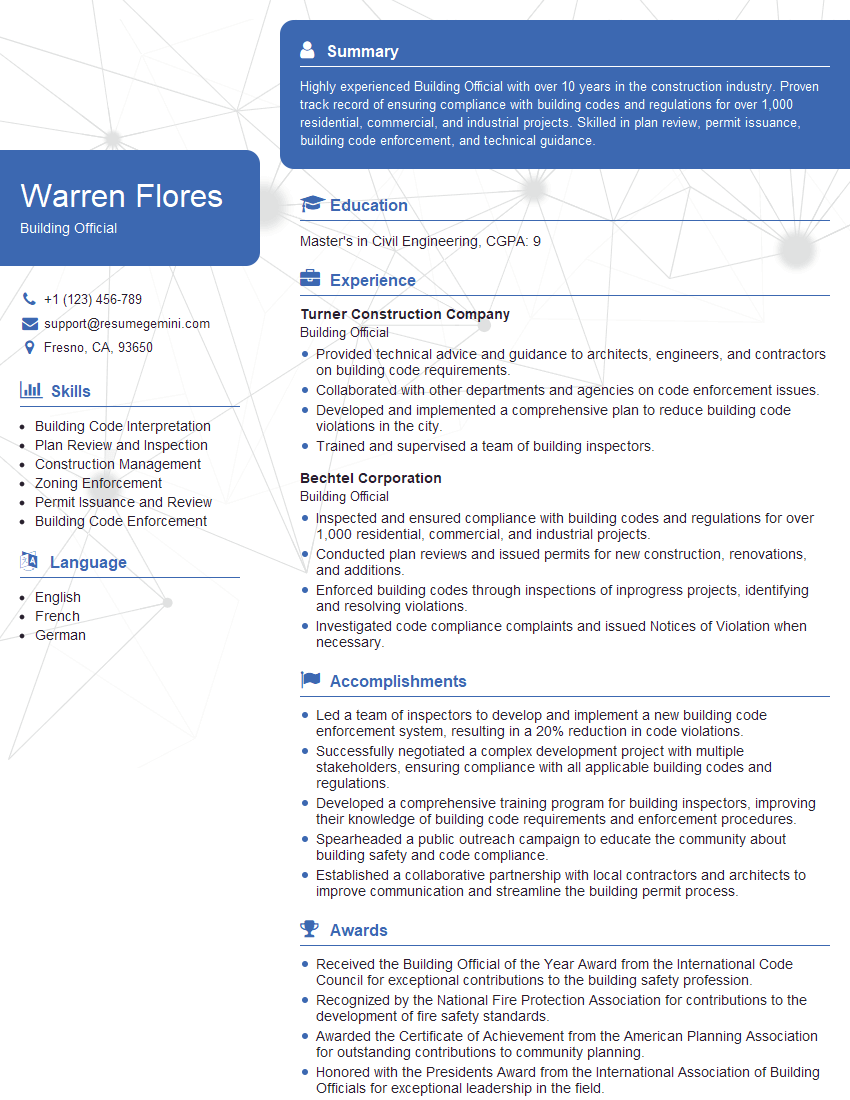
Building Official Resume Sample
Explore more articles
Users Rating of Our Blogs
Share Your Experience
We value your feedback! Please rate our content and share your thoughts (optional).
What Readers Say About Our Blog
To the interviewgemini.com Webmaster.
Very helpful and content specific questions to help prepare me for my interview!
Thank you
To the interviewgemini.com Webmaster.
This was kind of a unique content I found around the specialized skills. Very helpful questions and good detailed answers.
Very Helpful blog, thank you Interviewgemini team.