Feeling uncertain about what to expect in your upcoming interview? We’ve got you covered! This blog highlights the most important Conflict Resolution and Interpersonal Skills interview questions and provides actionable advice to help you stand out as the ideal candidate. Let’s pave the way for your success.
Questions Asked in Conflict Resolution and Interpersonal Skills Interview
Q 1. Describe your approach to resolving a conflict between two team members with differing opinions.
My approach to resolving conflict between team members starts with active listening and understanding each individual’s perspective. I believe in creating a safe space where both parties feel heard and respected. I don’t jump to solutions; instead, I guide them through a structured process. This involves:
- Separate the people from the problem: We focus on the issue at hand, not personal attacks.
- Identify the interests, not just the positions: Understanding the underlying needs and motivations helps find common ground.
- Brainstorm solutions collaboratively: I encourage both parties to participate in generating potential solutions, fostering a sense of ownership.
- Evaluate options based on objective criteria: We assess solutions based on feasibility, impact, and alignment with team goals.
- Agreement and follow-up: We document the agreed-upon solution and establish a plan for monitoring progress and addressing any further issues.
For example, if two team members are arguing about the best approach to a project, I wouldn’t immediately choose a side. Instead, I’d facilitate a discussion where each explains their reasoning, highlighting the strengths and weaknesses of their approaches. Together, we might discover a hybrid approach that incorporates the best aspects of both original ideas.
Q 2. How do you handle a situation where a stakeholder is unwilling to compromise?
Handling a stakeholder unwilling to compromise requires a delicate balance of firmness and understanding. It’s crucial to first understand *why* they are resistant. Is it a lack of information, a perceived threat to their interests, or something else? My strategy focuses on:
- Empathetic listening: Actively listening to their concerns shows respect and builds trust, even if you don’t agree.
- Information sharing: Providing data, rationale, and potential consequences can help shift their perspective.
- Identifying common ground: Focusing on shared goals and values can create a foundation for collaboration.
- Exploring alternatives: Sometimes, finding alternative solutions that meet their needs, even if they aren’t the ideal solution for everyone, can be a viable path forward.
- Setting clear boundaries: In situations where compromise is impossible, I set clear expectations and consequences of continued intransigence. This isn’t about being confrontational, but ensuring the project or team isn’t stalled indefinitely.
In one instance, a stakeholder resisted a change to a project timeline due to concerns about resource allocation. By presenting data showing sufficient resources were available and addressing their specific worries, we were able to find a mutually acceptable solution.
Q 3. Explain a time you successfully de-escalated a tense situation.
During a particularly stressful project launch, a team member became extremely frustrated with a technical glitch. Their frustration escalated into anger, impacting the whole team’s morale and progress. To de-escalate, I:
- Acknowledged their feelings: I validated their frustration by saying something like, ‘I understand this is incredibly frustrating, and I appreciate you bringing this to our attention.’
- Removed the audience: I privately spoke to the team member, allowing them to express their feelings without feeling judged by others.
- Focused on solutions: Instead of dwelling on the problem, we collaborated on immediate solutions, assigning tasks and responsibilities to address the glitch efficiently.
- Offered support: I reassured them of my support and the team’s commitment to resolving the issue.
This approach defused the situation. The team member felt heard and understood, enabling a swift resolution and maintaining a positive team dynamic.
Q 4. What strategies do you use to build rapport and trust with individuals from diverse backgrounds?
Building rapport with diverse individuals requires cultural sensitivity and a genuine interest in understanding different perspectives. I utilize several strategies:
- Active listening and observation: Pay close attention to both verbal and nonverbal cues, adapting my communication style accordingly.
- Show genuine interest: Ask open-ended questions about their background, experiences, and perspectives. Showing genuine curiosity fosters trust.
- Respectful communication: Using inclusive language and being mindful of cultural differences in communication styles are essential.
- Empathy and understanding: Trying to understand their viewpoint from their perspective, even if I don’t necessarily agree.
- Shared experiences: Finding common ground, whether it’s a shared interest or professional goal, can help build connections.
For example, when working with a team from various cultural backgrounds, I make it a point to learn about their cultures and traditions. This shows respect and helps me understand their communication preferences, promoting effective collaboration.
Q 5. How do you identify the root cause of a conflict?
Identifying the root cause of conflict requires careful investigation beyond surface-level disagreements. I often use a combination of methods:
- Ask open-ended questions: Encourage individuals to share their perspectives in detail, going beyond simple statements of the problem.
- Analyze communication patterns: Observing communication styles can reveal underlying issues like miscommunication or misunderstandings.
- Explore unmet needs: Delving into underlying needs and motivations helps uncover the true drivers of the conflict.
- Identify systemic issues: Sometimes, conflicts are rooted in organizational policies, processes, or resource limitations.
- Use conflict mapping: A visual representation of the conflict’s various elements, including the actors, issues, and relationships, can help identify core causes.
For example, a conflict about project deadlines might seem like a scheduling issue, but the root cause could be insufficient resources or unclear responsibilities.
Q 6. Describe your experience mediating a dispute.
In a previous role, I mediated a dispute between two departments regarding the allocation of budget resources. Both departments felt their needs were crucial, leading to significant tension. I facilitated a series of meetings, employing the following:
- Establishing ground rules: Ensuring mutual respect and a structured discussion was crucial.
- Neutral facilitation: I refrained from taking sides, focusing on helping them find common ground.
- Active listening and clarification: I summarized each party’s concerns to ensure mutual understanding.
- Joint problem-solving: I guided them through brainstorming alternative resource allocation strategies.
- Documenting agreements: All decisions were documented and agreed upon in writing.
The process resulted in a compromise that, while not perfect for either side, ensured both departments received adequate resources while prioritizing the company’s overall objectives. The successful mediation strengthened inter-departmental relationships.
Q 7. How do you effectively communicate complex information to a diverse audience?
Communicating complex information to a diverse audience requires adapting your communication style and approach. My strategies include:
- Know your audience: Consider their backgrounds, knowledge levels, and communication preferences.
- Simplify language: Use clear, concise language, avoiding jargon and technical terms unless absolutely necessary. If used, always define them.
- Visual aids: Charts, graphs, and other visuals can significantly improve understanding, particularly for complex data.
- Multiple communication channels: Using a combination of methods, such as presentations, written summaries, and Q&A sessions, caters to different learning styles.
- Interactive sessions: Incorporating interactive elements, such as polls and discussions, enhances engagement and facilitates understanding.
- Feedback mechanisms: Regularly checking for understanding through questions and feedback loops is essential.
For example, when explaining a complex financial report to a group with diverse financial literacy, I’d start with a high-level summary, then use visuals to illustrate key points before addressing detailed questions in a clear and accessible manner.
Q 8. What techniques do you use to actively listen and understand opposing viewpoints?
Active listening, the cornerstone of effective conflict resolution, goes beyond simply hearing words; it involves truly understanding the speaker’s perspective. I employ several techniques to achieve this. First, I utilize reflective listening, paraphrasing the speaker’s points to confirm my understanding and ensure they feel heard. For example, if someone says, “I feel frustrated because the deadline was unrealistic,” I might respond, “So, you’re feeling frustrated because you believe the deadline was set too soon?” This shows empathy and encourages further clarification.
Secondly, I practice empathetic listening, trying to understand the emotional context behind their words. I pay attention to not just what is said, but also how it’s said – tone of voice, body language, and any underlying emotions. This helps me connect with the speaker on a deeper level. For instance, if someone’s voice is tense, even if their words are calm, it might indicate underlying stress.
Finally, I avoid interrupting and maintain consistent eye contact to show I’m fully engaged. I ask clarifying questions to probe deeper into their viewpoint, ensuring I fully grasp their reasoning before formulating my own response. It’s about creating a safe space for open communication and mutual understanding.
Q 9. How do you manage your own emotions during conflict?
Managing my emotions during conflict is paramount to effective resolution. I recognize that my emotional response can significantly impact the outcome. My approach is threefold: self-awareness, regulation, and perspective-taking.
Firstly, I practice self-awareness by recognizing my own emotional triggers and patterns. Understanding my emotional responses helps me anticipate potential challenges and allows me to prepare strategies for managing them. If I know I tend to get defensive when challenged, for example, I can consciously work to stay calm and composed.
Secondly, I employ self-regulation techniques, such as deep breathing exercises or taking short breaks if I feel my emotions escalating. This helps me maintain composure and prevents impulsive reactions. Stepping back for a moment allows for clarity and prevents escalation of the situation.
Finally, I practice perspective-taking, striving to understand the other person’s emotions and motivations. By focusing on their point of view, I can reduce the emotional charge of the conflict and approach it more rationally and collaboratively. Empathy often helps de-escalate tense situations.
Q 10. Explain a time you had to make a difficult decision that affected multiple stakeholders.
In a previous role, our team was facing a significant budget cut. This meant we had to decide which of three ongoing projects would be significantly reduced or completely canceled. Each project had strong stakeholders, including senior management, key clients, and our internal development teams. Each project was important in its own way, and canceling any one would have significant repercussions.
My approach involved a structured decision-making process. First, I facilitated a meeting with all stakeholders to openly discuss the situation and gather data. We quantified the potential impact of canceling each project across several factors: financial impact, client relationships, and team morale. This data-driven approach helped us move beyond emotional arguments.
Next, I presented the data in a clear and neutral manner. We then discussed the relative importance of each factor for each project. This involved actively listening to all viewpoints and acknowledging the concerns of each stakeholder. Finally, we collaboratively prioritized the projects based on our collective evaluation, taking into account both short-term and long-term impacts. While the decision was difficult, the transparency and collaborative nature of the process helped maintain positive relationships with all stakeholders and enabled smoother implementation of the changes.
Q 11. How do you assess the level of conflict and tailor your response accordingly?
Assessing the level of conflict is crucial in tailoring an appropriate response. I use a multi-faceted approach. Firstly, I evaluate the intensity of the conflict: is it a minor disagreement or a major crisis? This is gauged by the emotional level involved, the severity of the consequences, and the duration of the conflict.
Secondly, I assess the complexity of the conflict: are there multiple parties involved? Are there intertwined issues? Complex conflicts require a more structured and potentially longer-term approach. Simple disagreements may be resolved with a short conversation.
Thirdly, I examine the nature of the conflict: is it a conflict of interests, values, or personalities? The type of conflict influences the strategies I employ. For instance, a conflict of interests might be addressed through negotiation, while a conflict of values may require mediation to find common ground.
Based on this assessment, I adapt my approach. Minor disagreements might require a simple clarification, while major crises may demand the involvement of senior management or external mediators. My response is always strategically aligned with the scale and nature of the conflict.
Q 12. What are the key elements of a successful negotiation?
Successful negotiations hinge on several key elements: preparation, communication, empathy, and problem-solving. Thorough preparation involves understanding your own needs and interests, researching the other party’s position, and identifying potential areas of compromise.
Effective communication is paramount, encompassing active listening, clear articulation of your own position, and asking clarifying questions. It’s crucial to avoid accusatory language and maintain a respectful tone. Empathy allows you to understand the other party’s perspective and concerns, enabling you to find mutually beneficial solutions.
Finally, problem-solving is about focusing on finding solutions that address both parties’ needs. This requires creativity, flexibility, and a willingness to compromise. Successful negotiation isn’t about winning or losing, it’s about achieving a mutually acceptable outcome. Framing the negotiation as a collaborative problem-solving exercise rather than an adversarial contest fosters a more positive and productive environment.
Q 13. How do you handle criticism constructively?
I handle criticism constructively by viewing it as an opportunity for growth and improvement. My approach involves several steps. First, I actively listen to the criticism without interrupting, paying attention both to the content and the delivery method. This helps me understand the feedback’s intent and identify any underlying emotions.
Second, I ask clarifying questions to ensure I fully understand the criticism. This might involve asking for specific examples or further explanation to gain a comprehensive understanding. This demonstrates engagement and a willingness to learn.
Third, I reflect on the criticism and identify actionable steps for improvement. Not all criticism is valid, but even constructive criticism can be improved upon; I evaluate what aspects are valuable and how I can incorporate that feedback. Finally, I express my gratitude for the feedback, acknowledging the effort the person made to provide it.
Q 14. How do you prioritize conflicting priorities?
Prioritizing conflicting priorities often requires a systematic approach. I typically employ a framework that combines urgency, importance, and impact. I start by listing all conflicting priorities, then evaluate each based on these three criteria.
Urgency refers to the immediacy of the deadline or the severity of the consequences of inaction. Importance considers the long-term strategic value and alignment with overall goals. Impact assesses the potential positive or negative effects on various stakeholders. I use a matrix or a simple scoring system to quantify each criterion for each priority.
Based on this assessment, I prioritize tasks, focusing on those that are both urgent and important, or those that have a high impact, even if they are less urgent. This requires a degree of flexibility and a willingness to adjust priorities as circumstances change. Open communication with relevant stakeholders is key throughout this process to ensure everyone understands the rationale for the prioritization.
Q 15. How do you build consensus amongst a diverse group of people?
Building consensus among diverse groups requires a multifaceted approach focusing on inclusive communication, respectful dialogue, and collaborative problem-solving. It’s not about forcing agreement, but finding common ground that satisfies the needs and concerns of most involved.
- Active Listening: Start by genuinely listening to each person’s perspective, showing genuine interest, and acknowledging their viewpoints. This builds trust and fosters a collaborative environment.
- Identify Shared Goals: Focus on finding common objectives, even if approaches differ. This helps shift the conversation from conflicting positions to shared aspirations.
- Structured Discussion: Employ techniques like brainstorming, nominal group technique (NGT), or Delphi method to systematically gather and analyze perspectives, preventing dominance by a few individuals.
- Compromise and Negotiation: Be prepared to compromise, recognizing that complete agreement may not be possible. Explore options and concessions that address the needs of all involved parties. Negotiation helps parties find solutions that work for everyone.
- Documenting Agreements: Once a consensus is reached (or a suitable compromise is achieved), document the key agreements clearly and concisely to avoid future misunderstandings. This provides a record of the decisions made.
For example, during a team project where team members had conflicting ideas on project implementation, I facilitated a brainstorming session, actively listening to each member’s suggestions, and ultimately steered the conversation towards choosing a plan that incorporated elements from each initial proposal, creating a sense of ownership and buy-in from every team member.
Career Expert Tips:
- Ace those interviews! Prepare effectively by reviewing the Top 50 Most Common Interview Questions on ResumeGemini.
- Navigate your job search with confidence! Explore a wide range of Career Tips on ResumeGemini. Learn about common challenges and recommendations to overcome them.
- Craft the perfect resume! Master the Art of Resume Writing with ResumeGemini’s guide. Showcase your unique qualifications and achievements effectively.
- Don’t miss out on holiday savings! Build your dream resume with ResumeGemini’s ATS optimized templates.
Q 16. Describe your experience with different conflict resolution models (e.g., collaborative, competitive).
I’ve extensively used various conflict resolution models, adapting my approach depending on the specific context and personalities involved. My experience includes:
- Collaborative Model: This approach focuses on finding mutually beneficial solutions. I utilize collaborative techniques like joint problem-solving, where all parties work together to identify the root cause of the conflict and develop creative solutions. For instance, in mediating a dispute between two departments over resource allocation, I guided them through a collaborative process, encouraging open communication, active listening and brainstorming sessions. The result was a more equitable distribution of resources that minimized conflict and improved interdepartmental relationships.
- Competitive Model (used judiciously): While less preferred, there are situations where a competitive approach might be necessary, such as when dealing with unethical behavior or situations where one party’s actions are harming others. This approach involves assertively advocating for one’s own position. However, I prefer to employ this model only when other approaches have been unsuccessful and the conflict has significant negative consequences that cannot be ignored. I always emphasize maintaining respect and professionalism even in a competitive approach.
- Compromise Model: This involves finding a solution that is acceptable to all parties, even if it doesn’t fully meet everyone’s needs. This model is effective when time is a constraint or when achieving a perfect solution is impractical. I used this effectively during salary negotiation, both parties conceded aspects of their initial proposals, finding a solution which ensured fair compensation for the employees while remaining within company budget constraints.
Choosing the right model is crucial. My preference leans towards collaborative whenever possible, as it fosters long-term relationships and encourages a culture of mutual respect and understanding.
Q 17. How do you ensure all parties feel heard and valued during a conflict?
Ensuring all parties feel heard and valued is paramount. It’s about creating a safe space for open communication where individuals feel comfortable expressing their perspectives without fear of judgment or interruption.
- Active Listening Techniques: I utilize techniques like paraphrasing, reflecting feelings, and summarizing to show that I understand their perspective. This goes beyond just hearing their words; it’s about grasping their emotions and underlying needs.
- Equal Speaking Time: I actively manage the conversation, ensuring that each party has an equal opportunity to speak without being interrupted or dominated by others. This might involve using visual aids or specific time allocation for each participant.
- Validation of Feelings: Even if I don’t agree with someone’s perspective, I acknowledge and validate their feelings. For example, saying, “I understand that you feel frustrated by this situation” shows empathy and creates a more conducive environment for discussion.
- Non-judgmental Approach: I maintain a neutral stance, avoiding criticism or blame. This ensures that individuals feel safe to express themselves honestly without fearing negative consequences.
- Summarizing Key Points: Regularly summarizing key points made by each party ensures clarity, mutual understanding, and creates a shared focus. This approach helps facilitate discussion and avoid misunderstanding.
In one instance, during a team conflict, a team member felt unheard and undervalued. By actively listening to their concerns, validating their feelings of frustration, and summarizing their points to the rest of the team, I successfully addressed their concerns, and the team was able to resolve the issue effectively.
Q 18. What are some common barriers to effective communication and how can they be overcome?
Several barriers can hinder effective communication during conflict. Addressing these proactively is key.
- Emotional Barriers: Anger, fear, defensiveness, and mistrust can cloud judgment and prevent clear communication. Addressing these emotions through active listening and empathy is vital.
- Cognitive Barriers: Assumptions, biases, and different interpretations of events can lead to misunderstandings. Encouraging active listening and clarifying assumptions help bridge these gaps.
- Language Barriers: Different vocabulary, jargon, and communication styles can create confusion. Using clear and concise language, avoiding jargon, and confirming understanding help overcome this.
- Physical Barriers: Noise, distractions, and physical distance can hinder communication. Creating a quiet and conducive environment is essential.
- Cultural Barriers: Different cultural norms and communication styles can lead to misinterpretations. Understanding cultural nuances and respecting different communication styles is vital.
Overcoming these barriers involves:
- Creating a safe and respectful environment: Establishing ground rules for communication and ensuring a safe space for expressing thoughts and emotions.
- Active listening and empathy: Demonstrating genuine interest in understanding the other person’s perspective.
- Clear and concise communication: Using simple language and avoiding jargon or ambiguous terms.
- Seeking clarification: Asking questions to ensure mutual understanding and avoid assumptions.
- Focusing on the issue, not the person: Separating the problem from the people involved to avoid personal attacks.
Q 19. How do you recognize and respond to nonverbal cues during a conflict?
Nonverbal cues provide crucial insights into a person’s emotional state and sincerity during a conflict. I pay close attention to:
- Body Language: Posture (closed-off vs. open), hand gestures, eye contact (avoidance vs. direct), and facial expressions (anger, sadness, frustration) all offer valuable information about a person’s emotional state. For instance, crossed arms might suggest defensiveness.
- Tone of Voice: The tone of voice often conveys more than the words themselves. A sharp, aggressive tone suggests anger, while a soft, hesitant tone might indicate fear or insecurity.
- Proxemics: The physical distance someone maintains can also indicate their comfort level. Someone who moves away might be uncomfortable or feeling threatened.
Responding to nonverbal cues effectively involves:
- Mirroring (Subtly): Subtly mirroring a person’s body language (posture, gestures) can create a sense of connection and rapport. However, avoid mimicking excessively as it can appear mocking.
- Acknowledging Nonverbal Cues: Verbally acknowledging nonverbal cues can help diffuse tension. For example, “I notice you seem frustrated; can we talk about that?”
- Adjusting Communication: Adjusting my own communication style based on the observed nonverbal cues helps make the conversation more effective and less confrontational. If someone appears anxious, I might speak more softly and slowly.
For example, if someone consistently avoids eye contact and their tone is hesitant, I will make a conscious effort to speak slowly and clearly, validating their feelings and creating a safe space for them to express themselves.
Q 20. How do you utilize empathy in conflict resolution?
Empathy is the cornerstone of effective conflict resolution. It’s about understanding and sharing the feelings of others, even if you don’t agree with their perspective. It involves stepping into their shoes and seeing the situation from their point of view.
- Active Listening: Truly listening to understand their feelings, needs, and perspectives, not just waiting for your turn to speak.
- Perspective-Taking: Making a conscious effort to understand their point of view, even if you disagree with their actions or beliefs.
- Validating Feelings: Acknowledging and validating their emotions, even if you don’t agree with their reasons for feeling that way. Phrases like, “I understand why you feel that way,” can be powerful.
- Communicating Understanding: Expressing your understanding of their perspective helps them feel heard and valued.
In practice, this means focusing on understanding the why behind someone’s actions or statements. For example, instead of reacting angrily to a colleague’s criticism, I’d try to understand the underlying reasons for their criticism. Are they genuinely concerned about the quality of work, or is there a deeper issue at play? By empathizing, I can address the root cause of the conflict more effectively.
Q 21. Describe your experience with conflict prevention strategies.
Conflict prevention is proactive and crucial. It involves building strong relationships and establishing clear communication channels to minimize the likelihood of conflict.
- Clear Communication: Establishing clear expectations, roles, and responsibilities from the outset prevents misunderstandings. Regular check-ins and open communication help address small issues before they escalate.
- Team Building: Strong team dynamics, built through collaborative activities and trust-building exercises, improve communication and reduce the likelihood of conflict. A team that trusts each other is more likely to handle disagreements constructively.
- Mediation and Facilitation: Providing training in conflict resolution skills and having readily available mechanisms for resolving disagreements quickly can prevent minor conflicts from escalating into major issues.
- Addressing Root Causes: Proactively addressing underlying issues such as unequal workload, lack of resources, or unclear processes can prevent conflicts from emerging.
- Regular Feedback Mechanisms: Regular feedback sessions create a platform for constructive criticism, allowing for early identification and addressing potential conflicts before they fully surface.
In a previous role, I instituted regular team meetings where members could freely express concerns, share updates, and address any emerging issues. This proactive approach prevented many potential conflicts from arising and fostered a more harmonious team environment.
Q 22. How do you maintain objectivity when addressing conflict?
Maintaining objectivity in conflict resolution is crucial for a fair and effective outcome. It involves setting aside personal biases, assumptions, and emotions to understand the situation from all perspectives. Think of it like being a neutral referee in a game – you need to understand the rules, see what each player is doing, and apply them fairly, without favoring one side.
- Active Listening: Truly listen to understand each party’s concerns, needs, and perspectives, without interrupting or judging.
- Empathetic Inquiry: Ask clarifying questions to gain a deeper understanding of their feelings and motivations. For example, instead of saying ‘You’re wrong,’ try, ‘Can you help me understand why you feel that way?’
- Focus on Facts: Stick to verifiable facts and avoid making assumptions or generalizations. If there are disagreements on facts, seek clarification or independent verification.
- Separate the Person from the Problem: Recognize that the conflict is about the issue at hand, not a personal attack on the individuals involved.
For instance, in a workplace disagreement about project deadlines, I would focus on the timeline, resources available, and project deliverables, avoiding any personal criticisms of individuals involved.
Q 23. What steps do you take to follow up after resolving a conflict?
Following up after conflict resolution is essential to ensure the agreement holds and the relationship between parties is strengthened. It’s not just about the immediate solution but also about preventing future conflicts.
- Check-in: Schedule brief follow-up meetings or calls to check on progress and address any emerging issues. Think of it as a post-operative check-up after surgery – you want to make sure the patient (the relationship) is healing well.
- Document Agreements: Put the agreed-upon solutions in writing, including deadlines and responsibilities. This provides clarity and accountability for everyone involved.
- Monitor Progress: Actively track the implementation of the solutions. Identify potential obstacles early on and proactively address them.
- Celebrate Successes: Acknowledge and appreciate the effort and progress made by all parties. This reinforces positive behaviour and strengthens relationships.
In a team conflict, I’d schedule a short check-in a week after resolving the conflict to discuss progress on agreed-upon action items and answer any lingering questions. This ensures the solution is effectively implemented and fosters a sense of team cohesion.
Q 24. How do you adapt your communication style to different personality types?
Adapting communication style to different personality types is crucial for effective conflict resolution. People communicate and process information differently, and a one-size-fits-all approach often backfires. It’s like having a toolbox with different tools for different jobs – you wouldn’t use a hammer to screw in a screw.
- Identify Personality Types: Observe the individual’s communication style, body language, and responses to understand their personality (e.g., introverted/extroverted, direct/indirect, detail-oriented/big-picture). There are various personality frameworks (like Myers-Briggs or DISC) which can be helpful tools.
- Tailor your Approach: Adjust your communication to match their preferences. For example, be direct and concise with someone who prefers efficiency, while being more empathetic and collaborative with someone who appreciates a more relational approach.
- Active Listening and Observation: Pay close attention to how they are responding and adjust your style accordingly. Are they getting frustrated with lengthy explanations? Do they prefer visual aids to understand information?
- Use Open-ended Questions: To encourage the other person to share their feelings and perspective.
For example, with a detail-oriented individual, I would present information methodically, outlining every step and detail, while with a big-picture thinker, I’d focus on the overall goals and outcomes before going into specific details.
Q 25. Explain a time you failed to resolve a conflict and what you learned from it.
In a previous role, I faced a conflict between two team members with strongly opposing viewpoints on a project’s direction. My initial approach was to mediate a compromise, focusing on finding a middle ground. However, this didn’t work because it failed to address the underlying reasons for their disagreement. Neither party felt fully heard or understood. The result was a compromised project and strained team dynamics.
My key learning from this experience was the importance of understanding the root cause of the conflict. Next time, I focused on a deeper, more investigative approach, using active listening to uncover the reasons behind their stances, rather than simply trying to force a compromise. By exploring their individual needs and concerns, I was able to facilitate a more comprehensive solution that addressed both perspectives.
This failure highlighted the importance of active listening and exploring underlying issues rather than simply focusing on surface-level compromises.
Q 26. How do you balance the needs of individual stakeholders with the overall goals of the organization?
Balancing individual stakeholder needs with organizational goals requires a nuanced approach. It’s a delicate dance; neglecting individual needs can lead to resentment and low morale, while neglecting organizational goals can hinder overall success. It’s like conducting an orchestra – each instrument (individual) is important, but they all need to work together to create harmonious music (organizational goals).
- Understand Stakeholder Needs: Identify the key stakeholders and their individual needs, concerns, and priorities through open communication and active listening.
- Align Individual and Organizational Goals: Seek common ground and find ways to align individual needs with the overall organizational objectives. This may involve creative solutions and compromises.
- Prioritization and Trade-offs: Recognize that not all needs can always be fully met. Prioritize needs based on their impact and feasibility, and be prepared to make tough trade-offs.
- Transparency and Communication: Keep stakeholders informed of decisions and rationale, fostering trust and understanding.
In a project with conflicting priorities among team members, I would facilitate a meeting to gather everyone’s perspectives, identify common ground, and collaboratively define priorities based on the project’s overall objectives and resource constraints. A clear communication strategy would keep everyone informed and ensure everyone felt heard.
Q 27. How do you handle situations where there is a power imbalance between conflicting parties?
Power imbalances can significantly complicate conflict resolution. The less powerful party may feel intimidated or unable to express their needs effectively. To address this, it’s crucial to create a safe and equitable environment. Think of it as leveling the playing field so everyone can participate fairly.
- Create a Safe Space: Establish a non-threatening environment where all parties feel comfortable expressing their concerns without fear of retribution. This might involve choosing a neutral location or ensuring confidentiality.
- Empower the Less Powerful Party: Actively encourage the less powerful party to express their needs and perspectives. Offer support and guidance, ensuring their voice is heard and respected.
- Focus on the Process, Not Just the Outcome: The goal isn’t just to find a solution, but also to ensure the process itself is fair and just. This builds trust and prevents future conflicts.
- Mediation and Facilitation: In situations with significant power imbalances, a neutral third party mediator can be highly beneficial in creating a safe and balanced space for communication.
In a scenario involving a junior employee and a senior manager, I would ensure the junior employee feels comfortable expressing their concerns without fear of reprisal. I might facilitate the conversation in a neutral space, emphasizing the importance of both perspectives and ensuring the senior manager actively listens and values the junior employee’s input.
Q 28. Describe your experience working with individuals who have strong, opposing viewpoints.
I have extensive experience working with individuals holding strongly opposing viewpoints. This often arises in project teams where different departments or individuals have conflicting priorities or approaches. The key is to recognize that these differences are often rooted in differing values, perspectives, and interpretations of information – not necessarily personal animosity.
My approach involves fostering open dialogue, encouraging active listening, and focusing on finding common ground rather than focusing on proving who is ‘right’ or ‘wrong’. I encourage each party to explain their reasoning, to understand the underlying rationale for their viewpoints. This often reveals shared goals and interests that can serve as a foundation for collaboration. For example, in a recent project, two departments had clashing visions for a marketing campaign. One favoured a traditional approach while the other advocated for a new digital-first strategy. By engaging in open discussion and exploring the underlying reasons for each preference, we were able to identify shared goals of increasing brand awareness and generating leads. This led to a hybrid approach that incorporated elements from both strategies.
Ultimately, the goal is to transform opposing viewpoints into constructive dialogue leading to creative solutions.
Key Topics to Learn for Conflict Resolution and Interpersonal Skills Interview
- Understanding Conflict Styles: Explore different approaches to conflict (e.g., accommodating, competing, collaborating, compromising, avoiding) and their effectiveness in various situations. Consider the strengths and weaknesses of each style.
- Active Listening and Empathy: Practice techniques for truly understanding perspectives other than your own. Discuss how to demonstrate empathy and build rapport during disagreements.
- Communication Strategies: Learn how to clearly articulate your needs and concerns while remaining respectful. Explore techniques for non-violent communication and assertive communication.
- Negotiation and Mediation: Understand the principles of effective negotiation, including identifying interests, finding common ground, and building win-win solutions. Explore the role of a mediator in resolving disputes.
- Conflict Prevention: Discuss proactive strategies for identifying potential conflicts and implementing preventative measures. This includes fostering open communication and building positive relationships.
- Emotional Intelligence: Examine the role of self-awareness, self-regulation, and social awareness in effective conflict resolution. Discuss how to manage your own emotions and understand the emotions of others.
- Ethical Considerations: Discuss the ethical implications of different conflict resolution approaches and the importance of fairness and impartiality.
- Practical Application: Prepare examples from your past experiences where you successfully navigated conflict or demonstrated strong interpersonal skills. Be ready to discuss your approach, the outcome, and what you learned.
Next Steps
Mastering Conflict Resolution and Interpersonal Skills is crucial for career advancement across all fields. These skills are highly sought after by employers as they demonstrate your ability to work effectively in teams, build strong relationships, and navigate challenging situations. To maximize your job prospects, it’s essential to create an ATS-friendly resume that highlights these skills effectively. We recommend using ResumeGemini, a trusted resource for building professional and impactful resumes. ResumeGemini provides examples of resumes tailored to Conflict Resolution and Interpersonal Skills to help you showcase your abilities and secure your dream job.
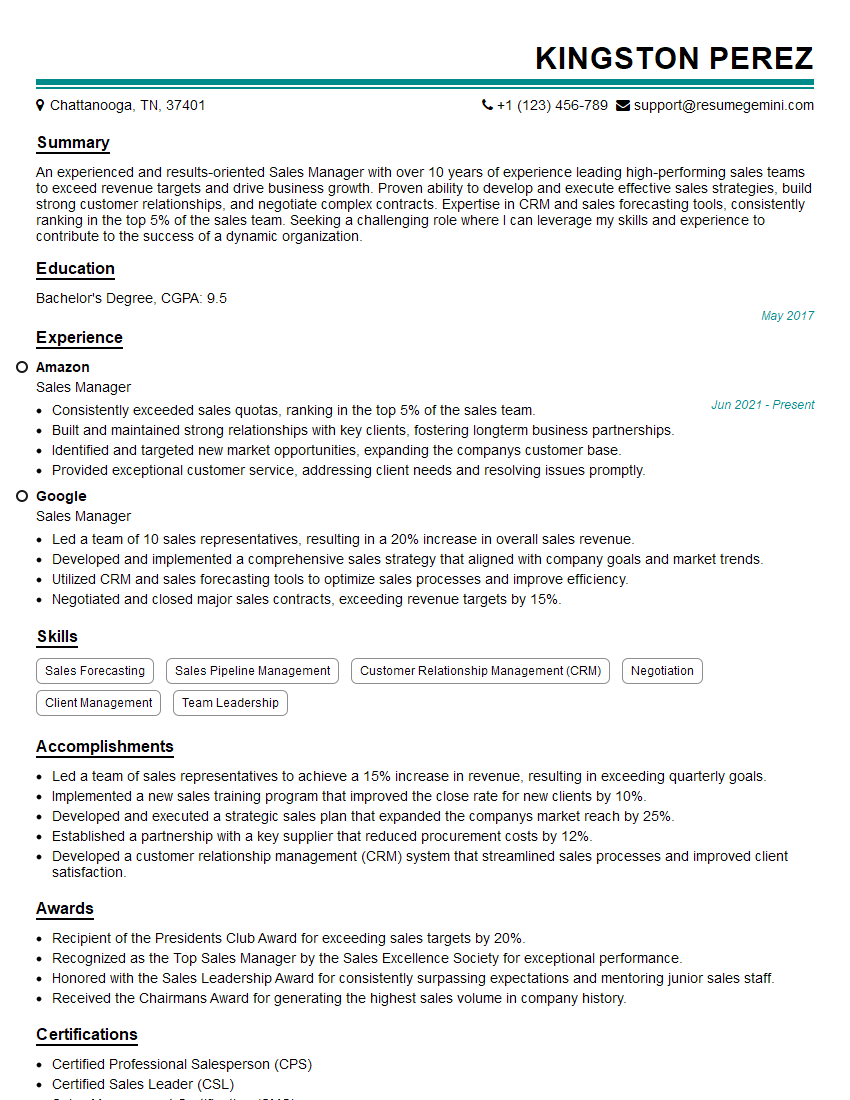
Sales Manager Resume Sample

Customer Service Manager Resume Sample
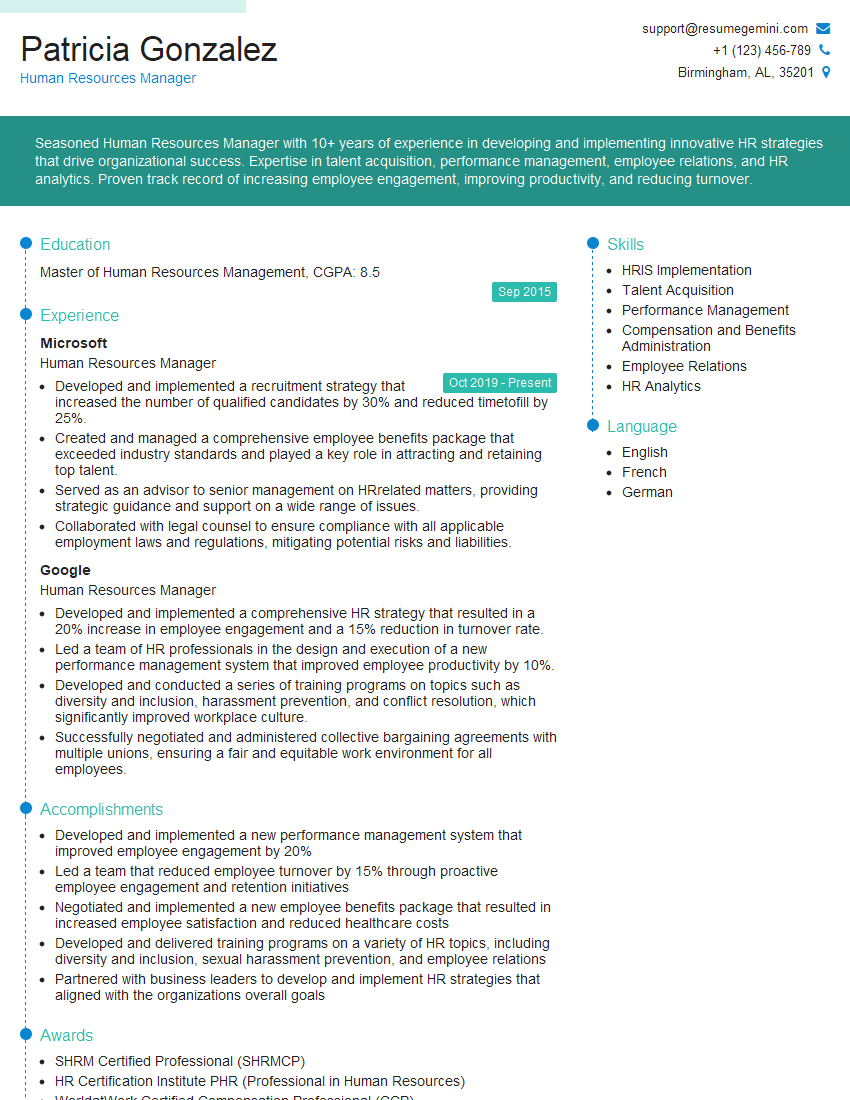
Human Resources Manager Resume Sample

Project Manager Resume Sample
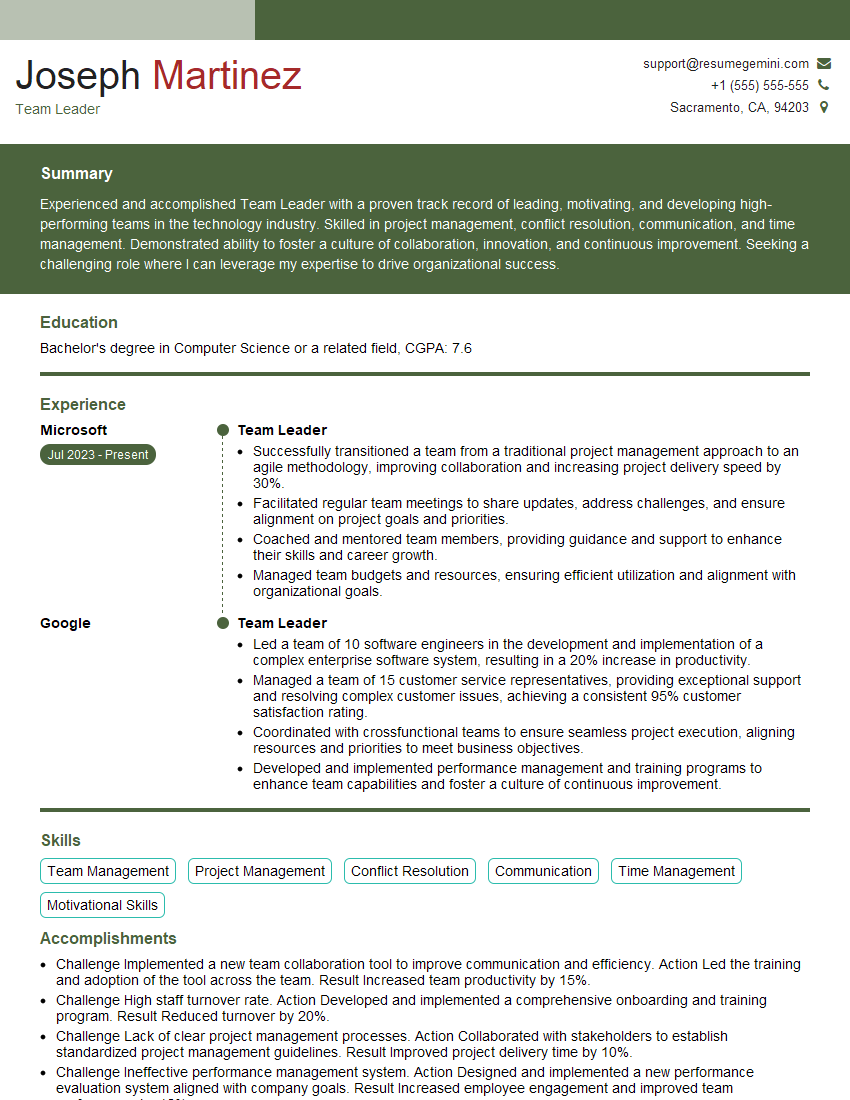
Team Leader Resume Sample
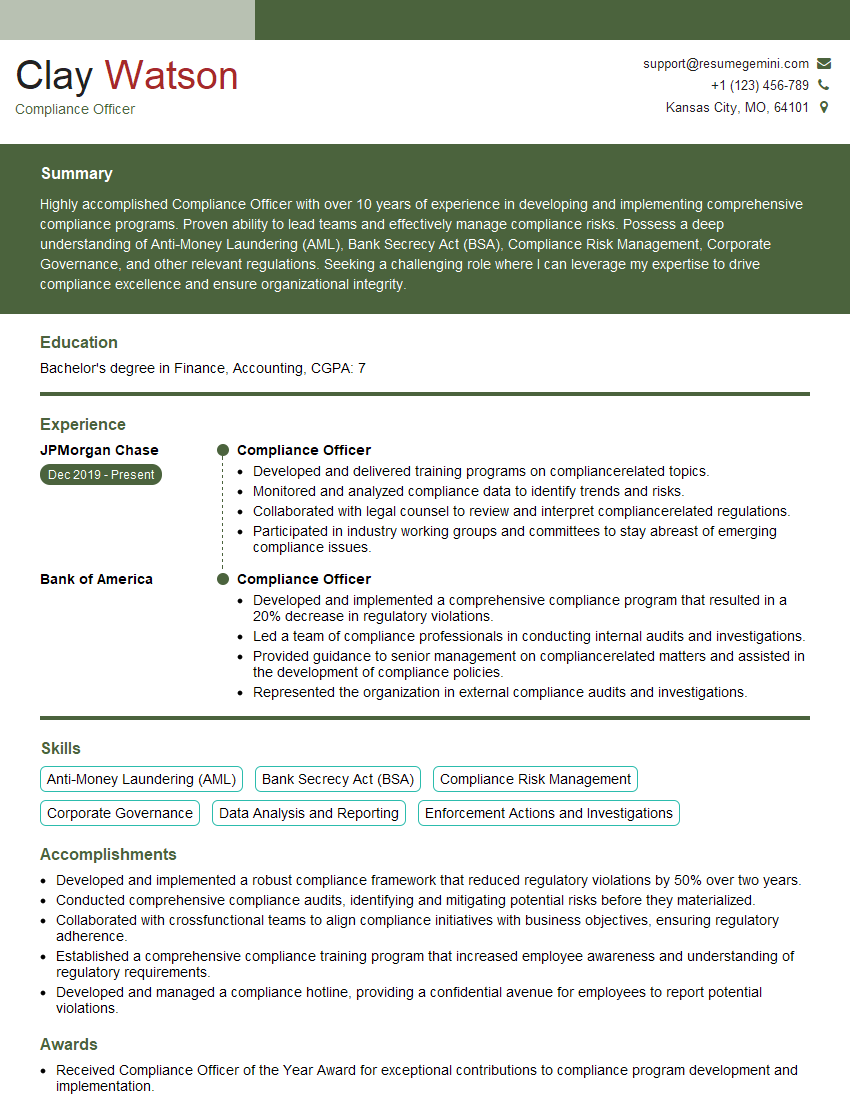
Compliance Officer Resume Sample
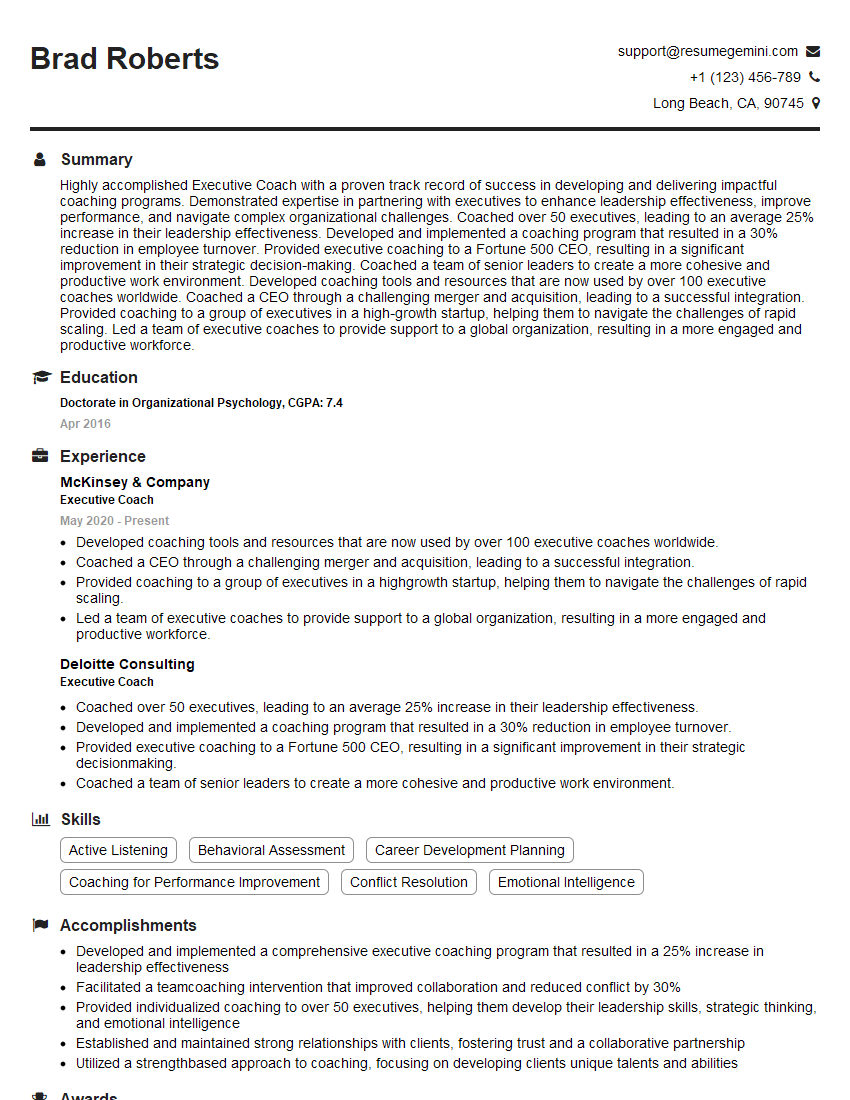
Executive Coach Resume Sample
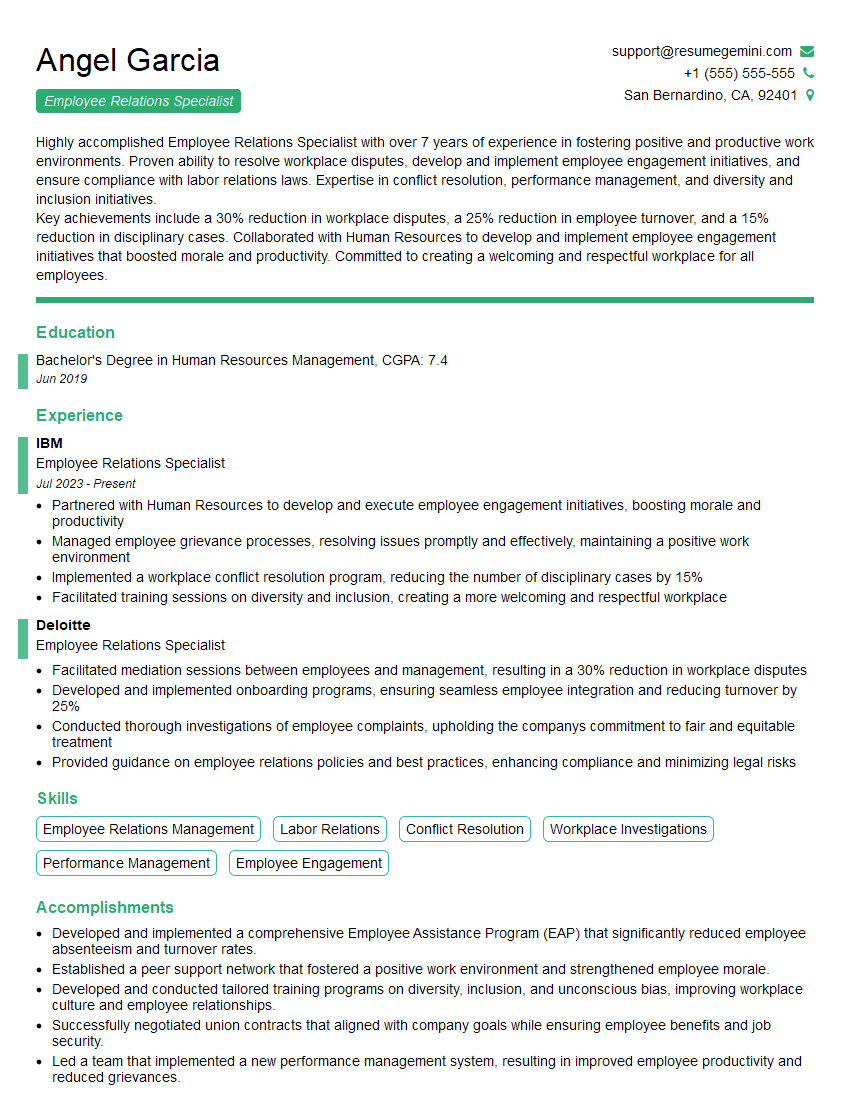
Employee Relations Specialist Resume Sample
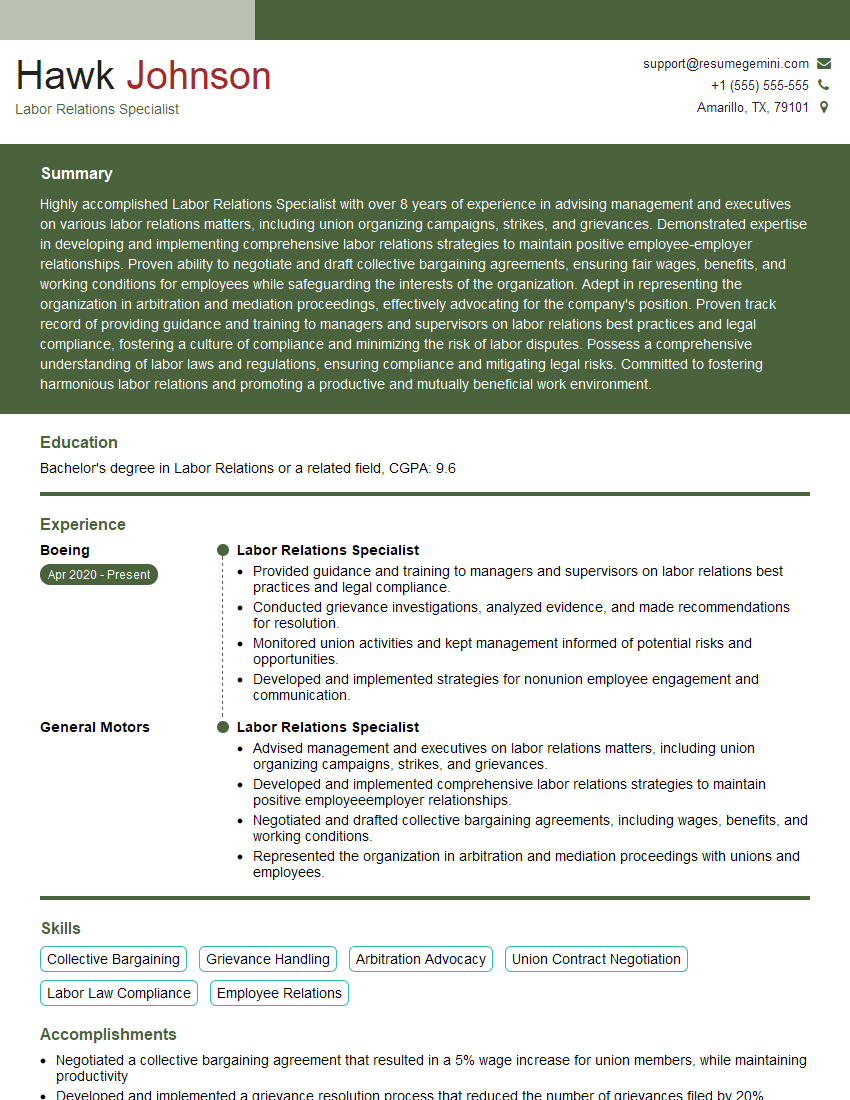
Labor Relations Specialist Resume Sample
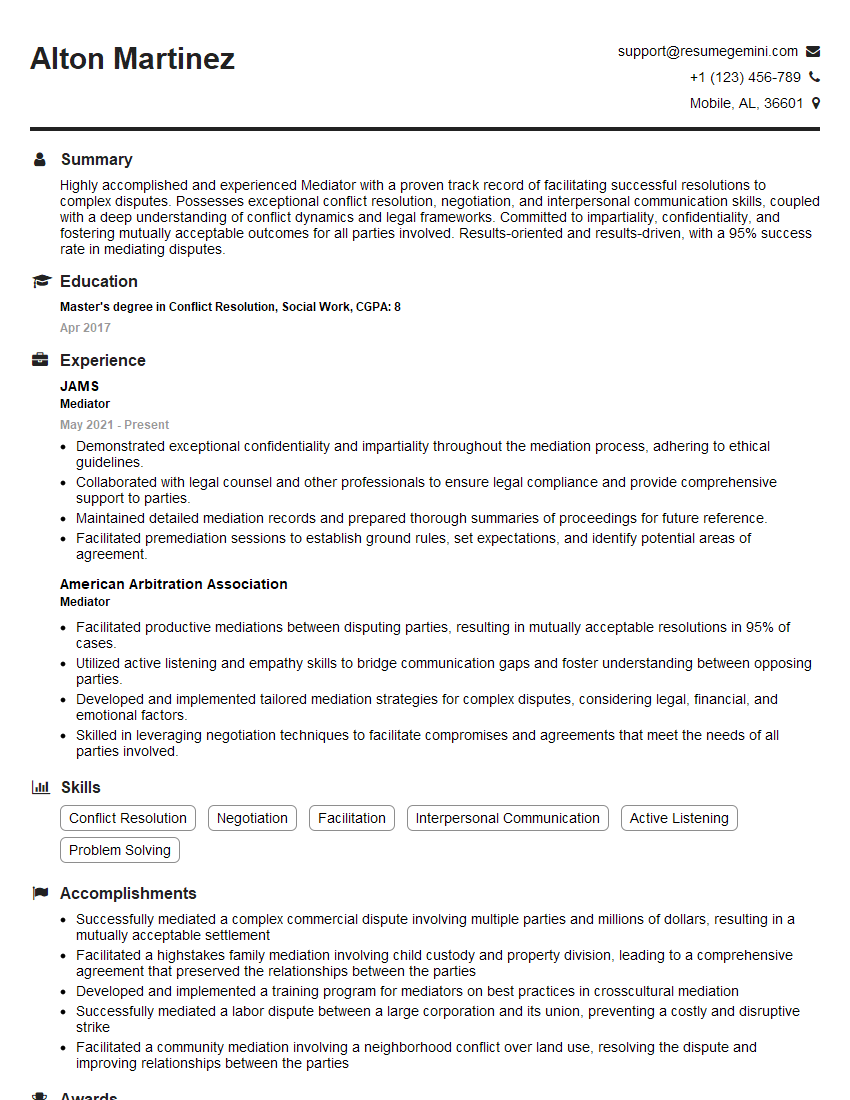
Mediator Resume Sample
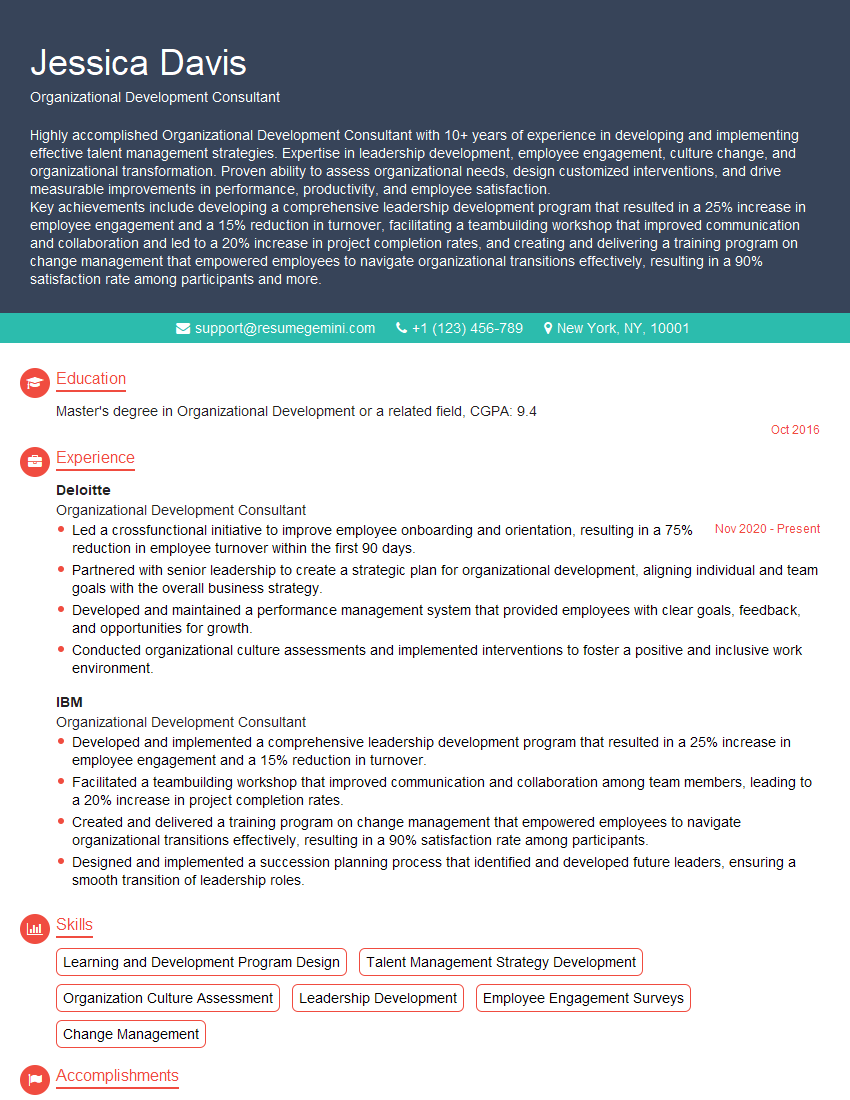
Organizational Development Consultant Resume Sample
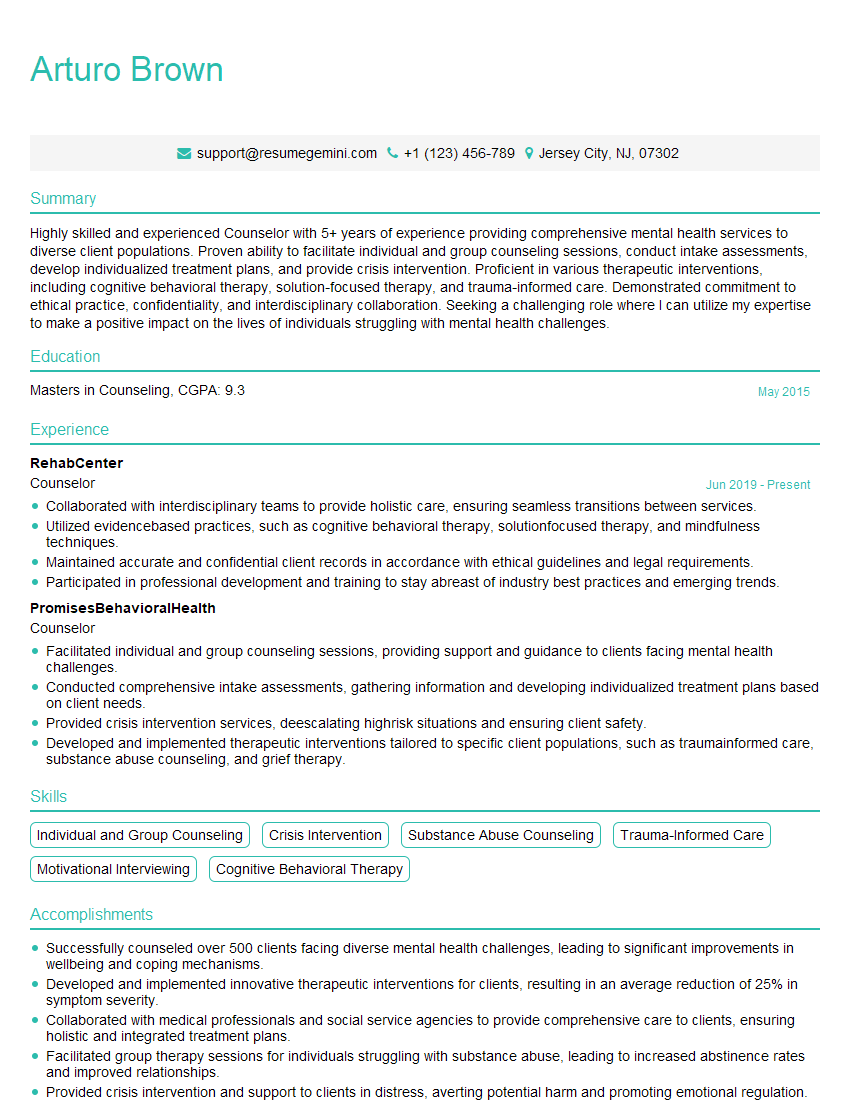
Counselor Resume Sample
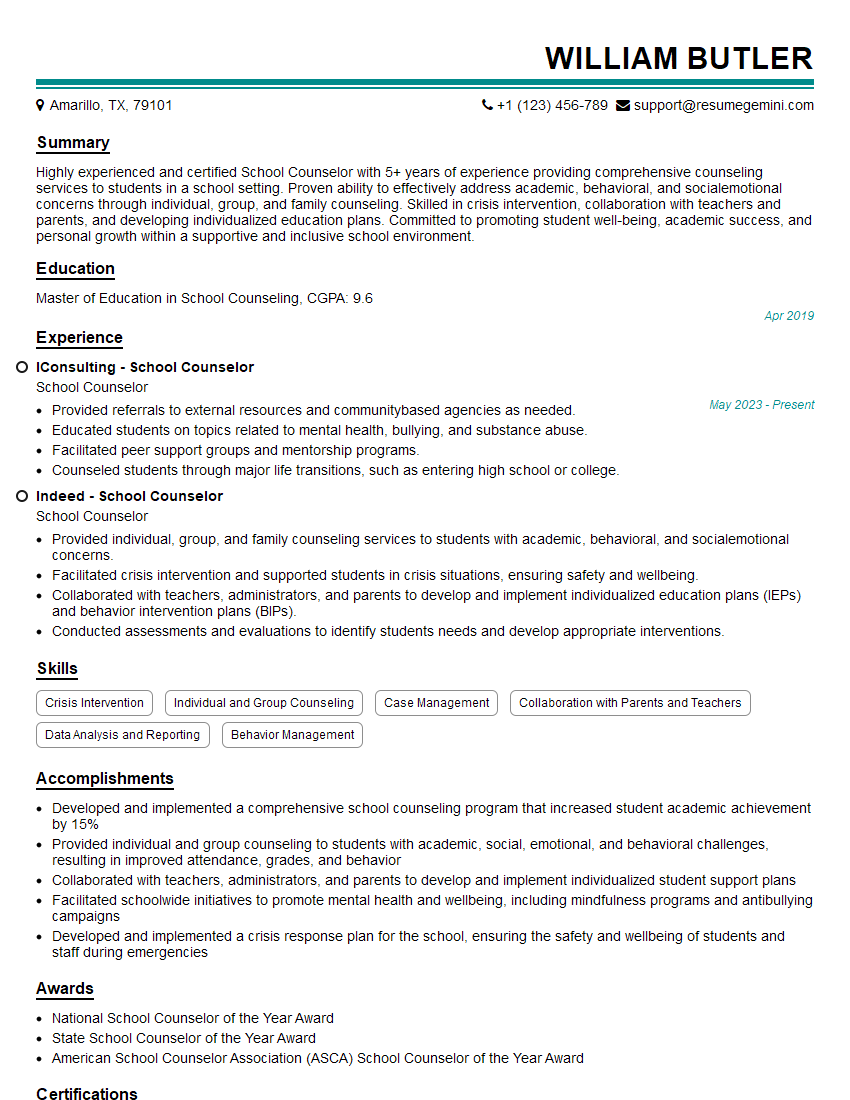
School Counselor Resume Sample
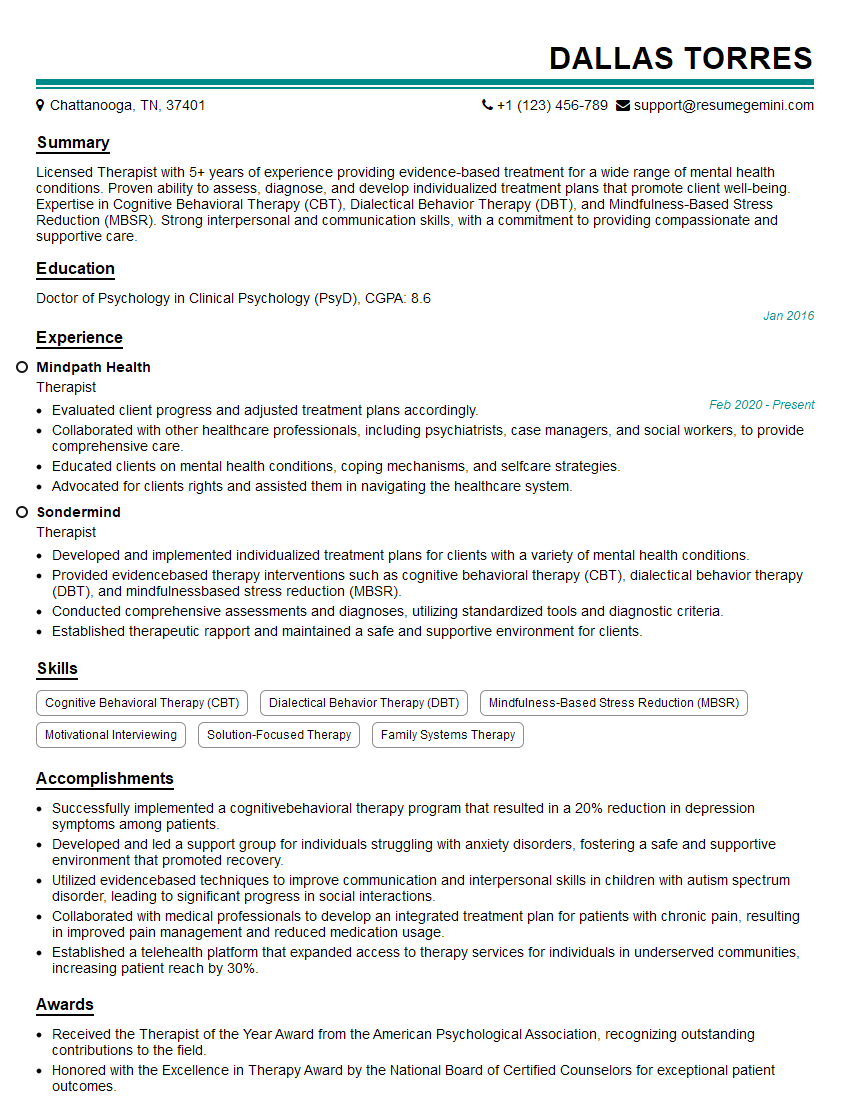
Therapist Resume Sample

Community Organizer Resume Sample
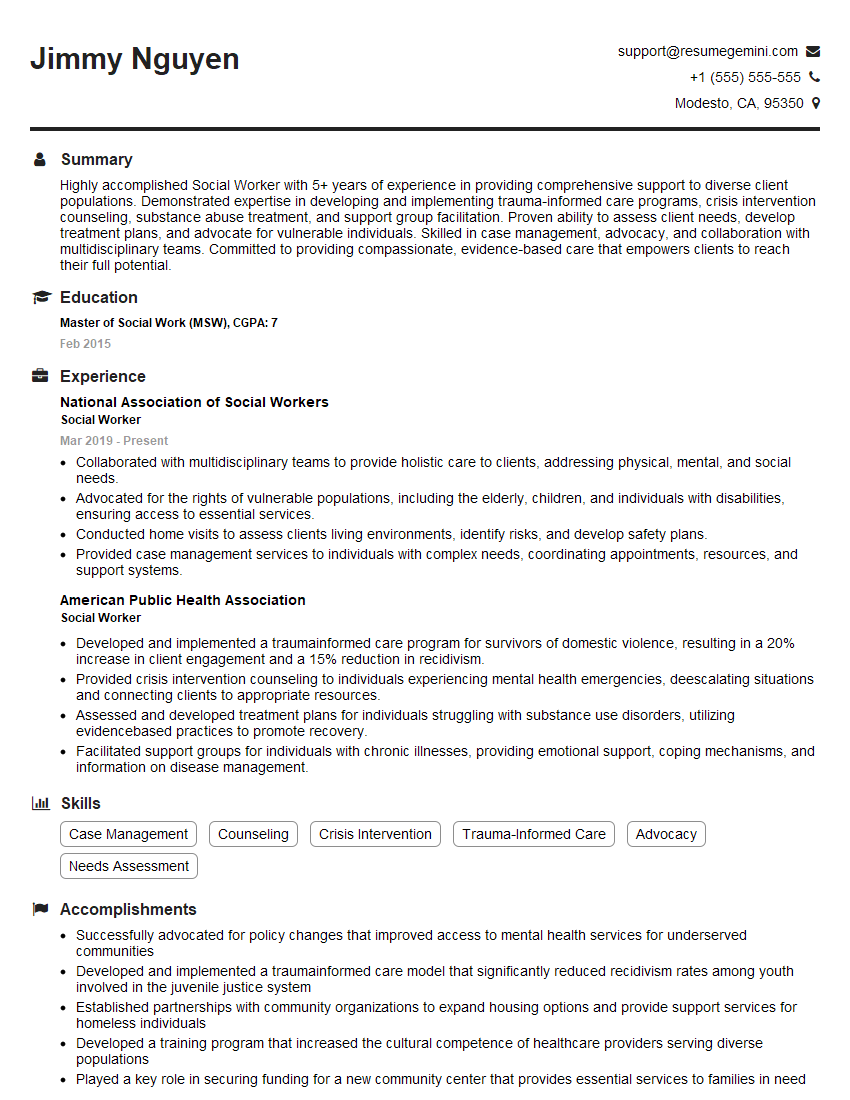
Social Worker Resume Sample
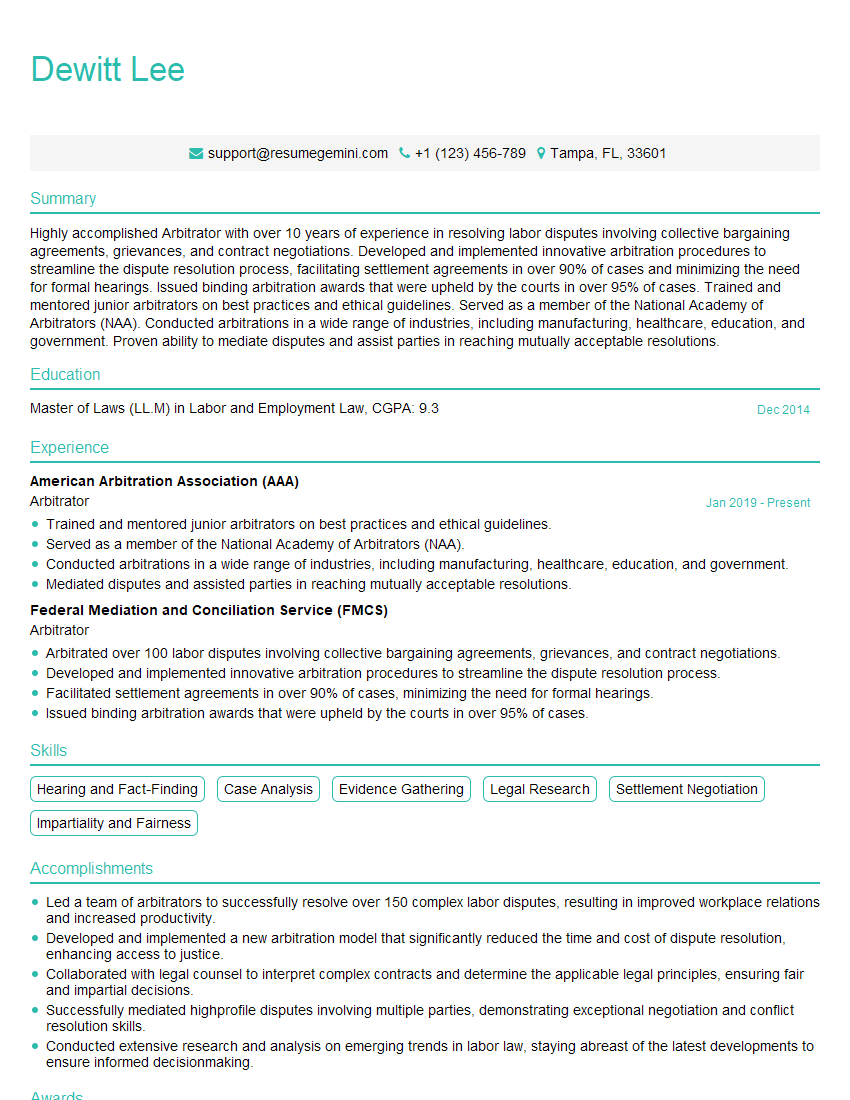
Arbitrator Resume Sample
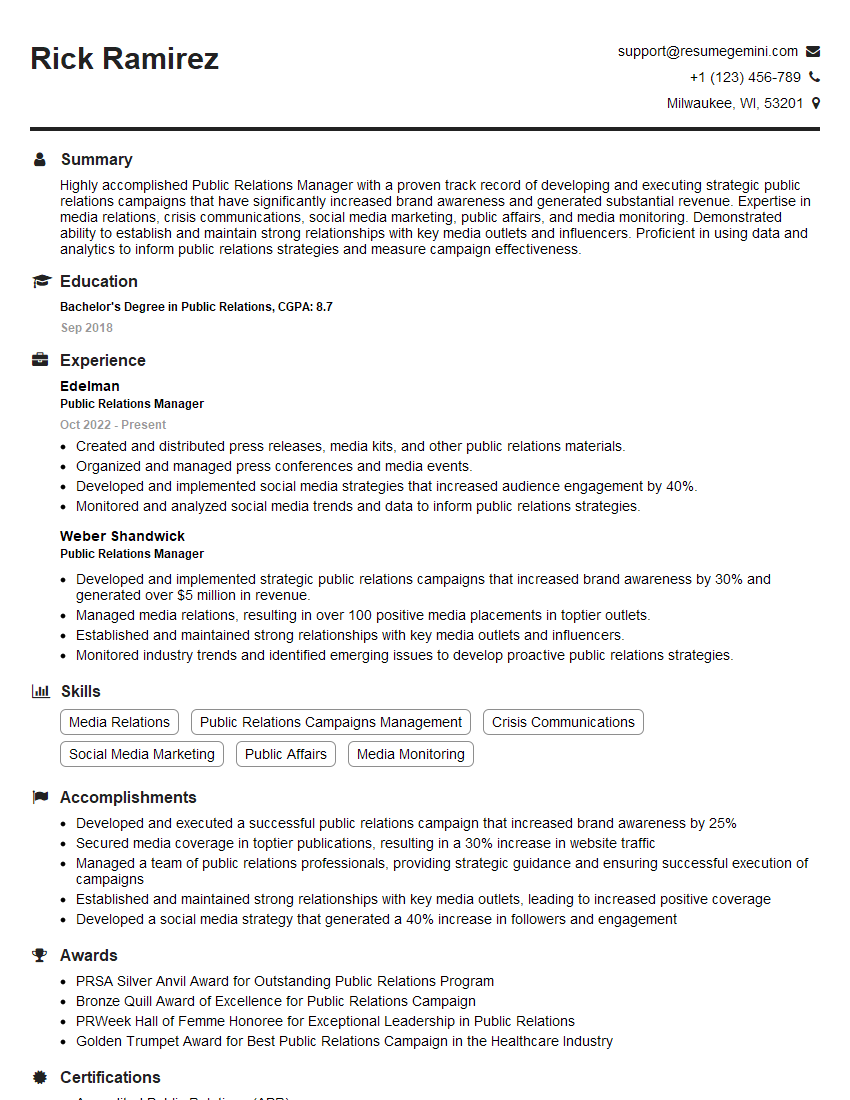
Public Relations Manager Resume Sample
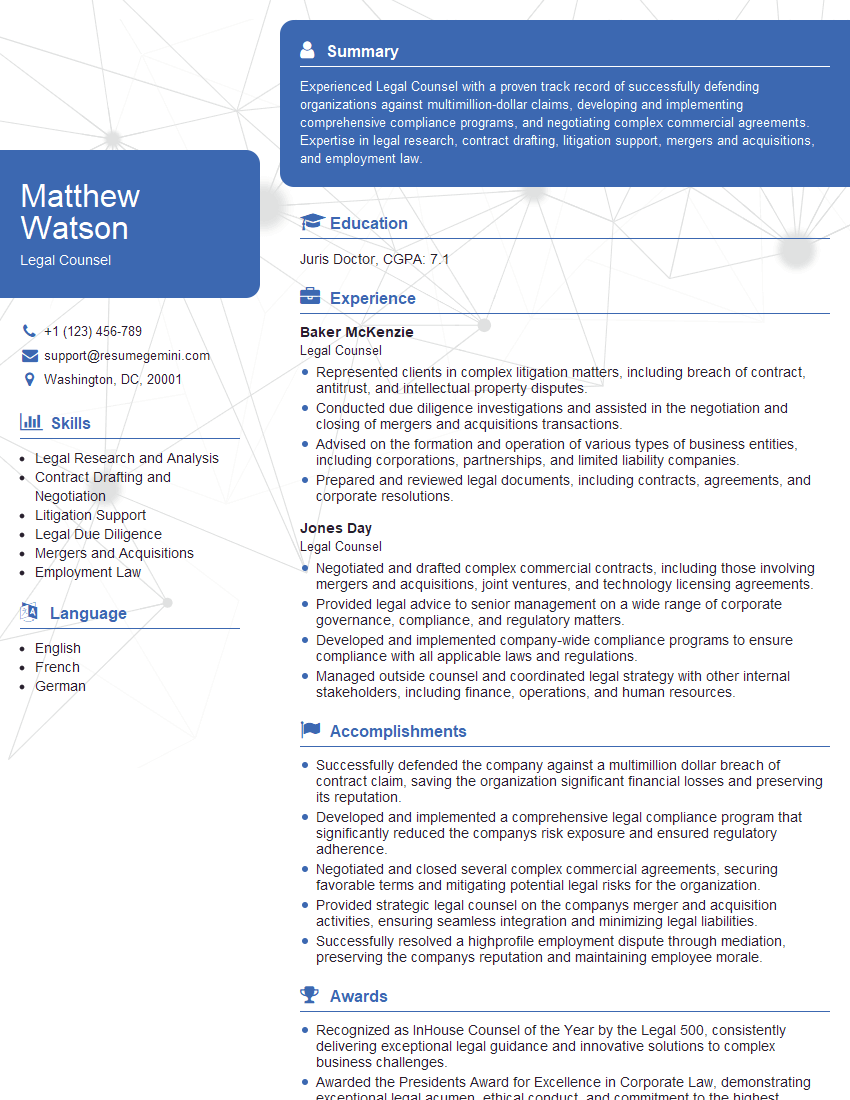
Legal Counsel Resume Sample
- Sales Manager
- Customer Service Manager
- Human Resources Manager
- Project Manager
- Team Leader
- Compliance Officer
- Executive Coach
- Employee Relations Specialist
- Labor Relations Specialist
- Mediator
- Organizational Development Consultant
- Counselor
- School Counselor
- Therapist
- Community Organizer
- Social Worker
- Arbitrator
- Public Relations Manager
- Legal Counsel
Explore more articles
Users Rating of Our Blogs
Share Your Experience
We value your feedback! Please rate our content and share your thoughts (optional).
What Readers Say About Our Blog
To the interviewgemini.com Webmaster.
Very helpful and content specific questions to help prepare me for my interview!
Thank you
To the interviewgemini.com Webmaster.
This was kind of a unique content I found around the specialized skills. Very helpful questions and good detailed answers.
Very Helpful blog, thank you Interviewgemini team.