Feeling uncertain about what to expect in your upcoming interview? We’ve got you covered! This blog highlights the most important Conservation and Wildlife Advocacy interview questions and provides actionable advice to help you stand out as the ideal candidate. Let’s pave the way for your success.
Questions Asked in Conservation and Wildlife Advocacy Interview
Q 1. Describe your experience with species-specific conservation strategies.
Species-specific conservation strategies recognize that each species faces unique threats and requires tailored approaches. Instead of a one-size-fits-all solution, these strategies focus on the specific biology, ecology, and threats impacting a particular species. For example, conservation efforts for the critically endangered Amur leopard might focus on anti-poaching measures, habitat restoration in the Russian Far East, and community engagement to reduce human-wildlife conflict, whereas saving the California condor might involve captive breeding programs, lead-poisoning prevention, and habitat management within their specific range. My experience involves developing and implementing such strategies, including population viability analyses (PVAs) to predict future population trends and inform management decisions, designing and implementing monitoring programs to track population size and health, and working with local communities to promote conservation-friendly practices.
For example, during my work with the mountain gorilla population in Rwanda, we employed a multi-pronged approach. This included strengthening anti-poaching patrols, working with local communities to develop sustainable agriculture practices that minimized habitat encroachment, and educating communities about the value of gorilla tourism for their livelihoods. This strategy helped to significantly reduce poaching incidents and increase the gorilla population.
Q 2. Explain your understanding of habitat fragmentation and its impact on wildlife.
Habitat fragmentation occurs when large, continuous habitats are broken up into smaller, isolated patches. Imagine a forest being divided by roads, agricultural fields, or urban development. This fragmentation drastically impacts wildlife by reducing available resources, restricting movement, and increasing the risk of inbreeding and local extinction. Smaller habitat patches can’t support the same number of individuals, leading to smaller and less genetically diverse populations. Animals struggle to find mates, disperse to new areas, or access sufficient food and water.
For instance, the fragmentation of rainforest habitats severely affects many primate species. Isolated groups become vulnerable to disease outbreaks and genetic bottlenecks. The inability to access diverse food sources weakens their resilience to environmental changes. My work has involved using GIS mapping to assess the extent of habitat fragmentation and its impact on various species and designing habitat corridors to connect fragmented patches and improve wildlife movement.
Q 3. How would you assess the effectiveness of a conservation program?
Assessing the effectiveness of a conservation program requires a multi-faceted approach. We must move beyond simply stating intentions and instead focus on concrete, measurable outcomes. This involves setting clear, measurable, achievable, relevant, and time-bound (SMART) goals at the outset. We need to establish baseline data before implementing the program to track changes over time. Regular monitoring and evaluation are essential, using indicators like population size, habitat quality, and community attitudes toward conservation.
- Population monitoring: Tracking population numbers and demographics (age structure, sex ratio) to assess population trends.
- Habitat assessment: Monitoring changes in habitat quality, extent, and connectivity.
- Community engagement surveys: Gauging changes in local attitudes and behaviours related to conservation.
- Economic impact assessments: Evaluating the economic benefits of conservation efforts (e.g., ecotourism).
Statistical analysis, such as comparing pre- and post-program data, helps determine the program’s impact. Adaptive management is crucial; we must be prepared to adjust the program based on monitoring results. For example, if a program aimed at increasing tiger populations shows limited success, we must revisit our strategies and explore alternative approaches.
Q 4. What are the key challenges in wildlife translocation projects?
Wildlife translocation, the movement of animals from one location to another, presents several challenges. Successful translocation requires careful planning and execution, involving a comprehensive understanding of the species’ ecology, genetics, and behaviour. Key challenges include:
- Finding suitable habitat: The new location must provide sufficient resources and lack significant threats.
- Disease transmission: Introducing diseases to a new population can have devastating consequences.
- Genetic compatibility: Introducing individuals from different populations could lead to outbreeding depression or genetic swamping.
- Behavioural adaptation: Translocated animals may struggle to adapt to the new environment, potentially leading to stress, mortality, and failure to establish a viable population.
- Community acceptance: Local communities must be engaged and understand the rationale and potential benefits of the translocation project to prevent conflicts.
For instance, the translocation of black-footed ferrets proved challenging due to the need for suitable prairie dog colonies (their primary prey) and minimizing the risk of disease spread. Careful disease screening and quarantine procedures were essential to the success of the project.
Q 5. Discuss your experience with data analysis in conservation research.
Data analysis is the backbone of effective conservation research. My experience involves using various statistical techniques to analyze ecological data, such as population counts, habitat use patterns, and species interactions. Software packages like R and ArcGIS are integral tools for this work. For instance, I’ve used Generalized Linear Models (GLMs) to model the relationship between habitat characteristics and species distribution, and Markov Chain Monte Carlo (MCMC) methods for Bayesian analysis of population viability. Spatial analysis using GIS allows us to understand how habitat fragmentation impacts population connectivity and gene flow.
In a recent project studying the impacts of climate change on snow leopard populations, I utilized time series analysis of snow cover data, combined with GPS tracking data of individual snow leopards, to predict changes in their habitat range and identify areas of high conservation priority.
Q 6. Explain your understanding of protected area management.
Protected area management involves the effective governance and administration of areas designated for conservation. This includes establishing clear objectives, developing management plans, implementing monitoring programs, and enforcing regulations to protect biodiversity. It’s a holistic approach involving ecological monitoring, community engagement, sustainable resource management, and law enforcement. Effective protected area management requires collaboration between government agencies, local communities, NGOs, and researchers. Sustainable financing mechanisms are crucial for long-term success.
For example, managing a national park might involve balancing the need for biodiversity conservation with recreational activities like tourism. A successful approach involves zoning the park to protect sensitive areas while providing access for visitors in designated areas. This requires careful planning, monitoring of visitor impacts, and the implementation of appropriate visitor management strategies.
Q 7. How would you address a conflict between human development and wildlife conservation?
Addressing conflicts between human development and wildlife conservation requires finding solutions that meet both human needs and biodiversity goals. A collaborative, participatory approach involving local communities, government agencies, developers, and conservation organizations is crucial. This can involve:
- Habitat restoration and creation: Restoring degraded habitats or creating new ones can compensate for habitat lost to development.
- Mitigation measures: Developing measures to minimize the negative impacts of development on wildlife (e.g., wildlife crossings, noise reduction).
- Community-based conservation: Involving local communities in conservation efforts through education, sustainable livelihoods, and benefit-sharing schemes.
- Strategic land-use planning: Integrating conservation considerations into land-use planning processes to avoid development in ecologically sensitive areas.
- Compensation mechanisms: Providing compensation to communities affected by conservation restrictions (e.g., loss of land access).
For instance, developing a wind farm in an area used by migratory birds requires careful assessment of potential impacts and mitigation strategies, such as using bird-deterrent technologies and altering turbine placement. It also requires community consultation to address concerns about noise and visual impacts.
Q 8. What are the ethical considerations in wildlife research?
Ethical considerations in wildlife research are paramount, ensuring the well-being of animals and the integrity of the scientific process. This involves a careful balancing act between advancing knowledge and minimizing harm. Key considerations include:
- Minimizing harm to animals: This involves adhering to strict guidelines on animal handling, ensuring the use of the least invasive techniques, and obtaining necessary permits and ethical approvals. For instance, when studying primates, researchers might employ non-invasive methods like camera trapping instead of direct observation which could stress the animals.
- Data integrity and transparency: Researchers must be honest and transparent in their data collection, analysis, and reporting. This includes acknowledging limitations and potential biases in their research findings. Data falsification or manipulation is unacceptable and undermines the credibility of the entire field.
- Respecting local communities and indigenous knowledge: Research should be conducted with the free, prior, and informed consent of local communities. Indigenous peoples often possess invaluable traditional ecological knowledge that can enrich the research process and enhance its relevance to local needs. Failing to involve them can lead to research projects that are culturally insensitive and ultimately ineffective.
- Benefit-sharing: The benefits of research, including any commercial applications, should be shared equitably with local communities who may have contributed to the research or are directly affected by its outcomes. This could involve sharing royalties from any products developed from the research or providing resources to support local conservation initiatives.
- Maintaining the confidentiality of sensitive data: Wildlife data, particularly location data for vulnerable species, can be highly sensitive. Researchers have an ethical obligation to protect this data from misuse and ensure it is used responsibly.
Q 9. Describe your familiarity with different conservation funding models.
I’m familiar with a variety of conservation funding models, each with its own strengths and weaknesses. These include:
- Government funding: This can be substantial but often comes with bureaucratic hurdles and specific policy mandates. For example, government grants often require detailed reporting and adherence to specific research protocols.
- Philanthropic funding: Foundations and private donors can provide significant support, but funding cycles can be unpredictable, and funders may have specific priorities that may not align with all conservation needs. A successful grant application requires clear articulation of the conservation issue and a strong justification for funding.
- Corporate Social Responsibility (CSR) funding: Businesses may invest in conservation projects as part of their CSR initiatives, often aligning with their brand image or supply chain concerns. This can be a reliable source of funding but requires building strong relationships with corporations and demonstrating clear environmental and social benefits.
- Crowd-funding: This model allows for direct engagement with the public through platforms like Kickstarter or GoFundMe. While it can be successful in mobilizing public support and raising awareness, it can be inconsistent and may not raise the funds needed for large-scale projects.
- Conservation trusts and NGOs: Many conservation organizations raise funds through a combination of grants, donations, and fundraising events. These organizations play a crucial role in channeling funds to various conservation projects.
A successful conservation strategy often relies on diversifying funding sources to mitigate risks and ensure long-term financial sustainability. My experience involves developing and implementing comprehensive funding proposals tailored to the specific characteristics of each funding model.
Q 10. How would you engage local communities in conservation efforts?
Engaging local communities is critical for successful conservation. It’s not about imposing conservation measures from the outside, but rather about building partnerships and fostering a sense of shared ownership. My approach involves:
- Participatory approaches: Employing participatory mapping exercises to identify areas of importance to the community, involving them in the design and implementation of conservation projects, and listening to and actively responding to their concerns and priorities. For example, engaging in community workshops to gather traditional knowledge about species and habitats is critical.
- Capacity building: Providing training and education to empower local communities to participate actively in conservation monitoring and management. This could range from basic ecological training to practical skills in sustainable resource management.
- Benefit-sharing: Ensuring that conservation efforts directly benefit local communities through improved livelihoods, access to resources, or alternative income-generating opportunities. For example, community-based ecotourism can provide direct economic benefits while promoting conservation.
- Transparency and communication: Maintaining open and transparent communication channels to keep communities informed of project progress and to address their concerns. Regular meetings, feedback mechanisms, and community reports can significantly enhance trust.
- Addressing underlying drivers of environmental degradation: Conservation efforts need to address the social and economic factors driving environmental problems, such as poverty, lack of access to resources, and unsustainable land use practices.
By adopting this approach, conservation projects are more likely to be embraced by local communities and achieve long-term success.
Q 11. Explain your understanding of climate change’s impact on biodiversity.
Climate change is arguably the most significant threat to biodiversity in the 21st century. Its impacts are multifaceted and far-reaching:
- Habitat loss and fragmentation: Changes in temperature and precipitation patterns are altering habitats, leading to the loss and fragmentation of ecosystems. Rising sea levels are inundating coastal habitats, while changes in temperature and rainfall are affecting the distribution of suitable habitats for many species.
- Range shifts: Species are shifting their geographic ranges in response to climate change, but these shifts are not always successful. Some species may be unable to adapt quickly enough, leading to population declines or extinctions. Those that do may encounter new competition, diseases, or other challenges.
- Phenological mismatches: Changes in the timing of seasonal events (e.g., flowering, migration) can disrupt ecological interactions, leading to mismatches between species that rely on each other. For example, if a bird’s migration timing doesn’t align with the availability of its primary food source, its survival is threatened.
- Increased frequency and intensity of extreme weather events: Hurricanes, droughts, and wildfires are becoming more frequent and intense, causing widespread habitat destruction and mortality. This has cascading effects on entire ecosystems.
- Ocean acidification: The absorption of excess carbon dioxide by the oceans is leading to ocean acidification, which threatens marine organisms with calcium carbonate shells or skeletons, such as corals and shellfish.
Understanding these impacts is crucial for developing effective conservation strategies that incorporate climate change adaptation and mitigation measures.
Q 12. What is your experience with GIS software in conservation work?
I have extensive experience using Geographic Information Systems (GIS) software in conservation work. GIS is an invaluable tool for analyzing spatial data, visualizing patterns, and making informed decisions. My experience encompasses:
- Habitat mapping and analysis: Using satellite imagery and other geospatial data to map and analyze habitats, identify critical areas, and assess habitat quality. For example, I’ve used ArcGIS to map suitable habitat for an endangered bird species based on vegetation cover, elevation, and distance to water sources.
- Species distribution modeling: Developing species distribution models (SDMs) to predict the current and future distribution of species based on their environmental requirements and climate change projections. This involves using software like MaxEnt or similar tools.
- Conservation planning: Using GIS to design and implement conservation plans, identifying priority areas for protection, and optimizing the placement of protected areas. This involves techniques such as reserve selection algorithms.
- Monitoring and evaluation: Using GIS to track changes in habitat extent, species distribution, and other conservation indicators over time. This can involve integrating data from different sources, such as camera trap data and GPS tracking data.
My proficiency in GIS allows me to integrate various data sources, conduct spatial analyses, and create visually compelling maps and reports that effectively communicate conservation information to stakeholders.
Q 13. Describe your experience with wildlife monitoring techniques.
My experience with wildlife monitoring techniques is extensive, covering a range of approaches tailored to specific species and research questions. These techniques include:
- Camera trapping: Using motion-activated cameras to record images and videos of animals, providing valuable data on species presence, abundance, and behavior. This is particularly useful for elusive or nocturnal species.
- GPS tracking: Attaching GPS collars to animals to track their movements and habitat use over time. This provides insights into animal home ranges, migration patterns, and habitat selection. Data analysis often involves software capable of handling geospatial data.
- Mark-recapture studies: Marking individual animals and recapturing them to estimate population size and other demographic parameters. This requires careful statistical analysis to obtain robust estimates.
- Acoustic monitoring: Using audio recorders to monitor animal vocalizations. This is particularly useful for species that are difficult to observe directly, such as bats or owls. Analysis might involve automated sound recognition software.
- Transect surveys: Walking or driving along predetermined transects to record observations of animals or signs of their presence. This method is suitable for a wide range of species and can be adapted to different habitats.
The choice of monitoring technique depends on various factors, including the species being studied, the research questions, the available resources, and the ethical considerations involved. I have experience designing and implementing monitoring programs and interpreting the resulting data to inform conservation management decisions.
Q 14. How would you develop a conservation strategy for an endangered species?
Developing a conservation strategy for an endangered species requires a multi-faceted approach based on a thorough understanding of the species’ biology, ecology, and the threats it faces. Here’s a step-by-step framework:
- Assess the species’ status and threats: This involves gathering existing data on population size, distribution, habitat use, and threats, identifying the most significant factors driving the species’ decline. For example, habitat loss, poaching, or climate change.
- Set conservation goals and objectives: Define clear, measurable, achievable, relevant, and time-bound (SMART) goals, such as increasing the population size by a certain percentage within a specific timeframe.
- Identify and prioritize actions: Based on the threat assessment, identify and prioritize actions to address the most significant threats. This might include habitat restoration, anti-poaching measures, captive breeding programs, or community engagement initiatives.
- Develop a detailed action plan: Outline the specific activities, timelines, responsibilities, and resources required to implement the conservation actions. This should be a collaborative effort involving all stakeholders.
- Implement the action plan and monitor progress: Carry out the planned activities and regularly monitor progress, making adjustments as needed. This involves implementing the monitoring techniques discussed earlier.
- Evaluate effectiveness and adapt: Regularly evaluate the effectiveness of the conservation actions and adapt the strategy as needed based on the monitoring results and emerging challenges. This may involve adjusting priorities, modifying actions, or securing additional resources.
- Secure funding and support: Develop a comprehensive funding strategy to secure the necessary resources to implement and sustain the conservation plan. This can involve leveraging the funding models discussed above.
Successful conservation strategies require adaptive management, collaboration, and continuous learning. By following this framework and adapting it to the specific circumstances of each species, we can significantly improve the chances of long-term survival for endangered species.
Q 15. What are the key threats to biodiversity in your region?
The key threats to biodiversity in my region are multifaceted and interconnected. They primarily involve habitat loss and fragmentation due to urbanization, agricultural expansion, and infrastructure development. This leads to reduced carrying capacity for many species, forcing them into smaller, isolated populations more vulnerable to extinction.
Climate change is another significant threat, altering temperature and precipitation patterns, leading to shifts in species distribution and disrupting ecological interactions. Pollution, including water and air pollution, further degrades habitats and harms wildlife directly. Overexploitation of natural resources, such as overfishing and illegal wildlife trade, also contributes significantly. Finally, the spread of invasive species outcompetes native flora and fauna, disrupting established ecosystems. For example, in my region, the rapid expansion of non-native grasses has drastically reduced the habitat available for several endangered bird species.
Career Expert Tips:
- Ace those interviews! Prepare effectively by reviewing the Top 50 Most Common Interview Questions on ResumeGemini.
- Navigate your job search with confidence! Explore a wide range of Career Tips on ResumeGemini. Learn about common challenges and recommendations to overcome them.
- Craft the perfect resume! Master the Art of Resume Writing with ResumeGemini’s guide. Showcase your unique qualifications and achievements effectively.
- Don’t miss out on holiday savings! Build your dream resume with ResumeGemini’s ATS optimized templates.
Q 16. Explain your understanding of invasive species management.
Invasive species management is a crucial aspect of conservation, focusing on preventing the introduction, establishment, and spread of non-native species that threaten native biodiversity and ecosystem services. A multi-pronged approach is often necessary.
- Prevention: This involves strict border controls, quarantine measures, and public awareness campaigns to prevent the introduction of invasive species in the first place. Imagine a strict customs check at an airport, meticulously checking for any non-native plant materials, fruits and seeds that might contain invasive insects or seeds.
- Early Detection and Rapid Response: Regular monitoring and surveillance programs help identify new invasive species early, allowing for quick and effective control measures before they become widespread. It’s like spotting a small fire early – you can put it out quickly before it spreads.
- Control and Eradication: Once an invasive species is established, methods like mechanical removal, chemical control (herbicides/pesticides), biological control (introducing natural predators), and habitat restoration can be employed. This might involve physically removing weeds or using specialized insects to control them.
- Long-Term Management: For widespread invasive species, long-term management strategies focus on containing their spread and minimizing their negative impacts, rather than complete eradication. This could involve carefully planned burns and ongoing monitoring.
The success of invasive species management relies heavily on collaboration among researchers, government agencies, and the public.
Q 17. How would you communicate complex conservation issues to a non-expert audience?
Communicating complex conservation issues to a non-expert audience requires simplifying technical jargon and using relatable analogies. I would start by identifying the key message and focusing on its relevance to the audience. For example, instead of explaining intricate ecological processes, I’d highlight the impact of biodiversity loss on clean water supplies, food security, or the economy.
Visual aids like photos, infographics, and short videos are extremely effective in conveying information concisely and engagingly. Storytelling, using real-life examples and anecdotes, can make the information more memorable and emotionally resonant. Interactive activities, such as citizen science projects, can actively engage the audience and foster a sense of ownership. Finally, keeping the language simple, avoiding technical terms unless absolutely necessary and defining them when used, is critical.
For instance, when explaining climate change’s impact on coral reefs, I would show stunning before-and-after pictures, explain how bleaching affects fish populations that are a source of food for local communities, and end with a call to action that highlights how everyone can help.
Q 18. Describe your experience with environmental impact assessments.
Environmental Impact Assessments (EIAs) are crucial tools for evaluating the potential environmental consequences of development projects. My experience involves conducting and reviewing EIAs across various sectors, including infrastructure development, mining, and energy projects.
This involves:
- Baseline data collection: Gathering information on existing environmental conditions, including biodiversity, water quality, air quality, and socio-economic factors.
- Impact prediction: Assessing the potential positive and negative impacts of the proposed project on these parameters.
- Mitigation planning: Developing measures to avoid, minimize, or offset negative impacts.
- Monitoring and evaluation: Tracking the project’s actual impacts and evaluating the effectiveness of mitigation measures.
For example, I was involved in an EIA for a proposed highway project where we identified potential habitat fragmentation and developed mitigation plans including wildlife crossings and habitat restoration along the corridor. The entire process requires adherence to rigorous scientific methods and stakeholder engagement to ensure transparency and accountability.
Q 19. How would you evaluate the success of a habitat restoration project?
Evaluating the success of a habitat restoration project requires a multi-faceted approach, combining quantitative and qualitative data over time. We need to define clear objectives and measurable indicators beforehand to determine success.
Key indicators could include:
- Species richness and abundance: Monitoring changes in the number and types of plant and animal species within the restored habitat.
- Habitat structure: Assessing the recovery of key habitat features, such as vegetation cover, water quality, and soil health.
- Ecological processes: Evaluating the restoration of essential ecological processes, such as nutrient cycling, pollination, and seed dispersal.
- Community involvement and support: Assessing the ongoing engagement of local communities and stakeholders in maintaining and protecting the restored area.
Statistical analysis is used to compare data from the restored site with control sites and pre-restoration data. Qualitative data, such as observations of species behavior and community feedback, provides valuable contextual information. For instance, a successful wetland restoration project might show a significant increase in bird species diversity and a return of native plant communities, along with positive feedback from local residents who are using it for recreational purposes.
Q 20. What is your experience with collaboration and stakeholder engagement in conservation?
Collaboration and stakeholder engagement are fundamental to successful conservation. My experience includes working with diverse stakeholders, including government agencies, local communities, indigenous groups, NGOs, and private landowners.
Effective collaboration requires:
- Open communication and transparency: Sharing information and actively listening to different perspectives.
- Building trust and relationships: Developing strong working relationships based on mutual respect and understanding.
- Participatory decision-making: Involving stakeholders in planning, implementation, and monitoring of conservation projects.
- Conflict resolution: Addressing disagreements and finding mutually acceptable solutions.
For example, in a community-based conservation project, we facilitated workshops to engage local residents in developing a management plan for a protected area, ensuring their traditional knowledge and concerns were incorporated into the strategy. This participatory approach built ownership and fostered long-term sustainability.
Q 21. Explain your understanding of sustainable development principles.
Sustainable development aims to meet the needs of the present without compromising the ability of future generations to meet their own needs. It integrates environmental, social, and economic considerations to ensure long-term well-being.
Key principles include:
- Environmental protection: Conserving natural resources and biodiversity, mitigating pollution and climate change.
- Social equity: Promoting social justice, human rights, and community participation.
- Economic viability: Ensuring economic growth that is environmentally sustainable and socially responsible.
- Intergenerational equity: Balancing the needs of present and future generations.
For example, sustainable forestry practices ensure timber production while protecting forest ecosystems and supporting local communities. Similarly, sustainable tourism can generate economic benefits while minimizing negative impacts on natural resources and local cultures. The concept emphasizes a holistic approach where environmental and social considerations are not seen as separate from economic progress but as integral parts of a sustainable future.
Q 22. Describe your experience with policy advocacy related to conservation.
My experience in policy advocacy for conservation spans over a decade, encompassing various roles from grassroots activism to collaborating with governmental agencies. I’ve been involved in crafting and lobbying for legislation concerning endangered species protection, habitat preservation, and sustainable resource management. For instance, I worked with a coalition of environmental NGOs to successfully advocate for the passage of a bill that increased funding for protected areas in the Amazon rainforest. This involved extensive research into the ecological and socio-economic impacts of deforestation, developing compelling arguments supported by scientific data, and building consensus among stakeholders with diverse interests, including indigenous communities and local businesses.
Another significant project involved working directly with government officials to revise outdated regulations on wildlife trade. This required navigating complex bureaucratic processes, engaging in constructive dialogue with policymakers, and presenting evidence-based recommendations to improve the effectiveness of existing laws. The process highlighted the crucial role of clear communication and strategic partnerships in achieving conservation goals through policy changes.
Q 23. How would you handle a conflict with a colleague regarding conservation approaches?
Conflicts regarding conservation approaches are inevitable given the multifaceted nature of the field. My approach to resolving such disagreements centers on fostering open communication and respectful dialogue. I believe in actively listening to understand my colleague’s perspective, identifying shared goals, and exploring common ground. For example, if a colleague favored a top-down, regulatory approach to wildlife management while I advocated for a more community-based, participatory model, I would start by acknowledging the merits of both strategies. We could then explore potential compromises, such as integrating community engagement into the regulatory framework. This collaborative approach ensures that all voices are heard, leading to more effective and sustainable solutions. If a resolution can’t be reached internally, I believe in seeking mediation from a neutral party.
Q 24. Explain your knowledge of relevant legislation related to wildlife protection.
My knowledge of wildlife protection legislation is extensive, encompassing both international and national laws. I’m familiar with landmark treaties like CITES (Convention on International Trade in Endangered Species), which regulates the international trade of endangered flora and fauna. I also have a strong understanding of the Endangered Species Act in the United States, which provides legal protection for threatened and endangered species and their habitats. Furthermore, my expertise extends to regional and national laws addressing habitat protection, pollution control, and sustainable resource management. I’m proficient in interpreting legal texts, assessing their implications for conservation efforts, and identifying potential loopholes or areas for improvement. Understanding this legislative framework is critical for designing and implementing effective conservation strategies.
For example, I’ve worked on projects involving the application of the ESA to protect specific endangered species, requiring a deep understanding of the legal requirements for designating critical habitats, implementing recovery plans, and enforcing regulations against poaching or habitat destruction. This often involves coordinating with multiple agencies and stakeholders to ensure compliance with the law.
Q 25. What are your strengths and weaknesses in conservation work?
My strengths lie in my ability to build consensus among diverse stakeholders, my strong communication and negotiation skills, and my deep understanding of both the scientific and policy aspects of conservation. I’m also a highly organized and detail-oriented individual, capable of managing complex projects efficiently. However, I sometimes struggle with delegating tasks, preferring to handle things myself to ensure a high level of quality. I’m actively working on improving this weakness by developing better trust in team members and learning to effectively utilize their skills. This involves setting clear expectations, providing adequate support, and regularly monitoring progress.
Q 26. How do you stay updated on the latest advancements in conservation science?
Staying updated on advancements in conservation science is paramount. I achieve this through a multi-pronged approach. I regularly subscribe to and read peer-reviewed scientific journals such as Conservation Biology and Biological Conservation. I also actively participate in professional conferences and workshops, networking with other conservation professionals and learning about the latest research findings and innovative techniques. Online resources, such as scientific databases (e.g., Web of Science) and reputable conservation organizations’ websites, are also invaluable. Furthermore, I maintain a network of contacts within the scientific community, allowing me to stay abreast of emerging trends and breakthroughs in conservation science. This continuous learning process is essential for adapting my work to the latest scientific evidence and ensuring the effectiveness of conservation strategies.
Q 27. Describe your experience working with diverse teams in challenging environments.
My experience working with diverse teams in challenging environments is extensive. I’ve collaborated with researchers, government officials, community leaders, and local residents from various cultural backgrounds, often in remote and resource-limited settings. For example, during a project involving the conservation of a migratory bird species, I worked with a team that included ornithologists, local farmers, and indigenous communities. Navigating cultural differences, addressing conflicting interests, and ensuring equitable participation required strong communication, cultural sensitivity, and a flexible approach. Challenges included language barriers, logistical hurdles (e.g., access to remote areas), and differing perceptions of conservation priorities. Successful teamwork relied on mutual respect, understanding, and a shared commitment to the project’s objectives. Adaptability and the ability to build trust are essential skills in these situations.
Q 28. What are your career goals in conservation and wildlife advocacy?
My career goals involve leveraging my expertise to make significant contributions to global conservation efforts. I aspire to lead large-scale conservation projects, incorporating innovative technologies and participatory approaches to tackle pressing environmental challenges. I am particularly interested in combining my scientific knowledge with policy advocacy to develop and implement effective conservation policies at national and international levels. Ultimately, I aim to contribute to a future where biodiversity is protected, ecosystems are resilient, and human well-being is integrated with environmental sustainability. This involves mentoring future generations of conservation professionals and actively promoting environmental stewardship through education and outreach programs. In essence, I envision a career dedicated to creating a more sustainable and biodiverse world for generations to come.
Key Topics to Learn for Conservation and Wildlife Advocacy Interview
- Biodiversity Conservation: Understanding the principles of biodiversity, threats to biodiversity (habitat loss, climate change, pollution), and conservation strategies (protected areas, species management, habitat restoration). Practical application: Designing and implementing a community-based conservation program.
- Wildlife Management: Population dynamics, wildlife disease, human-wildlife conflict, and sustainable use of wildlife resources. Practical application: Developing a management plan for an endangered species.
- Policy and Advocacy: Environmental law and policy, lobbying and advocacy techniques, stakeholder engagement, and the role of NGOs in conservation. Practical application: Crafting a policy brief advocating for stronger wildlife protection laws.
- Sustainable Development: Balancing conservation goals with human needs, incorporating economic and social considerations into conservation planning. Practical application: Evaluating the environmental and social impacts of a proposed development project.
- Communication and Outreach: Effective communication strategies for engaging diverse audiences, fundraising, and building public support for conservation. Practical application: Developing an educational campaign to raise awareness about wildlife conservation.
- Data Analysis and GIS: Understanding spatial data analysis techniques, using GIS software for conservation planning and monitoring. Practical application: Mapping habitat suitability for a target species.
- Fundraising and Grant Writing: Securing funding for conservation projects through grant proposals and fundraising initiatives. Practical application: Preparing a compelling grant proposal for a conservation project.
Next Steps
Mastering Conservation and Wildlife Advocacy opens doors to impactful and fulfilling careers, allowing you to contribute meaningfully to protecting our planet’s biodiversity. To significantly boost your job prospects, creating an ATS-friendly resume is crucial. A well-crafted resume highlights your skills and experience effectively, ensuring your application gets noticed by potential employers. We strongly encourage you to utilize ResumeGemini, a trusted resource for building professional resumes. ResumeGemini provides you with the tools and guidance to create a compelling document that showcases your qualifications. Examples of resumes tailored specifically to Conservation and Wildlife Advocacy are available to help guide you.
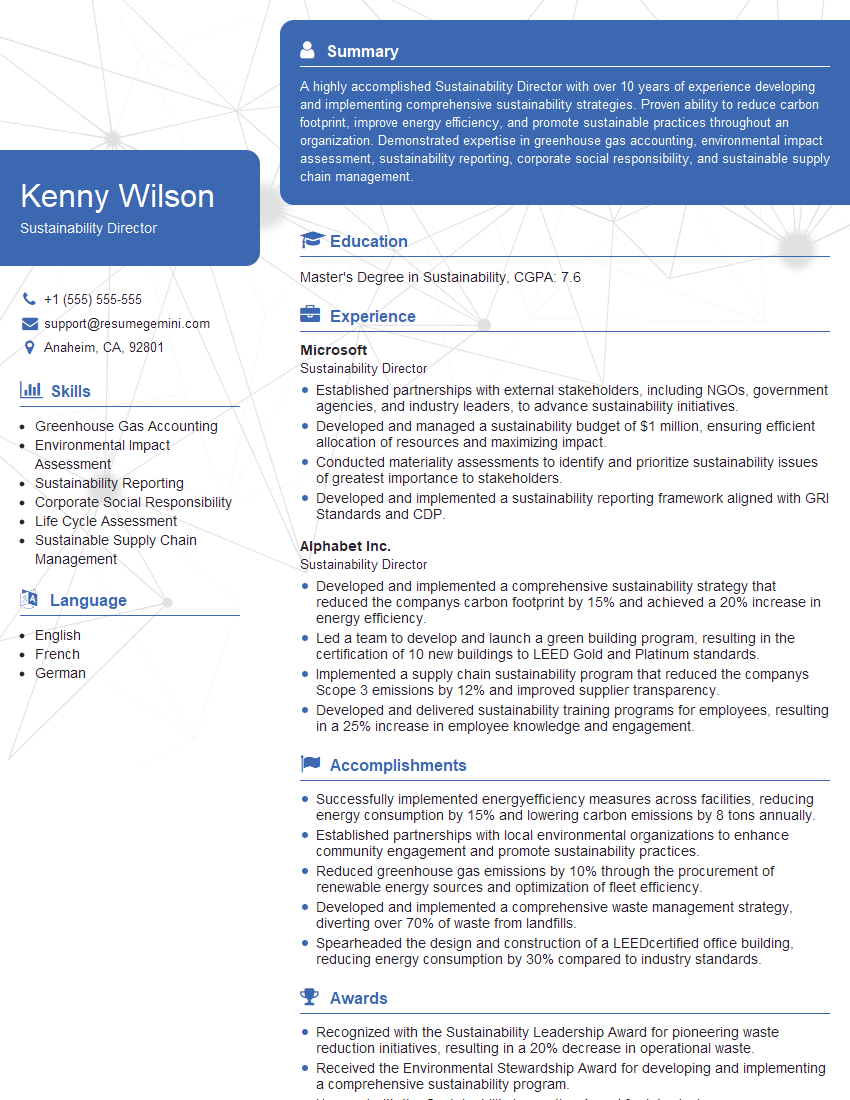
Sustainability Director Resume Sample

Sustainability Consultant Resume Sample
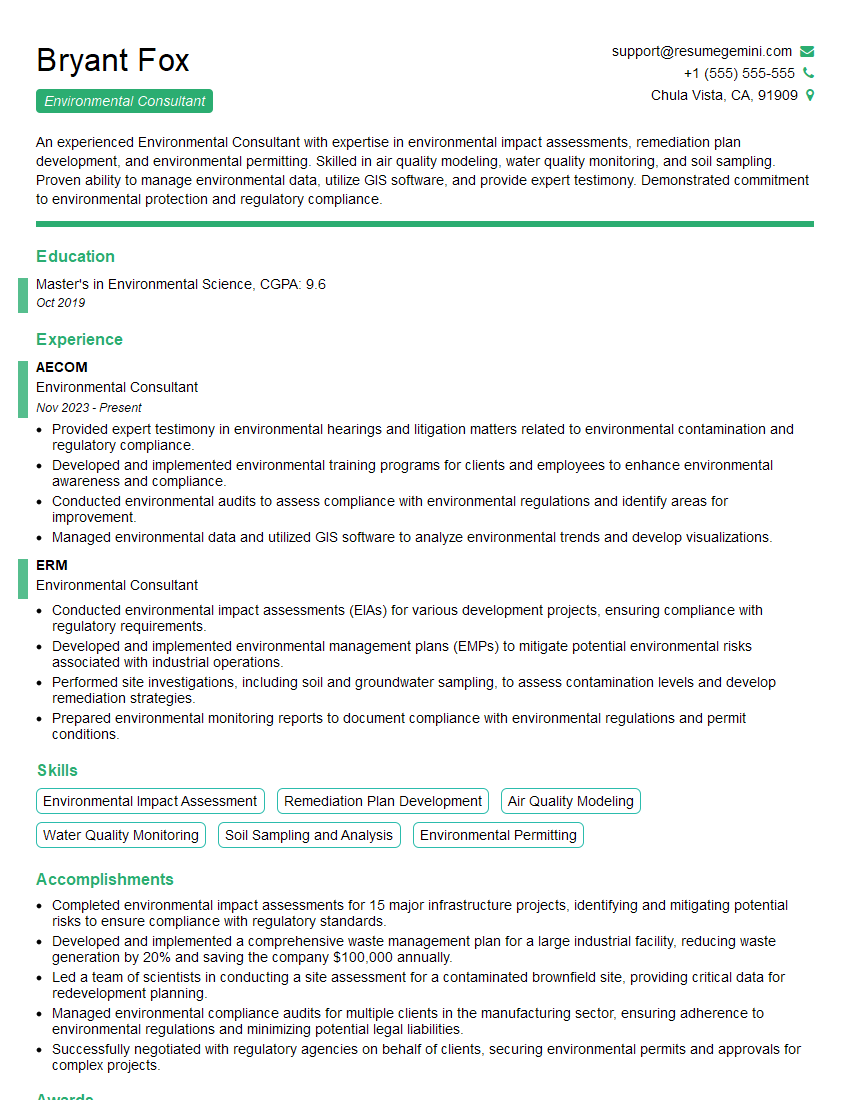
Environmental Consultant Resume Sample
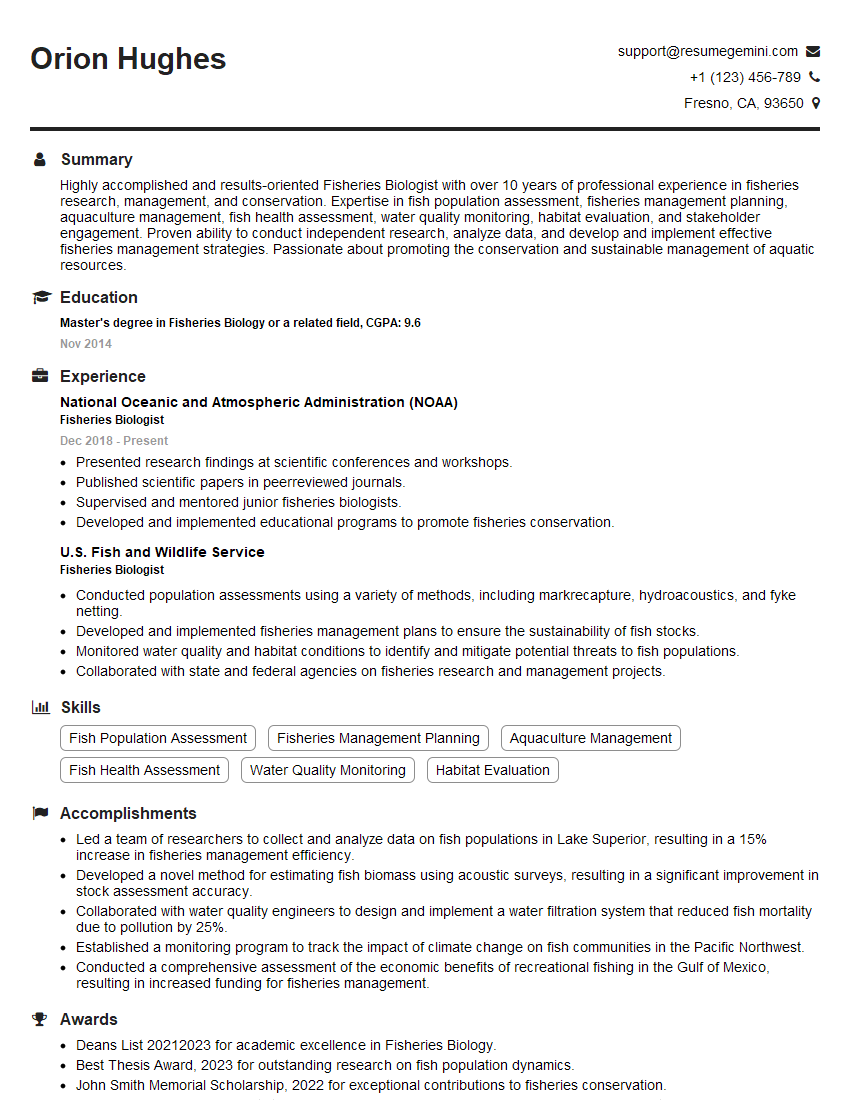
Fisheries Biologist Resume Sample

Wildlife Biologist Resume Sample
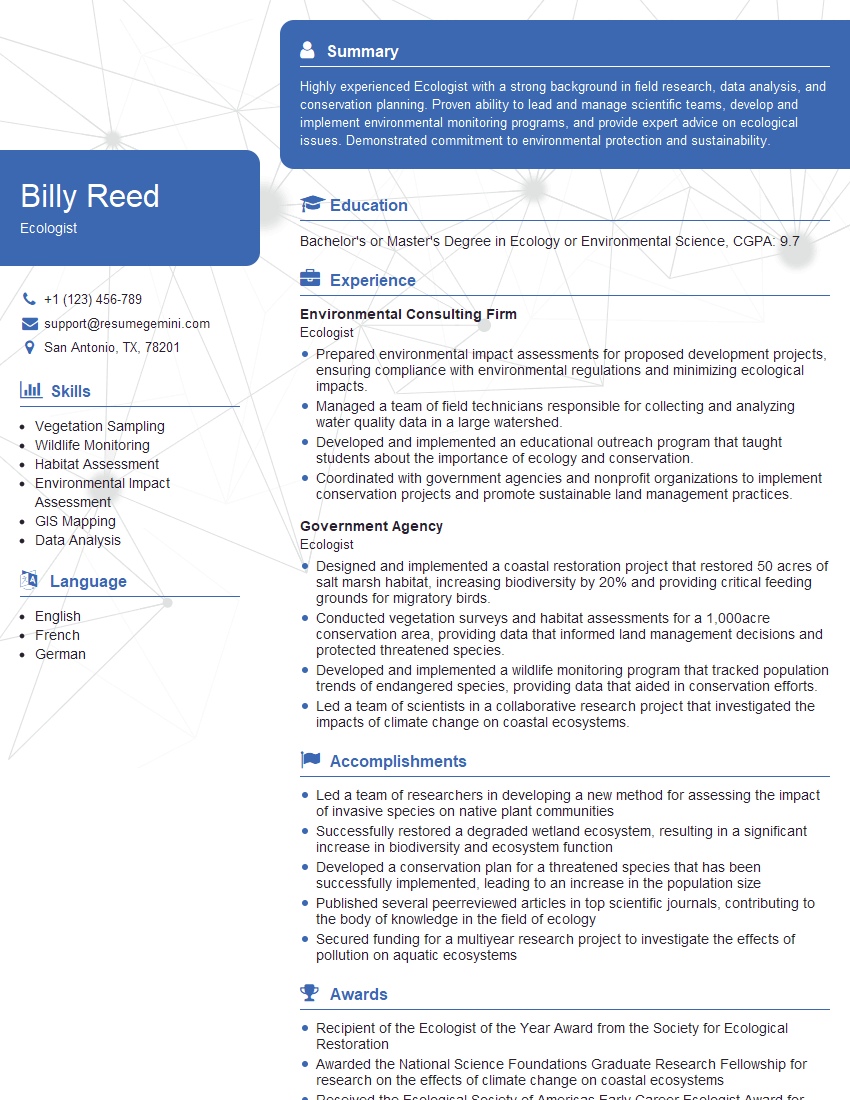
Ecologist Resume Sample
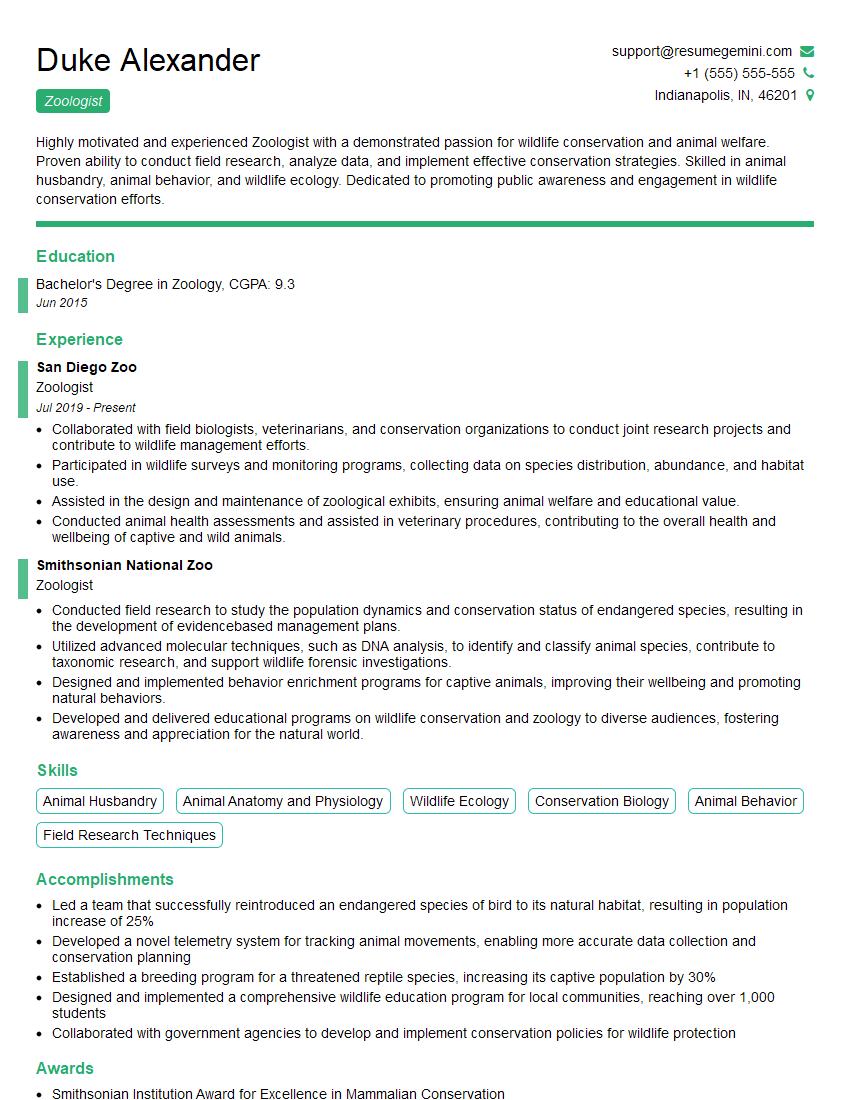
Zoologist Resume Sample
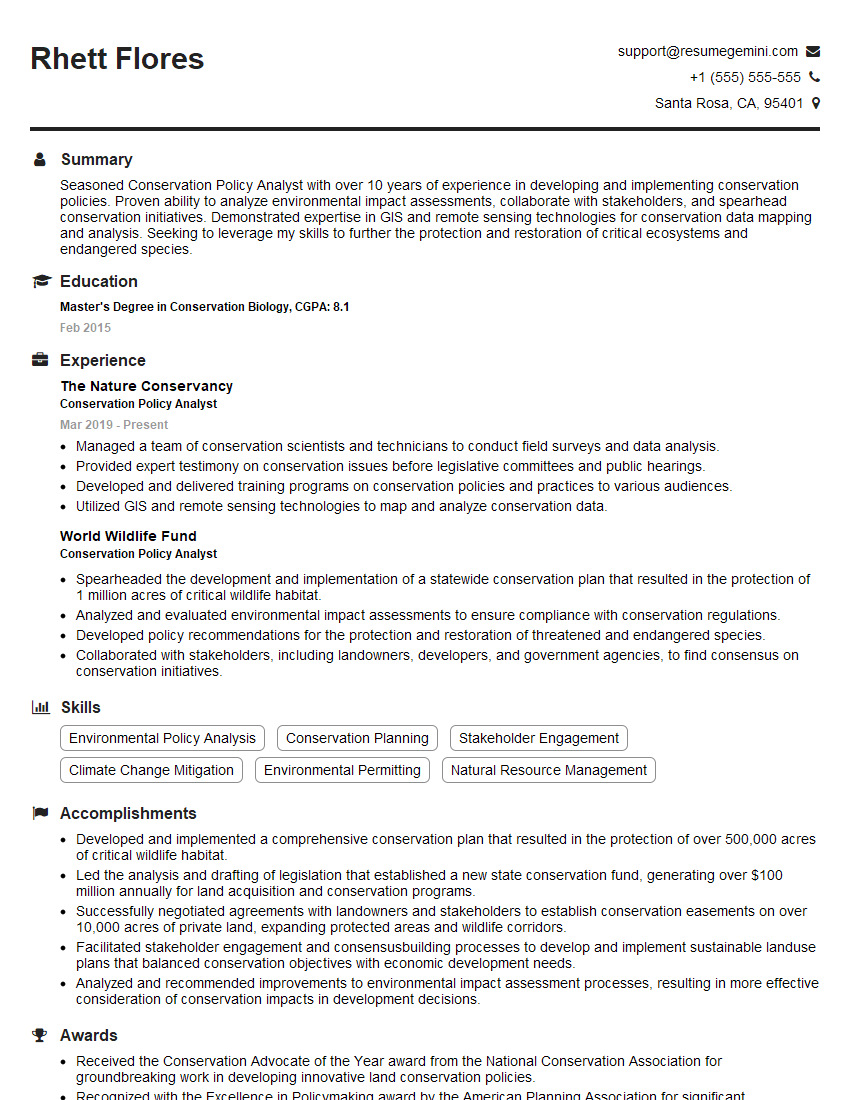
Conservation Policy Analyst Resume Sample

Environmental Educator Resume Sample
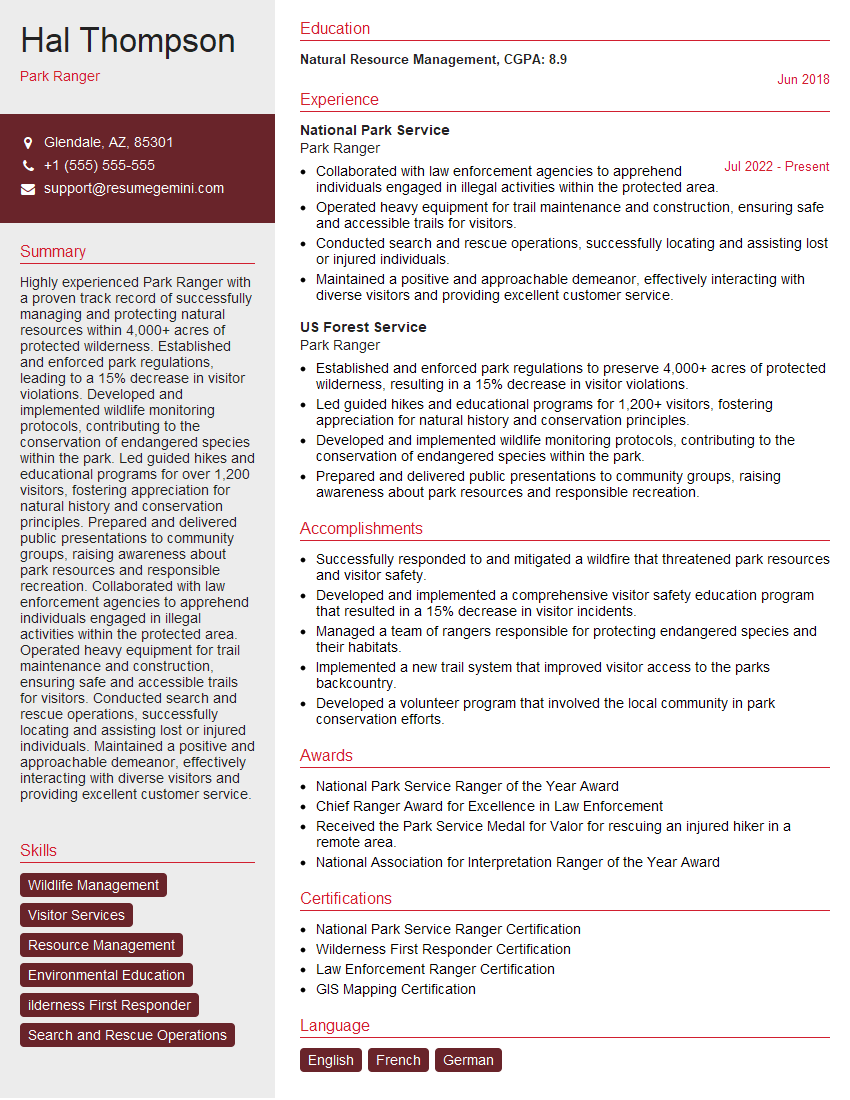
Park Ranger Resume Sample
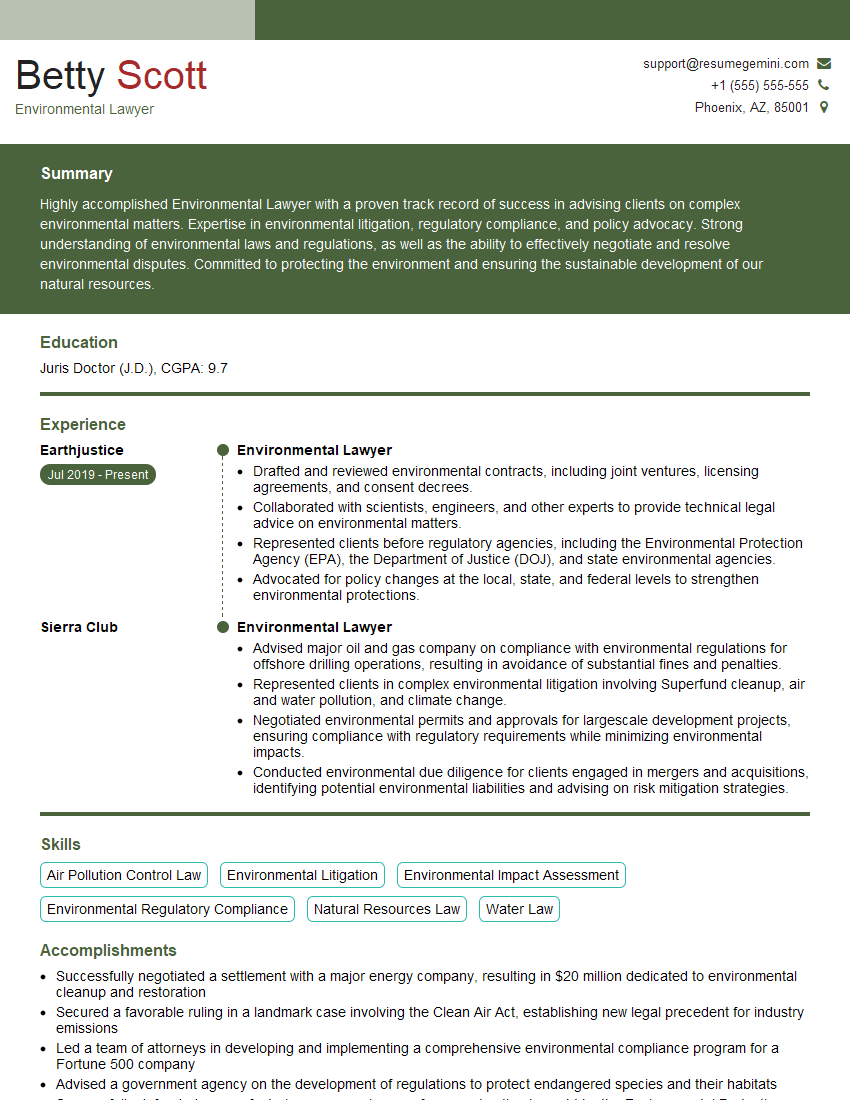
Environmental Lawyer Resume Sample
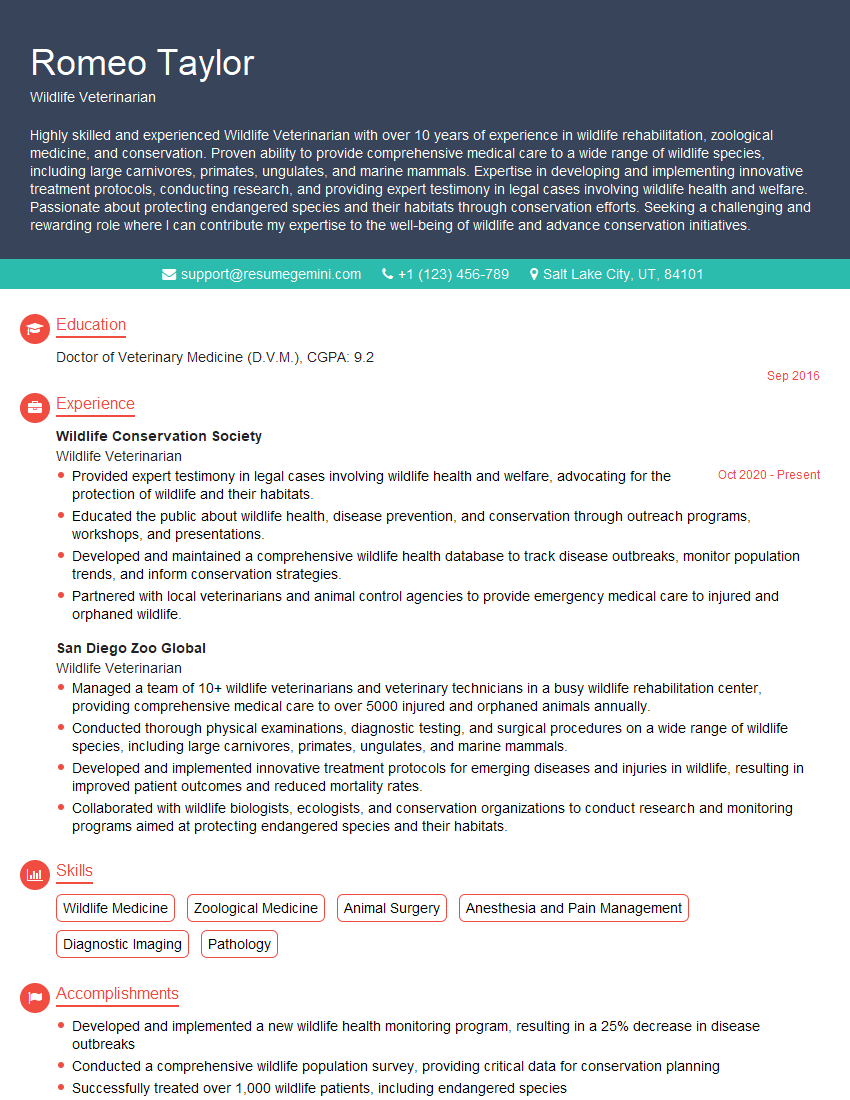
Wildlife Veterinarian Resume Sample
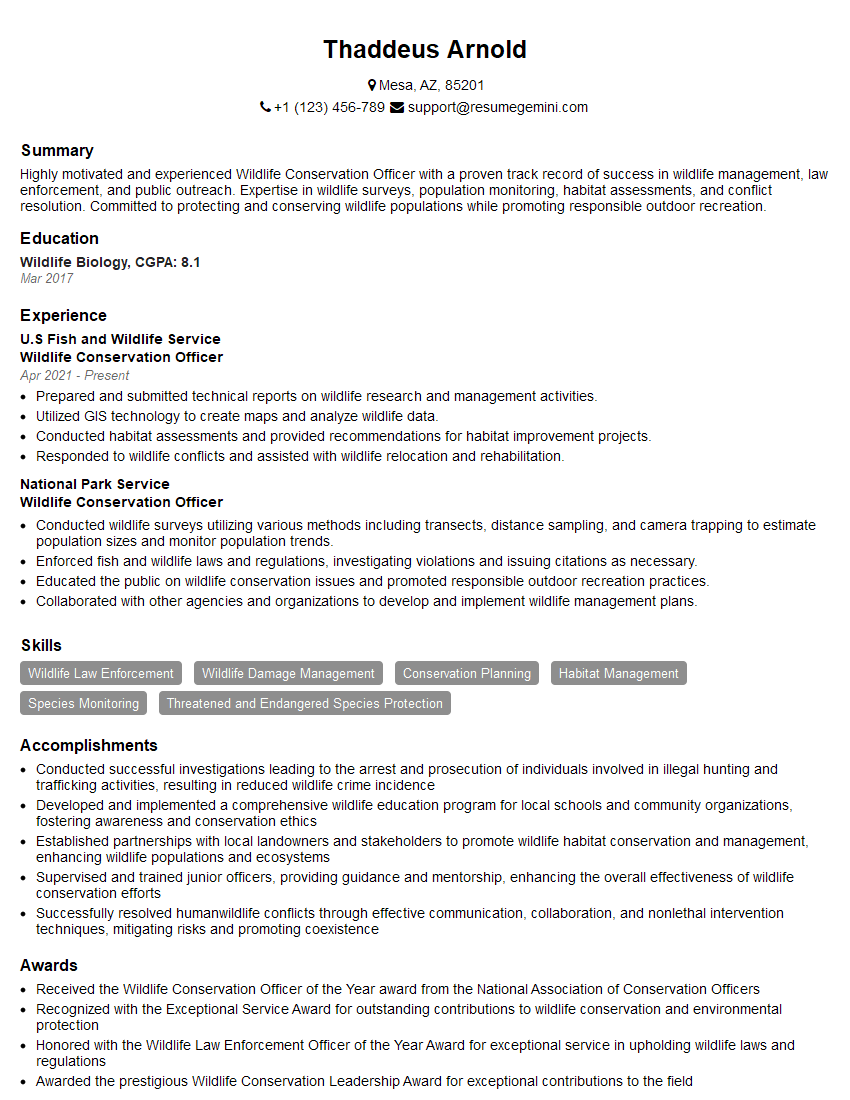
Wildlife Conservation Officer Resume Sample

Wildlife Rehabilitator Resume Sample
Explore more articles
Users Rating of Our Blogs
Share Your Experience
We value your feedback! Please rate our content and share your thoughts (optional).
What Readers Say About Our Blog
To the interviewgemini.com Webmaster.
Very helpful and content specific questions to help prepare me for my interview!
Thank you
To the interviewgemini.com Webmaster.
This was kind of a unique content I found around the specialized skills. Very helpful questions and good detailed answers.
Very Helpful blog, thank you Interviewgemini team.