Feeling uncertain about what to expect in your upcoming interview? We’ve got you covered! This blog highlights the most important Counselling interview questions and provides actionable advice to help you stand out as the ideal candidate. Let’s pave the way for your success.
Questions Asked in Counselling Interview
Q 1. Explain the difference between CBT and DBT therapies.
Cognitive Behavioral Therapy (CBT) and Dialectical Behavior Therapy (DBT) are both evidence-based therapies focusing on changing thoughts and behaviors, but they differ in their approach and target populations.
CBT primarily focuses on identifying and modifying maladaptive thought patterns and behaviors. It emphasizes cognitive restructuring – changing negative or unhelpful thoughts – and behavioral experiments to test those thoughts and develop more adaptive coping mechanisms. Think of it like a detective investigating the ‘case’ of your unhelpful thoughts and behaviors, finding the root cause, and developing strategies to overcome them. For example, a client with social anxiety might use CBT to challenge their fear of social rejection, testing their beliefs by engaging in increasingly challenging social situations.
DBT, on the other hand, is specifically designed for individuals with borderline personality disorder and other emotional dysregulation issues. While it incorporates CBT techniques, it adds a significant emphasis on mindfulness, distress tolerance, and interpersonal effectiveness skills. It’s like having a toolbox filled with strategies to manage intense emotions in the moment and improve relationships. A client experiencing intense emotional outbursts might learn mindfulness techniques in DBT to observe their emotions without judgment and distress tolerance skills to cope with overwhelming feelings without resorting to self-harm.
In short, CBT is a broader approach focusing on cognitive and behavioral change, while DBT is a more specialized therapy incorporating mindfulness and emotional regulation skills for individuals with specific emotional dysregulation challenges.
Q 2. Describe your experience with crisis intervention.
My experience with crisis intervention involves working with individuals experiencing acute emotional distress, suicidal ideation, or other life-threatening situations. This often requires a rapid assessment of the client’s immediate needs and risk level. I’ve worked in both hospital settings and community-based crisis centers.
My approach involves establishing a safe and supportive environment, actively listening to the client’s concerns, and collaboratively developing a safety plan. This might include connecting them with emergency services, arranging for hospitalization if necessary, or providing immediate coping strategies to manage their distress.
For instance, I once worked with a young woman experiencing a severe panic attack. My immediate priority was to help her regulate her breathing and reduce her physiological arousal. Once she felt calmer, we discussed the triggers for her panic attack and collaboratively developed a plan for managing similar situations in the future. The emphasis is always on immediate safety and stabilization, followed by longer-term planning for support and therapy.
Q 3. How do you handle ethical dilemmas in a counseling setting?
Ethical dilemmas in counseling are inevitable. I approach them systematically using a framework that considers the ethical principles of autonomy, beneficence, non-maleficence, justice, and fidelity. I start by clearly defining the conflict, consulting relevant ethical codes (like those of the American Counseling Association), and seeking supervision or consultation when needed.
For example, if a client discloses illegal activity, my ethical obligation is to consider the potential harm to others and the legal implications. I’d need to carefully weigh the client’s right to confidentiality against my duty to protect others. This often involves consulting with supervisors, legal counsel, or relevant authorities, while ensuring the client’s rights are respected as much as possible. Documentation of the decision-making process is crucial in these situations.
Ultimately, the goal is to arrive at a decision that protects client well-being while adhering to ethical standards and legal requirements. Transparency and ongoing communication with the client (when possible and appropriate) are essential.
Q 4. What are the limitations of your chosen therapeutic approach?
While I primarily utilize a person-centered approach, understanding its limitations is vital. This approach, while emphasizing client autonomy and self-discovery, may not be suitable for all clients or all presenting problems. For instance, clients who lack insight into their behavior or those struggling with severe psychotic symptoms might not benefit from this approach alone.
It can also be time-consuming, requiring a strong therapeutic alliance and the client’s active participation. Furthermore, a solely person-centered approach may not provide clients with specific coping skills or structured techniques they need to manage specific difficulties. Some clients may benefit from a more directive or structured approach like CBT.
To mitigate these limitations, I integrate techniques from other therapeutic modalities when appropriate, tailoring the therapy to meet the individual needs of each client. This ensures that I can provide the most effective and relevant intervention.
Q 5. How do you build rapport with clients from diverse backgrounds?
Building rapport with clients from diverse backgrounds requires cultural sensitivity and humility. I begin by acknowledging and respecting the client’s unique cultural identity, avoiding assumptions and stereotypes. This involves actively listening to their perspectives and experiences, validating their feelings, and demonstrating empathy.
I ensure that my language and communication style are culturally appropriate and avoid using jargon or terminology that might be unfamiliar or offensive. I actively seek to understand the client’s cultural values, beliefs, and practices, considering how these may influence their perspectives on mental health and therapy.
For example, when working with a client from a collectivist culture, I might focus on understanding the family dynamics and social context impacting their well-being. With a client from a culture with different views on mental health, I would carefully explain my approach and ensure they feel comfortable sharing their concerns.
Ongoing self-reflection and continuous learning about diverse cultures are essential for effective cross-cultural counseling.
Q 6. Describe your process for assessing client needs.
My assessment process is comprehensive and holistic. It begins with a thorough intake interview, exploring the client’s presenting problem, history, and background. I use a variety of assessment tools depending on the client’s needs. This could include standardized questionnaires, clinical interviews, and observation.
I look beyond the presenting problem to understand the broader context of the client’s life, including their relationships, work, and social support systems. I assess their strengths, coping mechanisms, and resilience factors as well as their limitations and challenges. The goal is not just to identify the problem but to understand the client’s unique perspective and develop a personalized treatment plan.
For example, a client presenting with depression might also have relationship difficulties or financial strain impacting their mental health. Understanding these interconnected factors allows for a more effective and comprehensive treatment plan that addresses all contributing elements.
Q 7. Explain your understanding of transference and countertransference.
Transference refers to the unconscious redirection of feelings from one person to another, often from the client to the therapist. It involves transferring past relationship dynamics and emotional patterns onto the therapeutic relationship. For example, a client who experienced neglect as a child might unconsciously perceive the therapist as uncaring or distant, even if that isn’t the therapist’s intention.
Countertransference is the therapist’s emotional reaction to the client, influenced by the therapist’s own experiences and unresolved issues. It’s crucial for therapists to be aware of their countertransference, as it can affect their objectivity and the therapeutic process. For example, a therapist with a history of family conflict might find themselves feeling overly protective or frustrated when working with a client who exhibits similar family dynamics.
Understanding and managing transference and countertransference are critical for effective therapy. Supervisions and self-reflection are vital to maintain professional boundaries and ensure the therapeutic process isn’t unduly influenced by these unconscious dynamics.
Q 8. How do you maintain client confidentiality?
Maintaining client confidentiality is paramount in counselling. It’s the cornerstone of trust and the therapeutic relationship. This means protecting all identifying information, including names, addresses, diagnoses, and the content of our sessions. This is ethically mandated and often legally required.
Practically, I maintain confidentiality in several ways:
- Strict adherence to ethical guidelines and legal regulations: I am familiar with HIPAA (in the US) and other relevant privacy laws, and I diligently follow them.
- Secure record-keeping: All client records are kept in locked filing cabinets and encrypted electronic files, accessible only to me and with appropriate authorizations.
- Informed consent: Before beginning therapy, clients receive a thorough explanation of confidentiality limits, including situations where I am legally obligated to breach confidentiality (e.g., suspected child abuse, imminent harm to self or others).
- Professional boundaries: I maintain clear professional boundaries to avoid situations that could compromise confidentiality. This includes not discussing clients with others, even other professionals, without their consent.
- Secure communication: I use secure platforms for electronic communication whenever possible.
For example, I recently had a client who disclosed sensitive financial information during a session. I ensured this information wasn’t recorded in a way that could be easily accessed by others and only referred to it in anonymized ways in my session notes, focusing on the emotional impact rather than specifics. This balances both ethical responsibility and client comfort.
Q 9. How do you handle a client who is resistant to therapy?
Resistance in therapy is common and often signals underlying issues the client is struggling to address. It’s not necessarily a negative sign; it’s an opportunity to understand the client’s perspective and adapt my approach.
My strategy involves:
- Building rapport and trust: Establishing a strong therapeutic alliance is crucial. This involves active listening, empathy, and demonstrating genuine care for the client’s experience.
- Collaborative approach: I work with the client to understand the reasons behind their resistance. I might ask open-ended questions like, “What are your thoughts and feelings about the progress we’re making?” or “Is there anything that feels uncomfortable or challenging about our sessions?”
- Adjusting the therapeutic techniques: If a particular approach isn’t working, I might explore alternative methods. For instance, if direct questioning is met with resistance, I might use more reflective or narrative approaches.
- Exploring the meaning of resistance: Resistance often reflects deeper anxieties, fears, or past experiences. I might help the client explore these through gentle probing and supportive confrontation.
- Setting realistic goals: Working toward attainable goals can help build motivation and reduce feelings of overwhelm.
For example, a client might consistently arrive late or miss sessions. Instead of confronting them directly, I might gently explore their feelings about commitment and punctuality, uncovering possible anxieties about vulnerability or control in their life that we can address directly.
Q 10. What are the signs of burnout in counselors and how to prevent it?
Burnout in counselors is a serious issue, stemming from the emotional intensity of the work and the constant demand for empathy and compassion. It manifests in several ways:
- Emotional exhaustion: Feeling drained, overwhelmed, and emotionally numb.
- Depersonalization: Developing a cynical attitude towards clients and feeling detached from your work.
- Reduced personal accomplishment: Feeling ineffective and questioning your ability to help clients.
- Physical symptoms: Headaches, sleep disturbances, digestive problems, and a weakened immune system.
Preventing burnout requires proactive self-care:
- Setting boundaries: Maintaining a healthy work-life balance, limiting caseloads, and avoiding overcommitment.
- Self-reflection and supervision: Regularly engaging in self-reflection to process emotions and seeking supervision to discuss challenging cases and receive support.
- Mindfulness and relaxation techniques: Practicing mindfulness, meditation, or other stress-reduction techniques to manage stress and maintain emotional well-being.
- Seeking support: Connecting with colleagues, support groups, or mentors to share experiences and receive emotional support.
- Engaging in hobbies and activities outside of work: Maintaining personal interests and pursuing activities that bring joy and relaxation.
Think of it like a battery – if you constantly drain it without recharging, it will eventually fail. Regular self-care is the essential recharging process for preventing burnout.
Q 11. Describe your experience working with clients experiencing trauma.
Working with clients who have experienced trauma requires specialized training and a trauma-informed approach. It’s crucial to recognize that trauma affects people differently, impacting their sense of safety, control, and self-worth. My approach focuses on creating a safe and supportive therapeutic environment.
Key aspects of my work with trauma survivors include:
- Building trust and rapport: Establishing a secure therapeutic relationship based on empathy, respect, and genuine care is crucial, especially given potential trust issues.
- Trauma-informed assessment: I focus on understanding the client’s unique experience of trauma, its impact on their life, and their strengths and resilience.
- Utilizing evidence-based therapies: I utilize trauma-specific therapies like Eye Movement Desensitization and Reprocessing (EMDR), Cognitive Processing Therapy (CPT), or somatic experiencing, tailored to the individual needs of the client.
- Focusing on safety and empowerment: This involves helping clients feel safe in the therapeutic setting and develop coping mechanisms to manage their trauma responses.
- Collaboration and pacing: Therapy progresses at the client’s pace; I avoid pushing them to disclose or confront trauma before they are ready.
For example, I worked with a client who experienced childhood abuse. We started by building a strong therapeutic alliance, focusing on building safety and self-soothing skills before exploring the traumatic memories. This gradual approach helped her gain a sense of control and mastery over her experience. The pace was entirely dictated by the client’s needs and comfort levels. The therapeutic relationship was the foundation upon which we built her healing process.
Q 12. How do you incorporate cultural sensitivity into your practice?
Cultural sensitivity is critical in counselling because individuals’ beliefs, values, and experiences are deeply shaped by their cultural background. Ignoring these factors can lead to misinterpretations, ineffective treatment, and even harm.
I incorporate cultural sensitivity by:
- Self-reflection: I regularly examine my own biases and assumptions to ensure I’m not imposing my worldview on clients.
- Cultural humility: I approach each client with a recognition of my own limitations and a willingness to learn about their culture.
- Seeking cultural education: I continuously seek out information and resources to expand my understanding of diverse cultural perspectives.
- Utilizing culturally appropriate techniques: I adapt my therapeutic techniques to be culturally sensitive and appropriate to the client’s background. This might include adjusting communication style, considering family dynamics, or incorporating traditional healing practices (while maintaining ethical standards).
- Creating a safe and inclusive space: I strive to create a therapeutic environment where clients feel comfortable expressing themselves without judgment or fear of misunderstanding.
For example, I recently worked with a client from a collectivist culture where family harmony is highly valued. Understanding this helped me to approach family issues with sensitivity and incorporate their family system into the therapeutic process, leading to more effective interventions. It is crucial to always treat every individual as unique within their culture, not as a representative of their entire cultural group.
Q 13. What is your approach to working with families?
My approach to family therapy is systemic, recognizing that individuals are embedded within a complex web of relationships. I believe in empowering families to improve their communication and interaction patterns.
Key elements of my approach include:
- Assessing the family system: I begin by understanding the family’s structure, dynamics, and communication patterns. This might involve genograms, interviews, or observation of family interactions.
- Identifying relational patterns: I help the family identify recurring patterns of interaction that contribute to their problems, such as conflict cycles or unhealthy communication styles.
- Enhancing communication: I teach families healthier communication skills, such as active listening, assertiveness training, and conflict resolution strategies.
- Promoting empathy and understanding: I help family members understand each other’s perspectives and develop empathy for one another’s experiences.
For instance, a family might be experiencing conflict between parents and teenagers. I might help them to understand their different developmental stages and communication styles. Then, we work together on strategies to improve their communication, finding ways for each member to express their needs effectively, leading to increased family cohesion.
Q 14. Explain your understanding of the DSM-5.
The Diagnostic and Statistical Manual of Mental Disorders, Fifth Edition (DSM-5), is a widely used classification system for diagnosing mental disorders. It provides a common language and criteria for clinicians to use in assessing and diagnosing mental health conditions. It’s important to note that the DSM-5 is a tool, not a definitive explanation of human experience; diagnoses should always consider the individual’s unique context.
My understanding of the DSM-5 includes:
- Its purpose: To provide a standardized system for classifying and diagnosing mental disorders, aiding communication among mental health professionals.
- Its limitations: It’s crucial to remember that the DSM-5 is not without limitations. Diagnoses are not absolute, and the system doesn’t fully capture the complexity of human experience. It is vital to consider the individual’s personal history, culture, and environment when making a diagnosis.
- Its structure: The DSM-5 organizes diagnoses into different categories, such as anxiety disorders, mood disorders, and personality disorders, providing specific diagnostic criteria for each.
- Its use in clinical practice: I use the DSM-5 as a guide in my clinical work. It helps me understand the symptoms associated with various mental disorders, but I don’t rely solely on it for making diagnoses. I always conduct a thorough assessment to understand the individual’s situation, taking into account factors beyond the diagnostic criteria.
For example, a client presenting with symptoms of anxiety might meet the criteria for Generalized Anxiety Disorder (GAD) according to the DSM-5. However, understanding the client’s history, family dynamics, and cultural background is vital to developing a personalized treatment plan beyond simply applying the GAD label. The DSM-5 provides a framework; the actual clinical practice involves a much more nuanced approach.
Q 15. How do you document client sessions effectively?
Effective documentation is crucial for ethical practice, continuity of care, and legal protection. My approach involves creating concise, objective, and factual notes that reflect the client’s experience and progress. I prioritize using a standardized format to ensure consistency and easy retrieval of information.
- Client Demographics & Presenting Problem: I begin by recording basic identifying information, ensuring client confidentiality is maintained, and then clearly outlining the reason for seeking therapy.
- Session Content: I document key themes, emotional states, significant disclosures, and treatment plans discussed during the session. I use direct quotes sparingly, focusing on paraphrasing to maintain client confidentiality and avoid misinterpretations. For example, instead of writing, “The client said, ‘I hate my job’,” I might write, “The client expressed significant dissatisfaction with their current employment, citing feelings of frustration and stress.”
- Interventions & Treatment Plan: I detail the therapeutic interventions used, including specific techniques and the client’s responses. I also record any adjustments made to the treatment plan based on the session’s progress.
- Progress & Goals: I regularly assess and document the client’s progress towards their identified goals, noting any challenges encountered and strategies implemented to overcome them.
- Clinical Impressions: I include my professional observations and clinical impressions, emphasizing objectivity. I refrain from personal opinions or judgments.
All documentation is stored securely and adheres to relevant ethical guidelines and legal requirements, prioritizing client privacy and data protection.
Career Expert Tips:
- Ace those interviews! Prepare effectively by reviewing the Top 50 Most Common Interview Questions on ResumeGemini.
- Navigate your job search with confidence! Explore a wide range of Career Tips on ResumeGemini. Learn about common challenges and recommendations to overcome them.
- Craft the perfect resume! Master the Art of Resume Writing with ResumeGemini’s guide. Showcase your unique qualifications and achievements effectively.
- Don’t miss out on holiday savings! Build your dream resume with ResumeGemini’s ATS optimized templates.
Q 16. Describe your experience with case management.
Case management involves coordinating and facilitating a client’s access to a range of services to support their overall well-being. My experience includes collaborating with various professionals, such as psychiatrists, social workers, and medical doctors, to create a comprehensive care plan.
For example, I worked with a client struggling with both depression and housing instability. My role involved not only providing individual therapy but also connecting them with resources like a local homeless shelter and a social worker specializing in housing assistance. I regularly followed up with both the client and the other professionals to ensure the plan remained effective and addressed the client’s evolving needs. This coordinated approach is vital in ensuring comprehensive support for clients facing complex challenges.
Furthermore, I have experience in developing and implementing crisis intervention plans, which requires quick thinking and decisive action to ensure the client’s safety and stability in times of acute distress.
Q 17. How do you manage your own stress and maintain self-care?
Self-care is not a luxury but a necessity for effective and ethical practice. Burnout is a real risk in this profession, so I prioritize my well-being through a multifaceted approach.
- Mindfulness & Meditation: I practice regular mindfulness and meditation to manage stress and improve my emotional regulation. Even short daily sessions can make a significant difference.
- Exercise & Healthy Lifestyle: Maintaining a healthy diet and engaging in regular physical activity are crucial for my physical and mental health.
- Setting Boundaries: I am very conscious of setting healthy professional boundaries. This includes limiting my work hours, avoiding taking work home, and scheduling regular breaks throughout the day. It’s important to disconnect from work to avoid emotional exhaustion.
- Professional Supervision & Peer Support: Regular supervision provides a valuable space for processing challenging cases and receiving guidance from experienced colleagues. Networking and peer support are also important for sharing experiences and maintaining a sense of community.
- Hobbies & Personal Time: I make time for activities I enjoy outside of work, whether it be spending time in nature, engaging in creative pursuits, or connecting with loved ones. These activities help me recharge and maintain a sense of balance.
Self-care isn’t a one-size-fits-all approach; it’s an ongoing process of self-reflection and adaptation to find what works best for me personally.
Q 18. How do you handle difficult or challenging clients?
Handling challenging clients requires a combination of skill, empathy, and self-awareness. My approach centers on maintaining clear professional boundaries while also demonstrating genuine care and understanding.
- Establish Clear Boundaries: I clearly communicate professional boundaries from the outset, setting expectations about appropriate behavior and communication.
- Collaborative Approach: I actively involve the client in the therapeutic process, working collaboratively to identify goals and develop strategies to address challenges. Even when behavior is difficult, I try to understand the underlying reasons.
- Self-Reflection: I regularly reflect on my own reactions and emotional responses to challenging clients, ensuring that my personal biases do not affect my professional judgment.
- Seek Consultation: When needed, I seek consultation or supervision from experienced colleagues to discuss challenging cases and develop effective strategies. This is especially useful for complex cases that require a fresh perspective.
- Safety Planning: In cases where there are safety concerns, either for the client or others, I develop and implement safety plans in collaboration with the client and potentially other professionals.
It’s crucial to remember that even with the best strategies, some clients may not be a good fit for my style of practice. In such cases, referring the client to another therapist who may be better suited to their needs is an ethical and responsible course of action.
Q 19. What is your approach to termination with clients?
Termination is a significant phase in the therapeutic relationship, requiring careful planning and sensitivity. My approach involves a gradual process that allows for adequate closure and preparation.
- Advance Notice: I provide clients with adequate notice of the planned termination date, allowing sufficient time to process their feelings and prepare for the transition.
- Review of Progress & Accomplishments: We collaboratively review the client’s progress throughout therapy, highlighting their accomplishments and the skills they have developed. This helps to reinforce their strengths and foster a sense of accomplishment.
- Addressing Concerns & Feelings: I create a safe space for clients to express any concerns or anxieties they may have about termination. This might involve addressing feelings of loss, sadness, or uncertainty about the future.
- Developing Coping Strategies: We collaboratively develop coping strategies for dealing with challenges that may arise after therapy ends. This could involve identifying support systems, relaxation techniques, or relapse prevention plans.
- Referral Information: If necessary, I provide referral information to other professionals or resources that can continue to support the client after therapy ends.
The termination process should be tailored to the individual client’s needs and circumstances, ensuring a respectful and supportive conclusion to the therapeutic relationship.
Q 20. Describe a time you had to adapt your therapeutic approach to a client.
I once worked with a client who initially presented with significant anxiety and avoidance behaviors, hindering their progress. My initial approach, focusing on cognitive-behavioral therapy (CBT) techniques, proved less effective than anticipated.
After careful observation and discussion, I realized that the client’s avoidance was deeply rooted in unresolved trauma. Therefore, I adapted my approach by integrating elements of trauma-informed therapy. This involved creating a safe and supportive therapeutic environment, prioritizing the client’s sense of control, and focusing on building trust before directly addressing the traumatic experiences. By modifying my initial CBT approach to incorporate trauma-informed techniques, I was able to better understand and address the underlying issues driving the client’s anxiety and avoidance, ultimately leading to significant progress.
Q 21. How do you ensure client safety in your practice?
Client safety is my paramount concern. My practice incorporates multiple strategies to ensure a safe and therapeutic environment.
- Informed Consent: I obtain informed consent from clients, ensuring they understand the therapeutic process, risks, and limitations.
- Risk Assessment: I conduct thorough risk assessments, particularly at the beginning of therapy and whenever there are changes in the client’s circumstances. This helps to identify potential risks of self-harm or harm to others.
- Safety Planning: In cases of identified risk, I collaboratively develop safety plans with clients, identifying coping mechanisms, support systems, and emergency contacts.
- Mandatory Reporting: I adhere to mandatory reporting laws regarding child abuse, elder abuse, and other forms of harm. This is a crucial aspect of ethical practice.
- Consultation & Supervision: I utilize consultation and supervision to discuss challenging cases and ensure that I am making safe and appropriate decisions. This is especially important when facing complex ethical dilemmas related to client safety.
- Appropriate Boundaries: I maintain clear and appropriate professional boundaries to prevent any potential dual relationships or conflicts of interest that could compromise the client’s safety and well-being.
Continuously monitoring the client’s condition, staying updated on best practices and professional ethics, and maintaining a strong ethical foundation are all integral to maintaining client safety in my practice.
Q 22. What are your professional boundaries?
Maintaining clear professional boundaries is crucial for ethical and effective counseling. It’s about protecting both the client’s well-being and my own professional integrity. This involves several key aspects:
- Confidentiality: I strictly adhere to confidentiality, only breaching it under legally mandated circumstances, such as suspected child abuse or imminent harm to self or others. I clearly explain the limits of confidentiality at the outset of therapy.
- Dual Relationships: I avoid dual relationships, meaning I don’t engage in personal or professional relationships outside the therapeutic context with my clients. This prevents potential conflicts of interest and ensures the client feels safe and protected.
- Professional Competence: I only work within my area of expertise. If a client’s needs extend beyond my skills, I refer them to a more appropriate professional. For example, if a client presents with a severe eating disorder, I would refer them to a specialist in that area.
- Time Boundaries: Sessions are scheduled for a specific duration, and I respect that time limit. I also maintain clear boundaries regarding communication outside of sessions; typically, I limit contact to pre-arranged times and methods.
- Fees and Payment: I am transparent about my fees and payment policies, ensuring clients understand the financial aspects of therapy upfront. This prevents misunderstandings and maintains a professional relationship.
- Self-Care: Maintaining healthy personal boundaries is also crucial. I prioritize self-care activities to prevent burnout and ensure I can provide effective therapy. This includes setting limits on my work schedule and taking time off when needed.
For example, if a client asks me to be their friend on social media, I would respectfully decline, explaining that maintaining professional boundaries is essential to the therapeutic process.
Q 23. How do you integrate technology into your counseling practice?
Technology offers valuable tools for enhancing counseling practice, but ethical considerations are paramount. I use technology thoughtfully and securely. Here are some examples:
- Secure Video Conferencing: I utilize HIPAA-compliant platforms like Zoom or telehealth software specifically designed for therapy, ensuring client data is protected and sessions are confidential.
- Electronic Health Records (EHR): I use a secure EHR system to store client information, following all relevant privacy regulations. This allows for efficient record-keeping and easy access to information during sessions.
- Online Scheduling Tools: Clients can easily schedule appointments through online scheduling platforms, promoting convenience and efficiency.
- Client Portals: Secure client portals allow clients to access session summaries, complete questionnaires, and communicate securely with me between sessions. This enhances accessibility and engagement.
However, I always prioritize informed consent. Before using any technology with a client, I explain the potential risks and benefits, ensuring they understand how their data is protected and feel comfortable proceeding. I also consider the client’s technological literacy and ability to participate in online sessions.
Q 24. Describe your experience with supervision.
Supervision is an integral part of my professional development and ethical practice. I have consistently sought supervision throughout my career. My supervisors are licensed professionals with expertise in my area of practice. Supervision sessions provide a space for me to:
- Process complex cases: I discuss challenging client cases, exploring different therapeutic approaches and ethical dilemmas. For example, we might discuss strategies for working with a client experiencing trauma or navigating a difficult family dynamic.
- Enhance clinical skills: Supervision helps me refine my techniques, identify areas for improvement, and learn new approaches to therapy. We may analyze session recordings to improve my communication skills or explore alternative interventions.
- Maintain ethical standards: My supervisor helps me navigate ethical challenges, ensuring I adhere to professional codes of conduct. This is particularly important in addressing situations that may involve boundary issues or potential conflicts of interest.
- Manage countertransference: Supervision is crucial for addressing my own emotional reactions to clients, promoting self-awareness and preventing countertransference from impacting therapy.
My current supervisor provides regular, ongoing supervision, and I actively seek out feedback and guidance. This collaborative approach fosters continuous growth and ensures I provide the best possible care to my clients.
Q 25. How do you stay updated on current trends in the field of counseling?
Staying current in counseling requires ongoing professional development. I utilize several strategies to stay updated:
- Continuing Education: I regularly attend workshops, conferences, and webinars focusing on current research and best practices in my specialization. I also pursue relevant certifications and continuing education units (CEUs).
- Professional Journals and Publications: I regularly read peer-reviewed journals and professional publications to stay informed about the latest research findings and theoretical advancements in counseling. For example, I often consult the Journal of Counseling Psychology and other relevant journals.
- Professional Organizations: I am an active member of professional organizations such as the American Counseling Association (ACA), which provides access to resources, networking opportunities, and updates on the field. These organizations also host conferences and workshops.
- Supervision and Peer Consultation: Supervision, as discussed earlier, plays a key role in my ongoing learning. I also engage in peer consultation with colleagues, sharing experiences and insights.
- Online Resources: Reputable online platforms and databases provide access to the latest research and professional development materials.
This multi-faceted approach ensures I remain informed about evidence-based practices and ethical considerations, enabling me to offer the most effective and up-to-date therapy to my clients.
Q 26. What are your strengths and weaknesses as a counselor?
As a counselor, I possess several key strengths and am aware of areas for continued growth.
- Strengths: I am empathetic, actively listen, and build strong rapport with clients. I’m skilled in various therapeutic modalities, including Cognitive Behavioral Therapy (CBT) and person-centered therapy, allowing me to tailor my approach to individual needs. I’m also organized, detail-oriented, and committed to providing high-quality care.
- Weaknesses: While I strive to maintain objectivity, I am working on improving my ability to manage potentially challenging personal reactions to clients’ situations. I recognize the importance of regular self-reflection and supervision in this area. I am also continuously developing my skills in working with specific populations, such as individuals with severe trauma histories or substance abuse issues. I actively seek out supervision and training in these areas.
I am dedicated to continuous self-improvement and actively seek feedback to refine my skills and address my weaknesses. I view my weaknesses not as limitations, but as opportunities for growth and enhanced professional competence.
Q 27. What are your salary expectations?
My salary expectations are commensurate with my experience, qualifications, and the demands of this position. I am open to discussing a competitive salary range based on the specifics of the role and the organization’s compensation structure. I’m confident I can provide significant value to your organization and am willing to engage in a productive dialogue on this matter.
Q 28. Why are you interested in this specific position?
I am particularly interested in this position because of [mention specific aspects of the job description and organization that appeal to you, e.g., the organization’s mission, the opportunity to work with a specific population, the team structure, etc.]. The opportunity to contribute to [mention specific contributions you can make] aligns perfectly with my professional goals and values. I am confident that my skills and experience will be a valuable asset to your team, and I am excited about the prospect of working in this dynamic environment.
Key Topics to Learn for Your Counselling Interview
- Ethical Considerations in Counselling: Understand the ethical codes and principles guiding professional practice, including confidentiality, informed consent, and boundaries. Consider case studies where ethical dilemmas arise.
- Therapeutic Approaches: Familiarize yourself with major therapeutic approaches (e.g., CBT, Person-Centered Therapy, Psychodynamic Therapy). Be prepared to discuss their strengths, weaknesses, and appropriate applications. Consider how you might integrate different approaches to meet a client’s unique needs.
- Assessment and Diagnosis: Understand the process of conducting thorough assessments, including gathering information from various sources and applying diagnostic criteria (e.g., DSM-5). Practice articulating your approach to forming a clinical impression.
- Crisis Intervention: Demonstrate your knowledge of crisis intervention techniques and your ability to respond effectively to situations requiring immediate support. Be prepared to discuss strategies for de-escalation and safety planning.
- Cultural Competence: Highlight your understanding of cultural diversity and its impact on mental health. Discuss strategies for working effectively with clients from diverse backgrounds and respecting their unique cultural perspectives.
- Case Management and Collaboration: Explain your understanding of case management principles, including coordinating care with other professionals (e.g., psychiatrists, social workers). Describe how you would build and maintain collaborative relationships.
- Self-Care and Professional Development: Demonstrate awareness of the importance of self-care in the counselling profession and your commitment to ongoing professional development. Be prepared to discuss strategies for managing stress and maintaining professional boundaries.
Next Steps
Mastering the art of counselling is key to a fulfilling and impactful career. To stand out from other candidates, a strong, ATS-friendly resume is crucial. This is where ResumeGemini can help. ResumeGemini provides a user-friendly platform for crafting professional resumes tailored to your specific career goals. Leverage its tools to create a resume that effectively showcases your skills and experience. Examples of resumes specifically tailored for counselling professionals are available within the ResumeGemini platform to guide you.
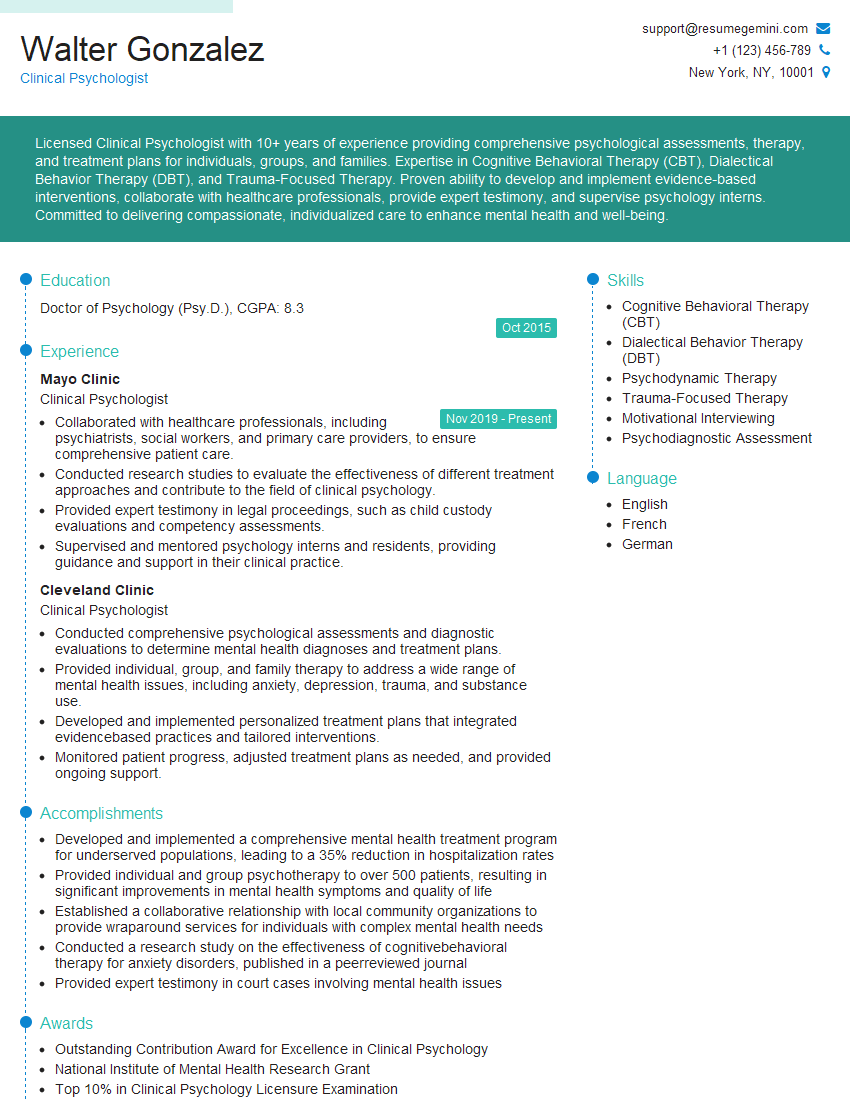
Clinical Psychologist Resume Sample
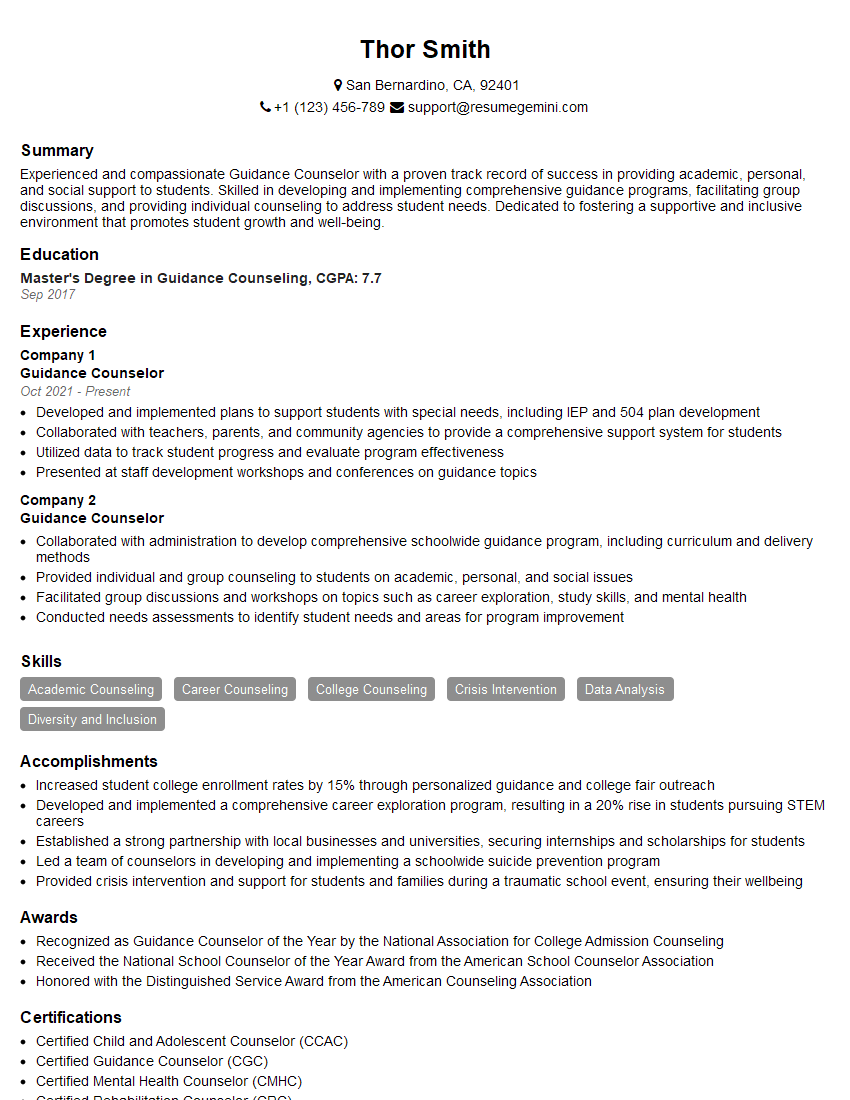
Guidance Counselor Resume Sample
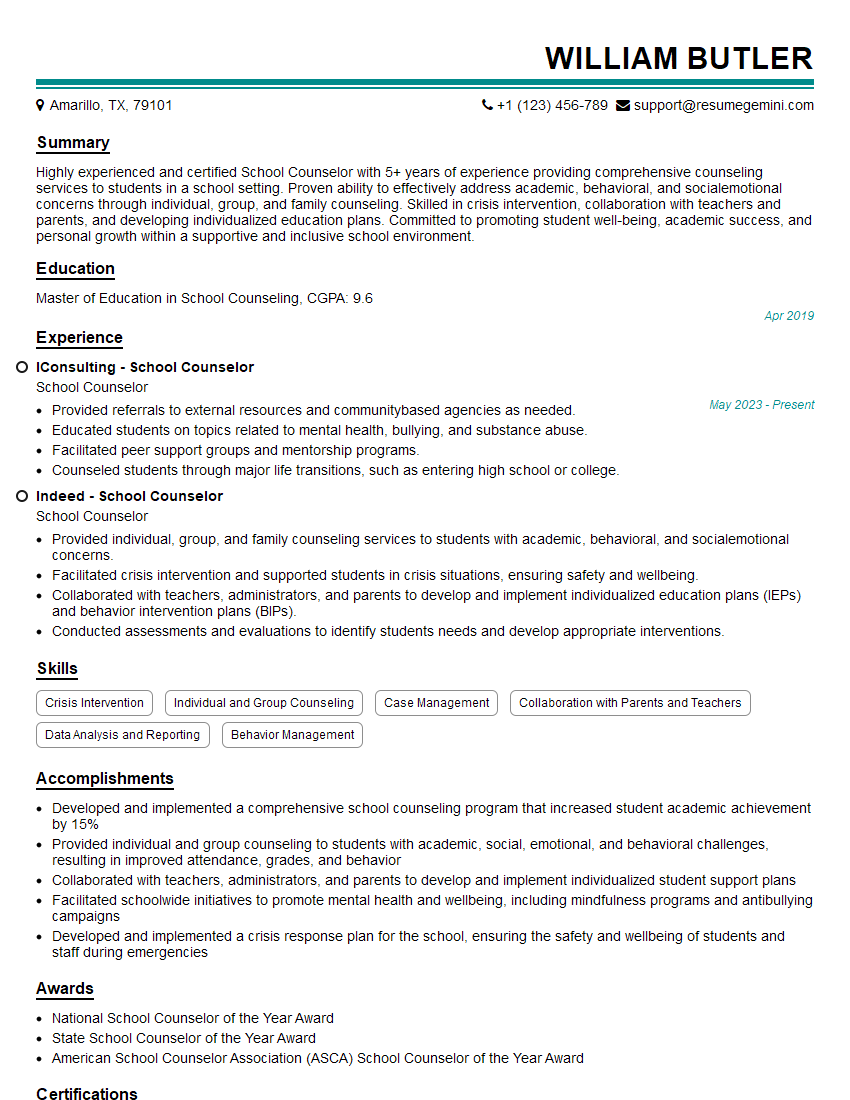
School Counselor Resume Sample
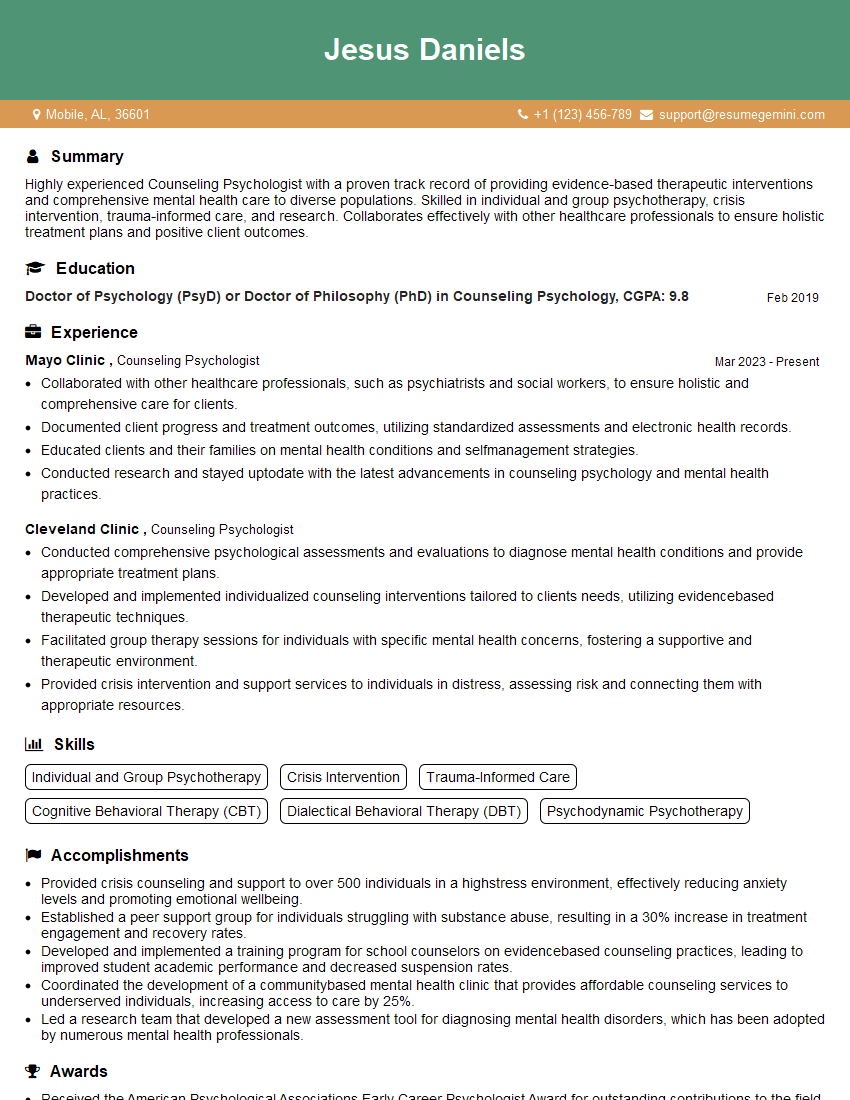
Counseling Psychologist Resume Sample
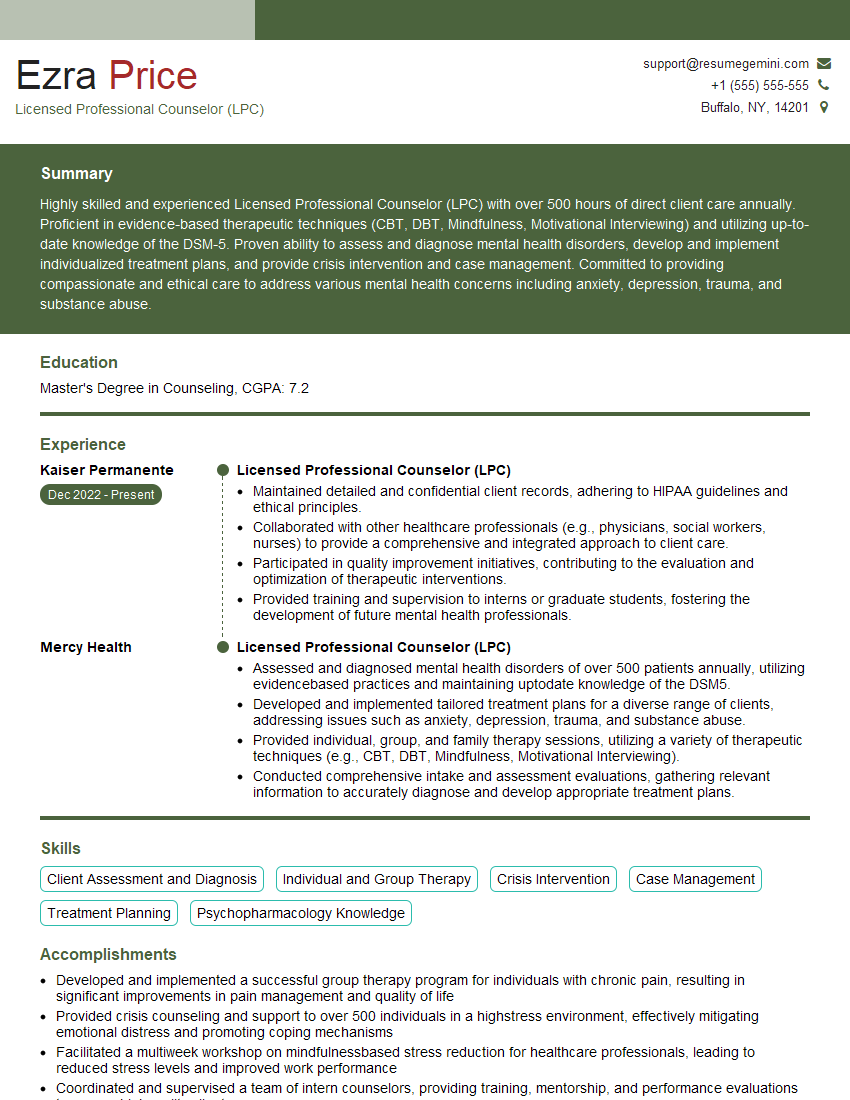
Licensed Professional Counselor (LPC) Resume Sample

Addictions Counselor Resume Sample
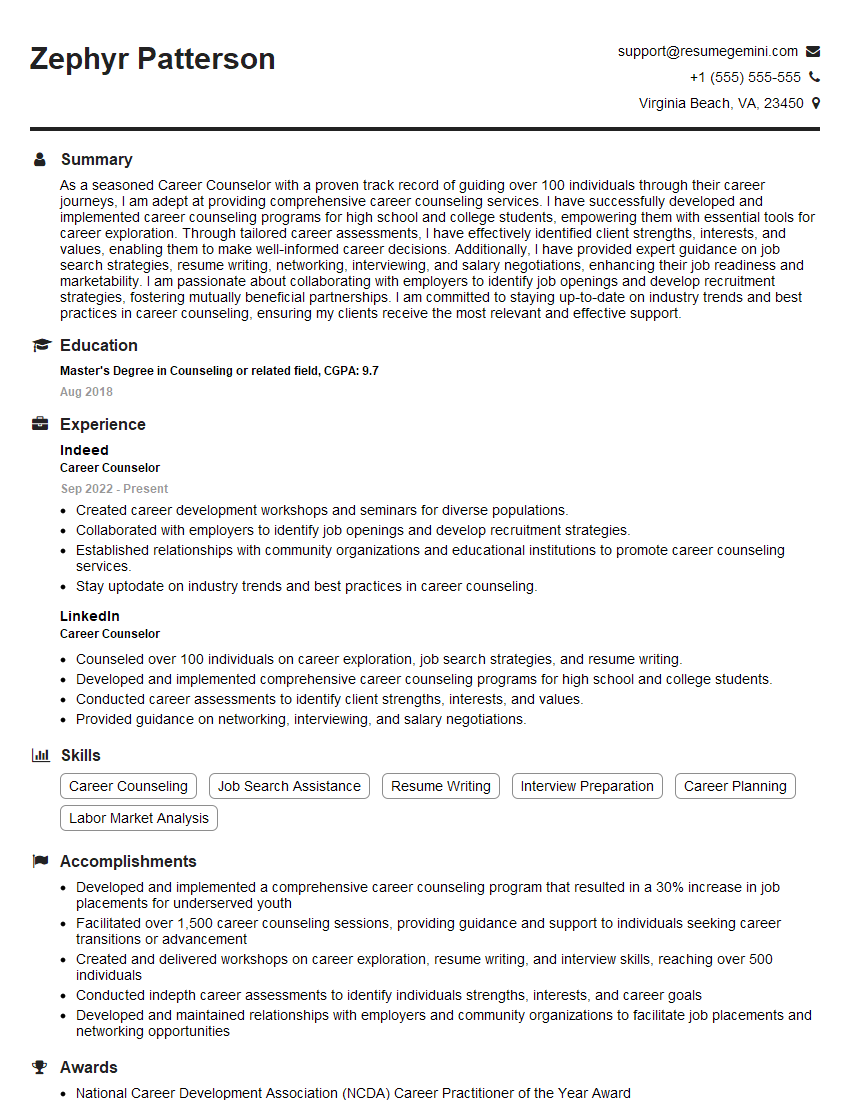
Career Counselor Resume Sample

Mental Health Counselor Resume Sample
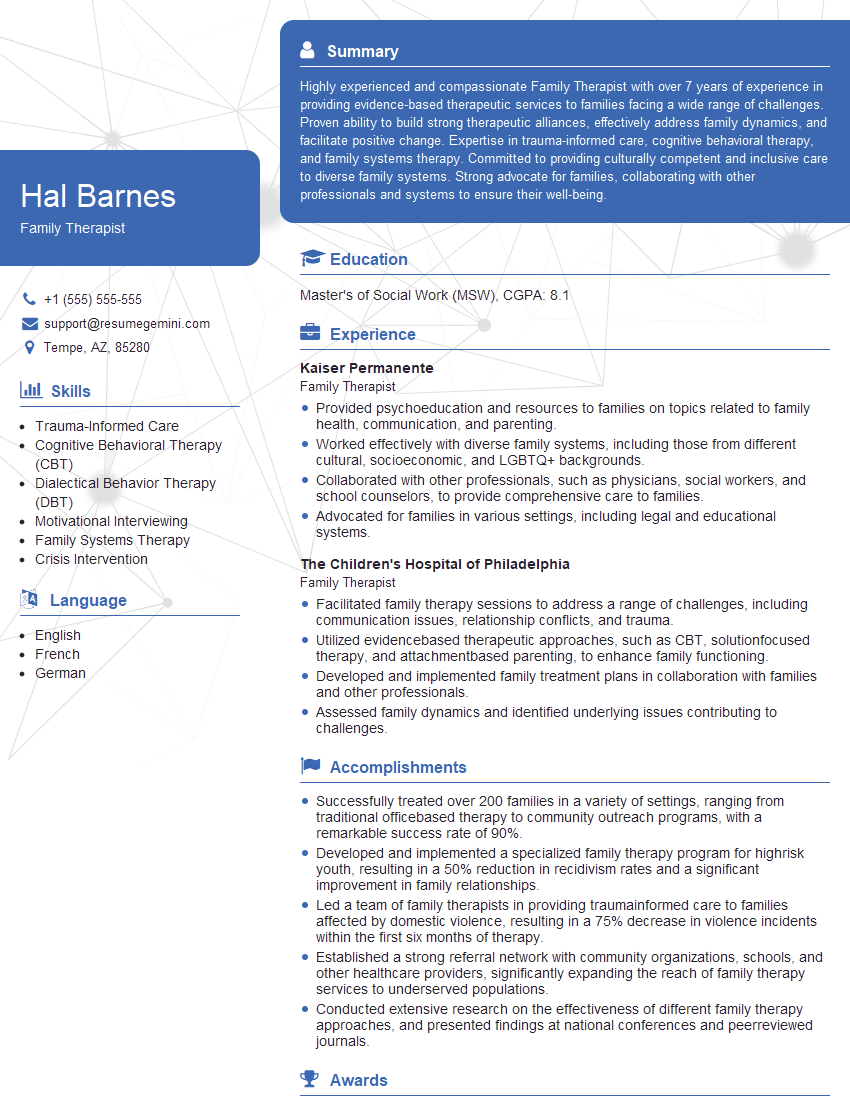
Family Therapist Resume Sample
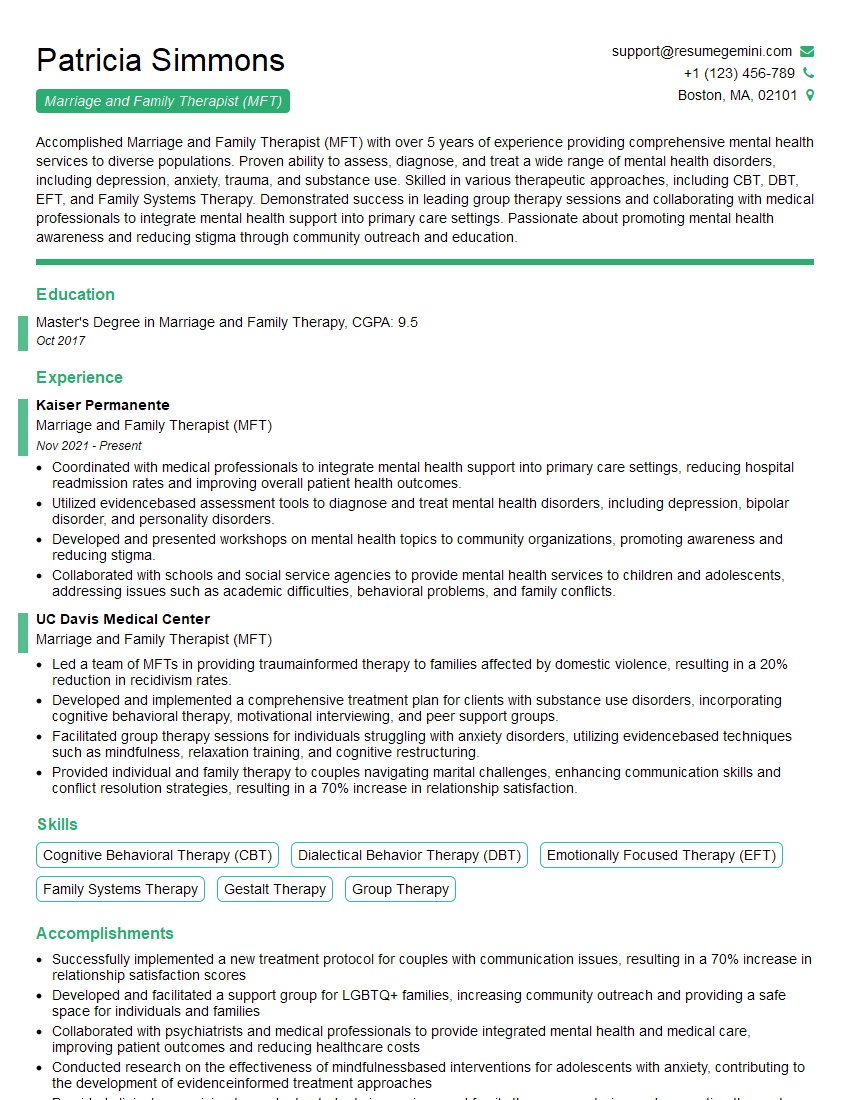
Marriage and Family Therapist (MFT) Resume Sample
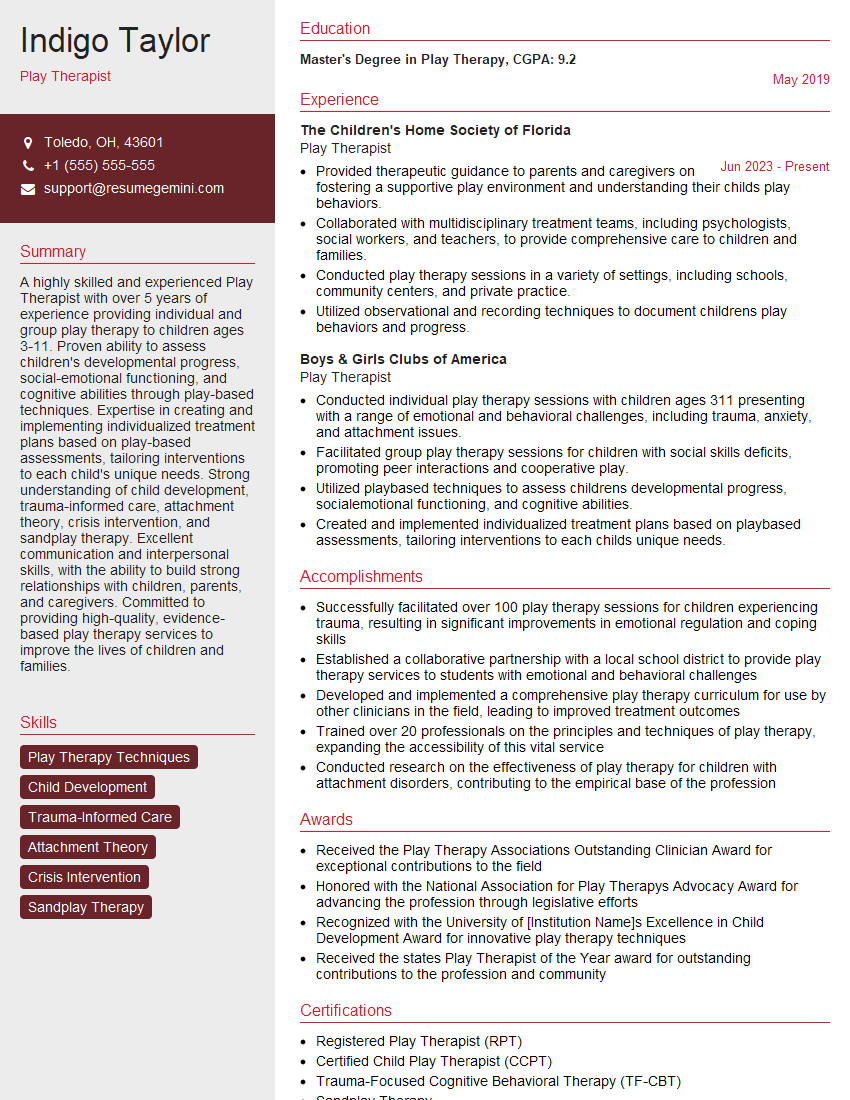
Play Therapist Resume Sample
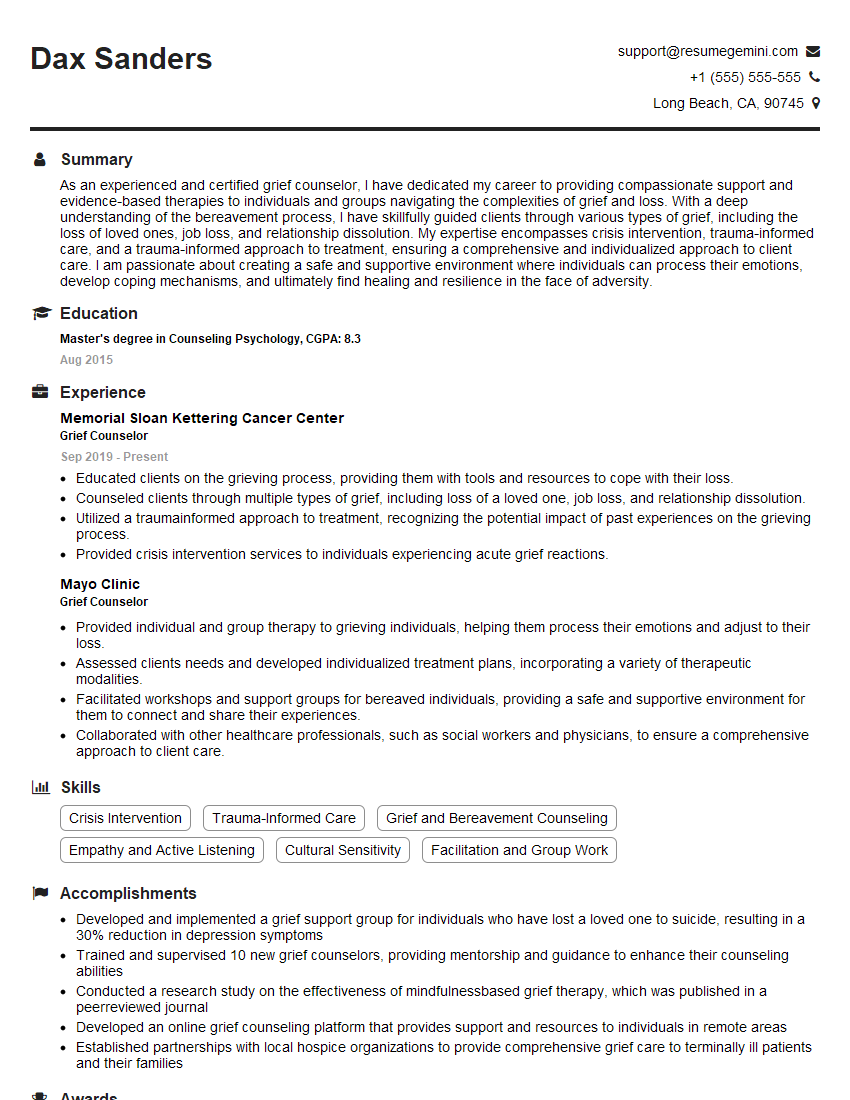
Grief Counselor Resume Sample

Rehabilitation Counselor Resume Sample
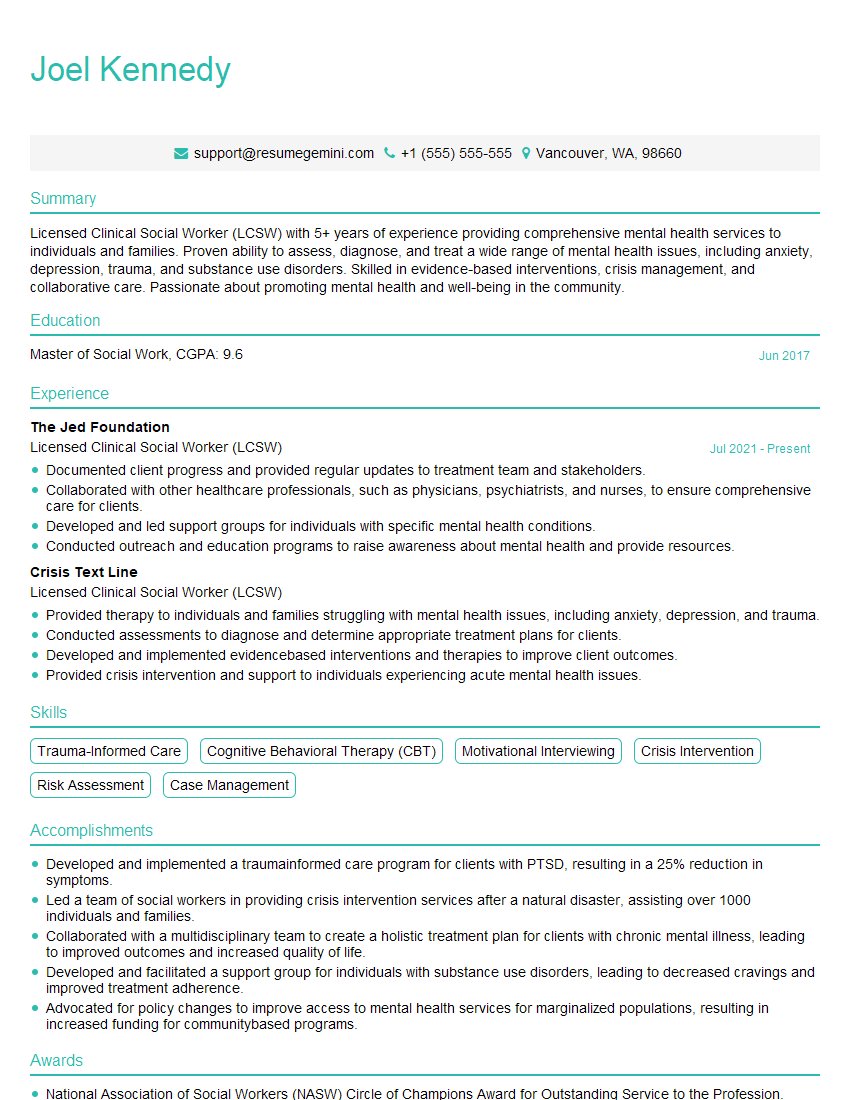
Licensed Clinical Social Worker (LCSW) Resume Sample
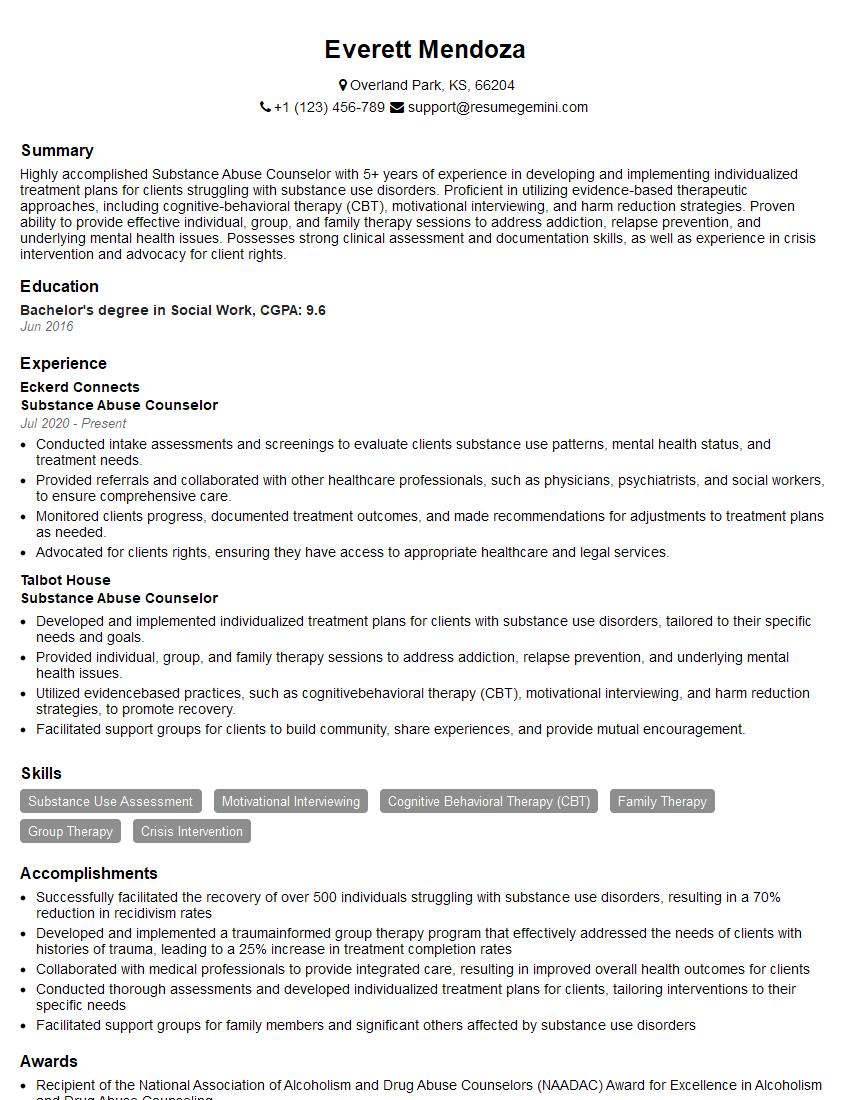
Substance Abuse Counselor Resume Sample
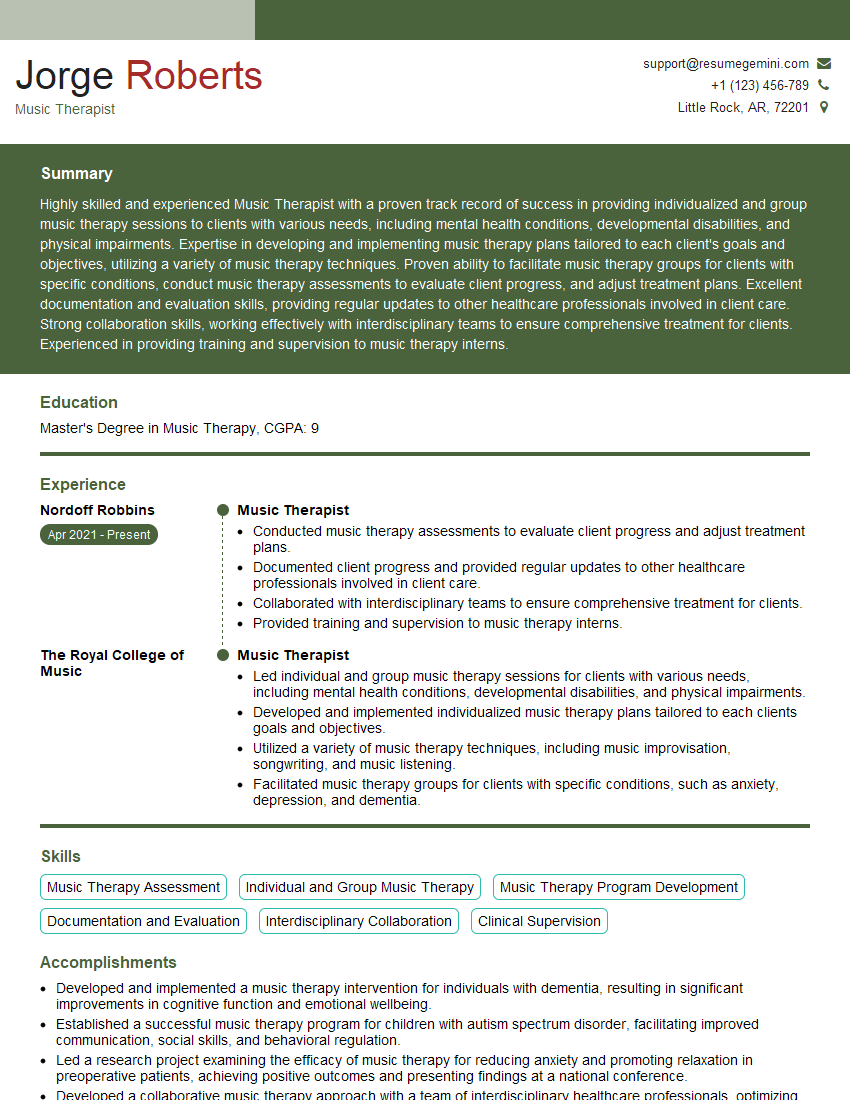
Music Therapist Resume Sample
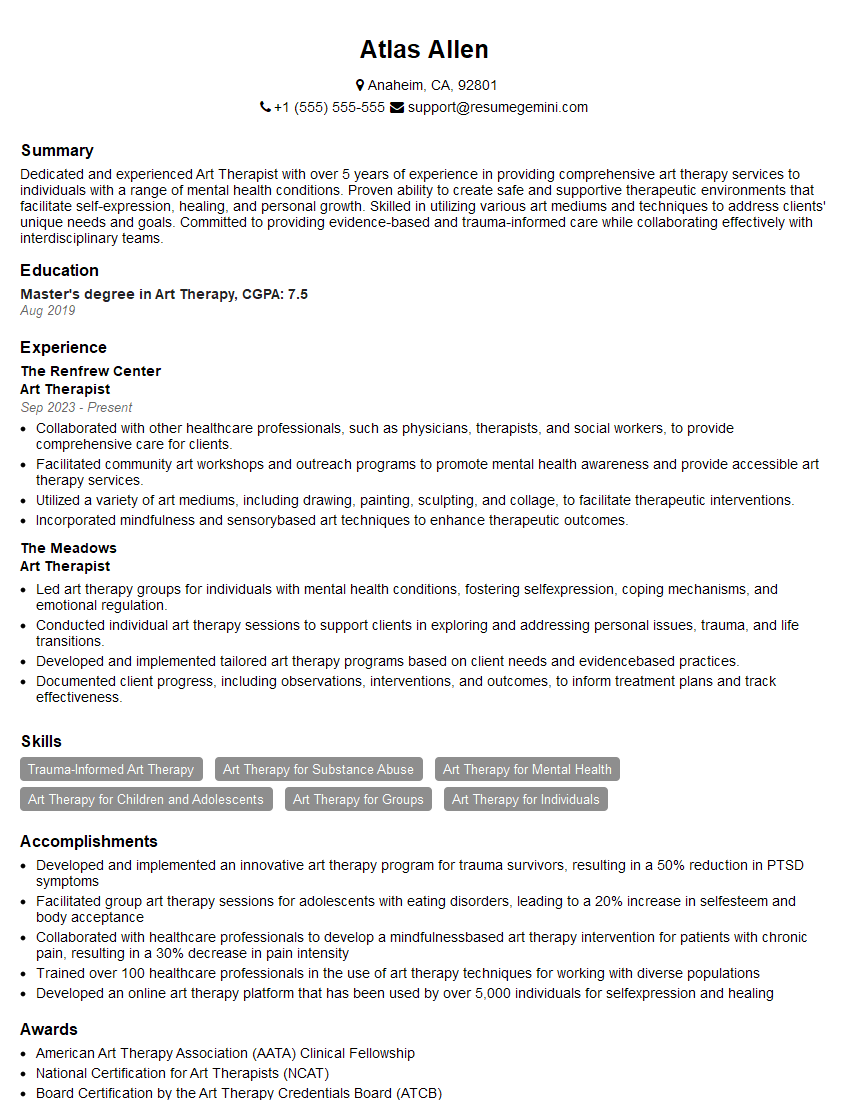
Art Therapist Resume Sample
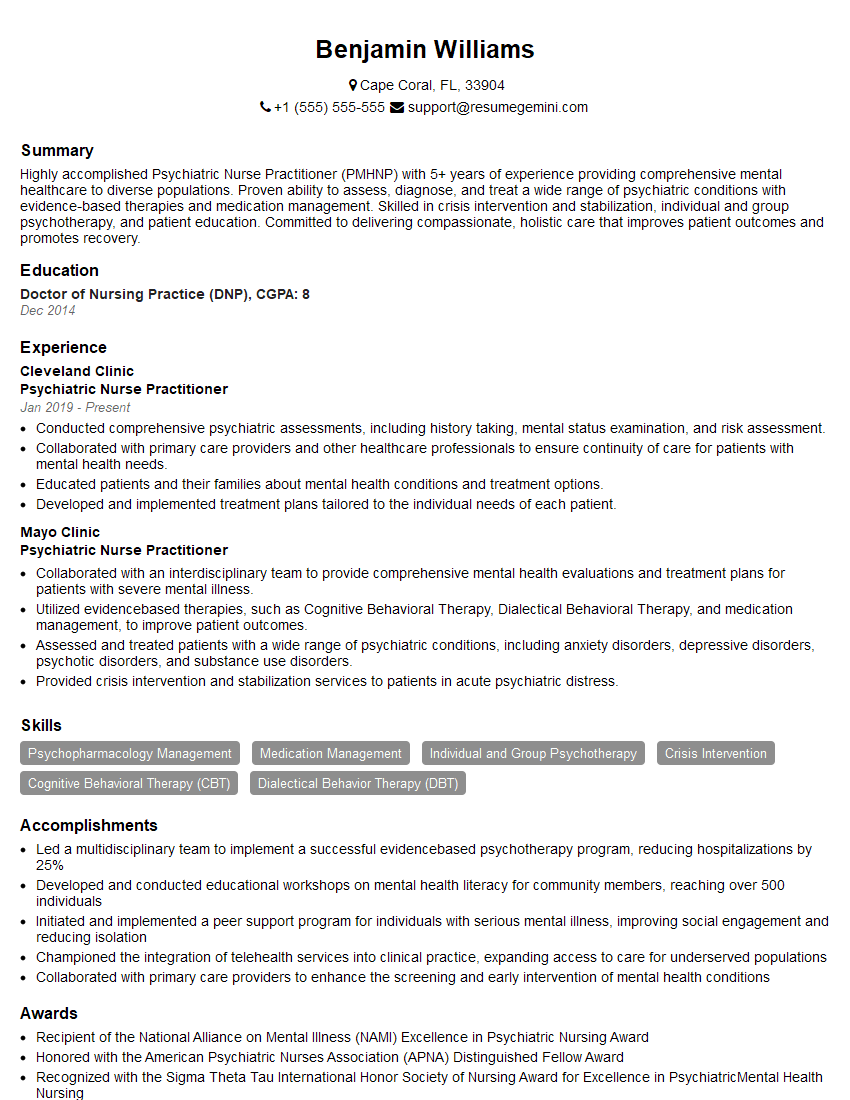
Psychiatric Nurse Practitioner Resume Sample
- Clinical Psychologist
- Guidance Counselor
- School Counselor
- Counseling Psychologist
- Licensed Professional Counselor (LPC)
- Addictions Counselor
- Career Counselor
- Mental Health Counselor
- Family Therapist
- Marriage and Family Therapist (MFT)
- Play Therapist
- Grief Counselor
- Rehabilitation Counselor
- Licensed Clinical Social Worker (LCSW)
- Substance Abuse Counselor
- Music Therapist
- Art Therapist
- Psychiatric Nurse Practitioner
Explore more articles
Users Rating of Our Blogs
Share Your Experience
We value your feedback! Please rate our content and share your thoughts (optional).
What Readers Say About Our Blog
To the interviewgemini.com Webmaster.
Very helpful and content specific questions to help prepare me for my interview!
Thank you
To the interviewgemini.com Webmaster.
This was kind of a unique content I found around the specialized skills. Very helpful questions and good detailed answers.
Very Helpful blog, thank you Interviewgemini team.