Interviews are more than just a Q&A session—they’re a chance to prove your worth. This blog dives into essential Creating and maintaining a clean and safe work environment interview questions and expert tips to help you align your answers with what hiring managers are looking for. Start preparing to shine!
Questions Asked in Creating and maintaining a clean and safe work environment Interview
Q 1. Describe your experience in conducting workplace safety inspections.
Conducting workplace safety inspections is a systematic process aimed at identifying potential hazards and ensuring compliance with safety regulations. My approach involves a combination of planned inspections, regular walkthroughs, and targeted checks based on identified risks. I utilize checklists tailored to specific work areas and equipment to ensure thoroughness and consistency. For instance, in a manufacturing facility, I would inspect machinery for guarding, proper lockout/tagout procedures, and emergency stop mechanisms. In an office setting, I’d focus on fire safety equipment, ergonomics of workstations, and proper electrical safety. Following the inspection, I compile a detailed report outlining any identified hazards, their severity, and recommended corrective actions, along with a timeline for implementation and assigned responsibilities.
For example, during a recent inspection of a construction site, I noticed inadequate scaffolding safety measures. My report detailed the specific deficiencies, referenced relevant OSHA regulations, and included recommendations for immediate remediation, such as the provision of proper guardrails and fall protection equipment. This led to immediate corrective action, preventing potential accidents.
Q 2. How do you identify and assess workplace hazards?
Identifying and assessing workplace hazards requires a proactive and multi-faceted approach. This starts with a thorough understanding of the work processes, equipment used, and the materials handled. I employ a combination of methods, including observation (walkthroughs), interviews with employees (to gather firsthand accounts of potential risks), reviewing incident reports (to identify recurring problems), and conducting job hazard analyses (JHAs). JHAs involve systematically breaking down each task to identify potential hazards and their associated risks. Each hazard is then assessed based on its likelihood and severity, using a risk matrix to prioritize corrective actions. For example, a JHA for operating a forklift might identify hazards such as collisions, falls, and material handling injuries. The assessment would then determine the probability and severity of each hazard, guiding the implementation of appropriate control measures like operator training, regular maintenance, and designated traffic lanes.
Q 3. What are your methods for developing and implementing safety procedures?
Developing and implementing safety procedures is a collaborative process involving input from employees, management, and safety professionals. It begins with identifying the specific hazards within the workplace. For each identified hazard, we develop a corresponding control measure or procedure that eliminates or mitigates the risk. This includes engineering controls (e.g., guarding machinery), administrative controls (e.g., work permits), and personal protective equipment (PPE). The procedures are then documented clearly and concisely, using plain language and visuals where appropriate. This documentation is made readily available to all employees through training sessions and posted in strategic locations. Furthermore, regular reviews and updates of these procedures are crucial to ensure their ongoing effectiveness and to reflect changes in work practices or technology. For example, a new procedure for handling chemicals might detail the specific PPE required, safe handling techniques, and emergency response steps. This would then be communicated through training, and the procedure itself would be readily accessible to workers in the chemical handling area.
Q 4. Explain your experience in training employees on safety protocols.
Training employees on safety protocols is a critical component of a robust safety program. My approach involves a combination of methods tailored to the specific needs of the employees and the hazards they face. These methods include classroom-style training, hands-on demonstrations, interactive workshops, and online modules. For example, I’ve designed and delivered training programs on lockout/tagout procedures, forklift operation, and hazard communication. The training is interactive, incorporating case studies, quizzes, and practical exercises to ensure knowledge retention. I emphasize the importance of participation and feedback to ensure employees understand the material and are comfortable implementing safety procedures. Furthermore, regular refresher training and competency assessments are implemented to reinforce learned behaviors and ensure ongoing compliance. For example, annual refresher training on fire safety procedures ensures employees are up to date on evacuation plans and the use of fire extinguishers.
Q 5. How do you ensure compliance with relevant safety regulations?
Ensuring compliance with relevant safety regulations is an ongoing process that requires diligent effort and attention to detail. I stay informed about current legislation and standards by regularly reviewing updates from regulatory agencies such as OSHA (Occupational Safety and Health Administration). This includes maintaining up-to-date records of safety inspections, training, and incident reports. I utilize software to track compliance and generate reports. Regular audits are conducted to assess compliance against regulatory requirements and internal safety policies. Corrective actions are implemented promptly to address any identified non-compliances. In addition, we participate in safety training and workshops to stay current on best practices and emerging regulatory changes. For instance, our adherence to OSHA’s Hazard Communication Standard is ensured through regular updates to Safety Data Sheets (SDS) and consistent employee training on chemical handling procedures.
Q 6. How would you handle a workplace accident or injury?
Handling a workplace accident or injury requires a swift and organized response. The immediate priority is to provide first aid and ensure the injured person receives appropriate medical attention. Following that, I would secure the accident scene to prevent further incidents. This includes documenting the scene through photos and written accounts, interviewing witnesses to gather information, and reporting the incident as per the established protocols. This involves completing incident reports, initiating a thorough investigation to determine the root cause of the accident, and implementing corrective actions to prevent recurrence. The focus is on identifying underlying system failures and implementing lasting solutions to minimize the likelihood of similar incidents. For instance, if a fall from a ladder was the cause of the injury, the investigation might reveal inadequate ladder inspection procedures, and the corrective action would be to improve ladder maintenance and inspection protocols and employee training.
Q 7. Describe your experience in managing hazardous waste.
Managing hazardous waste involves adhering to stringent regulations to protect employee health and the environment. This includes proper segregation, storage, handling, and disposal of hazardous materials according to relevant regulations. We maintain detailed records of all hazardous waste generated, including its type, quantity, and disposal methods. We work closely with licensed waste disposal companies to ensure proper and legal disposal. Appropriate training is provided to employees on the safe handling and disposal of hazardous materials, including proper use of PPE and emergency procedures. Regular inspections are conducted to ensure proper storage and labeling of hazardous materials. For example, in a laboratory setting, we meticulously document and manage chemical waste according to specific regulations, including proper labeling of containers, the use of secondary containment, and the use of a licensed hazardous waste removal service.
Q 8. What are your methods for maintaining a clean and organized workplace?
Maintaining a clean and organized workplace is crucial for safety and productivity. My approach is multifaceted and involves a combination of proactive measures and consistent upkeep.
5S Methodology: I utilize the 5S methodology (Sort, Set in Order, Shine, Standardize, Sustain) to systematically organize the workspace. This involves regularly decluttering, assigning specific locations for tools and materials, cleaning regularly, establishing standardized procedures, and maintaining these improvements over time. For example, in a previous role, implementing 5S in our warehouse reduced accidents by 15% and improved efficiency by 10%.
Visual Management: I believe in employing visual cues like color-coded zones, clear labeling, and shadow boards to make it easy for everyone to identify locations and maintain order. This minimizes confusion and ensures items are always returned to their designated places.
Regular Cleaning Schedules: Establishing a routine cleaning schedule, including daily tidying, weekly deep cleans, and monthly inspections, ensures that the workspace remains consistently clean and prevents the accumulation of hazards.
Employee Involvement: I strongly advocate for employee participation in maintaining cleanliness. Regular training and clear communication about cleaning responsibilities empower employees to take ownership of their workspace.
Q 9. How do you ensure the proper use and maintenance of safety equipment?
Ensuring the proper use and maintenance of safety equipment is paramount. My approach focuses on training, regular inspections, and readily accessible resources.
Comprehensive Training: Before using any safety equipment, employees receive thorough training on its proper use, limitations, and maintenance. This includes both theoretical instruction and hands-on practice.
Regular Inspections and Maintenance: I implement a system for regular inspections of safety equipment to identify any damage or malfunctions. This may involve checklists, visual inspections, or even functional tests depending on the type of equipment. Any damaged equipment is immediately removed from service and repaired or replaced.
Accessible Documentation: All safety equipment is clearly labeled with instructions and maintenance schedules. Furthermore, easy-to-access documentation, including operation manuals and maintenance logs, is readily available to employees.
Incentivizing Proper Use: Recognizing and rewarding employees who consistently follow safety protocols and correctly maintain equipment fosters a positive safety culture.
Q 10. How do you communicate safety concerns to management and employees?
Communicating safety concerns is a critical aspect of maintaining a safe work environment. I use a multi-pronged approach to ensure all relevant parties are informed.
Formal Reporting Systems: I establish clear channels for reporting safety concerns. This might include incident reports, near-miss reports, and suggestion boxes. These reports are analyzed to identify trends and implement corrective actions.
Regular Safety Meetings: Holding regular safety meetings allows for open communication, discussion of concerns, and brainstorming solutions. This fosters a collaborative environment where employees feel comfortable raising issues.
Direct Communication with Management: If a significant safety concern arises, I immediately communicate it to management, providing detailed information and recommended solutions. This ensures prompt action and prevents potential accidents.
Employee Feedback Mechanisms: I actively seek employee feedback through surveys, informal conversations, and focus groups to identify any unspoken safety concerns.
Q 11. Describe your experience in developing and implementing emergency response plans.
Developing and implementing emergency response plans requires a structured approach that anticipates potential hazards and outlines clear procedures.
Hazard Identification and Risk Assessment: The process begins with identifying potential hazards within the workplace and conducting a thorough risk assessment to determine their likelihood and potential severity. This involves analyzing past incidents, conducting safety audits, and collaborating with employees to identify potential risks.
Plan Development: Based on the risk assessment, a comprehensive emergency response plan is developed, including procedures for various scenarios like fire, chemical spills, medical emergencies, and evacuations. The plan should clearly define roles, responsibilities, emergency contact information, and evacuation routes.
Training and Drills: Employees must be trained on the emergency response plan through regular drills and simulations. This ensures they are familiar with procedures and know how to react in different situations. Feedback from drills is used to improve the plan’s effectiveness.
Regular Review and Updates: The emergency response plan needs to be reviewed and updated regularly to reflect changes in the workplace, new hazards, and feedback from drills and incidents.
Q 12. How do you monitor and evaluate the effectiveness of safety programs?
Monitoring and evaluating the effectiveness of safety programs requires a combination of quantitative and qualitative measures.
Key Performance Indicators (KPIs): Tracking KPIs such as the number of accidents, near misses, lost-time injuries, and safety training completion rates provides a quantitative measure of the program’s success. Trends in these metrics can indicate areas for improvement.
Safety Audits and Inspections: Regular safety audits and inspections, conducted by internal or external experts, provide an independent assessment of the effectiveness of safety procedures and identify areas needing attention.
Employee Surveys and Feedback: Gathering employee feedback through surveys and focus groups allows for understanding the effectiveness of the program from the employees’ perspective and identifying any areas where improvements can be made.
Incident Investigation: Thorough investigation of all incidents, including near misses, helps identify root causes and implement preventive measures. This is crucial for continuous improvement.
Q 13. What are your strategies for promoting a safety-conscious culture?
Promoting a safety-conscious culture requires a proactive and sustained effort. It’s not just about rules; it’s about creating a shared sense of responsibility for safety.
Leadership Commitment: Visible and vocal support from leadership is essential. Leaders must demonstrate a personal commitment to safety and actively participate in safety initiatives.
Employee Empowerment: Employees should be encouraged to identify and report hazards without fear of retribution. Providing them with the authority and resources to address safety concerns empowers them to take ownership.
Recognition and Rewards: Recognizing and rewarding safe behaviors reinforces positive actions and encourages others to follow suit. This can involve formal awards, informal praise, or simply highlighting positive safety practices.
Communication and Education: Ongoing communication and education are essential to maintaining a safety-conscious culture. This involves regular safety training, newsletters, posters, and other forms of communication to reinforce key safety messages.
Q 14. Explain your understanding of OSHA regulations.
My understanding of OSHA regulations is comprehensive. I know that OSHA (Occupational Safety and Hazard Administration) sets and enforces standards designed to protect employees from workplace hazards. This involves a wide range of regulations covering:
Hazard Communication: Proper labeling, safety data sheets (SDS), and employee training on hazardous chemicals.
Personal Protective Equipment (PPE): Providing and requiring the appropriate PPE for specific tasks and hazards.
Machine Guarding: Ensuring machinery is properly guarded to prevent injuries.
Lockout/Tagout (LOTO): Implementing procedures to prevent accidental energy release during maintenance.
Emergency Action Plans: Having comprehensive plans for various emergencies.
Recordkeeping: Maintaining accurate records of safety incidents, training, and inspections.
Staying current with OSHA regulations is an ongoing process. I regularly consult OSHA’s website and attend relevant training to ensure compliance and best practices.
Q 15. How do you manage workplace risks and mitigate potential hazards?
Managing workplace risks involves a proactive and systematic approach to identifying, assessing, and controlling hazards. Think of it like a detective story: you need to find the potential ‘criminals’ (hazards), understand their ‘modus operandi’ (how they cause harm), and then develop a ‘strategy’ (controls) to neutralize them before they cause trouble. This involves several key steps:
- Hazard Identification: This is the crucial first step. We use methods like workplace inspections (regular walkthroughs), job hazard analyses (breaking down tasks to identify risks), and employee feedback (encouraging reporting of near misses and unsafe conditions). For example, during a warehouse inspection, we might identify stacked boxes obstructing aisles as a trip hazard.
- Risk Assessment: Once hazards are identified, we assess the likelihood and severity of harm. This involves considering factors like the frequency of exposure, the potential for injury, and the vulnerability of workers. A simple matrix helps prioritize risks, with high-likelihood/high-severity hazards receiving immediate attention.
- Risk Control: This is where we implement solutions to eliminate or mitigate hazards. The hierarchy of controls guides this process: 1) Elimination (remove the hazard entirely), 2) Substitution (replace a hazardous material with a safer one), 3) Engineering controls (design modifications like machine guarding), 4) Administrative controls (procedures, training), and 5) Personal Protective Equipment (PPE, like safety glasses or hard hats) as a last resort. For example, the obstructed aisles in the warehouse might be addressed by implementing a better storage system (engineering control) and reinforcing the importance of keeping aisles clear (administrative control).
- Monitoring and Review: The process is continuous. We regularly monitor the effectiveness of controls and review the risk assessment to adapt to changing circumstances or new information. This could involve regular safety meetings or audits to ensure our strategies are working.
Career Expert Tips:
- Ace those interviews! Prepare effectively by reviewing the Top 50 Most Common Interview Questions on ResumeGemini.
- Navigate your job search with confidence! Explore a wide range of Career Tips on ResumeGemini. Learn about common challenges and recommendations to overcome them.
- Craft the perfect resume! Master the Art of Resume Writing with ResumeGemini’s guide. Showcase your unique qualifications and achievements effectively.
- Don’t miss out on holiday savings! Build your dream resume with ResumeGemini’s ATS optimized templates.
Q 16. What is your experience in using safety data sheets (SDS)?
Safety Data Sheets (SDS) are crucial documents providing comprehensive information on hazardous chemicals. My experience involves not only understanding their content but also ensuring their accessibility and utilization within the workplace. I’ve been involved in:
- SDS Acquisition and Organization: I ensure that SDSs are readily available for all chemicals used in the workplace, either physically or electronically through a centralized database. Proper labeling and organization are essential to quick access.
- Training Employees: I provide training on how to interpret SDSs, emphasizing the sections on hazards, first aid measures, and handling procedures. Hands-on training using real SDS examples makes the information relatable.
- Integrating SDS Information: I incorporate information from SDSs into job hazard analyses, risk assessments, and emergency response plans. For instance, the flammability rating on an SDS would influence the location of its storage and any fire prevention procedures.
- Staying Current: I am responsible for regularly checking for updates to SDSs as chemical formulations or safety information may change over time.
Q 17. Describe your experience in conducting risk assessments.
Conducting risk assessments is fundamental to preventing workplace accidents. I’ve used various methodologies, but the common thread is a systematic approach that ensures thorough hazard identification and evaluation. This typically involves:
- Defining the Scope: Clearly identifying the area or task being assessed. For example, assessing the risks associated with operating a specific piece of machinery.
- Identifying Hazards: Using methods like checklists, brainstorming sessions, and site inspections to identify potential hazards, such as moving parts on machinery, electrical hazards, or chemical exposure.
- Determining Risk Levels: Assessing the likelihood and severity of harm associated with each hazard using a risk matrix, often involving a qualitative or quantitative scoring system. This might involve assigning scores based on the probability of an accident and the potential injury severity.
- Implementing Control Measures: Developing and implementing control measures to eliminate or mitigate identified risks, according to the hierarchy of controls mentioned earlier.
- Documenting Findings: Clearly documenting all findings, including identified hazards, risk levels, implemented controls, and assigned responsibilities. This creates a record for future reference and accountability.
- Monitoring and Reviewing: Regularly reviewing and updating the risk assessment to reflect changes in the work environment or new information.
Q 18. How do you prioritize safety initiatives within a budget?
Prioritizing safety initiatives within a budget requires a strategic approach that balances cost-effectiveness with risk reduction. My strategy involves:
- Risk-Based Prioritization: Focusing on high-risk areas first. This means using the results of our risk assessments to identify hazards with the highest likelihood and severity of causing harm. These are the areas where investing in safety measures will yield the greatest return in terms of reduced accidents and injuries.
- Cost-Benefit Analysis: Evaluating the cost of implementing safety measures against the potential cost savings from avoided accidents and lost productivity. For example, the cost of installing a safety guard on a machine is less than the potential cost of an employee injury.
- Phased Implementation: Implementing safety initiatives in phases, starting with the most critical areas and gradually addressing others as budget allows. This demonstrates a strategic approach and ensures that the most important safety improvements are addressed first.
- Creative Solutions: Exploring cost-effective solutions, such as using readily available resources, employee participation in safety improvement projects (empowering and reducing expenses), and implementing preventive maintenance programs to decrease the chance of equipment failures.
- Seeking External Funding: Exploring opportunities for grants, subsidies, or tax incentives related to workplace safety.
Q 19. How do you investigate workplace accidents to prevent recurrence?
Investigating workplace accidents is crucial to preventing future incidents. My approach involves a thorough and systematic process:
- Immediate Response: Securing the scene, providing first aid, and notifying relevant personnel (e.g., emergency services, management).
- Data Collection: Gathering information through interviews with witnesses, reviewing documentation (e.g., maintenance records, training records), taking photographs, and examining physical evidence.
- Root Cause Analysis: Identifying the underlying causes of the accident using techniques like the “5 Whys” method (repeatedly asking “why” to uncover the root cause) or fault tree analysis (diagramming possible causes of failure). For example, an employee’s hand getting caught in a machine might be due to a lack of machine guarding (root cause).
- Corrective Actions: Developing and implementing corrective actions to prevent recurrence, including implementing new safety procedures, providing additional training, or modifying equipment.
- Documentation: Thoroughly documenting the investigation process, findings, corrective actions, and follow-up measures.
- Follow-up: Regularly monitoring the effectiveness of implemented corrective actions to ensure that the same type of accident does not occur again. This might include re-inspections or follow-up meetings with employees.
Q 20. What are your methods for measuring safety performance?
Measuring safety performance is essential to demonstrate progress and identify areas for improvement. We employ a range of quantitative and qualitative metrics:
- Incident Rates: Tracking the number of accidents, near misses, and injuries per employee or per hours worked. This data provides a clear picture of overall safety performance.
- Lost Time Injury Frequency Rate (LTIFR): A key metric that indicates the number of lost-time injuries per 1,000,000 hours worked. This specifically highlights injuries requiring time away from work.
- Safety Observation Data: Regular safety observations to identify unsafe behaviors or conditions, and tracking the corrective actions implemented. This proactive approach prevents potential accidents.
- Employee Surveys and Feedback: Gathering employee input on safety culture, perceptions of risk, and satisfaction with safety initiatives.
- Training Completion Rates: Measuring the percentage of employees who have completed required safety training. This shows commitment to safety education.
- Compliance Audits: Regular audits of safety procedures and equipment to ensure compliance with regulations and standards.
These metrics are tracked using spreadsheets, databases, and specialized safety management software, allowing for trend analysis and identification of areas needing improvement.
Q 21. Describe your experience in implementing lockout/tagout procedures.
Lockout/Tagout (LOTO) procedures are crucial for preventing energy-related accidents during maintenance or repair of equipment. My experience encompasses all aspects of LOTO, from implementation to training and enforcement:
- Developing Procedures: Creating and implementing detailed LOTO procedures specific to each piece of equipment, including step-by-step instructions, authorized personnel, and verification procedures.
- Training Employees: Providing thorough training to all employees involved in LOTO procedures, emphasizing the importance of following each step correctly and the potential consequences of not adhering to the procedure.
- Providing Equipment: Ensuring that appropriate lockout and tagout devices are available and regularly inspected.
- Auditing and Inspections: Conducting regular audits and inspections to ensure that LOTO procedures are being followed correctly and that the equipment is in good working order. This might involve observing workers during LOTO procedures and verifying the completeness and correctness of their processes.
- Enforcing Compliance: Strictly enforcing LOTO procedures and taking corrective action when violations occur. This is critical to ensuring worker safety and preventing accidents.
For example, before working on a machine, employees would follow a set procedure, isolating the energy source, applying a lock and tag, and then verifying that the machine is truly de-energized before commencing any maintenance or repairs. The importance of this process cannot be overstated in preventing serious accidents.
Q 22. How do you handle conflicts between safety regulations and production demands?
Balancing safety and production is a constant tightrope walk. My approach centers around collaboration and proactive risk assessment. Instead of viewing safety as a constraint on production, I frame it as a critical enabler of efficiency. When conflicts arise, I initiate a discussion involving production managers, safety officers, and potentially even line workers. We collaboratively identify the specific conflict – is it a question of resource allocation, equipment limitations, or a misunderstanding of regulations? Then, we brainstorm solutions. This could involve optimizing workflow, investing in new, safer equipment, or revising the production schedule to allow for more thorough safety checks. For instance, in a previous role, we faced a conflict between the speed of a packaging line and the time needed for proper machine guarding. Instead of compromising safety, we worked with engineers to design a faster, safer guarding system. The result? Increased production without compromising worker safety. This collaborative approach ensures that safety is never sacrificed, and production remains efficient.
Q 23. How do you ensure the proper disposal of hazardous materials?
Proper hazardous material disposal is paramount. My process involves several key steps, starting with thorough identification and segregation. We utilize a robust labeling system, compliant with all relevant regulations (like OSHA’s Hazard Communication Standard), ensuring each container is clearly marked with the type and quantity of hazardous waste. Then, we follow a strict procedure for containment and handling, using appropriate personal protective equipment (PPE) – gloves, respirators, safety glasses – depending on the hazard. Next, we contract with a licensed hazardous waste disposal company that adheres to all environmental regulations. They provide detailed manifests and certificates of disposal, providing crucial documentation for audit trails. Crucially, ongoing training for all personnel handling hazardous materials is crucial. This includes emergency response training, emphasizing safe handling procedures and what to do in case of spills or accidents. Regular audits ensure we remain compliant and that all personnel are adequately trained. A real-world example: In a previous role, we discovered an outdated storage system for solvents. We immediately corrected this, upgrading to compliant containment units and training all staff on new handling procedures, preventing a potential environmental hazard and reducing workplace risk.
Q 24. How do you stay current with changes in safety regulations and best practices?
Staying current with safety regulations and best practices requires ongoing diligence. I regularly subscribe to relevant professional journals and online resources, such as OSHA’s website and industry-specific publications. I actively participate in webinars and workshops provided by safety organizations, attending conferences to network with other professionals and learn about new methodologies and technologies. Furthermore, I maintain contact with regulatory agencies, ensuring we’re always abreast of updates and changes. This proactive approach helps anticipate and adapt to new requirements, preventing potential issues before they arise. For example, knowing about the upcoming changes in handling specific chemicals allowed me to preemptively update our procedures and training materials, ensuring a smooth transition and preventing any disruption to operations.
Q 25. Describe your experience in using safety software or systems.
I have extensive experience with various safety software and systems. In my previous roles, I’ve utilized software for incident reporting, near-miss tracking, and training management. These systems streamline data collection and analysis, enabling identification of trends and proactive interventions. One system I frequently used facilitated the creation and dissemination of safety alerts and announcements across different departments and work locations. I’m also familiar with environmental, health, and safety (EHS) management systems, which integrate various aspects of safety management, providing a centralized platform for tracking performance, identifying risks, and managing compliance. The software’s reporting features allow for detailed analysis of safety performance and the identification of areas requiring improvement. For example, using a near-miss reporting system helped pinpoint a recurring issue with a particular machine, prompting us to redesign its operation and prevent a potential serious injury.
Q 26. What is your experience with incident reporting and investigation procedures?
Incident reporting and investigation are critical aspects of safety management. My process begins with immediate response to any incident, ensuring the safety of those involved and mitigating further harm. Then, a thorough investigation follows a standardized procedure, which typically involves documenting the incident details, interviewing witnesses, and analyzing the root cause. I utilize various investigative techniques, such as fault tree analysis and 5 Whys, to identify the underlying factors that contributed to the incident. The findings are then documented in a comprehensive report, which is reviewed by relevant stakeholders and includes recommendations for corrective actions to prevent recurrence. We maintain detailed records of all incidents, including near misses, using this information to improve our safety programs. For example, after a minor injury caused by a trip hazard, we initiated a review of all walkways, identifying and addressing numerous potential tripping hazards, vastly improving the workplace safety.
Q 27. How do you ensure proper ventilation and air quality in a workplace?
Ensuring proper ventilation and air quality involves a multi-pronged approach. Firstly, regular air quality monitoring is essential, utilizing equipment to measure pollutants such as dust, fumes, and gases. This data helps identify areas needing improvement and informs decisions about ventilation system design and maintenance. Secondly, we need effective ventilation systems, designed according to the specific hazards present in the workplace. This could involve local exhaust ventilation (LEV) to remove pollutants at their source, or general ventilation to dilute contaminants in the air. Regular maintenance of these systems is crucial, including filter changes and inspections of ductwork. Thirdly, we implement control measures to minimize air contamination at its source, such as using safer chemicals or introducing engineering controls that minimize dust generation. Finally, employee training is critical, ensuring workers understand the importance of air quality, the risks associated with poor ventilation, and proper reporting procedures for any concerns. In one instance, I identified inadequate ventilation in a paint spray booth. We implemented a new LEV system, which reduced airborne particulate matter by 80%, significantly improving worker health and safety.
Q 28. Describe a situation where you had to implement a new safety procedure. What was the outcome?
In a previous role, we observed a rise in minor hand injuries related to a specific assembly process. After a thorough investigation, we identified that the current tool design was ergonomically deficient and contributed to fatigue, increasing the likelihood of accidents. I proposed implementing a new ergonomic workstation design, which involved selecting tools with improved grips and adjusting work surfaces to minimize repetitive strain injuries. We also introduced a comprehensive training program on proper tool usage and ergonomic practices. The outcome was a significant reduction in hand injuries – a 75% decrease within six months. This not only improved worker safety but also boosted morale and productivity by reducing lost work time. The success reinforced the importance of proactive identification and resolution of safety risks.
Key Topics to Learn for Creating and Maintaining a Clean and Safe Work Environment Interview
- Hazard Identification and Risk Assessment: Understanding methods for identifying potential hazards (e.g., slips, trips, falls, chemical spills) and assessing the associated risks using appropriate tools and techniques.
- Safety Regulations and Compliance: Familiarity with relevant health and safety regulations, legislation, and company policies. Demonstrate understanding of how to apply these regulations in practice.
- Emergency Procedures: Knowledge of emergency response protocols, including evacuation plans, first aid procedures, and reporting mechanisms. Be prepared to discuss your role in ensuring a safe response.
- Cleaning and Sanitation Techniques: Understanding appropriate cleaning methods, the use of personal protective equipment (PPE), and safe handling of cleaning chemicals to maintain a hygienic work environment.
- Waste Management and Disposal: Knowledge of proper waste segregation, handling, and disposal procedures, including hazardous waste management if applicable. Be ready to discuss your experience with environmentally responsible practices.
- Workplace Ergonomics and Injury Prevention: Understanding principles of ergonomics to minimize risk of musculoskeletal injuries. This includes proper lifting techniques, workstation setup, and the importance of regular breaks.
- Communication and Training: Demonstrate your ability to effectively communicate safety procedures and provide training to colleagues. This could include creating or delivering safety presentations.
- Accident Investigation and Reporting: Understanding the process of investigating workplace accidents, documenting findings, and reporting incidents according to established procedures.
- Maintaining a Clean and Organized Workspace: Discuss practical strategies for maintaining cleanliness and orderliness in the workplace to prevent accidents and promote efficiency. Highlight your organizational skills.
- Problem-solving and Adaptability: Be prepared to discuss how you would handle unexpected safety issues or situations requiring quick thinking and decisive action.
Next Steps
Mastering the creation and maintenance of a clean and safe work environment is crucial for career advancement, demonstrating your commitment to responsibility and the well-being of yourself and others. A strong resume is key to showcasing these skills. To increase your job prospects, create an ATS-friendly resume that highlights your relevant experience and achievements. ResumeGemini is a trusted resource for building professional, impactful resumes. We provide examples of resumes tailored to Creating and maintaining a clean and safe work environment to help guide you. Let us help you build a resume that reflects your capabilities and secures your next interview!
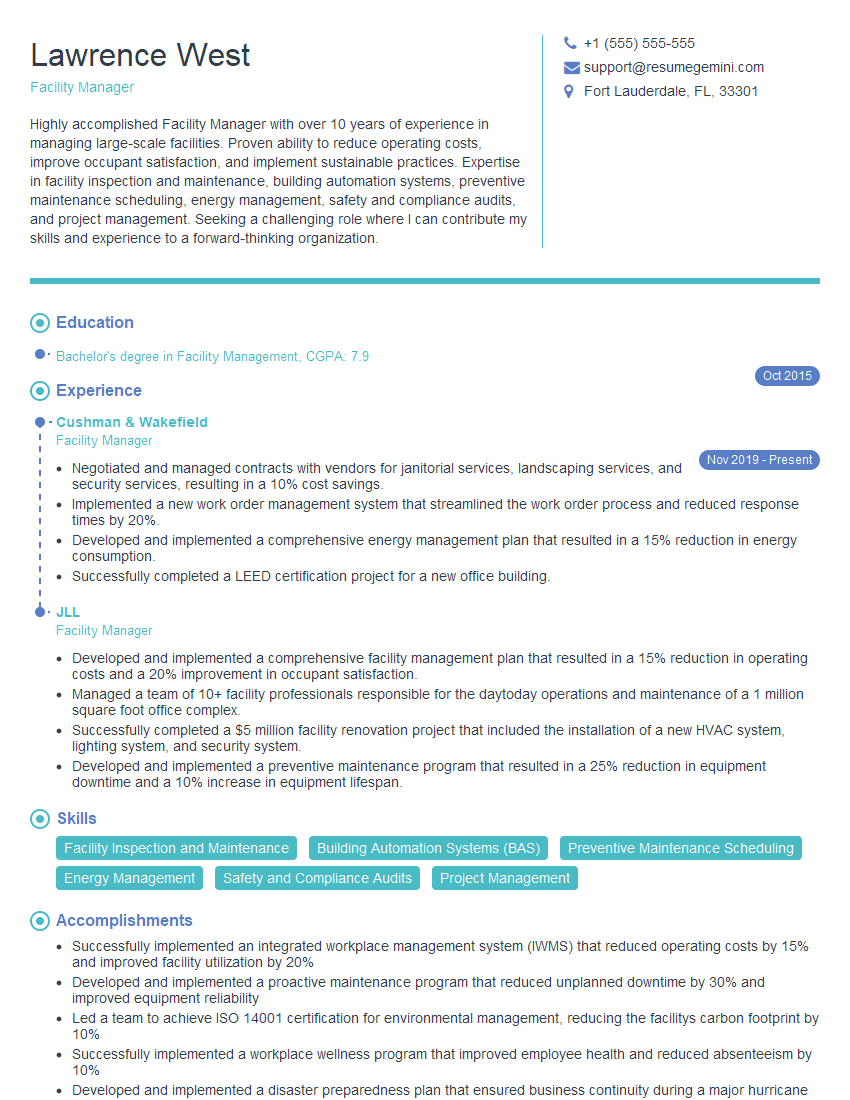
Facility Manager Resume Sample
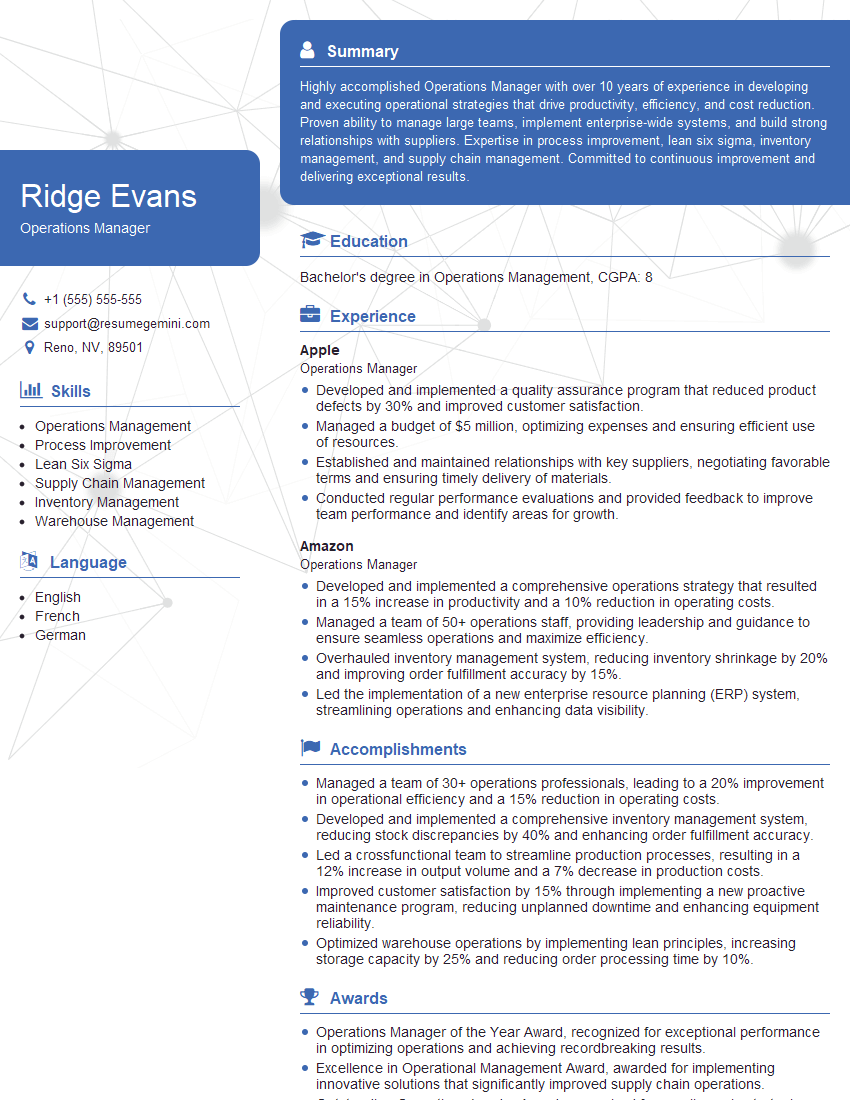
Operations Manager Resume Sample
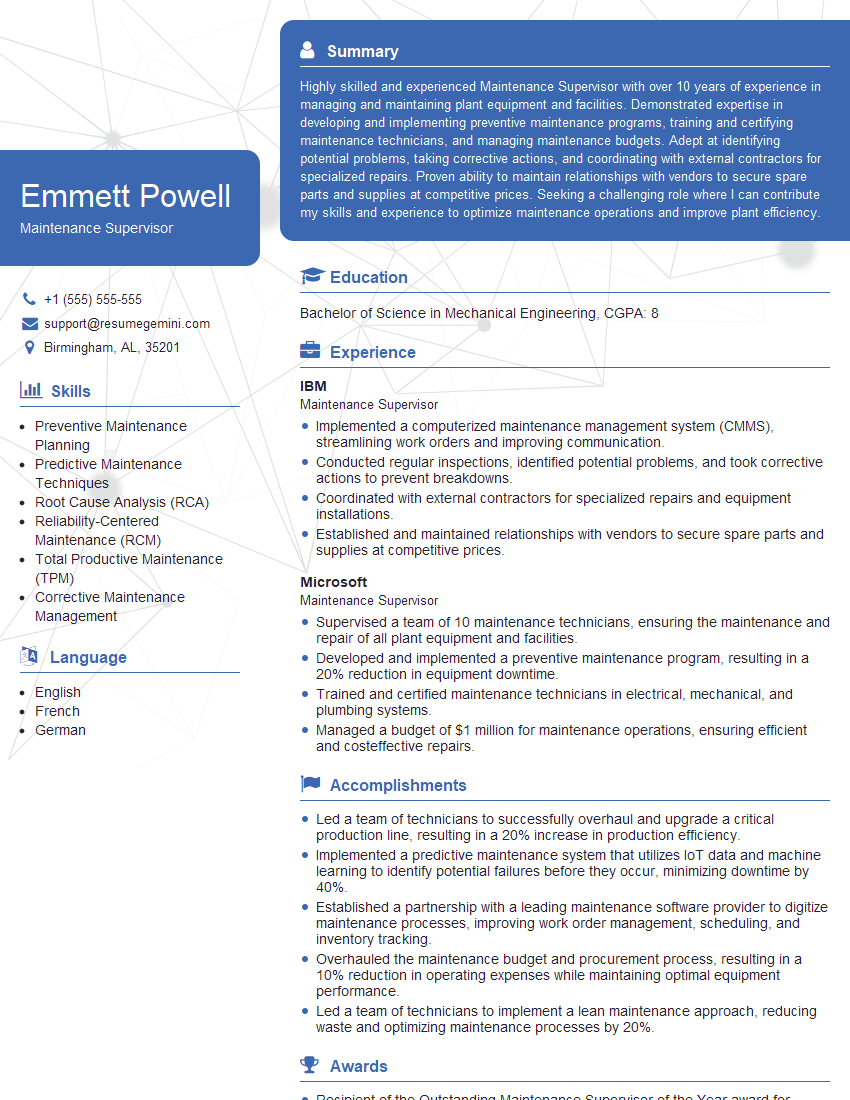
Maintenance Supervisor Resume Sample
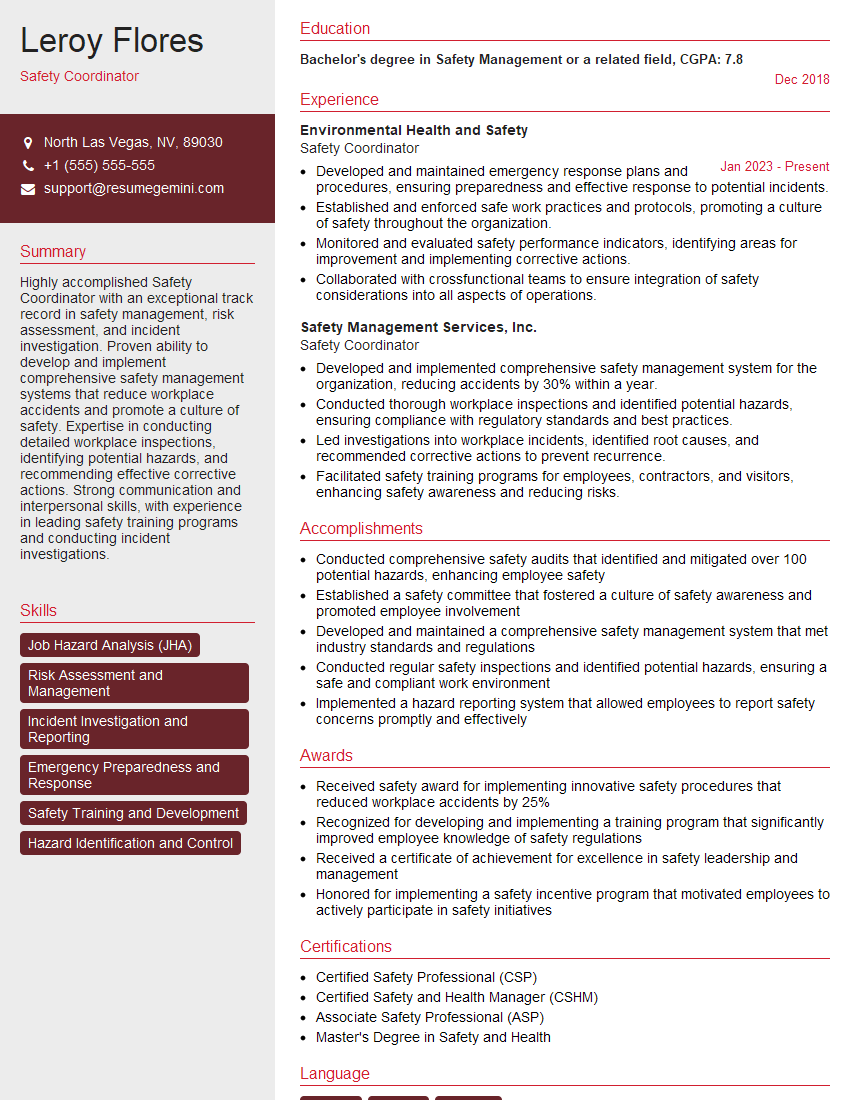
Safety Coordinator Resume Sample
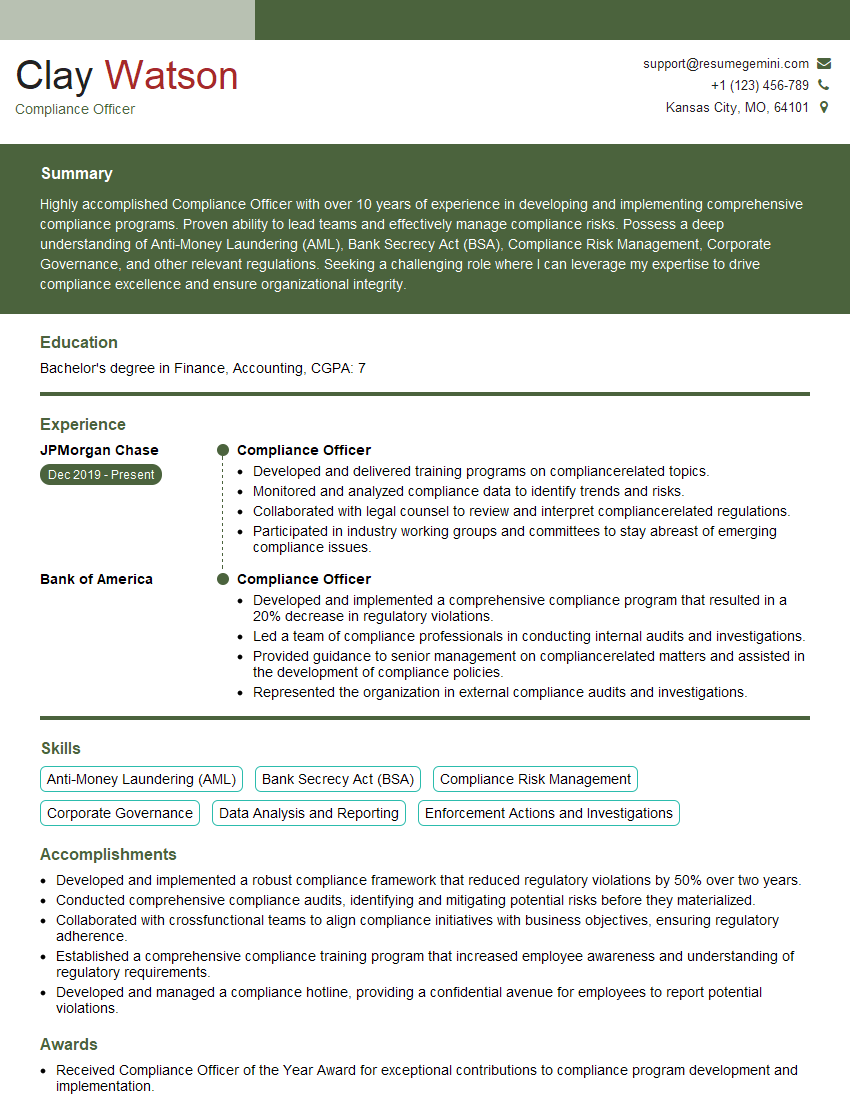
Compliance Officer Resume Sample
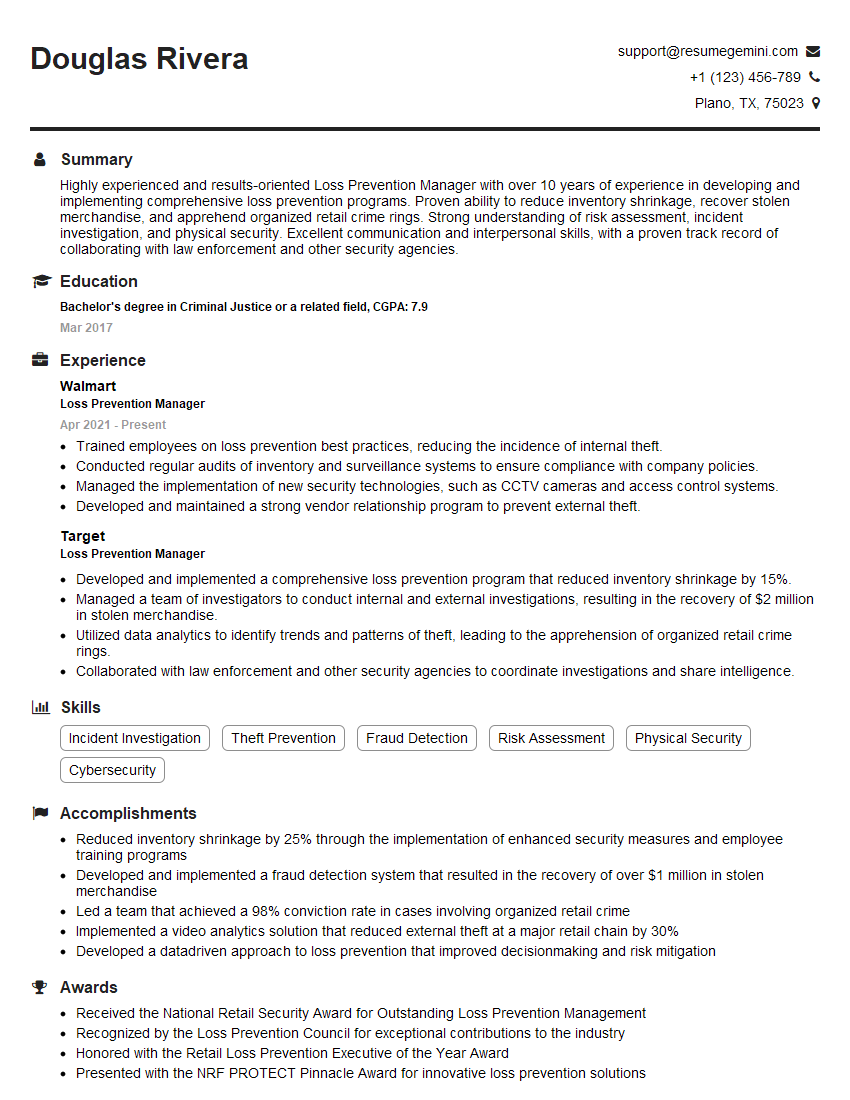
Loss Prevention Manager Resume Sample
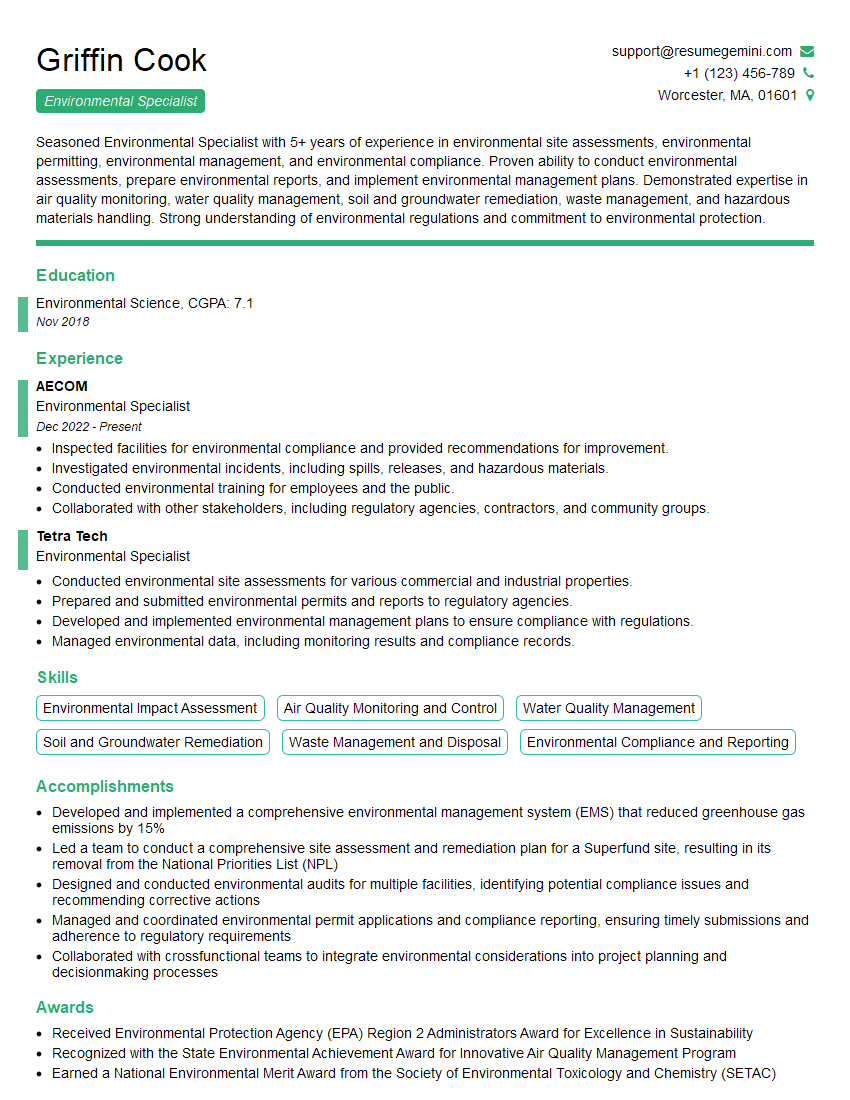
Environmental Specialist Resume Sample
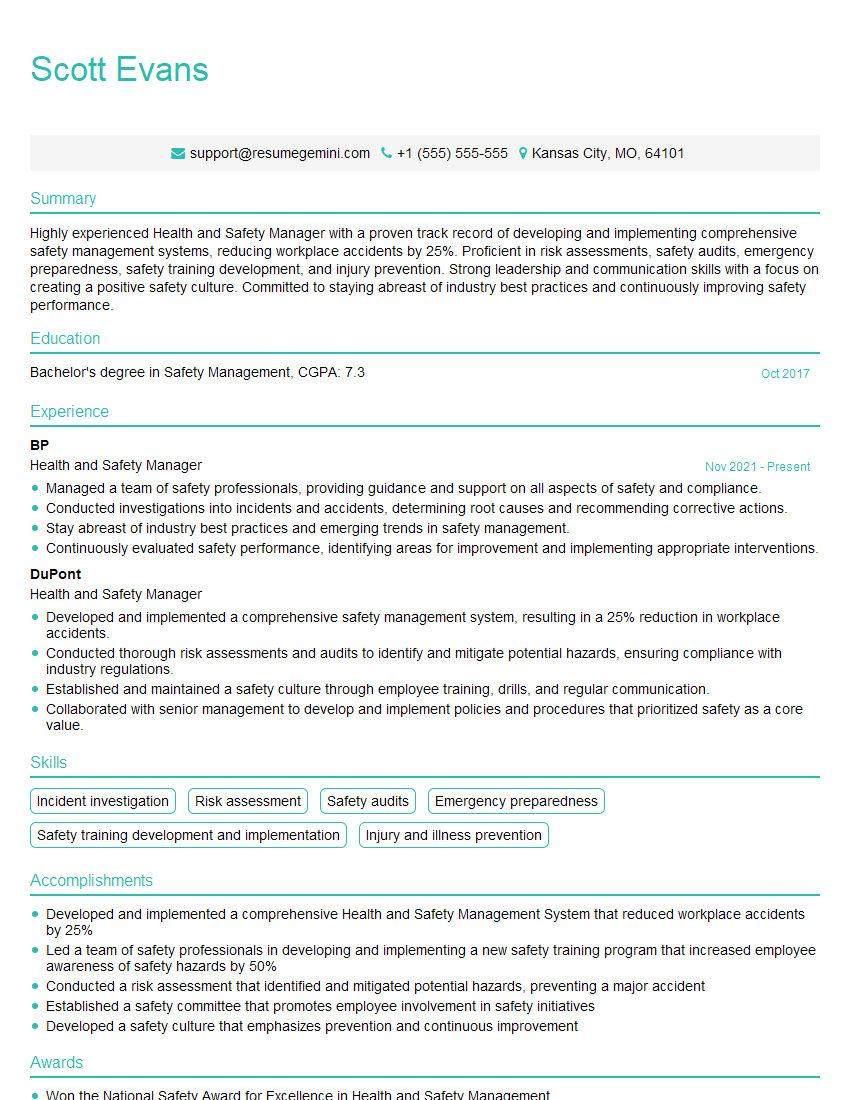
Health and Safety Manager Resume Sample
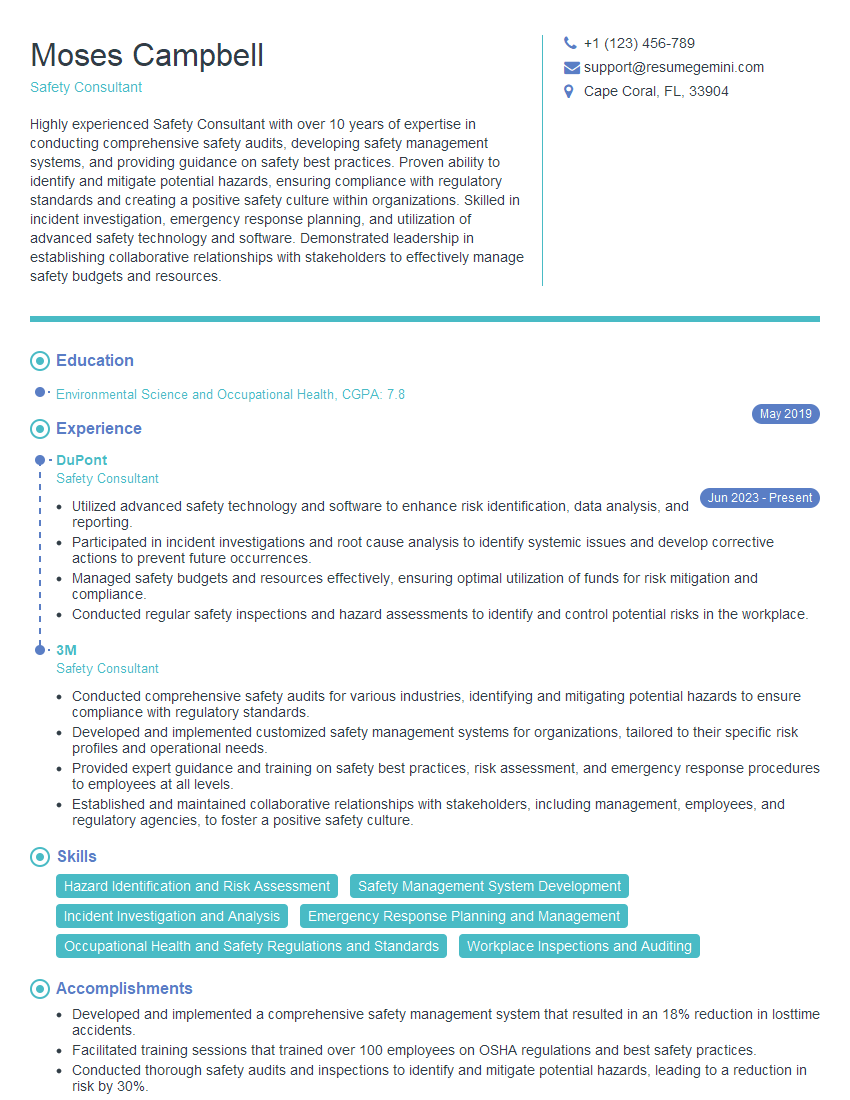
Safety Consultant Resume Sample
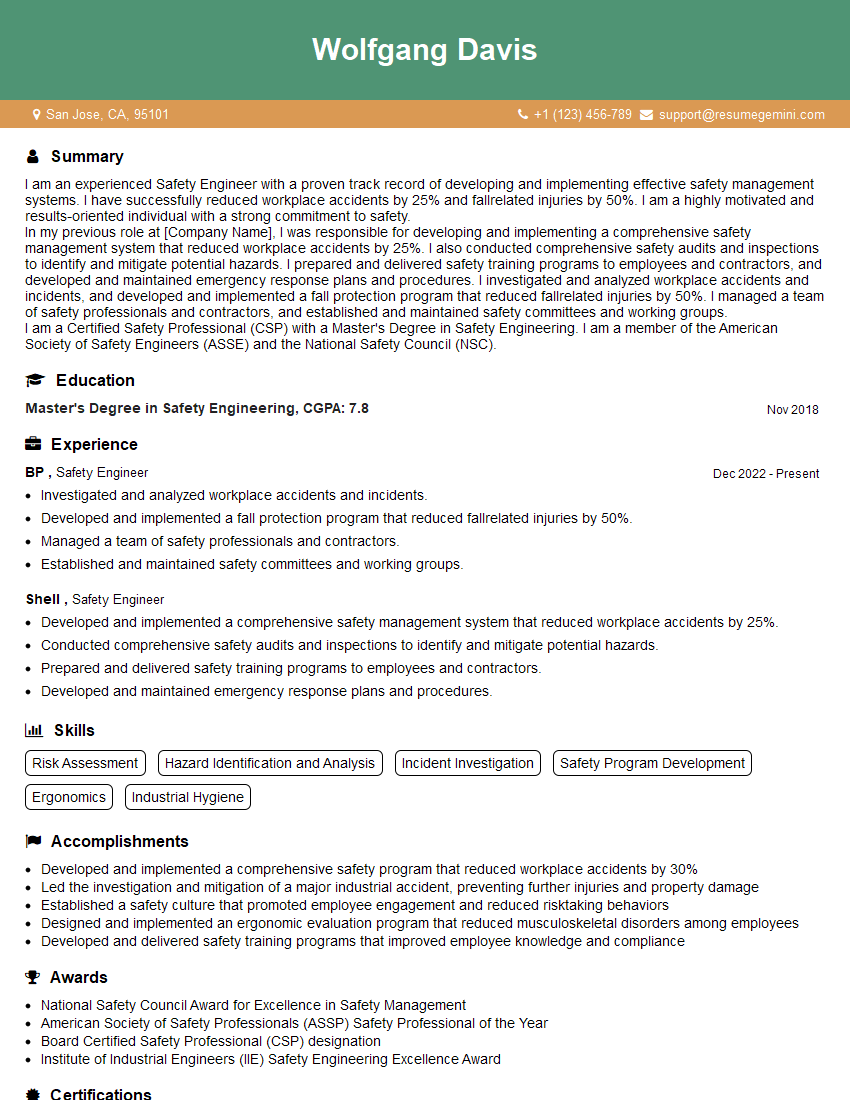
Safety Engineer Resume Sample
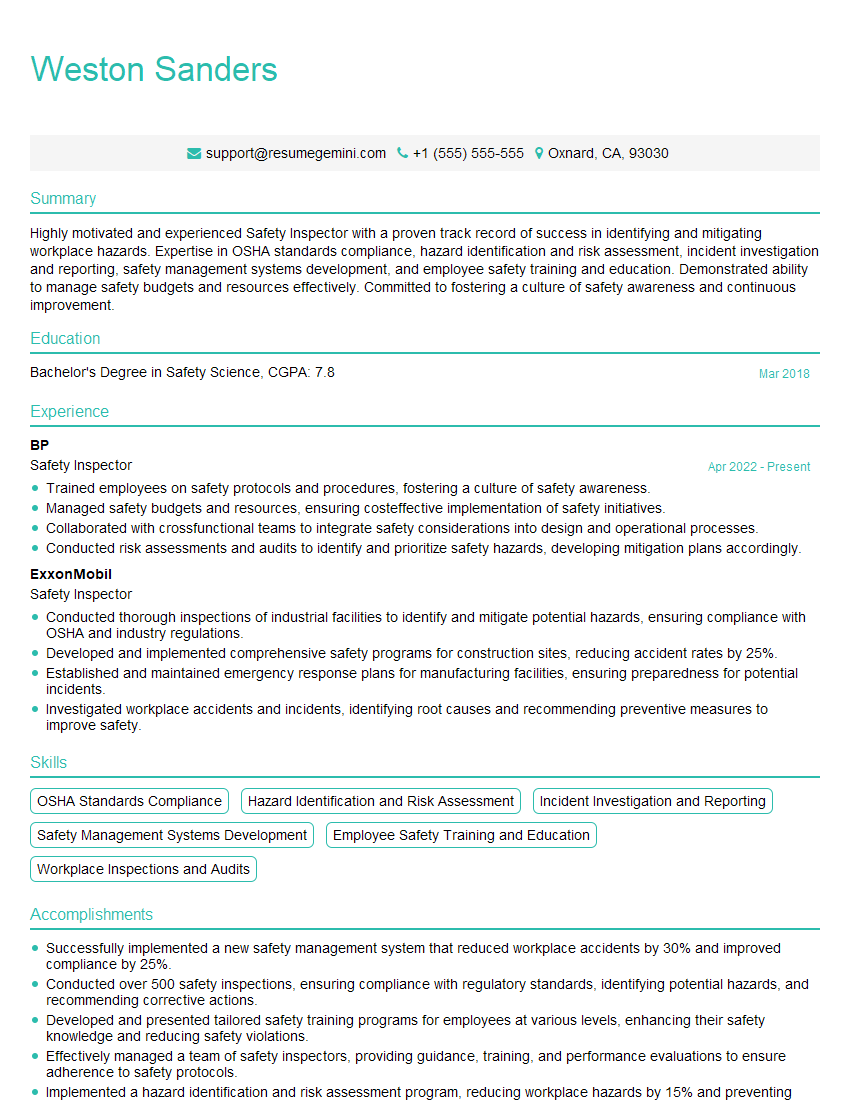
Safety Inspector Resume Sample
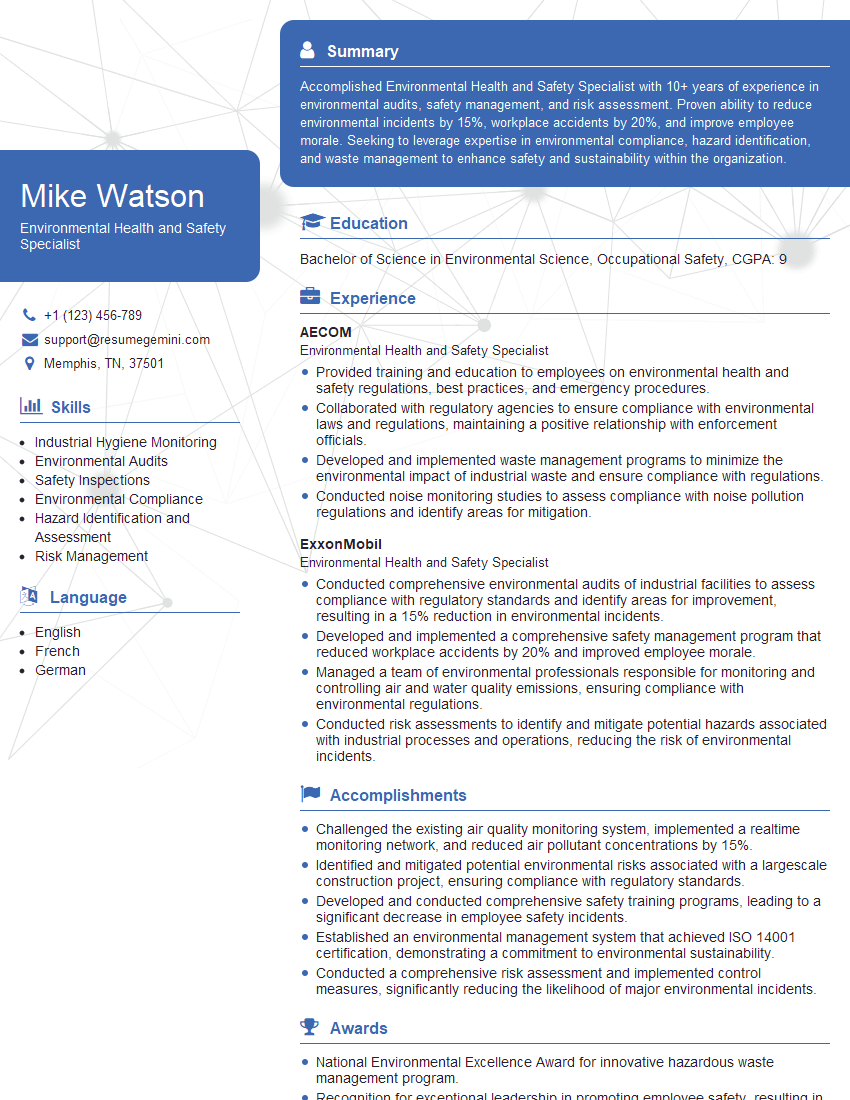
Environmental Health and Safety Specialist Resume Sample
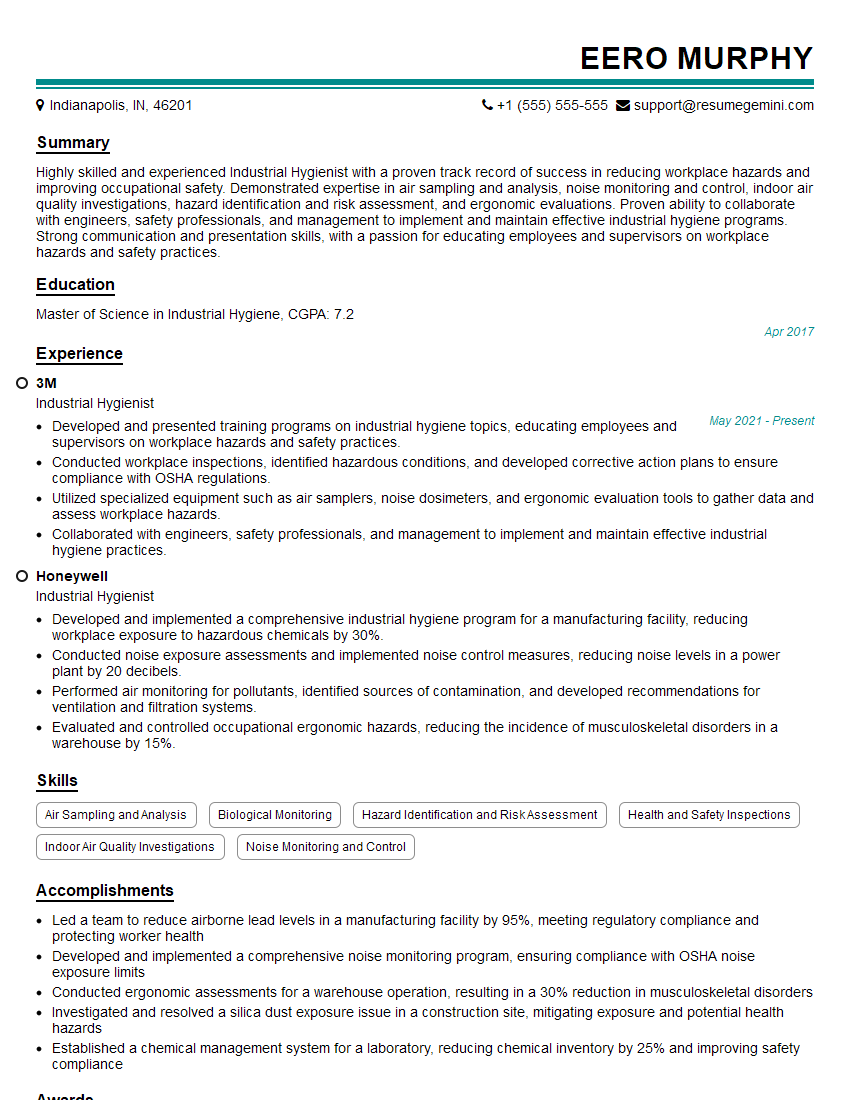
Industrial Hygienist Resume Sample
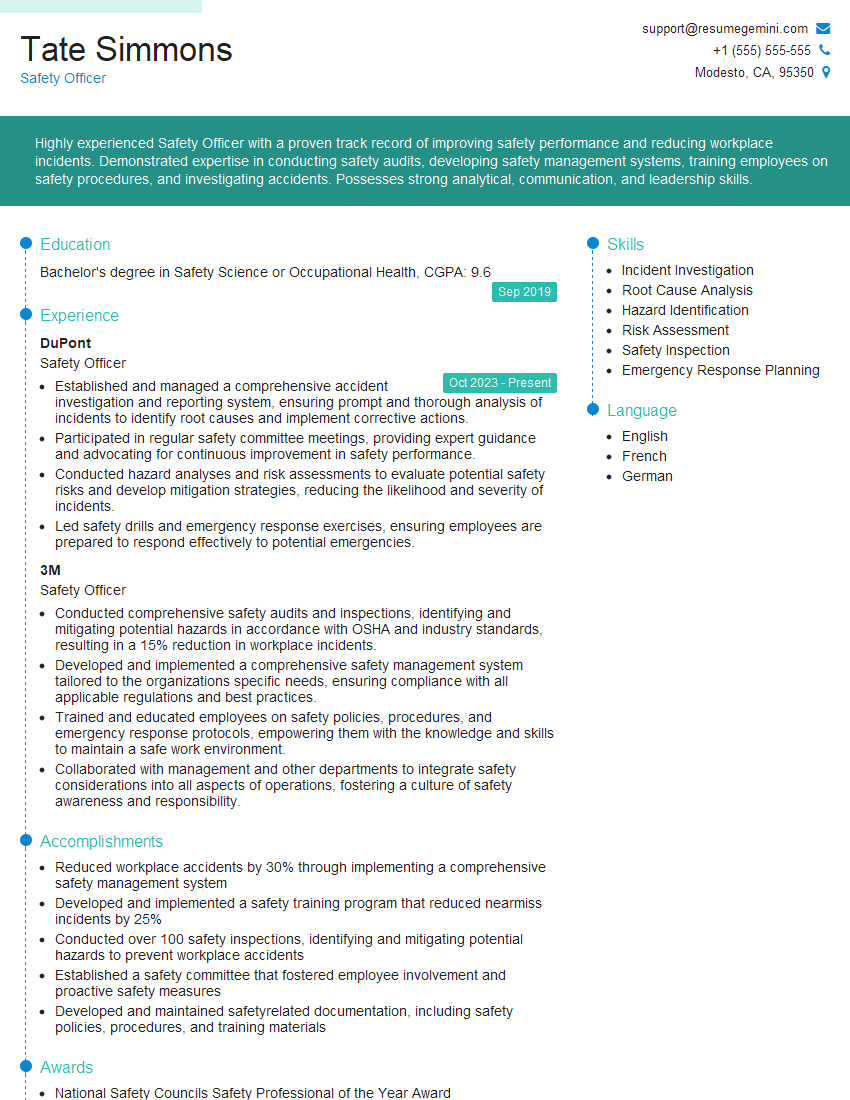
Safety Officer Resume Sample
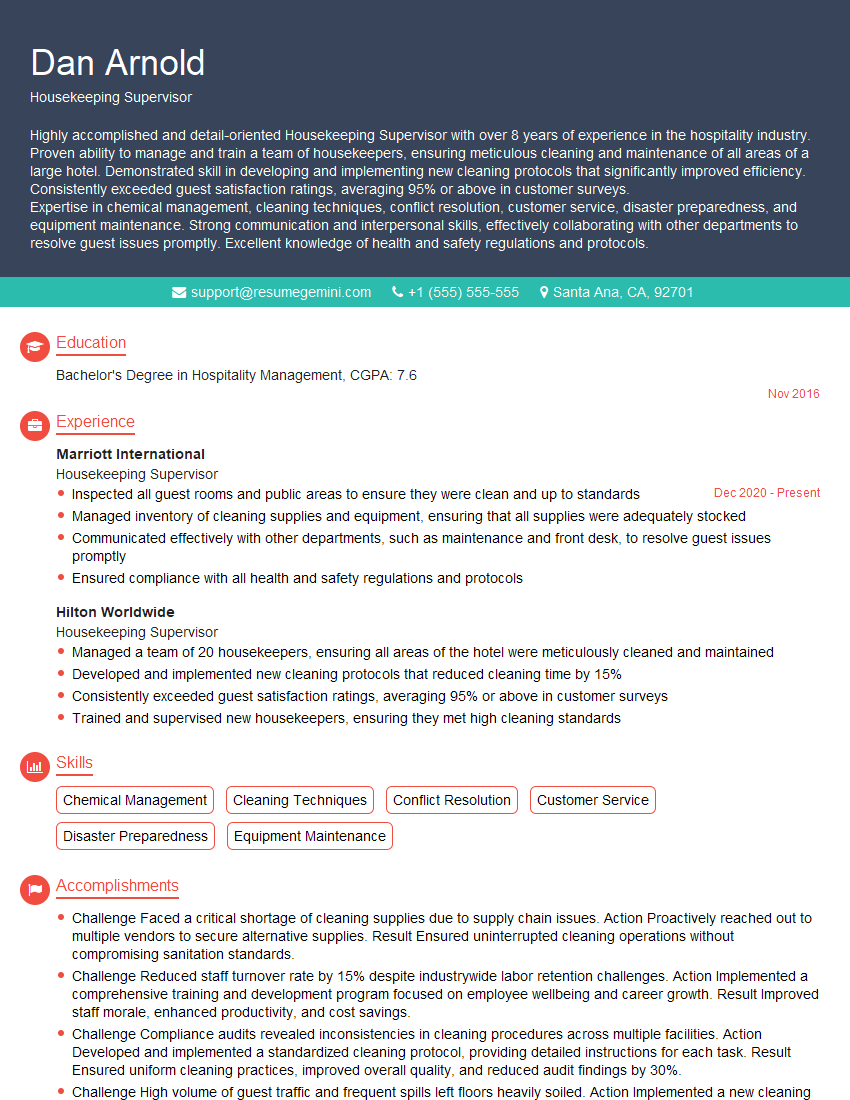
Housekeeping Supervisor Resume Sample
- Facility Manager
- Operations Manager
- Maintenance Supervisor
- Safety Coordinator
- Compliance Officer
- Loss Prevention Manager
- Environmental Specialist
- Health and Safety Manager
- Safety Consultant
- Safety Engineer
- Safety Inspector
- Environmental Health and Safety Specialist
- Industrial Hygienist
- Safety Officer
- Housekeeping Supervisor
Explore more articles
Users Rating of Our Blogs
Share Your Experience
We value your feedback! Please rate our content and share your thoughts (optional).
What Readers Say About Our Blog
To the interviewgemini.com Webmaster.
Very helpful and content specific questions to help prepare me for my interview!
Thank you
To the interviewgemini.com Webmaster.
This was kind of a unique content I found around the specialized skills. Very helpful questions and good detailed answers.
Very Helpful blog, thank you Interviewgemini team.