Are you ready to stand out in your next interview? Understanding and preparing for Crew Coordination and Management interview questions is a game-changer. In this blog, we’ve compiled key questions and expert advice to help you showcase your skills with confidence and precision. Let’s get started on your journey to acing the interview.
Questions Asked in Crew Coordination and Management Interview
Q 1. Describe your experience managing diverse crews.
Managing diverse crews effectively requires a multifaceted approach focusing on communication, understanding, and respect for individual differences. My experience spans various crew compositions, from highly technical engineering teams to large, multinational construction crews. I’ve consistently prioritized building a collaborative environment where each member feels valued and can contribute their unique skills. This involves active listening, providing clear expectations and roles, and fostering open dialogue to address concerns and celebrate successes. For instance, on a recent offshore wind farm project, our crew included engineers from Germany, technicians from the UK, and skilled laborers from the local community. By utilizing a combination of English as the working language, visual aids, and regular team briefings in multiple formats (written, visual, verbal), I ensured everyone understood their roles and could participate fully. Regular informal check-ins helped address emerging issues and build rapport among team members from varied backgrounds.
Q 2. How do you handle conflicts within a crew?
Conflict within a crew is inevitable, but it’s crucial to address it promptly and constructively. My approach involves a three-step process: Identify, Understand, and Resolve. First, I identify the source of the conflict, focusing on the underlying issues rather than focusing solely on surface-level disagreements. I utilize active listening to understand each person’s perspective, separating facts from emotions. For example, a perceived lack of communication could be stemming from cultural differences or simply a misunderstanding of roles. This step avoids premature judgement and encourages open communication. Next, we work collaboratively to find mutually acceptable solutions. This often involves compromise and finding creative ways to meet everyone’s needs. Lastly, we implement the agreed-upon solution and monitor its effectiveness. Post-conflict feedback sessions help reinforce positive communication and teamwork. For instance, when a disagreement arose between two team leaders regarding task prioritization, I facilitated a meeting where they outlined their perspectives and collaboratively created a revised schedule that addressed both concerns.
Q 3. Explain your approach to crew scheduling and resource allocation.
Crew scheduling and resource allocation require careful planning and optimization to maximize efficiency and minimize downtime. My approach is data-driven and considers various factors including project deadlines, individual skillsets, certifications, and availability. I utilize project management software (mention specific software if comfortable, e.g., MS Project, Primavera P6) to create detailed schedules, allocate resources effectively, and monitor progress. This includes considering potential risks and building in buffer time to account for unforeseen circumstances. For example, when scheduling a complex pipeline installation project, I utilized resource leveling techniques within the project management software to ensure we had the right number of welders, inspectors, and support staff available at each stage of the project without causing resource overallocation or creating bottlenecks. This strategy enabled us to stay on schedule and within budget.
Q 4. What methods do you use to track crew performance?
Tracking crew performance requires a balanced approach combining quantitative and qualitative measures. Quantitative measures include productivity metrics, such as units completed per day or error rates. I also utilize Key Performance Indicators (KPIs) to track progress against project goals. Qualitative measures are equally important and include regular feedback sessions, performance reviews, and 360-degree feedback to gain insights into teamwork, problem-solving skills, and overall contribution. To track daily progress, I often use digital timesheets and task management tools, allowing for real-time updates and early detection of potential issues. This data informs decisions on resource allocation and identifies areas for training or improvement. For example, tracking the number of completed tasks per worker combined with feedback on teamwork efficiency helped to identify potential skill gaps and areas for improvement, leading to targeted training programs.
Q 5. How do you ensure crew safety and compliance?
Ensuring crew safety and compliance is paramount. My approach is proactive and multi-layered. It starts with comprehensive safety training programs tailored to specific job requirements. This includes regular refresher courses and updates on best practices. We utilize safety checklists and pre-job briefings to identify and mitigate potential hazards. Regular safety inspections and audits are conducted to ensure compliance with all relevant regulations and company policies. We encourage a safety-first culture where team members are empowered to report hazards or concerns without fear of reprisal. For example, on a high-rise construction project, daily safety briefings, detailed risk assessments, and readily available Personal Protective Equipment (PPE) ensured the highest safety standards were maintained, resulting in a zero-incident record.
Q 6. Describe a time you had to solve a complex logistical problem for a crew.
During a critical bridge repair project, unexpected heavy rainfall caused significant flooding at the worksite, threatening to delay the project and potentially damage equipment. The initial plan was compromised. To resolve this, I quickly convened a meeting involving all key team members. We collaboratively assessed the situation, identifying the key challenges: water damage to the access road and potential equipment damage. We developed a contingency plan involving temporary access routes, emergency pumps for water removal, and a revised work schedule that prioritized mitigating the immediate risks. This involved close coordination with local authorities, securing additional equipment, and re-allocating personnel to expedite the cleanup efforts. The revised plan was successful, keeping the project on track and preventing further setbacks. Clear communication, decisive action, and collaborative problem-solving were key to overcoming this complex logistical challenge.
Q 7. What software or tools are you proficient in for crew management?
I’m proficient in several software and tools used for crew management. This includes project management software like Microsoft Project and Primavera P6 for scheduling and resource allocation. For tracking performance and timekeeping, I utilize time tracking software (mention specific software if comfortable e.g., Toggl Track, Clockify). I also have experience with various communication platforms (mention specific software if comfortable e.g., Slack, Microsoft Teams) for facilitating efficient communication within the crew and across departments. My familiarity extends to document management systems (mention specific software if comfortable e.g., SharePoint, Google Drive) to maintain up-to-date records of project plans, safety protocols, and performance data.
Q 8. How do you maintain effective communication within a large crew?
Effective communication in a large crew hinges on establishing clear channels, utilizing diverse methods, and fostering a culture of open dialogue. Think of it like a well-oiled machine – each part needs to know what the others are doing to function seamlessly.
Formal Communication: Regular team meetings, clear briefings before and after tasks, and documented procedures are crucial. This ensures everyone is on the same page regarding goals, timelines, and potential hazards.
Informal Communication: Encouraging casual communication, while maintaining professionalism, fosters camaraderie and allows for quick problem-solving. This could include daily check-ins, open-door policies, and team social events.
Technology Integration: Utilizing project management software, instant messaging platforms, or even a shared communication board can streamline information flow and keep everyone updated, especially across different locations or shifts.
Active Listening and Feedback: Creating a safe space for feedback is essential. This means actively listening to concerns, addressing issues promptly, and valuing diverse perspectives.
For instance, during a large-scale film shoot, I implemented a daily production meeting using a project management platform. This ensured that every department – from camera crew to catering – had visibility into the day’s schedule, potential challenges, and any changes in the plan. This significantly reduced misunderstandings and delays.
Q 9. What’s your experience with crew training and development?
My approach to crew training and development focuses on a blend of theoretical knowledge and practical application. I believe in building a strong foundation of core skills and then nurturing individual strengths.
Needs Assessment: I start by identifying the skills gap within the team through performance reviews, observation, and individual discussions. This allows me to tailor training to specific needs rather than adopting a one-size-fits-all approach.
On-the-Job Training: Mentoring and shadowing experienced crew members provide invaluable practical experience. I always pair newer crew with experienced ones for hands-on learning.
Formal Training Programs: Where necessary, I incorporate external workshops, online courses, or simulations to cover specialized skills or regulatory requirements. For example, I once organized a safety training course for my crew focusing on handling hazardous materials, resulting in a significant improvement in safety protocols.
Continuous Feedback and Improvement: Regular performance reviews and constructive feedback are integral to skill development. I encourage open dialogue and create a culture where learning from mistakes is valued.
One notable example is when I implemented a comprehensive training program for my rigging crew, focusing on safety procedures and advanced techniques. This resulted in increased efficiency, fewer incidents, and enhanced team confidence.
Q 10. How do you prioritize tasks and delegate responsibilities within a crew?
Prioritizing tasks and delegating responsibilities requires a structured approach and an understanding of individual strengths. It’s like conducting an orchestra – each musician plays their part to create a harmonious whole.
Task Prioritization: I utilize methods like Eisenhower Matrix (Urgent/Important) to categorize tasks. This helps in focusing on high-impact activities first and delegating less critical ones.
Delegation Based on Skill Set: I carefully assign tasks based on each crew member’s expertise and capabilities. This ensures that work is completed efficiently and effectively.
Clear Expectations and Communication: Before delegating, I clearly outline expectations, deadlines, resources available, and potential challenges. Regular check-ins ensure everyone stays on track.
Empowerment and Accountability: I empower crew members by providing them with autonomy and the authority to make decisions within their scope of work. Simultaneously, I foster a sense of accountability for the assigned tasks.
In one project, we faced a tight deadline for a complex construction task. By using a Kanban board to visualize tasks and strategically delegating responsibilities based on individual expertise, we completed the project ahead of schedule and under budget.
Q 11. Describe your experience with budget management related to crew costs.
Budget management for crew costs requires meticulous planning, accurate forecasting, and constant monitoring. It’s about being both resourceful and responsible.
Detailed Budgeting: I create a comprehensive budget that includes salary costs, overtime pay, benefits, training expenses, and potential contingency funds. This involves analyzing historical data and projecting future needs.
Cost Control Measures: I implement strategies to control costs, such as negotiating favorable rates with suppliers, optimizing crew size based on task requirements, and monitoring overtime hours diligently.
Regular Monitoring and Reporting: I regularly track actual expenses against the budget, identifying any discrepancies promptly. This involves generating regular reports for stakeholders, ensuring transparency and accountability.
Contingency Planning: I always include a contingency fund to address unforeseen circumstances, like illness or equipment failure, which could impact crew costs.
During a recent project, I successfully negotiated a lower hourly rate with a specialized subcontractor, resulting in significant cost savings without compromising the quality of work. This required meticulous planning and demonstrating the value proposition of our partnership.
Q 12. How do you adapt to unexpected changes in crew assignments or schedules?
Adapting to unexpected changes requires flexibility, clear communication, and a proactive approach. It’s akin to navigating a ship through a storm – quick thinking and decisive action are essential.
Communication is Key: Immediate and transparent communication is crucial. I inform the crew of any changes promptly, clearly explaining the reasons and impact.
Problem-Solving Approach: I facilitate collaborative problem-solving sessions with the crew to brainstorm solutions to address the challenges posed by the changes.
Re-prioritization and Rescheduling: I work with the crew to re-prioritize tasks and reschedule activities, ensuring minimal disruption to the overall project plan.
Flexibility and Openness: I foster a culture of flexibility and encourage the crew to be adaptable and open to changes.
For instance, a sudden equipment malfunction once threatened to derail our filming schedule. By quickly communicating the situation, delegating alternative solutions, and working collaboratively with the crew, we managed to minimize delays and complete filming successfully.
Q 13. How do you build and maintain positive relationships with crew members?
Building and maintaining positive relationships is fundamental to effective crew coordination. It’s about creating a supportive and collaborative environment where everyone feels valued.
Respect and Recognition: I show respect for each crew member’s contributions and skills, acknowledging their individual achievements and contributions to the team’s success.
Open Communication and Feedback: I encourage open communication, actively listening to concerns, and providing constructive feedback in a timely manner.
Team Building Activities: I organize team-building activities, both formal and informal, to foster camaraderie and strengthen relationships among crew members.
Conflict Resolution: I address conflicts promptly and fairly, using mediation techniques to resolve disagreements constructively and maintain team harmony.
In one instance, a conflict arose between two team members due to a misunderstanding. Through open dialogue and active listening, I facilitated a discussion that resolved the issue, strengthened their working relationship, and reinforced the team’s commitment to collaborative problem-solving.
Q 14. Explain your experience in managing crew performance evaluations.
Managing crew performance evaluations requires a fair, transparent, and constructive approach. It’s about providing valuable feedback that fosters growth and improves performance.
Clear Performance Metrics: I establish clear performance metrics aligned with the project goals and individual roles. This ensures that evaluations are objective and measurable.
Regular Performance Monitoring: I conduct regular informal check-ins and formal performance reviews, providing ongoing feedback and support.
Constructive Feedback: I provide both positive and constructive feedback, focusing on specific behaviors and outcomes. I avoid generalizations and offer actionable suggestions for improvement.
Documentation and Transparency: I document all performance reviews, ensuring transparency and fairness. The process is clear, and crew members understand the criteria for evaluation.
I once implemented a 360-degree feedback system for performance evaluations, where crew members received feedback from their peers, supervisors, and clients. This provided a more comprehensive perspective on their performance and fostered greater self-awareness and professional growth.
Q 15. How familiar are you with relevant safety regulations and procedures?
Safety is paramount in crew coordination. My familiarity with regulations and procedures is extensive, encompassing both industry-specific standards and general safety protocols. This includes a deep understanding of OSHA (Occupational Safety and Health Administration) guidelines, relevant maritime regulations (if applicable to the crew’s operations), and any company-specific safety manuals or best practices. I’m proficient in hazard identification and risk assessment methodologies, such as HAZOP (Hazard and Operability Study) and JSA (Job Safety Analysis). For instance, in a previous role managing a construction crew, I implemented a rigorous safety program including daily toolbox talks, regular safety inspections, and mandatory reporting of near misses. This ensured everyone understood and followed safety protocols, leading to a significant reduction in workplace accidents.
My knowledge extends beyond simply knowing the rules; I understand the underlying rationale behind them. I can interpret regulations and adapt them to specific situations, ensuring that safety measures are practical and effective without compromising the workflow. I am also adept at providing appropriate training and ensuring ongoing compliance.
Career Expert Tips:
- Ace those interviews! Prepare effectively by reviewing the Top 50 Most Common Interview Questions on ResumeGemini.
- Navigate your job search with confidence! Explore a wide range of Career Tips on ResumeGemini. Learn about common challenges and recommendations to overcome them.
- Craft the perfect resume! Master the Art of Resume Writing with ResumeGemini’s guide. Showcase your unique qualifications and achievements effectively.
- Don’t miss out on holiday savings! Build your dream resume with ResumeGemini’s ATS optimized templates.
Q 16. How do you motivate and inspire a crew to achieve shared goals?
Motivating and inspiring a crew to achieve shared goals involves fostering a collaborative and supportive environment. It’s not just about assigning tasks; it’s about creating a sense of shared purpose and ownership. I use a multi-pronged approach:
- Clear Communication: Regularly communicating goals, expectations, and progress updates keeps everyone informed and engaged. I prefer open dialogue to ensure everyone understands their role and the bigger picture.
- Recognition and Appreciation: Acknowledging individual and team accomplishments, both big and small, significantly boosts morale and motivation. A simple ‘thank you’ or public recognition can go a long way.
- Empowerment and Trust: Empowering crew members by giving them autonomy and responsibility within their roles fosters a sense of ownership and pride in their work. Trusting their capabilities encourages initiative and problem-solving.
- Team Building: Building strong interpersonal relationships within the crew through team-building activities fosters collaboration and mutual support.
- Leading by Example: Demonstrating commitment, hard work, and positive attitude sets a strong example for the crew to follow.
For example, when leading a film crew, I implemented a system of daily briefings and debriefings where we celebrated successes and tackled challenges together. This created a strong sense of camaraderie and significantly improved our efficiency and overall project success.
Q 17. How do you identify and address potential risks associated with crew operations?
Identifying and addressing potential risks is a proactive process that starts with a comprehensive risk assessment. This involves analyzing the task at hand, identifying potential hazards, evaluating their likelihood and severity, and implementing control measures. I use a combination of methods, including:
- SWOT Analysis: Examining the Strengths, Weaknesses, Opportunities, and Threats related to the operation.
- Checklists and Inspections: Regularly checking equipment, procedures, and the work environment to identify potential hazards.
- Pre-Task Briefings: Discussing potential risks with the crew before starting any task.
- Near Miss Reporting: Encouraging crew members to report near misses to learn from mistakes and prevent future incidents.
- Continuous Monitoring and Improvement: Regularly reviewing the effectiveness of risk control measures and adjusting them as needed.
For example, when managing a construction project involving working at heights, I implemented strict procedures for fall protection, regular equipment inspections, and mandatory training on safe work practices. This significantly reduced the risk of accidents.
Q 18. Describe your experience with hiring and onboarding new crew members.
My experience with hiring and onboarding new crew members involves a structured process designed to ensure a smooth transition and effective integration into the team. This process includes:
- Defining Requirements: Clearly outlining the necessary skills, experience, and qualifications for the role.
- Recruitment: Using appropriate channels to attract a pool of qualified candidates (e.g., job postings, networking).
- Selection: Conducting interviews and assessments to evaluate candidates’ suitability.
- Onboarding: Providing comprehensive training on safety procedures, company policies, and job-specific tasks. This also includes introducing them to the team and providing mentorship.
- Mentorship: Pairing new members with experienced team members for guidance and support.
For instance, during my time at an event management company, I developed a standardized onboarding program that included a detailed handbook, shadowing opportunities, and regular check-ins with new hires. This resulted in quicker integration of new hires and improved team cohesion.
Q 19. How do you ensure that crew members have the necessary resources and equipment?
Ensuring crew members have the necessary resources and equipment is critical for safety, efficiency, and morale. This involves:
- Needs Assessment: Regularly assessing the crew’s needs for tools, equipment, materials, and support.
- Procurement: Sourcing and procuring necessary resources in a timely and cost-effective manner.
- Maintenance: Ensuring equipment is well-maintained and in good working order. This includes regular inspections and preventative maintenance schedules.
- Inventory Management: Tracking inventory to prevent shortages and ensure timely replenishment.
- Access and Training: Providing crew members with access to necessary resources and providing training on how to use them safely and effectively.
For example, when managing a research expedition team, I meticulously planned for all equipment needs, ensuring we had backups and contingency plans. This careful preparation prevented costly delays and ensured the successful completion of our research objectives.
Q 20. How do you manage crew overtime and ensure fair compensation?
Managing crew overtime and ensuring fair compensation requires careful planning and adherence to labor laws. This involves:
- Accurate Time Tracking: Implementing a reliable system for tracking crew members’ work hours.
- Overtime Policy: Having a clear and fair policy for compensating overtime work, in compliance with all applicable laws.
- Workload Management: Efficiently managing workloads to minimize the need for excessive overtime.
- Communication: Openly communicating with crew members about their work hours and overtime compensation.
- Approvals: Requiring appropriate approvals for all overtime work to prevent abuse.
In my experience, proactively managing workloads and maintaining open communication minimized overtime issues. When overtime was necessary, we ensured proper documentation and compensation, maintaining transparency and fairness.
Q 21. What is your experience with different crew communication methods?
Effective communication is the cornerstone of successful crew coordination. I’m experienced with a variety of communication methods, adapting my approach based on the situation and the crew’s needs. This includes:
- Face-to-Face Communication: For important announcements, complex discussions, or team-building activities.
- Written Communication: For formal documentation, instructions, or updates that need to be recorded.
- Radio Communication: For real-time communication in situations where face-to-face communication is impractical (e.g., construction sites, maritime operations).
- Digital Communication: Email, instant messaging, project management software (e.g., Asana, Trello) for updates, task assignments, and general communication.
I emphasize clear, concise, and unambiguous communication. I understand the importance of active listening and providing feedback to ensure everyone is on the same page. For example, when managing a remote team working on a software development project, we utilized a combination of video conferencing, project management software, and instant messaging to ensure effective communication and collaboration. This combination worked successfully in maintaining a cohesive workflow despite the geographical distance.
Q 22. How do you measure the success of crew operations?
Measuring the success of crew operations goes beyond simply completing tasks. It involves a multifaceted approach focusing on safety, efficiency, productivity, and team cohesion. We assess success using key performance indicators (KPIs) across several areas.
- Safety: This is paramount. We track the number of safety incidents, near misses, and adherence to safety protocols. A low incident rate and high compliance demonstrate successful safety management.
- Efficiency: We measure operational efficiency by analyzing task completion times, resource utilization, and adherence to schedules. For example, we might track the turnaround time for a particular process or the fuel consumption per flight hour.
- Productivity: We assess productivity based on output – the number of tasks completed, the quality of work, and the overall contribution to organizational goals. This might involve tracking the number of passengers processed smoothly or cargo handled efficiently.
- Team Cohesion & Communication: Successful crew operations depend on effective teamwork and communication. We utilize surveys, feedback sessions, and observation to gauge the crew’s morale, collaboration, and problem-solving capabilities. A positive and collaborative team environment directly impacts performance.
Ultimately, successful crew operations are characterized by a high level of safety, optimized efficiency, consistent high productivity, and a strong, cohesive team.
Q 23. Explain your experience using crew management software.
I have extensive experience using crew management software, including systems like CrewTrac and RosterEasy. These platforms are invaluable for streamlining various aspects of crew management.
- Scheduling & Rostering: The software allows for efficient creation and management of crew schedules, considering factors like flight schedules, rest periods (ensuring compliance with regulations), crew qualifications, and availability. I’m proficient in optimizing schedules to minimize downtime and maximize resource utilization.
- Crew Qualification Tracking: The software enables accurate tracking of crew certifications, licenses, training records, and medical fitness, ensuring all personnel meet the necessary regulatory requirements. This ensures legal compliance and operational safety.
- Communication & Messaging: Many systems offer integrated communication tools, allowing for efficient dissemination of information to the crew regarding schedule updates, operational changes, or important announcements.
- Reporting & Analytics: These platforms provide robust reporting capabilities, offering valuable insights into crew performance, operational efficiency, and potential areas for improvement. For instance, I can easily generate reports on overtime hours, absence rates, or training completion rates.
My proficiency in these tools allows me to optimize crew scheduling, improve communication, ensure regulatory compliance, and make data-driven decisions for enhancing operational efficiency.
Q 24. Describe a challenging crew management situation and how you overcame it.
During a peak holiday season, we faced an unexpected surge in passenger volume, resulting in significant delays and potential flight cancellations. Several crew members were also unexpectedly unavailable due to illness. This created a chaotic situation with frustrated passengers and a strained crew.
To overcome this, I immediately implemented the following steps:
- Prioritized Communication: I initiated clear, consistent communication with the affected passengers, providing regular updates and explanations for the delays. Transparency helped alleviate frustration.
- Resource Reallocation: I swiftly reallocated available ground crew and flight attendants to support the most critical areas. This involved creative scheduling and leveraging overtime.
- Problem-Solving Team: I formed a small, cross-functional team to analyze the root cause of the delays and propose immediate and long-term solutions. This helped us to not only manage the immediate crisis but to prevent similar incidents in the future.
- External Collaboration: I reached out to our partner airlines and ground handling services for assistance. This collaboration secured extra staff and resources to alleviate the pressure.
Through decisive action, clear communication, and effective collaboration, we managed to mitigate the impact of the disruption, minimize passenger inconvenience, and maintain operational safety.
Q 25. What is your understanding of crew accountability and responsibility?
Crew accountability and responsibility are fundamental to safe and efficient operations. Accountability refers to the obligation of each crew member to perform their duties to the highest standards and to accept responsibility for their actions and decisions. Responsibility encompasses the specific tasks and duties assigned to each crew member, along with the authority to make certain decisions within their defined scope.
This framework is crucial for several reasons:
- Safety: Accountability ensures that every member understands their role in maintaining a safe operating environment. Responsibility for safety is shared among all crew members.
- Efficiency: Clear roles and responsibilities prevent confusion and duplication of effort, leading to enhanced operational efficiency.
- Compliance: Accountability promotes adherence to company policies, procedures, and regulatory requirements. This ensures compliance with safety regulations and legal obligations.
- Teamwork: A strong sense of accountability fosters mutual trust and respect among crew members, strengthening teamwork and collaboration.
A clear understanding and acceptance of both accountability and responsibility are critical to a well-functioning and successful crew.
Q 26. How do you ensure crew compliance with company policies and procedures?
Ensuring crew compliance with company policies and procedures is a continuous process requiring a multi-pronged approach.
- Clear Communication: We ensure policies and procedures are clearly communicated to all crew members through training sessions, manuals, and regular updates. This includes both initial training and ongoing refresher courses.
- Training & Education: Comprehensive training programs covering all relevant policies and procedures are essential. We use interactive training methods to reinforce understanding and practical application.
- Regular Audits & Inspections: Regular audits and inspections are conducted to monitor compliance. This helps identify areas for improvement and address any non-compliance issues promptly.
- Performance Management: Performance reviews and feedback sessions are used to assess crew members’ adherence to policies and procedures. This includes both positive reinforcement for compliance and corrective action for non-compliance.
- Disciplinary Measures: We have clear disciplinary measures in place for instances of serious or repeated non-compliance, with progressive disciplinary steps to address violations.
By combining proactive communication, thorough training, and robust monitoring, we create a culture of compliance that prioritizes safety and operational excellence.
Q 27. How do you handle situations where crew members are underperforming?
Addressing underperformance requires a systematic and fair approach, starting with understanding the root cause.
My strategy involves these steps:
- Identify & Document: Clearly identify the specific areas of underperformance, documenting instances with objective evidence. Avoid making assumptions.
- Private Meeting & Feedback: Schedule a private meeting with the crew member to discuss the concerns in a constructive and supportive manner. Focus on specific behaviors and their impact on the team and operations. Openly solicit their input.
- Develop an Improvement Plan: Work collaboratively with the crew member to develop a specific, measurable, achievable, relevant, and time-bound (SMART) improvement plan. This should outline concrete steps to address the identified shortcomings.
- Mentorship & Support: Provide mentorship, coaching, and additional training as needed to support the crew member’s progress. This might involve pairing them with a more experienced colleague.
- Monitor & Evaluate: Regularly monitor the crew member’s progress against the improvement plan. Provide regular feedback and make adjustments to the plan as needed.
- Progressive Discipline: If underperformance persists despite support and intervention, escalate to progressive disciplinary measures, in accordance with company policy. This might include formal warnings or other disciplinary actions.
The goal is not to punish, but to help the crew member improve their performance while maintaining a fair and supportive work environment.
Q 28. Describe your approach to conflict resolution within a diverse crew.
Conflict resolution within a diverse crew requires a sensitive and culturally intelligent approach. My strategy is centered around fostering open communication, understanding diverse perspectives, and facilitating constructive dialogue.
My approach includes:
- Active Listening: Create a safe space for all parties to express their perspectives without interruption. Practice active listening to understand the root causes of the conflict.
- Empathy & Understanding: Emphasize understanding different cultural backgrounds and communication styles. Acknowledge that different perspectives are valid.
- Neutral Facilitation: Facilitate a constructive dialogue, ensuring all parties have an opportunity to voice their concerns. Avoid taking sides and maintain neutrality.
- Focus on Solutions: Guide the discussion towards finding mutually acceptable solutions. Encourage collaborative problem-solving and compromise.
- Documentation: Document the conflict and the agreed-upon resolution, ensuring clarity and accountability. This might involve a written agreement.
- Follow-up: Follow up with the involved parties to ensure the agreed-upon solution is implemented and effective. Address any lingering concerns.
Building a culture of respect, understanding, and open communication is crucial for proactively preventing and effectively managing conflicts within a diverse crew.
Key Topics to Learn for Crew Coordination and Management Interview
- Understanding Crew Dynamics: Learn to identify different personality types and communication styles within a team. Explore effective strategies for building rapport and fostering collaboration.
- Task Allocation and Delegation: Master the art of assigning tasks based on individual strengths and weaknesses. Practice effective delegation techniques to maximize efficiency and minimize conflict.
- Conflict Resolution and Mediation: Develop skills in identifying and addressing conflicts proactively. Learn various mediation strategies to resolve disputes fairly and efficiently, preserving team morale.
- Communication and Reporting: Explore effective communication strategies, both written and verbal, for keeping the crew informed and updated. Practice clear and concise reporting procedures.
- Resource Management: Understand how to effectively manage time, budgets, and other resources to ensure project completion within constraints. This includes scheduling, prioritization, and contingency planning.
- Safety and Compliance: Discuss the critical role of safety protocols and regulatory compliance in crew coordination. Understand how to maintain a safe working environment and adhere to all relevant standards.
- Performance Monitoring and Evaluation: Learn how to track team performance, provide constructive feedback, and identify areas for improvement. Understand different performance metrics and their applications.
- Problem-Solving and Decision-Making under Pressure: Develop strategies for efficient problem-solving in high-pressure situations. Practice making informed decisions with limited information and time.
Next Steps
Mastering Crew Coordination and Management is crucial for career advancement in many industries. Strong leadership, communication, and problem-solving skills are highly valued, leading to increased responsibility and higher earning potential. To significantly enhance your job prospects, focus on creating an ATS-friendly resume that highlights your relevant skills and experience. ResumeGemini is a trusted resource that can help you build a professional and effective resume tailored to your strengths. Examples of resumes specifically designed for Crew Coordination and Management positions are available to guide you.
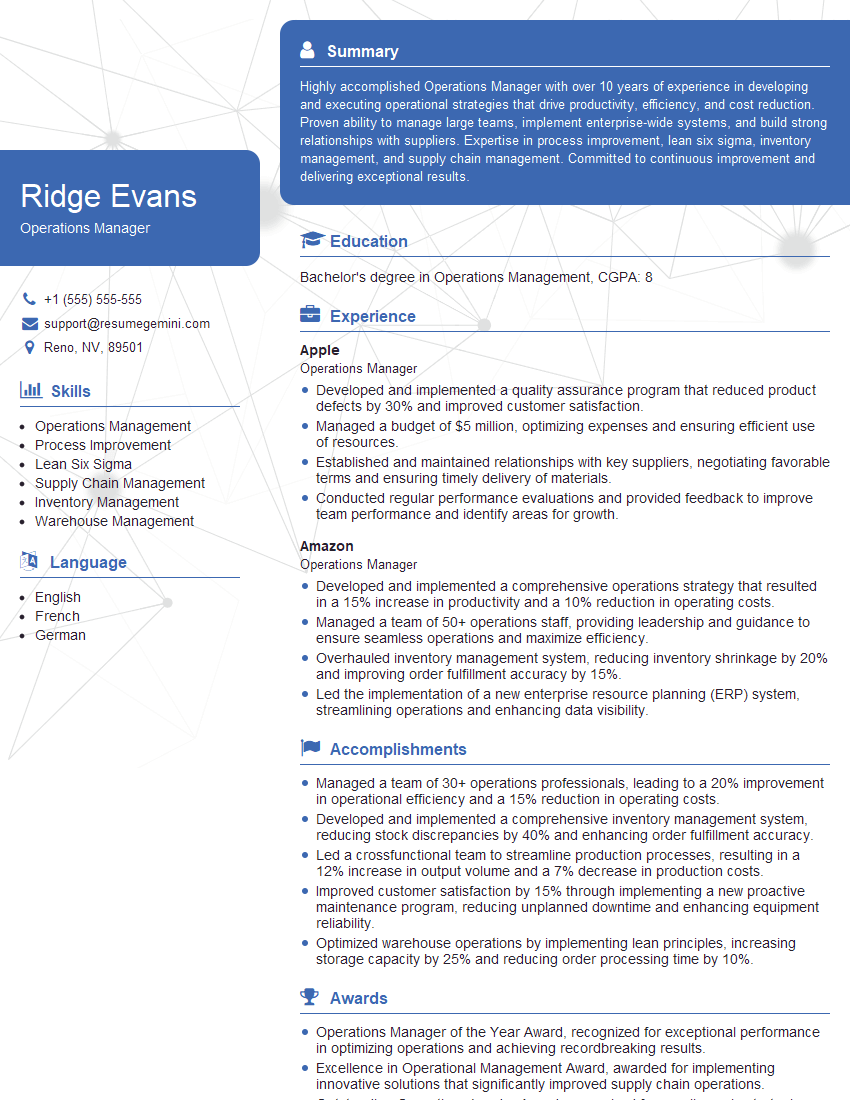
Operations Manager Resume Sample
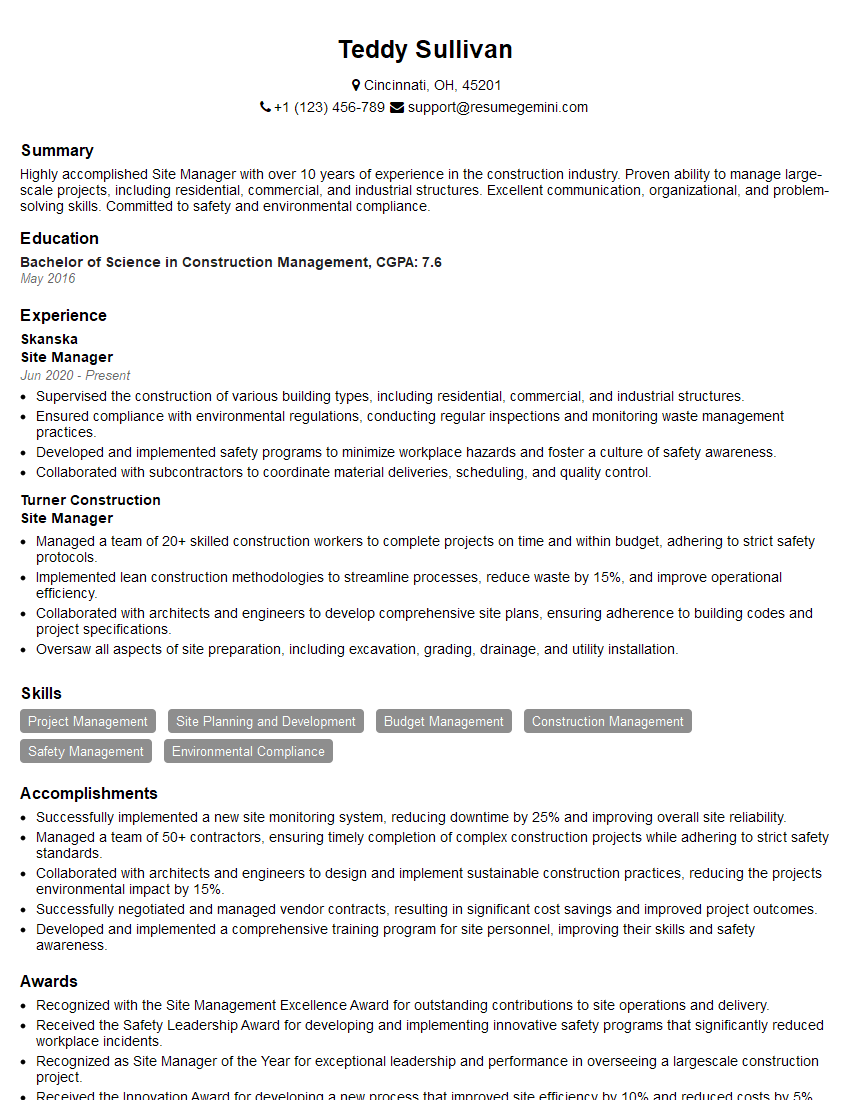
Site Manager Resume Sample

Production Coordinator Resume Sample
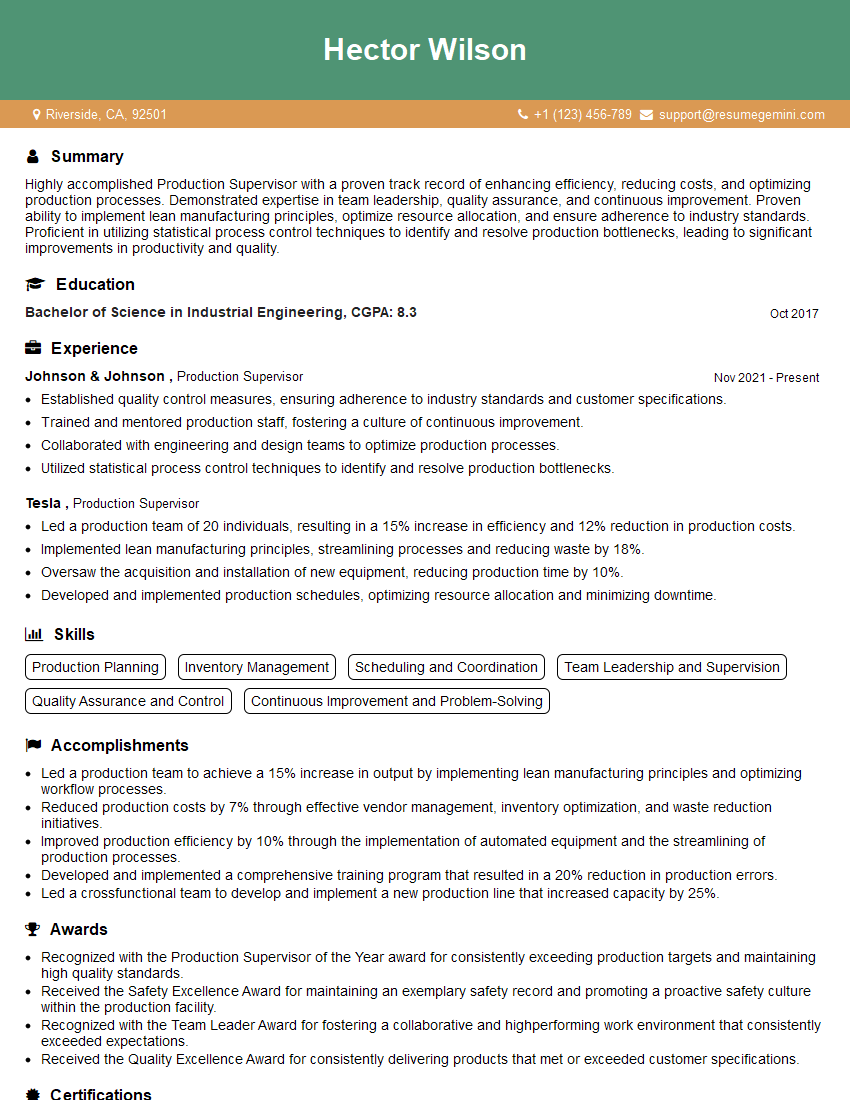
Production Supervisor Resume Sample
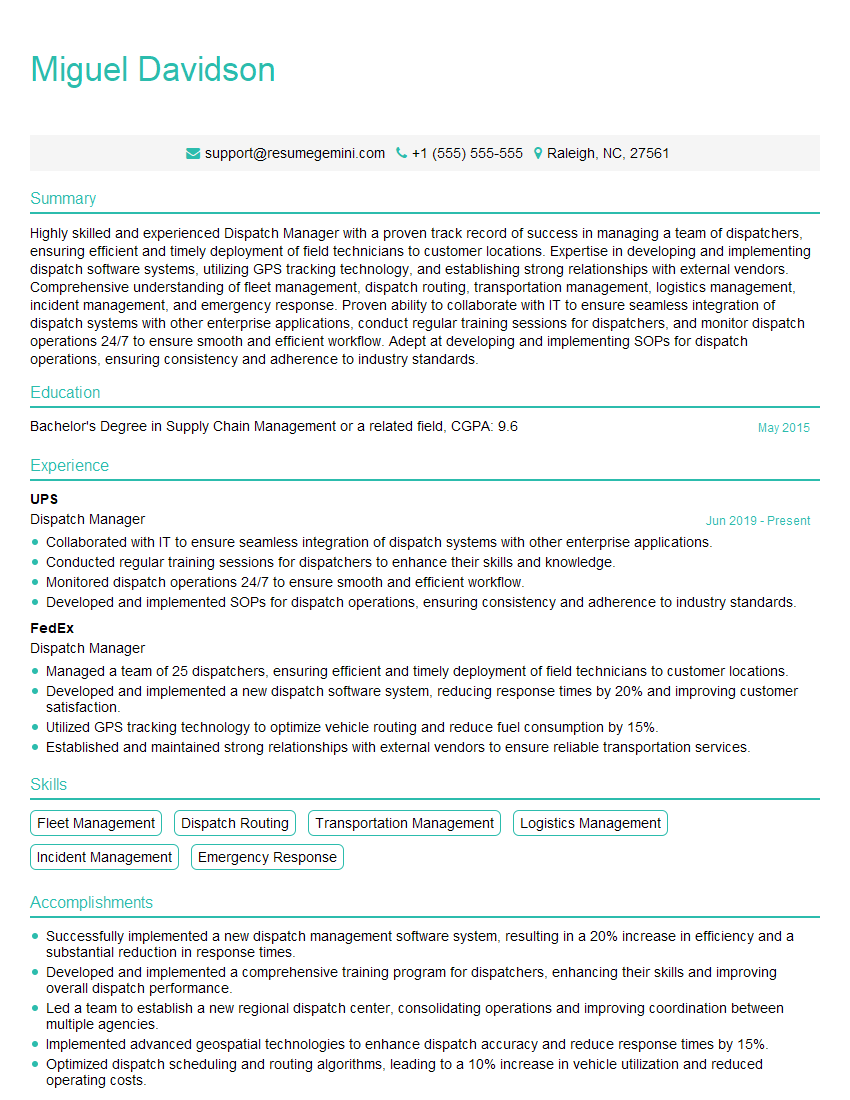
Dispatch Manager Resume Sample
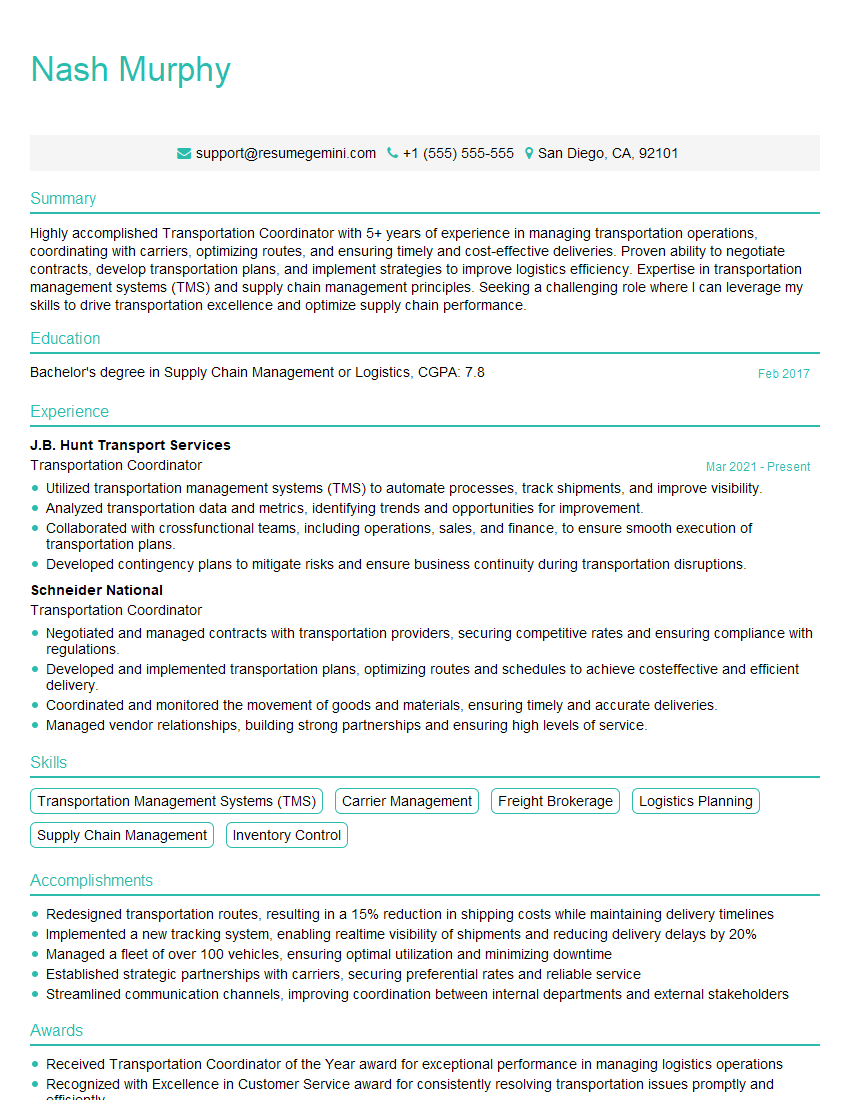
Transportation Coordinator Resume Sample
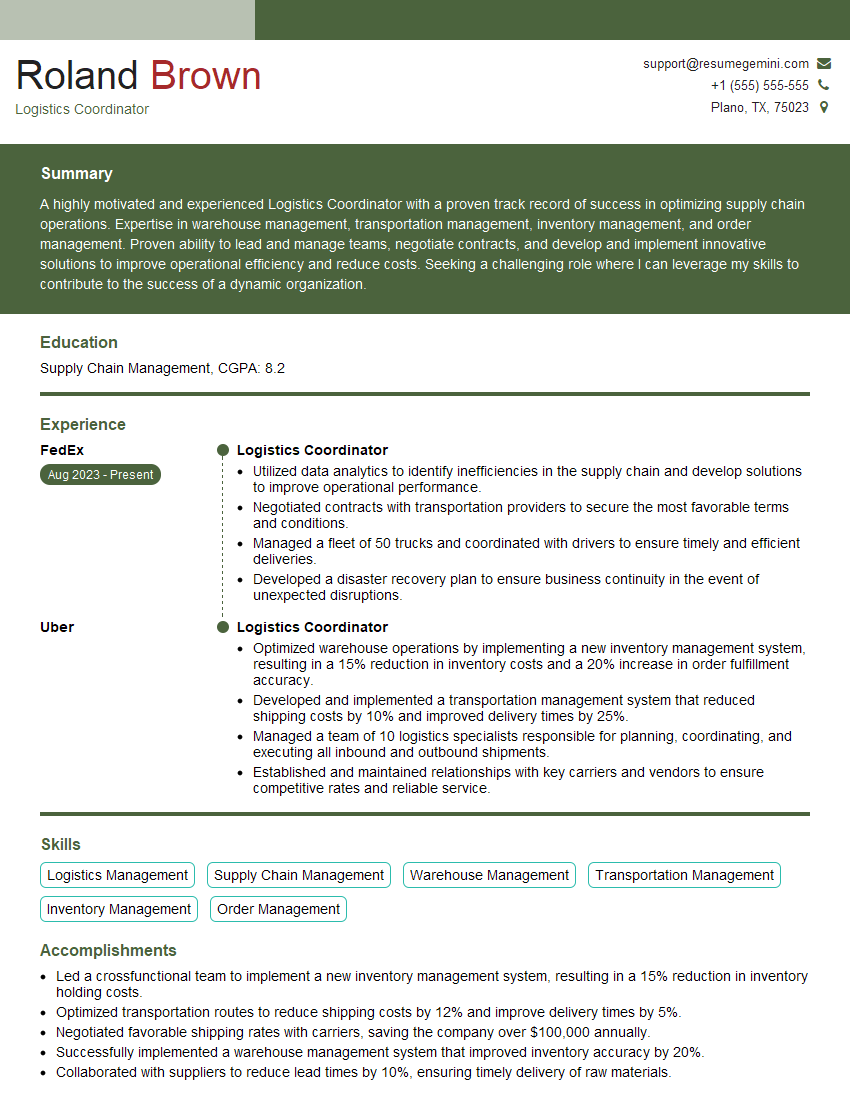
Logistics Coordinator Resume Sample
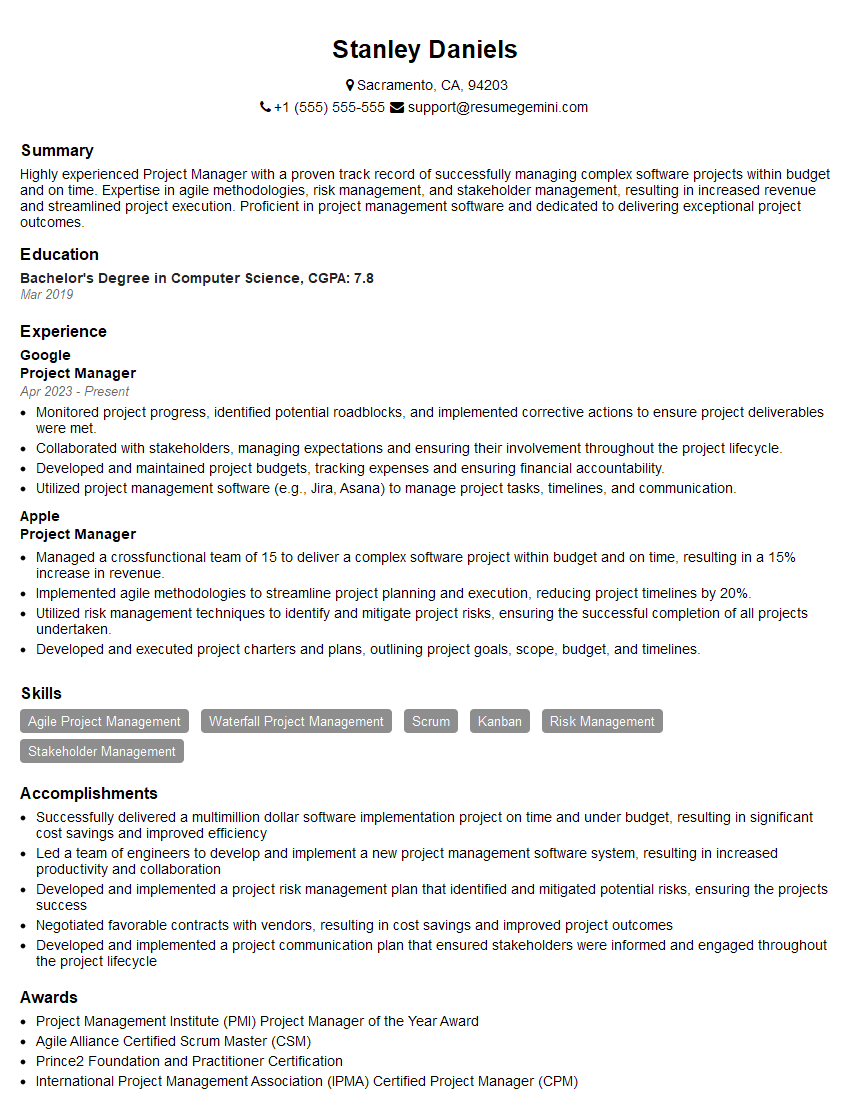
Project Manager Resume Sample
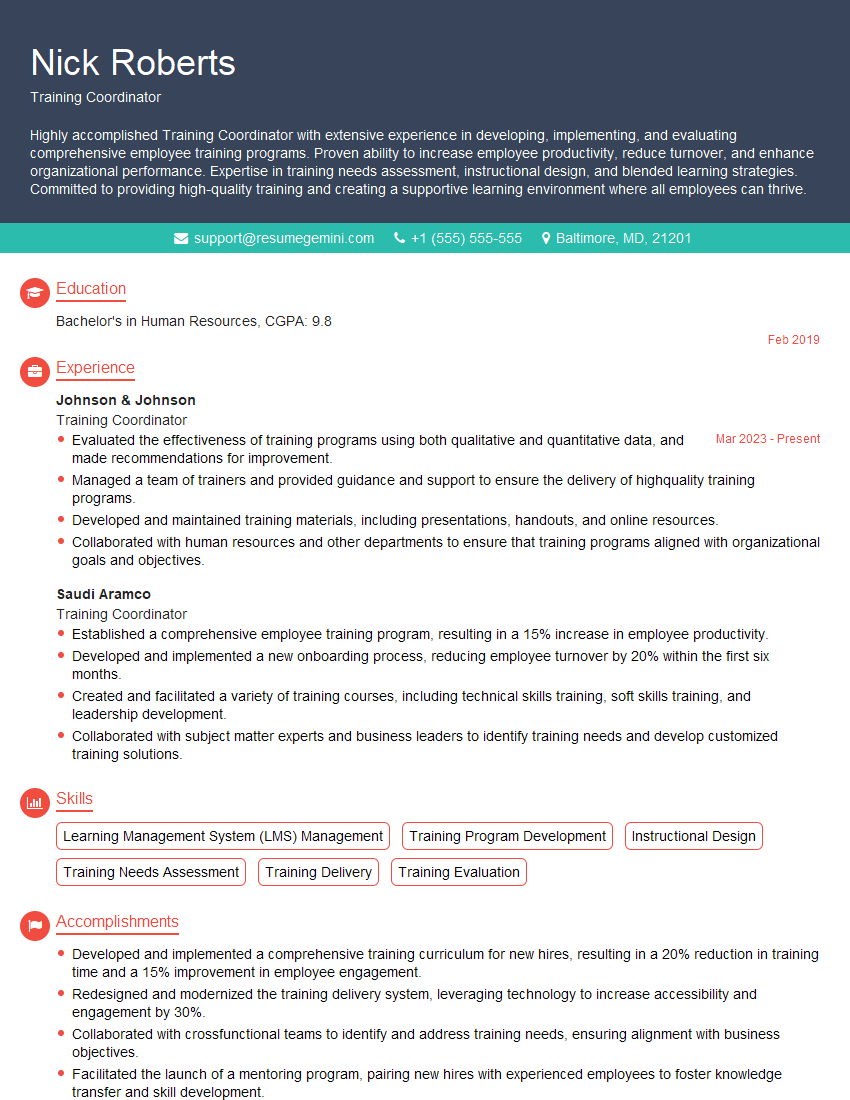
Training Coordinator Resume Sample
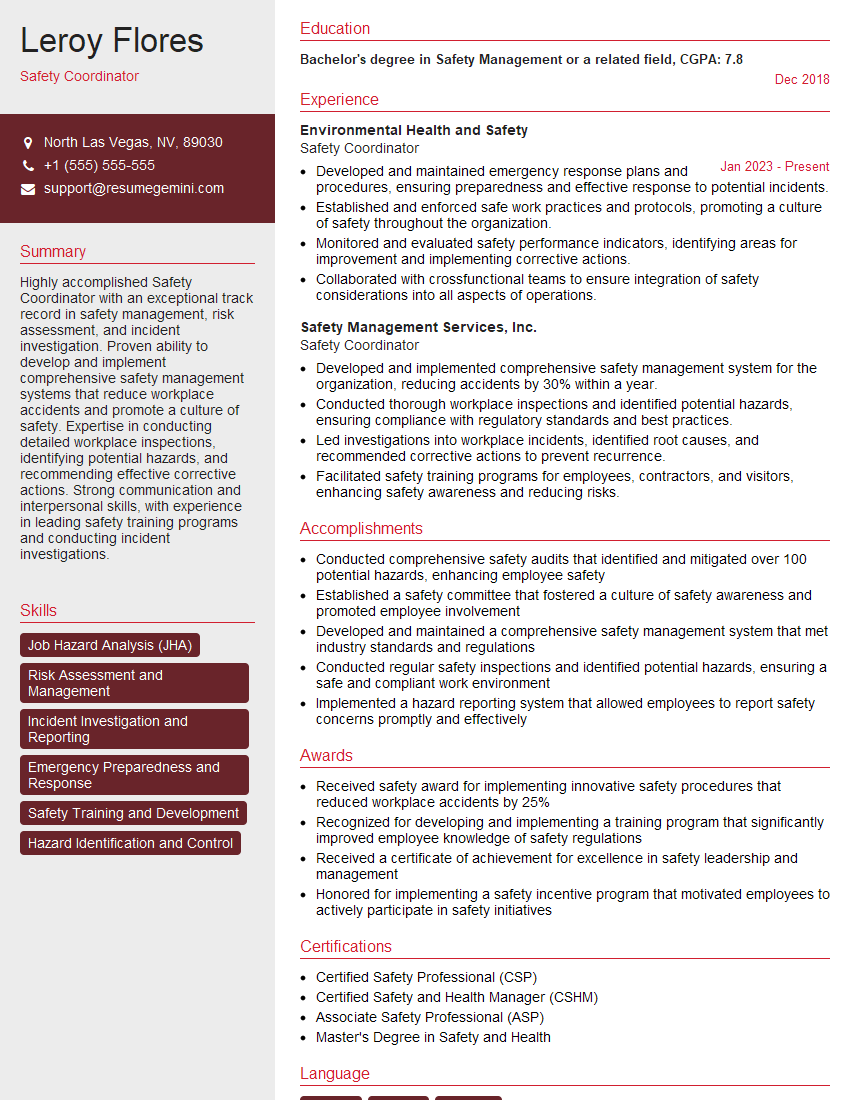
Safety Coordinator Resume Sample
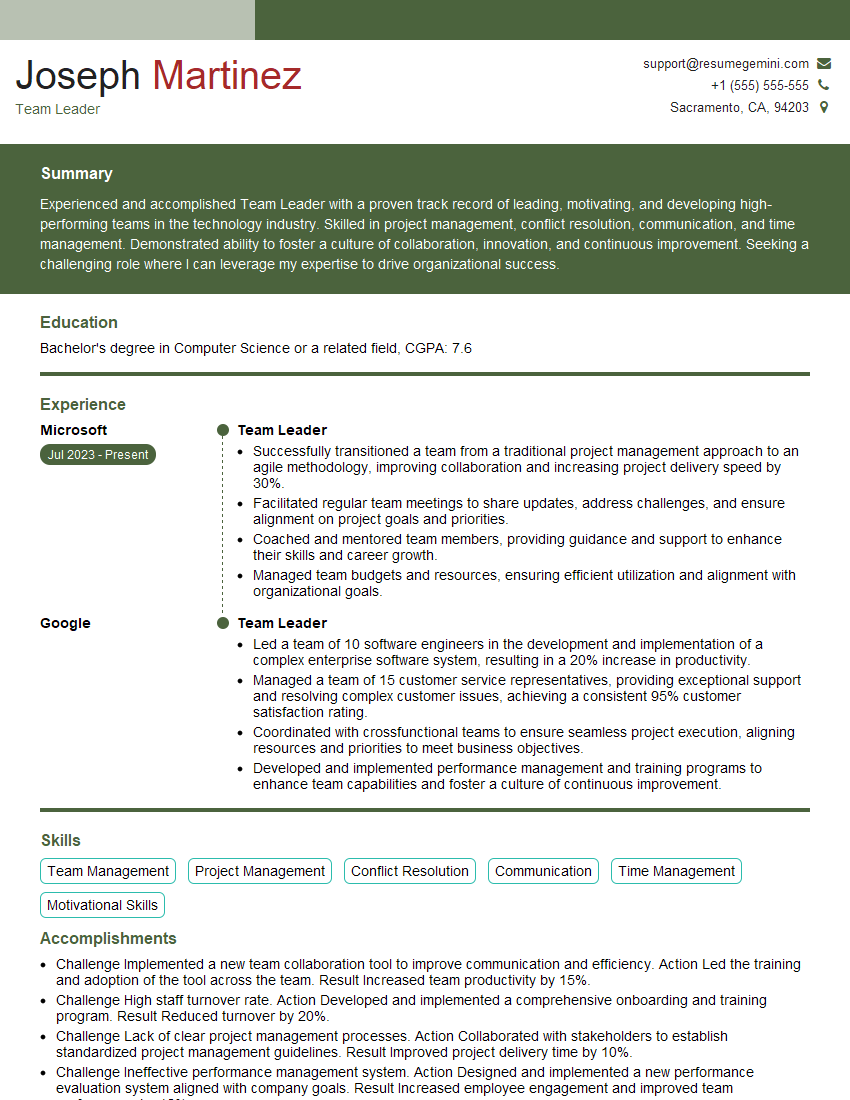
Team Leader Resume Sample
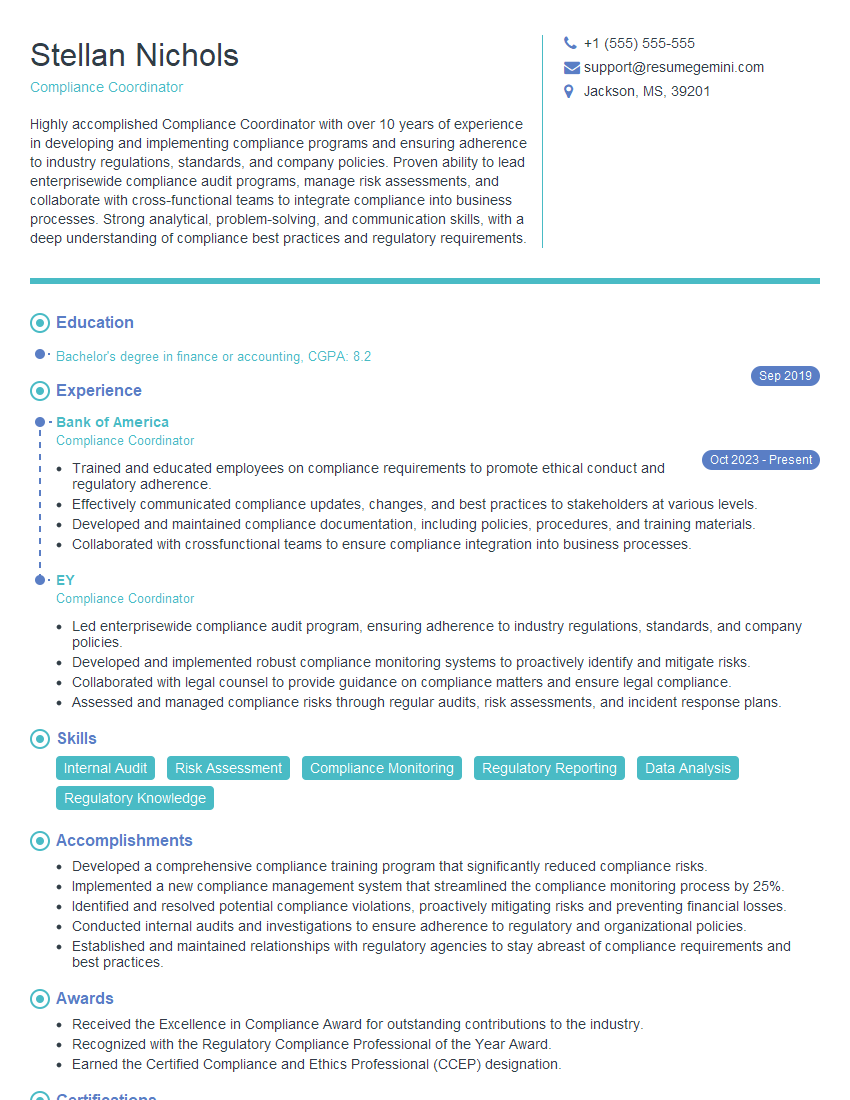
Compliance Coordinator Resume Sample
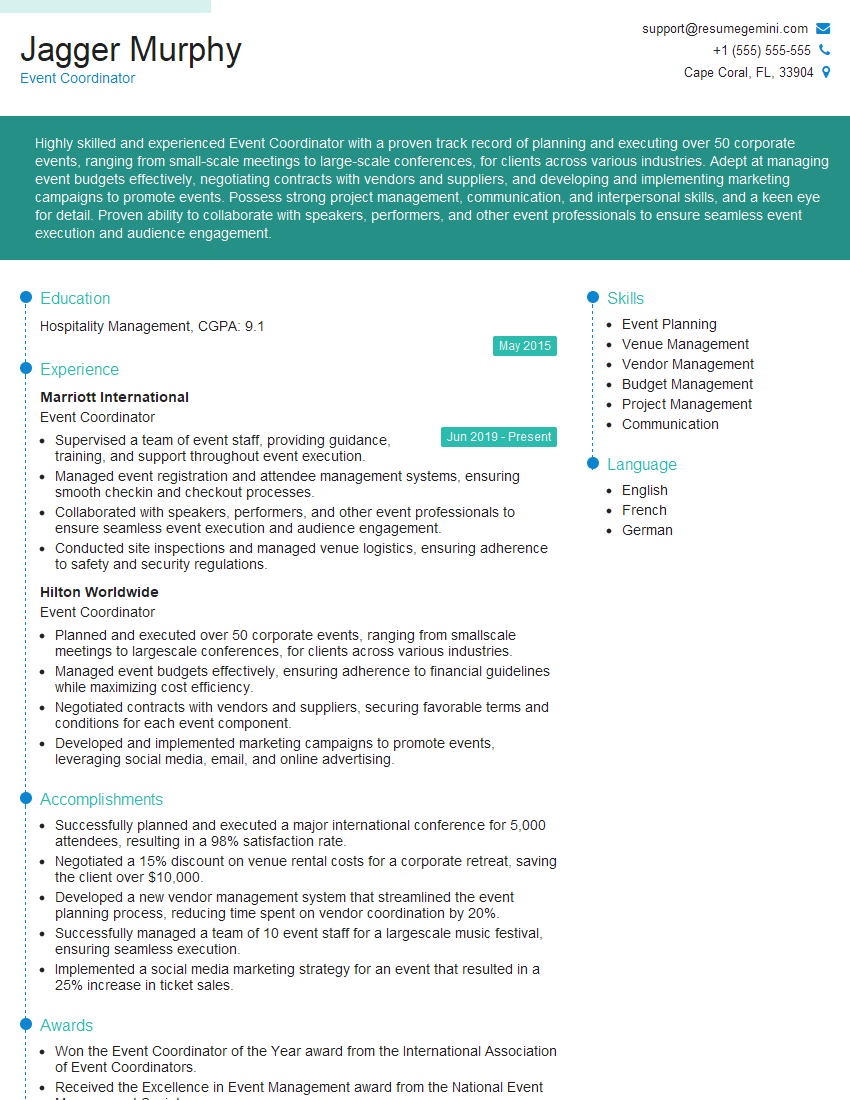
Event Coordinator Resume Sample

Scheduling Coordinator Resume Sample
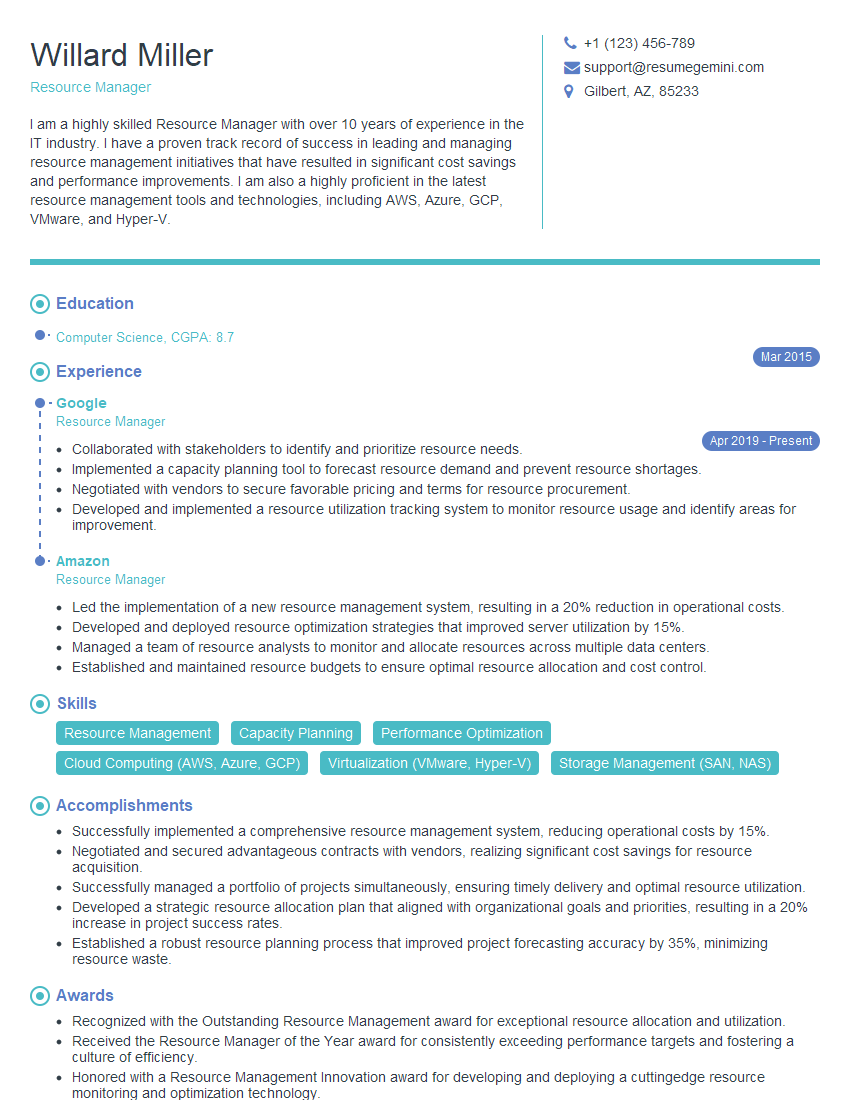
Resource Manager Resume Sample
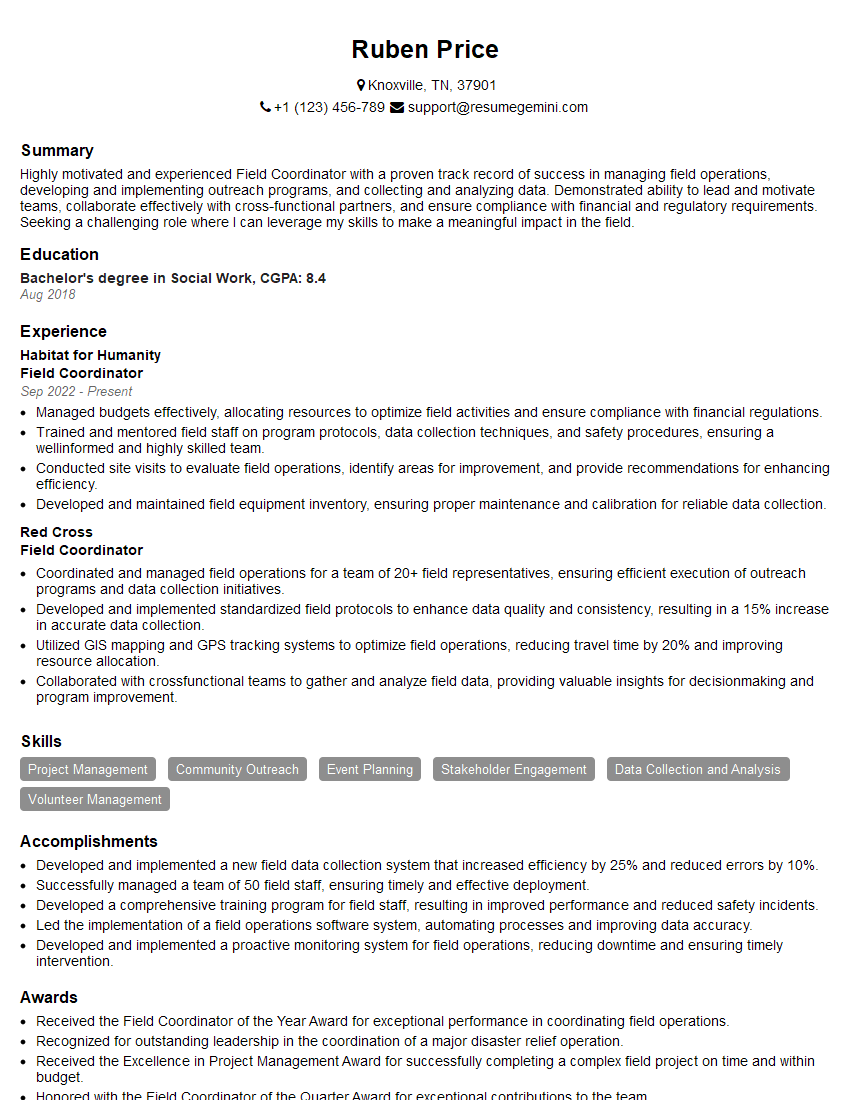
Field Coordinator Resume Sample
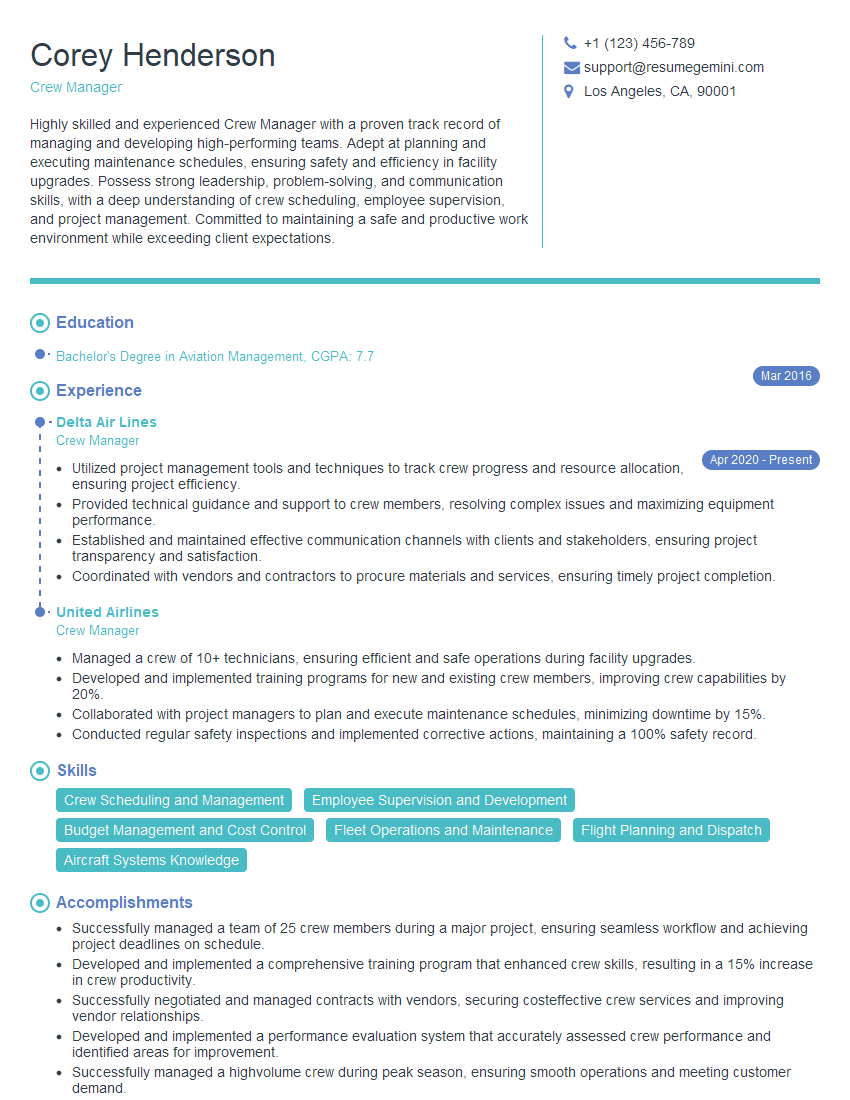
Crew Manager Resume Sample
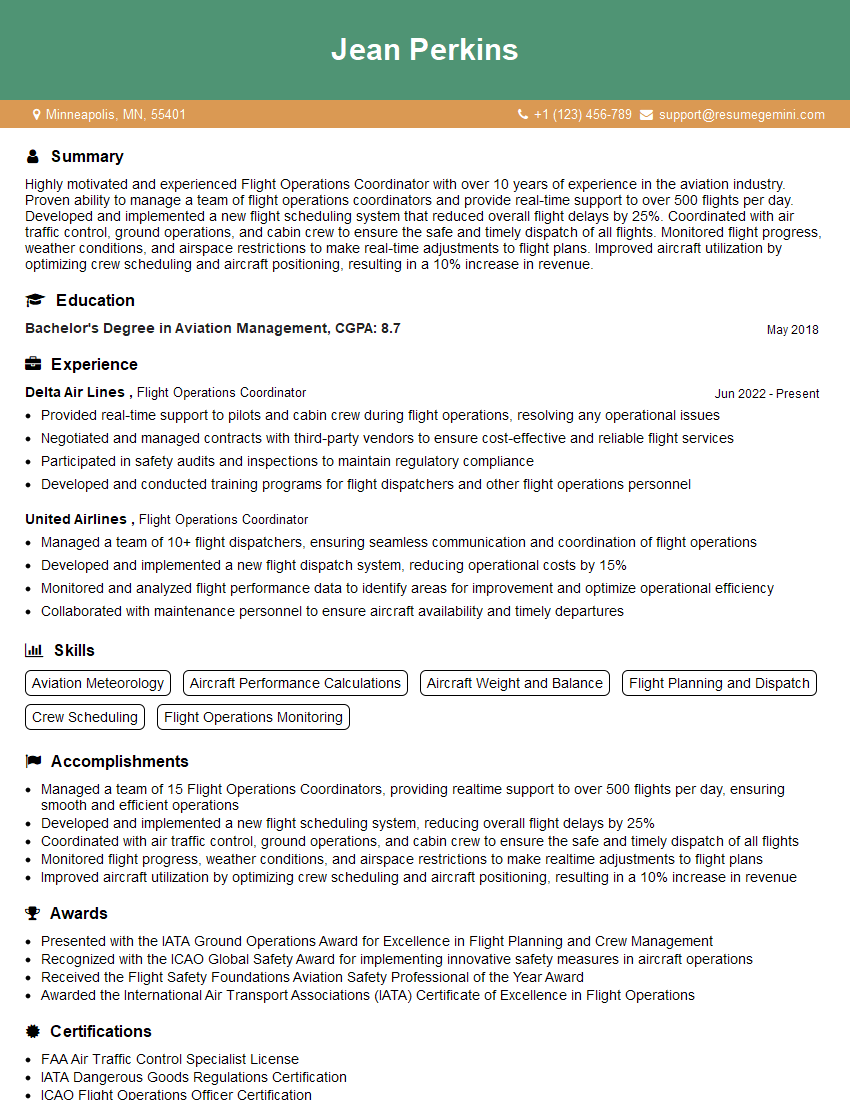
Flight Operations Coordinator Resume Sample
- Operations Manager
- Site Manager
- Production Coordinator
- Production Supervisor
- Dispatch Manager
- Transportation Coordinator
- Logistics Coordinator
- Project Manager
- Training Coordinator
- Safety Coordinator
- Team Leader
- Compliance Coordinator
- Event Coordinator
- Scheduling Coordinator
- Resource Manager
- Field Coordinator
- Crew Manager
- Flight Operations Coordinator
Explore more articles
Users Rating of Our Blogs
Share Your Experience
We value your feedback! Please rate our content and share your thoughts (optional).
What Readers Say About Our Blog
To the interviewgemini.com Webmaster.
Very helpful and content specific questions to help prepare me for my interview!
Thank you
To the interviewgemini.com Webmaster.
This was kind of a unique content I found around the specialized skills. Very helpful questions and good detailed answers.
Very Helpful blog, thank you Interviewgemini team.