Feeling uncertain about what to expect in your upcoming interview? We’ve got you covered! This blog highlights the most important Criminal Justice System interview questions and provides actionable advice to help you stand out as the ideal candidate. Let’s pave the way for your success.
Questions Asked in Criminal Justice System Interview
Q 1. Explain the difference between probable cause and reasonable suspicion.
Probable cause and reasonable suspicion are both standards of justification used in law enforcement, but they differ significantly in the level of certainty required. Reasonable suspicion is a lower standard, requiring only that officers have specific and articulable facts that, in light of their experience, would lead a reasonable person to suspect criminal activity is afoot. Think of it as a hunch backed up by concrete details. For example, seeing someone nervously pacing near a bank at 2 AM might constitute reasonable suspicion, allowing an officer to conduct a brief investigatory stop (a Terry stop). Probable cause, on the other hand, is a higher standard. It requires a reasonable belief, based on articulable facts, that a crime has been, is being, or is about to be committed. This means there’s a substantial chance that evidence of a crime will be found. If the officer during the Terry stop discovers a weapon or other evidence of a crime, it could escalate to probable cause for arrest. The difference is crucial because reasonable suspicion allows for brief investigative detentions, while probable cause justifies arrests and searches.
Q 2. Describe the Miranda rights and their importance in criminal procedure.
Miranda rights, stemming from the Supreme Court case Miranda v. Arizona (1966), are warnings that must be given by law enforcement officers to suspects in custody before questioning. These rights protect individuals from self-incrimination and ensure they are aware of their constitutional rights. The warnings typically include:
- The right to remain silent.
- Anything said can and will be used against them in court.
- The right to an attorney.
- If they cannot afford an attorney, one will be appointed to them.
The importance of Miranda rights lies in safeguarding against coerced confessions and ensuring fair treatment. If a suspect is not properly Mirandized before questioning and confesses, that confession may be inadmissible in court, severely hindering the prosecution’s case. Think of it as a crucial safeguard to prevent wrongful convictions based on coerced statements.
Q 3. What are the key elements of a crime? Provide examples.
The key elements of a crime generally include: actus reus (the guilty act) and mens rea (the guilty mind). Let’s break it down:
- Actus Reus: This refers to the voluntary act or omission that constitutes the physical element of a crime. It’s the actual criminal act itself. For example, in a robbery, the actus reus would be the act of taking someone’s property by force or threat of force.
- Mens Rea: This refers to the mental state or intent of the accused at the time of the crime. Different crimes require different levels of mens rea, ranging from intent (purposefully committing the act) to recklessness (consciously disregarding a substantial and unjustifiable risk) or negligence (failure to exercise reasonable care).
For example, consider the crime of murder. The actus reus is the killing of another human being, while the mens rea could range from malice aforethought (intentional killing) to manslaughter (killing without malice aforethought, perhaps due to recklessness or negligence). Without both actus reus and the appropriate mens rea, a crime cannot be proven.
Q 4. Explain the concept of due process of law.
Due process of law is a fundamental principle enshrined in the Fifth and Fourteenth Amendments of the US Constitution. It guarantees that individuals are afforded fair treatment by the government and legal system. This includes a number of protections:
- Notice: Individuals must be informed of the charges against them.
- Opportunity to be heard: Individuals are entitled to a fair hearing or trial.
- Impartial tribunal: Decisions should be made by a neutral and unbiased judge or jury.
- Right to counsel: Individuals have the right to legal representation.
- Protection against self-incrimination: Individuals cannot be compelled to testify against themselves.
Due process prevents arbitrary government actions and ensures a level playing field in the judicial system. It’s designed to protect individuals’ rights and ensure justice is served fairly.
Q 5. What is the difference between a felony and a misdemeanor?
The difference between felonies and misdemeanors lies in their severity and potential punishment. Felonies are serious crimes, typically involving violence, theft of significant value, or other serious offenses. They are punishable by imprisonment for more than one year, and sometimes by death. Examples include murder, rape, arson, and grand theft. Misdemeanors are less serious crimes, often involving minor offenses or less significant violations. Punishment for misdemeanors usually involves fines or jail time for less than one year. Examples include petty theft, simple assault, and traffic violations. The distinction is important because it impacts sentencing, criminal records, and the defendant’s rights throughout the legal process.
Q 6. Describe the various stages of a criminal trial.
The stages of a criminal trial typically involve:
- Initial Appearance: The defendant is informed of the charges and their rights.
- Preliminary Hearing/Grand Jury Indictment: A determination is made on whether there’s enough evidence to proceed to trial.
- Arraignment: The defendant enters a plea (guilty, not guilty, or no contest).
- Discovery: Both sides exchange evidence and information.
- Pretrial Motions: Attorneys file motions to suppress evidence, dismiss charges, etc.
- Trial: Evidence is presented, witnesses testify, and the jury deliberates.
- Sentencing: If found guilty, the judge imposes a sentence.
- Appeals: The defendant can appeal the conviction or sentence.
This is a general outline, and the specific stages and procedures can vary depending on the jurisdiction and the nature of the crime.
Q 7. Explain the role of the jury in a criminal trial.
The jury plays a critical role in criminal trials, particularly in cases where the defendant pleads not guilty. The jury’s primary function is to act as the finder of fact – they listen to the evidence presented by both the prosecution and the defense, assess the credibility of witnesses, and ultimately decide whether the prosecution has proven the defendant’s guilt beyond a reasonable doubt. They are responsible for determining what happened and whether the defendant’s actions constitute the crime charged. The judge, on the other hand, ensures the trial is conducted fairly, rules on legal matters, and instructs the jury on the law applicable to the case. The jury’s decision is paramount; if they find the defendant guilty, the judge then imposes the sentence. The jury system is designed to provide a check on government power and ensure impartial judgment.
Q 8. What are some common challenges faced by law enforcement officers?
Law enforcement officers face a multitude of challenges, many stemming from the inherent dangers and complexities of their work. These can be broadly categorized into operational, psychological, and systemic challenges.
- Operational Challenges: These include the ever-evolving nature of crime, requiring constant adaptation in tactics and technology. Resource limitations, such as insufficient staffing or outdated equipment, also significantly impact their effectiveness. Furthermore, managing high-pressure situations, responding to emergencies, and ensuring public safety while dealing with unpredictable and potentially violent individuals pose constant risks. For example, a solo officer responding to a domestic disturbance call faces a very different set of challenges compared to a SWAT team executing a high-risk warrant.
- Psychological Challenges: The job exposes officers to traumatic events, leading to potential burnout, PTSD, and other mental health issues. Witnessing violence, dealing with victims and their families, and facing constant threat can take a significant toll on their well-being. The lack of sufficient support systems within the departments further exacerbates these challenges.
- Systemic Challenges: These encompass issues such as public distrust, negative media portrayals, and the ongoing debate on police reform and accountability. Navigating complex legal frameworks, ensuring adherence to strict protocols and facing scrutiny in the court of public opinion adds to their daily burden. The pressure to maintain high arrest rates while adhering to ethical conduct can create an internal conflict.
Addressing these challenges requires a multifaceted approach, including improved training, better resources, enhanced mental health support, and fostering stronger relationships between law enforcement and the communities they serve.
Q 9. How do you handle conflict in a professional setting?
Conflict resolution is a crucial skill in any professional setting, especially within the criminal justice system. My approach is grounded in active listening, empathy, and a focus on finding mutually acceptable solutions. I begin by ensuring a calm and controlled environment, actively listening to understand each party’s perspective without interruption or judgment. I aim to identify the root causes of the conflict, separating the emotions from the facts.
Once I understand the perspectives, I facilitate open communication, encouraging parties to express themselves constructively. I employ mediation techniques, such as reframing statements and finding common ground. If needed, I will implement clear, fair, and consistent policies or procedures to guide resolution. For instance, if a conflict arises between two officers regarding a case, I would review the evidence and procedures, guiding them towards a solution that adheres to department policy and ethical standards.
Finally, I document the conflict and its resolution, ensuring transparency and accountability. Following up to ensure the solution holds and addresses the underlying issues is crucial to prevent future conflicts. The goal is not simply to end the immediate conflict, but to build healthier, more collaborative relationships going forward.
Q 10. Describe your understanding of community policing strategies.
Community policing is a philosophy that emphasizes building partnerships between law enforcement and the communities they serve. It moves away from a reactive, incident-driven approach to a proactive, problem-solving model. It focuses on preventing crime and disorder through collaborative efforts rather than solely responding to incidents after they occur.
- Key Strategies: Community policing involves various strategies, including increased police visibility in neighborhoods, engaging with community members through regular meetings and events, actively listening to their concerns, and collaborating on initiatives to address local problems. This might involve partnering with community organizations to develop crime prevention programs, address issues like youth delinquency or substance abuse, and work collaboratively with schools and other institutions.
- Building Trust: A core element is building trust and fostering positive relationships between officers and the community. This requires officers to be approachable, empathetic, and responsive to the needs of residents. It involves consistent interactions that show they are committed to their safety and well-being. Regular foot patrols, neighborhood meetings, and participation in community events can build rapport.
- Problem-Oriented Policing: This aspect of community policing involves analyzing crime patterns, identifying underlying causes, and developing tailored solutions in collaboration with the community. For example, if a neighborhood experiences a spike in burglaries, officers might work with residents to identify vulnerabilities and implement preventative measures, such as improved street lighting or neighborhood watch programs.
Successful community policing requires a long-term commitment, strong communication, and a willingness to actively listen and collaborate with all stakeholders. The ultimate goal is to create safer, more resilient communities where law enforcement is viewed as a partner, not just a responder to emergencies.
Q 11. Explain the importance of maintaining chain of custody in evidence handling.
Maintaining the chain of custody is absolutely crucial in evidence handling. It’s a process that documents every person who has handled or had access to evidence from the moment it’s collected until it’s presented in court. This meticulous record ensures the integrity and admissibility of evidence, preventing claims of tampering or contamination.
Importance: A broken chain of custody can lead to the dismissal of evidence, jeopardizing criminal prosecutions. It raises questions about the authenticity and reliability of the evidence, suggesting potential tampering, substitution, or accidental contamination. This can compromise the entire case and allow potentially guilty individuals to go free.
Process: The chain of custody is typically documented using a detailed log or form. Each transfer of evidence is recorded, including the date, time, recipient, and reason for transfer. Evidence is often stored in secure locations, with access restricted to authorized personnel. Proper packaging and labeling are essential to protect the evidence from damage or alteration. Using tamper-evident seals helps prevent unauthorized access and verifies its integrity.
Example: Imagine a blood sample collected at a crime scene. Each person who handles it, from the first officer at the scene to the lab technician, must sign a log documenting their handling of the sample. Any deviation from this process would weaken the chain of custody, potentially rendering the evidence inadmissible in court.
Maintaining a rigorous chain of custody is not just a procedural requirement; it’s a fundamental principle ensuring fairness and justice in the criminal justice system.
Q 12. What are some ethical dilemmas faced by professionals in the criminal justice system?
Professionals in the criminal justice system face numerous ethical dilemmas, often requiring them to balance competing values and principles. These dilemmas are frequently complex and nuanced, with no easy answers.
- Use of Force: Deciding when and how much force is necessary in a given situation is a constant ethical challenge. Officers must balance the need to subdue suspects with the responsibility to avoid excessive or unnecessary force, potentially leading to injury or death. The use of lethal force always requires careful consideration and justification.
- Confidentiality and Disclosure: Maintaining confidentiality while potentially having information that could prevent harm is another ethical conflict. This arises when information gathered during an investigation, even if it is not directly related to the current case, could prevent future harm. The appropriate authorities must be contacted whilst upholding confidentiality.
- Corruption and Bias: Resisting corruption, implicit biases, and external pressures to compromise one’s integrity is paramount. The pressure to meet quotas, appease superiors, or succumb to personal gain poses ethical challenges. Maintaining objectivity and impartiality is crucial.
- Fairness and Due Process: Ensuring everyone is treated fairly, regardless of background or perceived guilt, is essential. Bias can seep into investigations, influencing decisions regarding arrest, charges, and sentencing. Ensuring individuals are given due process and their rights are protected requires constant ethical consideration.
Ethical decision-making in these situations often requires careful consideration of relevant laws, regulations, departmental policies, and personal values. Consulting with supervisors, colleagues, or ethics committees can provide valuable support and guidance in navigating these complex moral terrains.
Q 13. How do you ensure objectivity and impartiality in your work?
Objectivity and impartiality are cornerstones of ethical practice in the criminal justice system. It means approaching each case and each individual without prejudice, basing decisions solely on facts and evidence, rather than personal feelings or biases.
To ensure objectivity, I rely on several strategies. First, I actively strive to recognize and address my own biases. We all have unconscious biases, and acknowledging them is the first step to mitigating their influence on my decisions. I make a conscious effort to gather all relevant facts from diverse sources, considering various perspectives, and avoid jumping to conclusions.
I rely on evidence-based decision-making. This means basing my assessments and actions on verifiable evidence rather than assumptions or hearsay. I document all my actions and decisions meticulously, maintaining detailed records and adhering to established procedures. This not only ensures accountability but also helps to review and reflect on my actions, spotting potential areas where bias might have played a role.
Moreover, I continually seek feedback from peers and supervisors to identify any areas where my objectivity might be compromised. I also actively participate in training to update knowledge, improve techniques, and address my biases. In summary, maintaining objectivity and impartiality requires a constant commitment to self-reflection, ongoing training, and a dedication to upholding the highest ethical standards.
Q 14. Discuss your experience with different types of investigative techniques.
My experience encompasses various investigative techniques, each suited to different types of crimes and circumstances. These techniques are always employed within a legal and ethical framework, respecting individual rights and due process.
- Traditional Investigative Techniques: This includes interviewing witnesses and suspects, collecting and analyzing physical evidence (fingerprints, DNA, firearms), conducting surveillance, and following leads. These are fundamental to most investigations and often form the basis for more advanced techniques.
- Forensic Techniques: My experience includes working with forensic specialists in analyzing digital evidence (computers, phones), trace evidence (fibers, hair), and biological evidence (blood, DNA). The accurate and careful collection and analysis of forensic evidence are crucial for building strong cases.
- Undercover Operations: I have participated in undercover operations, requiring careful planning, meticulous execution, and a deep understanding of human behavior. This method allows for gathering intelligence and building cases against individuals engaged in clandestine activities.
- Technical Surveillance: This includes utilizing tools and technologies such as wiretaps, GPS tracking, and other electronic surveillance methods, all within the bounds of the law and with appropriate legal authorizations.
- Data Analysis: The use of data analysis techniques to identify crime patterns, predict future criminal activity, and support investigative leads is also part of my skillset. This might involve analyzing crime statistics, social media data, or other relevant datasets.
The choice of investigative technique depends heavily on the nature of the crime, the available resources, and the specific circumstances of each case. It’s often necessary to employ a combination of techniques to achieve a comprehensive understanding of the events and build a solid case.
Q 15. Describe your understanding of restorative justice principles.
Restorative justice is a philosophy that focuses on repairing the harm caused by crime. Unlike the traditional punitive approach which primarily focuses on punishment, restorative justice prioritizes healing the victim, holding the offender accountable, and reintegrating them into the community. It’s about addressing the needs of all stakeholders affected by a crime, fostering dialogue and understanding, and finding solutions that promote reconciliation and repair.
- Victim focus: Restorative justice centers the victim’s needs and experiences. It provides a platform for victims to share their stories, express their feelings, and participate in decisions about how to address the harm caused.
- Offender accountability: Offenders are held accountable for their actions, but this accountability takes the form of repairing the harm they have caused rather than simply receiving punishment. This could involve making amends to the victim, participating in community service, or completing educational programs.
- Community involvement: Restorative justice often involves the community in the process. This may include community members mediating discussions between victims and offenders, providing support to both parties, or participating in restorative circles.
For example, a restorative justice approach to a vandalism case might involve the offender meeting with the victim to discuss the impact of their actions, agreeing to repair the damage, and perhaps participating in a community cleanup project. This differs significantly from a traditional approach which might solely focus on fines or jail time.
Career Expert Tips:
- Ace those interviews! Prepare effectively by reviewing the Top 50 Most Common Interview Questions on ResumeGemini.
- Navigate your job search with confidence! Explore a wide range of Career Tips on ResumeGemini. Learn about common challenges and recommendations to overcome them.
- Craft the perfect resume! Master the Art of Resume Writing with ResumeGemini’s guide. Showcase your unique qualifications and achievements effectively.
- Don’t miss out on holiday savings! Build your dream resume with ResumeGemini’s ATS optimized templates.
Q 16. What is your approach to dealing with individuals in crisis?
My approach to individuals in crisis is guided by principles of de-escalation, empathy, and safety. The first priority is to ensure the safety of the individual and those around them. This involves creating a calm and non-threatening environment.
I employ active listening to understand the individual’s immediate needs and concerns. I validate their feelings, even if I don’t agree with their actions. This helps build rapport and trust, which is crucial for de-escalation. I avoid making judgments or accusations. My language is clear, calm, and concise.
Depending on the situation, I would assess whether professional mental health support is needed. This could involve contacting emergency services or connecting the individual with appropriate resources. I follow a clear protocol based on the specific circumstances, prioritizing safety and providing appropriate support.
For instance, if I encounter someone experiencing a mental health crisis, I’d focus on establishing a connection and trying to understand their distress. Instead of confronting them directly, I’d offer a calm presence and utilize techniques to lower their anxiety before making referrals to mental health professionals.
Q 17. Explain the role of technology in modern law enforcement.
Technology plays a transformative role in modern law enforcement, enhancing efficiency, effectiveness, and accountability. It’s integrated into nearly every aspect, from crime prevention to investigation and prosecution.
- Crime Prevention: CCTV systems, predictive policing algorithms (using data analysis to identify high-risk areas), and license plate recognition technology significantly improve crime prevention efforts.
- Investigation: Digital forensics tools are essential for extracting data from computers, phones, and other devices. DNA analysis, facial recognition software, and geographic information systems (GIS) are invaluable in solving crimes.
- Communication & Collaboration: Secure communication systems, body-worn cameras, and data sharing platforms enhance inter-agency collaboration and information dissemination.
- Evidence Management: Digital evidence management systems streamline the process of collecting, storing, and presenting evidence in court, improving the integrity and security of the evidence chain.
However, the use of technology in law enforcement also raises ethical concerns, particularly regarding privacy and potential biases in algorithms. Careful consideration of these issues is crucial to ensure responsible and equitable implementation.
Q 18. What are some effective strategies for crime prevention?
Effective crime prevention strategies are multifaceted and require a collaborative approach involving law enforcement, community organizations, and individuals. They often fall under three main categories:
- Situational Crime Prevention: This focuses on making it more difficult, risky, or less rewarding to commit crimes. Examples include improved lighting in high-crime areas, installing security systems, and implementing community watch programs.
- Social Crime Prevention: This targets the root causes of crime, such as poverty, unemployment, and lack of opportunity. Examples include investing in education, job training programs, and community development initiatives.
- Developmental Crime Prevention: This aims to prevent crime by working with young people to develop their social and emotional skills, build resilience, and provide them with positive role models. Examples include mentoring programs, after-school activities, and early intervention services.
A successful strategy often involves a combination of these approaches. For instance, a community might implement improved street lighting (situational), provide job training opportunities (social), and run youth mentoring programs (developmental) to tackle crime comprehensively.
Q 19. Describe your experience working with diverse populations.
Throughout my career, I’ve had extensive experience working with diverse populations, recognizing the importance of cultural sensitivity and understanding in delivering effective services. I’ve learned to adapt my communication style to meet the individual needs of each person, building trust by acknowledging and respecting their cultural background and perspectives.
This includes understanding the different communication styles, beliefs, and values held by people from diverse linguistic, ethnic, and socioeconomic backgrounds. It involves active listening and demonstrating respect, as well as being aware of potential cultural biases that might influence interactions. I’ve also worked with interpreters to ensure effective communication when necessary. This has been crucial in fostering relationships and building confidence among individuals from different communities.
For instance, I successfully managed a complex case involving a family from a refugee background who faced language barriers and cultural misunderstandings. By collaborating with interpreters and cultural mediators, I ensured their needs were met and their rights were protected.
Q 20. How do you prioritize tasks and manage workload under pressure?
Prioritizing tasks and managing workload under pressure requires a systematic approach. I use a combination of techniques to stay organized and efficient.
- Prioritization Matrix: I categorize tasks based on urgency and importance using a matrix (e.g., Eisenhower Matrix). This allows me to focus on high-impact tasks first.
- Time Management Techniques: I utilize techniques like the Pomodoro Technique to improve focus and prevent burnout. This involves working in focused bursts with short breaks in between.
- Delegation: When possible, I delegate tasks to appropriate individuals, ensuring clear communication and accountability.
- Regular Review & Adjustment: I regularly review my progress, adjusting my priorities as needed to adapt to changing circumstances. This helps prevent being overwhelmed by unexpected events.
During periods of high pressure, maintaining a clear and organized workspace, coupled with regular breaks to prevent stress, is crucial for sustained effectiveness and accuracy.
Q 21. Explain your understanding of different sentencing options.
Sentencing options vary widely depending on the severity of the crime, the offender’s criminal history, and the jurisdiction’s laws. The goal is to achieve a balance between retribution, deterrence, rehabilitation, and community protection.
- Incarceration: This ranges from short-term jail sentences to lengthy prison terms. The length of the sentence reflects the severity of the crime.
- Probation: This involves community supervision with conditions such as regular check-ins, drug testing, and community service. It offers a chance for rehabilitation while remaining in the community.
- Parole: This is conditional release from prison, after serving a portion of the sentence, under supervision. It allows offenders to reintegrate into society while remaining accountable.
- Fines: Monetary penalties are common, often used for less serious offenses.
- Restitution: The offender is required to compensate the victim for financial losses or damages caused by the crime.
- Community Service: This involves performing unpaid work for the benefit of the community, offering a chance for rehabilitation and giving back.
- Alternative Sentencing Programs: These include drug treatment programs, mental health counseling, and educational programs, designed to address the underlying causes of criminal behavior.
The selection of an appropriate sentence requires careful consideration of all relevant factors, aiming to achieve justice while prioritizing public safety and rehabilitation.
Q 22. How do you handle confidential information?
Handling confidential information within the criminal justice system is paramount. It requires adhering to strict ethical and legal guidelines, which vary depending on jurisdiction and specific roles. This includes understanding and complying with laws like HIPAA (for health information), attorney-client privilege, and rules regarding the disclosure of evidence before trial.
My approach involves a multi-layered strategy: First, I rigorously assess the sensitivity of any information I receive. Then, I only access information I need to perform my duties. Information is stored securely, whether electronically (using encrypted systems and password protection) or physically (in locked cabinets and restricted areas). I never discuss confidential information with unauthorized individuals. Finally, I maintain detailed records of all access and dissemination of confidential information to ensure accountability and maintain a clear audit trail. For example, if working with a victim’s statement, I’d only access that file when directly involved in the case, using secure logins and following strict protocols regarding its handling and storage.
Q 23. What are your strengths and weaknesses as a criminal justice professional?
My strengths lie in my analytical skills, attention to detail, and my ability to remain calm under pressure – crucial in high-stakes situations. I’m adept at interpreting complex information, identifying patterns, and making sound judgments based on available evidence. I excel at building rapport with diverse individuals, which is essential for effective communication and collaboration in investigations and community outreach. However, I acknowledge that a weakness can be my tendency towards perfectionism, which can sometimes slow down the process. I’m actively working on delegating tasks effectively and prioritizing to overcome this. For example, in a previous investigation, my meticulous nature helped uncover crucial details others might have overlooked, but recognizing the need for timely resolution, I’m actively practicing setting realistic deadlines and prioritizing tasks.
Q 24. Describe a time you had to make a difficult decision in a professional context.
During a domestic violence case, I had to decide whether to proceed with an arrest despite insufficient eyewitness testimony. The victim, deeply traumatized, was hesitant to testify against her abuser. However, I had substantial evidence – medical reports documenting injuries and a history of reported abuse – pointing towards a pattern of violence. The decision was challenging because a premature arrest without a strong supporting witness statement risked jeopardizing the prosecution later. I carefully weighed the risks and benefits. Ultimately, I opted for a thorough investigation, prioritizing the gathering of more robust evidence, including a forensic examination of the crime scene, and documenting the victim’s reticence in detail, rather than pursuing an immediate arrest. This allowed us to build a stronger case that eventually led to a successful prosecution, safeguarding the victim’s well-being and ensuring justice.
Q 25. How do you stay updated on changes in criminal justice laws and practices?
Staying abreast of changes in criminal justice is crucial. I utilize a multi-pronged approach: I subscribe to professional journals such as the Journal of Criminal Justice and Crime and Delinquency, attend continuing legal education (CLE) seminars and conferences, and actively participate in professional organizations like the American Society of Criminology. Furthermore, I regularly review updated legislation and case law relevant to my area of practice, monitoring legal news sources and government websites. I also engage in professional networking, exchanging insights and information with colleagues. This combination of active learning and professional engagement ensures my understanding remains current and my practices reflect the latest legal developments.
Q 26. Explain your understanding of different types of evidence (e.g., circumstantial, direct).
Evidence plays a critical role in the criminal justice system. Direct evidence directly proves a fact in issue, such as eyewitness testimony or a confession. Think of it like a witness pointing directly at the defendant and saying, “That’s the person who committed the crime.” Conversely, circumstantial evidence implies a fact but doesn’t directly prove it. For example, finding the defendant’s fingerprints at the crime scene is circumstantial – it suggests involvement but doesn’t conclusively prove guilt. Other types include: Real evidence (physical objects like weapons or drugs), documentary evidence (written records, such as contracts or medical reports), and testimonial evidence (oral accounts from witnesses). The weight assigned to each type depends on its reliability and corroboration with other evidence.
Q 27. How would you address concerns about racial bias in law enforcement?
Addressing concerns about racial bias requires a multi-faceted strategy focused on prevention, intervention, and accountability. This includes implementing implicit bias training for law enforcement officers, emphasizing cultural competency and sensitivity in training programs, and implementing rigorous oversight mechanisms, such as independent review boards to examine patterns of disproportionate arrests and use of force. Data collection on police interactions with different racial groups is essential to identify and address systemic biases. Furthermore, community policing initiatives that foster positive relationships between officers and communities can help build trust and reduce the likelihood of biased actions. Lastly, transparent and independent investigations of allegations of racial bias are critical to ensure accountability and build public confidence in law enforcement.
Q 28. Describe your understanding of the Fourth Amendment and its implications.
The Fourth Amendment to the US Constitution protects against unreasonable searches and seizures. It mandates that warrants be issued based on probable cause, supported by oath or affirmation, and must particularly describe the place to be searched and the things to be seized. This means that law enforcement generally cannot search someone’s person, home, or belongings without a valid warrant unless an exception applies (e.g., consent, plain view, exigent circumstances). The implications are far-reaching: Evidence obtained illegally, in violation of the Fourth Amendment, is typically inadmissible in court due to the exclusionary rule. This rule acts as a deterrent against unlawful police conduct, protecting individual rights. For example, if police searched a house without a warrant and found incriminating evidence, that evidence would likely be suppressed, meaning it could not be used against the suspect in a criminal trial.
Key Topics to Learn for Your Criminal Justice System Interview
Landing your dream role in the Criminal Justice System requires a deep understanding of its multifaceted nature. Prepare yourself by mastering these key areas:
- Criminal Law Fundamentals: Understand the elements of various crimes, the differences between felonies and misdemeanors, and the principles of criminal procedure. Consider exploring areas like mens rea and actus reus.
- Correctional Systems: Familiarize yourself with the different types of correctional facilities, rehabilitation programs, and the challenges faced within the system. Think about the practical application of different rehabilitation strategies and their effectiveness.
- Criminal Investigation Techniques: Explore the investigative process, evidence collection, and the importance of maintaining chain of custody. Consider the ethical dilemmas investigators might face.
- Community Policing and Crime Prevention: Understand the role of community policing in building trust and reducing crime. Explore different crime prevention strategies and their impact on communities.
- The Justice System’s Interaction with Other Systems: Explore the interconnectedness of the criminal justice system with social services, mental health systems, and the legal system. Understand the impact of these intersections on case outcomes.
- Ethical Considerations in Criminal Justice: Review the ethical dilemmas faced by professionals in the field, including issues of bias, fairness, and due process. Prepare to discuss your understanding of ethical conduct.
Next Steps: Elevate Your Career Prospects
Mastering these key topics will significantly enhance your interview performance and demonstrate your commitment to a career in the Criminal Justice System. This understanding showcases your preparedness and passion, setting you apart from other candidates. To further strengthen your application, focus on creating an ATS-friendly resume that highlights your skills and experience effectively. ResumeGemini is a trusted resource for building professional, impactful resumes tailored to specific industries – including the Criminal Justice System. They provide examples of resumes specifically designed for this field, helping you present your qualifications in the best possible light. Invest the time to craft a compelling resume; it’s your first impression on potential employers.
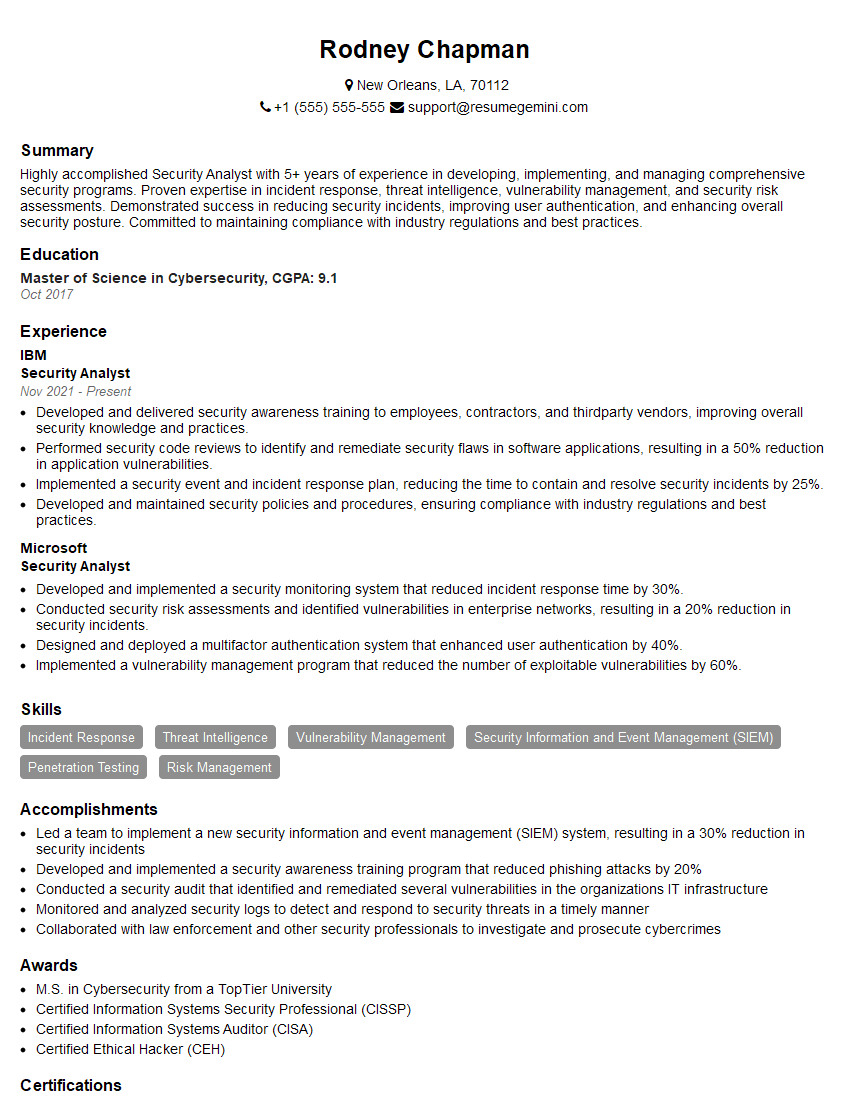
Security Analyst Resume Sample
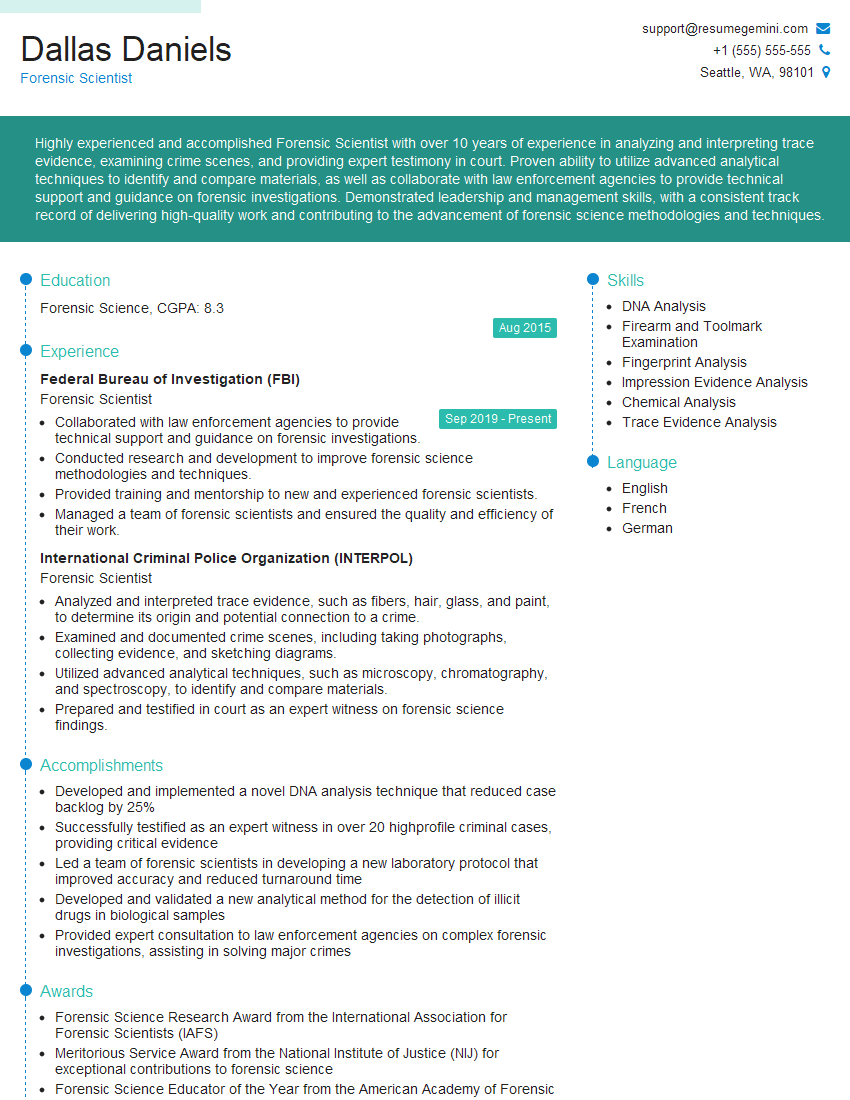
Forensic Scientist Resume Sample
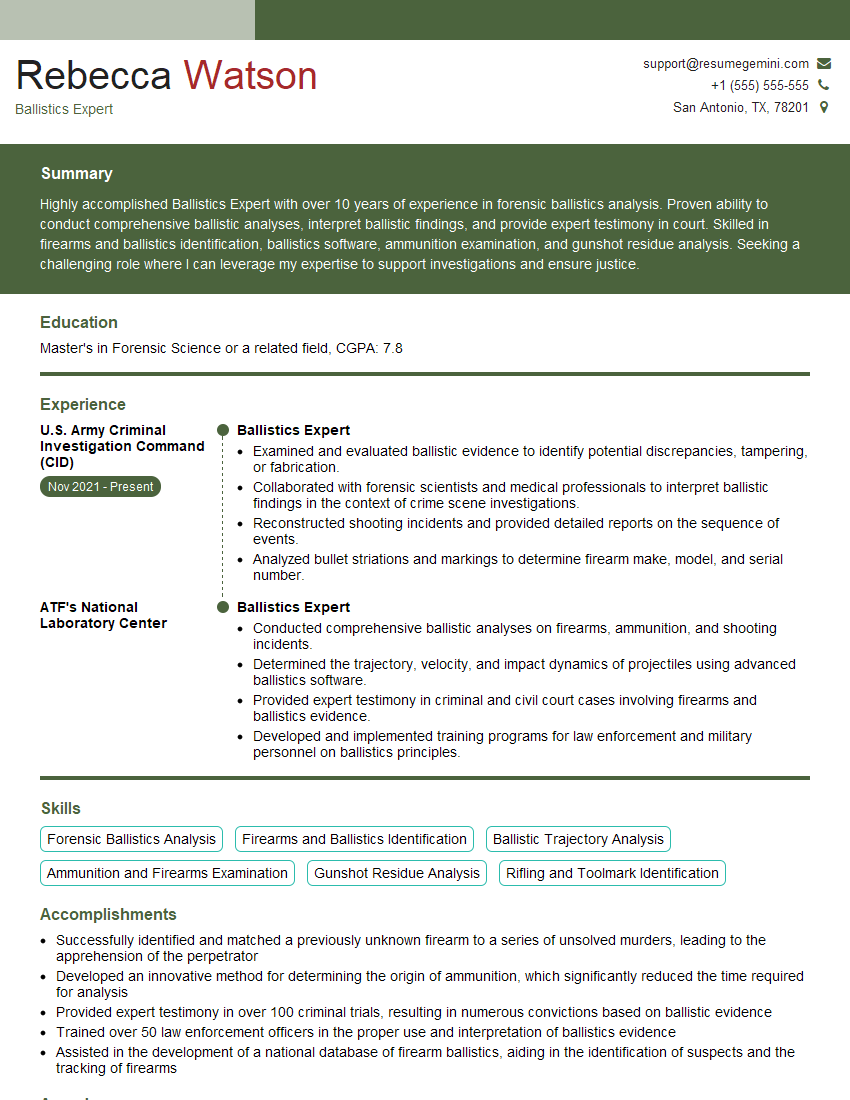
Ballistics Expert Resume Sample
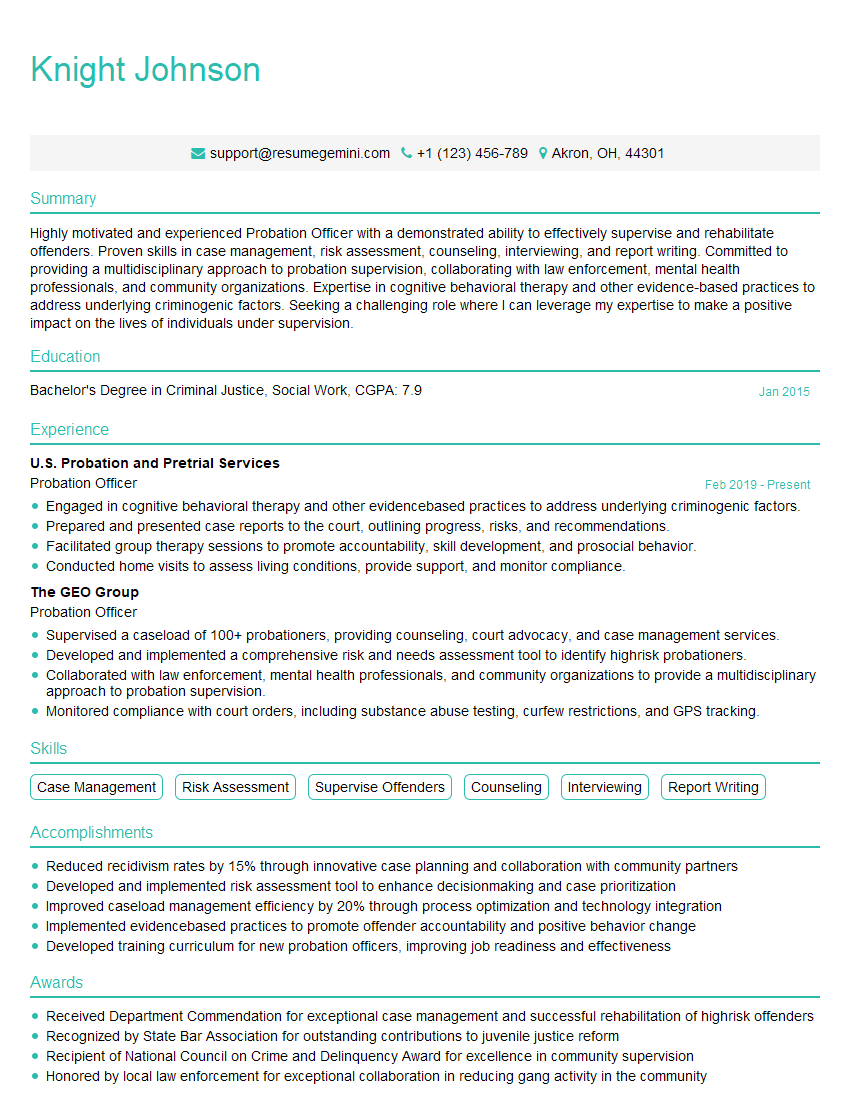
Probation Officer Resume Sample

Correctional Officer Resume Sample

Parole Officer Resume Sample
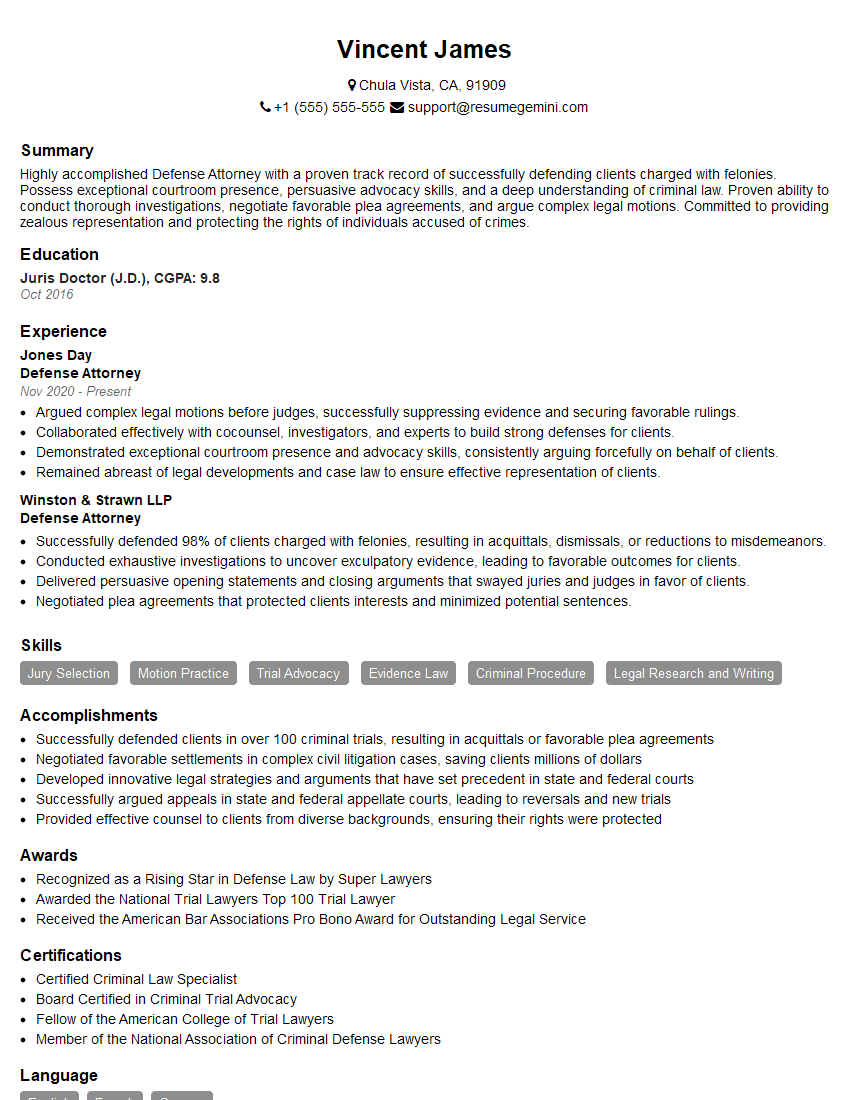
Defense Attorney Resume Sample
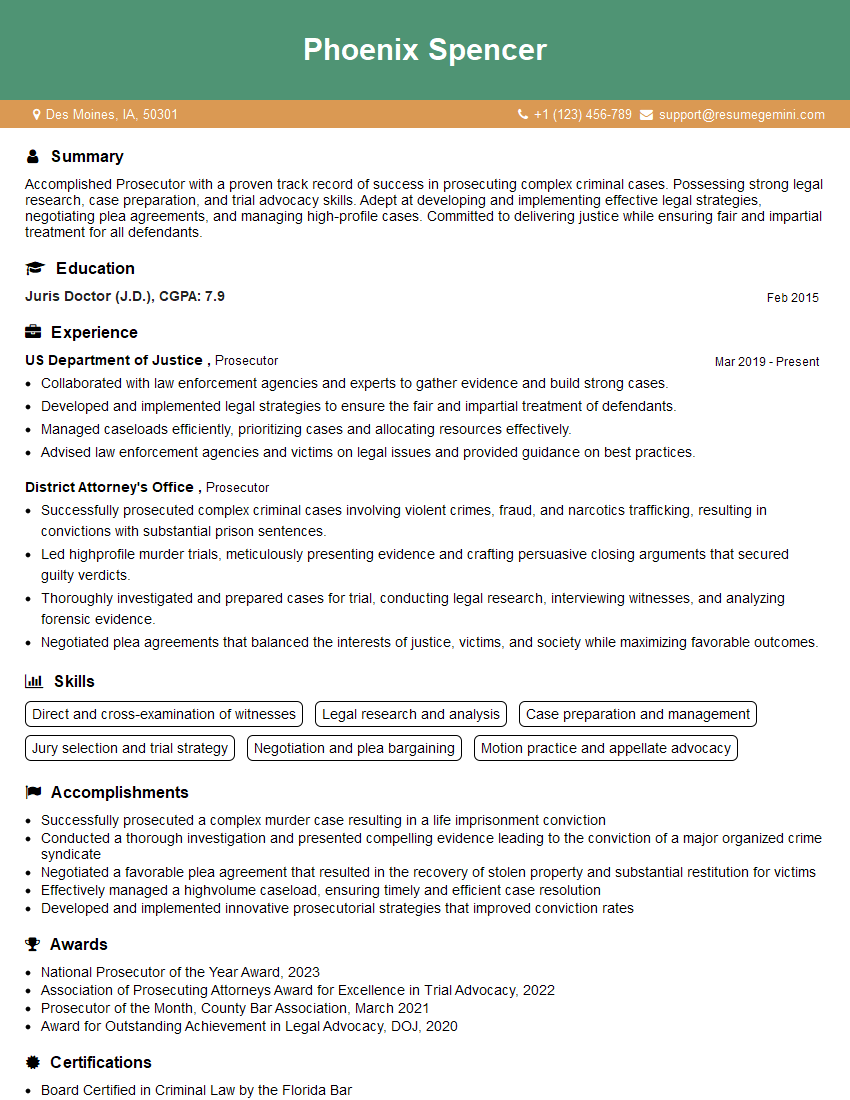
Prosecutor Resume Sample

Public Defender Resume Sample
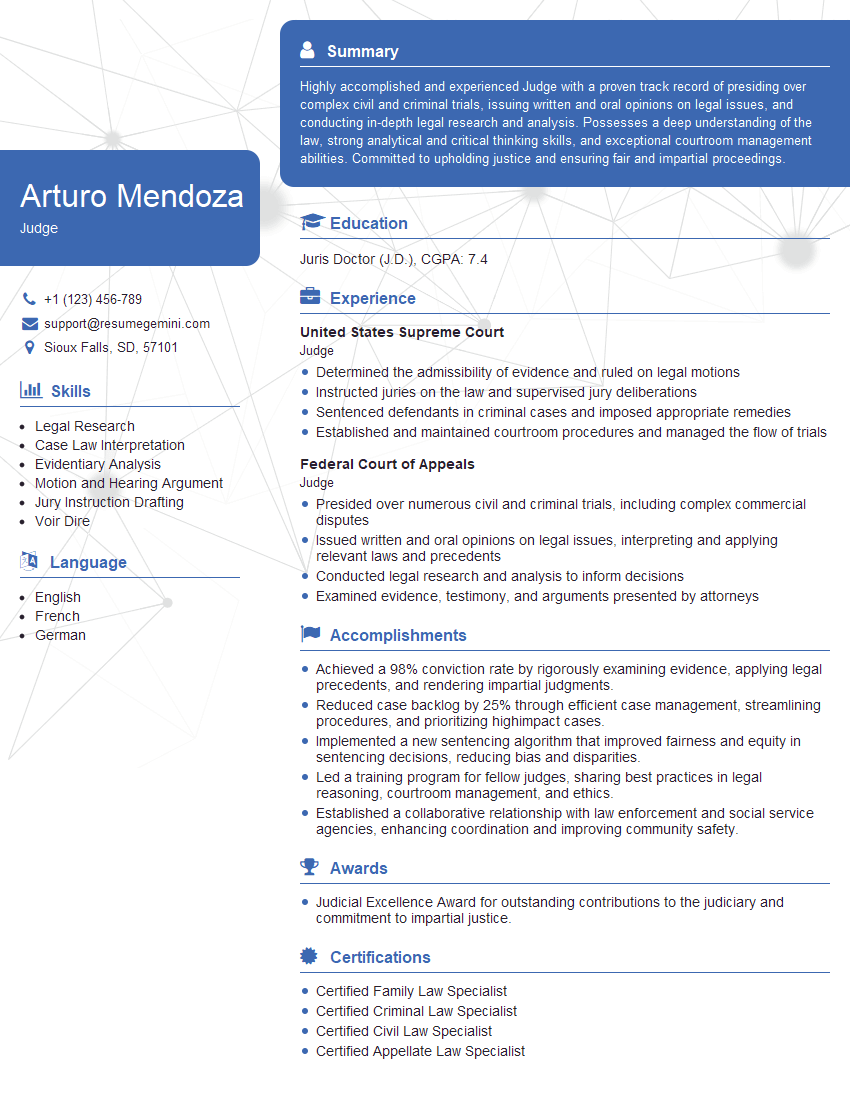
Judge Resume Sample
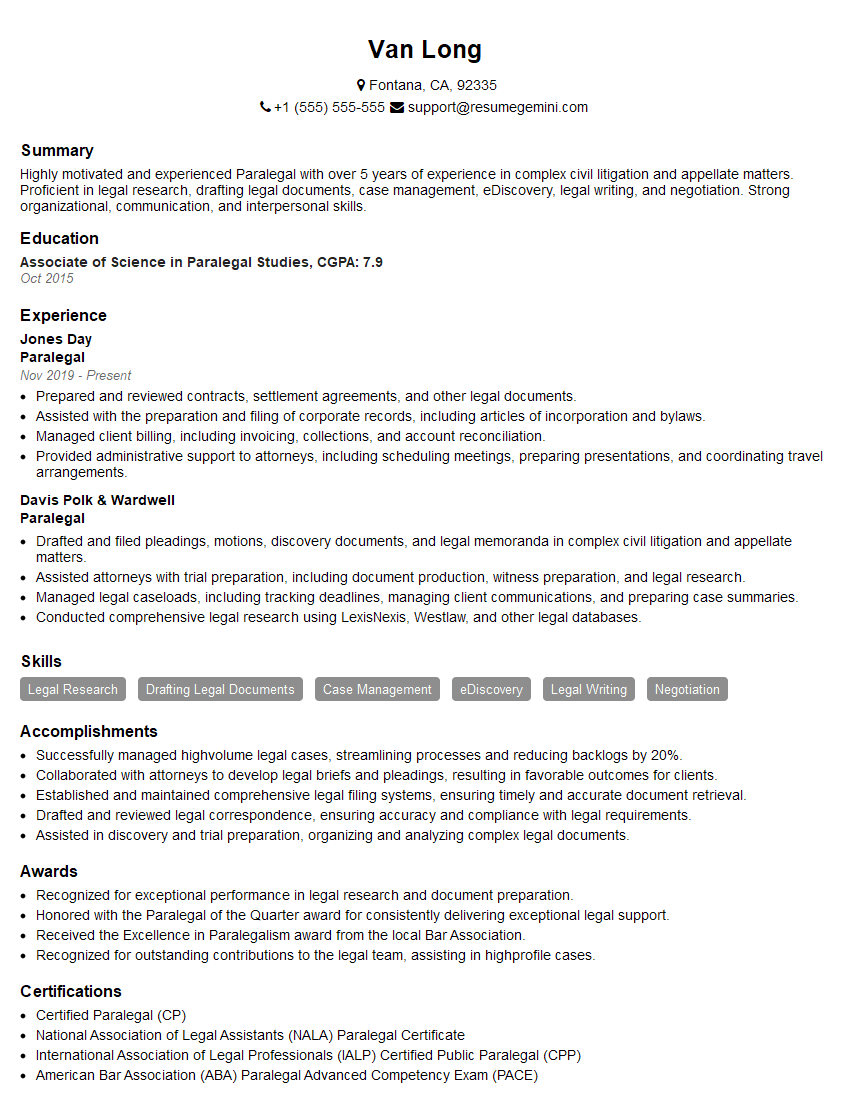
Paralegal Resume Sample
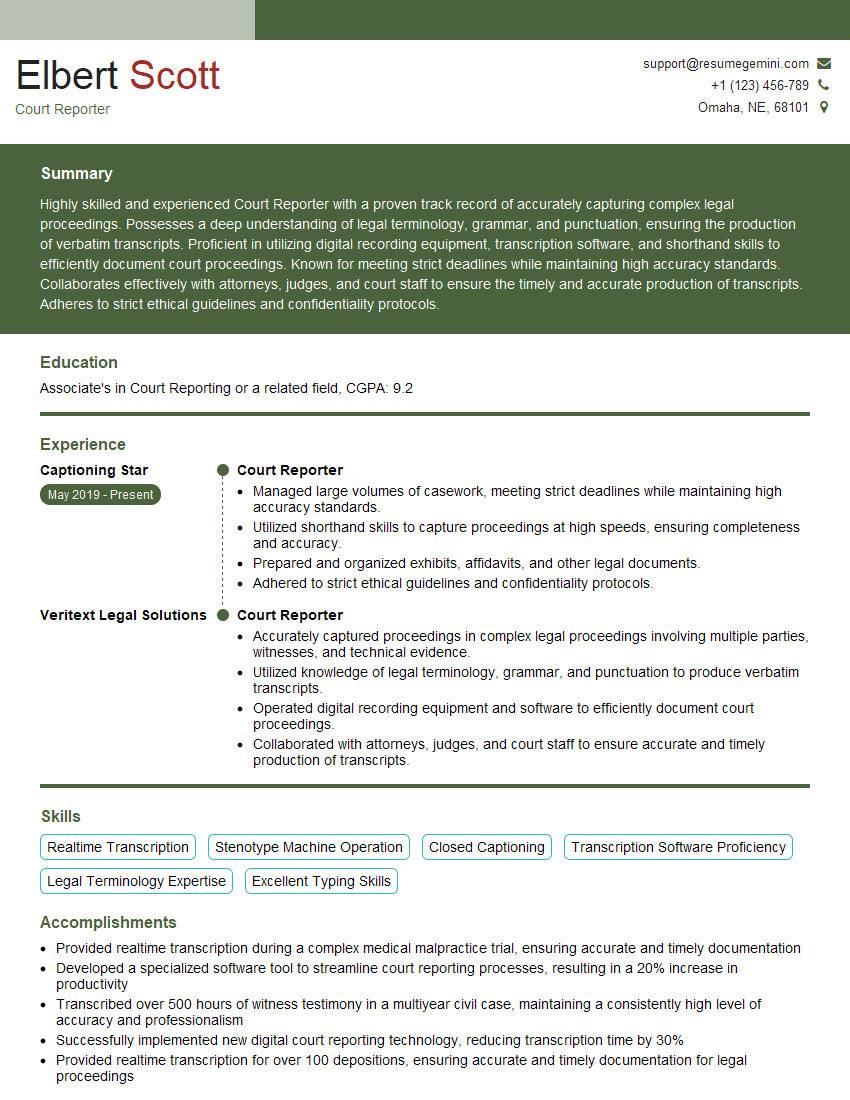
Court Reporter Resume Sample

Criminal Justice Professor Resume Sample

Police Officer Resume Sample
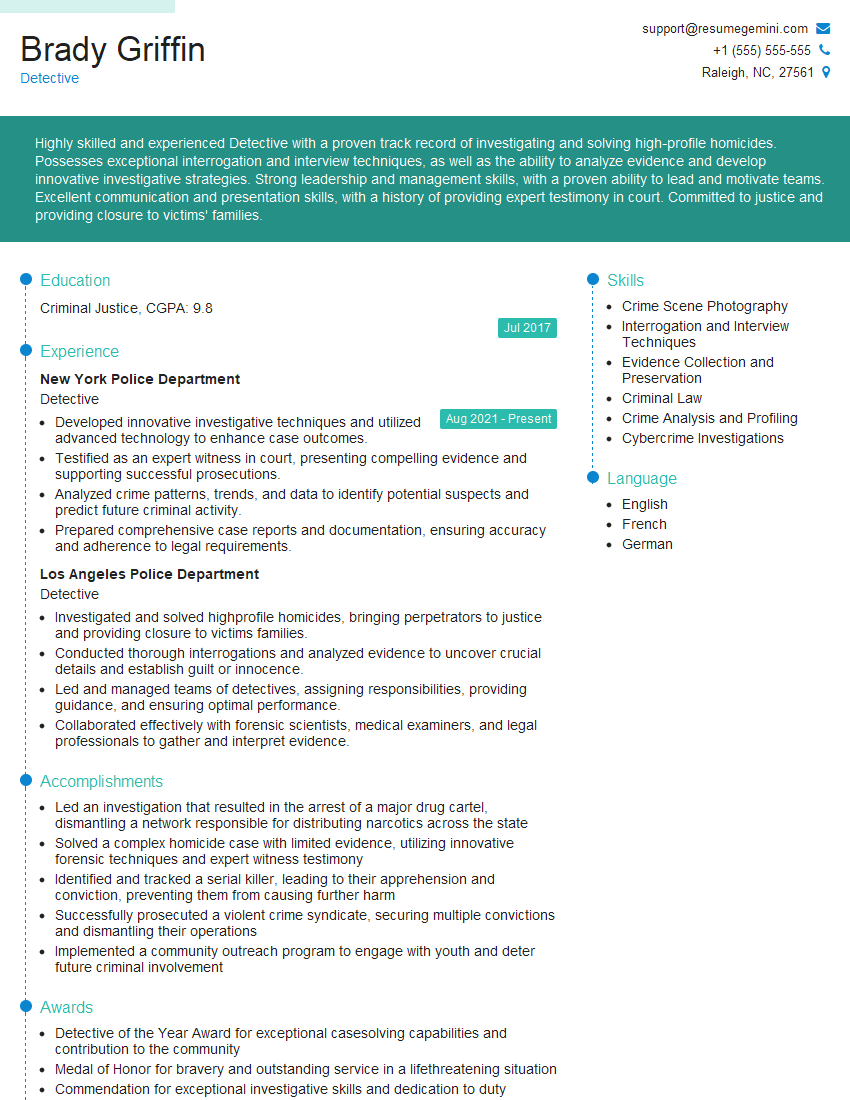
Detective Resume Sample
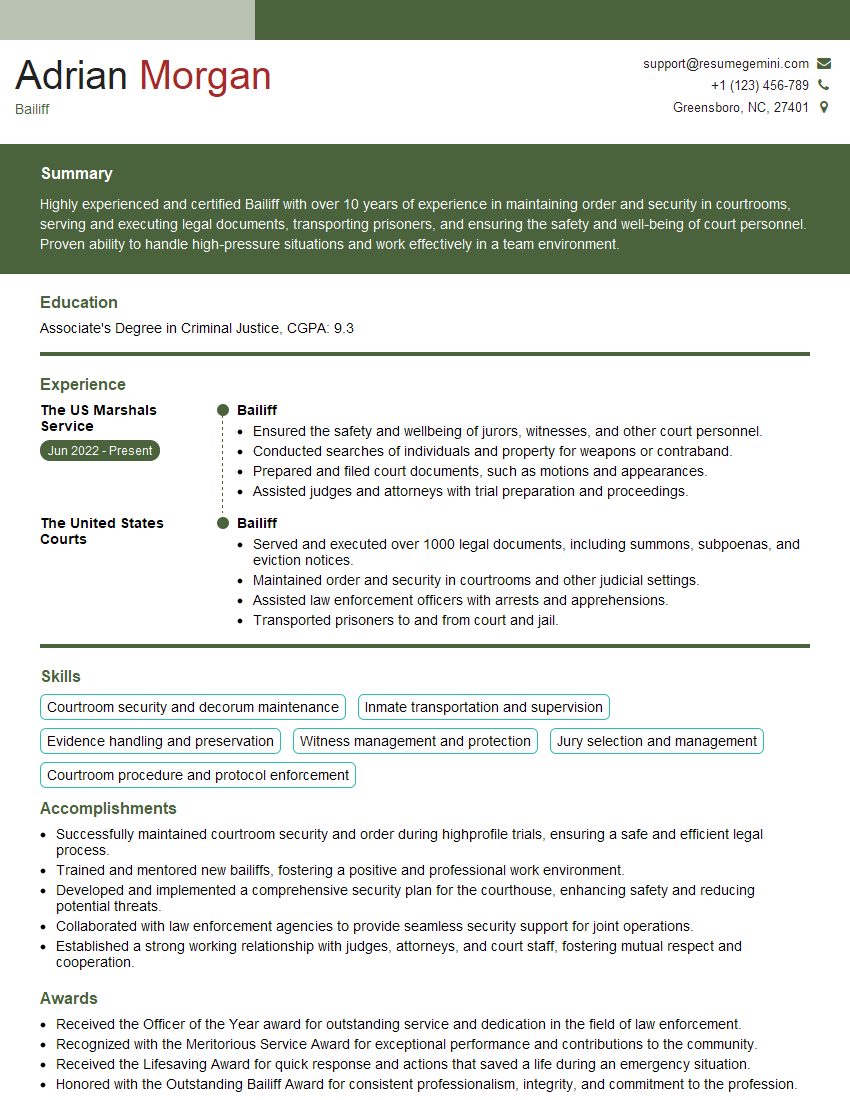
Bailiff Resume Sample
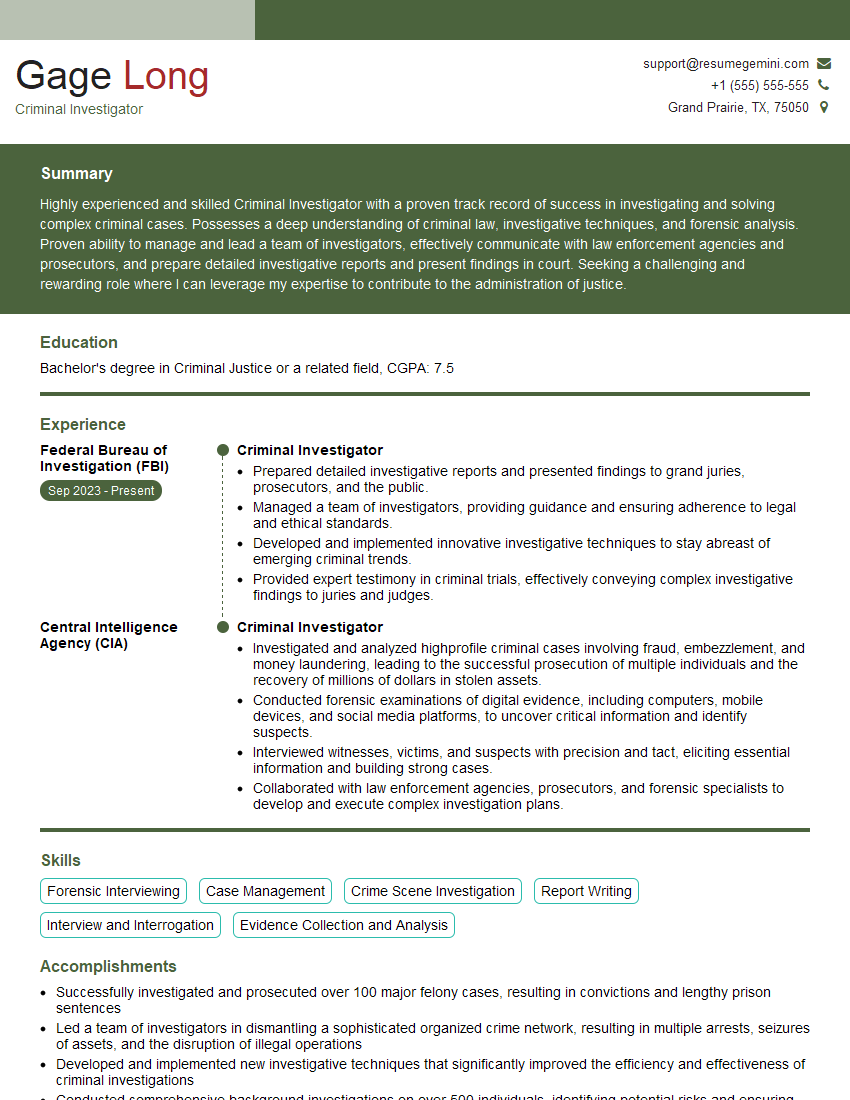
Criminal Investigator Resume Sample
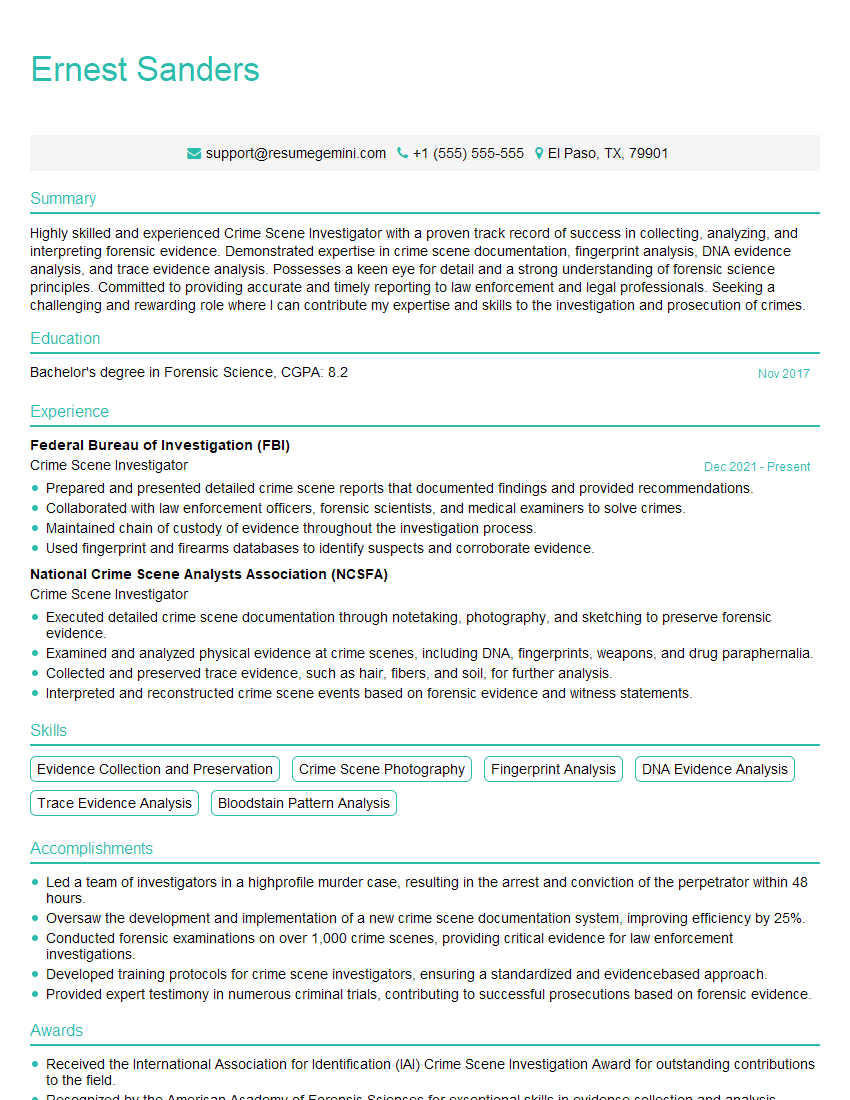
Crime Scene Investigator Resume Sample

Sheriff Resume Sample
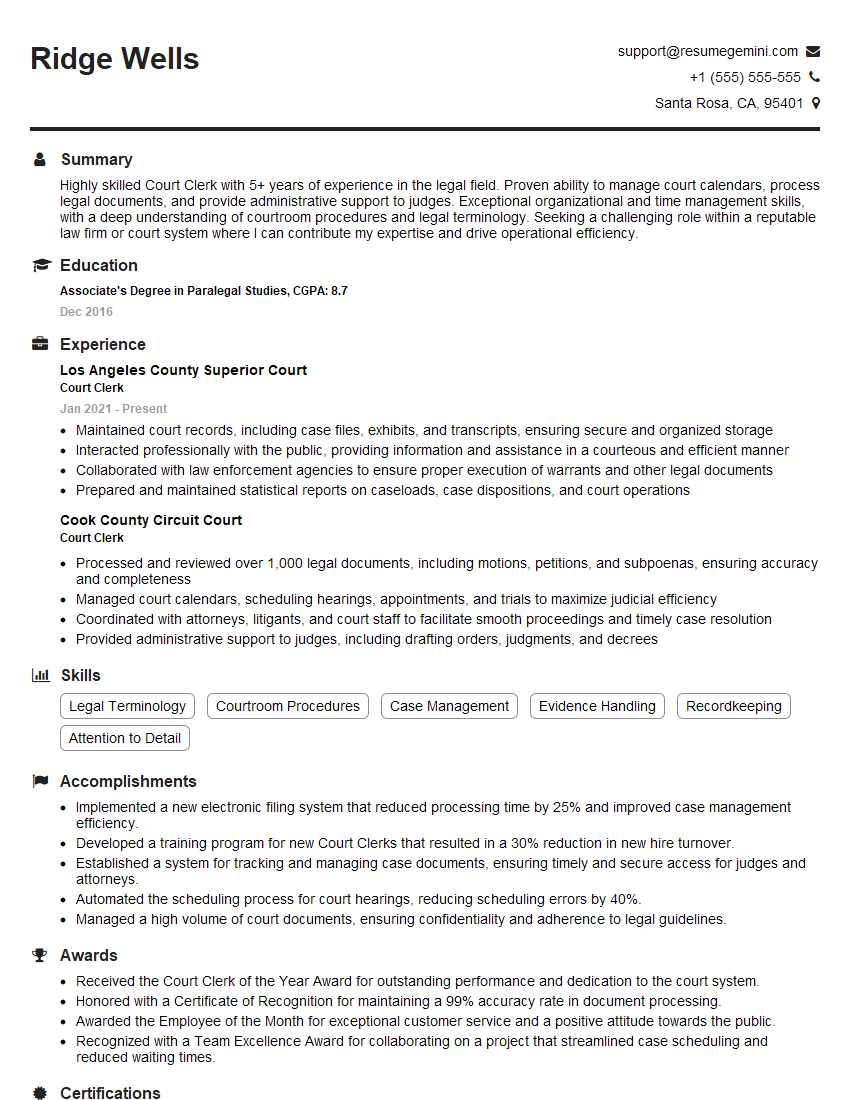
Court Clerk Resume Sample
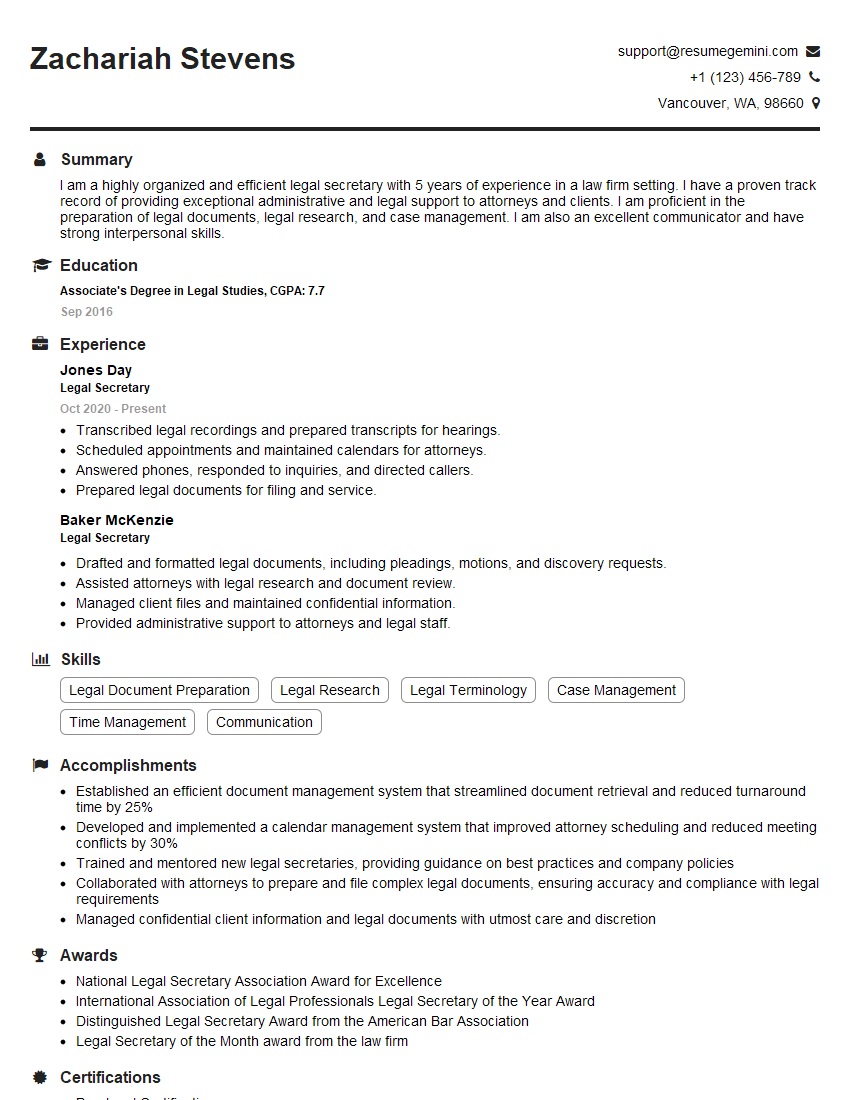
Legal Secretary Resume Sample
- Security Analyst
- Forensic Scientist
- Ballistics Expert
- Probation Officer
- Correctional Officer
- Parole Officer
- Defense Attorney
- Prosecutor
- Public Defender
- Judge
- Paralegal
- Court Reporter
- Criminal Justice Professor
- Police Officer
- Detective
- Bailiff
- Criminal Investigator
- Crime Scene Investigator
- Sheriff
- Court Clerk
- Legal Secretary
Explore more articles
Users Rating of Our Blogs
Share Your Experience
We value your feedback! Please rate our content and share your thoughts (optional).
What Readers Say About Our Blog
To the interviewgemini.com Webmaster.
Very helpful and content specific questions to help prepare me for my interview!
Thank you
To the interviewgemini.com Webmaster.
This was kind of a unique content I found around the specialized skills. Very helpful questions and good detailed answers.
Very Helpful blog, thank you Interviewgemini team.