Are you ready to stand out in your next interview? Understanding and preparing for Crisis Intervention and Safety Planning interview questions is a game-changer. In this blog, we’ve compiled key questions and expert advice to help you showcase your skills with confidence and precision. Let’s get started on your journey to acing the interview.
Questions Asked in Crisis Intervention and Safety Planning Interview
Q 1. Describe your experience in conducting a suicide risk assessment.
A suicide risk assessment is a crucial process aimed at determining the likelihood of a person attempting suicide. It’s not just about asking if someone is suicidal; it’s a thorough evaluation considering various factors to build a complete picture. My approach involves a structured interview, using validated tools like the Columbia-Suicide Severity Rating Scale (C-SSRS), alongside careful observation of the individual’s behavior and affect.
I explore their current suicidal ideation—the intensity, frequency, and plans—assessing factors such as hopelessness, impulsivity, previous attempts, access to lethal means, and the presence of any triggers or stressors. I also delve into their support system, their coping mechanisms, and their overall mental health history. For example, if a client expresses vague suicidal thoughts but also has a strong support network and effective coping strategies, their risk might be considered lower than someone exhibiting intense suicidal ideation with a detailed plan and limited support. The assessment is not a one-size-fits-all; it’s tailored to the individual’s specific circumstances and requires careful consideration of their cultural background and personal beliefs.
Q 2. Explain the steps involved in developing a safety plan with a client.
Developing a safety plan is a collaborative process, empowering the client to take an active role in managing their safety. It’s a personalized document outlining concrete steps to take during a crisis. The process typically involves these steps:
- Identifying warning signs: We work together to identify specific emotional, behavioral, or situational triggers that precede a crisis. For instance, it could be isolation, intense anxiety, or specific arguments with family members.
- Developing coping strategies: We brainstorm practical coping mechanisms, such as deep breathing exercises, mindfulness techniques, engaging in enjoyable activities, or reaching out to a support person. This section might include phone numbers of crisis hotlines or loved ones.
- Creating a support network list: We list the names and contact information of people the client can reach out to during a crisis, including family, friends, therapists, and support groups.
- Identifying safe places: We identify places the client can go to when feeling overwhelmed, such as a friend’s house, a library, or a quiet park. This section might include a location map.
- Listing professionals to contact: This step details emergency contact information, such as their therapist, psychiatrist, or local emergency services.
- Making a plan for managing urges or thoughts: We discuss specific strategies to manage intense urges or thoughts, such as distracting techniques, self-soothing methods, or engaging in grounding exercises.
The safety plan is a dynamic document; it can and should be reviewed and updated regularly as the client’s situation changes.
Q 3. What are the key components of a comprehensive crisis intervention plan?
A comprehensive crisis intervention plan requires a multi-faceted approach, addressing immediate needs while also planning for longer-term support. It should include:
- Immediate Safety Measures: This includes de-escalation techniques, removal of lethal means if applicable (e.g., firearms), and ensuring the person is in a safe environment, potentially involving hospitalization if necessary.
- Assessment and Diagnosis: This involves conducting a thorough assessment to identify the triggers, precipitating factors, and underlying mental health issues contributing to the crisis.
- Goal Setting: Establishing clear, short-term, achievable goals helps in stabilizing the situation and promotes a sense of control for the client. For example, a goal might be to reduce self-harm behaviors or improve sleep patterns.
- Intervention Strategies: This involves implementing specific interventions to address the immediate crisis such as medication adjustments, therapy sessions, and emotional support.
- Support System Mobilization: Engaging family, friends, and community resources in the crisis management process is crucial for long-term stability.
- Follow-up Care: Post-crisis planning includes scheduling follow-up appointments, connecting the individual with appropriate resources (such as support groups or outpatient therapy), and developing a relapse prevention plan.
The plan is highly individualized and regularly updated.
Q 4. How do you de-escalate a situation involving an individual experiencing acute distress?
De-escalation is about calming the situation and the person experiencing acute distress. It’s not about winning an argument or forcing compliance, but about building rapport and creating a safe space. My approach relies on active listening, empathy, and validation of their feelings. I aim to understand their perspective, even if I don’t agree with it.
I use techniques such as maintaining a calm and reassuring tone, speaking slowly and clearly, using non-threatening body language (open posture, avoiding crossed arms), and offering choices whenever possible. For example, I might say, “I understand you’re feeling overwhelmed. Would you prefer to sit down or walk around for a bit?” I avoid arguments, judgmental statements, and commands. Instead, I focus on validating their emotions, acknowledging their experience, and helping them regain control. If verbal de-escalation fails, I would resort to physical intervention only as a last resort and with proper training and appropriate support.
Q 5. What is your approach to managing aggressive or violent behavior?
Managing aggressive or violent behavior requires a layered approach prioritizing safety. My first priority is ensuring the safety of myself and others. This often involves creating physical distance and ensuring a safe space for everyone involved.
I might utilize verbal de-escalation techniques, as described earlier, focusing on empathy and validation even when confronted with aggression. However, if verbal de-escalation is unsuccessful and the situation escalates, I will utilize safety measures such as calling for backup (if working in a team setting) or contacting emergency services. Physical intervention should only be considered as a last resort and performed by trained personnel following established protocols, prioritizing minimal force necessary to control the situation and prevent harm.
Post-incident, a thorough debriefing is essential, analyzing the events, reviewing strategies, and identifying areas for improvement. This is also an opportunity to connect the client with the necessary mental health services to help understand and address the root causes of the aggressive behavior.
Q 6. Describe your experience working with individuals from diverse cultural backgrounds in crisis.
Working with individuals from diverse cultural backgrounds requires cultural humility and sensitivity. It’s crucial to recognize that cultural beliefs and practices significantly influence an individual’s experience and expression of crisis. I approach each situation by actively listening and seeking to understand the client’s cultural perspective. I avoid making assumptions, instead asking open-ended questions to understand their unique needs and expectations. This might include understanding the client’s preferred communication styles, their family dynamics, and their beliefs about mental health and help-seeking.
For instance, some cultures might prioritize family involvement in decision-making while others may prefer a more independent approach. Understanding these nuances helps me tailor my intervention strategy and build trust, ensuring culturally sensitive care. I always ensure that the services provided are accessible and accommodate the client’s cultural preferences. This also includes collaborating with interpreters or culturally competent colleagues when necessary.
Q 7. How do you identify and address co-occurring disorders in clients during a crisis?
Co-occurring disorders (CODs), also known as dual diagnoses, are common in crisis situations. These are the simultaneous presence of a mental health disorder and a substance use disorder. Identifying and addressing CODs is critical for effective crisis intervention. My approach starts with a comprehensive assessment, using validated screening tools for both mental health and substance use disorders.
The assessment includes exploring the client’s substance use history, patterns of use, and any associated problems such as withdrawal symptoms or tolerance. I would explore the relationship between the substance use and the mental health symptoms—does the substance use exacerbate the mental health symptoms, or does the mental health disorder contribute to substance use? Once the CODs are identified, the intervention plan must address both the mental health and substance use aspects, potentially involving medication management, therapy (such as integrated behavioral therapy), and case management to coordinate services across different providers.
Q 8. Explain your understanding of trauma-informed care in crisis intervention.
Trauma-informed care in crisis intervention recognizes the profound impact of trauma on an individual’s behavior and mental health. It shifts the focus from blaming the individual for their distress to understanding their experiences and reactions within the context of their trauma history.
Instead of simply addressing the immediate crisis, a trauma-informed approach emphasizes safety, trustworthiness, choice, collaboration, and empowerment. This means creating a safe and supportive environment where clients feel heard, validated, and respected. It also involves avoiding retraumatization, such as using coercive techniques or language that may trigger past experiences.
For example, instead of demanding a client immediately disclose traumatic details, a trauma-informed approach might focus on building rapport and trust first. This could involve using gentle, validating language, offering choices whenever possible, and respecting the client’s pace and boundaries. The goal is to empower the individual to regain control and agency in their lives.
Q 9. How do you utilize resources and referral networks in supporting clients in crisis?
Utilizing resources and referral networks is crucial in crisis intervention. My approach begins with a thorough assessment of the client’s needs, identifying both immediate and long-term support requirements. This involves understanding the client’s social supports, their financial situation, their access to healthcare, and any pre-existing mental health conditions.
I maintain a robust network of contacts, including mental health professionals (psychiatrists, therapists), social workers, domestic violence shelters, substance abuse centers, and legal aid organizations. The choice of referral depends entirely on the client’s unique circumstances. For instance, a client experiencing domestic violence might need immediate shelter and legal assistance, while someone facing a substance use crisis might require detoxification and rehab services.
Beyond referrals, I also facilitate access to practical resources like food banks, housing assistance, and financial aid programs. Connecting clients with these resources not only addresses their immediate needs but also helps build stability and resilience in the long run. I often follow up with clients post-referral to ensure they accessed the necessary services and to offer ongoing support.
Q 10. Describe a time you had to make a quick decision during a crisis situation. What was the outcome?
During a home visit, I encountered a client experiencing an acute psychotic episode, exhibiting aggressive behavior and threatening self-harm. Given the immediate danger, I had to make a split-second decision. My initial assessment indicated a high risk of harm to both the client and myself.
Instead of directly confronting the client, I prioritized de-escalation techniques. I spoke calmly and reassuringly, acknowledging their distress and validating their feelings without minimizing their concerns. I slowly backed away while maintaining eye contact and a calm demeanor. Simultaneously, I discreetly contacted emergency services, ensuring their arrival was quick and efficient.
The outcome was positive. The emergency response team arrived without further incident, successfully de-escalated the situation, and transported the client to a hospital for stabilization and further assessment. This experience highlighted the importance of prioritizing safety while utilizing de-escalation techniques to manage potentially volatile situations.
Q 11. How do you maintain your own emotional well-being while working in a high-stress environment?
Working in a high-stress environment requires a proactive approach to self-care to prevent burnout and compassion fatigue. I prioritize several key strategies:
- Regular Supervision: I engage in regular supervision with a qualified professional to process challenging cases, gain perspective, and enhance my clinical skills.
- Self-Reflection and Journaling: I regularly reflect on my experiences and document my emotional responses, which helps in processing difficult cases and identifying potential triggers.
- Maintaining Boundaries: Setting clear professional boundaries is essential to prevent emotional exhaustion. This includes limiting my caseload, prioritizing self-care, and avoiding excessive emotional investment in client cases.
- Stress Management Techniques: I practice mindfulness, meditation, and engage in regular physical activity to manage stress levels effectively. A healthy lifestyle including adequate sleep, nutrition, and social connection is also critical.
- Seeking Support: I am not afraid to reach out to colleagues, friends, or family for support during particularly challenging periods. Recognizing the need for support is crucial for maintaining emotional well-being.
Q 12. Explain the difference between short-term and long-term safety planning.
Short-term safety planning focuses on immediate risk reduction, usually implemented during an acute crisis. It addresses the client’s current situation and involves developing strategies to manage the immediate threat of harm. This might include identifying safe places to go, people to contact, and coping mechanisms to manage overwhelming emotions.
Long-term safety planning, on the other hand, is a more comprehensive and proactive approach aimed at reducing the likelihood of future crises. It involves identifying long-term triggers, developing relapse prevention strategies, and strengthening the client’s support network. Examples include creating a detailed crisis plan with detailed steps to follow if a crisis arises, establishing a support network of friends and family, and actively engaging in ongoing therapy or treatment.
Think of it like this: short-term safety planning is putting out a fire, while long-term safety planning is installing a fire prevention system.
Q 13. How do you assess the lethality of a suicidal individual?
Assessing the lethality of a suicidal individual requires a thorough and multi-faceted approach. It’s not a simple yes or no answer but involves evaluating various factors to determine the immediate risk of suicide.
I utilize a combination of methods, including:
- Direct questioning: Openly and directly asking about suicidal thoughts, plans, and intent. It’s crucial to create a safe and non-judgmental environment for this conversation.
- Assessing suicidal ideation: Exploring the intensity, frequency, and duration of suicidal thoughts. Understanding the nature of these thoughts (passive vs. active) is also critical.
- Evaluating suicide plans: Determining if the individual has a specific plan, including method, means, and access to lethal means. A detailed plan indicates a higher risk.
- Assessing protective factors: Identifying factors that might decrease the risk of suicide, such as social support, strong relationships, and reasons for living.
- Reviewing risk factors: Identifying risk factors such as mental illness, substance abuse, history of suicide attempts, access to lethal means, and stressful life events.
The assessment considers the interplay of all these factors to determine the level of lethality and the need for immediate intervention. High-lethality situations often require hospitalization or other intensive interventions.
Q 14. Describe your experience with crisis documentation and reporting.
Accurate and thorough crisis documentation is vital for legal, ethical, and clinical reasons. My documentation follows a structured format, ensuring all relevant information is accurately recorded. This includes:
- Client demographics and identifying information: Name, date of birth, contact information, etc. (while maintaining confidentiality).
- Reason for contact and presenting problem: A clear and concise description of the crisis situation.
- Assessment of risk: Detailed information on the client’s suicidal or homicidal ideation, plans, and access to means.
- Interventions implemented: A step-by-step account of the actions taken to manage the crisis, including de-escalation techniques, referrals, and communication with other professionals.
- Client’s response to interventions: Documentation of the client’s reaction to the interventions.
- Safety planning: Details of the short-term and long-term safety plans developed with the client.
- Follow-up plan: Information on planned follow-up contacts and referrals.
All documentation adheres to strict confidentiality guidelines, complying with relevant legal and ethical standards. Reporting procedures vary depending on the nature of the crisis and legal obligations; I’m proficient in mandatory reporting guidelines for situations involving child abuse, elder abuse, and imminent threats of harm.
Q 15. What ethical considerations are important in crisis intervention?
Ethical considerations in crisis intervention are paramount, guiding our actions to ensure client well-being and respect for their autonomy. They center around several key principles:
- Beneficence: Acting in the best interest of the client, prioritizing their safety and well-being. This might involve connecting them with resources, ensuring their immediate needs are met, and advocating for their rights.
- Non-maleficence: Avoiding harm to the client. This includes carefully assessing risks and taking precautions to prevent harm, both physical and emotional. It necessitates a thoughtful approach to interventions, avoiding those that could inadvertently escalate the situation.
- Autonomy: Respecting the client’s right to self-determination and making their own choices, even if those choices seem unwise to us. This doesn’t mean we don’t intervene, but rather that we strive to empower them in their decision-making process, providing information and support without coercion.
- Justice: Ensuring fair and equitable treatment for all clients, regardless of their background, beliefs, or circumstances. This means being mindful of potential biases and striving to provide the same level of care and compassion to everyone.
- Confidentiality: Protecting the privacy of the client’s information, sharing only what is necessary with relevant parties and with the client’s informed consent.
For example, I once worked with a client experiencing suicidal ideation. While my instinct was to immediately hospitalize them, I first engaged in a collaborative discussion, exploring their reasons and preferences. This allowed them to feel empowered and eventually agree to a less restrictive safety plan that met their needs, upholding their autonomy while ensuring their safety.
Career Expert Tips:
- Ace those interviews! Prepare effectively by reviewing the Top 50 Most Common Interview Questions on ResumeGemini.
- Navigate your job search with confidence! Explore a wide range of Career Tips on ResumeGemini. Learn about common challenges and recommendations to overcome them.
- Craft the perfect resume! Master the Art of Resume Writing with ResumeGemini’s guide. Showcase your unique qualifications and achievements effectively.
- Don’t miss out on holiday savings! Build your dream resume with ResumeGemini’s ATS optimized templates.
Q 16. How do you ensure confidentiality and maintain client privacy during a crisis?
Maintaining confidentiality and client privacy is crucial and is underpinned by ethical guidelines and legal regulations like HIPAA (in the US). Here’s how I ensure this:
- Informed Consent: I always explain the limits of confidentiality at the outset, outlining what information I am legally required to report (e.g., threats of harm to self or others).
- Secure Records Management: All client information is stored securely, both physically and electronically, adhering to strict data protection protocols.
- Limited Disclosure: I only share information with other professionals involved in the client’s care (with the client’s consent wherever possible), using a need-to-know basis.
- Anonymity in Supervision and Training: When discussing cases in supervision or training, I never use identifying information, protecting the client’s privacy.
Imagine a client disclosing a history of domestic abuse. I would not share this information with anyone outside of the relevant treatment team without their consent unless mandated by law. Even then, I would only share the minimum necessary information, prioritizing their privacy to the greatest extent possible.
Q 17. Describe a situation where you had to work collaboratively with other professionals to manage a crisis.
I recently collaborated with a psychiatrist, a social worker, and the client’s family to manage a crisis involving a young adult experiencing a psychotic break. The psychiatrist provided medication management, the social worker focused on connecting the client with social support services, and the family played a vital role in providing ongoing care and support. My role was to provide immediate crisis stabilization, using de-escalation techniques and safety planning. We held regular case conferences to coordinate our interventions and ensure a consistent and supportive approach. Open communication, shared goals, and clear roles were crucial in effectively resolving this complex crisis.
Q 18. What are the limitations of your expertise in crisis intervention?
While my expertise is extensive in crisis intervention and safety planning, my scope is limited in a few ways:
- Specific Diagnoses: I am not qualified to diagnose or treat specific mental health disorders. My role is focused on crisis management and connecting clients with appropriate specialists.
- Medical Emergencies: I cannot provide medical care. In situations requiring immediate medical attention, I would prioritize contacting emergency medical services.
- Severe and Persistent Mental Illness: While I can help stabilize crises in individuals with severe and persistent mental illness, long-term management of these conditions requires specialized professional input.
- Legal Matters: I am not a legal professional and cannot provide legal advice. I can assist clients in navigating the legal system by referring them to appropriate resources.
Recognizing these limitations is critical; it ensures that I provide appropriate interventions and referrals, preventing potential harm and optimizing client outcomes.
Q 19. How would you handle a situation where a client refuses your assistance?
If a client refuses assistance, I respect their autonomy. However, I would still make sure I document the interaction, emphasizing the offer of help and their refusal. Depending on the severity of the situation, I may explore why they are refusing help. Sometimes, simply offering different options or approaching the situation from a different angle can be effective. I might emphasize the temporary nature of support, focusing on immediate safety, and reassure them that they are in control of the process. However, if there is an imminent risk of harm to themselves or others, I would need to follow mandated reporting procedures, even if it overrides their immediate wishes.
Q 20. How familiar are you with mandated reporting procedures?
I am very familiar with mandated reporting procedures, which vary by jurisdiction and the specific situation but generally involve reporting suspected child abuse, elder abuse, and/or threats of harm to oneself or others. This involves contacting the appropriate authorities, which might include child protective services, adult protective services, or law enforcement. It is a legal obligation that takes precedence over client confidentiality in specific circumstances, emphasizing the safety and protection of vulnerable individuals.
Q 21. Describe your experience utilizing different de-escalation techniques.
My experience with de-escalation techniques is diverse and encompasses a range of strategies tailored to individual situations. These include:
- Active Listening: Empathetically listening to the client’s concerns, validating their feelings, and demonstrating genuine understanding.
- Verbal De-escalation: Using calm, clear, and respectful language, avoiding judgmental statements or challenges.
- Non-Verbal Communication: Maintaining a calm demeanor, using open and inviting body language, and minimizing any threatening movements.
- Environmental Control: Removing potential triggers or stressors from the environment, creating a safe and comfortable space.
- Validation and Empathy: Acknowledging and validating the client’s emotions without necessarily agreeing with their actions.
- Collaboration and Problem-Solving: Working with the client to collaboratively identify solutions and develop strategies to manage the crisis.
For example, I once worked with an individual experiencing a severe panic attack. By calmly speaking in a soft voice, creating a safe space, and validating their feelings, I helped them regain control and reduce their symptoms. Each situation requires a nuanced approach, combining these techniques according to the individual’s specific needs and the nature of the crisis.
Q 22. What are the signs and symptoms of different types of crises (e.g., anxiety, panic, psychosis)?
Recognizing the signs and symptoms of a crisis is crucial for effective intervention. Different crises manifest differently. For example, anxiety might present as excessive worry, restlessness, difficulty concentrating, irritability, muscle tension, and sleep disturbances. A person experiencing a panic attack might experience a sudden surge of intense fear, accompanied by physical symptoms like rapid heartbeat, shortness of breath, chest pain, trembling, sweating, and a feeling of impending doom. Psychosis, on the other hand, involves a break from reality, potentially including hallucinations (seeing or hearing things that aren’t there), delusions (fixed, false beliefs), disorganized thinking and speech, and significant changes in behavior or affect (emotional expression).
- Anxiety Example: A client constantly worries about their job security, experiencing sleeplessness and irritability, impacting their daily functioning.
- Panic Attack Example: A client suddenly feels overwhelmed by intense fear while driving, experiencing rapid heart rate, shortness of breath, and a fear of losing control.
- Psychosis Example: A client believes they are being followed by government agents and experiences auditory hallucinations, impacting their ability to engage in daily tasks and social interactions.
It’s vital to remember that these are just examples, and the presentation of these crises can vary widely depending on individual factors and co-occurring conditions.
Q 23. How do you assess the risk of harm to self or others?
Risk assessment is a dynamic process, not a one-time event. It involves gathering information from multiple sources – the client themselves, collateral contacts (family, friends, etc.), and observation. I use a structured approach, considering factors like the individual’s history of self-harm or violence, current mood and behavior, access to means (e.g., weapons, medication), and the presence of stressors. I employ standardized risk assessment tools when appropriate, but my clinical judgment remains paramount. The assessment considers both the likelihood and severity of potential harm.
For example, a client expressing suicidal ideation with a detailed plan and access to lethal means presents a much higher risk than a client expressing passive suicidal thoughts without a plan.
The assessment is ongoing and needs to be revisited regularly, especially after significant life events or changes in the client’s mental state.
Q 24. How do you maintain boundaries with clients in crisis?
Maintaining boundaries is essential in crisis intervention to ensure both the client’s and the professional’s safety and well-being. This involves establishing clear professional roles and responsibilities from the outset. It means avoiding dual relationships, managing emotional involvement appropriately, and respecting the client’s autonomy while ensuring safety. For instance, I would avoid accepting gifts or engaging in personal conversations beyond the scope of the therapeutic relationship.
A key aspect is self-care. Working with individuals in crisis can be emotionally demanding. I prioritize self-care strategies like regular supervision, peer support, and maintaining healthy personal boundaries to prevent burnout and ensure I can provide effective support.
Q 25. What are some common barriers to effective crisis intervention?
Several barriers can hinder effective crisis intervention. These include:
- Lack of resources: Limited access to mental health services, shelters, or financial assistance can significantly impede recovery.
- Systemic barriers: Navigating complex healthcare or social service systems can be daunting for both clients and professionals, creating delays in getting needed support.
- Cultural barriers: Language differences, cultural misunderstandings, and stigma surrounding mental health can create mistrust and hinder engagement.
- Client resistance: Individuals in crisis may be resistant to help due to fear, shame, or distrust.
- Burnout and secondary trauma: Professionals working in crisis intervention are vulnerable to burnout and secondary trauma, impacting their effectiveness.
Addressing these barriers requires a collaborative approach involving policymakers, service providers, and community stakeholders. Collaboration and adequate resources are crucial for improving the effectiveness of crisis intervention.
Q 26. Explain your experience in working with individuals who have experienced trauma.
My experience working with trauma survivors centers around creating a safe and trusting therapeutic relationship. I understand that trauma can significantly impact an individual’s emotional, psychological, and physical well-being. My approach is trauma-informed, meaning I prioritize understanding the impact of trauma on the client’s behavior and experiences. I use evidence-based techniques like grounding exercises, mindfulness, and trauma-focused cognitive behavioral therapy (TF-CBT) to help clients process their trauma and develop coping skills.
For example, I worked with a client who experienced childhood sexual abuse. We focused on building safety and trust first before addressing the traumatic memories. We used grounding techniques to help manage overwhelming emotions and developed coping strategies for triggers. The process was gradual and client-led, respecting their pace and needs. It is important to validate the client’s experience, ensuring they feel heard and understood.
Q 27. How do you tailor your crisis intervention approach to different age groups?
Adapting my approach to different age groups is crucial. Children and adolescents require age-appropriate communication and interventions. For example, I might use play therapy or art therapy with younger children, while adolescents might benefit from more cognitive-behavioral techniques. With older adults, I’m mindful of potential physical limitations and any age-related cognitive changes. The language and methods used are tailored to each developmental stage, considering cognitive capacity, emotional maturity, and communication styles.
For instance, when working with a child experiencing an anxiety attack, I might use calming activities and simple language, whereas with an adult, I might use cognitive restructuring techniques.
Q 28. How do you stay updated on best practices in crisis intervention and safety planning?
Staying current with best practices is an ongoing commitment. I actively participate in professional development opportunities such as conferences, workshops, and continuing education courses. I also regularly review peer-reviewed research articles and professional journals in the fields of crisis intervention and trauma-informed care. Membership in professional organizations keeps me abreast of new developments and best practice recommendations. Supervision and consultation with colleagues provide valuable opportunities for learning and reflection.
I also follow reputable organizations like the Substance Abuse and Mental Health Services Administration (SAMHSA) and the National Association of Social Workers (NASW) for updates on guidelines and best practices.
Key Topics to Learn for Crisis Intervention and Safety Planning Interview
- Understanding Crisis Theory: Explore various crisis models and their application in assessing and managing individuals in distress. Consider the impact of various factors (e.g., trauma, mental health conditions) on crisis presentation.
- Assessment and Intervention Techniques: Practice identifying signs and symptoms of crisis, utilizing active listening, de-escalation strategies, and appropriate communication techniques. Develop skills in empathetic engagement and building rapport.
- Safety Planning: Master the process of collaboratively creating personalized safety plans with individuals in crisis, including identifying triggers, warning signs, coping mechanisms, and support systems. Understand the importance of collaborative risk assessment.
- Ethical and Legal Considerations: Familiarize yourself with relevant ethical guidelines, legal mandates (e.g., mandated reporting), and the limits of confidentiality in crisis intervention. Understand the importance of maintaining professional boundaries.
- Trauma-Informed Care: Learn how to incorporate trauma-informed principles into your assessment and intervention strategies, recognizing the impact of past trauma on current behavior and responses.
- Self-Care and Burnout Prevention: Discuss strategies for maintaining your own well-being and preventing burnout in a demanding field like crisis intervention. Explore techniques for managing vicarious trauma and stress.
- Cultural Competence: Understand the importance of culturally sensitive approaches to crisis intervention, considering diverse backgrounds, beliefs, and experiences.
- Case Management and Collaboration: Explore the role of case management in supporting individuals after a crisis and the importance of effective collaboration with other professionals (e.g., law enforcement, medical personnel).
Next Steps
Mastering Crisis Intervention and Safety Planning is crucial for a successful and fulfilling career. These skills are highly sought after and demonstrate your commitment to helping individuals in vulnerable situations. To maximize your job prospects, it’s essential to present your qualifications effectively. Building an ATS-friendly resume is key to getting your application noticed by potential employers. We strongly encourage you to leverage ResumeGemini to create a compelling and impactful resume that highlights your expertise. ResumeGemini provides valuable tools and resources, including examples of resumes specifically tailored to Crisis Intervention and Safety Planning, to help you showcase your skills and experience effectively. Take the next step towards your dream career today!
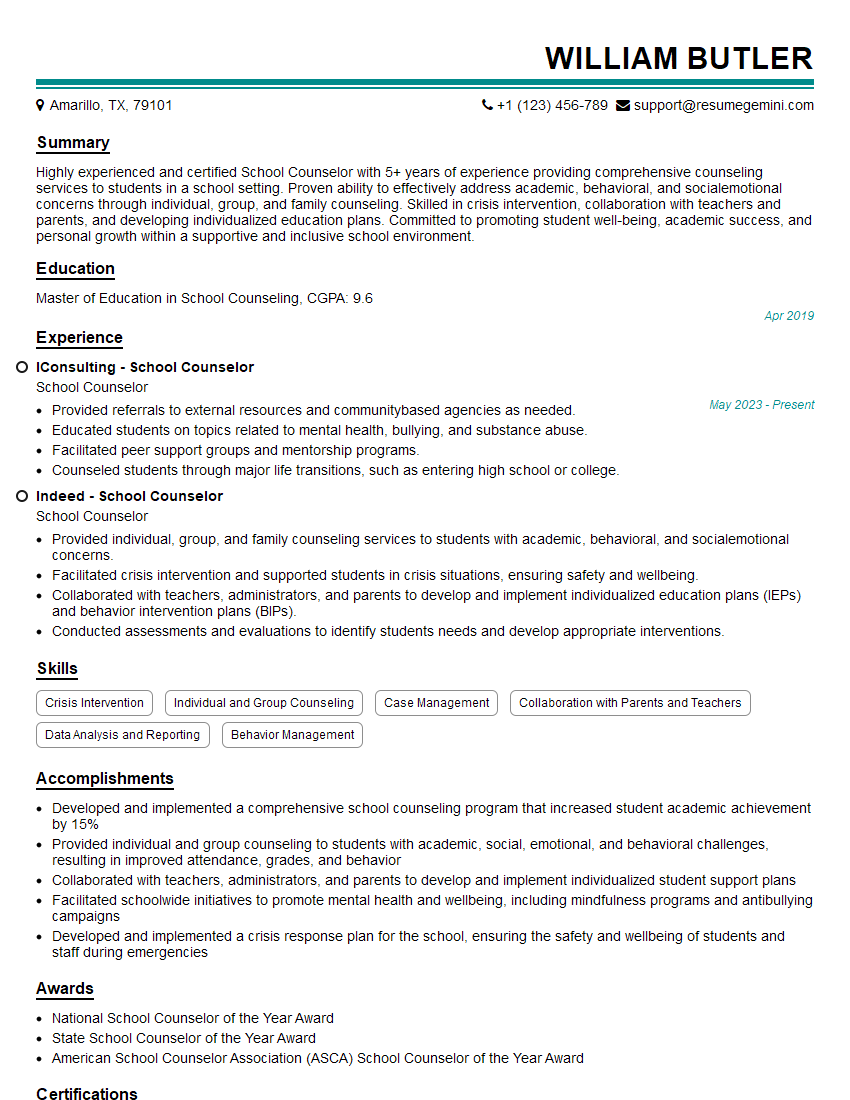
School Counselor Resume Sample
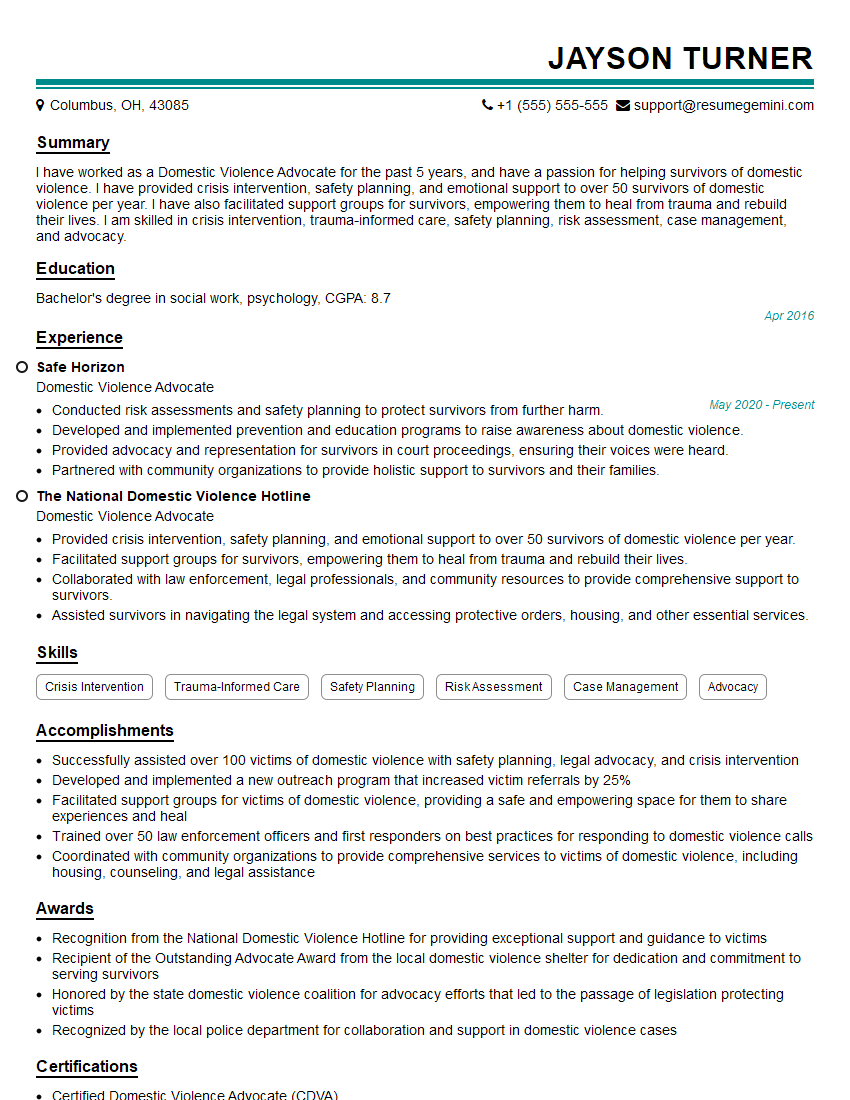
Domestic Violence Advocate Resume Sample

Mental Health Counselor Resume Sample
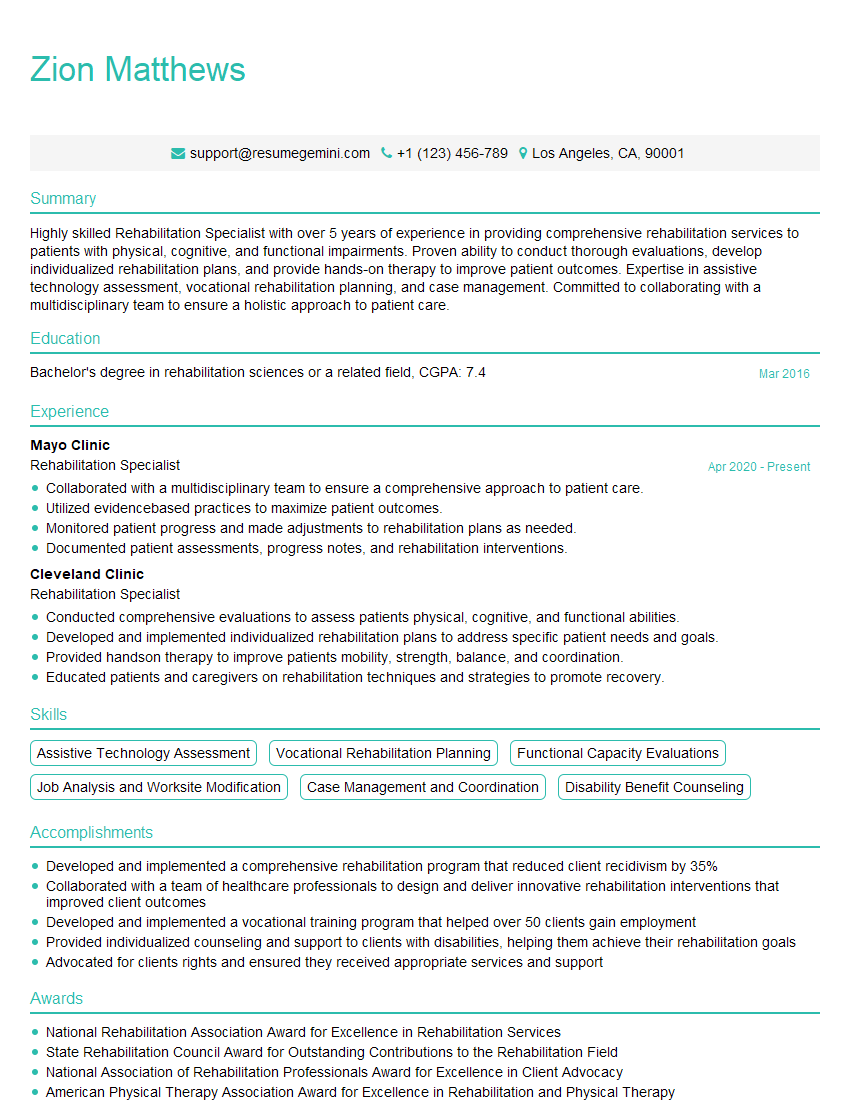
Rehabilitation Specialist Resume Sample
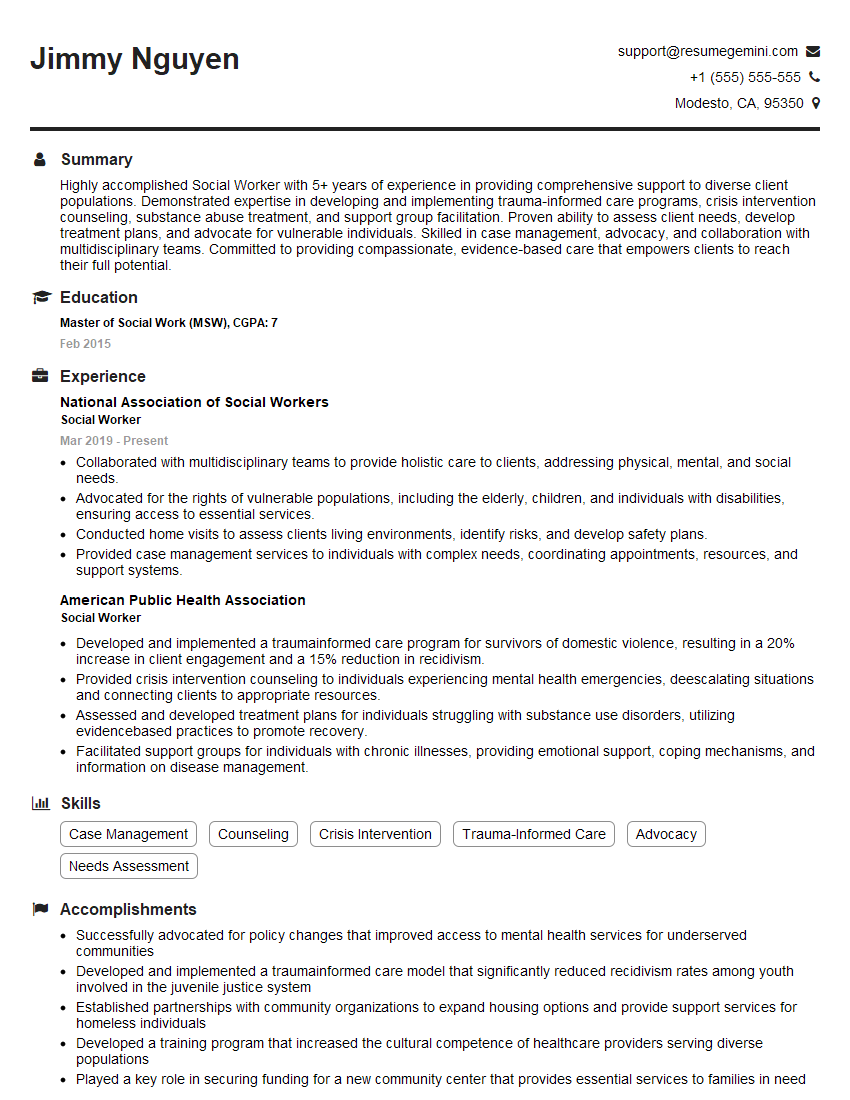
Social Worker Resume Sample

Crisis Intervention Specialist Resume Sample
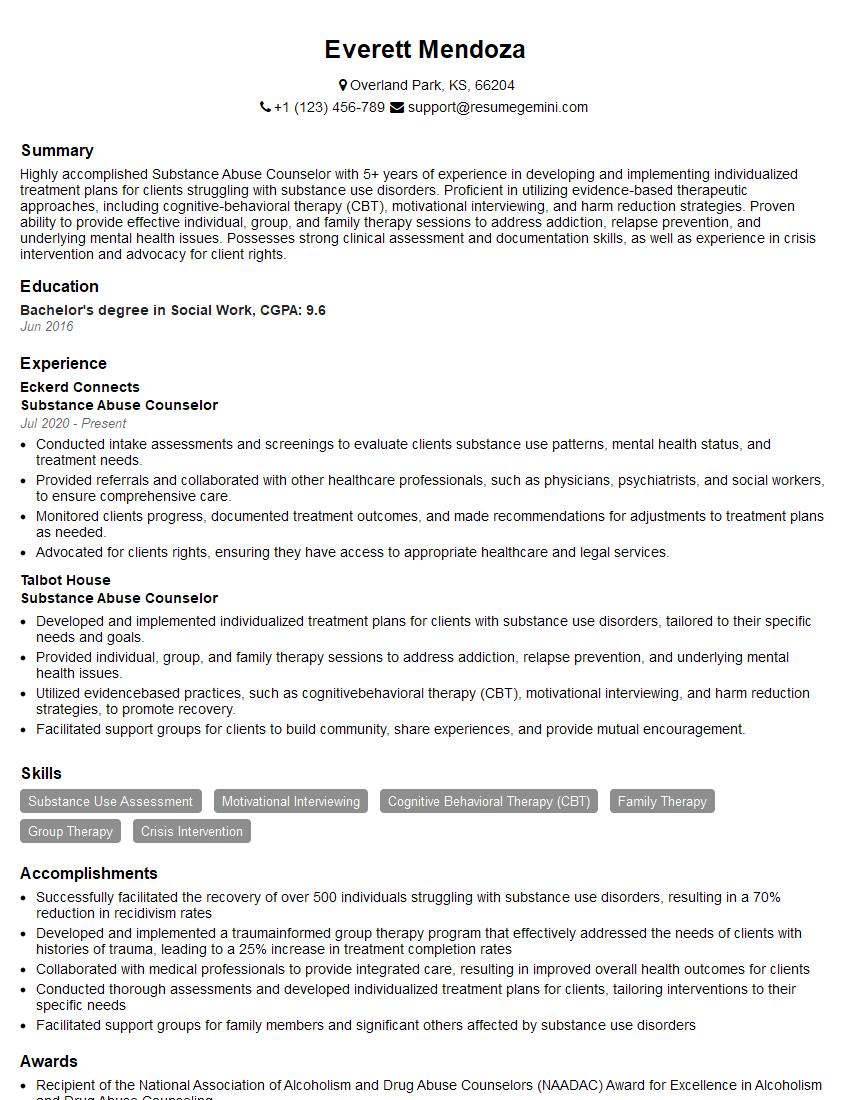
Substance Abuse Counselor Resume Sample
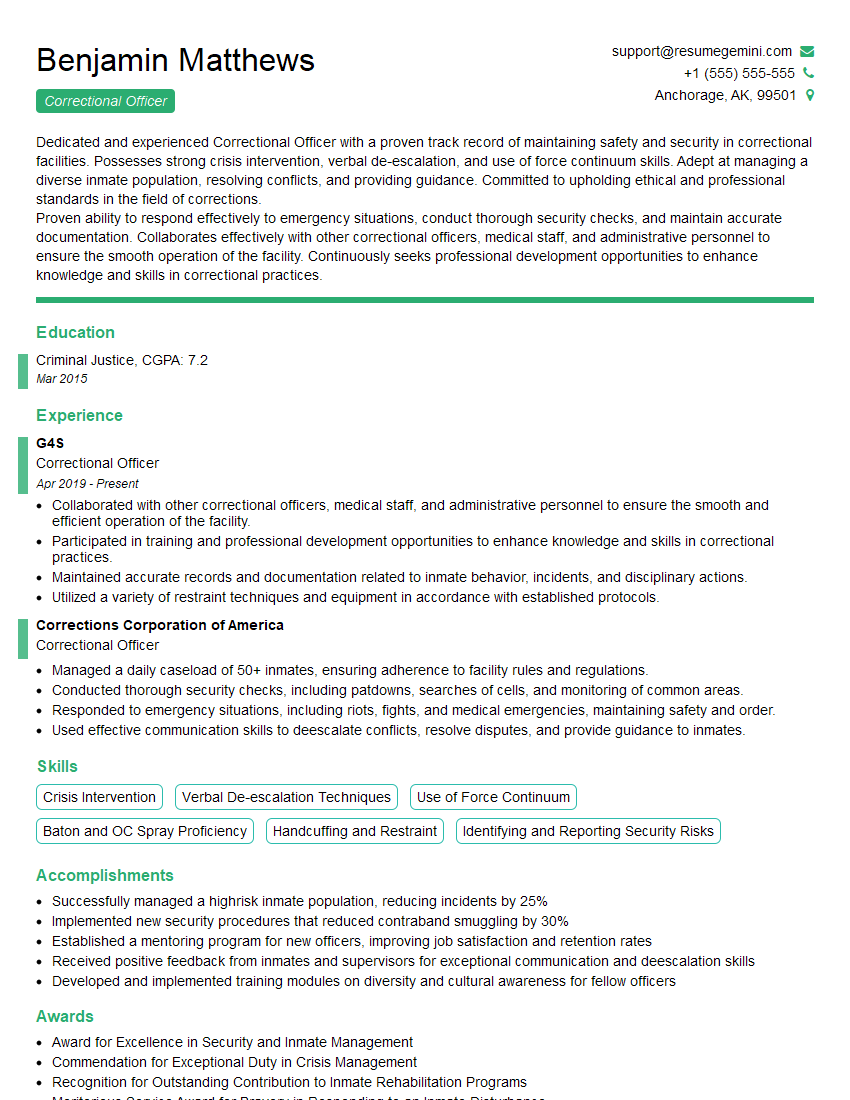
Correctional Officer Resume Sample
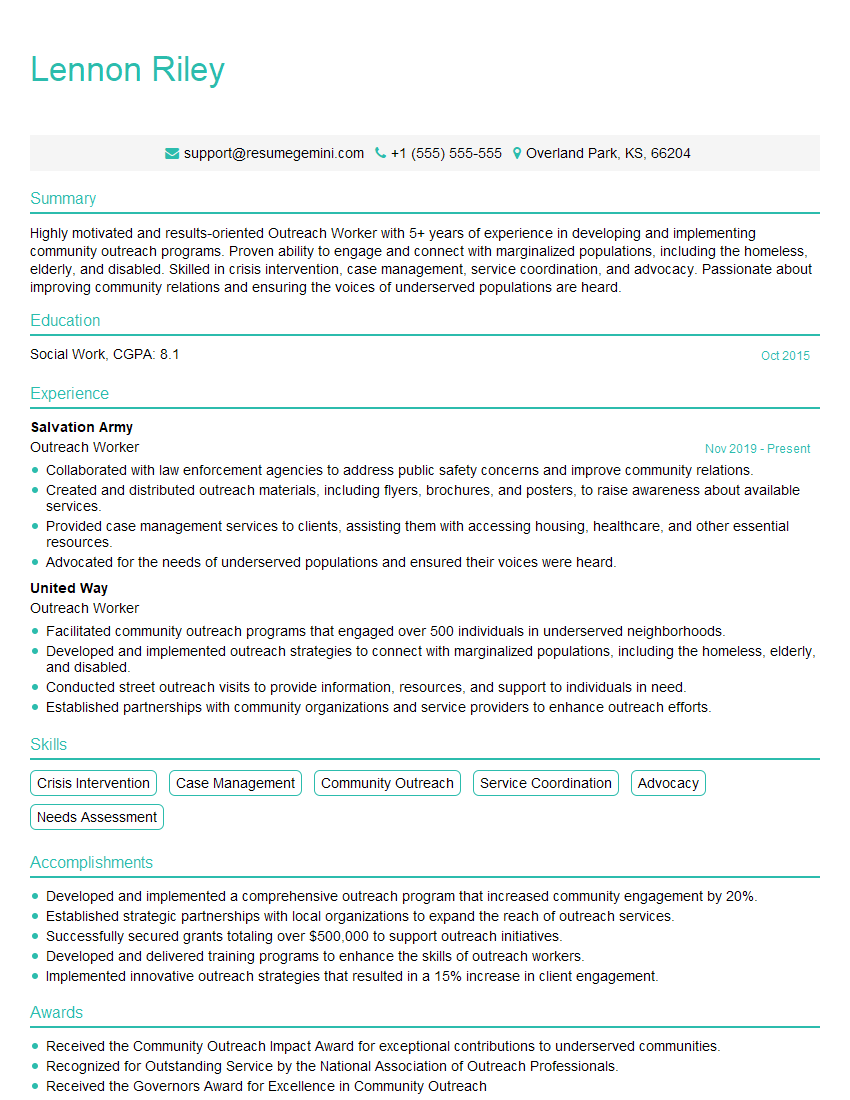
Outreach Worker Resume Sample
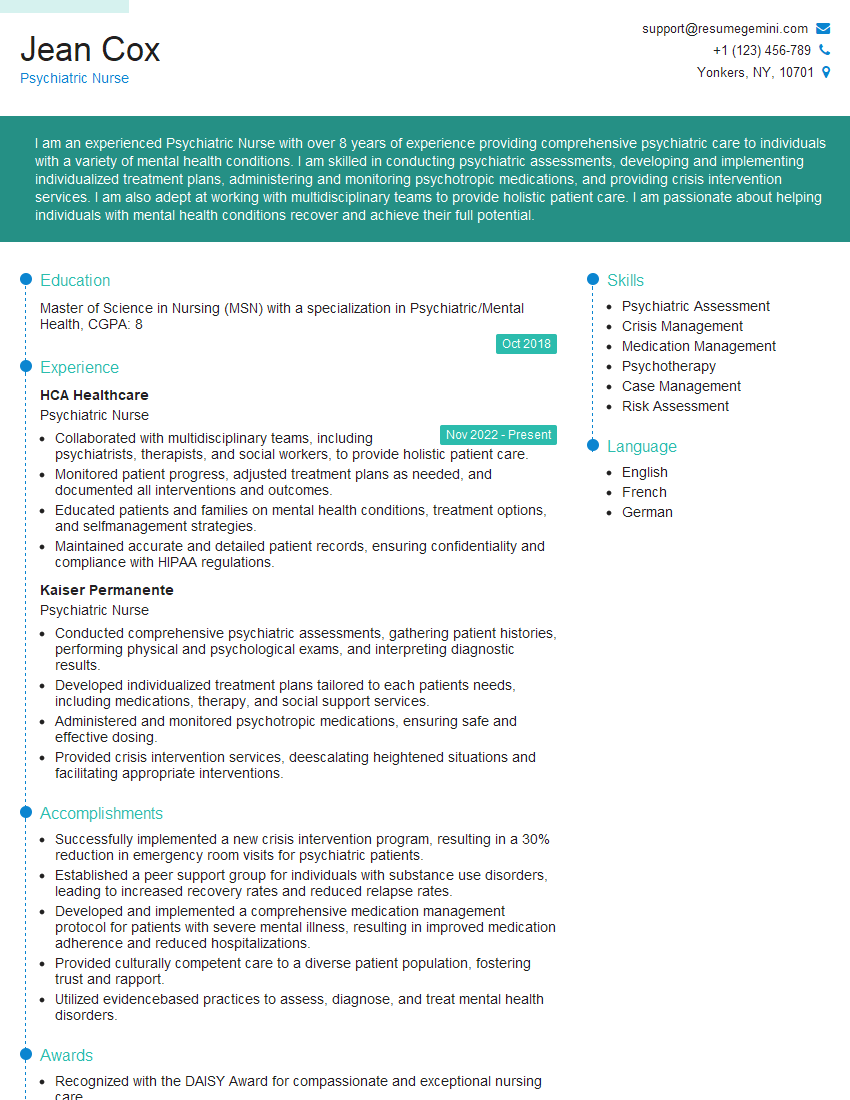
Psychiatric Nurse Resume Sample
Explore more articles
Users Rating of Our Blogs
Share Your Experience
We value your feedback! Please rate our content and share your thoughts (optional).
What Readers Say About Our Blog
To the interviewgemini.com Webmaster.
Very helpful and content specific questions to help prepare me for my interview!
Thank you
To the interviewgemini.com Webmaster.
This was kind of a unique content I found around the specialized skills. Very helpful questions and good detailed answers.
Very Helpful blog, thank you Interviewgemini team.