Cracking a skill-specific interview, like one for Crisis Management and Safety Planning, requires understanding the nuances of the role. In this blog, we present the questions you’re most likely to encounter, along with insights into how to answer them effectively. Let’s ensure you’re ready to make a strong impression.
Questions Asked in Crisis Management and Safety Planning Interview
Q 1. Describe your experience in developing and implementing crisis management plans.
Developing and implementing crisis management plans requires a systematic approach. It starts with a thorough understanding of the organization’s vulnerabilities and potential threats. My experience involves leading teams through every stage, from initial risk assessment and plan creation to regular testing and revisions. For example, at my previous role in a large healthcare system, I spearheaded the development of a comprehensive plan to address potential outbreaks of infectious diseases. This included protocols for patient isolation, staff protection, communication with public health authorities, and resource allocation. The plan also incorporated strategies for managing media relations and maintaining essential services during a crisis. This involved numerous stakeholder meetings, incorporating feedback from medical staff, IT, security, and public relations, ensuring a truly collaborative and comprehensive plan.
We also conducted regular tabletop exercises to test the plan’s effectiveness and identify areas for improvement. This iterative process is crucial for ensuring the plan remains relevant and effective in the face of evolving threats. A recent update incorporated protocols to manage disinformation and misinformation spread through social media during a crisis.
Q 2. What methodologies do you utilize for risk assessment and mitigation?
My risk assessment and mitigation strategy utilizes a combination of qualitative and quantitative methods. I employ frameworks like Failure Mode and Effects Analysis (FMEA) and HAZOP (Hazard and Operability) studies for a systematic identification of potential hazards and their consequences. This involves brainstorming sessions with subject matter experts to identify potential risks. These sessions are facilitated to ensure all viewpoints are considered. For quantitative analysis, I use data from historical incidents, industry benchmarks, and statistical modeling to estimate the likelihood and impact of various threats. I also leverage SWOT (Strengths, Weaknesses, Opportunities, Threats) analysis to understand the organization’s internal capabilities and external environment. Mitigation strategies are then developed based on the risk assessment results, prioritizing the most critical threats and employing a range of controls, from engineering controls (e.g., improved security systems) to administrative controls (e.g., improved staff training) and procedural controls (e.g., updated protocols).
Q 3. Explain your process for identifying and prioritizing potential crises.
Identifying and prioritizing potential crises involves a multi-step process. First, we conduct a comprehensive threat assessment, considering both internal and external factors. This includes analyzing historical data, reviewing industry best practices, and engaging in scenario planning to anticipate potential future challenges. For example, a financial institution would assess risks such as cyberattacks, market crashes, and natural disasters, while a manufacturing company might focus on industrial accidents, supply chain disruptions, and product recalls. After identifying potential crises, we assign a severity rating based on likelihood and potential impact. This involves considering factors such as the potential loss of life, financial damage, reputational harm, and disruption to operations. A matrix system is used, weighting each factor to arrive at a prioritized list of crises that need immediate attention. This prioritization guides resource allocation and helps us focus our efforts on the most critical threats.
Q 4. How do you communicate effectively during a crisis?
Effective crisis communication is paramount. My approach involves pre-planning communication strategies, designating spokespeople, and establishing clear communication channels. This includes internal communication (staff and management) and external communication (media, customers, public). We use a multi-channel approach including email, text message alerts, social media, and press conferences, depending on the nature of the crisis and the audience. Transparency and honesty are crucial; it’s important to provide timely and accurate information, even when the situation is unclear. It’s also vital to address concerns promptly and empathetically. During a crisis, a centralized communication hub is often established to coordinate information flow and ensure consistency in messaging. Regular updates are crucial, and messages are tailored to specific audiences, keeping in mind different information needs.
Q 5. What are the key elements of a comprehensive business continuity plan?
A comprehensive business continuity plan (BCP) encompasses several key elements. First, it defines critical business functions and the minimum acceptable operational levels during a disruption. It details recovery strategies for each critical function, specifying alternative locations, resources, and technologies. This could include utilizing cloud-based systems or remote work capabilities. The plan also includes detailed procedures for crisis communication, staff notification, and resource allocation. It specifies roles and responsibilities within the crisis management team. Testing and exercising the BCP regularly is vital, ensuring that the plan remains effective and relevant. Regular updates are needed to account for changing business conditions, new technologies, and potential threats. Finally, it’s crucial to have a post-incident review process to learn from experiences and make improvements to the plan.
Q 6. Describe your experience in conducting disaster drills and exercises.
I have extensive experience conducting disaster drills and exercises, both full-scale simulations and tabletop exercises. These exercises are vital for testing the effectiveness of the crisis management plan and training personnel. Tabletop exercises involve simulated scenarios discussed by a team to identify strengths and weaknesses in the plan. Full-scale simulations mimic real-world situations, allowing personnel to practice their roles and test communication systems. For example, in one scenario we simulated a major data breach at a financial institution. This exercise involved coordinating various teams, including IT, security, legal, and public relations, to test incident response protocols. The exercise involved simulated media inquiries, regulatory investigations, and customer communications, allowing us to assess our readiness and refine our strategies. Post-exercise reviews are critical, identifying areas where the plan fell short and making the necessary modifications for future improvements.
Q 7. How do you measure the effectiveness of crisis management strategies?
Measuring the effectiveness of crisis management strategies involves both qualitative and quantitative methods. Quantitative measures include metrics such as the time taken to restore critical systems, the financial impact of the crisis, and the number of people affected. Qualitative measures include assessing the effectiveness of communication, the morale of staff, and the organization’s overall reputation following the crisis. Post-incident reviews are crucial for gathering feedback from involved personnel and stakeholders. This feedback provides valuable insights into what worked well and what could be improved. Surveys can be used to assess staff perceptions of the organization’s response. Finally, analyzing media coverage and customer feedback provides insight into public perception. By combining quantitative and qualitative data, a comprehensive assessment of the effectiveness of the crisis management strategy can be made, guiding future improvements and refinements.
Q 8. What are your strategies for managing stakeholder expectations during a crisis?
Managing stakeholder expectations during a crisis is paramount. It’s about consistent, transparent communication that builds trust and mitigates anxiety. My strategy involves several key steps:
- Proactive Communication Plan: Before a crisis hits, I develop a communication plan identifying key stakeholders (employees, customers, investors, media, etc.) and outlining communication channels (email, phone, social media, press releases). This plan specifies key messages and assigns responsibility for dissemination.
- Consistent Messaging: During a crisis, it’s vital to maintain consistent messaging across all channels. Inconsistent information breeds confusion and erodes trust. A central communication team helps ensure everyone is on the same page.
- Transparency and Honesty: While protecting sensitive information, transparency is key. Acknowledge the situation, explain what’s being done to address it, and be honest about what’s unknown. Avoiding speculation and addressing rumors directly are crucial.
- Regular Updates: Stakeholders need regular updates, even if there’s no significant new information. This demonstrates responsiveness and keeps them informed. I use a scheduled update system to ensure consistency.
- Empathy and Understanding: Remember stakeholders are experiencing stress and uncertainty. Show empathy and acknowledge their concerns. This builds rapport and facilitates collaboration.
For example, during a product recall, I would proactively notify customers via email and social media, providing clear instructions and offering support. Regular updates would keep customers informed about the recall progress and any necessary actions.
Q 9. How do you handle conflicting priorities during a crisis?
Conflicting priorities during a crisis are inevitable. My approach involves a structured prioritization framework focusing on impact and urgency:
- Prioritization Matrix: I use a matrix plotting impact (high/low) against urgency (high/low). This allows for clear visualization of which tasks demand immediate attention versus those that can be deferred.
- Resource Allocation: Based on the matrix, I allocate resources (personnel, funds, equipment) efficiently to the highest-impact, high-urgency tasks first. This requires clear decision-making and potentially difficult choices.
- Decision-Making Team: Establishing a clear decision-making structure with defined roles and responsibilities is vital. This prevents duplication and ensures quick, effective responses.
- Regular Re-evaluation: The situation is dynamic. Regularly re-evaluate priorities as new information emerges or the situation evolves. Flexibility is crucial in crisis management.
Imagine a wildfire threatening a community. Evacuation of residents is the highest impact, high urgency task, requiring immediate resource allocation. While investigating the fire’s cause is important, it’s a lower-priority task until immediate safety concerns are addressed.
Q 10. Describe a time you had to make a difficult decision under pressure.
During a severe winter storm, our company faced a critical decision regarding employee safety and operational continuity. Many employees faced impassable roads. I had to decide whether to mandate a company-wide shutdown, potentially impacting critical operations and revenue, or allow employees to commute at their own risk, potentially jeopardizing their safety.
After consulting with weather experts, safety officers, and senior management, I chose a phased approach. We encouraged employees to stay home if their commute was unsafe, while essential personnel were allowed to work remotely or report if their commute was safe. This involved clear communication, providing resources like alternative transportation assistance for essential workers. This decision minimized disruption while prioritizing employee safety. Though it involved stress and potential risks, it ultimately proved to be the most responsible choice balancing safety with business continuity.
Q 11. How familiar are you with relevant safety regulations and compliance standards?
My familiarity with safety regulations and compliance standards is extensive. I am proficient in OSHA regulations, relevant industry-specific codes (e.g., NFPA for fire safety), and emergency response protocols (e.g., HAZMAT). I regularly review and update my knowledge to stay current with changes in legislation and best practices. This includes understanding legal liabilities associated with safety failures and ensuring compliance to prevent accidents and fines. I am also familiar with ISO standards relating to risk management and business continuity.
For example, I ensure all our emergency response plans comply with OSHA’s emergency action plan requirements, detailing procedures for evacuation, employee notification, and post-incident reporting. This includes regular drills and training to ensure preparedness and compliance.
Q 12. What are your strategies for post-incident analysis and improvement?
Post-incident analysis and improvement are crucial for learning and preventing future crises. My approach involves a structured process:
- Fact-Finding: Thoroughly document the incident, including timelines, contributing factors, and consequences.
- Root Cause Analysis: Employ methods like the ‘5 Whys’ or fishbone diagrams to identify the root causes of the incident, going beyond surface-level symptoms.
- Corrective Actions: Develop specific, measurable, achievable, relevant, and time-bound (SMART) corrective actions to address the identified root causes.
- Implementation and Monitoring: Implement the corrective actions and monitor their effectiveness. This may involve changes to procedures, training, equipment, or technology.
- Documentation and Reporting: Document all findings, corrective actions, and their effectiveness in a formal report to share lessons learned and prevent recurrence.
For instance, after a data breach, a thorough investigation would identify vulnerabilities in the system, leading to implementation of enhanced security protocols, employee training on data protection, and improved incident response procedures.
Q 13. Describe your experience with crisis communication technologies and platforms.
I have extensive experience with various crisis communication technologies and platforms. This includes:
- Mass Notification Systems: Systems like Everbridge or AlertMedia for rapid dissemination of alerts via SMS, email, and voice calls to large groups of people during emergencies.
- Social Media Monitoring Tools: Tools like Brandwatch or Talkwalker for monitoring social media for mentions of the organization during a crisis, enabling timely response and addressing public concerns.
- Collaboration Platforms: Platforms such as Slack or Microsoft Teams for facilitating internal communication and coordination among crisis response teams.
- Secure Communication Channels: Using encrypted channels for confidential information exchange during sensitive crises.
I understand the importance of selecting the right tools based on the specific needs of the organization and the nature of the crisis. Proper training on these platforms is crucial for effective utilization during an emergency.
Q 14. How do you ensure the safety of personnel during an emergency?
Ensuring personnel safety during an emergency is my top priority. My strategies include:
- Emergency Response Plan: A comprehensive plan detailing procedures for various emergencies (fire, evacuation, active shooter, natural disasters), including clear roles and responsibilities for all personnel.
- Regular Training and Drills: Conducting regular training and drills to ensure personnel are familiar with emergency procedures and can respond effectively. This includes hands-on simulations and tabletop exercises.
- Personal Protective Equipment (PPE): Providing and ensuring the proper use of PPE appropriate for the specific hazards involved in various emergencies.
- Communication Systems: Utilizing reliable communication systems to maintain contact with personnel during an emergency and facilitate effective coordination.
- Evacuation Procedures: Having well-defined and practiced evacuation procedures that account for different scenarios and building layouts, including designated assembly points and emergency exits.
- Post-Incident Support: Providing access to counseling or support services for personnel who may be affected by the emergency.
For example, in the case of a fire, the plan would dictate evacuation routes, assembly points, and the roles of fire wardens. Regular fire drills ensure everyone knows what to do, minimizing confusion and maximizing safety.
Q 15. What is your approach to resource allocation during a crisis?
Resource allocation during a crisis is a delicate balancing act, prioritizing needs based on urgency and impact. My approach is guided by a structured, data-driven framework. First, I conduct a rapid needs assessment, identifying critical resource gaps (personnel, equipment, supplies, etc.). This assessment considers the severity and scale of the crisis, the affected population, and the available resources. Next, I prioritize resources based on a tiered system, focusing first on life-saving interventions and immediate needs. This might involve allocating medical personnel and equipment to a hospital overwhelmed by casualties or deploying search and rescue teams to locate missing persons. Following that, resources are allocated to stabilizing the situation and preventing further damage. For instance, this could be securing a damaged infrastructure to prevent further collapse or providing emergency shelter and food. Finally, I ensure transparent communication and accountability throughout the process. For example, using a central database to track resource allocation and deployment and regularly reporting on progress and any resource constraints.
In a hypothetical scenario of a large-scale power outage, my approach would prioritize restoring critical infrastructure, such as hospitals and communication centers, before focusing on residential areas. This prioritization ensures the safety of vulnerable populations and aids in effective communication and coordination of further rescue operations.
Career Expert Tips:
- Ace those interviews! Prepare effectively by reviewing the Top 50 Most Common Interview Questions on ResumeGemini.
- Navigate your job search with confidence! Explore a wide range of Career Tips on ResumeGemini. Learn about common challenges and recommendations to overcome them.
- Craft the perfect resume! Master the Art of Resume Writing with ResumeGemini’s guide. Showcase your unique qualifications and achievements effectively.
- Don’t miss out on holiday savings! Build your dream resume with ResumeGemini’s ATS optimized templates.
Q 16. How do you maintain situational awareness during a crisis?
Maintaining situational awareness during a crisis is paramount. My approach involves a multi-layered strategy. Firstly, I establish robust communication channels, including direct reporting lines, dedicated communication systems, and social media monitoring. This ensures a constant flow of real-time information from multiple sources. Secondly, I utilize mapping and visualization tools to create a comprehensive overview of the affected area, pinpointing the location of incidents, resources, and affected populations. This allows me to quickly assess the overall situation and identify emerging trends. Thirdly, I actively engage with stakeholders, including on-the-ground personnel, community leaders, and government agencies to gain diverse perspectives and ensure information accuracy. Fourthly, I proactively address information gaps by dispatching assessment teams to gather firsthand information and continuously update the situation report. This dynamic approach ensures the information we utilize is reliable and up-to-date.
For example, during a wildfire, real-time data feeds from weather satellites, drones, and on-site teams provide a holistic view of the fire’s progression, enabling swift responses and effective resource allocation.
Q 17. Describe your experience with incident command systems.
I have extensive experience with Incident Command Systems (ICS), having used them in numerous large-scale emergency response exercises and real-world crises. ICS provides a standardized, flexible organizational structure to effectively manage incidents. I’m proficient in all five ICS functional areas: Command, Operations, Planning, Logistics, and Finance/Administration. I understand the importance of establishing clear roles and responsibilities within the ICS framework to ensure efficient coordination among responders. I’ve managed the creation and implementation of ICS structures in various settings, from natural disasters to industrial accidents. My experience includes the development and delivery of ICS training programs, ensuring personnel across various organizations operate under a common framework. This interoperability is crucial for seamless coordination in complex incidents.
In one instance, I led the ICS implementation during a major flooding event, coordinating resources from various agencies—local, state, and federal—resulting in a highly effective and well-coordinated rescue and recovery operation.
Q 18. Explain your understanding of different crisis response phases (prevention, preparation, response, recovery).
Crisis response involves four key phases: prevention, preparation, response, and recovery. Prevention focuses on identifying and mitigating potential risks before they escalate into crises. This includes risk assessments, vulnerability analyses, and implementing preventative measures. Preparation involves developing and testing response plans, assembling emergency kits, establishing communication protocols, and training personnel. Response is the immediate action taken during the crisis, aiming to contain the situation, protect lives, and minimize damage. This phase emphasizes coordination, resource allocation, and effective communication. Recovery encompasses the long-term efforts to restore normalcy, rebuild infrastructure, provide support to affected individuals, and learn from the crisis. Each phase is crucial and should be integrated into a comprehensive crisis management strategy.
For instance, a hospital’s crisis management plan would include prevention measures (infection control protocols), preparation (emergency power systems and drills), response (activation of an emergency operations center during an outbreak), and recovery (post-incident review and adjustments to the plan).
Q 19. How do you leverage technology in crisis management and safety planning?
Technology plays a vital role in modern crisis management. I leverage various technologies to enhance situational awareness, improve communication, and streamline resource allocation. This includes Geographic Information Systems (GIS) for mapping and visualization of incidents, social media monitoring tools to gather information and gauge public sentiment, and communication platforms like dedicated radio systems and mobile apps for quick and reliable communication among responders. I also utilize data analytics to identify trends and patterns within crisis data, leading to better preparedness and more effective responses. Furthermore, I’m experienced in utilizing drone technology for aerial surveillance and damage assessment in hazardous areas.
For example, during a hurricane, GIS mapping helps visualize flood zones and evacuation routes, while social media monitoring allows for real-time assessment of public needs and concerns.
Q 20. Describe your experience with developing emergency response procedures.
I have extensive experience in developing and refining emergency response procedures. My approach is user-centric and data-driven. First, I gather information from various sources, including historical data on past incidents, expert input, and stakeholder feedback. I then analyze these data to identify potential hazards and vulnerabilities and define the specific steps necessary for different scenarios. Next, I create detailed step-by-step procedures, outlining actions to be taken by specific roles. These procedures are clear, concise, and easy to follow, even under pressure. Crucially, I incorporate regular exercises and drills to test and refine the procedures, ensuring they remain effective and up-to-date. This iterative process involves continuous review and improvement based on lessons learned from exercises and actual incidents.
In one project, I developed evacuation procedures for a large manufacturing facility, incorporating detailed maps, designated assembly points, and communication protocols. Regular drills ensured personnel were comfortable with the procedures and identified areas for improvement.
Q 21. What are the key performance indicators (KPIs) for evaluating crisis management effectiveness?
Key Performance Indicators (KPIs) for evaluating crisis management effectiveness are multifaceted and should be tailored to the specific context of the crisis. However, some common KPIs include: Timely Response: The time taken to initiate response actions, reflecting the speed and efficiency of the process. Resource Utilization: The effectiveness of resource allocation, ensuring optimal use of available personnel, equipment, and funds. Incident Containment: The speed and effectiveness of containing the crisis and minimizing its impact. Casualty Rates: Number of injuries and fatalities, a critical measure of the effectiveness of life-saving efforts. Damage Assessment: The extent of damage to infrastructure, property, and the environment. Recovery Time: The period required to restore normalcy and rebuild affected areas. Public Satisfaction: Level of satisfaction among the affected population with the response efforts. Post-Incident Review: A thorough analysis of the response, identifying areas for improvement in future crisis management.
By tracking these KPIs, organizations can assess the strengths and weaknesses of their crisis management system and identify areas requiring attention for continuous improvement.
Q 22. How do you collaborate with external agencies during a crisis?
Effective collaboration with external agencies during a crisis is paramount. It hinges on pre-existing relationships, clear communication protocols, and a shared understanding of roles and responsibilities. Before a crisis hits, we establish Memoranda of Understanding (MOUs) with key agencies like fire departments, law enforcement, emergency medical services (EMS), and relevant government bodies. These MOUs detail how we’ll coordinate during an emergency, outlining communication channels, resource allocation, and command structures.
During a crisis, these established relationships allow for seamless integration. For example, during a large-scale industrial accident I managed, our pre-existing MOU with the local fire department ensured a rapid and coordinated response. Their expertise in hazardous materials handling, coupled with our internal crisis team’s knowledge of the facility, allowed us to mitigate the risks swiftly and effectively. We used a unified command system, bringing together representatives from all agencies, enabling shared decision-making and avoiding conflicting instructions. Regular communication, using established channels like dedicated phone lines and a shared online platform, is crucial for maintaining situational awareness and facilitating swift action.
Q 23. Describe your experience with data analysis related to safety and risk.
Data analysis plays a vital role in proactive safety and risk management. I’ve extensively utilized data analytics to identify trends, predict potential crises, and evaluate the effectiveness of our safety measures. For instance, I analyzed near-miss reports to identify recurring patterns and implement targeted safety training. This involved using statistical methods to analyze frequency, severity, and root causes of incidents.
Furthermore, I’ve employed predictive modeling techniques, using historical data on equipment failures, weather patterns, and other relevant factors, to anticipate potential disruptions and proactively implement mitigation strategies. For example, by analyzing historical weather data and its impact on our operations, I was able to successfully predict and prepare for a severe storm that potentially could have caused significant damage. This involved not just the analysis itself, but also effectively communicating the risk and necessary precautions to stakeholders. The results of this data analysis were presented visually using dashboards and reports, making complex information easy to understand and facilitating informed decision-making.
Q 24. What training and certifications do you hold relevant to crisis management and safety planning?
My qualifications in crisis management and safety planning are extensive. I hold a Master’s degree in Emergency Management and am a Certified Safety Professional (CSP). I’ve also completed advanced training in incident command systems (ICS), hazardous materials response, and business continuity planning. Furthermore, I am certified in several specialized areas, including crisis communication and psychological first aid. These certifications and my advanced degree reflect a commitment to continuous professional development and staying abreast of the latest best practices in the field.
Beyond formal certifications, I’ve actively sought out opportunities for professional development through workshops, conferences, and participation in industry working groups. This continuous learning ensures that my knowledge and skills remain current and relevant to evolving safety challenges. My experience spans various industries, allowing me to adapt my expertise to diverse contexts.
Q 25. How do you adapt crisis management strategies to different types of crises?
Adapting crisis management strategies to different crisis types is crucial. A one-size-fits-all approach is ineffective. Each crisis has unique characteristics—its scale, its nature (natural disaster, cyberattack, human error), and its impact on different stakeholders. I use a flexible framework that allows for tailoring the response based on these specifics.
For example, responding to a natural disaster like a hurricane requires a focus on evacuation procedures, resource allocation for shelter and aid, and communication with the impacted population. In contrast, responding to a data breach demands a different approach, emphasizing containment, damage control, communication with affected customers, and legal compliance. My strategies always include a rapid assessment phase, focusing on understanding the immediate consequences and then a prioritization of actions based on the urgency and severity of the threat. This is followed by well-defined procedures for communication, resource allocation, and post-incident analysis.
Q 26. What are your strategies for preventing future crises based on past incidents?
Preventing future crises requires a thorough analysis of past incidents—a ‘lessons learned’ approach. After every crisis, we conduct a comprehensive post-incident review. This involves gathering data from various sources, including incident reports, interviews with involved personnel, and performance data. The goal is to identify systemic weaknesses, inadequate procedures, or gaps in training that contributed to the event.
For example, after a significant equipment failure, our analysis revealed deficiencies in our preventative maintenance program. We addressed this by implementing a more robust program with improved training for maintenance personnel and a stricter adherence to scheduled inspections. This proactive approach, informed by past incidents, is a key component of our overall risk mitigation strategy, ensuring that we learn from our mistakes and prevent similar events from occurring in the future.
Q 27. How do you incorporate lessons learned into future crisis management plans?
Incorporating lessons learned into future crisis management plans is a continuous cycle of improvement. After each post-incident review, we update our crisis management plan to reflect the identified areas for improvement. This includes revising procedures, developing new training materials, and enhancing communication protocols. We use a structured approach to document these changes, ensuring that the updated plan is readily accessible and understood by all relevant personnel.
These updates are not only documented but also tested through regular drills and simulations. This allows us to validate the effectiveness of the revised procedures and identify any remaining gaps. This iterative process, driven by data and continuous evaluation, ensures that our crisis management plan remains relevant, robust, and effective in preventing and responding to future crises.
Q 28. How do you build and maintain strong relationships with key stakeholders?
Building and maintaining strong relationships with key stakeholders is crucial for effective crisis management. This involves proactive engagement, open communication, and mutual respect. Before a crisis occurs, I make a point of establishing strong working relationships with all relevant stakeholders—internal employees, external agencies, community leaders, and media representatives.
This involves regular meetings, open communication channels, and opportunities for collaboration on shared goals. During a crisis, these strong relationships facilitate efficient information sharing and coordinated action. For instance, maintaining open communication lines with media outlets helps prevent misinformation and ensures that the public receives accurate updates. Similarly, strong relationships with community leaders allow for effective dissemination of information and support to affected populations. Building trust and rapport over time is essential for effective collaboration during times of stress and uncertainty.
Key Topics to Learn for Crisis Management and Safety Planning Interview
- Crisis Communication Strategies: Understanding effective communication channels, message crafting for diverse audiences, and managing media relations during a crisis.
- Risk Assessment and Mitigation: Proactive identification of potential hazards, vulnerability analysis, and development of preventative measures to minimize risks.
- Incident Command Systems (ICS): Familiarity with ICS principles, roles, and responsibilities for effective incident management and coordination.
- Emergency Response Planning: Developing and implementing comprehensive plans for various scenarios, including evacuation procedures, resource allocation, and post-incident recovery.
- Business Continuity Planning: Creating strategies to ensure business operations continue during and after a disruptive event, focusing on critical functions and data protection.
- Legal and Ethical Considerations: Understanding relevant laws and regulations, ethical decision-making in crisis situations, and maintaining transparency and accountability.
- Post-Incident Analysis and Improvement: Conducting thorough reviews of past incidents to identify areas for improvement in planning, response, and recovery efforts. This includes evaluating effectiveness and identifying lessons learned.
- Practical Application: Be prepared to discuss real-world examples of how you have applied these concepts, either in previous roles or through case studies. Focus on your problem-solving skills and ability to remain calm under pressure.
- Technical Aspects (for technical roles): Depending on the specific role, you may need to demonstrate proficiency in relevant software, technologies, or data analysis techniques used in crisis management and safety planning.
Next Steps
Mastering Crisis Management and Safety Planning is crucial for career advancement in many sectors. A strong understanding of these principles demonstrates valuable skills employers highly seek: proactive thinking, decisive action, and the ability to lead and support teams during challenging times. To significantly boost your job prospects, invest time in crafting a compelling and ATS-friendly resume that highlights these skills. ResumeGemini is a trusted resource to help you build a professional and effective resume. We provide examples of resumes tailored to Crisis Management and Safety Planning to guide you. Use these resources to showcase your expertise and land your dream job!
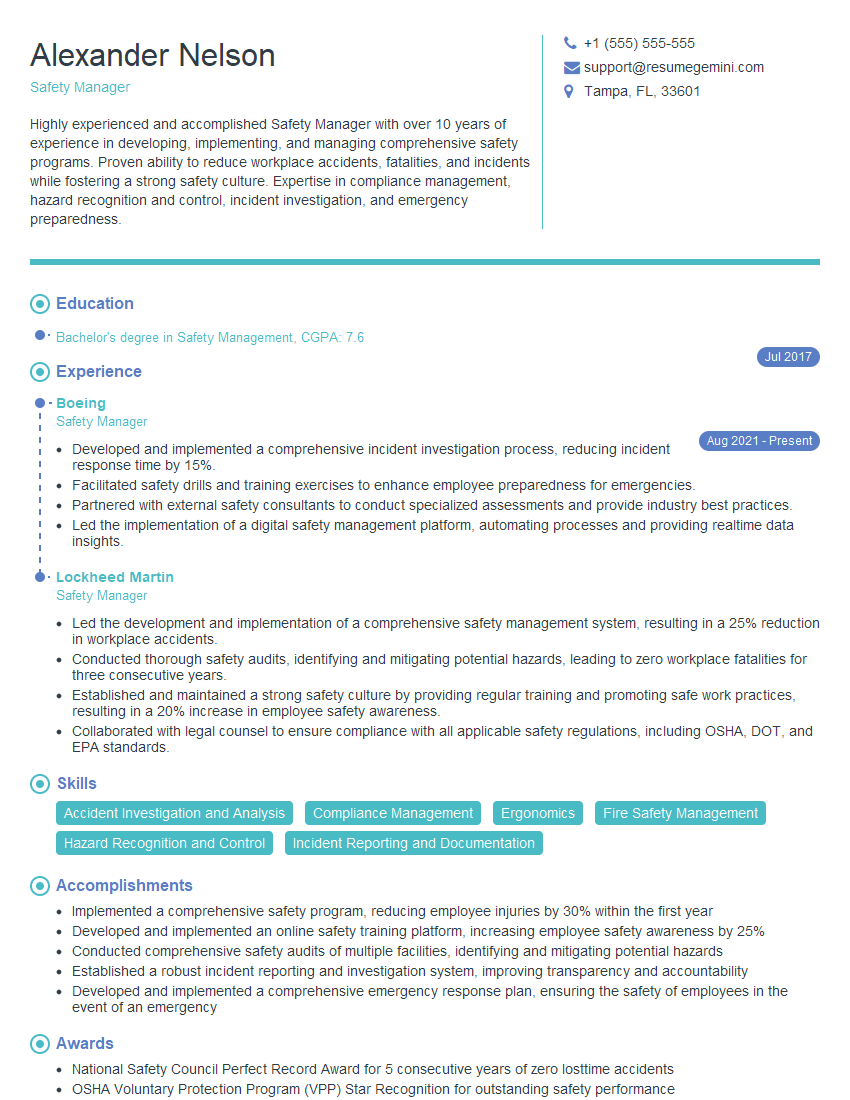
Safety Manager Resume Sample
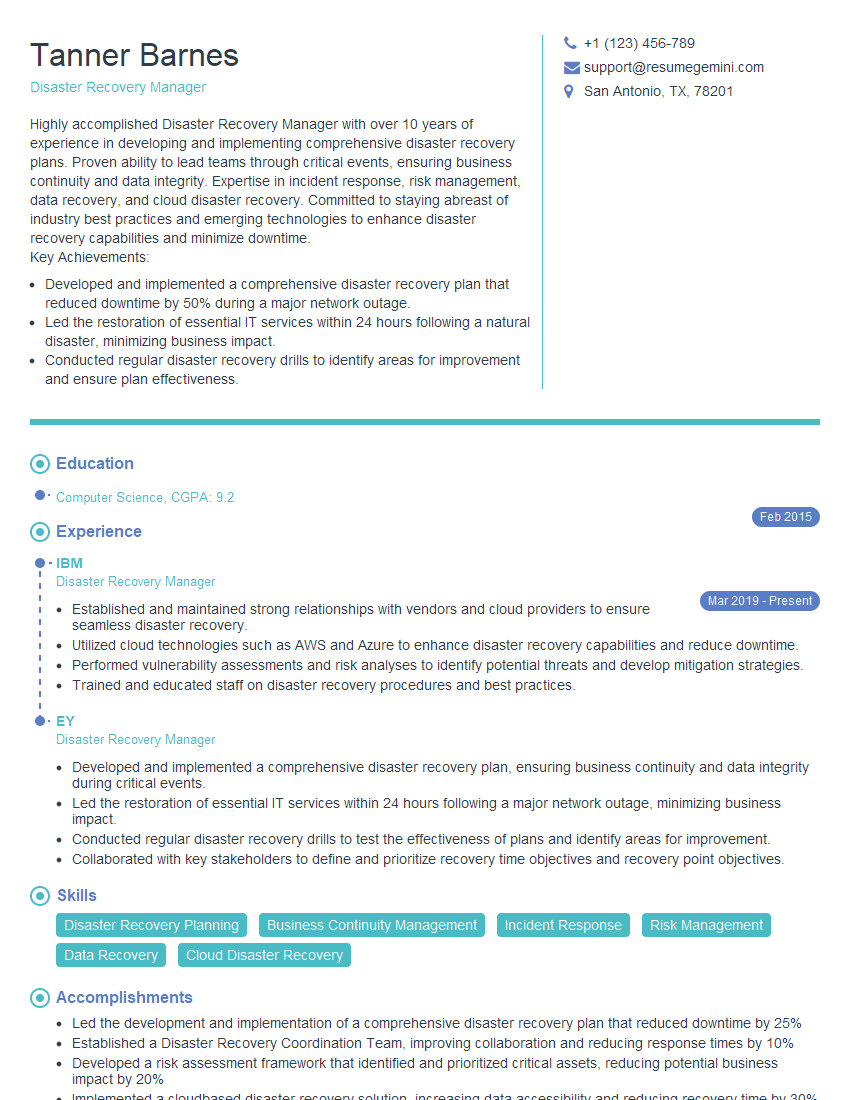
Disaster Recovery Manager Resume Sample
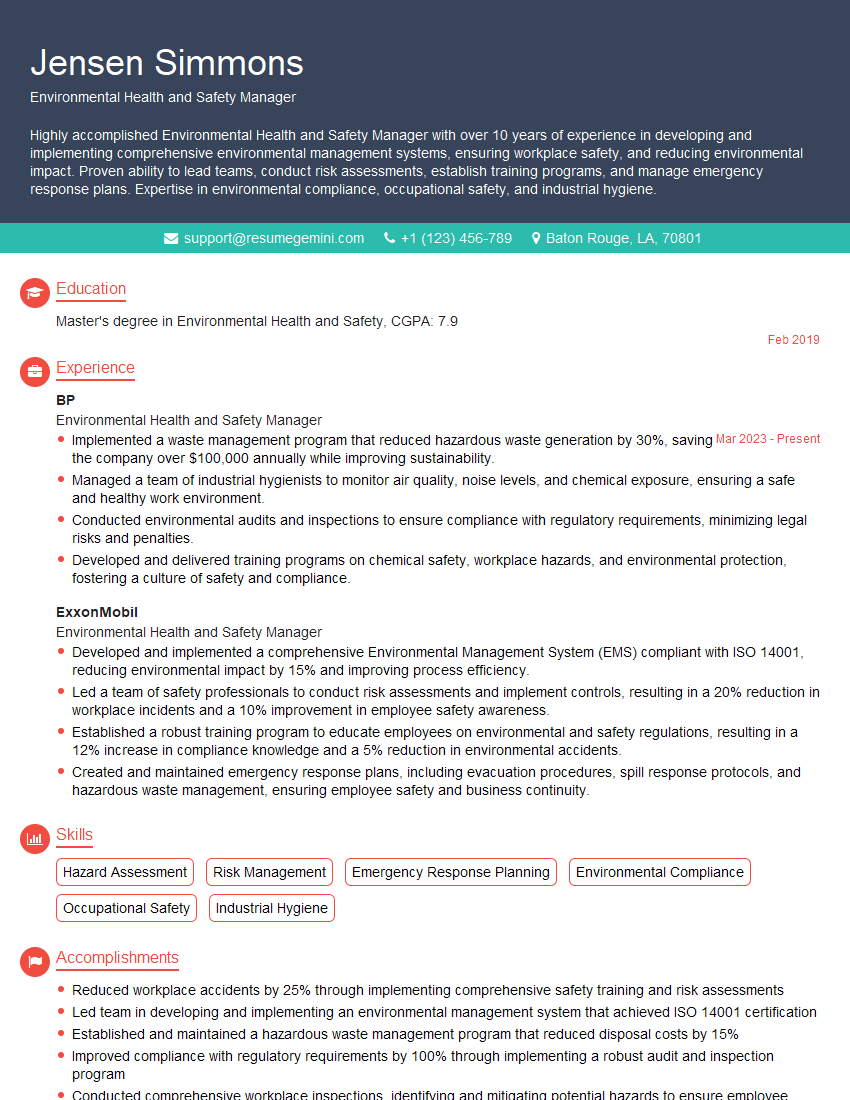
Environmental Health and Safety Manager Resume Sample
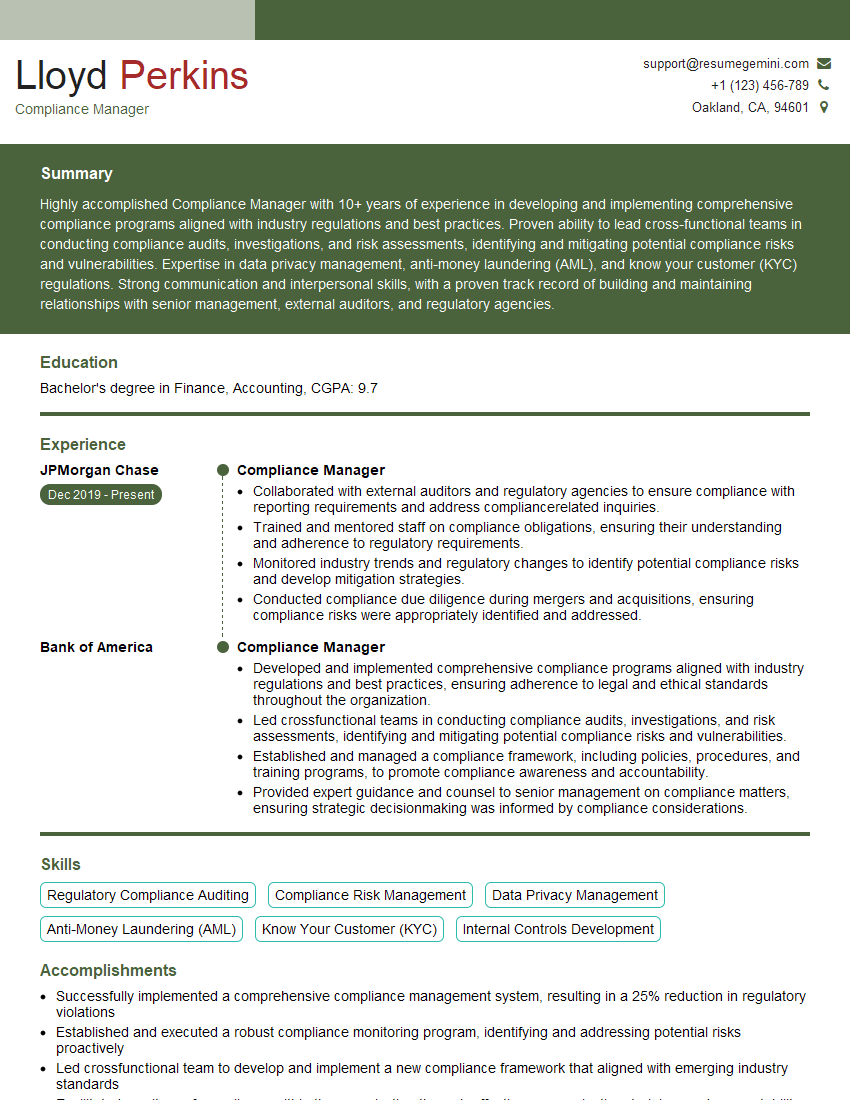
Compliance Manager Resume Sample
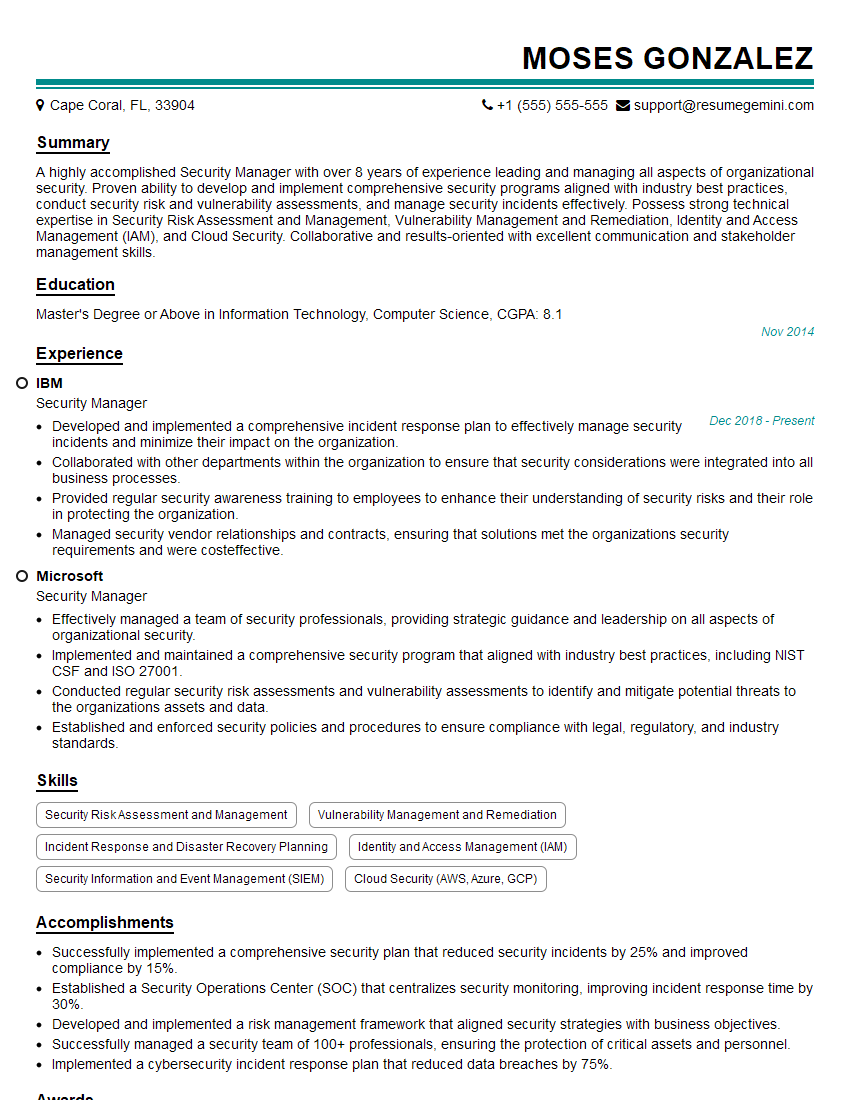
Security Manager Resume Sample
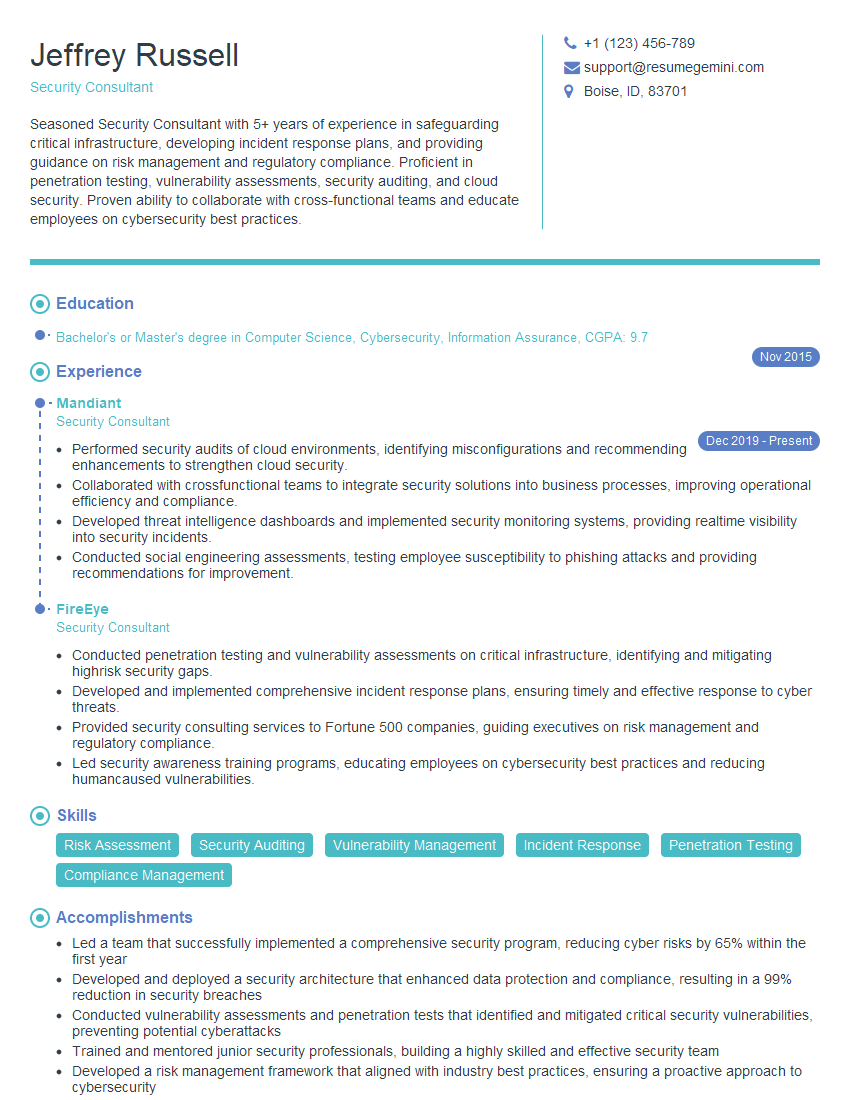
Security Consultant Resume Sample
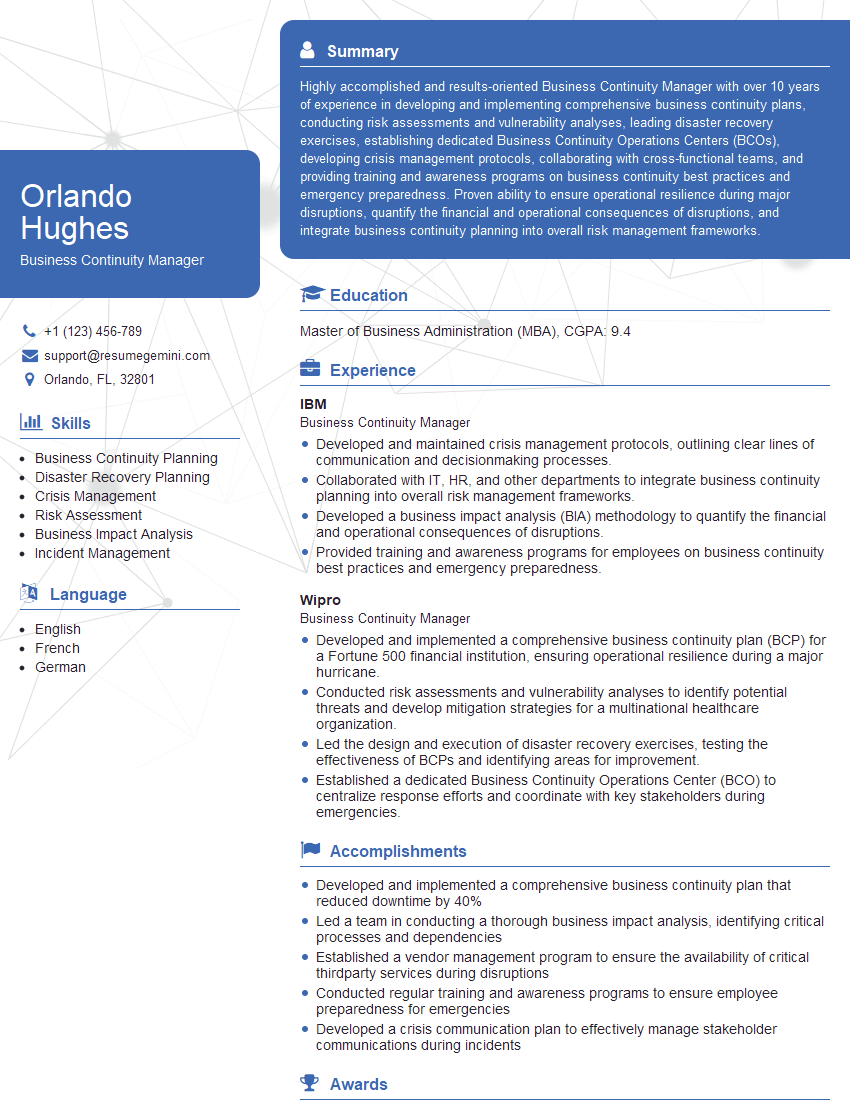
Business Continuity Manager Resume Sample
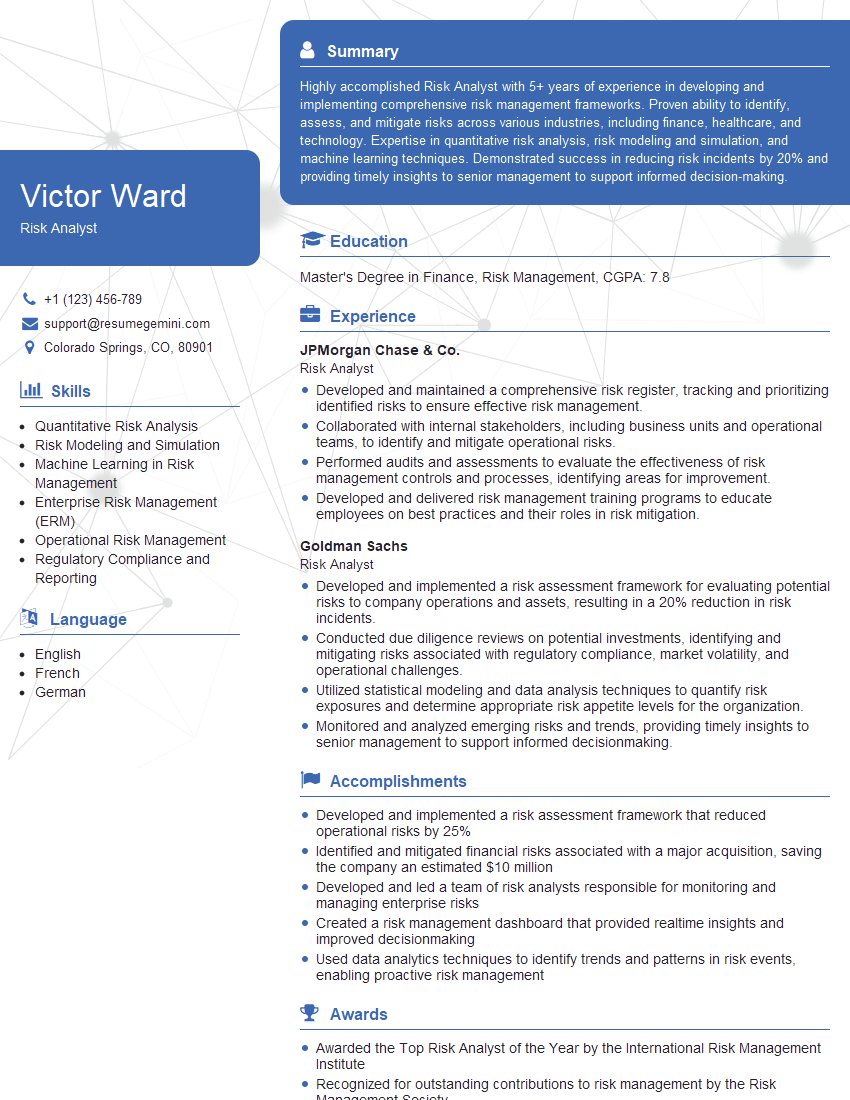
Risk Analyst Resume Sample

Risk Management Specialist Resume Sample
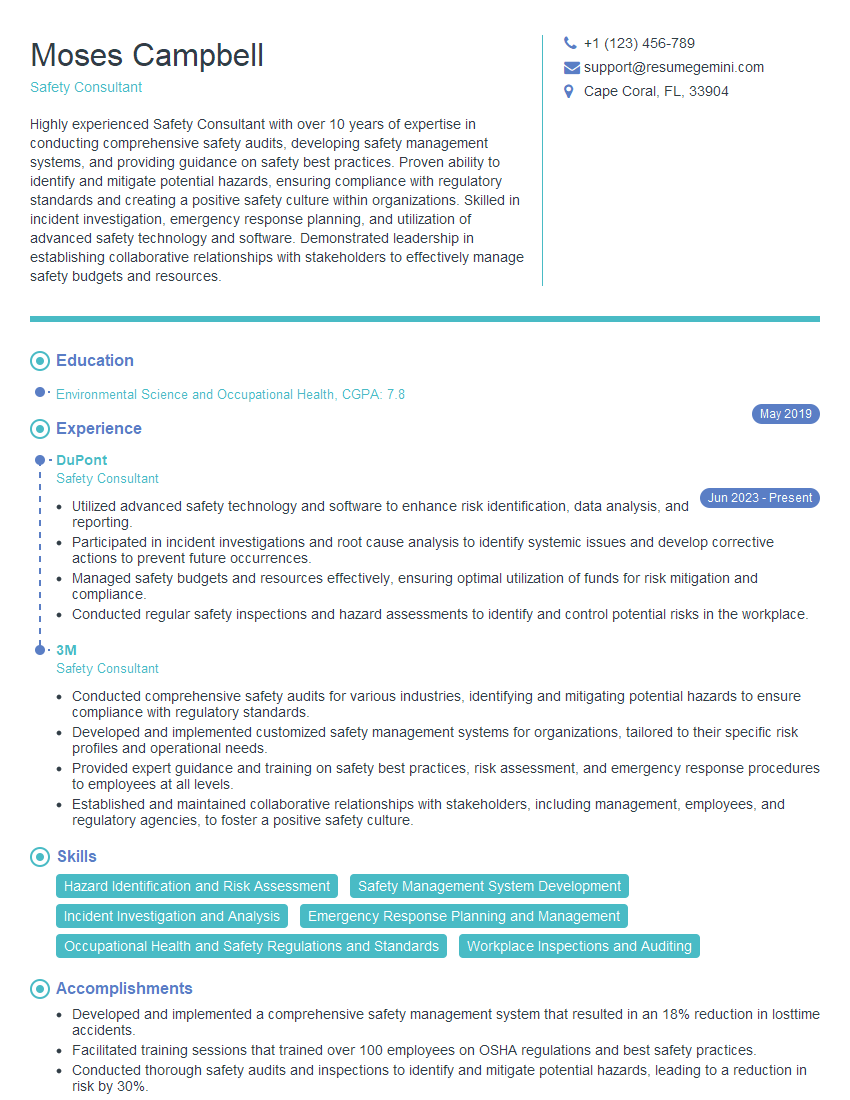
Safety Consultant Resume Sample
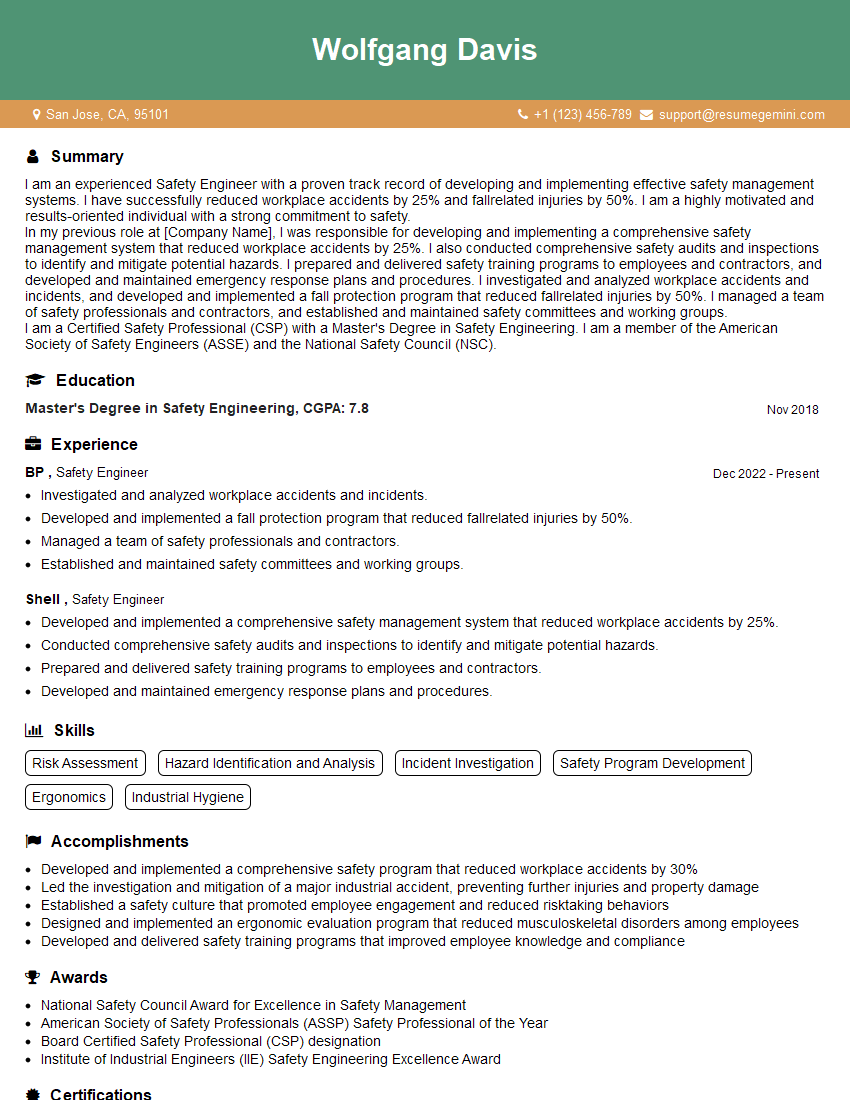
Safety Engineer Resume Sample
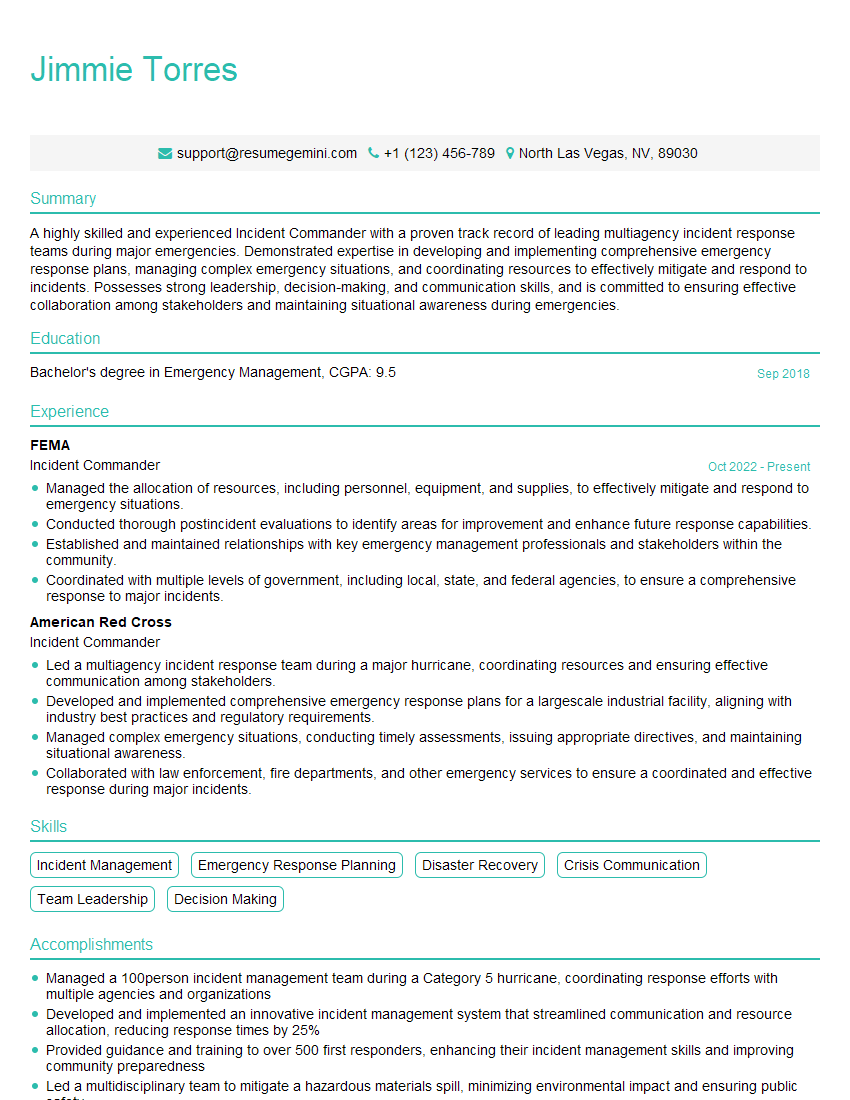
Incident Commander Resume Sample
Explore more articles
Users Rating of Our Blogs
Share Your Experience
We value your feedback! Please rate our content and share your thoughts (optional).
What Readers Say About Our Blog
To the interviewgemini.com Webmaster.
Very helpful and content specific questions to help prepare me for my interview!
Thank you
To the interviewgemini.com Webmaster.
This was kind of a unique content I found around the specialized skills. Very helpful questions and good detailed answers.
Very Helpful blog, thank you Interviewgemini team.