The right preparation can turn an interview into an opportunity to showcase your expertise. This guide to Crop Inspection and Pest Identification interview questions is your ultimate resource, providing key insights and tips to help you ace your responses and stand out as a top candidate.
Questions Asked in Crop Inspection and Pest Identification Interview
Q 1. Describe your experience identifying common crop diseases.
Identifying crop diseases requires a keen eye for detail and a systematic approach. I begin by carefully observing the affected plants, noting the specific symptoms like discoloration, lesions, wilting, or unusual growths. The location of the symptoms (leaves, stems, roots, fruits) is crucial. For example, early blight on tomatoes presents as dark brown spots on leaves, while late blight manifests as a more widespread, water-soaked lesion. I then consider environmental factors like humidity, temperature, and rainfall, which can significantly influence disease development. Microscopic examination using a dissecting microscope can confirm the presence of pathogens like fungi, bacteria, or viruses, and further specialized lab tests might be necessary for precise identification. Finally, referencing reliable resources such as plant pathology guides and disease databases helps me confirm my diagnosis and devise appropriate management strategies.
I’ve personally dealt with a significant outbreak of Fusarium wilt in a watermelon field. The initial symptoms were subtle – slight wilting during the hottest part of the day. However, through careful observation and laboratory analysis, we confirmed the presence of Fusarium oxysporum f. sp. niveum. This led us to implement a multi-pronged approach, including resistant cultivars and soil solarization, ultimately mitigating the impact.
Q 2. Explain the life cycle of a common pest affecting [Specific Crop].
Let’s consider the life cycle of the Colorado potato beetle (Leptinotarsa decemlineata), a significant pest of potatoes. This beetle undergoes complete metamorphosis, meaning it has four distinct life stages:
- Egg Stage: Females lay clusters of bright orange-yellow eggs on the underside of potato leaves. These eggs hatch within 5-10 days.
- Larval Stage: The larvae are initially small and dark-colored, gradually becoming larger and more reddish-orange. They go through four instars (growth stages), feeding voraciously on potato foliage. This stage lasts for about 2-3 weeks.
- Pupal Stage: After the fourth instar, the larva drops to the ground and pupates in the soil. This stage lasts about 10-14 days.
- Adult Stage: The adult beetle emerges from the pupal stage, mating and laying eggs, beginning the cycle anew. Depending on the climate, there can be multiple generations per year.
Understanding this life cycle is essential for effective pest management. For instance, targeting egg masses early in the season can significantly reduce the overall beetle population and the resultant damage.
Q 3. What are the key indicators of nutrient deficiency in [Specific Crop]?
Identifying nutrient deficiencies in corn (Zea mays) requires a careful visual inspection of the plants, coupled with knowledge of the role of different nutrients. Symptoms often appear first on older leaves (for mobile nutrients) or younger leaves (for immobile nutrients). Here are some key indicators:
- Nitrogen (N) deficiency: Pale green or yellowing of leaves, stunted growth, and delayed maturity. The yellowing typically starts from the older leaves and progresses upwards.
- Phosphorus (P) deficiency: Dark green leaves, stunted growth, and a purplish color on the lower leaves. Plants might be delayed in maturity.
- Potassium (K) deficiency: Leaf margins turn yellow or brown, with scorched edges. The leaves may also exhibit a blotchy appearance.
- Magnesium (Mg) deficiency: Interveinal chlorosis (yellowing between the leaf veins) of older leaves, often developing into a reddish or purplish hue.
- Zinc (Zn) deficiency: Reduced internode length (the distance between leaf joints), resulting in short and stunted plants. Young leaves can exhibit chlorotic streaks.
Soil testing is crucial for confirming suspected deficiencies and determining the optimal application rate of fertilizers. Visual symptoms alone might not be enough for accurate diagnosis, as similar symptoms can be caused by other factors like disease or pests.
Q 4. How do you differentiate between pest damage and disease symptoms?
Differentiating between pest damage and disease symptoms is crucial for effective management. Pest damage is usually characterized by visible physical signs of feeding or other activity, while disease symptoms are more often related to physiological changes within the plant.
- Pest Damage: Holes in leaves, chewed edges, or completely consumed foliage. You might see the pests themselves (insects, mites, etc.) or evidence of their presence, such as frass (insect droppings) or webbing.
- Disease Symptoms: Discoloration (yellowing, browning, or purplish spots), wilting, lesions (localized areas of dead tissue), or abnormal growths. Diseases can also affect the entire plant or specific parts.
For example, leaf miners create serpentine tunnels within leaves, a clear sign of pest damage. Conversely, powdery mildew shows as a white, powdery coating on leaves, a typical disease symptom. In some cases, pests can act as vectors for diseases, making diagnosis more complex.
Q 5. What are the principles of Integrated Pest Management (IPM)?
Integrated Pest Management (IPM) is a holistic approach to pest control that emphasizes prevention and minimizing pesticide use. Its core principles include:
- Monitoring and Identification: Regularly scouting crops to identify pests and diseases early, accurately identifying them to understand their life cycle and damage potential.
- Economic Threshold: Determining the pest population level at which control measures are necessary to prevent economic losses. Not every pest needs immediate treatment.
- Prevention: Implementing cultural practices like crop rotation, resistant varieties, and proper sanitation to reduce pest pressure.
- Biological Control: Using natural enemies such as beneficial insects, predatory mites, or pathogens to suppress pest populations.
- Chemical Control: Using pesticides only as a last resort, selecting the least toxic option and applying it judiciously to minimize environmental impact.
IPM aims for sustainable pest management by integrating multiple strategies to achieve long-term pest control while protecting human health and the environment.
Q 6. Describe different pest control methods and their environmental impact.
Various pest control methods exist, each with its own environmental impact:
- Chemical Control: Insecticides, herbicides, fungicides – effective but can harm non-target organisms, pollute water bodies, and contribute to pesticide resistance.
- Biological Control: Introducing natural enemies – environmentally friendly, but requires careful selection of appropriate biological agents and may not always be effective.
- Cultural Control: Crop rotation, sanitation, proper irrigation – environmentally sustainable, low cost, but might not be sufficient for high pest pressures.
- Mechanical Control: Physical removal of pests, traps – environmentally friendly but labor intensive, and may not be effective against large infestations.
For instance, using broad-spectrum insecticides might kill beneficial insects alongside the target pest, disrupting ecological balance. On the other hand, crop rotation helps prevent pest buildup without harming the environment.
Q 7. What are the legal regulations regarding pesticide application in your region?
Pesticide application is heavily regulated in my region [Specify your region here and replace with accurate information. This answer cannot be complete without knowing the specific region. Examples would include EPA regulations in the USA, or equivalent regional regulations]. Regulations govern which pesticides can be used on which crops, application rates, timing of application, and safety measures for applicators and the environment. Applicators must be certified and adhere to strict guidelines to minimize risks. Failure to comply can result in significant penalties. Key aspects include:
- Pesticide Registration: Only registered pesticides can be used.
- Personal Protective Equipment (PPE): Applicators must wear appropriate PPE during application.
- Application Methods: Regulations dictate methods to minimize drift and environmental contamination.
- Record Keeping: Detailed records of pesticide use are mandated.
- Buffer Zones: Restrictions around sensitive areas like water bodies.
The specific regulations vary depending on the pesticide, crop, and environmental conditions. Staying informed about the latest regulations is crucial for legal and responsible pesticide application.
Q 8. How do you use diagnostic tools for identifying pests and diseases?
Identifying pests and diseases accurately relies heavily on a suite of diagnostic tools. This isn’t just about visual inspection; it’s about employing a systematic approach.
Visual Inspection: This is the first step, carefully examining plants for symptoms like discoloration, wilting, lesions, or the presence of insects. A hand lens can be invaluable for closer examination of small insects or damage.
Microscopy: For smaller pests or pathogens, a microscope (stereo or compound) is crucial. It allows identification based on morphological characteristics such as size, shape, and color. We might examine fungal spores, nematode structures, or insect mouthparts for precise identification.
Molecular Diagnostics: PCR (Polymerase Chain Reaction) is a powerful technique for detecting specific DNA or RNA sequences of pests or pathogens. This is especially useful for early detection of diseases before visible symptoms appear or for identifying pathogens that are difficult to distinguish visually.
Entomological Keys & Disease Guides: We use illustrated keys and guides which systematically narrow down possibilities based on observable features, leading to confident identification. These are essentially detailed decision trees guiding diagnosis.
Laboratory Tests: Sometimes, samples are sent to specialized labs for advanced testing. This could include enzyme-linked immunosorbent assays (ELISA) for disease detection or analysis of insect gut contents to determine their feeding habits and potential harm.
The choice of diagnostic tool depends entirely on the suspected pest or disease, the resources available, and the urgency of the situation. A rapid visual assessment might suffice for a common pest, while a complex disease might require laboratory confirmation.
Q 9. What is your experience with sampling techniques for crop inspection?
Sampling techniques are fundamental for obtaining representative data about the pest and disease pressure in a crop field. A haphazard approach will yield unreliable results. My experience encompasses various methods, chosen based on the specific crop, pest, and field characteristics:
Random Sampling: Suitable for large, uniform fields with a relatively even distribution of pests or diseases. We use a grid system or randomly selected points to ensure unbiased sampling.
Systematic Sampling: Ideal when there is a suspected pattern of infestation or disease spread. This involves taking samples at regular intervals across the field.
Stratified Sampling: When the field exhibits variation (e.g., different soil types, elevation), we divide it into strata and sample each stratum separately to account for heterogeneity. This is vital for accurate assessments.
Composite Sampling: Multiple individual samples are combined to create one composite sample, reducing the number of analyses needed, suitable for large-scale monitoring programs.
The sample size is carefully determined, balancing the need for accuracy with practical constraints. Statistical methods help determine appropriate sample sizes to ensure representative results with a defined confidence level. Proper record-keeping is crucial, documenting the location, date, and method used for each sample. Using GPS coordinates to map the samples adds further rigor.
Q 10. How do you document and report your findings from a crop inspection?
Thorough documentation and reporting are vital to communicate findings clearly and effectively. My approach involves several key steps:
Detailed Field Notes: I maintain comprehensive field notes during inspections, recording observations such as date, time, location, weather conditions, crop stage, and any visual symptoms. Sketches or photographs are also incorporated to supplement written descriptions.
Sample Labeling and Tracking: Each sample is meticulously labeled with unique identifiers to maintain traceability. This includes location, date, and the sampling method used, preventing any mix-ups.
Data Analysis and Interpretation: Once samples are processed (either in the field or laboratory), the data is meticulously analyzed. This could involve counting pests, assessing disease severity, and calculating infestation rates.
Report Generation: The findings are presented in a clear and concise report, using tables, graphs, and maps to visualize the data. The report includes an executive summary, methodology details, results, conclusions, and recommendations for pest or disease management.
Digital Tools: GIS mapping software allows spatial representation of pest or disease distribution within the field. This helps visualize patterns and inform targeted control strategies.
The report is tailored to the specific audience. For example, a report for farmers will be more practical and less technical than a report for researchers.
Q 11. Explain your understanding of crop physiology and how it relates to pest management.
Crop physiology is the study of how plants function, and it’s inextricably linked to effective pest management. Understanding a plant’s growth stages, nutrient requirements, and stress responses is essential for recognizing pest vulnerabilities and implementing appropriate controls.
Growth Stages and Susceptibility: Plants are more vulnerable to pests and diseases at certain growth stages. For example, young seedlings are more susceptible to damping-off diseases, whereas flowering plants might be particularly attractive to certain insects.
Nutrient Deficiencies and Stress: Plants under stress from nutrient deficiencies, water stress, or extreme temperatures are often more susceptible to pests and diseases. Understanding these nutritional requirements is critical for bolstering a plant’s natural defenses.
Plant Defense Mechanisms: Plants have natural defense mechanisms against pests and diseases, such as producing toxins or physical barriers. Enhancing these mechanisms through proper crop management (e.g., providing appropriate nutrition) is a cornerstone of Integrated Pest Management (IPM).
Interaction between Pests and Physiology: Pests can directly influence plant physiology, for instance, by interfering with photosynthesis or nutrient uptake. Understanding these physiological effects guides our approach to managing pest-related losses.
By integrating knowledge of crop physiology, we can develop pest management strategies that target pest vulnerabilities while minimizing environmental impact. For example, timing insecticide applications to coincide with pest vulnerabilities during specific growth stages improves efficacy and reduces pesticide use.
Q 12. Describe a situation where you had to troubleshoot a pest problem in a field.
I encountered a significant aphid infestation in a soybean field. Initial visual inspection revealed heavy aphid colonies on the underside of leaves, causing leaf curling and reduced growth. Simply spraying broad-spectrum insecticides was not an option due to environmental concerns and the potential to disrupt beneficial insects.
My troubleshooting involved a multi-pronged approach:
Detailed Assessment: I identified the aphid species through microscopic examination, which was crucial for targeted management. We determined the extent of the infestation using stratified sampling, mapping the areas of highest density.
Natural Enemies: I carefully examined for natural enemies of the aphids, such as ladybugs and lacewings. Their presence suggested that a purely chemical approach was unnecessary. We opted to enhance their activity by promoting beneficial insect habitats within the field.
Biological Control: We introduced aphid-specific parasitic wasps, which are highly effective biological control agents. Their presence reduced the aphid population significantly over time, minimizing the need for insecticides.
Monitoring and Evaluation: Regular monitoring after intervention was vital. We observed a considerable reduction in aphid numbers and improved soybean growth. This monitoring enabled us to fine-tune our approach and adjust management based on the aphid population fluctuations.
This experience underscored the importance of an integrated pest management (IPM) approach, prioritizing natural control mechanisms before resorting to chemical interventions.
Q 13. What are the common pests and diseases affecting [Specific Crop] in this region?
(Please replace “[Specific Crop]” and “this region” with the actual crop and region for a relevant answer. The following is a template):
Common pests and diseases affecting [Corn] in the [Midwest United States] region include:
Pests: European corn borer (Ostrinia nubilalis), corn rootworm (Diabrotica spp.), aphids (various species), and western corn rootworm (Diabrotica virgifera virgifera).
Diseases: Gray leaf spot (Cercospora zeae-maydis), Fusarium ear rot (Fusarium spp.), southern corn leaf blight (Bipolaris maydis), and common smut (Ustilago maydis).
The specific prevalence of these pests and diseases can vary depending on environmental conditions, crop management practices, and the specific location within the region. Factors like rainfall, temperature, and soil conditions influence disease outbreaks, while insect populations are affected by weather patterns and the presence of natural enemies.
Q 14. How do you determine the economic threshold for pest control?
The economic threshold (ET) is the pest population density or disease severity at which control measures become economically justified. It’s a crucial concept in integrated pest management (IPM). Determining the ET involves considering several factors:
Crop Value: A high-value crop might justify more aggressive control measures compared to a low-value crop. The cost of control measures must be weighed against the potential yield losses.
Pest/Disease Impact: The damage caused by the pest or disease is evaluated. This involves assessing the relationship between pest population density and yield reduction. Data from research trials or historical records can be helpful.
Control Costs: The cost of implementing control measures (pesticides, biological controls, cultural practices) must be factored into the equation. This includes labor, equipment, and material costs.
Market Prices: Fluctuations in market prices impact the profitability of the crop and consequently influence the economic threshold. Higher market prices might allow for a higher ET, as there’s more profit margin to absorb some yield loss.
The ET is calculated using economic models that incorporate the above factors. The formula often involves comparing the cost of control measures to the potential value of the yield loss prevented. The goal is to minimize economic losses, preventing unnecessary control actions while ensuring timely intervention before major yield reductions occur.
Q 15. Explain your experience using different types of pesticides and their application methods.
My experience with pesticides spans a wide range of chemical classes and application methods. I’m proficient in using insecticides (like organophosphates, pyrethroids, and neonicotinoids), fungicides (including strobilurins and triazoles), and herbicides (such as glyphosate and atrazine). The choice of pesticide depends heavily on the target pest, the crop, and environmental considerations.
Application methods vary significantly depending on the situation. For example, I’ve utilized:
- Broadcast spraying: This involves applying pesticides uniformly across a field, typically using tractor-mounted sprayers. This is efficient for large-scale operations but can lead to higher pesticide use and potential environmental impact.
- Targeted spraying: This method focuses on specific areas infested with pests, minimizing pesticide use and environmental effects. This often requires precise identification of the problem areas, potentially through aerial imagery or scouting.
- Foliar application: This is a direct application of the pesticide to the leaves of the plant. It’s effective for controlling pests that feed on foliage.
- Soil application: This involves incorporating pesticides into the soil to control soilborne pests or diseases. Granular formulations are often used for this purpose.
I’ve also worked with more sustainable methods, such as using biological control agents (beneficial insects or nematodes) and integrating pest management strategies (IPM) to minimize pesticide reliance.
Career Expert Tips:
- Ace those interviews! Prepare effectively by reviewing the Top 50 Most Common Interview Questions on ResumeGemini.
- Navigate your job search with confidence! Explore a wide range of Career Tips on ResumeGemini. Learn about common challenges and recommendations to overcome them.
- Craft the perfect resume! Master the Art of Resume Writing with ResumeGemini’s guide. Showcase your unique qualifications and achievements effectively.
- Don’t miss out on holiday savings! Build your dream resume with ResumeGemini’s ATS optimized templates.
Q 16. How do you ensure safety while handling pesticides and other chemicals?
Safety is paramount when handling pesticides and other chemicals. My approach is built on strict adherence to safety protocols. This starts with always reading and following the label instructions meticulously – this is crucial. It outlines safety precautions, application rates, and potential hazards.
Beyond labels, I consistently use:
- Personal Protective Equipment (PPE): This includes coveralls, gloves (nitrile or neoprene), respirators (appropriate for the pesticide’s toxicity), eye protection, and waterproof boots. The specific PPE will depend on the chemical being handled and the application method.
- Proper Mixing and Application Techniques: I follow guidelines for mixing pesticides correctly, ensuring proper dilution, and using calibrated equipment to avoid over-application. I always aim for precision application to reduce exposure and environmental impact.
- Emergency Preparedness: Before handling any pesticides, I make sure there’s access to emergency equipment like eyewash stations and safety showers. I also always inform someone about my work location and planned activities, just in case.
- Disposal Procedures: I strictly adhere to guidelines for the safe disposal of empty pesticide containers and any leftover pesticides. This includes triple rinsing containers before disposal.
Regular training on pesticide safety and handling is crucial to maintaining proficiency and ensuring ongoing safety.
Q 17. What are your skills in using GPS and GIS technology for field mapping and data analysis?
I’m highly proficient in using GPS and GIS technologies for precision agriculture. My skills include field mapping using handheld GPS devices to accurately record locations of pest infestations, disease outbreaks, or soil sample locations. I use this data to create thematic maps in GIS software (such as ArcGIS or QGIS).
These maps visually represent the spatial distribution of pests and diseases, providing insights into patterns and trends. This information is invaluable for targeted interventions and optimized resource allocation. Data analysis in GIS allows me to:
- Identify hotspots: Pinpoint areas with high pest or disease pressure, enabling targeted pesticide applications or other control measures.
- Monitor disease spread: Track the progression of diseases over time, helping predict future outbreaks.
- Analyze environmental factors: Correlate pest and disease occurrences with environmental variables (soil type, elevation, rainfall) to understand influencing factors.
- Evaluate the effectiveness of control measures: Compare pest and disease levels before and after implementing different management strategies.
For example, I recently used GIS to map an aphid infestation in a large wheat field. By analyzing the spatial pattern, we were able to identify specific areas with high infestation rates, optimizing the use of insecticides and reducing overall pesticide use and cost. Example GIS data could be represented as a shapefile with attribute data including pest density, GPS coordinates, and date.
Q 18. How do weather patterns influence pest and disease outbreaks?
Weather patterns significantly impact pest and disease outbreaks. Temperature, humidity, rainfall, and wind speed all play crucial roles. For instance:
- Temperature: Many pests have optimal temperature ranges for development and reproduction. Warmer temperatures can accelerate their life cycles, leading to increased populations and more frequent outbreaks. Conversely, freezing temperatures can kill off some pest populations.
- Humidity: High humidity creates favorable conditions for fungal diseases, promoting spore germination and spread. Dry conditions, on the other hand, can hinder the development of many diseases.
- Rainfall: Excessive rainfall can lead to waterlogged soils, favoring the development of soilborne diseases and pest populations that thrive in moist environments. Drought can stress plants, making them more susceptible to pests and diseases.
- Wind speed: Strong winds can aid in the dispersal of fungal spores and airborne pests, facilitating the spread of diseases and infestations across larger areas.
Understanding these relationships allows for more effective prediction of outbreaks and implementation of preventative measures. For example, forecasting models that incorporate weather data can be used to predict potential outbreaks of specific pests or diseases, allowing for timely interventions.
Q 19. Describe your knowledge of various types of traps used in pest monitoring.
Various traps are employed for pest monitoring, each designed to target specific pests. The choice of trap depends on the target pest’s behavior and biology.
- Pheromone traps: These traps utilize synthetic sex pheromones to attract male insects, providing information about pest presence and population density. They’re particularly effective for monitoring moths and other insects that use pheromones for mating.
- Sticky traps: These simple traps use a sticky surface to capture insects, providing a visual representation of the diversity and abundance of insects present. They are useful for a broad range of insects.
- Pitfall traps: These traps are buried in the ground and are used to collect ground-dwelling insects like beetles and ants. They provide data on the diversity of these insect communities.
- Light traps: These attract nocturnal insects using light sources and are useful for monitoring moths and other insects active at night.
- Water traps: Used to collect flying insects that are attracted to water. Effective for monitoring certain species of flies.
Data collected from traps, combined with other monitoring techniques, provide valuable information for making informed decisions about pest management strategies.
Q 20. How do you communicate your findings to farmers and other stakeholders?
Effective communication is key to successful pest management. I tailor my communication style to the audience. With farmers, I use clear, concise language, avoiding technical jargon. I use visuals, like maps and photos, to illustrate my findings.
My communication strategies include:
- On-farm visits and demonstrations: I directly show farmers the pest problems and explain the recommended management strategies.
- Field days and workshops: These events allow me to reach a larger group of farmers and share best practices.
- Written reports and fact sheets: These provide a detailed summary of my findings and recommendations, offering farmers accessible information to refer to later.
- Use of technology: I utilize mobile apps or online platforms to share information and updates with farmers quickly and efficiently.
Active listening and responding to farmer’s concerns are crucial. Building trust and rapport is essential for effective collaboration.
Q 21. How do you handle disagreements with farmers regarding pest management strategies?
Disagreements with farmers regarding pest management are addressed through open communication, collaboration, and a focus on finding mutually acceptable solutions. I prioritize a respectful dialogue, acknowledging the farmer’s experience and perspective.
My approach involves:
- Presenting scientific evidence: I support my recommendations with data and research to demonstrate the effectiveness of proposed strategies.
- Considering economic and environmental factors: I acknowledge the economic realities and environmental concerns facing farmers.
- Offering alternative solutions: I might explore alternative strategies, like integrated pest management (IPM), if the farmer isn’t comfortable with the initial recommendation.
- Trial runs and demonstrations: Small-scale trials can help demonstrate the efficacy of a new strategy before large-scale implementation.
- Mediation if needed: In cases where conflict persists, I can facilitate mediation with agricultural extension agents or other relevant stakeholders.
Ultimately, the goal is to find a solution that is both effective in managing the pest problem and acceptable to the farmer, ensuring long-term sustainability.
Q 22. Explain your understanding of biological control methods.
Biological control, in the context of crop protection, involves using natural enemies of pests to suppress their populations. Instead of relying on chemical pesticides, we leverage the power of nature to control pest outbreaks. This can include introducing predators, parasitoids, or pathogens that specifically target the pest species.
- Predators: These are organisms that actively hunt and kill pests. For example, ladybugs are excellent predators of aphids, significantly reducing aphid infestations on crops like lettuce and roses.
- Parasitoids: These organisms lay their eggs in or on the pest, with the developing larvae consuming the host and eventually killing it. Trichogramma wasps, for example, are used to control various moth and butterfly larvae that damage crops.
- Pathogens: These are disease-causing organisms like bacteria, fungi, or viruses that infect and kill pests. Bacillus thuringiensis (Bt) is a bacterium commonly used as a biopesticide against caterpillars, and it’s a cornerstone of organic farming.
The success of biological control depends on careful selection of the appropriate natural enemy, understanding its life cycle and host preferences, and ensuring the chosen agent doesn’t negatively impact non-target organisms in the ecosystem. It’s a more sustainable and environmentally friendly approach compared to chemical control, but it often requires a more nuanced and long-term strategy.
Q 23. What are some sustainable pest management practices you are familiar with?
Sustainable pest management emphasizes minimizing environmental impact while effectively controlling pests. It’s a holistic approach that combines various strategies rather than relying on a single method. Some key practices include:
- Crop Rotation: Changing the type of crop planted in a field each year disrupts the life cycle of many pests that are specific to certain plants, preventing build-up of pest populations.
- Integrated Pest Management (IPM): IPM uses a combination of methods, including monitoring pest populations, using biological controls, employing cultural practices (like proper planting density and irrigation), and resorting to chemical pesticides only as a last resort and in a targeted manner.
- Resistant Crop Varieties: Breeding or genetically modifying crops to resist specific pests can significantly reduce the need for pesticides.
- Habitat Diversification: Creating diverse habitats around fields can support beneficial insects and other natural enemies of pests, increasing their effectiveness in pest control. This includes providing shelter and food sources for these natural predators.
- Monitoring and Thresholds: Regularly monitoring pest populations helps determine whether intervention is necessary. We establish economic thresholds – the level of pest infestation that justifies intervention to prevent economic losses – avoiding unnecessary treatments.
Sustainable pest management necessitates a thorough understanding of the crop, the specific pests and their life cycles, and the local environment. It requires careful planning and consistent monitoring to ensure effectiveness and minimize environmental damage. Think of it like a well-orchestrated team effort, instead of a single, forceful intervention.
Q 24. How do you stay up-to-date with the latest advancements in pest and disease management?
Staying current in pest and disease management is crucial in this dynamic field. I employ a multi-pronged approach:
- Scientific Journals and Publications: I regularly read journals like the ‘Journal of Economic Entomology’ and ‘Plant Pathology’ to stay updated on the latest research findings and emerging pest threats.
- Industry Conferences and Workshops: Attending conferences and workshops allows me to network with other professionals and learn about the latest technologies and techniques directly from experts. The exchange of knowledge and experiences is invaluable.
- Online Resources and Databases: I utilize online resources like the websites of relevant government agencies (e.g., USDA) and professional organizations to access information on pest outbreaks, disease management strategies, and new research.
- Professional Networks: I actively participate in online and in-person professional networks and forums to share knowledge, discuss challenges, and learn from colleagues’ experiences. Online forums and communities often have rapidly updating pest alerts.
Continuous learning is essential in this field, as new pests and diseases are constantly emerging, and our understanding of existing ones is constantly evolving. This proactive approach ensures I remain a valuable and informed professional.
Q 25. What are your strengths and weaknesses related to crop inspection and pest identification?
My strengths lie in my meticulous attention to detail during inspections, my strong diagnostic skills in identifying pests and diseases, and my ability to communicate complex information clearly and concisely to both technical and non-technical audiences. I have a proven track record of accurately identifying pest problems and recommending effective management strategies. I’m also adept at using various identification tools, both technological and traditional.
One area I’m working to improve is my proficiency in using advanced spectral imaging technologies for rapid pest detection. While I have foundational knowledge, hands-on experience with the latest equipment would further enhance my skillset. I am actively seeking opportunities to expand my expertise in this area.
Q 26. Describe your experience working in a team setting during a crop inspection.
During a large-scale crop inspection for potential blight in a potato field, I worked as part of a four-person team. My role was primarily focused on disease diagnosis and sampling. We divided the field into sections, and each team member was responsible for a specific area. We employed a systematic approach, documenting the location and severity of any observed blight symptoms using GPS coordinates and standardized scoring systems. Regular communication between team members was crucial; we held briefings at the end of each day to share findings and coordinate our efforts. We efficiently surveyed the entire field, ensuring accurate data collection and minimizing redundancy. This collaborative approach enabled us to complete the inspection on schedule and deliver a comprehensive report.
Q 27. How do you handle pressure and meet deadlines in a fast-paced agricultural setting?
Agricultural settings often require quick decision-making under pressure. I manage this by prioritizing tasks based on urgency and impact, focusing on the most critical aspects first. I’m adept at time management, effectively allocating resources, and utilizing available technology to streamline workflows. For example, I use mobile apps for data entry and reporting, which helps with immediate data analysis and reduces delays. I also maintain open communication with my supervisors and team members, ensuring everyone is aware of progress and potential bottlenecks. Proactive problem-solving and a calm, systematic approach are key to managing pressure and meeting deadlines.
Q 28. What are your salary expectations for this role?
My salary expectations are commensurate with my experience and skills, and aligned with the industry standard for a professional with my qualifications in this region. I’m open to discussing a competitive compensation package that reflects the value I bring to your organization. I’d prefer to explore this further once we’ve discussed the full scope of responsibilities and the overall compensation and benefits plan.
Key Topics to Learn for Crop Inspection and Pest Identification Interview
- Crop Physiology and Health: Understanding plant growth stages, nutrient deficiencies, and common physiological disorders. Practical application: Diagnosing crop stress based on visual symptoms.
- Pest Identification: Mastering the identification of common insect pests, diseases (fungal, bacterial, viral), and weeds affecting various crops. Practical application: Accurately identifying pests and diseases in the field and recommending appropriate control measures.
- Integrated Pest Management (IPM): Understanding the principles of IPM, including scouting techniques, monitoring thresholds, and the use of biological, cultural, and chemical control methods. Practical application: Developing and implementing IPM strategies for specific crops and pest situations.
- Sampling Techniques: Proper techniques for collecting samples of plants, insects, and soil for accurate diagnosis and analysis. Practical application: Ensuring representative samples are collected for laboratory testing or further investigation.
- Data Recording and Reporting: Maintaining accurate records of inspections, pest observations, and control measures implemented. Practical application: Creating clear and concise reports for stakeholders, including farmers and regulatory agencies.
- Regulatory Compliance: Familiarization with relevant regulations and guidelines related to crop protection and pest management. Practical application: Ensuring adherence to legal requirements and industry best practices.
- Problem-solving and Decision-making: Applying critical thinking skills to diagnose complex pest problems and develop effective solutions. Practical application: Analyzing field data and making informed decisions about pest management strategies.
Next Steps
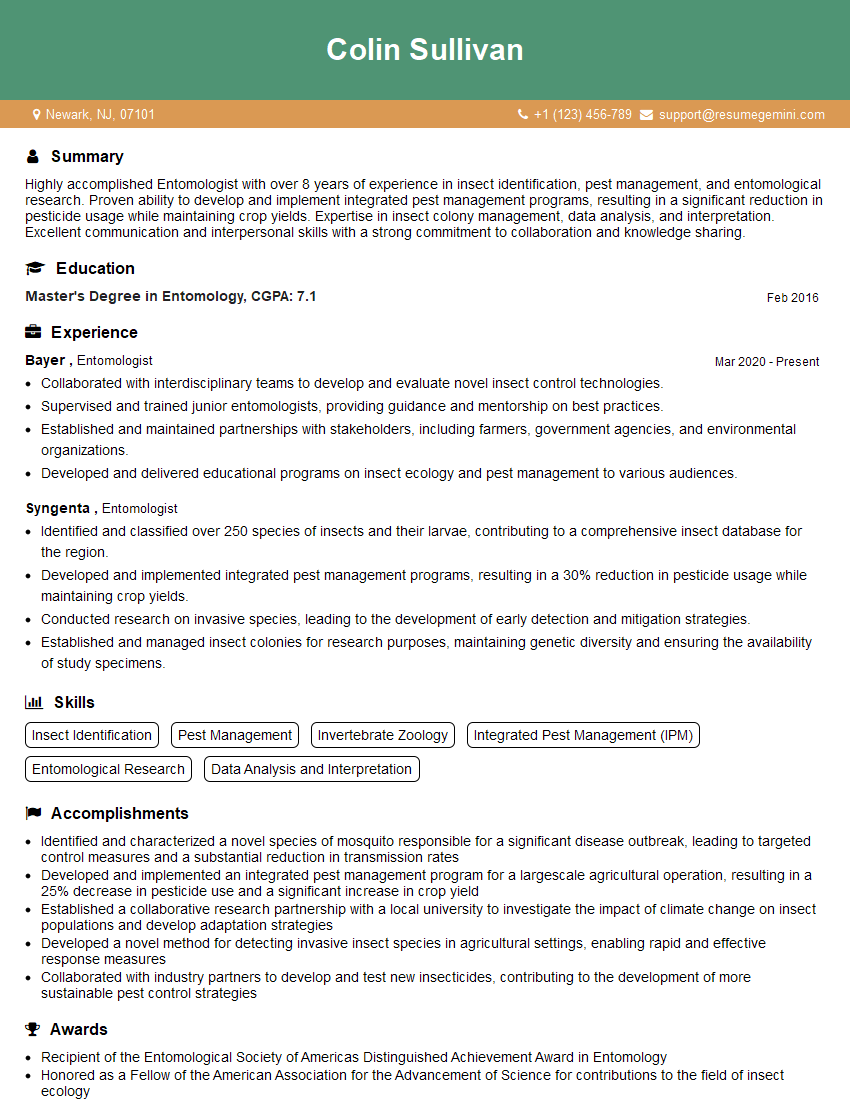
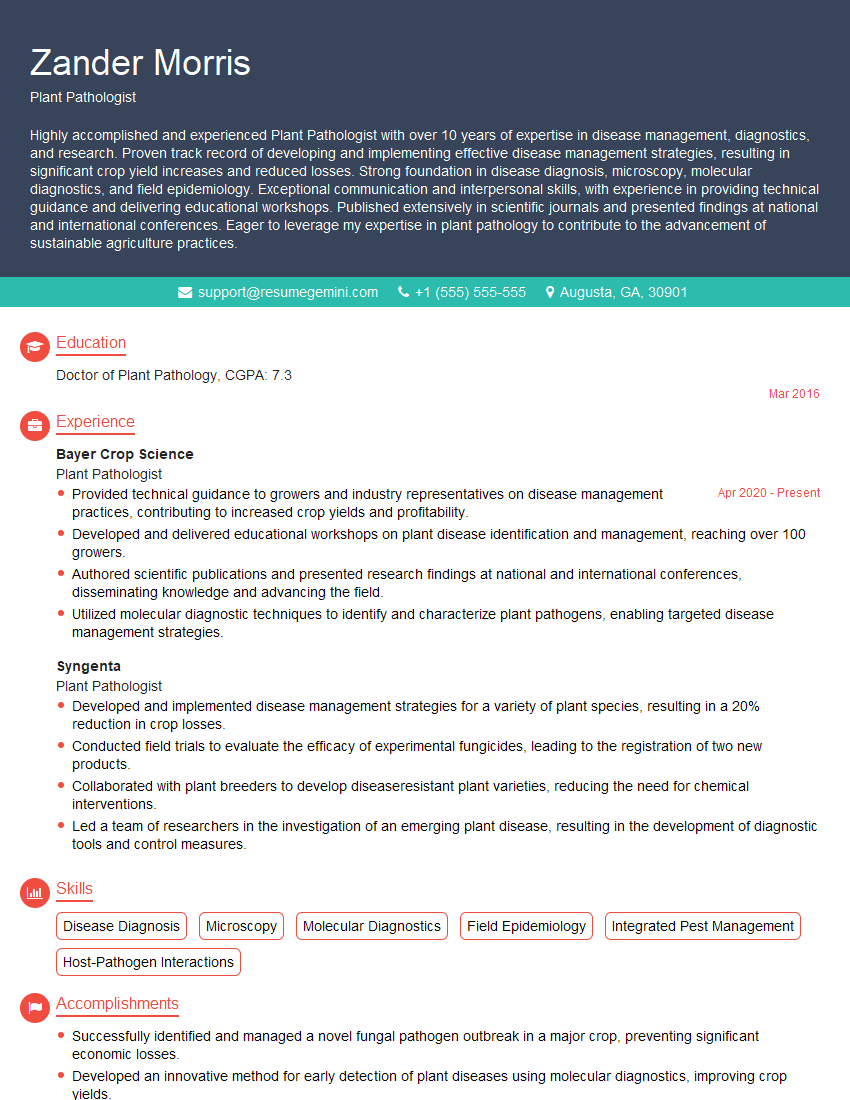
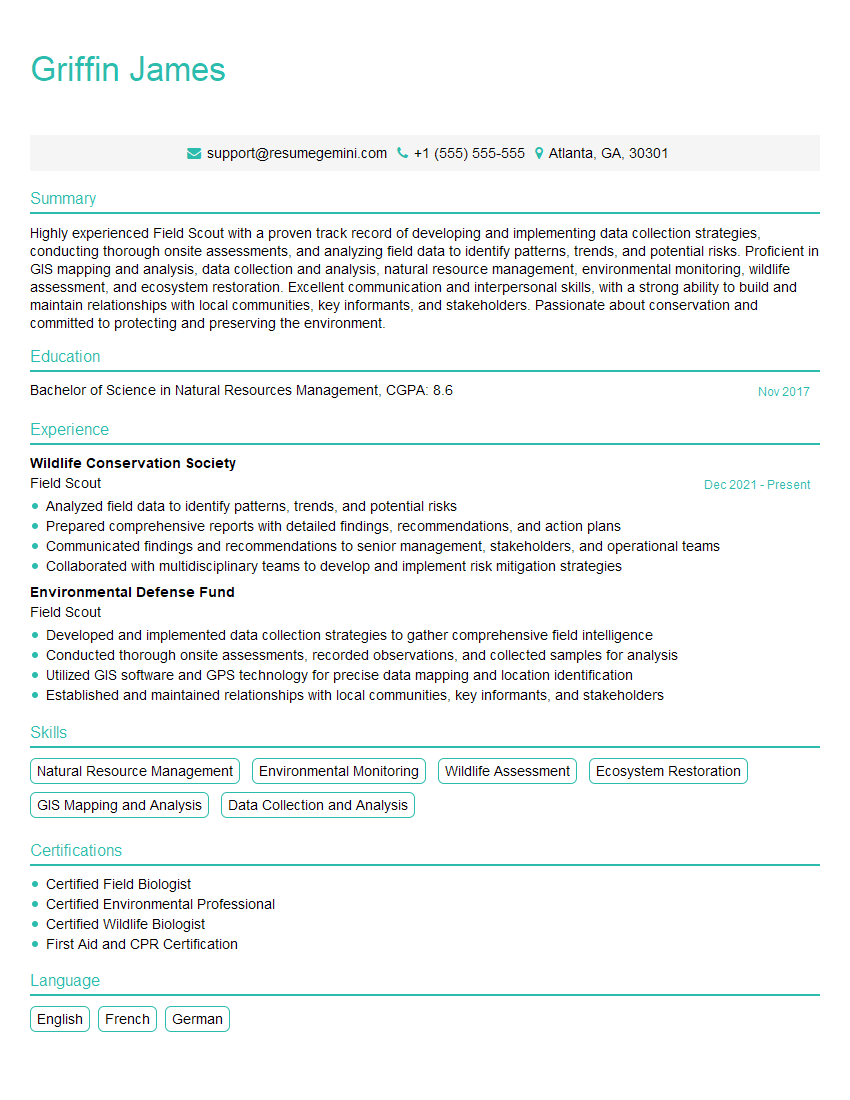
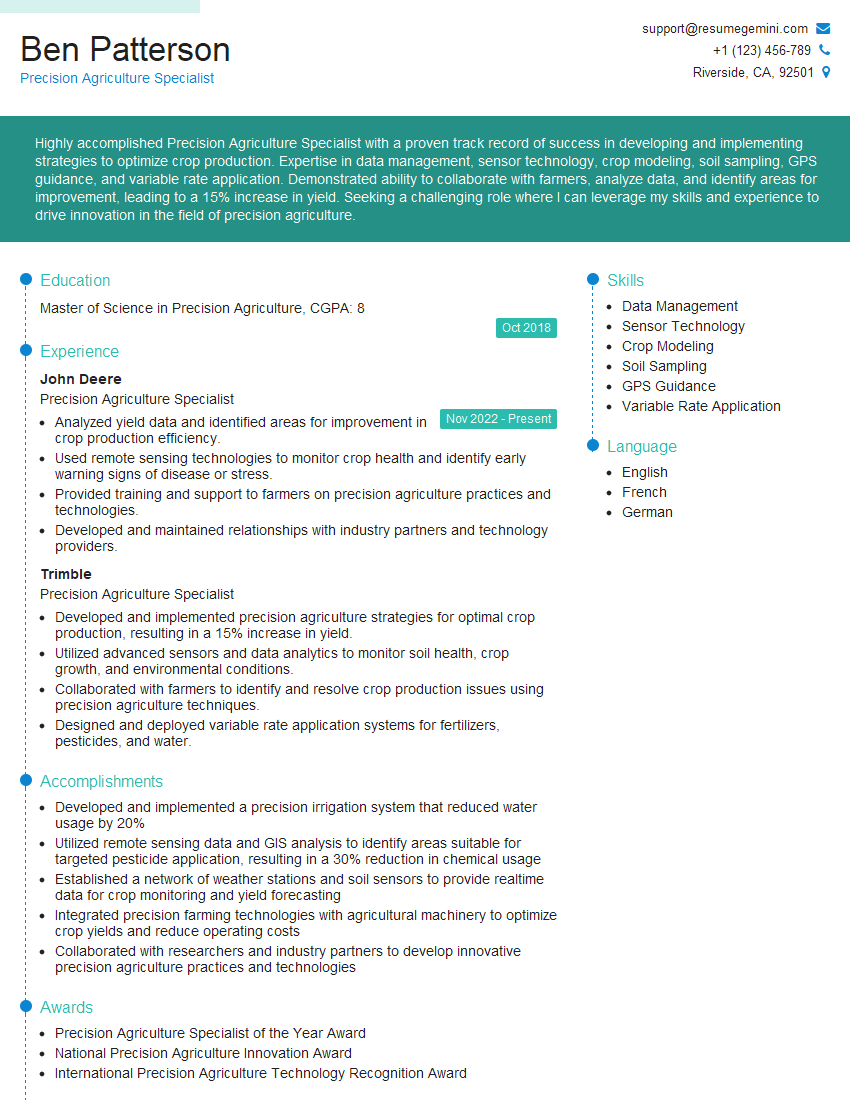
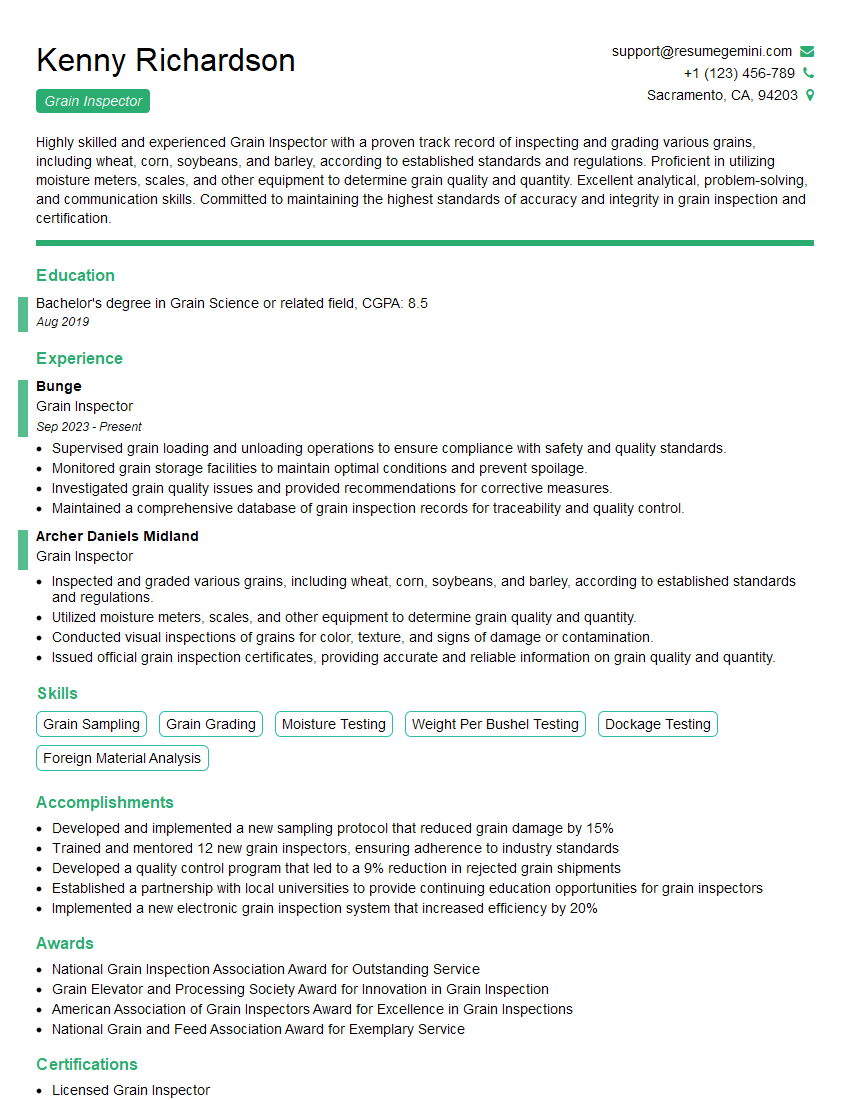
Mastering Crop Inspection and Pest Identification is crucial for a successful and rewarding career in agriculture. Strong knowledge in this area opens doors to diverse roles, offering excellent opportunities for professional growth and advancement. To maximize your job prospects, crafting an ATS-friendly resume is essential. ResumeGemini can help you build a professional and impactful resume that highlights your skills and experience effectively. We provide examples of resumes tailored specifically to Crop Inspection and Pest Identification roles to guide you through the process. Invest in your future – create a resume that showcases your expertise and makes you stand out from the competition.
Explore more articles
Users Rating of Our Blogs
Share Your Experience
We value your feedback! Please rate our content and share your thoughts (optional).
What Readers Say About Our Blog
To the interviewgemini.com Webmaster.
Very helpful and content specific questions to help prepare me for my interview!
Thank you
To the interviewgemini.com Webmaster.
This was kind of a unique content I found around the specialized skills. Very helpful questions and good detailed answers.
Very Helpful blog, thank you Interviewgemini team.