Interviews are opportunities to demonstrate your expertise, and this guide is here to help you shine. Explore the essential Customer Communication and Problem Resolution interview questions that employers frequently ask, paired with strategies for crafting responses that set you apart from the competition.
Questions Asked in Customer Communication and Problem Resolution Interview
Q 1. Describe your approach to handling a highly escalated customer complaint.
My approach to handling a highly escalated customer complaint centers on empathy, active listening, and a structured problem-solving process. I begin by acknowledging the customer’s frustration and validating their feelings. This isn’t about agreeing with everything, but rather showing I understand their perspective. Then, I actively listen, letting them fully explain the situation without interruption (unless it becomes abusive). Once I have a complete understanding, I summarize their concerns to ensure I haven’t missed anything. This also helps the customer feel heard. Next, I move into problem-solving mode, outlining clear steps and setting realistic expectations. This often involves identifying the root cause, suggesting solutions, and outlining a timeline for resolution. Throughout the process, I maintain open communication, providing updates and proactively addressing any new concerns. Finally, I follow up to ensure the customer is satisfied and to gather feedback on the resolution process itself.
For example, if a customer is furious because a delivery was significantly delayed, I wouldn’t start by defending the company’s actions. I’d begin by saying something like, “I understand your frustration, Mr. Smith. A delayed delivery is incredibly inconvenient, and I sincerely apologize for the inconvenience this has caused.” Then, I’d delve into the reason for the delay, offer a solution like expedited shipping or a refund, and clearly communicate the next steps.
Q 2. How do you prioritize multiple customer issues simultaneously?
Prioritizing multiple customer issues requires a system and a strong understanding of urgency. I use a combination of techniques including:
- Urgency/Impact Matrix: I assess each issue based on its urgency (how quickly it needs resolution) and its impact (how severely it affects the customer or the business). High-urgency, high-impact issues take priority.
- First-In, First-Out (FIFO) with exceptions: While FIFO is a good general guideline, critical issues are prioritized regardless of arrival time. This ensures swift attention to pressing matters.
- Customer Segmentation: Understanding customer value (e.g., high-value clients often receive quicker attention) influences priority. This is done ethically and fairly, ensuring all customers feel valued.
- Use of Technology: CRM systems (discussed further in question 3) offer features like ticketing and automated workflows that aid in prioritization and efficient task management.
Imagine juggling several phone calls: a furious customer whose order is lost, a regular client with a minor billing question, and a prospective client inquiring about services. The lost order gets immediate attention, the regular client gets handled promptly but perhaps not immediately, and the prospective client’s question gets a response within a reasonable timeframe, likely within the same business day.
Q 3. Explain your experience using CRM software to manage customer interactions.
My experience with CRM software is extensive. I’ve used various platforms, including Salesforce and Zendesk, to manage customer interactions throughout the customer lifecycle. I utilize CRMs to:
- Track Customer Interactions: Documenting every interaction, including calls, emails, and chat sessions, provides a complete history, ensuring continuity of service.
- Manage Cases/Tickets: CRMs allow for efficient case management, enabling me to track progress, assign tasks, and collaborate with colleagues.
- Segment Customers: This allows for targeted communication and personalized support, leading to improved customer satisfaction.
- Generate Reports and Analytics: Data analysis helps identify trends, areas for improvement, and measure the effectiveness of my communication and problem-solving strategies. For instance, I can track average resolution time or customer satisfaction scores.
- Automate Tasks: Automating routine tasks frees up time to focus on more complex issues and interacting directly with customers.
For example, I might use Salesforce’s workflow automation to automatically send an email acknowledging a received ticket and provide the customer with an estimated resolution time. The system then allows me to update the status of the ticket, and even includes features to send automated follow-up messages once the issue is resolved.
Q 4. How do you de-escalate a tense conversation with an angry customer?
De-escalating a tense conversation with an angry customer involves demonstrating empathy, active listening, and a calm, controlled demeanor. I avoid interrupting; instead, I let them vent their frustrations completely, demonstrating that I am truly hearing their concerns. I use phrases like, “I understand your frustration,” and “I can see why you’re upset.” Once they have expressed themselves, I summarize their concerns and validate their feelings, even if I don’t agree with their assessment. I then actively work to find a solution, taking ownership of the problem and providing realistic expectations for resolution. If the conversation remains highly agitated, I might offer a brief pause to allow everyone to collect themselves. Maintaining a calm and respectful tone throughout is essential. A genuine apology, even if it’s for a situation beyond my immediate control, can often go a long way.
Imagine a customer screaming about a faulty product. I would start by saying something like, “Sir, I understand your frustration. It’s incredibly upsetting when a product doesn’t work as expected, and I sincerely apologize for the trouble this has caused.” Then, I’d calmly ask for details about the issue, offering a solution such as a replacement or refund while actively listening to their concerns.
Q 5. What metrics do you use to measure the effectiveness of your communication and problem-solving?
Measuring the effectiveness of my communication and problem-solving relies on several key metrics:
- Customer Satisfaction (CSAT) scores: Post-resolution surveys gauge customer satisfaction with the entire interaction.
- Net Promoter Score (NPS): Measures customer loyalty and willingness to recommend the company.
- Average Resolution Time (ART): Tracks the time taken to resolve customer issues, indicating efficiency.
- First Contact Resolution (FCR): Measures the percentage of issues resolved on the first contact, highlighting efficiency and effectiveness.
- Customer Effort Score (CES): Assesses how easy it was for the customer to resolve their issue.
By monitoring these metrics, I can identify areas where improvements are needed and track progress over time. Low CSAT scores, for instance, might signal a need for additional training or process adjustments. High ART could indicate bottlenecks in the workflow that need addressing.
Q 6. How do you adapt your communication style to different customer personalities?
Adapting my communication style to different customer personalities is crucial for effective interaction. I use active listening to identify the customer’s communication style and adjust accordingly. For example:
- Direct and Concise: For customers who prefer efficiency, I use clear, direct language and avoid unnecessary details.
- Detailed and Explanatory: For customers who need more information, I offer detailed explanations and answer all their questions thoroughly.
- Empathetic and Patient: For frustrated or anxious customers, I show empathy and patience, allowing them to fully express their concerns before offering solutions.
- Formal or Informal: I adjust my language and tone to match the customer’s preferred communication style. Some prefer a formal approach, while others appreciate a more conversational tone.
Think of it like this: you wouldn’t speak to a child the same way you speak to a colleague. Similarly, a fast-paced executive might want a quick solution, while a more detail-oriented individual may need a thorough explanation of every step. Adapting to each individual’s needs ensures better communication and resolution.
Q 7. Describe a situation where you had to explain a complex technical issue to a non-technical customer.
I once had to explain a complex technical issue – a server-side error causing website downtime – to a non-technical client who owned a small bakery. Instead of using technical jargon like “database synchronization failure,” I explained the situation using simple analogies. I said something like, “Imagine your bakery’s oven is the server. The oven is currently broken, preventing you from baking your delicious pastries (website content). We’re working on fixing the oven (server) so you can get back to baking (selling your products online) as soon as possible.” I then broke down the repair process into simple steps, explaining that our engineers were working on identifying the cause of the problem and implementing a fix, providing regular updates along the way. Avoiding technical terminology, focusing on the impact on the client’s business, and keeping the explanation clear and concise ensured that the client understood the situation and felt reassured about the solution. I used visuals in the form of a simple diagram illustrating the problem to further simplify my explanation. This approach helped to ease the client’s anxiety, build rapport, and maintain a positive relationship.
Q 8. How do you handle situations where you cannot immediately resolve a customer’s problem?
When I can’t immediately resolve a customer’s problem, my priority is to manage expectations and keep the customer informed. This involves a multi-step process. First, I acknowledge their issue and empathize with their frustration. I then explain what steps I’ll take to find a solution, providing a realistic timeframe for a response. This might involve escalating the issue to a specialist, checking with internal teams for information, or investigating the root cause myself. I always keep the customer updated on my progress, even if it’s just to say I’m still working on it. Finally, once a solution is found, I ensure the customer is fully satisfied and understand the resolution. For example, if a customer is experiencing a technical issue with our software, and I’m unable to directly troubleshoot it, I’d escalate the ticket to our engineering team, provide the customer with a ticket number for tracking purposes, and offer them a reasonable timeframe for a response (e.g., ‘We’ll have a specialist look into this within 24 hours and get back to you’).
Failing to provide updates is a major source of customer frustration. Consistent communication is crucial.
Q 9. What is your process for documenting customer interactions and resolutions?
My documentation process is meticulous and follows a standardized format to ensure consistency and easy retrieval of information. I use our company’s CRM system to log every interaction. This includes recording the customer’s name, contact information, the nature of their issue, the steps taken to resolve it, the outcome, and any relevant notes. For example, I’d document the specific error messages a customer reported, the troubleshooting steps I followed, and any workarounds I provided. Crucially, I document the resolution, including the final solution implemented and the customer’s feedback. Using a standardized system guarantees that information is accessible to other team members, allowing for seamless continuation of support if I am unavailable. It also helps us track trends and patterns in customer issues.
Q 10. How do you identify root causes of recurring customer issues?
Identifying the root cause of recurring customer issues requires a systematic approach. I start by analyzing the documented interactions within our CRM system. Looking for common threads in customer complaints, I can identify patterns that point to underlying problems. For example, if multiple customers report difficulty navigating a specific section of our website, it might indicate poor user interface design. Next, I’ll consult with other departments like product development or engineering to confirm my hypothesis and explore potential solutions. Once the root cause is identified, I work collaboratively to implement solutions. This might involve website updates, process improvements, or staff training. By proactively addressing these root causes, we can prevent future customer issues and enhance overall customer satisfaction.
Q 11. Describe your experience with different communication channels (e.g., email, phone, chat).
I’m proficient in various communication channels and tailor my approach based on the customer’s preference and the nature of the issue. Phone calls are ideal for complex or sensitive issues requiring immediate attention, allowing for real-time interaction and clarification. Emails are effective for providing detailed information, sharing documentation, or tracking conversations. Live chat offers a quick and convenient way to address simple questions or provide immediate assistance. I find that the tone and language used varies across these channels. A concise and factual email is often appropriate, whereas phone calls may benefit from more empathetic and conversational language. My experience has shown that mastering all these channels ensures better customer support and flexibility.
Q 12. How do you ensure customer satisfaction while adhering to company policies and procedures?
Balancing customer satisfaction with company policies and procedures is a crucial aspect of my role. I strive to find solutions that both resolve the customer’s issue and adhere to the company’s guidelines. Sometimes, I might need to explain the limitations of our policies to the customer, emphasizing the reasons behind them and offering alternative solutions. For example, while I can’t offer a refund outside the company’s return policy, I could offer a discount or other compensation to show goodwill. Transparency and clear communication are vital. Customers are generally understanding if they feel they are being treated fairly and that the business has their best interests at heart. Finding creative solutions within the policy framework maintains customer trust and prevents potentially damaging conflicts.
Q 13. How do you balance the needs of individual customers with the overall business objectives?
Balancing individual customer needs with overall business objectives requires a nuanced approach. While I prioritize individual customer satisfaction, I am also mindful of our company’s resources and broader goals. For example, granting an exception to a policy for one customer might not be feasible if it sets a precedent that could negatively impact the business. Instead, I focus on finding solutions that are both fair to the customer and align with company strategy. This might involve offering alternative solutions or explaining the rationale behind a decision. I believe successful customer communication lies in empathy and clear, respectful dialogue. By addressing the customer’s needs effectively while keeping the business’s long-term well-being in mind, it fosters loyalty and strengthens the overall relationship.
Q 14. Describe a time you had to make a difficult decision regarding a customer issue.
I once had to make a difficult decision regarding a customer who experienced significant financial losses due to a technical error on our platform. While the error wasn’t directly caused by our negligence, it occurred during a period of system instability and significantly impacted the customer. My initial inclination was to uphold our standard policy, which didn’t fully cover their losses. However, after thoroughly assessing the situation and considering the customer’s distress, I decided to escalate the case to upper management. I presented a compelling argument highlighting the unusual circumstances and the potential reputational risk. My recommendation was to offer a substantial partial reimbursement and proactively implement measures to prevent similar situations. The management team ultimately approved my recommendation, demonstrating the value of balancing corporate policy with empathetic problem-solving. This demonstrated to me the importance of understanding both the human side of a customer issue and the wider context of the business’s objectives.
Q 15. How do you stay updated on new technologies and best practices in customer service?
Staying current in the dynamic field of customer service requires a multi-pronged approach. I actively participate in online communities and forums dedicated to customer service best practices, such as those found on LinkedIn or industry-specific websites. I regularly read industry publications, blogs, and research papers to understand emerging trends and innovative solutions. Attending webinars and conferences allows me to network with other professionals and learn directly from experts. Finally, I actively experiment with new technologies myself, whether it’s a new CRM system or a chatbot platform, to understand their capabilities and limitations firsthand. For example, recently I explored the use of AI-powered sentiment analysis tools to improve our response times to negative feedback.
Career Expert Tips:
- Ace those interviews! Prepare effectively by reviewing the Top 50 Most Common Interview Questions on ResumeGemini.
- Navigate your job search with confidence! Explore a wide range of Career Tips on ResumeGemini. Learn about common challenges and recommendations to overcome them.
- Craft the perfect resume! Master the Art of Resume Writing with ResumeGemini’s guide. Showcase your unique qualifications and achievements effectively.
- Don’t miss out on holiday savings! Build your dream resume with ResumeGemini’s ATS optimized templates.
Q 16. How do you handle customer feedback, both positive and negative?
Handling customer feedback, regardless of its nature, is crucial for continuous improvement. Positive feedback should be acknowledged and celebrated. I make sure to personally thank customers for their positive comments and use their feedback to identify areas of strength and to reinforce successful strategies. For example, if a customer praises a particular team member’s efficiency, I’ll make sure to recognize that individual’s contribution. Negative feedback, while challenging, is invaluable. I approach it systematically. First, I listen empathetically and acknowledge the customer’s frustration. Then, I investigate the issue thoroughly, documenting all steps taken to resolve the problem. Once resolved, I offer a sincere apology and explore ways to prevent similar issues in the future. I then use this feedback to improve our processes and training. For instance, if multiple customers complain about a specific process being confusing, we would revisit the process and simplify it with more intuitive instructions.
Q 17. What is your experience with using ticketing systems for customer support?
My experience with ticketing systems is extensive. I’ve worked with various platforms, including Zendesk, ServiceNow, and Salesforce Service Cloud. I’m proficient in utilizing ticketing systems for case management, tracking resolution times, assigning tasks, and generating reports on key metrics. I understand the importance of effective ticket categorization, prioritization, and escalation to ensure timely and efficient responses. My experience extends beyond just using the software; I understand how to configure workflows, customize fields, and integrate the ticketing system with other tools, like CRM systems, to create a seamless customer support experience. For example, I’ve used Zendesk’s automation features to create triggered responses for frequently asked questions, freeing up agents to handle more complex issues.
Q 18. How do you build rapport with customers quickly and effectively?
Building rapport is about connecting with the customer on a human level. It starts with active listening; truly hearing what the customer is saying, not just waiting for my turn to speak. I use their name consistently and mirror their communication style to establish a comfortable connection. I acknowledge their feelings, validating their experience, even if I can’t immediately solve their problem. A simple phrase like, “I understand this is frustrating,” can go a long way. I also aim to personalize the interaction by showing I’ve taken the time to understand their individual needs and situation. For example, if a customer is calling about a technical issue, I might ask about their technical comfort level before diving into complex explanations. This empathetic and personalized approach helps build trust and establishes a positive relationship quickly.
Q 19. How do you measure the success of your problem-solving efforts?
Measuring the success of my problem-solving efforts involves several key performance indicators (KPIs). These include customer satisfaction (CSAT) scores, measured through surveys or feedback forms. I also track first-contact resolution rates (the percentage of issues resolved on the first contact) and average resolution time (ART). Net Promoter Score (NPS), which measures customer loyalty, is another crucial metric. Beyond these quantifiable metrics, I also consider qualitative feedback, such as comments and suggestions from customers, to gain a holistic view of my performance and identify areas for improvement. By regularly monitoring these metrics, I can identify trends, assess the effectiveness of my strategies, and continually refine my approach to problem-solving.
Q 20. Describe your experience with customer service training programs.
I’ve participated in numerous customer service training programs throughout my career, covering various aspects of customer interaction, conflict resolution, and technical skills development. These programs have ranged from online modules focusing on specific software or communication techniques to in-person workshops emphasizing active listening and empathy. I’ve found role-playing exercises particularly beneficial in practicing difficult conversations and refining my communication skills. I actively seek out training opportunities to stay up-to-date with industry best practices and enhance my abilities, contributing to my ongoing professional development and ensuring I can provide top-tier customer support. For example, a recent training program focused on effective communication strategies for diverse cultural contexts, enhancing my ability to support a global customer base.
Q 21. What is your understanding of customer relationship management (CRM)?
Customer Relationship Management (CRM) is a system for managing all interactions with current and potential customers. It’s more than just a contact list; it’s a centralized database housing information about customer interactions, purchase history, preferences, and support requests. A robust CRM system allows businesses to streamline communication, personalize interactions, track customer journeys, and improve overall customer experience. My understanding of CRM extends beyond basic data entry; I’m familiar with using CRM systems to segment customers, analyze sales data, and automate marketing campaigns. For example, I’ve used Salesforce to create automated email sequences for onboarding new customers, and to segment customers based on their past purchase history allowing for more targeted communication.
Q 22. Describe a time you had to work collaboratively with other teams to resolve a customer issue.
Effective customer problem resolution often necessitates cross-functional collaboration. I recall a situation where a major software update caused widespread connectivity issues for our clients. Initially, our customer support team fielded numerous complaints, but the root cause lay within the deployment process managed by the Engineering team.
To resolve this, I facilitated a collaborative bridge between our support, engineering, and product management teams. We established a centralized communication channel (using Slack) to share real-time updates, troubleshoot the issue, and coordinate messaging to customers. The Engineering team identified and fixed the bug, while the Product team prepared a detailed communication explaining the issue and the solution. Our support team, equipped with this information, provided accurate and empathetic responses to frustrated customers. This collaborative approach not only resolved the technical issue but also minimized negative customer impact and enhanced inter-team communication for future challenges.
Q 23. How do you deal with customers who are abusive or disrespectful?
Dealing with abusive or disrespectful customers requires a calm, professional, and firm approach. My primary goal is to de-escalate the situation and find a solution. I start by actively listening to the customer, acknowledging their frustration without accepting abuse. I might say something like, “I understand your frustration; let’s work together to find a resolution.”
If the abuse continues, I firmly, yet politely, set boundaries. For example, I might say, “While I appreciate you sharing your concerns, I won’t tolerate disrespectful language. Let’s focus on resolving your issue.” In extreme cases, I involve my supervisor to ensure both the customer and I are safe. Documentation of the interaction is crucial for future reference. My focus remains on resolving the underlying issue, even amidst challenging behavior; however, maintaining my own well-being is also paramount.
Q 24. How do you proactively identify and address potential customer problems?
Proactive problem identification is crucial for superior customer service. This involves employing several strategies:
- Analyzing customer feedback: Regularly reviewing surveys, reviews, and social media mentions helps identify recurring issues or emerging trends.
- Monitoring key metrics: Tracking metrics such as customer churn rate, support ticket volume, and Net Promoter Score (NPS) reveals areas needing attention.
- Using data analytics: Employing data analytics tools can identify patterns and predict potential problems before they escalate.
- Regularly reviewing processes: Analyzing internal processes can pinpoint bottlenecks or inefficiencies that negatively impact customers.
- Seeking proactive customer input: Engaging customers through proactive outreach (e.g., beta testing, focus groups) enables early identification of issues.
For example, if a spike in support tickets related to a specific feature is observed, I would investigate to understand the root cause, which may involve working with the product team to improve the feature’s usability or documentation.
Q 25. Explain your experience with conflict resolution techniques.
Conflict resolution is a core skill in customer service. My approach is guided by active listening, empathy, and a structured process. I typically employ these techniques:
- Active Listening: I carefully listen to understand the customer’s perspective, asking clarifying questions to ensure complete comprehension.
- Empathy: I acknowledge and validate the customer’s feelings, even if I don’t agree with their assessment. This helps de-escalate the situation.
- Collaboration: I work with the customer to find a mutually acceptable solution, ensuring their needs are met to the best of my abilities.
- Compromise: In some cases, compromise is necessary to reach a satisfactory resolution. This involves finding a middle ground that meets both parties’ needs to some extent.
- Mediation: If internal conflict arises, I facilitate communication between different departments to reach a resolution.
For instance, I once mediated a disagreement between a client and our billing department, clarifying the misunderstanding and leading to a fair resolution for both parties.
Q 26. How do you handle situations with limited information or resources?
Handling situations with limited information or resources necessitates a strategic approach. My strategy typically involves:
- Gathering information: I thoroughly investigate available resources, asking clarifying questions to obtain any missing information. This may involve searching knowledge bases, contacting colleagues, or escalating the issue to a more experienced team member.
- Prioritizing tasks: I prioritize tasks based on urgency and impact, focusing on addressing the most critical aspects first.
- Communicating transparently: I communicate clearly and openly with the customer regarding the limitations and steps being taken to address the problem. Setting realistic expectations is key.
- Seeking support: If necessary, I seek support from colleagues or supervisors, providing all relevant information to facilitate a faster resolution. Collaboration is key.
- Escalation: If the issue cannot be resolved with the available resources, I escalate it appropriately, ensuring proper documentation of the steps taken.
For example, if faced with a complex technical issue and lacking the technical expertise, I wouldn’t hesitate to escalate to a technical specialist, ensuring the customer remains informed.
Q 27. What are your strengths and weaknesses in customer communication and problem resolution?
My strengths in customer communication and problem resolution include:
- Active listening and empathy: I excel at understanding customer perspectives and demonstrating genuine concern.
- Clear and concise communication: I communicate complex information in an easily understandable manner.
- Problem-solving skills: I approach challenges systematically and creatively.
- Collaboration and teamwork: I work effectively with diverse teams to resolve issues.
An area for improvement is my ability to handle extremely high-pressure situations with multiple simultaneous crises. While I manage well under pressure, further developing my ability to prioritize tasks under extremely high volume and stress would increase my effectiveness.
Key Topics to Learn for Customer Communication and Problem Resolution Interview
- Active Listening and Empathetic Communication: Understanding the customer’s perspective and conveying empathy are crucial. Practical application involves paraphrasing customer concerns to ensure understanding and demonstrating genuine care.
- Effective Communication Techniques: Mastering clear, concise, and professional verbal and written communication. This includes adapting your communication style to different customer personalities and situations.
- Problem-Solving Methodologies: Utilizing structured approaches like the 5 Whys or root cause analysis to identify the core issue behind customer complaints. Practical application involves documenting the problem-solving process and proposed solutions.
- Conflict Resolution Strategies: Learning techniques to de-escalate tense situations and find mutually agreeable solutions. This includes understanding different conflict styles and adapting your approach accordingly.
- Technical Troubleshooting (if applicable): Depending on the role, this might involve understanding specific software, systems, or products relevant to the customer’s issue. Focus on your ability to diagnose and resolve technical problems efficiently.
- Customer Relationship Management (CRM) Systems: Familiarity with CRM software and its application in tracking customer interactions and resolving issues effectively. Demonstrate understanding of how CRM tools enhance communication and problem resolution.
- Documentation and Reporting: Clearly documenting customer interactions, solutions implemented, and outcomes for future reference and analysis. This demonstrates attention to detail and organizational skills.
Next Steps
Mastering Customer Communication and Problem Resolution is vital for career advancement in today’s customer-centric world. Strong communication and problem-solving skills are highly sought after, opening doors to leadership roles and increased earning potential. To significantly boost your job prospects, invest time in creating an ATS-friendly resume that highlights these crucial skills. ResumeGemini is a trusted resource to help you build a professional and impactful resume. Examples of resumes tailored to Customer Communication and Problem Resolution are available, showcasing how to effectively present your qualifications to prospective employers.
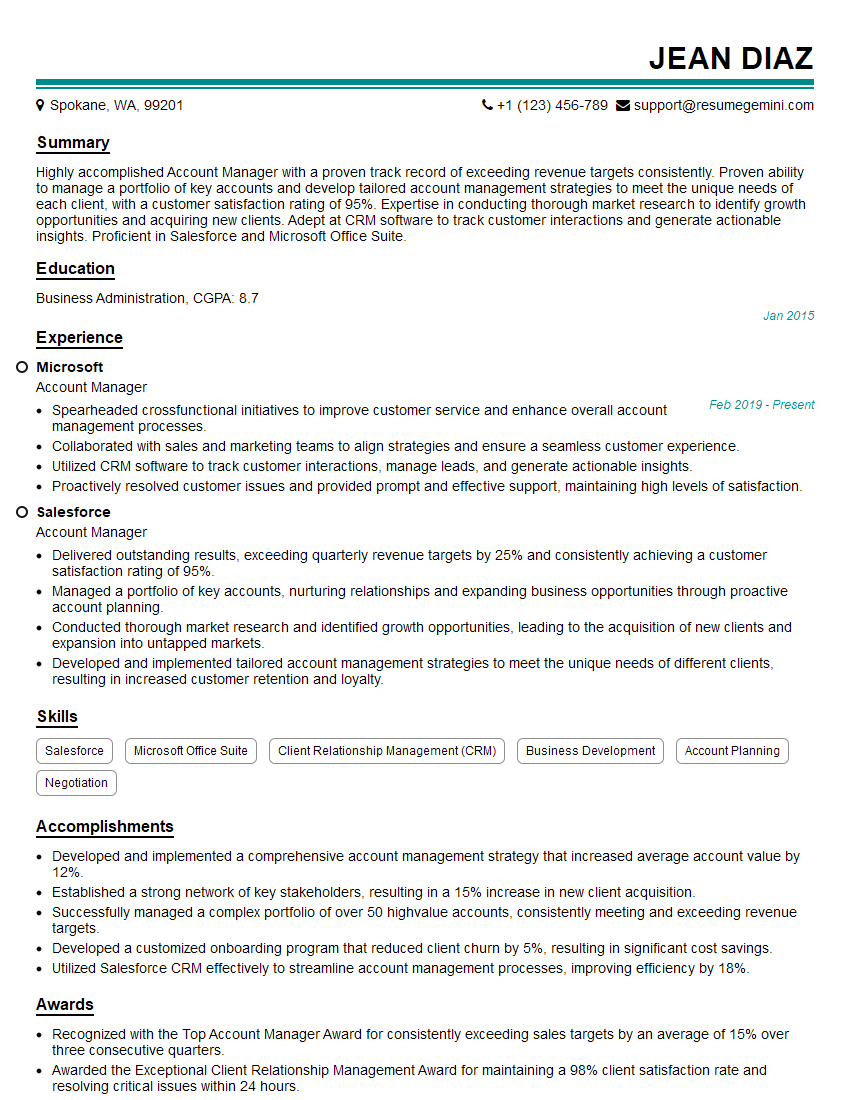
Account Manager Resume Sample

Communications Manager Resume Sample

Customer Service Manager Resume Sample
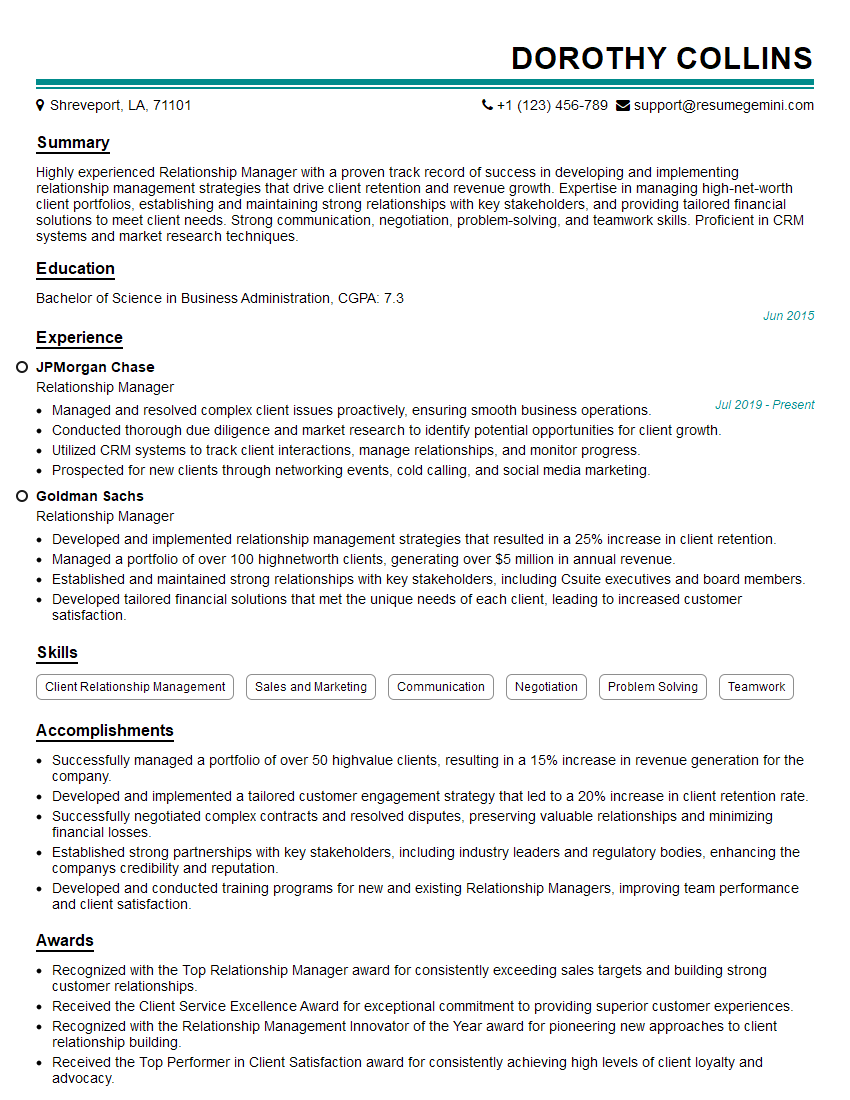
Relationship Manager Resume Sample
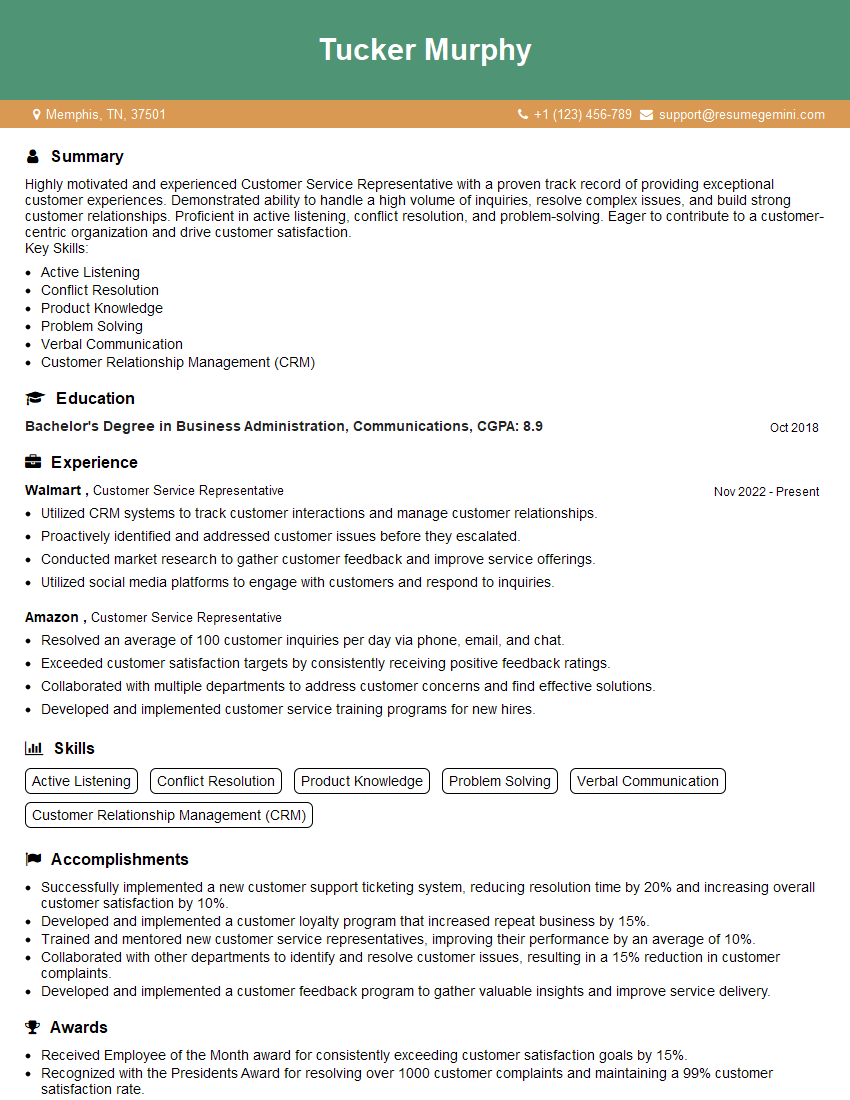
Customer Service Representative Resume Sample
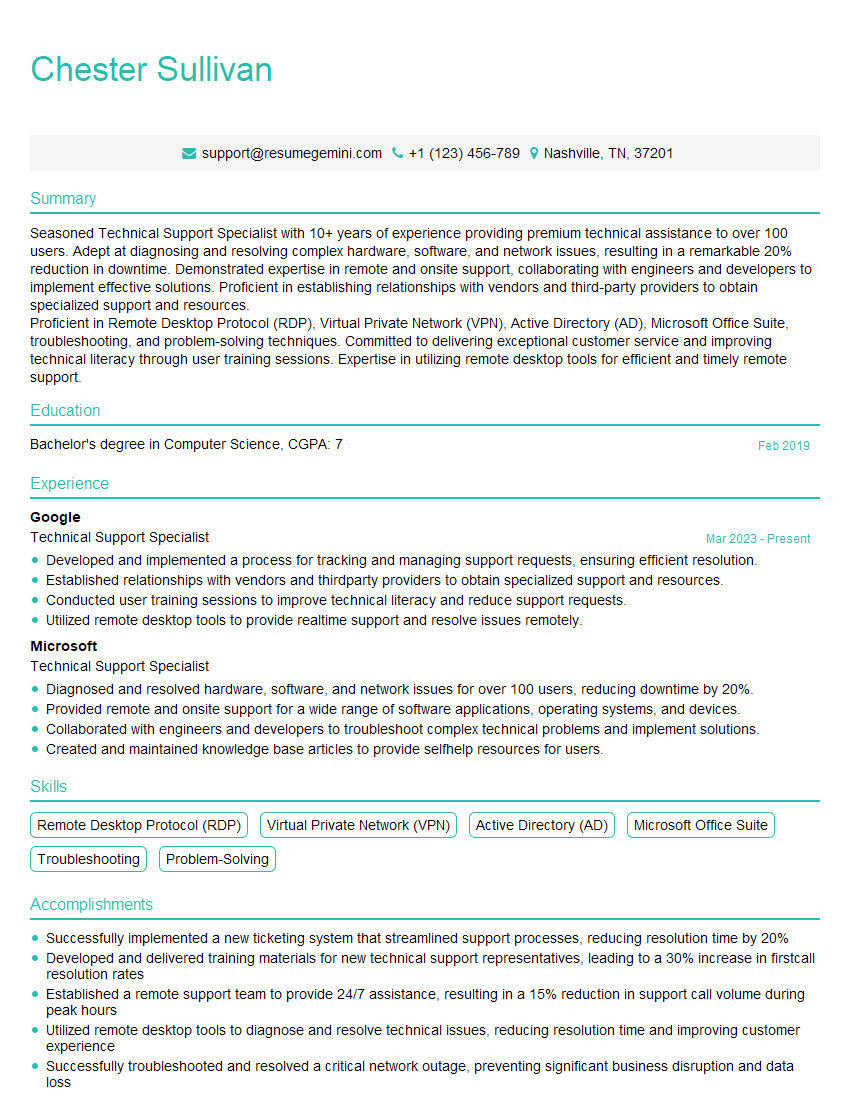
Technical Support Specialist Resume Sample

Customer Support Analyst Resume Sample
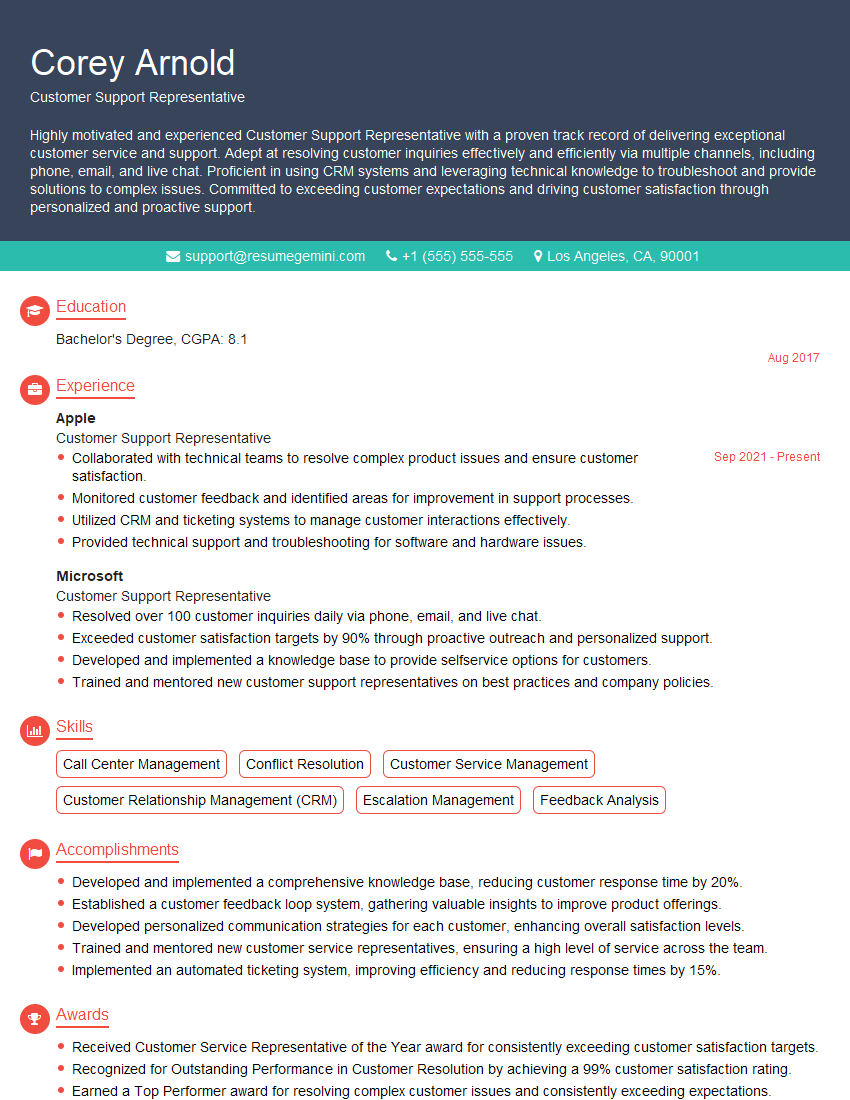
Customer Support Representative Resume Sample
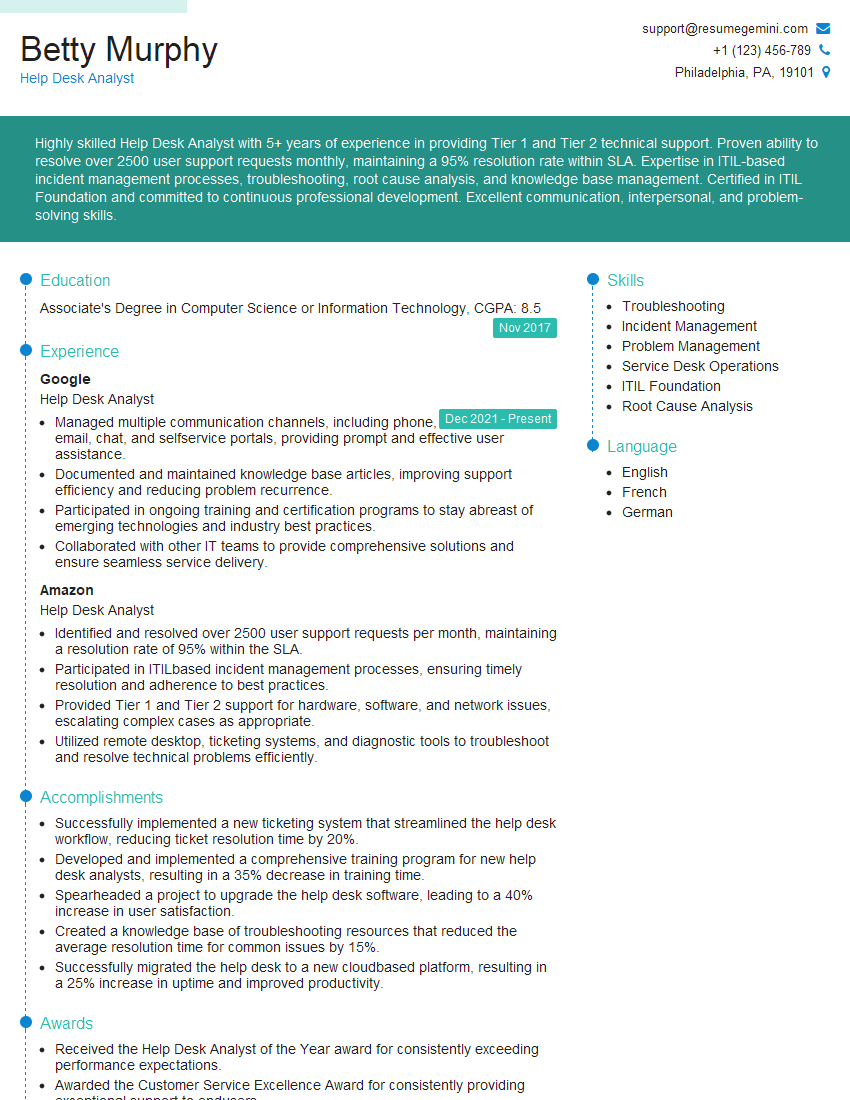
Help Desk Analyst Resume Sample
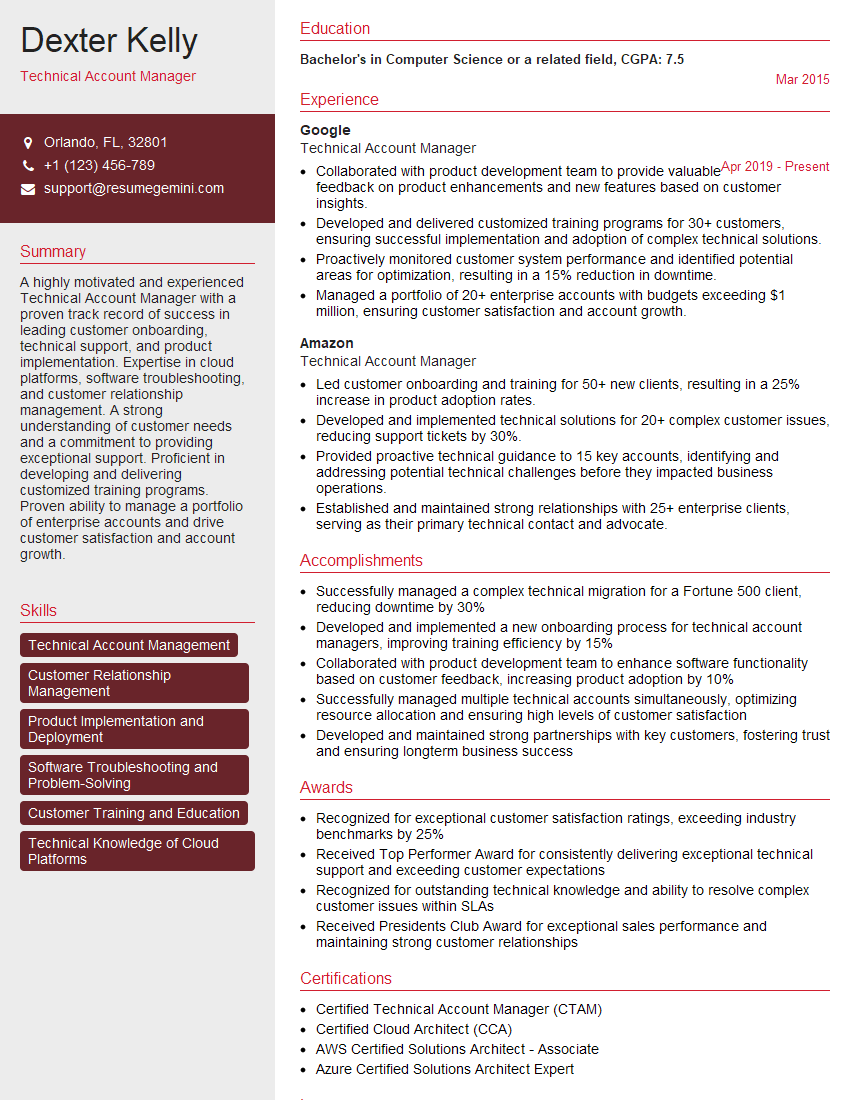
Technical Account Manager Resume Sample

Call Center Agent Resume Sample
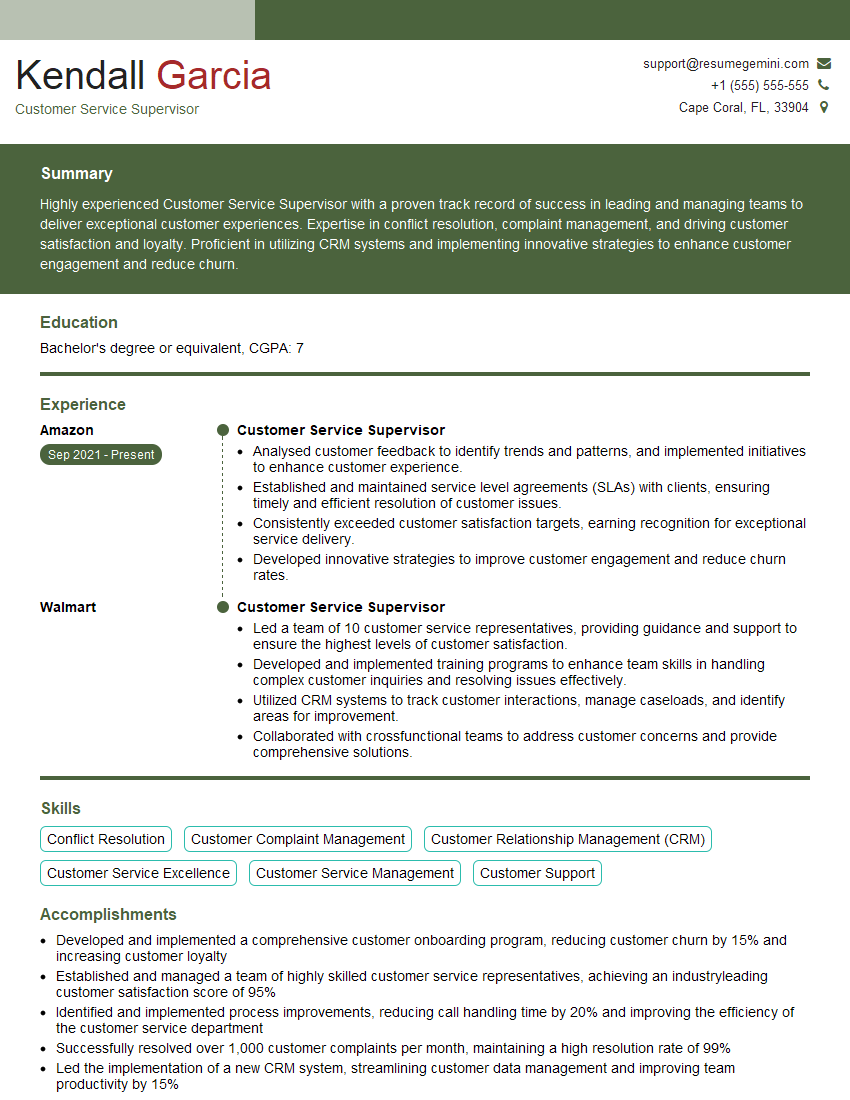
Customer Service Supervisor Resume Sample
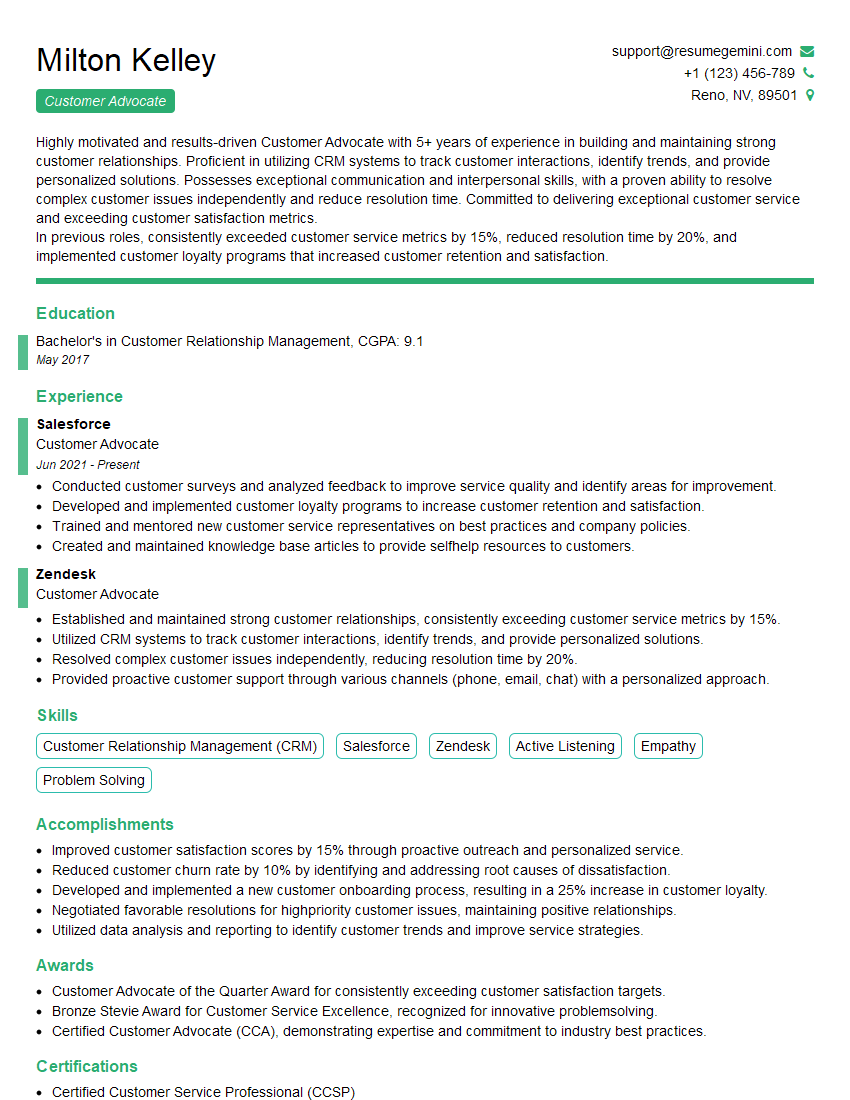
Customer Advocate Resume Sample
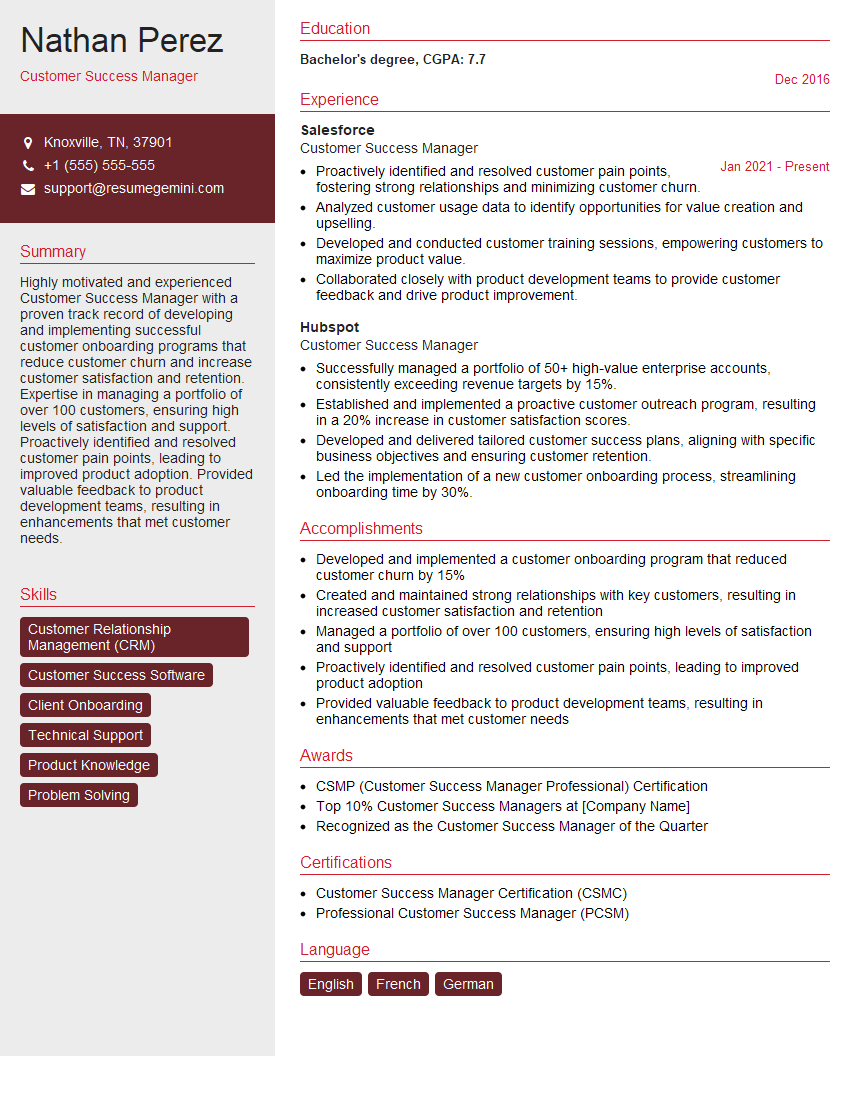
Customer Success Manager Resume Sample
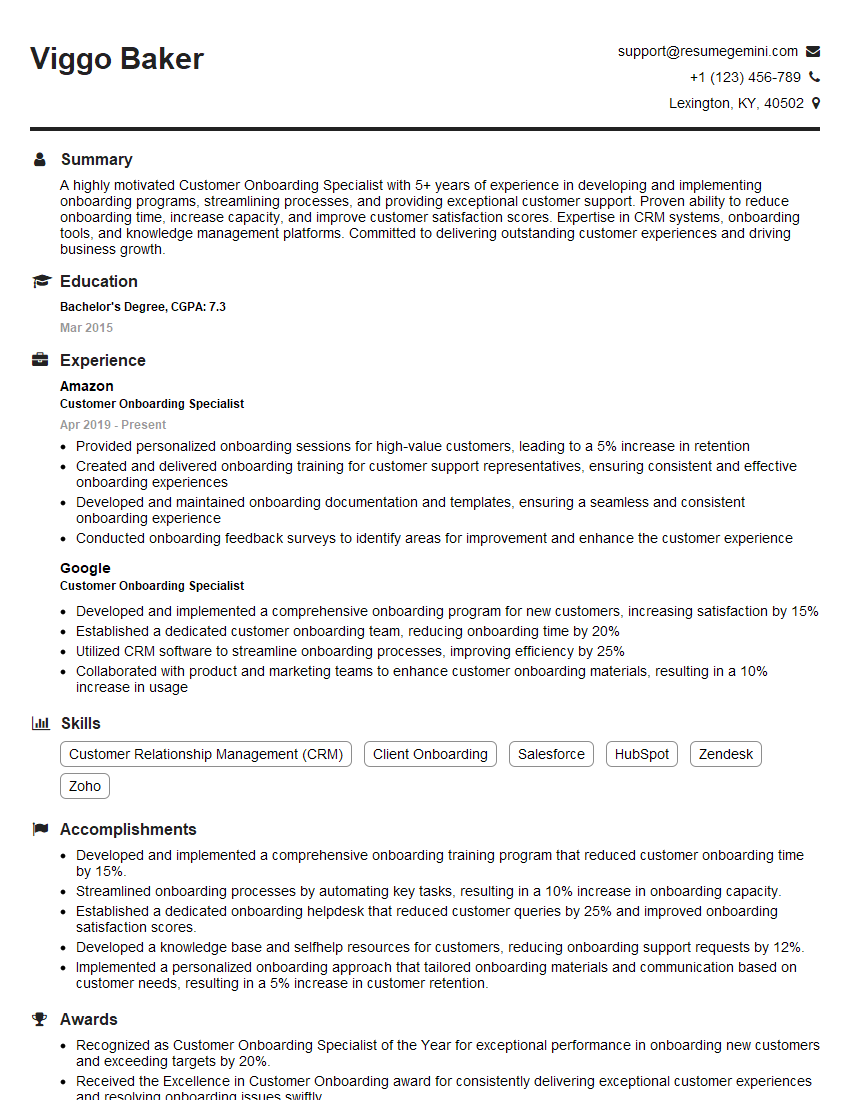
Customer Onboarding Specialist Resume Sample
- Account Manager
- Communications Manager
- Customer Service Manager
- Relationship Manager
- Customer Service Representative
- Technical Support Specialist
- Customer Support Analyst
- Customer Support Representative
- Help Desk Analyst
- Technical Account Manager
- Call Center Agent
- Customer Service Supervisor
- Customer Advocate
- Customer Success Manager
- Customer Onboarding Specialist
Explore more articles
Users Rating of Our Blogs
Share Your Experience
We value your feedback! Please rate our content and share your thoughts (optional).
What Readers Say About Our Blog
To the interviewgemini.com Webmaster.
Very helpful and content specific questions to help prepare me for my interview!
Thank you
To the interviewgemini.com Webmaster.
This was kind of a unique content I found around the specialized skills. Very helpful questions and good detailed answers.
Very Helpful blog, thank you Interviewgemini team.