Preparation is the key to success in any interview. In this post, we’ll explore crucial Customer Relations and Communication Skills interview questions and equip you with strategies to craft impactful answers. Whether you’re a beginner or a pro, these tips will elevate your preparation.
Questions Asked in Customer Relations and Communication Skills Interview
Q 1. Describe your experience handling difficult customer interactions.
Handling difficult customer interactions requires a calm, empathetic approach combined with strong problem-solving skills. It’s about de-escalating the situation and finding a mutually agreeable solution. My strategy involves active listening, validating their feelings, and focusing on finding a solution, not assigning blame.
For example, I once dealt with a customer furious about a delayed shipment. Instead of getting defensive, I acknowledged their frustration, apologized for the inconvenience, and proactively offered a solution – expedited shipping and a discount on their next order. This showed I cared about their experience and was committed to making things right. I also ensured to clearly explain the reasons for the delay, providing transparency and building trust.
Another key element is maintaining professionalism even under pressure. Using phrases like, “I understand your frustration,” or, “Let’s work together to find a solution,” can significantly help de-escalate tense situations.
Q 2. How do you prioritize multiple customer requests simultaneously?
Prioritizing multiple customer requests involves a strategic approach that combines urgency, impact, and customer relationship value. I use a system that prioritizes based on a combination of factors:
- Urgency: Requests requiring immediate attention, such as critical system outages or safety concerns, take precedence.
- Impact: Requests impacting a large number of customers or causing significant financial loss are prioritized higher.
- Customer Relationship Value: Long-standing, high-value customers often receive quicker responses due to their importance to the business. This is not to neglect other customers, but rather a strategic approach to maintaining key relationships.
I often utilize task management tools to keep track of all requests, assigning deadlines and flagging priorities. This ensures nothing falls through the cracks, allowing me to effectively juggle multiple demands while delivering timely and efficient service.
Q 3. Explain your approach to resolving customer complaints effectively.
My approach to resolving customer complaints focuses on empathy, thorough investigation, and a commitment to finding a fair and satisfactory resolution. It’s a structured process:
- Active Listening: I start by carefully listening to the customer’s complaint, allowing them to fully express their concerns without interruption. This builds trust and demonstrates that I value their feedback.
- Thorough Investigation: Once I understand the issue, I investigate thoroughly, gathering all necessary information to determine the root cause. This might involve checking order details, reviewing communication logs, or contacting other departments for support.
- Proposing a Solution: Based on my investigation, I propose a solution that addresses the customer’s needs and expectations. This could involve a refund, replacement, repair, or a combination of actions.
- Follow-up: After implementing the solution, I follow up with the customer to ensure they are satisfied and to address any remaining concerns.
For instance, if a customer receives a damaged product, I wouldn’t simply offer a replacement. I would also inquire about their experience, apologize sincerely, and potentially offer a small compensation for the inconvenience caused. This holistic approach fosters loyalty.
Q 4. What communication strategies do you use to build rapport with customers?
Building rapport with customers involves utilizing effective communication strategies that create a positive and trusting relationship. This includes:
- Active Listening: Paying close attention to what the customer says, both verbally and non-verbally, shows that you value their perspective.
- Empathy: Showing understanding and compassion for the customer’s situation creates a connection and builds trust.
- Clear and Concise Communication: Using simple language and avoiding jargon ensures the customer understands everything clearly.
- Professionalism: Maintaining a professional and courteous demeanor at all times, even in challenging situations, fosters respect.
- Personalization: When appropriate, using the customer’s name and referring to their past interactions helps create a personal connection.
For instance, starting a conversation with, “Hi [Customer Name], thank you for contacting us. I understand you’re having trouble with…,” immediately establishes a personalized and caring tone.
Q 5. How do you tailor your communication style to different customer personalities?
Tailoring communication style to different customer personalities is crucial for effective customer relations. I adapt my approach based on the customer’s communication style and demeanor.
For example, if a customer is direct and to-the-point, I mirror their style, providing concise and factual information. If a customer is more emotional or hesitant, I adopt a more patient and empathetic approach, offering reassurance and allowing them time to express their concerns.
Observing body language and listening for keywords helps me gauge the customer’s personality. A fast-paced, assertive customer might benefit from quick solutions and efficiency, while a more contemplative customer may need more time and explanation. Flexibility is key; adapting to the individual customer ensures the best possible communication and resolution.
Q 6. Describe a time you had to deal with a demanding customer; how did you manage the situation?
I once dealt with a customer who was extremely demanding and verbally abusive about a minor billing error. Instead of reacting defensively, I remained calm and professional. I listened patiently to their complaints, validated their frustration (even though the error was minimal), and then calmly explained the situation, showing them exactly where the misunderstanding occurred. I apologized for the inconvenience, even if it wasn’t entirely my fault, because acknowledging their feelings was more important than assigning blame.
I offered a solution that addressed their concern – a small credit to their account – and followed up with an email summarizing our conversation and outlining the steps taken to prevent similar issues. By maintaining my composure and focusing on problem-solving, I managed to de-escalate the situation and resolve the issue amicably. This showed them that even under pressure, my priority was to find a resolution that satisfied their needs.
Q 7. How do you handle situations where a customer’s expectations are unrealistic?
Handling unrealistic customer expectations requires tact and diplomacy. The key is to manage expectations while maintaining a positive relationship. I would start by actively listening to the customer’s concerns and acknowledging their perspective.
Next, I would clearly and respectfully explain why their expectations are unrealistic, offering concrete reasons based on company policies, technical limitations, or industry standards. I would avoid being confrontational; instead, I would focus on finding a compromise or a realistic alternative that meets the customer’s needs as closely as possible. This might involve explaining the steps that are being taken to address their situation within the realm of feasibility.
Finally, I would offer a clear timeline for action and keep the customer updated on the progress. Transparency and proactive communication can help mitigate dissatisfaction even when you can’t fully meet their initial expectations.
Q 8. How do you stay calm and professional under pressure when dealing with upset customers?
Maintaining composure under pressure with upset customers is paramount. My approach involves a combination of techniques. First, I actively listen to understand their perspective without interruption, showing empathy and validating their feelings. This acknowledges their frustration and diffuses the situation. Second, I utilize calming techniques like deep breaths to manage my own stress, ensuring my responses are measured and professional. Finally, I focus on the customer’s needs and work collaboratively towards a solution. For instance, if a customer is yelling about a delayed order, I would start by saying something like, “I understand your frustration with the delay, and I sincerely apologize for the inconvenience.” This shows I’m listening and taking their concerns seriously before offering a solution.
Visualizing success can also help. I might mentally rehearse handling similar situations, focusing on a positive outcome. This proactive mental preparation makes it easier to respond calmly even in stressful situations.
Q 9. What is your approach to conflict resolution in customer interactions?
My conflict resolution strategy centers on collaborative problem-solving. I begin by actively listening to understand all perspectives involved. I then identify the root cause of the conflict, separating emotions from facts. This ensures objective assessment. Next, I work with the customer to brainstorm potential solutions, focusing on options that meet their needs while adhering to company policies. If a compromise can’t be readily found, I escalate the issue to a supervisor or manager while keeping the customer informed of progress. Transparency is key. For example, if a customer disputes a charge, I would first review the transaction details, then explain the process clearly to the customer, and only then explore potential solutions, such as a refund or credit. The goal is always a mutually acceptable resolution that leaves both parties satisfied.
Q 10. Explain your understanding of active listening and its importance in customer relations.
Active listening is far more than just hearing words; it involves fully concentrating on the speaker, understanding their message, responding thoughtfully, and remembering what was said. It’s crucial in customer relations because it demonstrates respect, builds trust, and ensures accurate understanding of the customer’s needs. Effective active listening requires paying close attention not only to verbal communication but also to nonverbal cues like body language and tone of voice. I demonstrate active listening through techniques such as paraphrasing (“So, if I understand correctly, you’re saying…”), summarizing key points, asking clarifying questions, and providing verbal and nonverbal feedback (nodding, maintaining eye contact). For example, if a customer explains a technical problem, I wouldn’t interrupt but instead summarize their issue with phrases like, “It sounds like you’re experiencing issues with X, Y, and Z features.” This confirmation shows them I’m fully engaged and truly understand their concerns.
Q 11. Describe your experience using CRM software (mention specific names if applicable).
I have extensive experience using various CRM (Customer Relationship Management) software platforms, including Salesforce and HubSpot. In my previous role, I used Salesforce to manage customer interactions, track sales leads, and analyze customer data. This included inputting customer information, managing communication logs, and utilizing reporting tools for performance analysis. In another role, HubSpot was used for marketing automation, lead nurturing, and customer service interactions. The features I find particularly useful include contact management, case tracking, and reporting dashboards that provide insightful metrics on customer interactions and service efficiency. These tools help streamline customer interactions, improve efficiency and allow for more personalized engagement with customers.
Q 12. How do you identify and address the root cause of recurring customer issues?
Identifying and addressing the root cause of recurring customer issues is critical to preventing future problems. My approach involves a multi-step process. First, I collect and analyze data on similar issues, such as customer feedback, support tickets, and usage patterns. This helps identify trends and commonalities. Second, I use data analysis tools (including those built into CRM software) to identify patterns and potential causes. Third, I review internal processes to see if there are any systemic issues that are contributing to the problem. Finally, I implement solutions that address the root cause, such as process improvements, system upgrades, or training programs. For example, if multiple customers report difficulty navigating a specific website feature, I’d analyze website usage data and customer feedback to understand the exact problem before suggesting redesign or adding clearer instructions.
Q 13. How do you measure your success in improving customer satisfaction?
Measuring success in improving customer satisfaction relies on various metrics. Key indicators include customer satisfaction (CSAT) scores, Net Promoter Score (NPS), and customer churn rate. CSAT scores are often collected through post-interaction surveys, providing direct feedback on customer experiences. NPS measures customer loyalty and willingness to recommend services. A lower churn rate indicates better customer retention. Beyond these, analyzing the volume and nature of customer complaints and the resolution time for issues also offers valuable insights. I regularly monitor these metrics, using the data to identify areas for improvement and track the effectiveness of implemented changes. For example, if CSAT scores show a decline after a system update, we might adjust the update and retest before launching it again.
Q 14. How do you effectively communicate technical information to non-technical customers?
Communicating technical information to non-technical customers requires simplifying complex concepts without sacrificing accuracy. I achieve this by using clear, concise language, avoiding jargon, and employing analogies or metaphors to illustrate technical concepts. Visual aids, such as diagrams, flowcharts, or screenshots, are incredibly helpful. I always check for comprehension by asking clarifying questions and summarizing key points in plain language. For instance, if explaining a network issue, instead of saying “The TCP/IP stack is experiencing latency,” I might say, “It’s like a traffic jam on the internet; your information is taking a longer time to reach its destination.” The use of relatable analogies helps the customer understand the underlying concept without getting bogged down in technical details.
Q 15. How do you handle negative online reviews or feedback?
Handling negative online reviews requires a proactive and empathetic approach. It’s not just about damage control; it’s about turning a negative experience into an opportunity to improve and show you care. My strategy involves several key steps:
- Acknowledge and Respond Promptly: I always acknowledge the review, thanking the customer for their feedback, even if it’s negative. A timely response shows you value their opinion.
- Empathize and Validate: I try to understand their perspective and express empathy. Phrases like, “I understand your frustration,” or “I’m sorry you had this experience,” go a long way.
- Take Ownership (When Appropriate): If the review highlights a genuine issue, I take ownership and apologize. Avoiding blame is crucial.
- Offer a Solution: Depending on the situation, I offer a practical solution, such as a refund, discount, or a promise to investigate the problem and improve the service.
- Take the Conversation Offline (If Necessary): Sometimes, a public back-and-forth isn’t the best approach. I might offer to contact them directly via email or phone to discuss the issue privately.
- Learn and Improve: Every negative review is an opportunity for improvement. I analyze the feedback to identify areas where we can enhance our products or services.
Example: If a customer complained about a delayed delivery, I wouldn’t just apologize, but also explain the reason for the delay (if possible), offer a discount on their next order, and assure them steps are being taken to prevent similar issues in the future.
Career Expert Tips:
- Ace those interviews! Prepare effectively by reviewing the Top 50 Most Common Interview Questions on ResumeGemini.
- Navigate your job search with confidence! Explore a wide range of Career Tips on ResumeGemini. Learn about common challenges and recommendations to overcome them.
- Craft the perfect resume! Master the Art of Resume Writing with ResumeGemini’s guide. Showcase your unique qualifications and achievements effectively.
- Don’t miss out on holiday savings! Build your dream resume with ResumeGemini’s ATS optimized templates.
Q 16. What methods do you use to gather customer feedback?
Gathering customer feedback is essential for continuous improvement. I utilize a multi-pronged approach, combining quantitative and qualitative methods:
- Surveys: Online surveys (through platforms like SurveyMonkey or Typeform) are effective for gathering large amounts of data quickly. I design surveys that are concise, easy to understand, and focus on specific aspects of the customer experience.
- Feedback Forms: Simple feedback forms on websites or in physical locations allow customers to share their thoughts at their convenience.
By using a combination of these methods, I gain a holistic understanding of the customer experience, identify areas for improvement, and track the effectiveness of changes over time.
Q 17. How familiar are you with different communication channels (e.g., phone, email, chat)?
I’m highly proficient in utilizing various communication channels, adapting my style and approach based on the context and the customer’s preference. Each channel offers unique advantages:
- Phone: Ideal for resolving complex issues or conveying empathy through tone of voice. I prioritize clear and concise communication, active listening, and confirming understanding.
- Email: Best for conveying formal information, providing detailed explanations, or sending follow-up information. I ensure my emails are professional, well-structured, and easy to understand.
- Chat: Suitable for quick responses to frequently asked questions or providing real-time support. I maintain a friendly and efficient tone while ensuring accurate and helpful information is conveyed.
I’m adept at switching seamlessly between these channels depending on the situation. For instance, I might use chat for initial support, then transition to email for providing detailed documentation, and finally use the phone to address any remaining concerns.
Q 18. How do you manage your time effectively to handle a large volume of customer inquiries?
Managing a large volume of customer inquiries effectively requires a strategic approach to time management. My strategies include:
- Prioritization: I use a system to prioritize inquiries based on urgency and impact. Urgent issues (e.g., technical problems causing significant disruption) take precedence.
- Task Management Tools: I utilize tools like Trello, Asana, or even a simple to-do list to organize tasks and track progress. This helps maintain focus and prevent feeling overwhelmed.
- Batch Processing: I group similar tasks together (e.g., answering emails, making phone calls) to streamline workflows and improve efficiency. This minimizes context switching.
- Automation: Where possible, I leverage automation tools (e.g., autoresponders for emails, chatbots for frequently asked questions) to handle routine tasks and free up time for more complex issues.
- Time Blocking: I allocate specific time blocks for different tasks, creating a predictable schedule. This prevents multitasking and enhances concentration.
By combining these techniques, I ensure that I can handle a significant workload without sacrificing quality or customer satisfaction. Regular breaks are also crucial for maintaining focus and preventing burnout.
Q 19. Describe your experience with customer relationship management (CRM) systems.
I have extensive experience working with various CRM (Customer Relationship Management) systems, including Salesforce, HubSpot, and Zoho CRM. My experience encompasses data entry, report generation, and utilizing CRM functionalities to enhance customer service.
- Data Management: I’m proficient in accurately entering and updating customer information, ensuring data integrity and consistency across the system. This includes managing contact details, interaction history, and purchase information.
- Report Generation: I use CRM reports to analyze customer behavior, identify trends, and track key performance indicators (KPIs). This data is invaluable for making informed business decisions and improving customer experience.
- Workflow Automation: I understand how to leverage CRM functionalities to automate tasks such as email marketing campaigns and follow-up processes. This increases efficiency and ensures consistent communication.
- Customer Segmentation: I utilize CRM capabilities to segment customers based on various criteria (e.g., demographics, purchase history, engagement level) to personalize communications and offers.
My CRM skills empower me to provide personalized and efficient customer service, analyze customer behavior to identify areas for improvement, and contribute to informed decision-making within the company.
Q 20. How do you balance the needs of individual customers with the overall goals of the company?
Balancing individual customer needs with overall company goals requires a nuanced approach. It’s about finding a win-win situation whenever possible. My approach focuses on:
- Understanding Company Objectives: I clearly understand the company’s strategic goals, including revenue targets, customer acquisition strategies, and brand image. This context informs my interactions with customers.
- Empathetic Problem Solving: While prioritizing company goals, I always strive to find solutions that address the customer’s needs in a fair and reasonable manner. This often involves creative problem-solving and finding compromises.
- Escalation Procedures: For complex issues that require higher-level intervention, I follow clear escalation procedures to ensure effective resolution without compromising company policy.
- Feedback Loop: I regularly communicate customer feedback to relevant departments, highlighting issues and suggesting improvements. This ensures that the company’s overall strategy remains aligned with customer needs and expectations.
- Long-term Customer Relationships: I focus on building strong, long-term relationships with customers. This fosters loyalty and positive word-of-mouth, which ultimately contributes to the company’s success.
Example: If a customer requests a refund for a product outside the return policy, I’d try to understand their reasons. If justified (e.g., defective product), I’d advocate for a resolution, even if it’s not strictly within policy, while also explaining the company’s standard procedure to maintain consistency.
Q 21. What is your experience with writing professional emails and letters?
I possess extensive experience in writing professional emails and letters, focusing on clarity, conciseness, and professionalism. My approach includes:
- Clear Subject Line: A concise and informative subject line immediately conveys the email’s purpose.
- Professional Salutation: I use appropriate salutations (e.g., “Dear Mr./Ms. [Last Name]”) to maintain formality and respect.
- Structured Content: I use paragraphs to organize information logically, making it easy to read and understand.
- Actionable Call to Action: I clearly state the desired outcome or next steps.
- Proofreading: Before sending, I meticulously proofread for any grammatical errors, typos, or inconsistencies.
- Appropriate Tone: I adapt my tone to the context and recipient, maintaining a professional yet personable style.
Example: When writing a letter to a client, I’d use formal language, ensuring clarity and precision. In an email to a colleague, the tone can be more informal, but still professional and respectful.
I’m comfortable crafting various types of professional communication, including formal letters, transactional emails, and persuasive communications, consistently adhering to the highest standards of written communication.
Q 22. How do you maintain a positive and professional demeanor even when faced with challenges?
Maintaining a positive and professional demeanor, even under pressure, is paramount in customer relations. It’s about consistently projecting calm, empathy, and competence, regardless of the situation. This involves several key strategies:
- Emotional Regulation: Taking a moment to breathe and center myself before responding to a challenging customer interaction is crucial. This allows me to approach the situation rationally rather than reacting emotionally.
- Active Listening: Truly hearing the customer’s concerns and validating their feelings, even if I don’t agree with their perspective. Saying things like, “I understand your frustration,” goes a long way in de-escalating tension.
- Professional Language and Tone: Maintaining a respectful and courteous tone of voice, both verbally and in written communication. Avoiding slang, jargon, and accusatory language is key.
- Positive Self-Talk: Internally reminding myself of my skills and experience helps maintain confidence and prevents negativity from impacting my interactions.
- Setting Boundaries: Knowing when to politely but firmly redirect abusive or unreasonable behavior. This protects both myself and the company’s reputation.
For example, if a customer is yelling at me about a delayed shipment, I might say, ‘I understand your frustration with the delay. Let’s work together to find a solution. First, can you tell me your order number?’ This acknowledges their feelings while shifting the focus to problem-solving.
Q 23. How do you utilize feedback to continuously improve your customer service skills?
Feedback is invaluable for continuous improvement in customer service. I actively seek and utilize feedback from various sources to refine my skills. My process involves:
- Seeking Feedback Regularly: I proactively solicit feedback through customer surveys, post-interaction emails, and direct requests for feedback from supervisors and colleagues.
- Analyzing Feedback Objectively: I carefully review all feedback, identifying recurring themes and trends. This helps pinpoint areas needing improvement and avoids emotional responses to criticism.
- Implementing Changes: Based on the analysis, I develop an action plan to address identified shortcomings. This might involve practicing specific communication techniques, improving product knowledge, or refining my problem-solving approach.
- Tracking Progress: I monitor the effectiveness of implemented changes by tracking relevant metrics like customer satisfaction scores and resolution times. This data provides insights into whether my improvements are yielding positive results.
- Seeking Mentorship: I actively seek guidance from experienced colleagues or supervisors to discuss feedback and refine my strategies. Their insights and experience can provide valuable perspectives.
For instance, if feedback consistently highlights a lack of clarity in my explanations, I’ll focus on improving my communication skills by using simpler language, providing visual aids, and practicing active listening to ensure customer comprehension.
Q 24. What are your strategies for building trust with customers?
Building trust with customers is fundamental to strong customer relationships. It’s about consistently demonstrating reliability, competence, and empathy. My strategies include:
- Honesty and Transparency: Being upfront about potential limitations or challenges, and explaining processes clearly. Avoiding misleading statements or promises is crucial.
- Empathy and Understanding: Actively listening to customers and validating their feelings, even if I can’t immediately resolve their issues. Showing genuine concern builds rapport.
- Follow-Through: Keeping my promises and following up on commitments. Timely responses and consistent communication show reliability.
- Expertise and Knowledge: Demonstrating competence by accurately answering questions and providing helpful solutions. Staying up-to-date on products and services is essential.
- Problem-Solving Skills: Effectively addressing customer concerns and finding workable solutions. Even if I can’t fully meet a customer’s expectations, demonstrating a proactive effort to resolve the problem builds trust.
For example, if a customer is concerned about a product’s performance, I’ll thoroughly investigate the issue, provide updates regularly, and offer potential solutions. Even if the solution isn’t ideal, the transparent communication and proactive problem-solving build trust.
Q 25. Describe your process for escalating customer issues to the appropriate team members.
Escalating customer issues involves a structured process to ensure efficient and effective resolution. My process includes:
- Assessing the Issue: Determining the nature and severity of the problem. This involves identifying if the issue falls within my scope of responsibility or requires specialized expertise.
- Documenting the Issue: Creating a detailed record of the customer interaction, including the problem, steps taken, and relevant information. This ensures continuity of information across teams.
- Identifying the Appropriate Team: Determining which team or individual possesses the necessary skills or authority to handle the issue. This may involve technical support, management, or other specialized departments.
- Transferring Information: Providing the relevant team with all necessary information clearly and concisely. This might involve using a ticketing system or internal communication tools.
- Following Up: Checking in with the relevant team and the customer to ensure the issue is being addressed and resolved efficiently.
For instance, if a customer is experiencing a technical problem beyond my expertise, I would document the issue, transfer the ticket to the technical support team, and provide the customer with a reference number and expected response time.
Q 26. How do you proactively identify and address potential customer issues before they arise?
Proactive issue identification prevents many customer problems before they arise. This involves anticipating potential issues and implementing preventative measures. My approach includes:
- Monitoring Customer Feedback: Regularly reviewing customer surveys, social media mentions, and other feedback channels to identify recurring complaints or potential problems.
- Analyzing Data and Trends: Identifying patterns in customer behavior or product usage that might indicate upcoming issues. This might involve analyzing website traffic, sales data, or support tickets.
- Product Knowledge: Staying updated on product features, limitations, and known issues to anticipate potential customer concerns.
- Regular Communication: Proactively communicating with customers about potential issues, upcoming changes, or maintenance schedules. This builds transparency and reduces surprises.
- Process Improvement: Identifying and addressing weaknesses in internal processes that might lead to customer problems. This might involve streamlining workflows or improving communication between departments.
For example, if we anticipate a high volume of calls related to a new software update, we might proactively create FAQs, tutorials, and schedule extra support staff to handle the increased demand.
Q 27. How familiar are you with different customer service metrics (e.g., CSAT, NPS)?
I am familiar with various customer service metrics used to measure the effectiveness of customer service operations. Key metrics include:
- Customer Satisfaction (CSAT): Measures customer satisfaction with specific interactions or products. Typically measured through surveys asking customers to rate their experience.
- Net Promoter Score (NPS): Measures customer loyalty and willingness to recommend a product or service. Customers are asked to rate their likelihood to recommend on a scale of 0-10.
- Average Handling Time (AHT): The average time spent resolving a customer issue. A lower AHT indicates efficiency.
- First Call Resolution (FCR): The percentage of customer issues resolved on the first contact. Higher FCR indicates efficient problem-solving.
- Customer Effort Score (CES): Measures the ease with which customers can resolve their issues. Lower scores indicate more effort required by the customer.
Understanding these metrics helps in identifying areas for improvement and tracking the success of implemented changes. For instance, low CSAT scores might indicate a need for improved training or process changes, while low NPS scores suggest a need for focusing on building stronger customer relationships.
Q 28. Describe a time you had to adapt your communication style to successfully resolve a customer issue.
In a previous role, I encountered a customer who was extremely upset about a damaged product they received. They were initially very aggressive and accusatory, making it difficult to have a productive conversation. My initial attempt to explain our return policy was met with further hostility.
I realized I needed to adapt my communication style. Instead of focusing on policy, I shifted to empathetic listening. I acknowledged their anger and frustration, validating their feelings by saying, “I understand your frustration; receiving a damaged product is incredibly upsetting.” I then actively listened to their concerns and asked clarifying questions, allowing them to vent their feelings.
Once they felt heard, I calmly explained the return process in simple terms, focusing on the solution rather than the rules. I offered a faster replacement shipping method than originally available to compensate for their inconvenience. This approach transformed the interaction. The customer calmed down, appreciated my empathy, and expressed satisfaction with the resolution. The situation highlighted the importance of adapting communication based on individual customer needs and emotional states, emphasizing empathy over strict adherence to procedure when necessary.
Key Topics to Learn for Customer Relations and Communication Skills Interview
- Active Listening and Empathy: Understanding the customer’s perspective, needs, and emotions beyond the spoken words. Practical application: Role-playing challenging customer interactions and practicing empathetic responses.
- Effective Communication (Verbal & Nonverbal): Mastering clear, concise, and professional communication styles adapted to diverse audiences. Practical application: Analyzing communication styles and practicing adapting your approach for different situations (e.g., email, phone, in-person).
- Conflict Resolution and De-escalation: Techniques for handling difficult customers and resolving conflicts calmly and professionally. Practical application: Developing strategies for managing customer anger and finding mutually acceptable solutions.
- Problem-Solving and Critical Thinking: Analyzing customer issues, identifying root causes, and implementing effective solutions. Practical application: Practicing identifying and prioritizing customer problems, and outlining a step-by-step approach to resolving them.
- Building Rapport and Trust: Establishing positive relationships with customers through genuine connection and professionalism. Practical application: Reflecting on past experiences building rapport and identifying techniques that were most effective.
- Professionalism and Etiquette: Maintaining a professional demeanor in all interactions, adhering to company policies, and demonstrating respect for customers and colleagues. Practical application: Reviewing professional communication guidelines and practicing scenarios requiring adherence to company protocol.
- Understanding Customer Needs and Expectations: Identifying unmet customer needs and exceeding expectations. Practical application: Analyzing past customer interactions to identify areas for improvement and developing strategies for exceeding expectations.
Next Steps
Mastering Customer Relations and Communication Skills is crucial for career advancement. Strong communication skills are highly valued across all industries and directly impact your ability to build lasting relationships with clients, colleagues, and stakeholders. To maximize your job prospects, create a compelling and ATS-friendly resume that showcases your abilities effectively. ResumeGemini is a trusted resource to help you build a professional resume that highlights your strengths and experience. Examples of resumes tailored to Customer Relations and Communication Skills are available to guide you through the process.
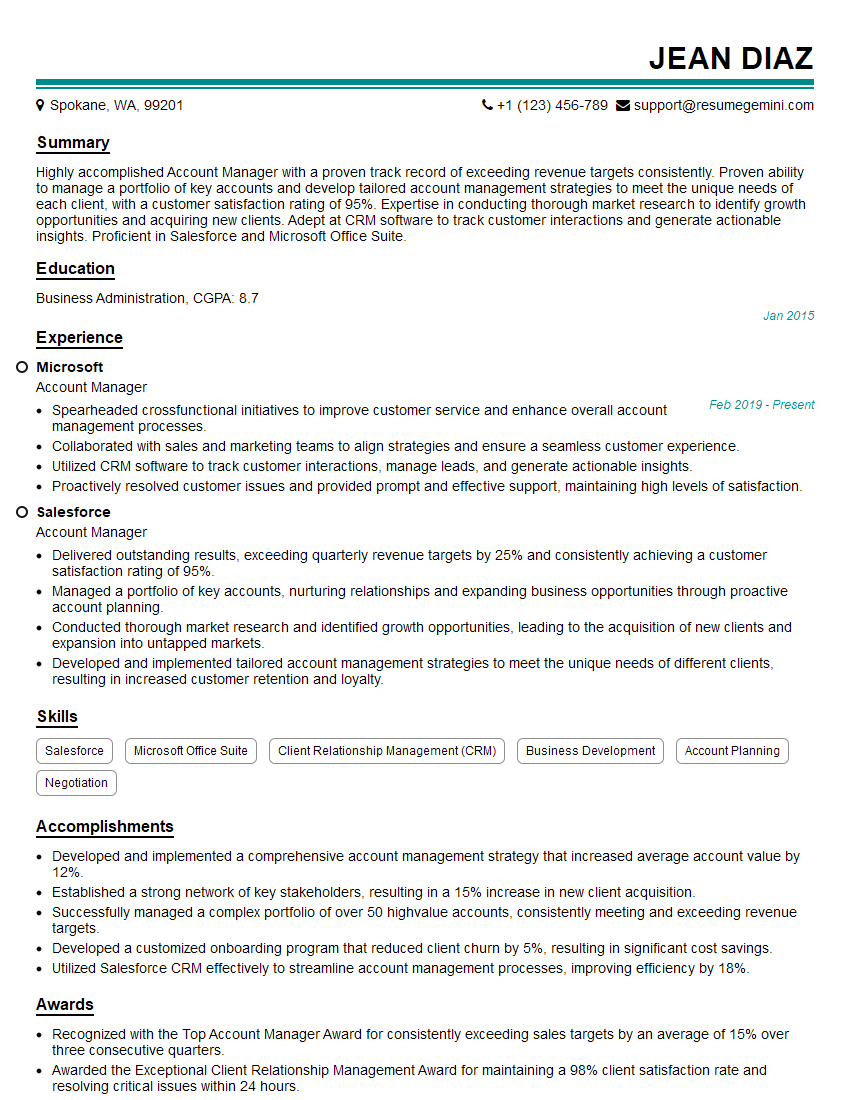
Account Manager Resume Sample
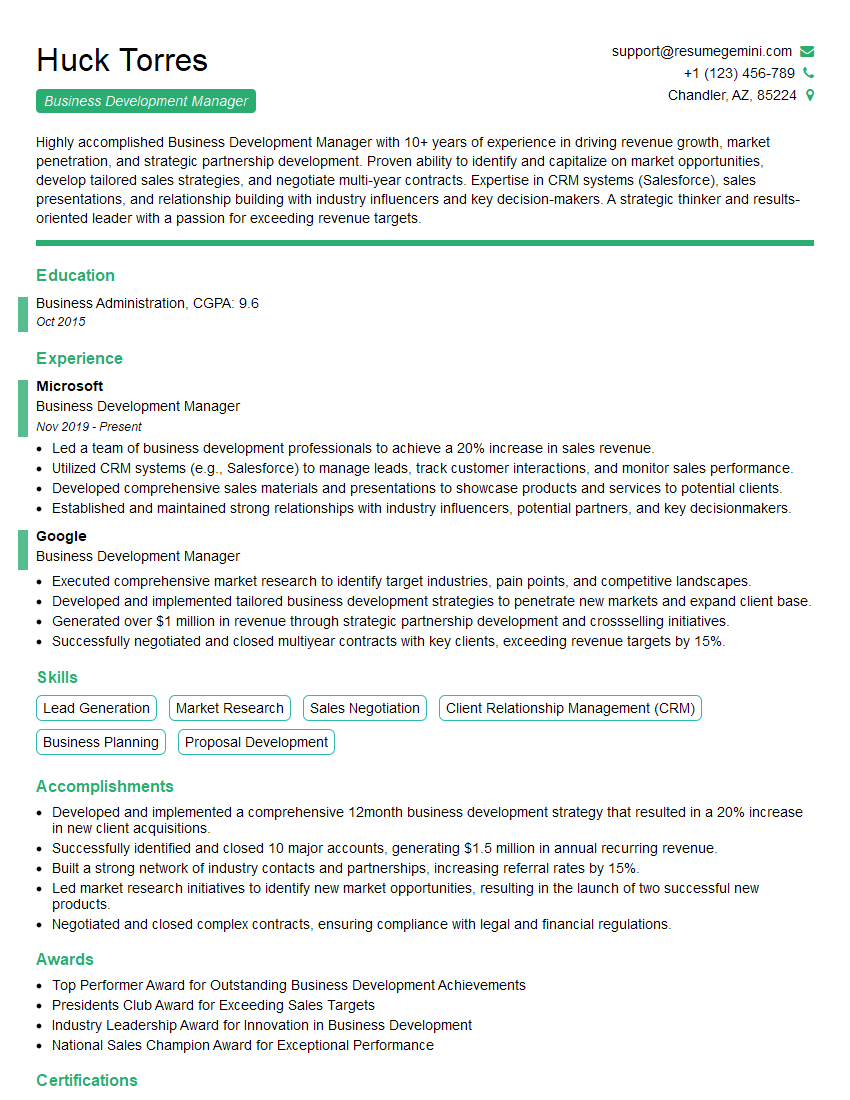
Business Development Manager Resume Sample
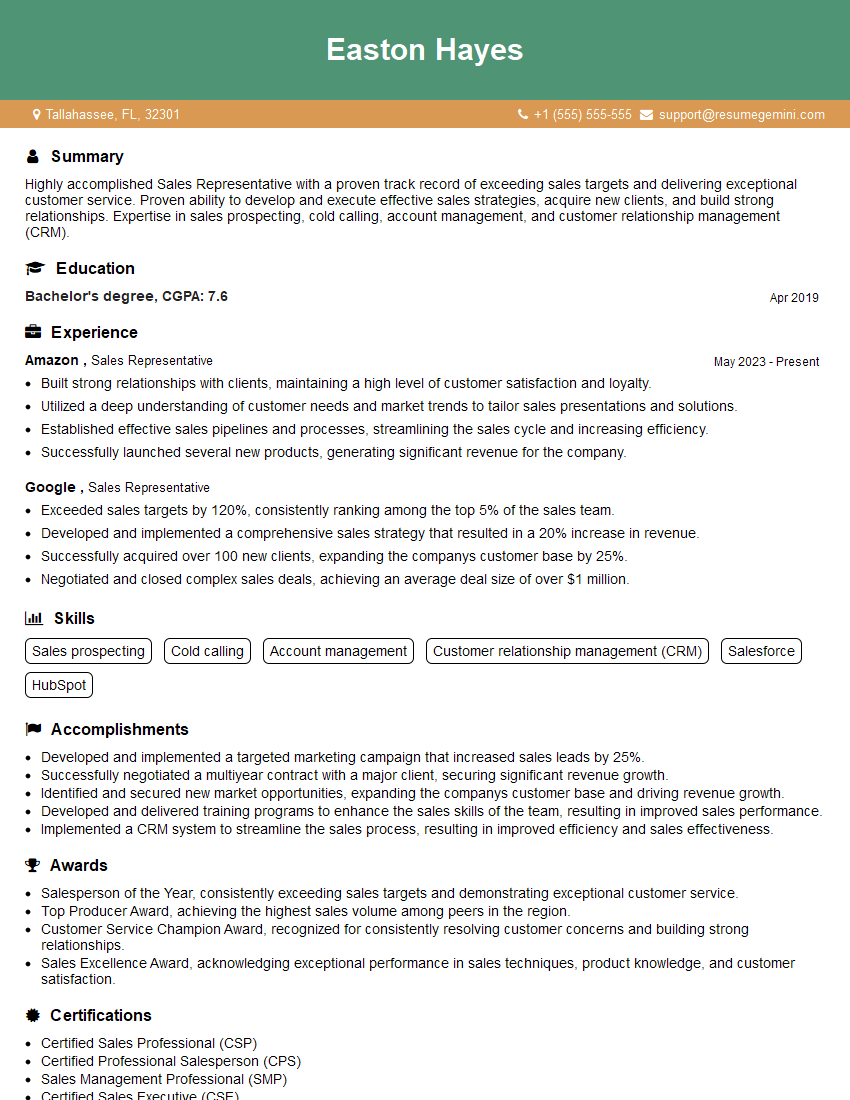
Sales Representative Resume Sample
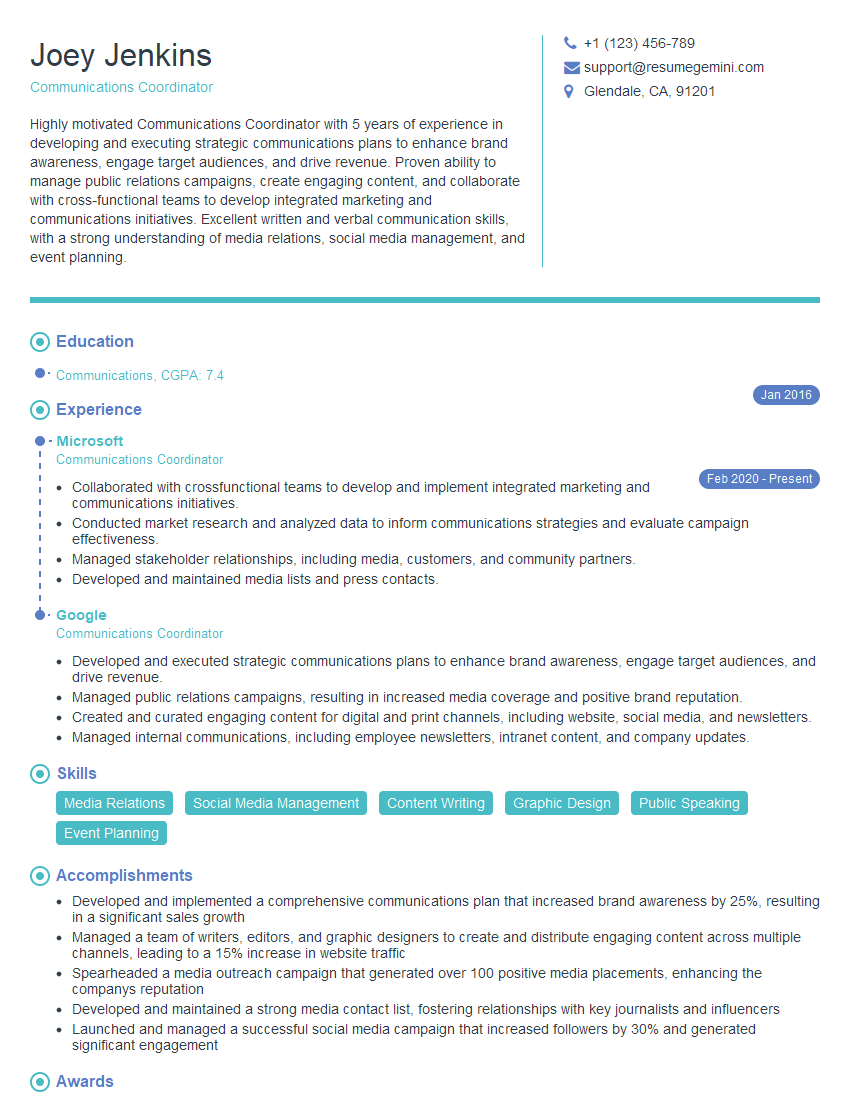
Communications Coordinator Resume Sample

Communications Director Resume Sample

Customer Service Manager Resume Sample

Marketing Communications Manager Resume Sample
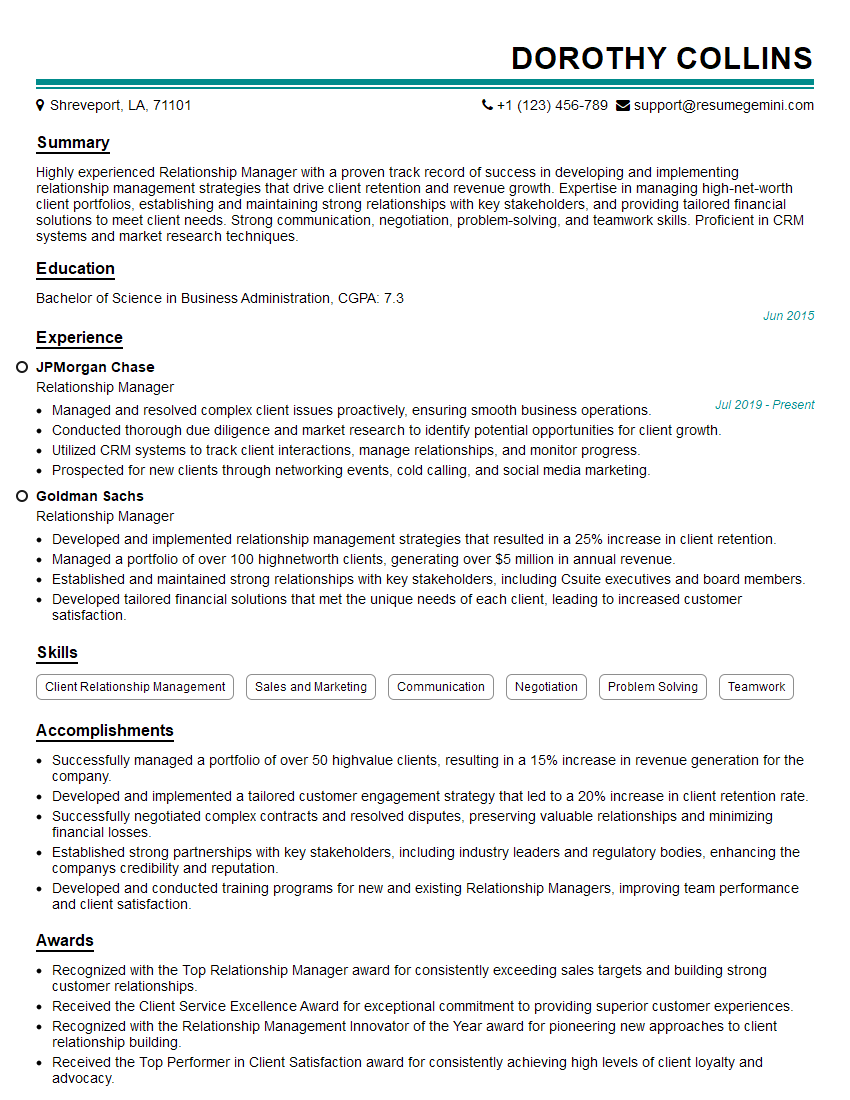
Relationship Manager Resume Sample
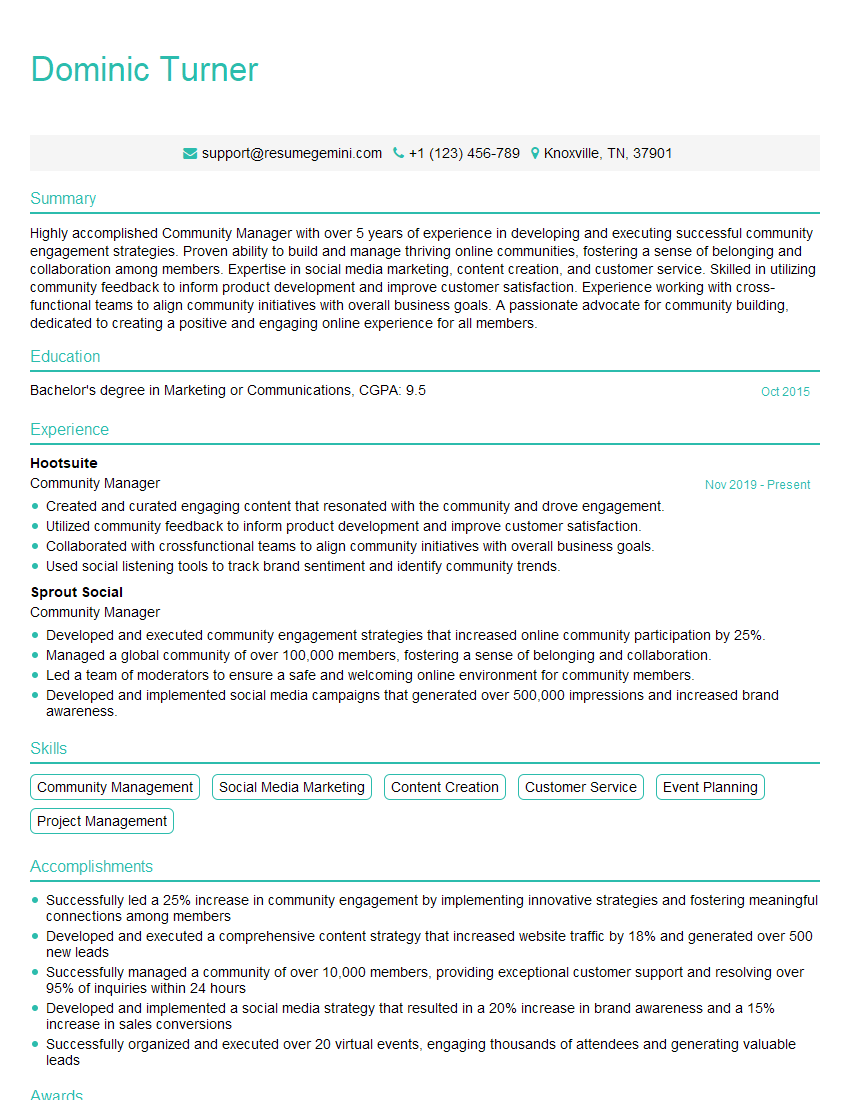
Community Manager Resume Sample

Training Specialist Resume Sample
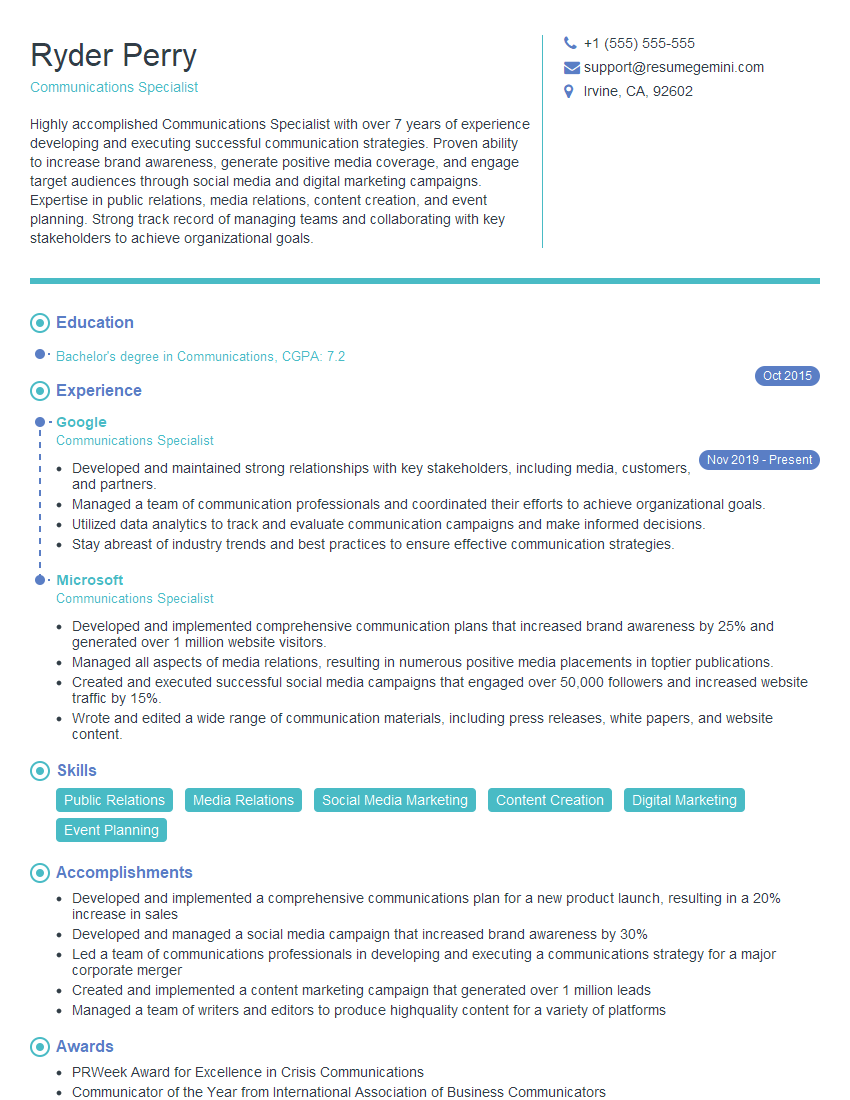
Communications Specialist Resume Sample

Social Media Manager Resume Sample
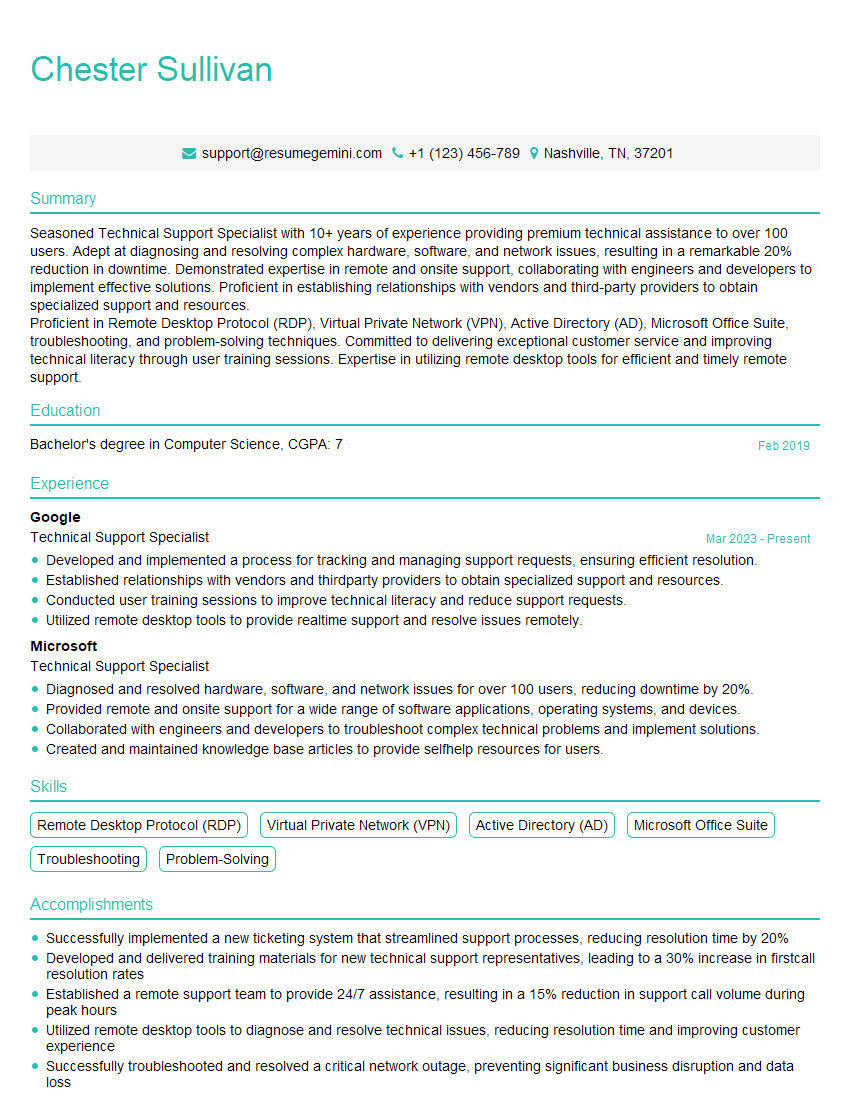
Technical Support Specialist Resume Sample
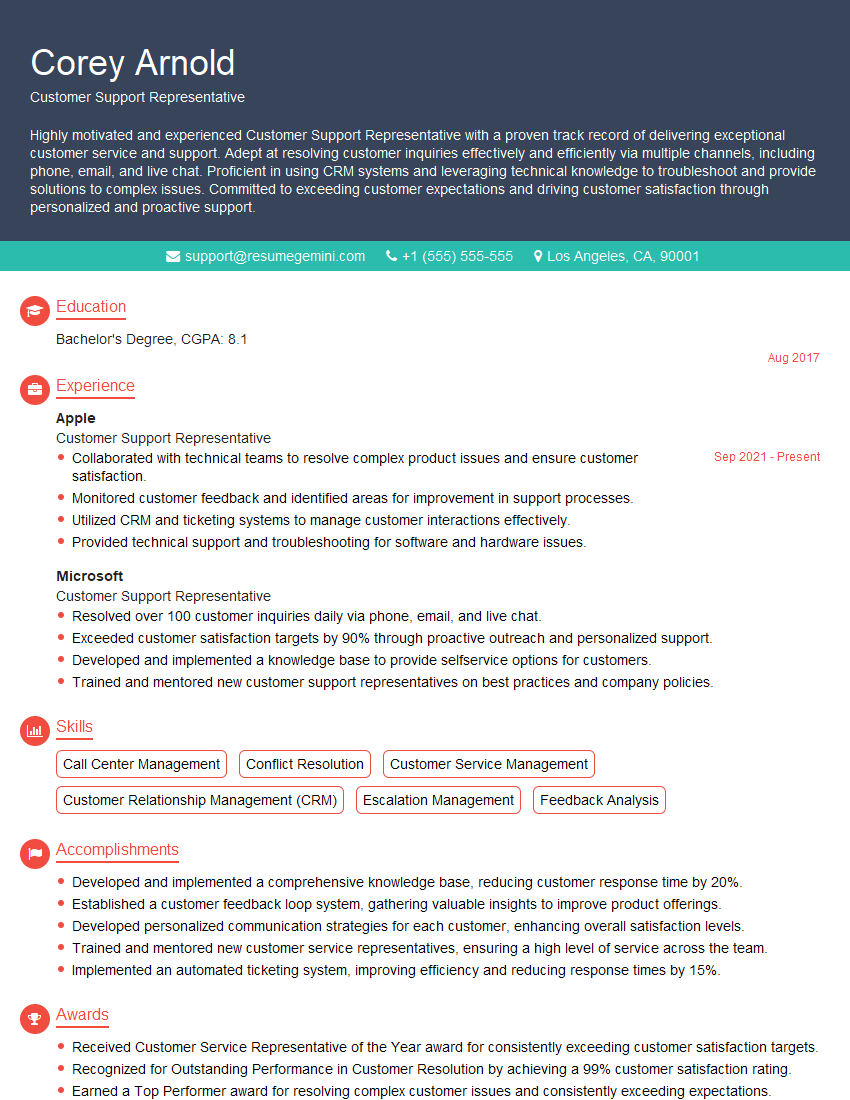
Customer Support Representative Resume Sample
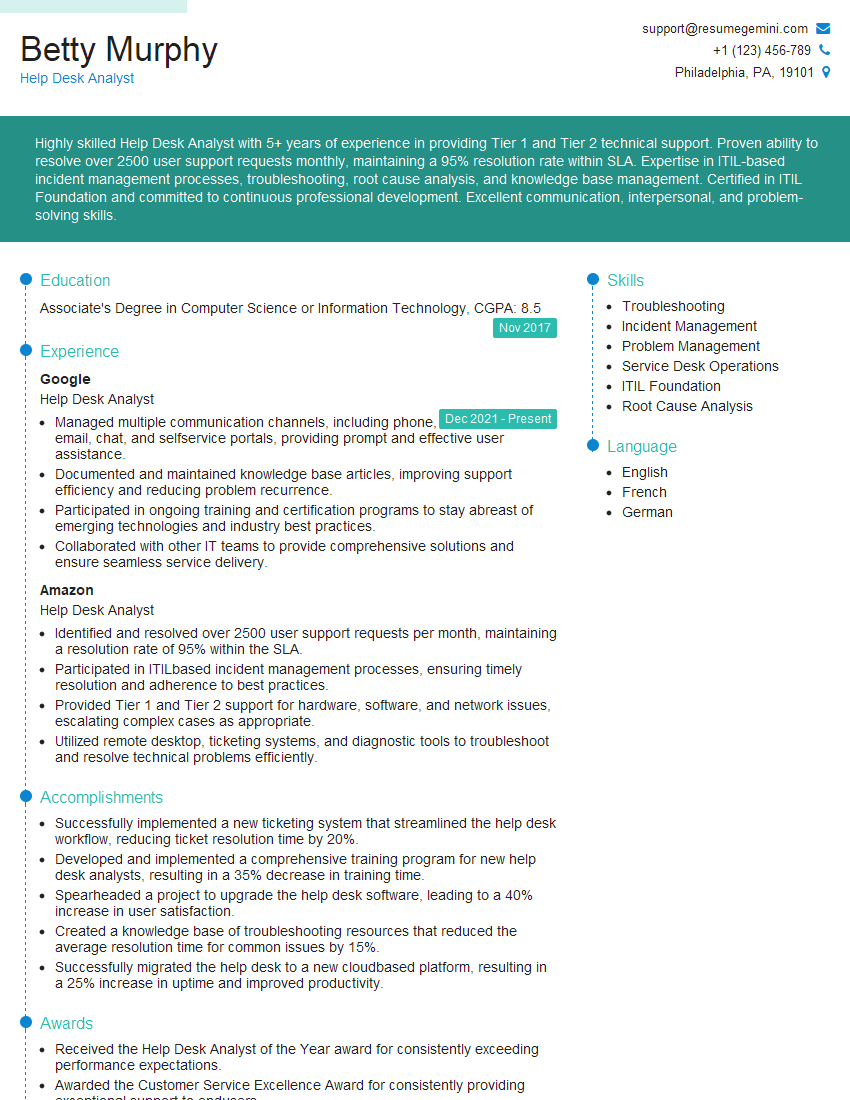
Help Desk Analyst Resume Sample
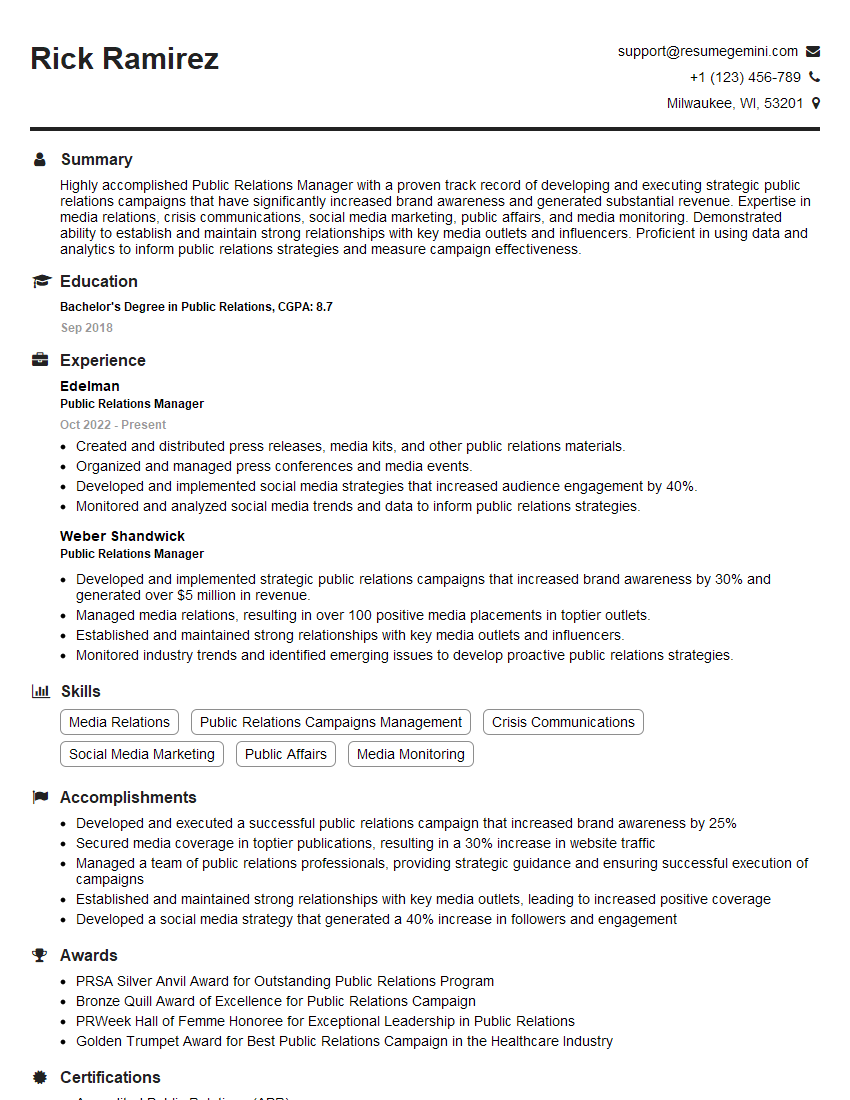
Public Relations Manager Resume Sample
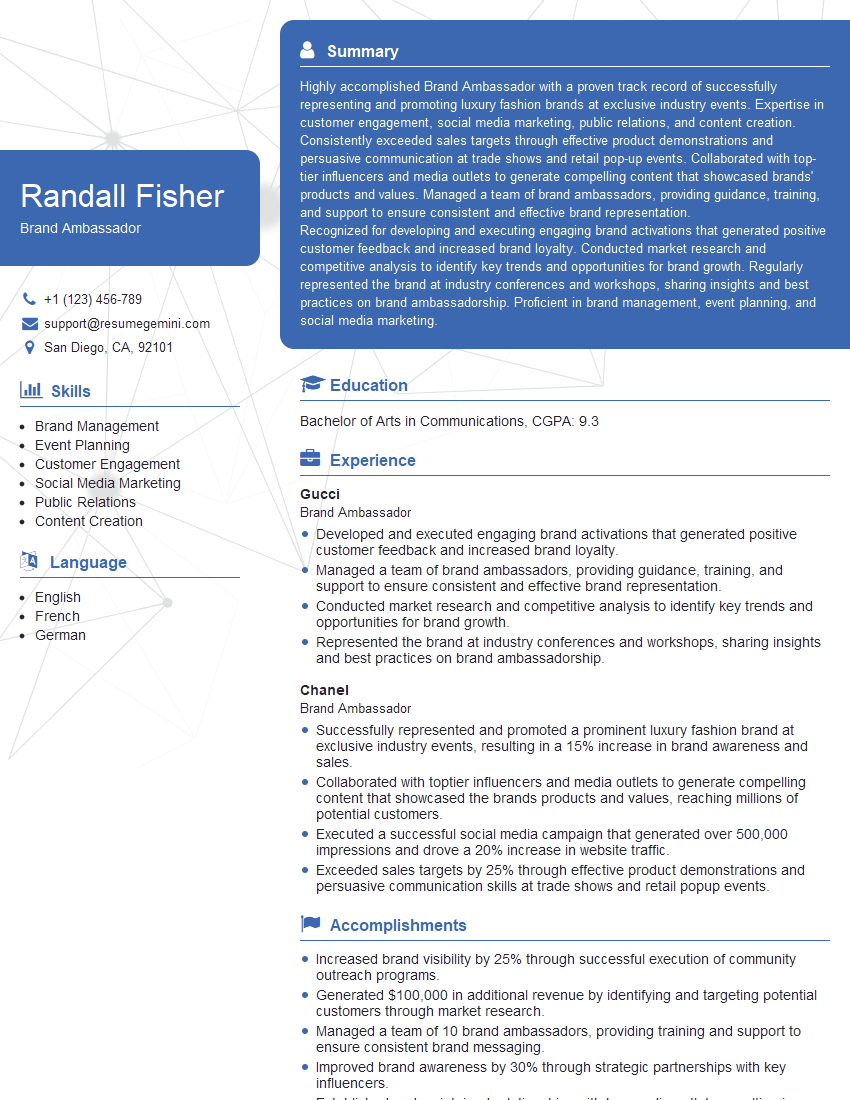
Brand Ambassador Resume Sample
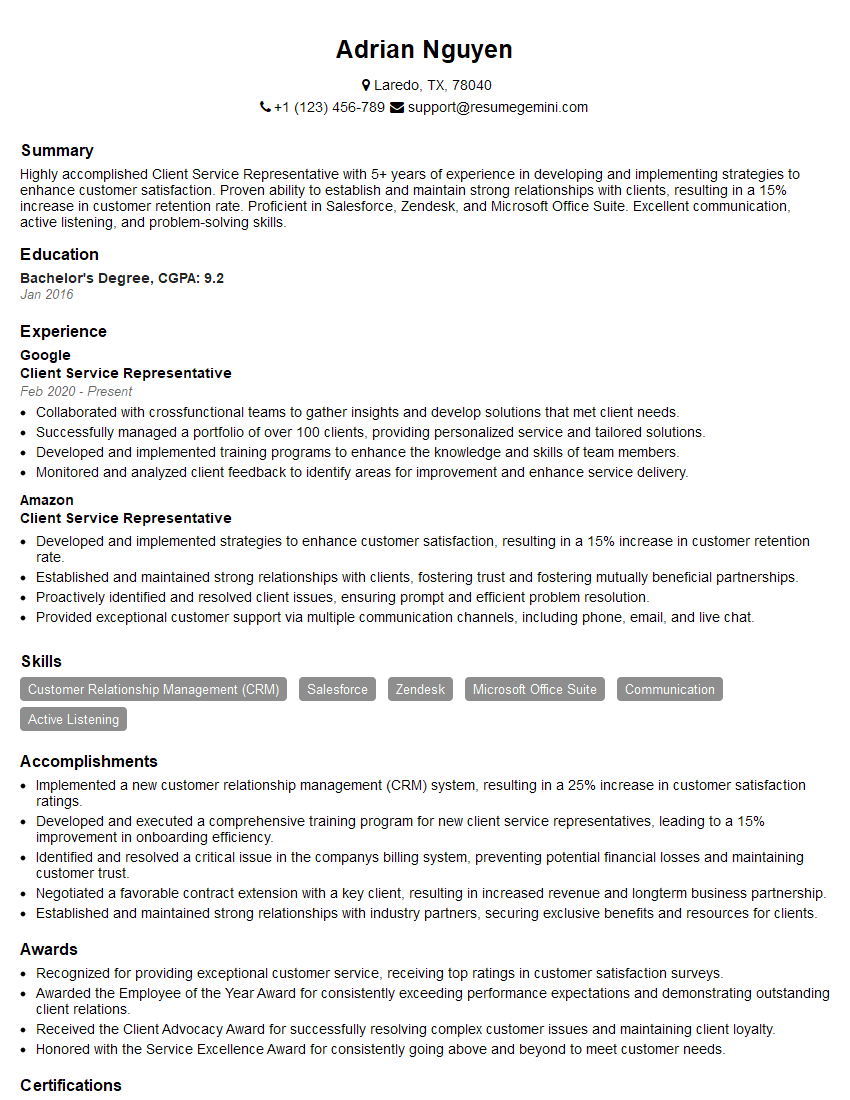
Client Service Representative Resume Sample
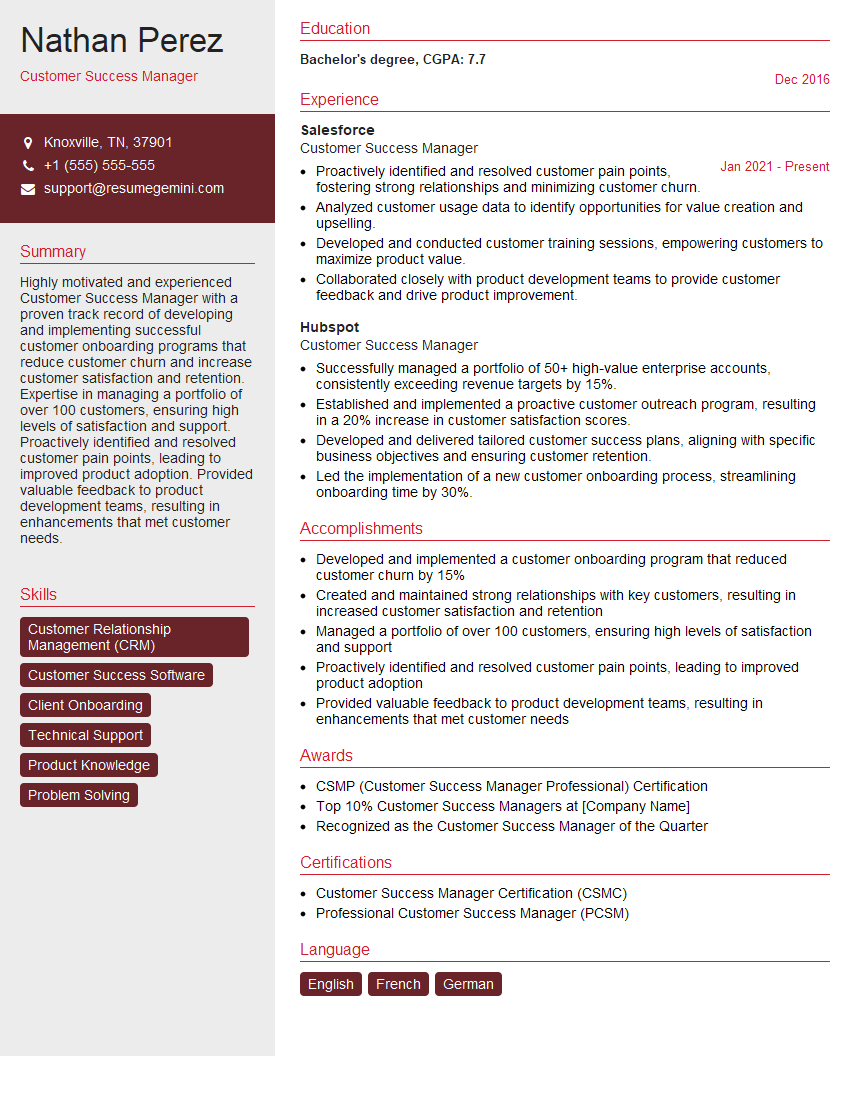
Customer Success Manager Resume Sample
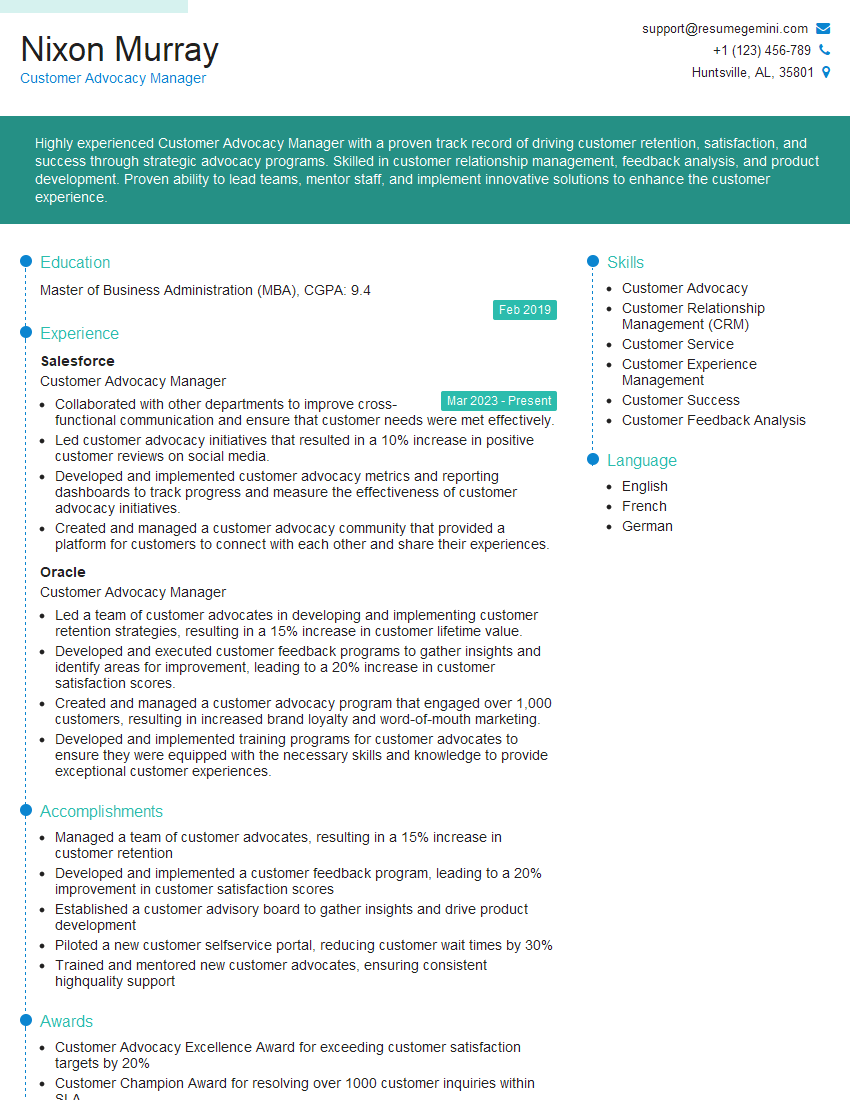
Customer Advocacy Manager Resume Sample
- Account Manager
- Business Development Manager
- Sales Representative
- Communications Coordinator
- Communications Director
- Customer Service Manager
- Marketing Communications Manager
- Relationship Manager
- Community Manager
- Training Specialist
- Communications Specialist
- Social Media Manager
- Technical Support Specialist
- Customer Support Representative
- Help Desk Analyst
- Public Relations Manager
- Brand Ambassador
- Client Service Representative
- Customer Success Manager
- Customer Advocacy Manager
Explore more articles
Users Rating of Our Blogs
Share Your Experience
We value your feedback! Please rate our content and share your thoughts (optional).
What Readers Say About Our Blog
To the interviewgemini.com Webmaster.
Very helpful and content specific questions to help prepare me for my interview!
Thank you
To the interviewgemini.com Webmaster.
This was kind of a unique content I found around the specialized skills. Very helpful questions and good detailed answers.
Very Helpful blog, thank you Interviewgemini team.